


Imagine coming home after a long day, and your furry friend is waiting at the door, tail wagging or purring excitedly. That feeling—pure, unfiltered love—reminds us just how much our pets mean to us. But being a pet parent is more than cuddles and cute photos; it’s a promise. A promise to care, to nurture, and to make their lives as happy as they make ours. Whether you’re a seasoned pet owner or new to the wild world of animal companionship, there are some weekly routines that can make all the difference. Ready to become the hero your pet already believes you are? Let’s jump into the 16 things every pet owner should do each week!
16. Refresh Food and Water Bowls

🔥 Would you like to save this?
We'll email this post to you, so you can come back to it later!
Every week, it’s crucial to give your pet’s food and water bowls a thorough clean. You’d be surprised how quickly grime and bacteria can build up, even if you rinse them daily. Use hot, soapy water and don’t forget to scrub in the little nooks where food particles hide. If you use automatic feeders or water dispensers, take them apart and clean all the components, too. Clean bowls help keep your pet healthy and prevent tummy troubles. Think of it like washing your own dishes—would you eat off a dirty plate? Neither should your pet. Plus, sparkling bowls just look nicer in your kitchen!
15. Check and Clean Bedding

🔥 Would you like to save this?
We'll email this post to you, so you can come back to it later!
Your pet’s bed might look cozy, but it’s often a playground for fur, dirt, and even pests. Once a week, shake out the bedding outside to get rid of loose hair and debris. Pop washable covers or blankets into the laundry using pet-safe detergent. If your pet has a crate or a special sleeping area, wipe down the frame or base with a damp cloth. Clean bedding means fewer allergens in your home and a comfy, fresh place for your pet to rest. Nothing beats that feeling of crawling into clean sheets—your pet feels the same way!
14. Groom and Brush Fur

🔥 Would you like to save this?
We'll email this post to you, so you can come back to it later!
Even short-haired pets benefit from a weekly brush. Regular grooming helps reduce shedding, prevent mats, and keeps their skin healthy. It’s also a special bonding time—many pets come running at the sight of their favorite brush! Take your time, and check for lumps, bumps, or any changes in their skin while you groom. For long-haired pets, detangling is a must. You’ll be amazed at how much fur you can collect in just a few minutes, and your vacuum will thank you. Grooming isn’t just about looks; it’s about health and comfort.
13. Inspect Ears and Eyes

🔥 Would you like to save this?
We'll email this post to you, so you can come back to it later!
Weekly ear and eye checks can catch problems before they become serious. Gently look for redness, swelling, or unusual discharge. Some pets are prone to ear infections or tear stains—catching these early makes treatment so much easier. Use a damp cotton ball to wipe around the eyes or ears, but never insert anything inside. If you notice a bad smell or persistent gunk, it’s time for a vet visit. Think of this as your pet’s mini health check-up, helping them stay bright-eyed and bushy-tailed.
12. Trim Nails and Check Paws

🔥 Would you like to save this?
We'll email this post to you, so you can come back to it later!
Overgrown nails can cause discomfort and even change the way your pet walks. Each week, take a look at their paws and nails. If you hear clicking on the floor or see nails curling, it’s time for a trim. Check for cuts, thorns, or anything stuck between the pads. Gently massage their feet so they get used to being handled. Keeping nails short and paws healthy means fewer accidents and happier playtime. A little paw pampering goes a long way!
11. Clean Up the Litter Box or Yard

🔥 Would you like to save this?
We'll email this post to you, so you can come back to it later!
No one likes a smelly litter box or messy yard. Scoop out waste from litter boxes daily, but give the entire box a good scrub each week with mild soap and water. For dogs, walk the yard and pick up any droppings, especially if you have kids playing outside. Fresh, clean elimination areas reduce odors and prevent health issues for both pets and humans. Plus, your house will smell a whole lot better—bonus!
10. Wash Toys and Chew Items

🔥 Would you like to save this?
We'll email this post to you, so you can come back to it later!
Pet toys get a lot of love and slobber. Each week, gather up the soft toys and toss them in the wash if they’re machine-safe. For rubber or plastic toys, scrub them with warm, soapy water, rinse well, and let them dry completely. Check for wear and tear—if a toy is falling apart, it’s time to say goodbye. Clean toys not only last longer but also keep your pet safer from harmful bacteria or swallowed pieces.

Glass Hummingbird Feeder for Outdoors Hanging, 16 oz Leak-Proof Nectar Feeder with Bee Guards & Ant Moat
Check Price on AmazonAs an Amazon Associate, we earn from qualifying purchases.
10/7/2026 1:22 pm GMTi

Hand Blown Glass Hummingbird Feeders for Outdoors Hanging, 24oz Wild Bird Nectar Feeder
Check Price on AmazonAs an Amazon Associate, we earn from qualifying purchases.
10/7/2026 1:23 pm GMTi

2 Pcs Halloween Pet Hat Bandana Set, Witch Pumpkin Costumes for Dogs
Check Price on AmazonAs an Amazon Associate, we earn from qualifying purchases.
10/9/2026 2:45 pm GMTi

Orthopedic Extra Large Dog Bed, Waterproof Washable XL Pet Bed 44"
Check Price on AmazonAs an Amazon Associate, we earn from qualifying purchases.
10/7/2026 1:32 pm GMTi

PetSafe Oasys Pet Fountain, 1/2 Gallon (64 oz), Small Dogs & Cats
Check Price on AmazonAs an Amazon Associate, we earn from qualifying purchases.
10/8/2026 8:14 am GMTi
9. Monitor Eating and Drinking Habits

🔥 Would you like to save this?
We'll email this post to you, so you can come back to it later!
Keep an eye on how much your pet eats and drinks each week. Sudden changes can be a red flag for health issues. Jot down notes if you notice your pet is leaving food behind, drinking more than usual, or begging for extra meals. These small observations help you spot problems early. If anything seems off for more than a couple of days, reach out to your vet. Remember, you know your pet best, and small changes often mean big things.
8. Spend Quality Playtime Together

🔥 Would you like to save this?
We'll email this post to you, so you can come back to it later!
Life gets busy, but your pet’s happiest moments are spent with you. Set aside time each week for special play sessions—fetch in the backyard, a new trick, or just a snuggle on the couch. Play isn’t just fun; it keeps your pet’s mind sharp and their body active. You’ll notice their mood brighten, and it’s a wonderful way to strengthen your bond. A bored pet can get into mischief, so a little play goes a long way toward a peaceful home!
7. Check for Fleas, Ticks and Parasites

🔥 Would you like to save this?
We'll email this post to you, so you can come back to it later!
Even with preventive treatments, it’s wise to do a weekly check for fleas, ticks, or other unwelcome hitchhikers. Run your hands through your pet’s fur and look at common hiding spots—behind ears, around the tail, and under the collar. If you spot something suspicious, act quickly. Early detection means easier treatment and less discomfort for your pet. Treating your home and yard as needed can also help keep pests at bay.
6. Review and Restock Supplies

🔥 Would you like to save this?
We'll email this post to you, so you can come back to it later!
Running out of food, litter, or medication is no fun for anyone. Once a week, take a quick inventory of your pet supplies. Make a shopping list for anything running low. This includes treats, grooming products, poop bags, and even cleaning supplies. Staying organized means you’re never caught off guard. Plus, it’s a great excuse to grab your pet’s favorite new toy!
5. Update Identification Tags and Microchip Info

🔥 Would you like to save this?
We'll email this post to you, so you can come back to it later!
It only takes a moment for a collar to break or a tag to fall off. Once a week, check your pet’s ID tags for wear and tear, and make sure all info is up to date. If you’ve moved or changed phone numbers recently, update your pet’s microchip records. Quick checks help ensure your pet can make it back to you if they ever get lost. It’s a tiny step that could make all the difference in an emergency.

Halloween Cat Costume Cloak Witch Hat Pet Accessories
Check Price on AmazonAs an Amazon Associate, we earn from qualifying purchases.
10/9/2026 2:44 pm GMTi

Glass Hummingbird Feeder for Outdoors Hanging
Check Price on AmazonAs an Amazon Associate, we earn from qualifying purchases.
10/7/2026 1:21 pm GMTi

Dog Stairs for Bed 18" H, 4-Step Dog Steps for High Bed
Check Price on AmazonAs an Amazon Associate, we earn from qualifying purchases.
10/9/2026 2:42 pm GMTi

Halloween Dog Collar with Bow, Orange Cute Ghost Collar,
Check Price on AmazonAs an Amazon Associate, we earn from qualifying purchases.
10/9/2026 2:43 pm GMTi

Smart Bird Feeder with Camera Solar Powered, 2K HD Live Video, 10,000+ Bird Species AI Identification
Check Price on AmazonAs an Amazon Associate, we earn from qualifying purchases.
10/7/2026 1:22 pm GMTi
4. Socialize and Expose to New Experiences

🔥 Would you like to save this?
We'll email this post to you, so you can come back to it later!
Pets thrive on new sights, sounds, and smells. Each week, try to introduce your pet to something different—a walk in a new park, a car ride, or meeting a neighbor’s dog (safely, of course). This helps them become well-adjusted and less fearful of changes. Socialization isn’t just for puppies; older pets benefit, too. You might even discover a new favorite activity together!
3. Observe for Signs of Illness or Discomfort

🔥 Would you like to save this?
We'll email this post to you, so you can come back to it later!
Your pet can’t tell you when something’s wrong, so it’s up to you to notice. Watch for limping, changes in appetite or behavior, coughing, sneezing, or anything out of the ordinary. Trust your gut—if your pet seems “off,” don’t wait. Early intervention is the best medicine. Sometimes, just sitting quietly with your pet can reveal if they’re not feeling their best.
2. Practice Training and Reinforce Good Behavior

🔥 Would you like to save this?
We'll email this post to you, so you can come back to it later!
Training isn’t just for puppies; it’s a lifelong process. Spend a few minutes each week reviewing commands or teaching something new. Use treats, praise, and patience—nothing fancy required. Regular training keeps your pet’s mind engaged and makes life together much smoother. It’s also a great way to show your pet they’re loved and understood.

Air Purifiers for Home Pets Large Room Up to 3000 Ft²,HEPA Air Cleaner with Washable Double-Side Filter, PM2.5 Air Quality Monitor,15dB Sleep Mode for Bedroom Odor Dust Pollen,White
Check Price on AmazonAs an Amazon Associate, we earn from qualifying purchases.
10/8/2026 8:23 am GMTi

Professional 7 in 1 Dog Paw Cleaner for Dogs & Cats - Includes 1 Portable Paw Washer, 1 Bath Brush
Check Price on AmazonAs an Amazon Associate, we earn from qualifying purchases.
10/7/2026 1:26 pm GMTi

Earth Rated XL Dog & Puppy Pee Pads, Discreet Top, Max Absorbency
Check Price on AmazonAs an Amazon Associate, we earn from qualifying purchases.
10/7/2026 1:28 pm GMTi

Portable Dog Water Bottle Foldable Dog Travel Water Bottle
Check Price on AmazonAs an Amazon Associate, we earn from qualifying purchases.
10/7/2026 1:29 pm GMTi
1. Give Extra Love and Affection

🔥 Would you like to save this?
We'll email this post to you, so you can come back to it later!
Above all, remember to shower your pet with love. Whether it’s an extra cuddle, a belly rub, or a gentle word, your affection means the world to them. Pets pick up on our moods and energy, so make time to connect. These moments don’t cost a thing but pay off in loyalty, trust, and a friendship like no other. After all, isn’t love what makes life with pets so special?
Conclusion
🔥 Would you like to save this?
We'll email this post to you, so you can come back to it later!
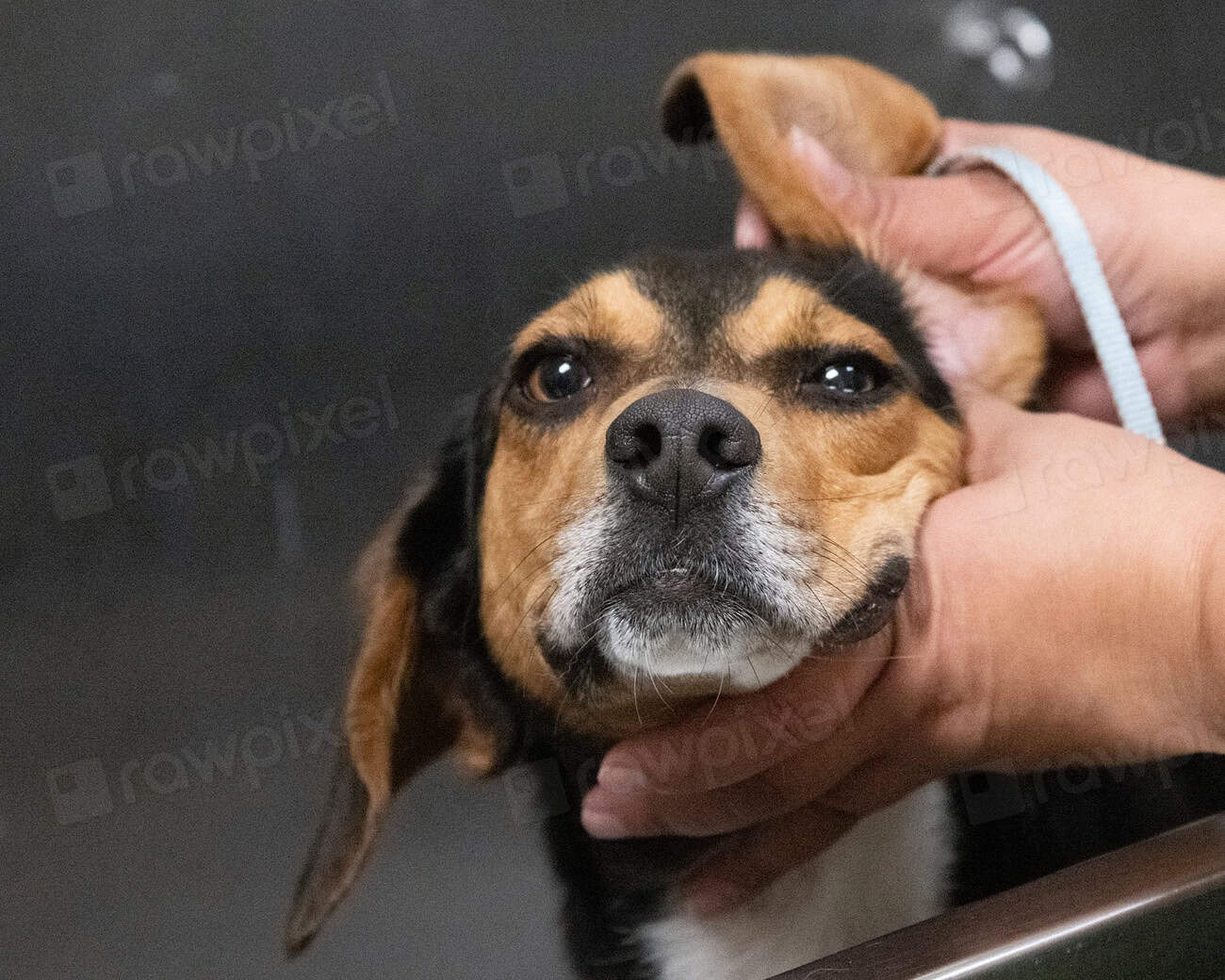
Caring for a pet is a joyful responsibility, filled with small rituals that build trust and happiness. By weaving these 16 habits into your weekly routine, you’re not just meeting needs—you’re building a foundation for a loving, healthy life together. Did you expect so many little things could make such a big difference?

As a little kid, I fell in love with nature, wildlife, and animals. Living in the USA, South Africa, Italy, China and Germany gave me the opportunity to discover the world's Wildlife. My favorite animals are Mountain Gorillas, Siberian Tigers, and Great White Sharks.
I'm a certified PADI Open Water Diver, went to Everest Base Camp and Trekked Gorillas in Uganda. I hold a Master of Science in Economics and Finance.
Please send any feedback to feedback@animalsaroundtheglobe.com
- 12 Ways to Tell If a Wildlife Tourism Spot Is Ethical - November 9, 2026
- 10 Ways Fish Defend Themselves And 4 That Do Not Work - November 9, 2026
- The Most Popular Mini Mammals in the Exotic Pet Trade - November 9, 2026
Leave a comment
You must be logged in to post a comment.