

Your vet has already formed a working theory about your pet, and quietly about you, before you say a single word. Most owners think the appointment begins when the exam room door clicks shut. It actually begins in the parking lot, in the way a leash tightens or a carrier gets hoisted out of the back seat.
Vets and their teams collect clues from the moment you arrive, and they use them to predict how the exam will go. Some of these cues are backed by real research. Others are clinical instinct that science hasn’t fully tested. A few are things you would never guess anyone was watching. The one at number 1 is what vets say matters most, and it has nothing to do with research or records.
#8 – The Way Your Pet Arrives

🔥 Would you like to save this?
We'll email this post to you, so you can come back to it later!
The first clue is whether your pet walks in, drags in, or gets carried in. Staff often notice the carrier or the leash before they see your face. A cat that has to be pried out of a carrier, or a dog hauling you across the lobby like a sled team, says a lot about how this pet handles pressure.
This is more than a hunch. Research on cats notes that reluctance to visit may relate to difficulty placing the cat in the carrier, behavior during transport, and reactions during the consultation. The trouble often starts at home, long before the drive.
Fear also changes how a body looks. It alters posture, breathing and behavior, and a panicking pet can mask the very signs the vet needs to see. A pet that arrives terrified can hide the symptoms you came in for. The vet may spend half the visit just waiting for the animal to settle enough to be examined.
Vets often point to one habit that separates calm arrivals from chaotic ones:
- Carrier left out at home: the pet may treat it as a safe space, a spot for naps and treats
- Carrier pulled from storage only on vet day: the pet learns it means trouble
But what happens next in the waiting room reveals something owners almost never expect…
#7 – Your Own Body Language

🔥 Would you like to save this?
We'll email this post to you, so you can come back to it later!
Vets are watching you as closely as they watch your pet. Tense shoulders, a white-knuckle grip, fast talking and constant hovering all register. These habits change how you hold and move your animal, and your pet feels every bit of it.
The research on this is real, but mixed. In a Belfast study, changes in an owner’s heart rate significantly predicted changes in the dog’s heart rate. A separate study found no correlation between owner anxiety and cat stress during consultations. So the link may depend on the species, the setting, or the individual pet.
Dogs seem to use you as an anchor. Earlier work found dogs moved closer to their owner, but not to other people, even familiar ones, when anxious or afraid. Your presence helps. Your panic may not.
Here is what vets say they notice most:
- A tight leash or a pet held too close to the chest
- Rapid, nervous talking that doesn’t stop
- Pacing, or apologizing for the pet before anything has happened
And the way you talk to your pet is the next giveaway, because it can backfire…
#6 – How You Speak to Your Pet
🔥 Would you like to save this?
We'll email this post to you, so you can come back to it later!
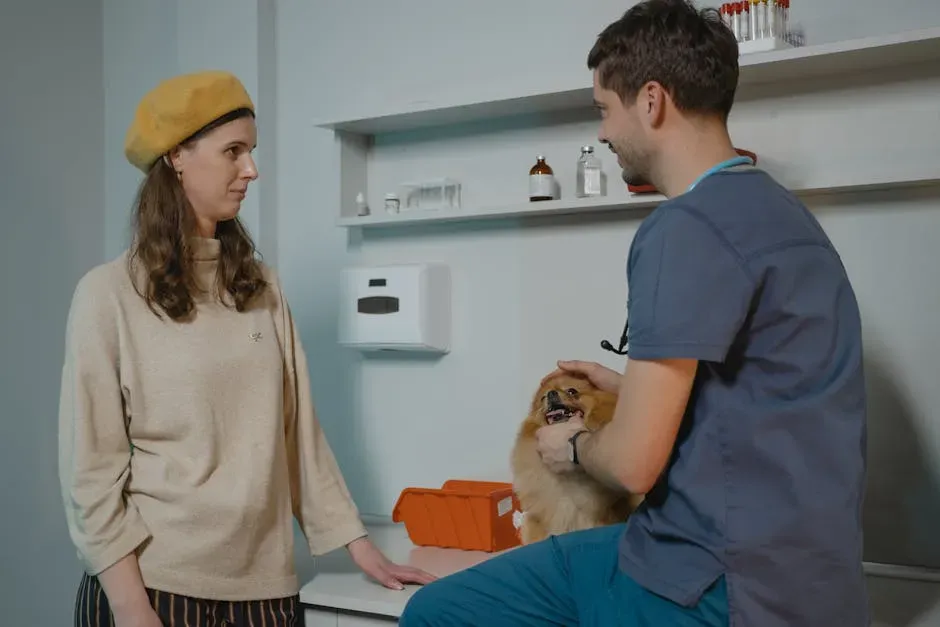
Your tone of voice can make the exam harder or easier. Most owners assume soothing is always the right move. It turns out to be more complicated.
The clearest finding goes the other way. In a French study of dogs and owners, scolding by the owner during the examination heightened the animal’s anxiety, and it should be avoided. Frustration at a squirming dog is human. It still makes things worse.
Then there’s the opposite mistake. Many vets argue that over-comforting can reinforce fear, because the pet learns there is something to be afraid of. This is contested among behavior experts, so treat it as a clinical rule of thumb, not settled science.
Quick Compare
- Scolding: research links it to higher anxiety in dogs during exams
- Anxious over-soothing: a common vet worry, but still debated among experts
- Calm, normal voice plus rewards: the approach most vets recommend
Here’s my take: the high-pitched “it’s okay, it’s okay, it’s okay” on repeat is the biggest mistake owners make. To a nervous animal, it sounds like an alarm. Staying calm, using a normal voice and rewarding brave behavior tends to work better.
Still, tone is nothing compared to what’s in your hands when you walk through the door…
#5 – What You Bring With You

🔥 Would you like to save this?
We'll email this post to you, so you can come back to it later!
An organized owner can save the vet an hour of guessing. Vets notice who walks in with a phone full of photos and a bag of information. They also notice who arrives with only a worried look. Neither owner is a bad person, but one appointment will be much more useful.
Pets are poor historians, and many animals behave far more normally in a clinic than they do at home. Adrenaline can hide a limp, quiet a cough and suppress a pet’s usual quirks. The dog that was wheezing all night may trot into the exam room like an athlete.
The most helpful owners bring:
- Names and doses of all medications and supplements (a phone photo of each label works)
- The food brand, plus treats, chews and table scraps
- Records from any other clinic
- A sample, such as stool or urine, if the clinic asked for one
Then there’s the item owners forget most often: evidence of the problem itself.
But the next clue doesn’t need a phone, because the vet can see it from across the room…

Portable Dog Water Bottle Foldable Dog Travel Water Bottle
Check Price on AmazonAs an Amazon Associate, we earn from qualifying purchases.
10/7/2026 1:29 pm GMTi

Earth Rated XL Dog & Puppy Pee Pads, Discreet Top, Max Absorbency
Check Price on AmazonAs an Amazon Associate, we earn from qualifying purchases.
10/7/2026 1:28 pm GMTi

Professional 7 in 1 Dog Paw Cleaner for Dogs & Cats - Includes 1 Portable Paw Washer, 1 Bath Brush
Check Price on AmazonAs an Amazon Associate, we earn from qualifying purchases.
10/7/2026 1:26 pm GMTi

Orthopedic Extra Large Dog Bed, Waterproof Washable XL Pet Bed 44"
Check Price on AmazonAs an Amazon Associate, we earn from qualifying purchases.
10/7/2026 1:32 pm GMTi

Smart Bird Feeder with Camera Solar Powered, 2K HD Live Video, 10,000+ Bird Species AI Identification
Check Price on AmazonAs an Amazon Associate, we earn from qualifying purchases.
10/7/2026 1:22 pm GMTi
#4 – Your Pet’s Physical Condition
🔥 Would you like to save this?
We'll email this post to you, so you can come back to it later!
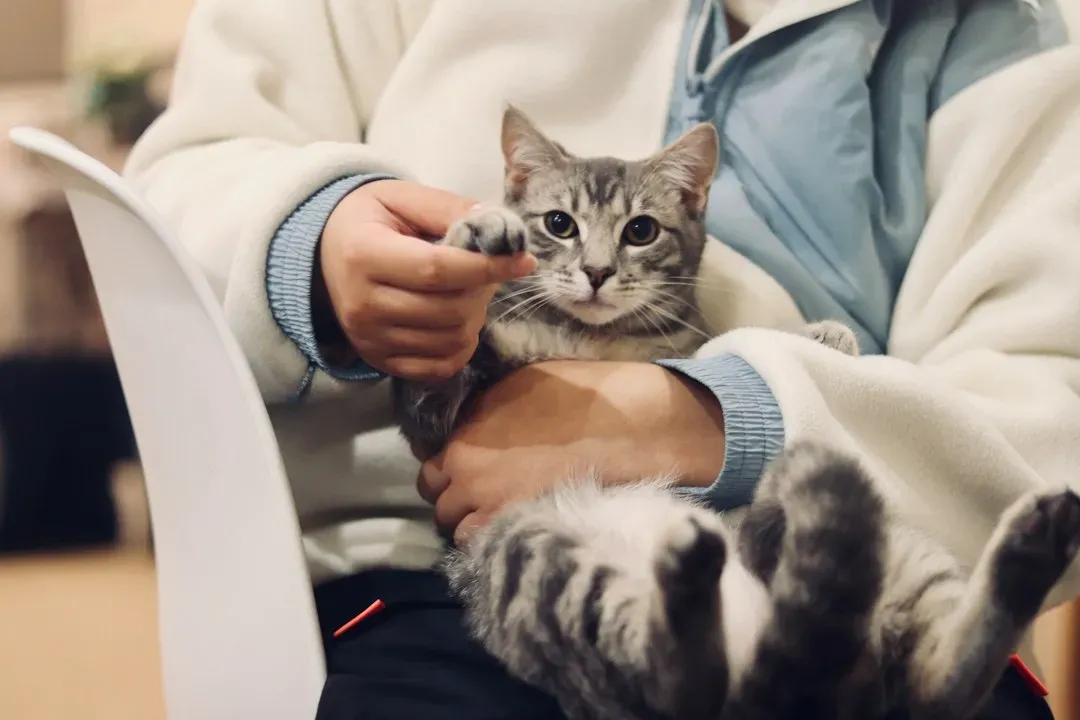
Your pet’s body tells the vet how daily life at home has been going. Within moments, vets assess weight, coat, nails, ears, teeth and skin. It can feel like judgment, but it’s really the baseline for everything else in the exam. Overgrown nails, matted fur and heavy dental buildup tell a quiet story about routines.
Weight is the loudest signal. Vets use body condition scoring, which relies on touch as well as sight. Fur can hide a lot, and a pet that looks fine from the doorway can feel very different under the hands. As a general rule, you should be able to feel a pet’s ribs under a thin layer of padding without pressing hard.
Fast Facts
- Many clinics score body condition on a 9-point scale, where 4 to 5 is generally considered ideal
- From above, a healthy pet usually shows a visible waist behind the ribs
- From the side, the belly should tuck up slightly rather than hang level or sag
- Thick fur can hide extra weight, so vets rely on hands as much as eyes
Here’s the opinion that stings: “He’s just big-boned” is a sentence vets hear a lot, and it usually means a weight conversation is coming. Treats feel like love. For many pets, they are also the main source of extra calories.
Weight loss is as much about owners as pets. Researchers note that owner behavior change is critical for successful pet weight loss. The vet isn’t only looking at your pet. They’re sizing up how ready you are to change the routine.
The way you describe what’s wrong comes next, and it matters more than most owners think…
#3 – How You Describe the Problem
🔥 Would you like to save this?
We'll email this post to you, so you can come back to it later!
“He’s just not himself” is the sentence vets can do the least with. It’s heartfelt and completely understandable. It also gives the vet almost nothing to go on.
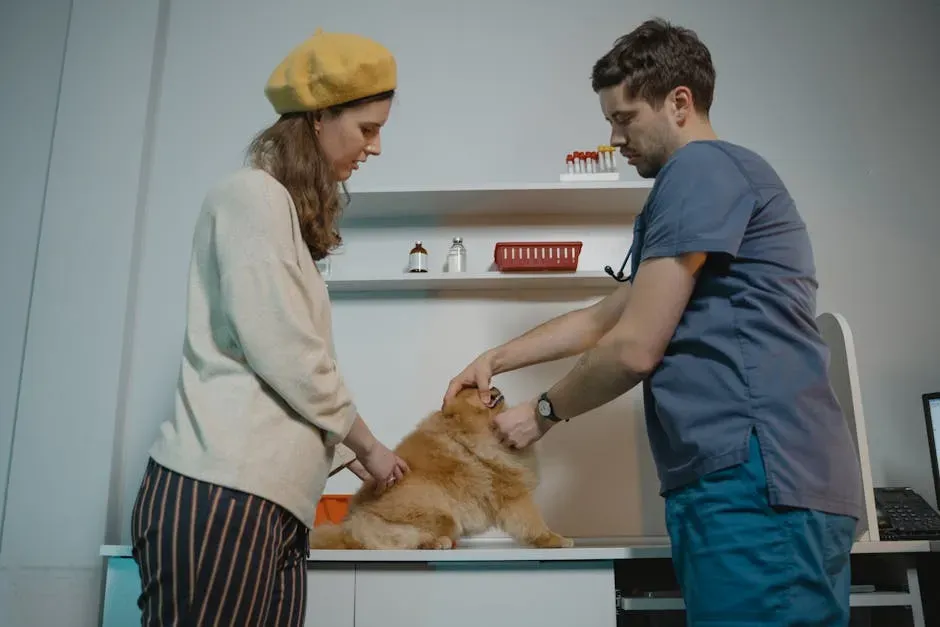
Vets listen for detail. When did it start? How often does it happen? What changed around that time? What makes it better or worse? Owners who can answer those questions give the vet a head start.
Compare two descriptions. The vague version is “he’s slowing down.” The specific version is “he hesitates before jumping on the couch, mostly in the morning.” A specific observation can point somewhere a vague one cannot.
Many different illnesses look identical from the outside. A pet that drinks more, eats less or hides under the bed could have a dozen different causes. Your timeline helps the vet decide which tests are worth running.
Useful details to jot down before you go:
- When you first noticed the change, and how it has progressed
- Appetite, water intake, litter box or bathroom habits
- Anything new: food, home, family, routine
Some owners arrive with the answer already decided, and that’s where things get tricky…
#2 – What You’ve Already Decided

🔥 Would you like to save this?
We'll email this post to you, so you can come back to it later!
The most telling thing about you may be the diagnosis you’ve brought with you. Vets can tell when an owner has already searched the internet, asked a group chat and settled on a verdict. Researching your pet’s symptoms isn’t the mistake, and many vets welcome informed owners. The trouble starts when the research becomes the conclusion.
Home remedies also come into play. Some common human medications, such as ibuprofen and acetaminophen, can be dangerous to pets, especially cats. Ibuprofen can cause stomach ulcers and kidney damage, and acetaminophen can harm a cat’s red blood cells. Vets want to know what you’ve given before the exam, even if you’re embarrassed.

Halloween Cat Costume Cloak Witch Hat Pet Accessories
Check Price on AmazonAs an Amazon Associate, we earn from qualifying purchases.
10/9/2026 2:44 pm GMTi

Glass Hummingbird Feeder for Outdoors Hanging, 16 oz Leak-Proof Nectar Feeder with Bee Guards & Ant Moat
Check Price on AmazonAs an Amazon Associate, we earn from qualifying purchases.
10/7/2026 1:22 pm GMTi

Halloween Dog Collar with Bow, Orange Cute Ghost Collar,
Check Price on AmazonAs an Amazon Associate, we earn from qualifying purchases.
10/9/2026 2:43 pm GMTi

2 Pcs Halloween Pet Hat Bandana Set, Witch Pumpkin Costumes for Dogs
Check Price on AmazonAs an Amazon Associate, we earn from qualifying purchases.
10/9/2026 2:45 pm GMTi

Air Purifiers for Home Pets Large Room Up to 3000 Ft²,HEPA Air Cleaner with Washable Double-Side Filter, PM2.5 Air Quality Monitor,15dB Sleep Mode for Bedroom Odor Dust Pollen,White
Check Price on AmazonAs an Amazon Associate, we earn from qualifying purchases.
10/8/2026 8:23 am GMTi
Worth Knowing
- Ibuprofen and acetaminophen are common culprits in accidental pet poisonings
- Xylitol, a sweetener in some gums and baked goods, is highly toxic to dogs
- Grapes and raisins can also be dangerous for dogs
- When in doubt, call the clinic or a pet poison hotline before giving anything
Some will say the internet has made owners better advocates, and in many cases it has. The harder truth is that a search engine can’t feel a belly, listen to a heart or notice a subtle change in the eyes.
Honest disclosure helps most. Tell the vet what you gave, when and how much, even if it was the wrong call. Nobody on that team has time to be shocked, and they’ve heard it all before.
But the number one thing vets notice has nothing to do with research or records…
#1 – How Well You Know Your Pet’s Normal
🔥 Would you like to save this?
We'll email this post to you, so you can come back to it later!
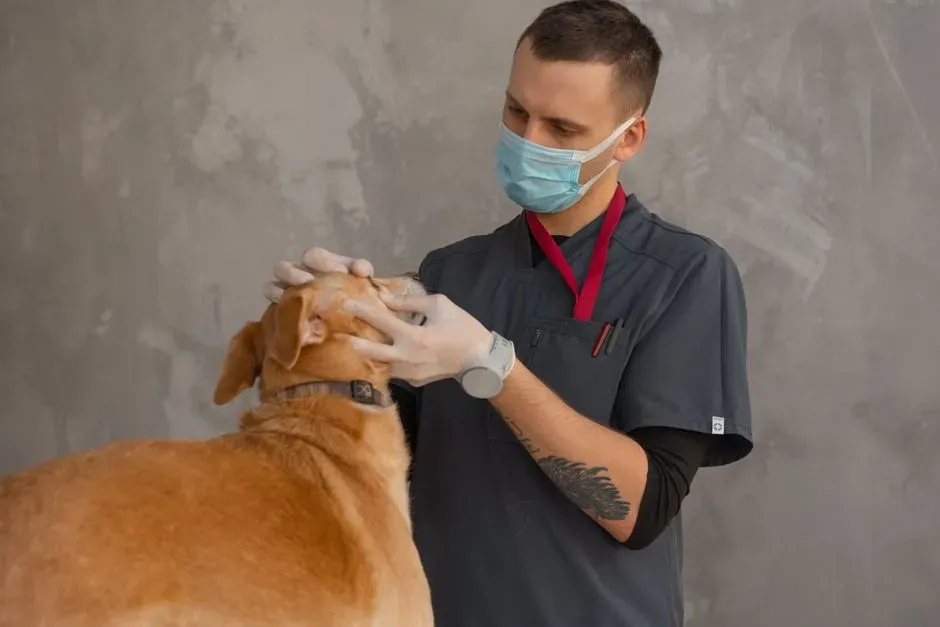
Vets say the best sign of a good owner is knowing what normal looks like. Pets can’t tell us they feel off. Dogs and cats often mask discomfort, so changes arrive quietly, and the owner who notices is often the first line of defense.
Research supports this idea: owners’ observations, based on familiarity with their pets’ typical behavior, were considered a useful tool for assessing stress in companion animals. You see your pet in a hundred moments the vet never will.
Knowing normal means paying attention to small, boring details. How much does your pet drink? How fast does it breathe while asleep? Which jump does it take, and which does it skip? A change that seems minor at home can be the earliest clue of something serious.

Hand Blown Glass Hummingbird Feeders for Outdoors Hanging, 24oz Wild Bird Nectar Feeder
Check Price on AmazonAs an Amazon Associate, we earn from qualifying purchases.
10/7/2026 1:23 pm GMTi

Dog Stairs for Bed 18" H, 4-Step Dog Steps for High Bed
Check Price on AmazonAs an Amazon Associate, we earn from qualifying purchases.
10/9/2026 2:42 pm GMTi

PetSafe Oasys Pet Fountain, 1/2 Gallon (64 oz), Small Dogs & Cats
Check Price on AmazonAs an Amazon Associate, we earn from qualifying purchases.
10/8/2026 8:14 am GMTi

Glass Hummingbird Feeder for Outdoors Hanging
Check Price on AmazonAs an Amazon Associate, we earn from qualifying purchases.
10/7/2026 1:21 pm GMTi
At a Glance
- Count breaths while your pet sleeps: one chest rise and fall is one breath
- Vets commonly look for a sleeping rate below about 30 breaths per minute
- Note daily water intake, appetite and bathroom habits
- Track favorite jumps, stairs and walking routes for changes
Vets feel the difference immediately. Some owners say “I don’t know, he seems okay.” Others say “He’s been a little slower on the stairs for two weeks.” Only one of those gives the vet something to work with.
You don’t need a medical degree. You need habits: watch, notice, write it down. A few seconds each week spent looking at your pet’s eating, sleeping, breathing and movement is the strongest preparation for any appointment.
Here’s my honest view: vets aren’t judging you, but they are reading you. The carrier, the leash, your voice, your records, your pet’s weight, your timeline and your theories all tell them how the next 20 minutes will go.
Most of these cues are fixable. You don’t need to be calm, perfect or expert. You need to be prepared, honest and observant. The research on owner stress is mixed, so don’t panic about panicking.
If I had to pick one habit to change, it would be knowing your pet’s normal. Which of these do you think your vet would spot first about you?

- 8 Things a Vet Notices About an Owner Before the Appointment Starts - November 9, 2026
- 7 Dog Breeds With Physical Traits You Won’t Find Anywhere Else - November 9, 2026
- 19 Benefits the Senior Pass Gives at Refuges That Even Rangers Rarely Mention - November 9, 2026