
Ask a gardener with forty years of dirt under their nails what they’d change, and most won’t mention a single plant. They’ll talk about the soil test they never bothered to run, the water they wasted for a decade, and the seasons they lost fighting a yard that was trying to tell them something the whole time.
A green thumb isn’t a gift you’re born with. It’s a pile of expensive, avoidable mistakes that eventually add up to instinct. The good news? You don’t have to lose twenty years figuring this out the hard way. Here’s what seasoned gardeners finally learned, and wish someone had just told them on day one.
#1 – Soil Matters More Than Any Plant Tag
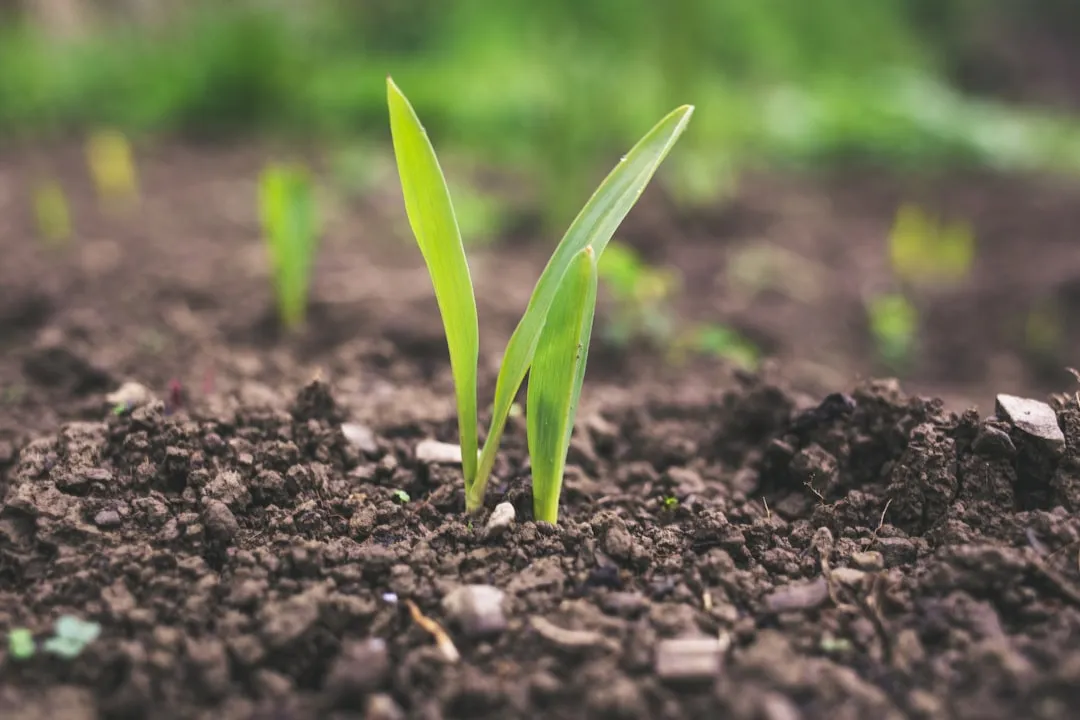
If your soil is wrong, nothing else you do will save your garden. Almost every beginner blows their budget on pretty plants without realizing they’re trying to grow them in what is basically dead dust with a nice view.
Experienced gardeners say they wish they’d spent their entire first year doing nothing but fixing soil. That means testing pH, working in organic matter, and actually learning how their yard drains. A fifteen-dollar soil test will save you hundreds of dollars in dead plants, but most people skip it because it’s nowhere near as fun as buying roses.
Fast Facts
- Most vegetables and flowers prefer a pH between 6.0 and 7.0
- A basic soil test typically costs $10 to $20 through a local extension office
- Compost improves structure in both sandy and heavy clay soils
- Healthy, organic-rich soil holds more moisture, so you water less often
Once they finally fixed their soil, everything changed. Fewer pests. Less disease. Plants that thrived instead of just barely surviving. They watered less because healthy soil holds moisture, and fertilized less because compost feeds slowly and steadily. The boring work under your feet turns out to be the real shortcut to the garden you keep saving on Pinterest.
#2 – Sun Is Not “Approximate” – You Have to Actually Count the Hours
“Full sun” isn’t a vibe. It’s a number, and most gardeners wildly overestimate how much of it their yard gets. They plant tomatoes where the label says full sun, but they’ve never once sat outside and actually clocked the light.
Seasoned gardeners wish they’d learned early to literally track direct light at different times of the day and year. That one habit alone explains most of the “mystery failures” where a plant just sulks and refuses to perform no matter what you do.
- Full sun = 6+ hours of direct light
- Part shade = 3 to 5 hours
- Shade = under 3 hours
Once you realize your “sunny spot” is actually part shade after 10 a.m., a lot of your heartbreak suddenly makes sense. Many veterans now say light is a bigger limiting factor than soil for modern backyard gardeners boxed in by houses, fences, and mature trees. Re-mapping your beds to match real sun exposure can double your harvest without changing a single plant variety.
#3 – Native Plants Are the Easiest “Hack” Nobody Mentions
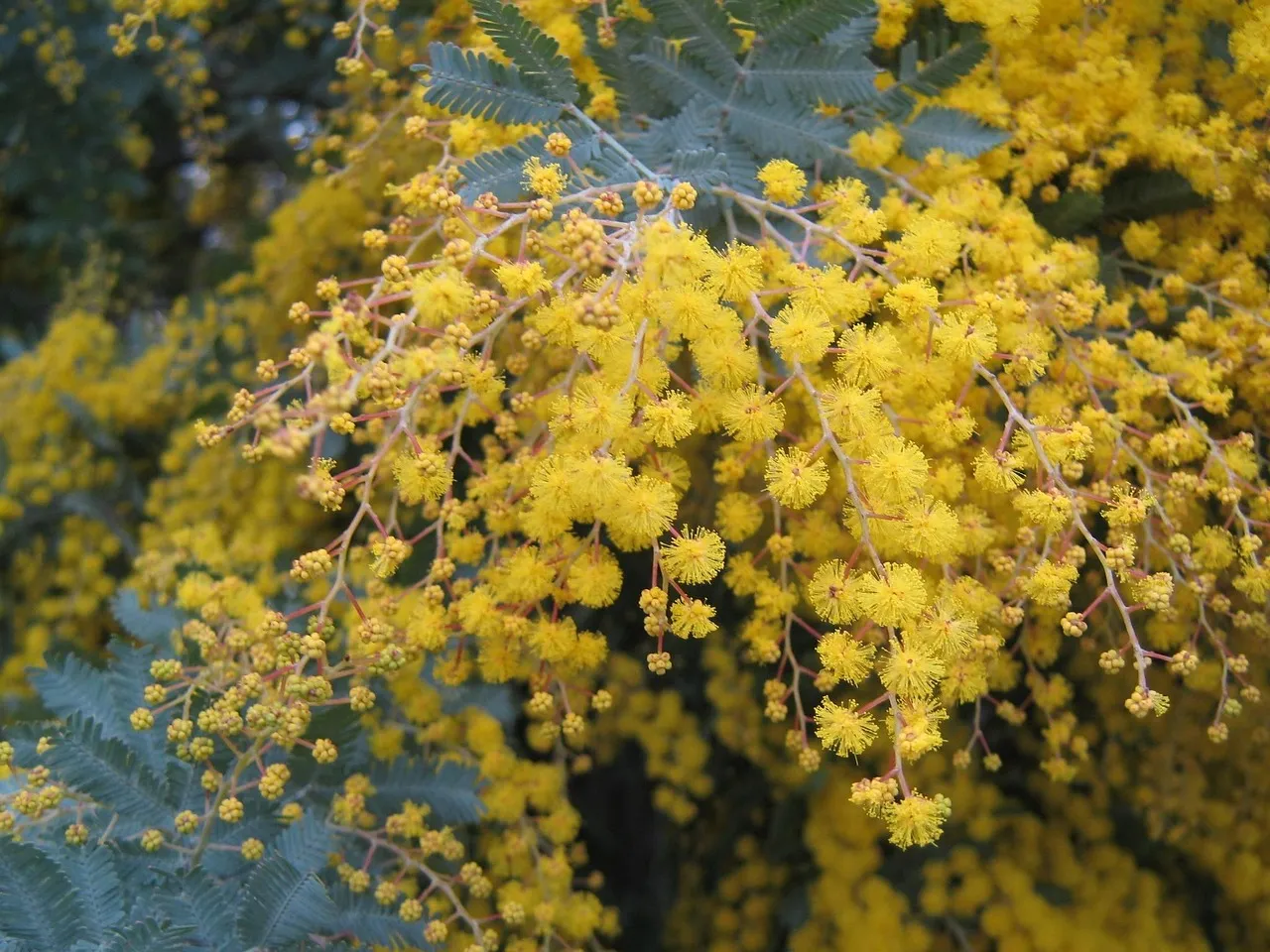
The lowest-maintenance garden isn’t the one packed with trendy exotics. It’s the one that looks slightly “too normal.” Most people assume gardening means importing flowers and shrubs from three continents away. Experienced gardeners quietly admit they wish they’d gone native-first decades earlier.
Native plants evolved alongside your local climate, soil, pests, and pollinators, so they already know how to survive here without your help.
- Way less watering once they’re established
- Fewer pest explosions and mystery diseases
- More bees, butterflies, and birds, for free
The catch is that natives often don’t look flashy sitting in a nursery pot, so beginners walk right past them. But veteran gardeners will tell you the plants that just live year after year with almost no help are the ones that make gardening feel easy instead of like a second job. A bed of native perennials can quietly out-perform every high-maintenance import you’ve ever babied.
#4 – Overwatering Kills More Plants Than Drought Ever Will
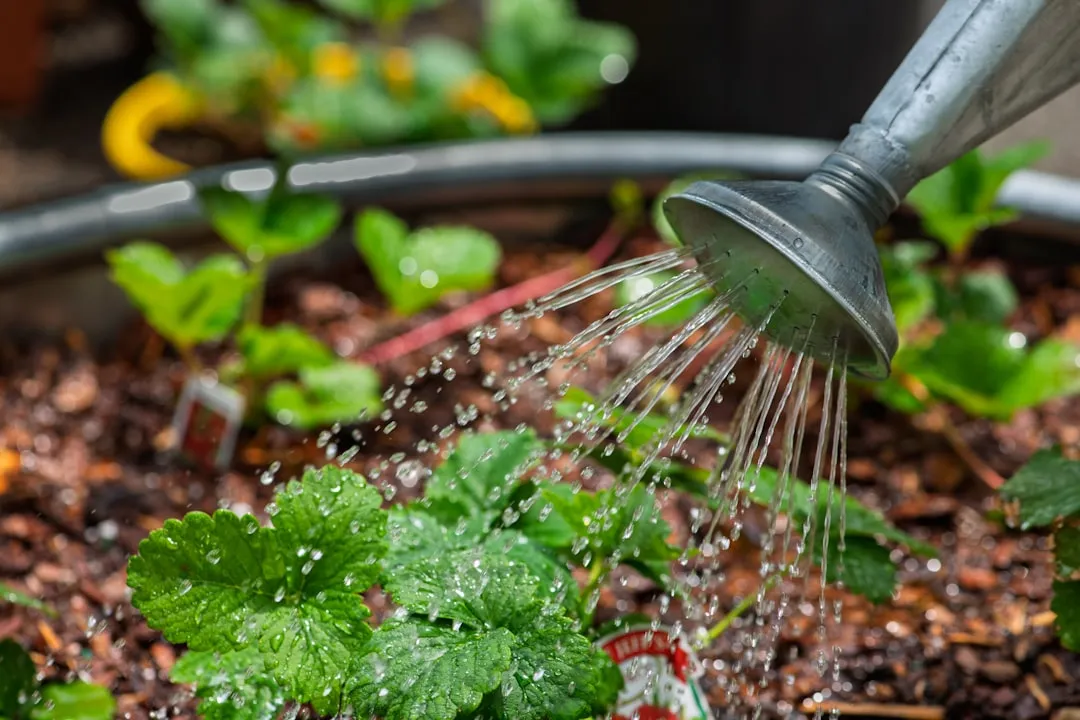
Most plants don’t die of thirst. They drown in love. New gardeners assume more water means more care, but experienced gardeners wish they’d understood early that roots need air just as badly as they need moisture.
When soil stays soggy, roots suffocate, rot sets in, and the plant slowly collapses from the inside out. To a beginner, it looks exactly like wilting from dryness, so they respond by adding even more water. It’s a vicious, plant-killing loop that ends the same way almost every time.
Veterans now swear by one rule: water deeply, but infrequently. Let the top inch or two of soil dry out between waterings, and let mulch do the job of keeping moisture steady. Here’s the part that trips up even careful gardeners: yellowing leaves can signal overwatering just as easily as underwatering. A finger stuck in the soil beats any fancy gadget, and mastering restraint with the hose is the day you actually graduate from plant buyer to gardener.
#5 – One Wheelbarrow of Compost Beats Ten Bags of Fancy Fertilizer
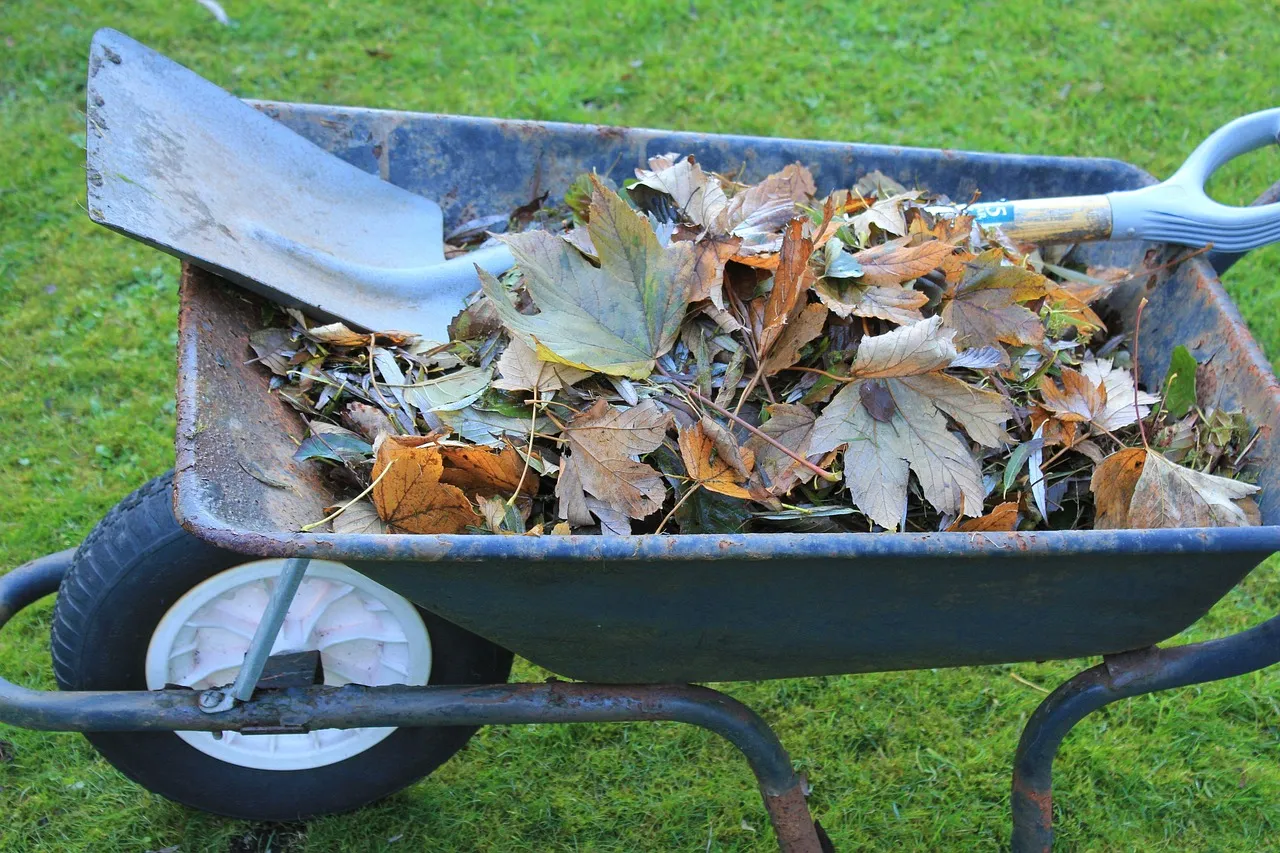
You cannot fix dead soil with a product in a shiny bag, no matter what the label promises. Experienced gardeners look back and cringe at how much money they burned on synthetic fertilizers when compost would have quietly solved most of the problem for free.
Compost doesn’t just feed plants, it rebuilds the entire soil ecosystem underneath them, improving structure, water-holding capacity, drainage, and microbial life all at once. It turns dirt into living soil.
Many old-timers say their biggest single regret is not starting a compost pile on day one. All those grass clippings, kitchen scraps, and fall leaves they hauled to the curb could have built the healthiest soil of their gardening life. Compost is slow, but it’s foundational, and unlike fertilizer, it never just “wears off” after a few weeks. A garden fed organic matter for years becomes forgiving, resilient, and almost self-maintaining.
#6 – Right Plant, Wrong Place Is Still the Wrong Plant
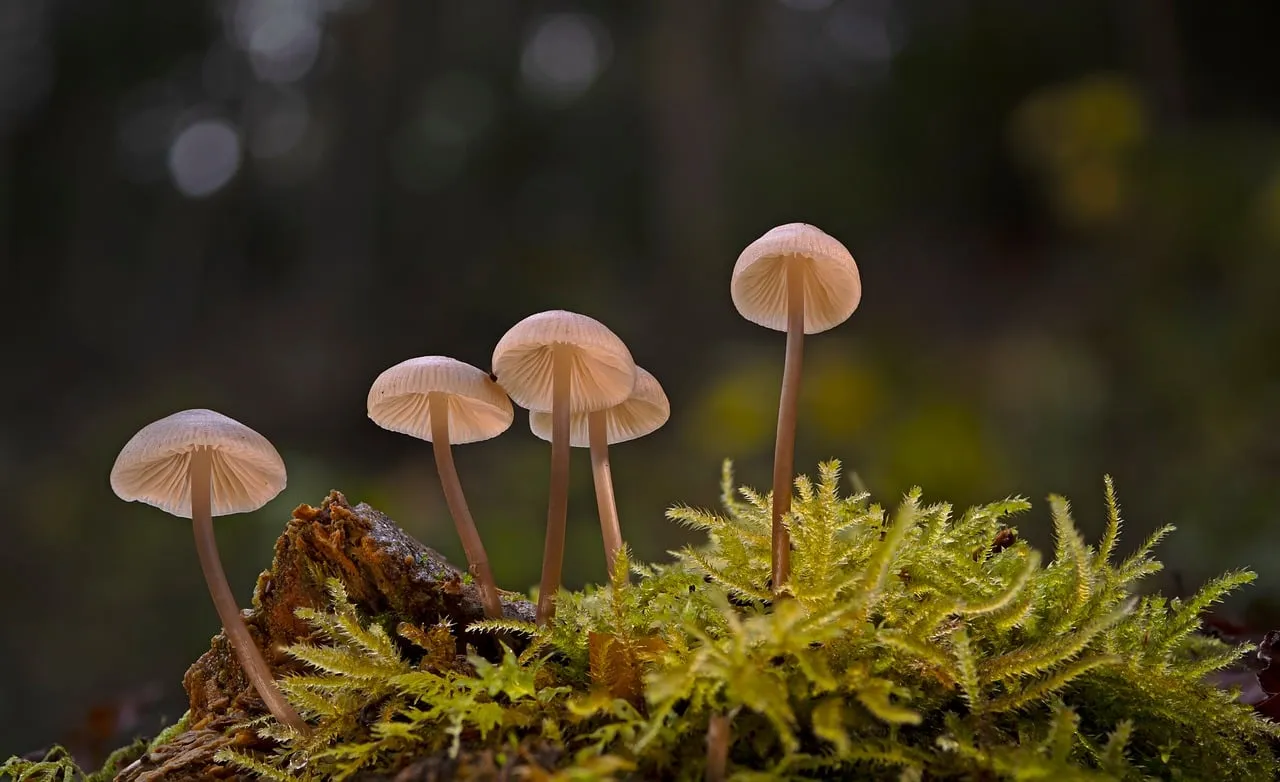
A plant that “should” grow in your zone can still utterly fail in your specific yard, and that’s a lesson that costs most beginners a small fortune. They obsess over USDA hardiness zones and variety names while ignoring the microclimate sitting right in front of them.
That sunny south-facing wall is a heat trap that might let you grow something technically out of zone. That low, windy corner might stunt a plant that thrives just twenty feet away in a more protected spot.
Worth Knowing
- South-facing walls can radiate noticeably more heat than open lawn
- Low-lying spots collect cold air and often frost first in fall
- Wind-exposed corners dry out soil faster than sheltered beds
- Raised beds warm up earlier in spring than in-ground rows
Veterans wish they’d listened sooner to what their plants were literally telling them. If something struggles year after year despite your best efforts, it isn’t a challenge to conquer, it’s a mismatch. Move it or replace it. The garden changes the gardener far more than the gardener changes the garden, and once you stop forcing square-peg plants into round holes, your frustration drops as fast as your success rate climbs.
#7 – Mulch Isn’t Optional; It’s Armor
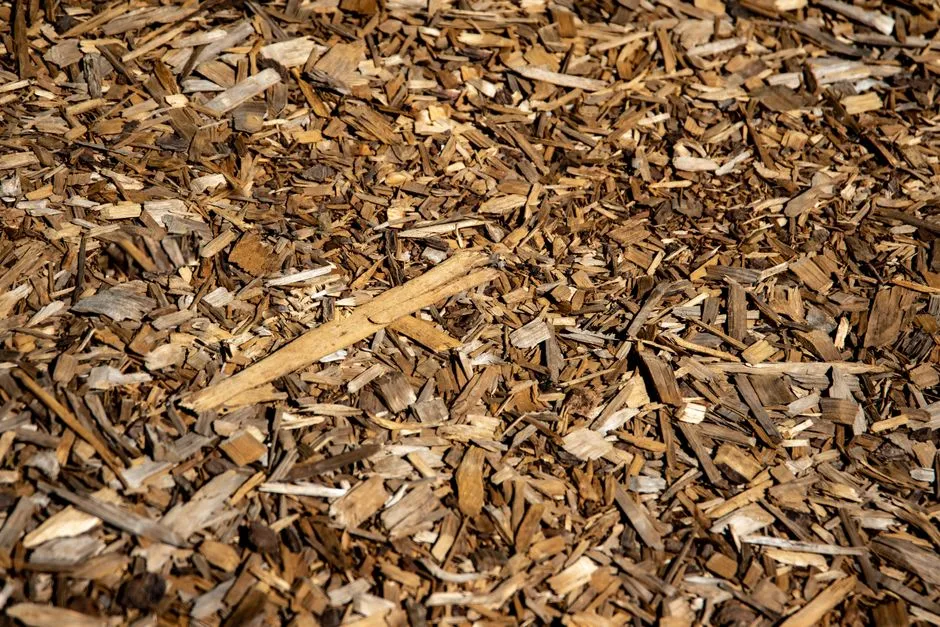
Bare soil isn’t a clean look, it’s a stress signal. New gardeners love the freshly tilled, dark-earth aesthetic, but experienced gardeners wince at it because they know weeds, moisture loss, and compaction are already on their way.
Mulch is the single easiest way to cut your garden workload in half. It smothers weed seeds before they sprout, buffers soil temperature swings, and slows evaporation so plants experience less shock during heat waves.
- Organic mulches like wood chips, leaves, and straw add organic matter as they break down
- A 2 to 4 inch layer can dramatically cut watering needs in hot weather
Many veterans now blanket their beds the second they plant, instead of waiting for problems to show up first. They’ll also tell you that once they embraced a slightly “messier” mulched look, their soil got softer, richer, and noticeably more alive. The polished, bare-dirt garden might impress for a week, but it’s quietly working against you the whole time.
#8 – You’re Probably Planting Way Too Close Together
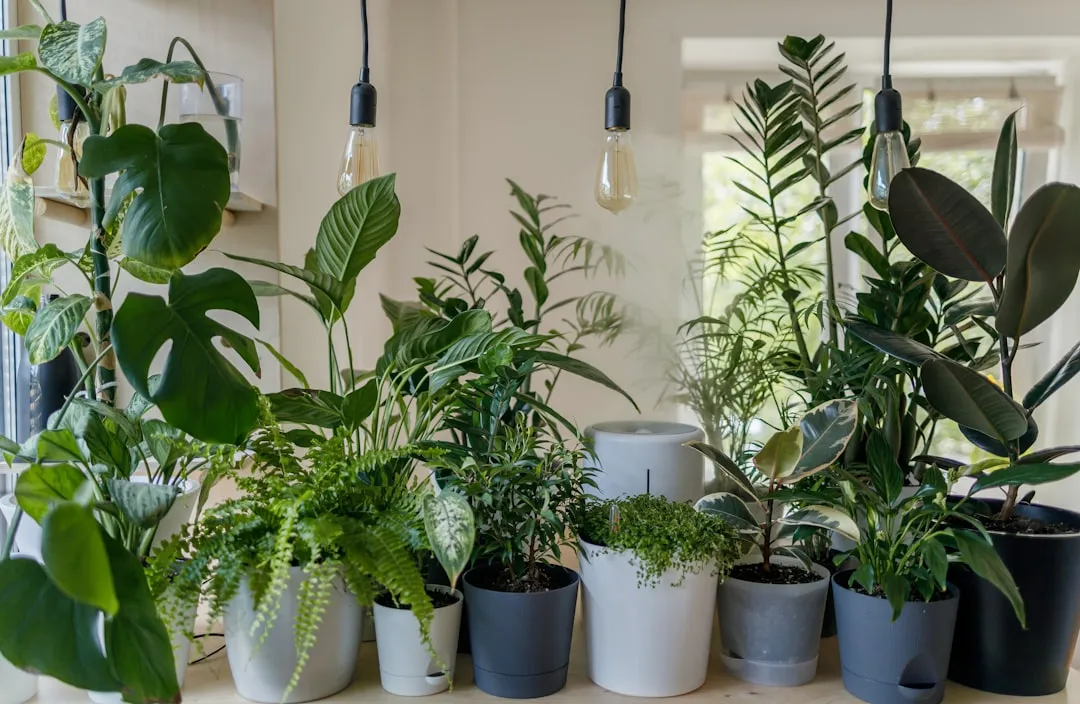
Dense planting looks lush in May and like a crowded ICU ward by August. Most beginners cram plants in because empty soil feels like wasted space. Experienced gardeners wish someone had forced them to respect mature size instead of whatever fit in the shopping cart that day.
Overcrowded plants compete for water and nutrients, trap humidity that invites mildew and disease, and force you into constant pruning just to keep a walking path clear.
Here’s the ironic part: spacing plants correctly often makes your garden look better by midsummer, not worse. Each plant gets room to develop its natural shape, air moves freely, and maintenance drops. Veterans often plant less and harvest more simply by finally following the spacing guide on the seed packet, something they ignored for years without realizing it was the actual problem.
#9 – Tools Are Either an Investment or a Constant Headache
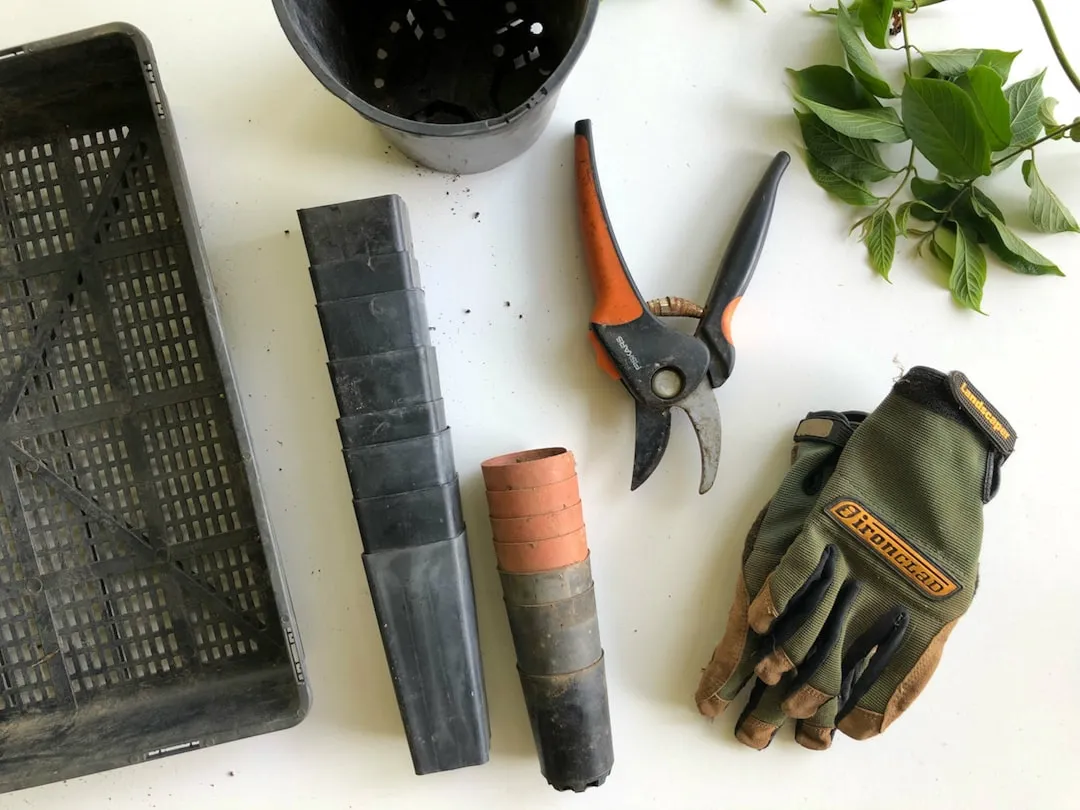
Cheap tools are more expensive in the long run, full stop. Every experienced gardener has a graveyard of broken plastic handles and dull blades they wish they’d skipped entirely by buying fewer, better tools from the start: a sharp hand pruner, a solid digging spade, a sturdy weeder, and a hose setup that doesn’t fight you every time you use it.
Good tools don’t just last longer, they make every job faster and physically easier on your body. One of the most common regrets veterans mention is never sharpening or cleaning their tools.
At a Glance: The Core Toolkit
- Bypass pruners for clean cuts on live stems and small branches
- A solid digging spade with a sharp, flat edge
- A hand weeder built for pulling taproots, not just scraping leaves
- Rubbing alcohol for wiping blades clean between plants
Dull blades crush stems instead of cutting them cleanly, and dirty pruners carry disease from one plant straight to the next. A simple habit of wiping blades with alcohol and sharpening them a few times a season can change your garden’s health more than any product you could buy. Gardening is already physical labor, so fighting junk tools on top of that is optional pain most veterans wish they’d skipped decades ago.
#10 – Pest Problems Usually Start With a Stressed Plant, Not a Bad Bug
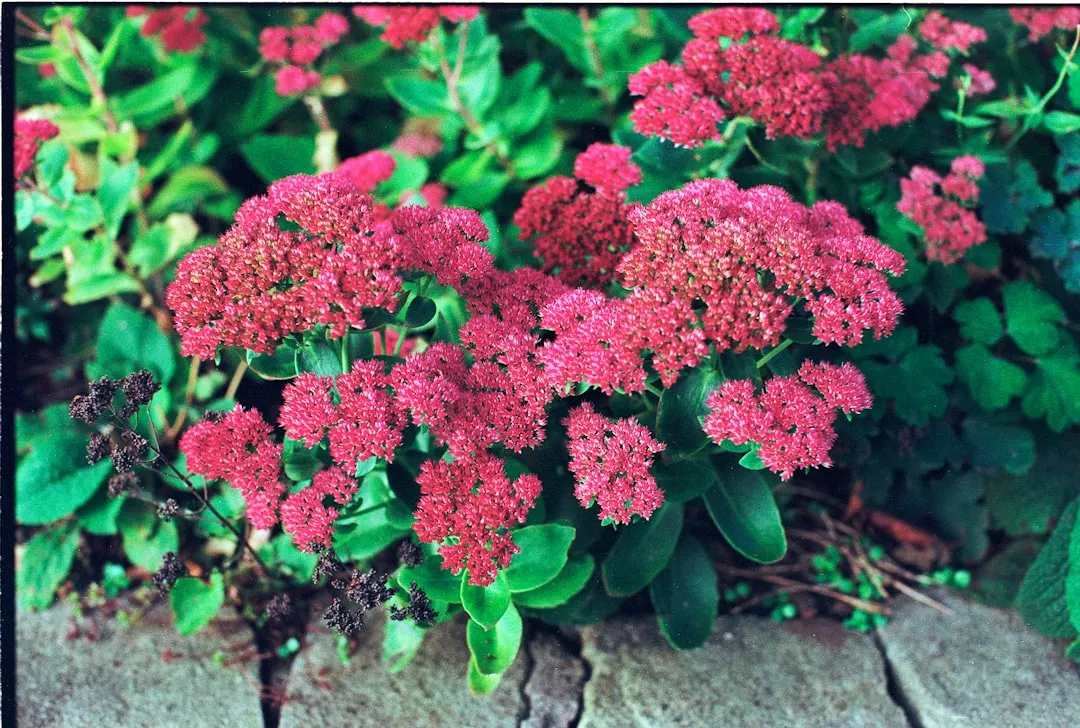
The bugs aren’t always the real problem. New gardeners see aphids, beetles, or mildew and immediately reach for a spray bottle. Experienced gardeners eventually learn that healthy, well-sited plants shrug off most pests and diseases on their own.
It’s the stressed, overwatered, undernourished, or badly placed plants that turn into bug magnets and fungal factories. Veterans now treat pests as a symptom to investigate, not just an enemy to spray. Is this plant getting the right light? Am I watering correctly? Is the soil compacted or starved?
They also regret not embracing beneficial insects sooner, ladybugs, lacewings, and parasitic wasps that naturally keep outbreaks in check once you stop nuking everything with broad-spectrum sprays. Integrated pest management sounds technical, but it really just means fix the conditions first, then treat the bug if you still have to. That single mindset shift could have saved them years of chasing their own tail.
#11 – Timing Beats a Generic Calendar Every Single Time
You can do everything else right and still fail if you get the timing wrong. Seed packets and generic guides give rough planting windows, but experienced gardeners wish they’d learned to follow local cues instead of a national calendar.
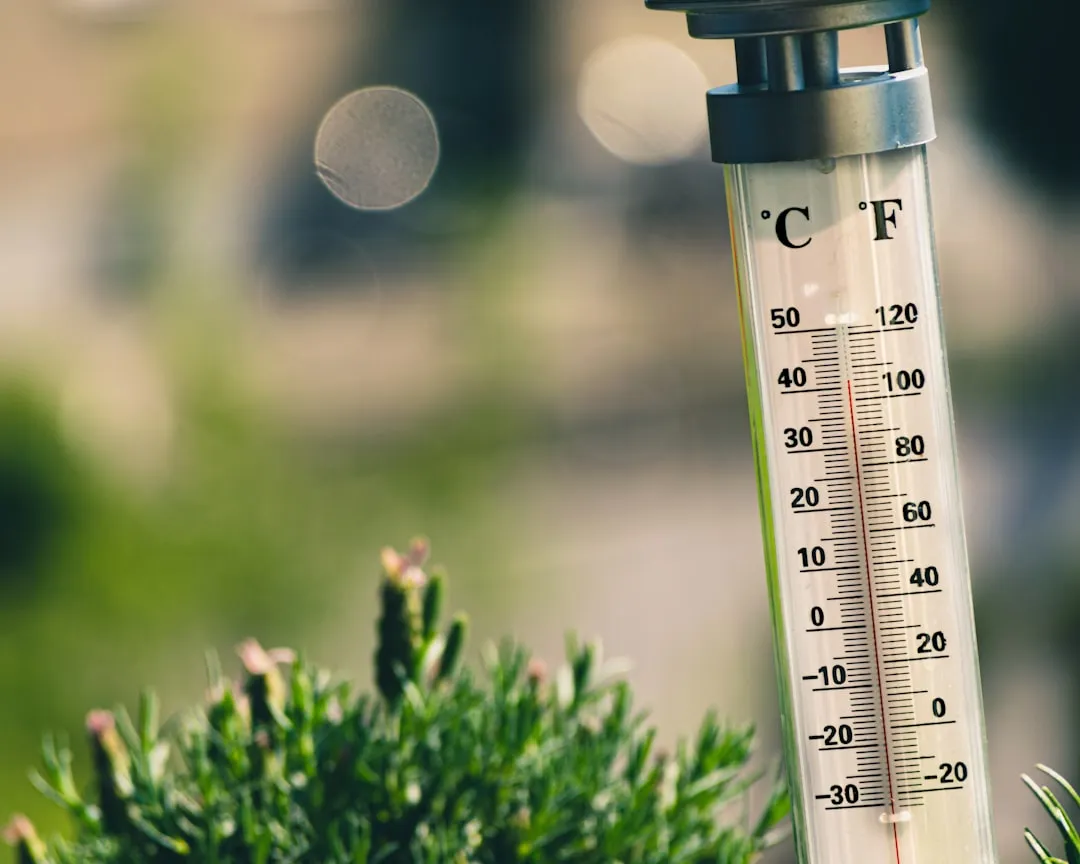
Soil temperature matters far more than the date on the packet. Your last frost date is a guideline, not a guarantee, and a freak cold snap after you plant warm-season crops can wipe out weeks of work in a single night.
- Checking actual soil warmth with a cheap thermometer before sowing heat lovers like beans and squash
- Following local extension advice or long-time neighbors, not a blog written for a different climate entirely
They also regret not succession-planting sooner, sowing small amounts regularly instead of dumping in one giant planting all at once. That one tweak keeps harvests coming steadily instead of everything ripening in a single overwhelming week and then nothing. Timing isn’t glamorous, but it’s the invisible backbone of every thriving garden.
#12 – Pruning Is About Confidence, Not Perfection
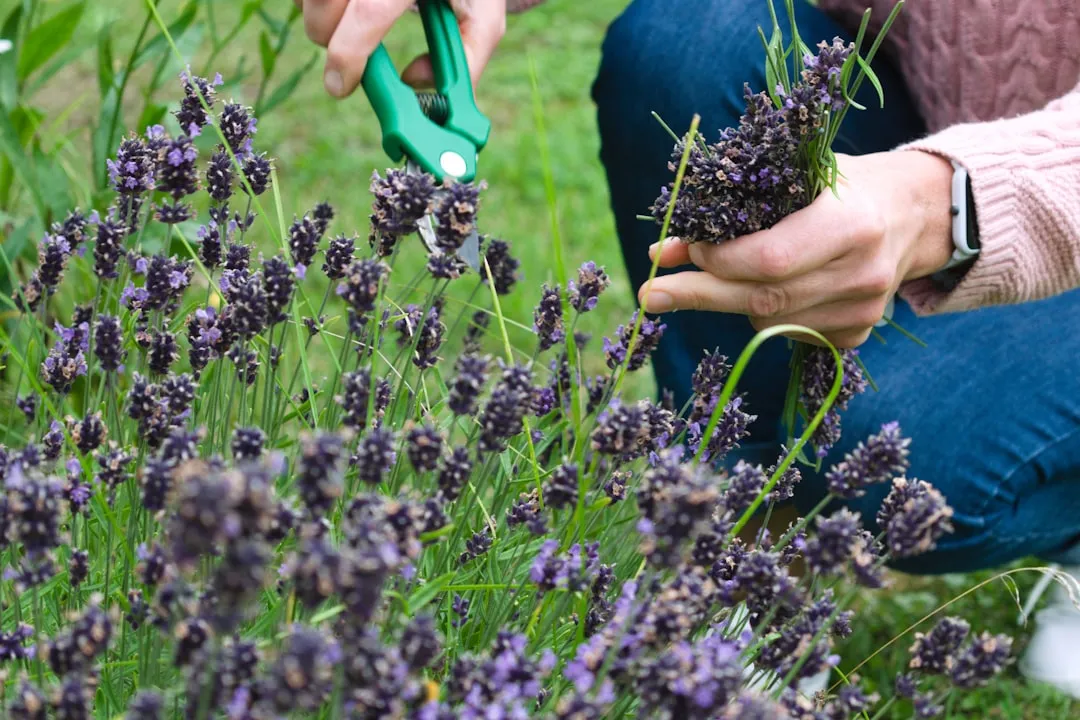
Most gardeners stay scared of pruning for far too long. Experienced gardeners admit they spent years lightly trimming plants that actually needed a decisive cut, terrified of “hurting” the plant, without realizing that correct pruning often makes shrubs and trees live longer and bloom better than ever.
The real damage almost always comes from hesitant snips that leave weak, crossing, crowded branches behind.
- Always cut with a purpose: more light, better airflow, or a safer structure
- Dead, diseased, and damaged wood can come off any time of year
- Many flowering shrubs bloom best on new wood, so a hard prune is exactly what they need
Once veterans finally committed to learning a few simple rules for each plant type, their landscapes transformed almost overnight. Roses exploded with blooms, fruit trees finally set a harvestable crop, and overgrown shrubs regained their shape. Pruning turns out to be less an art and more a short list of decisions, if only someone had said that sooner.
#13 – A Garden Journal Is Boring, Until It Saves You Years
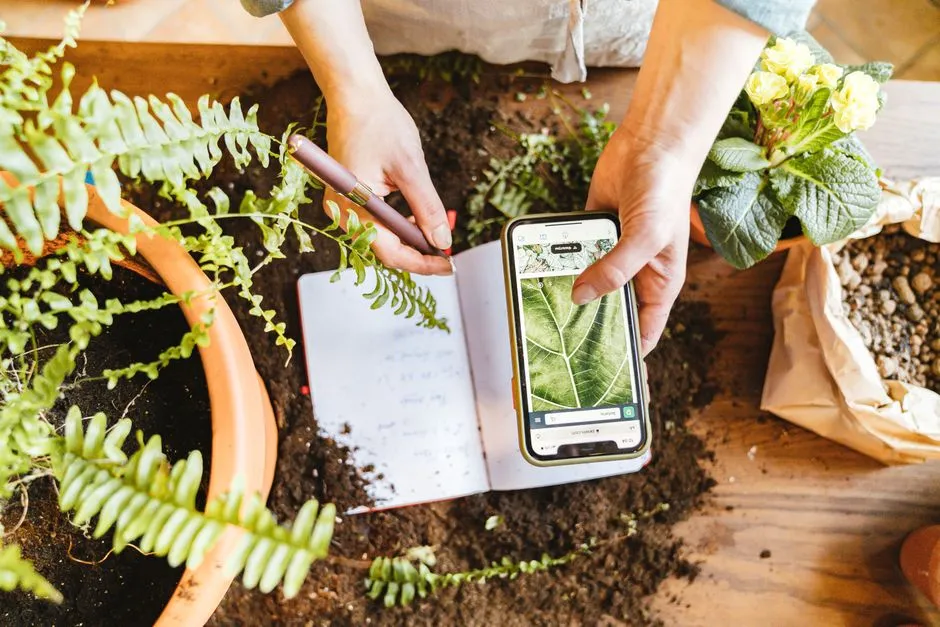
The most powerful tool in the garden isn’t a gadget, it’s a cheap notebook. Almost no beginner keeps records. They trust their memory instead, which is hilarious once you realize every season blurs into “was that late frost in April or May?”
Experienced gardeners wish they’d started documenting from year one: what they planted, where, when, and how it actually performed.
- Stop repeating the same failed varieties year after year
- Track which beds dry out fastest or stay soggy too long
- Spot patterns in pests, disease, and weather before they repeat
Veterans say the journal is where their sudden “luck” actually came from. It wasn’t luck, it was finally noticing the tomato that thrived was in the bed with afternoon shade, or that the lettuce bolted later when sown two weeks earlier. Without records, you’re always starting over from scratch. With them, every year quietly builds on the last one.
#14 – Perennials Are the Long Game; Annuals Are Just the Entertainment
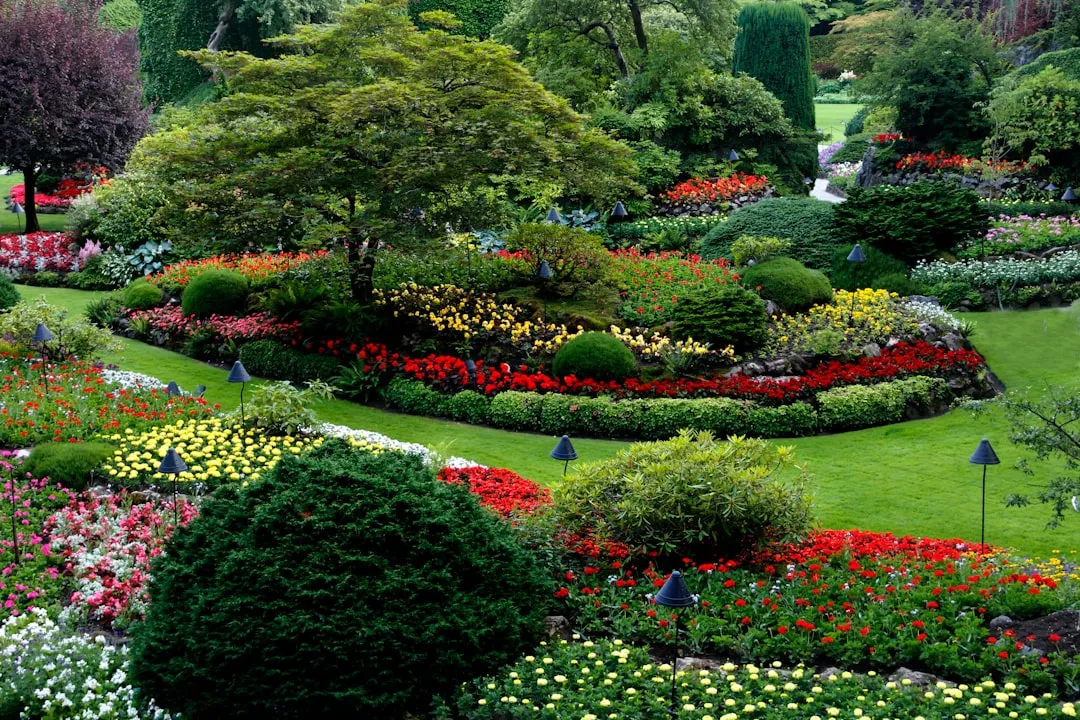
You can’t build a low-effort garden out of plants that die every single year. New gardeners often treat their beds like seasonal decor, stuffing them full of annuals for instant color. Experienced gardeners wish they’d invested in perennial structure much earlier: shrubs, trees, and long-lived perennials that come back on their own, year after year.
These become the actual backbone of the garden, giving it shape and reliability even during the weeks you’re too busy to fuss over it.
Quick Compare
- Perennials: return every year, higher upfront cost, pay off over time
- Annuals: bloom fast and big, but need full replanting every spring
- Perennials: build long-term structure and lower yearly maintenance
- Annuals: best used for seasonal accents, not the whole garden plan
Annuals still earn their place, offering intense seasonal color and room to experiment. But relying on them alone means starting completely from scratch every single spring, in both effort and cost. Many veterans now spend most of their budget on sturdy perennials and treat annuals like accessories instead of the whole wardrobe. It’s less trendy, but ten years later the bones of the garden are strong and the maintenance is dramatically lower.
#15 – Imperfection Is Not Failure; Perfectionism Is What Actually Kills the Joy
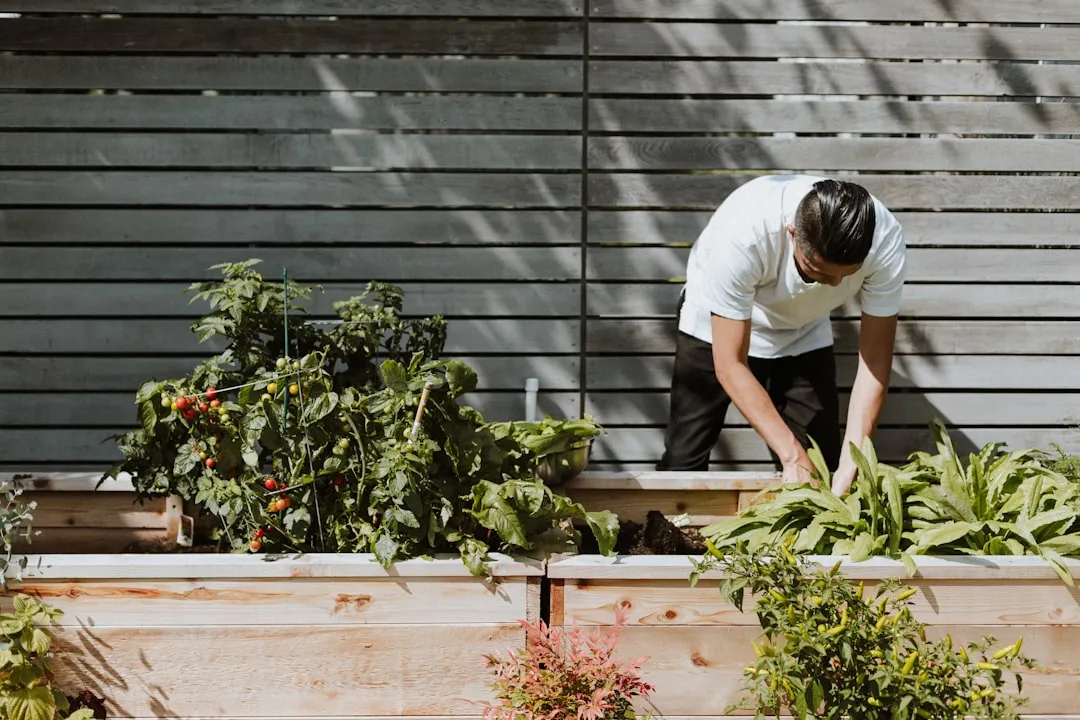
Many experienced gardeners nearly quit for good because they were chasing an impossible standard. Social media gardens look spotless: no weeds, no holes in the leaves, no dead spots anywhere. Veterans now admit that image isn’t just fake, it’s genuinely toxic to anyone new.
Real gardens have blemishes, failed experiments, and outright disasters. A few slug-chewed leaves or a patchy lawn doesn’t mean you’re bad at this. It means your garden is alive and doing what living things do.
What they wish they’d heard sooner is simple: some plants will die no matter what you do, some seasons will just be weird, and some pests will win a round. The goal was never total control, it’s collaboration with something bigger than you. The best gardeners aren’t the ones with flawless borders, they’re the ones who adapt, pivot, and keep planting anyway.
#16 – Start Smaller Than You Think, Then Actually Enjoy It
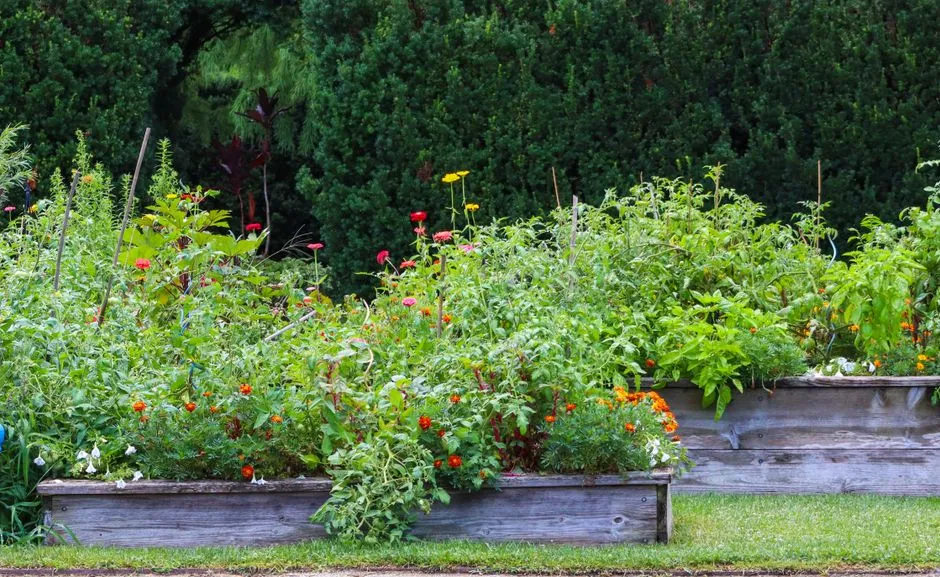
“I started too big, too fast.” Almost every long-time gardener has this exact story, the year they tore up half the yard, built giant beds, and burned out completely under the maintenance a month later.
They wish they’d started with one or two manageable spaces, mastered those, and only expanded once the daily work actually felt easy. A smaller, well-cared-for garden is more productive and more satisfying than a sprawling one you secretly resent.
To plant a garden is to believe in tomorrow.
Audrey Hepburn
The controversial opinion from many veterans is blunt: if you hate being out there, your garden is too big. Gardening should feel like a ritual, not a punishment. A 4×8 raised bed and a few containers can teach you more in one season than a massive plot you dread weeding ever will. The real flex isn’t acreage, it’s consistency, and starting small on purpose leaves room for curiosity, experiments, and actual enjoyment.
The Bottom Line
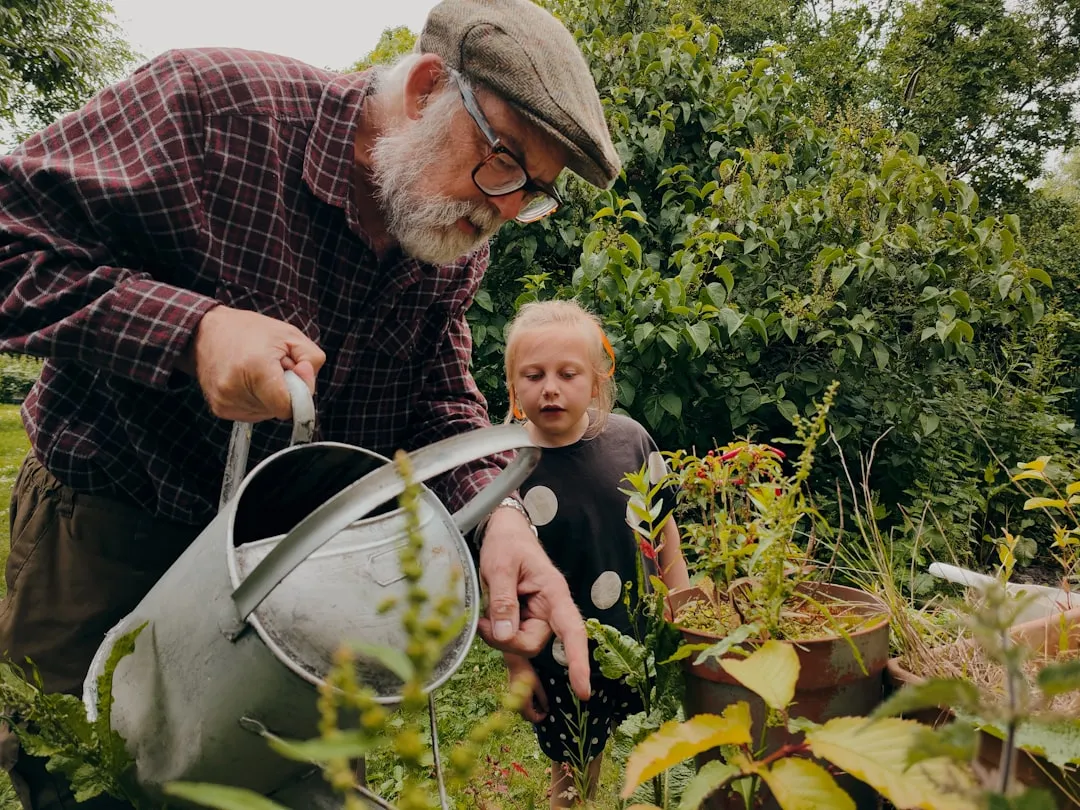
When seasoned gardeners look back, their biggest regrets are never about the plants they never tried. They’re about all the years spent fighting nature, overspending, and overworking because nobody told them the quiet truths sooner.
Soil health beats plant variety. Sun and spacing matter more than rare seeds. Compost, mulch, and natives solve problems that pesticides and fertilizer only shuffle around and sell back to you. And maybe the most uncomfortable lesson of all is that smaller, imperfect, locally tuned gardens are secretly more successful than the manicured fantasy most people chase online.
If you’re just starting, or starting over, you can skip decades of frustration by stealing these hard-won lessons right now instead of learning them the expensive way. Which one do you wish someone had told you years ago, and what would you add from your own garden mistakes?

- 16 Things Experienced Gardeners Say They Wish They Had Understood Decades Before They Did - August 12, 2026
- 12 Common Myths About Cats Debunked by Animal Experts - August 11, 2026
- The 15 Most Beautiful Cities in Europe - August 11, 2026