
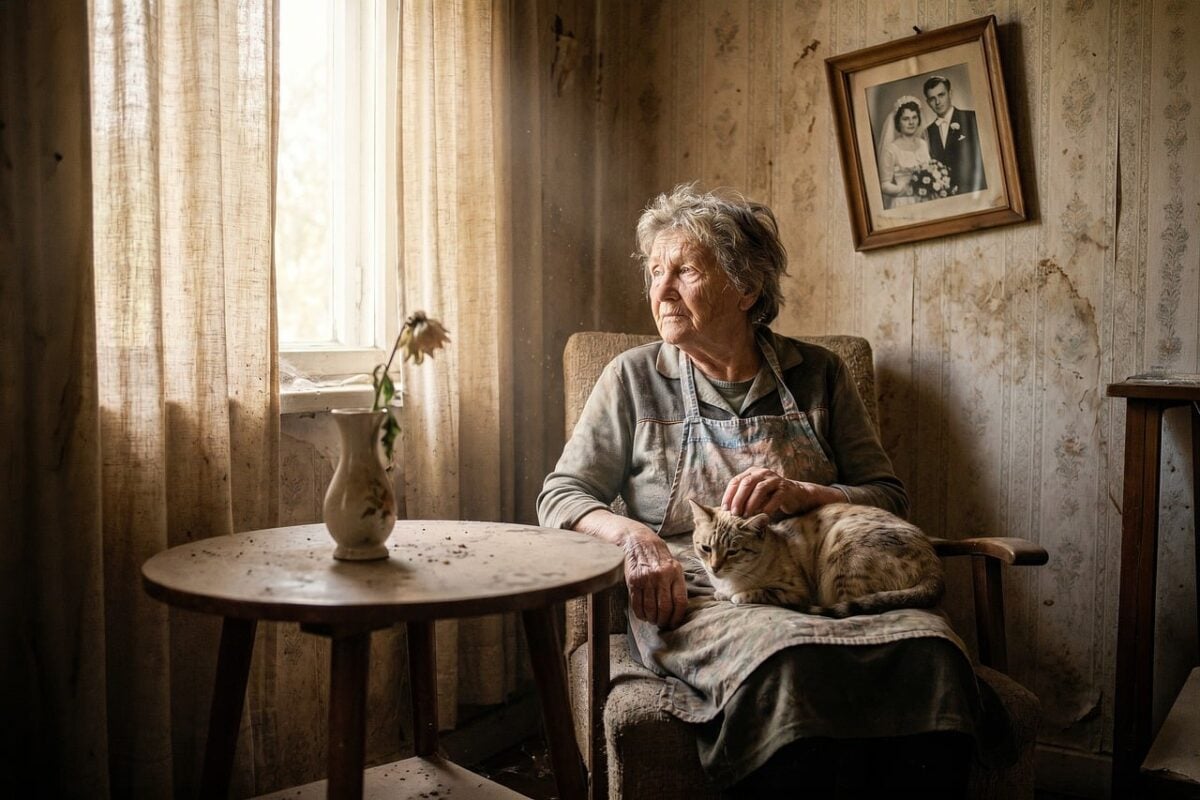
Most people assume a senior cat is just a younger cat running on a low battery – a little slower, a little sleepier, but basically the same animal. That assumption is mostly wrong.
The real shift happening inside an aging cat is emotional as much as it is physical. Their wants don’t fade evenly across the board – they flip. Some things they suddenly crave with startling intensity, and other things they used to care about deeply, they drop overnight, like a switch getting flipped in the dark. Treat a 14-year-old cat like the 4-year-old version of themselves, and you can accidentally spike their stress without ever raising your voice.
Here’s the full list, pulled from what vets, behaviorists, and longtime cat people notice again and again – starting with everything they now crave more of, then moving into everything they’ve quietly stopped caring about at all.
#1 – More Predictable Routine (And Less Chaos)
Old cats turn into creatures of habit almost overnight. A feeding time that slips by even twenty minutes can rattle them more than a houseful of guests would have at age two. As joints stiffen and senses dull, predictability stops being a preference and becomes something closer to safety.
- Meals at roughly the same times every day
- Litter scooped on a consistent schedule
- Lights out and wake-up times that don’t swing wildly
Younger cats can shrug off parties, visitors, or a late-night movie marathon. Seniors usually can’t. Constant schedule chaos raises stress hormones in older cats, and that stress often resurfaces as over-grooming, nighttime yowling, or sudden accidents outside the box – problems that quietly disappear once the days get boring again.
#2 – More Warm, Soft Sleeping Spots
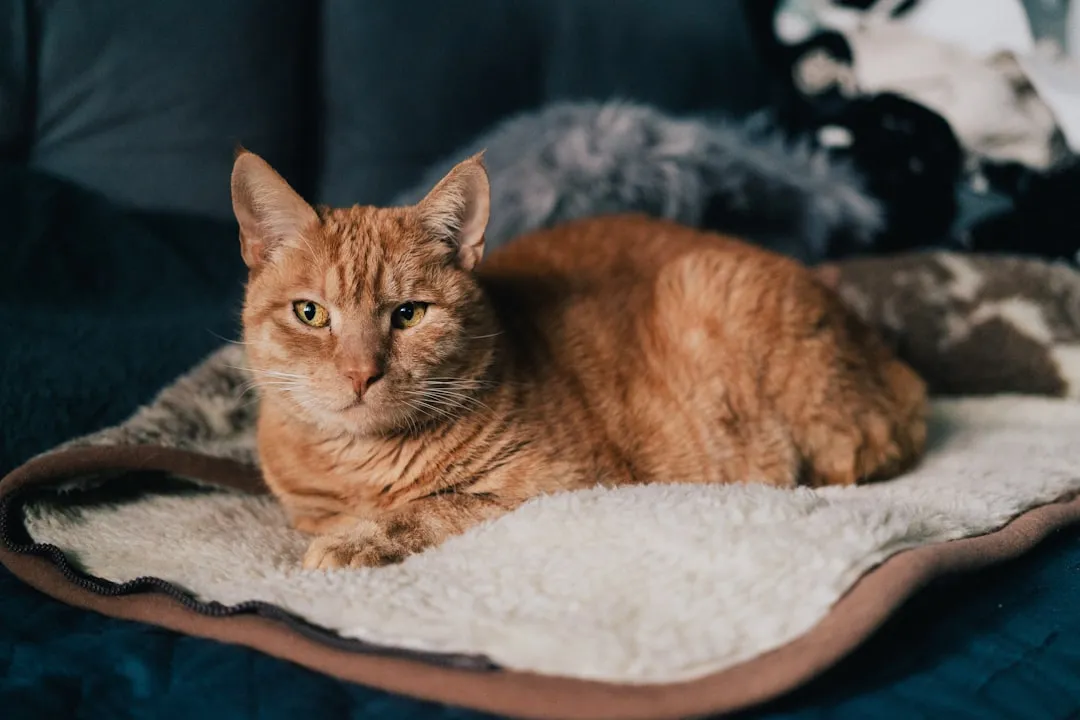
Senior cats turn into heat-seeking missiles. Arthritis, thinner body fat, and slower circulation mean they feel cold faster than they used to, even if your thermostat hasn’t moved an inch. That’s why you’ll catch them hugging heat vents, sprawled across the router, or wedged into the one sunbeam that touches the floor.
They’re not being lazy – they’re self-medicating stiff joints with warmth. Offer several cozy options: a soft bed near a sunny window, a fleece blanket on the couch, a low-watt pet-safe heating pad. Elevate beds off cold floors and skip drafty corners near doors. Some cats will even claim your pillow or your laptop purely because it’s the warmest real estate in the house, not because they’ve developed sudden feelings about your spreadsheets.
Worth Knowing
- Lower body fat and muscle mass mean seniors lose heat faster than they did as adults
- Gentle warmth can ease stiff joints, which is part of why heating pads help mobility
- A cat curled into a tight ball for hours is often cold, not just cozy
- Balance warmth with airflow – a stuffy, overheated corner isn’t better than a drafty one
#3 – More Easy Access (Ramps, Steps, and Lower Jumps)
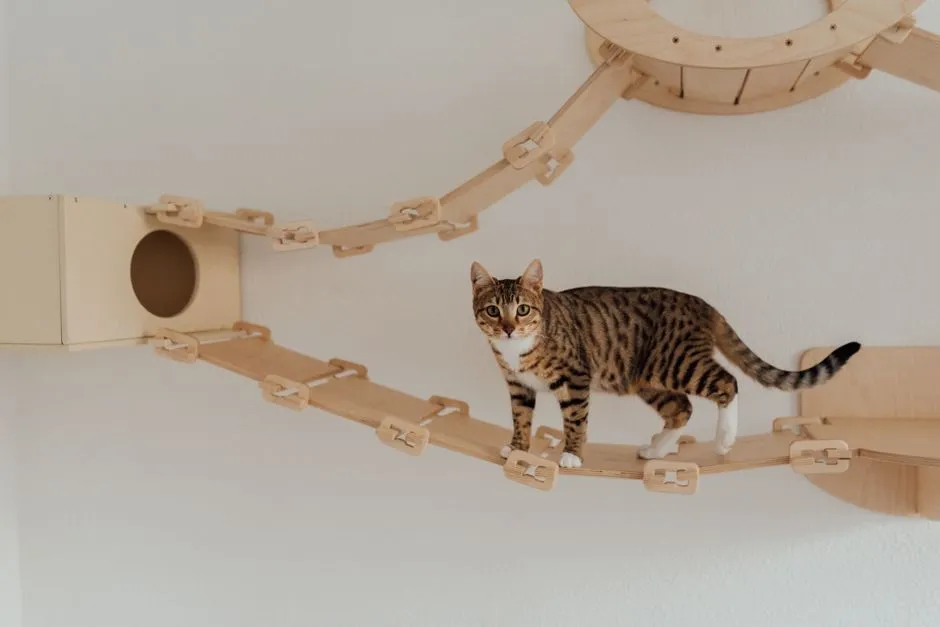
At some point, the mighty vertical climber quietly becomes the cat who stares up at the bed and hesitates. Jumping from floor to counter stops being nothing and starts being a calculated risk for sore joints. Instead of reading that as laziness, adjust the terrain around them.
- Add pet steps or a ramp to beds, sofas, and window perches
- Provide at least one low-sided litter box
- Move food and water somewhere they don’t have to leap for it
Many older cats stop visiting their favorite window perch simply because getting there hurts. Guardians mistake this for disinterest, when it’s really an access problem in disguise. Make the world reachable again, and the muscles and curiosity often come right back with it.
#4 – More One-On-One, Calm Attention
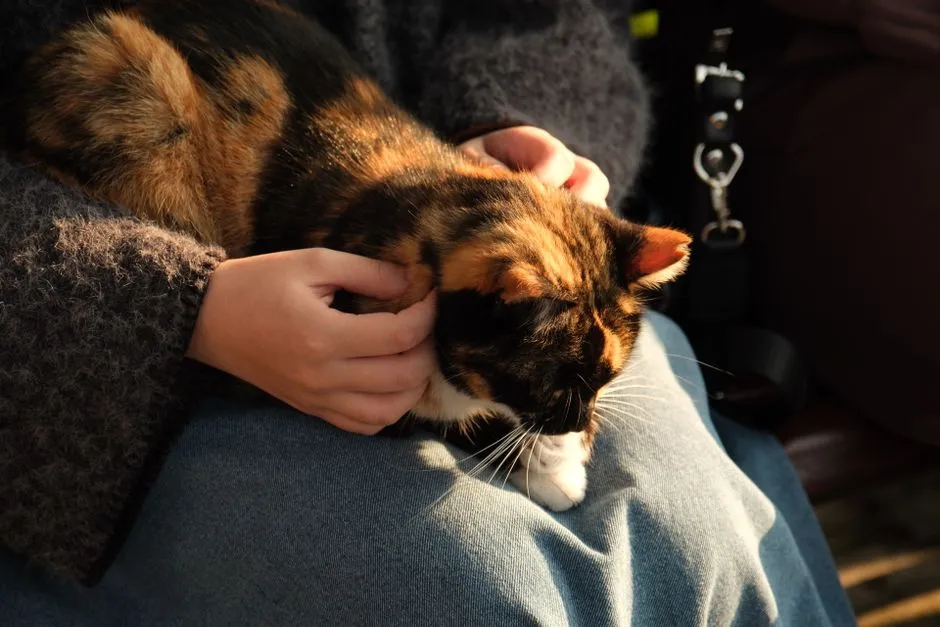
Kittens want chaos and games. Senior cats want you, just in a quieter, more focused way. Many older cats grow clingier, trailing their humans room to room or calling out more when left alone – not out of neediness, but because their senses are fading and your presence is the one thing that still makes sense.
Ten minutes of slow chin scratches every evening can do more for their happiness than an hour of sporadic, high-energy play ever did. It’s not unusual for a once-aloof cat to become a full-time lap devotee at 13. People sometimes read this as the cat giving up on independence – it’s closer to the truth to say they’ve simply started prioritizing connection over stimulation.
#5 – More Frequent, Smaller Meals
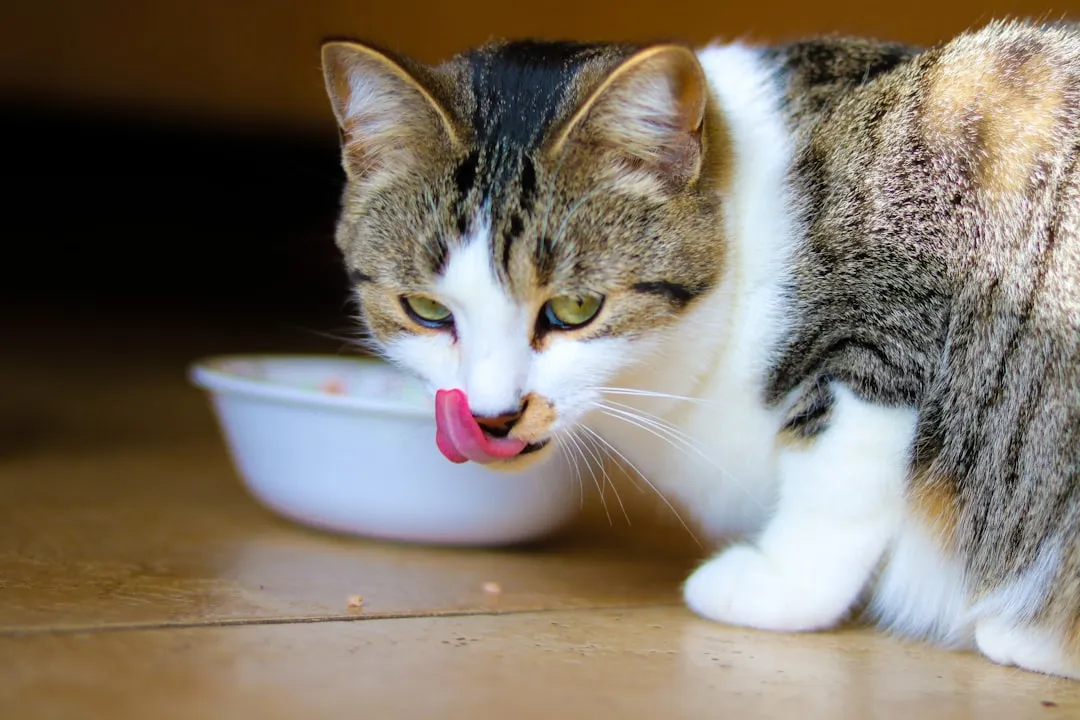
That once-a-day giant meal? For many seniors, that era is officially over. Older cats tend to do better with smaller, more frequent meals – it’s gentler on aging kidneys, steadier on blood sugar, and it heads off the hunger-vomit episodes that plague cats fed only once or twice a day.
Three or four smaller portions often beat two large feedings, especially for cats already flirting with kidney or thyroid trouble, which is extremely common in seniors. Free-feeding a giant bowl of dry food is convenient for you, but it doesn’t match the biological reality of an aging body. Controlled portions of quality wet food, spread across the day, help protect hydration and muscle mass. It’s more work – but it’s one of the quiet things their bodies are actually asking for.
#6 – More Hydration Options
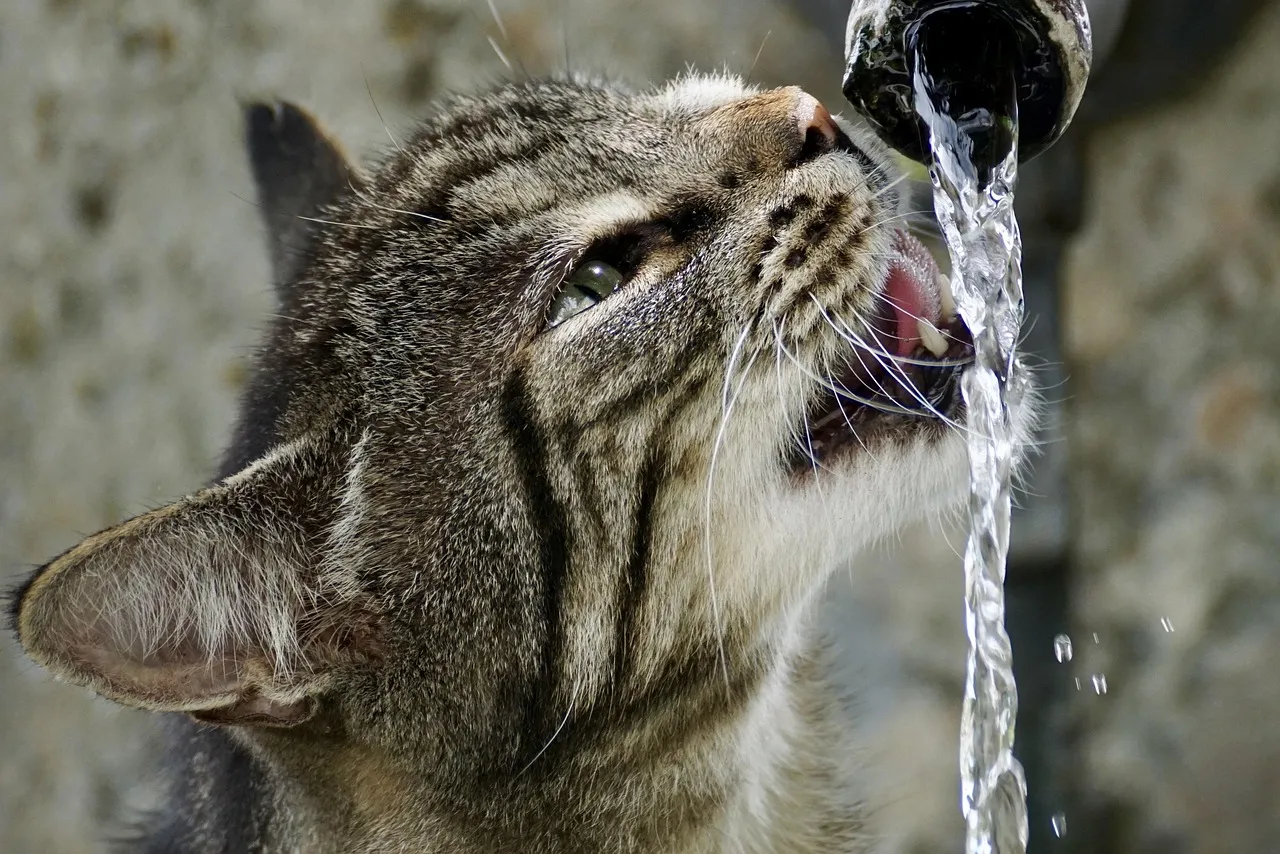
Dehydration is a slow, invisible enemy in old cats. Their thirst drive weakens right as their kidneys start working harder, which is a genuinely bad combination. What they want more of is water that feels easy, interesting, and impossible to ignore.
- A cat fountain with moving water
- Multiple bowls scattered across different rooms
- Broth or a splash of water stirred into wet food
If your older cat has suddenly become obsessed with faucets or your drinking glass, that’s not a quirky new personality trait – it’s a signal that a single still bowl isn’t cutting it anymore. One bowl in the kitchen might have been plenty at age five. At fifteen, water needs to feel like it’s everywhere and slightly novel, or it gets ignored.
#7 – More Gentle, Brain-Friendly Play
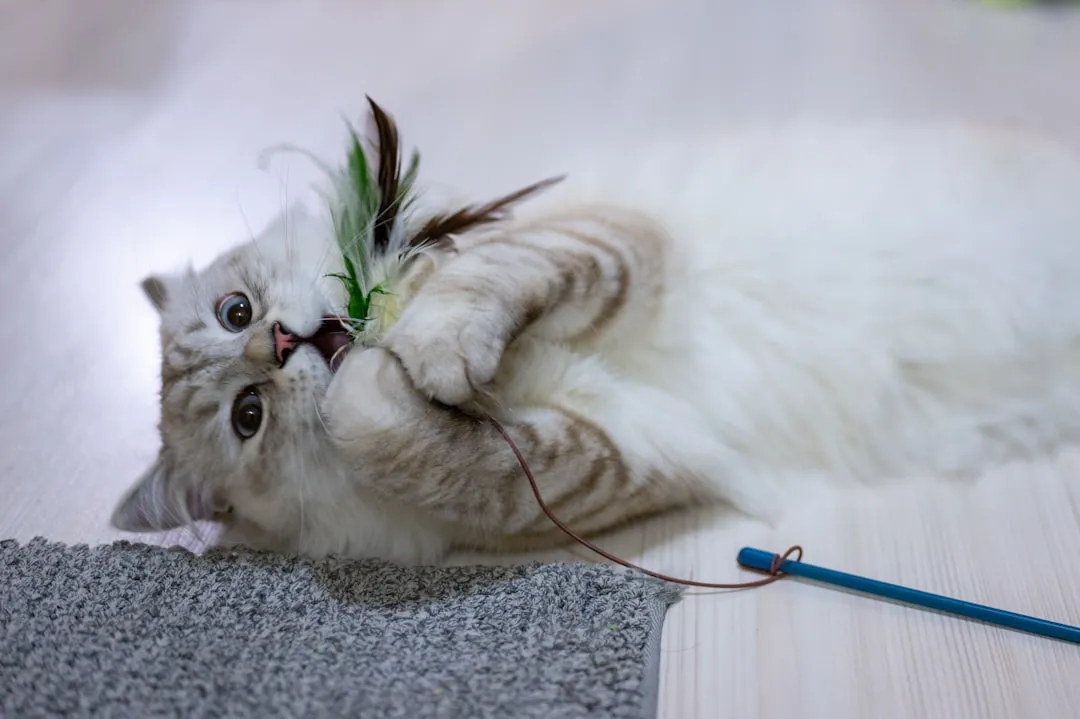
Old cats do not grow out of play. They grow out of the wrong kind of play. High jumps, wild zoomies, and laser-pointer sprints lose their appeal, but slow, stalk-and-pounce games with a wand toy dragged low along the floor? Still deeply satisfying.
Younger cats play to burn energy. Older cats play to keep their minds sharp and their bodies limber – think tai chi, not CrossFit. Two short sessions of soft-motion play preserve coordination, maintain muscle tone, and chip away at boredom. “She’s done with toys” is usually the wrong conclusion; she’s done with toys that hurt or exhaust her, and she’ll re-engage instantly with movement that mimics slower, ground-level prey.
#8 – More Litter Box Consideration (Not Less)
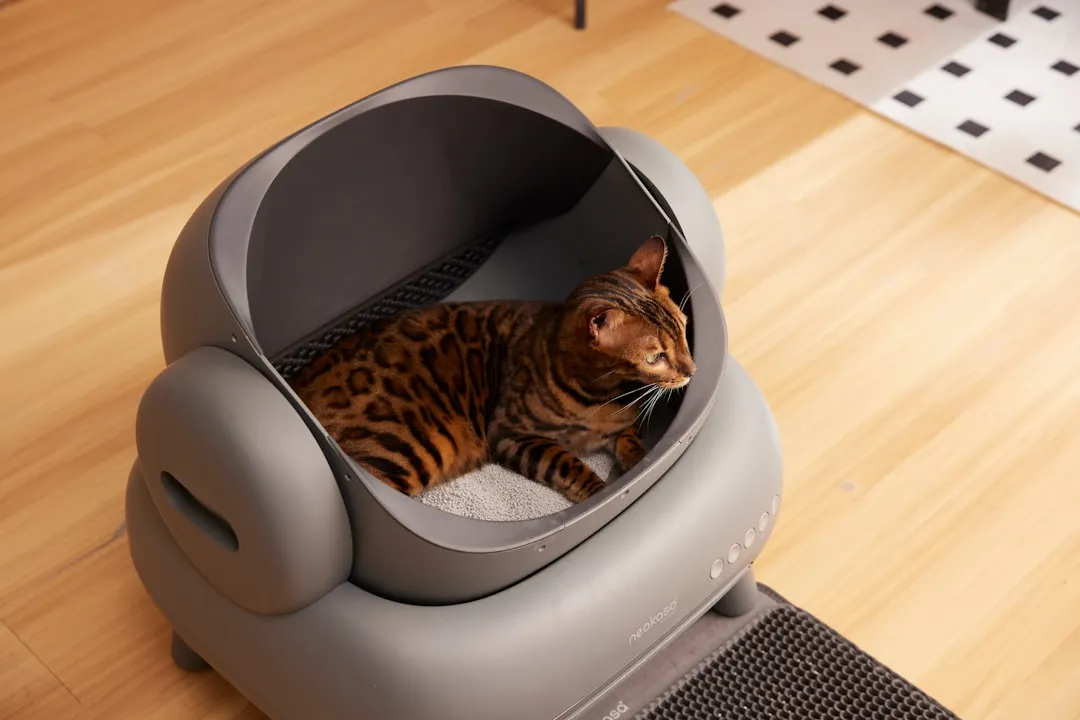
When a perfectly house-trained older cat suddenly starts missing the box, most people jump straight to “acting out” or “being spiteful.” In reality, senior cats almost always need more litter accommodations, not more punishment.
- Lower entry boxes for arthritic legs
- Bigger boxes so they can turn without pain
- Boxes on every floor of the home, not just the basement
Cats don’t skip the box for fun. They either can’t get there fast enough, can’t climb in comfortably, or associate it with pain from constipation or arthritis. Improve access, cleanliness, and substrate – softer litter genuinely helps – and a shocking number of “behavior problems” simply vanish. Expecting a 16-year-old to handle stairs like a 2-year-old is the actual mistake here.
#9 – More Veterinary Check-Ins (Before There’s a Crisis)
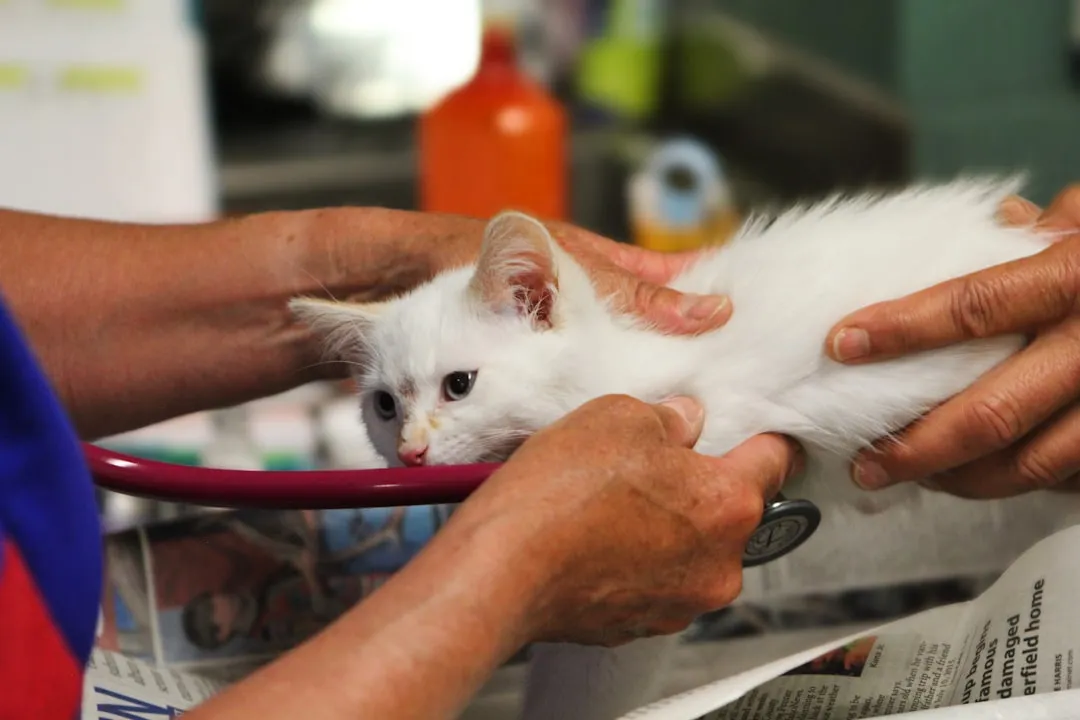
Senior cats are world-class pain-hiders. By the time they limp or cry out, the problem has usually been quietly brewing for months. What they silently need is more frequent, low-drama vet visits, not just emergency trips once something has clearly gone wrong.
- Annual visits become at least twice a year for most seniors
- Bloodwork catches kidney or thyroid issues early
- Dental checks head off chronic mouth pain
A lot of owners proudly say, “He never needs the vet, he never complains.” That’s not a flex – that’s a warning sign in an old cat. Quiet doesn’t mean healthy. The goal is catching problems while they’re still fixable with a diet change or a daily pill, not after your cat has already started hiding and skipping meals.
#10 – More Respect for Their Fading Hearing and Vision
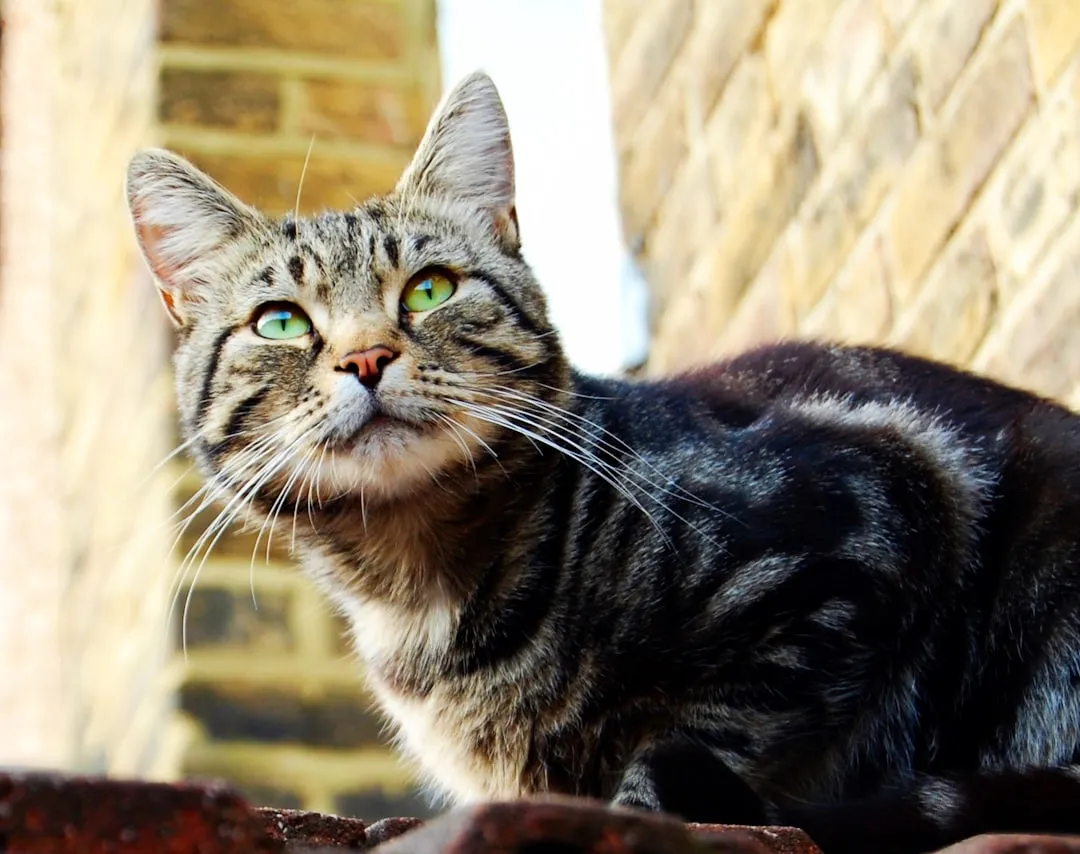
Your senior cat’s world gets fuzzier and quieter long before you notice it. They may not hear you walk into the room, or they may startle violently at a touch they didn’t see coming. Their senses are changing, and they need you to adjust around that, not push through it.
- Announcing yourself with a soft voice or a light floor tap
- Leaving nightlights on in hallways and near litter boxes
- Never picking them up suddenly from behind
Act like they still see and hear like a kitten, and you’ll unintentionally terrify them on a regular basis. Dark staircases, sharp corners, and cluttered floors turn genuinely risky as vision fades. A few plug-in nightlights and clear walking paths go a long way. Assuming “she gets around fine” and ignoring the signs is how falls and injuries happen.
#11 – More Temperature Control, Year-Round
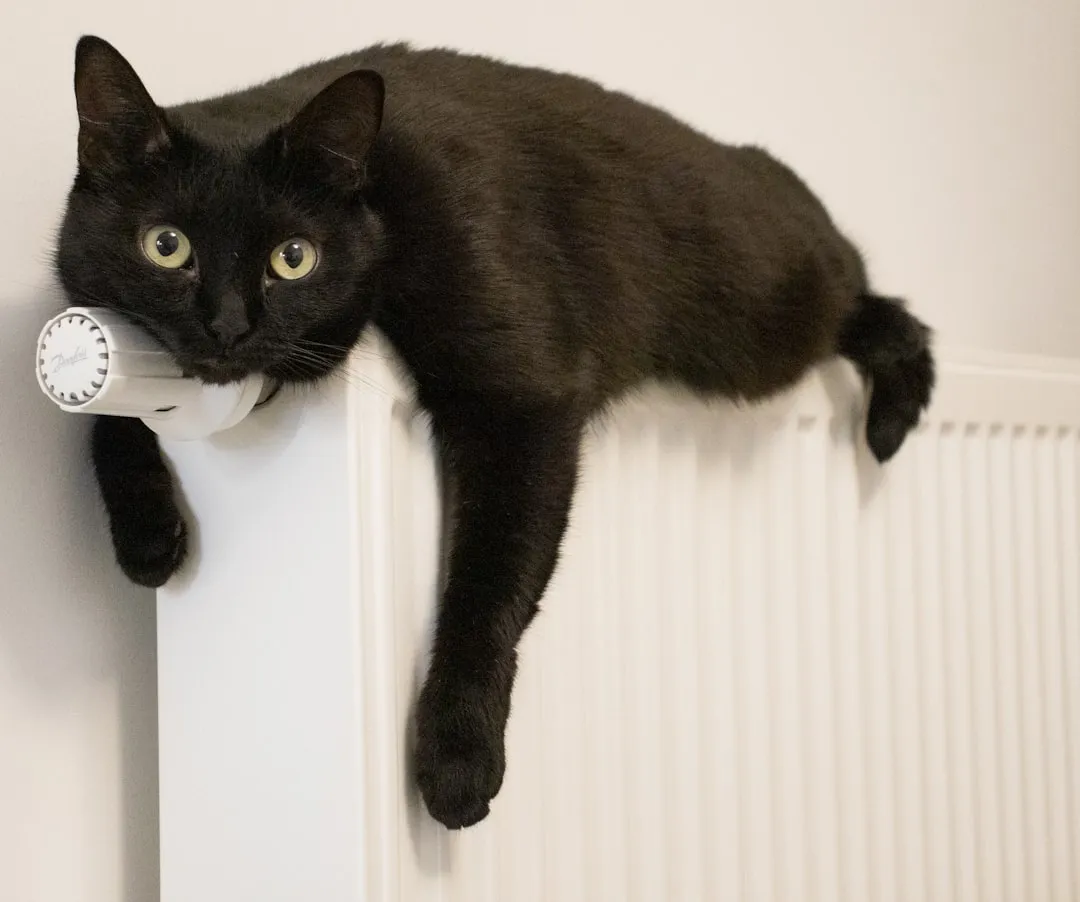
Older cats are worse at self-regulating temperature – they overheat faster in summer and chill faster in winter. What they want more of is control over their own microclimates, not one fixed setting that suits you.
- A cool tile or shaded spot in hot months
- A warm, draft-free nest in cold months
- Easy movement between the two options
If your senior cat is glued to one extreme – always on the heat vent, always on the bathroom floor – that’s a clue your ambient temperature isn’t working for them. Many guardians set the AC or heat for their own comfort and assume the cat will simply adapt. Senior cats often can’t. Constant shivering, repositioning, or camping in a single spot are signs worth paying attention to.
#12 – More Quiet Hiding Places, On Their Own Terms
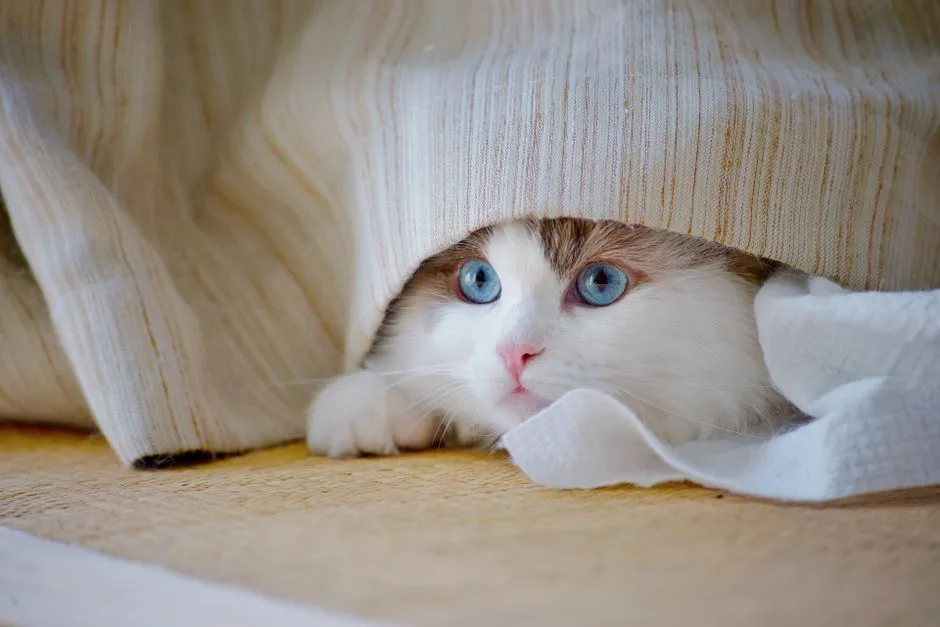
Here’s the paradox: old cats can want more human connection and more hiding places at the same time. Aging makes many of them less tolerant of loud guests, kids, or new pets, and more grateful for a covered bed or a quiet corner they can disappear into.
A good senior home offers both cozy lap time and a guaranteed escape route. Not every cat wants to be socialized into your busy lifestyle forever – some seniors simply opt out of the living room and prefer a back bedroom, with you visiting often instead. That’s not sad. That’s a boundary. Forcing them to stay in the center of the action “so they aren’t lonely” can be far more stressful than leaving them somewhere peaceful.
#13 – More Grooming Help, Especially Where They Can’t Reach
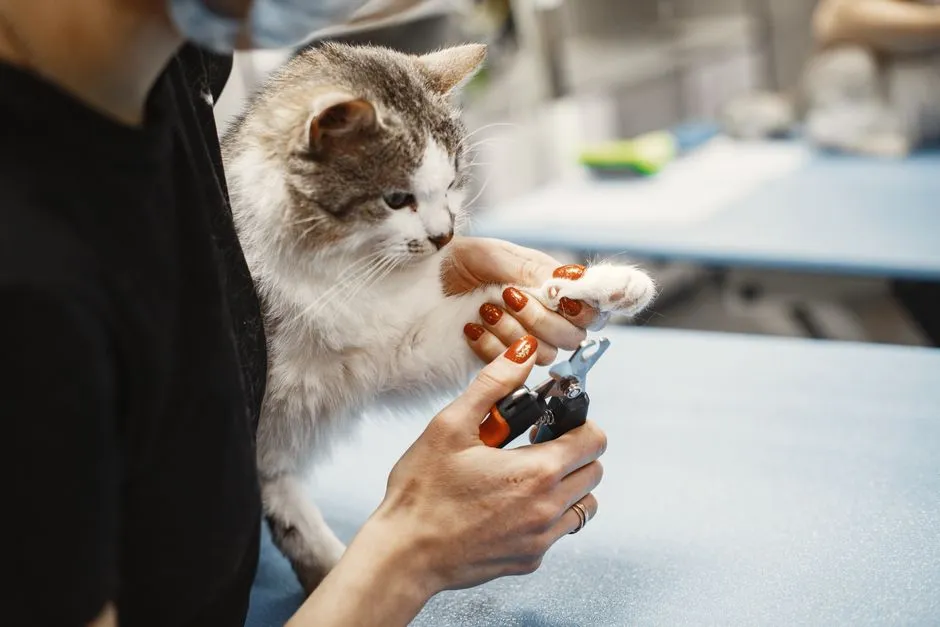
A once-pristine cat who suddenly looks scruffy isn’t letting themselves go – they’re telling you they need grooming backup. Arthritis makes twisting to reach the hips painful, dental pain makes chewing at mats harder, and conserving energy becomes a real survival strategy.
Helping with a soft brush, a damp cloth, or regular nail trims isn’t vanity – it’s comfort care. People often misread greasy fur or mats as “just old age” instead of an invitation to step in. Left alone, mats pull at the skin, trap moisture, and cause real pain. Short, gentle sessions keep their skin healthier and deepen the bond, as long as you avoid rough handling or forcing it – they still value having a say in the matter.
#14 – More Scent Stability – Don’t Over-Remodel Their World
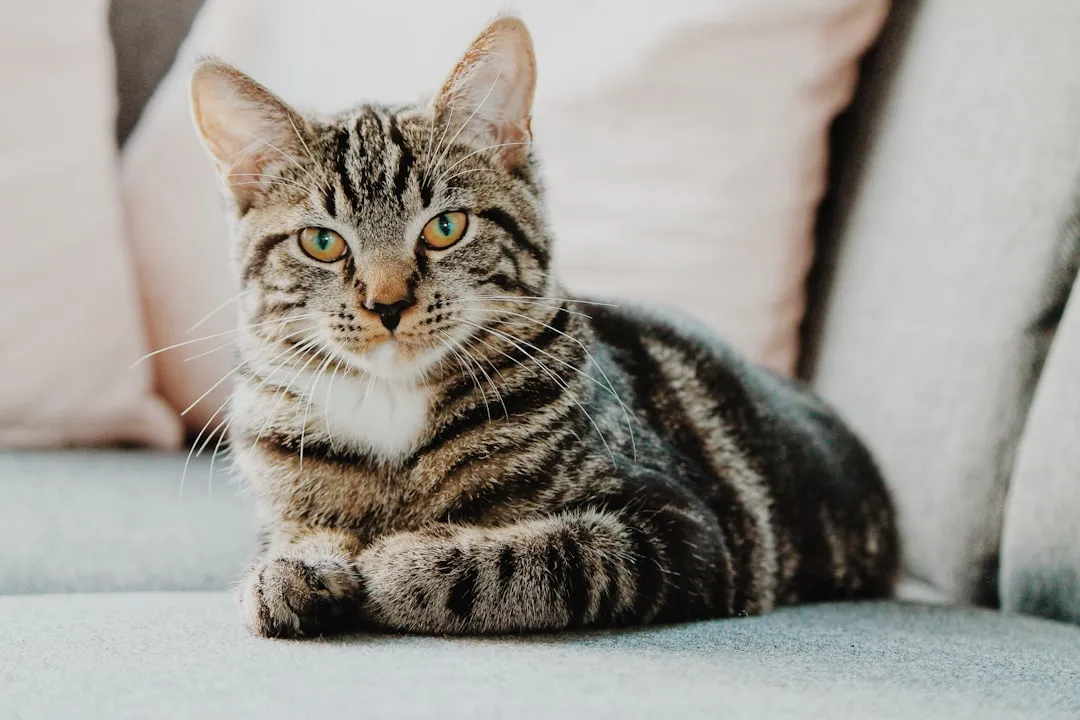
Cats live in a scent universe, and seniors lean on it even harder than they used to. Constantly switching detergents, spraying heavy air fresheners, or rearranging furniture can quietly distress an older cat who’s relying on smell to navigate a world their eyes and ears no longer fully cover.
- Keep core furniture in consistent places
- Introduce new scents slowly, not all at once
- Avoid overpowering cleaners or plug-ins near their beds
The internet loves a dramatic room-makeover reveal, but plenty of senior cats hate them. When “their spot” vanishes overnight, anxiety, clinginess, or sudden marking can follow. A more cat-respectful approach is gradual change, with a few anchored items left in place as familiar touchstones.
#15 – More Respect for Their Boundaries With Other Pets
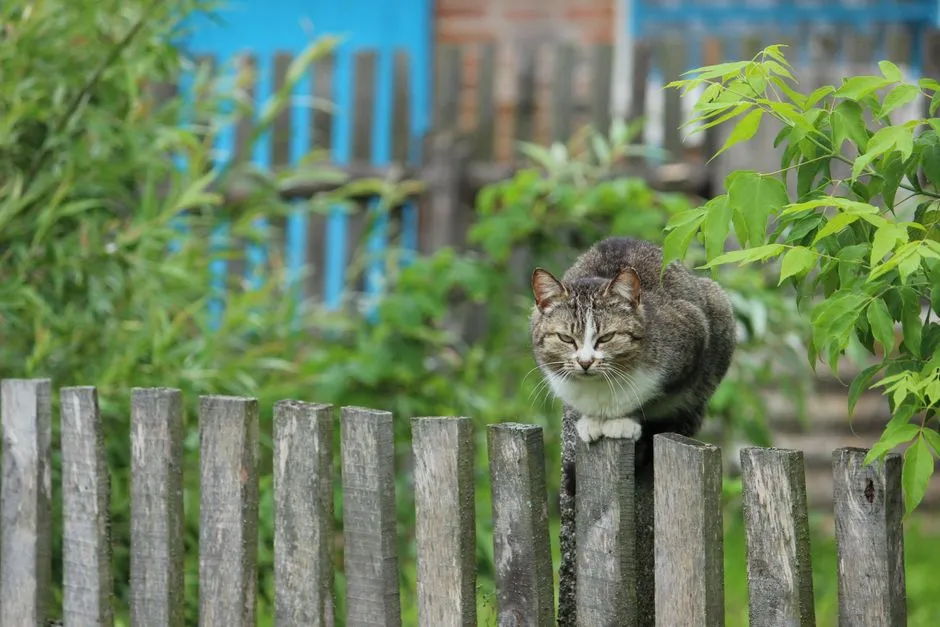
That patient middle-aged cat who once raised three foster kittens without complaint? By 14, she may not want to be the social glue anymore. Senior cats often need more distance from hyper younger animals – separate resting zones, protected food and litter areas, and an enforced no-pounce rule from housemates.
They’re not suddenly grumpy; they’re sore and overwhelmed. Plenty of households add a new puppy or kitten right as their resident cat hits senior status, then blame the old cat for “not adjusting.” Asking a creaky 15-year-old to tolerate ambush play isn’t fair to anyone. Older cats often prefer calm, predictable companions – or none at all – and advocating for that comfort sometimes means saying no to the impulsive new pet.
#16 – More Dignity Around Aging and End-of-Life
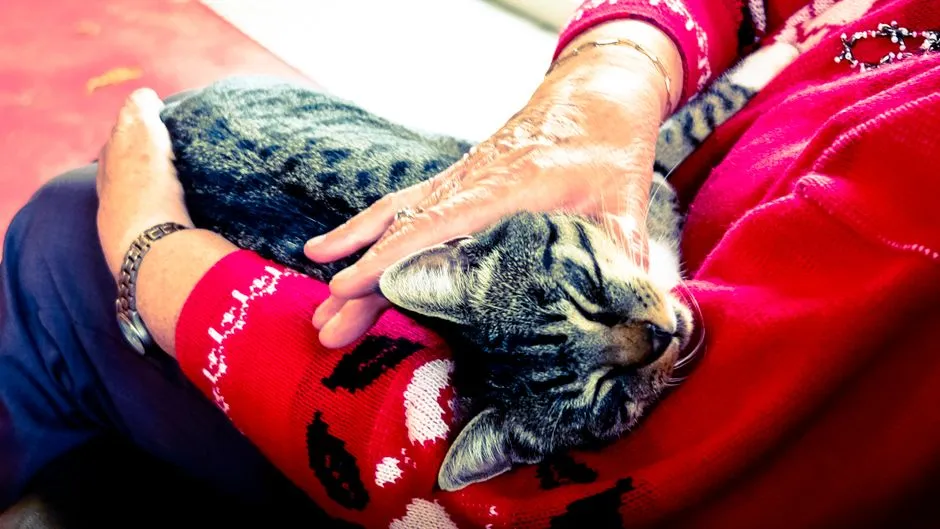
This is the one nobody wants to talk about, but your old cat feels it: they want more dignity, not more denial. That means real pain management instead of “he’s just slowing down,” comfortable resting spots where they can still see you, and honest conversations with your vet about quality of life.
They don’t need heroic, Instagram-worthy treatments. They need you to notice when the good days stop outnumbering the bad ones. There’s a popular idea that a “natural” death at home is always the kindest option, but in cats, that often just means prolonged, unmanaged suffering. Truly loving an old cat means being willing to intervene – with medication, hospice-style care, or a humane goodbye – before their world shrinks down to only pain and fear.
Fast Facts
- Reduced appetite lasting more than a day or two is worth a vet call, not a wait-and-see
- A cat who stops grooming entirely is often signaling pain, not laziness
- Home hospice-style care can include pain medication, fluids, and appetite support
- Vets weigh mobility, appetite, and hygiene together when assessing quality of life – not just visible suffering
#17 – Less Interest in Impressing You With Acrobatics
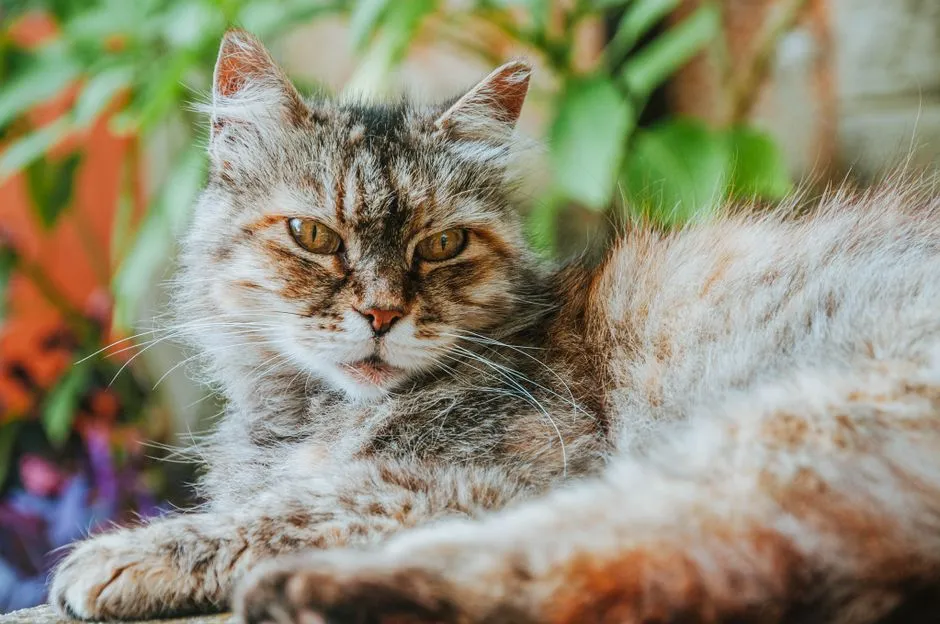
Now for the things they’ve quietly stopped caring about. First up: showing off. Older cats stop caring about proving they can leap the highest or run the fastest, and the Instagram-worthy parkour moves fade with a shrug that says none of that mattered anyway.
Humans take this harder than cats do. We project sadness onto them because they’re no longer bouncing off shelves, but most seniors are perfectly content trading acrobatics for security. They aren’t mourning their vertical jump record; they’re running a risk-versus-comfort calculation and choosing comfort. If they take the safer route, that’s wisdom, not decline – you might miss the flying-kitten chaos, but they genuinely don’t.
#18 – Less Obsession With Territory Wars
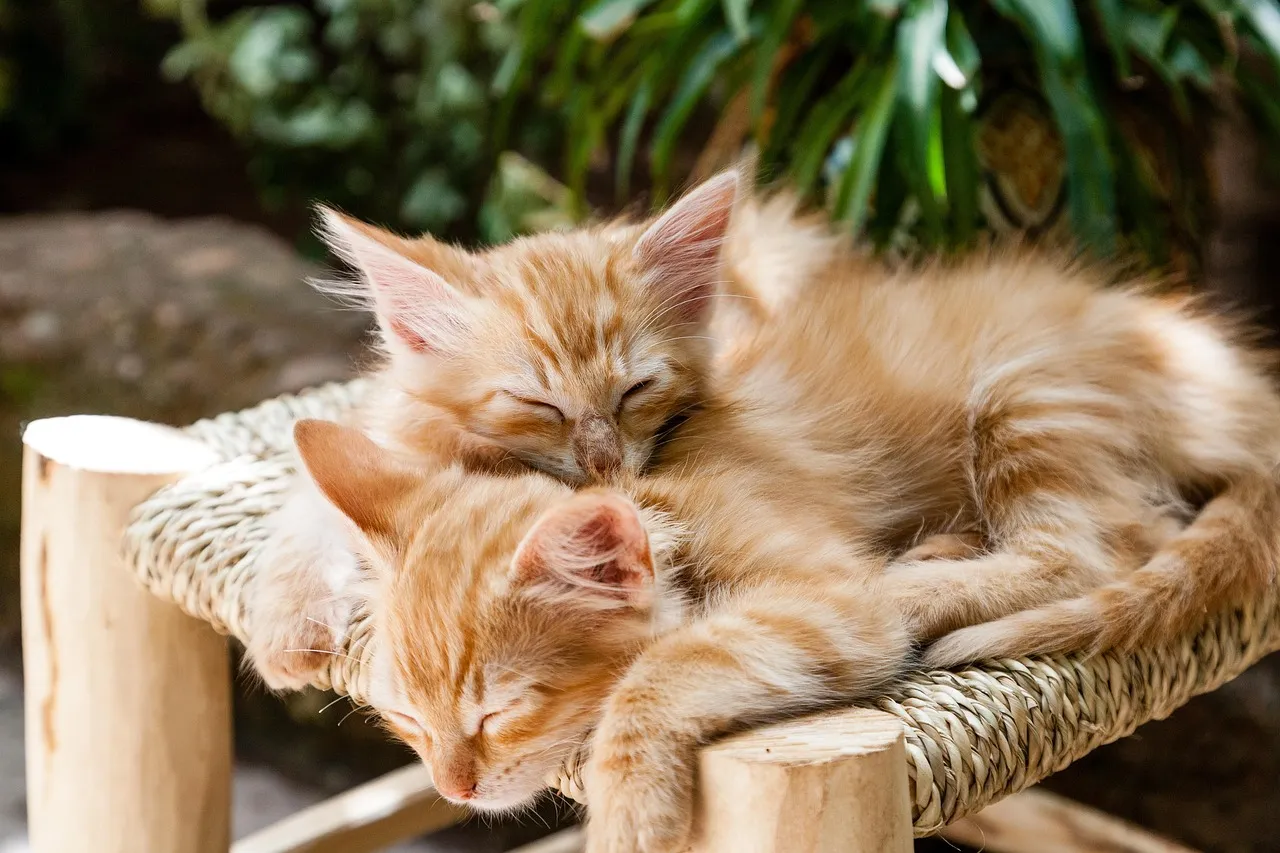
Territory is everything to a young cat – doorways, windows, high shelves, all claimed and defended. Many seniors simply stop caring about constant turf patrol. Instead of policing every window, they narrow their empire down to the essentials: the warmest nap zone, the safest litter box, the coziest human.
This doesn’t mean they’ll never hiss again, but the urgency drops off a cliff. They’re less interested in defending the hallway from a housemate and more interested in being left alone on the bed. Humans sometimes misread this mellowing as weakness, but it’s closer to political retirement – they’ve done their time in office, and now they want their pension and a sunbeam.
#19 – Less Patience for Being Picked Up and Passed Around
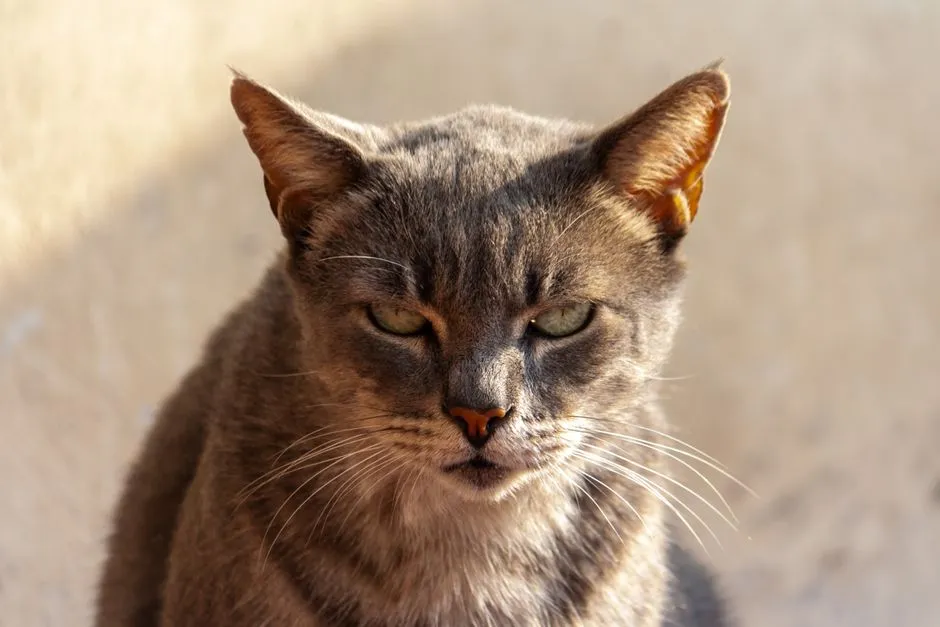
Many older cats quietly stop caring about being portable. They don’t want to be handed from person to person, carried around like a plush toy, or plopped into a lap without warning. Their joints ache, their bladders are touchier, and their tolerance for rough handling drops fast – they value control over their own body more than ever before.
This is where family friction often starts. Kids, and plenty of adults, think, “He used to let me hold him like a baby, why not now?” The answer is simple: it hurts, and he doesn’t need to prove anything to anyone anymore. Inviting them onto your lap instead of grabbing them prevents a lot of “sudden” bites and scratches that were never actually sudden.
#20 – Less Interest in Novelty for Its Own Sake
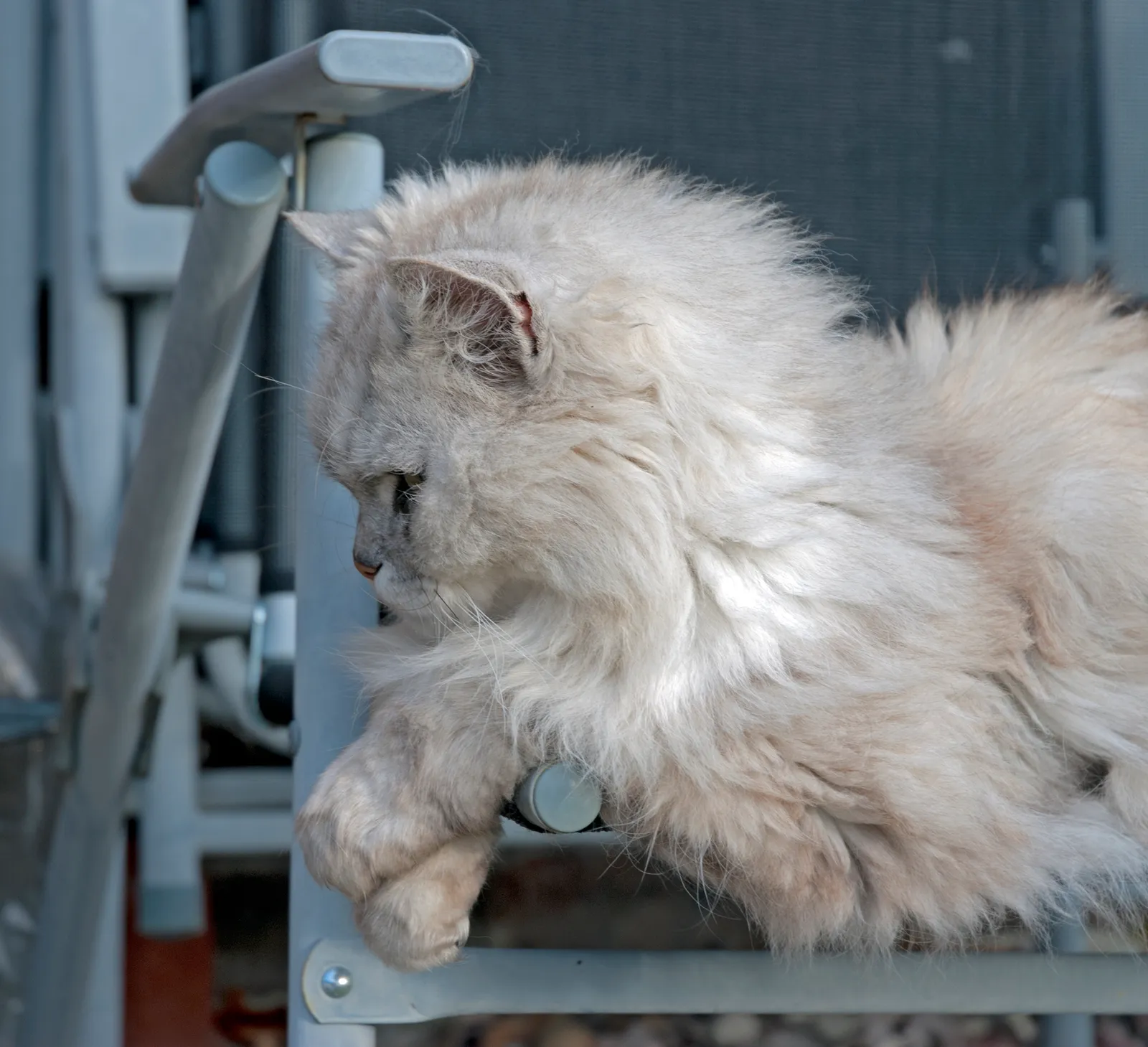
Pet industry marketing loves novelty – new toys, new beds, new feeders every month. Senior cats, though, often stop caring about change just for the sake of change. They value familiar textures, known hiding spots, and routines they can predict in their sleep.
A brand-new-everything overhaul might impress you, but for them it can be genuinely unsettling. Younger cats might enjoy a rotating toy box; many seniors prefer a few trusted favorites and nothing else. In an older brain, too much novelty stops feeling like enrichment and starts feeling like noise. The thrill of a surprise cat tree is usually more for the human buying it than the cat living with it.
#21 – Less Tolerance for Loud, Sudden Noise
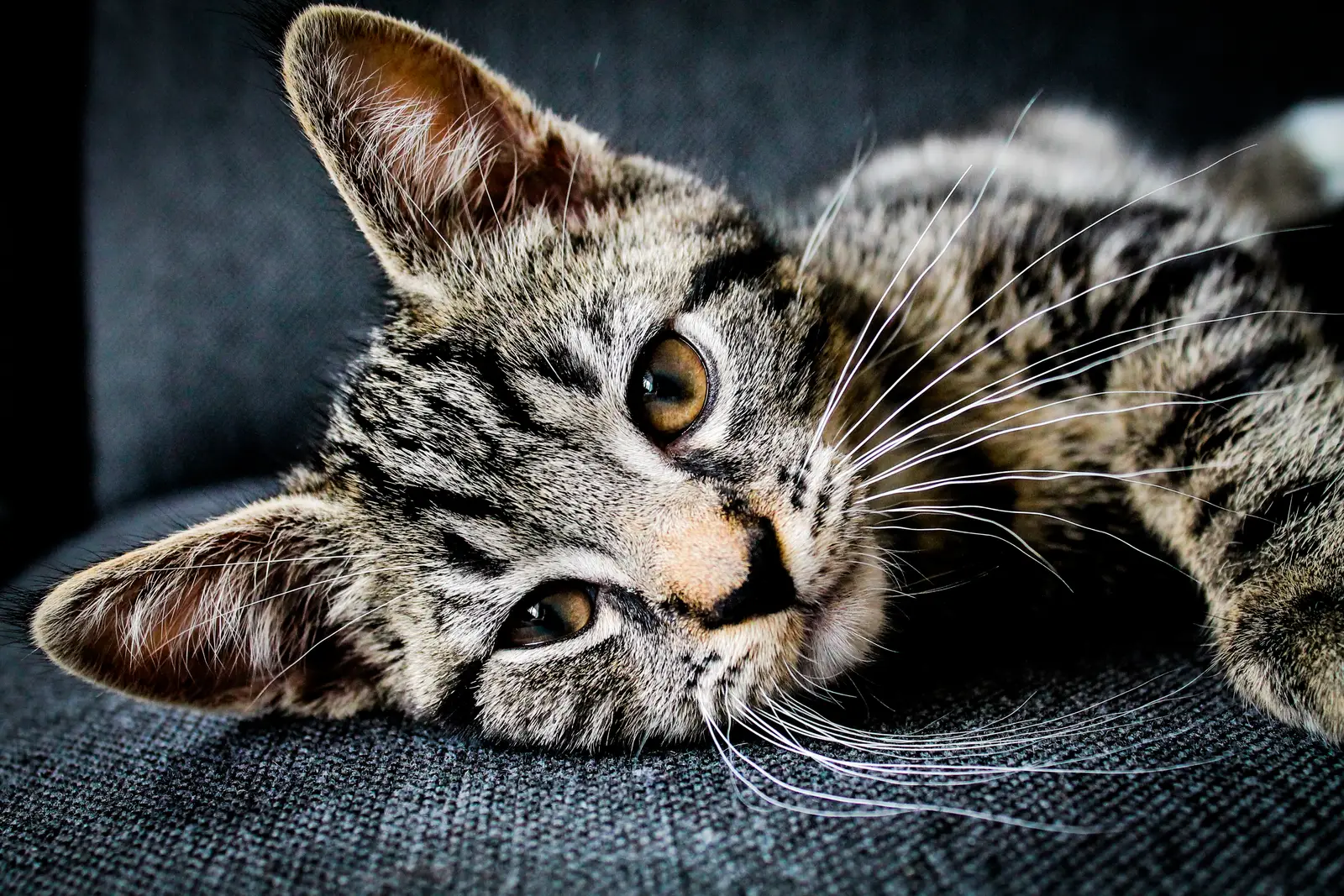
Fireworks, dropped pans, shouting at the TV – older cats are simply over it. With age, many go partially deaf or startle far more intensely when they do hear something sudden. Either way, they stop caring about being anywhere near the noisy action, and they leave rooms during arguments, avoid busy kitchens, and vanish completely during holidays and parties.
People often label this as antisocial, but it’s really self-protection. This is one of the few spots where humans genuinely need to adjust. If your idea of fun is a surround-sound action movie, your senior cat’s idea of survival is hiding under the bed. Offering a real quiet zone – and not dragging them back to the living room “to be with the family” – respects exactly what they’re telling you.
Quick Compare
- Young cat: startles, then investigates the noise out of curiosity
- Senior cat: startles, then retreats and avoids the area for good
- Young cat: tolerates parties and vacuuming with mild annoyance
- Senior cat: needs a designated quiet room during loud events
#22 – Less Concern About Chasing Every Bug or Shadow
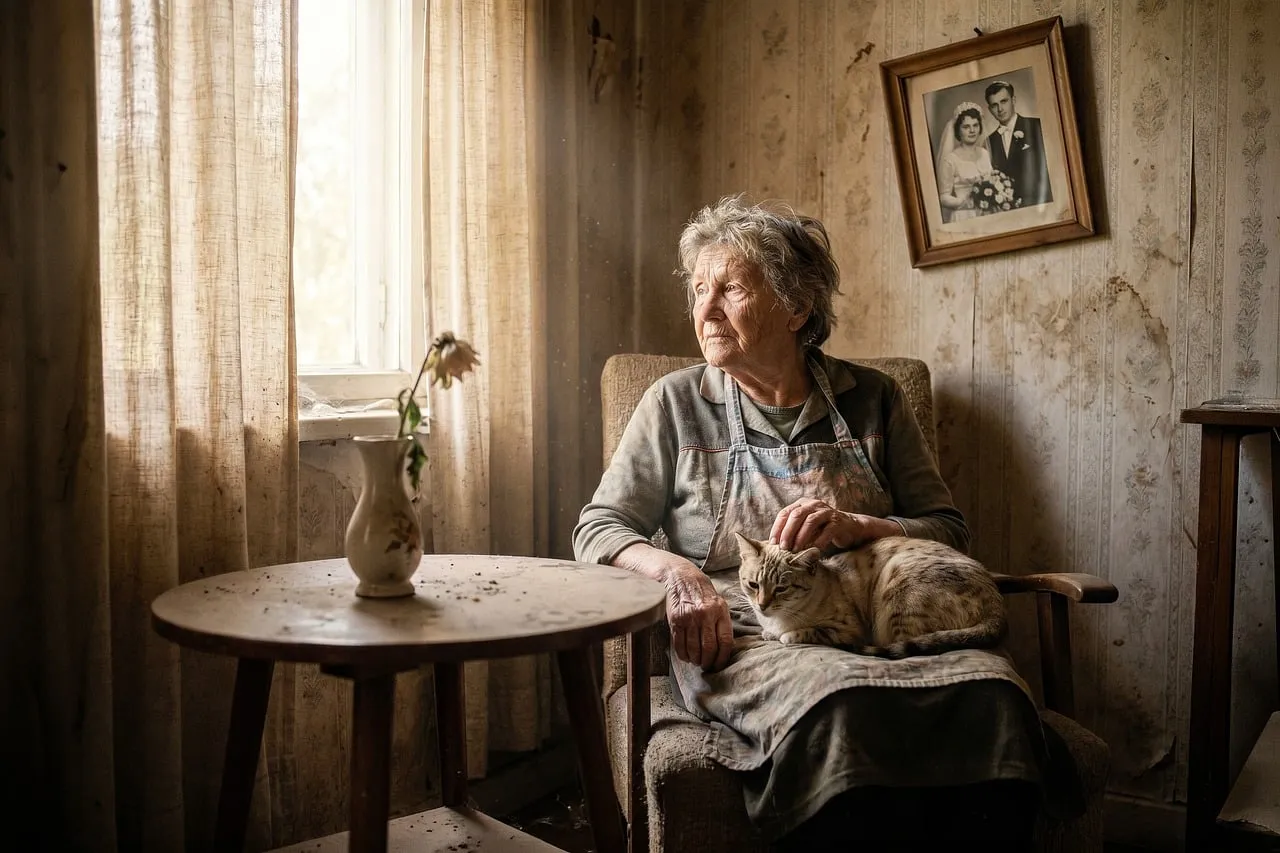
Young cats spot a bug at twenty feet and launch a full military operation. Seniors often look at the same bug, blink slowly, and go back to sleep. The drive to chase every moving speck fades, and what’s left is a far more selective hunter.
This shift bothers humans who loved watching their “mighty hunter” in action. But for an older cat, energy budgeting is real – a slow-moving moth might still tempt them, while a random dust mote on the wall won’t get a second glance. Choosing not to chase everything isn’t giving up; it’s refined priorities. Why burn energy on a housefly when there’s a scheduled cuddle session coming?
#23 – Less Interest in High-Traffic Windows
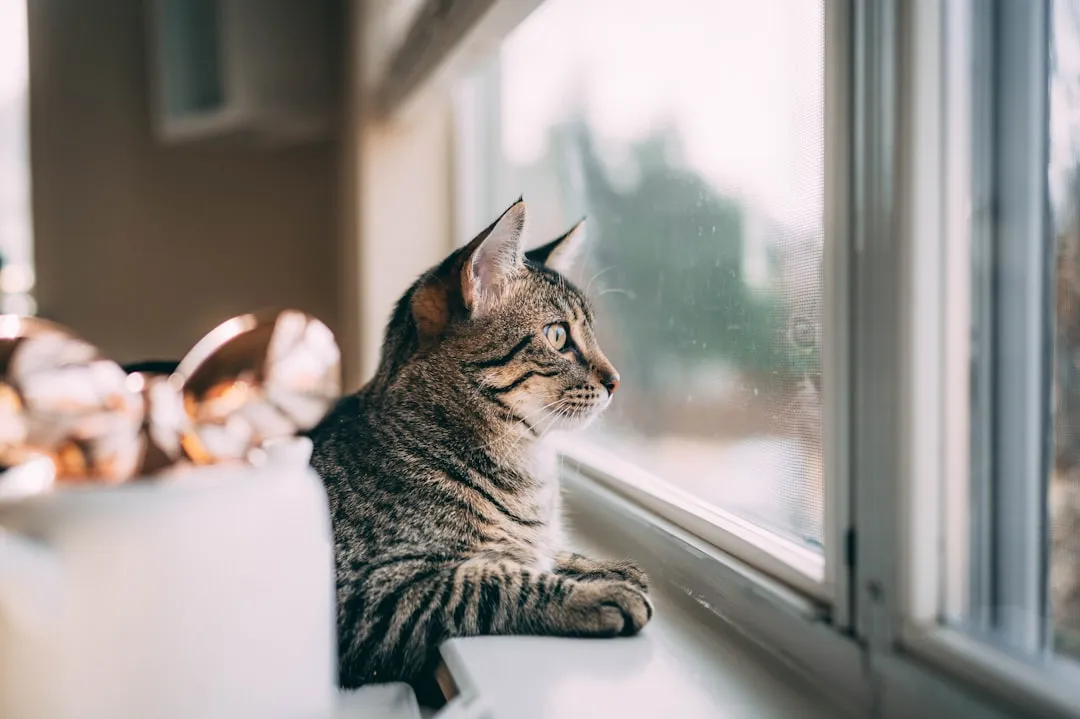
Cats and windows seem inseparable – until they age. A lot of senior cats stop caring about supervising busy sidewalks, loud parking lots, or constant dog traffic outside. What was once thrilling becomes overstimulating, and they trade the front-row chaos seat for a quieter view of a backyard, a garden, or just an interior hallway.
Guardians sometimes panic when their cat abandons the windowsill and assume illness. Sometimes it’s a jumping issue; sometimes it’s simply preference, since processing all that visual noise takes more mental effort than it used to. Offer a calmer view instead – a distant bird feeder, a low-traffic window – and many seniors happily switch posts without missing a beat.
#24 – Less Willingness to Share Resources
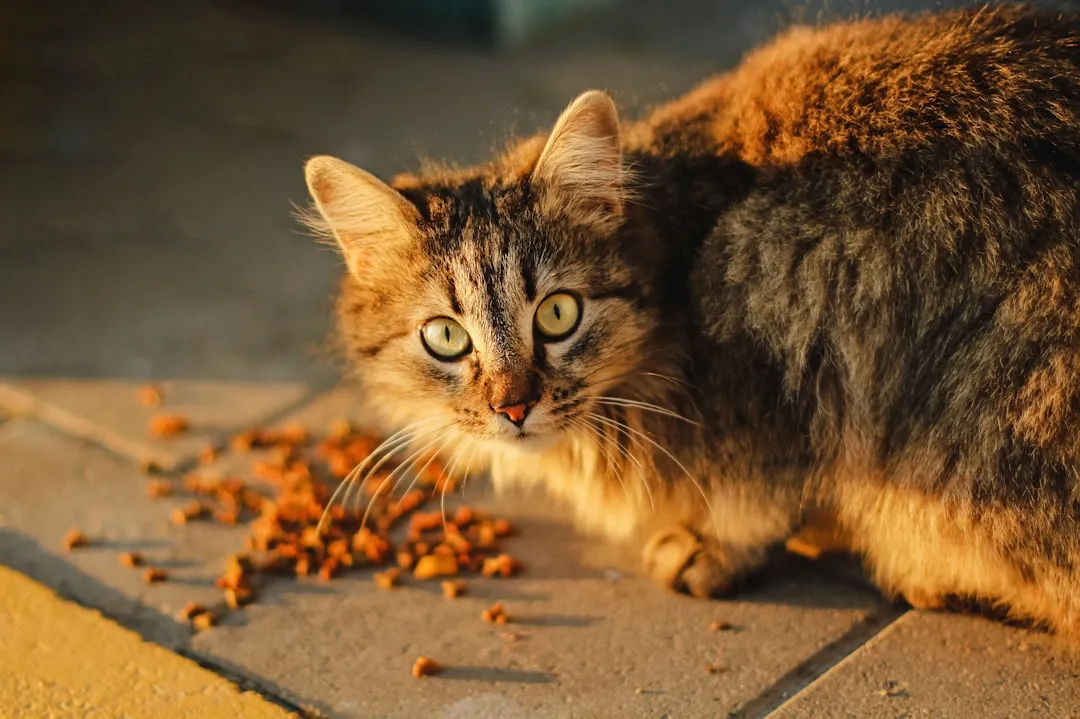
This one surprises people: seniors often get more easygoing about territory but less tolerant about sharing essentials. They stop caring about “owning” every room, but they will refuse to share food bowls with pushy housemates, wait in line for one litter box, or accept crowding at their favorite bed.
What they’ve dropped is the politeness theater. They’re not faking tolerance anymore. In multi-cat homes, this is exactly where conflict spikes. The older cat walks away from the bowl more often not because they’re less hungry, but because they’re less willing to elbow their way in. Separate resources – more feeding stations, more boxes, more beds – aren’t a luxury here. They’re a requirement, or the “finicky” old cat is really just the one getting quietly pushed out.
#25 – Less Interest in Micromanaging Your Every Move
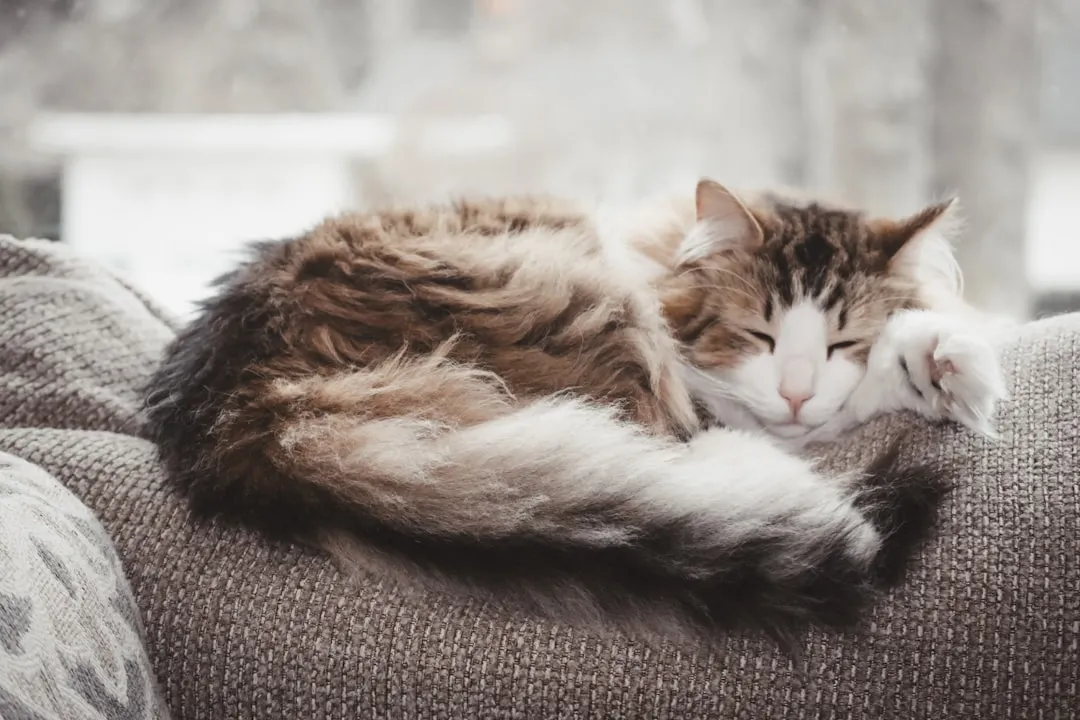
Younger cats shadow you like tiny supervisors, fascinated by cooking, desk work, even your shower routine. Seniors often stop caring about overseeing your every move. They still want proximity – just not the constant surveillance duty they used to volunteer for.
This is where people sometimes say, “She doesn’t watch me like she used to.” In reality, she finally trusts the routine enough to stop checking on it. She doesn’t need to supervise every dish you wash or email you type. Being in the same room, often sleeping while you live your life, is enough. They’ve shifted from tiny manager to retired roommate – and that’s a sign of security, not disinterest.
#26 – Less Drama Over Doorways
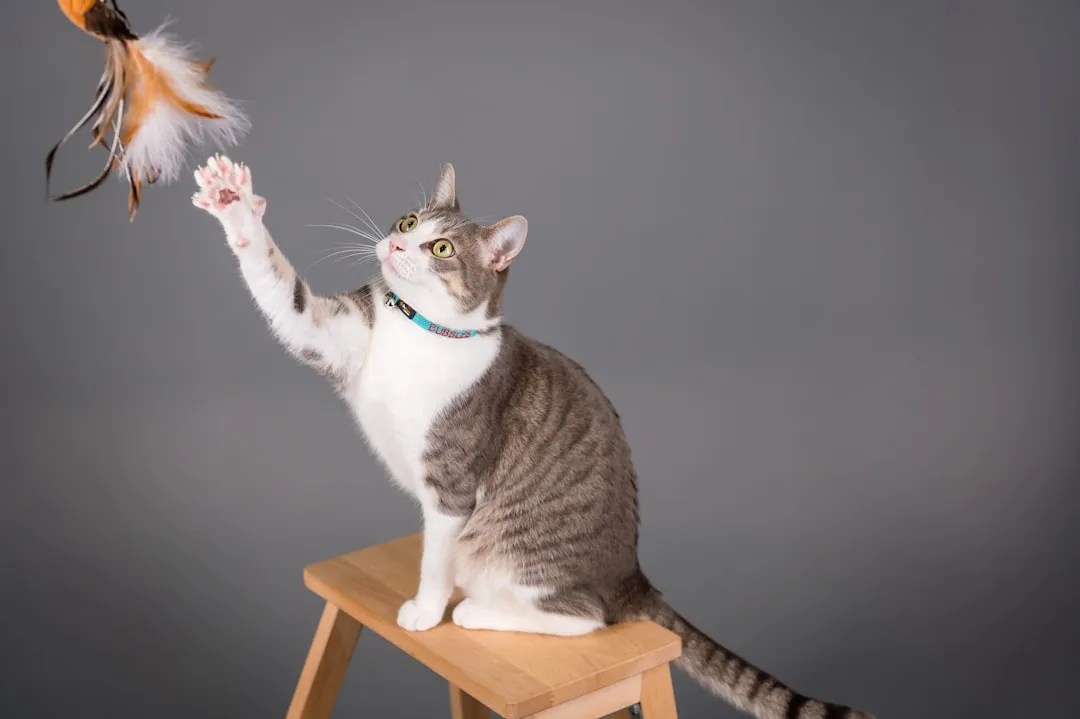
The cliché of the cat who must go out, then come back in, then immediately demand to go back out? That’s usually a younger or middle-aged move. Many older cats stop caring so intensely about doorway politics – less yowling at 3 a.m., less bolting for open doors, more contentment with indoor comforts.
Some humans misinterpret this as “finally trained,” when it’s closer to “my joints hurt and the couch is warmer.” For indoor-outdoor cats, aging is the natural moment to reassess outdoor risks seriously. Many seniors will choose the sofa over the yard if given an enriched indoor life to choose instead – and respecting that choice can genuinely add years to their lifespan.
#27 – Less Fear of Everyday Household Objects
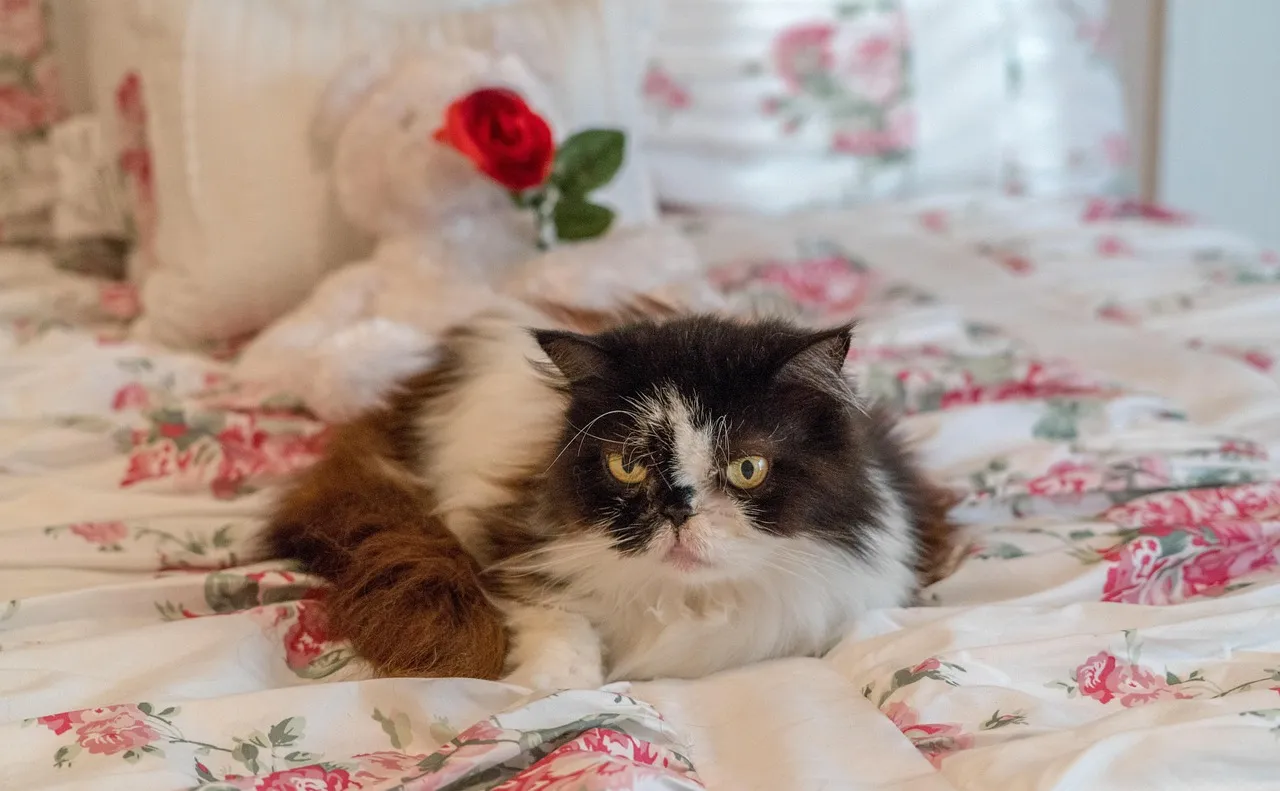
Young cats are famously dramatic about vacuum cleaners, plastic bags, and new boxes. Some seniors stop caring enough to react. They may still move away from a vacuum, but the frantic, wide-eyed panic often softens into a slow, mildly annoyed relocation instead.
This isn’t universal – some anxious cats stay anxious for life – but many genuinely mellow. Sounds and objects that used to trigger instant flight fade into background noise. That’s not senility; it’s desensitization plus energetic triage, since they’re no longer willing to waste adrenaline on every strange thing you drag through the door. That said, don’t blast a hairdryer at them just because they “don’t care” – they’re choosing not to freak out, not inviting new stress.
#28 – Less Interest in Complicated Puzzle Toys
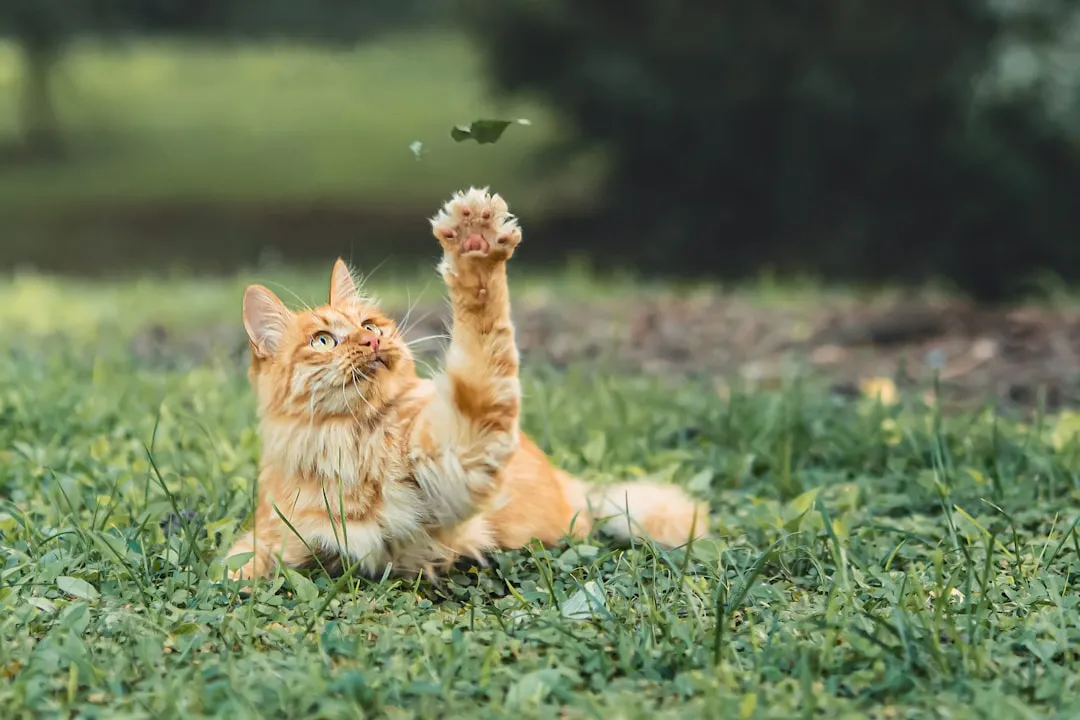
Interactive feeders and puzzle toys are great for young, food-motivated brains. A lot of senior cats stop caring about working hard for every bite. They’d rather have straightforward bowl meals, simple enrichment they can access without a fight, and nothing fiddly enough to frustrate stiff paws.
This is where human ego gets in the way. We love the idea of our pet being a genius solving elaborate puzzles, but an older cat may find the same toy exhausting or confusing, especially with fading vision or coordination. That doesn’t mean cutting out enrichment entirely – it means adapting it. Scatter feeding, simple sniff-and-find games, and slow feeders with shallow grooves beat elaborate plastic mazes every time.
#29 – Less Competition With Other Cats for Your Attention
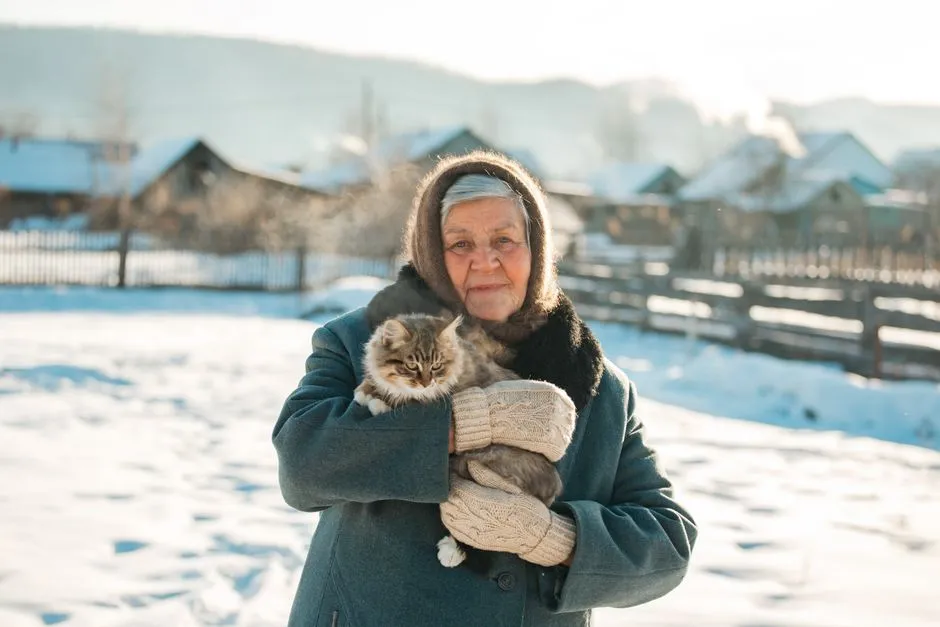
The cat who once body-checked housemates off your lap may gradually stop caring about winning the favorite-child contest. Seniors often settle for scheduled, predictable solo time with you, a specific chair they’ve claimed as “theirs,” and quiet coexistence even when another cat is in the room.
Humans sometimes miss this nuance entirely. They see less pushing and assume the cat wants them less. In reality, older cats get strategic – they learn exactly when you’re most available, whether that’s bedtime, morning coffee, or the couch at 9 p.m., and they show up then instead of yelling for attention every six minutes. They’d rather have fewer, more meaningful sessions than constant noise.
#30 – Less Interest in Constant Food Variety, More in Quality
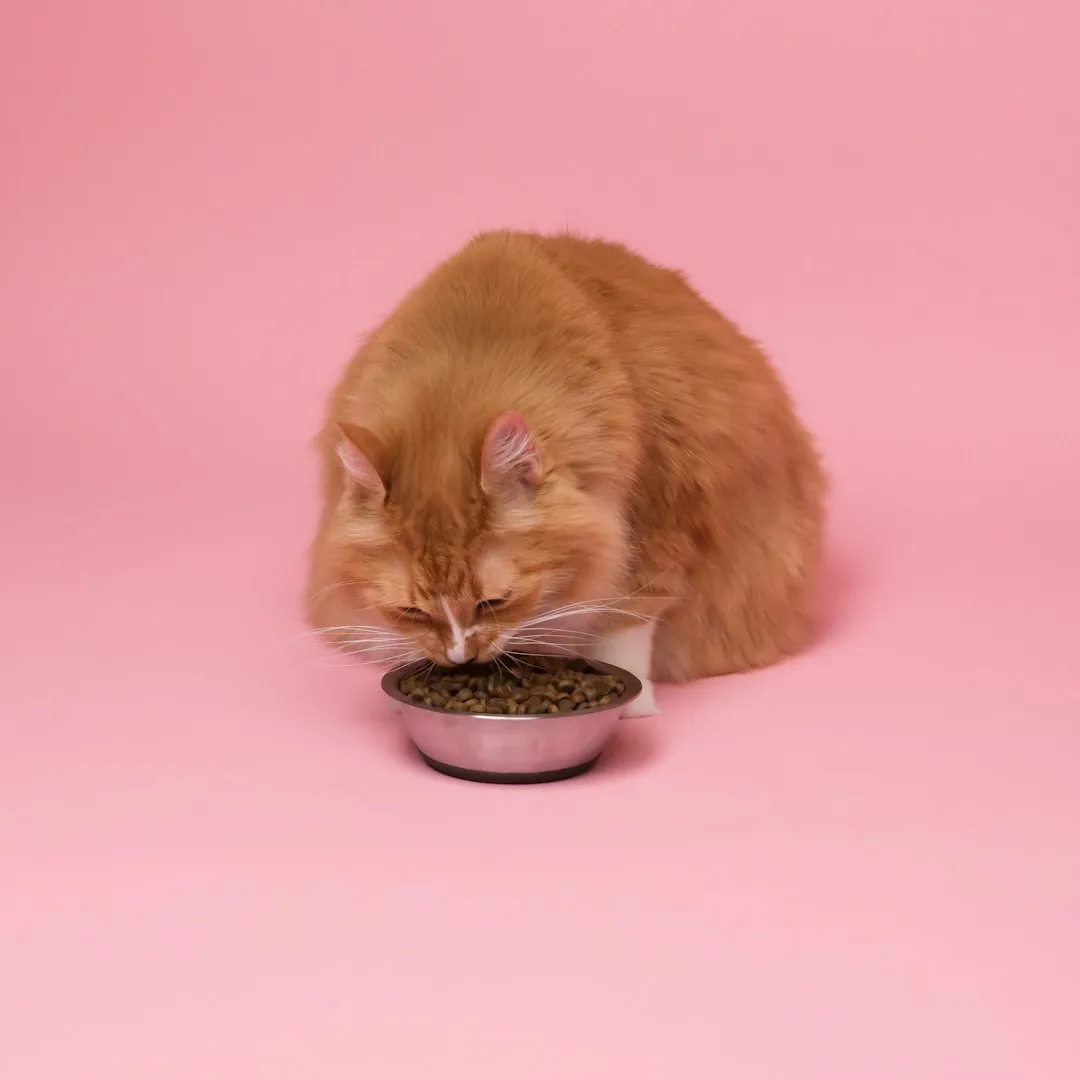
Here’s a weird one: some seniors become less excited by rotating flavors and more focused on whether the texture and digestibility actually work for them. They stop caring about the chicken-versus-salmon drama and start caring about food that doesn’t upset their stomach, textures gentle on aging teeth, and quality ingredients even if the flavor sounds “boring.”
A simple, consistent diet that agrees with them often beats a buffet of ever-changing cans. Guardians chasing a “picky eater” fix sometimes make things worse by hopping brands and proteins every week. An older cat’s digestive system usually prefers a stable, gentle routine, with changes introduced gradually and only when medically necessary. Comfort and digestibility beat novelty almost every time.
At a Glance
- Consistent protein source beats rotating flavors
- Softer textures are easier on aging teeth and gums
- Gradual diet changes only when medically necessary
- Fewer stomach upsets from sticking with one trusted formula
#31 – Less Grooming for Status, More for Comfort
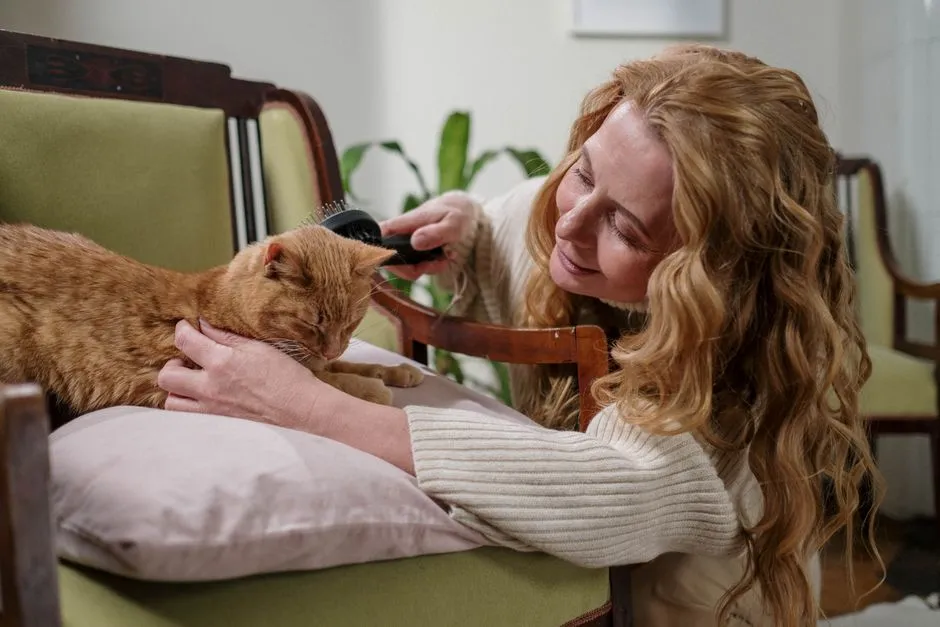
Young cats sometimes over-groom as a social or dominance behavior, keeping their coat immaculate almost for show. Seniors increasingly treat grooming as a practical comfort task rather than a beauty contest. They’ll focus on easy-to-reach areas, drop the obsessive shine on their back and sides, and tolerate a little untidiness they’d never have accepted before.
If licking a spot hurts, they’ll simply stop, no matter how it looks afterward. This is another place humans project their own standards. We assume a slightly dull coat means sadness about appearance, when the cat is really running a pain-versus-benefit calculation. That’s exactly why your gentle brushing help matters more than ever, even though they’re no longer trying to be a runway model. They’re after comfort now, not compliments.
#32 – Less Fear of Being Vulnerable Around You
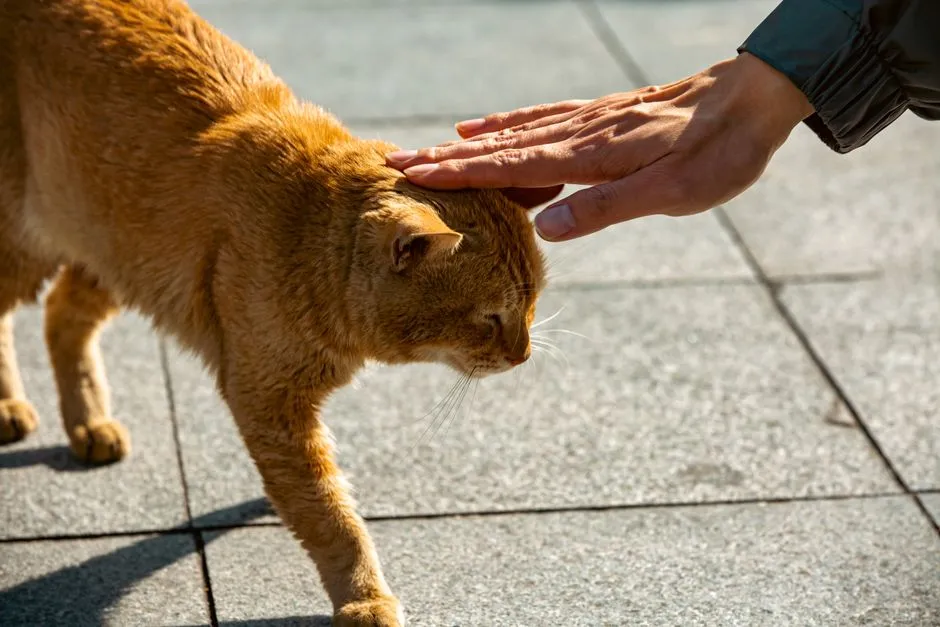
Possibly the most profound shift of all: many old cats stop caring about hiding every weakness from you. A formerly guarded cat might sleep with their belly exposed, relax more deeply beside you, or seek you out specifically when they’re not feeling well.
They’re not giving up – they’re finally trusting you with their vulnerability, and that is the highest compliment a cat can give a person. Seeing your once-invincible cat lean on you more can be emotionally heavy, but from the cat’s side, it’s simple: you proved yourself over years. They no longer need to pretend they’re fine. They can be old, sore, sentimental, and safe, and know you’ll understand exactly what that means.
The Bottom Line
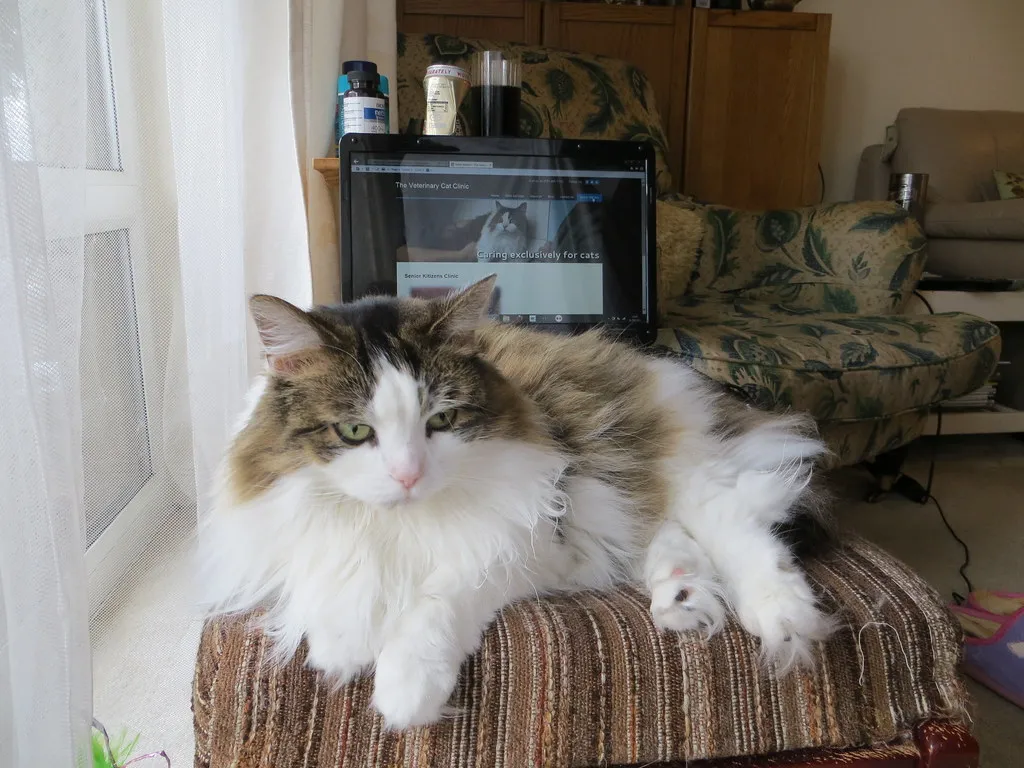
Old cats aren’t just younger cats running slower. Their entire priority list flips. They want more predictability, more warmth, more gentle support, more pain control, and more dignity – and at the same time, they quietly stop caring about acrobatics, drama, dominance games, and impressing anyone at all.
Here’s the opinion part: a huge share of what gets labeled “old age problems” is actually human refusal to adjust – too few litter boxes, too few vet visits, too much noise, not enough respect for changed limits. Cats don’t ask for much as they age. They ask for less chaos and more choice. Meet a senior cat where they actually are, and you don’t just extend their life – you change the entire texture of the years they have left.
What’s the change in your own old cat that people still get wrong? Say the unpopular version in the comments.

- 16 Things Old Cats Want More Of and 16 They Quietly Stop Caring About Entirely - August 12, 2026
- 19 Strange Things Researchers Say Hummingbirds Do When They Believe Nobody Is Watching Them - August 12, 2026
- If Your Cat Has Turned Fifteen These 17 Changes Are the Ones Vets Never Dismiss - August 12, 2026