
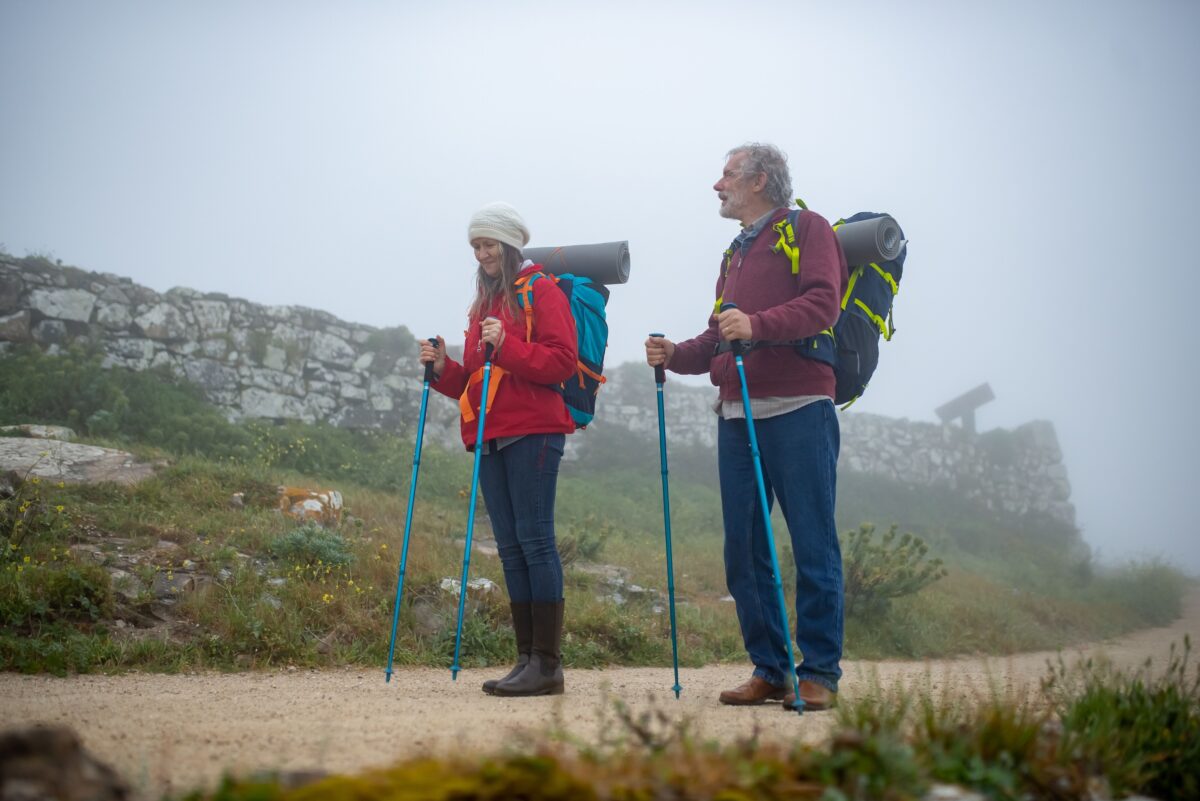
Picture a packed trailhead on a Saturday morning. Most people glance at the gray-haired walkers lacing up and quietly assume those are the ones headed for trouble. Trail crews spend busy weekends watching thousands of boots go by, and what they see is far messier than that assumption. Here are 16 habits that keep standing out in walkers over 65.
Older hikers do show up in rescue records. Yet at least one large trail survey found that age was actually protective against injury. Some of these habits are quietly brilliant, some are genuinely risky, and a few are the opposite of what you’d expect. Keep reading, because the one waiting at #1 flips the whole story.
#16 – They Beat the Crowd to the Trailhead
🔥 Would you like to save this?
We'll email this post to you, so you can come back to it later!
The smartest move many over-65 walkers make happens before they lace up.
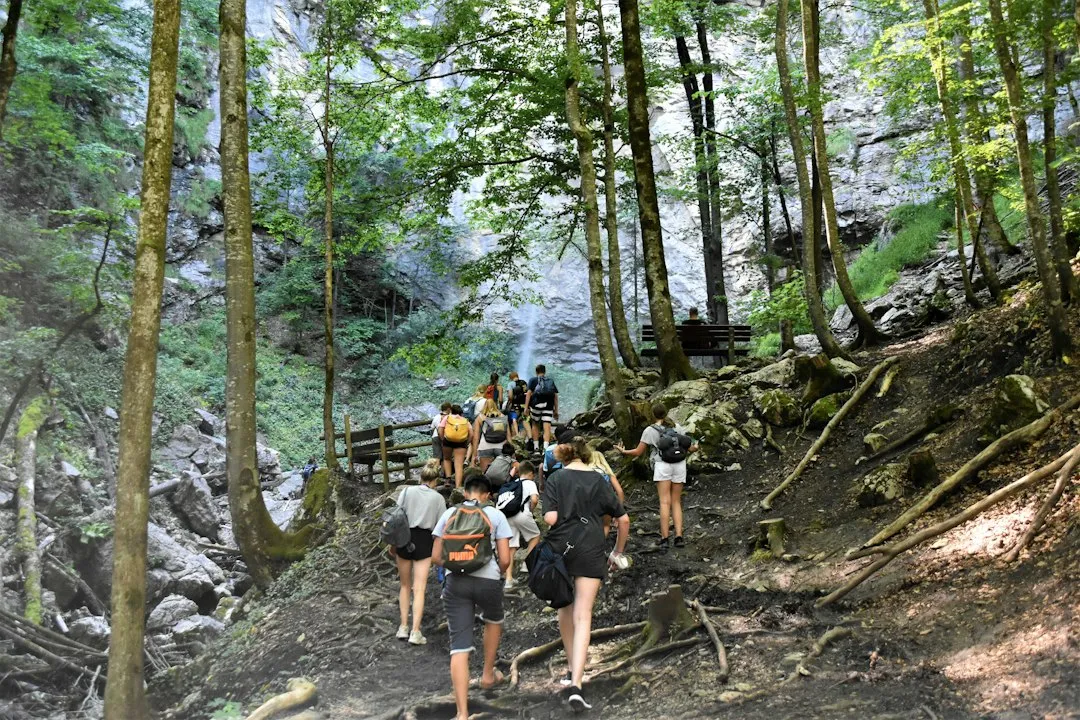
Busy weekends turn popular trailheads into traffic jams by mid-morning. Early arrivals get cooler air, open parking and a trail that’s still quiet. That means room to set their own pace.
The timing may matter more than it looks. In a Swiss analysis of 11,220 hiking accidents, falls were the top cause at around 45 percent. They clustered in July and August among 50–70-year-olds. The study doesn’t prove heat caused those falls, but it shows summer weekends are not a gentle time to be out there.
Early starts also buy a safety margin. A wrong turn, a long rest or a slow descent won’t push anyone into dusk.
- Cooler temperatures on the climb
- Easier parking and shorter walks to the trail
- Extra daylight if plans change
But that’s nothing compared to what we found about #15, which most people get backwards.
#15 – Their Pace Is Steadier Than You Think

🔥 Would you like to save this?
We'll email this post to you, so you can come back to it later!
“Slow” is the wrong word for most older walkers.
Plenty of younger hikers sprint up the first hill and burn out. Older walkers often settle into a rhythm they can hold for hours. Crews notice who is still moving at the three-mile mark.
Age does change speed. Adults in their 20s through 40s typically walk about 3 to 3.2 miles per hour, while adults in their 80s average about 2.1 to 2.2 miles per hour. That gap is smaller than most people picture, especially for the 65-to-75 crowd.
Cadence tells a similar story. One study found seniors aged 65 to 80 could sustain 96 to 136 steps per minute for women and 85 to 125 for men. That’s a real, purposeful walk.
On a steep trail, a steady pace beats a fast start every time.
Now for the piece of gear where the research gets surprising.
#14 – The Poles Are Doing More Than You’d Guess
🔥 Would you like to save this?
We'll email this post to you, so you can come back to it later!
Trekking poles are one of the few pieces of gear with real research behind them.
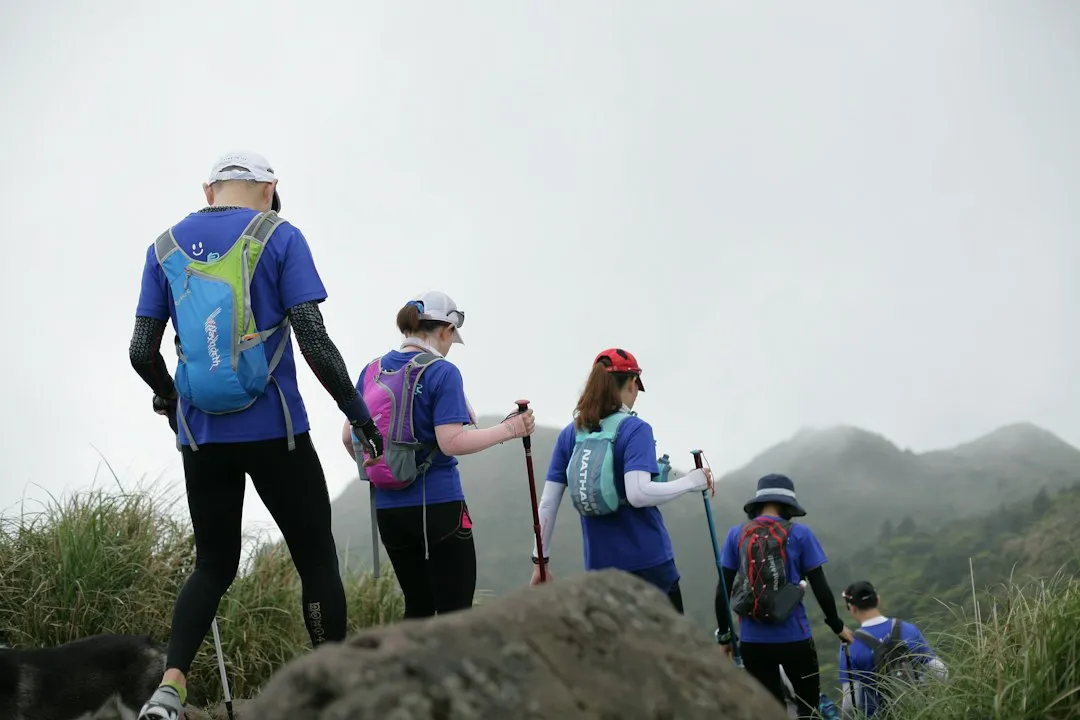
Crews see them everywhere on weekends, and the better-fitted ones stand out. The usual advice is to set the pole so the elbow sits at about 90 degrees. That fit puts the user in a more upright postural stance.
The research is encouraging but not perfect. A review reported that trekking pole use increased walking speed, balance and quality of life in older adults. One summary of the research reported that poles reduced force on the lower joints by 12–16%.
Here’s the nuance. A single-session study found no significant gain in posture or speed. Newcomers tended to look down more, and only 4 of the participants had used poles before. Poles take practice.
What’s happening down at ground level, at #13, is where a lot of hikes quietly go wrong.
#13 – Their Shoes Tell the Whole Story
🔥 Would you like to save this?
We'll email this post to you, so you can come back to it later!
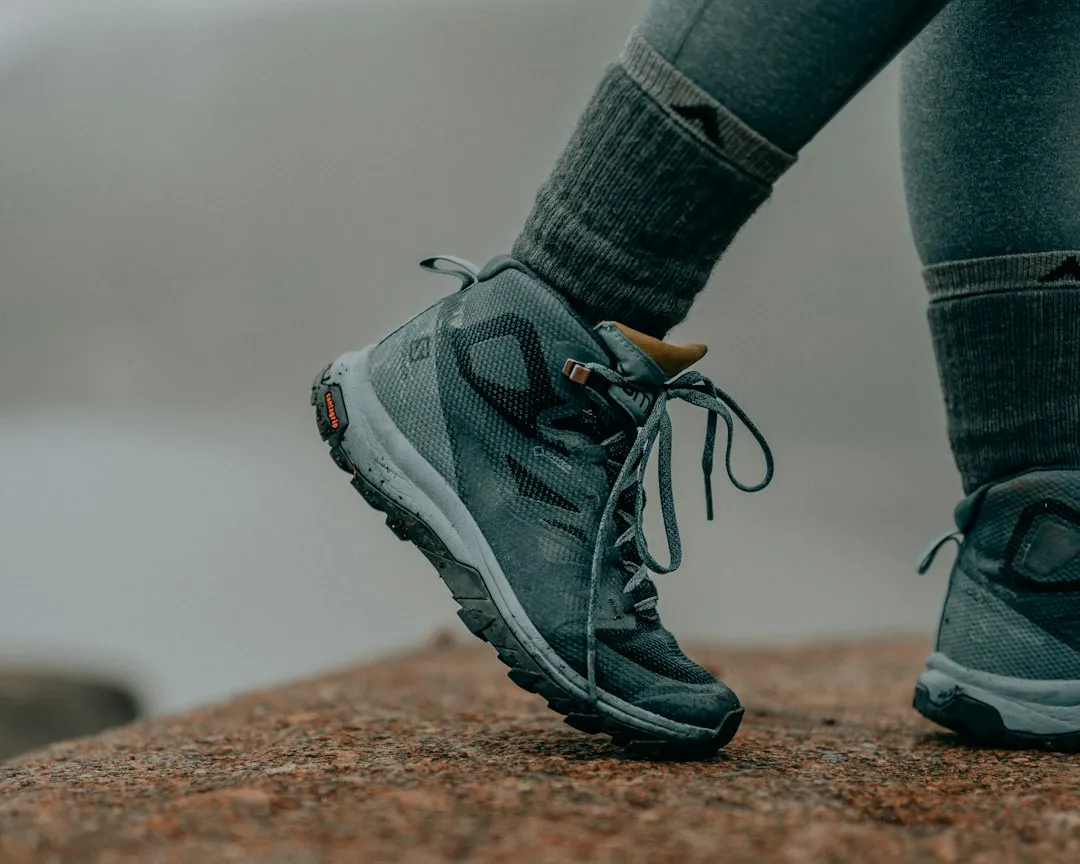
Footwear is the first thing trail crews check, and it’s the thing walkers most often get wrong.
Feet often change shape over decades. A pair that fit at 50 can pinch or slide at 70. Old, worn-smooth soles are a bigger problem than people realize.
The injury data backs up the focus. In the Swiss hiker study, feet accounted for 36.9% of injuries, the largest share of any body region.
Here’s an opinion that splits the comment sections. Flat canvas sneakers on wet rock and roots are the biggest avoidable mistake on a weekend trail. Plenty of walkers swear by them. Plenty of trail veterans cringe.
- Grippy tread, not worn-smooth soles
- A snug heel so the foot doesn’t slide
- Room in the toe box for downhill miles
Good shoes only help if the eyes are doing their job, and that’s the habit at #12.
#12 – They Look Where Their Feet Are Going
🔥 Would you like to save this?
We'll email this post to you, so you can come back to it later!
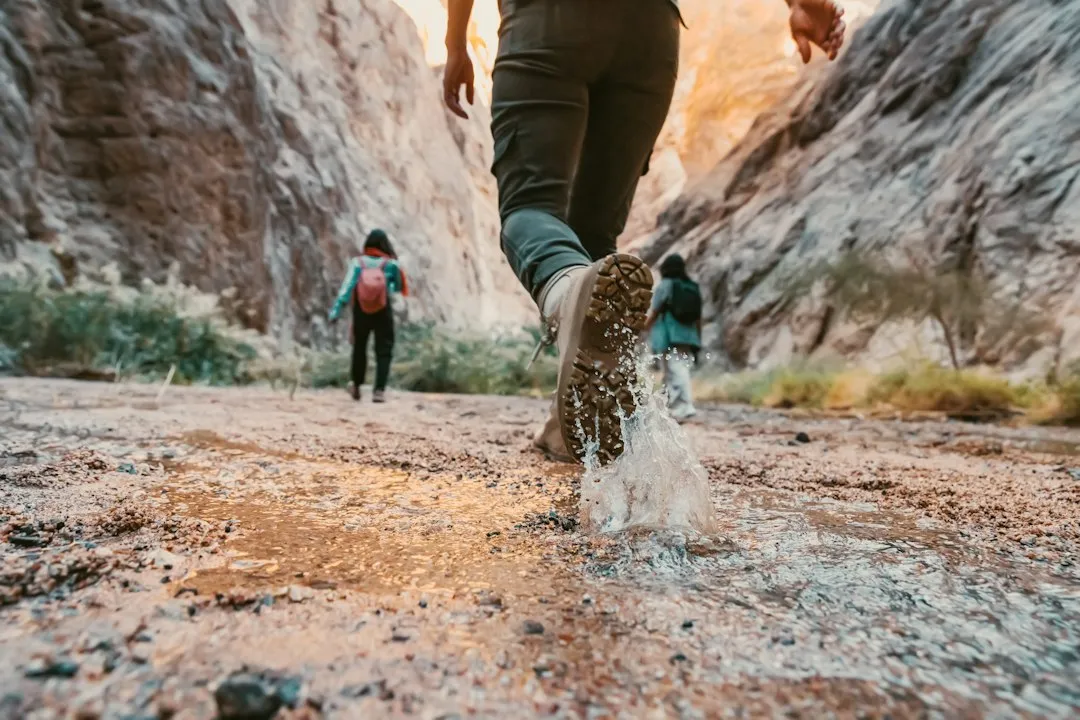
Falls rarely look dramatic. They start with a toe catching a root.
Experienced walkers read the trail a few steps ahead. They glance up for the view, then look back down before moving again. It’s a simple rhythm, and crews notice who has it.
It matters because falls dominate the numbers. The Swiss study’s author linked the high share of falls among 50–70-year-olds to decreasing postural stability. A tired, distracted foot is more likely to catch something.
Poles can complicate this. In that single-session study, newer users looked down more while using them. That’s the learning curve in action.
The fix is boring but effective. Stop walking when you want to stare. Plant both feet, look at the view, then move on.
Worth Knowing
- Falls were the top cause in the Swiss analysis of 11,220 hiking accidents, at around 45 percent
- The pattern clustered among 50–70-year-olds, which the author tied to decreasing postural stability
- Pole newcomers tended to look down more, so give new gear a few easy outings first
- The simplest habit: look up only when your feet are planted
The etiquette at #11 is the one that quietly drives trail crews up the wall.
#11 – They Know How to Share a Narrow Trail
🔥 Would you like to save this?
We'll email this post to you, so you can come back to it later!
Trail crews spend their days maintaining tread, and they notice who protects it.
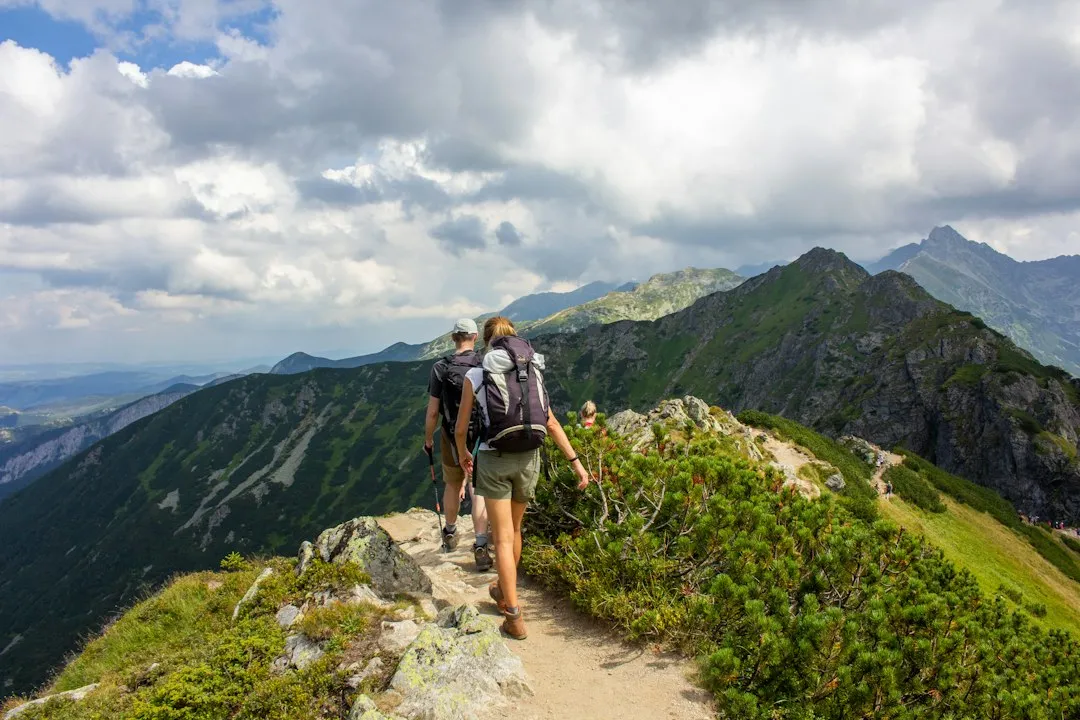
On busy weekends, narrow trails get tight. The walkers who handle it well step aside on durable ground and let others pass. They don’t stop in the middle of a one-person-wide path.
Common etiquette gives uphill hikers the right of way. Many older walkers use that moment as a free breather. It’s a smart play, and nobody minds.
What crews don’t love is stepping off into plants to dodge a crowd. Repeated widening of the trail is how erosion and trampled vegetation start.
- Step onto rock or bare ground, not plants
- Stay on the trail through mud rather than skirting it
- Pause well off the tread to chat or snap photos
A rest stop in the wrong spot can back up a whole trail. Experienced walkers seem to know that without being told.
Then there’s the supply check at #10, which crews can read from fifty feet away.
#10 – Their Water Habits Are Quietly Strategic
🔥 Would you like to save this?
We'll email this post to you, so you can come back to it later!
Staying hydrated is harder than it sounds, and older walkers often plan for it.
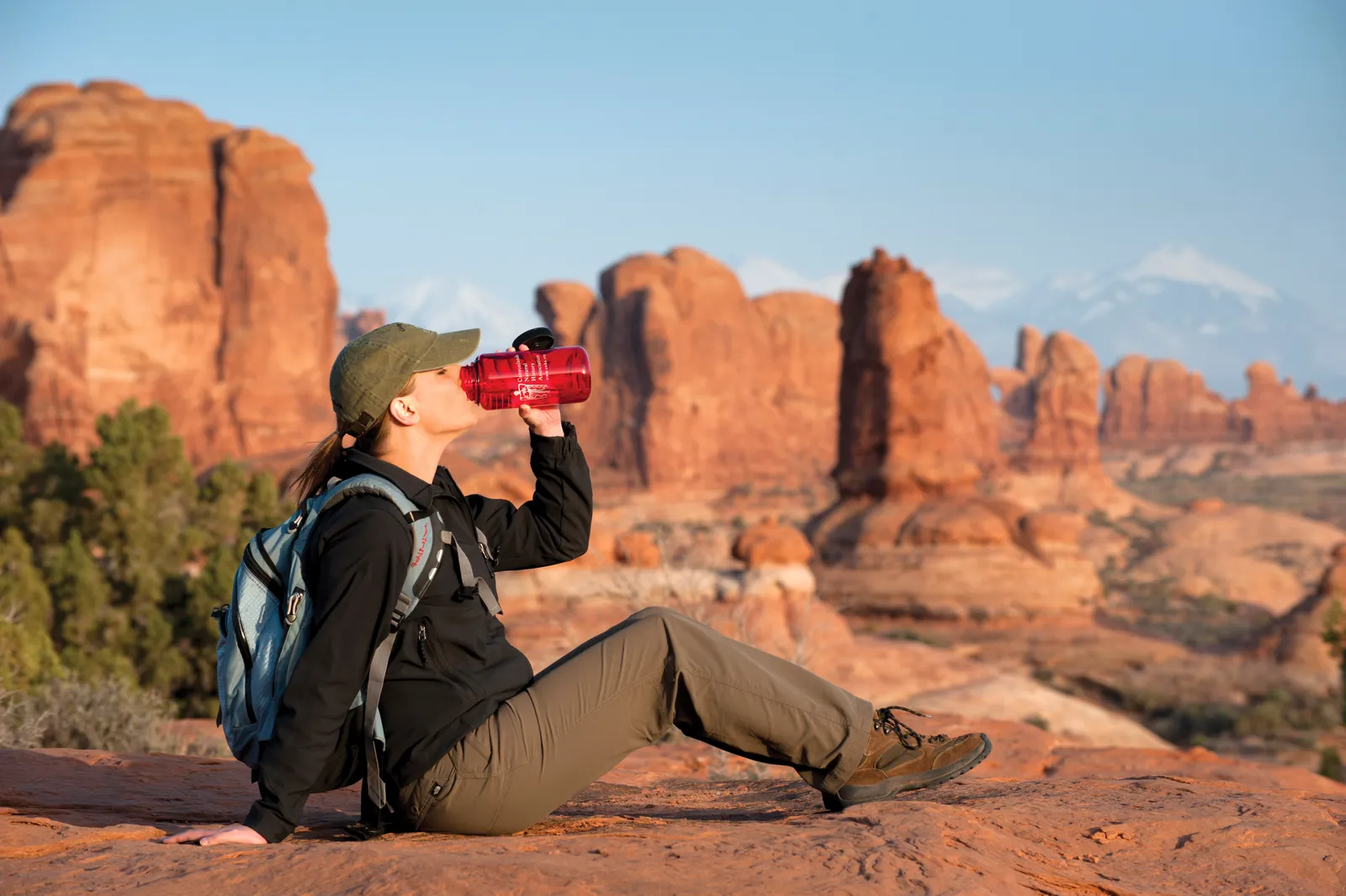
Crews notice who carries a real bottle or bladder and who carries a half-empty plastic one. They also notice who sips steadily instead of chugging at the top.
Thirst isn’t always a reliable alarm in later life. Physiology research shows the thirst signal can weaken with age. Drinking on a schedule works better than waiting to feel parched.
Snacks matter just as much. A salty, easy-to-eat option keeps energy steady on long climbs. Skipping food and then crashing on the way down is a classic weekend scenario.
- Sip small amounts every 15–20 minutes
- Pack salty and sugary snacks you actually like
- Carry extra on hot days, even for short loops
The timing trick at #9 costs almost nothing, and it may be the most underrated one on the list.
#9 – They Rest Before They Need To
🔥 Would you like to save this?
We'll email this post to you, so you can come back to it later!
Smart walkers stop while they still feel good.
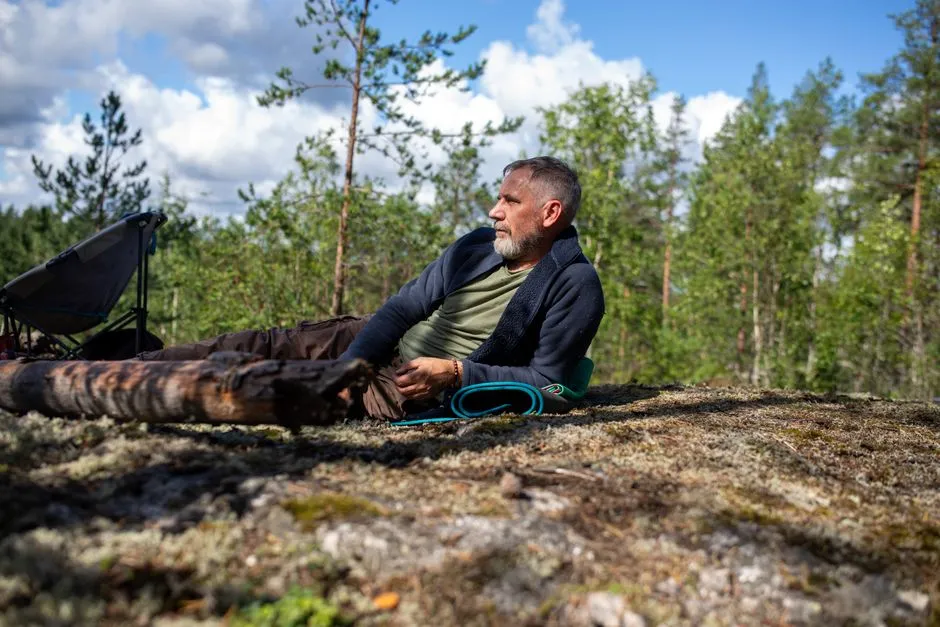
Crews see two types on a weekend. One pushes until the legs shake, then sits down hard. The other takes short, regular pauses and arrives at the viewpoint with energy left over.
This matters for the heart. In the Swiss data, around 20 percent of emergencies were illness, mainly cardiovascular. A New Hampshire study suggested that wilderness deaths could be reduced by focusing on cardiac health in users older than 50.
Here’s an opinion that rubs some people the wrong way. Resting on a climb isn’t weakness. It’s the cheapest safety tool on the trail, and it costs two minutes.
If chest pain, dizziness or unusual shortness of breath shows up, that’s not a “push through it” moment.
So where do most accidents actually happen? The answer at #8 surprises people.
#8 – They Treat the Downhill With Respect
🔥 Would you like to save this?
We'll email this post to you, so you can come back to it later!
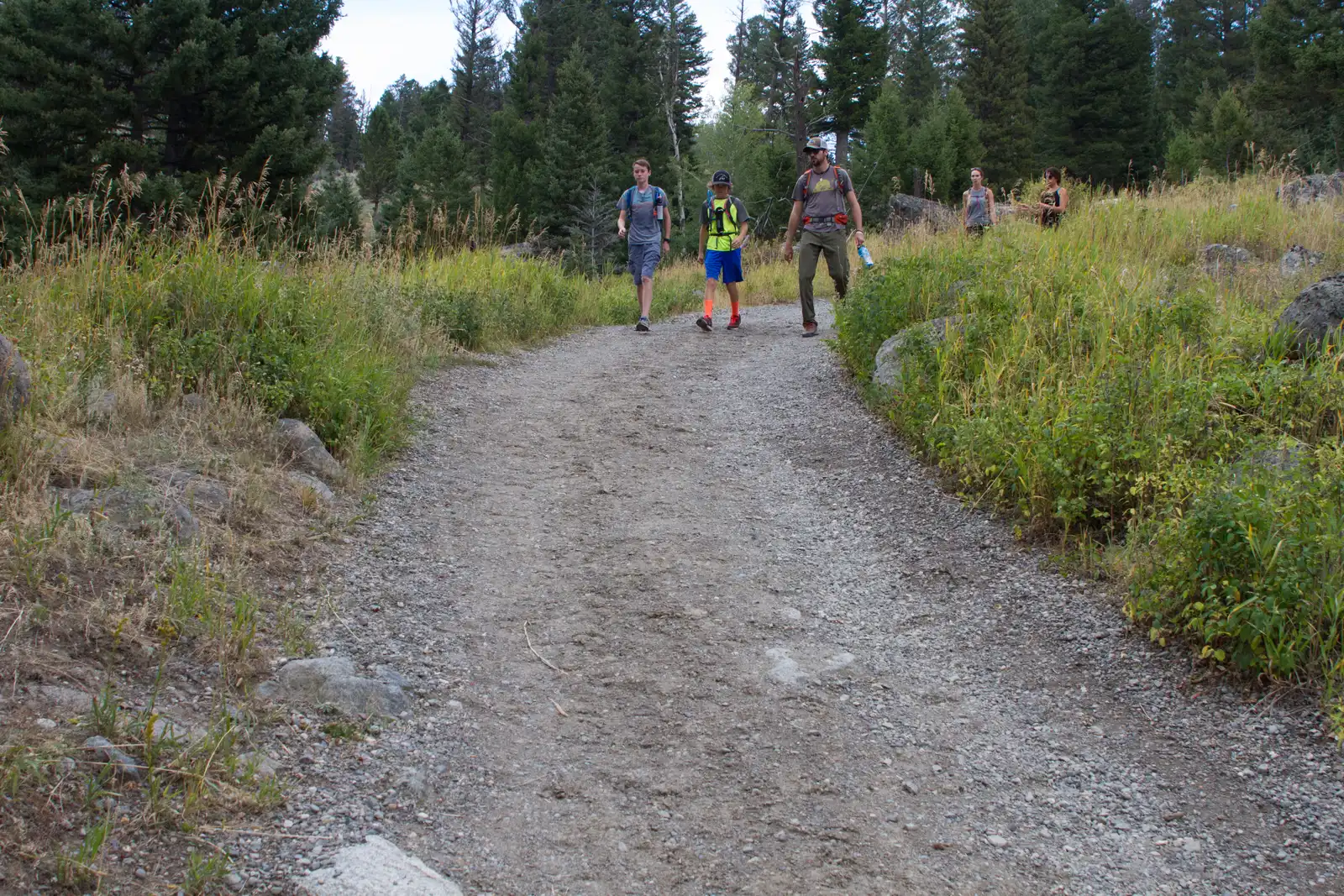
The climb gets the attention. The descent causes the trouble.
Going up, the effort is obvious and people pace themselves. Going down, tired legs and gravity team up. Crews notice who slows down on the steep, loose parts.
Knees take the brunt of it. The Swiss study put knee injuries at 15.4% of cases, second only to feet. One hiking-injury guide notes that older hikers and those with weaker muscles face higher knee risk.
That’s where poles earn their keep. They let the arms share some of the braking work. Shorter steps and bent knees help too.
- Shorten your stride on steep sections
- Keep knees slightly bent to absorb impact
- Use poles or hands for loose, rocky steps
The small bag on their backs at #7 says even more than the shoes do.
#7 – Their Daypack Is Quietly Impressive
🔥 Would you like to save this?
We'll email this post to you, so you can come back to it later!
A small pack often says more about a walker than the shoes do.
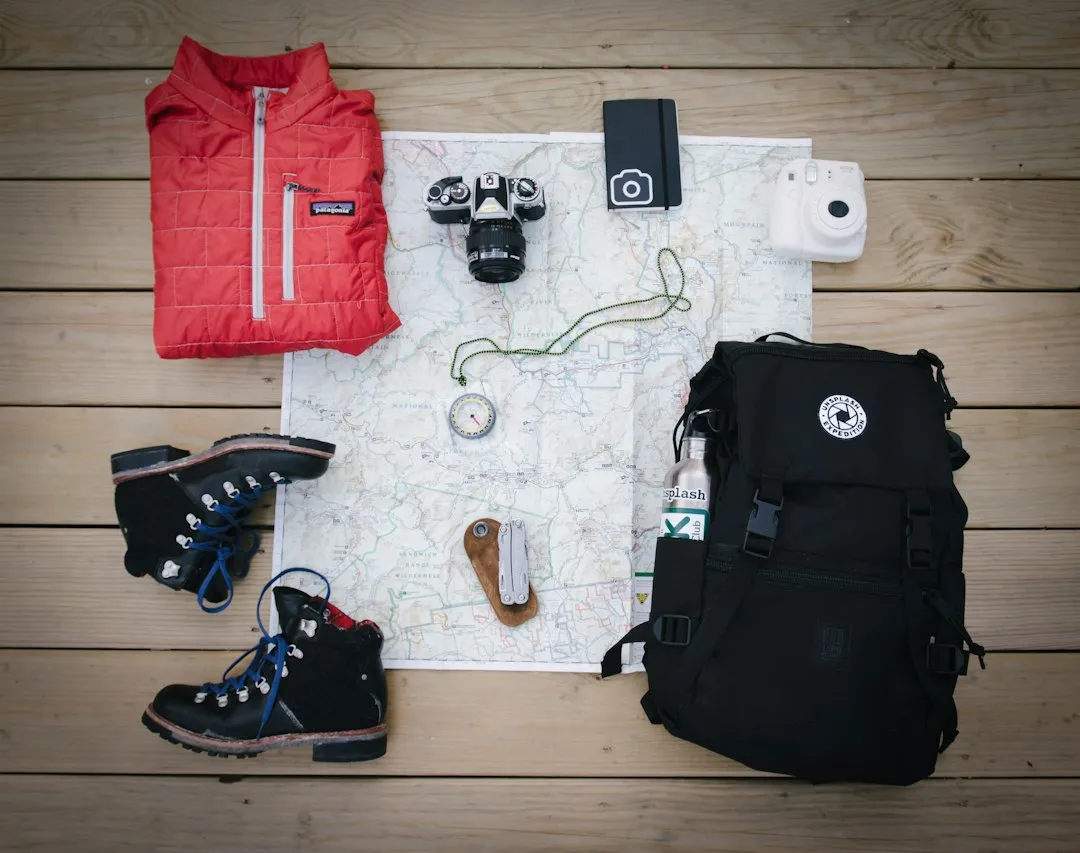
Crews see two extremes. Some walkers carry nothing, not even an extra layer. Others carry a compact kit that looks like overkill until someone gets hurt.
The kit doesn’t need to be heavy. A whistle, a light, a warm layer, a few bandages and a snack cover most minor problems. That’s the spirit of the classic “Ten Essentials” approach, which is built around being ready for a night out.
Here’s why this matters more later in life. A twisted ankle or a late finish isn’t the same problem at 70 as at 25. Recovery is slower, and getting cold hurts more.
A phone alone is not a safety plan. Batteries die. Signal vanishes.
The planning habit at #6 takes thirty seconds and costs nothing at all.
#6 – They Tell Someone Where They’re Going
🔥 Would you like to save this?
We'll email this post to you, so you can come back to it later!
The most underrated safety step costs nothing and takes thirty seconds.
Getting lost is a real factor in rescues. Around 13 percent of the Swiss emergencies were due to losing the way. On a well-marked weekend trail, that number seems unlikely. It still happens when junctions are crowded and signs are missed.
Seasoned walkers leave a plan with a friend or family member. They name the trail, the start time and a turnaround time. If they don’t check in, someone knows where to start looking.
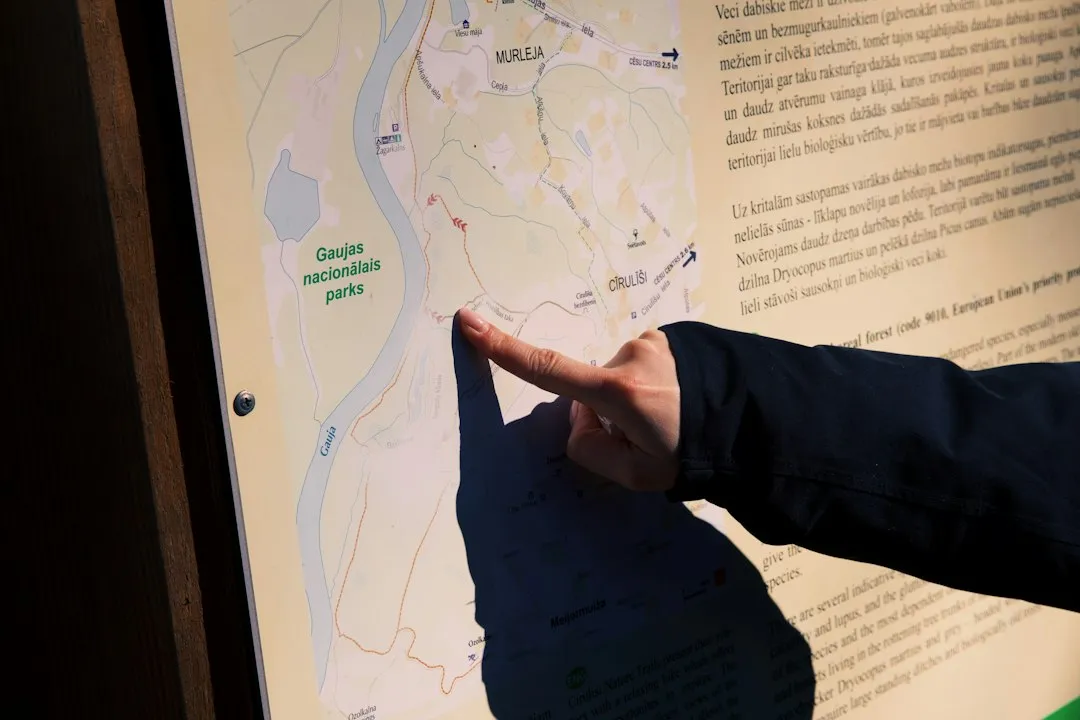
They also bring a map, whether paper or downloaded offline. Cell service on many trails is spotty at best.
- Share your route and expected return time
- Download offline maps before leaving the lot
- Carry a paper backup or a trail brochure
A clear plan doesn’t make anyone less adventurous. It just makes a bad day shorter.
Fast Facts
- Around 13 percent of Swiss hiking emergencies came from losing the way
- Around 20 percent were illness, mainly cardiovascular
- Falls led the accident list at around 45 percent
- A shared plan with a start time and turnaround time covers the first two risks at no cost
Then comes the social dynamic at #5, which can make or break a whole outing.
#5 – The Group Dynamic Is Everything
🔥 Would you like to save this?
We'll email this post to you, so you can come back to it later!
How a group moves says more than how fast any one person walks.
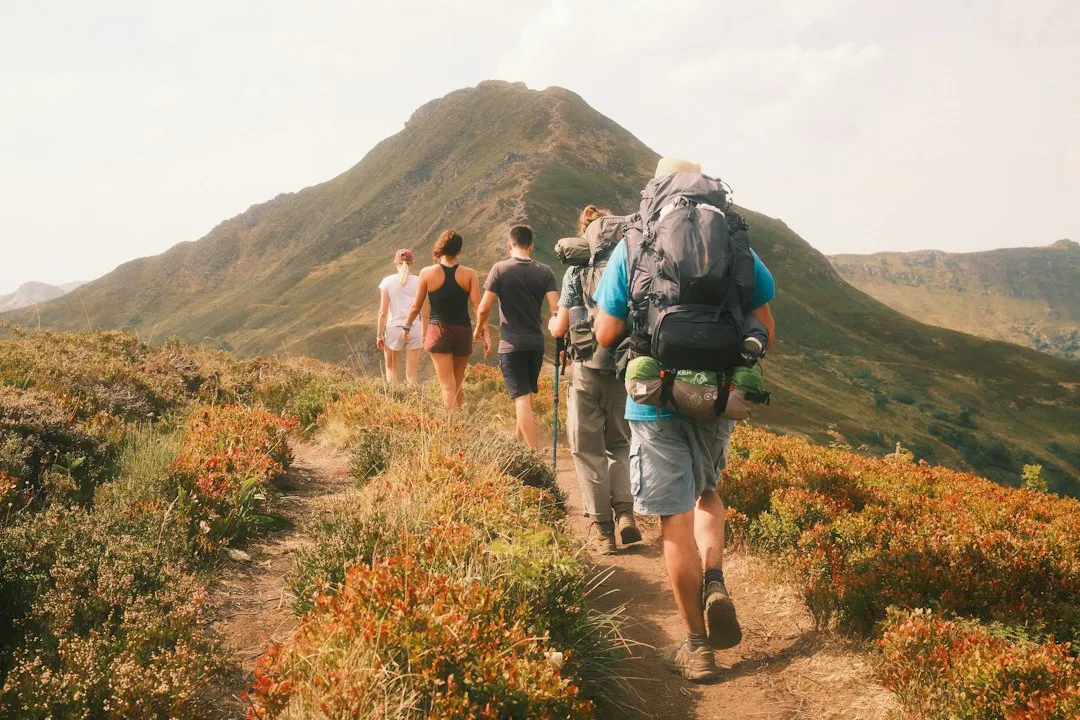
Crews watch groups pass all weekend. The good ones match the pace of the slowest walker and keep everyone in sight. The shaky ones string out, with the front people disappearing around corners.
Groups carry a subtle risk. A person who’s struggling may not speak up if the group is moving fast. Nobody wants to be the one who slows everybody down.
The best groups build in check-ins. They ask simple questions like “How are the knees?” or “Want to stop here?” Those questions change the whole feel of the day.
Regrouping at every junction is a habit worth stealing. It prevents wrong turns and gives tired walkers a natural pause.
The decision at #4 is the one that starts the most arguments.
#4 – They Know When to Turn Around
🔥 Would you like to save this?
We'll email this post to you, so you can come back to it later!
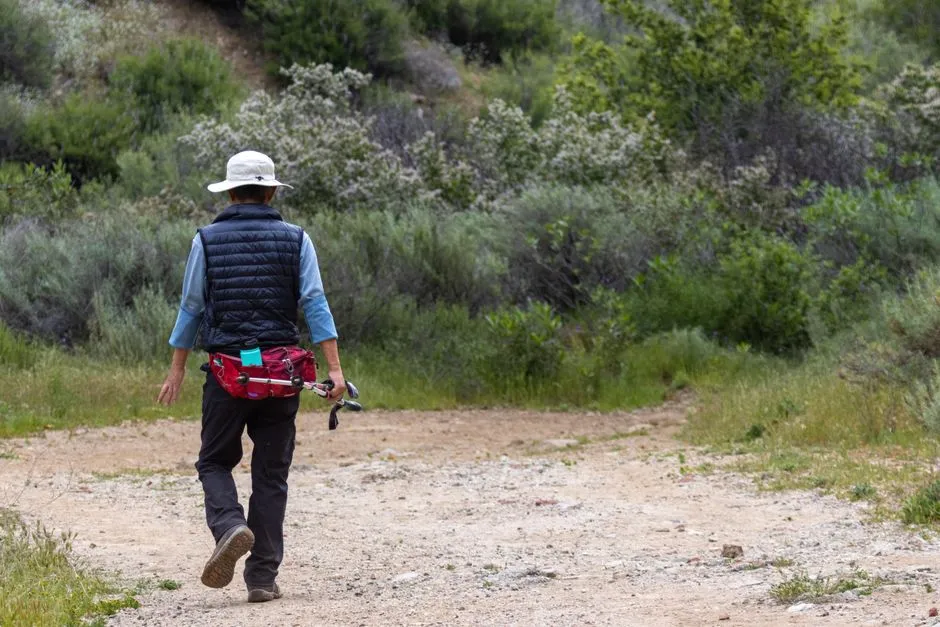
Turning back is a skill, and it’s the one most people never practice.
Crews see it constantly. A walker is a mile from the viewpoint, tired and low on water, and keeps going because they’ve come this far. The sunk-cost feeling is strong.
Here’s where it gets contentious. Some argue that older hikers are the ones most likely to need rescue. The numbers can look that way. In Swiss call-out data, 70–79-year-olds made 20% of calls, 60–69-year-olds made 19%, and hikers over 50 made 70% of all call-outs.
Those are counts, not rates. We don’t know how many older hikers were out there compared with younger ones. Still, the pattern shows how much a bad decision can matter.
Quick Compare
- What the counts show: hikers over 50 made 70% of Swiss call-outs
- What they can’t show: how many older hikers were on the trail to begin with
- What it means for you: a firm turnaround time beats a late-day gamble
My take: a summit is optional, but a safe walk back is not. Set a turnaround time before leaving the car.
The detail at #3 is about weather, which changes faster than the forecast admits.
#3 – Their Layers Are Never an Afterthought
🔥 Would you like to save this?
We'll email this post to you, so you can come back to it later!
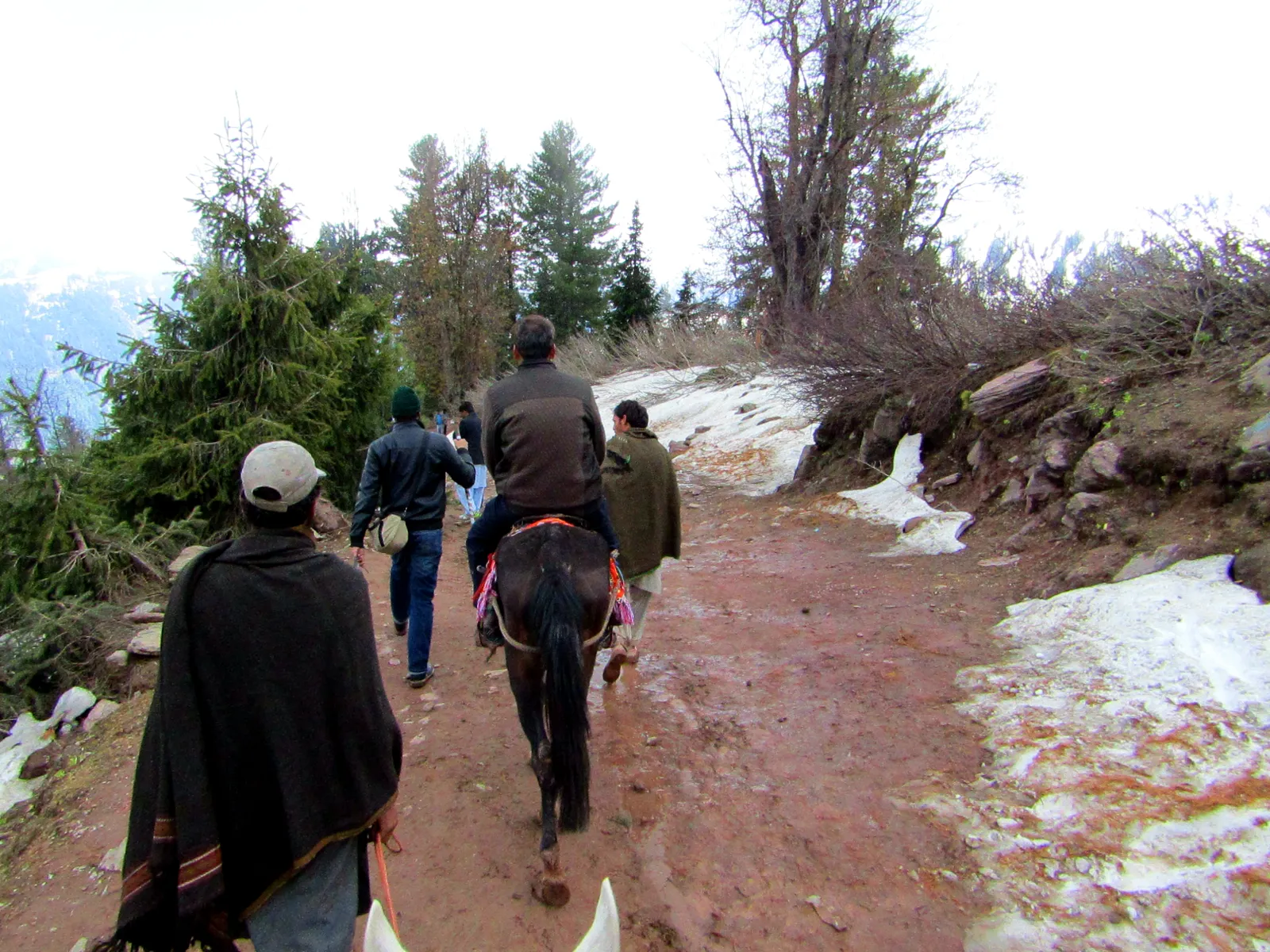
Trail weather changes faster than the forecast says.
Crews notice who brings a jacket on a sunny morning. On exposed ridges, wind picks up and temperatures drop. A sweaty shirt turns cold the moment you stop moving.
Fabric choice matters. Cotton holds moisture and stops insulating when wet. Synthetics and wool keep working. Seasoned walkers wear layers they can peel off and stash.
Rain plays the same game. A light waterproof shell weighs almost nothing and can be the difference between an annoying afternoon and a dangerous one.
- A moisture-wicking base layer
- A light insulating layer in the pack
- A thin waterproof shell, even on dry days
One dry layer at the bottom of a pack can rescue a whole weekend.
The unspoken habit at #2 is the one crews learn to read right past.
#2 – They Downplay How They Feel

🔥 Would you like to save this?
We'll email this post to you, so you can come back to it later!
The most dangerous sentence on a trail is “I’m fine.”
Crews learn to read past it. A walker who says they’re fine but is walking stiffly, sweating heavily or going quiet is giving off signals. Those cues often matter more than words.
Pride plays a role. Older walkers are used to being treated as fragile, and many don’t want to confirm it. One researcher noted that older adults see trekking poles as a sport device rather than a medical device that makes them look old.
That perception shapes behavior. People skip helpful gear, hide discomfort and refuse a rest to avoid the “old” label.
Admitting fatigue early is a sign of experience. The people who speak up at the first sign of trouble usually finish the walk.
But what we found at #1 flips the whole story.
#1 – They Keep Showing Up, and It Shows
🔥 Would you like to save this?
We'll email this post to you, so you can come back to it later!
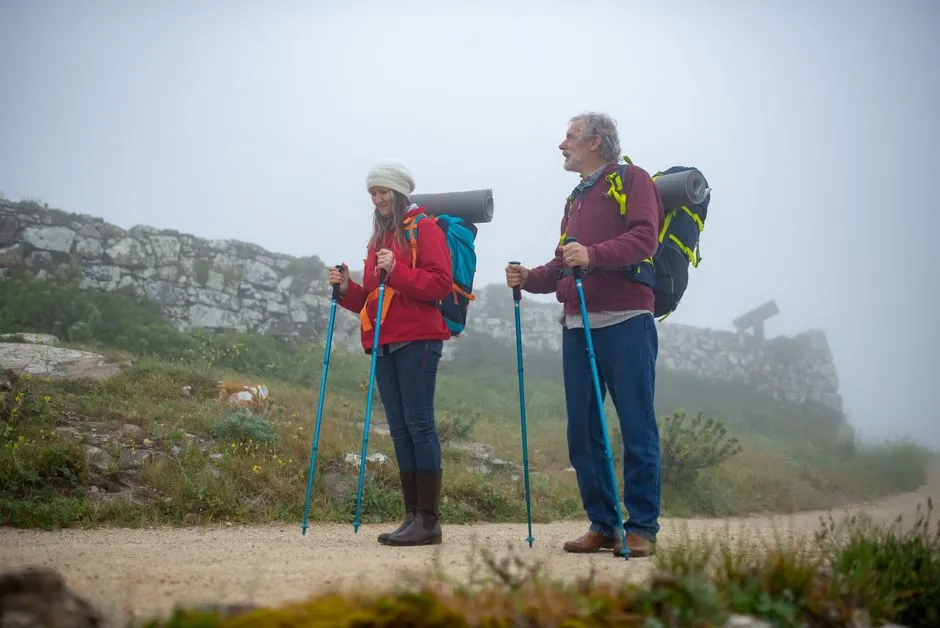
The biggest thing trail crews notice may be that many of the best walkers out there are older.
Regular movement is the real piece of gear. The CDC recommends at least 150 minutes of moderate-intensity activity a week for adults over 65. Walkers who hit that number, week after week, show up on the trail with better balance and stamina.
The research on injuries is surprising. A survey of John Muir Trail hikers found age was a protective factor against injury. The lead author suggested that older backpackers’ use of trekking poles might help explain it. That doesn’t mean older hikers never get hurt. It means experience and preparation count.
There’s a practical angle too. The Swiss researcher recommended strength training before difficult hikes, because hikers can profit from strength training in advance of difficult hiking tours.
- Walk regularly, not just on big weekends
- Add leg and balance work before tougher trails
- Treat prep as part of the hike
The people who look effortless out there did the boring work all year.
The loudest assumption about older walkers is that age is the risk. The evidence points the other way: preparation is the bigger factor. Good shoes, poles, early starts, steady pacing, rest breaks and a turnaround time matter more than a birthday. Falls, knees and feet are where trouble tends to start, and heart health deserves real respect.
My opinion: the “I’m fine” attitude is a bigger hazard than any steep hill, and the walkers who ask for help early are the ones still hiking at 80. Next time a gray-haired hiker passes you on a steep climb without breaking a sweat, don’t assume anything. They probably started earlier, packed smarter and trained longer than the rest of us. Which of these habits have you seen on the trail that more people should copy?

- 23 Warm Corners an Elderly Cat Keeps Returning To All Winter - October 29, 2026
- 16 Behaviours Showing a Cat Considers a House Permanent Now - October 29, 2026
- 15 Wildlife Programmes a Lifetime Pass Holder Over 62 Can Join Free - October 29, 2026