

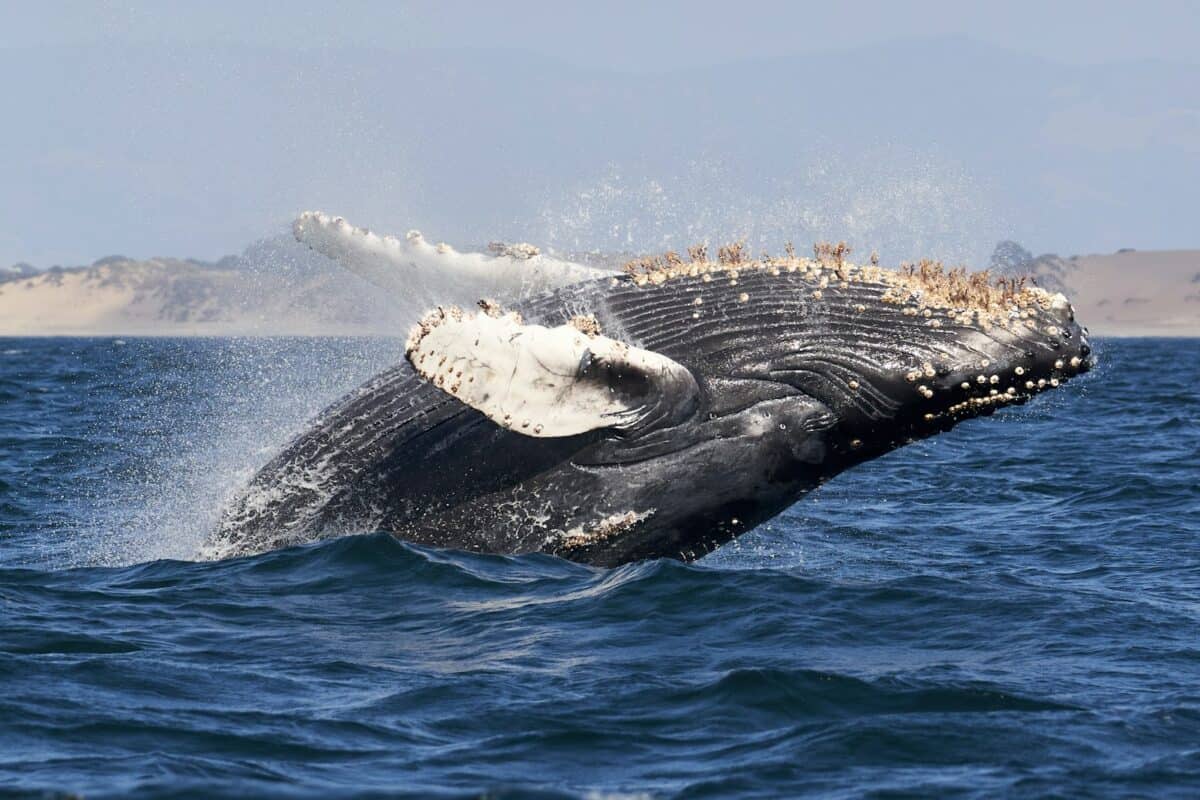
Marine mammals have captivated human imagination for centuries, but perhaps none more so than dolphins and whales. These intelligent cetaceans continue to astonish researchers with their complex behaviors, problem-solving abilities, and social structures that sometimes mirror our own. Despite decades of scientific study, these magnificent creatures of the deep regularly challenge our understanding of animal intelligence and adaptation. From unexpected communication techniques to surprising cognitive abilities, dolphins and whales have repeatedly demonstrated capabilities that push the boundaries of what scientists once thought possible in non-human animals. This article explores sixteen remarkable instances when these marine mammals left researchers astounded, revealing just how much we still have to learn about these enigmatic ocean dwellers.
16. Tool Use Among Dolphins in Shark Bay

In 2005, scientists observing Indo-Pacific bottlenose dolphins in Shark Bay, Australia, documented something extraordinary: dolphins were using marine sponges as tools. The dolphins would break sponges off the seabed and wear them on their snouts while foraging on the seafloor. This “sponging” behavior protects their sensitive rostrums from sharp rocks and stinging creatures as they search for prey. What particularly surprised researchers was the cultural transmission of this behavior—primarily passed from mother to daughter—creating a distinct cultural tradition within specific dolphin lineages. This represented one of the first clear examples of tool use in marine mammals and challenged the notion that sophisticated tool use was primarily a terrestrial adaptation.
15. Humpback Whales Protecting Other Species

Marine biologists were stunned when they began documenting cases of humpback whales intervening to protect other species from orca attacks. In multiple observed instances across different oceans, humpbacks rushed to defend seals, sea lions, gray whale calves, and even sunfish from hunting orcas. This altruistic behavior perplexed scientists because it requires humpbacks to expend significant energy with no apparent benefit to themselves. One 2016 study documented 115 such interventions globally, suggesting this is not anomalous behavior but potentially a widespread characteristic of humpback whales. Researchers continue to debate whether this represents true altruism, a misdirected maternal instinct, or an evolutionary response to orcas that might threaten humpback calves—but regardless of motivation, this cross-species protection behavior was entirely unexpected.
14. Dolphins Calling Each Other by Name

In 2013, scientists made the remarkable discovery that bottlenose dolphins develop unique “signature whistles” that function similarly to human names. Each dolphin creates its distinctive whistle during its first year of life and keeps it unchanged throughout its lifetime. What surprised researchers was not just that dolphins had individual identifiers, but how they used them—dolphins will repeat another individual’s signature whistle when separated, effectively calling out to specific companions by name. This level of referential communication was previously thought to be unique to humans. Further research revealed dolphins can remember these signature whistles for decades, recognizing former tank mates even after 20 years of separation—demonstrating long-term social memory that rivals that of humans and elephants.
13. Beluga Whales Mimicking Human Speech

In 2012, researchers at the National Marine Mammal Foundation documented a beluga whale named NOC who spontaneously began mimicking human speech patterns. The sounds were so convincingly human-like that divers initially thought someone was speaking to them underwater. Acoustic analysis showed that NOC had modified his vocalization patterns to match human speech cadence and frequency, dropping his natural range from the typical beluga frequency of 7-10 kHz down to 200-300 Hz—the typical range of human speech. This voluntary vocal learning demonstrated not only remarkable auditory perception but also precise control over a complex vocal apparatus, surprising scientists with belugas’ capacity for cross-species vocal mimicry. NOC’s imitations suggest belugas possess both the cognitive motivation and physiological capability to mimic sounds outside their normal repertoire—an ability shared with only a handful of other species.
12. Sperm Whales With Regional Dialects

Marine biologists were astounded when they discovered that sperm whale communication varies by geographic region, similar to human dialects or accents. A groundbreaking 2016 study analyzing thousands of sperm whale codas (rhythmic patterns of clicks) identified distinct vocal “clans” with unique communication patterns. What particularly surprised researchers was that these differences weren’t simply based on geographic isolation—whales from different clans would sometimes share the same waters but maintain their distinct vocal traditions. This suggests sperm whales possess sophisticated cultural learning mechanisms and strong social identities tied to their vocal clan. The existence of such complex cultural variation challenges traditional views about the evolution of culture and suggests that advanced cultural transmission may have evolved independently in cetaceans and primates, representing a remarkable case of convergent evolution.
11. Killer Whales Teaching Hunting Techniques

Scientists observing killer whales (orcas) near the Antarctic Peninsula in 1979 witnessed a behavior that revolutionized our understanding of cetacean cognition. A pod of orcas demonstrated a coordinated hunting technique called “wave-washing,” where they created waves to wash seals off ice floes. What stunned researchers was watching adult orcas deliberately teach this technique to younger pod members through a series of graduated lessons. Adults would first demonstrate the technique, then allow juveniles to practice with supervision, often deliberately catching and returning seals to ice floes so young orcas could practice again. This structured pedagogy—intentionally creating learning opportunities for others—was previously thought to be a uniquely human characteristic. The discovery forced scientists to reconsider the cognitive capabilities of orcas and their capacity for cultural knowledge transmission across generations.
10. Narwhals’ Extraordinary Diving Capabilities

When scientists first attached monitoring devices to narwhals in the Arctic waters, they were unprepared for what the data would reveal. These elusive “unicorns of the sea” demonstrated diving capabilities that defied physiological expectations. Narwhals were recorded routinely diving to depths exceeding 1,500 meters (nearly a mile) and staying submerged for over 25 minutes—all while maintaining heart rates as low as 3-4 beats per minute. What particularly baffled researchers was how narwhals manage these extreme dives while experiencing intense pressure changes that would cause decompression sickness in most other mammals. Further studies revealed specialized adaptations in narwhal muscles that allow them to function under near-anaerobic conditions and unique blood-oxygen management systems. These discoveries have prompted medical researchers to study narwhals for insights that might help treat human conditions involving hypoxia and pressure-related injuries.
9. Dolphins Self-Medicating With Coral

In 2022, researchers in the Red Sea documented Indo-Pacific bottlenose dolphins repeatedly rubbing themselves against specific coral species, behavior that initially seemed purely social or pleasure-seeking. Chemical analysis revealed something far more surprising: the corals were releasing compounds with antibacterial, antifungal, and anti-inflammatory properties when agitated by the dolphins. Further investigation showed that dolphins were selectively choosing particular coral and sea sponge species with the highest concentrations of medicinal compounds, suggesting they were effectively self-medicating to treat skin conditions. What amazed scientists was the dolphins’ apparent knowledge of which marine organisms contained beneficial compounds and how to extract them. This discovery represents one of the clearest examples of zoopharmacognosy (animal self-medication) in marine mammals and suggests dolphins possess sophisticated ecological knowledge that includes medicinal properties of their environment.
8. Bowhead Whales Living Over 200 Years

When scientists began analyzing the eye lenses and harpoon fragments embedded in harvested bowhead whales, they made an astonishing discovery that rewrote our understanding of mammalian longevity. Using amino acid racemization techniques and carbon dating of antique harpoon heads lodged in living whales, researchers determined that bowheads routinely live beyond 200 years—making them the longest-lived mammals on Earth. One male bowhead was estimated to be 211 years old, having survived with a harpoon point manufactured in the 1880s embedded in its blubber. What particularly fascinated researchers was that bowheads show remarkably little evidence of age-related diseases or cellular senescence despite their extraordinary lifespans. This discovery has prompted intensive research into bowhead whale genetics, particularly their DNA repair mechanisms and cancer resistance genes, with potential implications for human longevity and age-related disease research.
7. Dolphins Developing Mathematical Understanding

Researchers at the Dolphin Research Center in Florida were astounded when dolphins demonstrated an apparent grasp of numerical concepts. In controlled experiments, dolphins could distinguish between different quantities and even appeared to understand the concept of “zero” as a numerical value—a cognitive achievement previously documented only in primates and some birds. What particularly surprised scientists was when dolphins showed evidence of understanding simple addition and subtraction. When shown a certain number of objects that were then hidden and modified behind a screen, the dolphins could identify whether objects had been added or removed. This level of abstract mathematical thinking challenges long-held assumptions about the relationship between brain structure and cognitive abilities, suggesting that dolphins’ intelligence evolved along a completely different neurological pathway than primates yet arrived at similar cognitive capabilities.
6. Beluga Whales Returning Lost Property

In 2019, Norwegian fishermen encountered a beluga whale wearing a harness marked “Equipment St. Petersburg,” leading to speculation about Russian military training programs. What truly surprised scientists and the public alike was the whale’s subsequent behavior. Nicknamed “Hvaldimir” (a combination of the Norwegian word for whale and Vladimir), the beluga began approaching boats and retrieving objects dropped overboard, including phones, cameras, and keys, carefully returning them to their owners. Marine biologists were stunned by this apparent understanding of object ownership and the whale’s gentle handling of delicate electronics. While the beluga’s background remains contested, what’s clear is that this behavior demonstrates remarkable social intelligence and cross-species understanding. Hvaldimir seemed to comprehend that specific objects belonged to specific humans and showed intentionality in reuniting people with their possessions—suggesting complex cognitive abilities including theory of mind that were previously underestimated in cetaceans.
5. Humpback Whales’ Complex Cultural Songs
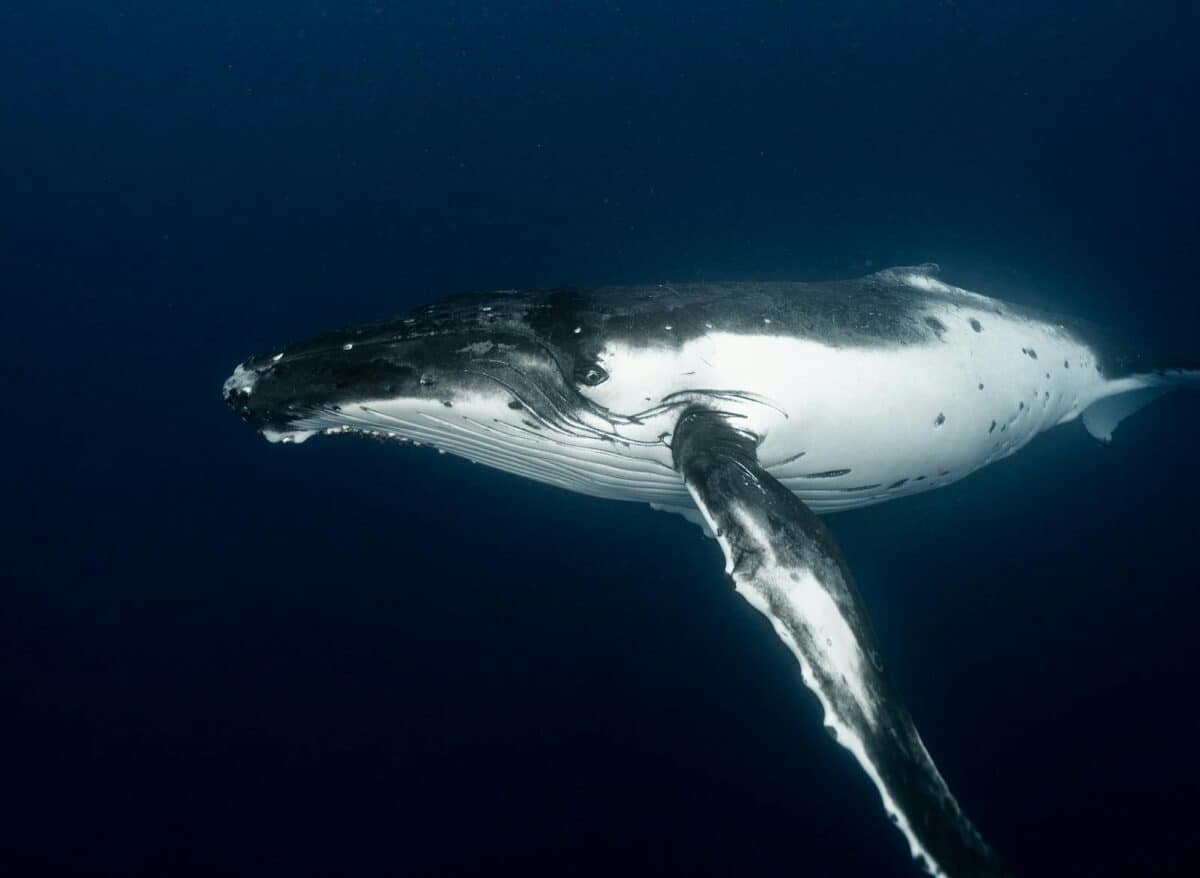
Scientists studying humpback whale vocalizations in the 1970s expected to find simple, instinctual communication patterns. Instead, they discovered one of the most complex non-human cultural systems ever documented. Male humpbacks sing intricate songs lasting up to 30 minutes with hierarchical structure including themes, phrases, and units—comparable to human musical composition. What particularly astonished researchers was how these songs evolve: all males in a population sing roughly the same song, which gradually changes over seasons, with innovations spreading throughout entire ocean basins. In 1996, researchers documented the complete replacement of traditional songs in Eastern Australia with songs from Western Australia—the first documented wholesale cultural revolution in a non-human species. This horizontal cultural transmission across vast distances without direct contact between individuals challenges fundamental assumptions about cultural evolution and suggests mechanisms of cultural learning previously thought unique to humans.
4. Orcas Developing Different Hunting Specializations
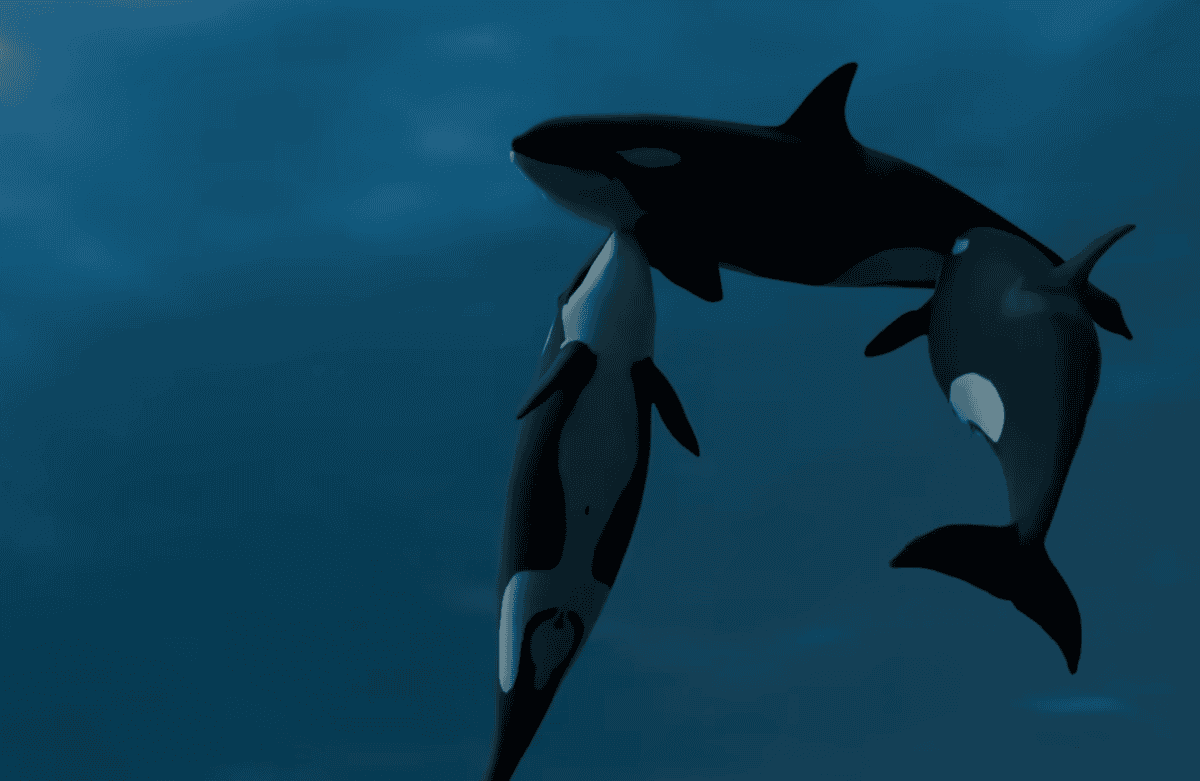
Marine biologists were perplexed when they discovered distinct populations of killer whales living in the same waters but never interbreeding or interacting. Further research revealed these populations had developed into “ecotypes” with specialized hunting strategies passed down culturally rather than genetically. In the North Pacific, researchers identified “resident” orcas specializing in fish, “transient” orcas hunting marine mammals, and “offshore” orcas targeting sharks—each with distinct vocalizations, social structures, and behaviors. The level of specialization astounded scientists, particularly when they observed “transient” orcas developing sophisticated techniques like intentionally beaching themselves to catch seals or creating waves to wash prey off ice floes. What makes these adaptations remarkable is they occurred too rapidly for genetic evolution, representing instead a form of cultural evolution previously thought to occur only in human societies. This discovery has led scientists to reconsider how culture and specialized knowledge can drive divergence between populations even without genetic isolation.
3. Dolphins Using Electric Sense for Hunting

In 2012, researchers were stunned when they discovered that Guiana dolphins possess specialized electroreceptors embedded in their rostrums, allowing them to detect the electrical fields generated by prey hidden in murky sediment. This sense, called electroreception, was previously thought to exist primarily in primitive fish like sharks and rays, not in advanced mammals. The specialized sensory organs, known as vibrissal crypts, evolved from whisker follicles that most dolphin species lost millions of years ago. What particularly amazed scientists was the convergent evolution this represents—dolphins independently evolved a sensory system similar to the ampullae of Lorenzini in sharks, despite having a completely different evolutionary lineage. This discovery challenged the assumption that electroreception was limited to primitive vertebrates and demonstrated how selective pressure can drive the evolution of similar adaptations in distantly related species. It also suggests that dolphins may possess sensory capabilities we’ve yet to fully understand or document.
2. Blue Whales Changing Their Communication Frequency

Scientists monitoring blue whale vocalizations across decades made a puzzling discovery: the pitch of blue whale calls worldwide has been steadily decreasing. Bioacoustic analysis revealed that blue whale songs have lowered in frequency by about 30% since the 1960s—dropping from around 22 Hz to approximately 15 Hz. What baffled researchers was that this change occurred simultaneously in blue whale populations across all ocean basins, even among groups that never interact with each other. Several hypotheses have been proposed, including adaptation to increasing ocean noise from shipping or changes in population density after commercial whaling bans. What makes this particularly significant is that it represents a global behavioral change occurring synchronously across an entire species—something rarely documented in any animal, let alone one with minimal population connectivity. This synchronous change suggests there may be fundamental aspects of blue whale communication and social learning that remain poorly understood despite decades of study.
1. Dolphins Planning for the Future

Until recently, planning for future needs was considered a uniquely human cognitive ability. This assumption was challenged when researchers at the Institute for Marine Mammal Studies in Mississippi observed dolphins deliberately saving fish during training sessions. The dolphins were routinely rewarded with fish for retrieving debris from their pool, but researchers noticed some dolphins hiding fish under objects at the bottom of the pool rather than eating them immediately. Later, when trainers weren’t offering rewards, the dolphins would retrieve their hidden fish—demonstrating delayed gratification and planning for future circumstances. What particularly impressed scientists was that this behavior emerged spontaneously without training and required multiple cognitive abilities: anticipating future states, inhibiting immediate consumption, understanding that trainers might not always be present, and developing a strategy to maximize overall rewards. This discovery suggests dolphins possess episodic future thinking—the ability to project themselves mentally into future scenarios—which was previously thought to be unique to humans and possibly great apes.
Conclusion: The Endless Surprises of Cetacean Intelligence

As our research methods grow more sophisticated and our time spent observing these remarkable marine mammals increases, dolphins and whales continue to challenge our preconceptions about animal intelligence and culture. The sixteen surprises documented here represent just a fraction of the remarkable behaviors and adaptations that cetaceans have developed through millions of years of evolution in Earth’s oceans. What makes these discoveries particularly significant is how they’ve repeatedly forced scientists to reconsider fundamental assumptions about cognition, culture, and communication being uniquely human domains. Perhaps the most important lesson from these cetacean surprises is humility—a reminder that intelligence can evolve along entirely different pathways than our own and still result in remarkably similar cognitive outcomes. As ocean environments face unprecedented threats from human activity, understanding and protecting these intelligent marine species becomes not just a scientific imperative but an ethical one as well.

As a little kid, I fell in love with nature, wildlife, and animals. Living in the USA, South Africa, Italy, China and Germany gave me the opportunity to discover the world's Wildlife. My favorite animals are Mountain Gorillas, Siberian Tigers, and Great White Sharks.
I'm a certified PADI Open Water Diver, went to Everest Base Camp and Trekked Gorillas in Uganda. I hold a Master of Science in Economics and Finance.
Please send any feedback to feedback@animalsaroundtheglobe.com
- 11 Animals That Communicate Without Making a Sound - July 14, 2026
- 15 Dog Breeds That Can Thrive in the Coldest US States - July 14, 2026
- Man Recalls How It felt When He Tried To Get Eaten Alive By An Anaconda - July 14, 2026