
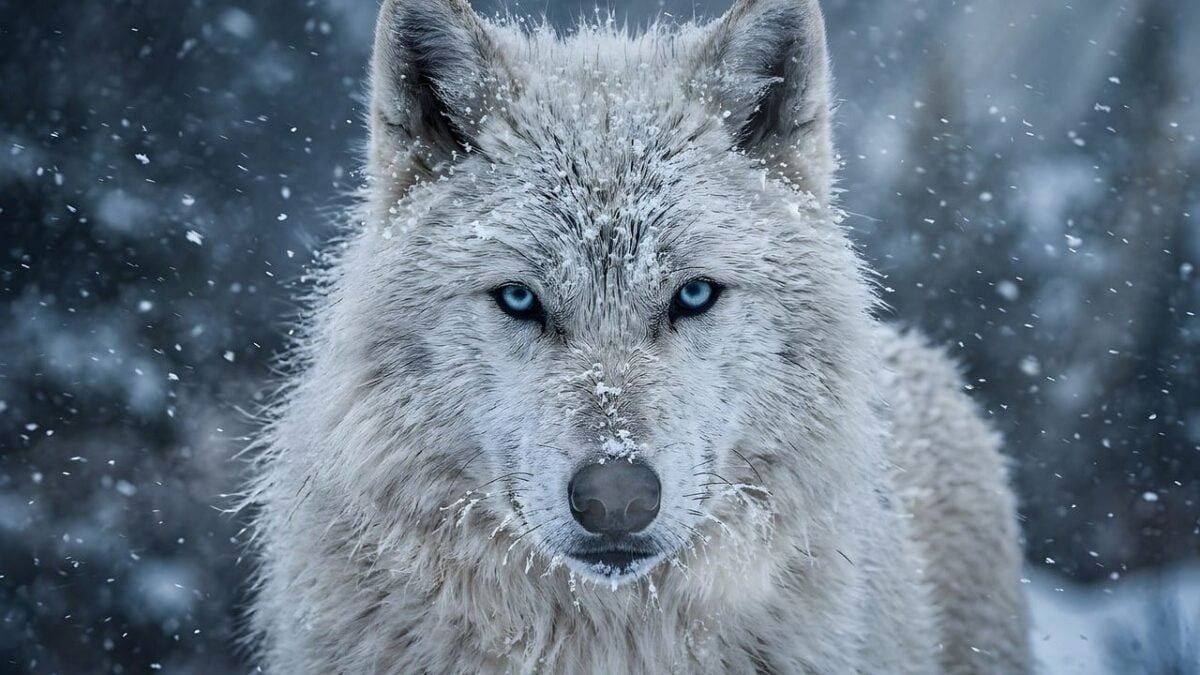
There’s a moment that hikers in wolf country sometimes describe, a quiet, unsettling stillness where an animal simply stops and looks at you. Not through you, not past you. Directly at you. No sound, no movement. Just those pale, unblinking eyes locked on yours. It lasts a few seconds, maybe longer, and the instinct in your chest tells you something important is happening, even if you can’t quite name it.
That instinct isn’t wrong, but it probably isn’t telling you the full story either. The wolf’s stare is one of the most richly layered forms of communication in the animal kingdom, and understanding what it actually means could change how you think about these animals entirely.
#1. The Stare Is a Language, Not Just a Warning
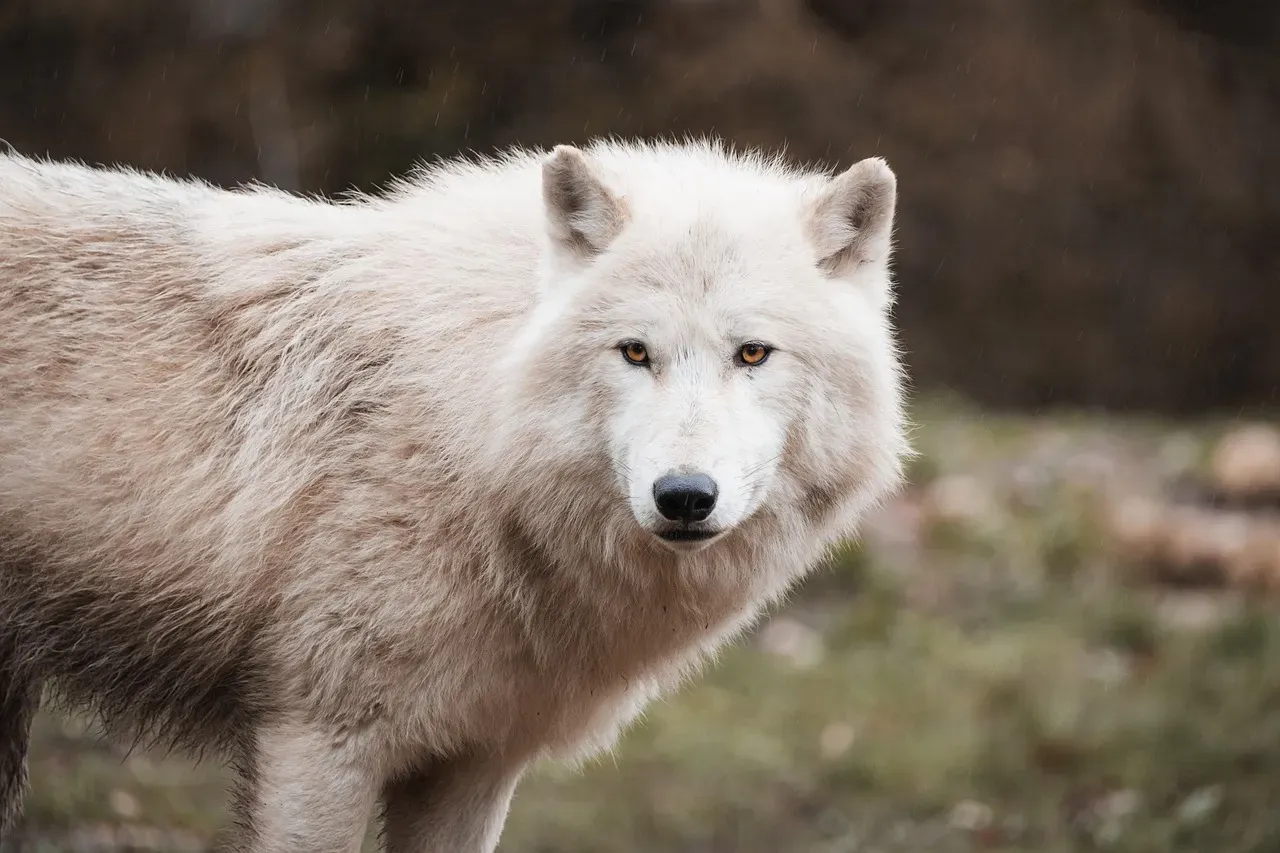
Wolves are apex predators with a sophisticated social hierarchy, and staring is a fundamental aspect of their non-verbal communication. In pack life, direct eye contact is used to establish dominance, with alpha wolves often maintaining a steady gaze to assert authority over subordinates. This isn’t aggression in the way we instinctively understand it. It’s closer to a sentence in a language that took thousands of years to develop.
The gray wolf’s expressive behavior is more complex than that of the coyote and golden jackal, as necessitated by its group living and hunting habits. While less gregarious canids generally possess simple repertoires of visual signals, wolves have more varied signals that subtly intergrade in intensity. The stare, then, is not a single blunt instrument. It sits within a whole vocabulary of posture, ear position, tail height, and facial tension that together carry precise meaning.
#2. Dominance, Assessment, and the Hierarchy Behind the Gaze
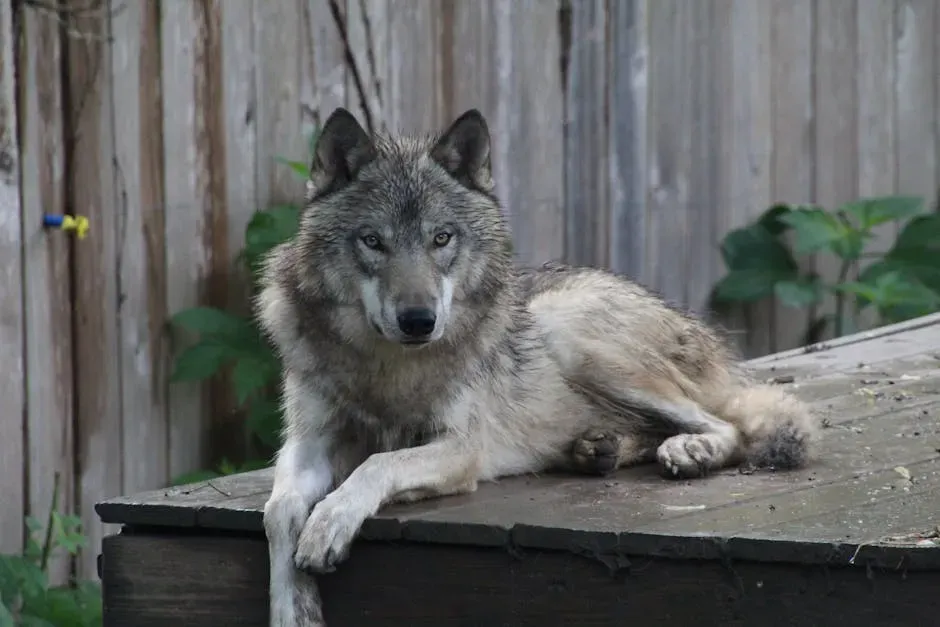
A fixed, aggressive stare directly into a wolf’s eyes is a blatant challenge of that canine’s rank and social status. If performed toward a dominant wolf, a reciprocal challenge and fight is likely to ensue. High-ranking wolves use this technique to assert their rank over submissive pack members or as a challenge to another trespassing wolf pack. When you lock eyes with a wolf in the wild, you are unwittingly stepping into this conversation, whether you meant to or not.
Often, subtle messages like an authoritative stare from a dominant wolf, met in response by an averted glance from a subordinate wolf, are enough to keep individual status understood. Alternately, especially if willingness to submit isn’t demonstrated, assertive aggression may ensue. This is the crux of it. The stare isn’t automatically a prelude to an attack. It’s first an invitation to respond, to show where you stand in the exchange.
#3. What the Wolf Is Actually Calculating When It Stares at You
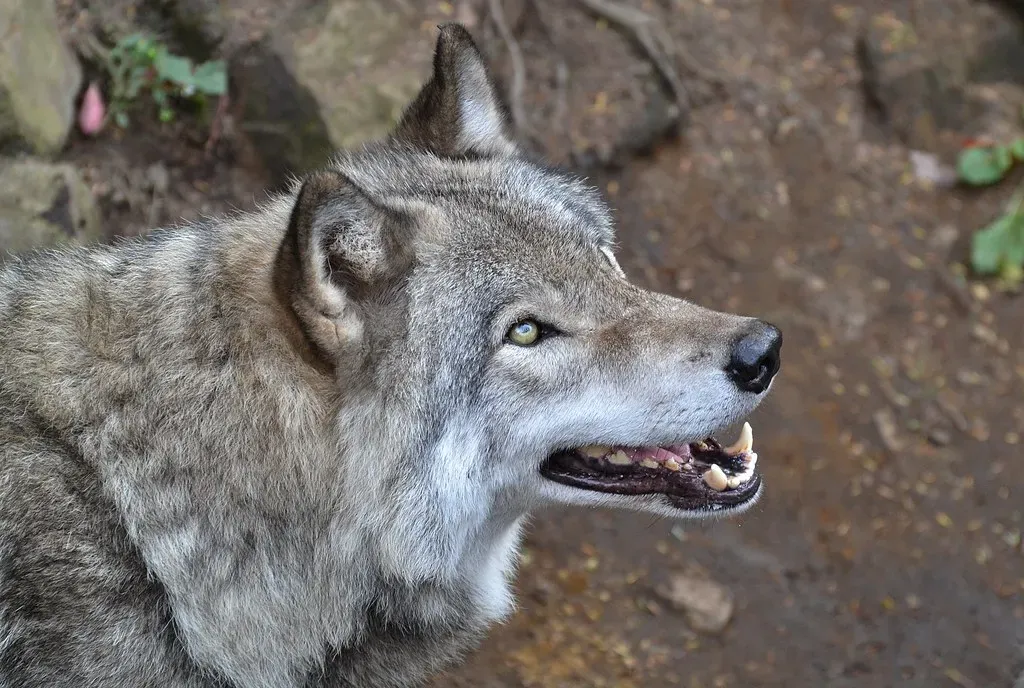
When wolves encounter humans, this instinctual behavior is triggered as they evaluate whether you are a threat, a potential food source, or simply an anomaly in their territory. That process is remarkably methodical. Studies on wolf communication have shown that staring is often accompanied by other body language cues, such as ear position and tail movement, to convey a complete message. The eyes are just the most visible part of a full-body read.
Unlike big cats, wolves are more likely to respond to prolonged eye contact with their own social behaviors rather than immediate predatory responses. A wolf might hold the gaze briefly to assess intention, then either look away as a sign of submission or intensify its stare as a dominance assertion. During coordinated hunts, wolves also use subtle visual cues, including stares, to synchronize their movements without alerting prey. So that gaze directed at you carries a dual possibility: social negotiation or predatory targeting, and the surrounding context determines which one it is.
#4. The Face Tells You More Than the Eyes Alone
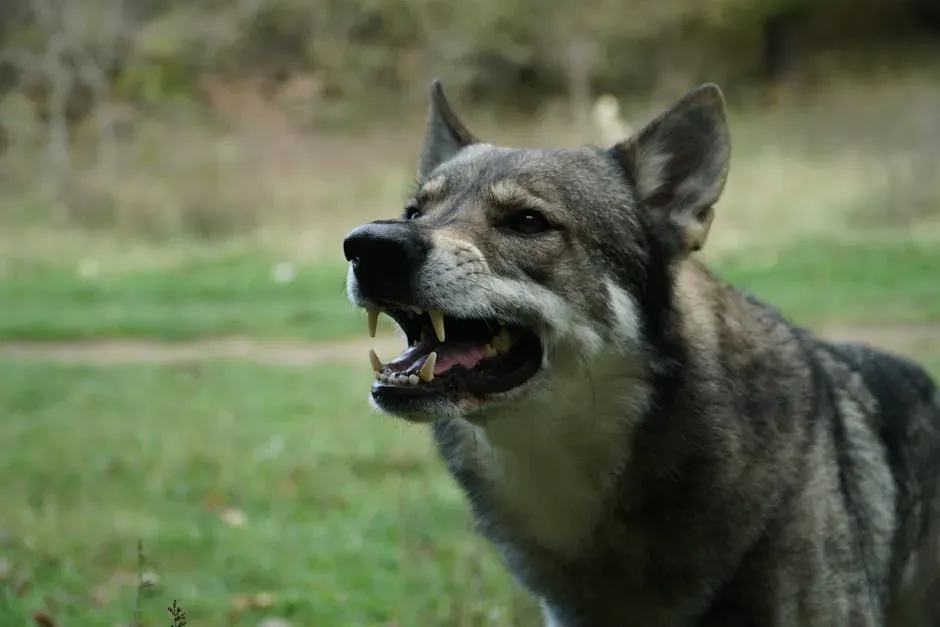
Research identified five distinct facial expressions that wolves use to communicate different levels of playfulness and aggression. During playful interactions, wolves open their mouths and relax their lips. If play-fighting goes a step too far, the wolf may pull back its lips, revealing its gums and narrowing its eyes. If things continue to intensify toward an all-out fight, the wolf will reveal a light spot on the very top of its gums. That final expression, researchers describe it as a blazing red warning flag.
When a wolf displays an aggressive or dominant expression, all parts of its body are forward. The eyes stare directly ahead, the ears are standing up and pressed forward, the corners of the lips are pushed forward, and the hackles are raised. The teeth are bared. If you see all of those signals converging at once, the stare is no longer a question being asked. It’s a statement being made, and the window for peaceful resolution is closing fast.
#5. What You Should Actually Do When a Wolf Stares at You
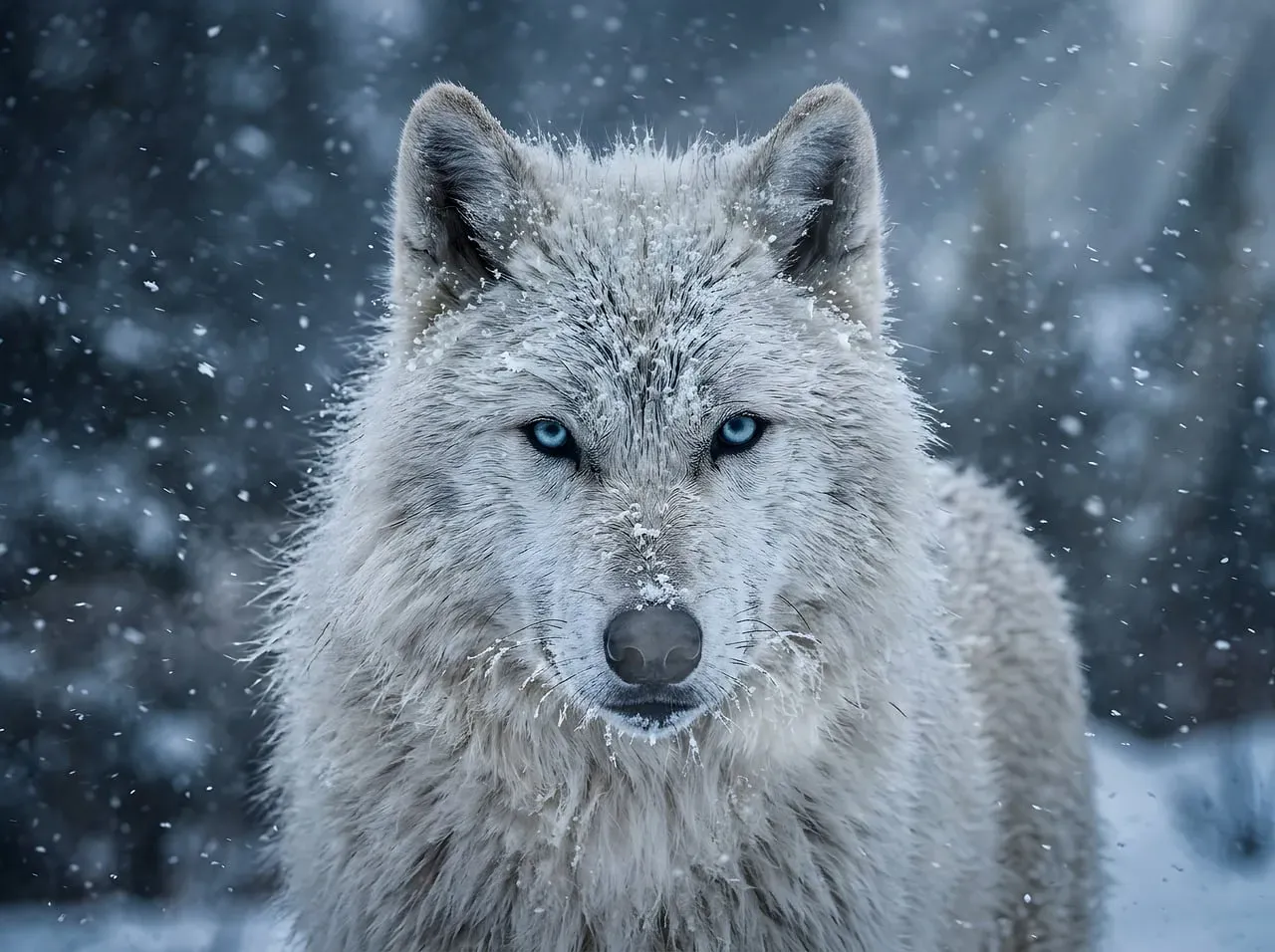
If you encounter wolves in the wild, experts recommend avoiding direct eye contact while also avoiding behaviors that might be interpreted as submissive, such as crouching or running, which could trigger predatory chase instincts. The key is threading a narrow path: don’t challenge, don’t collapse. The process of avoiding direct eye contact, known as averting gaze, signals to the aggressive canine that you mean to avoid a fight. In wolves, a submissive wolf regularly averts its gaze when a dominant wolf attempts a dominance display toward it.
A prevalent myth is that wolves stare at humans with malicious intent, often leading to fear and persecution. In reality, staring is usually a neutral assessment or a form of communication, not an immediate prelude to attack. That distinction matters enormously, for your safety in the moment and for how wolves are treated in the wild more broadly. On a practical level, understanding wolf communication informs guidelines for hikers and campers in wolf territory, emphasizing the importance of not provoking stares or making sudden movements. Stay calm, stay upright, back away slowly, and let the wolf draw its own conclusion about you.
Conclusion: Respect Lives in Understanding
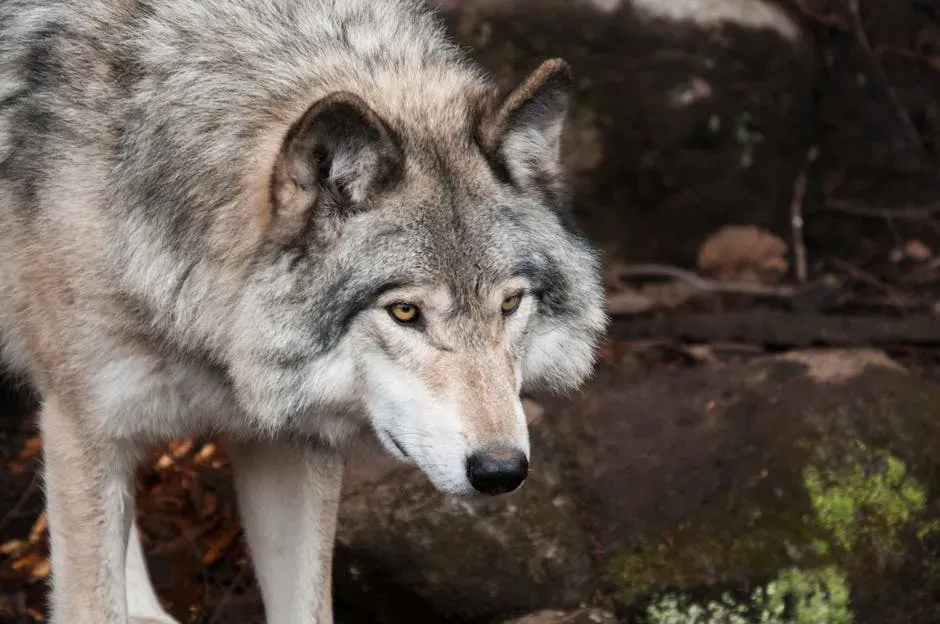
Here’s an honest opinion worth holding onto: most of the fear people feel when a wolf stares at them comes from not knowing what they’re looking at. That gap in knowledge has historically been costly, both for people who panicked unnecessarily and for wolves that were killed over misread behavior. People too often interpret assertive dominance display language as being malicious and excessively cruel, but in reality, it is simply one of many ways wolves communicate, and it generally does not result in any significant physical harm.
The wolf’s stare is ancient, precise, and deeply intentional. It evolved not as a precursor to violence but as a way to avoid it, to negotiate rank and establish boundaries without every disagreement ending in injury. Studying wolf communication enriches our understanding of animal cognition and social structures, offering insights into the evolution of complex behaviors, and fosters respect for wolves as keystone species. When a wolf looks at you, it is not seeing a victim. It is seeing a question that needs an answer. How you respond, calmly, deliberately, without panic, may well be the most important thing you do in that moment.
There is something quietly humbling about that. A wild animal, in the space of a few seconds, is reading everything about you, your posture, your stillness, your fear. In a way, the stare is a test. The best thing you can do is pass it.
