

When we think of endangered species, iconic animals like the bald eagle, polar bear, or giant panda often come to mind. However, the United States is home to numerous lesser-known creatures facing significant threats to their survival. From tiny freshwater mussels to elusive forest-dwelling mammals, many species are silently disappearing from America’s diverse ecosystems. These overlooked endangered animals play crucial roles in their habitats, and their decline signals deeper environmental issues affecting our natural world. This article highlights 16 surprising endangered species native to the United States that deserve our attention and conservation efforts.
16. Delta Smelt – California’s Tiny Indicator Species
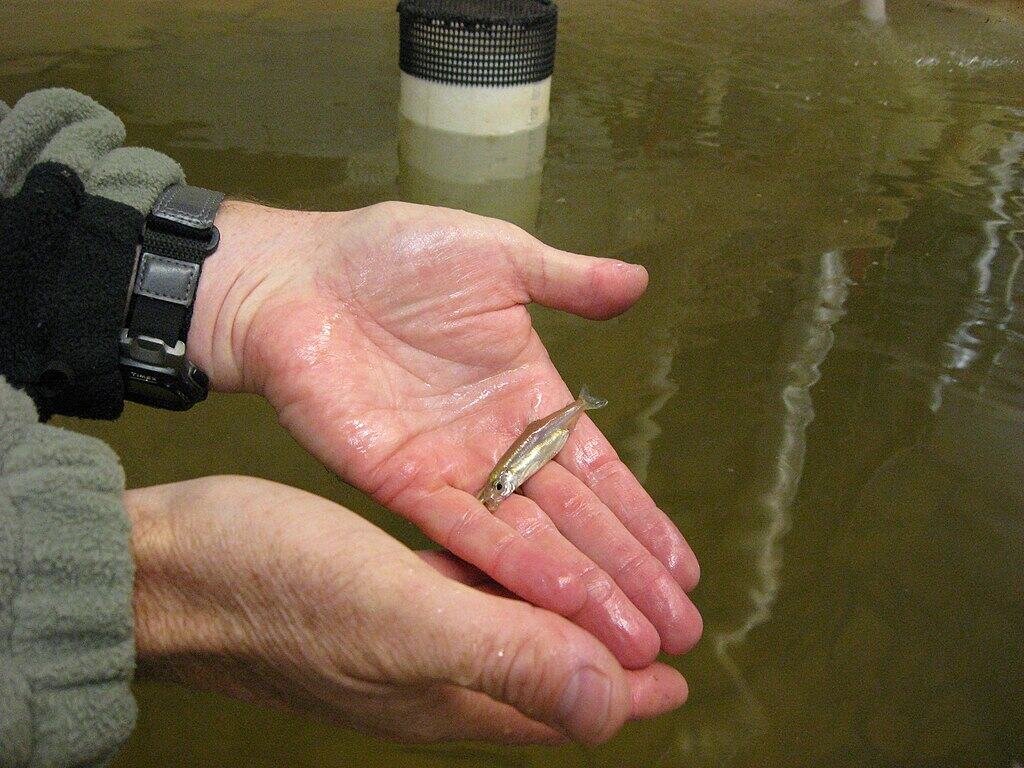
The Delta smelt (Hypomesus transpacificus) is a small, translucent fish native to California’s Sacramento-San Joaquin Delta. Measuring just 2-3 inches long, this diminutive creature has become a powerful indicator of ecosystem health in California’s water systems. Since the 1980s, Delta smelt populations have crashed by more than 99%, placing them on the federal endangered species list. Their decline stems from water diversion for agriculture and urban use, invasive species competition, and pollution. As climate change exacerbates California’s drought conditions, the Delta smelt faces potential extinction within the next decade without significant intervention. Conservation efforts include habitat restoration projects and carefully managed water flows, though balancing human water needs with smelt protection remains contentious.
15. Poweshiek Skipperling – Prairie Butterfly on the Brink
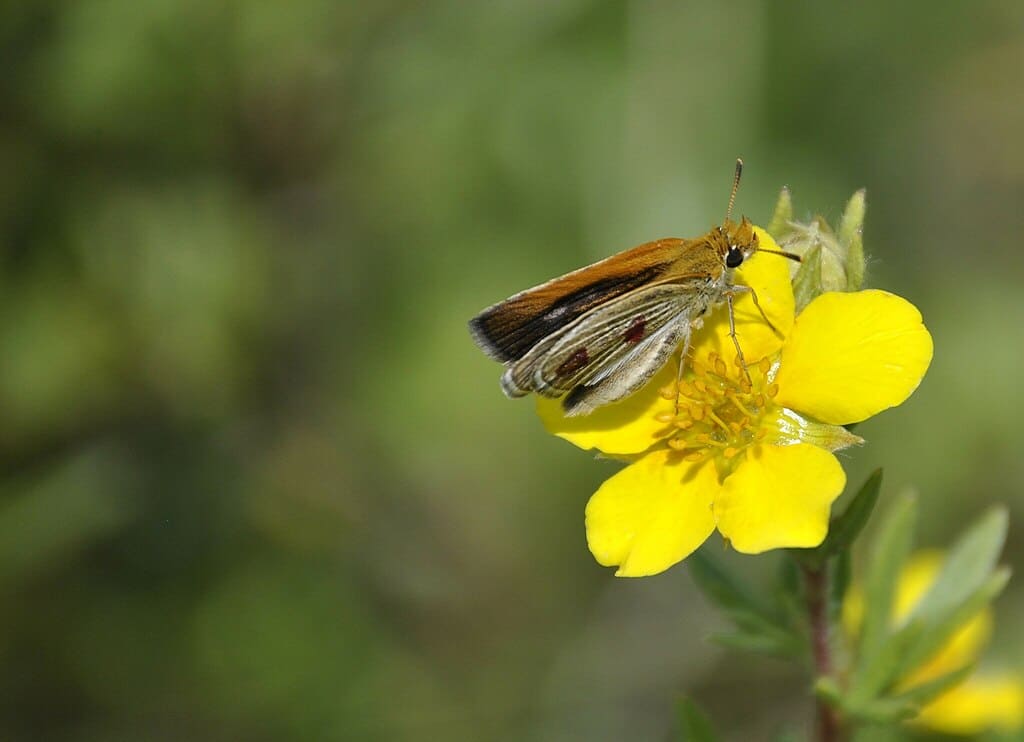
The Poweshiek skipperling (Oarisma poweshiek) is a small butterfly that once flourished across midwestern prairies from Michigan to the Dakotas. Today, these orange-and-brown butterflies cling to existence in just a handful of isolated wetlands. Listed as endangered in 2014, scientists estimate fewer than 500 individuals remain in the wild. The butterfly’s decline coincides with the loss of 99% of America’s native tallgrass prairie habitat. Poweshiek skipperlings depend on specific native prairie plants and cannot adapt to agricultural landscapes that have replaced their natural habitat. Conservation efforts focus on preserving and restoring remaining prairie fragments, implementing careful prescribed burns, and researching captive breeding programs at the Minnesota Zoo and other institutions to prevent their extinction.
14. Red Wolf – America’s Most Endangered Canid

The red wolf (Canis rufus) is one of the most endangered canids in the world, yet many Americans don’t realize this native species exists. Once ranging throughout the southeastern United States, red wolves were declared extinct in the wild by 1980 due to hunting, habitat loss, and hybridization with coyotes. A captive breeding program allowed for reintroduction in eastern North Carolina in 1987, but today fewer than 20 known red wolves remain in the wild, with about 250 in captive breeding facilities. These rusty-colored wolves are smaller than gray wolves but larger than coyotes, occupying an important ecological niche as predators. Recovery efforts face challenges from illegal killings, hybridization, and political pressure from landowners concerned about restrictions on their property. Despite these obstacles, conservation organizations continue working to secure a future for this uniquely American predator.
13. Ozark Hellbender – Ancient Aquatic Salamander
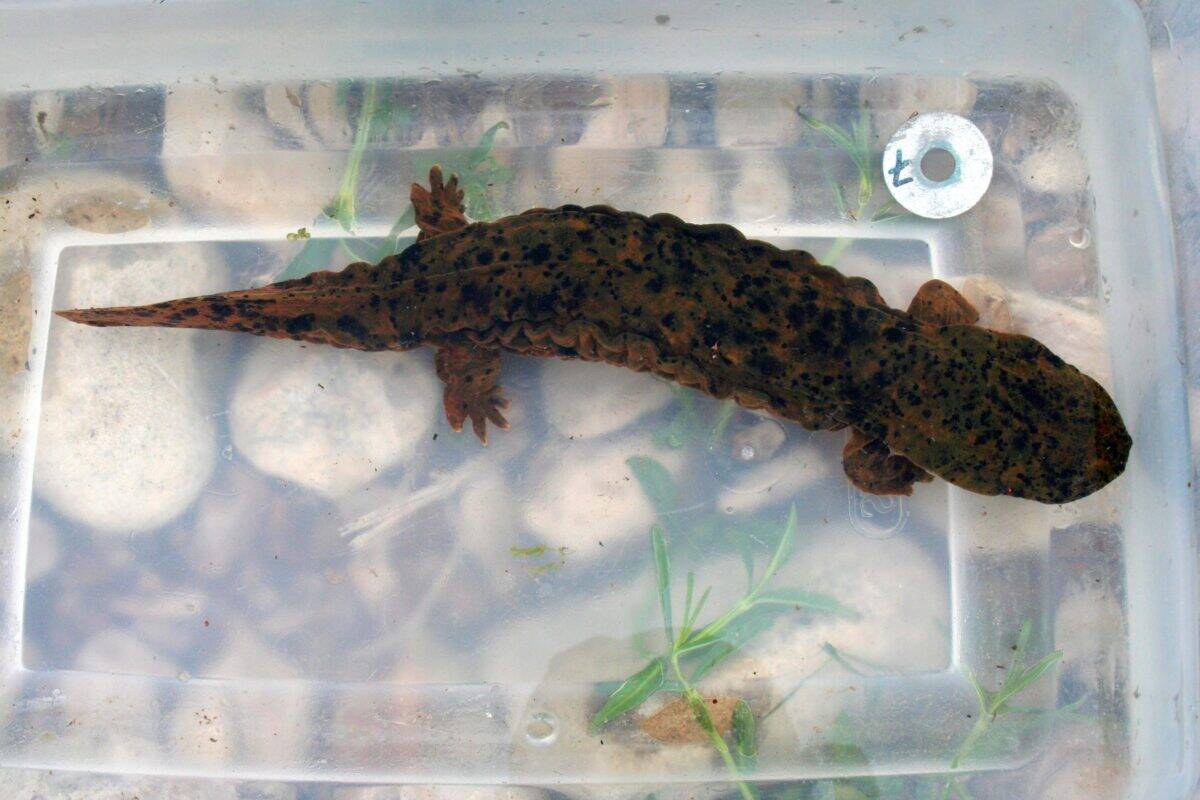
The Ozark hellbender (Cryptobranchus alleganiensis bishopi) is an aquatic salamander that has inhabited the cool, clear streams of the Ozark Mountains for over 7 million years. Growing up to 2 feet long, these prehistoric-looking amphibians breathe primarily through their wrinkled skin, earning them the nickname “snot otters.” Once abundant in Missouri and Arkansas waterways, Ozark hellbender populations have declined by more than 75% since the 1980s. Water pollution, sedimentation from development, and a deadly fungal disease threaten their survival. With fewer than 600 individuals estimated to remain in the wild, conservation efforts include captive breeding programs at the Saint Louis Zoo, habitat restoration projects, and education campaigns to reduce pollution in hellbender streams. Their decline represents a troubling indicator of deteriorating water quality in once-pristine Ozark waterways.
12. Salt Marsh Harvest Mouse – Tiny Bay Area Resident

The salt marsh harvest mouse (Reithrodontomys raviventris) is a diminutive mammal found only in the salt marshes surrounding San Francisco Bay. Weighing less than an ounce, these remarkable mice have adapted to drink saltwater and swim adeptly through marsh vegetation during high tides. Listed as endangered in 1970, they face an existential threat as more than 90% of San Francisco Bay’s original tidal marshes have been lost to development, agriculture, and salt production. Climate change and sea-level rise now threaten their remaining habitat. Conservation efforts include marsh restoration projects, creating high-tide refuges, and working with landowners to implement mouse-friendly management practices. Despite their protected status for over 50 years, salt marsh harvest mouse populations continue to decline as urban development pressures in the Bay Area intensify.
11. Island Fox – Channel Islands’ Comeback Story
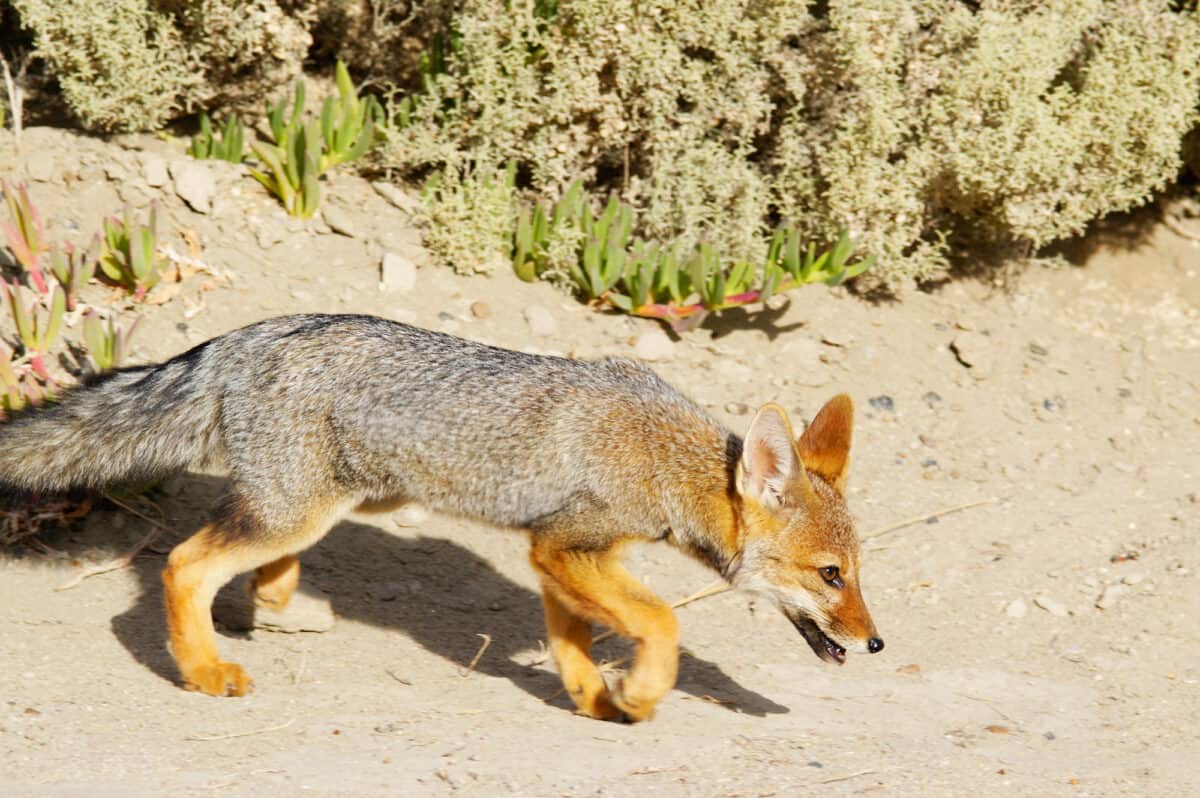
The island fox (Urocyon littoralis) is a diminutive fox species found only on six of California’s Channel Islands. About the size of a house cat, these foxes evolved in isolation for thousands of years, developing into six distinct subspecies. By the late 1990s, fox populations on three islands had plummeted by over 95% due to predation by golden eagles, which had moved into the islands after bald eagles were decimated by DDT poisoning. In 2004, four island fox subspecies were emergency-listed as endangered with fewer than 100 individuals remaining on some islands. An intensive recovery program—including captive breeding, golden eagle removal, bald eagle reintroduction, and feral pig eradication—has led to a remarkable recovery. Though they were delisted in 2016, island foxes remain vulnerable to disease outbreaks and climate change impacts, requiring ongoing monitoring and conservation management.
10. Houston Toad – Urban Amphibian Under Threat

The Houston toad (Anaxyrus houstonensis) is a small, brown-speckled amphibian found only in pine forests of east-central Texas. Despite its name, this toad no longer exists in Houston due to urban development. Once abundant across nine Texas counties, the Houston toad now occupies less than 20% of its historical range, with the largest remaining population in Bastrop County. Severe droughts, the catastrophic 2011 Bastrop County Complex fire, and continued habitat fragmentation have pushed this species to the brink of extinction. Researchers estimate fewer than 1,000 individuals remain in the wild. Conservation efforts include a captive breeding program at the Houston Zoo, habitat protection initiatives, and working with private landowners to create toad-friendly management practices. The Houston toad’s call—a high-pitched, melodic trill lasting up to 20 seconds—has become increasingly rare in the Texas night, highlighting the urgent need for expanded conservation measures.
9. American Burying Beetle – Essential Decomposer
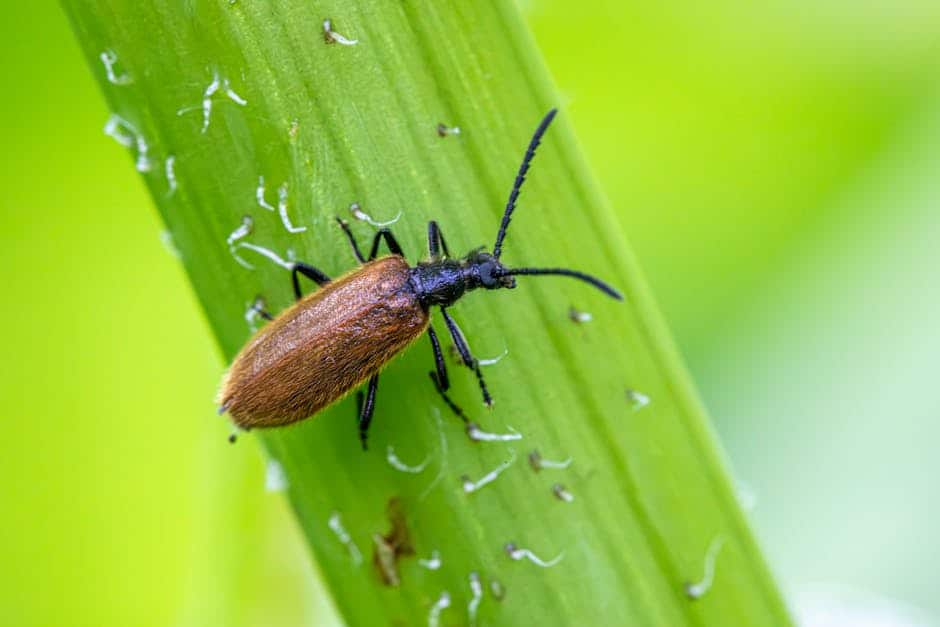
The American burying beetle (Nicrophorus americanus) is a striking black and orange insect that once inhabited 35 states across the eastern and central United States. Now listed as endangered, these remarkable beetles have disappeared from over 90% of their historical range, persisting in just a few isolated populations in Nebraska, Oklahoma, Arkansas, and Rhode Island. What makes these beetles extraordinary is their complex parental care—they bury small animal carcasses underground, remove the fur or feathers, shape the remains into a ball, and tend their larvae, which feed on the preserved carcass. Scientists attribute their decline to habitat fragmentation, light pollution that disrupts their nocturnal activities, and the loss of appropriately-sized carcasses due to passenger pigeon extinction and declining diversity of small and medium-sized vertebrates. Conservation efforts include captive breeding programs and reintroductions in states like Ohio and Missouri, though recovery remains challenging.
8. Black-footed Ferret – Prairie Dog Hunter

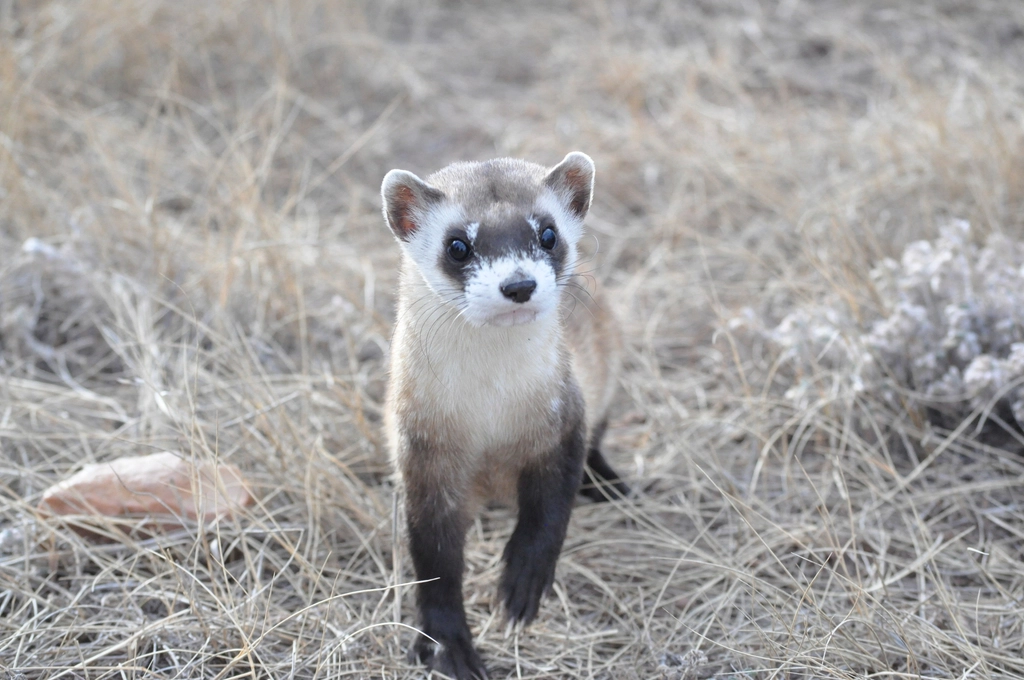
The black-footed ferret (Mustela nigripes) represents one of America’s most dramatic conservation stories. These slender, masked mammals—North America’s only native ferret species—were declared extinct in the wild in 1979 after decades of prairie dog poisoning campaigns (their primary food source), habitat conversion to agriculture, and sylvatic plague decimated their populations. Then, in 1981, a ranch dog in Wyoming discovered a small colony of surviving ferrets, launching an intensive recovery effort. Today, after multiple reintroductions across the Great Plains, approximately 300 black-footed ferrets live in the wild, with another 300 in captive breeding facilities. Despite this progress, they remain one of America’s most endangered mammals. Recovery challenges include ongoing prairie dog control programs, disease outbreaks, and shrinking habitat. Recent conservation innovations include developing oral plague vaccines for prairie dogs and exploring genetic rescue techniques using frozen cell lines from historic ferret populations.
7. Carolina Northern Flying Squirrel – High-Altitude Glider
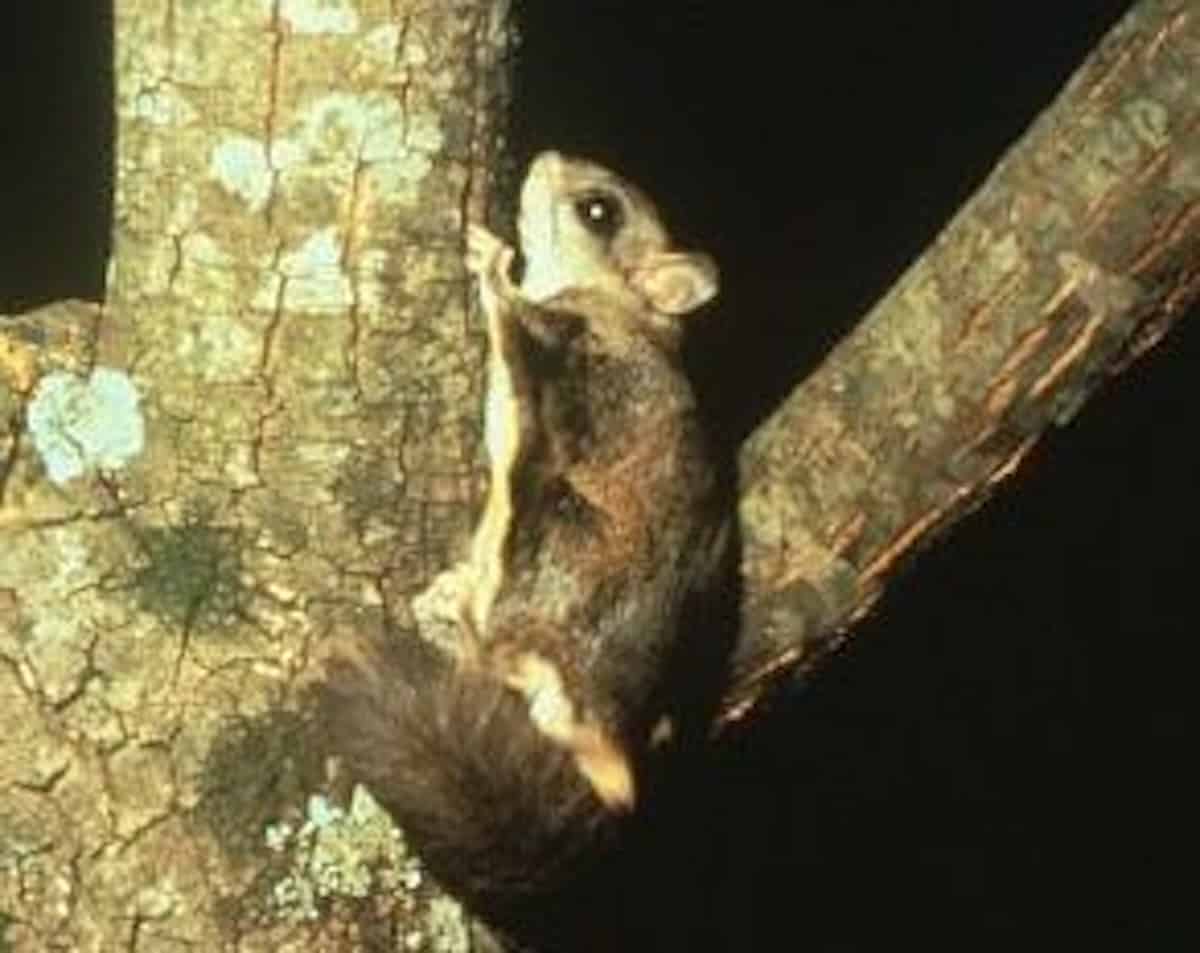
The Carolina northern flying squirrel (Glaucomys sabrinus coloratus) is a subspecies of flying squirrel found only in the highest elevations of the southern Appalachian Mountains in North Carolina, Tennessee, and Virginia. Unlike their common cousins that inhabit lower elevations, these endangered squirrels are limited to island-like patches of spruce-fir forest above 4,500 feet. Listed as endangered in 1985, they face threats from climate change, which is pushing suitable habitat further upslope, competition with southern flying squirrels moving to higher elevations, and development pressures in mountain communities. With an estimated population of fewer than 2,500 individuals, conservation efforts include habitat protection, installing nest boxes, and researching how climate change affects their specialized diet of fungi, lichens, and plant material. Their nocturnal habits and preference for remote, high-elevation forests make them one of America’s least-observed endangered mammals.
6. Mississippi Sandhill Crane – Southern Wetland Sentinel

The Mississippi sandhill crane (Grus canadensis pulla) is a non-migratory subspecies of sandhill crane found only in Jackson County, Mississippi. Standing nearly four feet tall with distinctive red crown patches, these elegant birds once inhabited wet pine savannas throughout the Gulf Coast. Today, fewer than 130 individuals survive, restricted to the Mississippi Sandhill Crane National Wildlife Refuge and surrounding areas. Their decline began with drainage of wetlands for agriculture and pine plantations, followed by urban development along the Gulf Coast. Conservation efforts include prescribed burning to maintain open savanna habitat, captive breeding and release programs, and habitat protection. Each bird is monitored with identification bands and, in some cases, radio transmitters to track movement patterns and survival. Despite five decades of protection under the Endangered Species Act, recovery has been slow, highlighting the challenges of preserving species with highly specialized habitat requirements in rapidly developing regions.
5. Tan Riffleshell Mussel – Freshwater Filter-Feeder
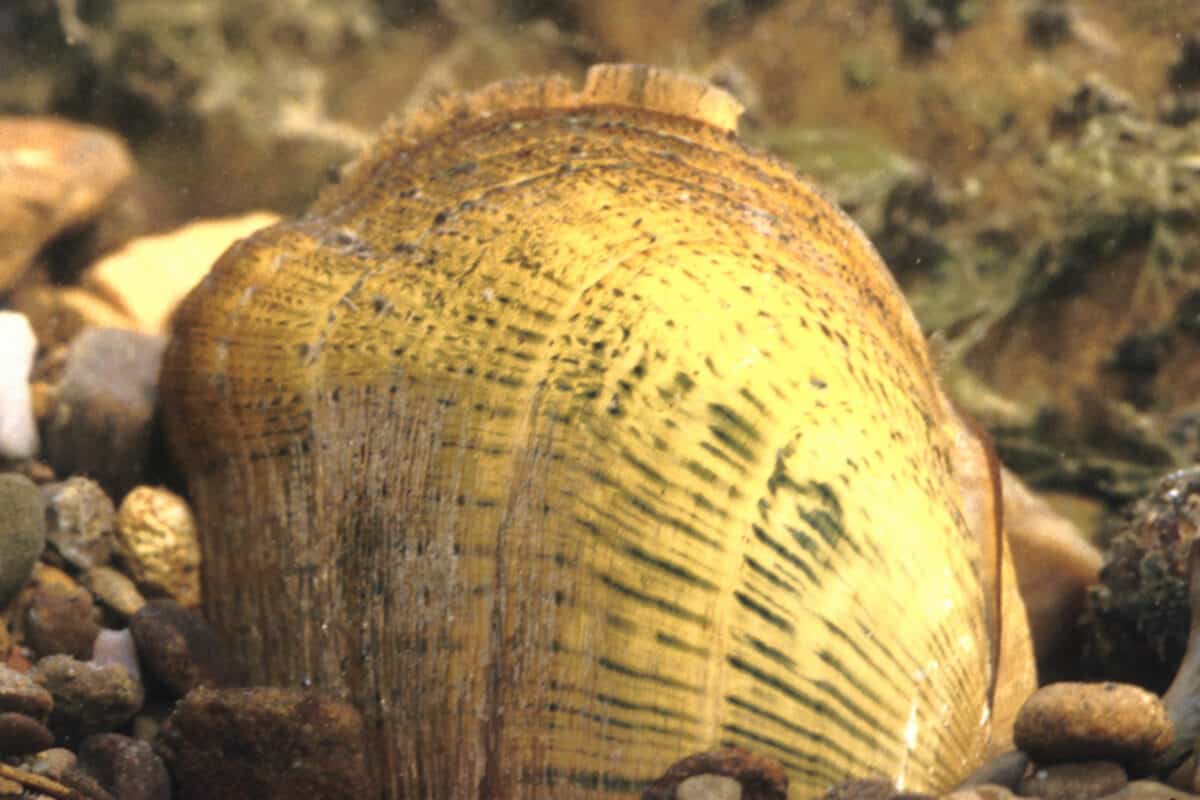
The tan riffleshell (Epioblasma florentina walkeri) is a small freshwater mussel native to the Tennessee River watershed that most Americans have never heard of, despite its critical endangered status. Once abundant in fast-flowing streams across Tennessee, Virginia, and Kentucky, this mussel now exists in just two locations, with fewer than 200 individuals remaining in the wild. Like many freshwater mussels, the tan riffleshell has a fascinating life cycle—its larvae must attach to specific fish species to transform into juvenile mussels. Dams, sedimentation, agricultural runoff, and mining pollution have devastated mussel populations throughout the southeastern United States. Conservation efforts include captive propagation programs at the Freshwater Mollusk Conservation Center in Virginia, reintroduction attempts, and stream restoration projects. Freshwater mussels serve as natural water filters, with a single mussel capable of filtering up to 15 gallons of water daily, making their loss both an ecological and water quality concern.
4. Sierra Nevada Yellow-legged Frog – Alpine Lake Dweller
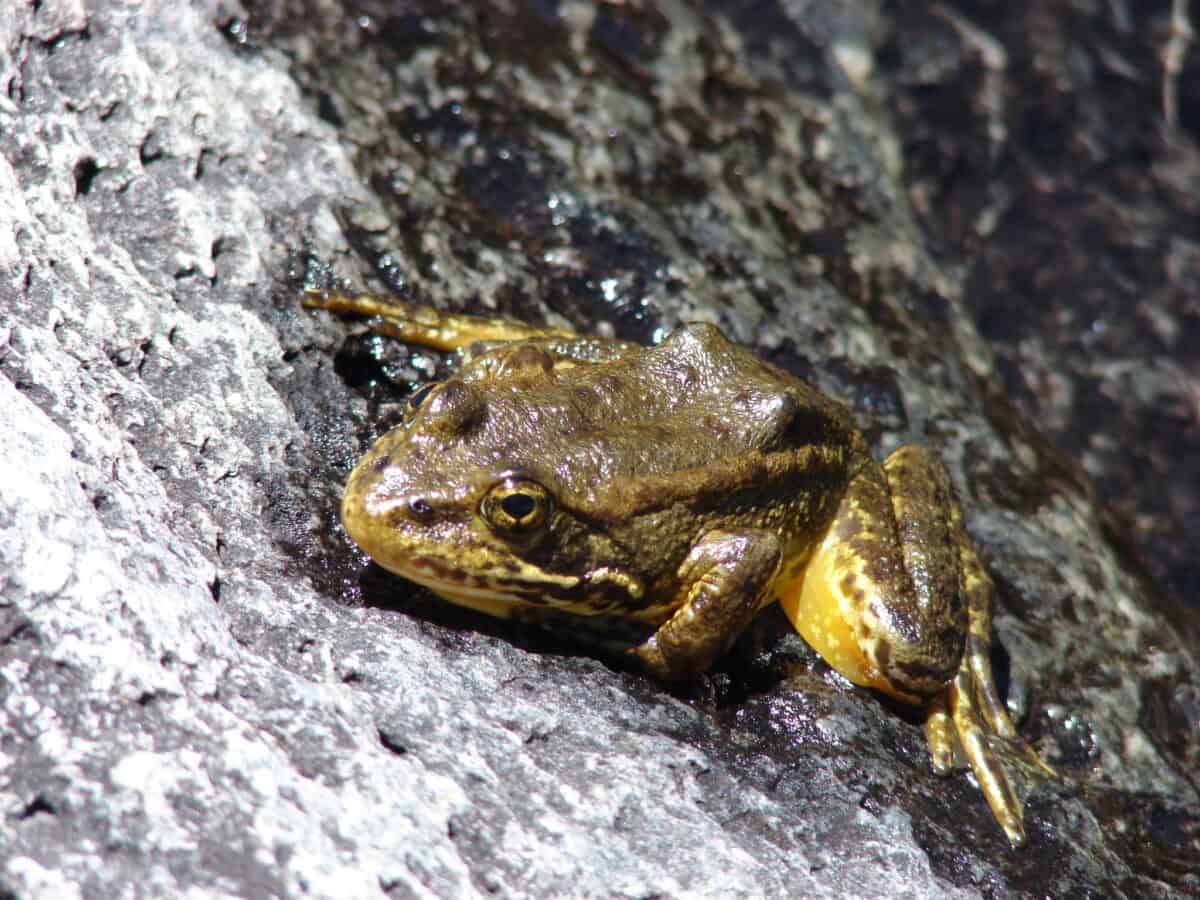
The Sierra Nevada yellow-legged frog (Rana sierrae) once thrived in thousands of high-elevation lakes and streams throughout California’s Sierra Nevada mountains. Historic accounts describe mountain lakes teeming with these olive and yellow-colored amphibians, where hikers could hardly take a step without disturbing dozens of frogs. Today, these frogs have disappeared from over 90% of their historical range. Their decline stems from multiple factors: introduced non-native trout that prey on tadpoles, a deadly fungal disease called chytridiomycosis, pesticide drift from California’s agricultural valleys, and climate change affecting alpine habitats. Listed as endangered in 2014, conservation efforts include removing non-native fish from selected lakes, treating wild frogs with antifungal treatments, and captive rearing programs. Recent restoration projects in Yosemite and Sequoia & Kings Canyon National Parks have shown promising results, with some frog populations beginning to recover in fish-free lakes, offering hope for this iconic Sierra Nevada amphibian.
3. Florida Bonneted Bat – America’s Rarest Bat

The Florida bonneted bat (Eumops floridanus) is North America’s largest and rarest bat species, found only in a few counties of southern Florida. Named for the forward-slanting ears that resemble a bonnet, these endangered mammals were thought extinct until rediscovered in 2002. Scientists estimate fewer than 1,000 individuals remain, though precise population counts are difficult due to their elusive nature and high-flying habits. With a wingspan of up to 20 inches, these bats emit calls audible to the human ear and can fly over 20 miles per hour. Urban development across south Florida has eliminated much of their roosting habitat, while pesticide use reduces their insect prey. Hurricane impacts, including the destruction of roost sites and flooding, pose increasing threats as climate change intensifies storm patterns. Conservation efforts include acoustic monitoring to locate populations, installation of artificial bat houses, and working with landowners to protect roost sites on private property.
2. Morro Bay Kangaroo Rat – California’s Jumping Desert Dweller
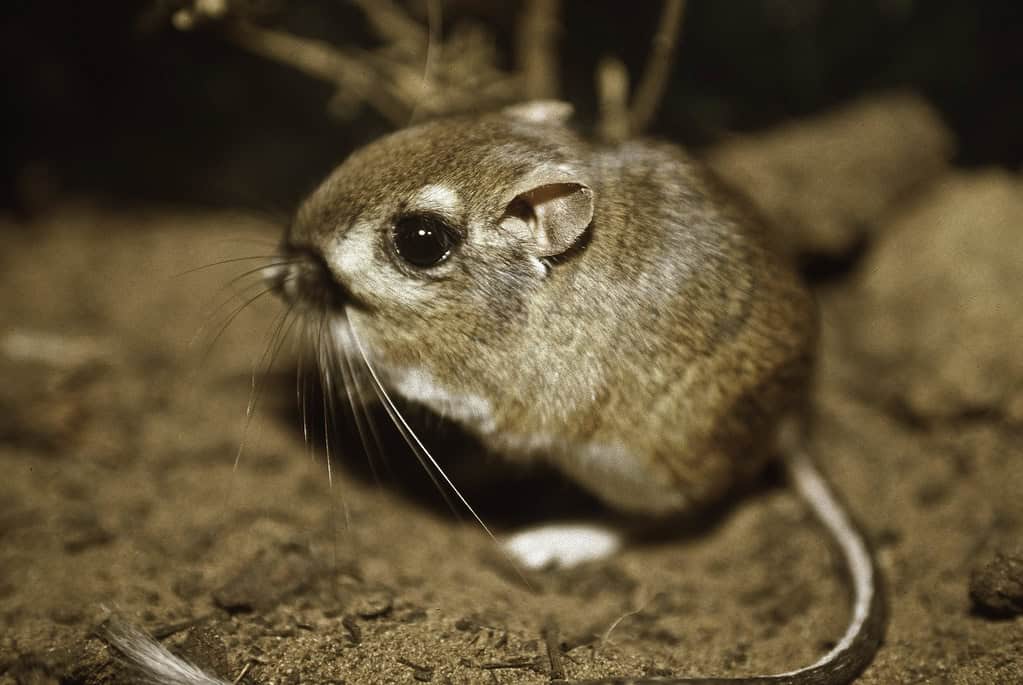
The Morro Bay kangaroo rat (Dipodomys heermanni morroensis) is a small, nocturnal rodent found only in the vicinity of Morro Bay, California. Despite its name, this creature is not related to kangaroos but earned its moniker from powerful hind legs that allow it to hop like its Australian namesake. With large eyes, external cheek pouches for carrying seeds, and a distinctive tufted tail, these endangered rodents were once common in the coastal dune scrub habitat around Morro Bay. Today, some scientists fear they may already be extinct, as no confirmed sightings have occurred since the early 1990s despite intensive survey efforts. Their decline resulted from residential development, vegetation changes due to fire suppression, and habitat fragmentation. If any populations survive, they likely number fewer than 100 individuals. Conservation efforts include habitat protection within remaining suitable areas, prescribed burns to maintain open sandy habitat, and continued survey work using specialized tracking methods and wildlife cameras to determine if any populations persist.
1. North Atlantic Right Whale – Ocean Giants in Peril

The North Atlantic right whale (Eubalaena glacialis) is one of the world’s most endangered large whale species, with fewer than 350 individuals remaining. These massive marine mammals, which can reach 52 feet in length and weigh up to 70 tons, migrate along the eastern seaboard of the United States, from calving grounds off Florida and Georgia to feeding areas in New England and Canadian waters. Once hunted nearly to extinction for their blubber and baleen (hence their name—they were the “right” whales to hunt), their recovery has been hindered by modern threats including ship strikes and entanglement in fishing gear. Since 2017, an ongoing Unusual Mortality Event has killed or seriously injured over 9% of the population. With fewer than 100 breeding females remaining, scientists warn the species could be functionally extinct within 20 years without aggressive conservation measures. Recent efforts include seasonal speed restrictions for vessels, fishing gear modifications, and advanced acoustic monitoring systems to track whale movements in real-time.
Conclusion

While charismatic megafauna often dominate headlines, the survival of lesser-known endangered species in the U.S. is equally critical to the health of our ecosystems. From tiny mussels filtering freshwater to elusive mammals gliding through mountain forests, each of these 16 creatures plays a unique role in maintaining the balance of nature. Their declines signal broader environmental challenges—habitat loss, pollution, climate change, and human encroachment—that threaten biodiversity as a whole. Raising awareness of these species is the first step toward protecting them. Through continued conservation efforts, habitat restoration, and public support, we can give these overlooked animals a fighting chance and preserve the rich natural heritage of the United States for generations to come.

As a little kid, I fell in love with nature, wildlife, and animals. Living in the USA, South Africa, Italy, China and Germany gave me the opportunity to discover the world's Wildlife. My favorite animals are Mountain Gorillas, Siberian Tigers, and Great White Sharks.
I'm a certified PADI Open Water Diver, went to Everest Base Camp and Trekked Gorillas in Uganda. I hold a Master of Science in Economics and Finance.
Please send any feedback to feedback@animalsaroundtheglobe.com
- 14 Most Beautiful Bird Songs You Can Hear in America - July 15, 2026
- The Longest Snake Ever Found Slithering in the U.S. - July 15, 2026
- Why Humpback Whales Are Singing Louder Off U.S. Shores - July 15, 2026