


The United States harbors an astonishing diversity of wildlife, with many rare and endangered species finding refuge in protected habitats across the country. From the misty rainforests of the Pacific Northwest to the subtropical wetlands of Florida, these ecological sanctuaries provide crucial havens for some of America’s most elusive creatures. This article explores 20 regions where determined wildlife enthusiasts might glimpse these remarkable animals in their natural environments, highlighting the conservation efforts that make these encounters possible and the ongoing challenges these species face.
Olympic Peninsula, Washington – Home to the Olympic Marmot

Tucked away in the northwestern corner of Washington state, the Olympic Peninsula hosts one of America’s most distinctive endemic mammals—the Olympic marmot (Marmota olympus). Found nowhere else on Earth, these social, whistling rodents inhabit the subalpine meadows of Olympic National Park, primarily at elevations above 4,000 feet. With their distinctive brown fur and chubby appearance, Olympic marmots have adapted specifically to the peninsula’s unique alpine environment. Conservation efforts focus on monitoring population declines potentially linked to climate change and predation by coyotes. Visitors hiking Hurricane Ridge or Obstruction Point between May and September have the best chance of spotting these charismatic creatures as they forage in meadows or sun themselves on rocky outcrops.
Klamath-Siskiyou Region, Oregon/California – Fisher Territory

Straddling the Oregon-California border, the Klamath-Siskiyou bioregion represents one of North America’s most biologically diverse temperate forest ecosystems. Here, the elusive fisher (Pekania pennanti), a member of the weasel family, makes its home among ancient forests. With dark brown fur and a distinctive long body, fishers are agile tree-climbers that prey on small mammals, including porcupines—one of the few predators capable of hunting these spine-covered rodents. Fishers faced near-extinction due to trapping and habitat loss, but recent reintroduction efforts have helped restore small populations to parts of their historic range. These nocturnal animals remain extremely difficult to spot, even for experienced wildlife watchers, but remote camera traps occasionally capture their movements through the region’s rugged terrain and old-growth forests.
Channel Islands, California – Island Fox Sanctuary

Just off the coast of Southern California, the Channel Islands harbor a remarkable evolutionary story in the form of the island fox (Urocyon littoralis). These diminutive foxes, about the size of a house cat, evolved from mainland gray foxes and developed into six distinct subspecies, each native to a different island. By the late 1990s, predation by golden eagles and disease had driven some subspecies to the brink of extinction, with fewer than 100 individuals remaining on certain islands. Following one of the most successful conservation interventions in U.S. history—including captive breeding, golden eagle removal, and bald eagle reintroduction—island fox populations have rebounded dramatically. Today, visitors to Channel Islands National Park have good chances of spotting these curious, relatively tame foxes, particularly on Santa Cruz and Santa Rosa islands.
Northern Arizona – California Condor Recovery Zone

The rugged canyonlands of northern Arizona, particularly the Vermilion Cliffs National Monument and Grand Canyon region, have become crucial to the recovery of North America’s largest bird—the California condor (Gymnogyps californianus). With a wingspan stretching nearly 10 feet, these magnificent scavengers once soared throughout much of the American West but declined to just 22 individuals by 1982. Through intensive captive breeding and reintroduction programs, over 300 condors now exist in the wild. The birds released at Vermilion Cliffs have established a growing population that frequents the Grand Canyon’s north and south rims. Visitors can potentially spot these massive, black birds soaring on thermal updrafts, identifiable by their bald heads and white triangular patches under their wings. The Navajo Bridge near Lees Ferry offers one of the more reliable viewing opportunities, as condors often perch on the bridge’s steel framework.
Jemez Mountains, New Mexico – Jemez Mountains Salamander Habitat

The forested slopes of the Jemez Mountains in northern New Mexico harbor one of America’s most specialized amphibians—the Jemez Mountains salamander (Plethodon neomexicanus). This lungless salamander, which breathes entirely through its skin, requires the specific microclimate found in the mixed-conifer forests covering these ancient volcanic mountains. Listed as endangered in 2013, these small, slender salamanders with a bronze-brown coloration spend most of their lives underground, emerging only during summer monsoon seasons when humidity is high. Severe wildfires, climate change, and development threaten their limited habitat. While exceptionally difficult for the general public to observe due to their secretive nature, researchers carefully monitor remnant populations in areas like the Valles Caldera National Preserve. Conservation efforts focus on forest management practices that maintain the moist, rocky habitats these salamanders require.
Black Hills, South Dakota – Black-footed Ferret Reintroduction Site

The mixed-grass prairies of western South Dakota, particularly around Conata Basin in Buffalo Gap National Grassland, represent one of the most important recovery areas for North America’s most endangered mammal—the black-footed ferret (Mustela nigripes). Once thought extinct, these slender, masked predators were rediscovered in 1981 when a ranch dog in Wyoming brought one home. Their survival depends entirely on prairie dog colonies, which provide both burrows for shelter and prey for sustenance. Intensive captive breeding efforts have allowed for reintroductions at multiple sites, with the Conata Basin population becoming one of the most successful. Night tours with spotlighting techniques occasionally allow wildlife enthusiasts to glimpse these nocturnal hunters, recognizable by their distinctive black face mask, feet, and tail tip contrasting against their pale body. Recent challenges include the spread of sylvatic plague, which decimates both prairie dog and ferret populations, requiring ongoing management intervention.
Upper Mississippi River National Wildlife Refuge – Massasauga Rattlesnake Territory

Stretching 261 miles along the Mississippi River through Minnesota, Wisconsin, Iowa, and Illinois, the Upper Mississippi River National Wildlife Refuge provides critical habitat for the eastern massasauga rattlesnake (Sistrurus catenatus), often called the “swamp rattler.” This small, thick-bodied venomous snake with distinctive blotchy patterns has disappeared from much of its historic range due to wetland drainage and persecution. Unlike many rattlesnakes, massasaugas prefer wet prairies, marshes, and river floodplains rather than arid environments. Though listed as threatened under the Endangered Species Act, small populations persist in isolated pockets of suitable habitat within the refuge. Spring and fall present the best opportunities to potentially observe these secretive reptiles basking in the sun along habitat edges. Conservation efforts focus on maintaining seasonal wetland hydrology and educating the public about the ecological importance of these misunderstood predators.
Ozark Highlands, Arkansas/Missouri – Ozark Hellbender Streams

The clear, cool streams of the Ozark Highlands, particularly portions of the Current, Jacks Fork, and Eleven Point Rivers, harbor one of North America’s largest and most unusual salamanders—the Ozark hellbender (Cryptobranchus alleganiensis bishopi). Growing up to two feet long, these fully aquatic amphibians have wrinkled skin, flattened heads, and small eyes, earning them unflattering nicknames like “snot otter” and “devil dog.” Hellbenders breathe primarily through their skin and require exceptionally clean, oxygen-rich water flowing over rocky stream bottoms. Declining water quality, sedimentation, and disease have reduced populations by more than 75% in recent decades. The Missouri Department of Conservation has established a successful captive breeding program at the Saint Louis Zoo, releasing juvenile hellbenders to bolster wild populations. Snorkeling guided tours in designated areas occasionally provide opportunities to observe these remarkable creatures in their natural habitat, though their well-camouflaged appearance makes detection challenging even for experienced naturalists.
Eastern Tennessee Mountains – Synchronous Firefly Phenomenon
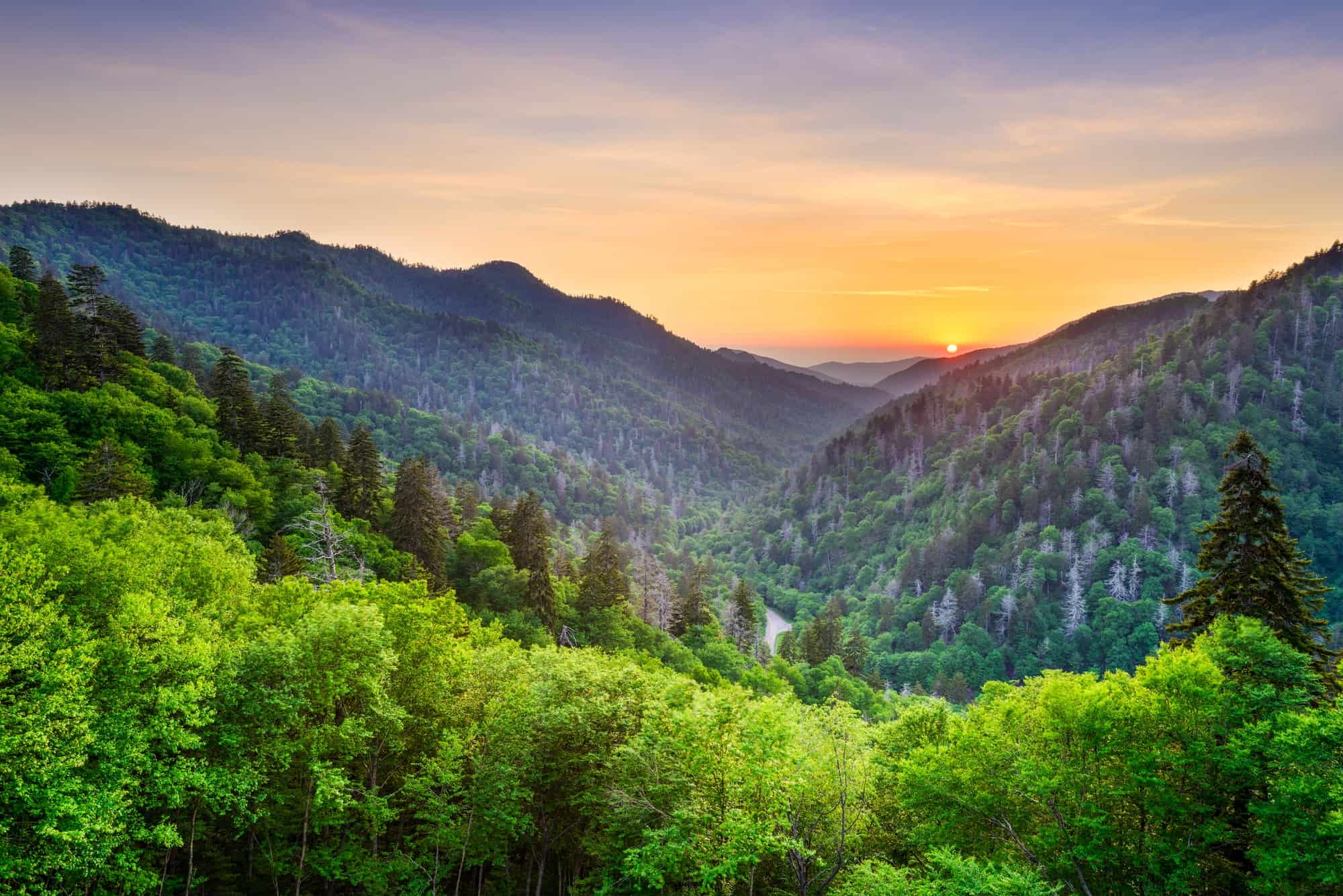
The mist-shrouded forests of Great Smoky Mountains National Park in eastern Tennessee host one of the world’s most magical insect displays—the synchronous fireflies (Photinus carolinus). For roughly two weeks each year, usually in late May to early June, these special beetles gather in staggering numbers and flash their bioluminescent abdomens in perfect unison, creating waves of light through the dark forest. Unlike most of the 2,000+ firefly species worldwide, these rare insects can synchronize their flashing patterns as part of their mating display. The phenomenon has become so popular that the National Park Service instituted a lottery system for viewing access during the peak display period at Elkmont, the most accessible viewing area. Researchers continue studying how environmental factors like temperature and rainfall affect the timing and intensity of the displays. Light pollution from surrounding development represents a significant threat, as artificial light can disrupt the fireflies’ ability to communicate through their flashing patterns.
Red Hills Region, Georgia/Florida – Red-cockaded Woodpecker Country
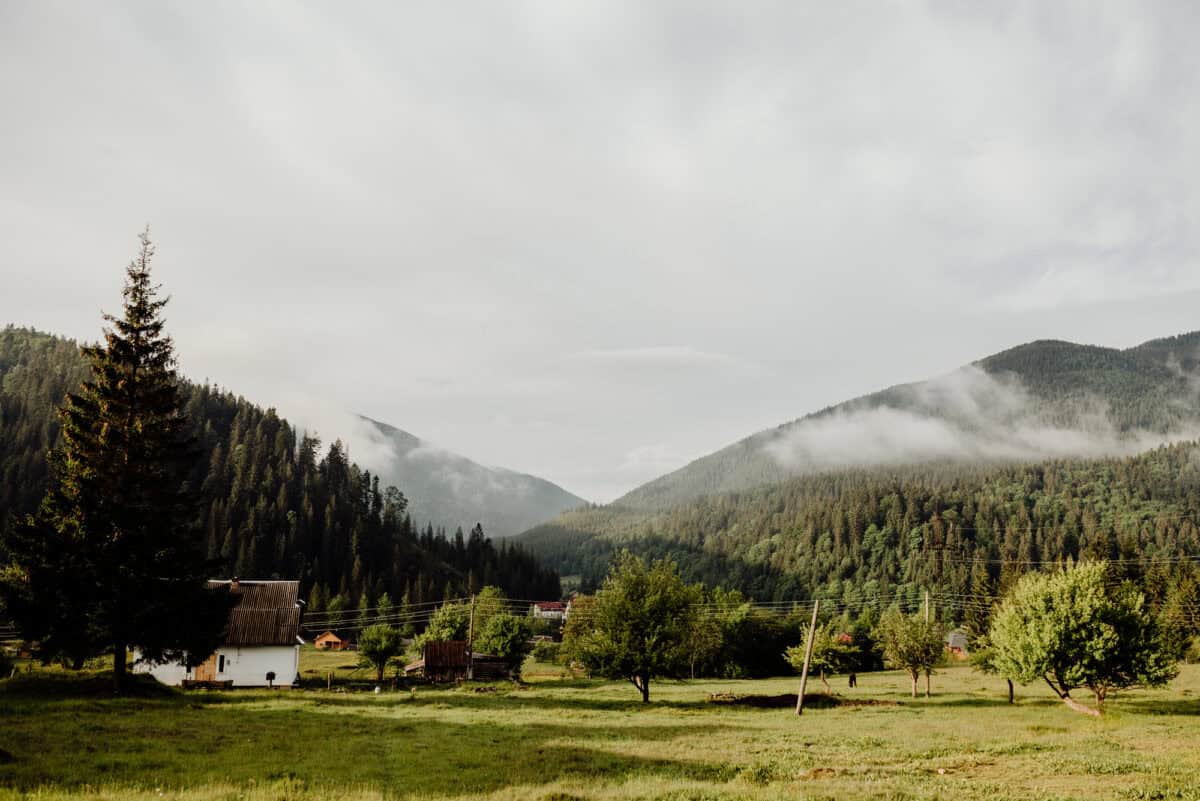
Spanning the Florida-Georgia border, the Red Hills region encompasses one of the last extensive tracts of old-growth longleaf pine forest, providing crucial habitat for the endangered red-cockaded woodpecker (Dryobates borealis). Unlike most woodpeckers, these small birds with distinctive white cheek patches excavate nest cavities exclusively in living pine trees, typically those at least 80 years old and infected with red heart fungus, which softens the heartwood. Their habitat requirements make them dependent on mature pine forests maintained by frequent prescribed burns. Private quail hunting plantations in the Red Hills have ironically helped preserve suitable habitat through traditional land management practices that maintain open, fire-dependent pine savannas. The woodpeckers live in family groups with a complex social structure, where younger birds often serve as “helpers” to breeding pairs. Conservation agreements with private landowners have been crucial to maintaining stable populations in this region, offering a model for endangered species recovery on working landscapes.
Florida Panhandle – Okaloosa Darter Streams
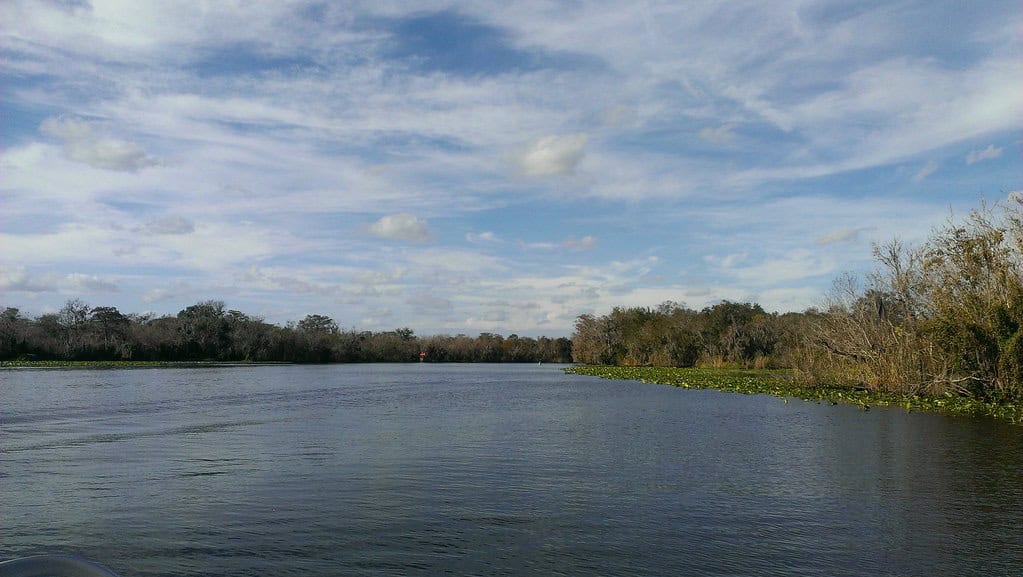
Within the Eglin Air Force Base reservation in Florida’s panhandle flows a network of clear, sandy-bottomed streams that harbor one of America’s conservation success stories—the Okaloosa darter (Etheostoma okaloosae). This tiny, colorful fish, rarely exceeding two inches in length, exists nowhere else on Earth beyond six stream systems flowing into Choctawhatchee Bay. When listed as endangered in 1973, the darter faced extinction due to habitat degradation from erosion, impoundments, and competition from a closely related species. Through decades of stream restoration, culvert removal, and erosion control, populations have rebounded from approximately 1,500 individuals to over 600,000. In 2011, the species was downlisted from endangered to threatened, representing one of the few native fishes to improve its conservation status. The military installation’s restricted access ironically provided crucial protection by limiting development, while collaboration between the Department of Defense, U.S. Fish and Wildlife Service, and local partners demonstrated how national security and conservation can successfully coexist.
South Florida Everglades – Florida Panther Territory

The vast subtropical wetlands and adjacent uplands of South Florida, particularly Big Cypress National Preserve and Florida Panther National Wildlife Refuge, support the last breeding population of Florida panthers (Puma concolor coryi). These tawny cats, slightly smaller and more reddish than their western mountain lion cousins, once roamed throughout the southeastern United States but declined to fewer than 30 individuals by the 1970s. Genetic rescue through the introduction of Texas cougars in the 1990s helped address inbreeding depression, allowing the population to increase to an estimated 120-230 adults today. Panthers require large territories—males patrol areas up to 200 square miles—making habitat fragmentation from urban development their greatest threat. While extremely difficult to observe directly, visitors occasionally spot these elusive predators crossing roads at dawn or dusk, particularly along the Loop Road and Turner River Road in Big Cypress. Conservation efforts focus on protecting travel corridors and reducing vehicle collisions, which account for most documented panther mortalities.
Puerto Rico’s El Yunque National Forest – Habitat of the Puerto Rican Parrot
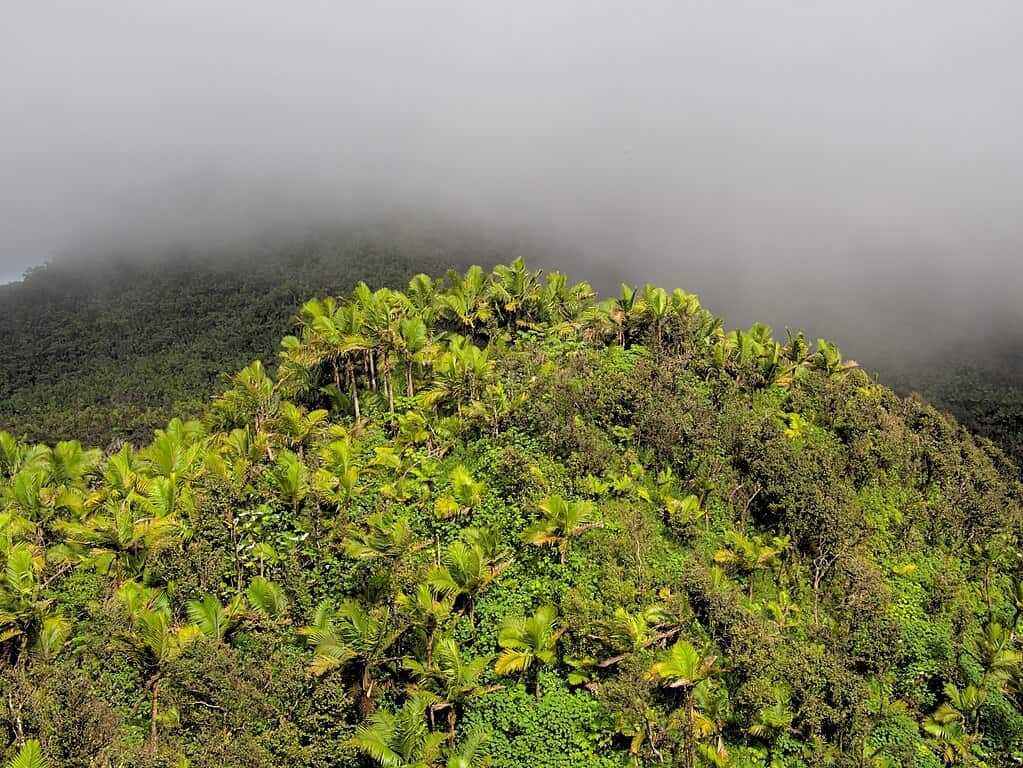
The misty mountains of El Yunque National Forest in eastern Puerto Rico shelter one of the world’s most endangered parrots—the Puerto Rican parrot (Amazona vittata). These emerald green birds with red foreheads and blue primary feathers once numbered in the hundreds of thousands across Puerto Rico, but by 1975, only 13 individuals remained in the wild. Habitat destruction, hunting, and devastating hurricanes nearly sealed their fate. Through intensive captive breeding and reintroduction programs, wild populations have been established in both El Yunque and Río Abajo State Forest. The parrots depend on large, mature trees with cavities for nesting and feed primarily on native fruits and seeds. Their distinctive squawking calls occasionally echo through the forest canopy, though actually spotting these birds remains challenging due to their rarity and the dense vegetation. Recent hurricanes have created setbacks, but the multiple reintroduction sites have increased the species’ resilience to such natural disasters.
St. Croix, U.S. Virgin Islands – Leatherback Turtle Nesting Beaches

The sandy shores of Sandy Point National Wildlife Refuge on St. Croix host the largest leatherback sea turtle (Dermochelys coriacea) nesting population in the United States. These prehistoric-looking reptiles, which can weigh up to 2,000 pounds and reach lengths of seven feet, undertake remarkable oceanic migrations before females return to their natal beaches to lay eggs. From April through July, female leatherbacks laboriously haul themselves ashore at night, dig deep nests, lay approximately 80 eggs, and then return to the sea. Conservation efforts include nightly beach patrols to protect nesting females, nest relocation when threatened by erosion, and strict lighting ordinances to prevent disorientation of hatchlings, which instinctively move toward the brightest horizon (naturally the ocean reflecting moonlight). The refuge offers limited, permitted night tours during nesting season, providing one of the most awe-inspiring wildlife viewing experiences in U.S. territory. Each successful nest represents a victory for this vulnerable species, which faces threats from plastic pollution, fisheries bycatch, and climate change throughout its wide-ranging habitat.
Northern Wisconsin – Gray Wolf Recovery Zone
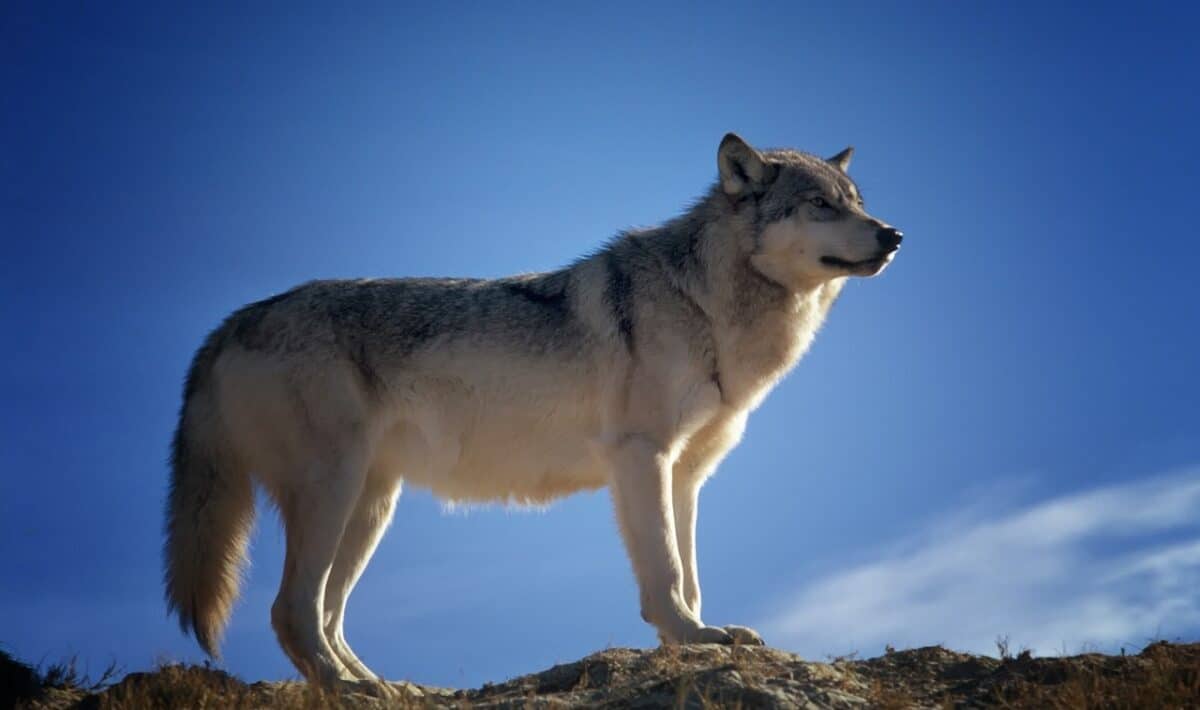
The remote forests and wetlands of northern Wisconsin, particularly in and around the Chequamegon-Nicolet National Forest, have become an important stronghold for the gray wolf (Canis lupus) in the western Great Lakes region. After being extirpated from the state by the 1950s, wolves naturally recolonized Wisconsin from Minnesota beginning in the 1970s. Today, approximately 1,000 wolves in roughly 250 packs inhabit the northern third of the state, representing a remarkable recovery. These highly social predators form complex pack structures typically consisting of a breeding pair and their offspring from multiple years. While rarely seen due to their wariness around humans, evidence of wolf presence includes tracks, scat, and their haunting howls that sometimes pierce the wilderness at dawn and dusk. The Wisconsin Department of Natural Resources maintains an extensive monitoring program, including radio collaring, winter track surveys, and public reporting. Though controversial, their recovery has helped restore ecological balance by controlling deer populations and influencing prey behavior through what ecologists call “the landscape of fear.”
Yellowstone National Park, Wyoming – Grizzly Bear Recovery Area

The vast wilderness of Yellowstone National Park and surrounding national forests comprises the core of the Greater Yellowstone Ecosystem—one of the few places in the lower 48 states where grizzly bears (Ursus arctos horribilis) still roam. These massive omnivores, recognizable by their distinctive shoulder hump and dish-shaped face, once inhabited much of western North America but were reduced to less than 2% of their historic range by the mid-20th century.
Conclusion:

From the alpine ridges of Washington to the subtropical wetlands of Florida and the coral-fringed shores of the Virgin Islands, the United States shelters an extraordinary range of endangered and elusive species. Each region profiled in this article is more than a destination—it is a refuge for creatures fighting for survival against the pressures of habitat loss, climate change, and human encroachment. While some of these animals remain nearly invisible to the average visitor, their presence reflects the tireless work of conservationists, scientists, and communities committed to preserving biodiversity. By protecting these vital habitats, we not only safeguard rare wildlife but also honor the natural legacy that defines America’s wild spirit.

As a little kid, I fell in love with nature, wildlife, and animals. Living in the USA, South Africa, Italy, China and Germany gave me the opportunity to discover the world's Wildlife. My favorite animals are Mountain Gorillas, Siberian Tigers, and Great White Sharks.
I'm a certified PADI Open Water Diver, went to Everest Base Camp and Trekked Gorillas in Uganda. I hold a Master of Science in Economics and Finance.
Please send any feedback to feedback@animalsaroundtheglobe.com
- 13 Cat Breeds That Get Along with Dogs - July 20, 2026
- The 12 Largest Dog Breeds That Still Love to Cuddle - July 20, 2026
- 12 Pet Habits That Secretly Mean They Love You - July 20, 2026