


Animals have evolved remarkable strategies for creating shelter, often in places we might never expect. From repurposing human-made objects to carving out spaces in extreme environments, these resourceful creatures demonstrate nature’s incredible adaptability. Across every continent and ecosystem, animals find ingenious ways to protect themselves and their offspring from predators and harsh environmental conditions. These unusual homes not only serve practical purposes but also showcase the extraordinary problem-solving abilities that have developed through natural selection. Let’s explore sixteen of the most unusual places animals have chosen to build their homes.
16. Decorator Crabs Living Fashion Statements
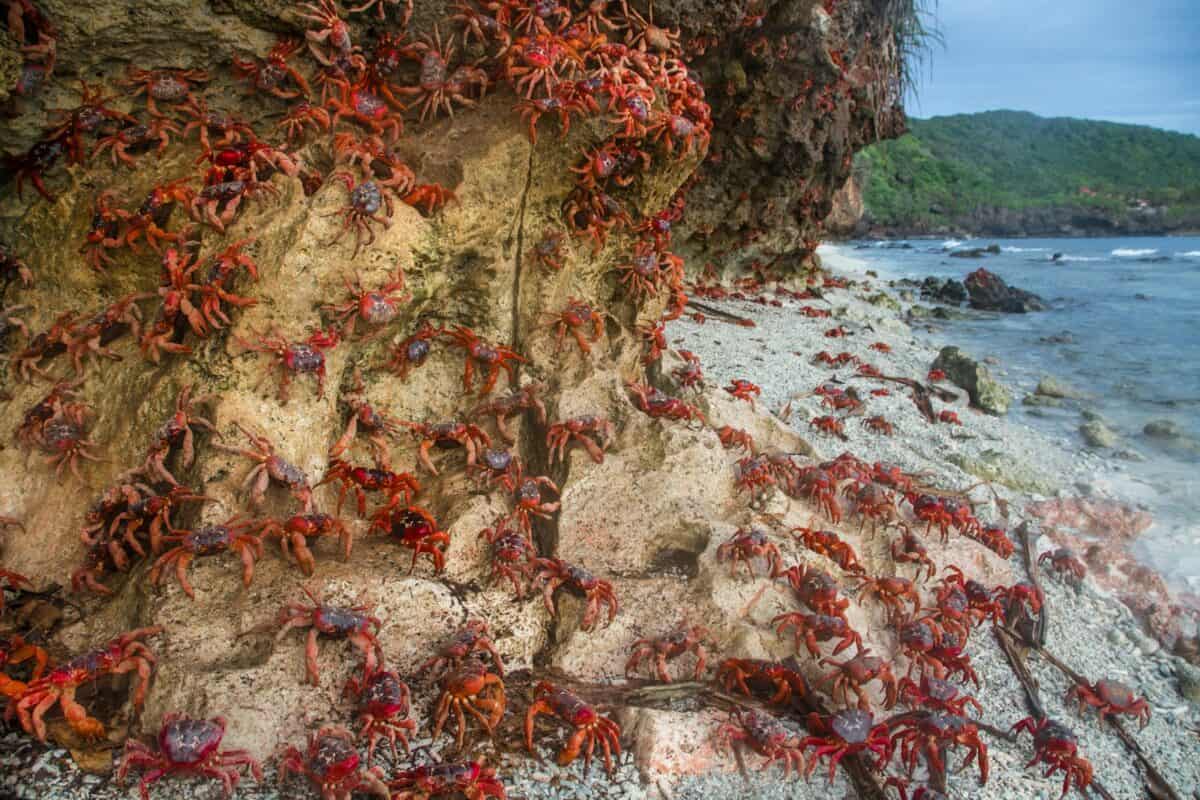
Decorator crabs take camouflage to an artistic level by attaching pieces of their environment directly to their shells. These crustaceans use specialized hooked setae (hair-like structures) on their exoskeletons to affix sponges, algae, small anemones, and even debris to their bodies. More than mere decoration, these additions serve as mobile homes that protect the crabs from predators through visual disguise and chemical deterrents provided by toxic organisms they choose to wear. Some decorator crab species are so dedicated to their living costumes that they will transfer favorite pieces to their new shells after molting, showing a remarkable commitment to their unique mobile homes.
15. Birds Nesting in Traffic Lights
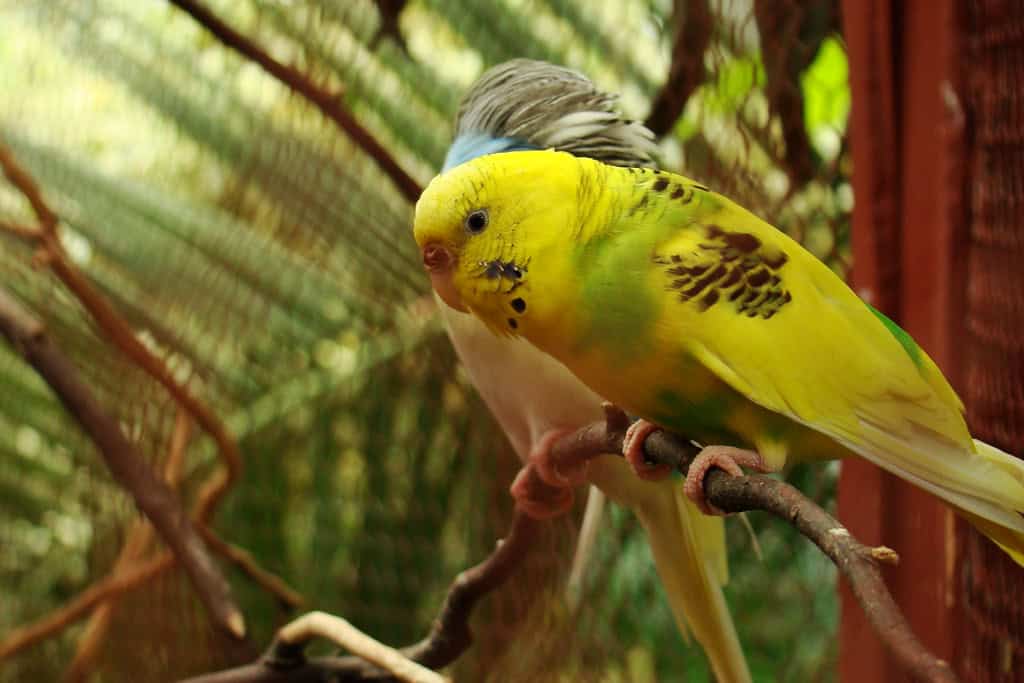
Urban environments present novel opportunities for adaptable birds. In busy cities worldwide, certain bird species have discovered that traffic lights offer protected cavities perfect for nesting. The metal housings provide shelter from weather and predators, while the consistent warmth from the electronics creates an ideal incubation environment. House sparrows and starlings are particularly known for this adaptation, building nests in the hood of traffic signals or behind the light fixtures themselves. Traffic authorities often discover these unusual homes during routine maintenance, finding fully constructed nests with eggs or even hatchlings inside the signal boxes. This adaptation demonstrates how some bird species have evolved to thrive in human-dominated landscapes by repurposing our infrastructure.
14. Ovenbirds Master Clay Architects

The rufous hornero, commonly known as the ovenbird, constructs one of the most sophisticated nests in the avian world. Native to South America, these birds build dome-shaped structures resembling old-fashioned clay ovens (giving them their name). Using a mixture of mud, clay, dung, and plant fibers, mated pairs work together for 1-2 weeks to create these remarkable homes. The finished structure can weigh up to 8 pounds and features a curved entrance and internal wall that protects eggs and chicks from predators and weather. Even more impressive, these birds build entirely new nests each breeding season rather than reusing old ones. The abandoned clay structures remain intact for years, dotting the landscape like tiny sculptures and sometimes being repurposed by other animal species seeking shelter.
13. Gophers in Airplane Engines

Aircraft stored in open-air facilities or desert boneyards have occasionally become unexpected homes for industrious gophers and other rodents. These animals can infiltrate engine compartments and wheel wells of parked aircraft, particularly during extended storage periods. In documented cases, maintenance crews have discovered elaborate tunnel systems and nests built inside engine cowlings and intake valves. The warm, enclosed metal spaces provide protection from predators and weather extremes, while nearby runways and fields offer ample foraging opportunities. This housing choice creates significant problems for aviation safety, as rodent damage to wiring, insulation, and hydraulic lines can cause dangerous malfunctions. Aircraft storage facilities now implement extensive rodent prevention measures, including regular inspections and specialized barriers to prevent these unusual occupation attempts.
12. Termite Cathedrals in Australia
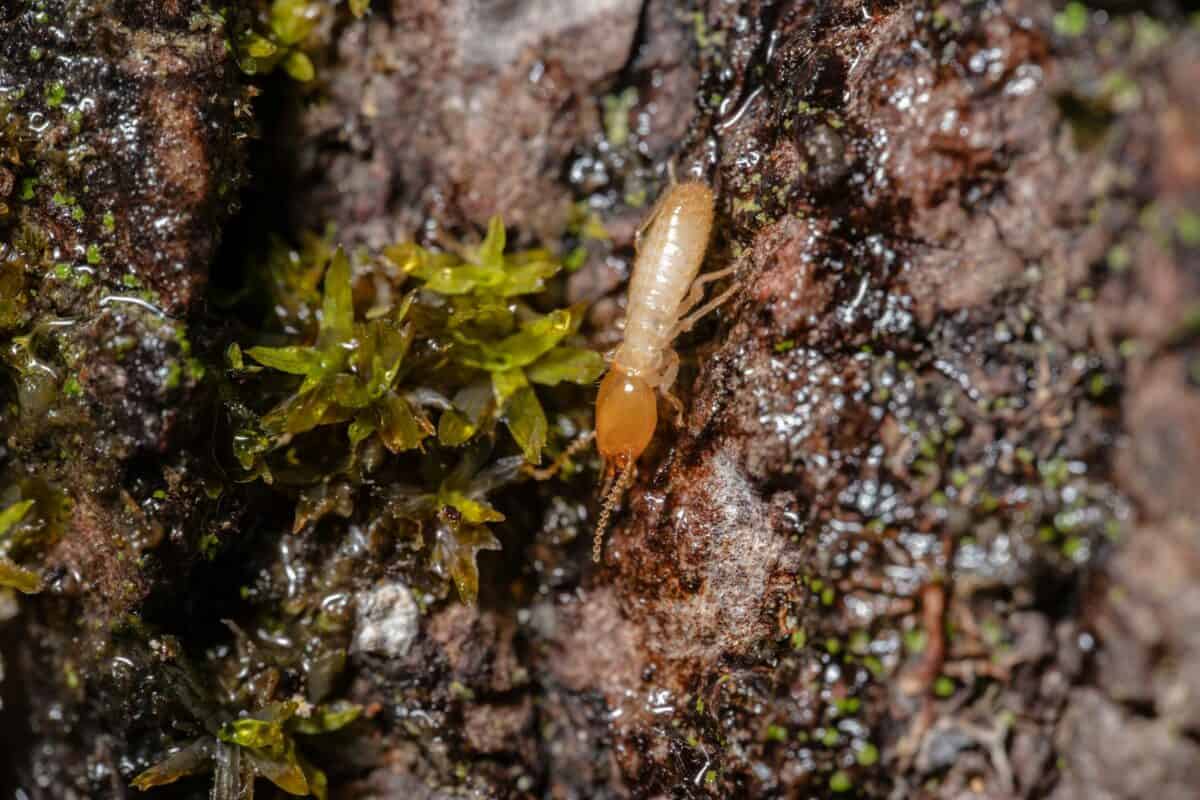
The magnetic termites of northern Australia construct some of the most precisely oriented structures in the animal kingdom. Their massive mounds, rising up to 12 feet high, are built with remarkable north-south alignment, earning them the nickname “compass termites.” This precise orientation maximizes warming from the morning and afternoon sun while minimizing exposure to the intense midday heat. Inside these earthen cathedrals lies an intricate network of chambers, ventilation shafts, and nurseries that maintain stable temperatures and humidity levels for millions of termites. Some mounds can stand for over 50 years, outlasting many human structures in the same regions. The sophisticated climate control and architectural precision of these homes demonstrate a collective intelligence that scientists are still working to fully understand.
11. Beavers in Abandoned Mining Equipment

Beavers, nature’s engineers, have been documented repurposing abandoned human mining equipment in remote areas of Canada and Alaska. In several instances, environmental assessment teams have found beaver families that established lodges within rusted-out dredging equipment and sluice boxes left behind from gold rush operations. These industrious rodents use the metal structures as foundations, reinforcing them with the typical sticks, mud, and vegetation they would use for natural lodges. The metal provides exceptional protection against predators like wolves and bears that would typically dig into traditional beaver lodges. These unique adaptations showcase the beaver’s problem-solving abilities and opportunistic nature when colonizing new territories. Some of these metal-reinforced lodges have remained active for multiple generations of beaver families, creating a curious blend of industrial history and natural habitation.
10. Caddisfly Larvae Underwater Jewelers

Caddisfly larvae demonstrate extraordinary architectural abilities beneath the water’s surface. These aquatic insects construct portable protective cases using materials found in their environment—typically sand grains, small pebbles, and plant matter bound together with silk they produce from specialized glands. What makes them truly remarkable is their adaptability to whatever materials are available. In a fascinating intersection of nature and art, French artist Hubert Duprat has provided caddisfly larvae with gold flakes, turquoise, pearls, and precious gems, which the insects readily incorporated into their cases, creating miniature living jewelry. In natural settings, these protective homes shield the vulnerable larvae from predators while allowing oxygen-rich water to flow through. Each caddisfly species creates distinctively shaped cases, with some resembling spiraled shells while others look like twig bundles or miniature log cabins, showcasing the remarkable diversity of these underwater architects.
9. Mexican Free-Tailed Bats Under Bridges

The Congress Avenue Bridge in Austin, Texas hosts one of the most spectacular urban wildlife phenomena in the world. Approximately 1.5 million Mexican free-tailed bats have established a massive colony in the expansion joints beneath this downtown bridge. The narrow concrete crevices mimic the cave environments these bats naturally inhabit, providing ideal temperature regulation and protection from predators. What makes this adaptation particularly successful is that the bridge’s height over water provides protection from ground predators, while the urban setting actually deters many aerial predators like hawks. The colony has become so established that it now represents the largest urban bat population in North America, attracting thousands of tourists each summer evening to witness their emergence at dusk. Similar bridge colonies have developed in other cities, demonstrating how this species has successfully adapted to human infrastructure when their natural cave habitats have become limited.
8. Hermit Crabs in Man-Made Debris
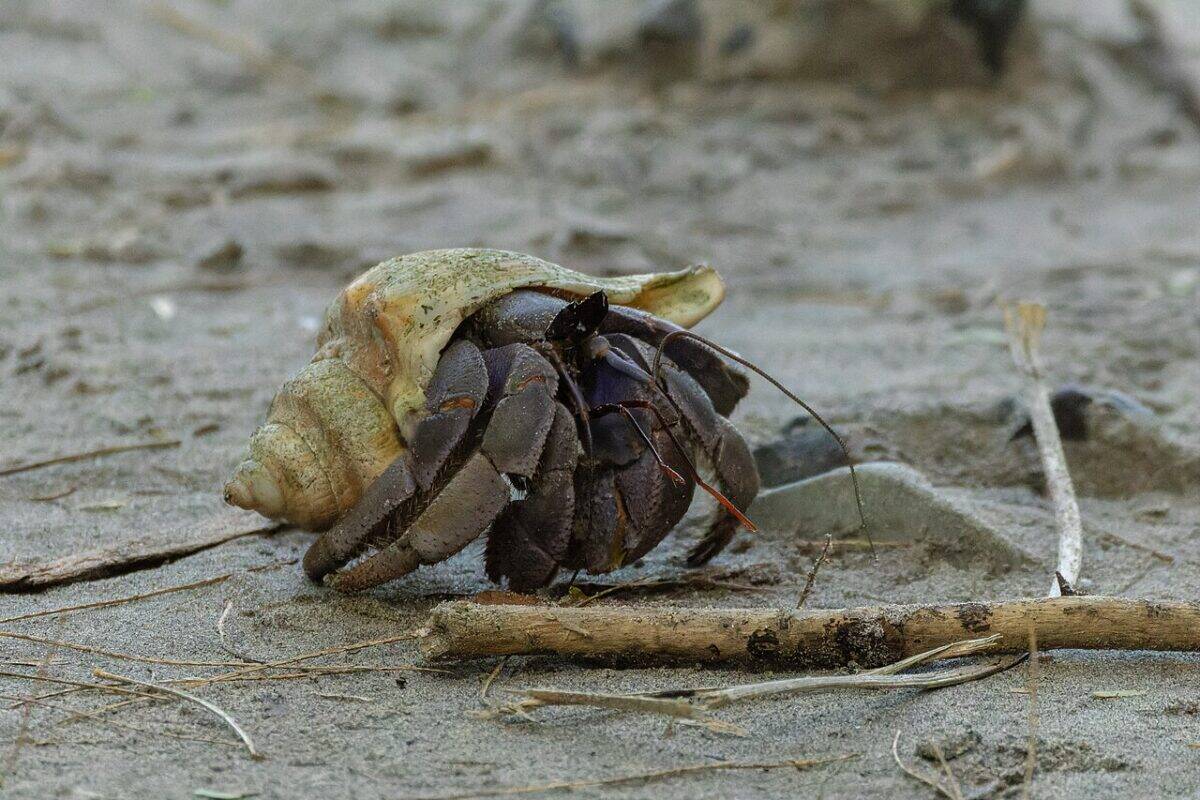
Hermit crabs face a housing crisis in many parts of the world as natural shell availability decreases due to ocean acidification and shell collection. In response, these resourceful crustaceans have begun adapting to use human debris as alternative homes. Marine biologists have documented hermit crabs inhabiting discarded bottle caps, broken light bulbs, doll heads, and various plastic containers. On Henderson Island in the South Pacific, an estimated 570,000 hermit crabs now use plastic debris as shells. While showcasing their adaptability, this situation presents serious dangers to the crabs, as many artificial materials contain toxins or have sharp edges that can injure the soft abdomens these animals need to protect. Additionally, plastic homes don’t grow with the crabs, potentially trapping them in too-small containers. This unusual adaptation highlights both the ingenuity of these creatures and the pervasive impact of pollution on marine ecosystems.
7. Prairie Dogs in Abandoned Vehicles

In certain parts of the American West, particularly in areas where old vehicles have been abandoned in prairie environments, prairie dog colonies have been observed incorporating these structures into their complex tunnel systems. These social rodents, known for their elaborate underground cities, opportunistically use the space beneath car frames and inside engine compartments as ready-made burrow chambers. The metal structures provide exceptional protection against collapse and flooding during heavy rains. Researchers studying these adapted colonies have found that the artificial chambers often serve as communal nurseries or food storage areas within the larger colony system. The vehicles’ raised positions also sometimes function as sentry posts, where lookouts can spot predators approaching the colony. This adaptation demonstrates how these highly social animals can integrate novel elements into their traditional living arrangements when opportunities present themselves in their environment.
6. Microorganisms Living in Nuclear Reactors
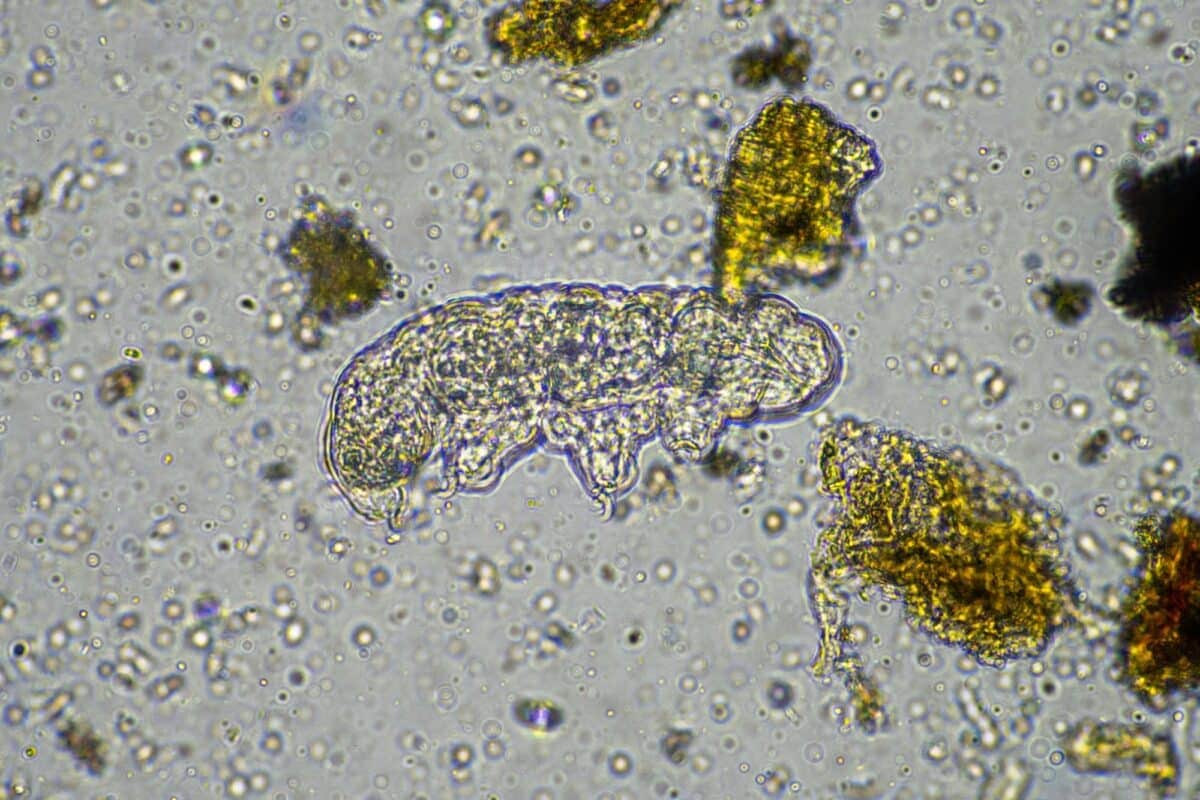
Perhaps the most extreme housing choice in the natural world belongs to certain extremophile microorganisms that have been discovered thriving inside active nuclear reactors. In 1991, researchers found colonies of Deinococcus radiodurans bacteria living in the cooling water of nuclear power plants, where radiation levels would kill most life forms almost instantly. These remarkable organisms can withstand radiation doses 1,500 times greater than what would be lethal to humans, earning them the nickname “Conan the Bacterium.” The bacteria accomplish this feat through multiple copies of their genome and extraordinary DNA repair mechanisms. Some species even appear to use radiation as an energy source through radiolysis, converting water molecules broken by radiation into compounds they can metabolize. While not “homes” in the traditional sense, these microhabitats represent perhaps the most unusual living spaces any organism has adapted to inhabit, demonstrating life’s remarkable ability to colonize even the most hostile environments humans have created.
5. Sociable Apartment Complex Builders
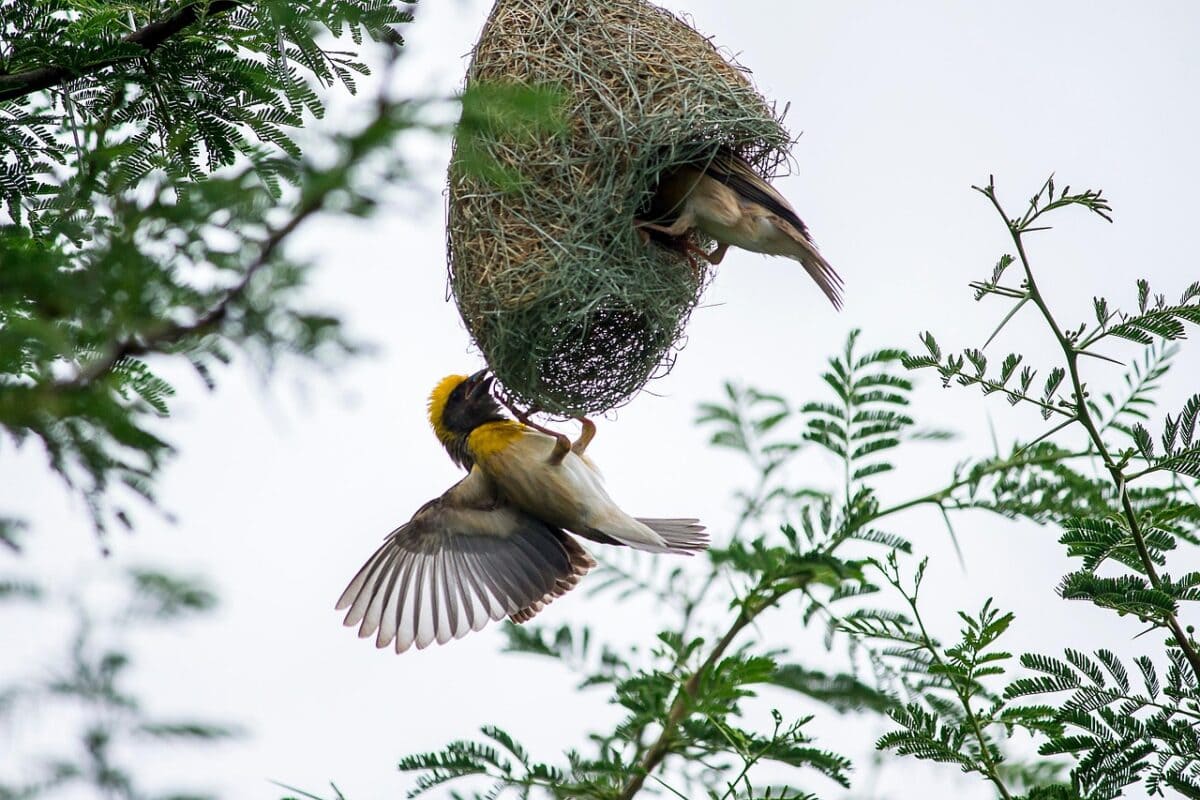
The sociable weaver birds of southern Africa construct the largest bird-built structures on the planet. These massive communal nests can house up to 500 birds and remain in continuous use for over a century, passed down through generations. Resembling giant haystacks in trees or on utility poles, these remarkable structures can weigh over a ton when fully occupied. The architectural design is surprisingly sophisticated, with the nest’s exterior featuring thick, thatched roofs that insulate against the Kalahari Desert’s extreme temperatures—maintaining interior chambers at a stable 73-82°F despite outside temperatures fluctuating from freezing to over 100°F. The interior contains separate chambers for different families, with breeding pairs occupying the deeper, more protected rooms while single birds live in peripheral chambers. These massive communal homes demonstrate remarkable social cooperation and architectural skill, creating what is essentially a multi-generational apartment complex complete with climate control.
4. Spiders in Electrical Outlet Boxes
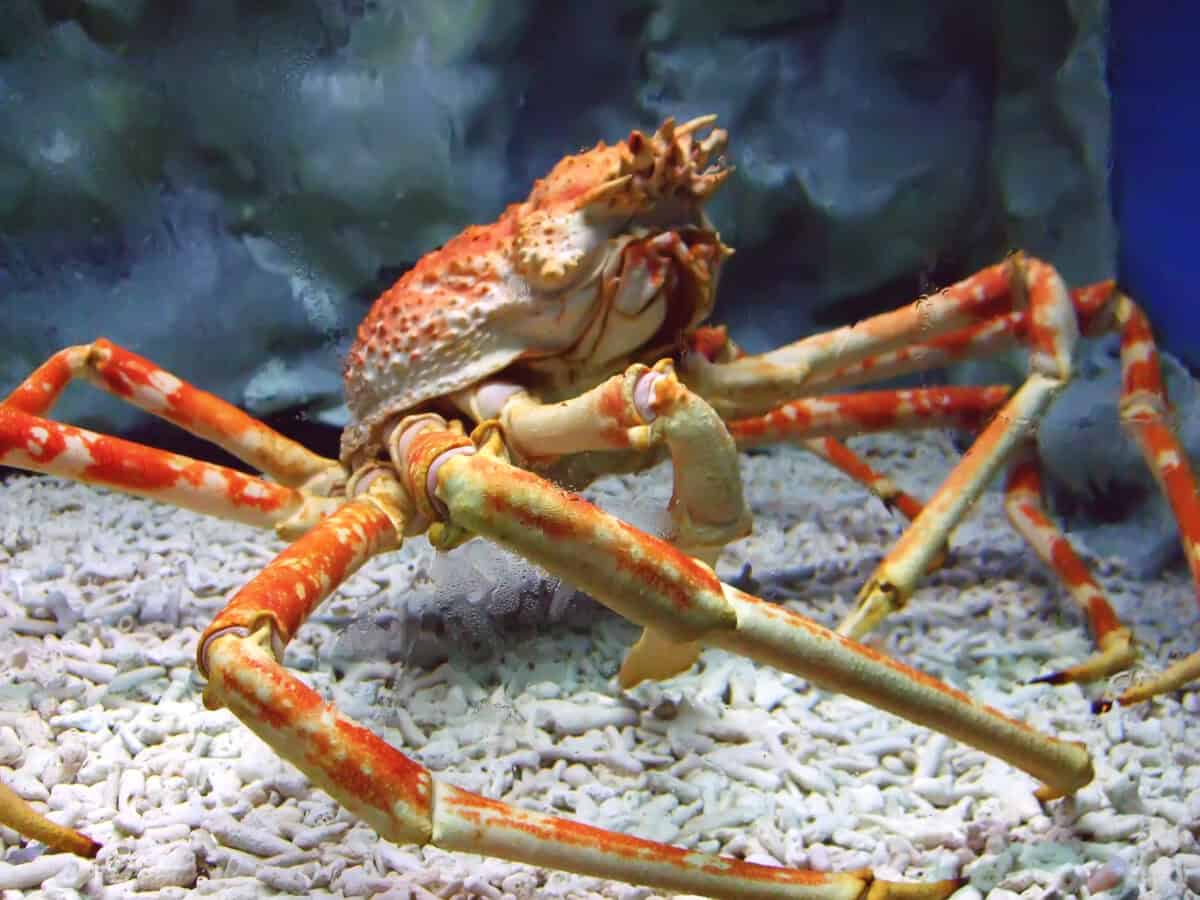
Electrical outlet boxes and junction boxes in homes provide ideal microclimates for certain spider species, particularly black widows and brown recluses. These enclosed spaces offer stable temperatures, protection from larger predators, and convenient access to prey insects that are attracted to the slight electromagnetic fields or warmth generated by electrical currents. The narrow entry points to these boxes align perfectly with these spiders’ preference for confined spaces with limited access. Electricians routinely find elaborate web structures inside these boxes during home maintenance, sometimes discovering generations of spiders that have established persistent colonies within the walls. This adaptation has created a unique ecological niche within human habitations, allowing these arachnids to thrive in environments where they would otherwise face significant competition from other predators. The phenomenon has become so common that electrical workers are specifically trained to check for spider inhabitants before servicing outlet boxes in certain regions.
3. Wood Frogs Living Frozen in Ice

Wood frogs (Lithobates sylvaticus) take winter accommodation to an extraordinary extreme by essentially becoming their own frozen homes. These remarkable amphibians can survive being frozen solid for weeks or even months during winter. As temperatures drop, wood frogs produce large amounts of glucose and urea in their tissues, which act as natural antifreeze. Their hearts stop beating, they cease breathing, and up to 65% of their total body water converts to ice. In this suspended animation state, the frogs appear completely frozen and lifeless. What makes this adaptation truly remarkable is that the frogs’ cells remain protected from ice damage, allowing them to thaw and resume normal functions when spring temperatures arrive. This freeze-tolerance strategy enables wood frogs to survive in northern regions of North America where few other amphibians can persist, essentially using their own bodies as winter shelters rather than migrating or burrowing below the frost line as other species must do.
2. Flamingos’ Mud Tower Nurseries

Flamingos construct some of the most distinctive nests in the avian world—tall mud towers that rise above the alkaline lakes and salt flats where these birds feed and breed. Both parents participate in building these cone-shaped mounds, which typically stand 12-24 inches high. The unusual height serves several critical purposes: it protects eggs and chicks from sudden water level changes in the unstable salt flat environments, shields them from the caustic mud that would damage developing embryos, and provides relief from the extreme ground temperatures that can exceed 120°F. The nest construction process involves the flamingos using their specialized bills upside-down as trowels to gather and shape mud. Each tower features a shallow depression at the top where typically a single egg is laid. These mud towers represent a unique adaptation to breeding in highly alkaline environments that would be inhospitable to most other birds, allowing flamingos to raise their young in areas with abundant food sources but harsh physical conditions.
1. Octopuses in Coconut Shells
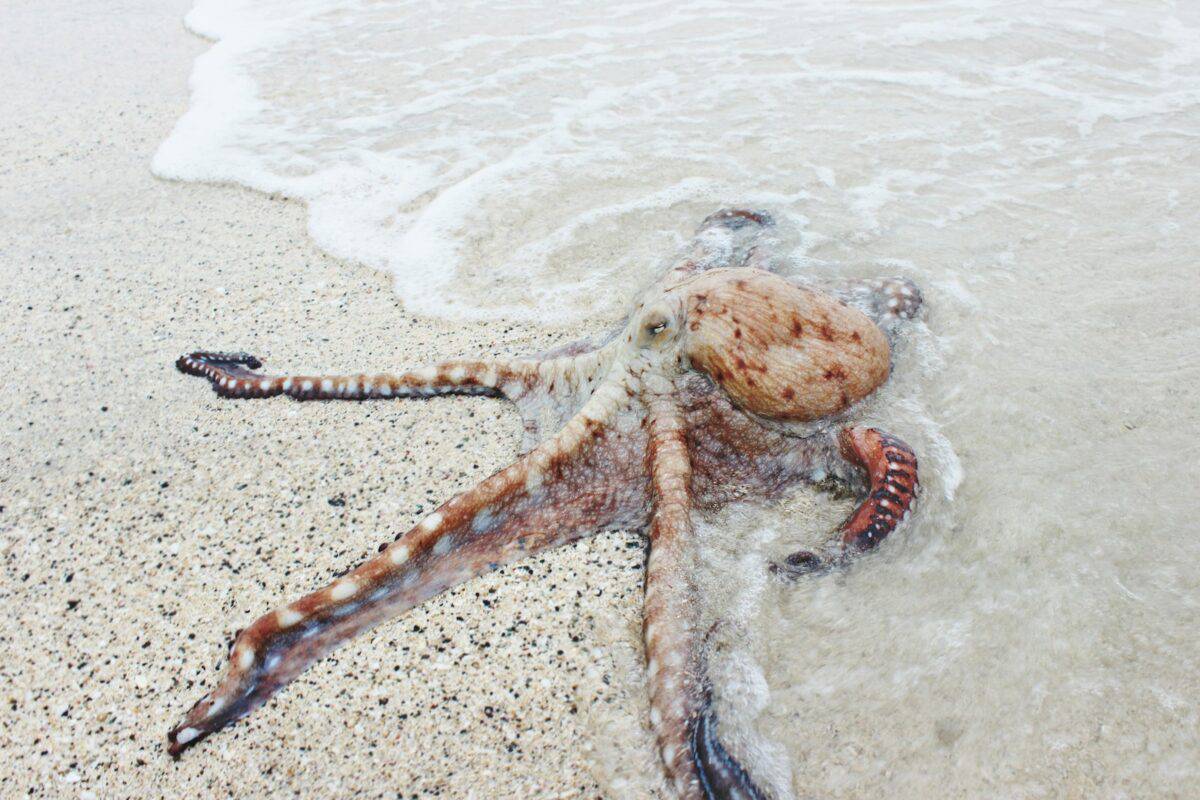
The veined octopus (Amphioctopus marginatus) demonstrates remarkable tool use by collecting discarded coconut shells from the ocean floor and repurposing them as portable protective shelters. These intelligent cephalopods will locate coconut half-shells, clean them out, and carry them for long distances by stacking two halves together and “walking” on their arms while holding the shells underneath their bodies—a behavior scientists call “stilt walking.” When threatened, the octopus can rapidly deploy this mobile home, climbing inside and pulling the two halves together to create a completely enclosed protective sphere. This behavior, first documented in 2009, represents one of the clearest examples of tool use in invertebrates. What makes this adaptation particularly interesting is that it appears to be learned rather than instinctual, as octopuses have been observed improving their technique over time and teaching the behavior to others. The coconut shell homes provide protection from predators while allowing these soft-bodied creatures to traverse open areas of the seafloor that would otherwise leave them vulnerable.
Conclusion: The Remarkable Adaptability of Animal Architecture

The extraordinary diversity of animal homes reminds us of life’s remarkable adaptability in the face of environmental challenges. From the microscopic bacteria thriving in nuclear reactors to the massive communal nests of sociable weavers, animals have developed ingenious solutions to the universal need for shelter. These unusual homes demonstrate that adaptation is not always about physical evolution but can also manifest through behavioral innovation and environmental problem-solving. As human activities continue to transform natural habitats around the globe, many species are showing remarkable flexibility in repurposing our artifacts and structures for their own needs. These sixteen examples represent just a fraction of the creative housing solutions found throughout the animal kingdom, highlighting the endless ingenuity that emerges through natural selection and environmental pressure. By appreciating these architectural marvels, we gain deeper insight into the complex relationships between animals and their environments, and perhaps inspiration for our own approaches to sustainable living.

As a little kid, I fell in love with nature, wildlife, and animals. Living in the USA, South Africa, Italy, China and Germany gave me the opportunity to discover the world's Wildlife. My favorite animals are Mountain Gorillas, Siberian Tigers, and Great White Sharks.
I'm a certified PADI Open Water Diver, went to Everest Base Camp and Trekked Gorillas in Uganda. I hold a Master of Science in Economics and Finance.
Please send any feedback to feedback@animalsaroundtheglobe.com
- 13 Cat Breeds That Get Along with Dogs - July 20, 2026
- The 12 Largest Dog Breeds That Still Love to Cuddle - July 20, 2026
- 12 Pet Habits That Secretly Mean They Love You - July 20, 2026