
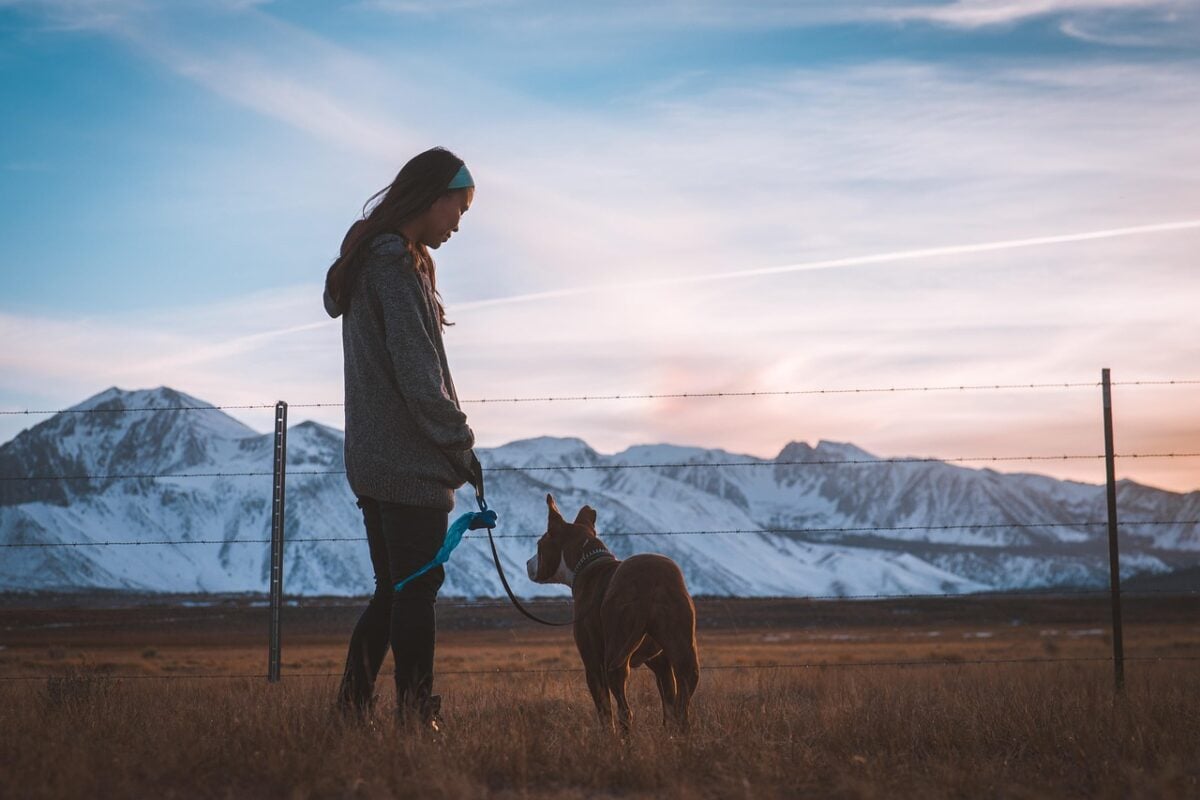
Most dog owners will swear up and down, “My dog will tell me when he’s had enough.” Vets know better. Behind closed exam room doors, they’ll admit that most people miss the early signals completely – right up until their dog is limping, collapsing into naps, or flat-out refusing the leash.
We tell ourselves it’s “just old age.” But that slower pace, that sudden stubborn streak at the end of the driveway? It’s often your dog’s quiet way of begging for a different routine, long before things look obviously wrong. Once you know the real signs, you’ll never walk past them again – and by the time you reach #1, you’ll probably realize your dog has been talking to you for months.
#16 – Slowing Down… Only on the Way Home
🔥 Would you like to save this?
We'll email this post to you, so you can come back to it later!
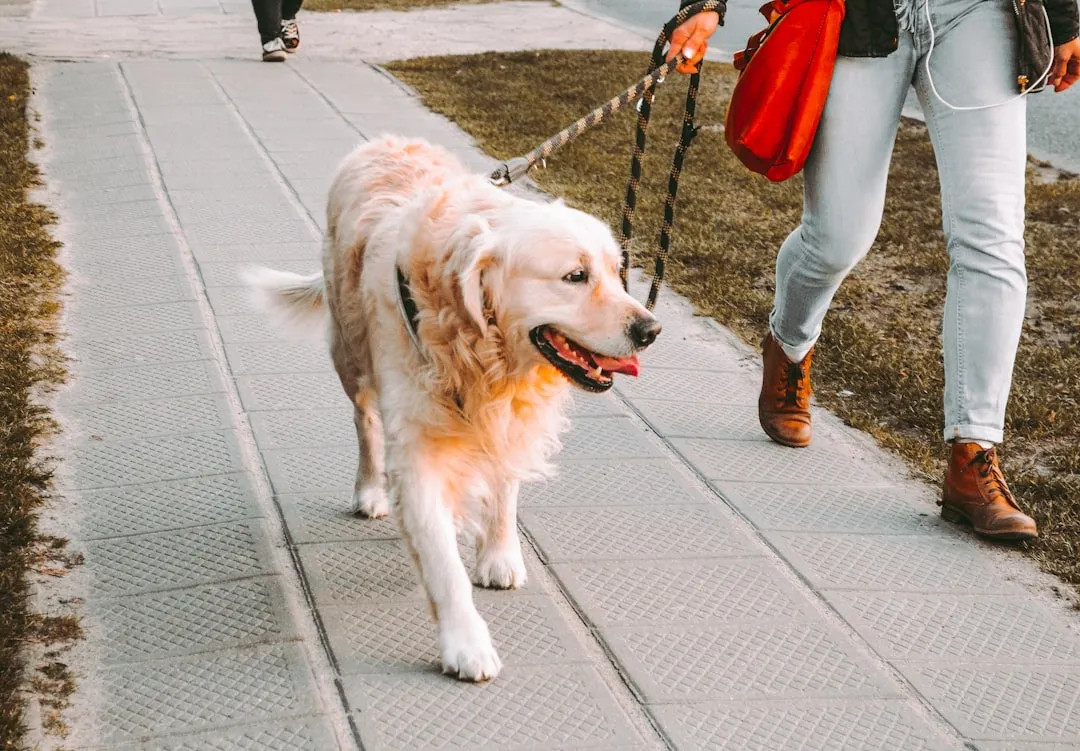
Your dog suddenly hits the brakes halfway through the walk, and it’s tempting to write it off as laziness. It isn’t. It’s energy math playing out in real time, right under your feet.
On the way out, adrenaline and excitement carry them. On the way back, pain, fatigue, and joint stiffness finally catch up – especially in seniors dealing with early arthritis or quiet muscle loss.
Watch for a dog who starts strong but finishes the walk looking ten years older, trailing behind, or needing extra time at curbs and stairs. Another giveaway: they collapse the second you get home, drink heavily, then sleep hard.
If the pattern is “fine going out, dragging coming back,” that’s not stubbornness talking. That’s your dog telling you the distance is wrong, not the desire.
Fast Facts
- Arthritis is estimated to affect over 80% of dogs past age eight, making it the single most common driver of slower, harder walks.
- In a large veterinary survey, slowing down on walks was the single most reported change owners noticed in aging dogs.
- Being stiff when rising from rest was nearly as common, flagged by about half of senior dog owners.
#15 – The Post-Walk “Crash and Burn” Nap
🔥 Would you like to save this?
We'll email this post to you, so you can come back to it later!
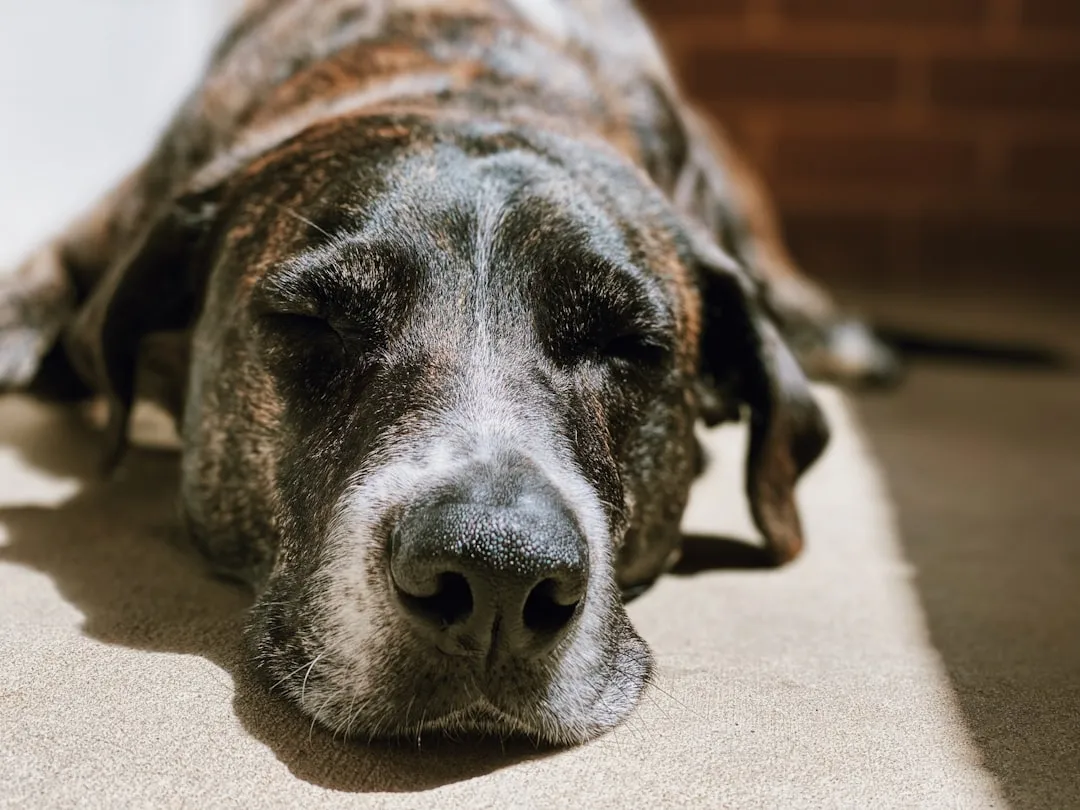
A nap after a walk is normal. A senior dog who collapses into a deep, unresponsive sleep for hours is waving a red flag most owners mistake for a compliment.
Here’s the tell: a healthy senior walks, drinks water, maybe chews a toy, then rests. An overworked one comes home, paces uncomfortably, gulps water too fast, pants for well past 15 minutes, and then crashes so hard you could vacuum next to them and they wouldn’t stir.
That’s not “cute tired dog” behavior. That’s physical overload, and sometimes a pain shut-down in disguise.
If they wake stiff, hobbling, or grumpy when you touch their legs – and this only happens after certain routes or hills – many rehab vets will quietly call it what it is: over-exertion wearing a nap costume.
#14 – More Stumbling, Toe Dragging, and “Clumsy” Moments
🔥 Would you like to save this?
We'll email this post to you, so you can come back to it later!
If your old dog suddenly seems clumsy on walks, resist the urge to laugh it off. It’s rarely just clumsiness – it’s often the first visible crack in a system that’s been quietly straining for a while.
- Scuffed nails or fur worn thin on the tops of the toes.
- Hind feet that “knuckle” under for a second before correcting.
- Tripping more on curbs, uneven ground, or small obstacles they used to breeze past.
When muscles are tired or joints ache, the brain-to-paw connection slows just enough that your dog can’t place their feet as precisely. Long or fast walks magnify that weakness until you can actually hear nails dragging on the pavement.
Owners often think, “He’s fine, he’s not whining.” But dogs are experts at silently compensating – right up until they can’t. Toe dragging is your early, almost merciful warning that the mileage or pace is now too ambitious.
#13 – Refusing Their Once-Favorite Route
🔥 Would you like to save this?
We'll email this post to you, so you can come back to it later!
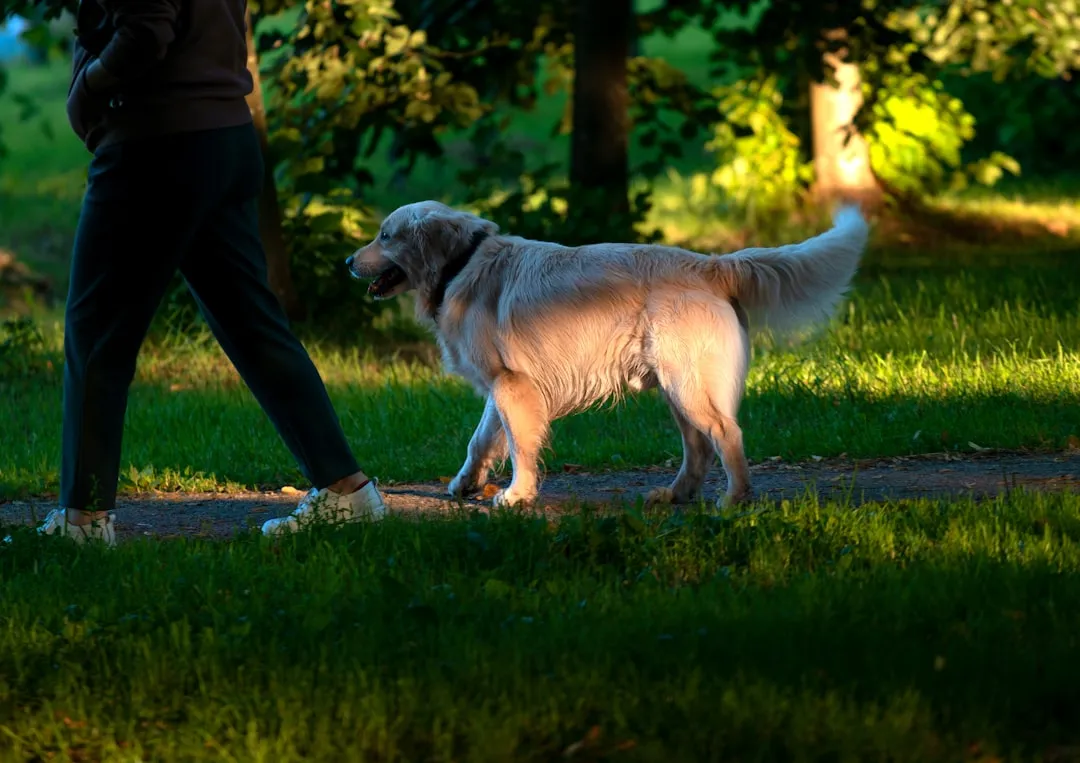
This is the sign most people argue with, which is exactly why vets say it gets missed so often. When an old dog plants their feet at the end of the driveway and refuses to turn down a familiar street, we call them stubborn or “in a mood.”
In reality, many seniors build an internal “nope” map. Certain hills, long stretches, or hard pavements become quietly linked with discomfort – even if the dog can’t explain why.
- They’re thrilled to go outside… until you head toward one specific direction or loop.
- They’ll happily do a short block on soft grass but balk at the “old” full route.
Most humans insist, “He LOVES this walk, we’ve done it for years!” But behavior experts see it differently: avoidance is communication. When your dog keeps vetoing the same route, what they’re really saying is, “I love walking with you. I just can’t love that walk anymore.”
#12 – Panting Hard in Mild Weather
🔥 Would you like to save this?
We'll email this post to you, so you can come back to it later!
People obsess over heatwaves and ignore the everyday clue sitting right in front of them: how fast, and how long, their senior dog pants after a completely ordinary walk.
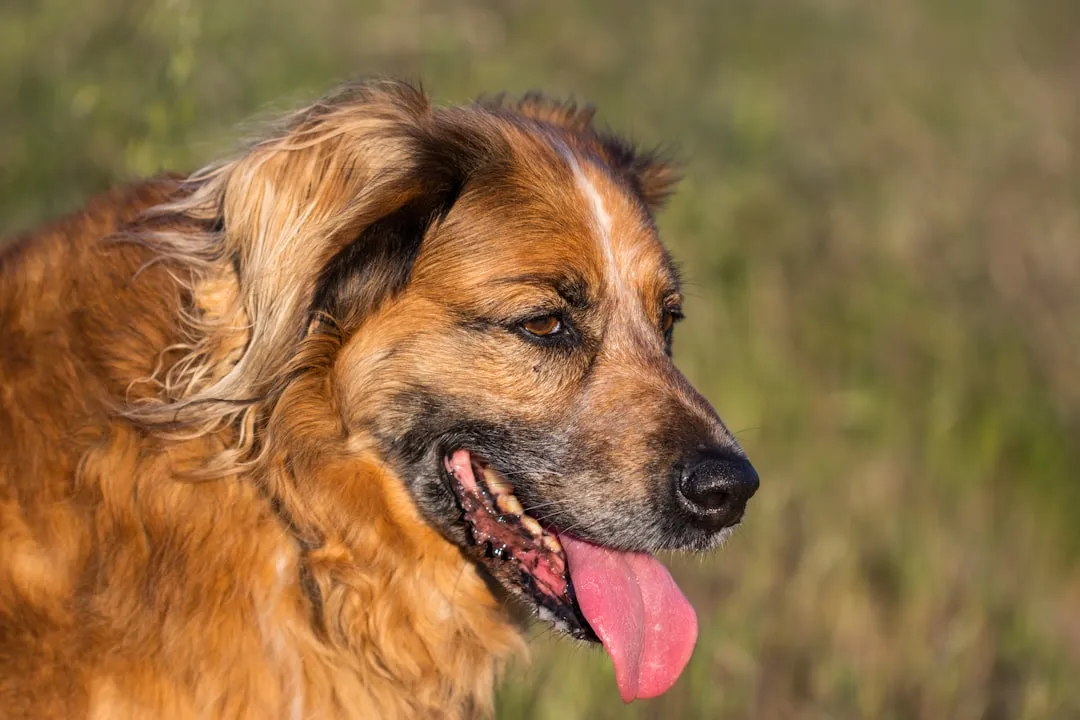
Light panting that fades within 10-15 minutes indoors is normal for a reasonably fit senior. Heavy, open-mouth panting that continues 30-plus minutes, restless standing instead of lying down, or a desperate search for cool tile – on a mild day, not a scorcher – is not.
This isn’t just about temperature. It’s about cardiovascular strain, joint pain, and sometimes an underlying heart or respiratory issue starting to surface. Older dogs often pant not just to cool off, but to cope with discomfort or stress.
If an average walk now produces the kind of panting you used to see only on the hottest day of summer, your dog is quietly telling you the load is too high.
#11 – Lagging Behind While Still “Wanting” to Go
🔥 Would you like to save this?
We'll email this post to you, so you can come back to it later!
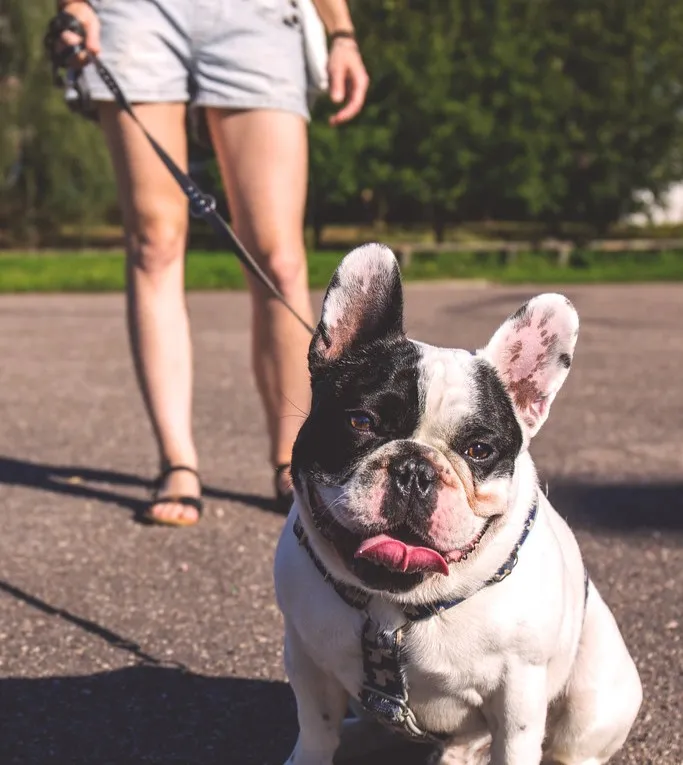
One of the most confusing signs for owners: the dog who seems genuinely excited for the walk, tail wagging at the door, then spends the entire time trailing behind you like an afterthought.
You clip the leash, they perk up, and you assume they’re fine. But watch what happens past the threshold – walking behind your heel instead of forging ahead, needing more encouragement at curbs, tail carriage a little lower, head dipping more.
Behaviorists call this a conflict between high social desire and low physical capacity. Your dog still craves the ritual and the time with you, but their body simply can’t match the enthusiasm anymore.
Many owners make the mistake of speeding up to “build stamina” – the exact opposite of what a senior needs. If your dog hasn’t emotionally quit on walks but physically can’t keep pace, they’re politely asking you to rethink distance, speed, or frequency.
#10 – Sore, Stiff, or Limping Later (Not During)
🔥 Would you like to save this?
We'll email this post to you, so you can come back to it later!
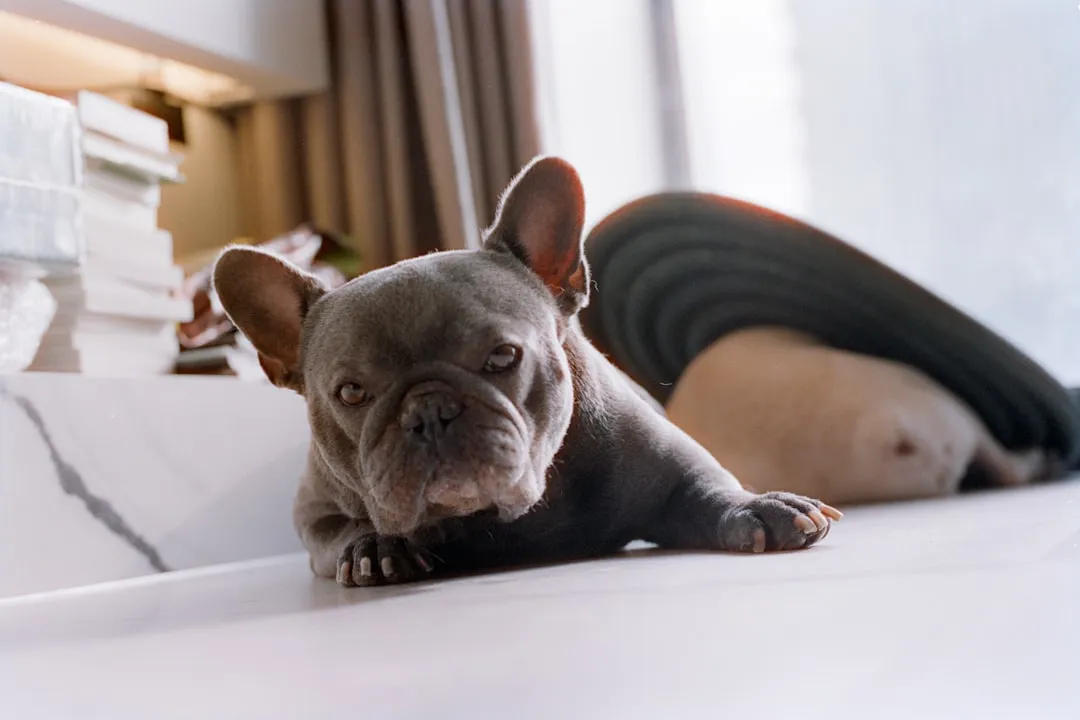
Here’s a brutal truth vets see constantly: most arthritic dogs don’t limp on the walk. They limp after it. Movement warms up joints, and adrenaline masks discomfort right up until the bill comes due.
You’ll see it hours later – struggling to get up from bed that evening, hesitating at stairs, a subtle head bob or hip sway indoors that wasn’t there this morning.
Quick Compare
- During the walk: gait looks normal, tail up, adrenaline is masking the strain.
- Hours later: stiff getting up, hesitant on stairs, a subtle limp or hip sway appears.
- The takeaway: judge a walk by how your dog moves that evening, not by how they looked mid-stride.
Owners often separate these events mentally: “He was great on the walk, then he just got stiff later.” In reality, it’s the same story. That particular walk was too much load for those aging joints, and over time this pattern quietly accelerates joint damage.
If the stiffness windows are consistently worse after longer or harder walks, your dog has already given you the answer.
#9 – The Sudden Mid-Walk Sit-Down Strike
🔥 Would you like to save this?
We'll email this post to you, so you can come back to it later!
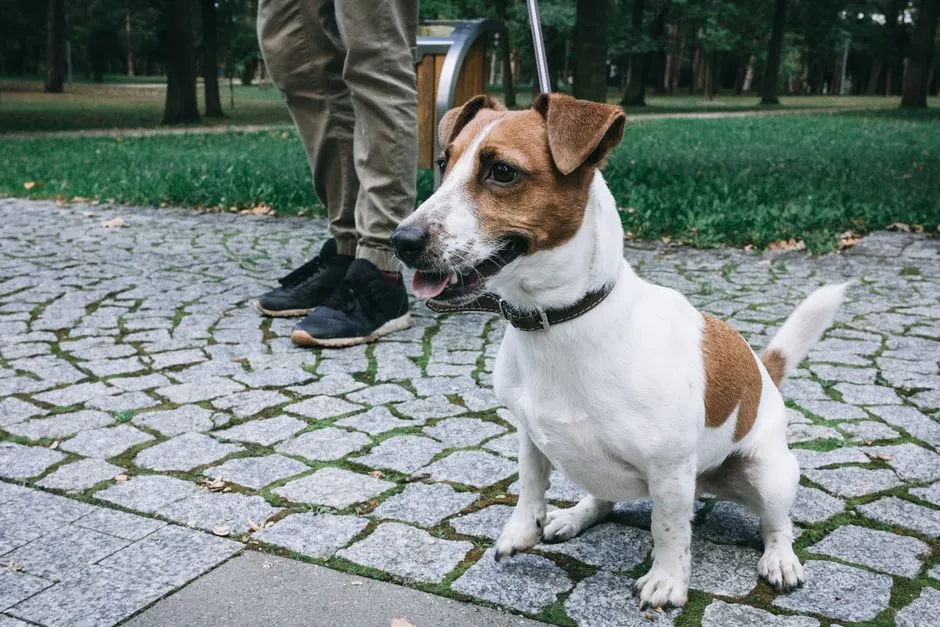
You’ve probably seen it: the dog who just… stops. Sits. Maybe lies down and looks up at you. In a senior dog, this is not a training problem. It’s a performance limit being hit in real time.
- Sitting or lying down mid-walk and needing real coaxing to continue.
- Choosing shady spots or grassy patches as a “break station.”
- Doing this at the same distance mark, walk after walk.
That’s your dog hitting the wall. Pushing them to soldier on, even gently, can turn mild fatigue into a real injury.
Healthy adult dogs almost never do surprise sit-downs on familiar routes. When seniors start doing it, it’s usually their clearest, least-subtle message yet: “This is where my body says stop.” Ignoring it is like ignoring a flashing check-engine light.
#8 – Getting More Anxious or Irritable on Walks
🔥 Would you like to save this?
We'll email this post to you, so you can come back to it later!
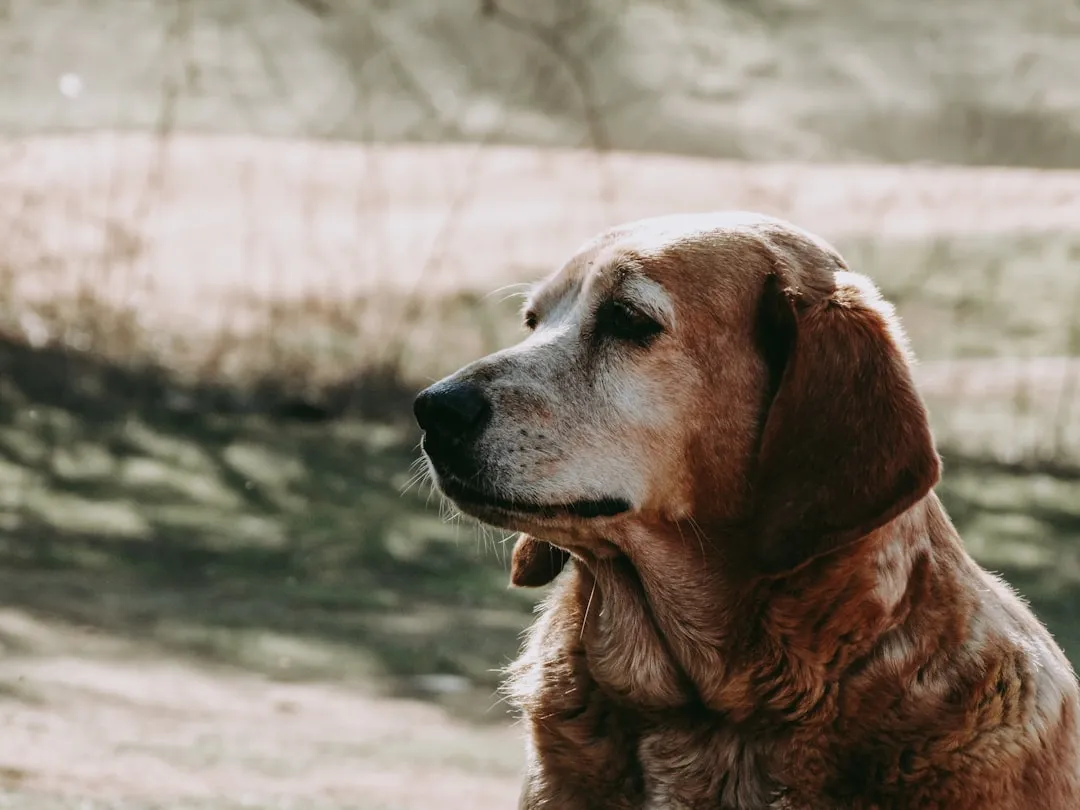
We assume walks always calm dogs down. For a lot of seniors, an overly stressful or painful walk does the opposite – and it can catch owners completely off guard.
Watch the mood shift as the walk progresses: startling more easily at traffic or bikes, ears pinned back, tail held lower, or snapping at dogs they used to tolerate just fine.
Pain and fatigue lower a dog’s emotional tolerance. A senior who’s sore or tired has fewer coping points left for the noise and chaos of the outside world, so things that were once mild annoyances start to feel like real threats.
Many “suddenly grumpy” old dogs aren’t suddenly grumpy at all. They’re overloaded – physically, mentally, or both – and their reactivity is the receipt.
#7 – Reluctance to Be Harnessed or Leashed
🔥 Would you like to save this?
We'll email this post to you, so you can come back to it later!
Pain doesn’t only show up on the sidewalk. Sometimes it shows up at the front door, before the walk even starts.
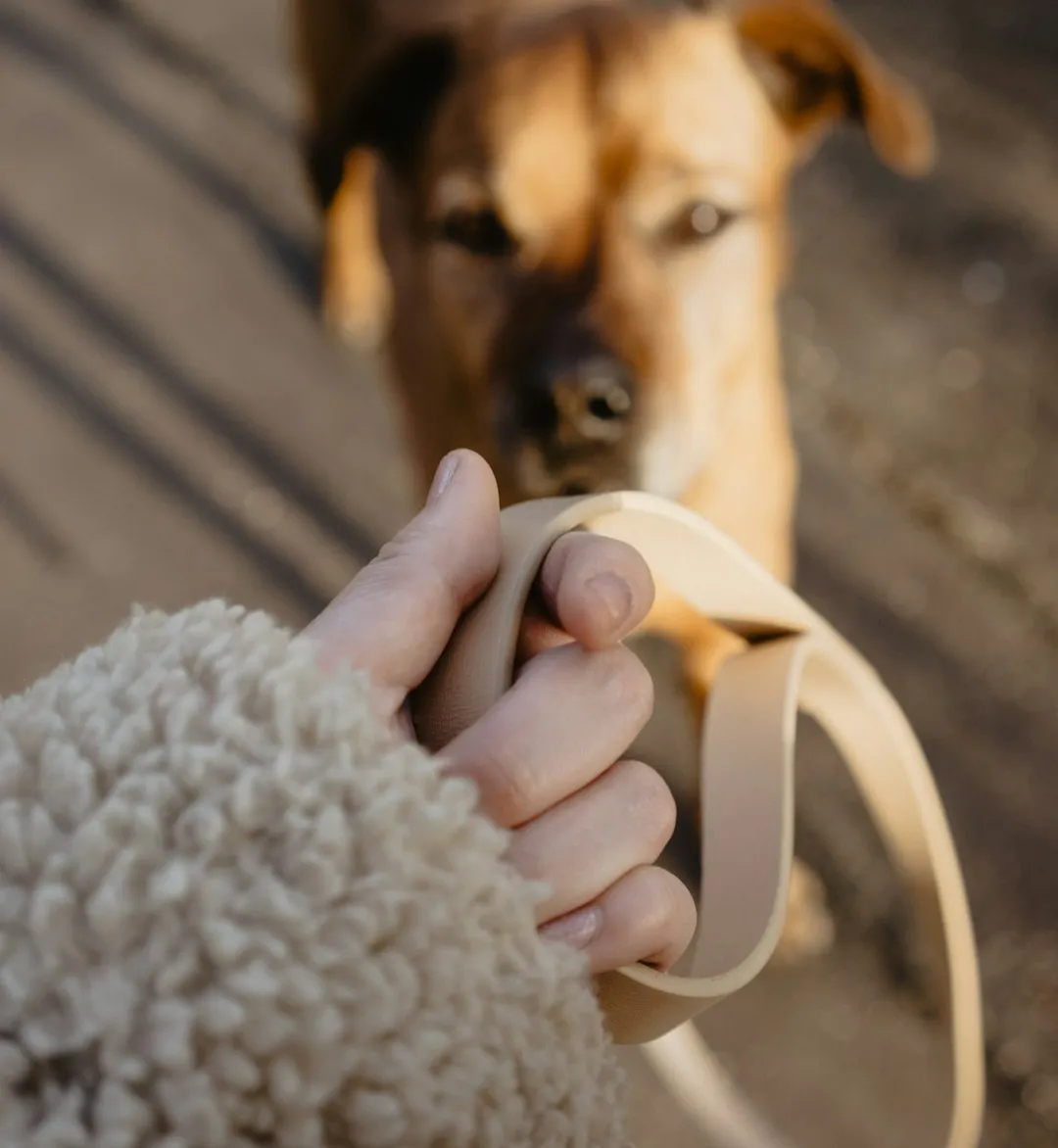
A dog who used to dance in circles when you grabbed the leash but now walks away, ducks their head, or needs extra treats just to get ready isn’t necessarily “over walks” as a concept.
Often, they’ve linked the pre-walk ritual with what comes next – a level of exertion that now genuinely hurts. Sometimes there’s localized pain in the neck, shoulders, or spine that makes a harness or collar uncomfortable after too many over-long walks.
Yes, some dogs mellow with age in general. But a distinct shift from “leash equals party” to “leash equals hmm, not sure” deserves respect. If you have to sell every walk like a timeshare presentation, your dog is already telling you the program needs editing.
#6 – Pee and Poop Changes After the Walk
🔥 Would you like to save this?
We'll email this post to you, so you can come back to it later!
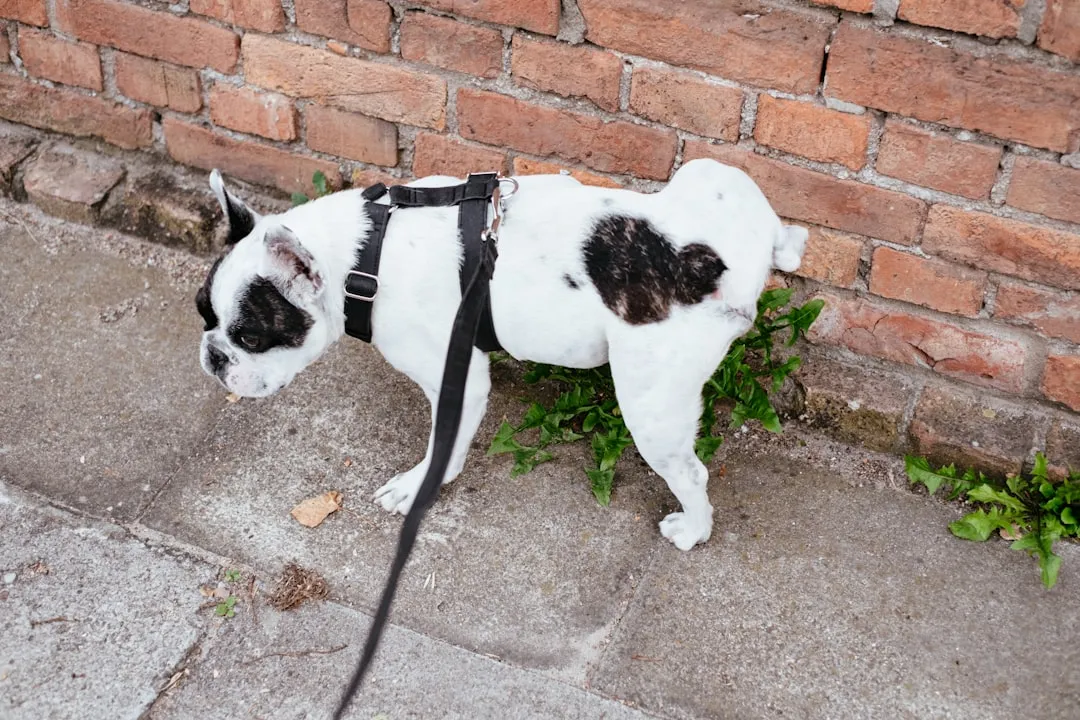
Most people think of walks purely as potty breaks. Ironically, changes in those very potty patterns are often the clearest sign that the walk itself has become too much.
- Straining to urinate or defecate afterward, as if they can’t find a comfortable posture.
- Diarrhea or loose stool after intense or long sessions, especially in warm weather.
- Drinking excessively post-walk, followed by frequent, urgent urination.
Stress, overheating, and pain all affect the gut and bladder. For seniors, a long or intense walk can tip a borderline system straight into upset – and dogs with arthritis may avoid squatting comfortably on the walk, only to struggle with it later at home.
If your old dog’s bowels or bladder behave noticeably worse after longer outings but stay fine after short, gentle ones, that’s not coincidence. That’s internal evidence the “big walk” has become a stressor instead of a wellness tool.
#5 – Needing Longer “Warm-Up” Time at the Start
🔥 Would you like to save this?
We'll email this post to you, so you can come back to it later!
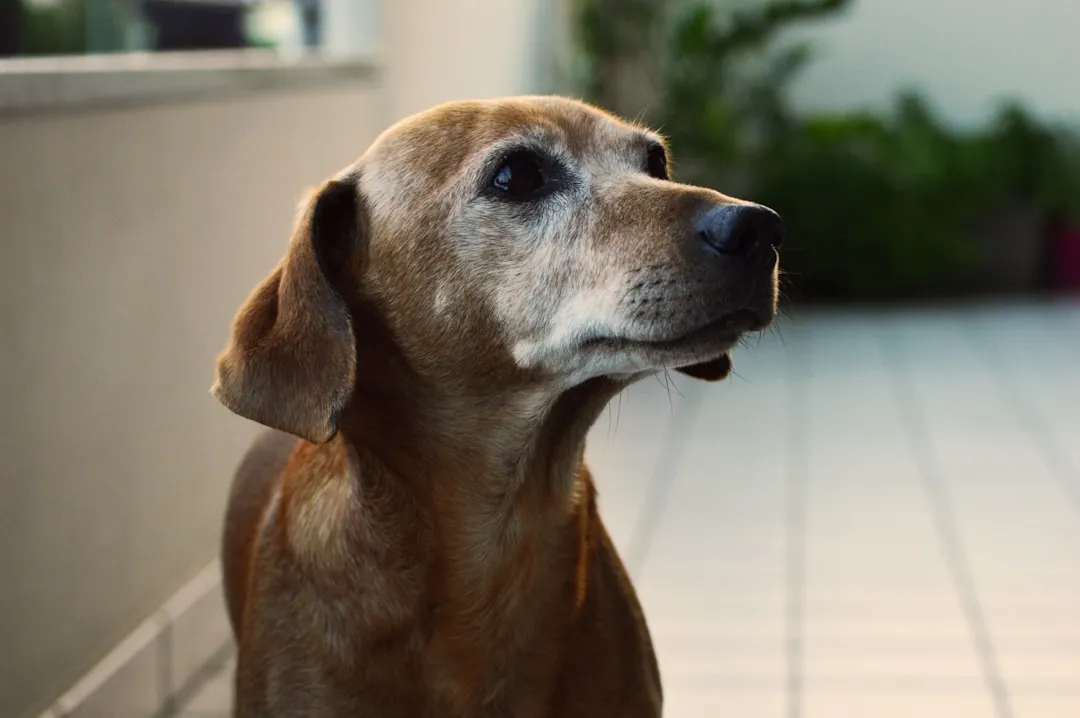
Here’s a quieter, almost sweet-looking sign: the dog who pads around slowly at first, as if they just woke up, before gradually finding their stride.
Some warm-up is normal in seniors. But if the first 5-10 minutes are clearly stiff, short-stepped, or awkward, that’s early arthritis or muscle weakness talking – not just morning grogginess.
Worth Knowing
- A short, deliberate 5-10 minute warm-up lets stiff joints loosen before faster movement begins.
- Cold mornings and long naps typically produce the stiffest, slowest starts.
- Mild stiffness usually fades within the first few minutes; true pain tends to linger well past that window.
Now pair that with a long distance or fast pace. You’re asking an old, creaky body to go from zero to a hundred with no proper prep, then keep going straight past its comfort zone.
The fix isn’t “no walks.” It’s gentler, shorter walks with an intentional warm-up – a few minutes of slow pacing in the yard before hitting the sidewalk. Ignore that warm-up window long enough, and your dog will eventually tell you, loudly, that it’s too much.
#4 – Struggling More With Hills, Stairs, and Uneven Ground
🔥 Would you like to save this?
We'll email this post to you, so you can come back to it later!
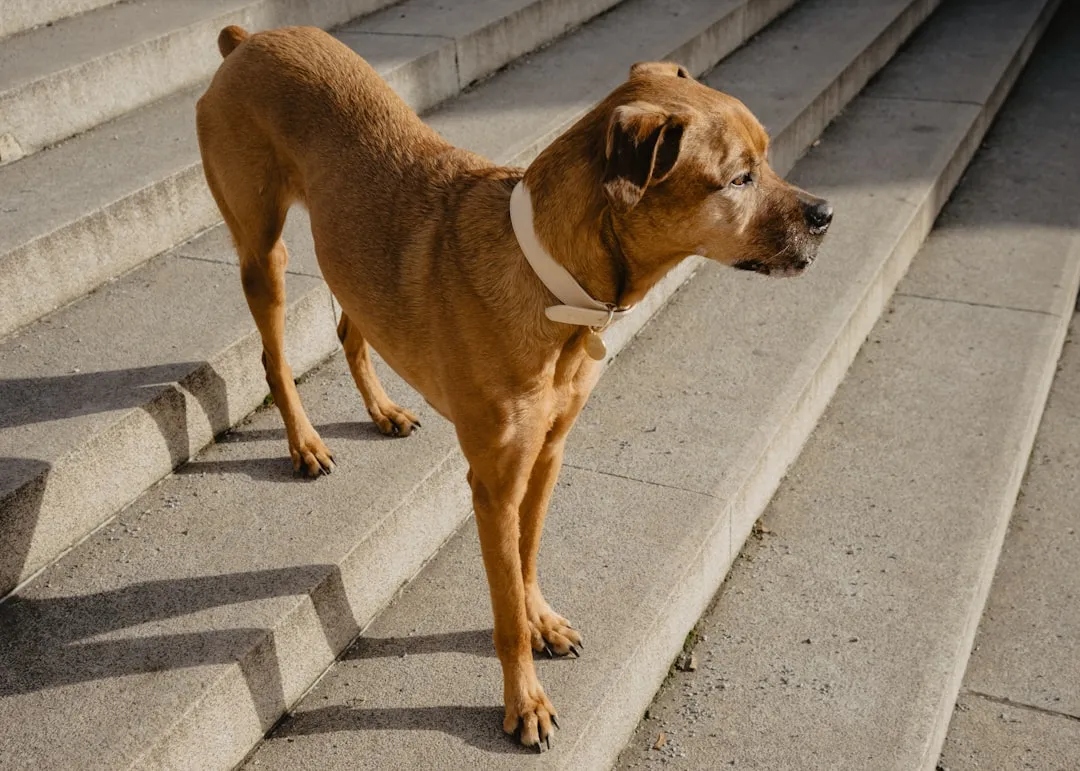
If you want an honest review of your walk intensity, forget distance. Look at terrain. For aging joints, one steep hill can be worse than an extra mile of flat ground.
Watch how your dog handles sloped driveways, that one big hill on your usual route, stairs you treat as a shortcut, or gravel and rutted dirt trails.
If they slow dramatically, stall out to sniff more, or choose alternate paths around inclines, that’s not randomness. They’re protecting painful hips, knees, or a sore spine, and muscles that once handled hills easily now fatigue faster – raising the risk of a real injury.
Some fitness-obsessed owners brag about their old dog “still doing the big hill daily.” Plenty of sports-medicine vets quietly wince at that pride. For a lot of seniors, that beloved route has quietly become the biggest problem in their week.
#3 – Behavioral Changes at Home on Walk Days
🔥 Would you like to save this?
We'll email this post to you, so you can come back to it later!
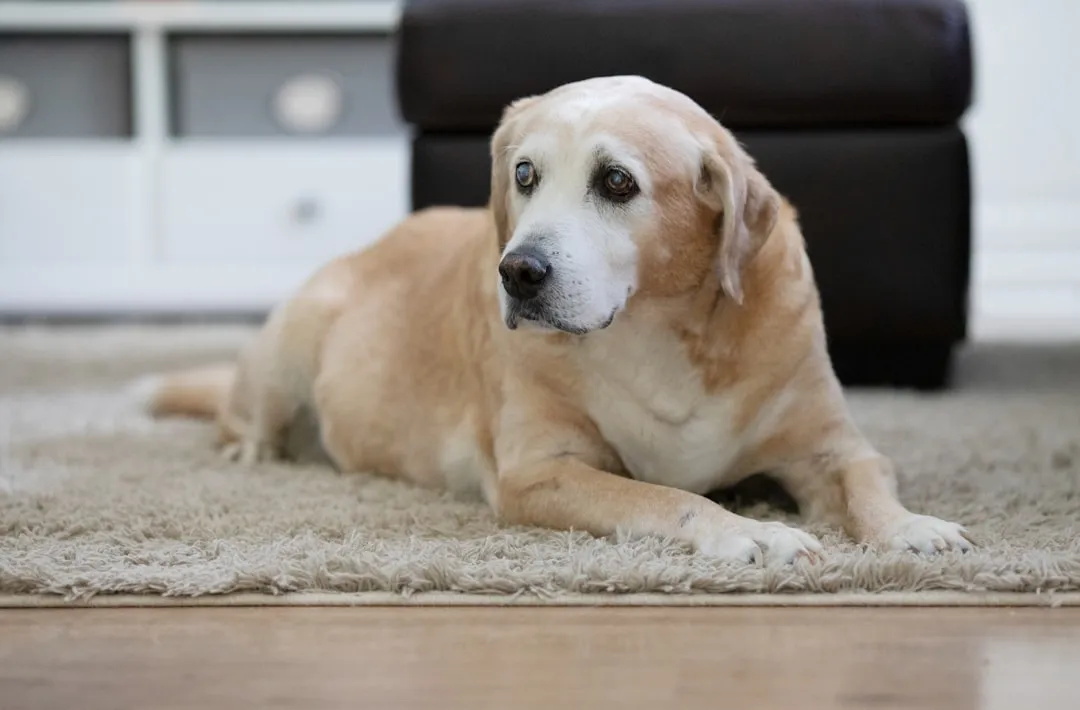
One under-discussed clue lives entirely off the walk: your dog’s personality on heavy-walk days versus light-walk days.
Is your dog more clingy, or oddly withdrawn, after a big walk? Do they avoid being touched near their hips or back that night? Are they restless, pacing, changing positions like they can’t get comfortable?
Pain in dogs often doesn’t look like crying. It looks like subtle irritability, restlessness, or detachment. A sweet senior who suddenly growls when moved off the couch after a long walk – but stays relaxed and tolerant after a short stroll day – is sending an obvious message.
Most people blame “old age crankiness.” In reality, they’ve accidentally built a schedule where some days hurt just enough to change who their dog seems to be. That’s not aging. That’s feedback.
#2 – Doing Better With Short, Frequent Walks (Even if You Don’t Like It)
🔥 Would you like to save this?
We'll email this post to you, so you can come back to it later!
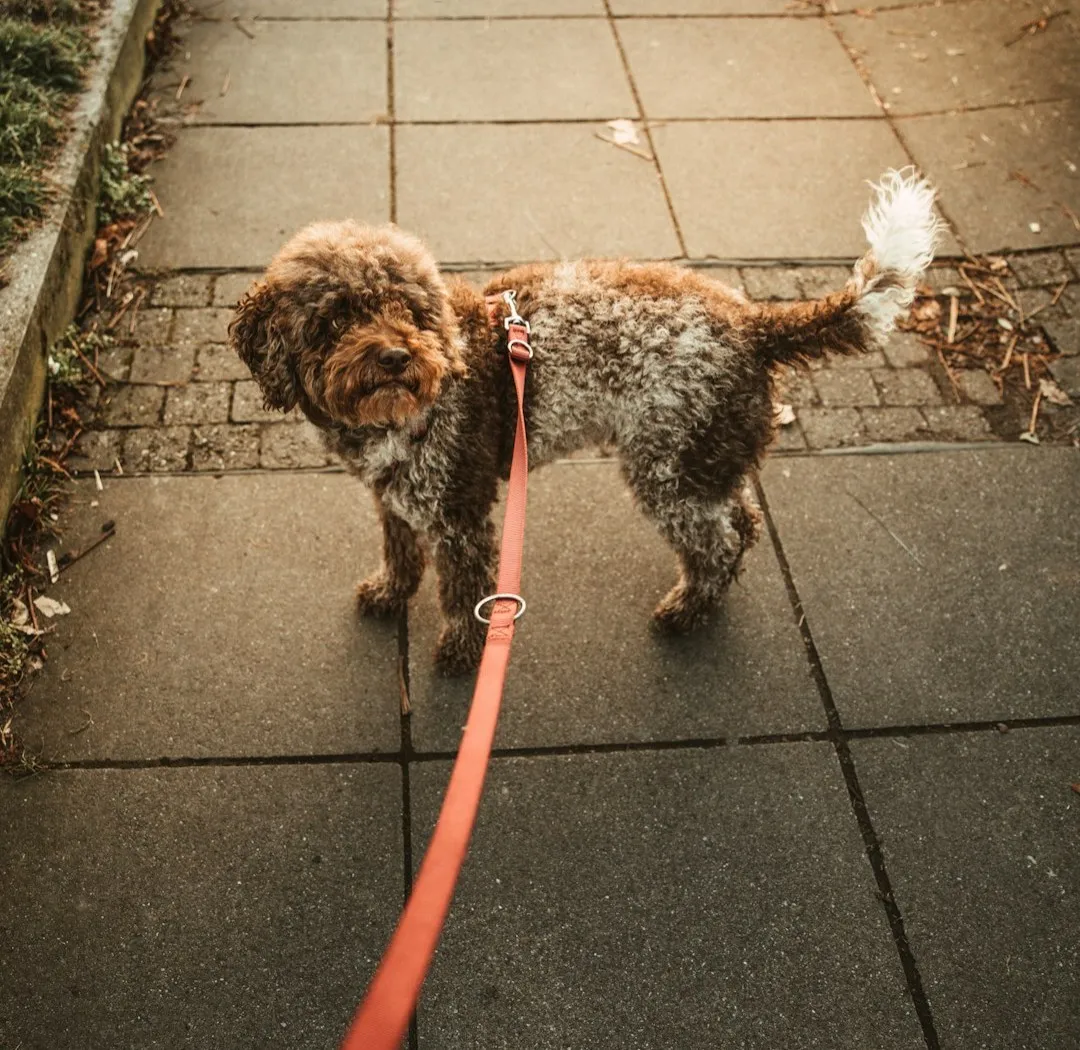
Here’s where owners get defensive: “He looks bored if we skip the big walk!” Test it for a week, though, and the dog’s body usually tells a very different story.
Swap one long, fast walk for two or three shorter, slower, flatter strolls. Keep the total time similar, or even slightly less, just spread out – then watch stiffness, panting, mood, and nighttime behavior closely.
What many people notice, and don’t always want to admit, is that their senior moves better morning and evening, pants less overall, and seems brighter and less sore across the board.
Money will buy you a pretty good dog, but it won’t buy the wag of his tail.
Josh Billings
That data is your dog talking. If they quietly thrive on shorter walks but struggle through “tradition,” the long walk has become about you, not them – and letting go of it is the kindest move you can make.
#1 – Choosing Connection Over Distance
🔥 Would you like to save this?
We'll email this post to you, so you can come back to it later!
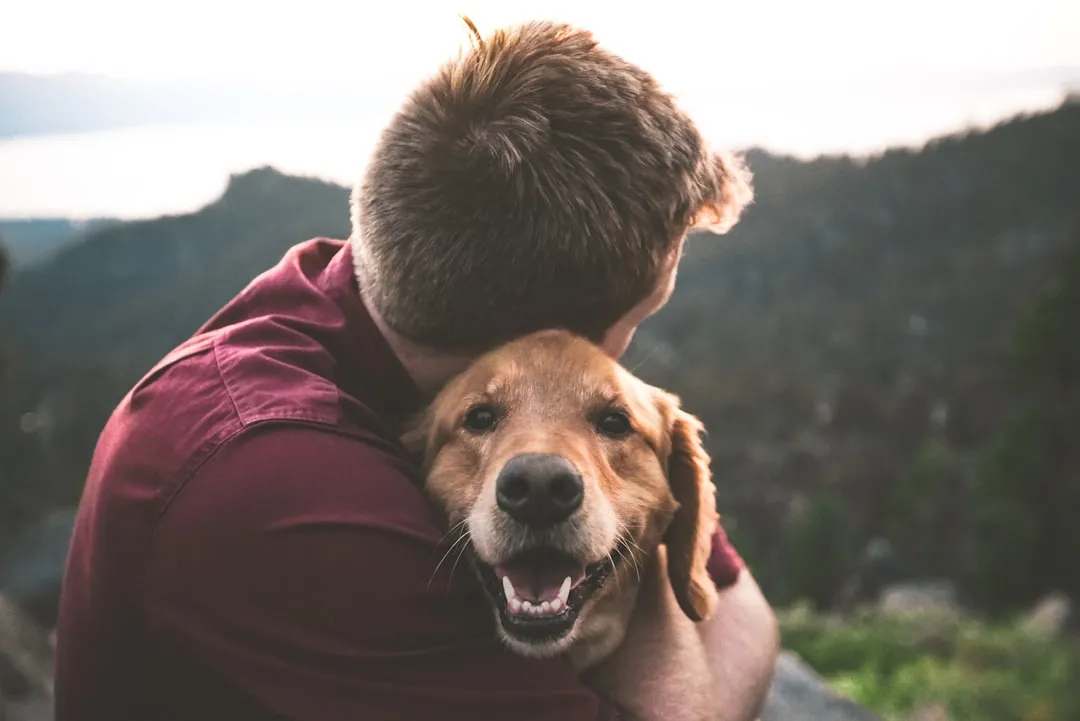
The most powerful, easiest-to-miss sign of all: your old dog starts caring less about where you go, and more about simply being with you.
They’re happiest on gentle, sniffy, slow potter-around-the-block walks. They seek more eye contact, lean on your leg at stops, or calmly match your slow pace instead of pulling ahead.
On days you skip the long walk and swap in backyard time, nose games, or couch cuddles instead, they seem just as fulfilled – sometimes more. Many owners stubbornly treat long walks as a moral obligation, as if distance equals love. Aging dogs quietly flip that script: quality of time beats quantity of steps.
When your dog stops dragging you to the far park, seems perfectly content circling the same calm loop, and lights up more for a soft brush or a treat hunt in the yard, they’ve already told you everything: “The long walks were for my younger body. Now I just want comfortable time with you.” Forcing them to perform like their younger self isn’t keeping them young – it’s refusing to let them age with dignity.
The Bottom Line
🔥 Would you like to save this?
We'll email this post to you, so you can come back to it later!
Most of us only realize the walks have become too much after something dramatic happens – a bad limp, a collapse in the heat, a scary vet visit. Your dog almost never lets it get that far without trying to tell you first.
Slowing only on the way home, crashing into deep sleep, toe dragging, route refusal, mid-walk sit-downs, new irritability, and quietly thriving on shorter strolls aren’t quirks. They’re a language, and it’s one your dog has been speaking to you for longer than you think.
At a Glance
- Fine going out, dragging coming back? That’s a distance problem, not stubbornness.
- Deep, unresponsive crash-naps after walks signal overload, not just tiredness.
- Stiffness that shows up hours later still counts – judge the walk by the evening, not the moment.
- Thriving on shorter, more frequent walks is data, not a compromise.
Dogs’ lives are too short. Their only fault, really.
Agnes Sligh Turnbull
Seniors rarely want to stop walking altogether – they just need the type of walk to change. The uncomfortable truth is that a lot of us cling to long, fast, “achievement” walks for ourselves and call it love. Real love, at this stage, looks like shrinking the distance, slowing the pace, and widening the ways you connect. Your dog has already cast their vote with their body. The only question left is whether you’re actually listening.

- 23 Warm Corners an Elderly Cat Keeps Returning To All Winter - October 29, 2026
- 16 Behaviours Showing a Cat Considers a House Permanent Now - October 29, 2026
- 15 Wildlife Programmes a Lifetime Pass Holder Over 62 Can Join Free - October 29, 2026