
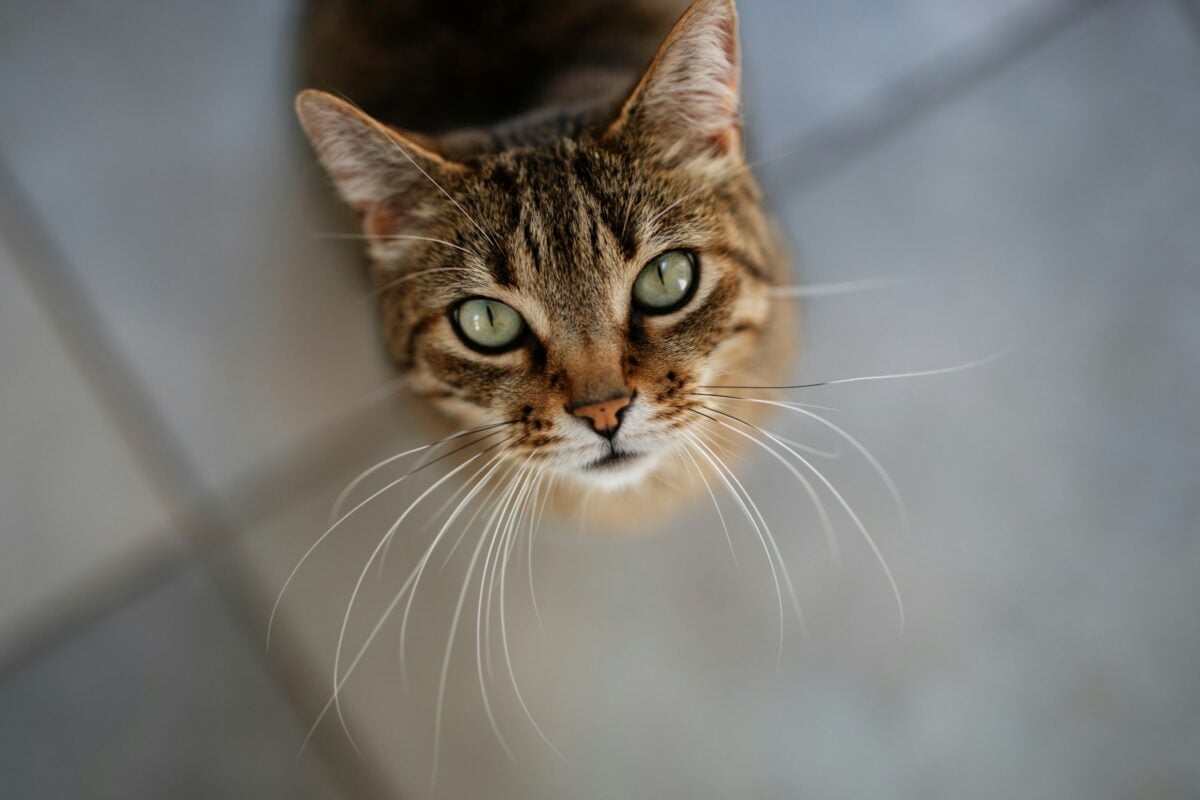
You think you know your cat. Then it slides sideways through a gap that shouldn’t fit a house mouse, freezes mid-jump to recalculate a landing spot, and falls off the couch without so much as blinking. Vets, neurologists, and biomechanics researchers have spent decades trying to explain moments like these with tidy evolutionary logic, and they keep hitting a wall.
The truth is that plenty of “normal” cat behavior isn’t normal at all once you look at the biology underneath it. Some of it borders on physically implausible. Some of it looks like evolution cutting corners it shouldn’t have gotten away with. Here are 17 abilities that keep scientists genuinely puzzled, starting with the one that makes cats look less like animals and more like slow-motion liquid.
#17 – Their “Liquid” Bodies That Squeeze Through Impossible Gaps
🔥 Would you like to save this?
We'll email this post to you, so you can come back to it later!
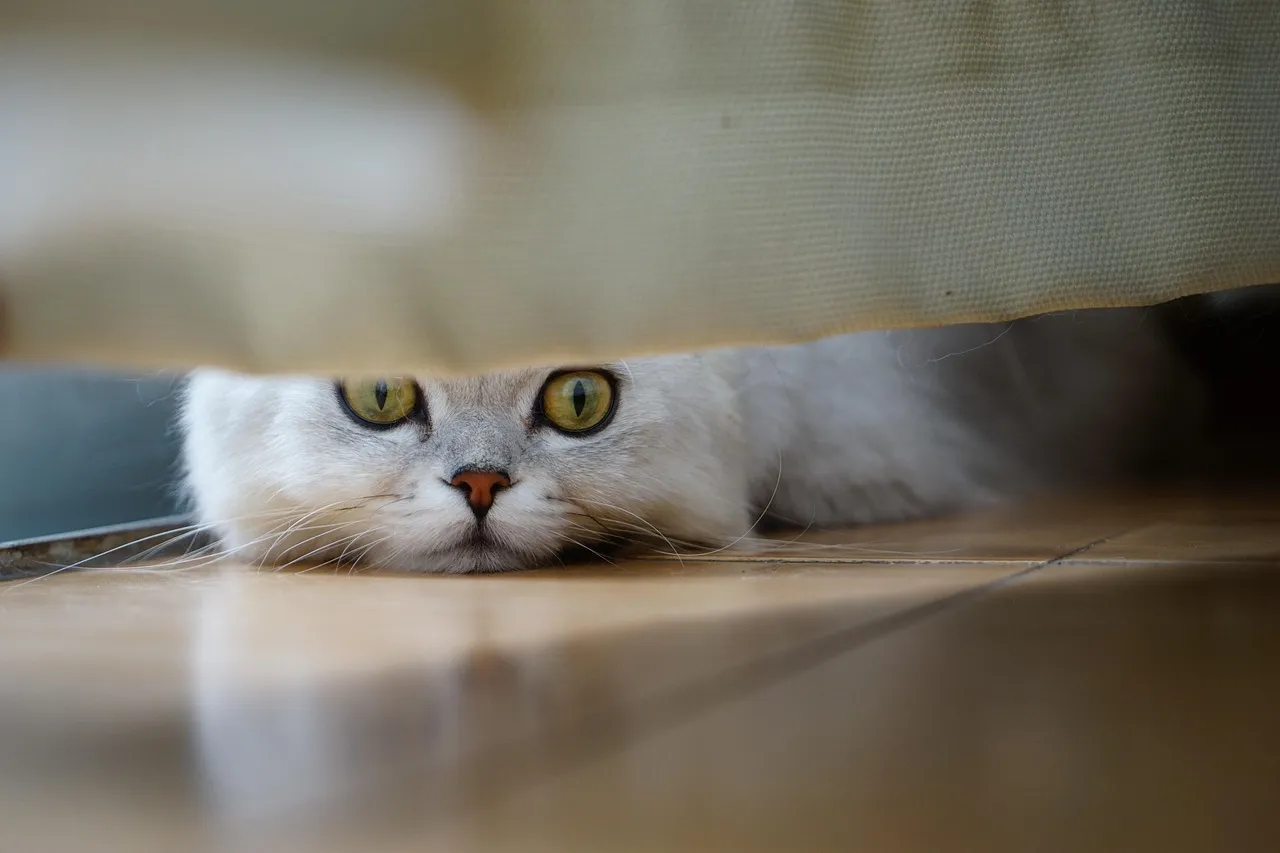
Cats don’t just seem bendy; they behave like they’re part solid, part liquid. A healthy adult cat can slip through a gap barely wider than its own skull, then twist mid-flow like it’s pouring itself into place.
The textbook explanation sounds simple: floating clavicles, collarbones that aren’t locked to the rest of the skeleton, plus an unusually flexible spine. But when biomechanists try to model exactly how a 10-pound animal folds into a 3-inch slot without crushing its organs, the math gets messy fast.
MRI and dissection studies show the feline spine carries more vertebrae and more flexibility between them than a similarly sized dog. The rib cage can twist and rebound without the microfractures that would sideline almost any other mammal attempting the same stunt.
What really stumps researchers is how little this flexibility seems to cost. Most species that trade rigidity for bend pay for it later in joint damage or chronic pain. Cats, even seniors, routinely show shockingly low rates of clinically obvious spinal arthritis given how hard they use their bodies.
#16 – Their Gravity-Defying Righting Reflex
🔥 Would you like to save this?
We'll email this post to you, so you can come back to it later!
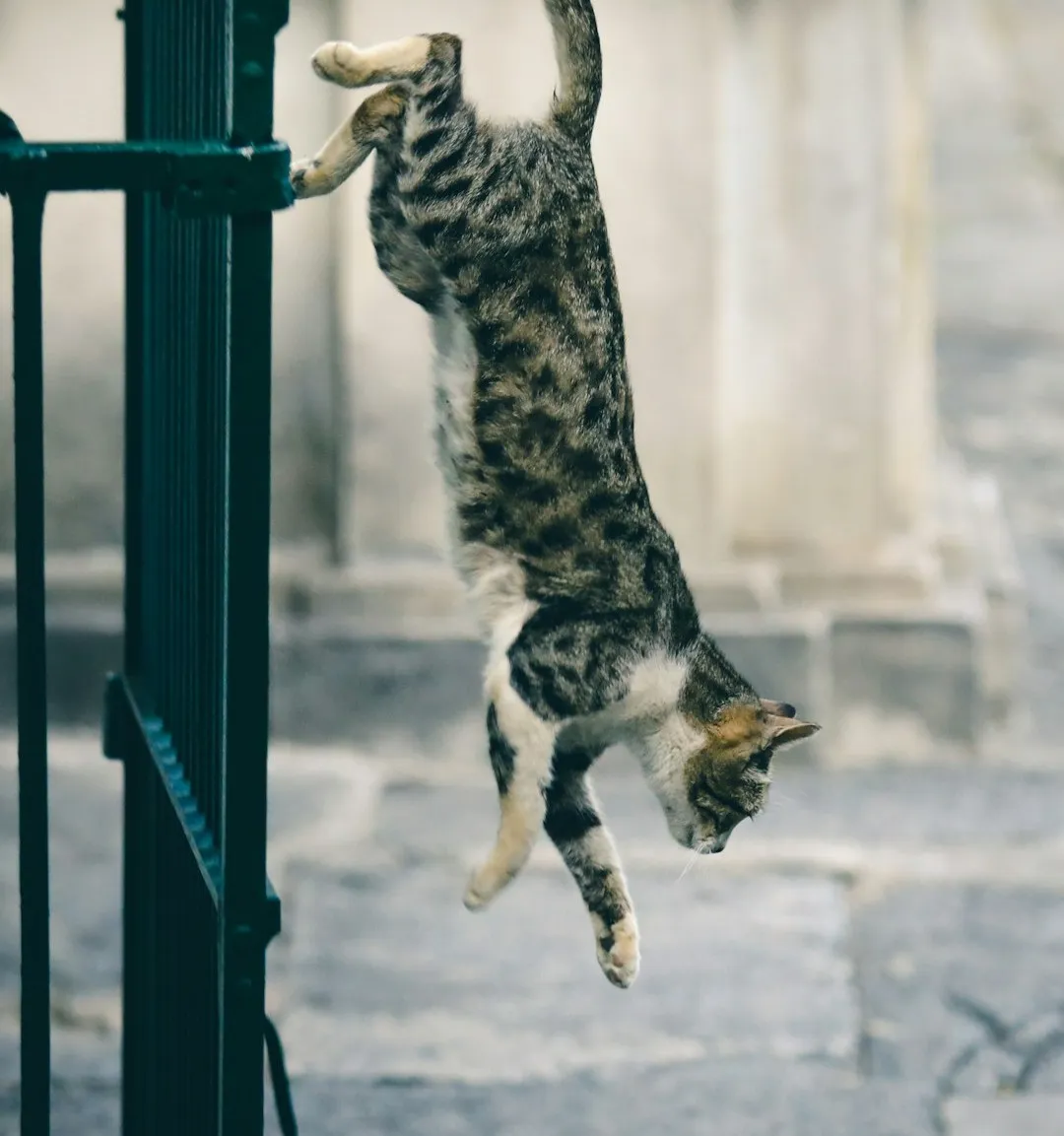
Drop most mammals upside down and they just hit the ground. Drop a cat from almost any starting position, please don’t, and it twists in midair to land on its feet with unnerving reliability.
The “righting reflex” shows up in kittens as young as 3 to 4 weeks old and is nearly perfected by week seven. Biologists understand the basic mechanics: cats use their inner-ear balance system, split their body into two independently rotating halves, and twist without breaking the law of conservation of angular momentum.
But the timing required borders on absurd for a brain that small. Cats can right themselves from falls as short as 12 inches, where there’s barely a heartbeat to react. In taller “high-rise syndrome” falls, some studies have actually found better survival outcomes from higher drops than moderate ones, because there’s enough time to fully spread the body out and parachute before impact.
Squirrels climb higher. Primates fall farther. Yet no other tree-dwelling mammal has landed on a reflex this consistently successful, and why evolution handed this exact superpower to a mid-size housecat instead of species that fall more often remains an open question.
Fast Facts
- The reflex leans on the vestibular system in the inner ear to sense which way is “up.”
- High-speed film analysis shows the full body twist can wrap up in well under half a second.
- Tailless breeds like the Manx still right themselves just fine, so the tail helps but isn’t required.
- Kittens practice tumbling and landing long before the reflex is fully wired, refining timing through play.
#15 – Their Almost Night-Vision Superpower That Should Blind Them
🔥 Would you like to save this?
We'll email this post to you, so you can come back to it later!
Everyone “knows” cats can see in the dark. The real story is stranger and more specific than that.
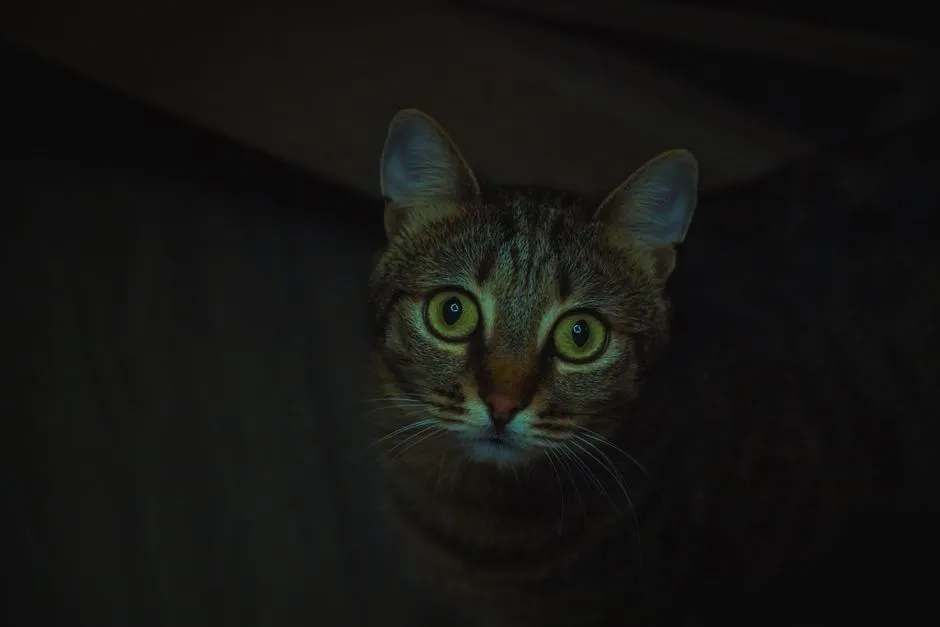
Cats can’t see in pitch black, but in low light they see roughly six to eight times better than we do. That comes down to three tricks stacked on top of each other:
- A tapetum lucidum, a mirror-like layer behind the retina that bounces light back through the light-sensing cells a second time.
- Pupils that can open into an almost perfect circle, letting in far more light than a human eye ever could.
- A retina packed with rod cells built specifically for low-light sensitivity.
Here’s the part that bothers researchers: this setup should come with a steep trade-off. Predators hyper-tuned for darkness usually pay for it with washed-out, oversensitive daytime vision, but cats show far less light sensitivity than their eye structure predicts.
Then there’s the pupil itself, which can slam shut from full-moon-wide to pinhole-small almost instantly. That kind of rapid light swing should chip away at the retina over a lifetime, yet age-related retinal failure isn’t nearly as common in healthy cats as the physics would suggest. Somehow, cats broke the “you can’t be good at both” rule of eye evolution.
#14 – Their Whiskers: Invisible Wi-Fi for the Physical World
🔥 Would you like to save this?
We'll email this post to you, so you can come back to it later!
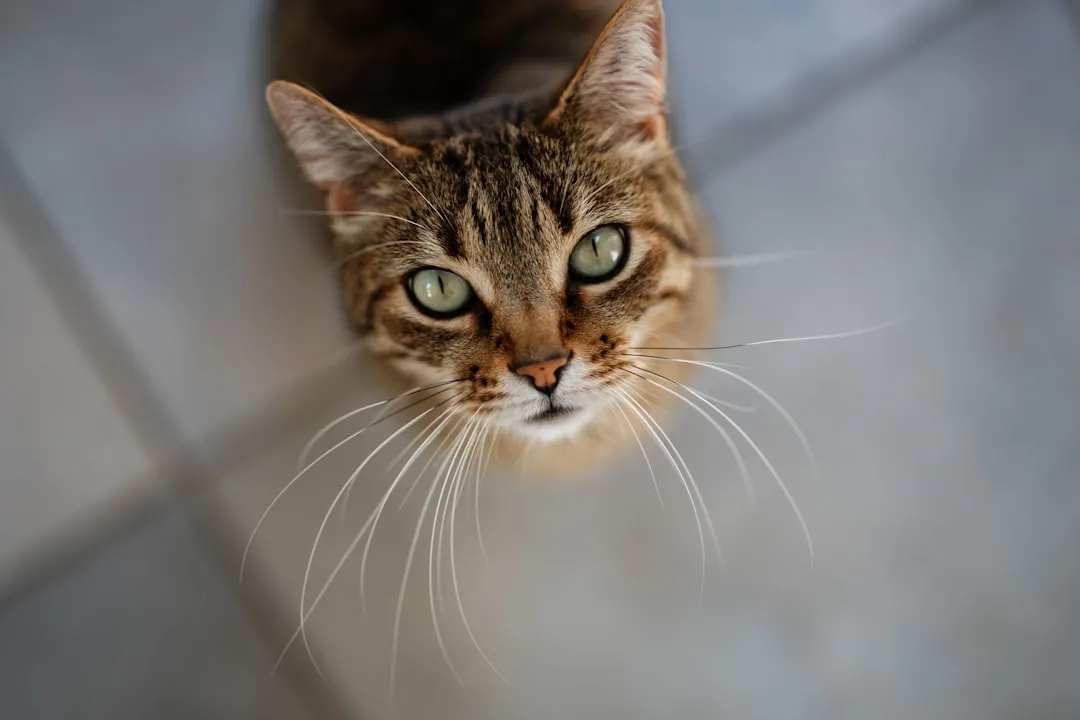
Whiskers look cute. Underneath the cuteness is a sensory system that borders on overengineered.
Each whisker, or vibrissa, sits in a follicle wired with dense nerve endings and blood-filled sinuses, functioning like a living antenna. Together, a cat’s whiskers map air currents, surface textures, and even the exact location of nearby objects in near total darkness.
In lab tests, cats can detect millimeter-level shifts in airflow using whiskers alone, and judge whether their body will actually fit through a gap without touching anything first, just by reading the faint turbulence bouncing off the edges.
The brain real estate devoted to this is oddly large. When researchers temporarily and harmlessly dull a cat’s whiskers, it starts moving like it’s partly blind, even though its eyes and inner ear work fine. Stranger still, whiskers seem tied directly to emotional state: an overstimulated cat’s whiskers go rigid and forward, and pushing that stimulation too far can trigger a full-body stress response, as if touching your own hair too much could spike your heart rate.
#13 – Their Freakishly Precise Jump Calculations
🔥 Would you like to save this?
We'll email this post to you, so you can come back to it later!
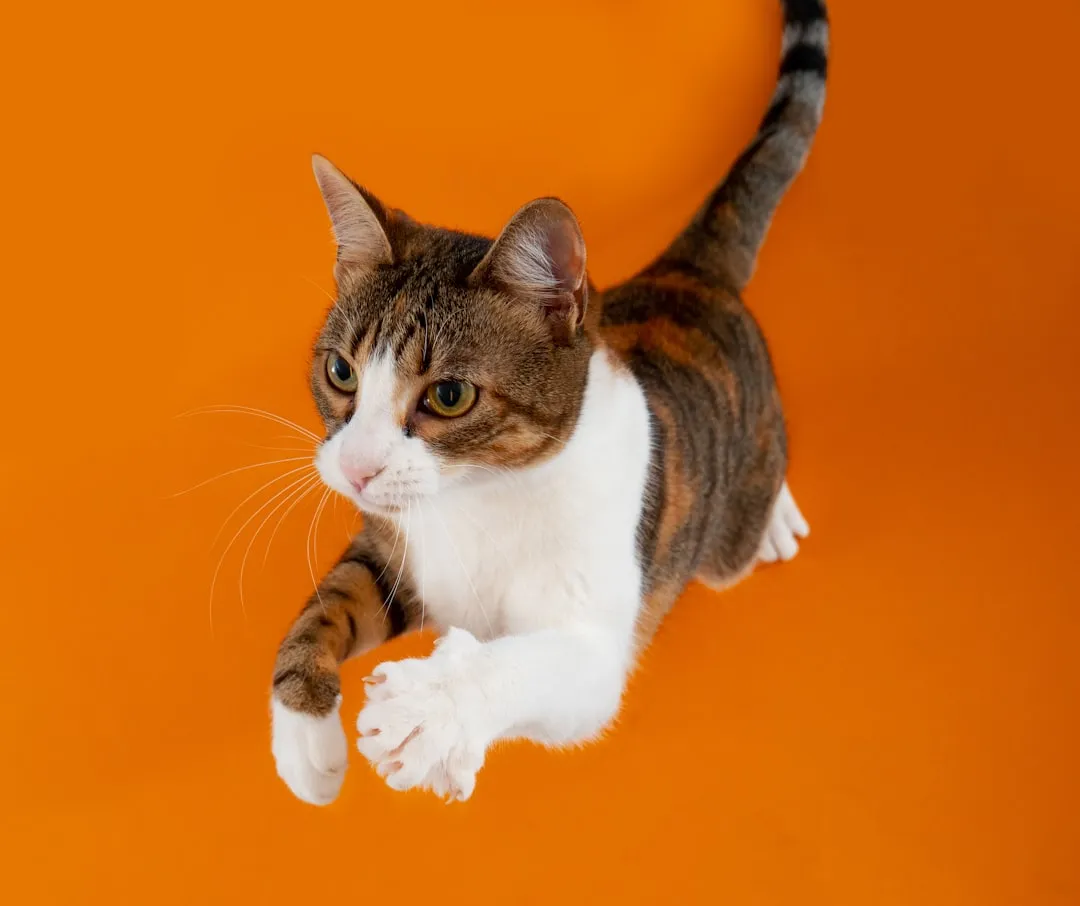
Every cat owner has watched their cat casually clear the top of a refrigerator like it’s nothing. In raw numbers, a healthy cat can jump five to six times its own body height from a dead stop.
That part is explainable: powerful hindlimb muscles, elastic tendons, a frame built for launching. The weirder part isn’t the hardware. It’s the software running it.
High-speed video shows cats almost never misjudge distance the way dogs and humans routinely do, even with moving targets or shaky surfaces. They adjust launch angle and force with borderline absurd accuracy, with no visible test steps or hesitation, even the very first time they face a brand-new jump.
Neuroscientists suspect a tightly fused combination of binocular vision, whisker feedback, and inner-ear input, but nobody fully understands how the brain merges all three into one instant motor command. The strangest wrinkle: older cats with early arthritis still nail the distance calculation perfectly. They just choose to jump lower, a conscious risk assessment layered on top of pinpoint physics, more like a pilot weighing fuel and weather than a small animal thinking about dinner.
#12 – Their Almost Cartoonish Pain Tolerance, Until It Isn’t
🔥 Would you like to save this?
We'll email this post to you, so you can come back to it later!
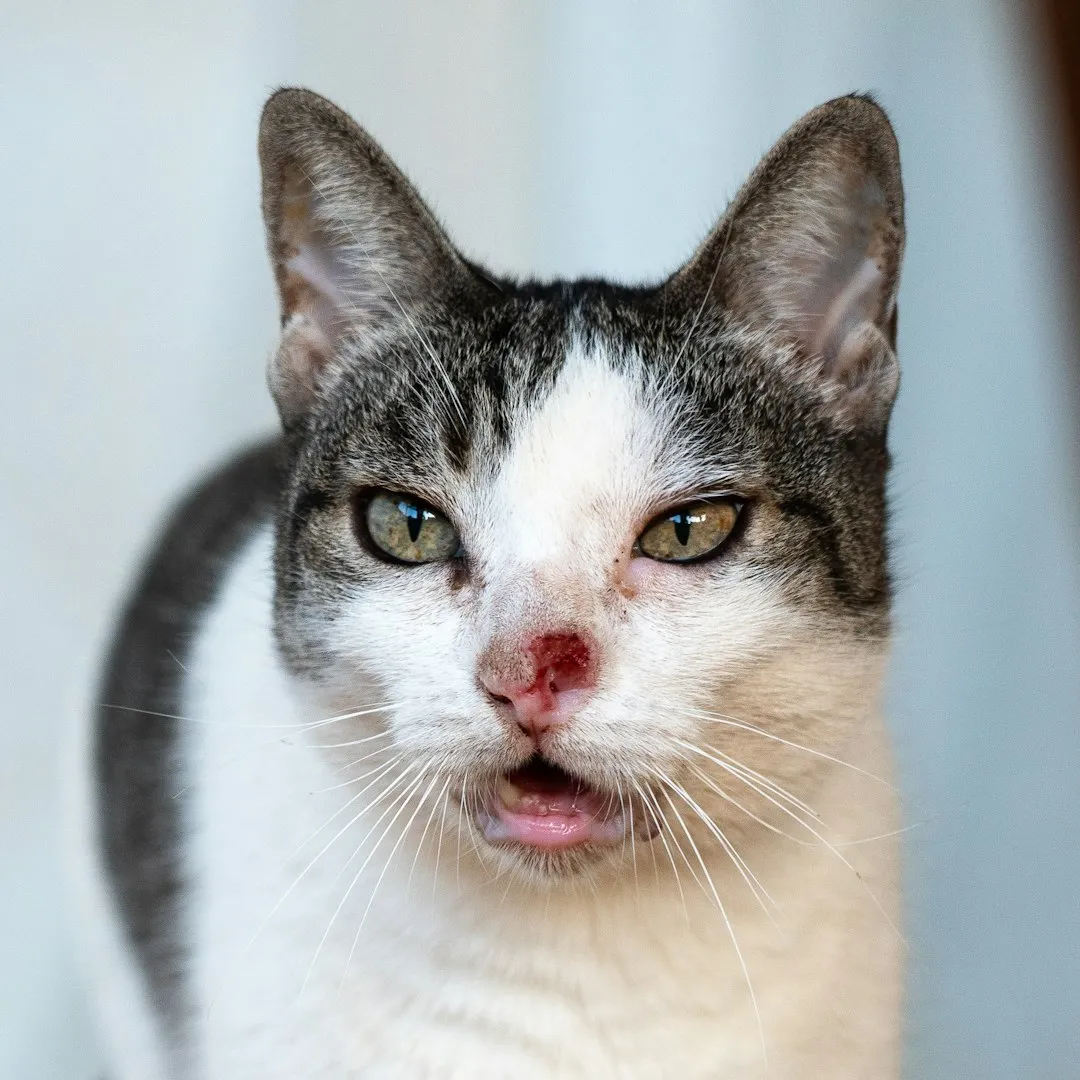
Anyone who’s watched a cat walk on a freshly injured paw like nothing happened knows how unnervingly stoic they can be. Vets see it constantly: cats with advanced dental disease still eating normally, cats with broken bones still jumping up onto beds.
There’s a logical piece here: small predators that double as prey often hide pain to avoid looking weak. Cats take that instinct to an extreme most species don’t.
It’s common for a cat to keep grooming and walking normally with severe internal conditions like kidney disease or tumors, showing nothing but slightly less jumping or a quieter mood. Then the same animal that shrugged off a broken bone will scream and swat over a light touch on a “trigger” spot or a routine needle.
Neurologically, cats seem to run a high baseline threshold for tissue damage but a low tolerance for sudden, unpredictable sensation, likely tied to their strange dual role as both hunter and prey. To researchers, it looks less like a pain system built to report injury, and more like one built to protect control and predictability at all costs.
#11 – Their Hyper-Efficient Sleep That Somehow Fuels Chaos
🔥 Would you like to save this?
We'll email this post to you, so you can come back to it later!
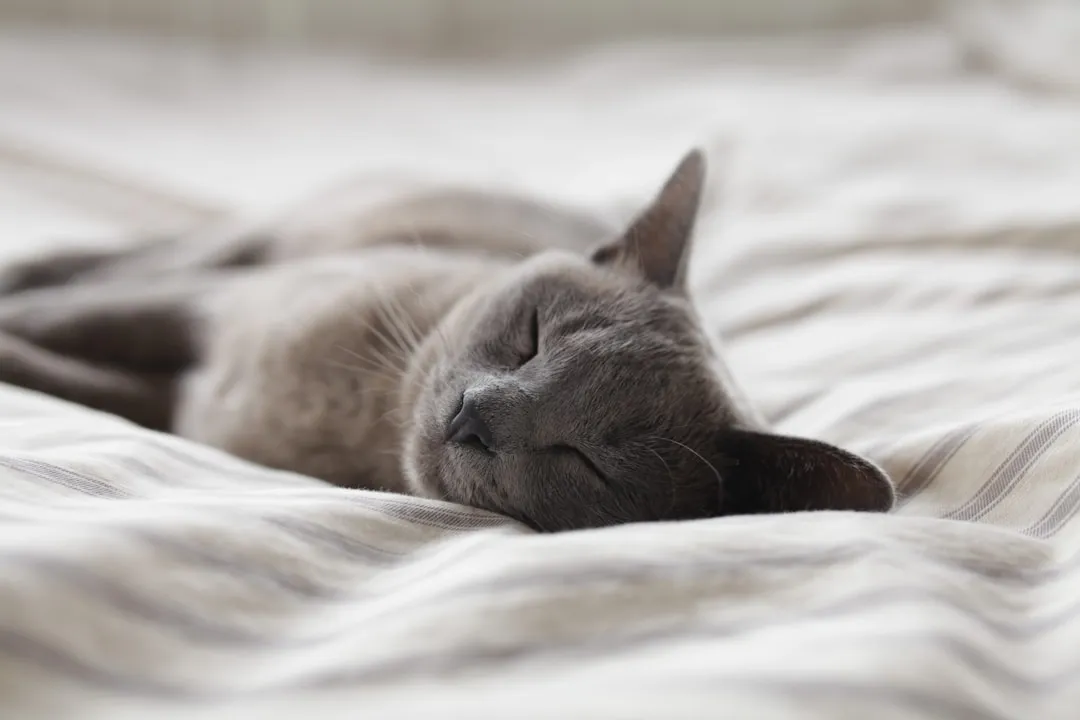
Cats sleep 12 to 16 hours a day on average, with some hitting 18 to 20. That’s bat or big-predator territory for a 10-pound animal.
Long sleep windows usually track with intense, sporadic energy bursts in the wild. Housecats hunt in short bursts too, but their actual daily life rarely justifies this much downtime.
Sleep studies show cats slip rapidly between light sleep and REM, and can go from apparently dead asleep to fully battle-ready in under a second. Most predators that sleep this much get sluggish when their rest is constantly interrupted. Wake a cat twenty times in an hour and, after some grumbling, it will still stalk a toy with surgical precision.
It gets stranger comparing indoor and outdoor cats. Ferals face real calorie strain and constant threats, yet their total sleep time isn’t nearly as reduced as you’d expect. Both groups protect an almost luxurious amount of rest without paying the survival price you’d predict. Cats sleep like they’re at the top of the food chain, even when they’re nowhere close.
#10 – Their Eerie Ability to Mask Sickness Until the Last Possible Moment
🔥 Would you like to save this?
We'll email this post to you, so you can come back to it later!
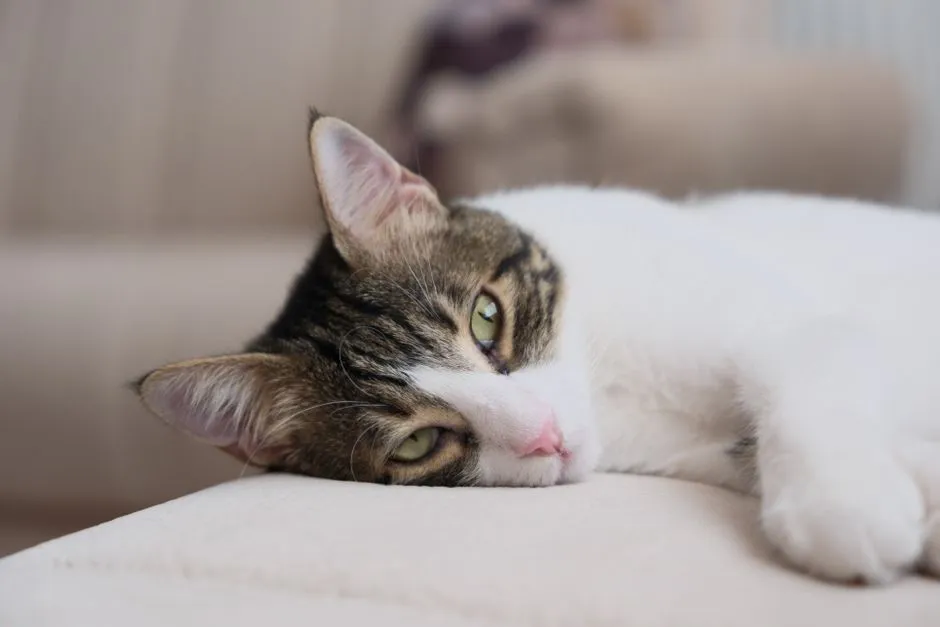
Veterinarians will tell you that when a cat “suddenly” looks sick, it’s usually been sick for a long time already. Cats are experts at compensating for failing organs, chronic pain, and even neurological decline, only showing obvious symptoms once things are already critical.
Some of that masking makes evolutionary sense. But research into chronic feline diseases like kidney failure and heart disease shows cats hold onto shockingly normal behavior and appearance right up until organ function is dangerously low. They keep grooming. They keep climbing. Often, they keep eating like nothing’s wrong.
You’d expect evolution to reward some earlier warning signal, slowing down, seeking help, conserving energy sooner. Cats do almost the opposite: hold the facade, then crash hard and fast. Some will even hide more and move less exactly when a worried owner starts watching closely, which makes early detection harder, not easier.
Bloodwork can look technically “fine” by standard ranges while a cat’s actual internal reserve is already razor-thin. From a pure efficiency standpoint, this last-minute-collapse strategy looks badly designed. It persists anyway, across breeds, environments, and lifestyles.
#9 – Their Purr: Comfort Signal, Healing Tool, or Both
🔥 Would you like to save this?
We'll email this post to you, so you can come back to it later!
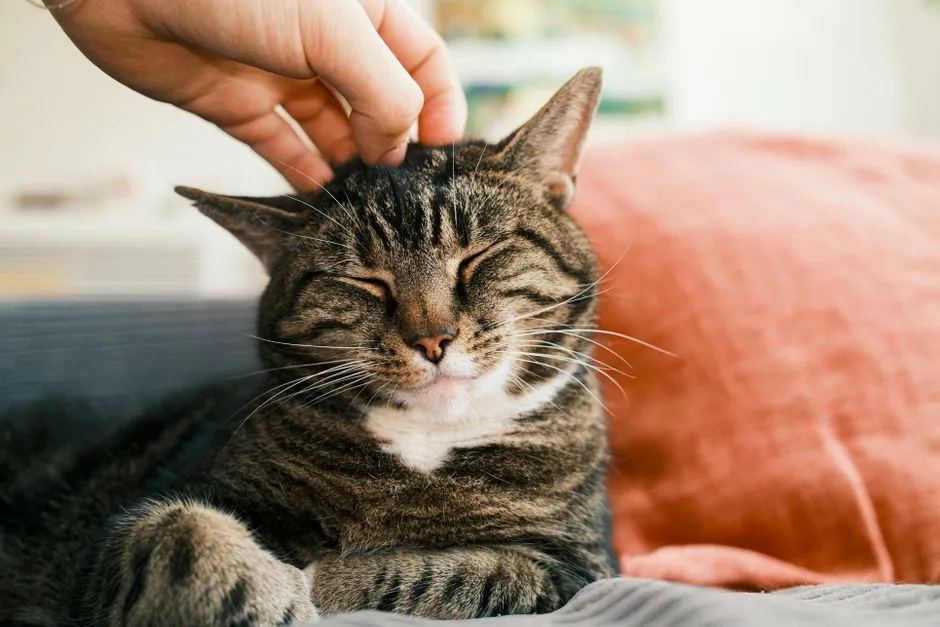
The purr is one of the most familiar cat sounds and one of the least understood. Cats purr in a range of roughly 25 to 150 Hertz, a frequency band human medicine sometimes uses to encourage bone density and soft-tissue healing.
That overlap fuels the popular idea that cats are literally vibrating themselves back to health. What’s actually known is narrower: cats purr not just when content, but also when injured, in pain, or dying, and the frequency band of many purrs does line up with ranges linked to improved tissue repair in lab studies on other mammals.
The purr may be self-produced physical therapy.
Fauna Communications Research Institute
What we don’t have is hard proof the purr evolved as an internal therapy device. The coincidence is strong enough that orthopedic researchers still argue about it openly. What is confirmed is that purring lowers stress in many cats and appears to slow heart rate and steady breathing, potentially conserving energy during illness.
Then there’s the social version. Some cats deploy a “solicitation purr” with a faint cry buried inside it that humans find almost impossible to ignore, a sound precisely tuned to get us moving toward the food bowl. That’s acoustic manipulation at a level few other domestic animals pull off.
#8 – Their Ridiculously Efficient Kidney System
🔥 Would you like to save this?
We'll email this post to you, so you can come back to it later!
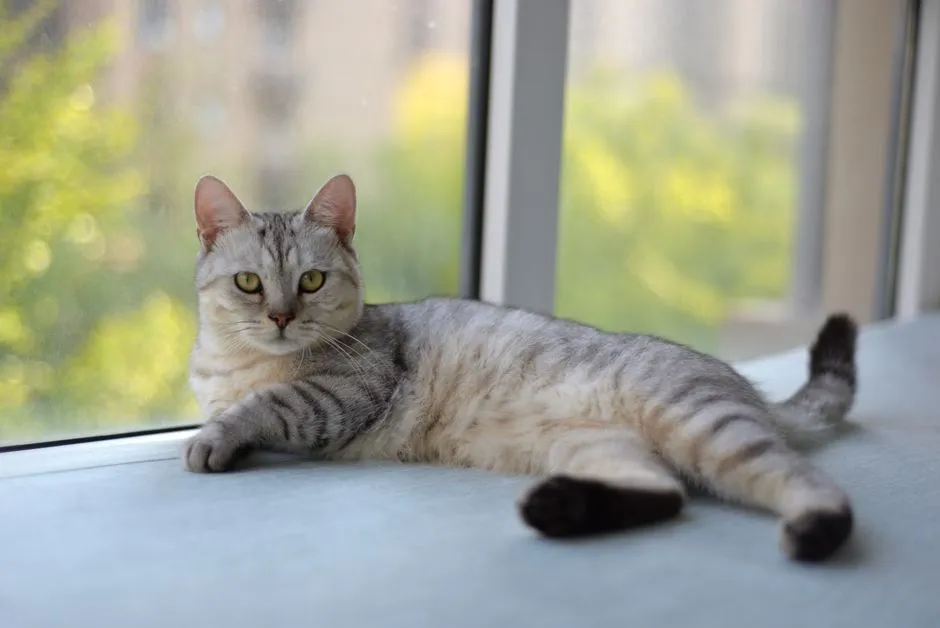
Biologists studying desert survival often point to cats, not just wildcats, but the ones sleeping on your couch. Domestic cats can concentrate urine to a degree that would leave most mammals dangerously dehydrated, with some measurements finding feline urine more than twice as concentrated as typical human urine.
That means cats can survive on surprisingly little water if they have to, and their kidneys reclaim water so aggressively they function almost like a built-in desalination unit, handling salt levels in food that would strain other species.
Quick Compare
- Cats: can concentrate urine far beyond typical mammalian ranges, a holdover from desert-dwelling ancestors.
- Humans: urine concentration is comparatively mild, requiring steadier daily water intake.
- Wild desert cousins: evolved this trait to survive on moisture from prey alone, with little to no standing water.
- Modern housecats: often drink less water relative to food intake than similarly sized dogs, even on dry diets.
Here’s the paradox: despite that impressive hardware, domestic cats are notoriously prone to kidney disease. You’d expect an organ this specialized to either be unusually tough or fail in narrow, predictable ways. Instead, feline chronic kidney disease is common, messy, and shows up across nearly every breed and lifestyle.
Some researchers suspect a mismatch, a kidney system built for lean, high-protein, low-phosphorus prey now dealing with carb-heavy kibble and inconsistent hydration for a decade or more. Others think microscopic damage simply starts earlier than anyone realizes. Either way, cats live inside a real contradiction: a water-management system that outperforms most mammals, attached to an organ that still fails often enough to be a leading cause of death in older cats.
#7 – Their Silent, Surgical-Grade Stalking Gait
🔥 Would you like to save this?
We'll email this post to you, so you can come back to it later!
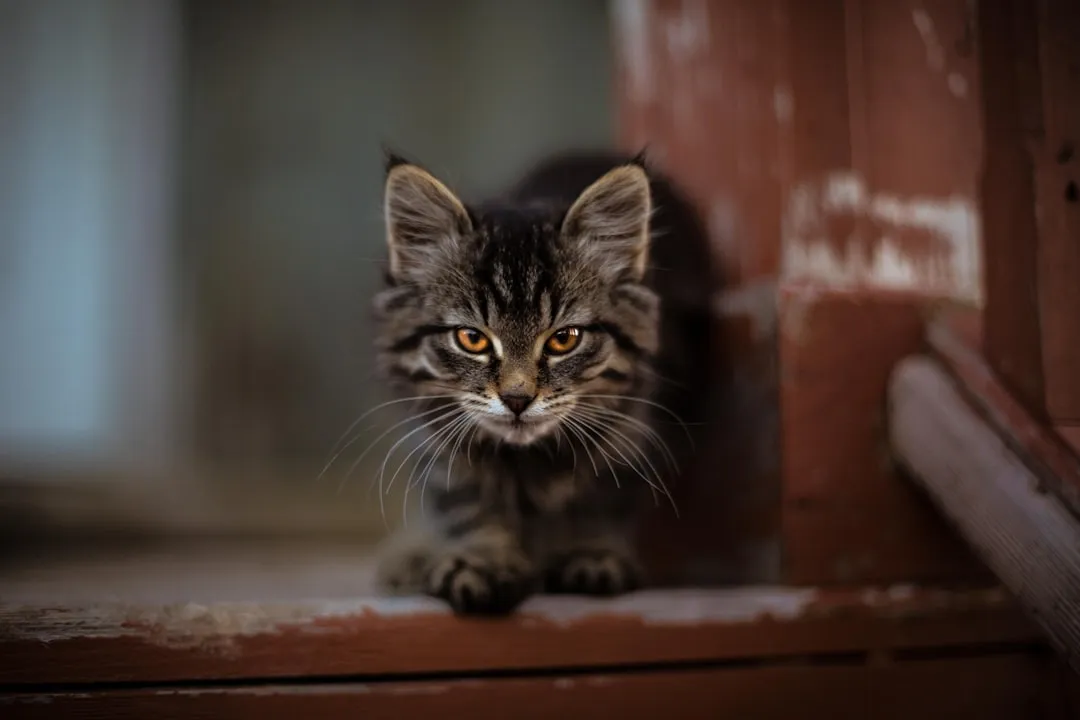
When a cat walks, you don’t just hear less, the way it places its feet is mechanically strange. Like camels and giraffes, cats use a pacing gait at certain speeds, moving both legs on one side of the body before switching to the other.
During a slow stalk, a cat lands its back paw almost exactly inside the print its front paw just left, minimizing noise and ground disturbance to almost nothing. That precision comes with an oddly low energy cost according to gait analysis; it’s not just quiet, it’s cheap.
Most animals with such a specialized gait show clear trade-offs in speed or agility whenever they break form. Cats don’t. They shift from a silent stalk into a full sprint, a jump, or a sideways scramble with almost no awkward transition phase, as if the nervous system can rewrite the entire movement pattern in milliseconds.
Even kittens raised indoors with zero access to real prey often display a fully formed, textbook stalking gait the very first time something triggers their hunting instinct. There’s refinement through practice, sure, but the baseline program arrives pre-installed. Evolution usually builds complex behaviors slowly, with visible intermediate steps across related species. Cats look like they downloaded the finished version overnight.
#6 – Their Near-Telepathic “Owner Timing” and Anticipation
🔥 Would you like to save this?
We'll email this post to you, so you can come back to it later!
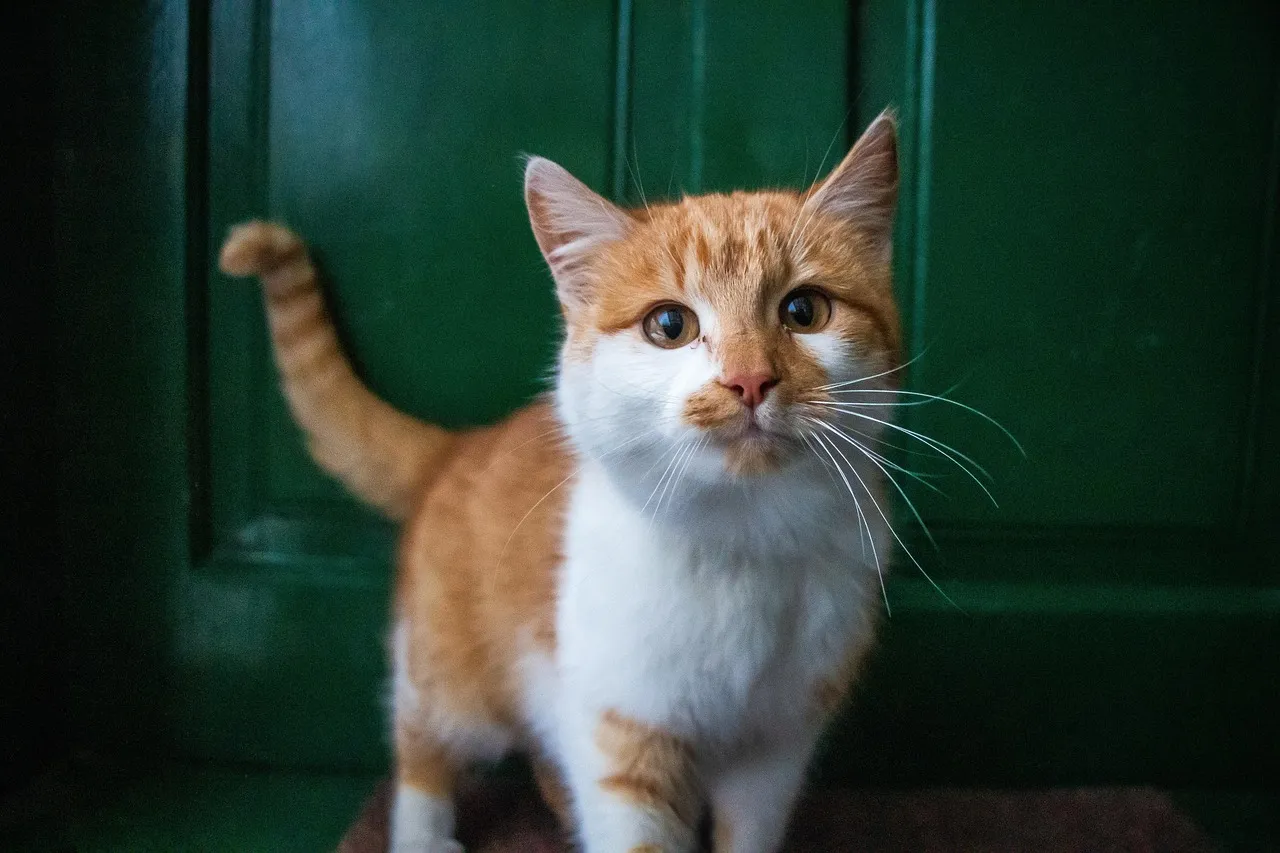
Ask any cat owner if their cat somehow knows when they’re coming home, and you’ll hear suspiciously similar stories. No keys in the lock, no car in the driveway, and the cat still gets up and parks itself by the door minutes before the human walks in.
Skeptics point to routine, and that’s genuinely part of it; animals are excellent at tracking patterns in light, sound, and time. But plenty of reports involve irregular arrivals that don’t fit any schedule at all, which routine alone doesn’t explain.
Some researchers think cats fuse subtle cues most of us never consciously register: distant engine frequencies, the sound of a particular gait on stairs, shifts in scent as a person’s presence lingers near the house. None of it is supernatural on its own. But stacking all of it into one accurate real-time prediction is more than current models can neatly explain.
Cats sometimes anticipate phone calls, video chats, or guests in ways that plain routine struggles to account for. At minimum, they’re running multi-sensory micro-data through some kind of internal prediction engine, and the output feels uncomfortably close to mind-reading.
#5 – Their Heat-Seeking, Energy-Conserving Thermoregulation
🔥 Would you like to save this?
We'll email this post to you, so you can come back to it later!
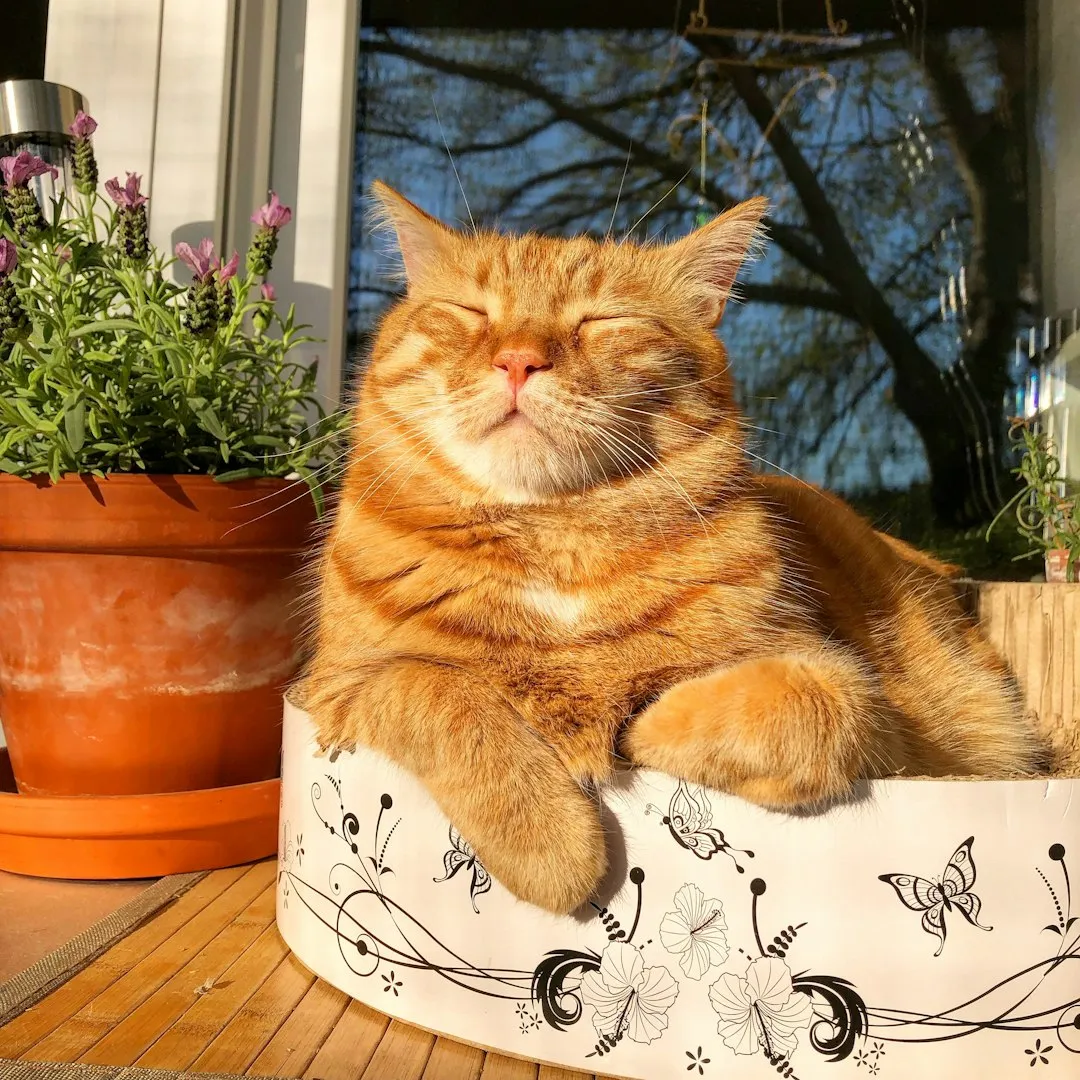
Cats behave like living heat-seeking missiles. Give them a freezing room and they will locate the one sunny patch, the warm laptop, or the exact spot on the floor where a heating pipe runs underneath.
Part of that is simple biology: a cat’s thermoneutral zone, the range where the body doesn’t need extra energy to heat or cool itself, sits higher than a human’s. What’s less simple is how aggressively and intelligently cats manage their micro-environment on top of that baseline.
They rotate constantly between sun and shade, lap and tile floor, blanket and bare couch cushion, in a pattern that looks like ongoing math between comfort and the risk of overheating. Some research points to hyper-sensitive temperature receptors in the skin and paws, plus deliberate fur-fluffing and body-curling to trap or release heat on demand.
The strange part is that this obsession doesn’t relax once the cat is safe and well-fed indoors. If anything, indoor cats often get pickier about the “perfect” spot, not less picky. From a survival standpoint, you’d expect some sloppiness once real evolutionary pressure disappears. Instead, it’s like the internal code refuses to accept “good enough.”
#4 – Their Ears: Independently Rotating Radar Dishes
🔥 Would you like to save this?
We'll email this post to you, so you can come back to it later!
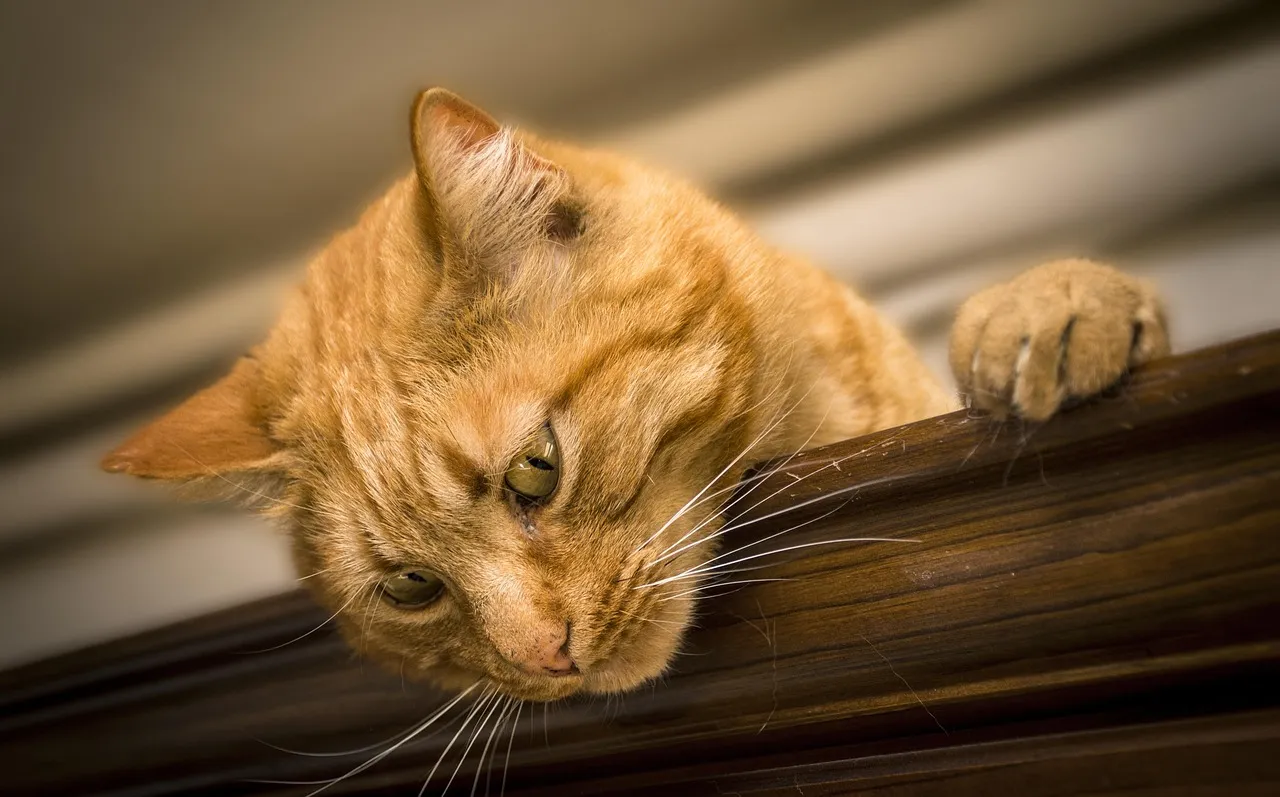
Cat ears look purely decorative until you actually watch them work. Each ear rotates roughly 180 degrees on its own, controlled by more than a dozen tiny muscles, letting a cat pinpoint a sound’s origin in both horizontal and vertical space with real accuracy.
Audio research shows cats hear well into ultrasonic frequencies, higher than both dogs and humans, and can detect tiny differences in the time a sound arrives at each ear to triangulate exactly where prey is hiding.
Worth Knowing
- Each cat ear is controlled by dozens of small muscles, versus only a handful in the human ear.
- Their hearing range extends well past 60,000 Hz, comfortably above the upper limit most dogs can detect.
- Rotating ears let a cat track a sound’s location without turning its head or losing sight of a target.
- Ear angle doubles as body language, flattening or swiveling to broadcast mood to nearby cats and humans.
Plenty of predators have good hearing. Cats overdo it. Their upper range is high enough to pick up mouse squeaks humans can’t perceive at all, along with faint mechanical whines from home electronics. Somehow they still filter out constant background noise without getting overwhelmed, something many high-acuity animals genuinely struggle to do.
Then there’s the communication layer stacked on top. Small shifts in ear angle broadcast mood to other cats and to any human paying attention, adding emotional signaling onto a sensor that’s already running full acoustic calculus. Turning raw sound into a real-time mental 3D map, without frying the system with data overload, still isn’t fully explained.
#3 – Their Alter-Ego Social Lives: Solitary Hunters, Cooperative Manipulators
🔥 Would you like to save this?
We'll email this post to you, so you can come back to it later!
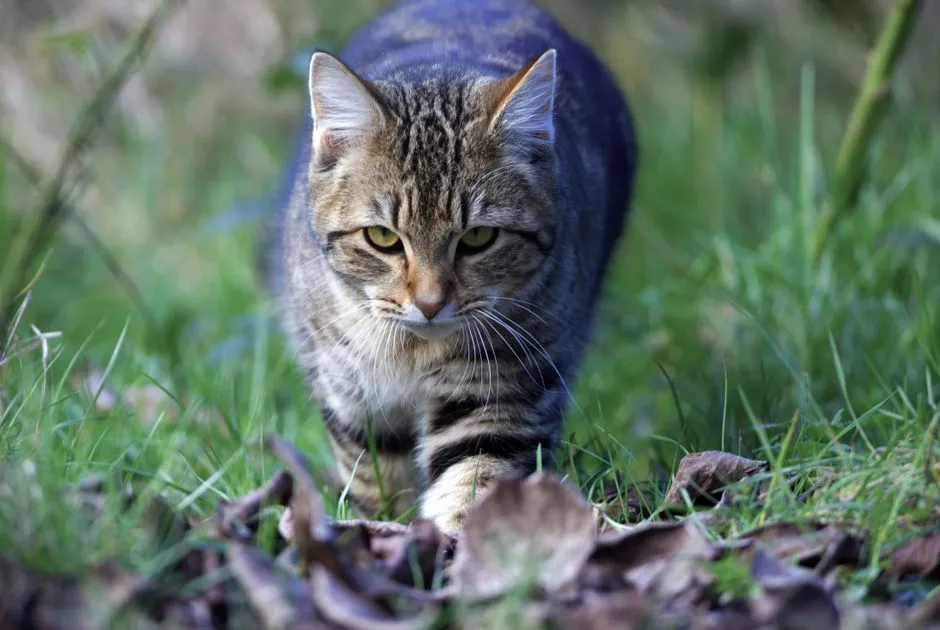
Textbook biology called cats “solitary” for a long time. Then researchers actually watched feral and semi-feral colonies over years instead of days, and the tidy label fell apart.
In the wild, cats often hunt alone and guard key territory fiercely. But in resource-rich areas, they build genuinely complex social groups, complete with preferred friends, informal babysitting arrangements, and rough hierarchies that shouldn’t exist if the “lone hunter” story were the whole picture.
The flip-flop between hardcore solitary predator and semi-social opportunist isn’t unheard of in nature, but cats lean into both extremes harder than most species manage. Their relationship with humans adds another layer: many cats use infant-like vocalizations only toward people, and rub against us with scent glands as if we’re simultaneously territory and family.
Some behaviorists argue cats have essentially outsourced part of their social structure to humans while keeping wild-style independence with other cats, a hybrid pattern that doesn’t match classic domestication in dogs or livestock. In practice, cats found a strange niche: emotionally compelling enough to make humans rearrange homes and schedules around them, while staying independent enough to skip the energy cost of true pack living.
#2 – Their Immune System’s Strange Love-Hate Relationship with Toxins and Pathogens
🔥 Would you like to save this?
We'll email this post to you, so you can come back to it later!
Cats are oddly vulnerable to certain substances and oddly resilient to others, sometimes within the same body. Cats lack a key liver enzyme, glucuronyl transferase, that helps most mammals detoxify common compounds, which is exactly why a small dose of acetaminophen can be lethal to a cat while a person barely notices taking it.
On the flip side, cats routinely tolerate bacterial loads in their mouths and guts that would flatten more delicate species, and feral cats regularly survive injuries and infections in conditions that seem frankly incompatible with long-term survival.
Then there’s Toxoplasma gondii, the parasite for which cats serve as the definitive host, the only place its sexual reproduction stage can occur. Rather than mounting an aggressive defense, cats generally tolerate chronic low-level infection with minimal obvious illness.
Immunologists see a system that’s highly specialized and strangely prioritized: brutally fragile against specific chemicals, surprisingly relaxed about others, and selectively ruthless against particular pathogens. It looks like cats bet heavily on certain environmental pressures, diet, parasites, prey, at the direct expense of flexibility everywhere else, which makes them a frustrating exception for anyone trying to build a neat toxicology or host-parasite model.
#1 – Their Ability to Domesticate Us Without Fully Becoming Domesticated
🔥 Would you like to save this?
We'll email this post to you, so you can come back to it later!
Dogs were bred, selected, and reshaped by humans over tens of thousands of years. Cats mostly just showed up. Genetic studies suggest cats essentially self-domesticated, drifting toward human grain stores to hunt rodents and slowly growing comfortable near us, without anywhere near the intentional breeding dogs went through.
The biological oddity is right there in the genome. Domestic cats remain genetically very close to their wild ancestors, and their core hunting sequence, stalk, pounce, kill, stayed fully intact. Compare that to dogs, where those same instincts were systematically softened or redirected over generations.
Why It Stands Out
- Self-domestication is believed to have started thousands of years ago near early grain stores in the Fertile Crescent.
- Genetically, domestic cats sit far closer to wildcats than domestic dogs sit to wolves.
- Most defined cat breeds only emerged in the last couple of centuries, long after domestication itself began.
- Feral colonies show how quickly the wild template resurfaces, often within a single generation of reduced human contact.
Yet in behavior, cats learned to meow in frequency ranges humans find almost impossible to ignore, and to quietly steer our sleep schedules, routines, and even interior decorating decisions in their favor. Unlike nearly every other major domestic species, a huge number of modern housecats could, in theory, revert to full-time hunting with barely any behavioral adjustment.
At the same time, they show attachment behavior and social flexibility that feels carefully tuned for a life alongside humans. Cats never paid the usual evolutionary toll of domestication, the major physical changes, the total dependence, the loss of wild skills, yet they still hacked our social instincts well enough that we feed, shelter, and pay their vet bills at massive scale. In evolutionary terms, it increasingly looks like we’re the ones who got domesticated.
The Bottom Line
🔥 Would you like to save this?
We'll email this post to you, so you can come back to it later!
Line these seventeen up: liquid bodies, physics-breaking midair twists, ultrasonic ears, self-soothing purrs, an immune system that picks oddly specific fights, and a pattern starts to show. Cats didn’t just evolve into efficient small predators. They evolved into rule-breakers, and honestly, that’s the most interesting thing about them.
Again and again, they dodge trade-offs that bind almost every other mammal on the planet: phenomenal night vision with none of the expected daylight penalty, extreme flexibility with almost none of the expected joint damage, fierce independence wrapped in just enough calculated affection to guarantee a permanent food source. My honest take is that cats aren’t mysterious because we haven’t studied them enough. They’re mysterious because evolution handed them a set of shortcuts most species never get, and then never bothered to explain the paperwork.
To the scientists, that’s a genuinely frustrating puzzle. To the rest of us living with one on the couch, it’s just Tuesday, the same animal that ignores you all day, wakes you at 4 a.m. for no reason, and still somehow talks you into buying the expensive food, purely by existing.
Did we miss an ability your cat has that makes zero biological sense? Drop it in the comments and defend your favorite feline glitch in the matrix.

- 23 Warm Corners an Elderly Cat Keeps Returning To All Winter - October 29, 2026
- 16 Behaviours Showing a Cat Considers a House Permanent Now - October 29, 2026
- 15 Wildlife Programmes a Lifetime Pass Holder Over 62 Can Join Free - October 29, 2026