

In a world where relationships often seem fleeting, certain animal species demonstrate remarkable commitment to their partners, forming bonds that last a lifetime. These monogamous relationships aren’t just romantic notions we project onto animals—they represent sophisticated evolutionary strategies that enhance survival and reproductive success. From the depths of the ocean to the heights of mountain ranges, these creatures have developed fascinating methods to maintain their partnerships through challenges that would test any relationship. Let’s explore 17 remarkable animal species that mate for life and discover the unique ways they nurture their lifelong bonds.
Macaroni Penguins Partners in Harsh Environments

Macaroni penguins navigate one of Earth’s most unforgiving environments, and they do it as committed partners. These distinctive penguins, known for their vibrant yellow crest feathers, return to the same breeding grounds year after year, where they reunite with their lifelong mates using unique vocalizations that serve as personal identifiers. Each penguin has a distinct call that their partner recognizes even among thousands of similar-sounding birds. Their loyalty is tested during the breeding season when they might separate for foraging trips lasting up to two weeks, yet they reliably reunite to share parenting duties. Research shows that established pairs have higher reproductive success than newly formed couples, demonstrating how their loyalty translates to evolutionary advantages in the harsh Antarctic climate.
Bald Eagles Aerial Displays of Devotion

America’s national bird is also one of nature’s most devoted partners. Bald eagles typically mate for life, with partnerships that can span over 20 years in the wild. Their courtship involves spectacular aerial displays where potential mates lock talons in mid-air and spiral toward the ground, releasing just before impact—a literal leap of faith that tests trust. Once bonded, eagles collaborate to build some of the animal kingdom’s most impressive nests, structures that can weigh up to a ton and be used for decades. Each year, the pair adds new materials to their nest, symbolically reinforcing their bond while creating a safe haven for their offspring. Even more remarkably, these raptors share hunting, territory defense, and parenting responsibilities equitably, demonstrating that their partnership extends beyond reproduction to genuine cooperation.
Gibbons Primate Partners in the Canopy

Among our primate relatives, gibbons stand out for their strong monogamous bonds. These small apes form family units consisting of a mated pair and their offspring, maintaining territories in the Southeast Asian forest canopies. Gibbon couples strengthen their relationships through daily duets—complex, coordinated songs that announce their territory while simultaneously reinforcing their partnership. These musical exchanges involve precise timing and complementary patterns between males and females, serving as both external communication to rivals and internal communication between partners. Researchers have observed that gibbon pairs who sing more synchronized duets typically have stronger bonds and more successful reproduction. Physical affection also plays a crucial role in gibbon relationships, with pairs regularly grooming each other and engaging in social activities that maintain their emotional connection—behaviors remarkably similar to human bonding practices.
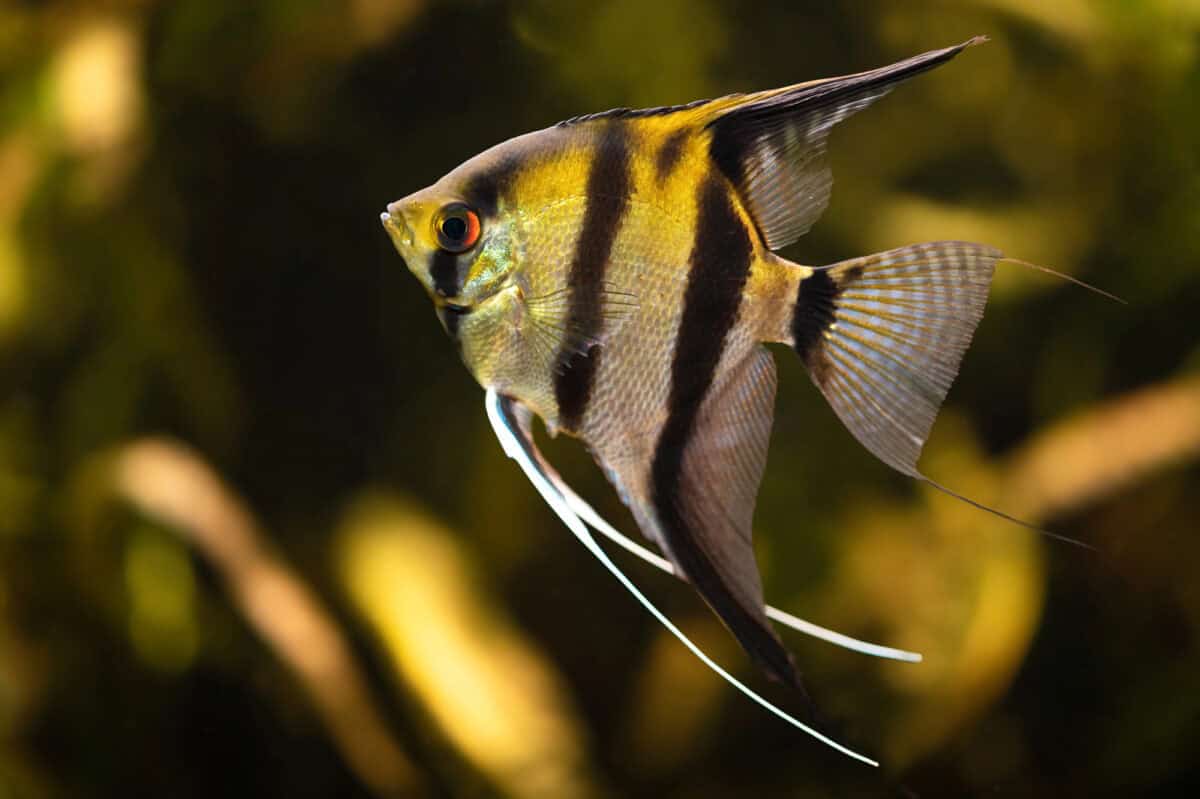
French Angelfish Underwater Devotion

Beneath the ocean’s surface, French angelfish demonstrate that monogamy isn’t limited to land-dwelling creatures. These striking black and yellow fish form pairs as juveniles and remain together for their entire lives, which can span over 15 years. French angelfish couples are rarely seen more than a few meters apart, hunting, feeding, and defending their territory as a synchronized unit. Their coordinated swimming patterns are so precise that researchers can identify established pairs by their movements alone. Unlike many fish species that gather in large spawning events, French angelfish reproduce exclusively with their partner in private daily rituals that occur at dawn. When researchers have experimentally separated bonded pairs, both fish exhibited signs of stress and diminished health, suggesting their partnerships contribute to their overall wellbeing, not just reproductive success.
Prairie Voles The Neuroscience of Loyalty

Prairie voles have become scientific celebrities for their monogamous relationships, providing valuable insights into the biological basis of bonding. These small rodents form lifelong partnerships after mating, with males demonstrating unusual devotion by helping to build nests, gather food, and care for offspring—behaviors rare among male mammals. What makes prairie voles particularly fascinating to researchers is the neurochemical basis of their bonding. Studies have revealed that prairie voles have higher concentrations of oxytocin and vasopressin receptors in their brains compared to non-monogamous vole species. These hormones, often called “love hormones” in humans, create powerful attachment responses. When a prairie vole couple bonds, these chemical pathways essentially rewire their brains to associate their partner with reward and security, creating a neurological foundation for their lifelong commitment that parallels the neurochemistry of human romantic attachment.
Albatrosses Oceanic Faithfulness
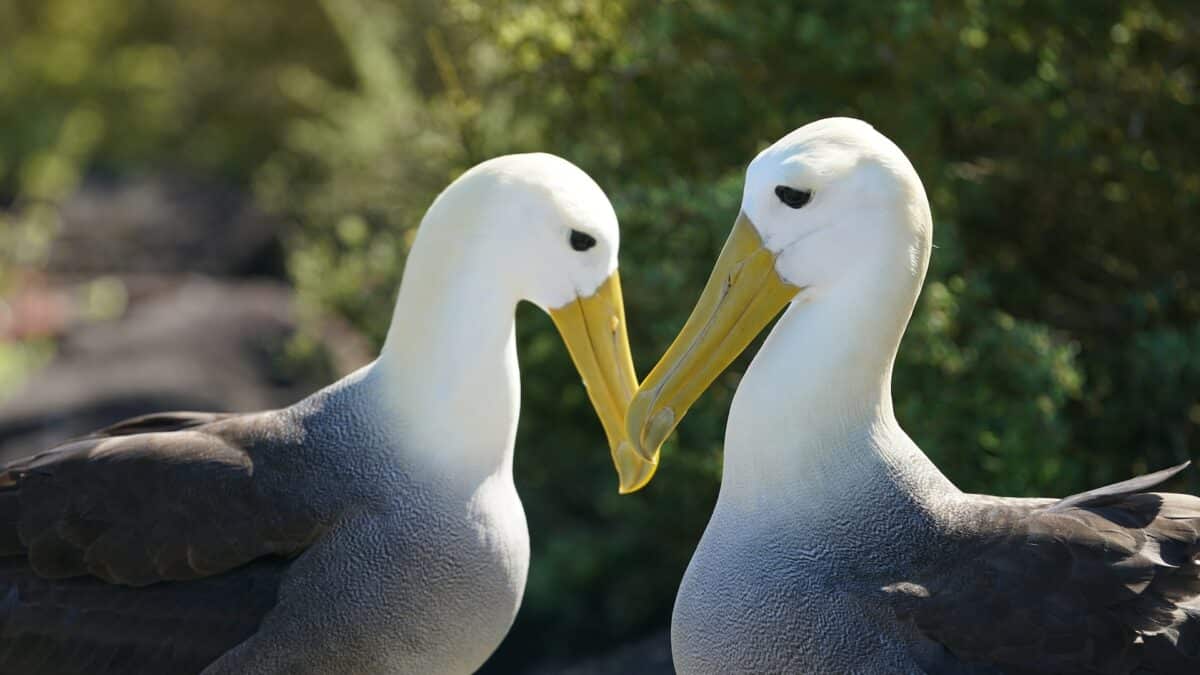
Albatrosses epitomize romantic devotion with partnerships that can span over 50 years—nearly their entire lifespan. These magnificent seabirds, particularly the Laysan albatross, invest significantly in finding the right partner through elaborate courtship dances that include bill-clapping, sky-pointing, and synchronized movements that can take years to perfect. Once paired, albatrosses separate for months at sea but return to the same nesting site annually to reunite with their partners. Their recognition abilities are extraordinary—they can identify their mate among thousands of similar-looking birds, sometimes after separations of up to six months. The survival advantage of these enduring bonds is clear: established pairs have significantly higher breeding success rates than new couples. Remarkably, some albatross populations show divorce rates of less than 8% over their lifetime—a fidelity statistic that exceeds most human societies.
Seahorses Role-Reversed Fidelity
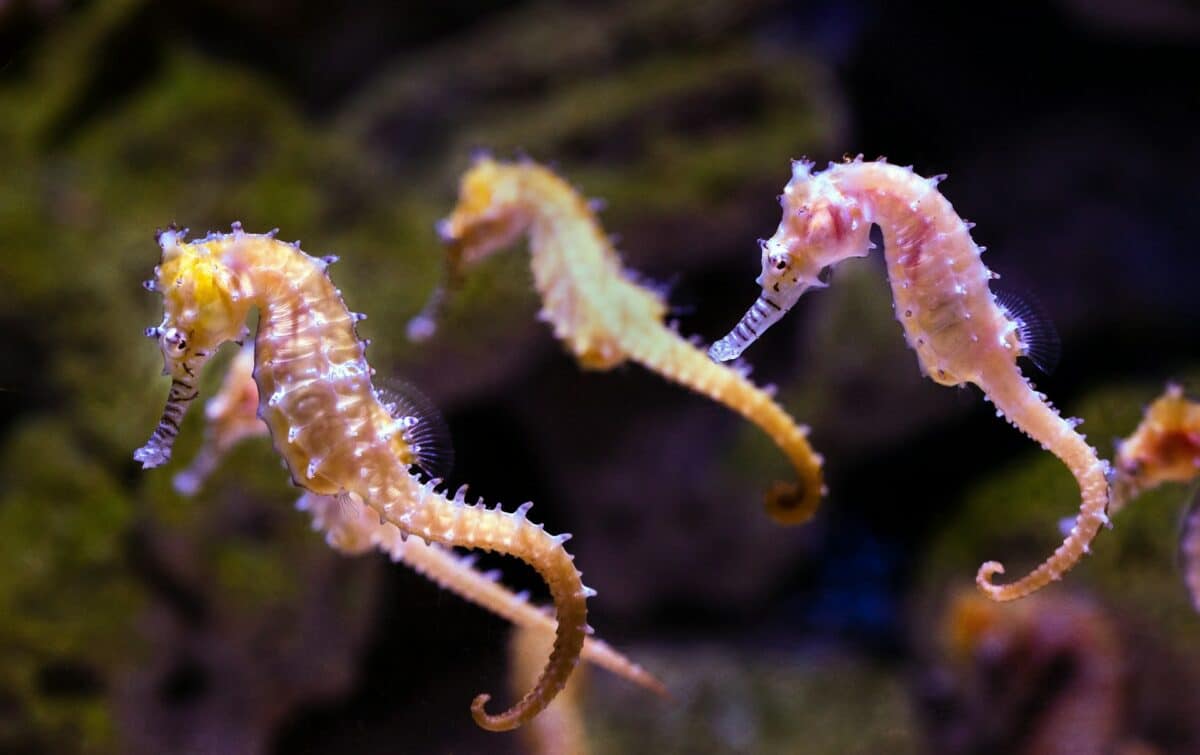
Seahorses challenge traditional gender roles while maintaining strong monogamous partnerships. These distinctive marine creatures form bonds that typically last for a single breeding season, though some species maintain relationships across multiple seasons. Each morning, seahorse pairs perform greeting rituals, engaging in synchronized swimming patterns that strengthen their connection. What makes their partnerships particularly unique is their reproductive arrangement—female seahorses deposit eggs into the male’s specialized brood pouch, making male seahorses the only male animals that truly experience pregnancy. This reproductive strategy creates mutual investment in the relationship, as both partners have significant biological stakes in their union. Research using DNA fingerprinting has confirmed that, unlike many apparently monogamous species, seahorses rarely engage in “extra-pair matings,” demonstrating genetic fidelity that matches their behavioral loyalty.
Barn Owls Nocturnal Bonds

Barn owls maintain some of the most steadfast partnerships in the avian world, forming bonds that typically last until one partner dies. These nocturnal hunters establish territories they defend together, communicating through distinctive calls that researchers can identify as pair-specific dialects. Unlike many birds that separate during non-breeding seasons, barn owl couples remain together year-round, sharing hunting grounds and roosting sites even when not actively raising young. Their division of parental duties is particularly fascinating—males primarily hunt while females incubate eggs, but once hatchlings arrive, both parents share feeding responsibilities equally. Studies tracking barn owl pairs have revealed that they often synchronize their hunting schedules and routes, demonstrating a level of coordination that enhances their success as both partners and parents.
Wolves Pack Loyalty and Pair Bonds

Within the complex social structure of wolf packs lies a core monogamous relationship between the alpha male and female—the only pair that typically breeds within the group. These alpha pairs form bonds that generally last for life, maintaining their relationship through daily reinforcement behaviors that include mutual grooming, playful interactions, and coordinated howling. Wolf pairs hunt together, defend territory together, and make migration decisions jointly, exhibiting remarkable partnership equality. The strength of their bond directly influences pack stability, as the alpha pair serves as the foundation around which the entire family unit operates. Researchers studying wild wolves have documented alpha pairs remaining together for over a decade, showing consistent coordination that improves with experience. This enduring bond represents an evolutionary strategy that maximizes offspring survival through sustained parental investment and structured family cohesion.
Termites Microscopic Lifelong Partners

Perhaps surprising on a list of romantic partnerships, certain termite species demonstrate lifelong monogamy that rivals any vertebrate example. Royal termite pairs—the king and queen of colonies—mate once and remain exclusive partners for up to 50 years, among the longest-lasting insect relationships known to science. The queen and king establish their colony together after their nuptial flight, creating a nuptial chamber where they will live in direct contact for their entire lives. Unlike many insects where males die after mating, termite kings remain alongside queens, continuously producing sperm to fertilize eggs. Their partnership is reinforced through constant chemical communication, with pheromones regulating reproduction and maintaining colony cohesion. This royal relationship represents an evolutionary pinnacle of insect sociality and demonstrates that monogamy has evolved independently across remarkably diverse branches of the animal kingdom.
Black Vultures Fidelity Through Vigilance

Black vultures combine lifelong monogamy with an unusual social enforcement mechanism—they actively punish infidelity in their communities. These highly social birds form pairs that stay together year-round for their entire lives, which can span over 25 years. They maintain their bonds through mutual preening, coordinated soaring, and shared parental duties. What makes black vulture monogamy particularly fascinating is the community enforcement aspect; researchers have documented groups of vultures attacking individuals observed attempting to mate outside their established partnership. This “social policing” represents one of the few known examples where a species collectively enforces monogamous behavior, suggesting that pair stability benefits the broader community. Black vulture pairs raise fewer offspring per year than many birds but invest heavily in each one, with both parents participating equally in feeding and protection—a strategy that relies on the stability of their lifelong partnerships.
Sandhill Cranes Choreographed Commitment

Sandhill cranes practice some of the most visible and elaborate relationship maintenance behaviors in the animal kingdom. These statuesque birds form bonds that typically last for life, with partnerships reinforced through spectacular “dancing” displays that include coordinated jumping, bow stretches, and synchronized calling. These dances aren’t just for courtship—established pairs continue performing them throughout their relationship, particularly during tense moments or after separations, suggesting they function as relationship reinforcement. Crane couples maintain year-round territories and migrate together along traditional routes that they teach their offspring, creating family traditions that span generations. Their vocalizations include unique “unison calls” where the male and female produce different sounds that interlock precisely—a vocal representation of their partnership. Research tracking banded crane pairs has documented relationships lasting over 20 years, demonstrating remarkable consistency in their lifelong bonds.
California Mice Mammalian Monogamy Models

California mice represent a rare example of truly monogamous mammals, forming pair bonds that last their entire lives and demonstrating exceptional paternal investment. Unlike most rodent species, male California mice are extensively involved in offspring care, spending nearly as much time nurturing and protecting their young as females do. Research has shown that pups raised by both parents have significantly higher survival rates than those raised by single parents. The neurobiological basis for this unusual mammalian monogamy has become a focus of scientific study, with researchers identifying elevated oxytocin receptor density in brain regions associated with pair bonding. Interestingly, exposure to environmental toxins that disrupt these hormonal systems has been shown to reduce parental care behaviors and pair bond strength, making these mice important indicators of how environmental factors might affect bonding behaviors across species, including humans.
Shingleback Lizards Reptilian Romance
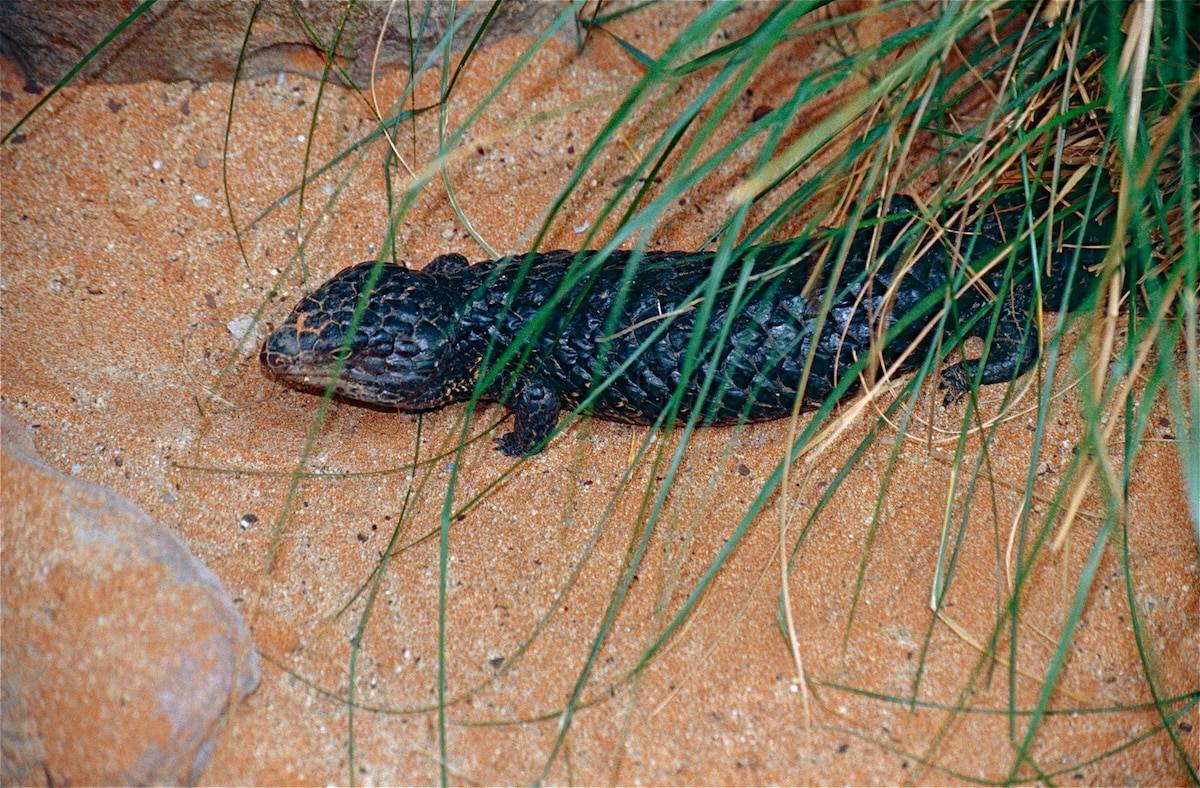
Shingleback lizards shatter stereotypes about cold-blooded creatures being incapable of long-term attachment. These Australian reptiles, also known as sleepy lizards, form partnerships that can last over 20 years—nearly their entire adult lives. Each year, male and female pairs reunite after winter separation, with tracking studies confirming that they actively search for their specific partner rather than simply returning to a particular territory. Males follow females for several weeks before mating season, engaging in protective behaviors that deter rival males. Unlike most reptiles that abandon their eggs, shingleback lizards give birth to live young, with males remaining with females throughout pregnancy and assisting in protecting newborns. Perhaps most remarkably, researchers have documented grieving-like behaviors in shinglebacks that lose their long-term partners, including remaining near the deceased mate’s body and showing reduced activity patterns—behaviors previously thought limited to mammals and birds with complex emotional processing.
Dik-diks Territorial Tiny Antelopes
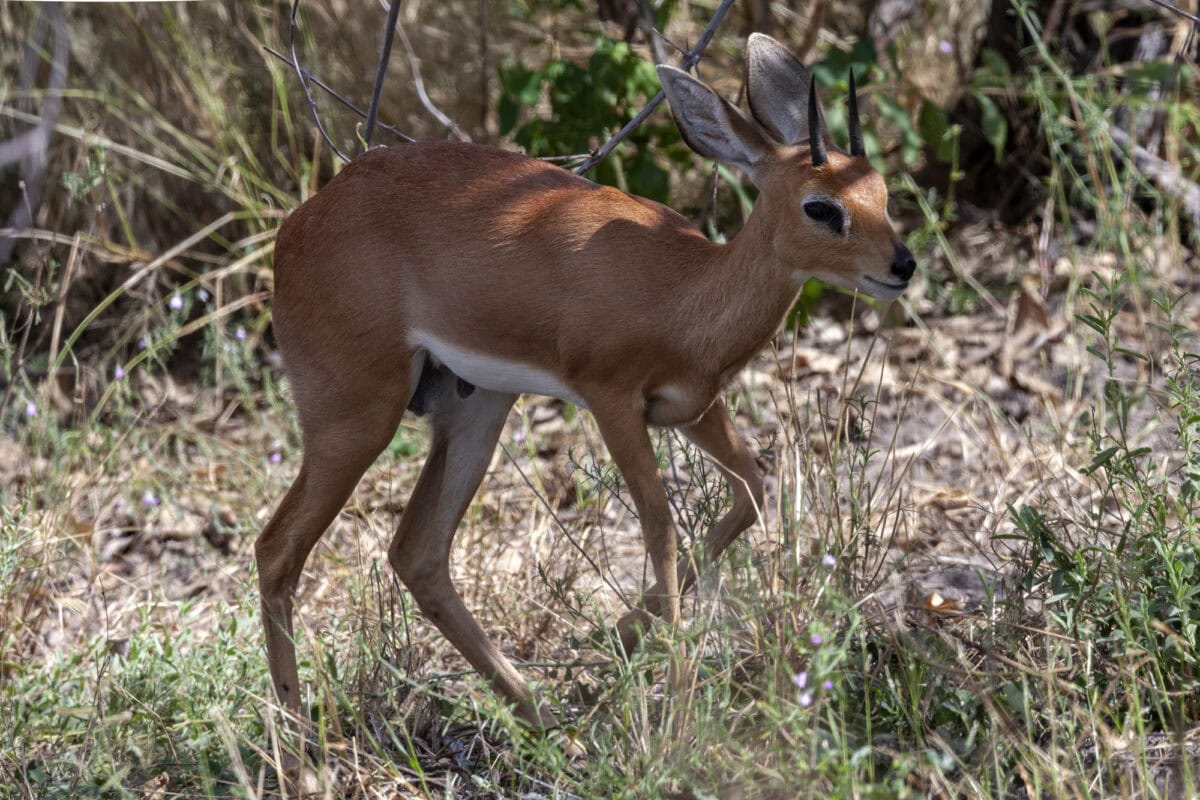
Standing barely 12 inches tall at the shoulder, Kirk’s dik-diks are diminutive antelopes that form impressively steadfast bonds. These tiny bovids establish lifetime partnerships within small territories that they scent-mark and defend together against intruders. Dik-dik pairs are rarely separated by more than a few meters, coordinating their vigilance behaviors to watch for predators from different directions simultaneously—an effective survival strategy in the East African savannas they inhabit. Their relationship maintenance includes daily mutual grooming sessions and synchronized activities that strengthen their connection. Unlike many hoofed mammals where males compete for harems of females, male dik-diks invest heavily in a single relationship, prioritizing partnership over opportunity for multiple mates. When a partner dies, the survivor typically defends their shared territory alone for several months before potentially forming a new bond, demonstrating both their attachment to their mate and to their shared home.
Atlantic Puffins Seabird Soulmates
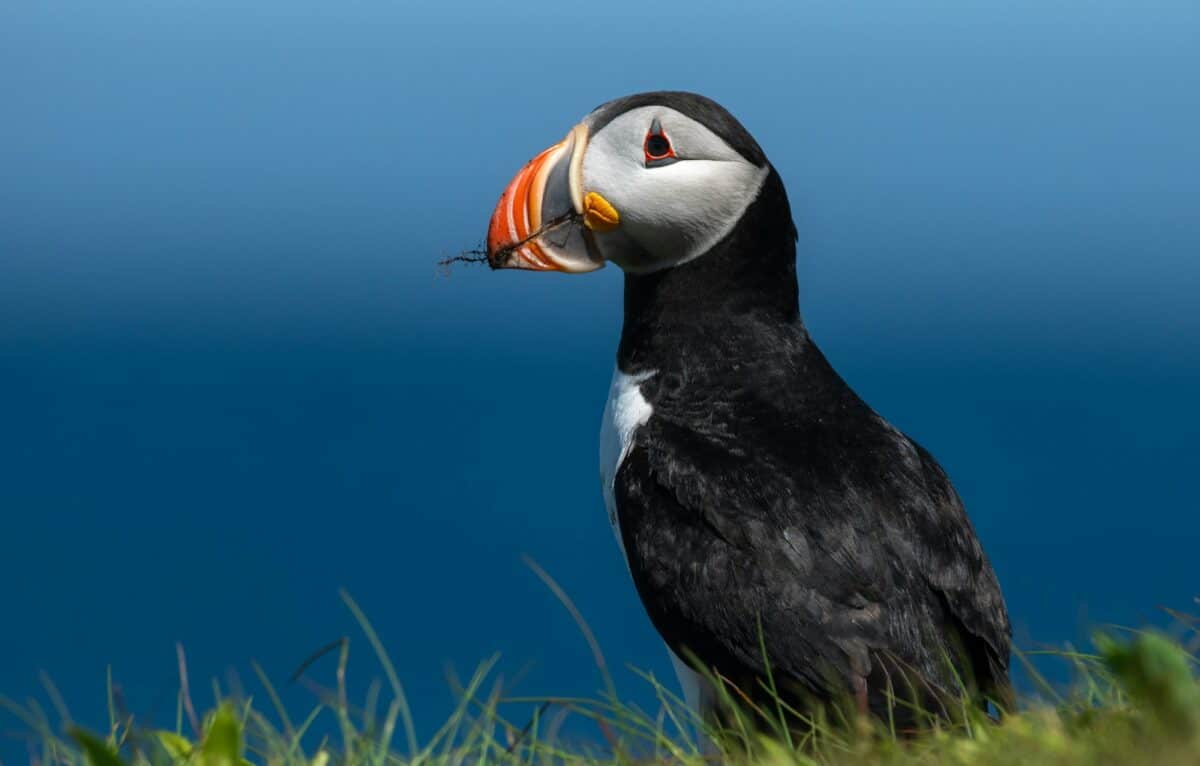
Atlantic puffins combine seasonal separation with remarkable reunion fidelity, returning to the same partner and the same burrow year after year. These charismatic seabirds spend most of the year apart, dispersed across the North Atlantic Ocean, but return to their breeding colonies each spring to reconnect with their mates. Puffin partnerships often last for decades, with the oldest documented pair maintaining their bond for over 20 years. Their reunions involve “billing”—a behavior where pairs tap their colorful beaks together in greeting, sometimes drawing crowds of other puffins who appear to observe these reunions. Established puffin pairs have significantly higher reproductive success than new couples, suggesting their long-term familiarity provides advantages in coordinating incubation duties and feeding strategies. Remarkably, even after spending 8 months apart with no contact, over 90% of puffins reconnect with their previous partner rather than seeking a new mate—a testament to their recognition abilities and relationship stability.
Convict Cichlids Underwater Co-Parents
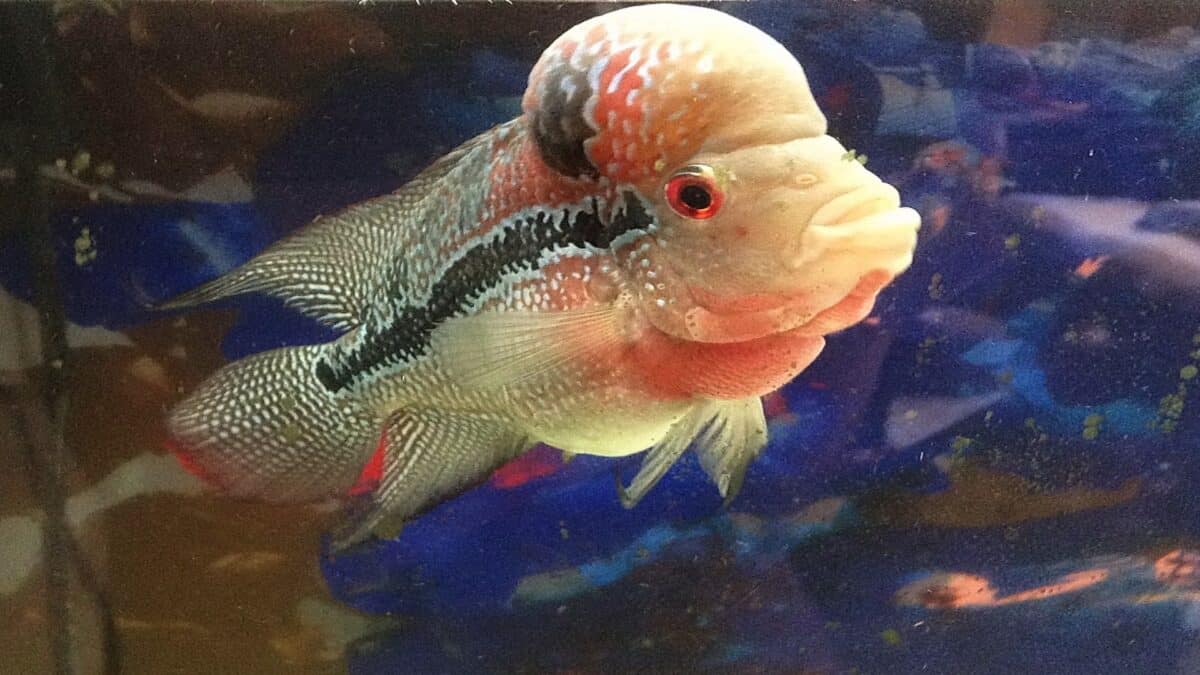
Among freshwater fish, convict cichlids demonstrate some of the most devoted parenting and partner loyalty. Native to Central American lakes and streams, these striped fish form monogamous pairs for each breeding cycle, with some partnerships lasting multiple seasons. Their relationship centers around intensive co-parenting, with both male and female actively defending their young against predators—often against much larger fish. Their coordination during parental care is remarkable: while one partner guards the immediate territory around their fry (baby fish), the other patrols the perimeter for threats. Experiments have shown that when researchers artificially remove one parent, the remaining parent significantly increases their defensive behaviors to compensate, but offspring survival rates still decline substantially—demonstrating the evolutionary advantage of their partnership. These cichlids communicate through complex body postures and movements that allow them to coordinate their parenting efforts with minimal conflict, representing a sophisticated behavioral system that maximizes their reproductive success.
Conclusion: The Science and Significance of Animal Monogamy
The diversity of lifelong bonds across the animal kingdom offers profound insights into the evolution and purpose of monogamy. Scientists have identified several primary factors that drive the development of long-term partnerships: complex parenting needs, territory defense, predator protection, and limited breeding opportunities. Interestingly, true genetic monogamy (exclusive mating) is relatively rare even among socially monogamous species, with DNA testing revealing that many seemingly faithful animals occasionally mate outside their partnerships. The hormonal foundations of these bonds—particularly oxytocin, vasopressin, and dopamine systems—show remarkable similarities across species, suggesting fundamental neurobiological mechanisms for attachment that have been conserved through evolution. Understanding animal monogamy provides valuable context for human relationships, demonstrating that our own pair-bonding tendencies.

As a little kid, I fell in love with nature, wildlife, and animals. Living in the USA, South Africa, Italy, China and Germany gave me the opportunity to discover the world's Wildlife. My favorite animals are Mountain Gorillas, Siberian Tigers, and Great White Sharks.
I'm a certified PADI Open Water Diver, went to Everest Base Camp and Trekked Gorillas in Uganda. I hold a Master of Science in Economics and Finance.
Please send any feedback to feedback@animalsaroundtheglobe.com
- US States That Don’t Have Black Widow Spiders - August 10, 2026
- 14 Birds of Prey That Can Spot a Mouse From Miles Away - August 10, 2026
- 17 Creatures You Can Only Find in the Amazon Rainforest - August 10, 2026