
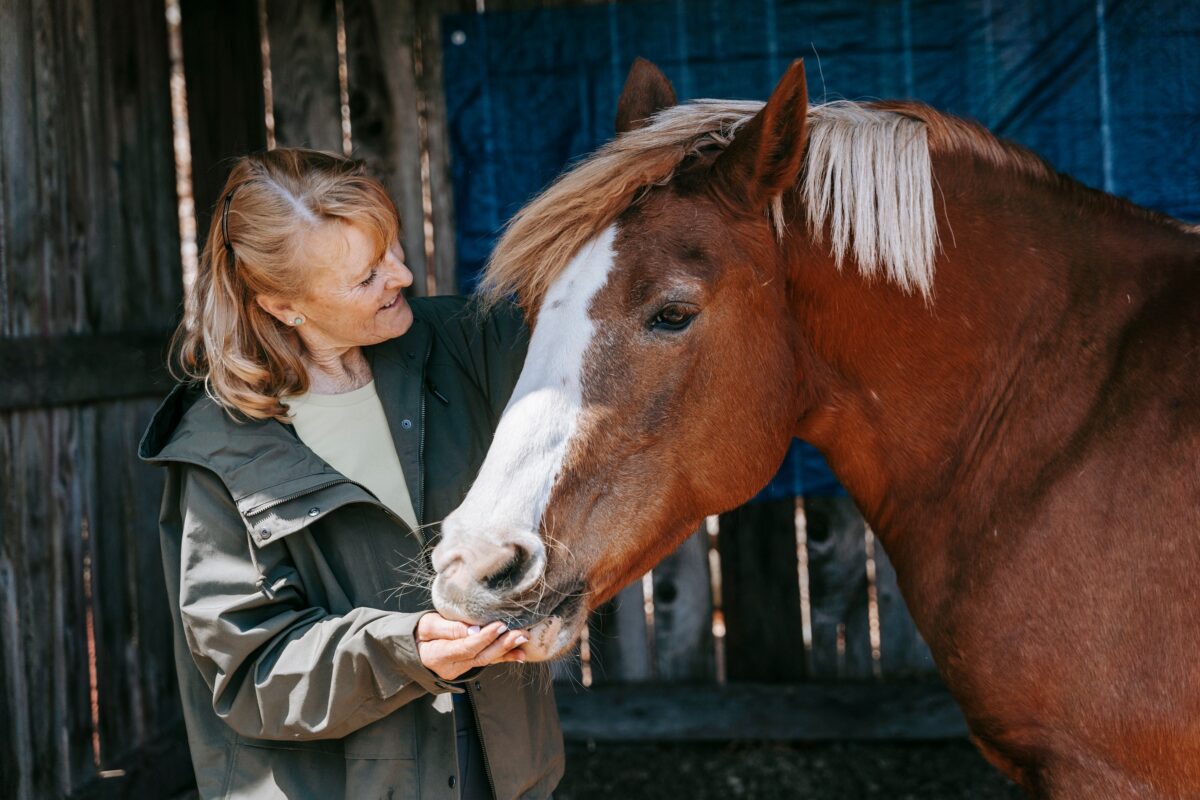
Most people assume an animal’s last weeks look like a slow fade to black – quieter, sadder, and then gone. That is not what palliative-care vets, shelter workers, and wildlife caretakers actually see. What they describe instead sounds startlingly close to a human family gathered around a hospital bed: the routines that shrink, the one person everyone suddenly clings to, the strange burst of energy right before the end.
Some of it is biology. Some of it feels like something else entirely. Once you know what to look for, the pattern shows up in golden retrievers and tortoises, parrots and pigs, even wolves in sanctuaries hundreds of miles from anyone’s living room. Here’s what actually happens in those final weeks – and why so many families say it felt uncomfortably familiar.
#17 – Senior Golden Retrievers Who Turn Into “Velcro Grandparents”

🔥 Would you like to save this?
We'll email this post to you, so you can come back to it later!
In their final weeks, a lot of old Goldens stop acting like goofy clowns and start acting like elderly grandparents who never want you out of sight. Families report that a dog who used to love everyone suddenly sticks to one or two core people like glue, following them room to room, whining if a door closes. Appetite wobbles, stairs get harder, and walks turn into slow, wandering bathroom breaks.
But emotionally, they often tune in harder – resting a head on your knee, watching your face like they’re memorizing it. You also get oddly human “good days and bad days.” One morning they won’t touch breakfast and can barely stand. That evening they waddle over with a toy, tail thumping, like nothing’s wrong. Vets call it “waxing and waning.” Families call it something else: “It felt like they were trying to give us just one more normal day.”
#16 – House Cats Who Quietly “Retire” To One Room
🔥 Would you like to save this?
We'll email this post to you, so you can come back to it later!
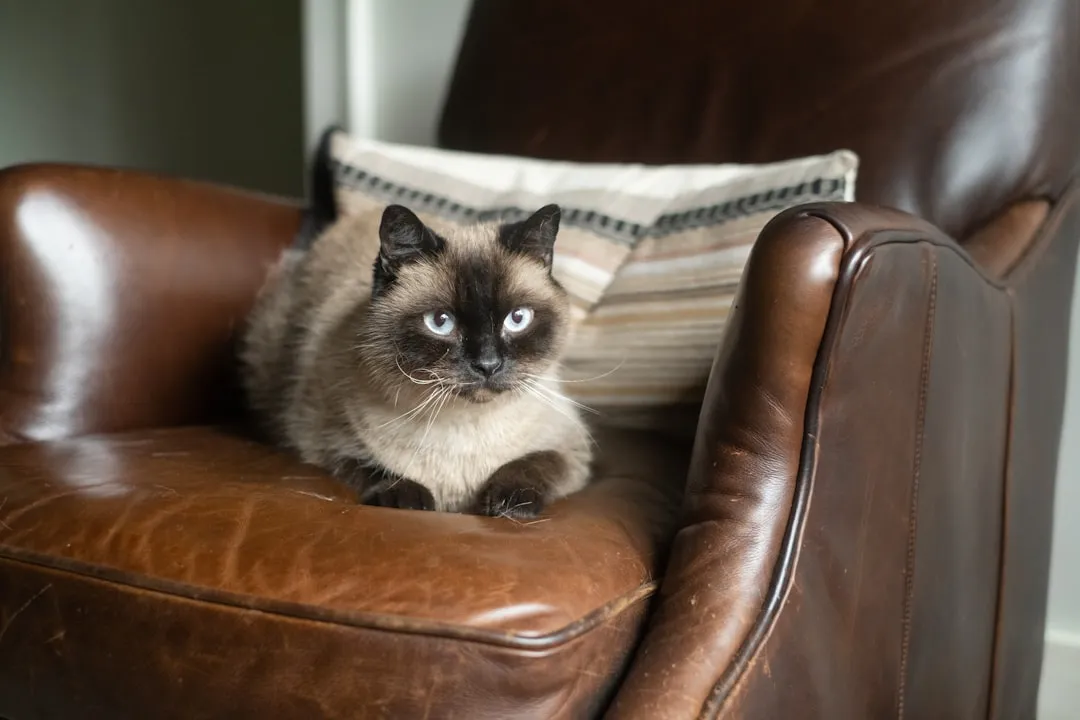
Most people think cats are too aloof for this kind of thing, which is exactly why families miss how deliberate the end-of-life choices become. In the last weeks, many senior cats pick one room, one chair, even one blanket, and basically retire there. They sleep more, groom less, and stop doing pointless laps around the house. To a lot of families it looks exactly like an elderly relative who quietly stops making the rounds and just wants the favorite armchair and a quiet TV.
At the same time, some famously standoffish cats suddenly go soft. They start asking for laps from the one person who “was never their favorite,” purring louder, kneading more, falling asleep curled under a chin – behavior the family has never once seen in fifteen years. Many owners swear it feels like a conscious goodbye tour. Nobody can prove that. Nobody who’s lived through it fully doubts it either.
Worth Knowing
- Indoor cats often live 12 to 18 years, so this late-stage stretch can quietly unfold over weeks or months.
- Reduced self-grooming often leads to a duller, slightly matted coat, one of the clearest physical hospice signs.
- A sudden spike in affection from a normally distant cat is one of the most commonly reported end-of-life behaviors.
- Vets generally recommend keeping food, water, and litter within easy reach as mobility declines.
#15 – Elderly Rabbits Who Start Acting Like Tired Little Kids

🔥 Would you like to save this?
We'll email this post to you, so you can come back to it later!
Rabbits crash hard at the end, but the ramp-down often looks surprisingly childlike. A bunny who used to sprint and binky across the room now spends long stretches flopped on one side, eyes half closed, just wanting gentle head rubs. They stop exploring new tunnels and toys and instead repeat the same short, safe path from hidey spot to food bowl to litter box.
Families also notice picky eating that mirrors human illness: nibbling favorite greens but ignoring pellets, or only eating if you hand-feed them. They lean into your chest or press against your leg – something they never did when they were busy and curious. Many rabbit guardians describe this phase as “being allowed to baby them again.” It’s quietly devastating, because you recognize the pattern from sick relatives immediately.
#14 – Senior Horses Who Turn The Barn Into A Nursing Home
🔥 Would you like to save this?
We'll email this post to you, so you can come back to it later!
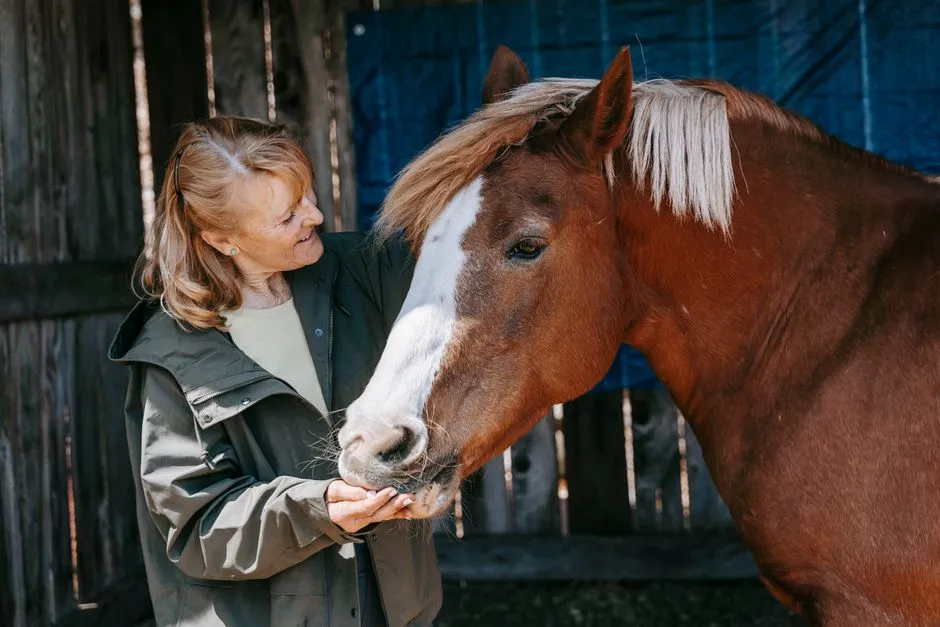
Anyone who’s spent time at a stable knows the old horse in the far paddock is basically the barn’s grandparent. In their final weeks, these horses slow to a measured, careful walk, often choosing soft ground and familiar routes like an older person avoiding stairs. They nap standing more, lean on trusted humans during hoof picks, and become weirdly tolerant of fussing – brushes, braids, hugs from kids they once found annoying.
Feeding time becomes a whole production. Teeth and digestion usually mean smaller, soaked meals, multiple times a day, often separated from the herd so younger horses don’t steal it. Riders speak in hushed tones about watching an old gelding stroll past better hay just to stand in his sun patch, simply being. Barn communities rally the same way families do around a fading grandparent – extra blankets, senior feed, slow hand-grazing.
Fast Facts
- Well-cared-for horses can live into their late 20s or even early 30s.
- Dental decline is one of the most common reasons senior horses shift to soaked, softened feed.
- Standing naps increase with age, since lying down and getting back up gets harder on aging joints.
- Herd mates will often quietly adjust their own pace to stay near a slower, older horse.
#13 – Old Parrots Who Start Telling The Same “Stories” On Repeat
🔥 Would you like to save this?
We'll email this post to you, so you can come back to it later!
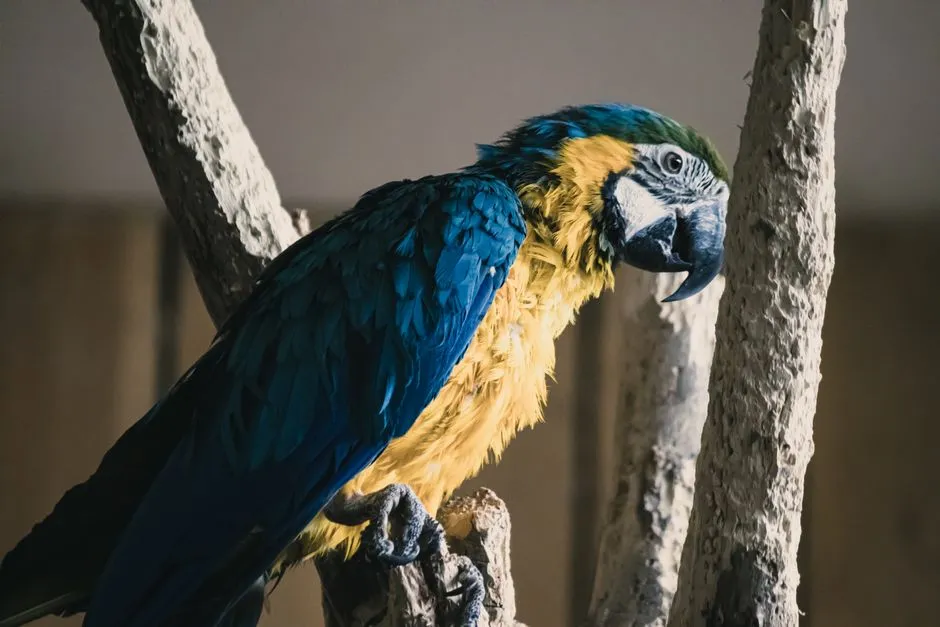
Parrots can live as long as humans, which means many go through an almost eerily human decline. In their last months or weeks, older parrots often rely more on familiar words, phrases, and sounds, repeating a smaller vocabulary, just like an elderly relative returning to core memories. The bird who once copied phone notifications now mostly says the name of their favorite person, or a single phrase tied to comfort.
Physical changes mirror this mental narrowing – more sleep, fluffed feathers, shakier balance on the perch. But what gets families is how emotionally tuned-in they stay. A parrot might insist on staying on a shoulder or chest, preening gently, calling out softly whenever that one human leaves the room. To their people, it feels exactly like the repeated stories grandparents tell near the end.
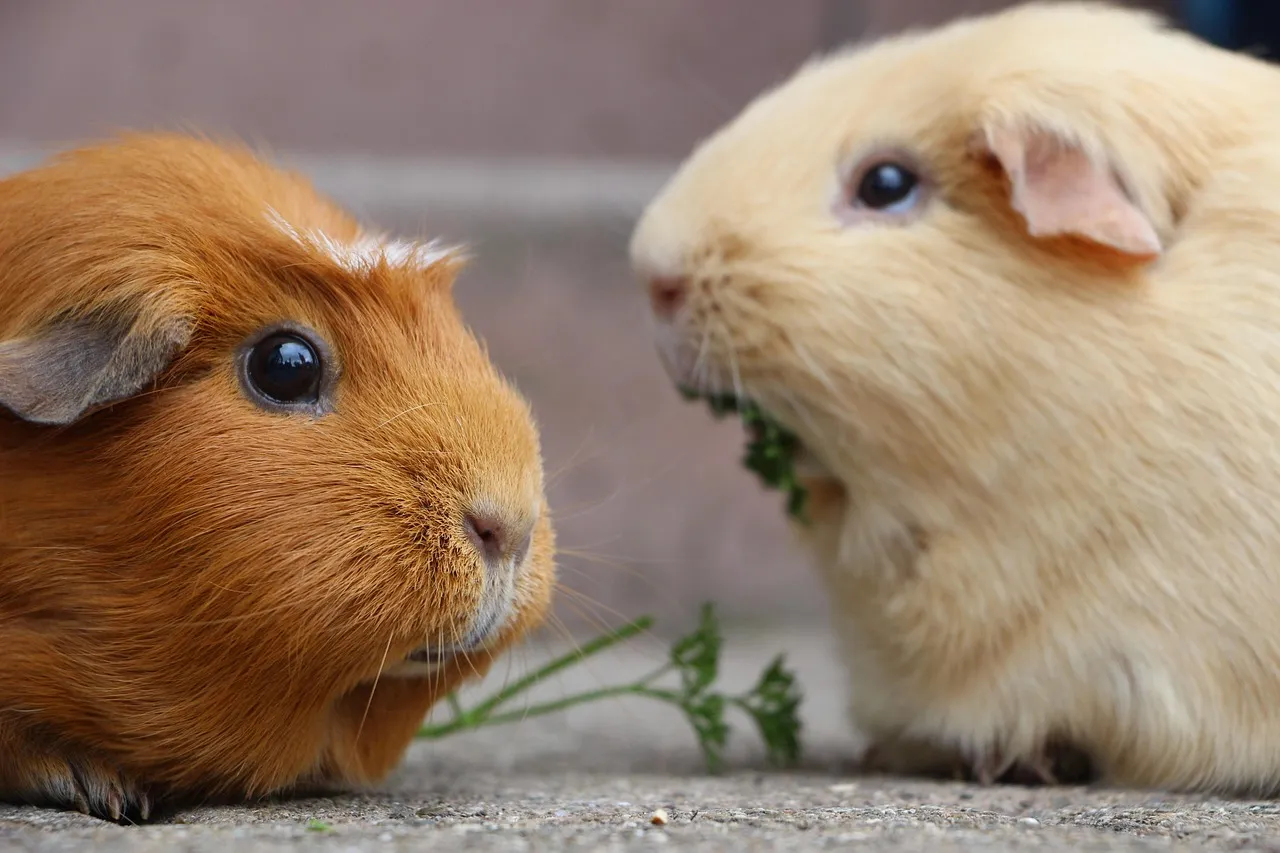
#12 – Elderly Guinea Pigs Who Slip Into Quiet, Family-Living-Room Hospice
🔥 Would you like to save this?
We'll email this post to you, so you can come back to it later!
Guinea pigs rarely get headlines, but their final weeks are heartbreakingly domestic. A once-chattery pig who zoomed around the cage now tends to stay in one corner hideout, emerging slowly for food and then shuffling back like an elderly relative doing careful hallway trips. The squeaks soften, but they’ll still perk up for fridge sounds or the rustle of lettuce – tiny flashes of the old them.
Families often bring the cage closer to where people actually live, by the couch or bed, so the pig isn’t isolated. What follows looks exactly like home hospice: syringe-feeding, warm towels, medications hidden in treats, whispered check-ins of “Are you okay, buddy?” Kids do vigil duty, watching for a chin lift for a scratch, a half-hearted popcorn jump. It’s quiet, repetitive, and oddly sacred.
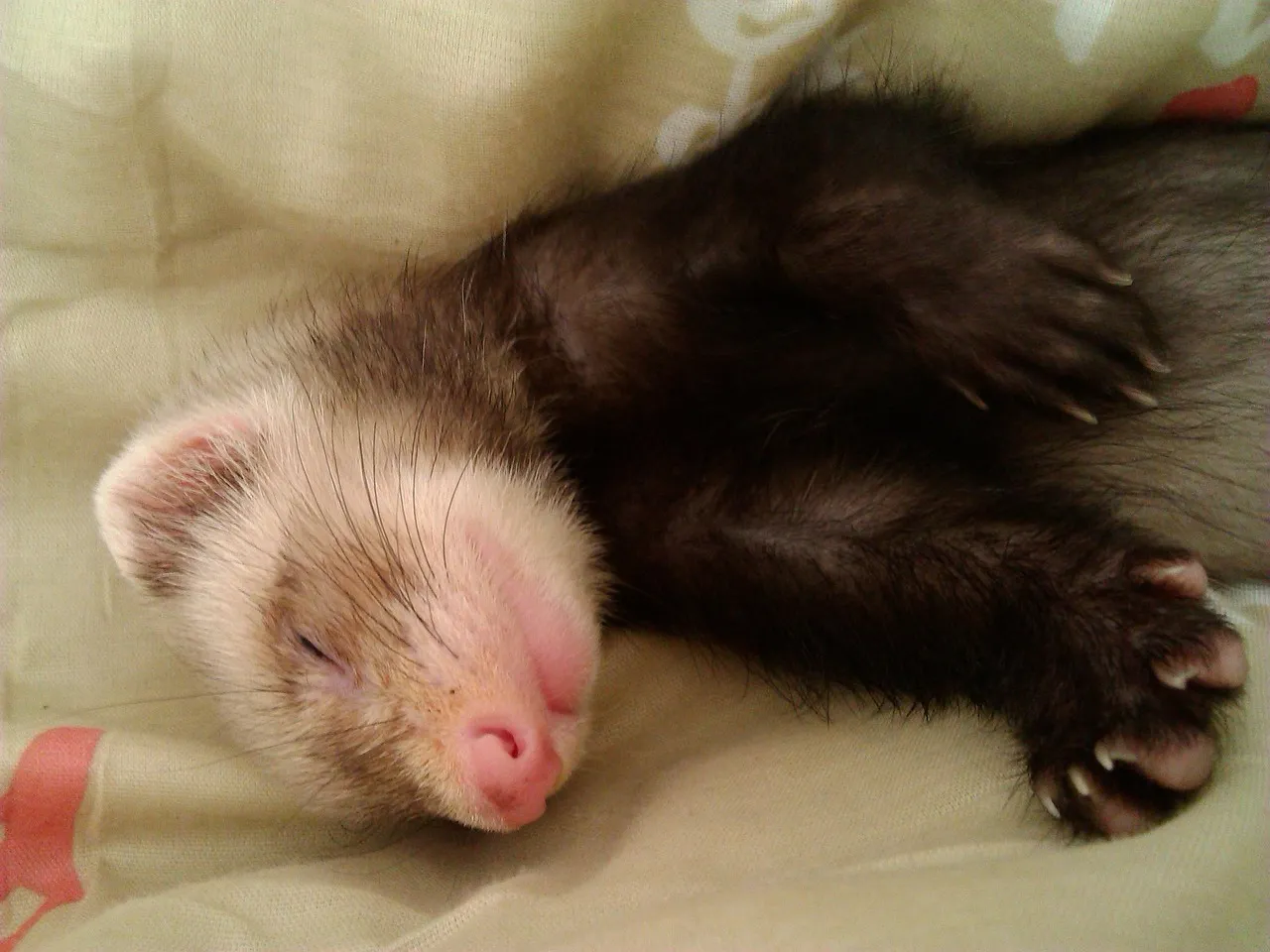
#11 – Senior Ferrets Who Stop Being Chaos Gremlins Overnight
🔥 Would you like to save this?
We'll email this post to you, so you can come back to it later!
Ferrets are pure chaos for most of their lives, so when they slow down, it hits hard. In the last stretch, a ferret who used to vanish into every cupboard suddenly starts choosing to sleep in plain sight – on blankets, in laps, right next to the people they used to steal socks from. They come out for snacks and a few wobbly war dances, then crash again, breathing deep and heavy.
Ferret owners also talk about “the last big play” in almost identical language. A very sick ferret might, on one random evening, bounce around like it’s a kit again, dooking and pouncing for a few magical minutes. Families recognize this from human relatives who have a sudden energetic day before they crash. It’s often just adrenaline and brain chemistry – but emotionally, it lands the same. You wonder if you’re overreacting, then realize later that was the goodbye gift.
#10 – Old Dolphins In Human Care Who Seek Out One Favorite Keeper

🔥 Would you like to save this?
We'll email this post to you, so you can come back to it later!
In aquariums and marine parks, caregivers routinely report an almost uncomfortable parallel to human end-of-life care. Older dolphins with chronic conditions start spending more time near the surface, in quieter corners of the pool, and, crucially, seeking proximity to one or two specific trainers. They float still beside the wall, just within arm’s reach, instead of constantly performing or socializing.
The caregiver behavior around them shifts too. Routines get almost hospital-like – more frequent health checks, gentle tactile contact, softer voices, staff taking extra-long “breaks” at the pool edge just to be near them. When an elderly dolphin stops participating in shows altogether but still swims over for a slow head rub, it looks exactly like grandma skipping family gatherings but still wanting her hand held. People will argue about captivity forever, and they should – but the day-to-day details of how these animals wind down feel painfully familiar.
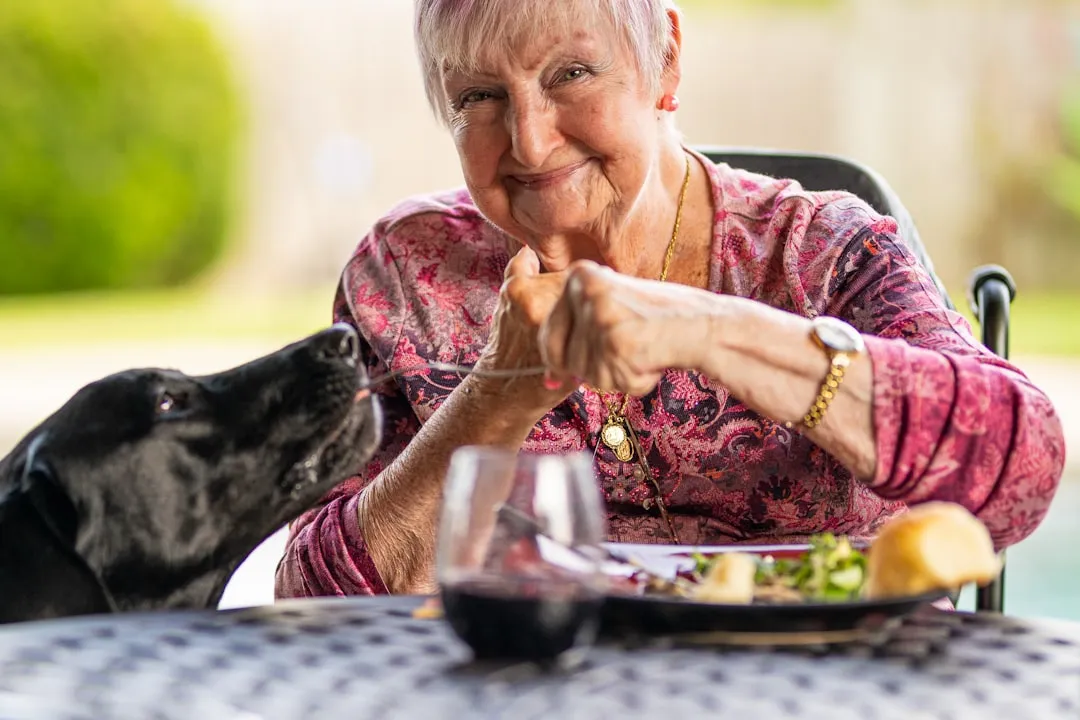
#9 – Aging Shelter Dogs Who Finally Choose “Their Person” Right At The End
🔥 Would you like to save this?
We'll email this post to you, so you can come back to it later!
In busy shelters, old dogs near the end often do something staff can’t stop talking about: they suddenly attach themselves to one volunteer or adopter with an intensity they never showed anyone else. A dog who barely came to the front of the kennel starts wagging only when that one person appears, resting a head on their lap during walks and ignoring everyone else.
These dogs often slow down fast – shorter walks, more lying on cool floors, heavier breathing. But in between, you get these laser-focused moments of connection. Some finally accept brushing, baths, or nail trims they’d always resisted, as if they’ve decided, “Okay, I trust you, do what you need.” Staff compare it directly to older humans who stop pretending for acquaintances and save their last emotional energy for one or two beloved people. It’s raw, it’s messy, and it’s a big reason so many shelter workers burn out.
Quick Compare
- Typical senior dog: greets most visitors, eats on a normal schedule, sleeps through the night.
- End-of-life shift: bonds intensely with one caregiver, appetite turns unpredictable, rest periods stretch longer.
- Typical senior dog: tolerates handling mostly out of habit.
- End-of-life shift: finally allows grooming or medical care it once resisted.
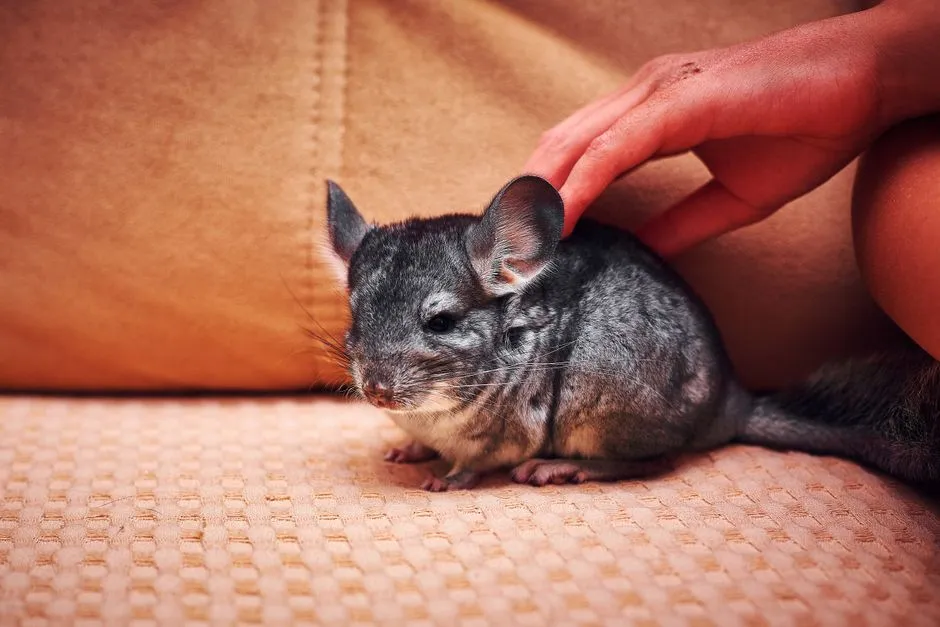
#8 – Senior Chinchillas Who Go From Parkour Athletes To Lap Ghosts
🔥 Would you like to save this?
We'll email this post to you, so you can come back to it later!
Chinchillas are built for leaping – tiny parkour athletes by nature. So when the end approaches, the contrast is brutal. That spring-loaded body suddenly chooses the lowest shelves, the easiest jumps, and then eventually just the floor and your lap. They nap pressed into warm fabric, sometimes tucking themselves under your arm like a little pillow.
Owners who never had a cuddly chinchilla suddenly find they can sit for ages with a sleepy, fragile fluff ball on their chest. The routine changes in ways any human caregiver would recognize: scheduled meds, softer foods, careful temperature control, constant weighing to track loss. People set alarms to check on them in the night, just like they would for a sick parent. There’s even the same family argument you hear around humans – are we doing too much, or do we owe it to them to try?
#7 – Elderly Goats Who Quietly Step Back From The Herd Drama
🔥 Would you like to save this?
We'll email this post to you, so you can come back to it later!
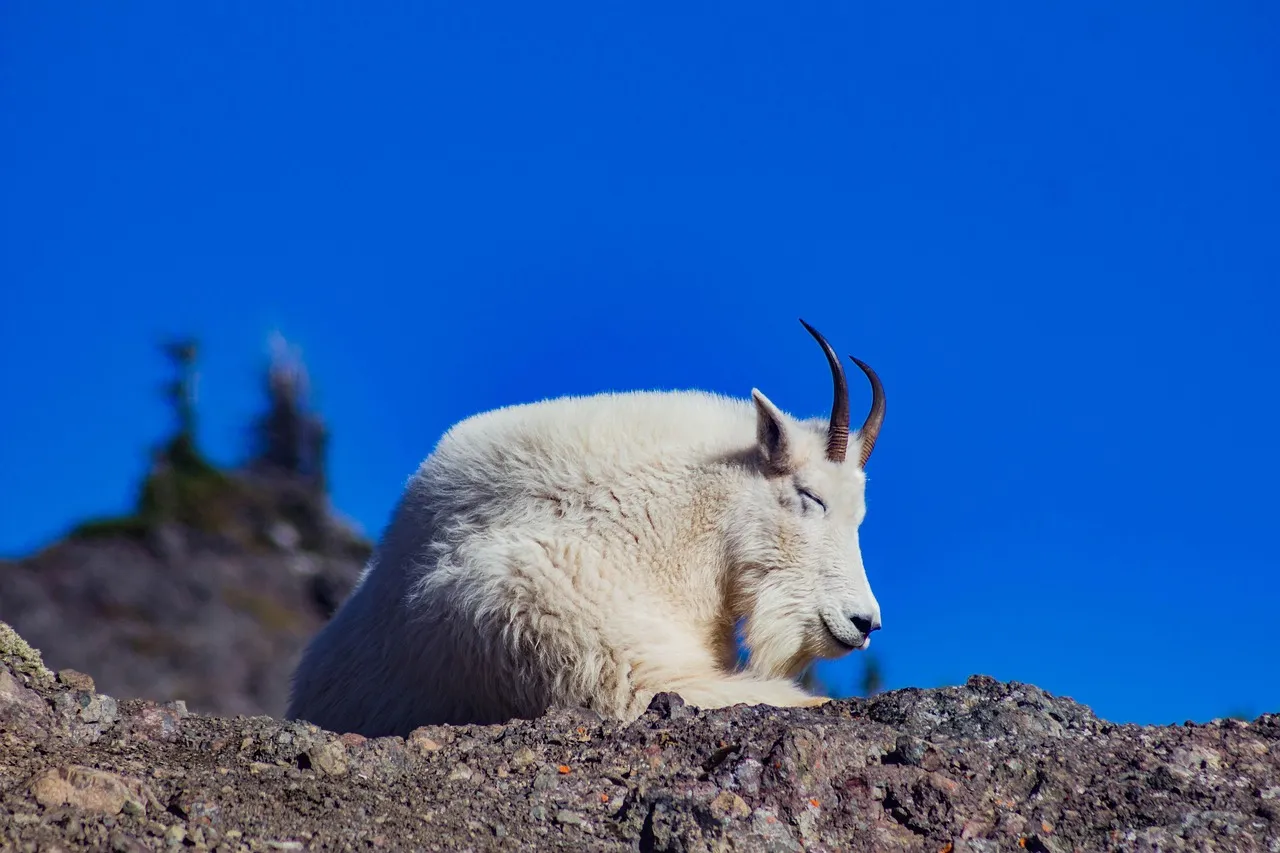
Goats are social gossip machines. When an older goat is nearing the end, a lot of keepers notice they start voluntarily stepping out of the chaos – keeping to the edges of the group, lying down more, and skipping head-butting games they used to live for. They still want to be near their herd, but they gravitate toward calmer goats or familiar humans, almost like an older relative who chooses the quiet corner of the party.
Care routines adjust the way they do in human nursing homes: softer hay, special grain, extra bedding on favorite resting spots, more frequent hoof checks because they’re standing less. Many farm owners bring these goats closer to the house, into smaller pens or even garages, so they can watch them more closely. The result is an unmistakable assisted-living vibe – different building, same emotional script of watching someone gradually fade while you tweak comfort details.
#6 – Senior Pet Rats Who Become Purely About Contact
🔥 Would you like to save this?
We'll email this post to you, so you can come back to it later!
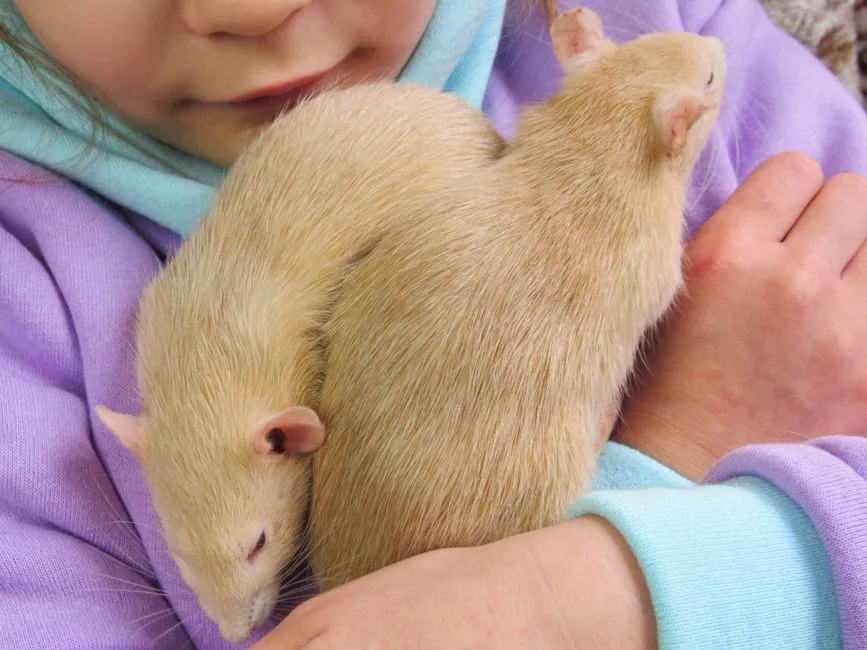
Pet rats live short lives, so their final phase is brief but intense. A once-energetic rat who climbed everything and stole every crumb now mostly wants one thing: to curl up in a familiar hand, hoodie pocket, or blanket and just sleep. They stop exploring the room, ignore new toys, and seem laser-focused on warmth and heartbeat.
Owners adapt in familiar ways. Cages get rearranged so everything is on one level, water bottles get lowered, ramps get removed. People start hand-feeding high-calorie treats – baby food, soft cheese – like you’d tempt a sick human with favorite dishes. Families talk about “holding them more than putting them down” in those last days, canceling plans just to have a rat-sized body sleeping on their chest. It’s tissue boxes on the nightstand and late-night breathing checks, exactly like human bedside vigils, just scaled down to a few hundred grams.
#5 – Old Tortoises Who Turn Sunbathing Into A Full-Time Job
🔥 Would you like to save this?
We'll email this post to you, so you can come back to it later!
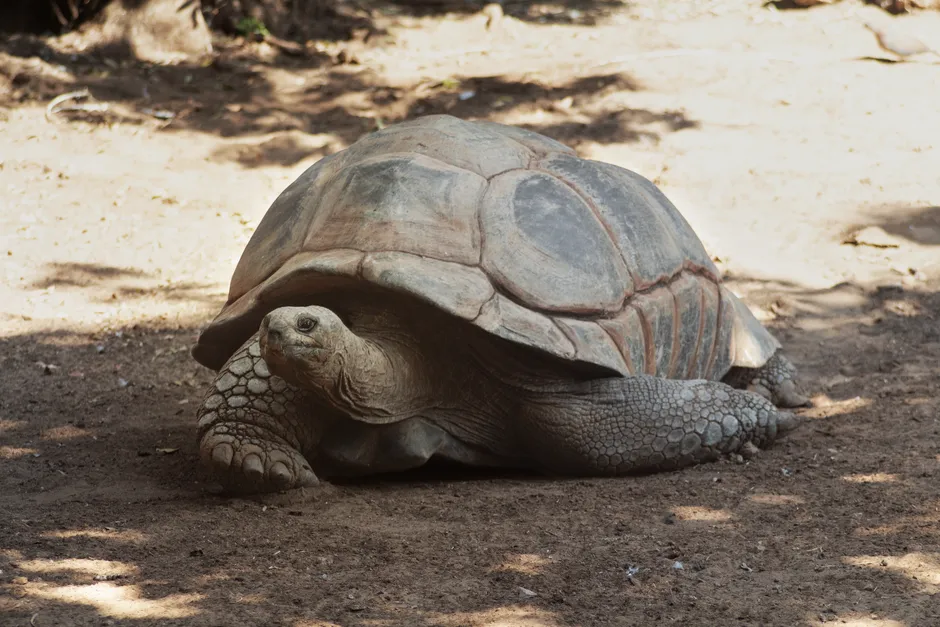
Tortoises can outlive their owners, but when age or illness finally catches up, their behavior looks eerily like a very old person choosing the same sunlit chair every day. A declining tortoise will pick a specific basking spot and spend much more time there, barely roaming the enclosure. They eat less, move slower, and pull into their shell more often, like a patient pulling up the blanket.
Keepers react the way families do with human elders – adjusting heat lamps, offering softer foods, bringing water closer, arranging vet visits that feel like specialist consults. They track small signs, how far the tortoise walks today, whether they nibble the favorite greens, as if charting hospital vitals. Some people bring the enclosure indoors so they can watch more closely, and the tortoise becomes part of the household’s emotional landscape: a quiet, unmoving figure in the corner everyone checks on.
#4 – Elderly Pot-Bellied Pigs Who Start Acting Like Stubborn Old Uncles
🔥 Would you like to save this?
We'll email this post to you, so you can come back to it later!
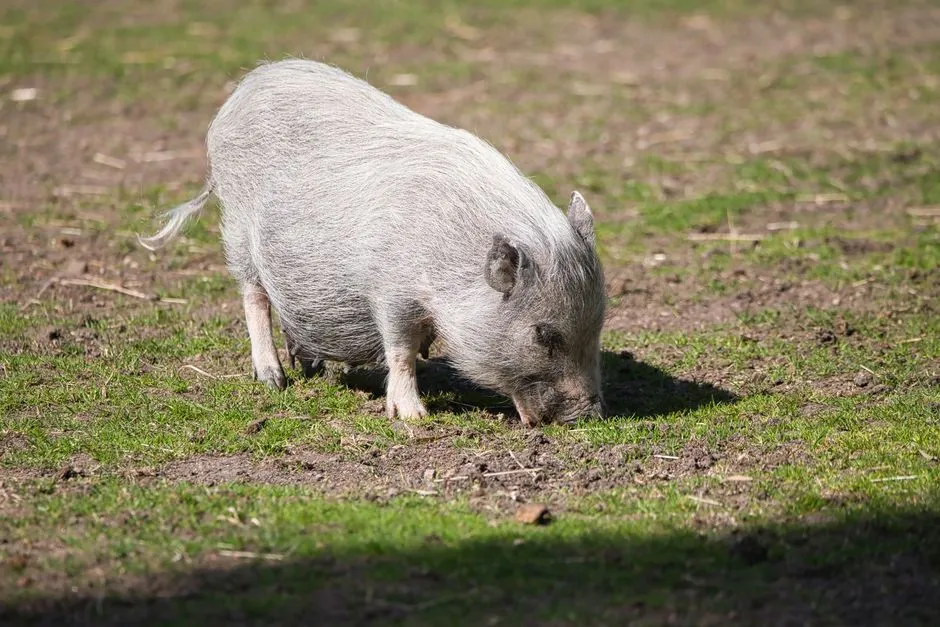
Pot-bellied pigs are opinionated from day one, but the end-of-life version feels straight out of a family holiday gathering. In the last weeks, many become more stubborn about routines – refusing certain walks, digging in at threshold steps – while also becoming weirdly affectionate with “their person.” They lean their full weight against a familiar leg, grunt softly when scratched, and choose to nap where they can hear human voices.
Care becomes a family project. People cook special soft meals, manage pain meds, and constantly revise sleeping setups – extra blankets, heat pads, beds moved closer to doors so there’s less walking. There’s usually a debate about how long to keep trying treatments, identical to human ICU arguments. And yes, some pigs absolutely insist on certain rituals to the end: one last driveway walk, one particular treat before bed, tiny hills they are totally willing to die on.
#3 – Senior Shelter Cats Who Finally Accept The Lap They Always Refused
🔥 Would you like to save this?
We'll email this post to you, so you can come back to it later!
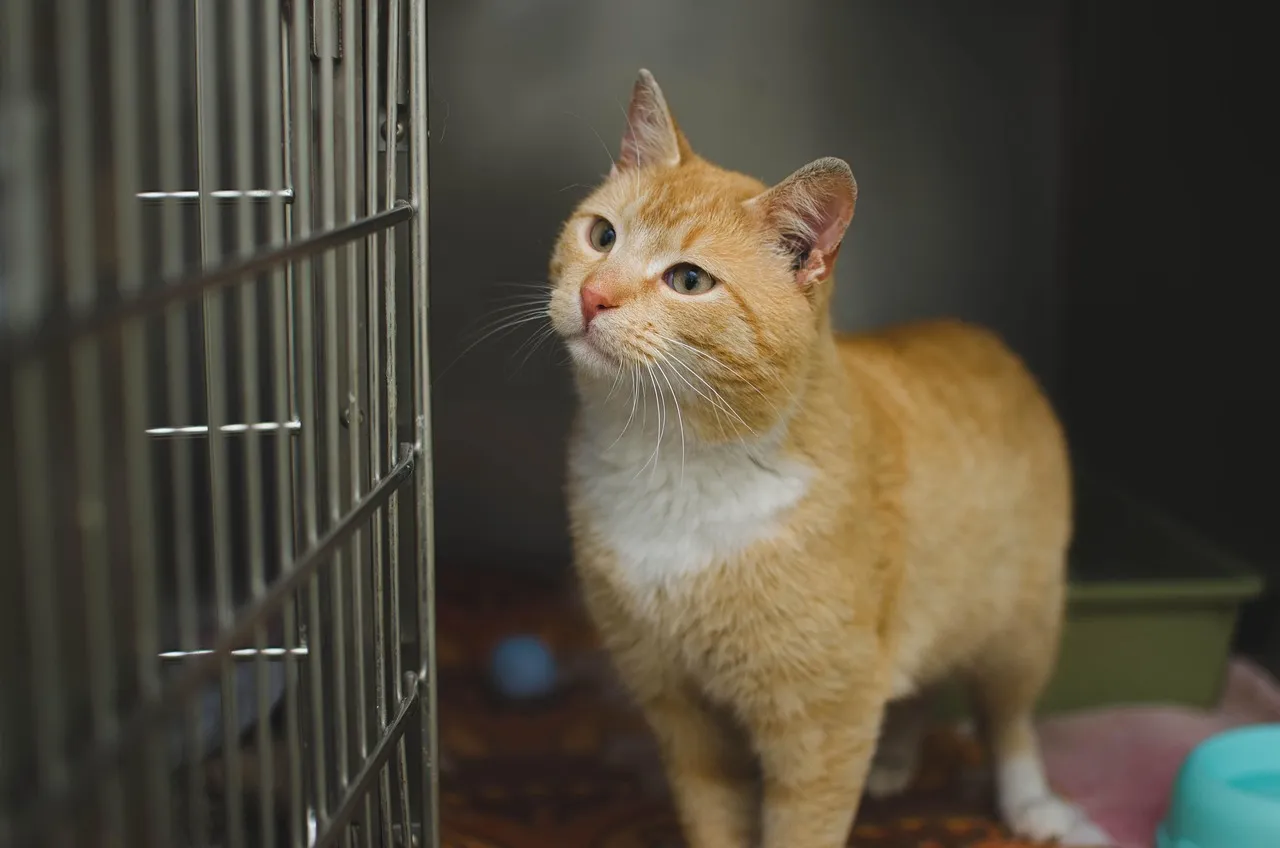
Ask longtime shelter workers and they’ll tell you: some of the most guarded cats only fully relax into human touch in their last weeks. A cat who spent months hissing in the back of a kennel will suddenly start coming forward for head rubs, then eventually crawl into a volunteer’s lap and fall asleep. It’s not a movie montage; it’s usually messy, intermittent, and wrapped up in health problems.
The shelter environment shifts around them too. They might get moved to an office or foster home, essentially hospice, where they can sleep on real furniture, watch TV, and live like a regular housecat for the first and last time. Volunteers take turns sitting with them, snapping photos, writing memory posts. It’s the animal-shelter version of moving a human out of ICU into a calmer hospice space: fewer beeping machines, more blankets and conversation, more focus on comfort than cure.
At a Glance
- Foster-based hospice care has become an increasingly common option for shelter animals with terminal diagnoses.
- A cat’s first real lap-sit often happens only once pain or fear finally starts to ease.
- Volunteers frequently describe these final placements as among the most requested, most emotional foster assignments.
- Photo and memory-keeping is now a standard part of many hospice fostering programs.
#2 – Elderly Wolves In Sanctuaries Who Choose Quiet Corners And Old Friends

🔥 Would you like to save this?
We'll email this post to you, so you can come back to it later!
In sanctuaries and reserves, older wolves nearing the end don’t suddenly become tame, but they do change in ways that look oddly familiar. A senior wolf often steps back from pack politics, avoiding rough play and tense food moments, sticking close to one or two long-time companions. Caretakers see them resting in the same shaded spots, watching more than participating, much like an elderly person on the porch watching kids play.
Staff respond with a kind of wilderness hospice care: easier-to-chew food, less expectation for performances or tours, minimized stress. Many sanctuaries move older wolves to quieter, smaller enclosures, not unlike moving a human to assisted living with fewer stairs and less chaos. Caregivers talk about “just sitting near them” more, treating them not like exhibit animals but like old friends. For an animal most people associate with raw survival, the soft exit is surprisingly tender.
#1 – Family Dogs Of Any Breed Who Start Living On “Human Time”
🔥 Would you like to save this?
We'll email this post to you, so you can come back to it later!
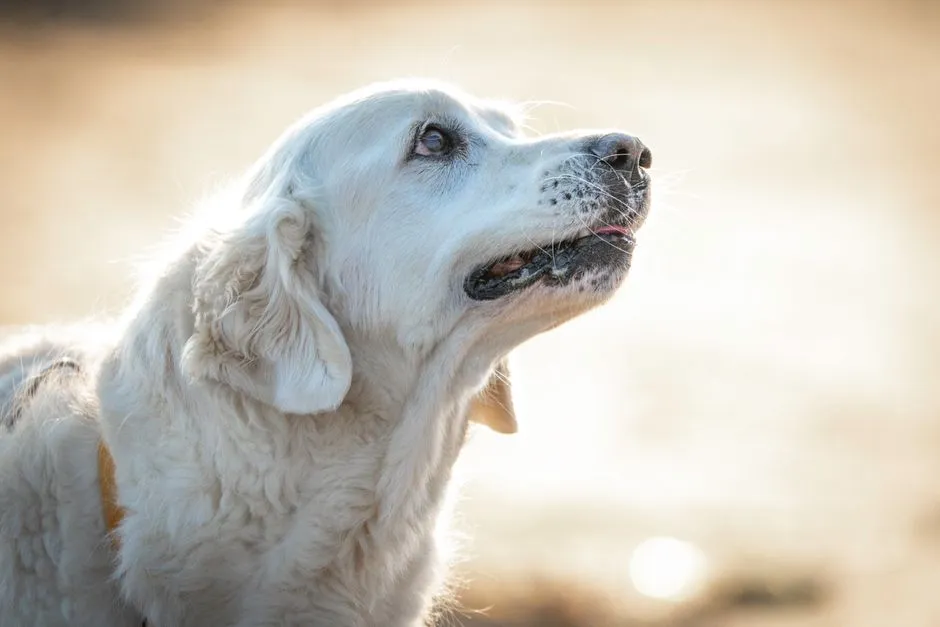
If there’s one animal whose final weeks most clearly mirror human family decline, it’s the classic household dog, of almost any breed. By the end, many dogs have a daily rhythm that looks more like a fragile grandparent’s than a pet’s: medications on a strict schedule, bathroom trips carefully timed, meals adjusted and coaxed, naps mapped to when “their people” are home. The whole house quietly reorganizes around that routine.
You see all the human patterns: the good-day, bad-day swings; the sudden burst where they grab an old toy; the way they start choosing certain people and places as if making emotional triage. Kids get “the talk” just like they do about human relatives. Adults have the same whispered kitchen debates – are we prolonging things, or preserving comfort? The practical reality of pee pads, pill pockets, and vet bills is brutal. But the emotional script is exactly what families recognize from hospital rooms and hospice beds: watching someone you love slowly step away, trying to make every small comfort count.
The Bottom Line
🔥 Would you like to save this?
We'll email this post to you, so you can come back to it later!
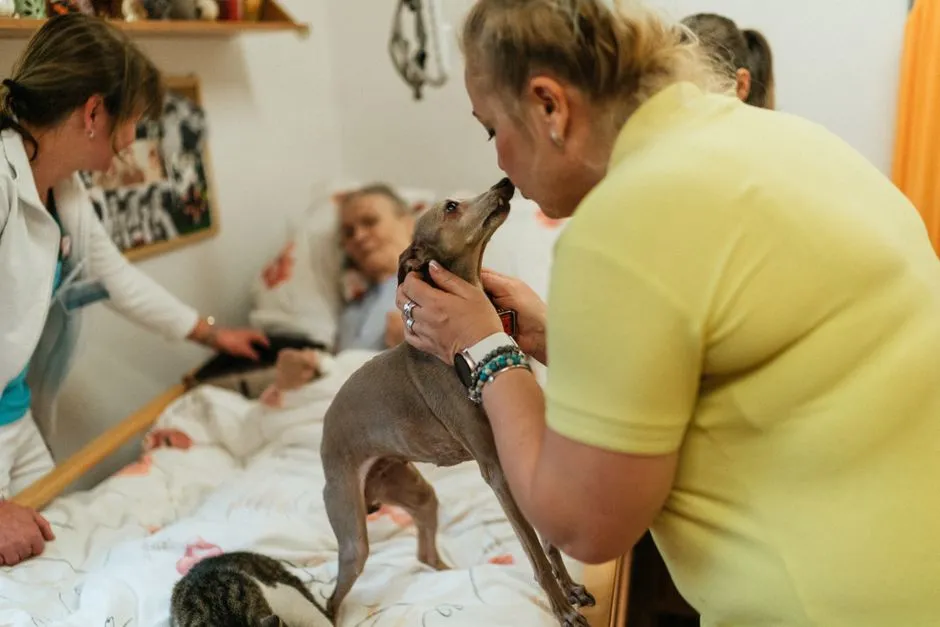
For anyone paying attention, the final weeks of these animals aren’t some mysterious fade to black. They’re a messy, familiar, deeply human-feeling process. What keeps showing up, across seventeen wildly different species, is the same pattern we see in our own families: routines shrinking, circles tightening, comfort trumping everything else.
Whether it’s a golden retriever glued to one person, a parrot repeating a favorite phrase, or a shelter cat finally accepting a lap, the emotional beats land the same way. We can argue all day about how much animals “understand,” but their end-of-life behavior forces an uncomfortable truth: we recognize ourselves in it because the caregiving script is nearly identical.
Until one has loved an animal, a part of one’s soul remains unawakened.
Anatole France
That should probably change how casually we talk about “putting pets down” or “just getting another one.” These aren’t tidy storylines with clean endings. They’re real final chapters, and they deserve to be treated like one. Did we miss an animal whose last weeks felt uncannily human to you? Tell your story in the comments.

- 7 Everyday Habits That Can Make Your Senior Dog Happier - November 5, 2026
- 10 Enigmatic Structures That Continue to Puzzle Scientists Today - November 5, 2026
- 10 Strange Ruins in the Americas That Challenge What We Know About Early History - November 5, 2026