
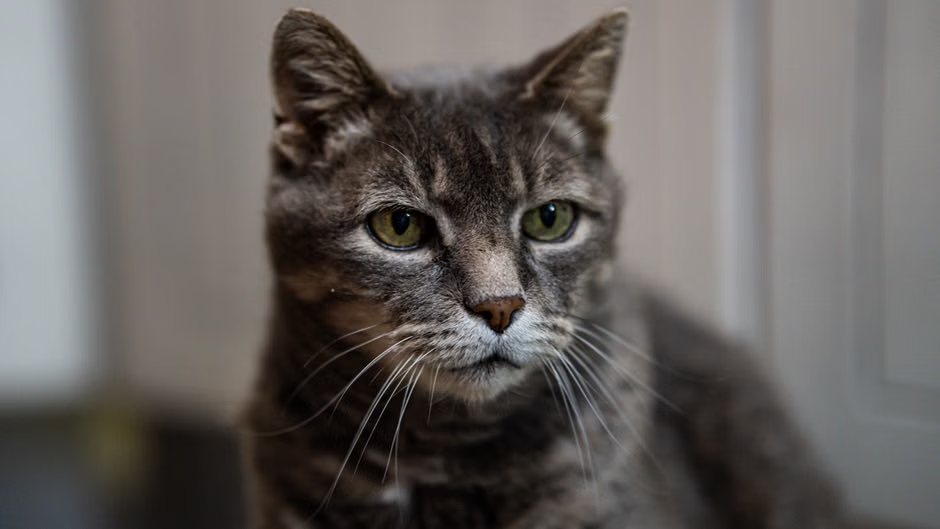
Most people picture a dying cat as a blur of vet visits, confusion, and quiet suffering. That’s the assumption almost everyone carries into this topic. But hospice vets and longtime foster caregivers describe something strikingly different happening behind closed doors.
When a cat’s time is running short, it doesn’t just fade. It starts choosing – who to sit with, where to sleep, what to eat, how much of itself to still show you. The patterns repeat so often across totally unrelated households that palliative-care vets can practically predict them. Here are the 17 choices they see again and again, and what each one is quietly trying to tell you.
#17 – Choosing One Room As Their Whole World
🔥 Would you like to save this?
We'll email this post to you, so you can come back to it later!
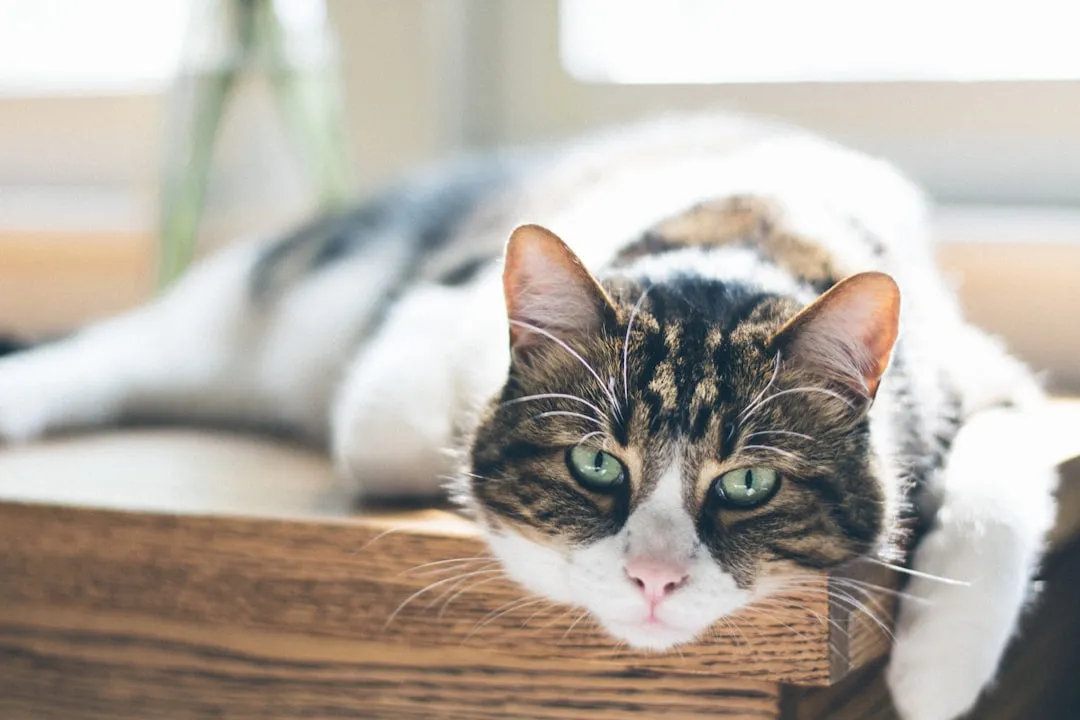
In the last good days, many cats stop patrolling the house and quietly shrink their territory down to almost nothing. Instead of roaming from room to room, they pick one bed, one corner, one warm patch of floor and treat it like the entire known universe.
To us, that can look like laziness or depression. Behaviorists see it differently: it’s a deliberate energy trade-off. The cat conserves strength, lowers stress, and stays close to smells that feel safe. You’ll notice they stop following you room to room and instead just wait in “their spot” for you to come back. For a failing body, territory stops being about curiosity and starts being about comfort.
Fast Facts
- Cats in decline often pick a single “base camp” instead of roaming the whole house.
- Preferred spots are usually warm, quiet, and close to a trusted person’s scent.
- Reduced roaming is linked to lower energy reserves, not sadness alone.
- Watching from one spot often replaces following you room to room.
#16 – Letting Go Of Grooming, But Finally Accepting Help
🔥 Would you like to save this?
We'll email this post to you, so you can come back to it later!
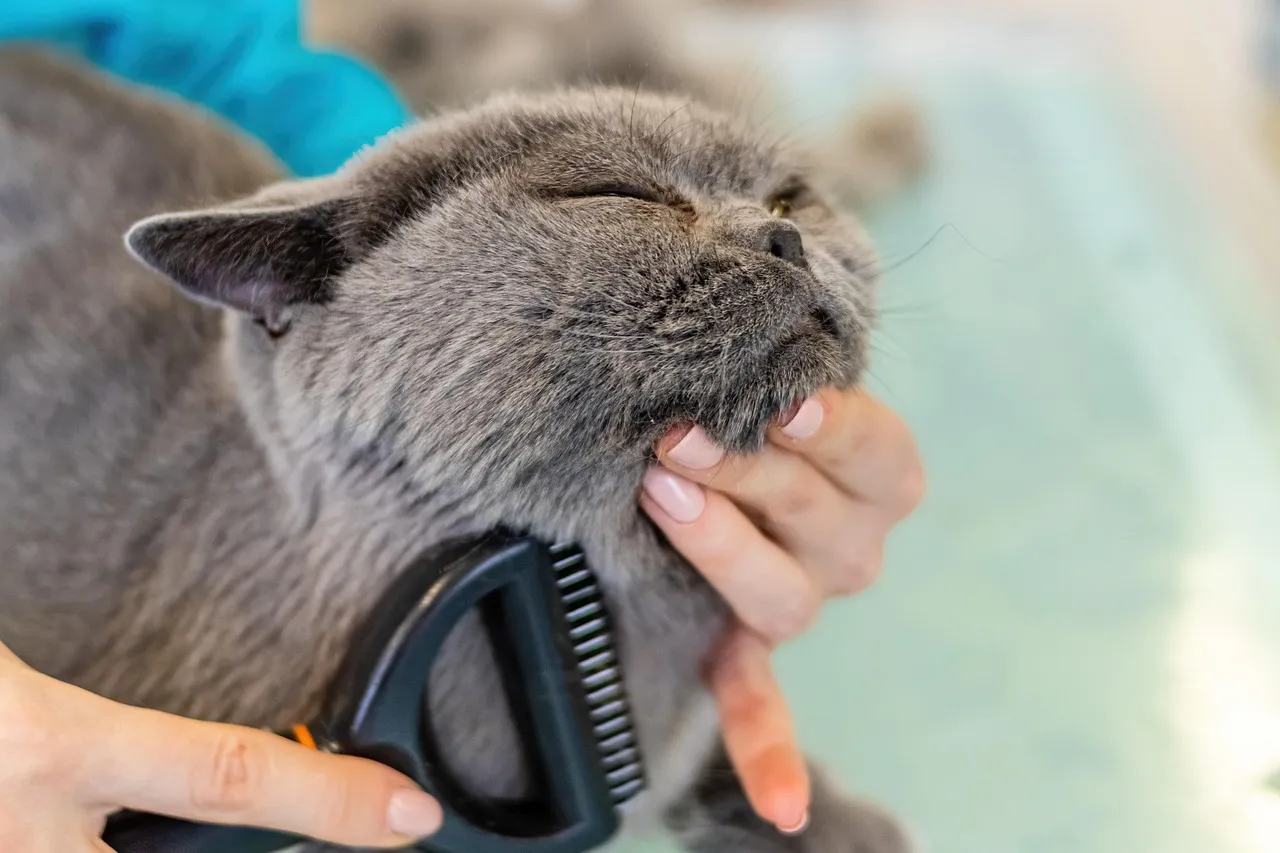
Most owners panic the moment a cat stops grooming, assuming it’s neglect or despair. In reality, for a sick or elderly cat, grooming is expensive. Licking, twisting, and stretching genuinely hurt when joints are inflamed or organs are struggling. So the cat makes a quiet trade: skip the full clean, save the strength for eating or just breathing comfortably.
Here’s the part almost nobody expects. Some of the fussiest, most independent cats will suddenly accept brushing or a warm damp cloth on their face from a human who was never allowed to help before. It’s an unspoken deal – “I can’t do this myself anymore. If you’re gentle, I’ll let you.” That shift from stubborn independence to quiet cooperation is one of the most intimate things a dying cat can offer.
#15 – Chasing Warmth Above Everything Else
🔥 Would you like to save this?
We'll email this post to you, so you can come back to it later!
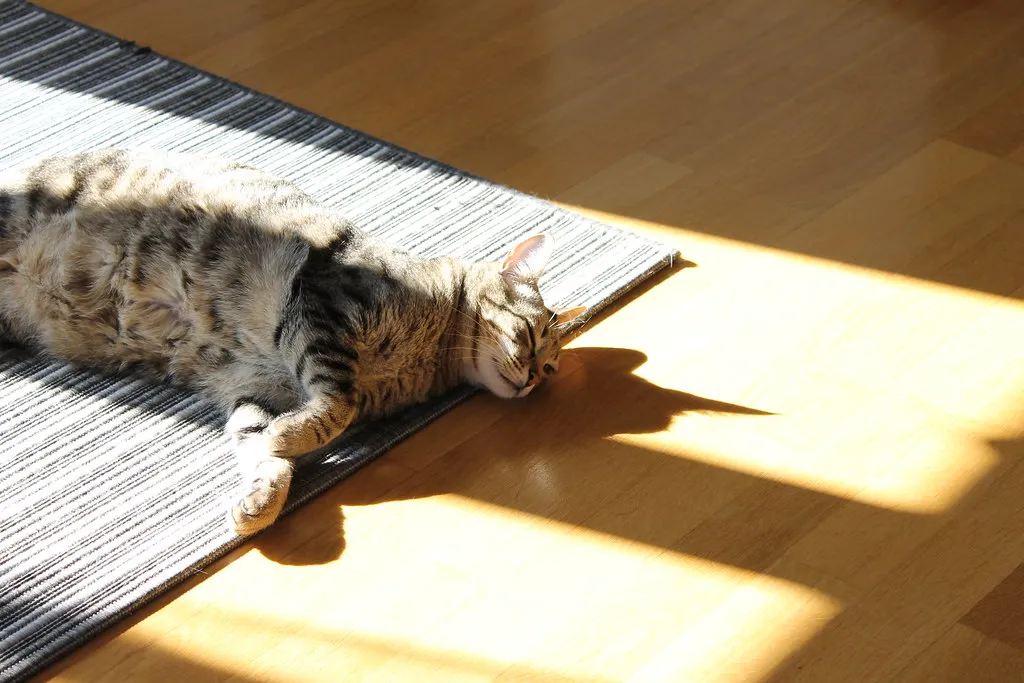
Toward the end, many cats become almost obsessed with heat. They seek out sun patches, heated beds, warm laptops, human laps, even laundry fresh out of the dryer. This isn’t indulgence – a sick or very old body often can’t regulate its own temperature anymore, so warmth becomes a survival-level choice that also happens to ease joint pain.
You might watch a cat abandon their favorite high perch for a heating pad on the floor because jumping simply hurts too much now. Or they’ll wedge themselves against your legs at night like a living hot-water bottle, and if you shift positions, they follow the heat, not the room. Palliative-care vets have stopped worrying about “spoiling” these cats. They just tell owners: give them the warmest spot in the house and don’t feel guilty about it.
#14 – Picking One Person As Their Anchor
🔥 Would you like to save this?
We'll email this post to you, so you can come back to it later!
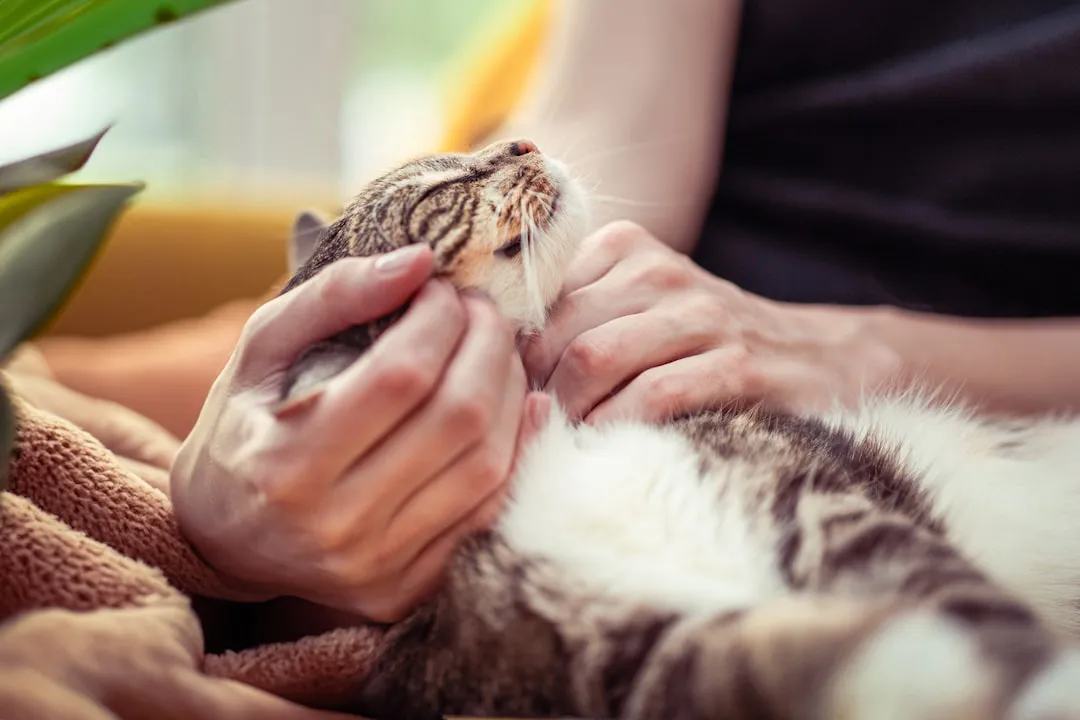
In multi-person households, a dying cat often makes a strikingly firm social decision: it picks one human as its anchor. It isn’t always who you’d guess. Sometimes it’s the feeder. Sometimes it’s the calmest voice in the house. Occasionally, oddly, it’s the person who was always a little more emotionally distant – because that person doesn’t hover or panic.
You’ll see it in small, repeated patterns: the same lap, the same office chair, the same arm to hide against at the vet. Behaviorally, the cat is minimizing complexity in favor of one reliable bond it can count on. Some families take this personally, insisting “our cat loved everyone equally until the end.” Maybe. But most hospice vets will tell you the anchor choice is real, and it matters more than people want to admit.
#13 – Trading Strict Food Rules For Guilty Pleasures
🔥 Would you like to save this?
We'll email this post to you, so you can come back to it later!
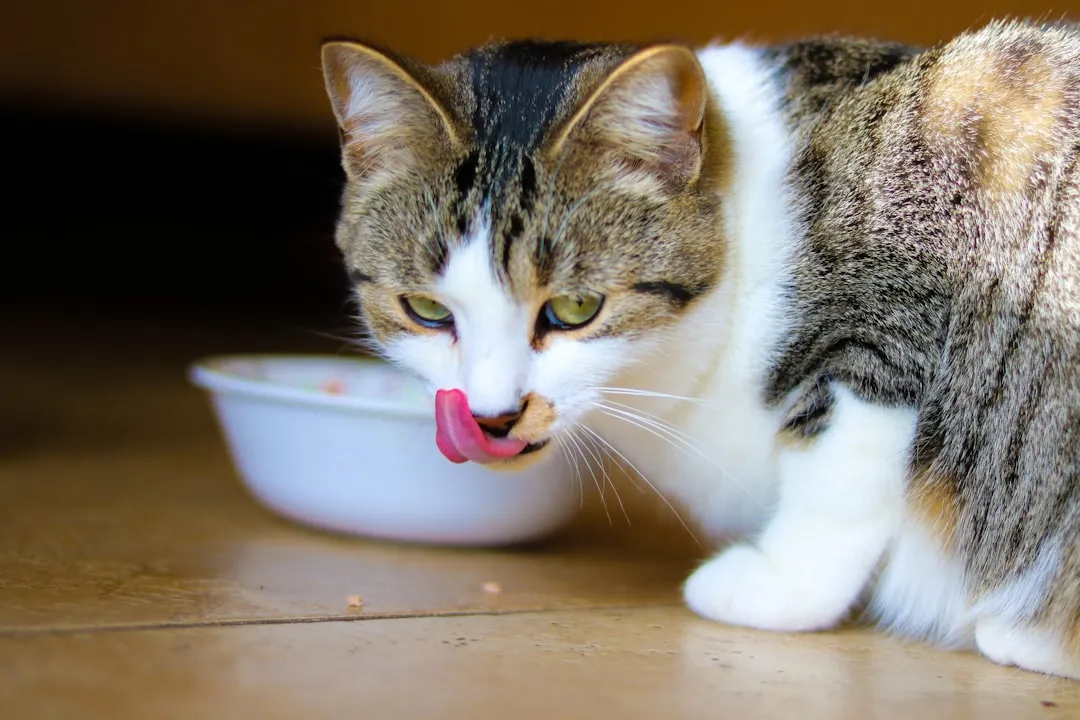
For years the rules were firm: no table scraps, no rich food, prescription diet only. In the last good days, those rules often quietly dissolve. A cat that once ate carefully measured portions may suddenly get rotisserie chicken, tuna water, baby food, even a lick of ice cream, if the vet gives the nod.
Here’s the blunt truth hospice specialists keep repeating: at this stage, any safe calories beat “perfect” nutrition the cat won’t touch. Appetite fades fast in palliative care, so cats start gravitating toward warm, soft, strong-smelling foods that take less effort to chew. Some people online insist on keeping the diet “clean” until the very end. Most feline hospice vets disagree – if a cat’s eyes still light up at the smell of roasted chicken, that bite might be one of the last real pleasures it has left.
#12 – Following You Less, Watching You More
🔥 Would you like to save this?
We'll email this post to you, so you can come back to it later!
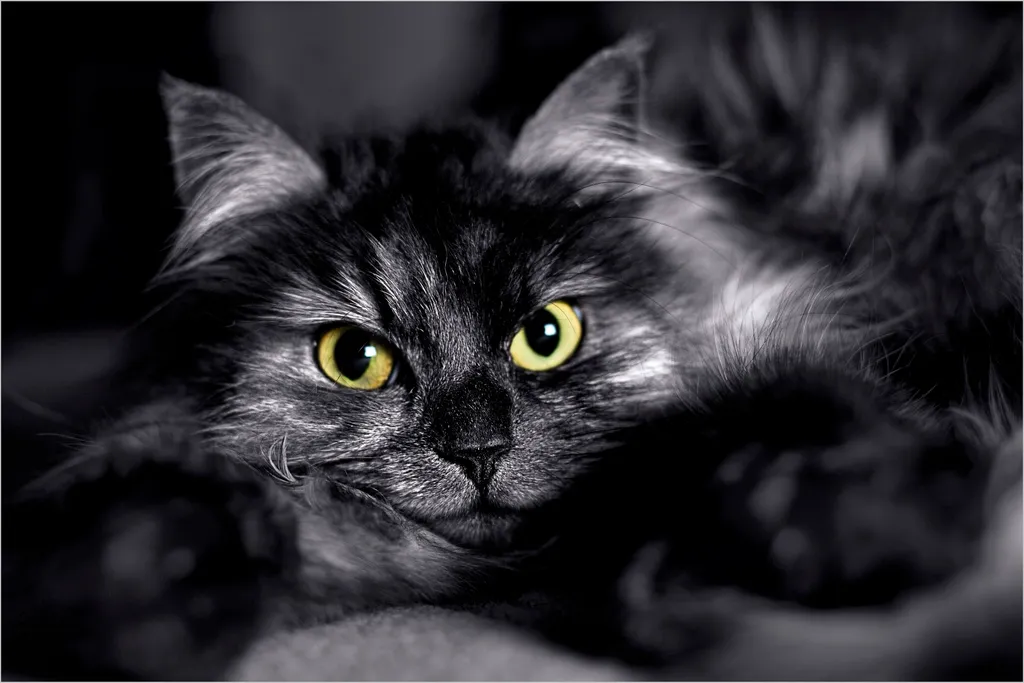
One shift many owners completely miss: their cat stops tailing them from room to room, but starts staring at them more intently from across the space. It’s not detachment. It’s not stalking either. As movement gets exhausting, many cats choose to save energy by staying put and simply monitoring you from a distance.
You might catch their eyes locked on you while you cook, work, or scroll your phone, sometimes with a slow blink, sometimes just a steady gaze. It can feel eerie if you don’t know what’s happening. Behaviorists call it an attention-allocation choice – the world narrows, but the focus on you sharpens. It shows up most in cats with joint disease or heart conditions who physically can no longer shadow you the way they used to.
#11 – Choosing Silence Over Complaints
🔥 Would you like to save this?
We'll email this post to you, so you can come back to it later!
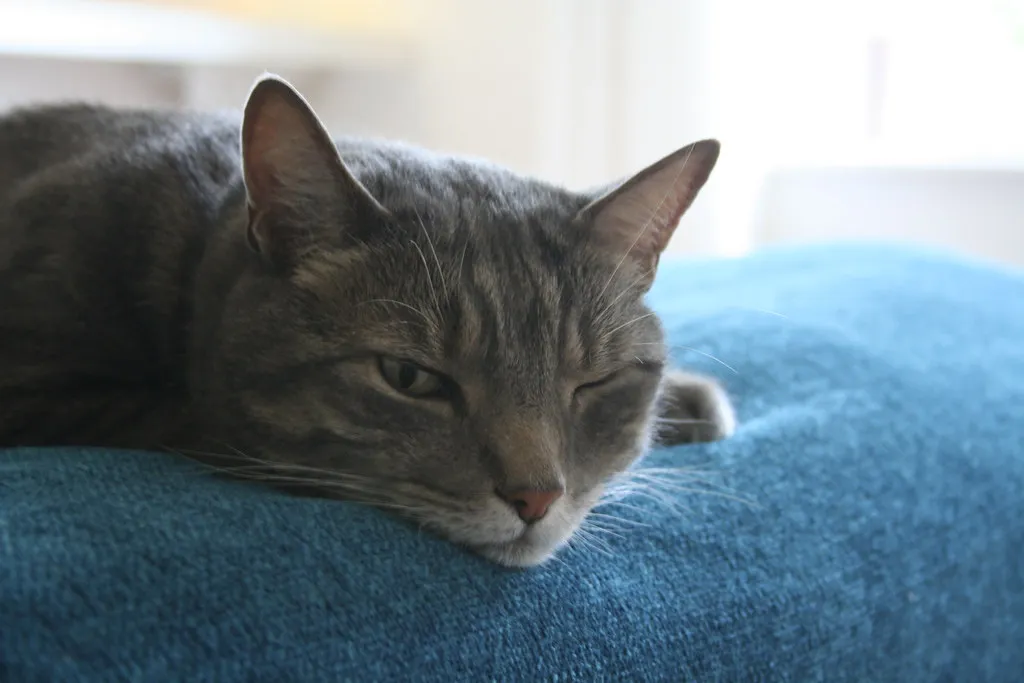
Healthy cats can be loud – meowing for food, demanding doors, narrating every move they make. In the final good days, many cats grow noticeably quieter. They may still purr, but the routine vocal demands fade out almost completely. That doesn’t automatically mean pain or despair; often it’s a deliberate cut in social effort.
Pain-related vocalizing tends to be sharp and sudden. This quieter phase is different – the cat is opting out of unnecessary “chatter” to conserve energy, speaking up only when something truly matters, like being unable to reach the litter box. Some people romanticize this as “acceptance.” It’s more practical than mystical: the body is tired, so communication becomes minimal.
#10 – Sleeping In Strange New Places For Very Real Reasons
🔥 Would you like to save this?
We'll email this post to you, so you can come back to it later!
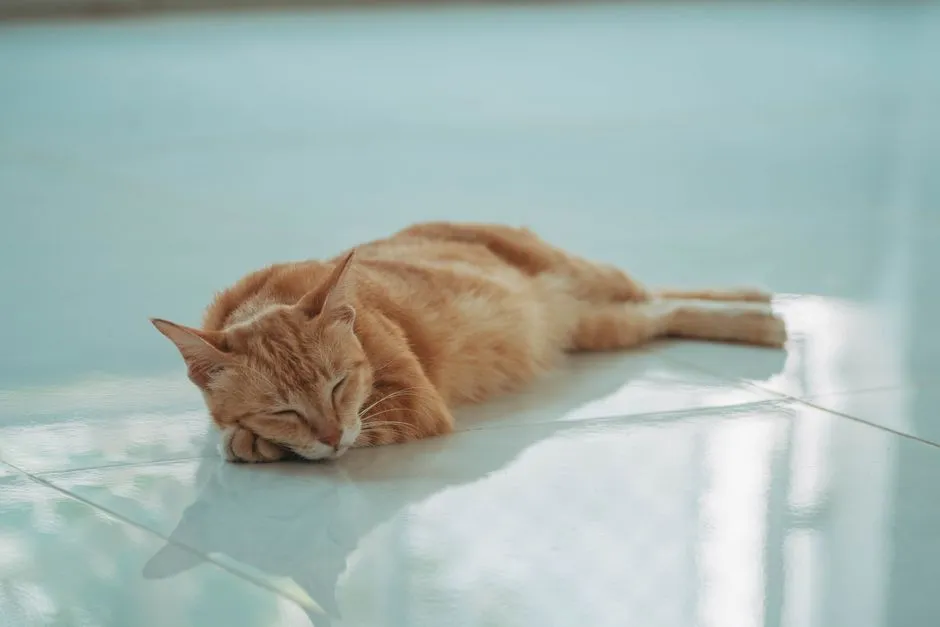
Most owners shrug when an older cat suddenly starts sleeping on the bathroom tile or in the hallway instead of the couch. But this is usually a calculated choice, not random weirdness. Near the end, cats often pick spots based on three things: easier breathing, better temperature control, and a quick exit if they feel vulnerable.
A cat with heart or lung trouble might stretch out on cool tile because it eases breathing. Another might reject a soft, deep bed entirely because climbing in and out hurts arthritic joints, choosing a thin blanket on level ground instead. Others tuck themselves into semi-hidden spots where they can see without being seen. People love to argue online that this means a cat is “withdrawing to die alone.” The truth is less poetic – they’re choosing airflow, temperature, and effort over sentiment.
Worth Knowing
- Cool, hard surfaces like tile can ease breathing for cats with heart or lung issues.
- Thin, flat bedding is often chosen over deep beds that are hard to climb into.
- Partially hidden spots offer a clear sightline while still feeling protected.
- New sleeping spots are usually about comfort logistics, not emotional withdrawal.
#9 – Redrawing The Map Of Where They’ll Let You Touch Them
🔥 Would you like to save this?
We'll email this post to you, so you can come back to it later!
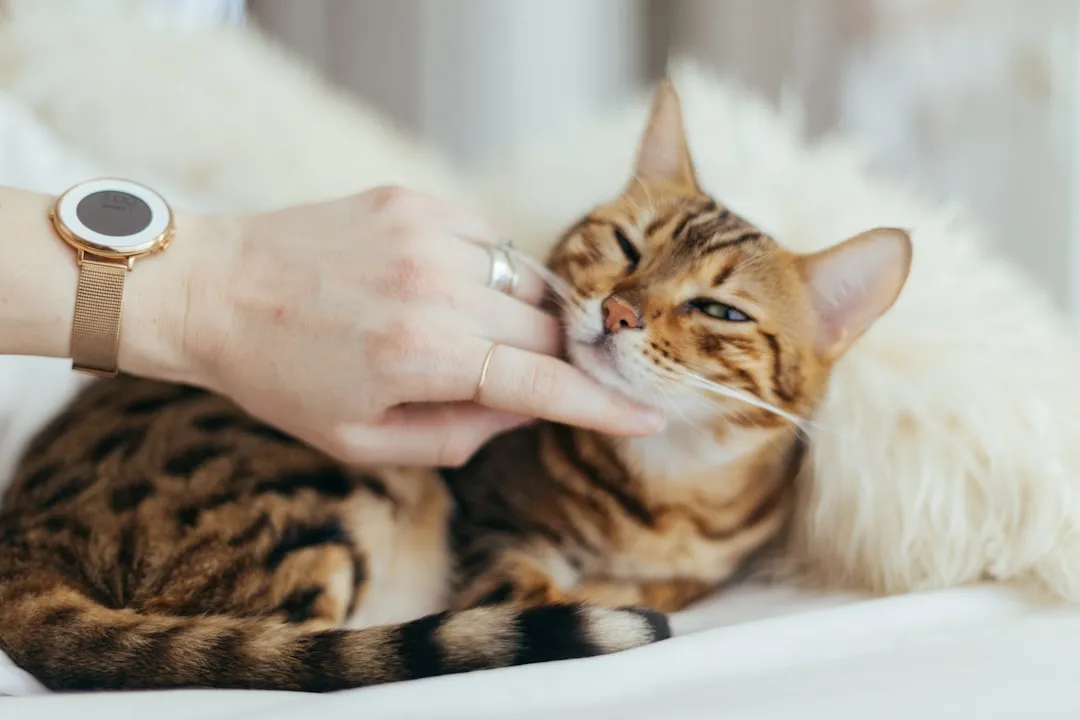
One of the most striking last-days choices is how a cat renegotiates touch. Spots that were once favorite scratching zones – the base of the tail, the belly – can suddenly become off-limits because of pain or organ sensitivity. At the same time, they may actively seek new kinds of contact: gentle cheek rubs, forehead presses, or just resting a paw on your hand.
This isn’t moodiness. It’s pain mapping. A cat who leans into your fingers and then flinches at a back stroke is telling you exactly where it hurts, without a single sound. Many will still choose closeness, just on much narrower terms – shorter, lighter, gentler. Some owners feel rejected and pull away, which is the opposite of what the cat is actually asking for. They’re not pushing you out. They’re rewriting the terms of comfort.
#8 – Deciding When The Vet Visits Aren’t Worth It Anymore
🔥 Would you like to save this?
We'll email this post to you, so you can come back to it later!
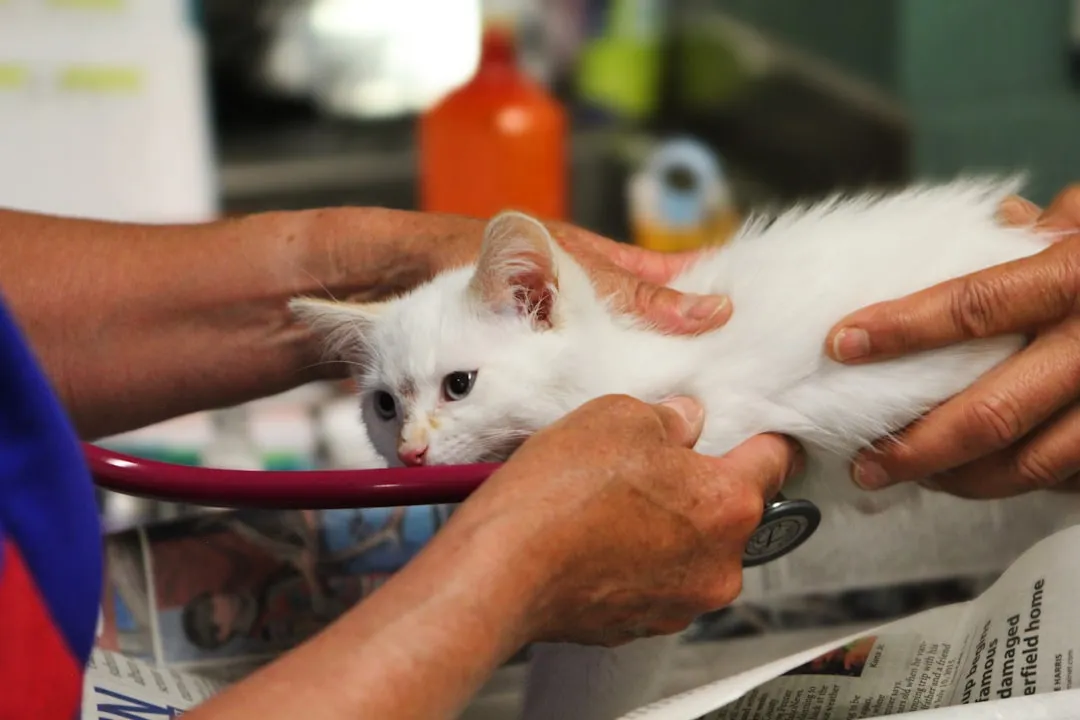
Here’s the controversial one hospice vets quietly acknowledge: at some point, many cats clearly decide that more car rides, needles, and stress simply aren’t worth it. Owners notice the shift first – fear that used to be tolerable turns into full panic every time the carrier appears, and recovery afterward takes longer and longer.
Aggressive treatment can still be medically possible, but palliative teams pay close attention to what the cat is “saying” through its behavior. If every visit leaves it panting, trembling, or refusing food for a day afterward, the cost of one more week of life may be too high from the cat’s own point of view. This is where families split hard – some fight with every available tool, others pivot to at-home hospice and mobile vets. The cat’s avoidance is its own kind of vote, and it’s one a lot of people struggle to respect.
#7 – Shrinking The Daily Routine To The Bare Essentials
🔥 Would you like to save this?
We'll email this post to you, so you can come back to it later!
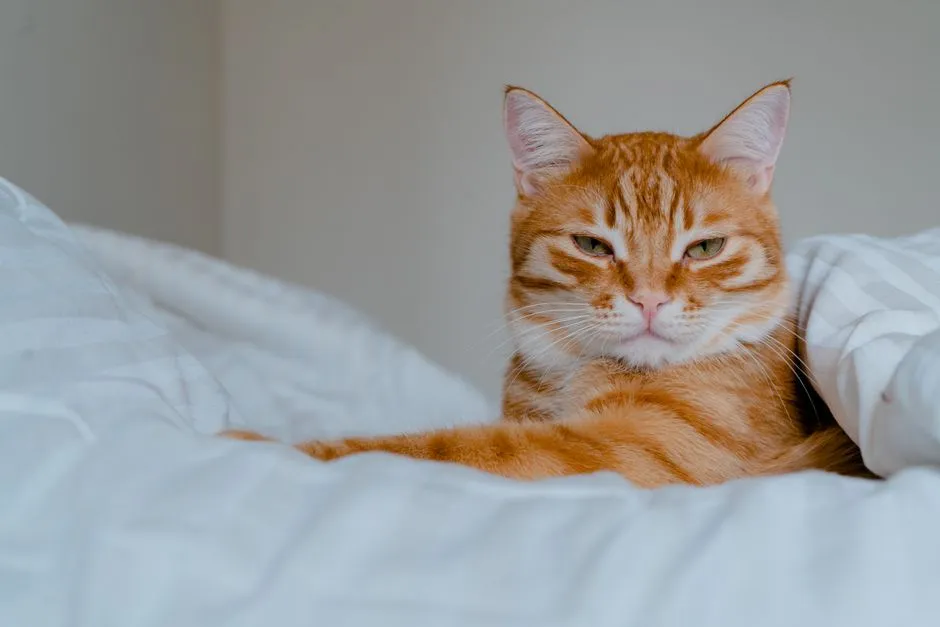
One of the gentlest choices a cat makes is quietly simplifying its whole day. Play disappears first. Then exploration goes. Eventually the to-do list narrows to: wake, eat a little, use the box, find warmth, rest, repeat. To anyone used to a curious, busy animal, this can look like pure decline.
But it’s also a calculated energy budget. Surprises cost strength, so many cats start leaning hard into predictability – the same chair, the same snack time, the same short path to the litter box, while ignoring new toys, visitors, or a loud TV. That predictability actually lowers anxiety and unnecessary heart rate spikes. When guardians respect the slower rhythm instead of trying to “perk them up,” cats often seem calmer, not more far gone.
#6 – Refusing To Give Up One Last “Job”
🔥 Would you like to save this?
We'll email this post to you, so you can come back to it later!
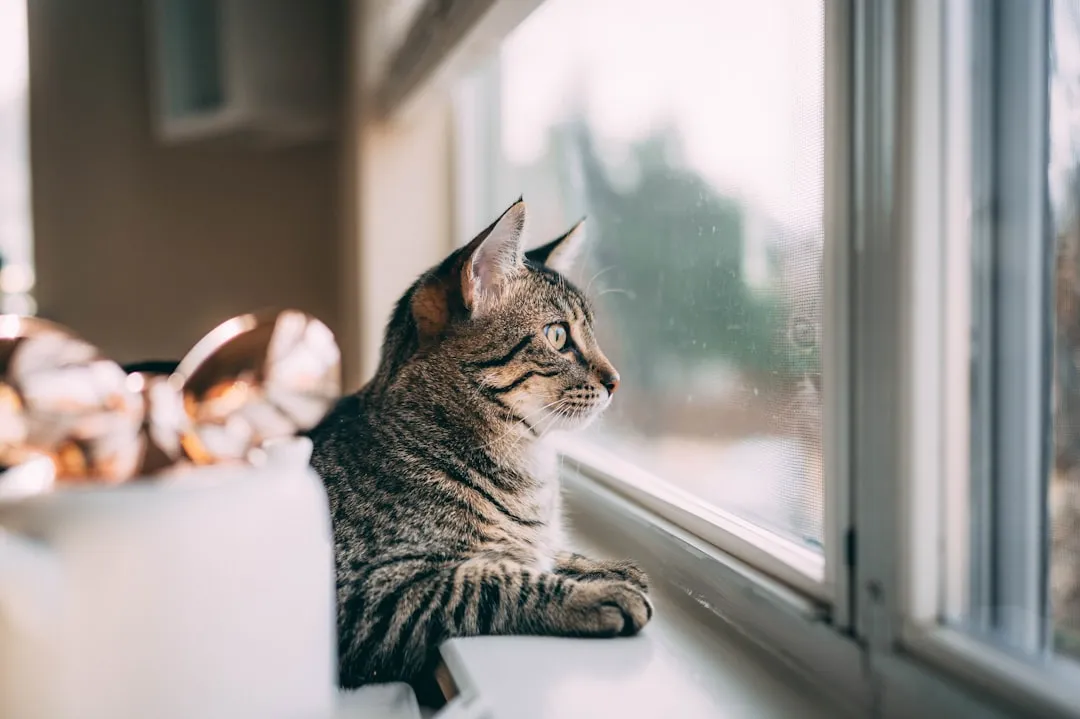
Even very sick cats often cling to one strange, stubborn behavior – their job. For one cat it’s guarding the doorway. For another, it’s sleeping at a child’s feet, inspecting every grocery bag, or sitting at the window at exactly 6 p.m. They’ll drop nearly everything else and still drag themselves over to keep doing this one thing.
Part habit, part identity – cats aren’t sentimental the way people are, but they are deeply pattern-driven creatures. Holding onto one core role may give a failing body a sense of control it’s losing everywhere else. Guardians sometimes misread this ritual as proof the cat “isn’t that sick,” which can delay hard decisions. In truth, the body may be exhausted long before that one habit finally stops. When it does stop, it’s usually a turning point everyone in the house feels.
At a Glance
- Common “last jobs” include guarding a doorway, greeting at the door, or a nightly window watch.
- The habit often continues even after other routines fade completely.
- Loss of this one ritual is frequently the clearest sign a cat’s condition has shifted.
- Caregivers sometimes mistake the ritual as proof the cat is “doing fine.”
#5 – Choosing Dignity In The Litter Box, Or Somewhere Safer
🔥 Would you like to save this?
We'll email this post to you, so you can come back to it later!
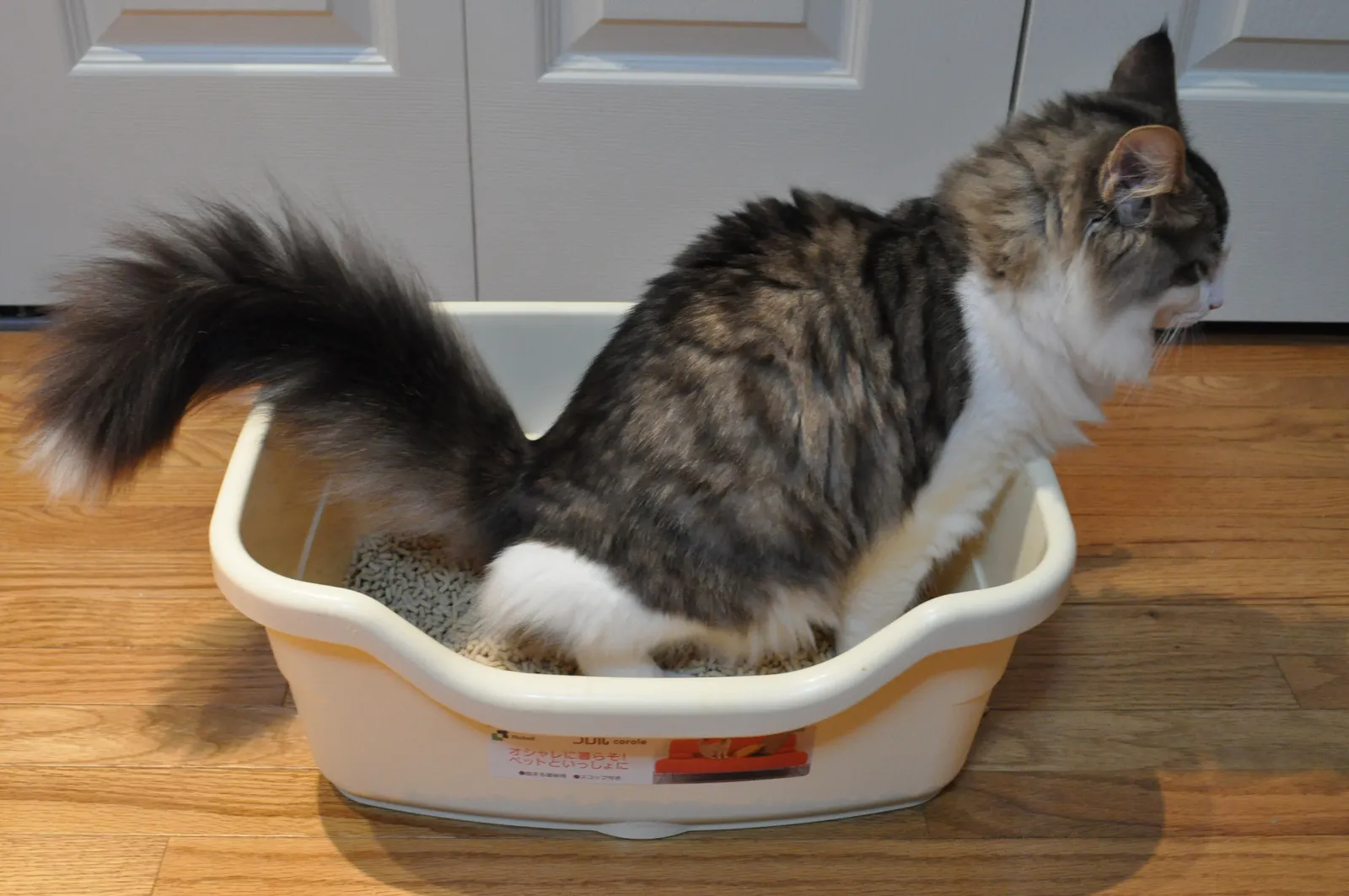
Litter box behavior near the end of life is emotionally loaded. Many cats fight to keep using their box, dragging themselves in on weak legs because cleanliness and scent control are wired deep into who they are. Others suddenly start going right beside the box, or on towels and puppy pads, effectively redesigning their own bathroom.
Here’s the hard truth: most of these changes are about access and dignity, not defiance. Climbing into a high-sided box or navigating stairs can become genuinely excruciating, so some cats choose a closer, flatter, less painful spot even though it breaks a lifetime of house rules. The kindest response is almost never punishment – it’s adjusting the environment, with low-entry boxes and closer placement. This may be one of the last places a cat still has any real control over its own body.
#4 – Waiting For One More Season, Ceremony, Or Face
🔥 Would you like to save this?
We'll email this post to you, so you can come back to it later!
Ask hospice workers and you’ll hear this story over and over: cats sometimes seem to wait for something. A family member flying home. A kid back from college. A holiday meal where everyone is finally under one roof. Biologically, some of this is coincidence layered with the extra attention families give when they gather. Emotionally, it rarely feels that simple to the people living it.
Owners describe cats hovering in a fragile, unsteady state for weeks, then quietly declining within days of that long-awaited reunion. Is the cat consciously scheduling its own death? Almost certainly not in any human sense. But cats respond strongly to social and emotional cues, and some seem to rally when the whole “colony” comes together, then finally relax once that need has been met.
Until one has loved an animal, a part of one’s soul remains unawakened.
Anatole France
#3 – Moving Physically Closer To You At Night
🔥 Would you like to save this?
We'll email this post to you, so you can come back to it later!
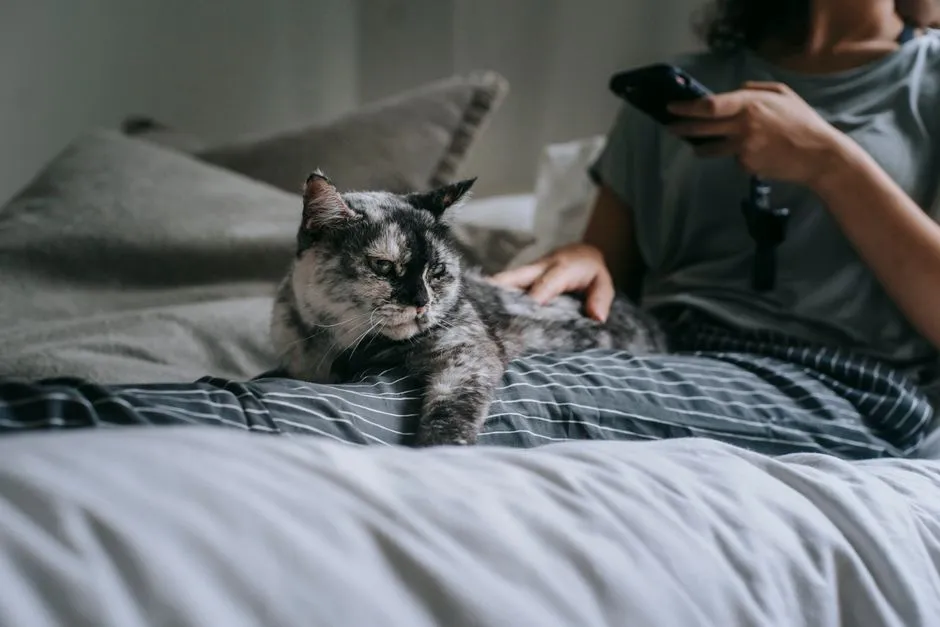
In the last good days, many cats inch closer at night, night after night. They move from the foot of the bed to your thigh, from the pillow beside you to the crook under your chin. Some who never once slept on the bed suddenly insist on being there. Medically, night is when pain, anxiety, and disorientation tend to spike, so they seek out your warmth, heartbeat, and smell as stabilizers.
The shift is often subtle. One evening they’re near your feet; a few nights later they’re pressed against your chest, purring weakly. It’s not just affection – your presence functions as a literal coping tool, easing startle responses and shallow, restless sleep. Ironically, some well-meaning owners retreat to the couch to “give them space,” never realizing the cat chose the exact opposite. For many animals, those shared nights are the truest good hours they have left.
#2 – Letting You Break Every Old “Cat Rule”
🔥 Would you like to save this?
We'll email this post to you, so you can come back to it later!
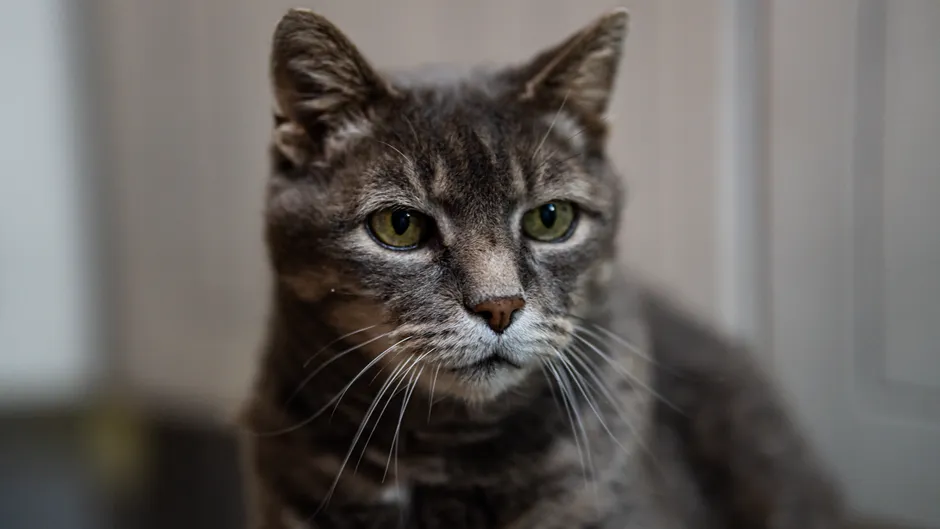
As the end nears, long-standing boundaries sometimes vanish overnight. The cat that never tolerated being picked up allows a brief cradle. The one who hated the carrier accepts being tucked into a blanket without a fight. Some let you trim mats, clean their eyes, or syringe-feed them without the usual battle.
Outsiders might call this weakness. Hospice teams call it a conscious, last-stage compromise – survival and comfort now depend on letting you help, so the cat trades a little independence for relief from nausea, thirst, or pain. It’s not that they’ve become “a different cat.” They’ve always trusted you. They’re simply spending that trust more heavily now, because there’s no time left to save it for later.
#1 – Choosing The Exact Moment To Finally Stop
🔥 Would you like to save this?
We'll email this post to you, so you can come back to it later!
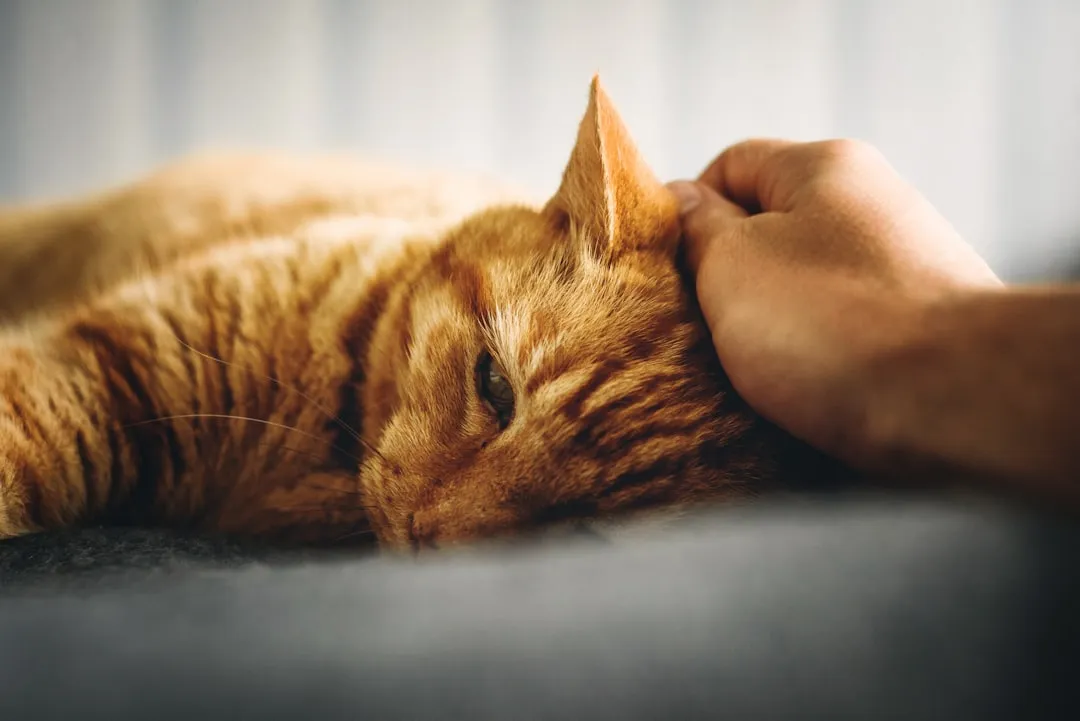
Here’s the most unsettling, most argued-about choice of all: many cats appear to decide when to stop fighting. Sometimes it’s obvious – a cat who’s struggled to stand simply lies down and doesn’t try again. Sometimes it hides in small refusals: no more food, no more water, no more rising to greet you at the door.
Physiologically, organs are failing. But something else seems to happen too – the cat stops investing effort in staying. Some families describe this arriving just before a scheduled euthanasia, almost like the cat is giving permission. Others describe a sudden stillness after one last perfect afternoon on the porch. Science can explain most of this as the natural arc of disease. Lived experience keeps insisting it feels like a choice – a final, quiet “I’m done now,” spoken without a single word, and somehow still unmistakable.
Why It Stands Out
- Many cats stop trying to rise, eat, or drink within the same short window.
- The shift is often sudden rather than gradual, surprising even attentive owners.
- Some appear notably calm or still just before this final stage begins.
- Hospice vets describe this pattern as remarkably consistent across different cats and homes.
The Bottom Line
🔥 Would you like to save this?
We'll email this post to you, so you can come back to it later!
A cat living its last good days isn’t passively fading. It’s actively editing its life – shrinking its territory, narrowing its friendships, loosening rules it enforced for years, and holding tight to the handful of comforts that still matter. None of these 17 choices are mystical. They’re the practical priorities of a small, sharp-instinct predator whose body is failing but whose judgment isn’t.
They choose warmth over adventure, one anchor person over a whole crowd of admirers, real comfort over heroic measures at the vet. The uncomfortable truth is that respecting those choices usually means letting go sooner than our grief wants to allow. It means trading the question “how do I keep them longer” for the harder, kinder one – how do I make sure these last good days actually belong to them.

- 23 Warm Corners an Elderly Cat Keeps Returning To All Winter - October 29, 2026
- 16 Behaviours Showing a Cat Considers a House Permanent Now - October 29, 2026
- 15 Wildlife Programmes a Lifetime Pass Holder Over 62 Can Join Free - October 29, 2026