


Whales, the giants of the ocean, captivate the imagination of many with their grace, intelligence, and sheer size. From intricate songs to the magnificent breach, whales exhibit a variety of behaviours that inspire awe and curiosity. This article delves into 17 astonishing whale behaviours that reveal the depth of their complex lives in the world’s oceans.
1. Breaching The Dramatic Leap
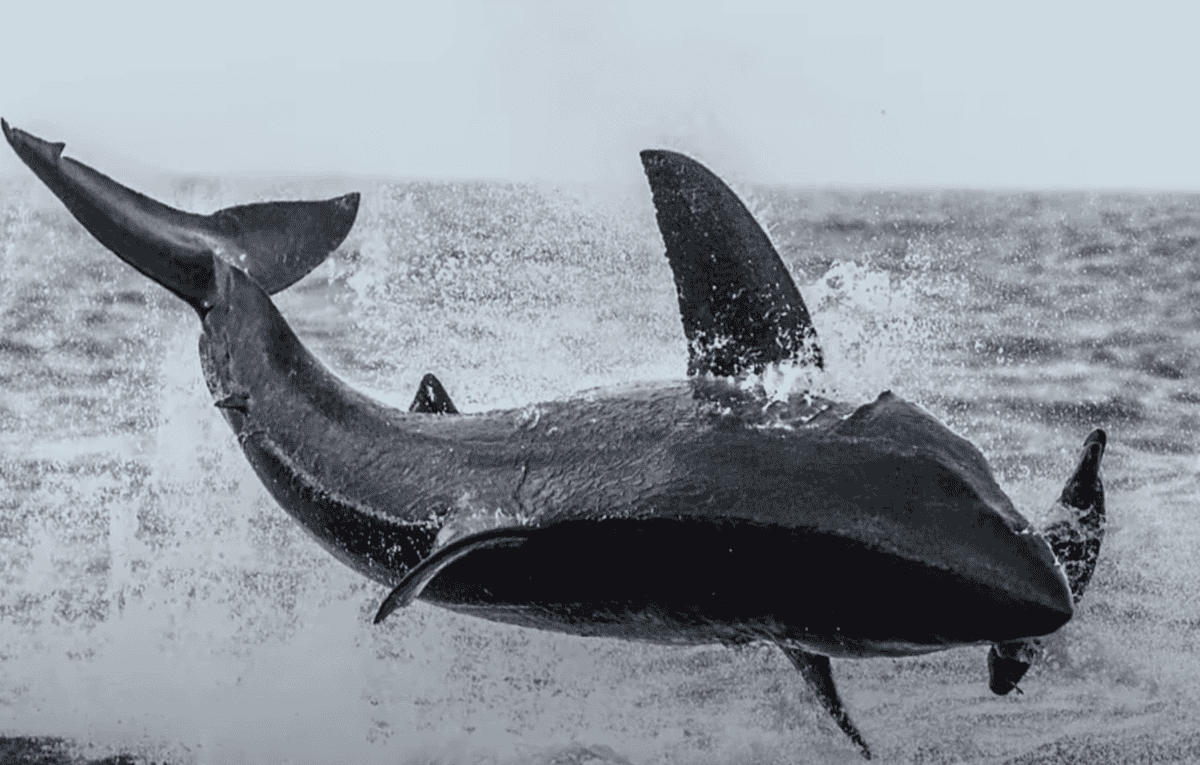
Breaching is perhaps one of the most spectacular whale behaviours. It involves a whale propelling itself out of the water in a magnificent leap, often twisting before it crashes back down. Scientists are still uncertain about the exact reasons for the breaching. Still, it is believed to be a form of communication, a method to rid skin of parasites, or simply a playful activity.
2. Spyhopping Taking a Look Around
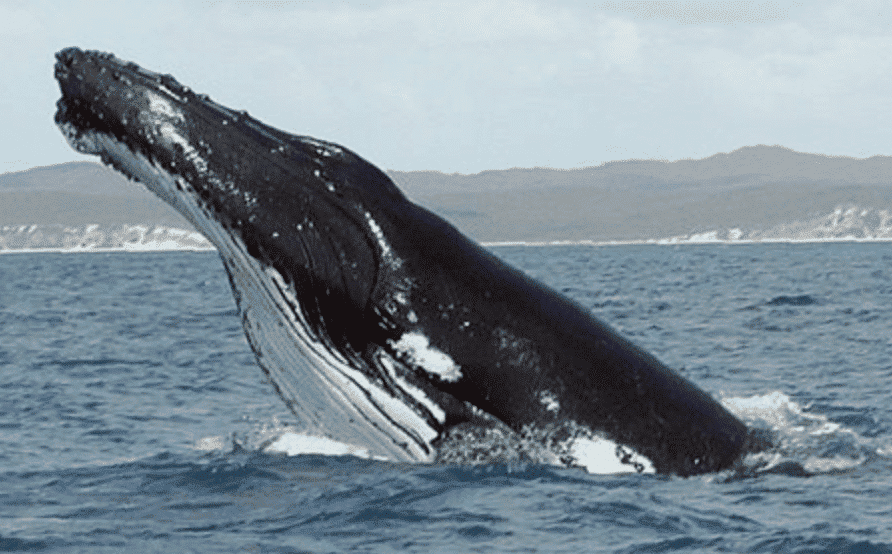
In spy-hopping, whales vertically thrust their heads out of the water to take a look at their surroundings. This behaviour allows them to survey the surface environment, locate prey or navigate obstacles. It is as if the whales are taking a moment to observe the world above the waves.
3. Bubble-Net Feeding Teamwork in Action

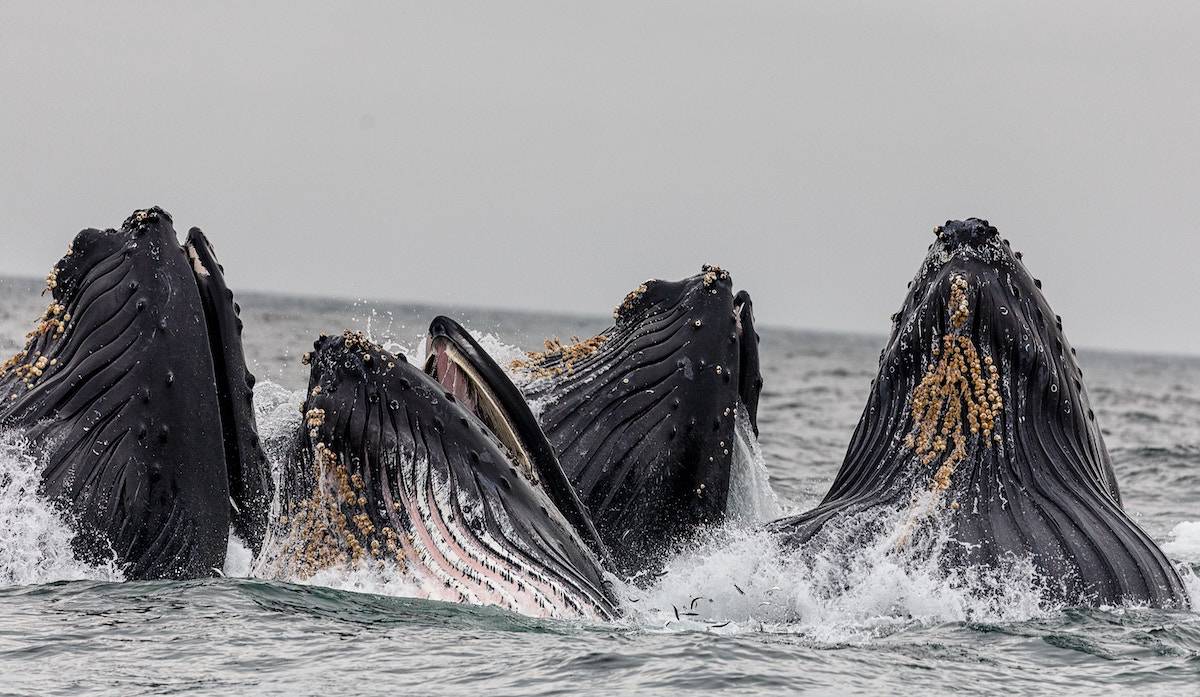
Humpback whales engage in a cooperative hunting technique called bubble-net feeding. A group of whales swims in a circle, blowing bubbles beneath a school of fish. This creates a “net” of bubbles that corrals the fish, allowing the whales to swim upwards through the concentrated school with open mouths, capturing large amounts of prey in one gulp.
4. Singing A Symphony of Sounds

Male humpbacks are famous for their complex songs, which can last up to 20 minutes and be heard from miles away. These vocalizations play a role in mating rituals and may also serve to establish dominance or convey information. The intricacy and variety of their songs make them one of the most fascinating aspects of whale communication.
5. Lobtailing Making Waves
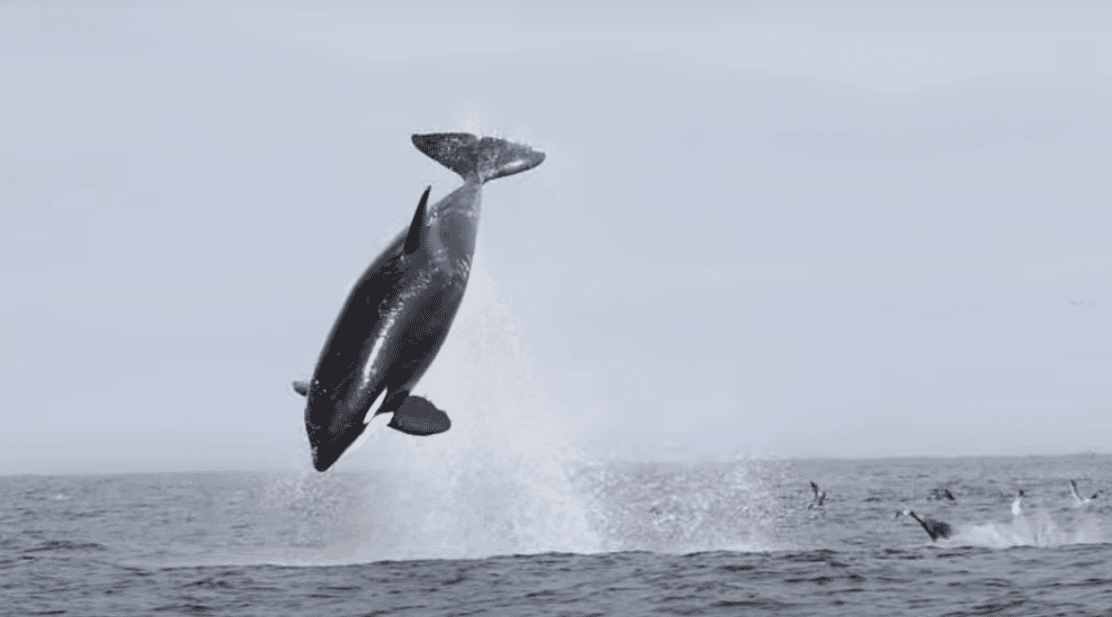
Lobtailing involves a whale slapping its flukes against the water’s surface. This behaviour can be a form of communication, signalling to other whales. The loud sound created by the slap can travel significant distances underwater, acting as an auditory signal in the ocean environment.
6. Logging Relaxing on the Surface

When whales are logging, they float motionless at the surface, resembling logs. This behaviour is thought to occur during resting periods. While appearing inactive, whales remain conscious as they rest, a necessity because, unlike humans, they must come to the surface to breathe.
7. Migrating Journey Across Oceans

Whales undertake some of the longest migrations of any mammal. For example, gray whales travel up to 12,000 miles round trip from their feeding grounds in the Arctic to the warm waters of Mexico to breed. The need for food and suitable breeding environments drives these migrations.
8. Echolocation Navigating the Depths

To navigate and hunt in the dark ocean depths, many whales use echolocation. By emitting clicks and listening to the returning echoes, whales can determine the size, shape, and distance of objects. This sophisticated form of biological sonar allows them to thrive in murky waters.
9. Bubble Blowing Unique Communication

In addition to bubble-net feeding, some whale species blow bubbles as a form of communication. These bubbles can indicate aggressive or defensive behaviours, serving as visual signals to other whales in the vicinity.
10. Pec-Slapping A Splashy Display

Whales often engage in pec-slapping, striking the water with their enormous pectoral fins. This action creates a loud splash and can be a means of communication, mating display, or playful behaviour. The power and control involved in this display are truly impressive.
11. Nursing A Deep Bond

Whale calves rely on their mother’s rich milk for nutrition. The bond between mother and calf is strong, with nursing occurring both at the surface and underwater. The care and protection provided by the mother during this vulnerable stage are critical to the calf’s survival.
12. Head-Butting Asserting Dominance
Some whales use head-butting to establish dominance and compete for mates. These aggressive interactions can be intense, with males ramming into each other with significant force. Such displays highlight the competitive nature of mating behaviours in the whale world.
13. Bubble Rings Artistic Play
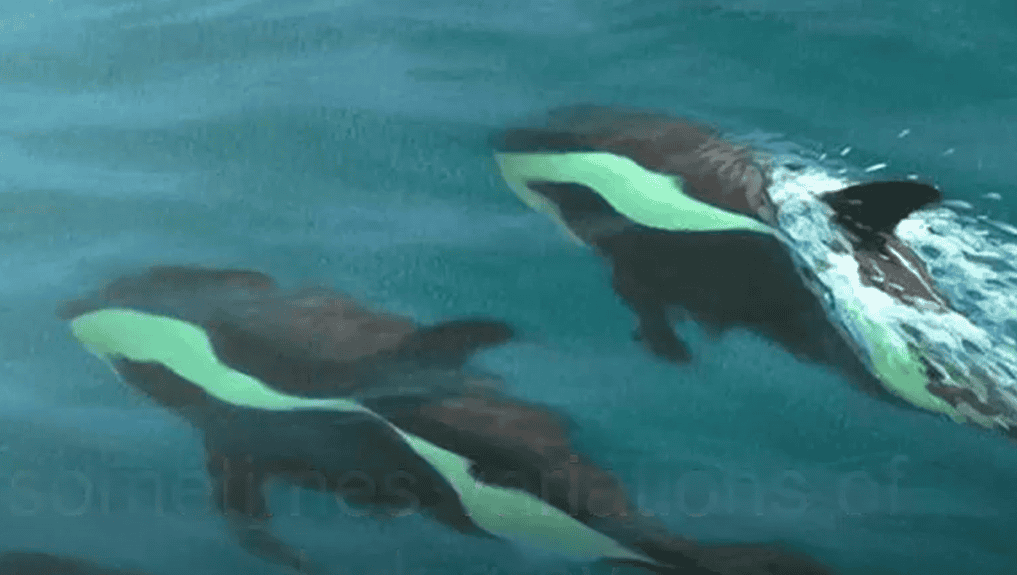
Some cetaceans, particularly belugas and dolphins, are known for playing with bubble rings. By creating and manipulating air bubbles underwater, these intelligent creatures demonstrate an intriguing form of play. This behaviour showcases their cognitive abilities and penchant for creativity.
14. Carrying Objects Toys of the Ocean

Whales have been observed carrying objects such as seaweed or logs, seemingly for amusement. This behaviour suggests a level of curiosity and playfulness as these ocean giants engage with their environment in innovative ways.
15. Tail-Throwing A Demonstration of Power
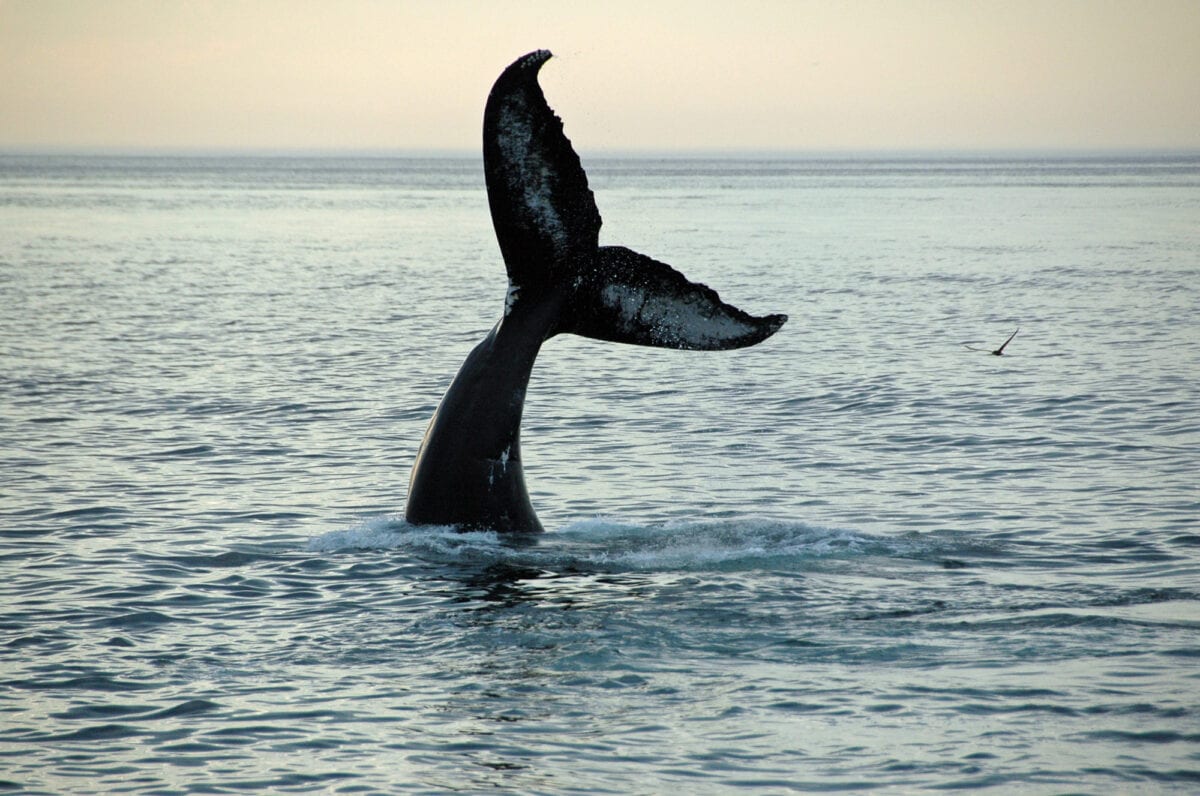
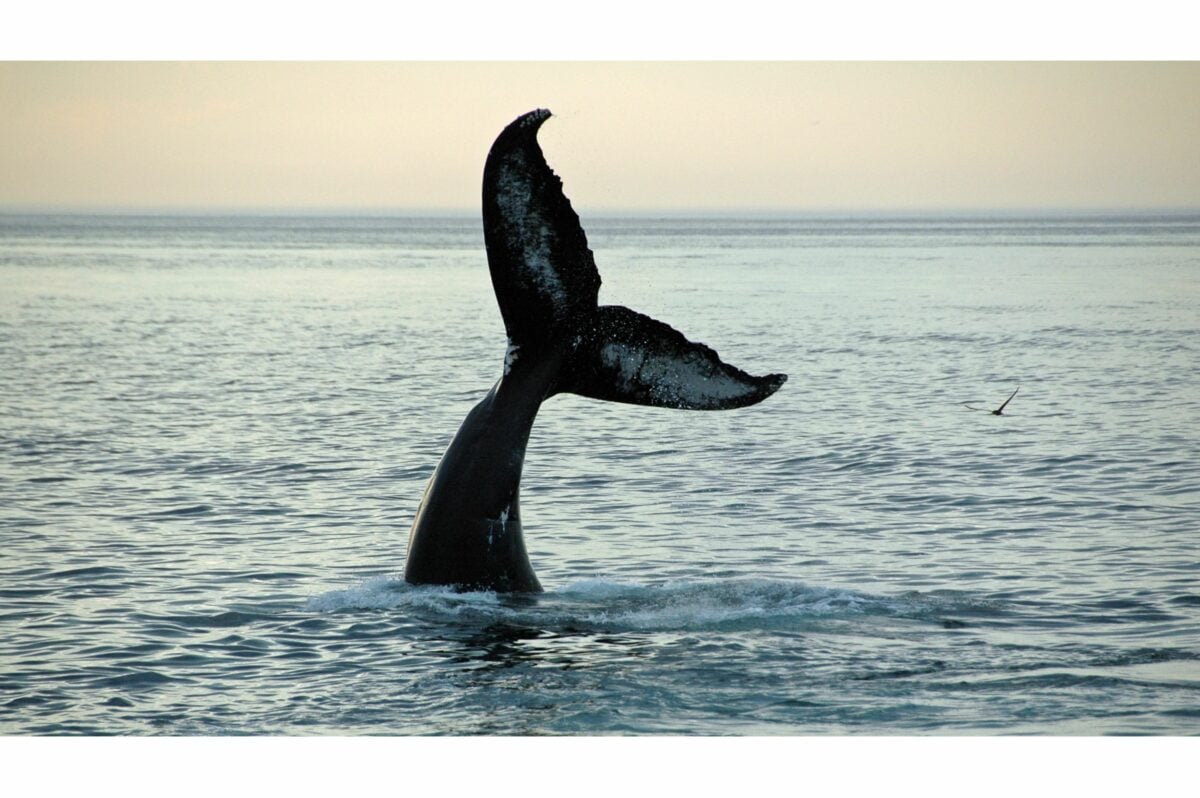
Known as tail-throwing, whales will sometimes violently swing their tails around. This could be part of aggressive displays or an attempt to dislodge parasites. The sheer power required to execute such a move highlights the whale’s strength and agility.
16. Mimicry Learning From Others
Whales have shown the ability to mimic sounds, including human-generated noises. This capacity for vocal mimicry indicates advanced learning abilities and social complexities within whale communities. It provides insight into their sophisticated communication strategies.
17. Cooperative Hunting Strategy and Communication

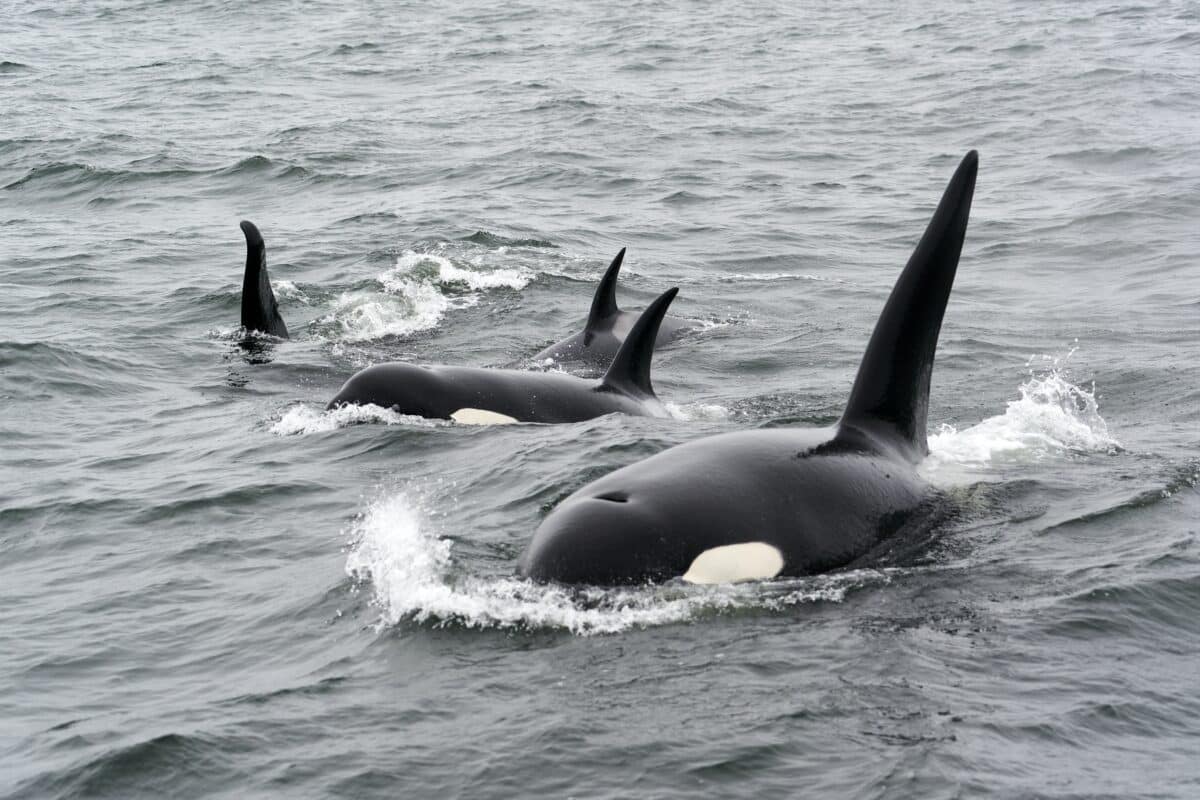
Orcas, or killer whales, are particularly renowned for their cooperative hunting techniques. They work together in packs, employing complex strategies to capture seals or coordinate to create waves that wash prey off ice floes. Such collaboration demonstrates their intelligence and social structure.
A Glimpse Into a Hidden World
The astonishing behaviours exhibited by whales offer a window into their mysterious and mesmerizing world. As we continue to uncover the intricacies of these majestic creatures, we gain not only scientific insights but also a deeper appreciation for the vibrant life that thrives beneath the ocean’s surface. Each behaviour tells a story of adaptation, intelligence, and the timeless dance of life in the sea.

As a little kid, I fell in love with nature, wildlife, and animals. Living in the USA, South Africa, Italy, China and Germany gave me the opportunity to discover the world's Wildlife. My favorite animals are Mountain Gorillas, Siberian Tigers, and Great White Sharks.
I'm a certified PADI Open Water Diver, went to Everest Base Camp and Trekked Gorillas in Uganda. I hold a Master of Science in Economics and Finance.
Please send any feedback to feedback@animalsaroundtheglobe.com
- 12 Things You Need to Know Before Getting a Pet Hedgehog - June 20, 2026
- 12 Animal Facts That Will Blow Your Kids Mind - June 20, 2026
- 10 Stunning Animals You Can See in Florida - June 20, 2026