

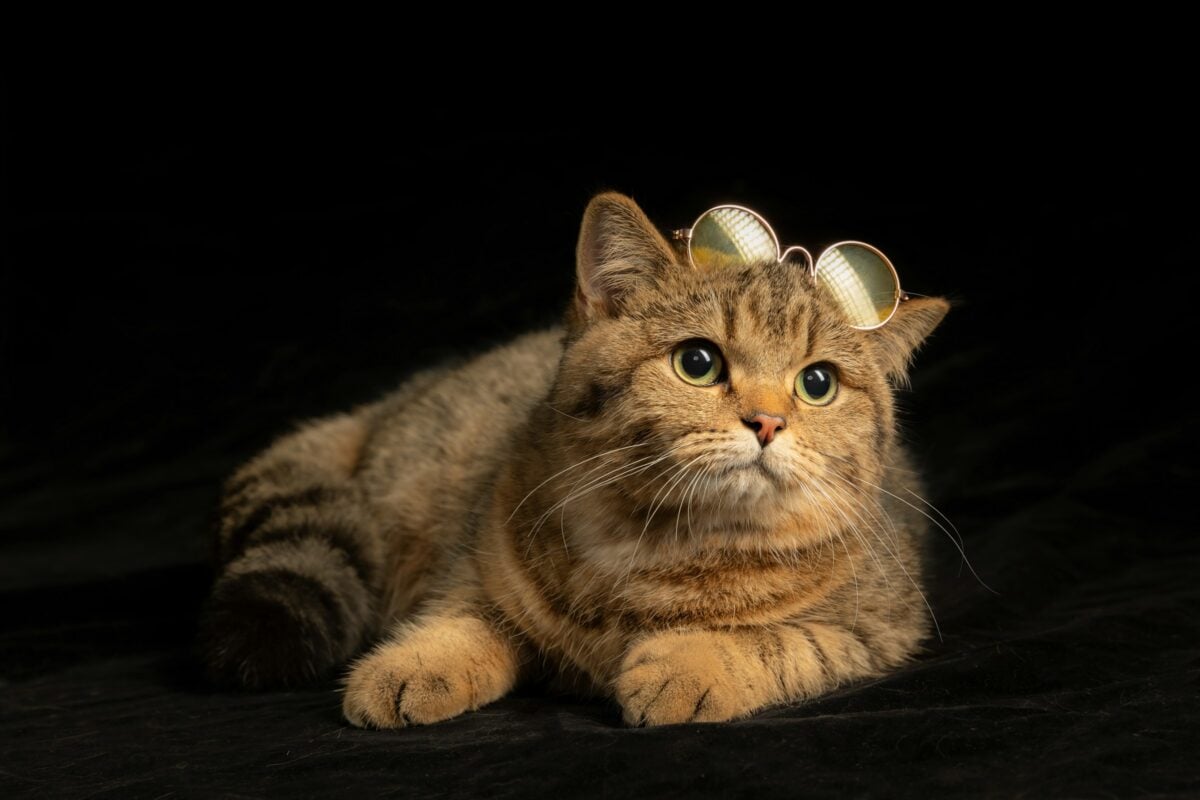
Most people assume cats fall into two camps: needy cuddle bugs or standoffish little gremlins who despise touch. That’s not just an oversimplification – it’s often flat-out wrong. Breed tendencies shape whether a cat melts in your arms or treats a pick-up like a kidnapping, and most owners have no idea which camp their own cat actually belongs to.
Some breeds practically beg to be carried around like a baby all day. Others will tolerate exactly one second of being lifted before deciding you’ve committed an unforgivable crime. A few breeds that look cuddly on Instagram are secretly some of the touchiest cats alive – and we’re walking through all 34, breed by breed, so you can finally figure out which side of the line your own cat stands on.
#1 – Ragdoll: The Original “Flop In Your Arms” Cat
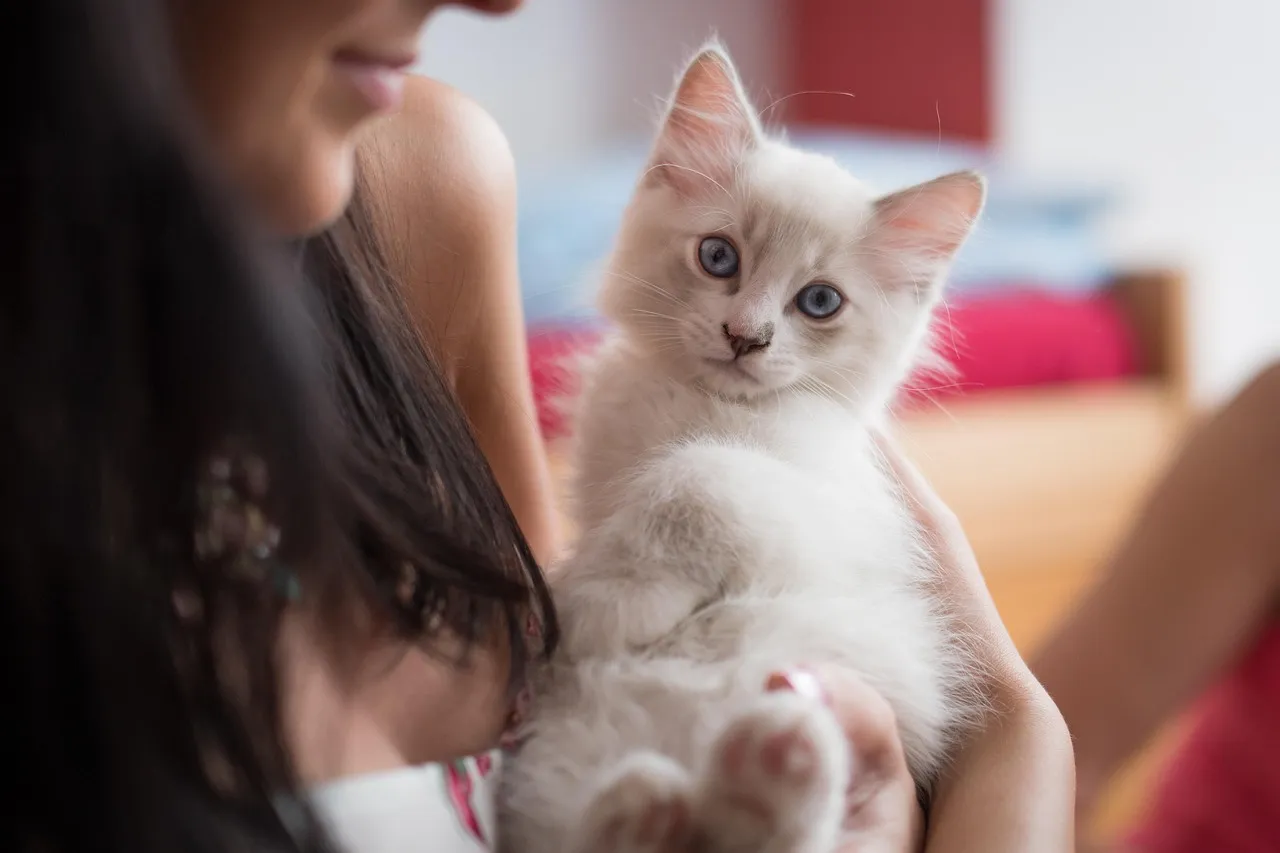
Ragdolls are the poster child for pick-me-up cats. The name isn’t marketing spin – many will literally go limp in your arms like a ragdoll the moment you scoop them up. This breed was specifically developed in part for its unusually relaxed, people-oriented temperament.
Fast Facts
- The Ragdoll breed was created by Anne Baker in California in the 1960s, by mixing two breeds with blue eyes, pointed fur and long, soft coats.
- The average male can reach up to 9.1kg, making it one of the larger domesticated breeds.
- Life expectancy ranges from 12-17 years, though some pets live much longer.
- Ragdolls have actually been named like this because they can relax their entire bodies when being carried, becoming almost totally limp.
They’re heavy, muscular cats, but they often act like giant, purring plush toys who want nothing more than to be carted from room to room. For families chasing a “dog in a cat’s body,” this is usually the first breed anyone recommends.
Not every Ragdoll got the memo, though. Some lines run more active and noticeably less floppy, and even the cuddliest cat has limits. If a Ragdoll swishes its tail or stiffens mid-carry, that’s not cute – it’s a warning worth listening to.
#2 – Birman: Sweet, Social, and Surprisingly Portable
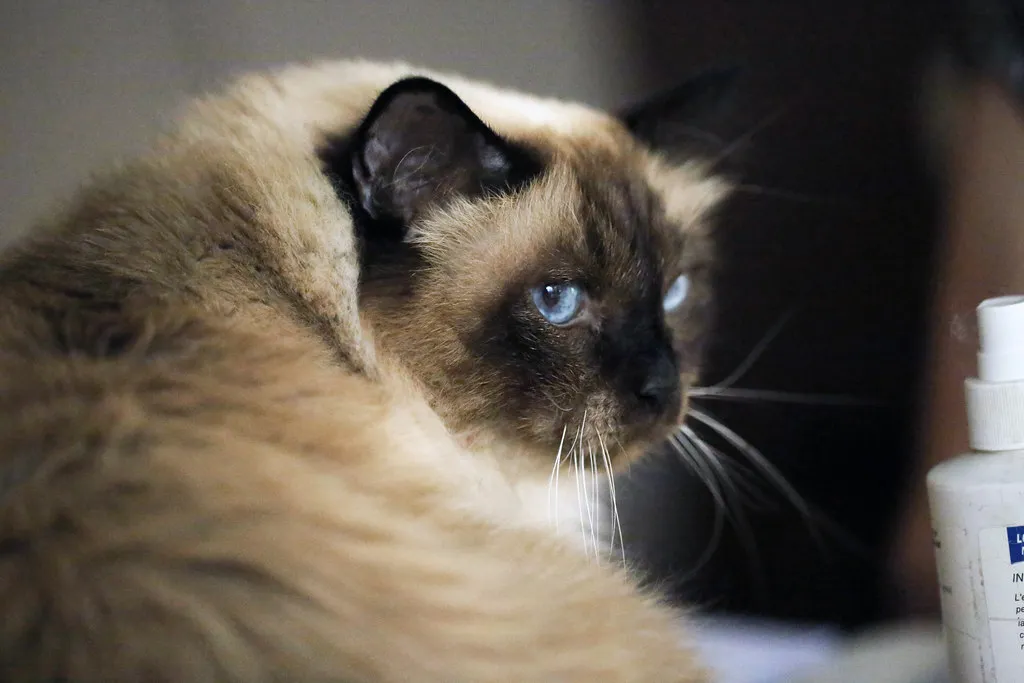
Birmans are often overshadowed by Ragdolls, but plenty of owners swear they’re the real “carry-me” champions. These blue-eyed, color-point cats are calm, affectionate, and deeply people-focused. Many Birmans actively follow their humans and seem to enjoy being held at chest level, where they can nuzzle and purr.
Unlike more active breeds, Birmans tend to be content with moderate play followed by long stretches of quiet contact, including being picked up.
They’re not stuffed animals, though. Birmans bond intensely with “their person,” and that one human may get far more pick-up privileges than guests or kids. Some breeders now warn new owners not to assume a Birman will replace a baby carrier – individual mood still rules the day.
#3 – Scottish Fold: Cuddly… When You Watch The Joints
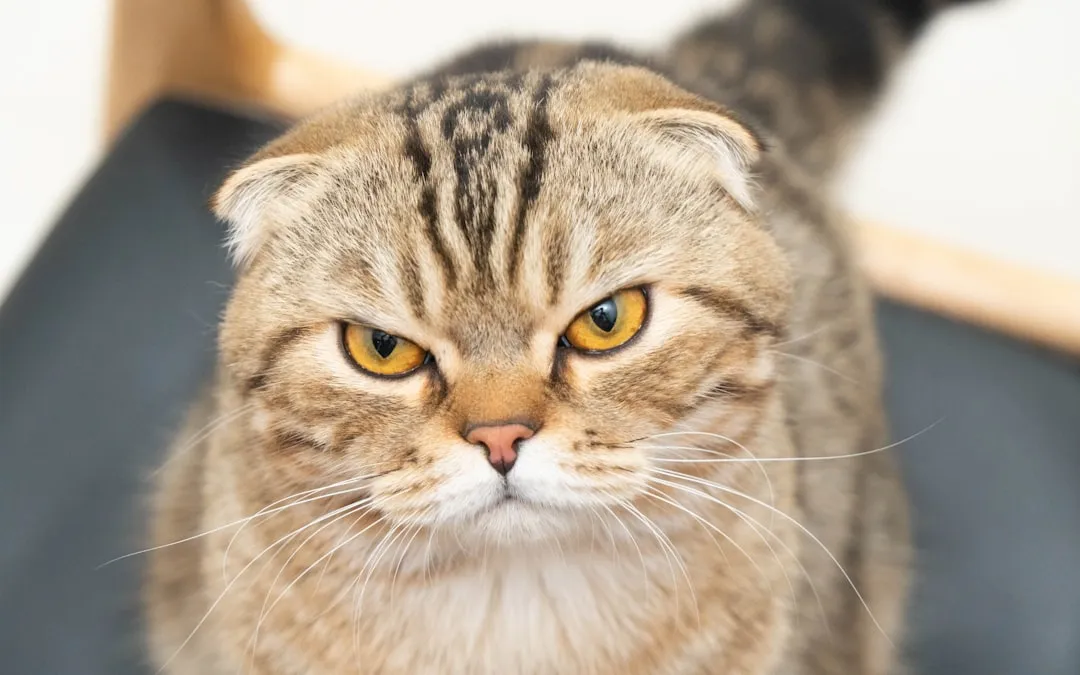
Scottish Folds look built for Instagram cuddles, and many genuinely love being held. They’re gentle, relaxed, and prone to lounging in odd positions – often draped straight across their human’s arms. Plenty of Scottish Folds seem to crave close contact and will quietly melt into a careful pick-up.
For people wanting a low-key companion, that’s irresistible. But here’s the uncomfortable part: those folded ears are linked to cartilage issues that can also affect the joints and spine.
Many experts now stress that Scottish Folds may deal with pain or stiffness, especially in the hind legs. A cat that likes affection might still hate long, unsupported carries – so support the rear, keep it brief, and pay attention.
#4 – Maine Coon: Giant Teddy Bears (Usually)
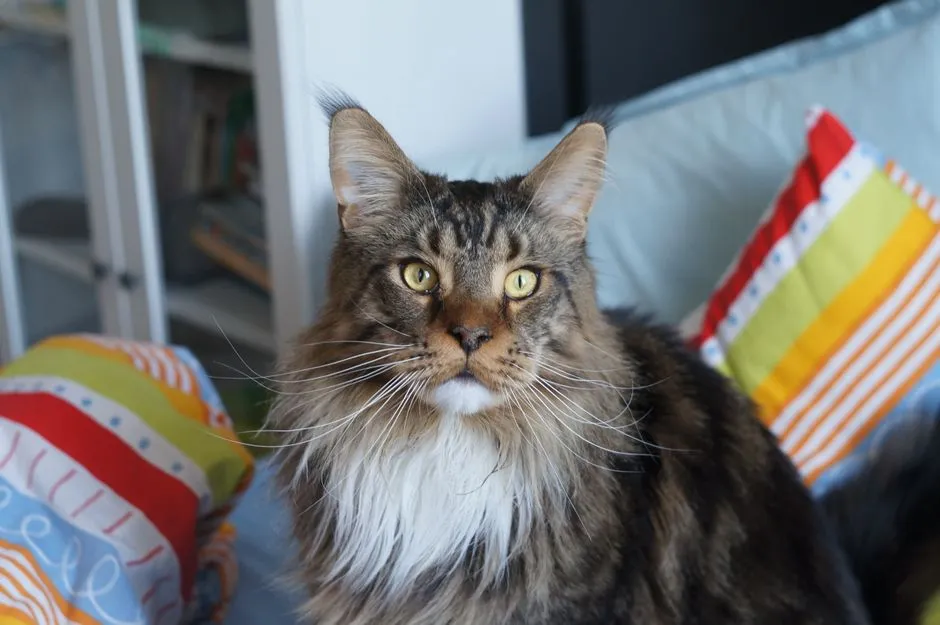
The internet loves calling Maine Coons “gentle giants,” and often it’s accurate. These massive, tufted cats are confident, laid-back, and rarely fazed by attention. Many Maine Coons will tolerate – or even enjoy – being scooped up and cradled like the world’s heaviest baby.
Their doglike habit of trailing their humans around the house makes them prime candidates for pick-up greetings and shoulder-perches.
Here’s where people get it wrong: because they’re big and sturdy, owners assume they’re indestructible. Maine Coons can develop hip dysplasia, and an adult may weigh as much as a small dog. A Maine Coon that once loved being carried may start resisting once it feels unstable or sore – ignore that shift, and your cuddle bug becomes a squirming escape artist.
#5 – Sphynx: Velcro Cats Who Crave Body Heat
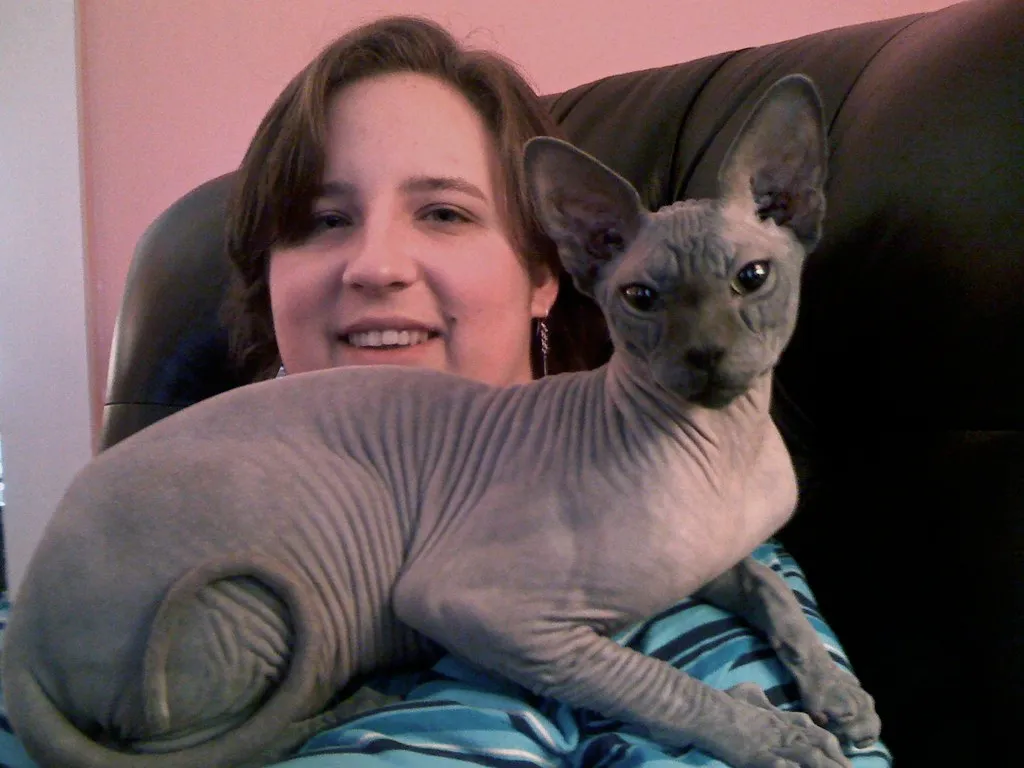
Sphynx cats aren’t just social – they’re almost clingy. Without a thick coat, they rely more on external warmth, which usually means your arms, chest, and shoulders. Many Sphynx actively climb onto people and seem genuinely happy to be picked up, snuggled, and tucked under chins.
They’re notorious for wanting to be in your personal space around the clock, so carrying them feels natural for both cat and human.
There’s a catch: skin contact means friction. Dry hands, long nails, or rough fabric can irritate their sensitive skin, and some Sphynx will start linking pick-ups with mild discomfort even while still craving your company. The sweet spot is frequent, gentle pick-ups mixed with plenty of chances to climb and explore on their own.
#6 – Ragamuffin: The Overlooked Cuddle Truck
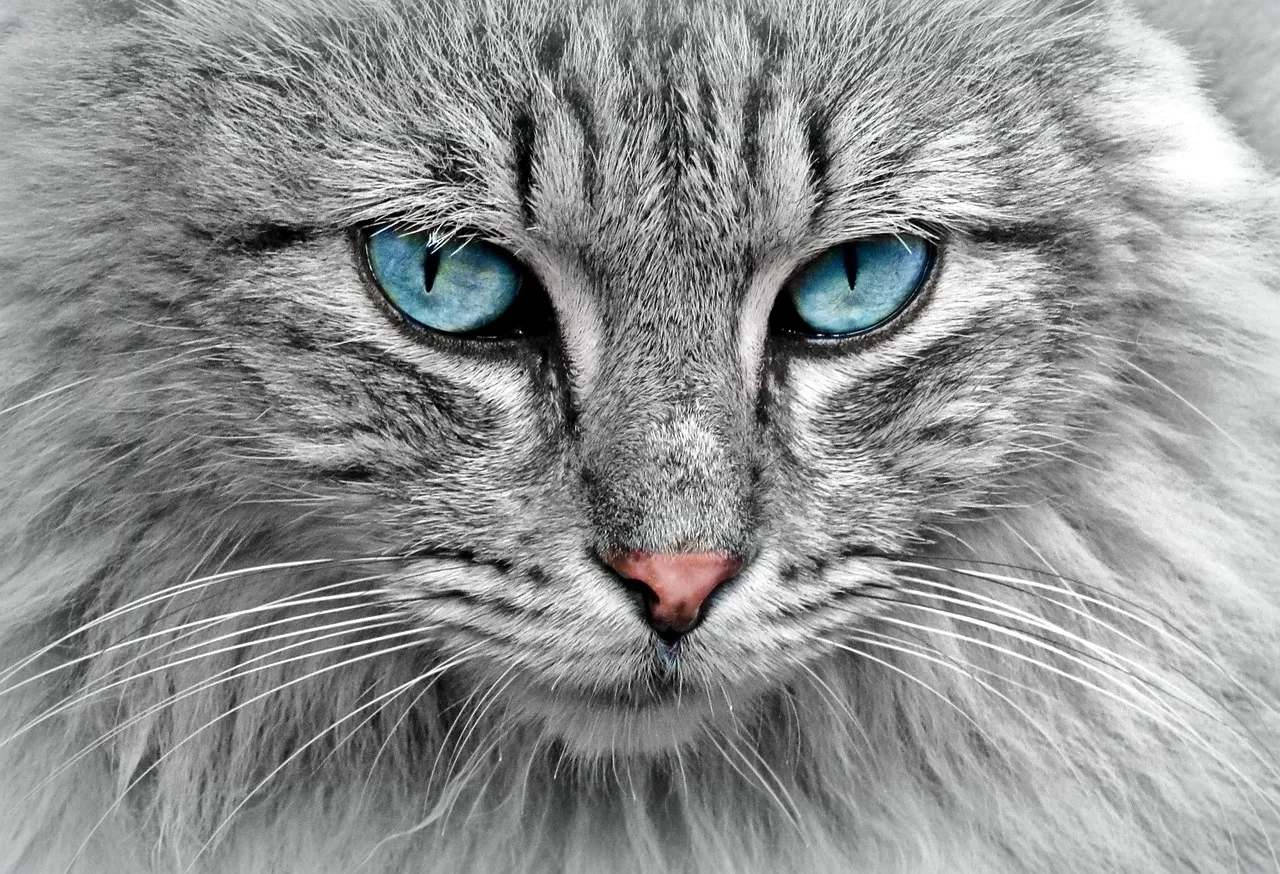
Ragamuffins are close cousins of Ragdolls and share that famously mellow, people-loving personality. Many owners call them “living pillows” who practically ask to be carried. This is one of the few breeds where breeders routinely list “enjoys being held” as a selling point.
They tend to relax completely in trusted arms, purring and kneading like it’s their job.
Still, people underestimate their size and weight. Ragamuffins can be large, solid cats, and a bad hold strains their spine and your wrists. Because they’re so compliant, kids can over-handle them without an obvious protest – until the cat quietly starts hiding at pick-up time. Watching for subtle tension is what separates a lifelong arm-buddy from a cat that checks out emotionally.
#7 – Burmese: The “Doglike” Lap Magnet
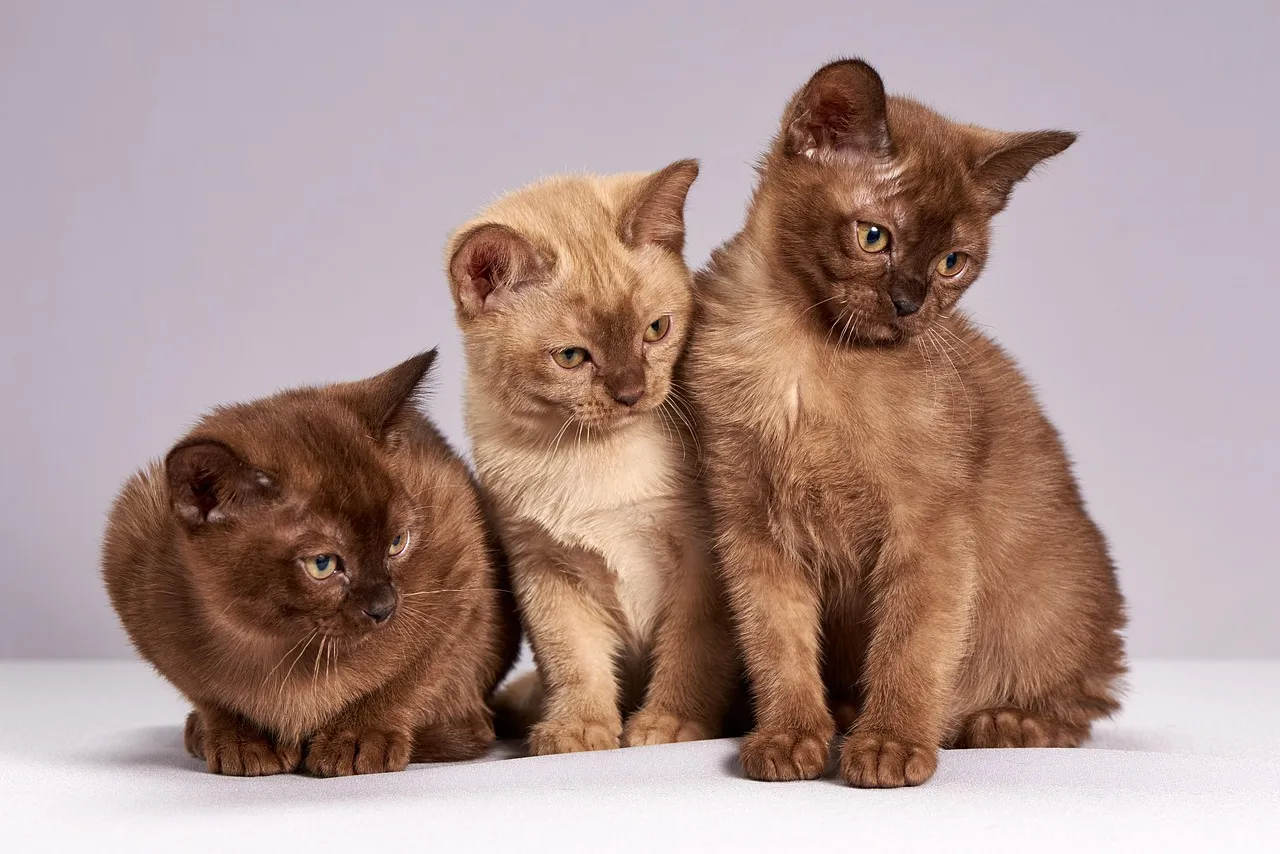
Burmese cats are often called the extroverts of the cat world: confident, social, and determined to be in the middle of whatever you’re doing. Many don’t just tolerate being picked up – they seem to expect it. A lot of Burmese will happily settle into your arms, gaze into your face, and chirp or purr like you’re mid-conversation.
They bond tightly with people and typically prefer close contact over distant observation.
They’re also muscular and energetic, though. A Burmese in zoom-mode is not a Burmese who wants to be scooped up. The trick is timing – grab them during calm, seeking-contact moments and they’re in heaven; interrupt their “mission” and you’ll get an offended wiggle.
#8 – Tonkinese: Social Butterflies With Carrying Privileges
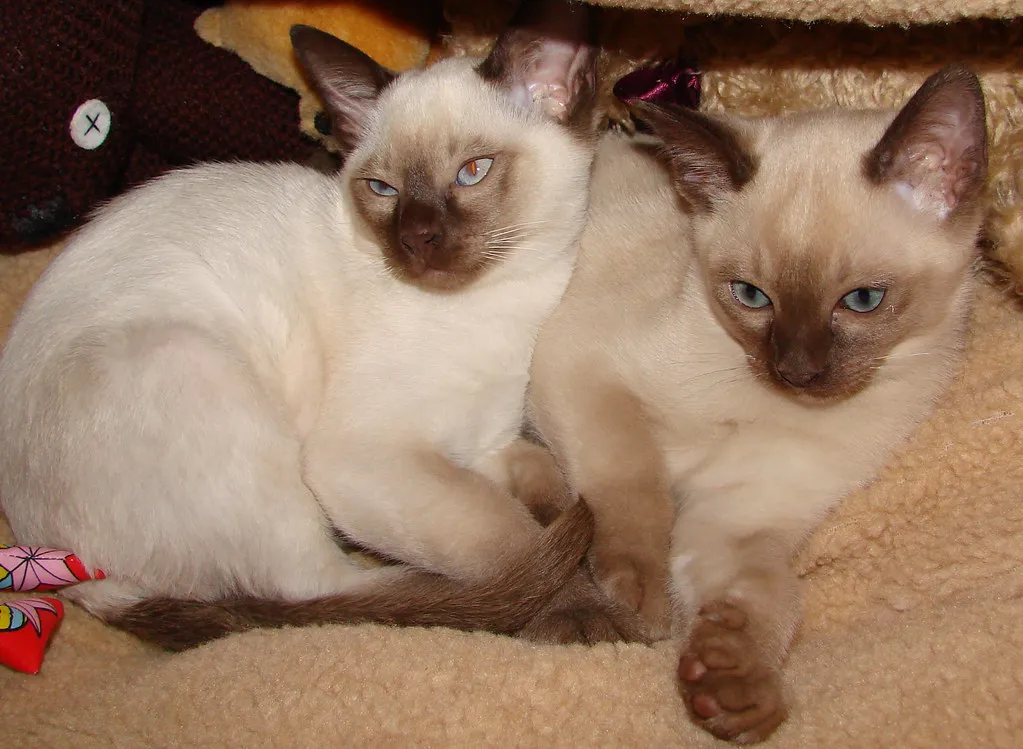
Tonkinese cats – a mix of Siamese and Burmese – combine intelligence with intense social needs. Many are happiest physically on you, whether that’s lap, shoulder, or chest. Owners frequently report that their Tonks will reach up like toddlers, clearly inviting a pick-up.
This is one of the rare breeds where being carried around the house actually fits their love of involvement.
They’re vocal and opinionated, though. If a Tonkinese doesn’t want to be held at a particular moment, you’ll know immediately, and trying to “train” them into unwanted pick-ups can turn a close bond into a control battle. Treat pick-ups as a conversation instead of a demand, and many Tonks become serial arm-occupiers.
#9 – Persian: Calm Arms-Cats… On Their Terms
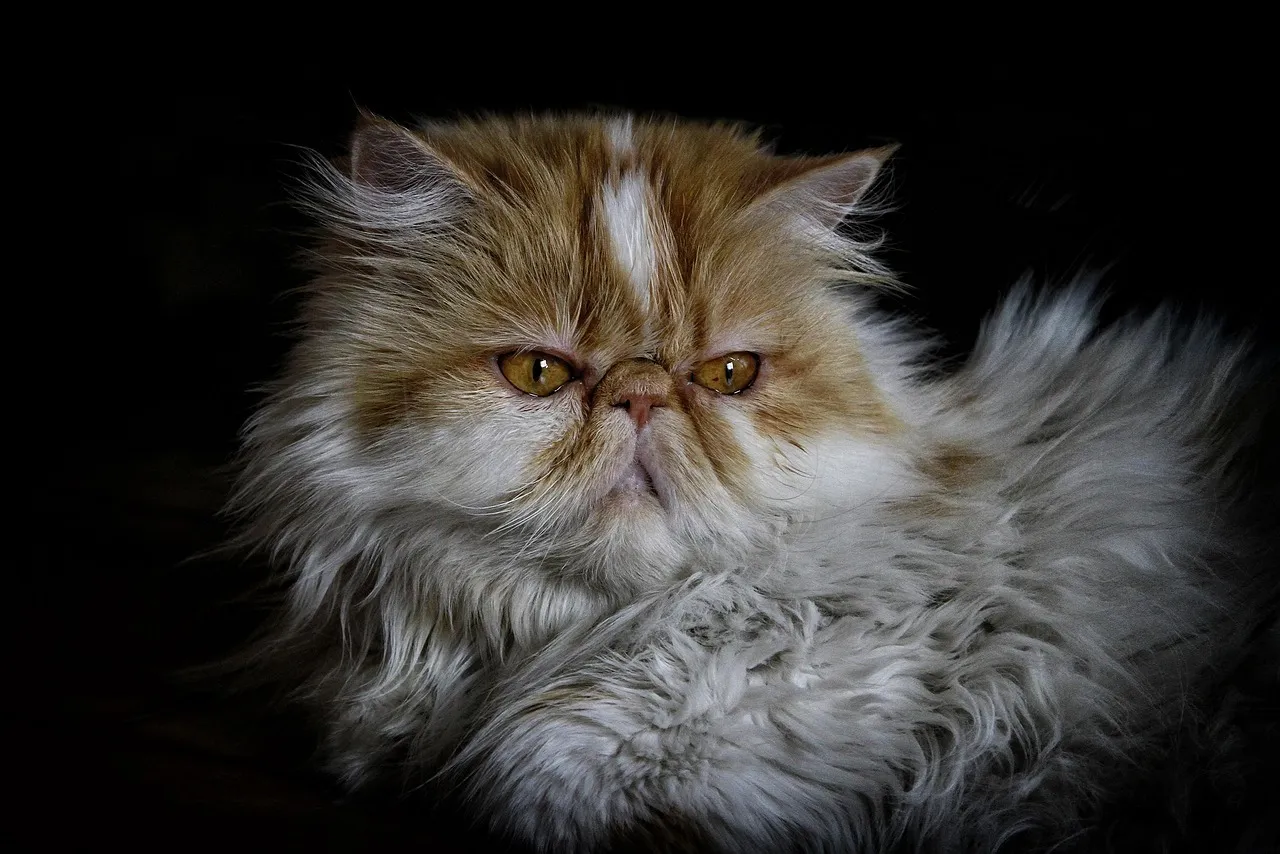
Persians have a reputation for being calm, placid, even a little lazy. In many homes, that translates into a cat that doesn’t mind being picked up for short, gentle holds. Their laid-back demeanor and low activity level often make Persians seem like natural lap and arms companions.
Many will quietly accept being carried from couch to bed, or from window perch to grooming table, without protest.
Here’s where people go wrong: confusing passive tolerance with actual enjoyment. Persians rarely explode in protest, so they may endure clumsy kid-arms or too-long cuddles silently – and that chronic low-level annoyance can surface later as “random” swats. Keep pick-ups shorter and sweeter, and lean on lap time instead.
#10 – Exotic Shorthair: The Squishy Lap Goblin
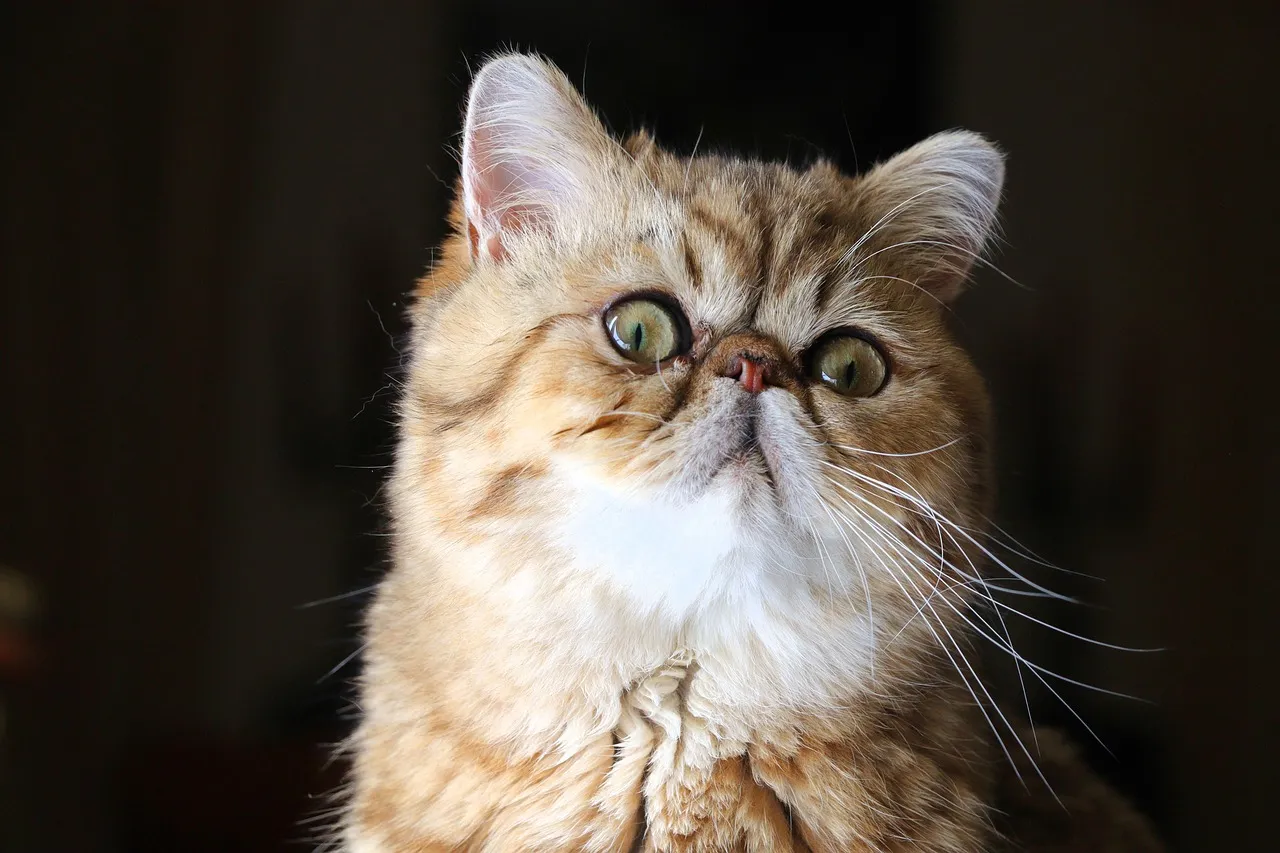
Exotic Shorthairs are essentially short-haired Persians with a similar sweet, calm temperament, but a bit more playful and clownish. Many enjoy being close to their people and will relish being scooped into a cozy chest cuddle. Their stocky bodies and easygoing personalities often make them feel like living plush toys when you hold them.
They’re less likely to launch themselves away than more athletic breeds.
Some behaviorists argue Exotics get over-handled precisely because they’re so cute and tolerant. These flat-faced cats can be prone to breathing issues, and certain cradling positions might make it harder for them to breathe comfortably. If an Exotic shifts, stretches its neck, or pants, that’s a red flag – keep holds brief and always watch the face.
#11 – American Shorthair: Steady, Adaptable, and Often Pick-Up Friendly
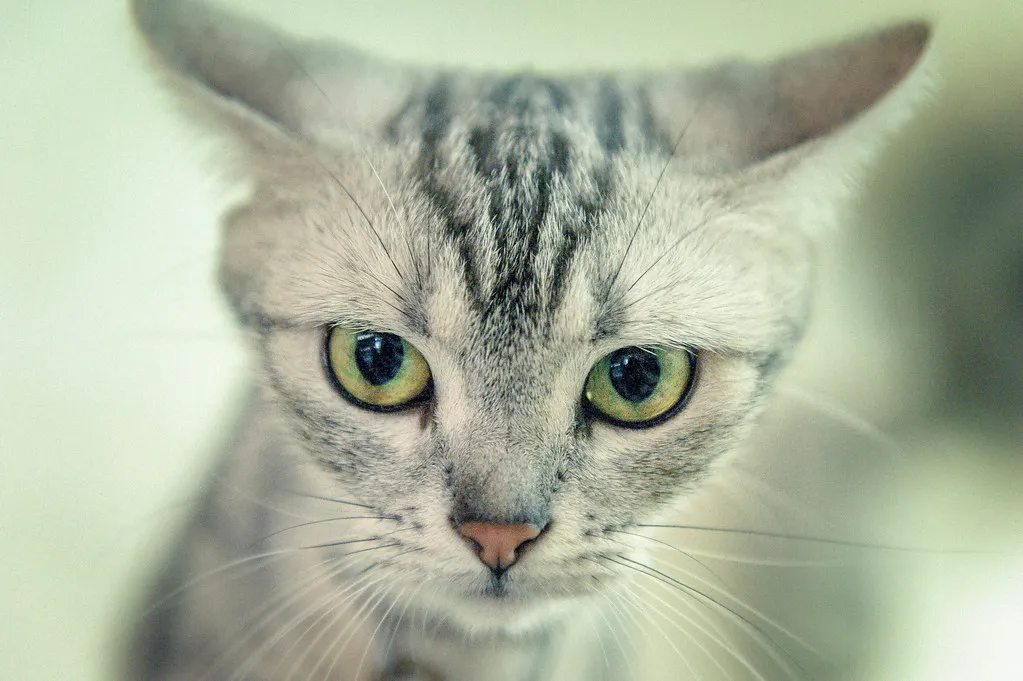
American Shorthairs, the all-American “working cat” turned family pet, tend to have stable, moderate temperaments. They’re not as clingy as a Sphynx or Burmese, but many are fine with regular, respectful pick-ups, especially if handled gently as kittens. With proper socialization, lots of American Shorthairs will accept being carried for short periods without stress.
Their adaptability is a huge part of why the breed has stayed so popular.
Where it goes sideways is when owners assume “friendly” equals “always wants to be held.” Some will curl in your arms for a moment, then clearly ask to be put down. Forcing “just one more hug” teaches them that being picked up means losing control – and they’ll start dodging your hands.
#12 – British Shorthair: Reserved… But Weirdly Okay With Short Holds
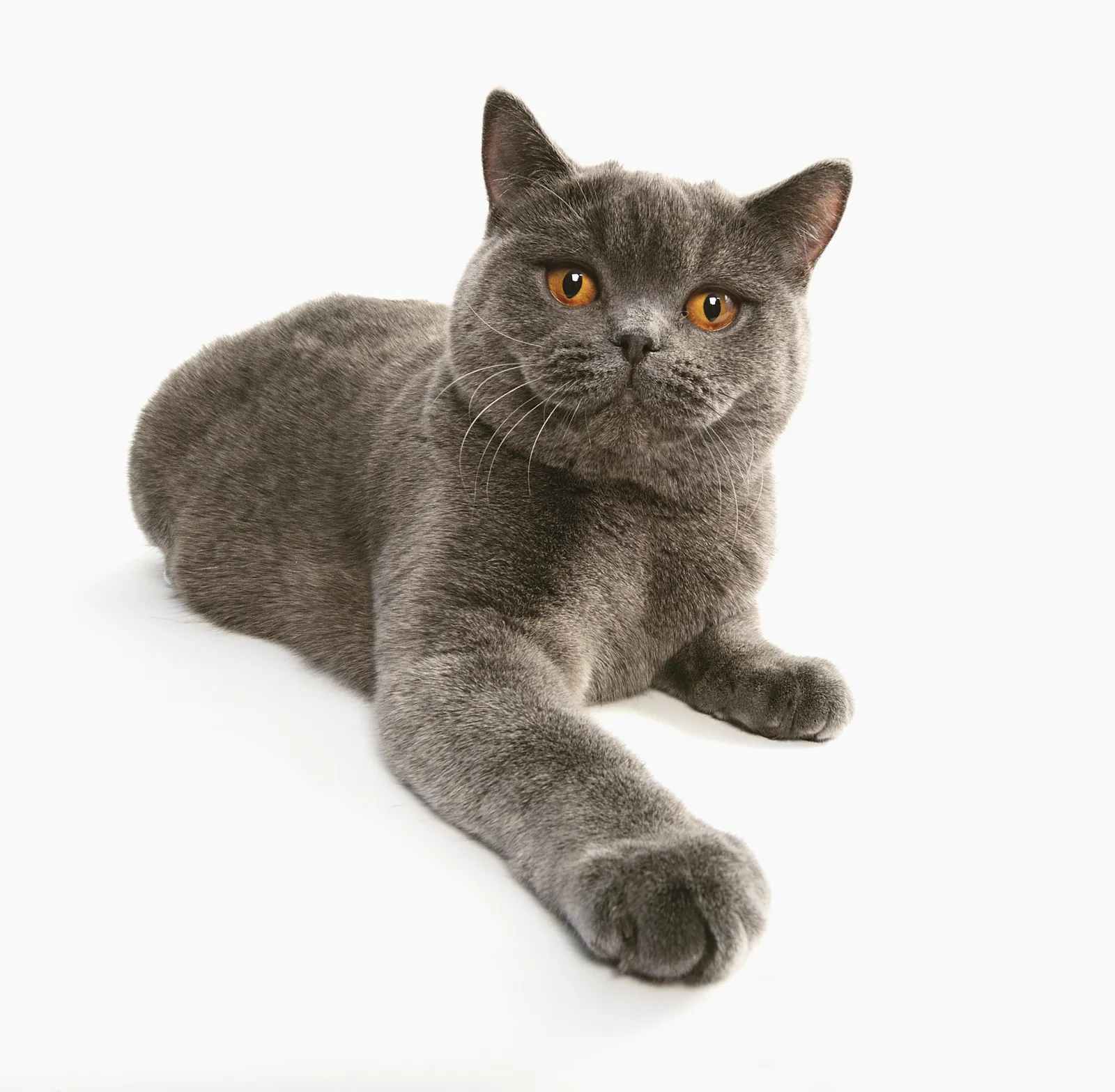
British Shorthairs are famously reserved, described as “teddy bears you’re not supposed to squeeze.” They’re not typically in-your-face cuddlers, yet many will accept brief, gentle pick-ups surprisingly well once they trust you. They’re sturdy, calm, and less likely to panic when lifted than more nervous breeds.
The key is that they usually prefer being next to you rather than on you, so a pick-up should feel like a quick hello, not a relocation.
A British Shorthair who tolerates a few seconds of holding without protest is showing real trust. Push that trust – especially with kids who want to carry them around – and a placid cat can slowly turn aloof. “A little” is their version of “a lot,” and respecting that is the whole game.
#13 – Siberian: Athletic, Affectionate, and Often Shoulder-Friendly
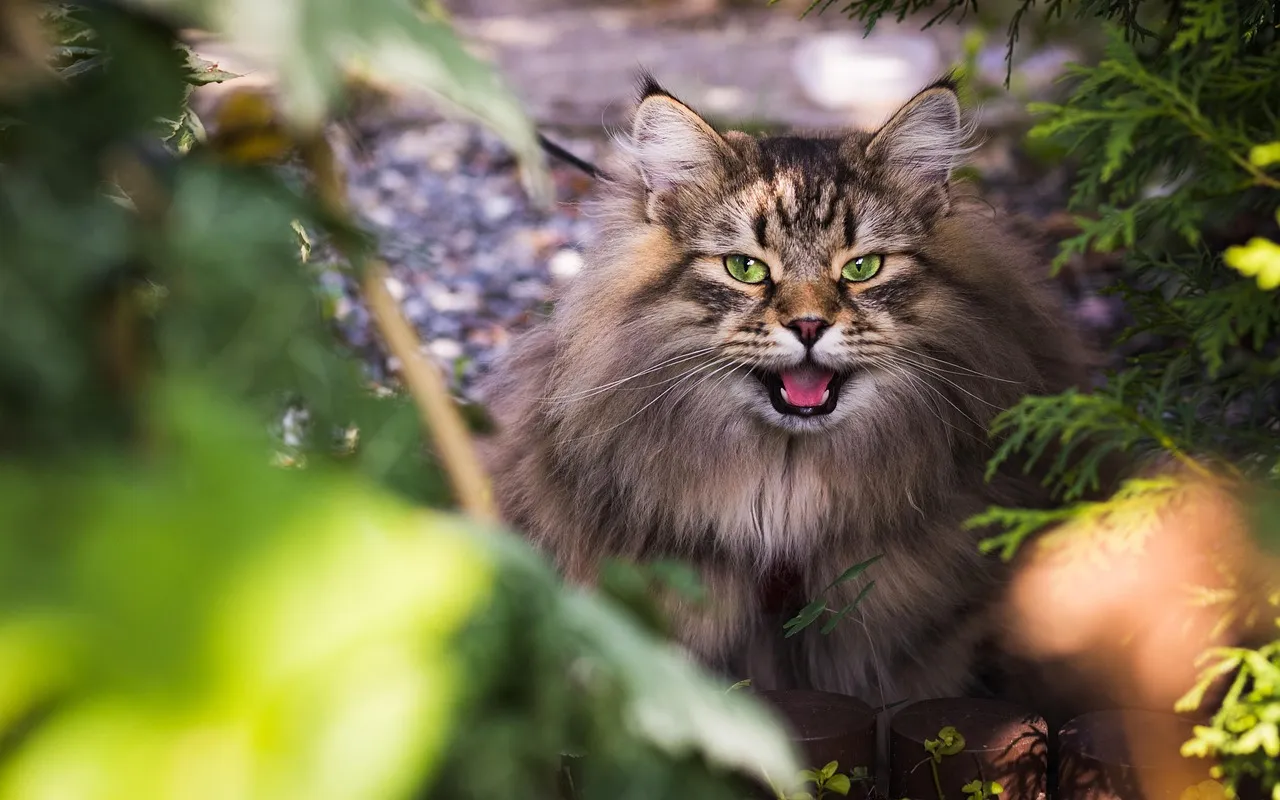
Siberians are athletic forest cats with a surprisingly affectionate streak. Many are confident, social, and openly curious about their humans’ activities. Quite a few Siberians enjoy perching on shoulders or being held upright to survey the room, especially if introduced to it young.
They’re sturdy and not easily spooked, so being off the ground isn’t the terror it is for more anxious breeds.
Their athleticism cuts both ways, though – a Siberian who loves jumping to your shoulder might hate being cradled like a baby for long stretches. Owners who insist on “baby holds” because the cat is big and fluffy often miss subtle resistance, which over time can turn a cooperative cat into one that avoids your hands entirely.
#14 – Chartreux: Quiet Shadows Who Often Tolerate Your Arms
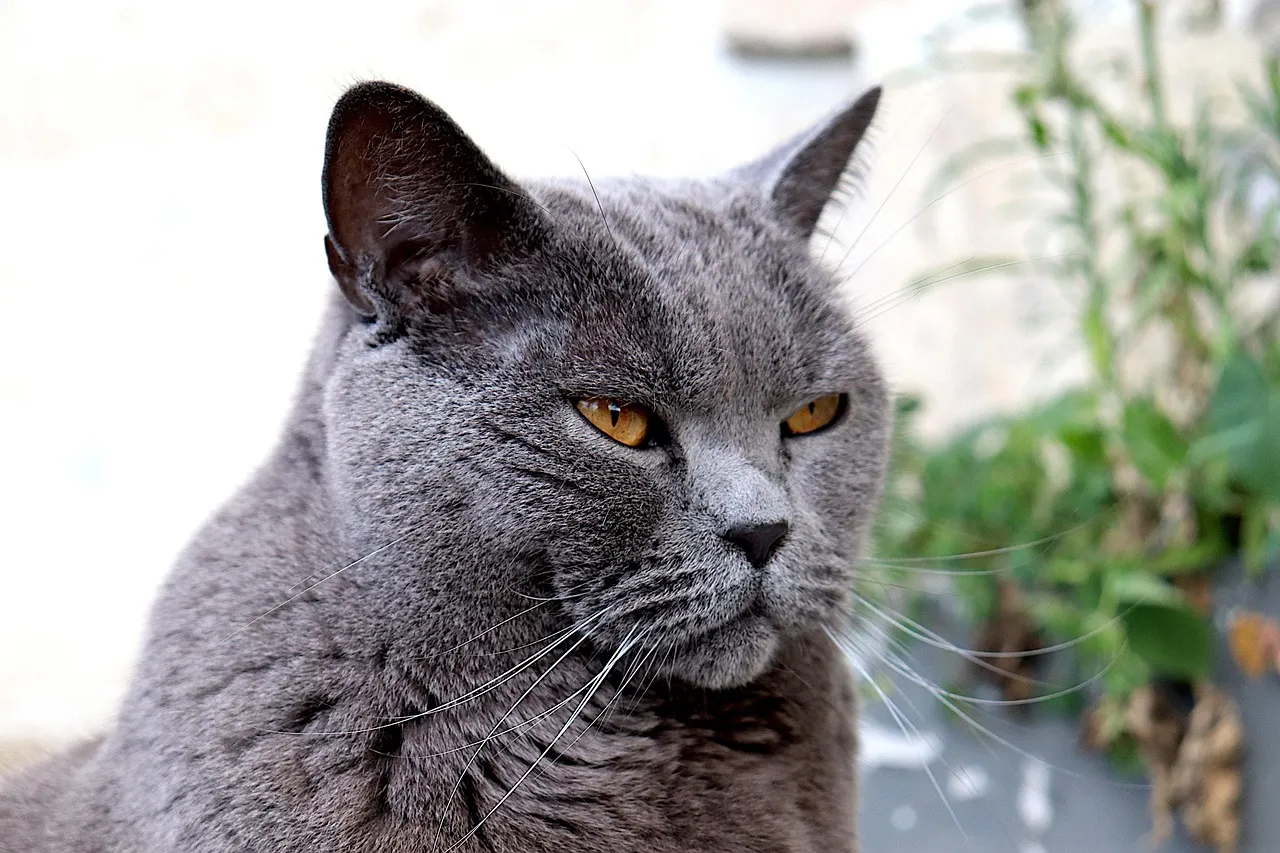
Chartreux cats are relatively rare but beloved for their quiet, observant personalities and fierce bonds with their chosen humans. They’re rarely hyper or dramatic, which makes them easier to pick up without a struggle. Many Chartreux will calmly accept being lifted and held close, especially by the person they shadow most.
Their silence isn’t detachment – it’s often deep, understated affection.
That same silence can fool people, though. A Chartreux that stiffens, looks away, or gently pushes with its paws is communicating just as clearly as a hiss – most humans just ignore it. Focus on quality over quantity: short, secure holds paired with plenty of floor-level petting will keep the trust intact.
#15 – Manx: Tailless and Surprisingly Person-Oriented
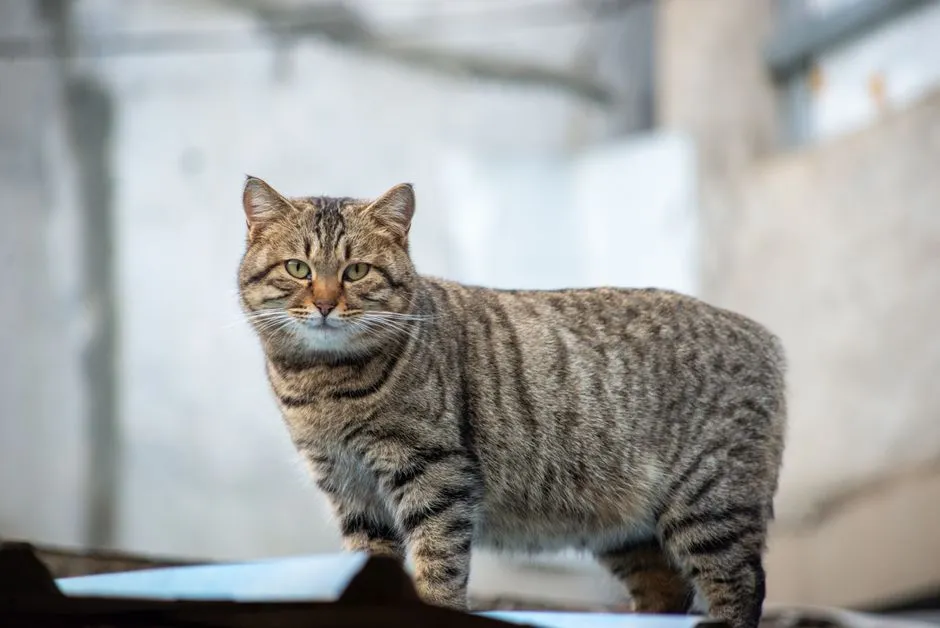
Manx cats, known for their tailless hindquarters, are often described as doglike in loyalty. Many are deeply attached to their families and want to be involved in everything. With proper socialization, a lot of Manx will accept being picked up and even enjoy brief carries, especially by a trusted person.
Their sturdy build and confident nature help them stay calm in arms.
The complication is their spine. The genetic mutation behind the missing tail can also cause spinal issues in some Manx, making certain positions uncomfortable. A cat that once tolerated long pick-ups may start resisting as it ages and grows more sensitive – so keep holds gentle, well-supported, and never forced.
#16 – Domestic (Mixed-Breed) Lovebugs: Personality Over Pedigree
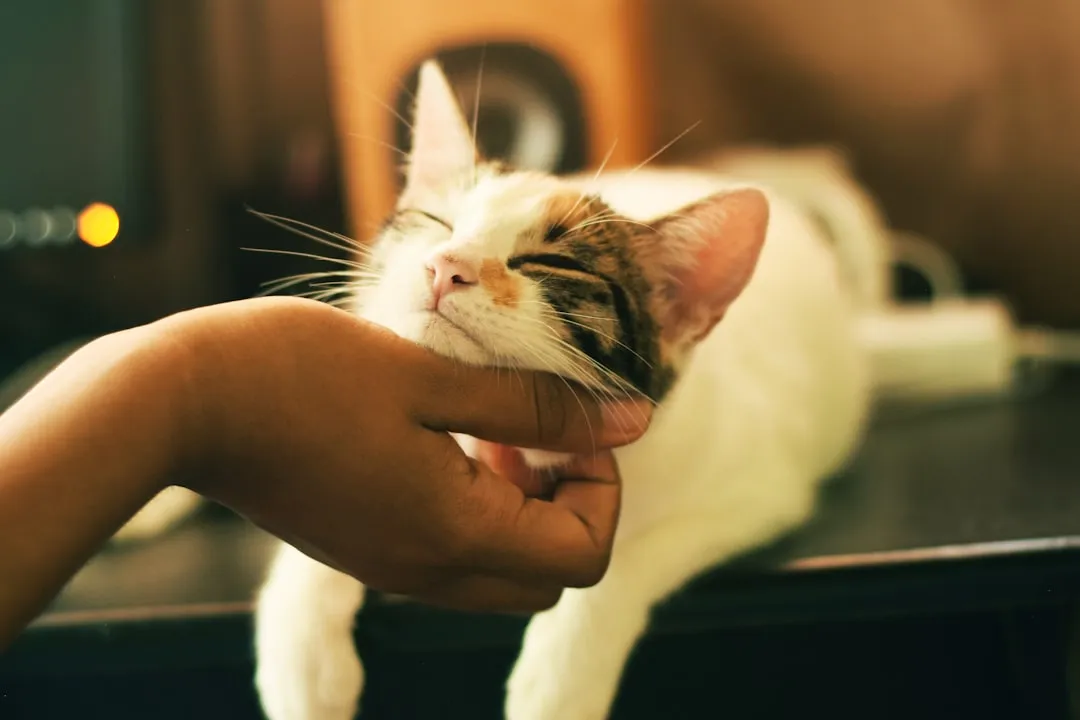
Here’s the twist: some of the most pick-up-obsessed cats on the planet have zero fancy breed label. Domestic shorthairs and longhairs – mixed-breed “moggies” – can be wildly affectionate and absolutely addicted to being held. Shelter staff will often note “loves being carried” on a cage card, and that cat might be the best arms-cat you’ll ever meet.
Early socialization and genetics both play a role, but pedigree is not destiny.
The problem is people assuming “random-bred” means “unpredictable,” and handling these cats more roughly than they would a pricey purebred. A well-socialized mixed-breed cat can rival any Ragdoll in cuddle potential – the only real way to know is to ask the cat, respectfully and repeatedly.
#17 – Kittens in General: Cute Now, Habits for Life
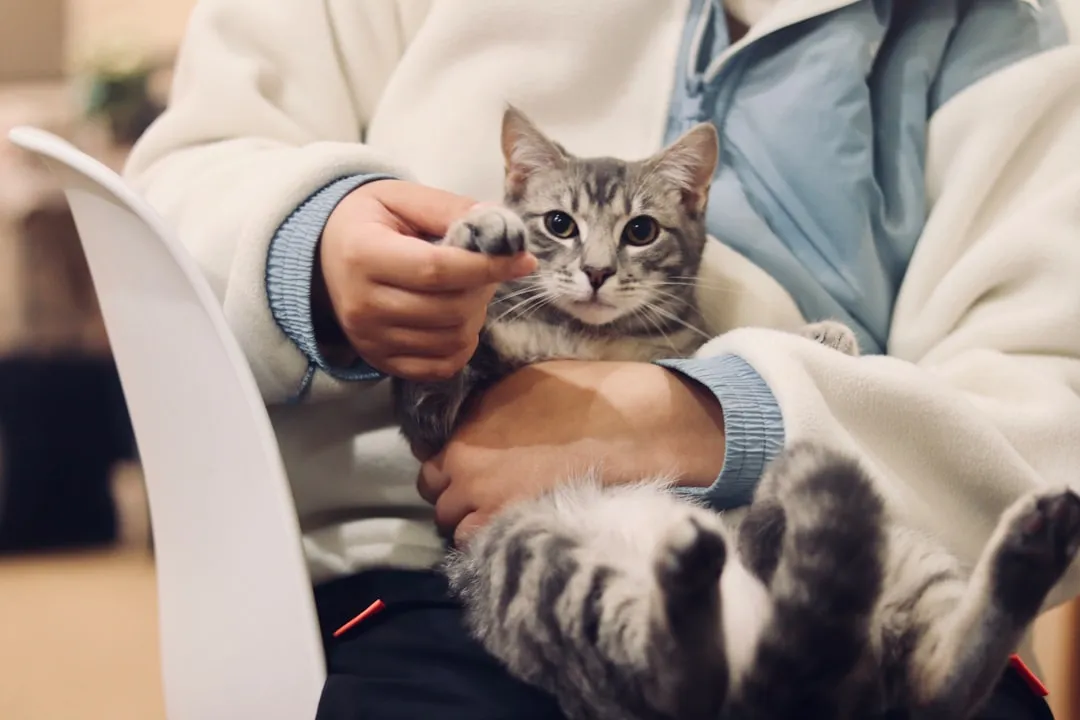
Regardless of breed, kittens are usually more tolerant of handling simply because everything is new and they haven’t learned what to fear yet. Positive, gentle pick-ups during the first few months can permanently shape a cat’s adult attitude toward being held.
Breeders and behaviorists agree: this is the window where you teach “being in arms equals safety,” not chaos.
Worth Knowing
- Tail flicking or thumping usually means “I’m done,” not “keep going”
- Ears pinned sideways or flattened back signal rising stress, even without a growl
- A stiff, frozen body is often a more urgent warning than an active wiggle
- Pushing away with front paws is a clear, polite request to be set down
Most people blow it anyway. Kids grab, adults scoop from above, and kittens get held too long or too tight while desperately trying to play. A cat that “hates being picked up” at three years old often learned that lesson from humans at three months – short, frequent, gentle lifts with immediate release when they signal “enough” is how you build the mythical cat that actually begs to be held.
#18 – Siamese: Loyal, Loud… and Often Anti-Restraint
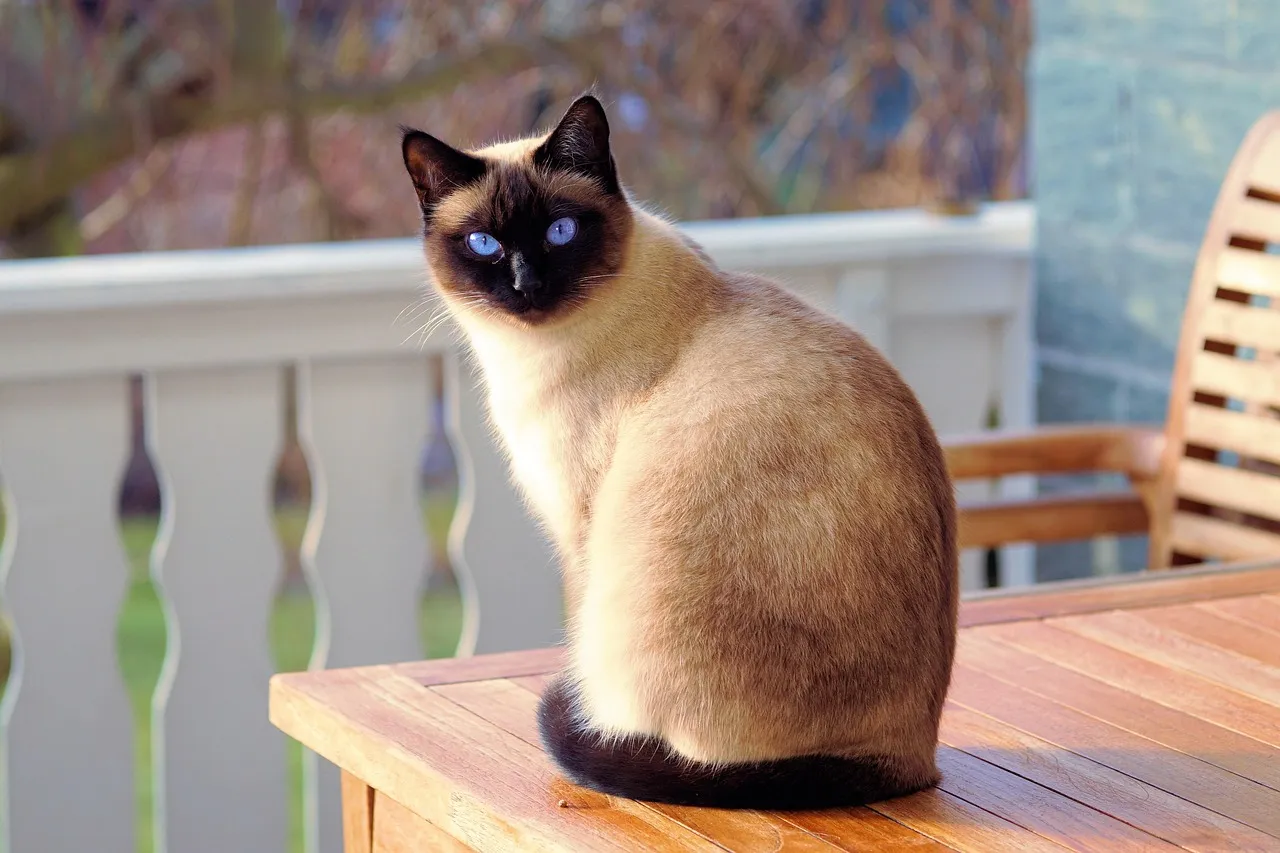
Now we enter the “don’t even try it” zone. Siamese cats are famously attached to their humans, but that doesn’t automatically make them pick-up friendly. Many Siamese love sitting beside you, sleeping on you, and talking to you – but actively resent being physically restrained in arms.
Their intelligence and strong opinions mean they know exactly what they like, and what they like is control.
Some people misread their vocal protests as “chatty affection” and keep holding them longer, which is how minor dislike curdles into full-blown loathing. A well-socialized Siamese might tolerate a quick scoop for a kiss, but breed-wise they skew toward “put me down, I’ll come to you.”
#19 – Bengal: Too Busy Conquering the Ceiling to Be Your Baby
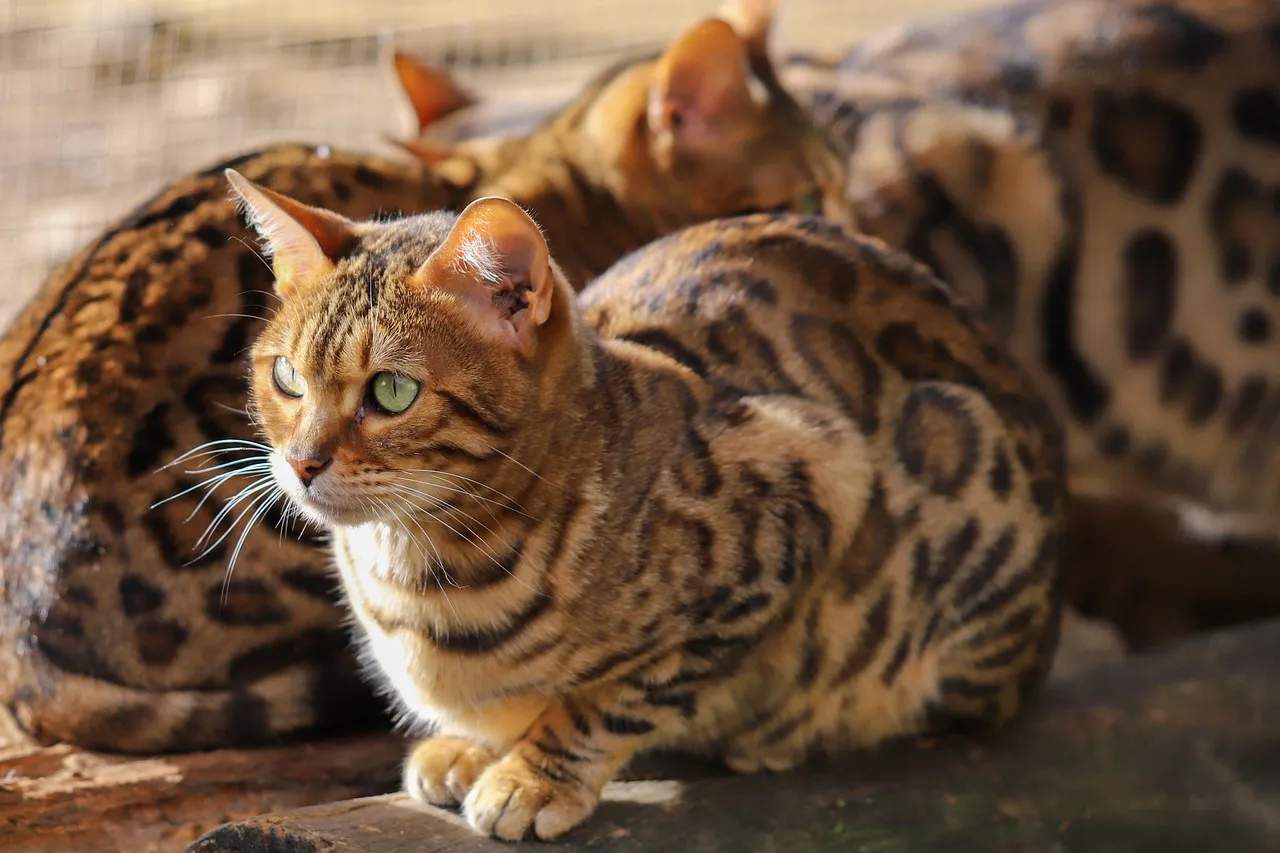
Bengals might be the single most misunderstood breed when it comes to affection. They’re highly bonded, curious, and interactive – but many absolutely do not want to be picked up. Behaviorists often note that Bengals prefer active engagement – play, training, exploring – over passive cuddling, especially the “cradled like a baby” style.
Their wild ancestry shows in their need for autonomy and movement.
Forcing pick-ups on a Bengal often escalates fast: vocal protests, twisting, even defensive scratching. If you want a cat you can carry like a purse, this is almost certainly the wrong breed. Ironically, the more you respect their no-hold boundary, the more likely they are to voluntarily climb onto you anyway.
#20 – Russian Blue: Devoted, Shy, and Not a Fan of Being Lifted
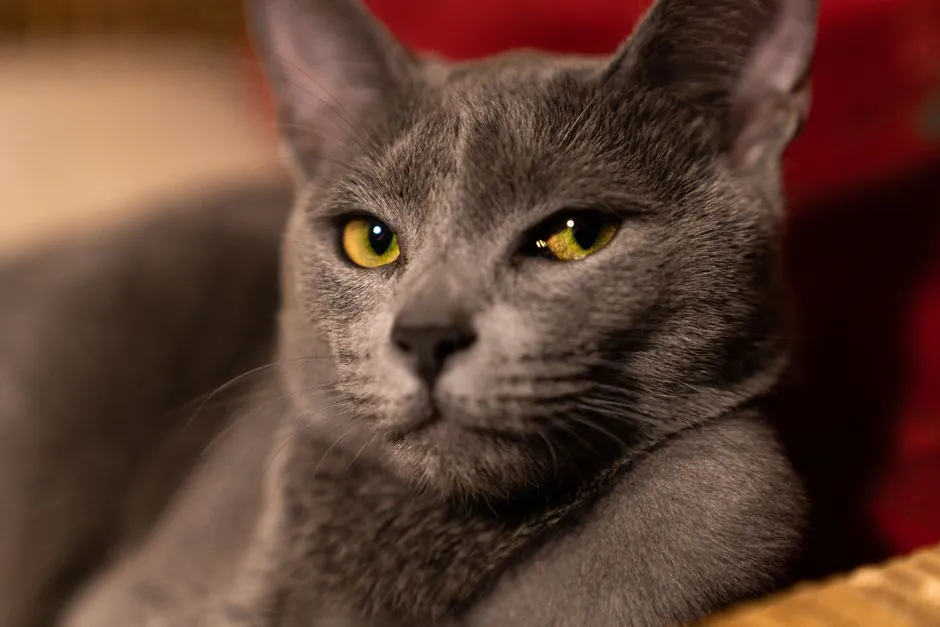
Russian Blues form intense bonds with their families, but they’re also cautious and sensitive. A lot of Russian Blues prefer to show affection by sitting near or on you, not by being hoisted into the air.
They can be slow to trust new people, and sudden pick-ups from strangers are a fast way to convince them humans are unpredictable.
Once bonded, a Russian Blue might allow brief pick-ups, but many never truly enjoy it. Ears tilting back, tail twitching, muscles tensing – these subtle signs get missed because they don’t always hiss or swipe. Respect the “I love you, but don’t lift me” preference and you get devoted, quiet loyalty; ignore it and you’ll mostly see the back end of a disappearing gray blur.
#21 – Turkish Van: The “Swimming Cat” That Hates Your Arms
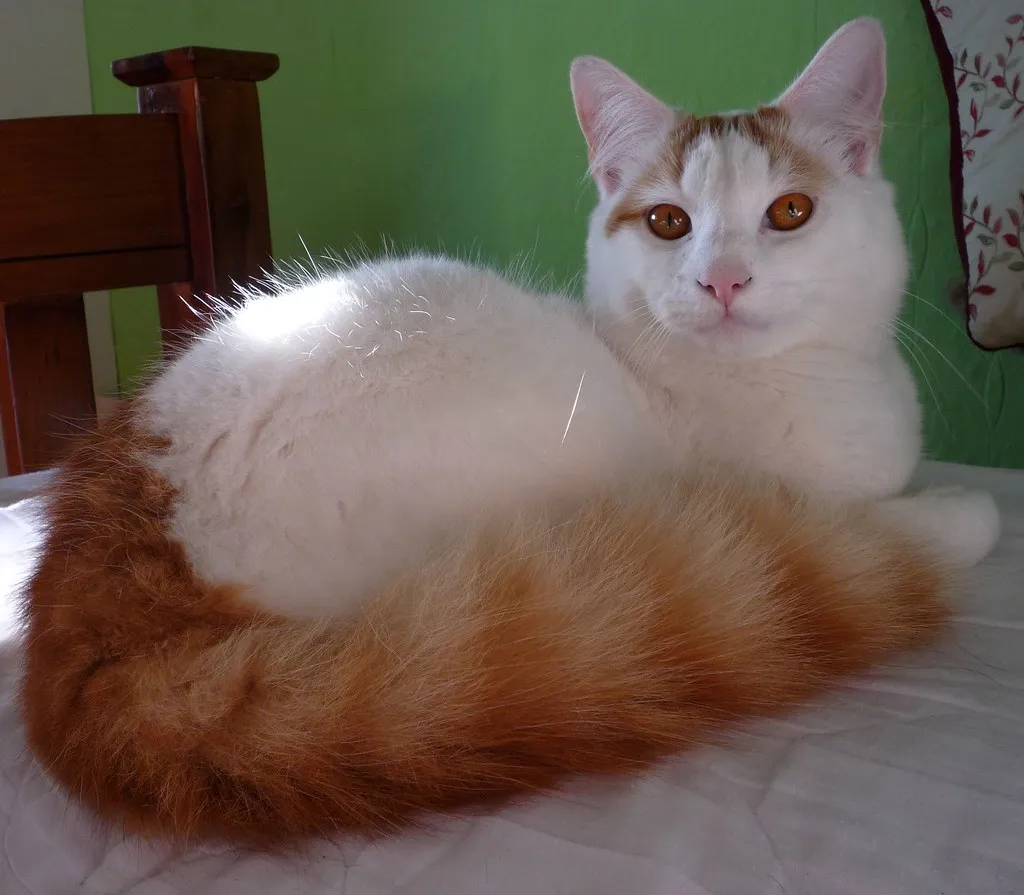
Turkish Vans are famous for liking water, not for liking being held – and that difference matters. Breed profiles consistently describe them as active, independent, and not particularly fond of being restrained.
They’d rather climb, jump, and explore than sit still in anyone’s arms.
Owners expecting a fluffy cuddle buddy are often shocked when their Van treats a pick-up like an insult. Many feel genuinely trapped when held, which can trigger scrambling, clawing, or even a defensive bite. Experienced cat people now warn: if you want a portable cat, don’t pick the one bred to hunt across mountainous terrain.
#22 – Norwegian Forest Cat: Majestic… and Majestically Over Your Pick-Ups
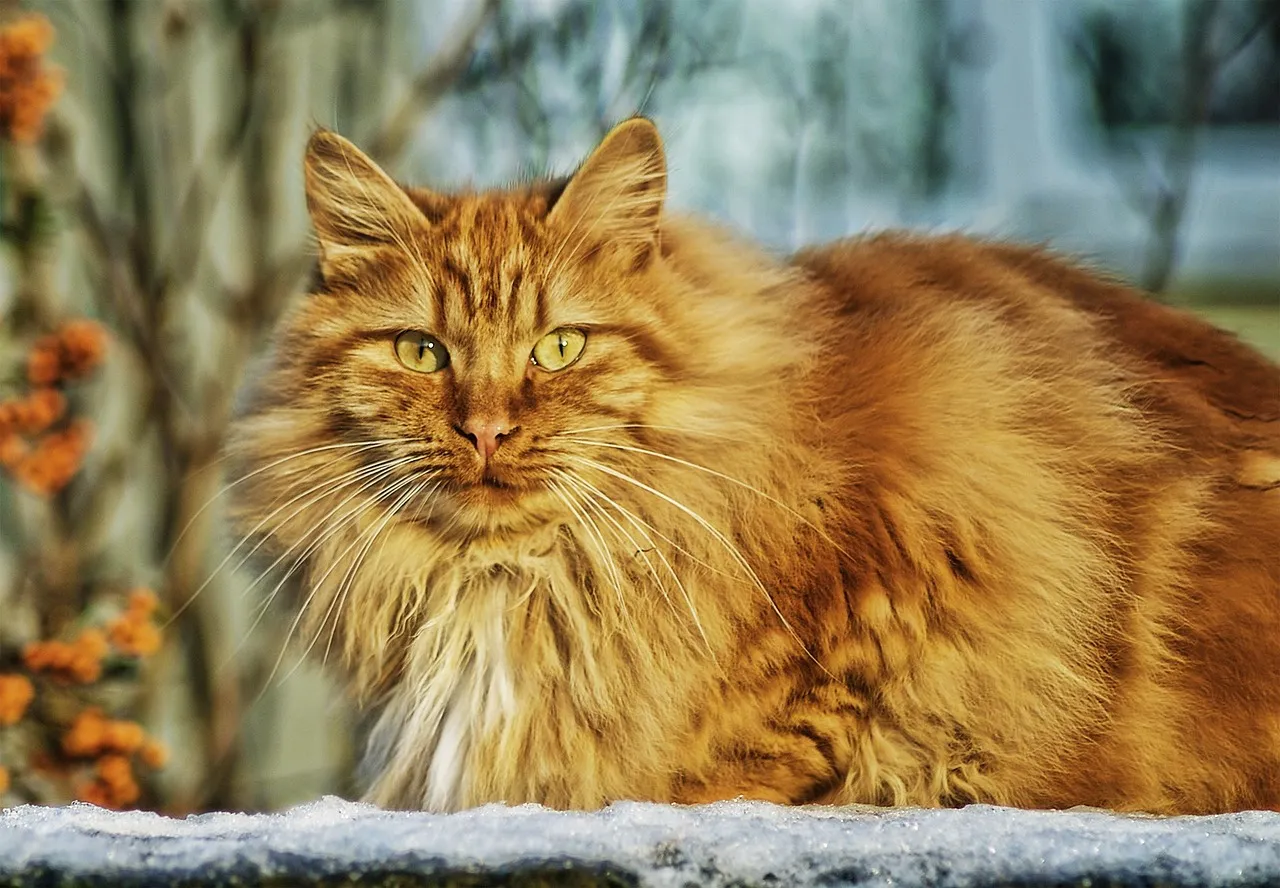
Norwegian Forest Cats look like perfect cuddle props: huge, fluffy, fairytale creatures. But many are far more comfortable climbing your furniture than being lifted by your arms. They tend to be confident but independent, preferring to come to you on their own terms rather than being physically controlled.
Their large size also makes pick-ups awkward if not done perfectly.
Some individuals, especially those socialized very young, tolerate short holds – but as a breed they skew toward “set me down and admire from below.” Forcing a Wegie into long cuddles can break trust fast; they’re strong enough to wriggle free and smart enough to avoid you afterward.
#23 – Abyssinian: Too Busy Running the Room to Be Restrained
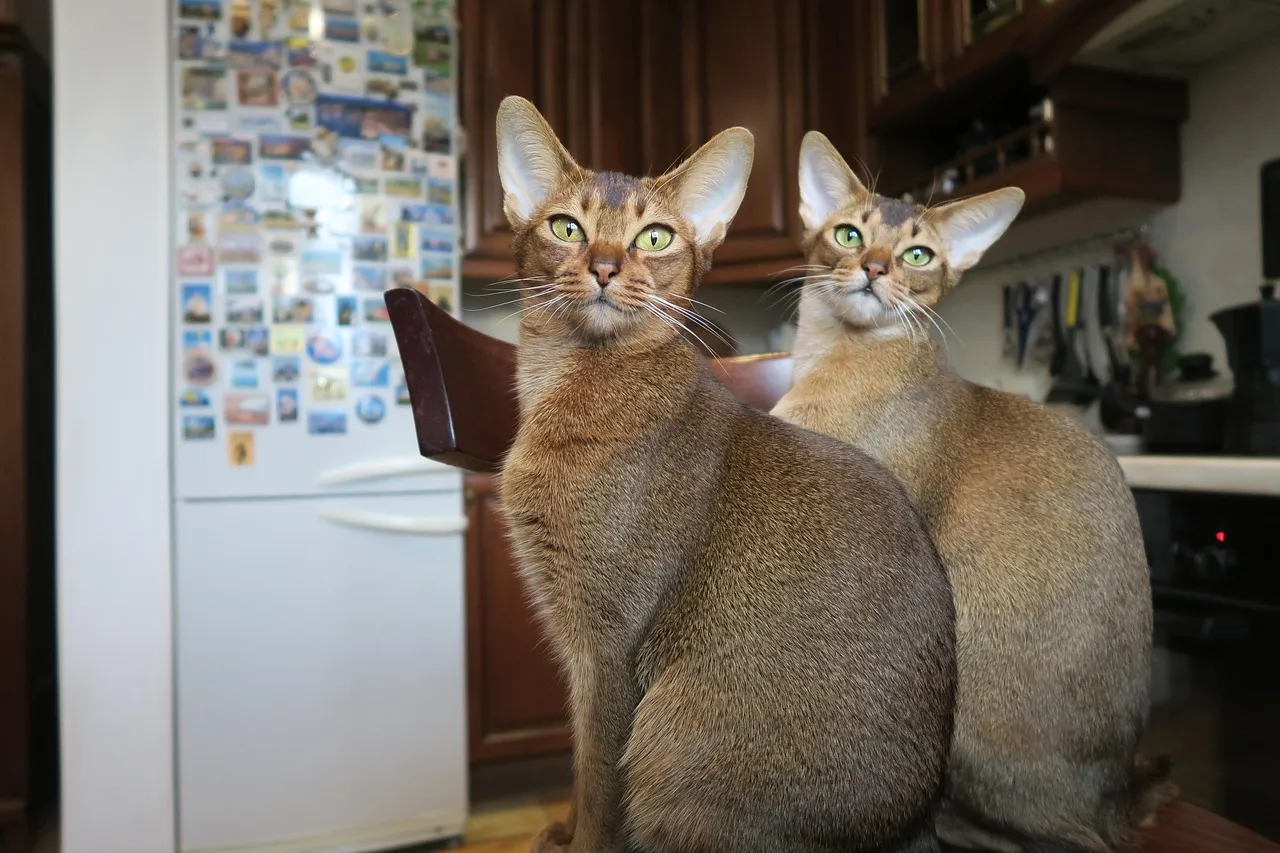
Abyssinians are one of the most active, curious breeds on the planet. They’re intelligent, playful, and deeply involved in everything – just not in your arms. Most Abys would rather climb a bookcase or chase a feather than sit still in a human’s grasp.
When you pick them up, many tolerate it for a heartbeat, then immediately wriggle to get back to their missions.
This isn’t a lack of affection – Abys can be very attached, they just express it through proximity and participation instead of passive cuddling. People who insist on holding them often mistake the frantic escape for “bad temperament,” when it’s really just a mismatch of expectations.
#24 – Oriental Shorthair: Clingy Hearts, Anti-Lift Bodies
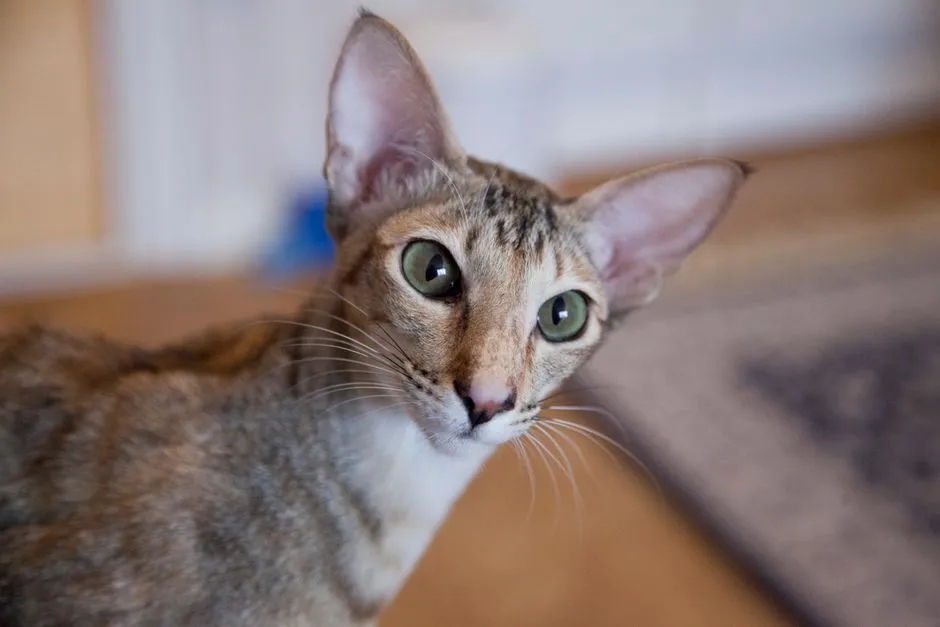
Oriental Shorthairs are closely related to Siamese and share that same intense, vocal attachment to their humans. They’ll follow you, yell at you, sleep on you – but many still dislike being picked up. Their long, lithe bodies and high-strung energy mean that being confined in arms can feel overstimulating or even threatening.
They prefer contact on their terms: laps, shoulders, pressed against your side.
Some Orientals can learn to tolerate brief pick-ups if it’s always paired with something positive, like a treat or immediate release. But push past their comfort zone and you’ll get loud, dramatic protests – once they decide being lifted is bad, that association is hard to undo.
#25 – Savannah: Half Acrobat, Half Wild at Heart
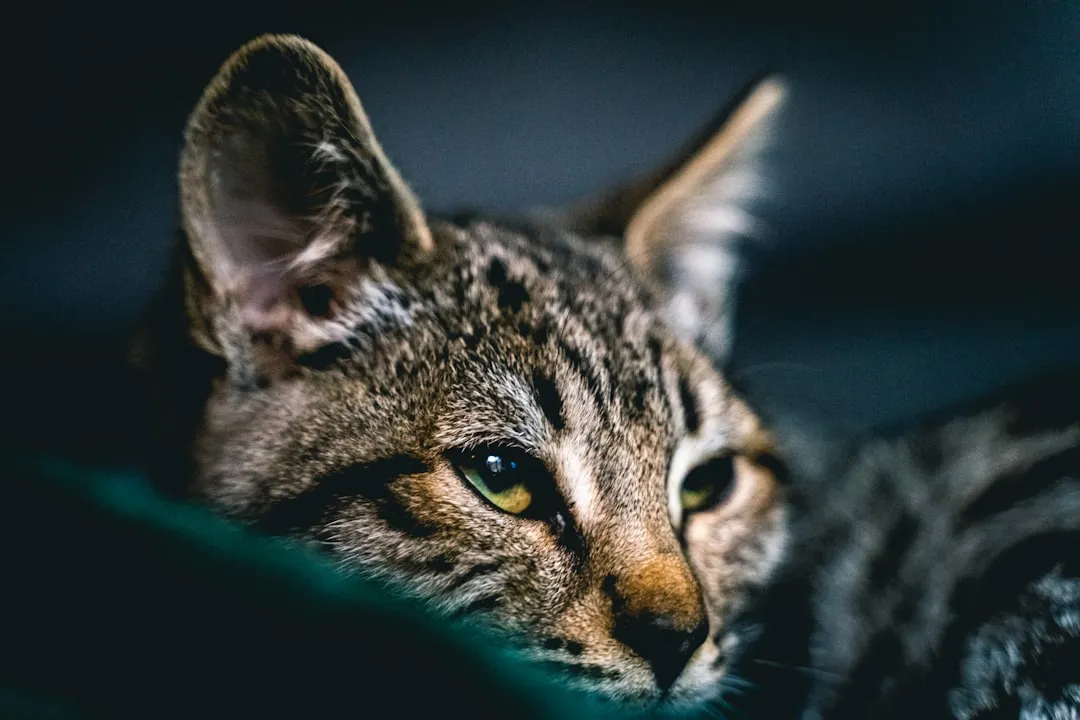
Savannah cats – especially higher-generation ones – have serval ancestry, and it shows. These are ultra-athletic, high-drive cats that generally do not enjoy being restrained. Many Savannahs will bond intensely with their families yet strongly resist being picked up, viewing it as a restriction of their freedom.
They’d rather walk on a harness, jump to shoulder height on their own, or trot alongside you like a dog.
Quick Compare
- F1 is 50% Serval (one Serval parent), F2 is roughly 25%, F3 is around 12.5%, with F4 and F5 further down the line – and the wilder the mix, the less they tolerate being scooped up
- Alaska, Colorado, Iowa, Massachusetts, New Hampshire, and Vermont allow only F4 or later generations
- Savannahs are banned outright in Hawaii, Georgia, Rhode Island, and Nebraska regardless of generation
- Even calmer, later-generation Savannahs rarely enjoy a full-body cradle hold
Trying to force a Savannah into your arms is stressful and can be genuinely dangerous – a panicked, powerful feline with long legs and claws is no joke. Experienced owners almost universally say: don’t plan on carrying them. Respectful play and training sessions are how you actually connect.
#26 – American Curl: Ears That Fold, Patience That Doesn’t
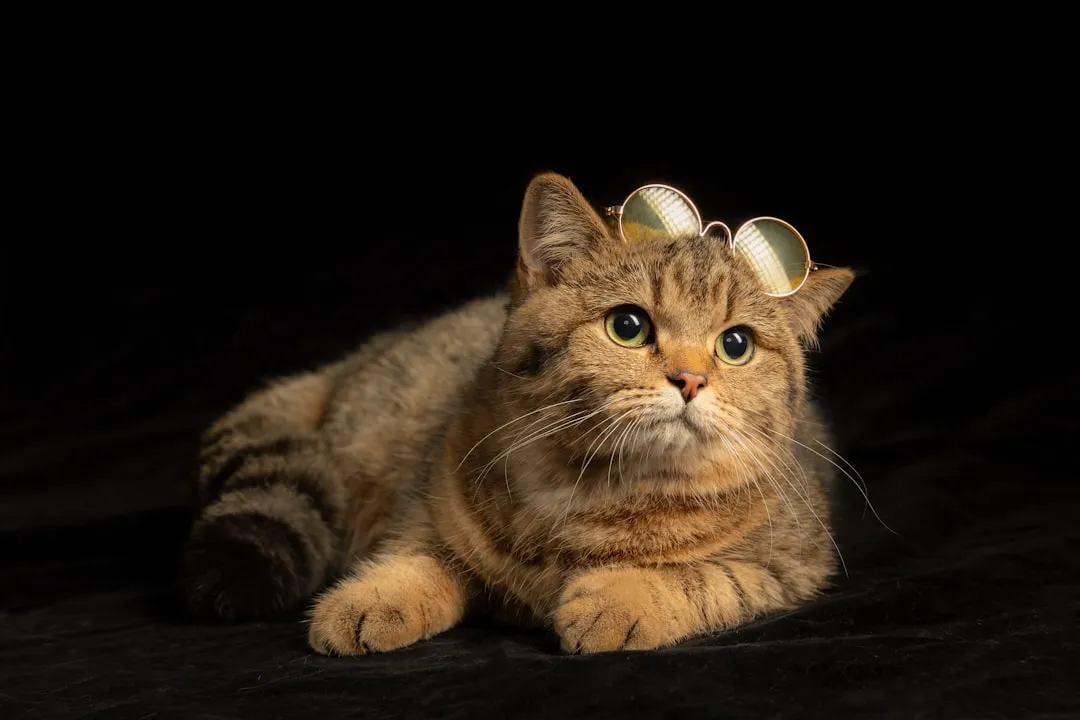
American Curls are friendly, curious, and people-oriented – but that doesn’t automatically translate into enjoying pick-ups. While many Curls will happily sit beside you, join you in bed, or perch nearby, a significant number dislike the feeling of being confined in arms.
Their moderate activity level and curiosity mean they want to move, not be immobilized.
Some tolerate quick scoops for a greeting, especially if raised with gentle handling, but they’re rarely the type to relax for long, cradled sessions. Owners sometimes assume their soft expression and unusual ears signal a plush, compliant temperament – in reality, they can be quite opinionated about how they’re touched.
#27 – Cornish Rex: Affectionate, Yes. Held? Usually No.
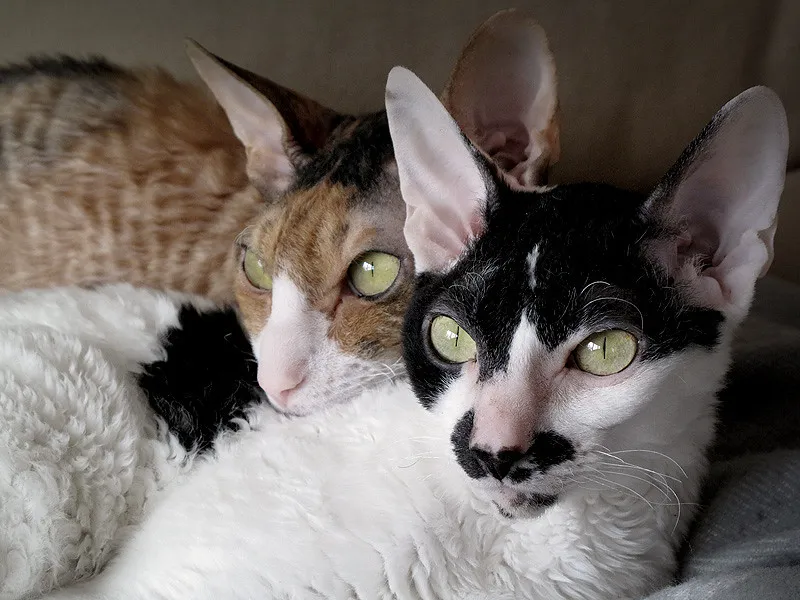
Cornish Rex cats are extremely affectionate, often described as “in your face” social – but they tend to prefer being the one to initiate contact. Many Cornish Rex love laps, shoulders, and sleeping plastered against you, yet dislike being lifted and held against their will.
Their slim, springy bodies were built for acrobatics, not for staying still in cradled positions.
That disconnect confuses people: “But he sleeps on my chest, why won’t he let me pick him up?” The answer is control. When they choose to be on you, they can leave whenever they want; when you hold them, that choice disappears. Respect their need to be the driver, not the cargo, and you’ll get all the affection – just not the baby-carry.
#28 – Devon Rex: Clowns Who Still Hate Being Restrained
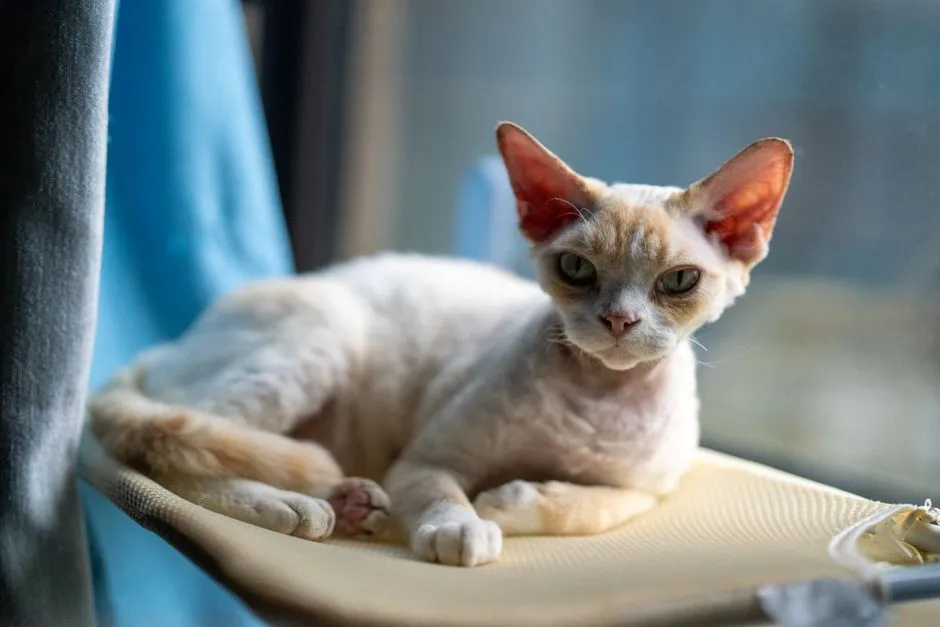
Devon Rex cats are often called “monkey cats”: mischievous, playful, and weirdly people-obsessed. They climb you, head-butt you, steal your spot on the couch – so surely they love being held, right? Not necessarily. A lot of Devons will hop into your lap or onto your shoulder, but wriggle like eels the second you try to confine them in your arms.
Their energy level is simply too high for most long holds.
The best “pick-up” for a Devon is usually a quick assist to a higher perch or a brief chest-level hello before being set down. Owners who grab and hold on because “he clearly loves me!” often end up scratched and confused – let them be the ones who attach themselves to you.
#29 – Singapura: Tiny Body, Huge Opinions About Being Lifted
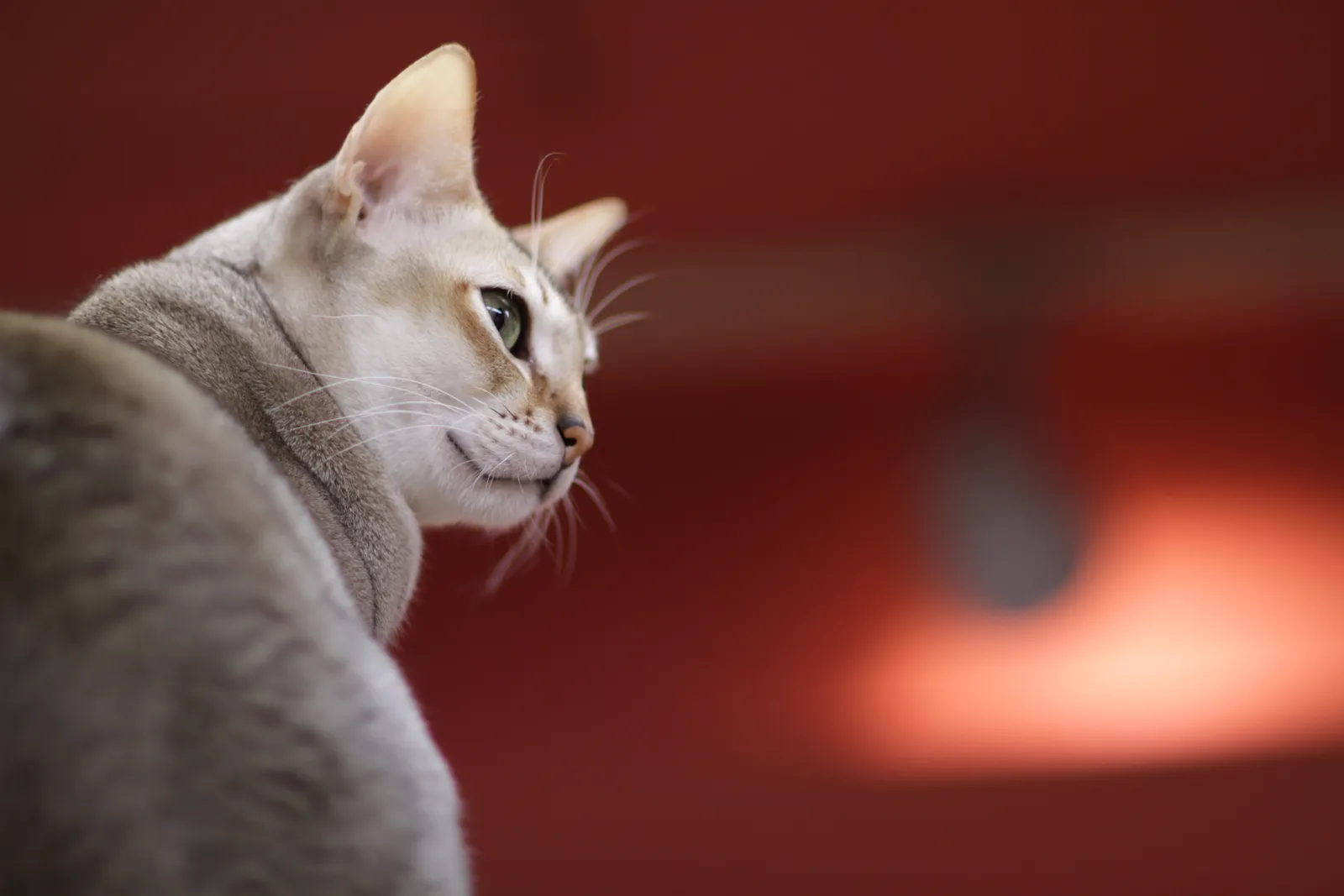
Singapuras are one of the smallest cat breeds, and people can’t resist scooping them up like living toys. Unfortunately, many Singapuras disagree. Despite their size and sweetness, a lot of them are wary of being picked up and prefer to keep their paws on solid ground or choose their own lap time.
Their sensitive, sometimes shy nature makes forced handling especially stressful.
Because they’re small, people tend to ignore their protests – “oh, she’s fine” – which erodes trust quickly. Let them come to you, offer gentle low-height pick-ups, and release immediately at the first sign of tension. Ignore it, and you’ll mostly see a blur diving under the nearest piece of furniture.
#30 – Egyptian Mau: Sprinters, Not Snugglers
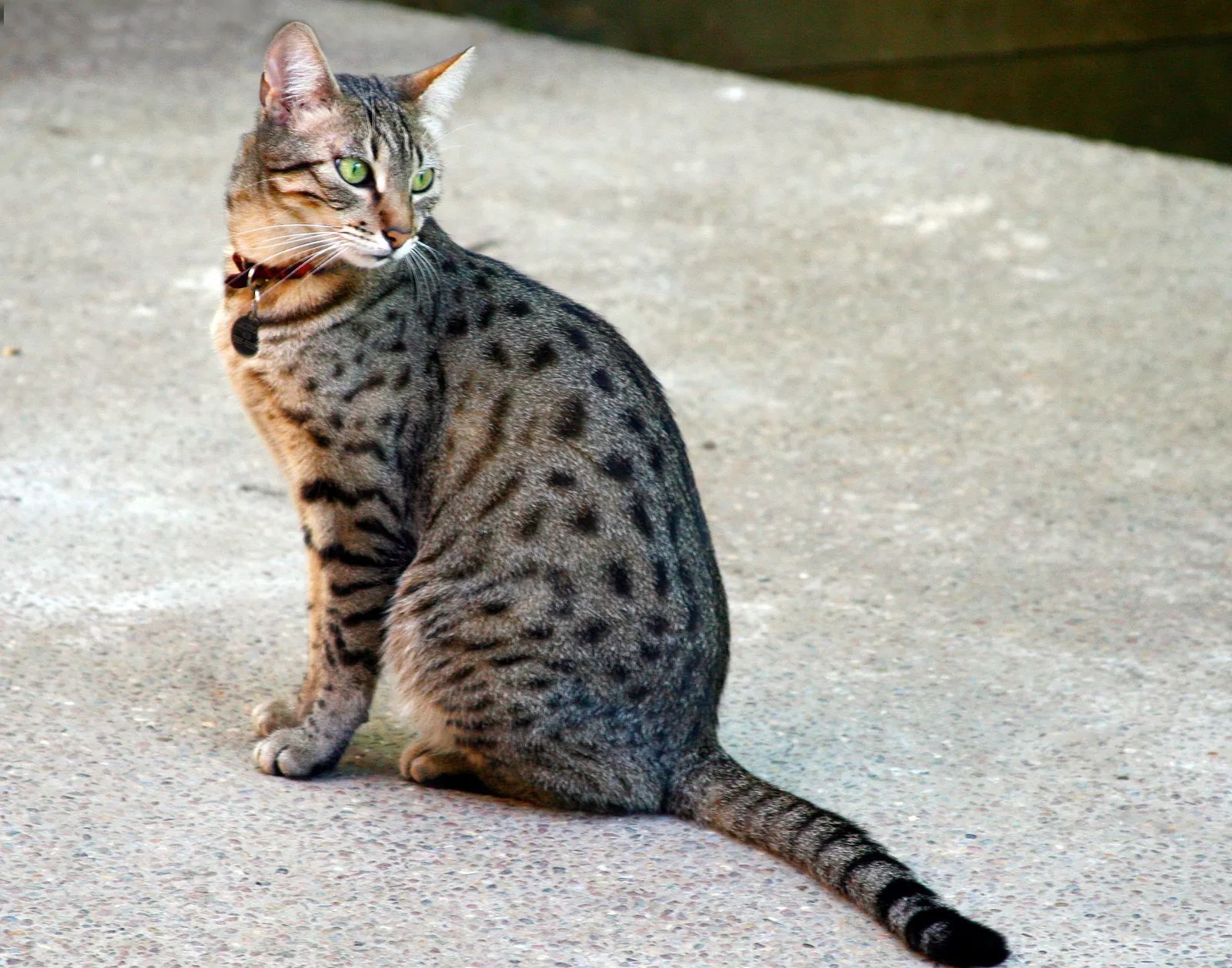
Egyptian Maus are known for their speed and athleticism – one of the fastest domestic cat breeds alive. Unsurprisingly, they’re not built for staying still in your arms. Most Maus prefer using their muscles for sprinting, jumping, and exploring, not for being pinned to your chest.
Even well-socialized individuals often tolerate only the briefest pick-up before demanding release.
They can be very affectionate with their families – that affection just shows up as following, chirping, and resting near you rather than enjoying being lifted. In a way, these are performance cars: meant to be in motion, not parked in your arms like a lawn ornament.
#31 – Bombay: Velcro Cats Who Still Want Footing
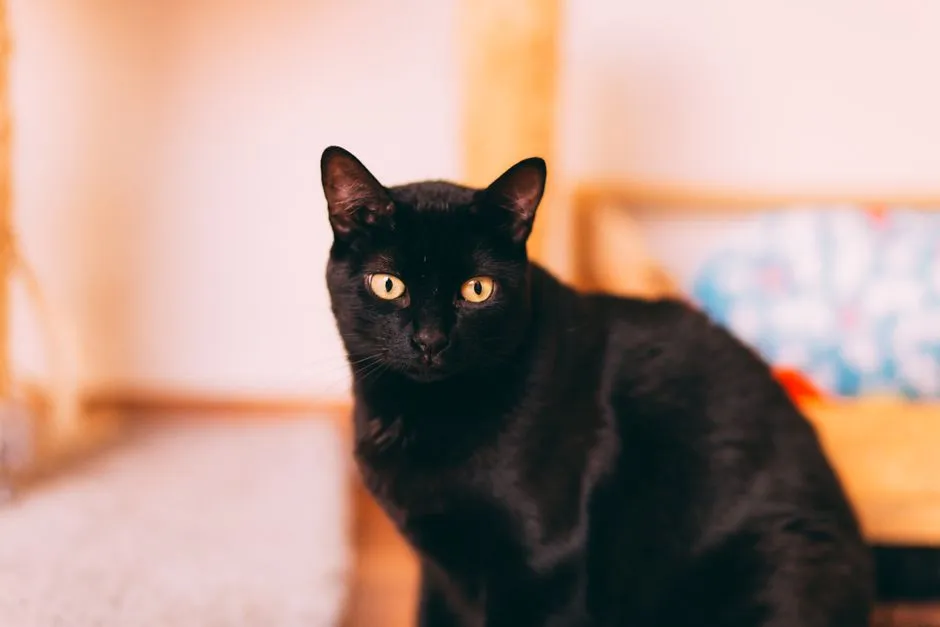
Bombays are often called “panthers in your living room,” known for bonding fiercely with their people. Many are undeniably clingy – following you from room to room, sleeping in your bed. Yet a surprising number draw the line at being picked up and held tightly, preferring laps, shoulders, and close proximity over full-body restraint.
They like being near you, not necessarily suspended by you.
Some Bombays, especially those handled gently from kittenhood, will tolerate short pick-ups but grow restless if held too long. Affection with an escape route feels safer than affection in a human grip – especially for a powerful, muscular breed that likes staying in control.
#32 – Japanese Bobtail: Social but Squirmy
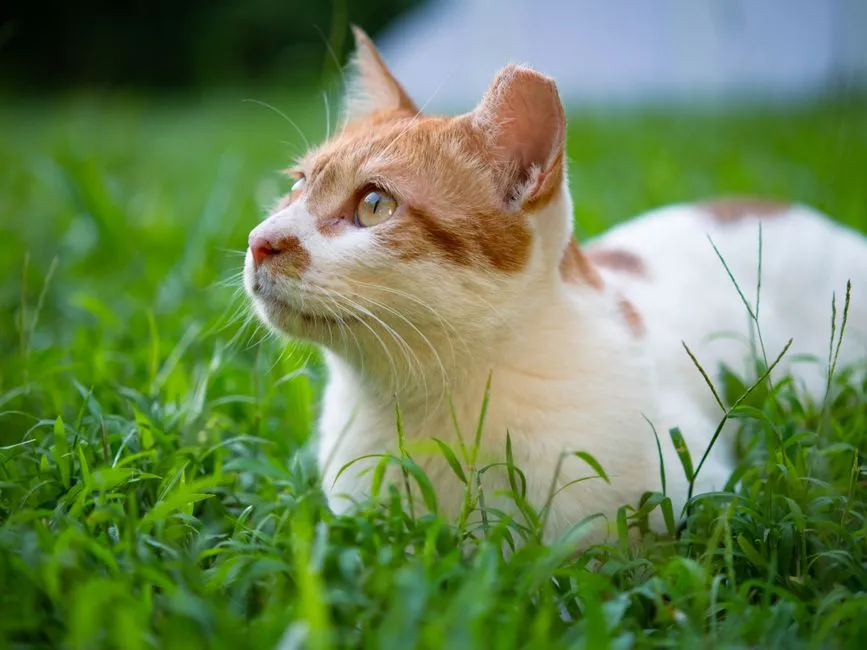
Japanese Bobtails are talkative, social, and playful – almost doglike in their desire to be involved. That makes people assume they’re cuddly arms-cats, but the reality is mixed at best. Many Bobtails enjoy sitting beside you, riding in carriers, or perching near eye level, yet actively dislike being held tightly for long.
Their high energy and curiosity make them want to be free to move.
Some individual Bobtails don’t mind being carried briefly and routinely, but breed tendencies lean toward “I’ll come sit with you, don’t pin me.” Think of pick-ups as quick transfers, not cuddle sessions, and leave the real affection for laps and games.
#33 – Ocicat: Wild Look, Tame Heart… Firm “No” to Pick-Ups
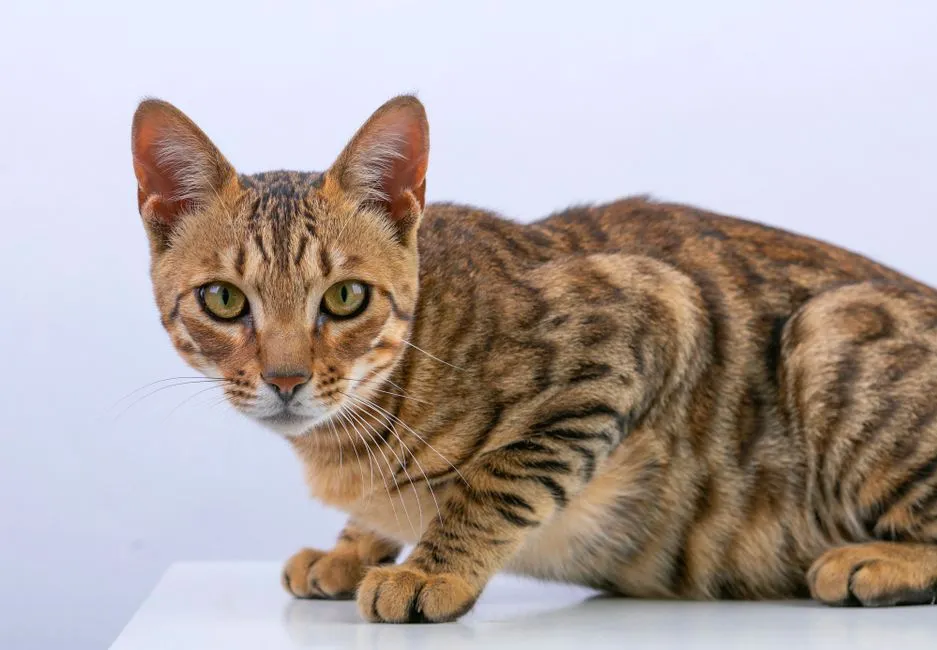
Ocicats look wild but are entirely domestic, and they can be very outgoing and people-friendly. They enjoy company, welcome visitors, and may even like interactive play with strangers. Still, many Ocicats dislike being picked up and held, preferring to keep control of their own movements.
They’re athletic and agile, bred to be active rather than sedentary cuddle props.
Owners who respect that boundary usually get wonderfully interactive companions who follow them and fetch toys. Owners who insist that “a friendly cat should let me hold it” often end up scratched – a classic case of confusing social confidence with physical tolerance.
#34 – Scottish Straight / Fold Mixes: Pain Turns to Pick-Up Hate
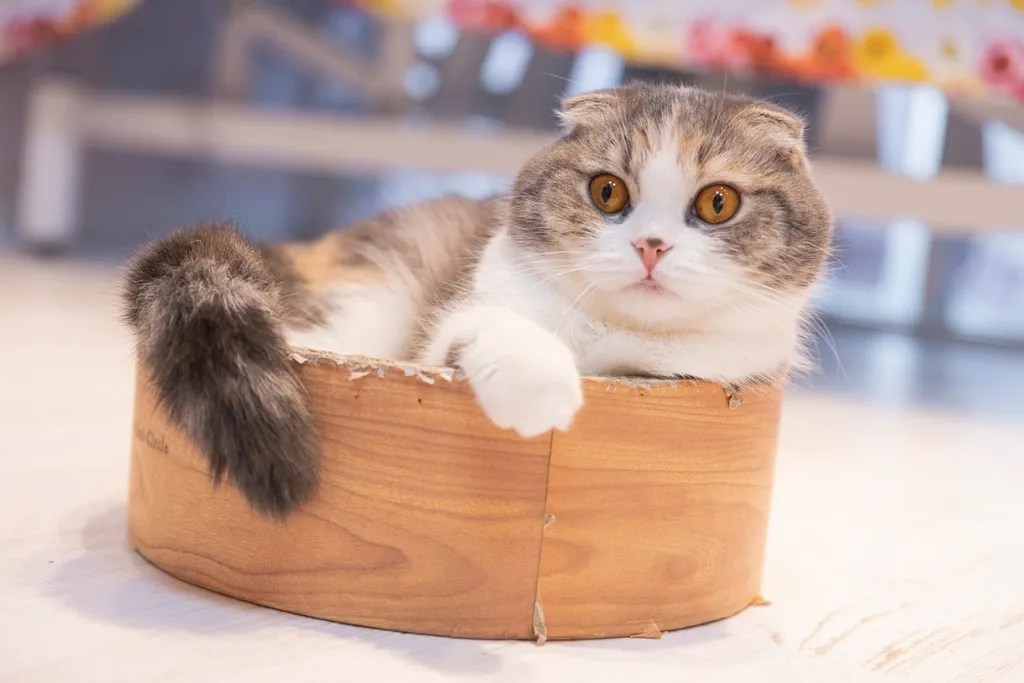
Mixed lines between Scottish Folds and straight-eared relatives are increasingly common – and increasingly complicated. These cats may inherit cartilage and joint issues even without visible folded ears. That means a cat that seems okay with pick-ups as a kitten can develop genuine discomfort being held as joint pain emerges.
Owners often misread that shift as “sudden attitude,” when it’s actually physical.
A cat that once flopped peacefully in arms may start resisting, growling, or squirming as pressure lands on already-compromised joints, especially if the rear isn’t well supported. Insisting on “cuddle time” anyway essentially punishes them for hurting. With this group, less is more – no matter how cute the cat looks in your arms.
The Bottom Line
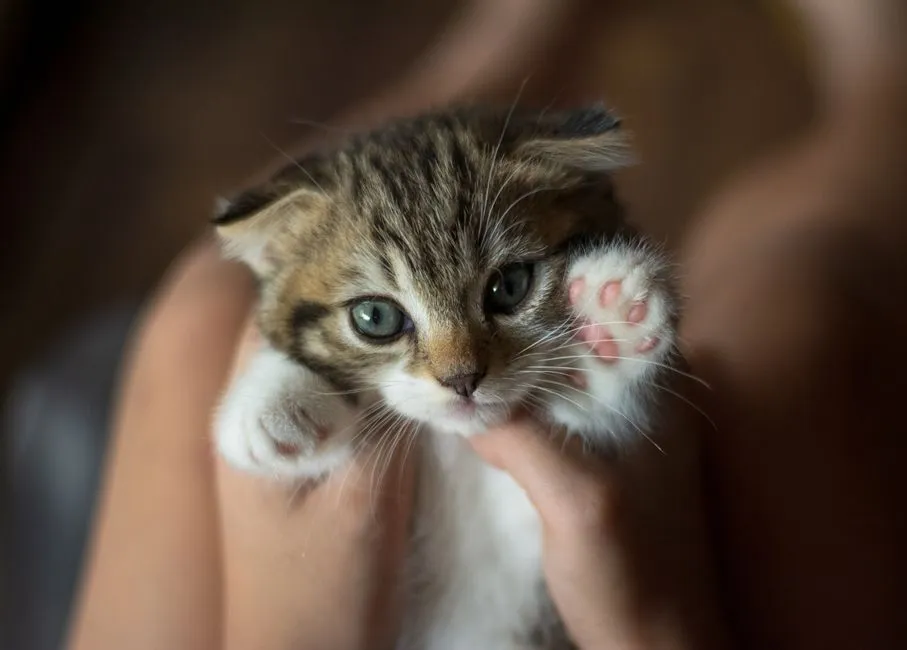
The truth about cats and pick-ups is brutally simple: breed trends matter, but individual history and health matter more. Some cats were practically engineered to melt in your arms; others were built to climb, sprint, and control their own bodies – and they will never see being hoisted as love.
At a Glance
- Natural huggers: Ragdoll, Birman, Sphynx, Ragamuffin, Burmese, Tonkinese, and well-socialized mixed breeds top the list.
- Fair-weather tolerators: Scottish Fold, Maine Coon, Persian, Exotic Shorthair, and British Shorthair enjoy short, gentle holds – not marathon cuddles.
- Hard “no” breeds: Bengal, Savannah, Turkish Van, Abyssinian, and Egyptian Mau would rather stay on their own four paws.
- Wild cards: Health issues, like Scottish Fold cartilage problems, can flip even a natural cuddler into a reluctant one overnight.
The common human mistake is assuming tolerance equals enjoyment, and that affection must look like a baby carry. It doesn’t.
The most shocking pattern across breeds is this: the more we treat pick-ups as a privilege the cat grants us – short, gentle, and optional – the more even hesitant cats relax around handling. If you genuinely care about your cat, the real question isn’t “Can I pick them up?” It’s “Do they actually want me to?”
Did we nail your cat’s attitude – or totally miss it? Say so in the comments.

- 17 Cat Breeds That Adore Being Picked Up and 17 That Will Never Once Tolerate It - August 18, 2026
- 5 Fall Pest Control Tricks To Save Your Seasonal Harvests - August 18, 2026
- 10 Ways to Keep Squirrels From Destroying Your Garden - August 18, 2026