

Picture this: you’ve just brought home your adorable new puppy, armed with all the right training guides and a heart full of hope. Fast forward three months, and you’re still finding surprises around every corner of your home. If this sounds familiar, you might be the proud parent of one of these notoriously stubborn breeds. While every dog can eventually learn proper bathroom etiquette, some breeds seem to have received the memo that indoor plumbing is optional. Let’s dive into the breeds that even seasoned dog trainers approach with extra patience, treats, and perhaps a good carpet cleaner on speed dial.
#17 Pomeranian: Tiny Dog, Big Attitude
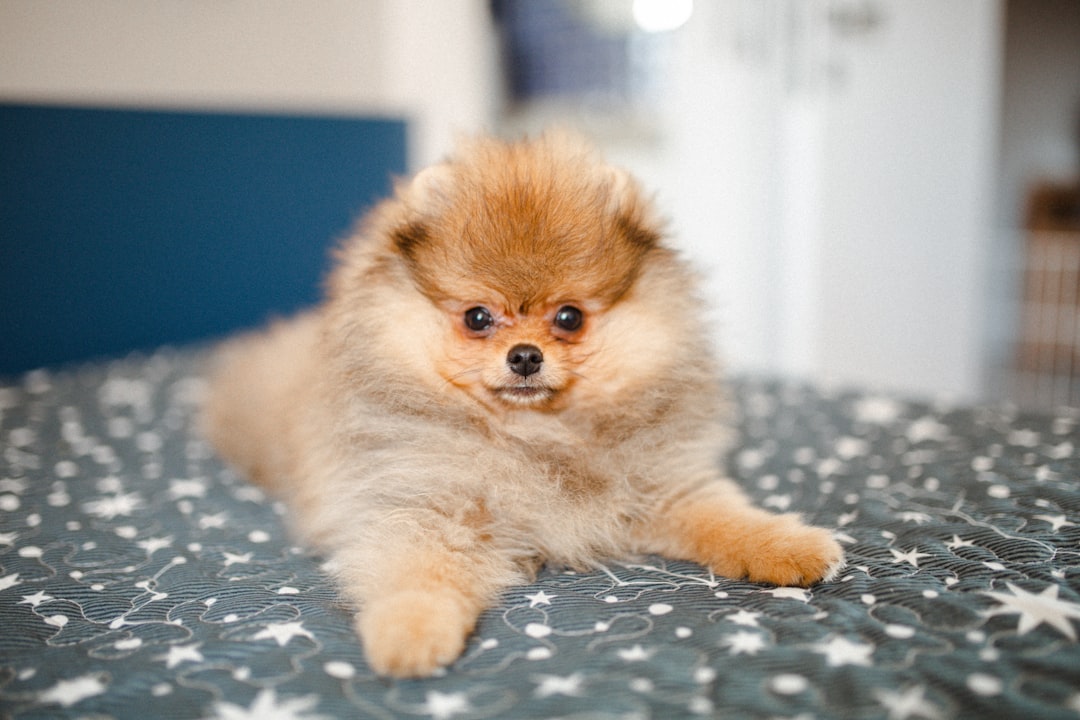
The AKC describes Pomeranians as “alert” and “highly intelligent,” noting they “excel in activities like agility, rally, and obedience,” but warns that “housebreaking can be a challenge, so consistency and patience are key,” with Dr. Christman confirming they may ignore your best efforts and “tinkle in your lap and drop some nuggets in your purse.” These fluffy balls of energy pack a lot of personality into their tiny frames, and unfortunately, that includes a hefty dose of selective hearing.
The challenge with Pomeranians lies in their intelligence working against you. They’re smart enough to know what you want but clever enough to decide whether they feel like complying. It’s like having a toddler who speaks fluent manipulation and wears a permanently cute disguise.
#16 Bichon Frise: The Weather-Sensitive Perfectionist
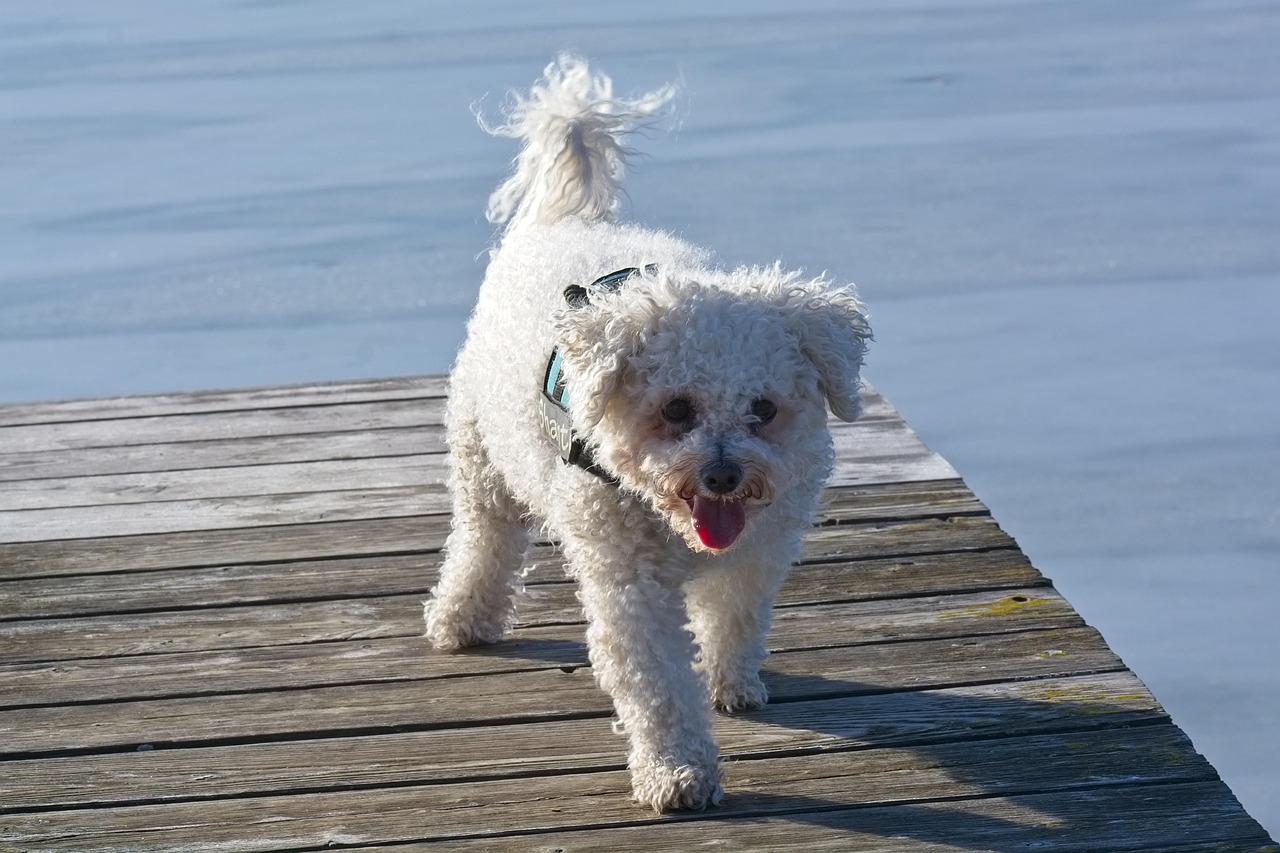
Bichons have a reputation for being difficult to housebreak, with the breed being “fiercely independent” and tending to be “picky about going outside when it’s rainy or cold out.” These cotton ball lookalikes have very specific standards for their bathroom conditions. A little drizzle? Absolutely not. Slightly chilly morning? They’ll wait for more favorable weather, thank you very much.
In every other respect, however, they are very easy to train and respond very well to training based on positive rewards, rather than harsh or negative methods. The irony is almost comedic – they’ll learn complex tricks and commands with ease, but ask them to step outside in less-than-perfect weather conditions, and suddenly they develop amnesia about their bathroom training.
#15 Jack Russell Terrier: The Hyperactive Scholar
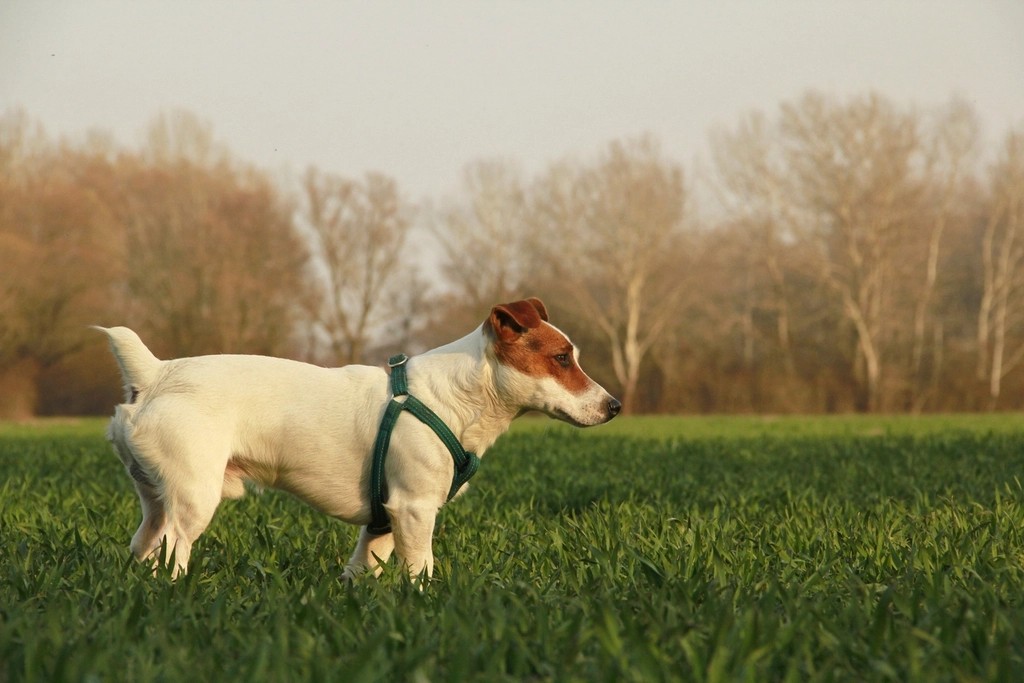
The Jack Russell Terrier is another small dog breed that struggles to potty train on schedule, with Dr. Christman noting their high energy levels and short attention span are to blame, as “these dogs at number four tend to have the attention span of a toddler” and are “most easily distracted at school.” These little powerhouses are like that brilliant student who can’t sit still long enough to finish a test.
Jack Russell terriers are known to be a challenging breed, being little balls of energy that can be difficult to potty train – they might just pee on the entry rug instead because that’s close enough, right? Their logic is charmingly flawed: why walk all the way outside when the doormat is practically outdoors? It’s efficiency at its most frustrating.
#14 Chihuahua: The Tiny Tyrant
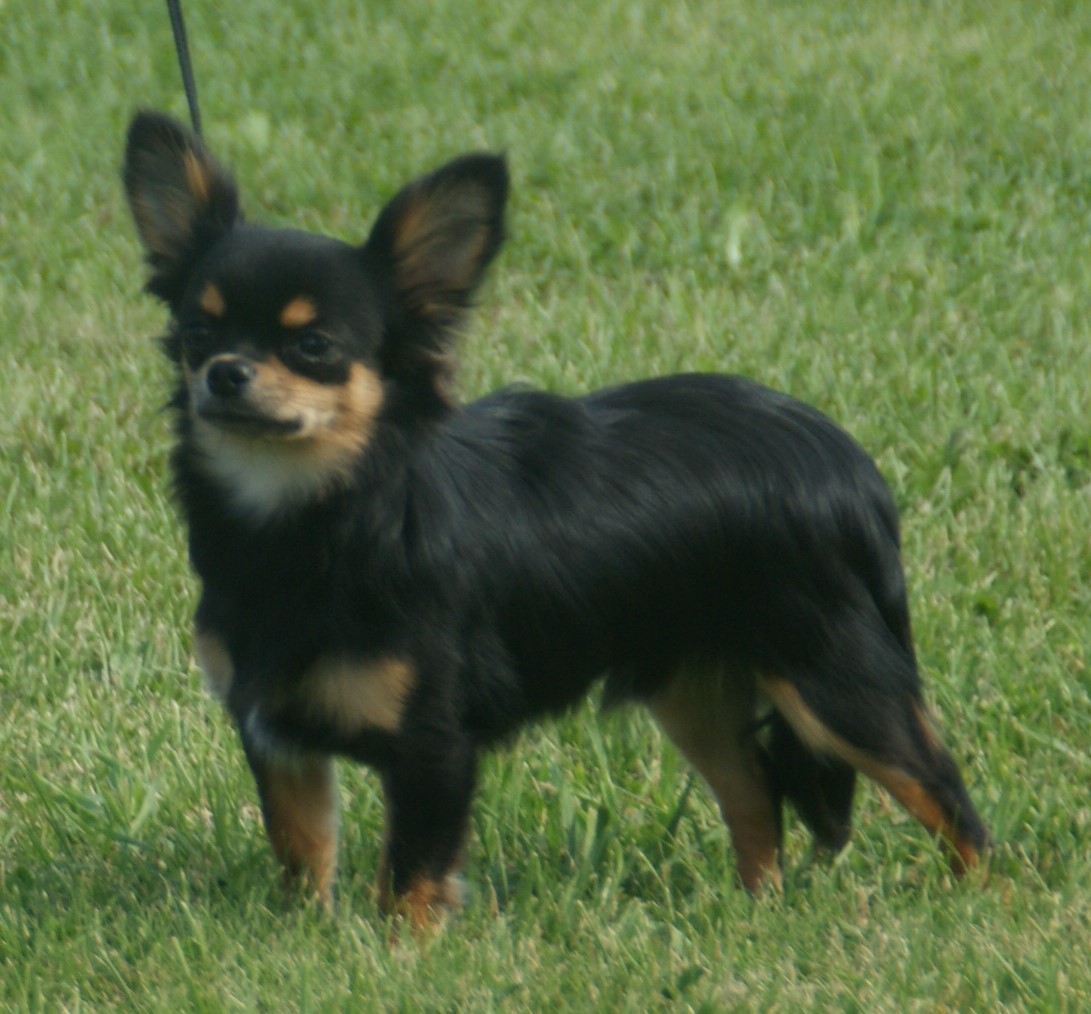
Chihuahuas are “known for urinating whenever and wherever they feel like it because they know that they’ll get away with it” and “hate going outside when it’s too cold or wet out,” often benefiting from having a safe place inside to go to the potty. These pocket-sized dictators have figured out that their adorable factor often trumps house rules.
The real challenge with Chihuahuas isn’t just their size – though smaller dog breeds can have a more challenging time with potty training because they have smaller bladders and a faster metabolism, unable to hold their bladders for as long as larger puppies their age. It’s their Napoleon complex that makes them truly difficult. They’re convinced they’re running the household, and bathroom schedules are just suggestions from the hired help.
#13 Dachshund: The Stubborn Sausage
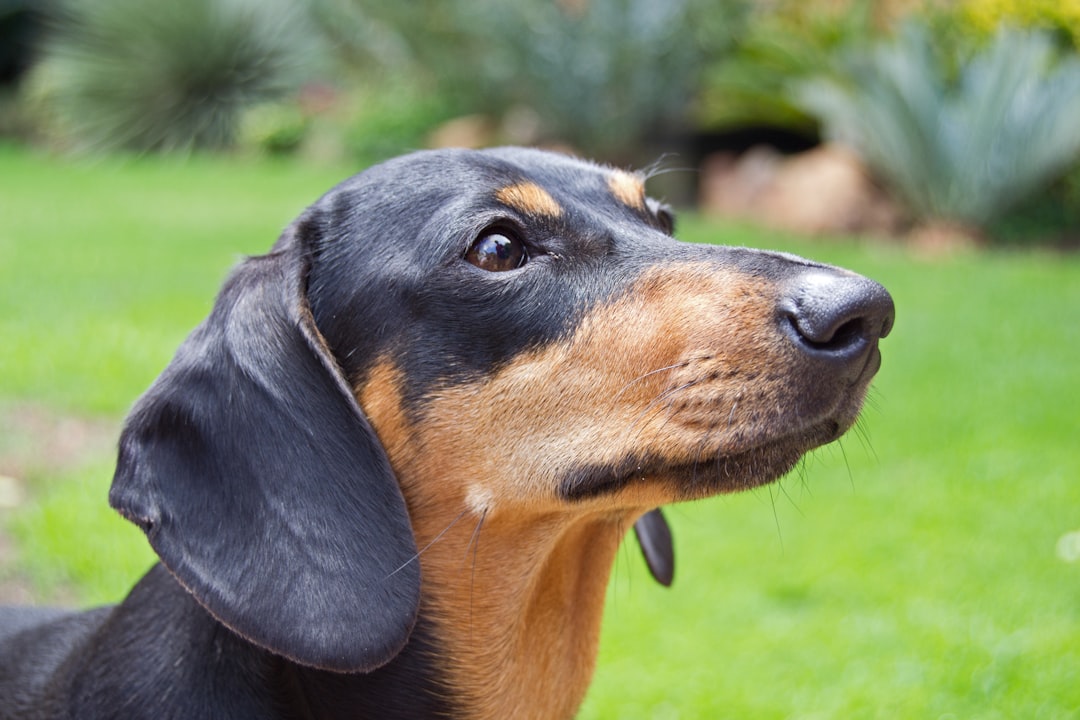
Though small, cute, and possessing a waddle that won’t quit, dachshunds are as stubborn as hounds come, with crate training recommended since they can be difficult to potty train and aren’t usually fans of cold weather either. These little hot dogs on legs were bred to hunt badgers in underground tunnels, which required incredible determination and independent thinking.
Unfortunately, that same tenacity that made them excellent hunters translates into bathroom training battles. They’ll hold out longer than you think possible, especially if there’s even a hint of chilly weather outside. It’s like they have an internal weather app that automatically vetoes any outdoor trips below their comfort threshold.
#12 Pug: The Stubborn Sweetheart
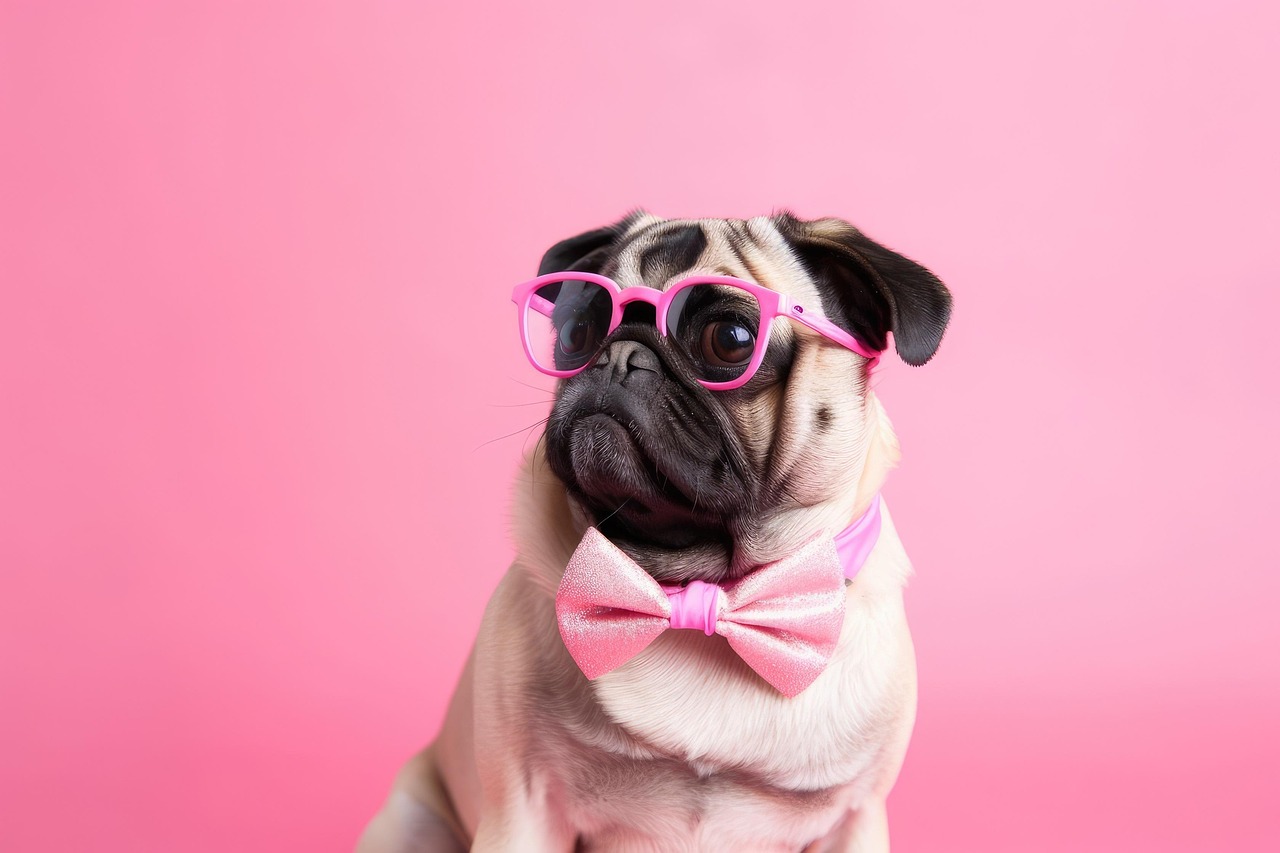
Even though pugs have mastered the perfect head tilt, they haven’t mastered potty training and are especially stubborn when going to the bathroom, particularly when it’s not nice outside, sometimes developing attachment issues and preferring not to go by themselves. These wrinkled comedians are social butterflies who believe bathroom breaks should be group activities.
The challenge with pugs goes beyond their weather sensitivity. They’re so attached to their humans that they sometimes refuse to go outside alone, treating potty time like it requires moral support. It’s endearing and exasperating in equal measure, especially at 3 AM when they decide they need an audience for their bathroom performance.
#11 Pekingese: The Imperial Holdout
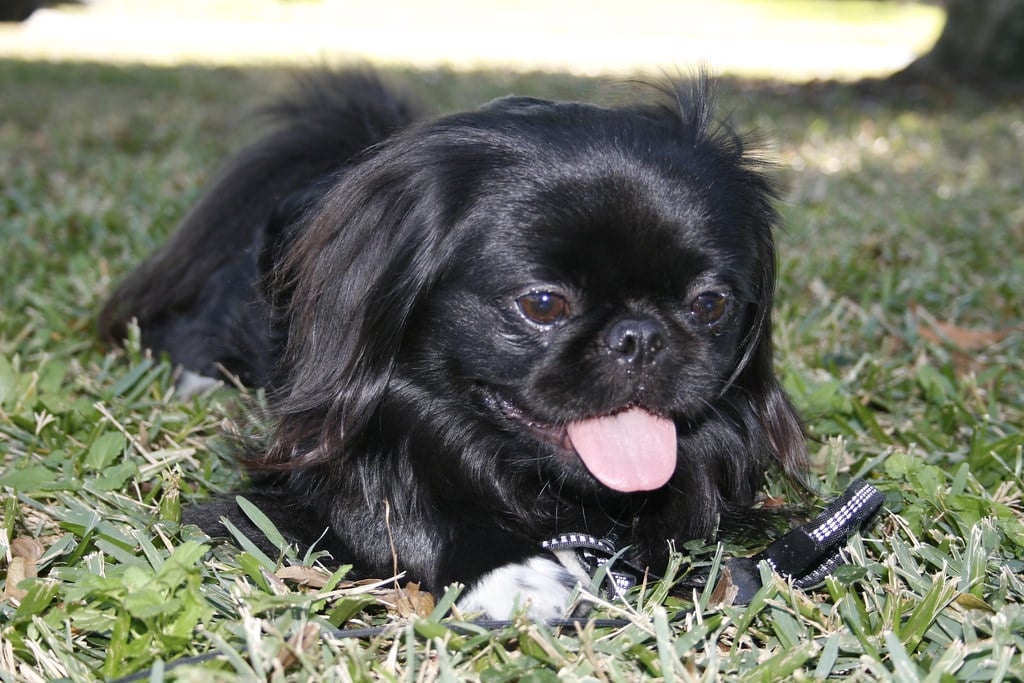
Once known as Chinese royalty, Pekingeses have the self-important attitude to show it – although very intelligent, they also have an independent attitude and tend to adopt “selective hearing” when it comes to potty training, making housebreaking even harder than it was for the royal family. These imperial lap dogs carry themselves with the dignity of former palace residents.
Pekingese are companion breeds that can find learning the basics of the potty training process somewhat tricky, and this petite breed needs to go potty more often than larger dogs, requiring plenty of reinforcement and frequent outdoor opportunities. Their royal heritage seems to include the belief that bathroom schedules are beneath their station, requiring peasant-level persistence from their human servants.
#10 Afghan Hound: The Aloof Aristocrat
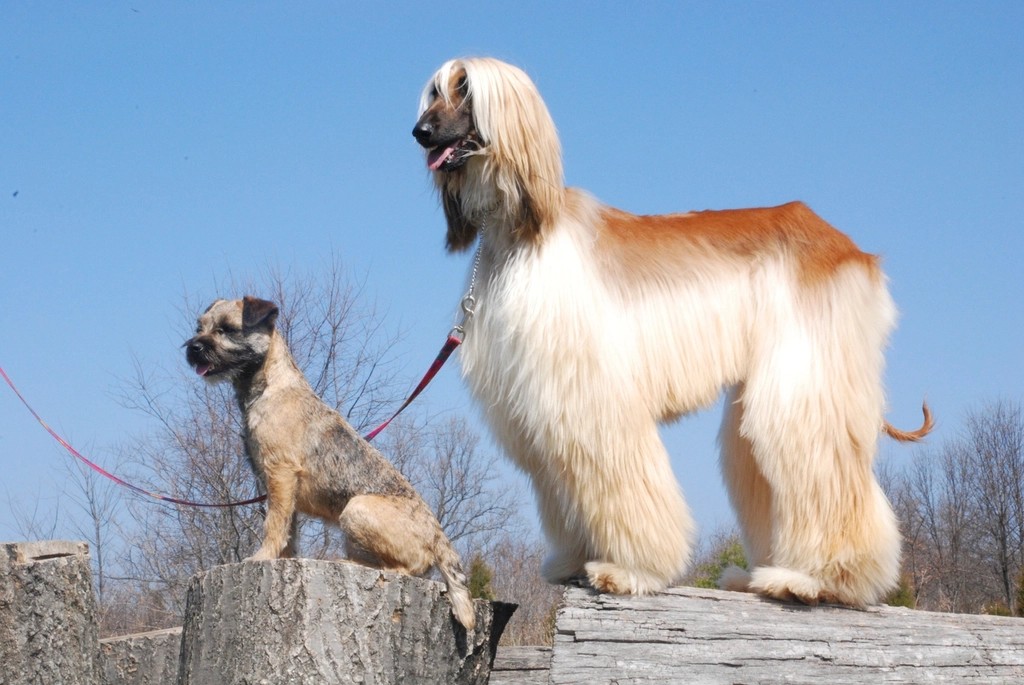
Afghan hounds have the independent personality of a cat and tend to do what they want, when they want, possibly ignoring your prompts and commands. These ethereal beauties look like they stepped out of a fairy tale, and they seem to believe they should be treated as such. Training an Afghan Hound takes patience and plenty of treats, as these sensitive and independent dogs don’t respond well to intimidation but thrive on positive reinforcement and rewards.
They may be stunning, but Afghan Hounds are slow learners and take a long time to housebreak, with these lofty daydreamers needing extra time, patience, and consistent training to catch on. It’s like trying to train a supermodel who’s constantly distracted by their own reflection and operates on a completely different timeline than the rest of us mere mortals.
#9 Beagle: The Nose-Driven Detective
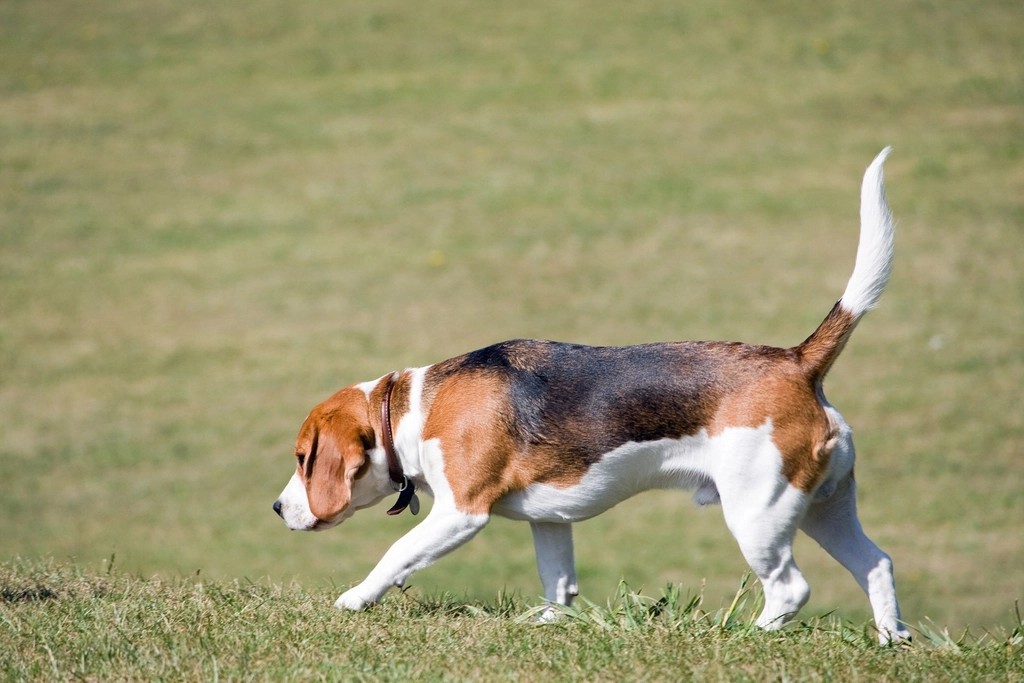
Beagles can be difficult to housetrain because the breed doesn’t rank very highly on the canine intelligence spectrum for working ability, and “they also tend to be excitable dogs with a short attention span that tend to get easily distracted and have a rather selective memory!” These lovable hounds are basically furry detectives who get distracted by every interesting scent trail.
Although Beagles are working dogs, they are also scent hounds, which means these pups are very easily distracted and have a somewhat short attention span. Imagine trying to teach someone to focus on bathroom training when they’re constantly getting interrupted by fascinating smells that tell stories you can’t even imagine. That’s life with a Beagle – they’re always following leads that only they can detect.
#8 American Foxhound: The Independent Explorer
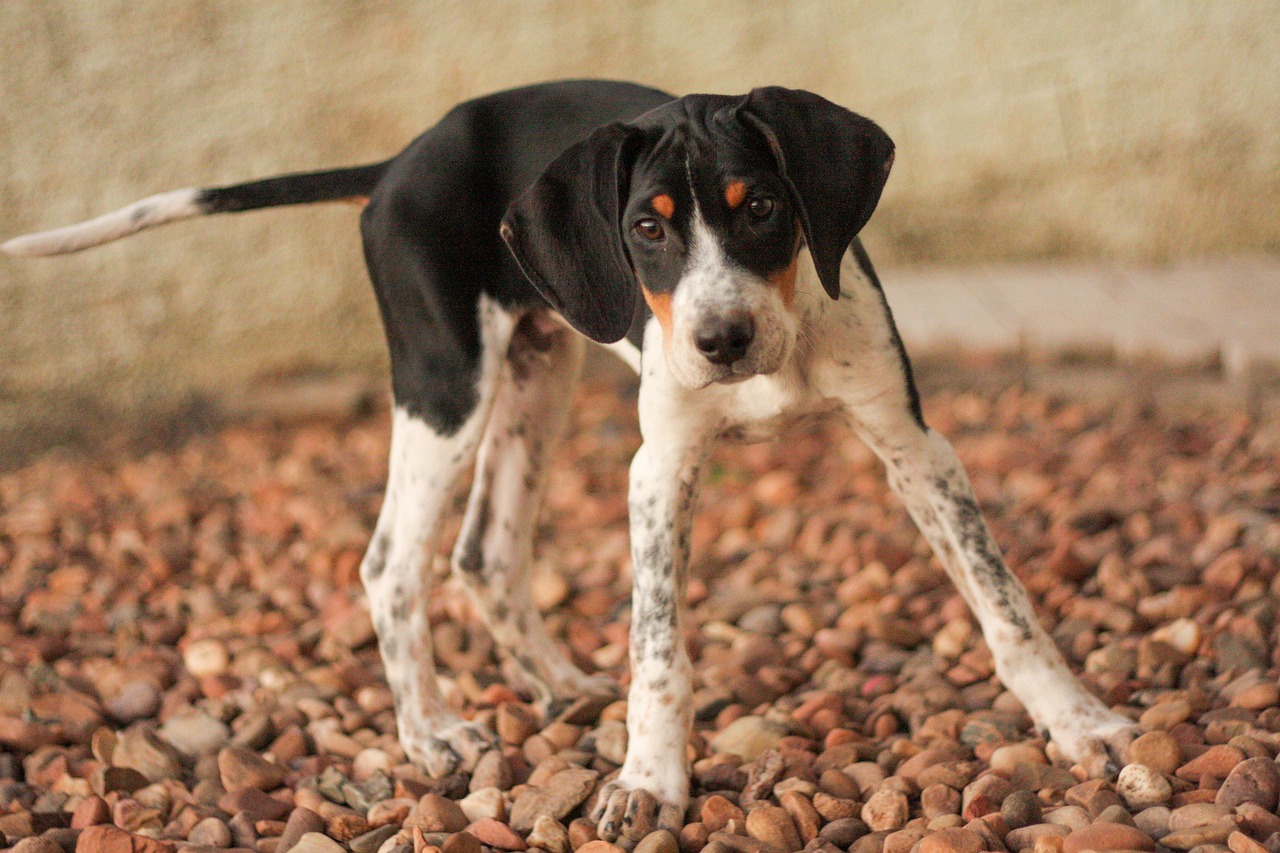
American Foxhounds are not the easiest breed to potty train, with the AKC stating that “training and housebreaking these independent souls can be a steep challenge for novice owners.” These athletic hunters were bred to work independently in the field, making their own decisions about when and where to pursue their quarry.
The American Foxhound is notoriously independent, often displaying a stubborn streak making it one of the most challenging breeds to potty train, with their wayward nature requiring extra patience and consistency. These dogs are easily distracted, making it tough for them to focus on tasks like potty training, with their strong urge to sniff everything and boundless energy challenging even the most seasoned pet parent.
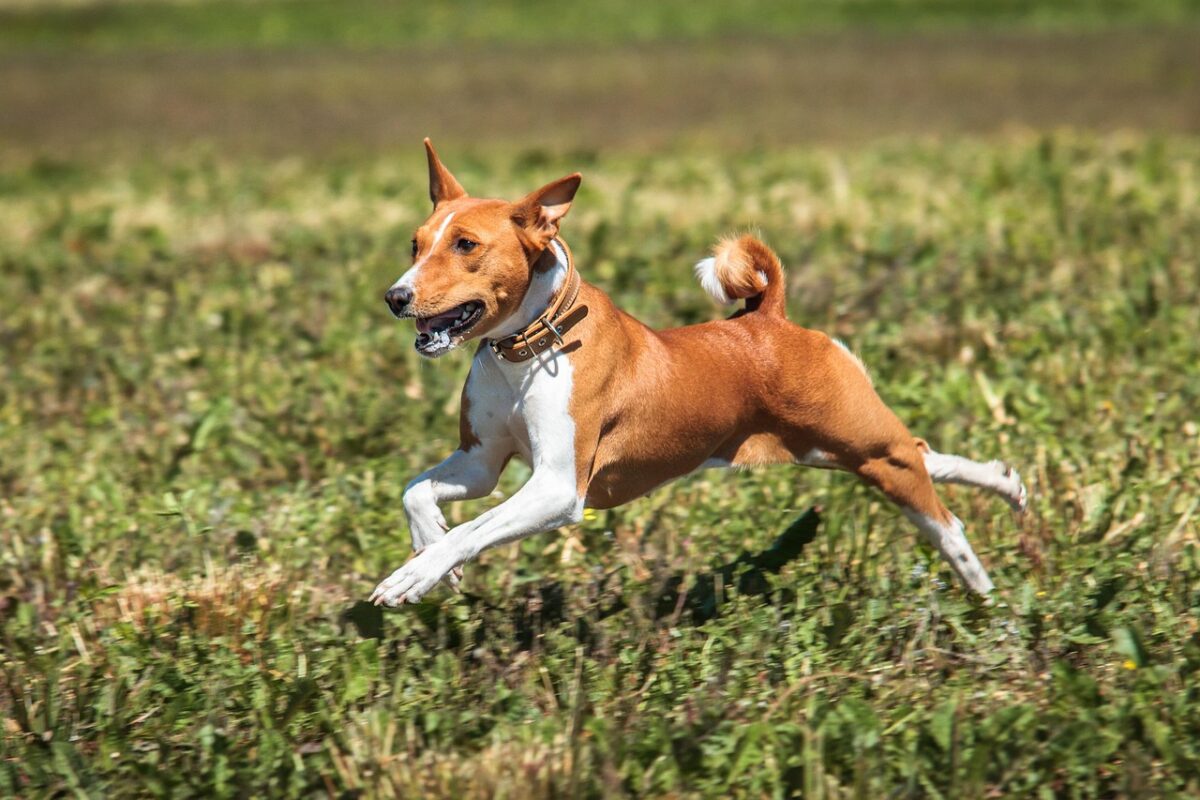
#7 Basenji: The Silent But Stubborn
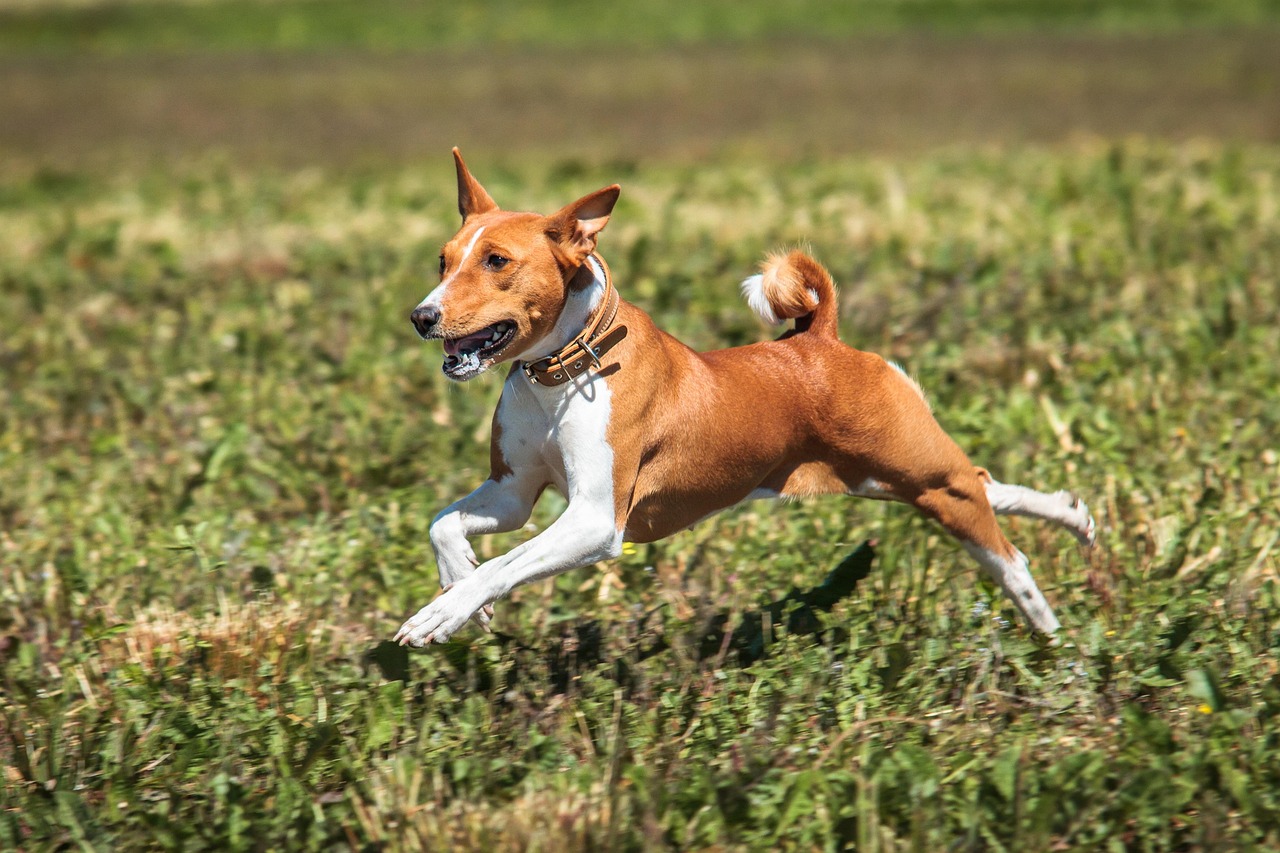
Known as the “barkless” dog from Africa, basenjis are known to learn plenty of commands – it’s just a matter of whether they’ll actually perform them or not, with this stubborn breed usually deciding what they feel like doing, requiring extra training effort to get their potty skills up to snuff. These elegant, cat-like dogs are the strong, silent types who prefer to make their own decisions about everything, including bathroom schedules.
What makes Basenjis particularly challenging is their selective cooperation. They understand exactly what you want – they just don’t always see the point in complying. It’s like living with a very polite roommate who acknowledges all your requests but follows through only when the mood strikes them.
#6 Bulldog: The Lazy Rebel
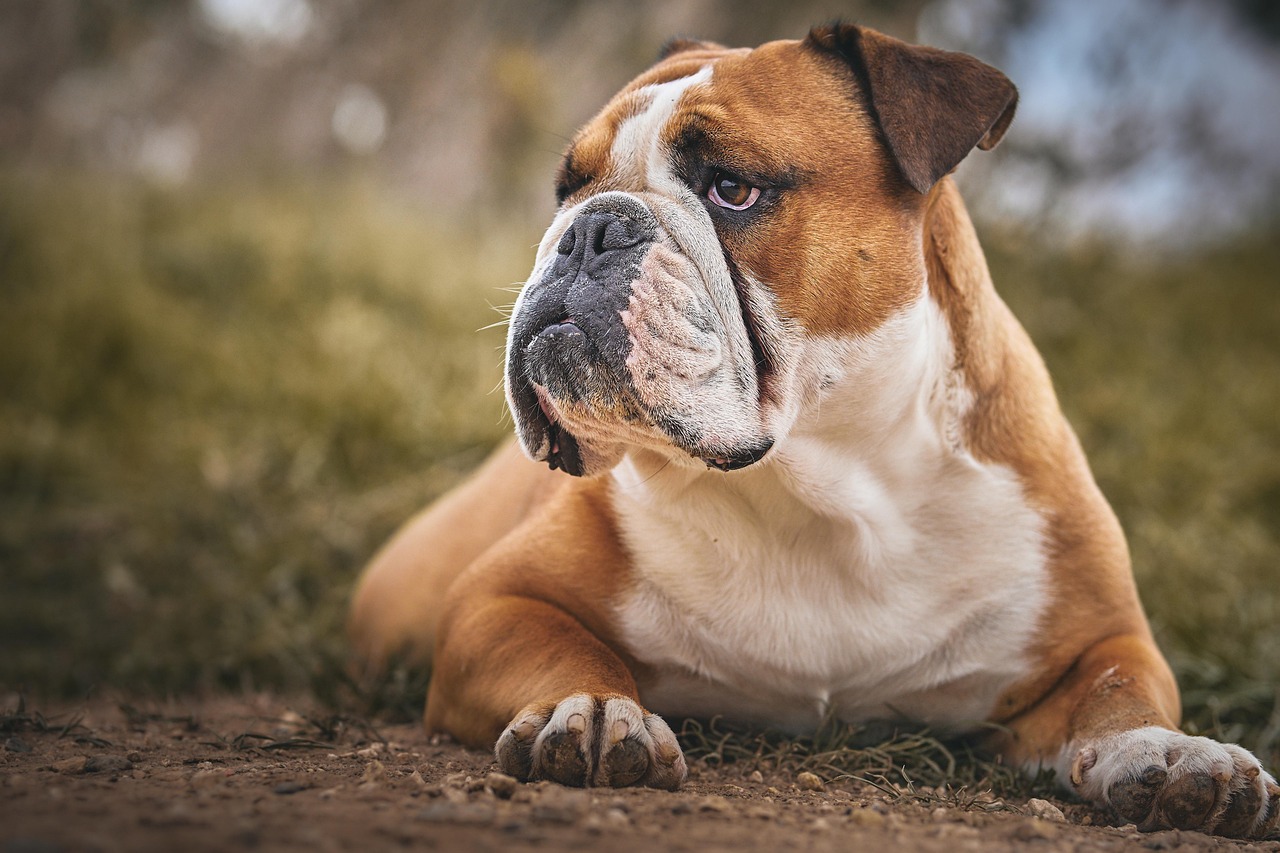
Bulldogs rarely want to get up, let alone go outside to potty, being pretty content to do whatever they want and sometimes just not listening, as they can be stubborn and single-minded, making them harder to train than your average golden retriever. These wrinkled couch potatoes have mastered the art of passive resistance.
The fundamental challenge with bulldogs is their energy conservation philosophy. Why use more energy than absolutely necessary? If they can avoid the effort of walking outside, especially if it requires getting up from their comfortable spot, they’ll find creative alternatives that require minimal movement on their part.
#5 Great Dane: The Gentle Giant with Big Problems
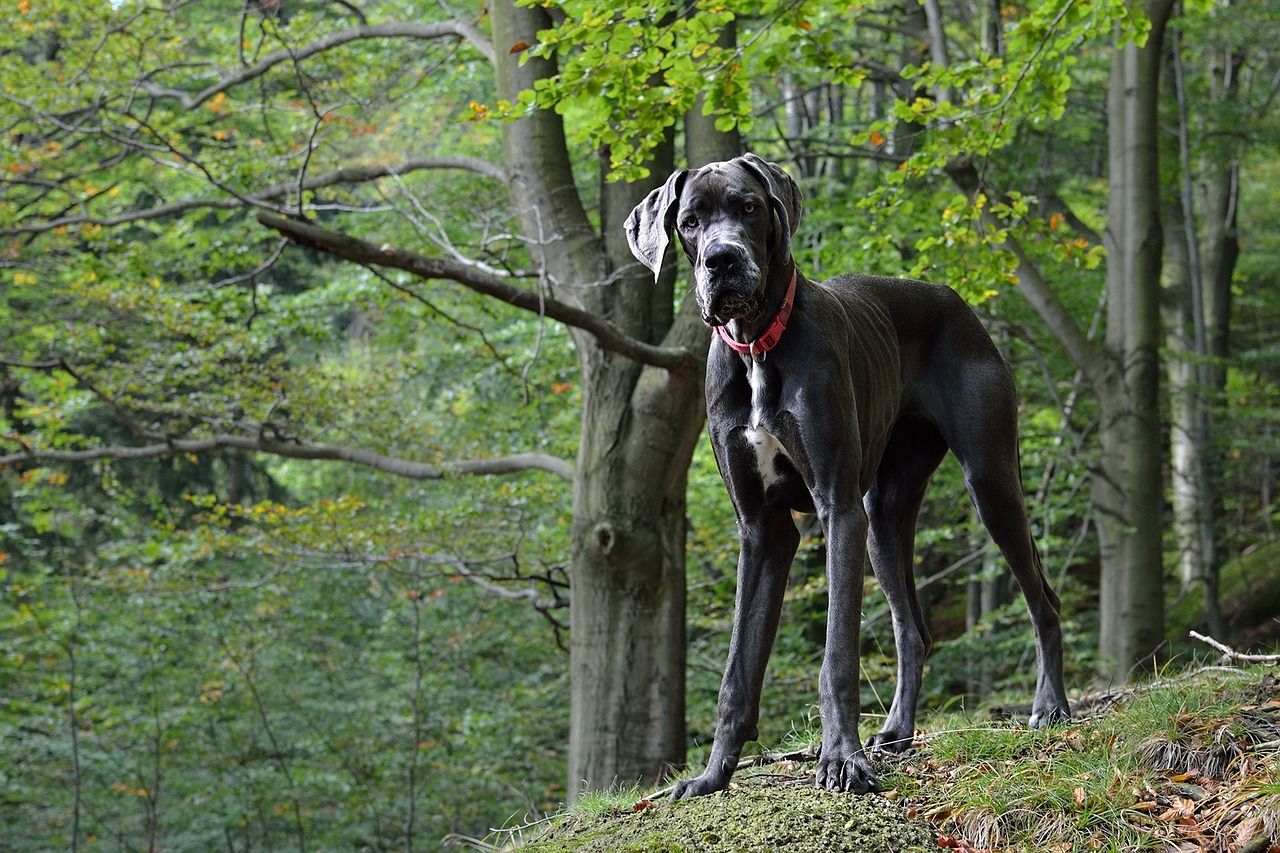
The larger the breed is, the more acute late maturity problems become, with these dogs keeping their potty places confused because they think it hardly matters where they potty, including Irish Wolfhounds, all Mastiffs, Great Dane, and Chinese Shar-Pei. Patience and consistency are two big keys to house training success, with the process being time-consuming and taking up to 6 months.
If your dog is a late maturer, you may have more than 18 months of watching it closely and sometimes cleaning up accidents. Great Danes are like teenagers in giant dog bodies – their brains take a while to catch up to their size. The sheer scale of their accidents makes the training process particularly challenging for their human families.
#4 Saint Bernard: The Gentle Giant’s Bathroom Blues
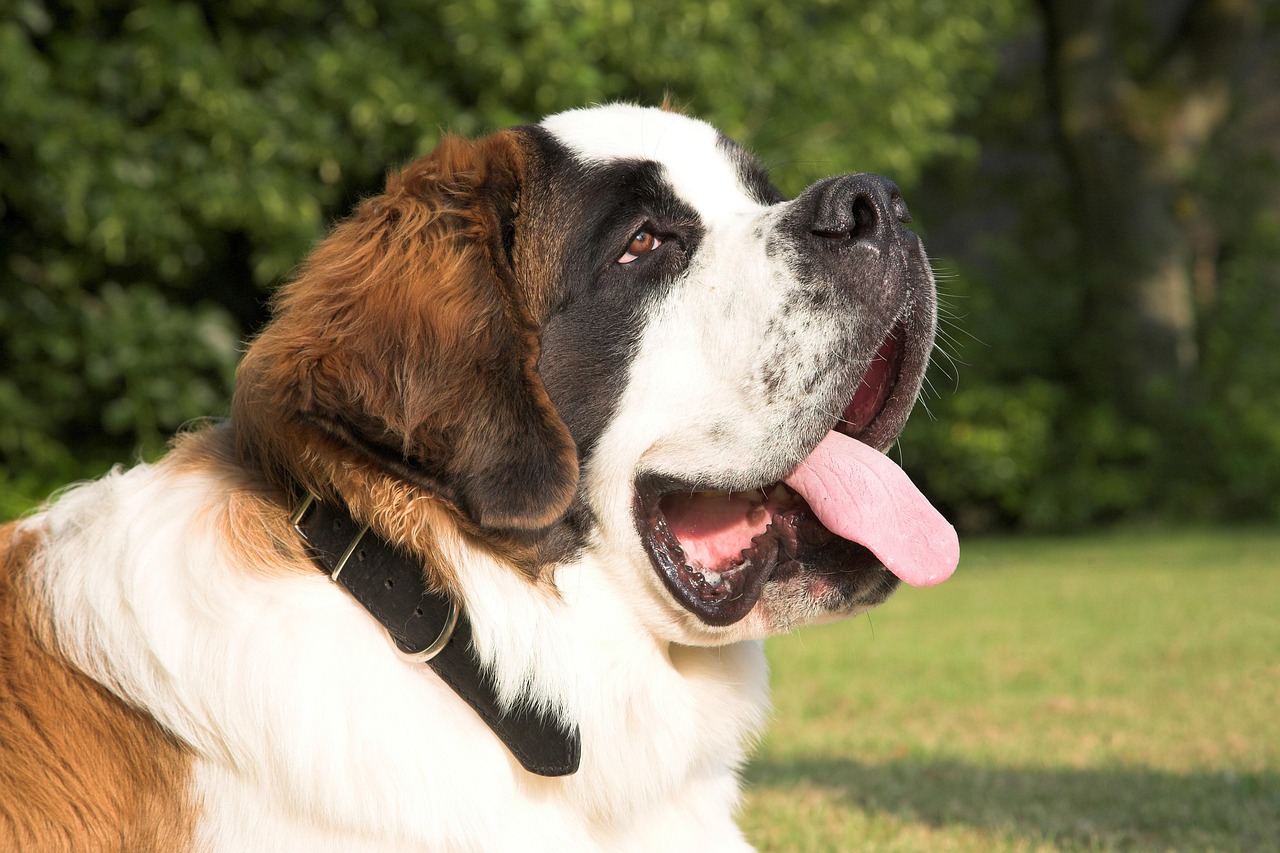
Training a Saint Bernard takes consistency and creating a daily routine which will continue through adulthood, including feeding at the same time every day, taking him to potty through the same door every day, and going to the same potty spot every time. These magnificent rescue dogs are incredibly sweet but surprisingly challenging when it comes to bathroom training.
Saint Bernards fall into that category of late-maturing giant breeds who take their sweet time figuring out house rules. Owners often find themselves spending two hours daily scrubbing crates and giving baths, wondering if the breed has specific issues understanding potty training. The combination of their size and slow maturation makes every accident a major cleanup project.
#3 English Mastiff: The Massive Challenge
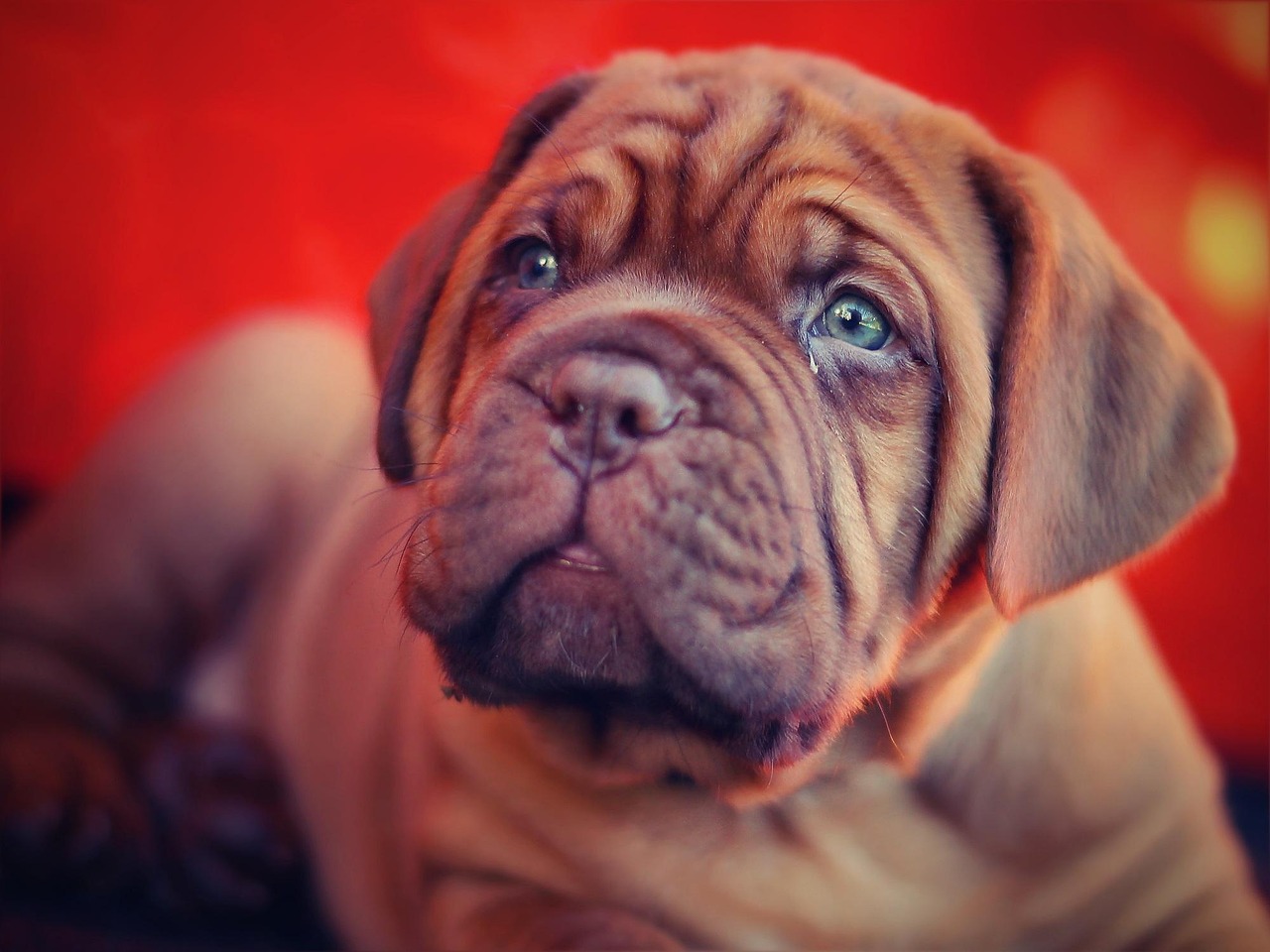
Some specific breeds are late maturers, both physically and mentally, taking long to develop control over their urination and potty system, with the problem becoming more acute the larger the breed. English Mastiffs are gentle giants who approach everything in life at their own leisurely pace, including mastering bathroom etiquette.
House training tips for Mastiff puppies include limiting nighttime water intake, being attentive to learn their cues and behaviors, always taking them outside with treats, and not going longer than 20 minutes between potty breaks since most puppies cannot hold their urine longer. The challenge with Mastiffs isn’t just their eventual massive size, but their puppy-like mentality that persists much longer than their growing bodies would suggest.
#2 Italian Greyhound: The Delicate Speed Demon
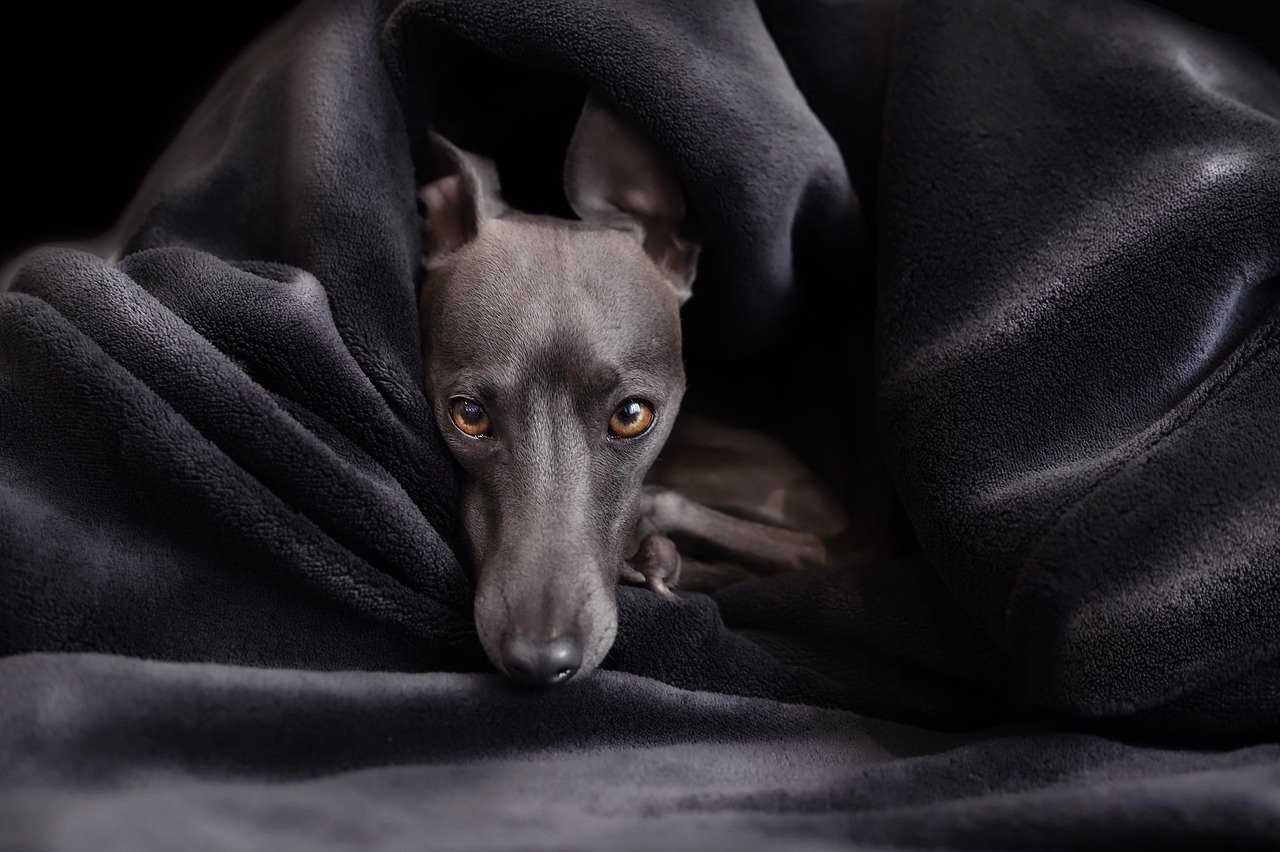
Like many smaller dog breeds, the Italian greyhound can be tricky to housetrain, and you can expect the occasional mishap, even when your pup has undergone potty training. These elegant miniature whippets combine the challenges of small breed bathroom needs with the independent spirit of their sighthound heritage.
Italian Greyhounds are like high-maintenance sports cars – beautiful, fast, and requiring very specific conditions to function optimally. Their delicate nature means they’re particularly sensitive to weather conditions, and their small size means accidents happen quickly and frequently. They’re also notorious for having setbacks even after you think they’ve mastered house training.
#1 Norwegian Elkhound: The Arctic Independent
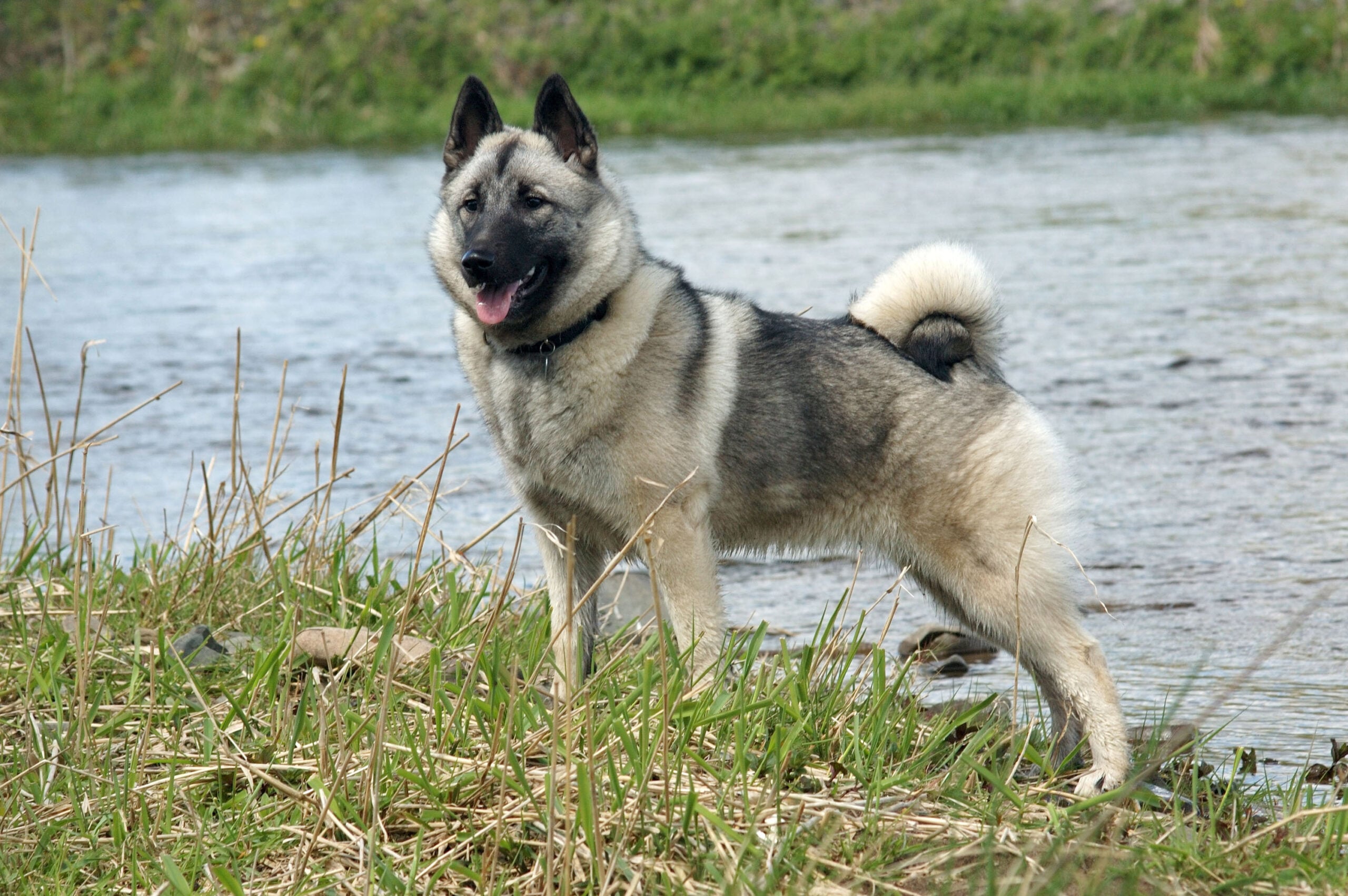
Sight hounds include Afghan Hound, Basenji, Borzoi, Irish Wolfhound, Saluki, and the Whippet, requiring firm leash bonding as they might start running after cars during outdoor potty training. These Nordic beauties were bred to hunt elk in harsh Scandinavian conditions, developing incredible independence and decision-making skills.
The challenge with Norwegian Elkhounds lies in their weather resilience combined with their independent nature. They’re perfectly comfortable in conditions that would send other dogs running for shelter, but they’re also perfectly comfortable ignoring your bathroom schedule in favor of their own internal timing. Their thick coat and arctic breeding make them less motivated by weather-based urgency that helps train other breeds.
Conclusion: Patience is Your Best Training Tool
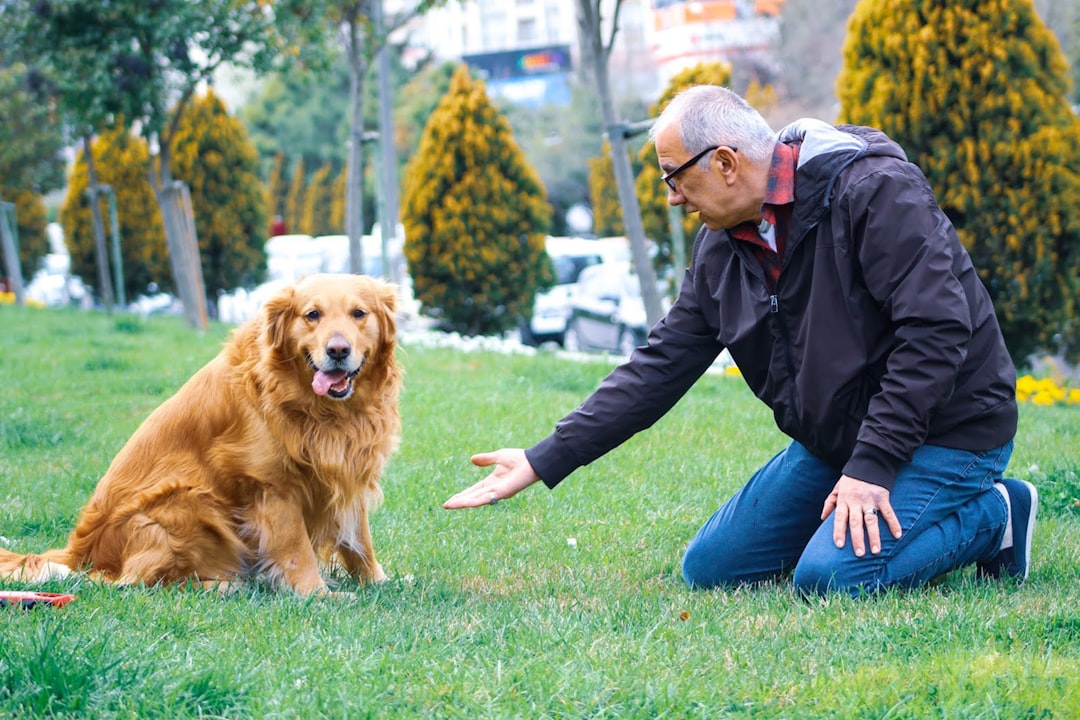
While these seventeen breeds might test your patience, carpet cleaner budget, and faith in your training abilities, remember that every dog can eventually learn proper bathroom etiquette. With patience and persistence, though, most dogs can learn. The key is understanding that some breeds simply operate on their own timeline and with their own set of priorities.
Potty training can be a challenging endeavour, especially with certain dog breeds, but understanding these breeds’ unique traits and tendencies is crucial for successful training, with patience, consistency, and positive reinforcement helping overcome challenges – any breed can become a well-trained companion with the right approach. The most important thing to remember is that your dog isn’t being difficult on purpose – they’re just being true to their breeding and personality.
Whether you’re dealing with a tiny Chihuahua who thinks bathroom rules don’t apply to royalty or a Great Dane who’s still figuring out how their giant body works, success comes down to consistency, understanding, and a really good sense of humor. After all, these challenging bathroom habits are just temporary – but the love and companionship these breeds offer lasts a lifetime. What would you have guessed would be the most stubborn breed of all?
