

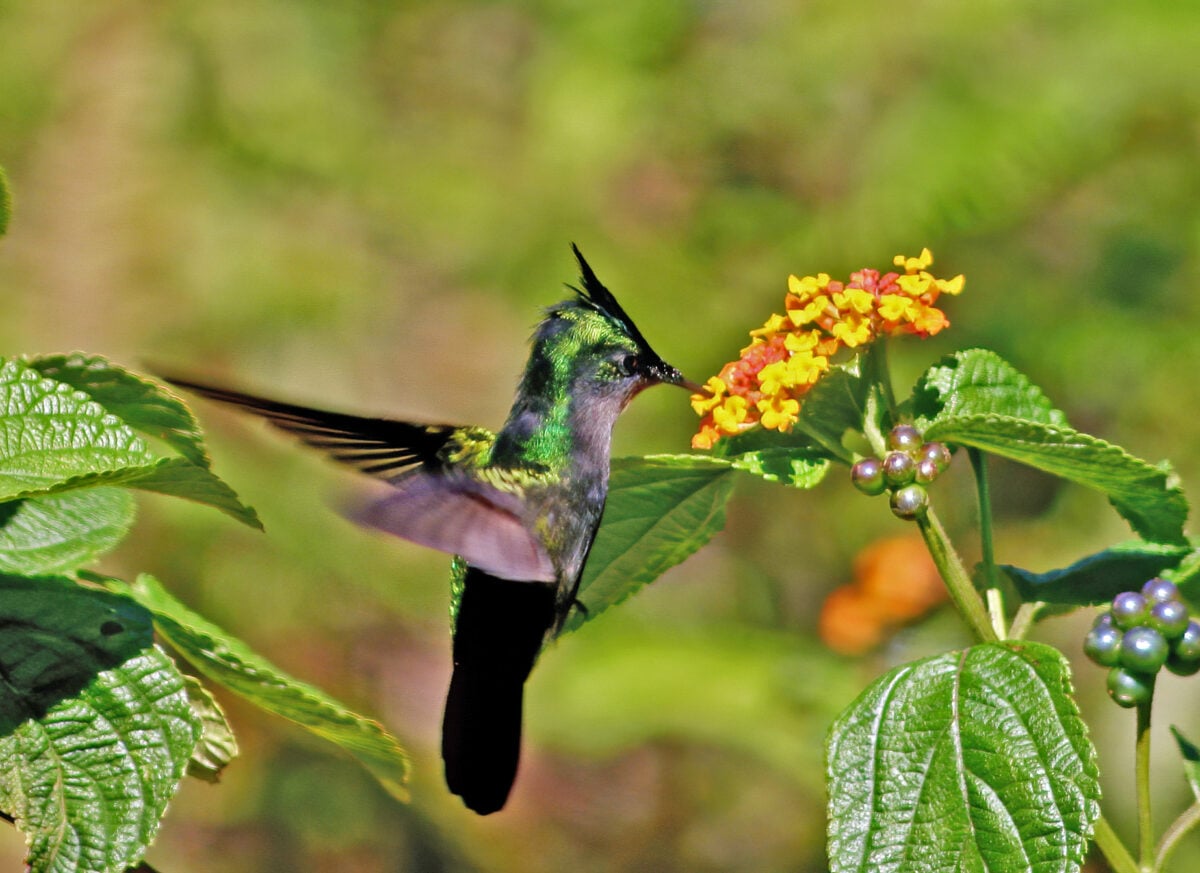
Imagine stepping out your back door and being greeted by the magical whir of tiny wings and flashes of emerald, ruby, and sapphire darting through your garden. Creating a hummingbird paradise isn’t just about adding beauty to your landscape – it’s about giving these incredible creatures the fuel they desperately need for their epic journeys. These miniature marvels can visit up to 2,000 flowers in a single day, burning energy at such an astronomical rate that they must consume nearly half their body weight in nectar daily just to survive.
The secret lies in understanding what makes hummingbirds tick. Brightly-colored flowers that are tubular tend to produce the most nectar. These aerial acrobats are drawn to bold reds, vibrant oranges, and deep purples, but they won’t turn down other colors if the nectar is sweet enough. The key is creating a continuous buffet from spring through fall, ensuring these tireless travelers always have a reason to visit your garden. Read on to know the best flowering plants that will attract hummingbirds to your garden.
Bee Balm – The Hummingbird Magnet
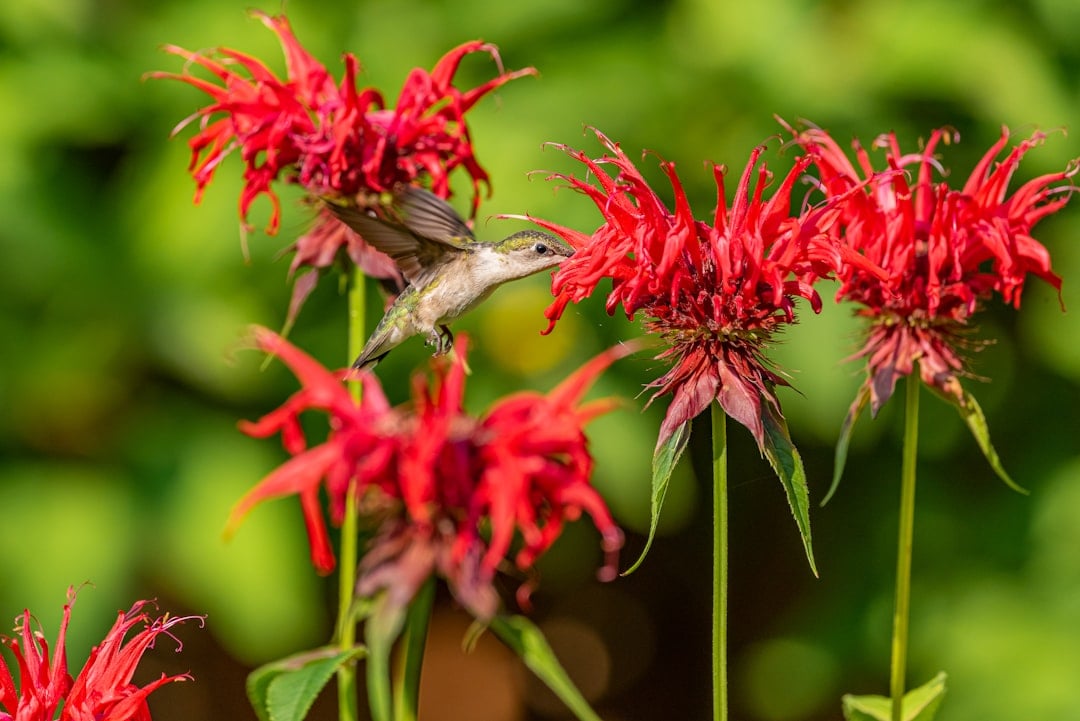
Native to North America, scarlet bee balm is a special favorite of hummingbirds. This spectacular perennial produces crown-like clusters of tubular flowers that seem designed specifically for hummingbird beaks. The plants create dense colonies that spread naturally, giving you more bang for your buck each year.
What makes bee balm truly special is its versatility and medicinal history. Even better, Bee balm is native to North America and has a rich history as a medicinal and edible plant. You can harvest the leaves for herbal tea while still providing abundant nectar for your feathered visitors. The flowers bloom from mid-summer through early fall, perfectly timed for peak hummingbird activity.
Cardinal Flower – Nature’s Hummingbird Cup
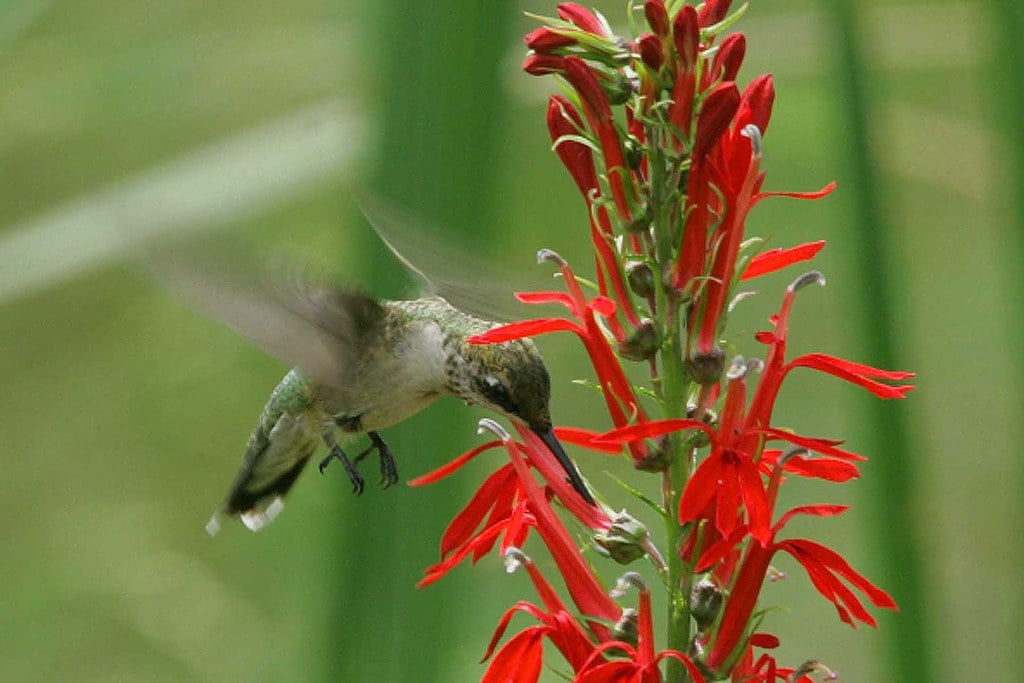
If you want hummingbirds in your garden, plant this flower immediately. Cardinal flowers are arguably the most perfect hummingbird plants nature has created. Just looking at a Cardinal Flower shows how perfect it is for hummingbirds – its flowers are shaped to be hummingbird cups. The individual flowers on the Cardinal Flower stalk tip slightly up to contain the nectar within, while the shape of the flowers is perfect for a hummingbird beak.
These stunning perennials send up tall spikes covered in brilliant red flowers that can be spotted from considerable distances. For attracting hummingbirds, the Cardinal Flower gets our bird-friendly seal of approval because it is an excellent source of nectar for Ruby-throated Hummingbirds mid-August through October. They thrive in moist conditions and will even grow in rain gardens or along pond edges.
Trumpet Vine – The Climbing Sensation
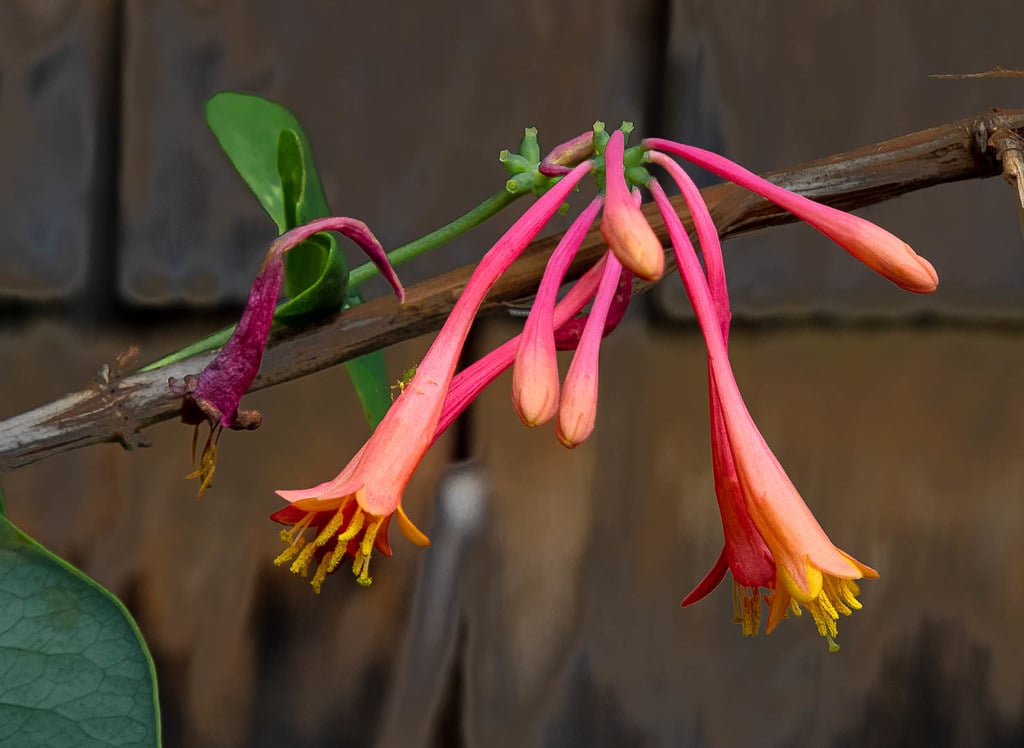
As you can see from the photo, Trumpet Vine’s long, tubular flowers are deeply attractive to hummingbirds, and ruby-throated hummingbirds in particular. This vigorous climbing vine produces clusters of orange-red trumpet-shaped flowers that can cover fences, trellises, or arbors in a blaze of color.
While trumpet vine can be aggressive in some regions, its value as a hummingbird attractor is undeniable. The vine blooms from mid-summer through early fall, providing crucial nectar when many other plants are winding down. Just be sure to choose a location where its spreading nature won’t become problematic, or be prepared to keep it pruned back.
Cuphea – The Heat-Loving Champion
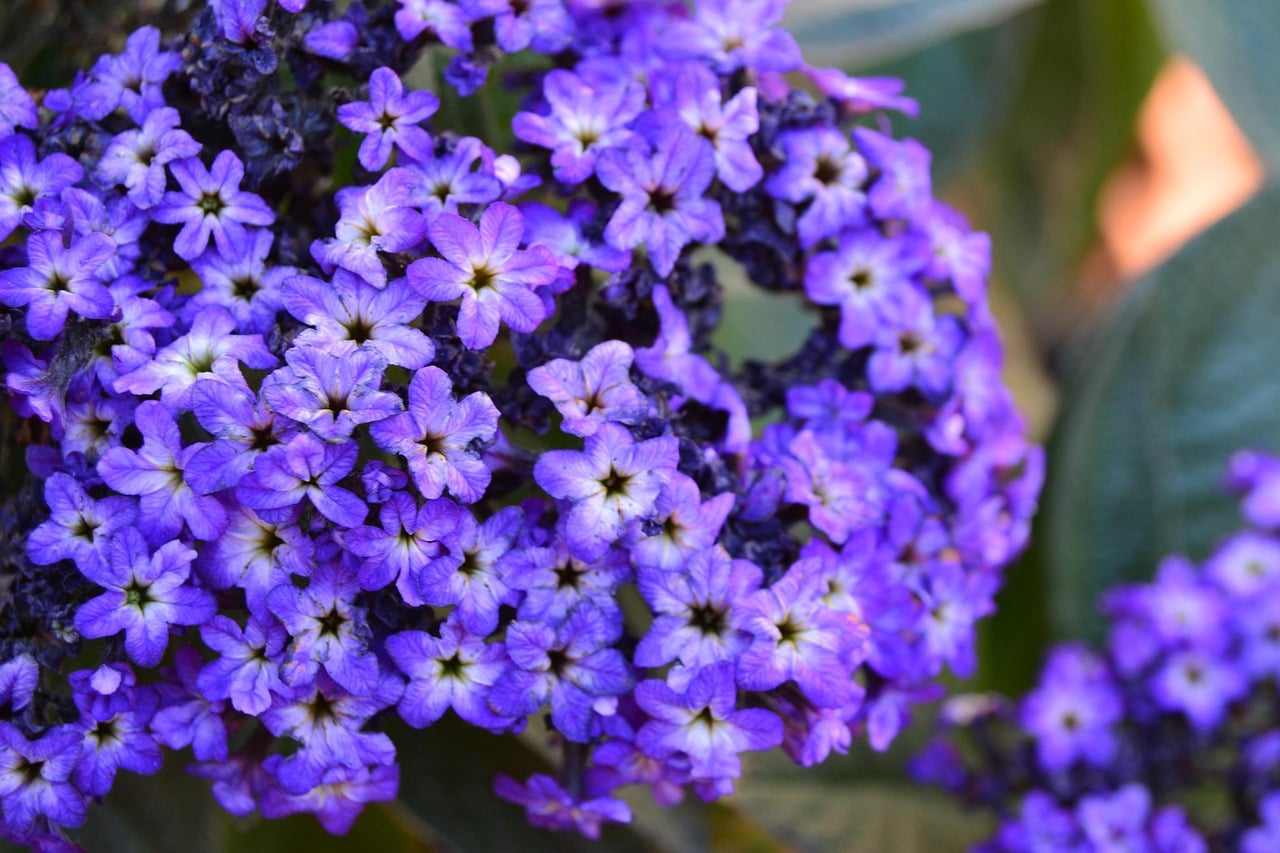
If you plant only one flower for your hummingbirds, make it cuphea! This pretty flower loves, loves, loves the heat. It’s one of the absolute best for attracting hummingbirds. These compact plants produce hundreds of small, tubular flowers in shades of red, orange, and purple that hummingbirds find irresistible.
It will keep blooming well into fall, as long as you keep it fertilized and watered. Cuphea varieties like ‘Batface’ and ‘Firecracker’ are particularly popular with both hummingbirds and gardeners. They’re perfect for containers, border edging, or mass plantings where their continuous blooms can create a hummingbird feeding station that lasts all season.
Salvia – The Versatile Powerhouse
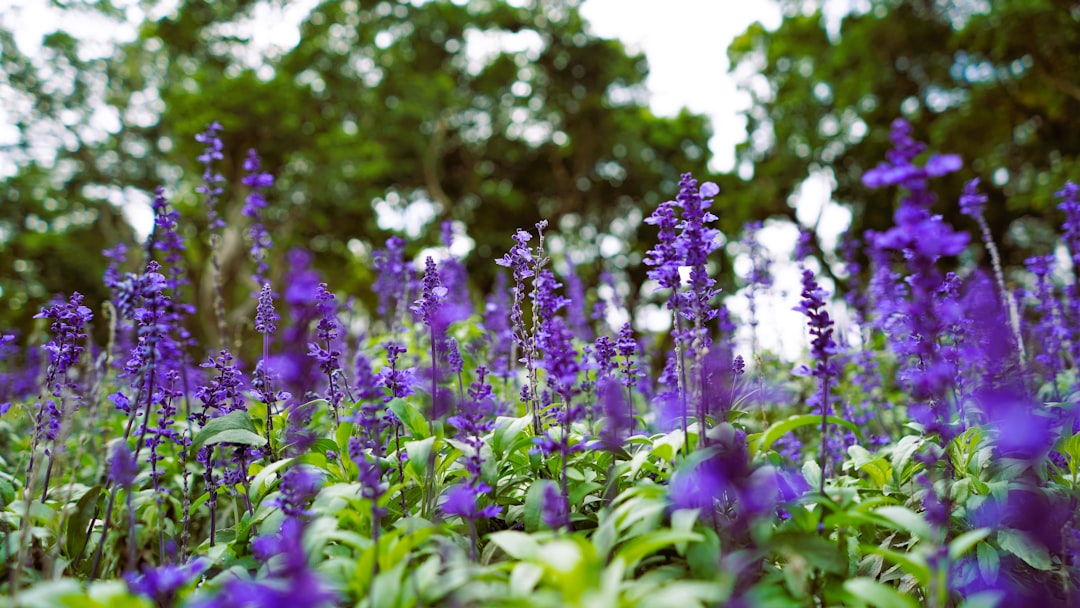
Salvia, also known as sage, is an exceptional low-maintenance choice for attracting hummingbirds to your garden. The vibrant flowers of Salvia produce an abundance of nectar, making them highly appealing to hummingbirds, bees, and butterflies. These plants come in an incredible array of colors, from deep red ‘Lady in Red’ to purple ‘Victoria Blue’ and everything in between.
With its tubular shaped flowers, the salvia is a favorite annual that attracts hummingbirds. While they are attracted to the color red, they will enjoy all colors of salvia–even the black and blue varieties. Salvia will bloom throughout the summer, and deadheading will occasionally encourage even more flowers. This makes salvias one of the most reliable choices for consistent hummingbird activity throughout the growing season.
Penstemon – The Native Beauty
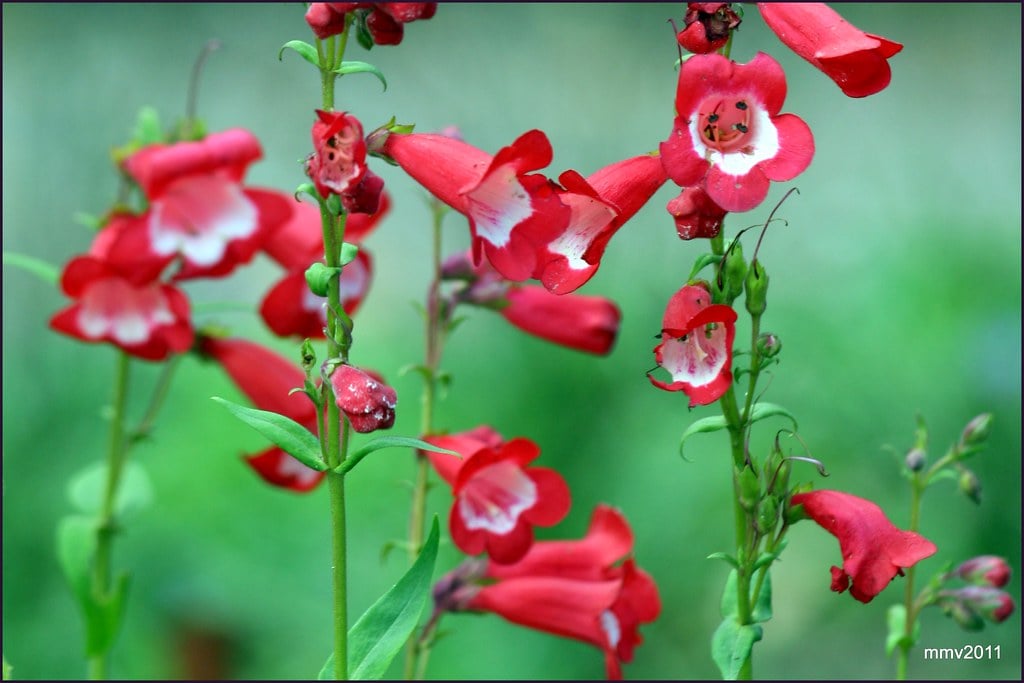
Penstemon, also known as “Beardtongue,” is another fantastic choice for attracting hummingbirds to your garden. With its tubular and nectar-rich flowers, Penstemon provides an irresistible treat for these tiny pollinators. The bright, trumpet-shaped blossoms come in a wide array of colors, including shades of red, purple, pink, and blue, creating a visual feast that is hard to resist.
Thriving in sunny conditions, penstemons have tube-shaped flowers that are jam-packed with nectar, making them attractive to hummingbirds and other pollinators. Typically, penstemons offer an early-season source of nectar, but some will bloom (or rebloom) in late summer. These drought-tolerant perennials are perfect for xeriscaping while still providing abundant hummingbird food.
Lantana – The Drought-Defying Dynamo
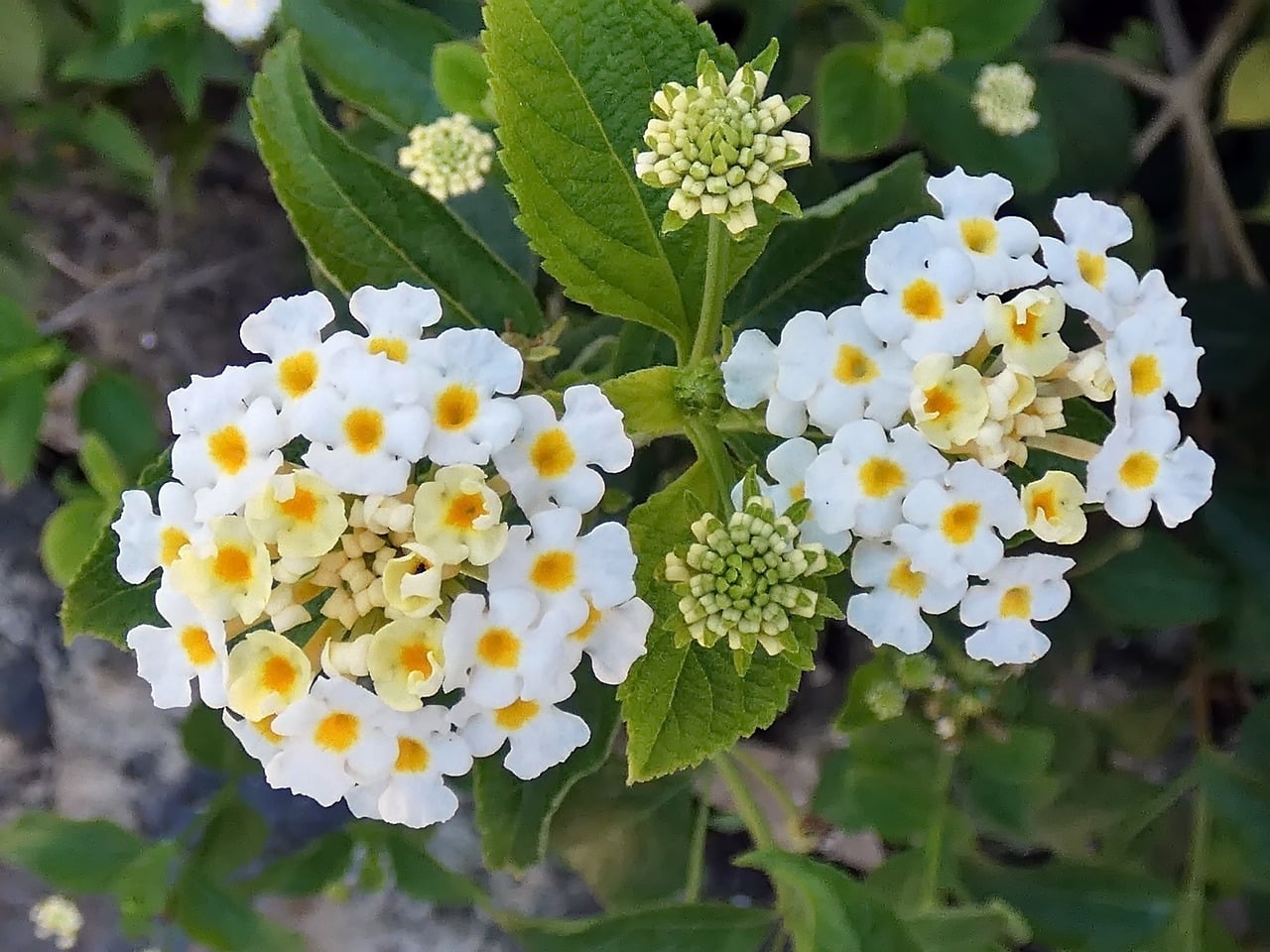
Lantana is a sturdy plant that doesn’t mind heat and drought once it’s established. In most of the country, it is an annual, though it can become a perennial shrub in warm climates. This versatile plant produces clusters of small flowers in vibrant color combinations that create a stunning visual display.
The flowers bloom continuously from spring until the first frost, providing an incredibly long season of nectar for hummingbirds. Lantana works equally well in containers, hanging baskets, or planted directly in the garden bed. Modern varieties are typically sterile, preventing the invasiveness that plagued older selections.
Petunias – The Container Garden Star
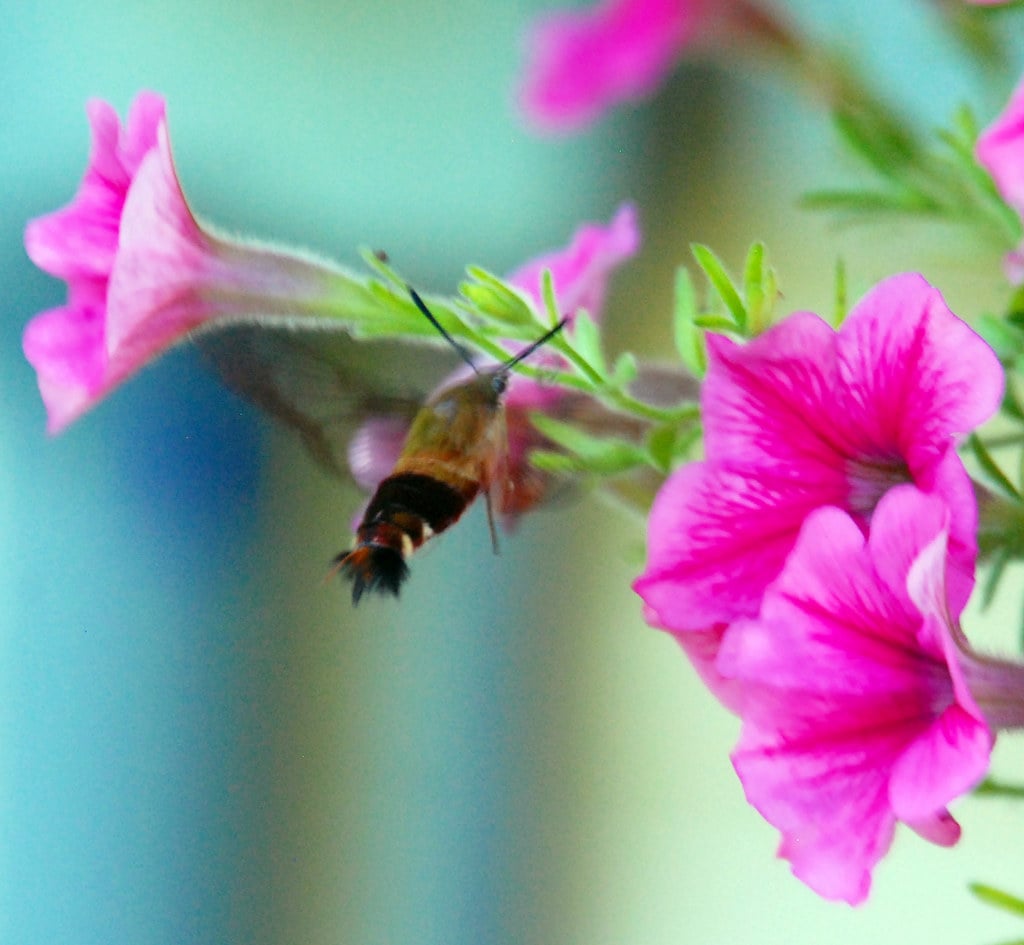
Petunias are old favorites in the garden because they work everywhere: In planters, window boxes, baskets, and landscape beds. And their tubular-shaped flowers in every color you can imagine are appealing to hummingbirds. These annual flowers are incredibly easy to grow and bloom prolifically throughout the summer with minimal care.
If you have a garden that gets at least 5 hours of sun per day, plant Petunias to be rewarded with many blooms! Hummingbirds enjoy their deep, tube-shaped flowers for drinking nectar and water. Wave petunias and grandiflora types are particularly effective at attracting hummingbirds due to their large, trumpet-shaped blooms and abundant nectar production.
Zinnias – The Cheerful Crowd-Pleaser
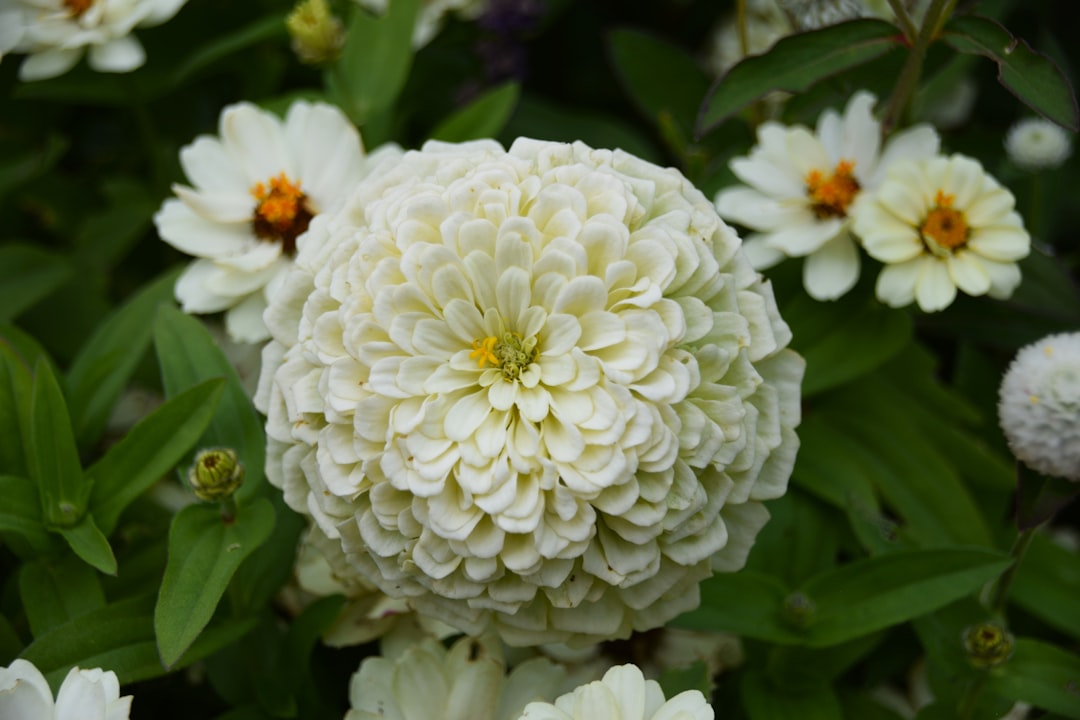
Native to Mexico and Central America, zinnias are one of the most popular annuals throughout the U.S. (They’re one of our favorite annuals too.) They are easy to grow from seed and will re-seed readily! Hummingbirds and other pollinators love the bright blooms. These cheerful flowers come in virtually every color except blue, making them perfect for any garden color scheme.
Zinnias are hands-down some of the easiest annual flowers to grow, producing bright blooms in nearly every shade imaginable. They can grow up to four feet high, and they attract hummingbirds, butterflies, and other birds as well. Plant a mix of sizes from dwarf varieties for containers to state fair giants for background planting to create layers of interest and feeding opportunities.
Butterfly Bush – The Long-Season Bloomer
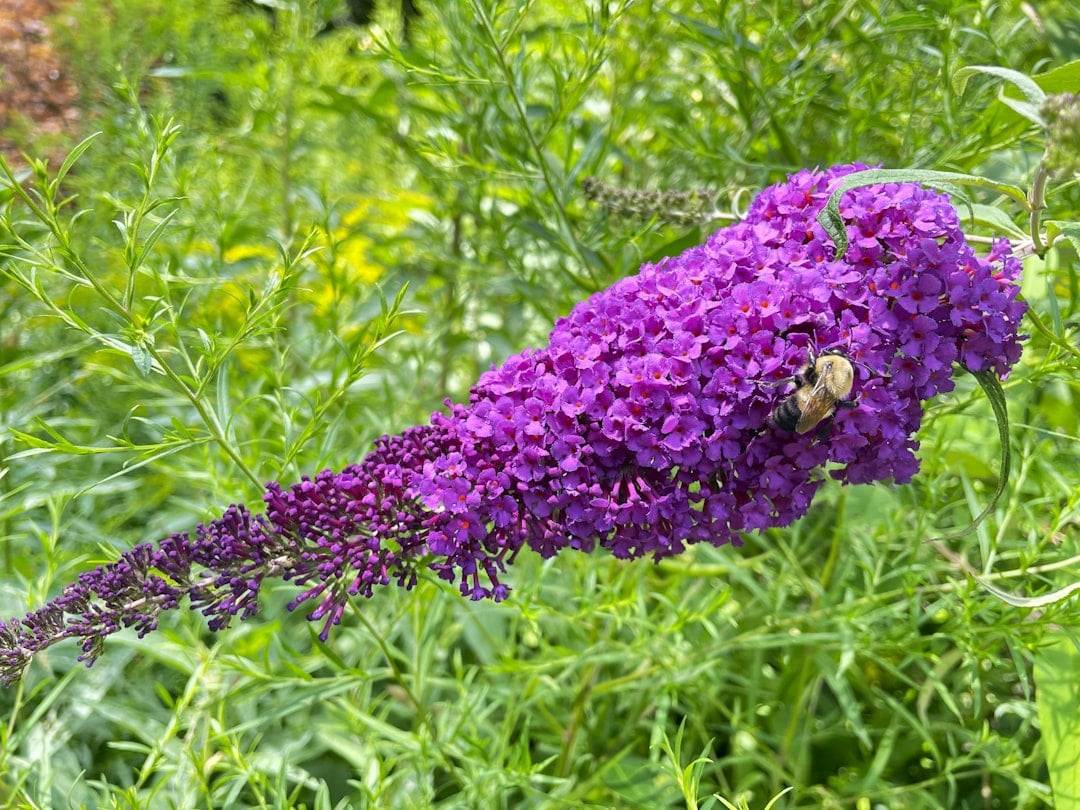
This easy-to-grow flowering shrub is attractive to butterflies, but hummingbirds love the elongated clusters of nectar-rich blooms, too. “I have noticed at my property, the butterfly bushes get the most hummingbird visitors of all of my plants and they bloom until first frost,” says Melissa Lallo Johnson, a Midwest-based master gardener who shares her expansive garden on Instagram at @fancyflowerfarmer.
Modern butterfly bushes are typically sterile, addressing concerns about invasiveness while still providing the abundant nectar that hummingbirds crave. The long, cone-shaped flower clusters come in colors ranging from white and pink to deep purple and burgundy, and they bloom continuously with regular deadheading.
Fuchsia – The Dangling Delight
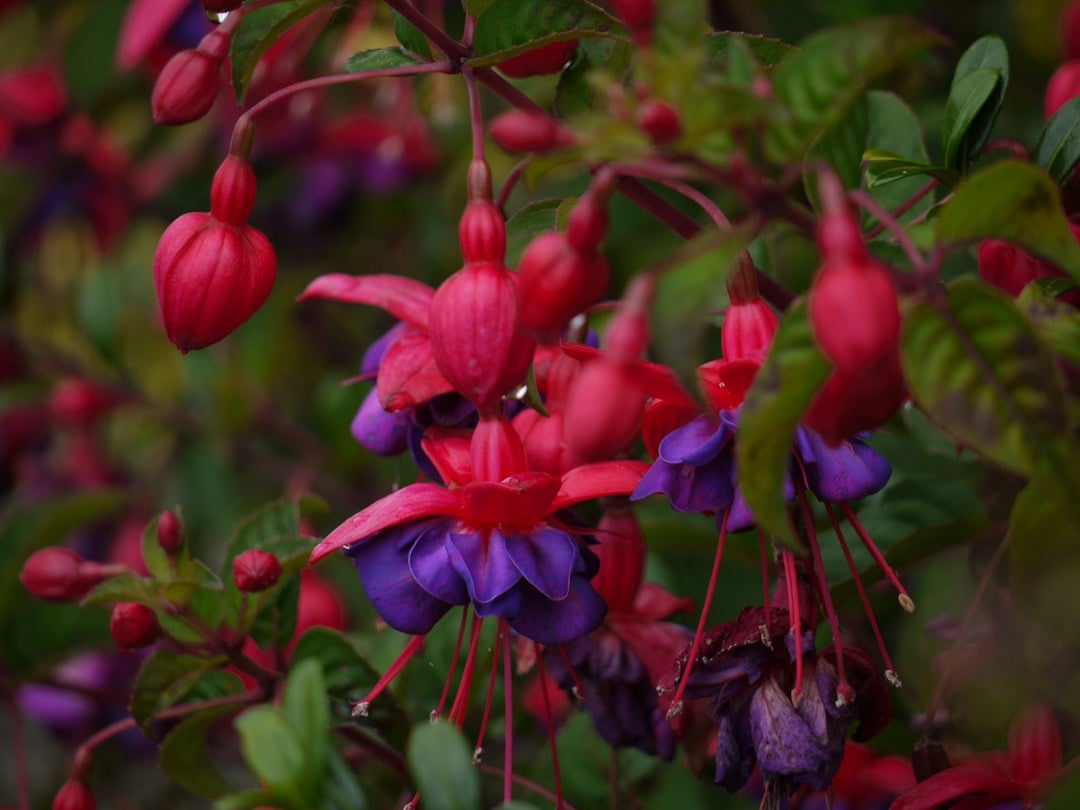
Fuschia is an excellent addition to any hummingbird garden! Hardy fuschia attracts hummingbirds with its vibrant pink and purple flowers, which hang upside down from the plants. Hummers are the perfect suitors for these unique flowers, as they’re agile and can easily navigate to drink from them.
These elegant flowers with their distinctive drooping habit are particularly well-suited to hanging baskets and containers. Perennial in zones 7 to 10, depending on variety. Bloom Time: Blooms from May or June until the first frost. Hardy fuchsias can survive winter in cooler climates, while tender varieties make excellent houseplants that can summer outdoors.
Columbine – The Early Season Treasure
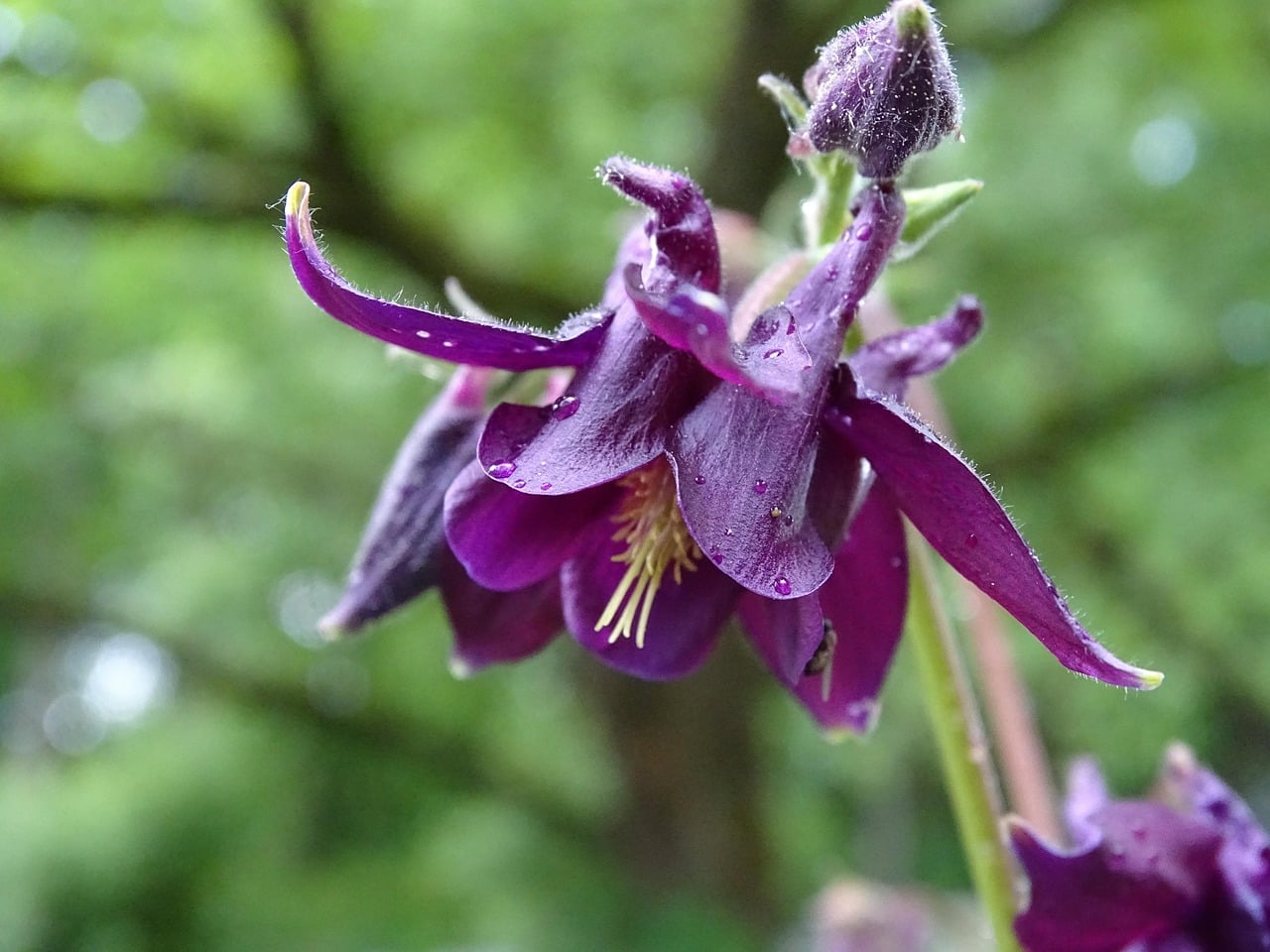
Sure, you can find cultivated varieties of columbine flowers, but native columbine, with its crimson spurs and bright yellow stamens, is an early-season favorite flower that hummingbirds like. These delicate-looking but tough perennials bloom when few other hummingbird plants are active, making them incredibly valuable for returning migrants.
Columbine is a spring-blooming perennial that will provide nectar when other plants have not yet flowered. Their tubular shaped flowers provide nectar for the hummingbirds, and they come in multiple colors that will fit in any garden. The flowers have an otherworldly appearance with their backward-pointing spurs that hold the nectar hummingbirds seek.
Nasturtiums – The Edible Surprise
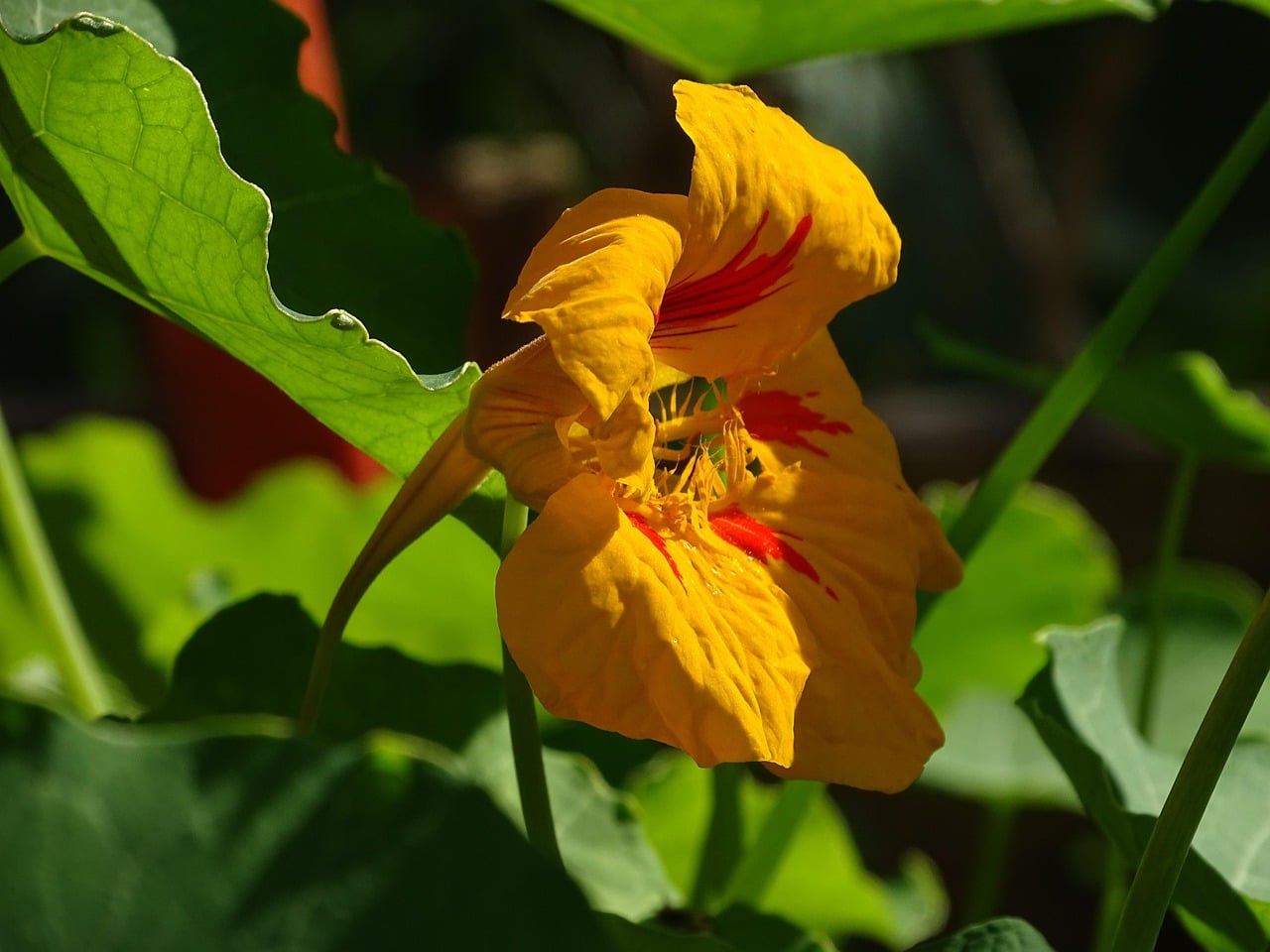
I’ll admit, I never thought of nasturtium as being a key flower to attract hummingbirds – until I saw them occasionally visited by tiny bird friends in our own garden! While nasturtiums may attract some hummingbirds, they are not considered primary hummingbird plants compared to more tubular flowers. These cheerful annuals are incredibly easy to grow and add a peppery flavor to salads when you harvest the leaves and flowers.
Nasturtiums are an easy-to-grow, sprawling, annual flower. Super easy to grow from seed (and will readily self-seed and come back year after year). Bloom Time: Early summer through fall in most climates. They’re perfect for cascading over walls, filling containers, or covering bare ground while providing consistent nectar for hummingbirds throughout the growing season.
Impatiens – The Shade Garden Hero
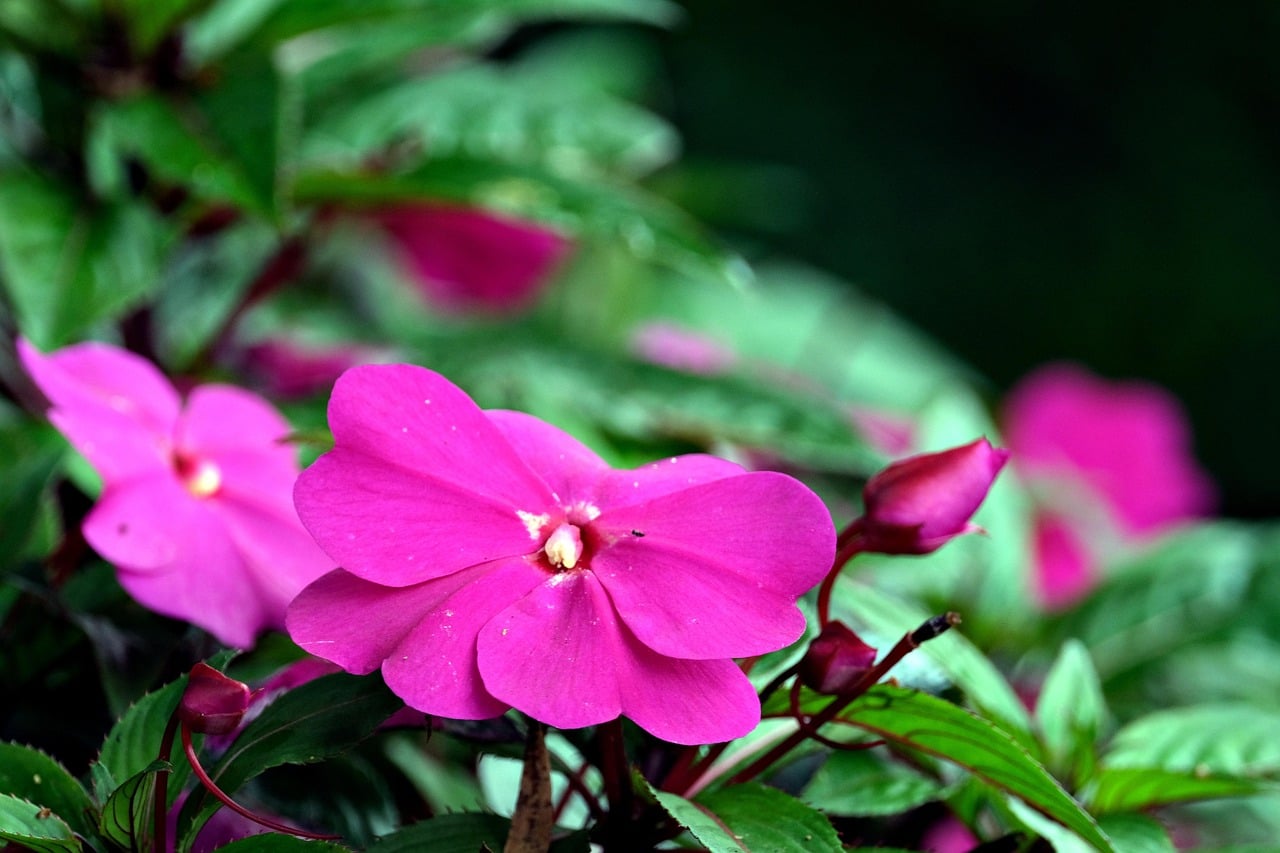
One of the more popular shade-loving plants, impatiens are a favorite of hummingbirds and gardeners alike. The compact plants produce prolific and petite flowers in white, pink, purple, or red. Impatiens are ideal for hanging baskets, containers, and borders – anywhere that receives partial shade.
Unlike Petunias, they prefer shady areas and will do best in only partial or low sun. Hummingbirds, bees, and butterflies all enjoy visiting Impatiens. This makes impatiens invaluable for creating hummingbird habitat in areas where most other flowering plants struggle, such as under trees or on the north side of buildings.
Lupine – The Towering Spikes
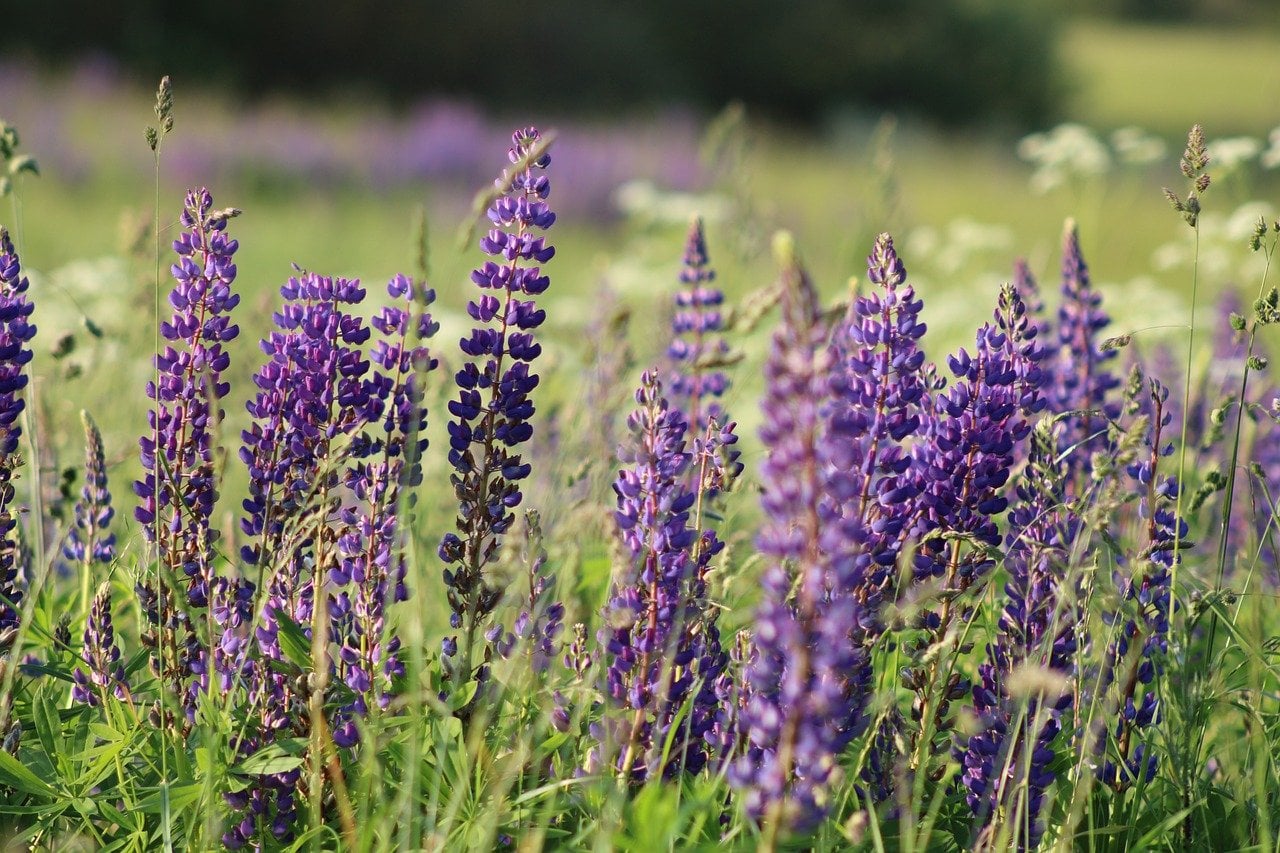
Lupine is a perennial that is fairly short-lived but self-seeds in the garden. Lupine sends up a long stem covered with tubular shaped flowers that the hummingbirds love. These flowers bloom in late spring. The tall flower spikes can reach up to four feet in height, creating dramatic vertical interest in the garden while providing accessible nectar at the perfect height for hummingbirds.
Lupines prefer cool, moist conditions and may struggle in hot climates, but where they thrive, they create stunning displays. The flowers come in shades of blue, purple, pink, white, and yellow, often with bicolor combinations that create striking garden focal points.
Morning Glory – The Climbing Marvel
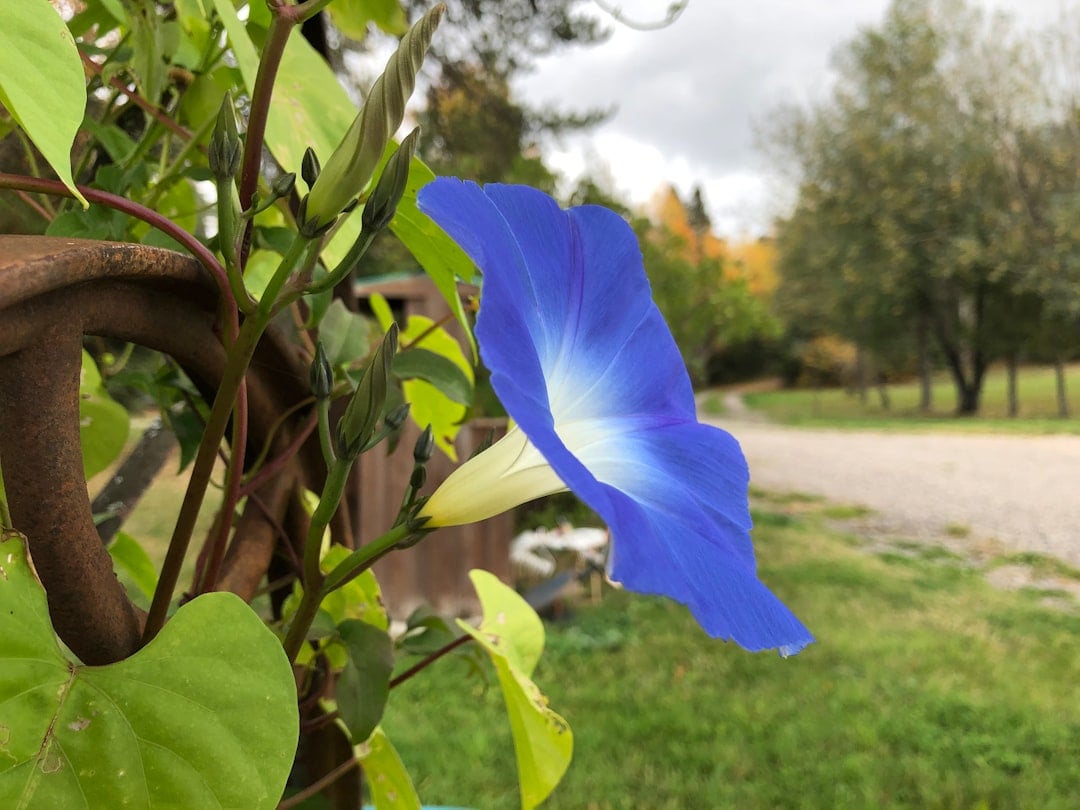
Morning glories are vining flowers that have been a favorite for decades. Used to cover fences, buildings and walls, these are one of the easiest vines to grow. The tubular shaped flowers cover the vines that attract hummingbirds and butterflies. These fast-growing annuals can quickly cover unsightly areas while providing abundant nectar.
They love the sun and will tolerate dry soils. Most gardeners think of the traditional blue morning glories, but they now come in multiple colors–even red! The flowers open in the morning and close by afternoon, but the plants produce so many blooms that there’s always something open when hummingbirds are actively feeding.
Hot Poker Plant – The Architectural Statement
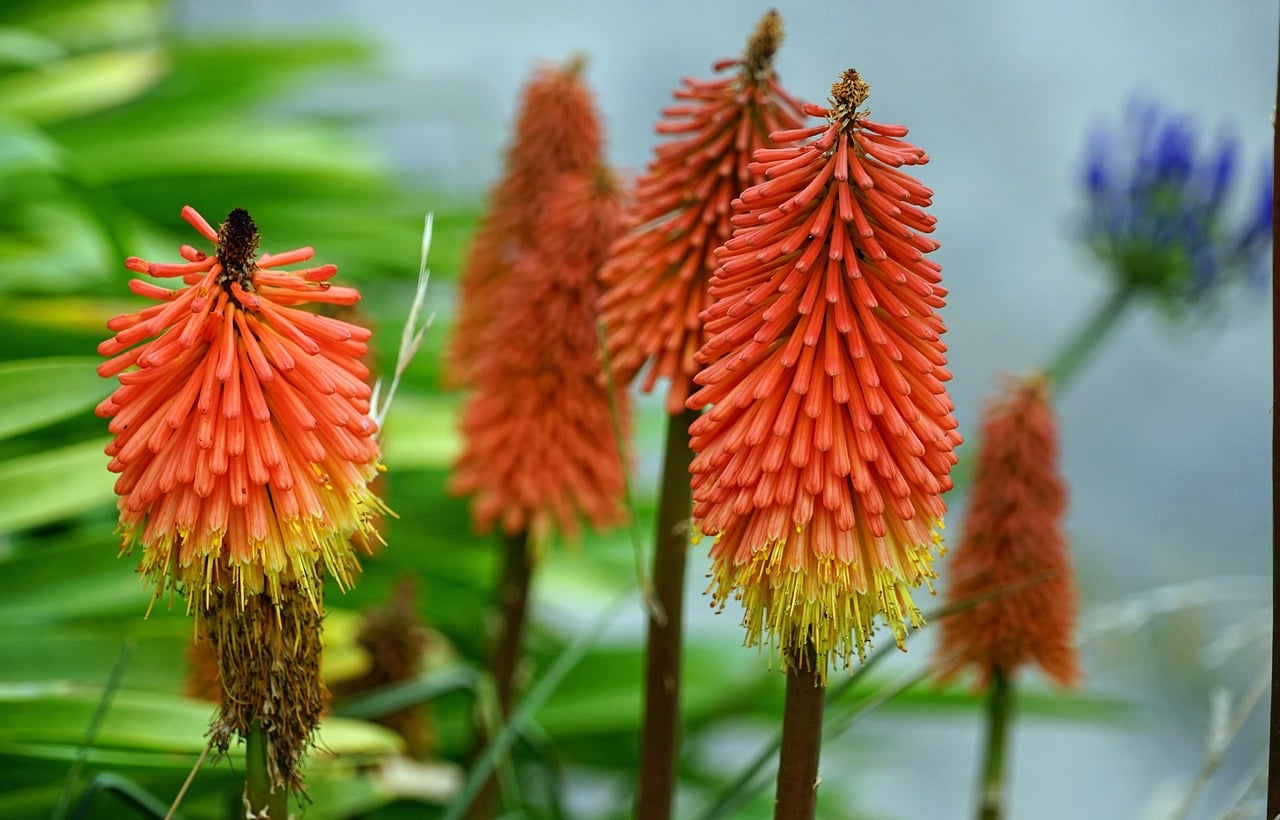
Kniphofia, commonly known as “Hot Poker,” is an excellent choice for attracting hummingbirds to your garden. The unique, torch-like flower spikes of Kniphofia are rich in nectar and produce a vibrant burst of color, ranging from fiery reds and oranges to warm yellows. These striking blooms, combined with their tall and upright growth habit, create an irresistible attraction for hummingbirds seeking a nectar-filled feast.
The tubular shape of Kniphofia flowers perfectly accommodates the long, slender beaks of hummingbirds, allowing them to easily access the sweet nectar within. These drought-tolerant perennials bloom from mid-summer through fall, providing consistent nectar when many other plants are declining. The grass-like foliage provides textural contrast in the garden year-round.
Delphinium – The Cottage Garden Classic
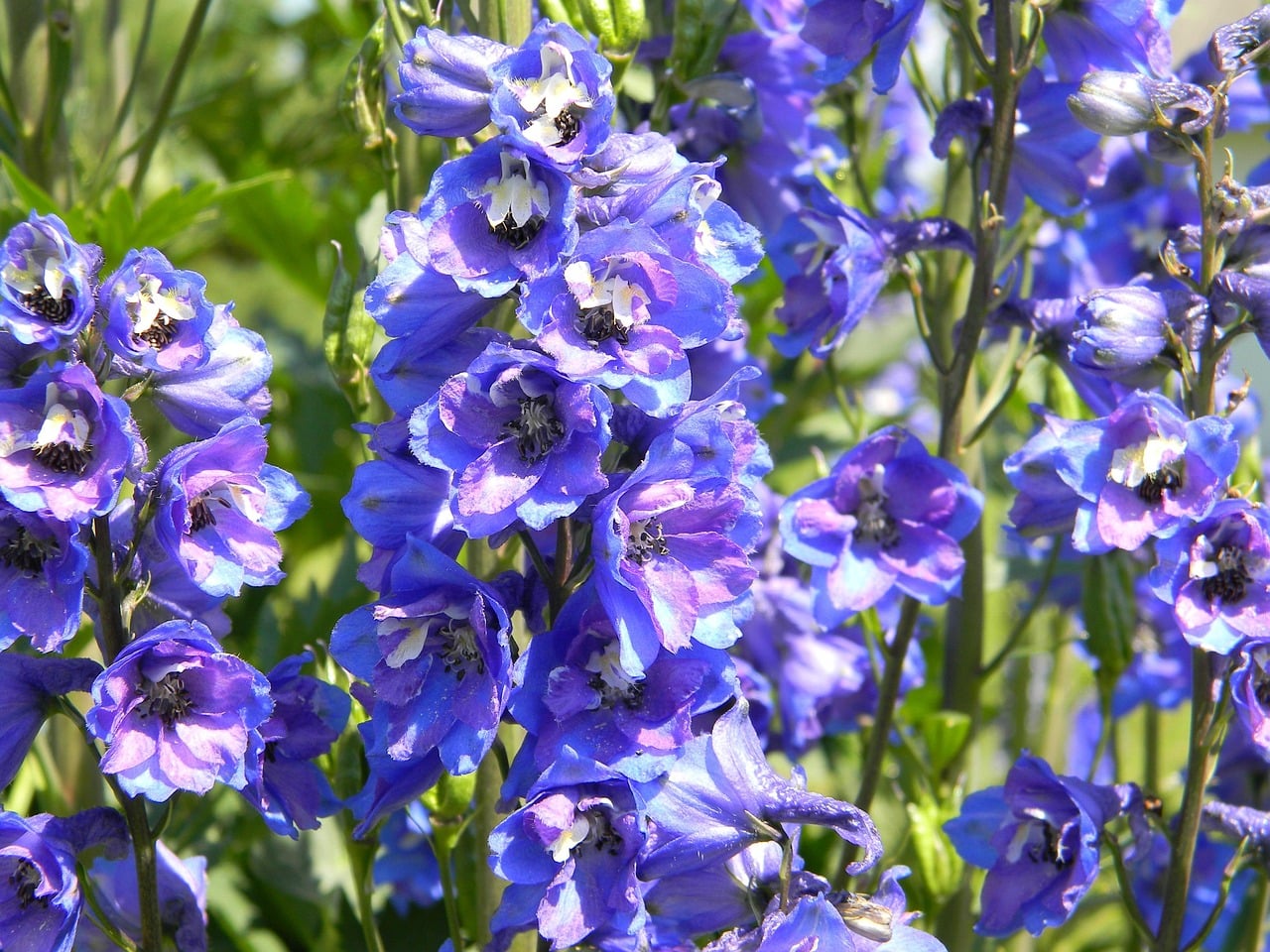
These stunning cottage garden flowers are a must-have for garden borders. Of course, hummingbirds love them, but you will, too, with their striking upright form and intense pink, purple or blue hues. These towering perennials can reach six feet or more in height, creating spectacular vertical displays that are visible from considerable distances.
Delphiniums prefer cool, moist conditions and rich soil, making them ideal for northern gardens or areas with cool summers. The densely packed flower spikes provide numerous feeding opportunities for hummingbirds, and the plants often produce a second flush of blooms if cut back after the first flowering.
Coral Bells – The Foliage and Flower Combination
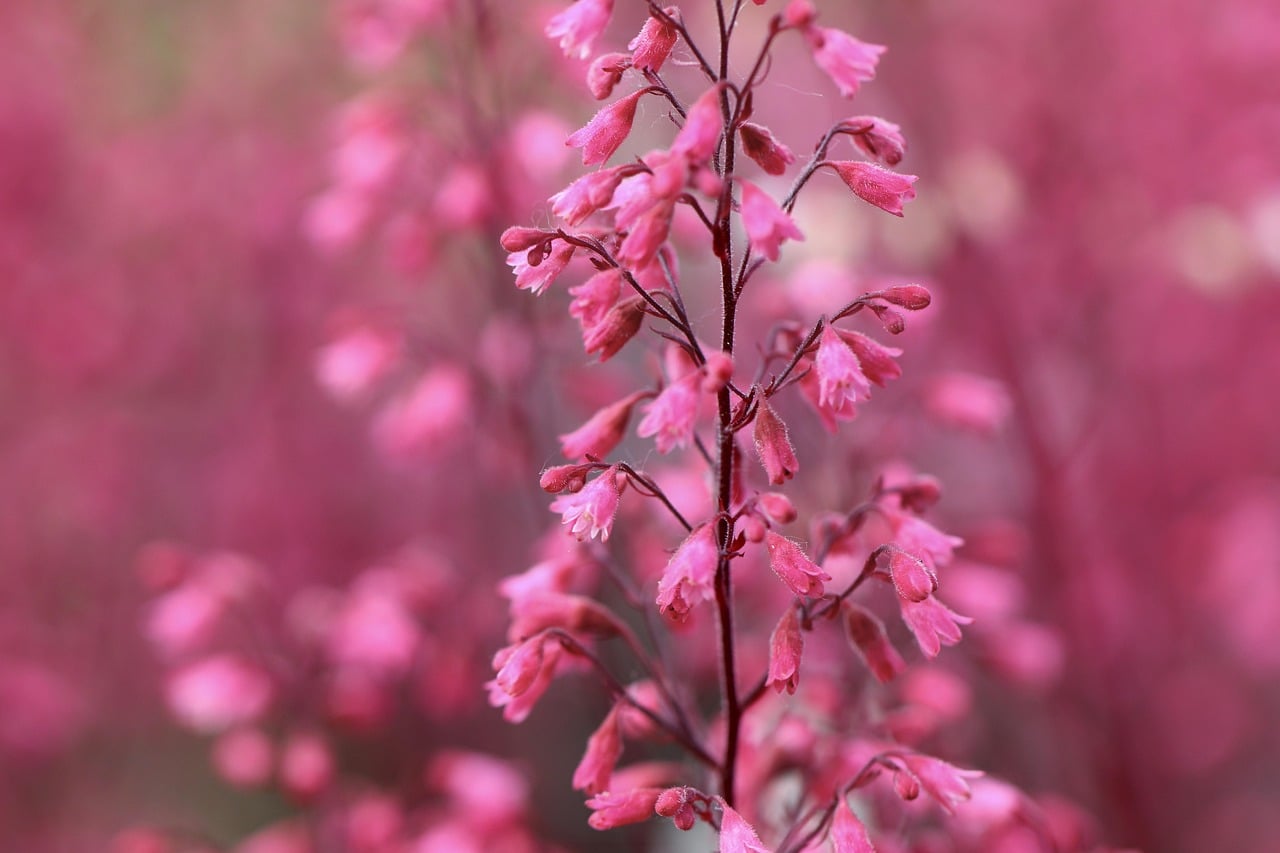
Coral bells are shade-loving perennials with wide, colorful leaves, but it’s the nectar in their tiny, bell-shaped flowers that attracts hummingbirds. These versatile plants provide year-round garden interest with their colorful foliage in shades ranging from lime green to deep burgundy, while the delicate flower spikes add vertical interest.
The flowers may be small, but they’re produced in abundance on tall, airy stems that dance in the breeze. Coral bells are perfect for edging pathways, filling containers, or creating groundcover drifts in shaded areas where few other flowering plants will thrive.
Weigela – The Spring Shrub Sensation
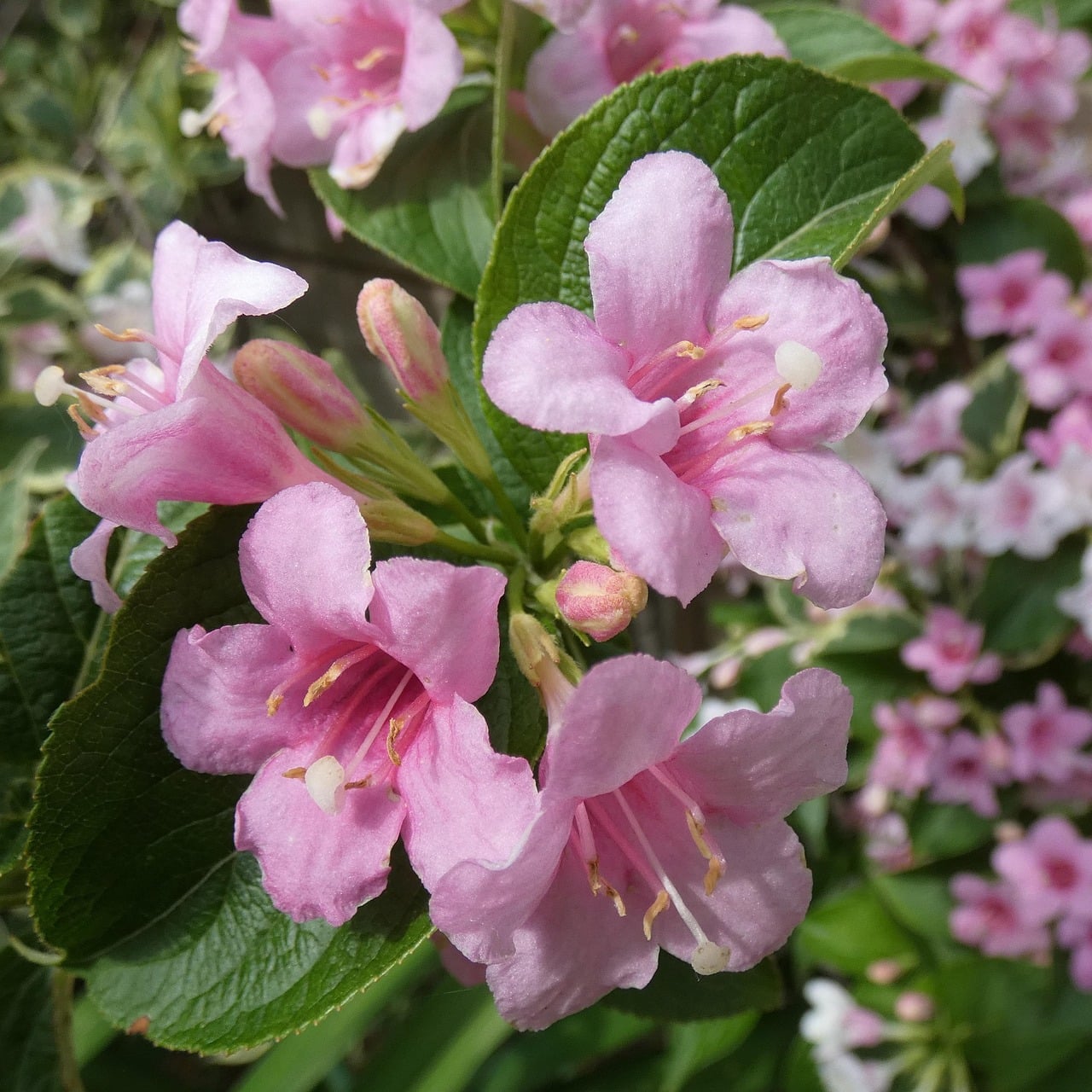
Weigela, red buckeye and rhododendron flowers will attract them, as will honeysuckle and trumpet creeper vines. Weigela, red buckeye and rhododendron flowers will attract them, as will honeysuckle and trumpet creeper vines. This deciduous shrub produces abundant tubular flowers in late spring, just when hummingbirds are establishing territories and need reliable nectar sources.
Modern weigela varieties offer much more than just flowers, with foliage colors ranging from chartreuse to deep purple. The shrubs are low-maintenance once established and can be pruned immediately after flowering to maintain size and shape while ensuring next year’s bloom display.
Azalea and Rhododendron – The Early Bloomers
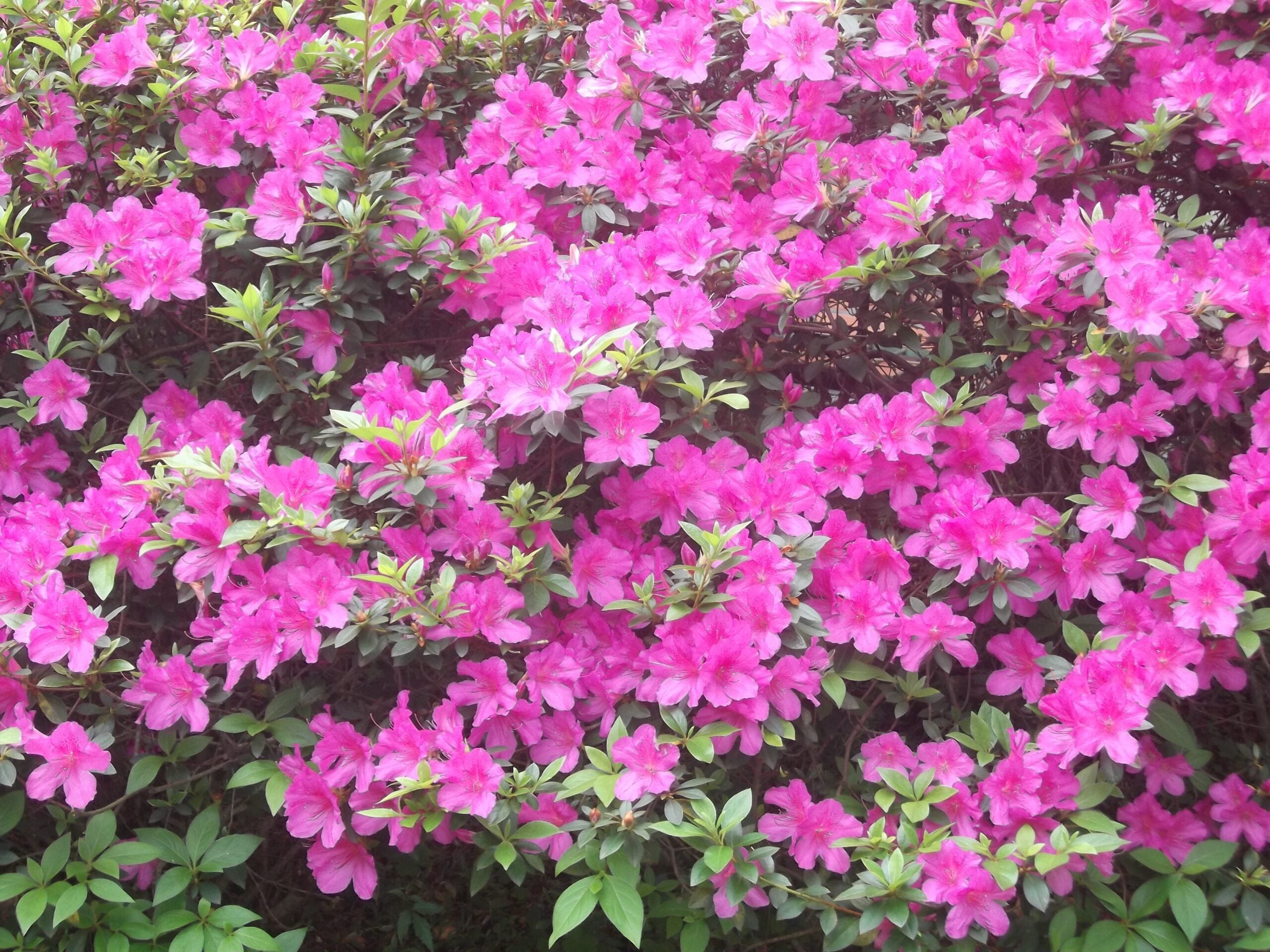
Winter and spring. Rhododendrons and azalea have the potential to provide the earliest blooms for visiting hummingbirds – some as early as December to March, depending on the variety and your zone. These evergreen and deciduous shrubs are invaluable for providing nectar when few other plants are flowering.
The tubular flowers come in shades of white, pink, red, purple, and yellow, creating spectacular spring displays. Many varieties are fragrant, adding another sensory dimension to the garden. Choose varieties appropriate for your climate zone and soil conditions for best results.
Verbena – The Tough Customer
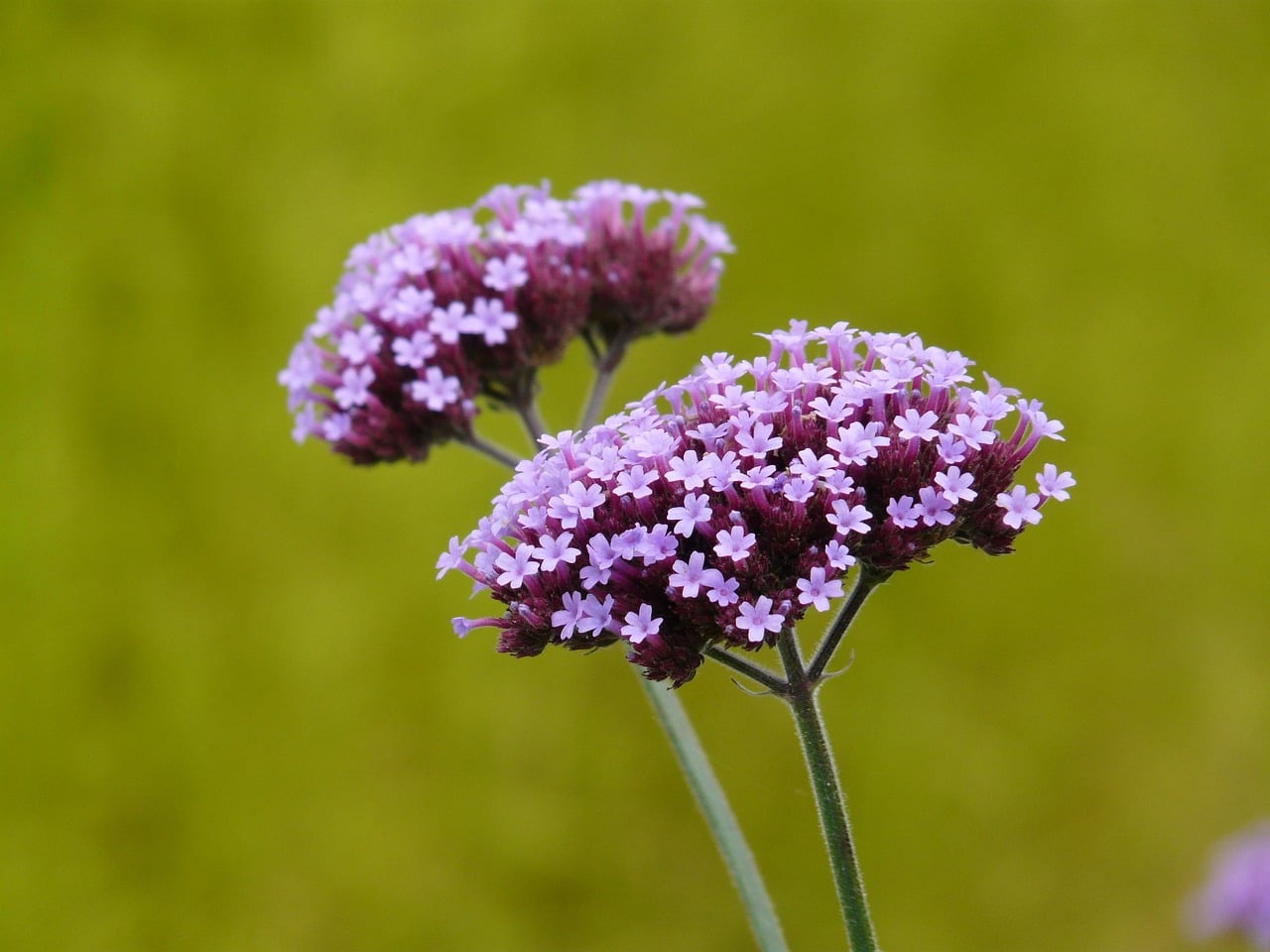
Look for Quartz Burgundy verbena (Verbena x hybrida, 1999 winner). The intense wine-colored florets will attract hummingbirds first with their red flower color, then with their nectar. Improved resistance to mildew means this annual will flower a lot longer than many other verbenas.
Western vervain (Verbena lasiostachys) has a bright color and long-lasting blooms, making it a popular plant with hummingbirds and gardeners alike. Imagine your garden bursting with vivid purple-blue blooms that last for months while also attracting hummingbirds. Both annual and perennial forms provide excellent nectar sources and exceptional heat tolerance.
Four O’Clock – The Evening Star
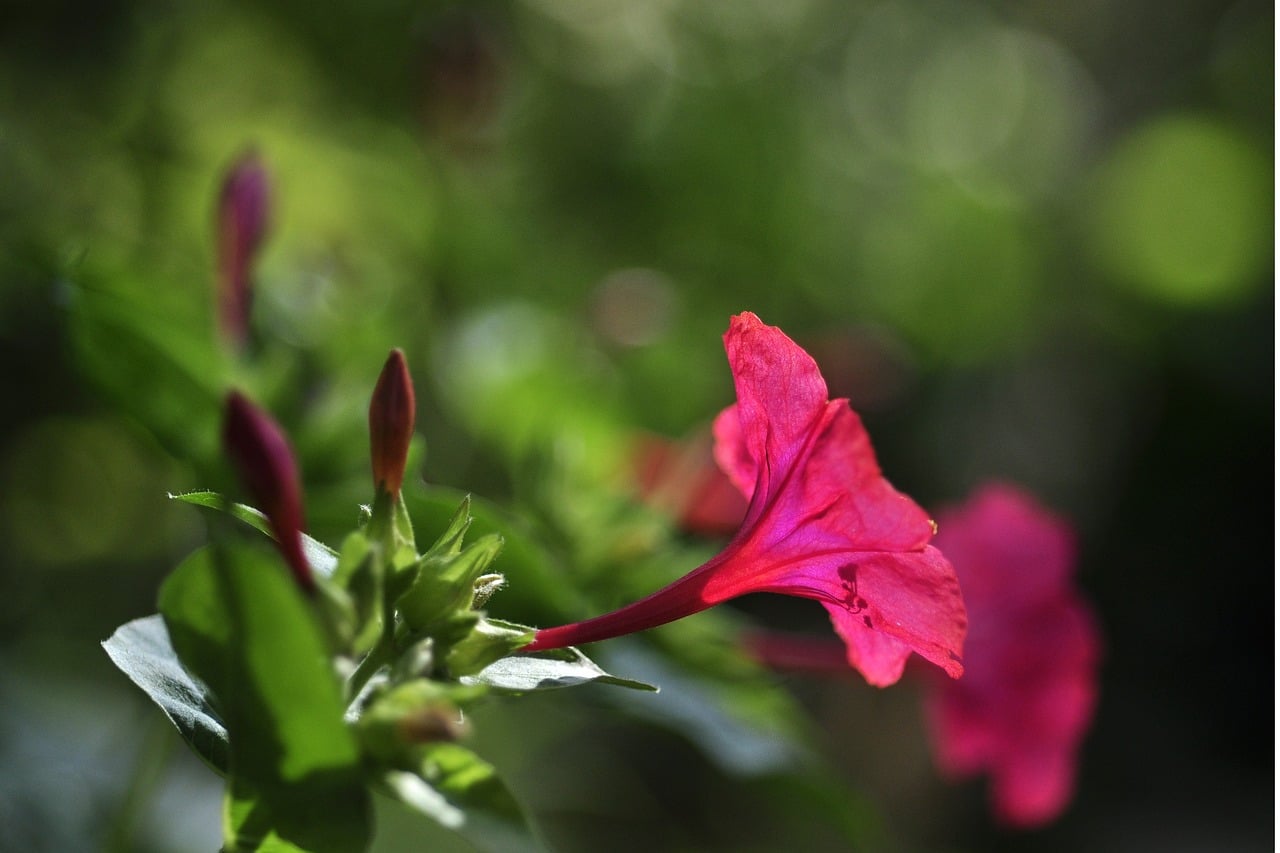
This old-time favorite is making a comeback with its unusual broken color. Unlike most flowers that bloom all day and close in the evening, the four o’clocks first open in late afternoon. This unique blooming habit makes them perfect for catching hummingbirds during their evening feeding frenzy as they prepare to roost for the night.
The fragrant trumpet-shaped flowers come in solid colors or striking patterns with multiple colors on each bloom. Four o’clocks are incredibly easy to grow from seed and will often self-seed in favorable conditions, creating naturalized colonies over time.
Agastache – The Hummingbird Mint
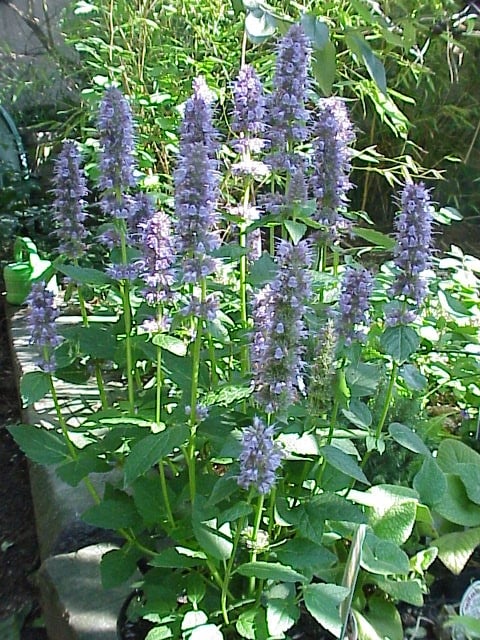
Like Bee Balm, agastache is another non-invasive beautiful member of the mint family. Agastache produces long-blooming tubular flowers that attract hummingbirds from far and wide. So much so that agastache often goes by the common name ‘hummingbird mint’.
Most varieties of agastache can grow as perennials in zones 4 through 10. Bloom Time: Tall flower spikes bloom in early summer through fall The plants are also deer and rabbit resistant, making them perfect for areas where these pests are problematic. The aromatic foliage adds another layer of garden interest even when not in bloom.
Marigolds – The Cheerful Companions
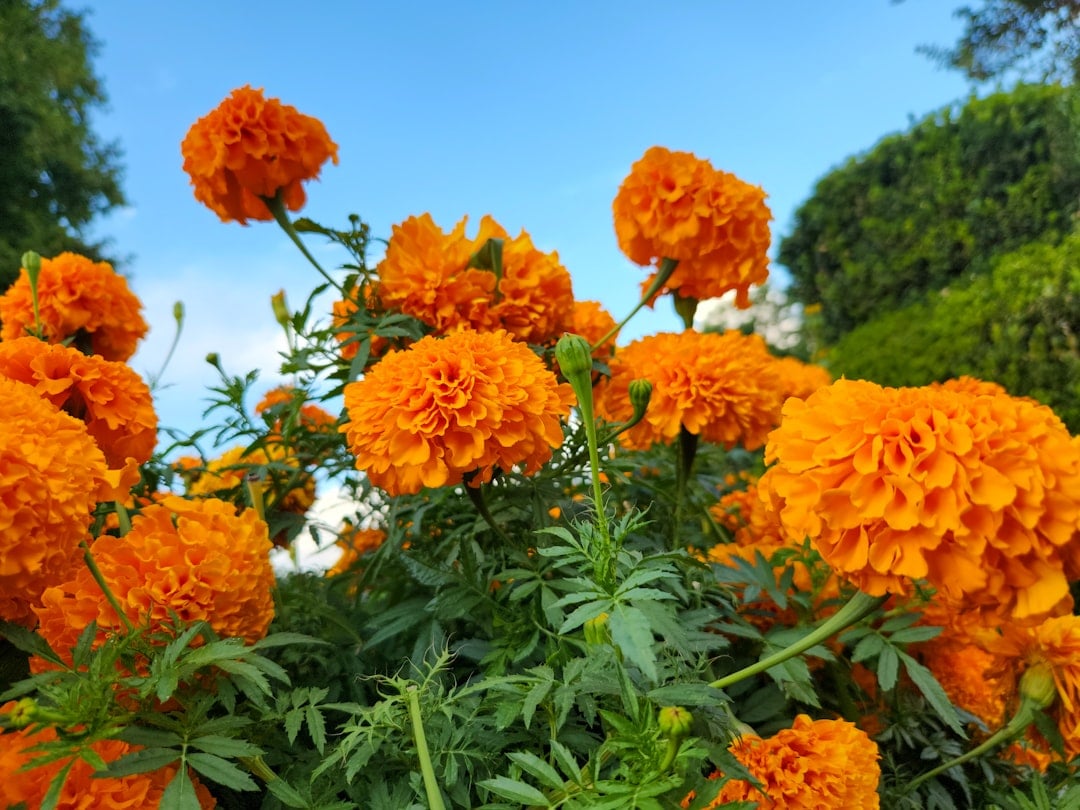
Grow Moonsong Deep Orange marigold (Tagetes erecta, 2010 winner). The flower color is fade-resistant and such a rich orange it makes others look pale by comparison. Easy to grow in 5- to 6-inch pots, plants will flower in about 70 to 84 days.
While not traditional hummingbird plants, marigolds in rich orange and red shades do attract these tiny birds, especially when other preferred nectar sources are scarce. They’re incredibly easy to grow, bloom continuously until frost, and their pungent foliage helps deter many garden pests while attracting beneficial insects.
Creating Your Hummingbird Paradise
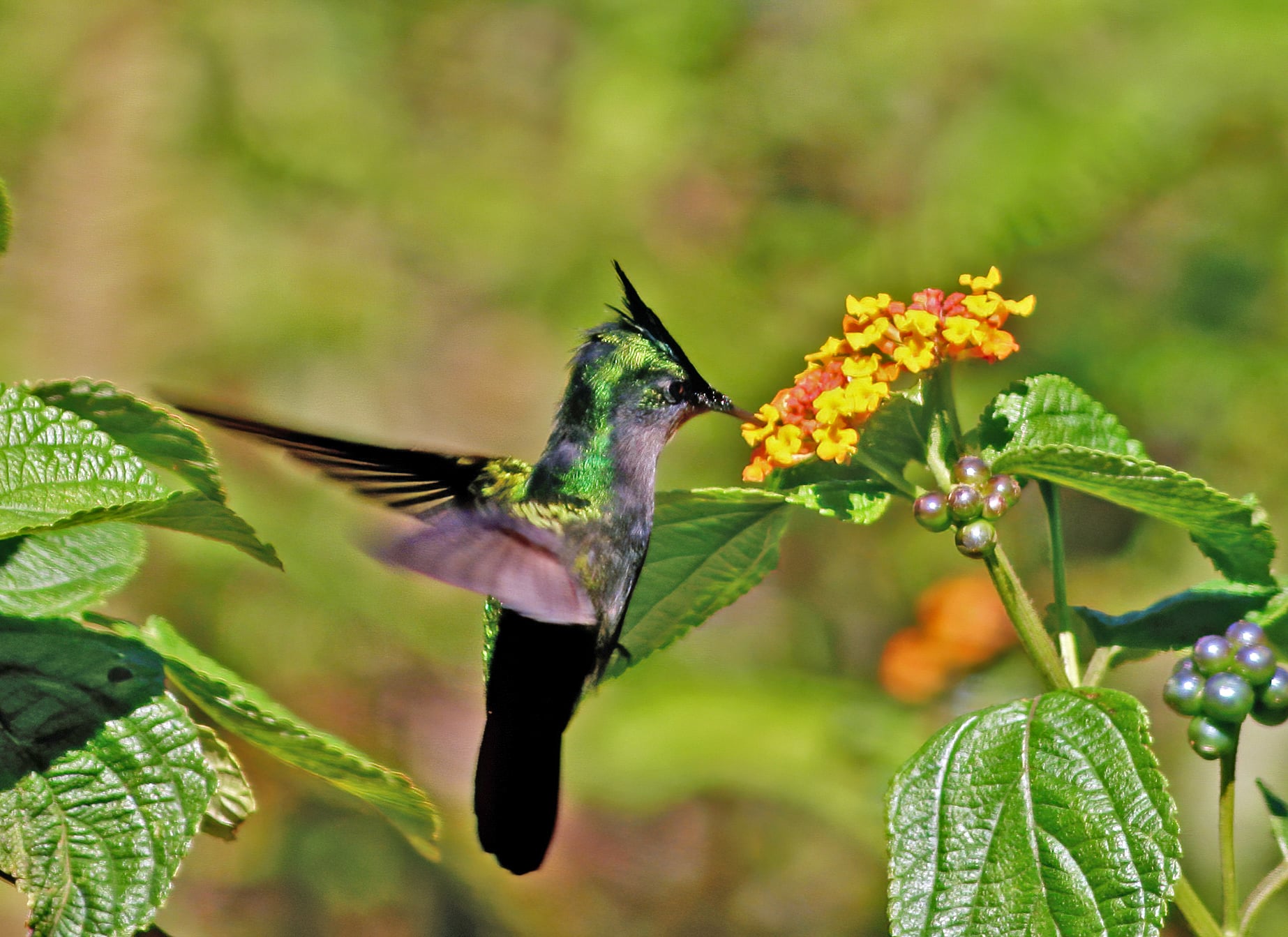
Transforming your backyard into a hummingbird paradise isn’t just about planting the right flowers – it’s about creating a complete ecosystem that meets all their needs. Plant in Masses: Not only does planting an abundance of hummingbird-friendly plants create a visually stunning display highly attractive to hummingbirds, but it also increases the chances of them visiting and feeding in your garden. Mass plantings provide a concentrated and abundant source of nectar, making it easier for hummingbirds to locate and access the flowers, resulting in more frequent and prolonged visits.
Create Diversity: Aim for a variety of plants with staggered bloom times. This will ensure a consistent and diverse nectar supply throughout the hummingbird season. Including a mix of shrubs, perennials, and annuals will provide a range of options for these tiny visitors. Remember that hummingbirds also need water, shelter, and nesting sites, so consider adding a mister or shallow fountain and leaving some native trees and shrubs for perching and nesting. With patience and the right plant selections, you’ll soon have your own magical hummingbird paradise right outside your door.
The sight of these jewel-like birds hovering at your flowers, their wings beating so fast they create that distinctive humming sound, will bring you years of wonder and joy. Have you ever imagined how different your mornings would be with these tiny visitors greeting you each day?
