

Picture this: you’re strolling through your local park when you spot what looks like a gentle giant of a dog, maybe a Mastiff-type breed with a sweet face. But here’s the shocking truth – that very same dog might be completely illegal to own in dozens of countries around the world. It’s a harsh reality that many pet lovers never even consider until it’s too late.
The world of banned dog breeds is far more complex and controversial than most people realize. What makes one furry companion a beloved family pet in one country and a prohibited “weapon” in another? The answer involves a tangled web of tragic incidents, political reactions, and sometimes questionable science. Let’s dive into the surprising world of breeds that have found themselves on the wrong side of the law.
#17 American Pit Bull Terrier – The Most Universally Restricted
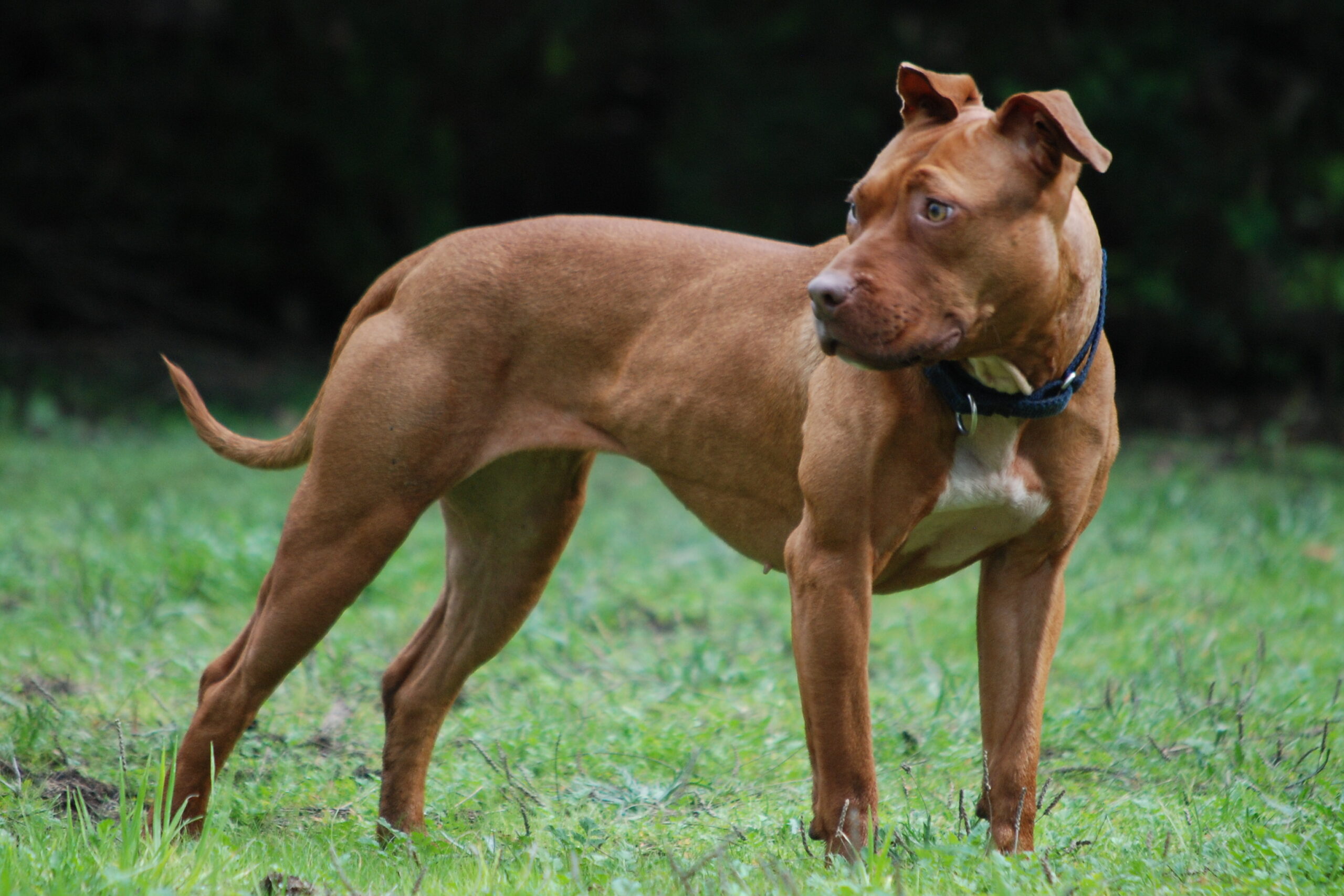
Of all banned breeds worldwide, the American Pit Bull Terrier faces the most widespread restrictions, with numerous countries having breed restriction laws targeting pit bull breeds. This breed has become the poster child for dangerous dog legislation, despite being bred originally for farm work and companionship.
Known for their strength and agility, Pit Bulls have a controversial history of being bred for dog fighting, which has led to their reputation as aggressive dogs. What’s particularly heartbreaking is that individual dogs often suffer for the actions of irresponsible owners who trained them for illegal activities. Countries from the UK to Australia have banned these dogs outright, making them the most legally persecuted breed on the planet.
#16 Japanese Tosa – The Silent Sumo Warrior

The Japanese Tosa was originally bred as a fighting dog in Japan and weighs up to 90kg, resembling a cross between a Mastiff and a Great Dane – a dog prepared to fight to the death in complete silence. This massive breed was designed to be the ultimate gladiator of the dog world, attacking opponents without hesitation or sound.
Originally bred for dog fighting, the Japanese Tosa is a large and powerful breed that has been banned across multiple countries including Australia and the UK. Despite being extremely rare outside of Japan, their fearsome reputation preceded them across borders. The irony is that there were likely never more than a handful of these dogs in most countries before they were banned.
#15 Dogo Argentino – The Big Game Hunter Turned Outlaw

The Dogo Argentino was bred in Argentina not for fighting but for big-game hunting, with its prey being largely wild boar, puma and jaguar, created by two teenage brothers using a wide range of breeds. These powerful white dogs were designed to take down some of South America’s most dangerous predators.
Due to incidents of attacks on humans and other dogs, including some that were fatal, Australia moved to ban or restrict the Dogo Argentino, as these dogs require early socialization and training to become well-behaved adults. The breed’s hunting instincts and protective nature, combined with their impressive size and strength, made them targets for breed-specific legislation worldwide.
#14 Fila Brasileiro – The Brazilian Guardian with Stranger Danger
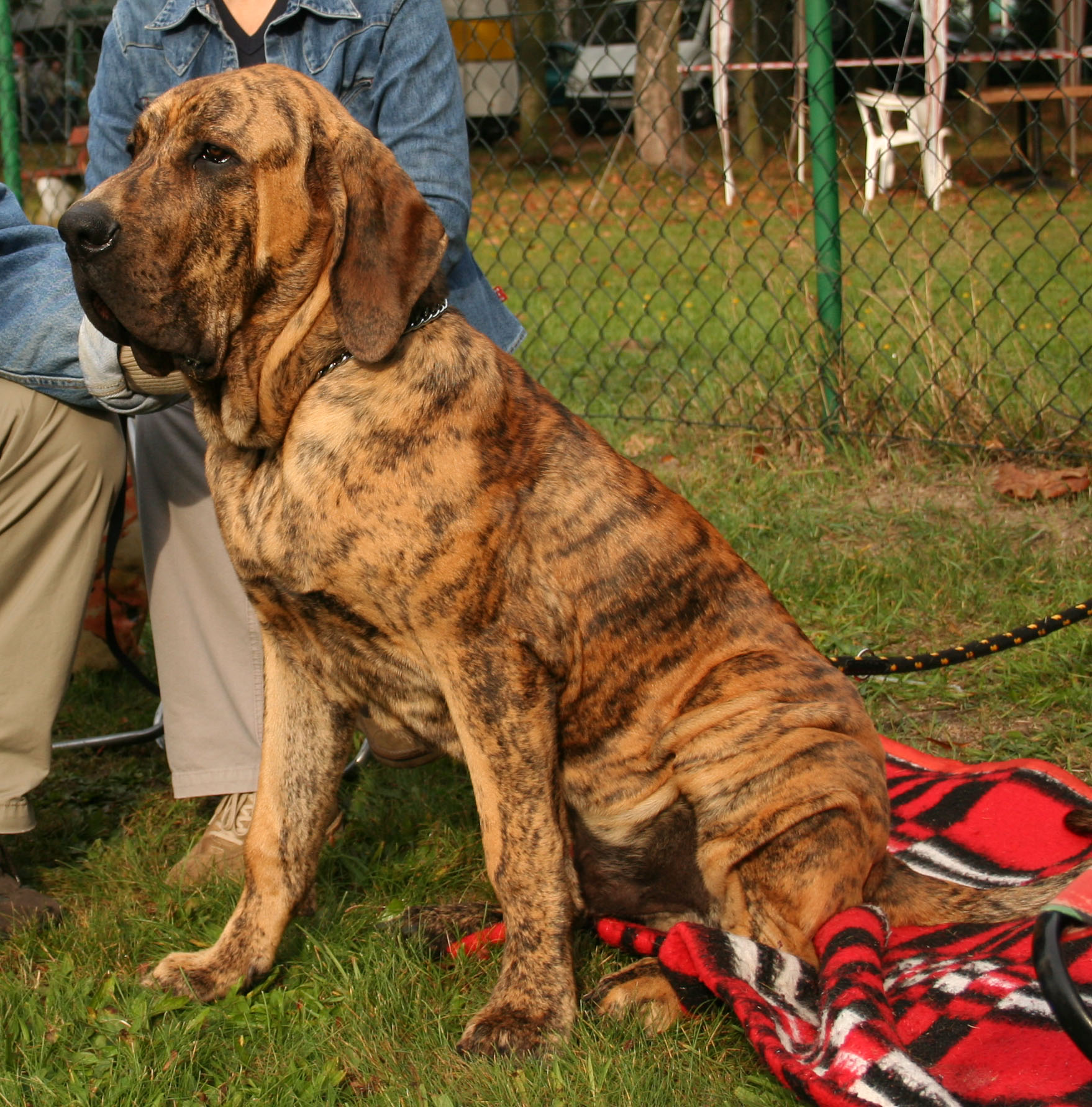
The Fila Brasileiro, commonly known as the Brazilian Mastiff, is a large dog bred in Brazil from local mastiffs brought by Conquistadors, crossed with Bloodhounds and bulldogs, creating a fearless hunting dog with enormous stamina and strength. These dogs were essentially living security systems with four legs.
The breed is known to be suspicious of strangers – indeed in countries where they are shown, judges are told never to touch them and judge from a distance – and their strong hunting and protection instincts, coupled with their size and hatred of strangers, have resulted in them being banned in many countries. Their temperament is so predictably wary that dog show judges literally keep their distance!
#13 American XL Bully – The Newest Addition to the Banned List
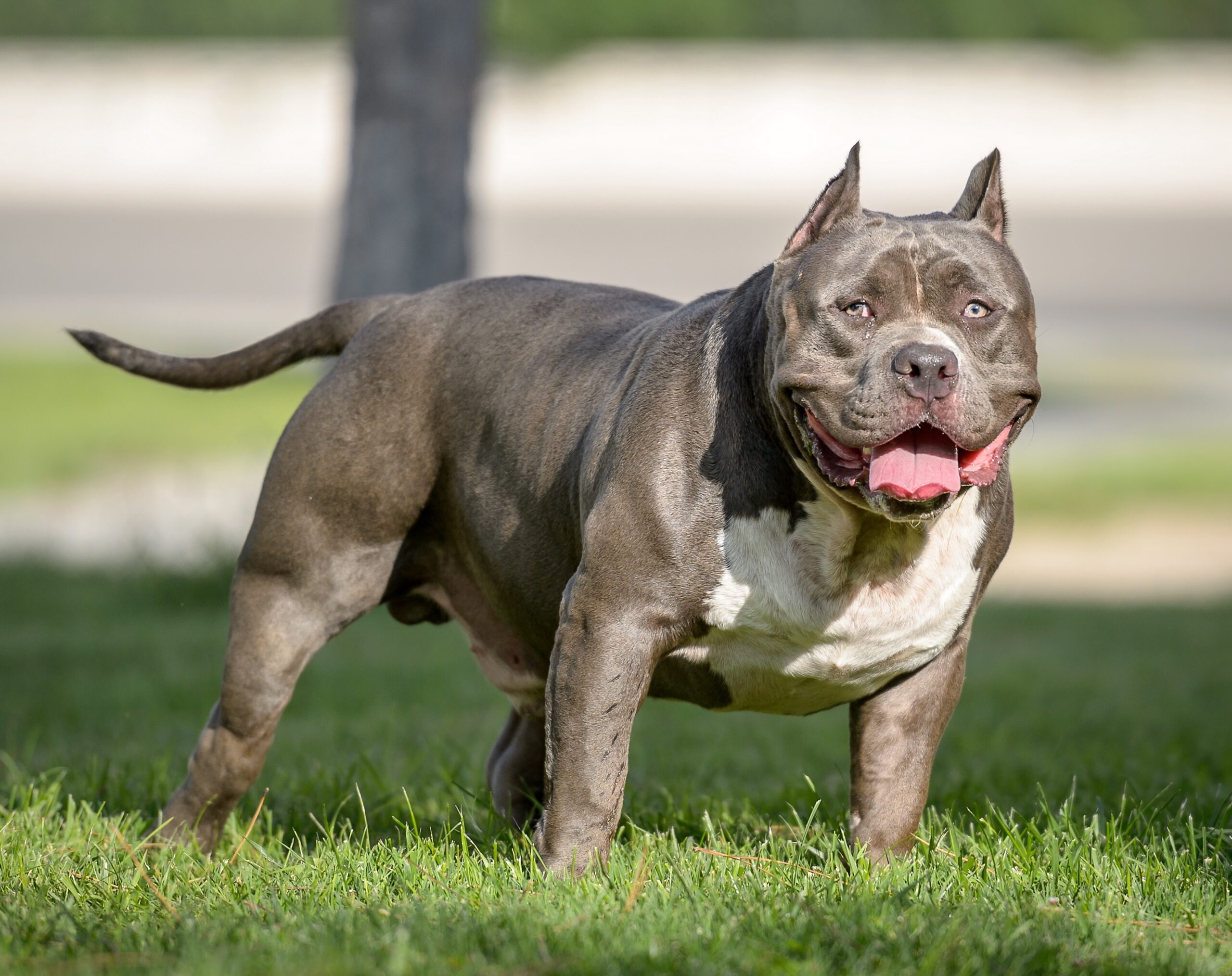
The American XL Bully was set to join the UK’s banned roster, as announced by Prime Minister Rishi Sunak, after this breed accounted for half of the fatal dog attacks in the UK last year despite its surge in popularity. This represents one of the most recent and controversial additions to banned breed lists.
From February 1st, 2024, it became a criminal offence to own an XL Bully in England and Wales unless you have a certificate of exemption, with owners having to choose between keeping their dog under strict conditions or having them euthanised. The speed of this ban caught many owners off guard, forcing heartbreaking decisions about beloved family pets.
#12 Rottweiler – The Misunderstood Guardian

Rottweilers are the second most commonly restricted breed, targeted in 13% of breed-specific legislation ordinances worldwide. These powerful dogs were originally bred to drive cattle and later became popular as guard dogs and family protectors.
Despite their loyal and intelligent nature, Rottweilers have faced restrictions in various countries due to their size, strength, and protective instincts. Rottweilers are among breeds known for their strength and protective instincts, with states like Alabama requiring special permits for ownership. Their intimidating appearance often overshadows their generally stable temperament when properly trained and socialized.
#11 Perro de Presa Canario – The Canary Island Powerhouse

The Perro de Presa Canario is a large, mastiff-type dog that originated in the Canary Islands, Spain, historically used for guarding livestock with strong protective instincts. These dogs were bred to protect against both human threats and wild animals in the rugged Canary Islands.
Despite being very protective dogs, Perro de Presa Canarios are banned in Australia because they can be very aggressive if not properly trained or socialized, with their protective instincts leading them to charge at strangers and other pets. Their natural wariness of strangers, combined with their impressive physical capabilities, has made them targets for bans in multiple countries.
#10 Staffordshire Bull Terrier – Caught in the Crossfire
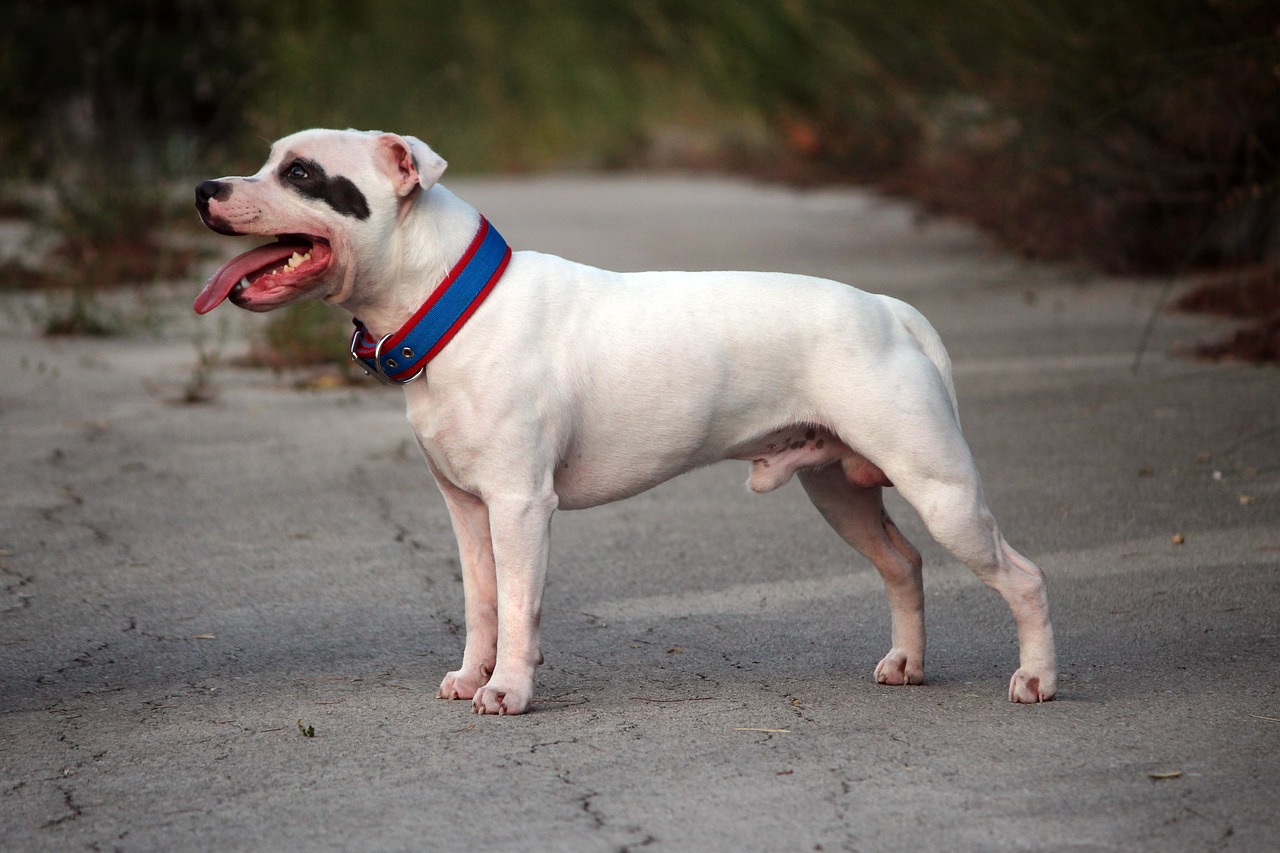
While not as universally banned as some breeds, Staffordshire Bull Terriers often get caught up in anti-pit bull legislation due to their physical similarities and shared heritage. Staffordshire Terriers are among commonly restricted breeds that include Pit Bulls, Rottweilers, and Akitas in various countries.
These compact, muscular dogs were originally bred for bull-baiting and later dog fighting, but have since become popular family pets in the UK. The confusion often arises because American Staffordshire Terriers and Staffordshire Bull Terriers are related but distinct breeds, yet both can face restrictions depending on local interpretations of the law.
#9 German Shepherd – The Working Dog Under Scrutiny
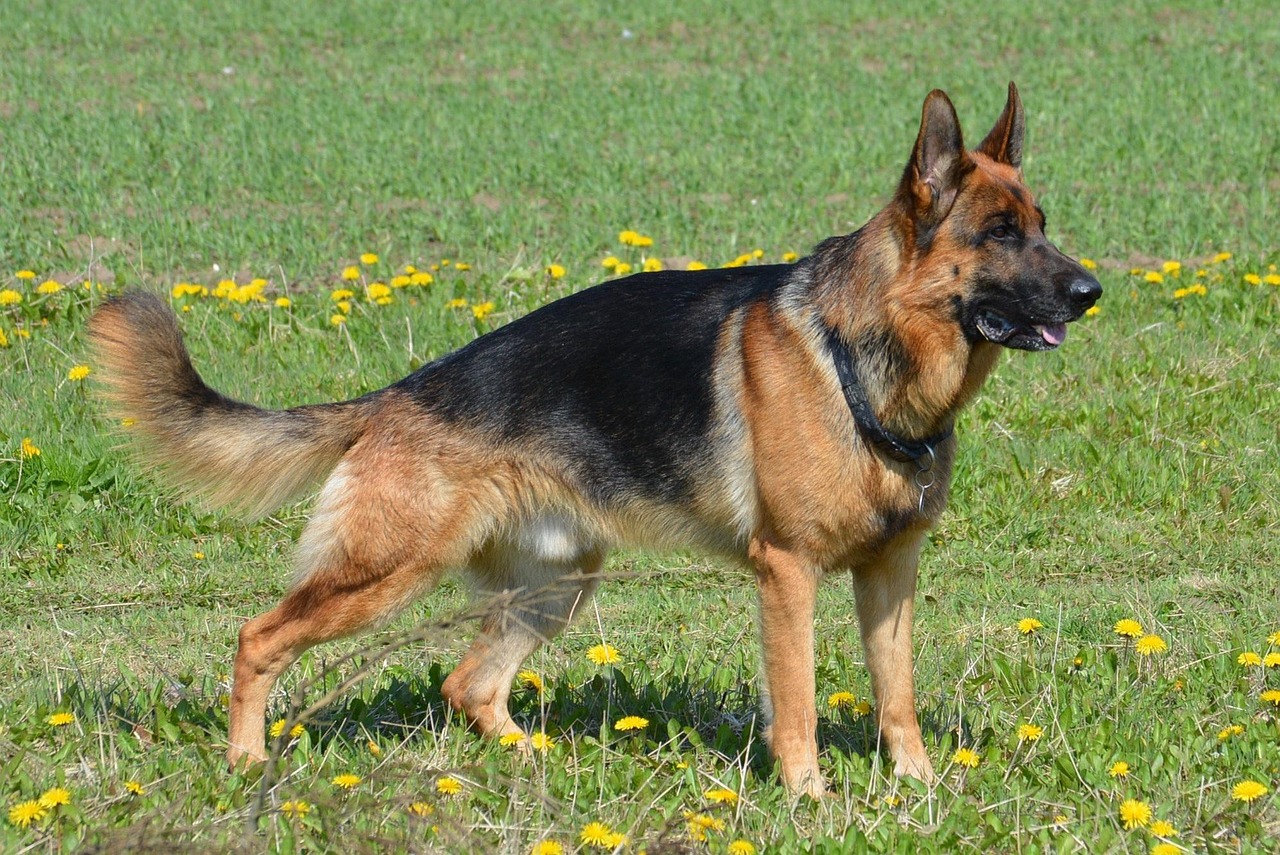
In Romania, German Shepherd dogs are among breeds required to wear a muzzle in public spaces. It might seem shocking that one of the world’s most popular police and military dogs faces restrictions anywhere, but German Shepherds’ size, strength, and protective nature have put them on some watch lists.
These intelligent working dogs are rarely outright banned but often face regulations requiring muzzling, licensing, or special permits. Their popularity in law enforcement and military roles ironically highlights their capabilities, which some legislators view as potentially dangerous in civilian hands.
#8 Doberman Pinscher – The Elegant Enforcer
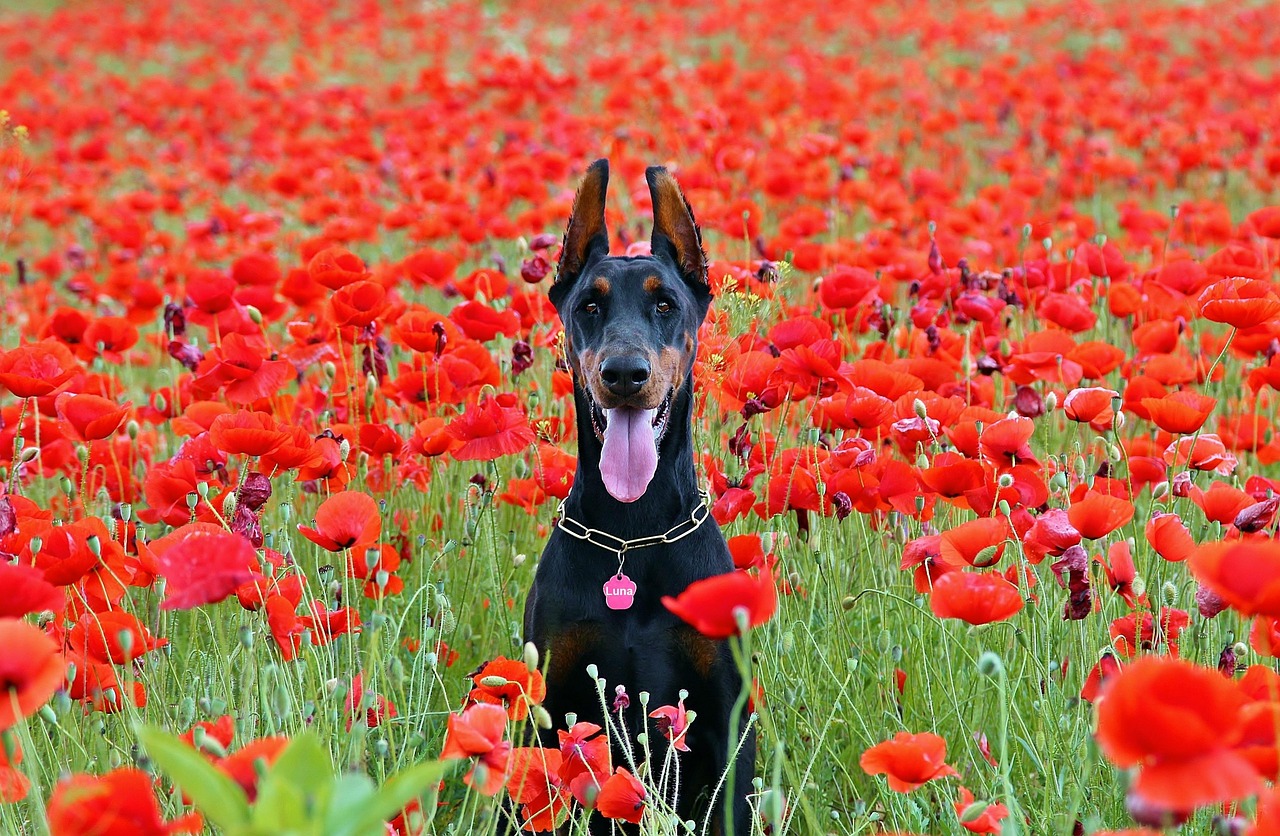
Doberman Pinschers are among breeds often subjected to breed-specific legislation, known for their strength and protective instincts. Originally bred as personal protection dogs for a tax collector, Dobermans have maintained their reputation as formidable guardians.
In countries like Romania, Doberman Pinschers are required to wear muzzles in public spaces. Their sleek appearance, intelligence, and loyalty make them excellent family dogs, but their protective nature and athletic build have made them targets for restrictions in various jurisdictions worldwide.
#7 Mastiff Breeds – Giants Under Fire
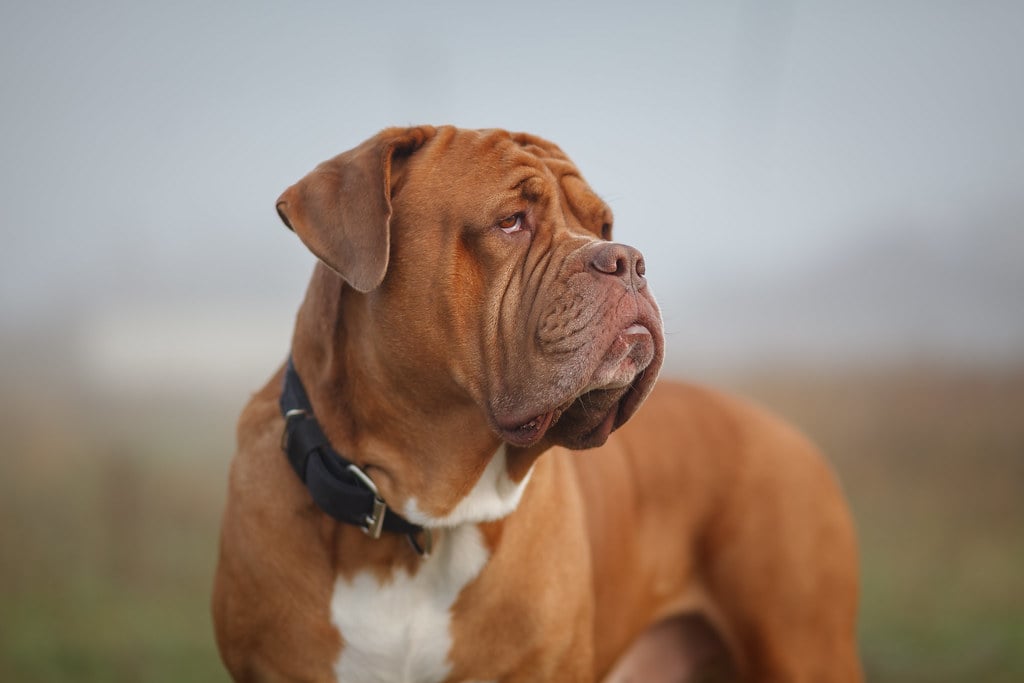
Various Mastiff breeds including English Mastiff, Bullmastiff, and Dogue de Bordeaux face restrictions in different countries due to their impressive size and guarding heritage. These gentle giants were bred for protection and often have calm, stable temperaments despite their intimidating appearance.
The sheer size of Mastiff breeds – some weighing over 200 pounds – combined with their historical use as guard dogs, has made them targets for breed restrictions. What’s particularly unfair is that most Mastiff breeds are known for being gentle, patient dogs that are excellent with children, earning them the nickname “gentle giants.”
#6 Akita – The Loyal Samurai’s Companion
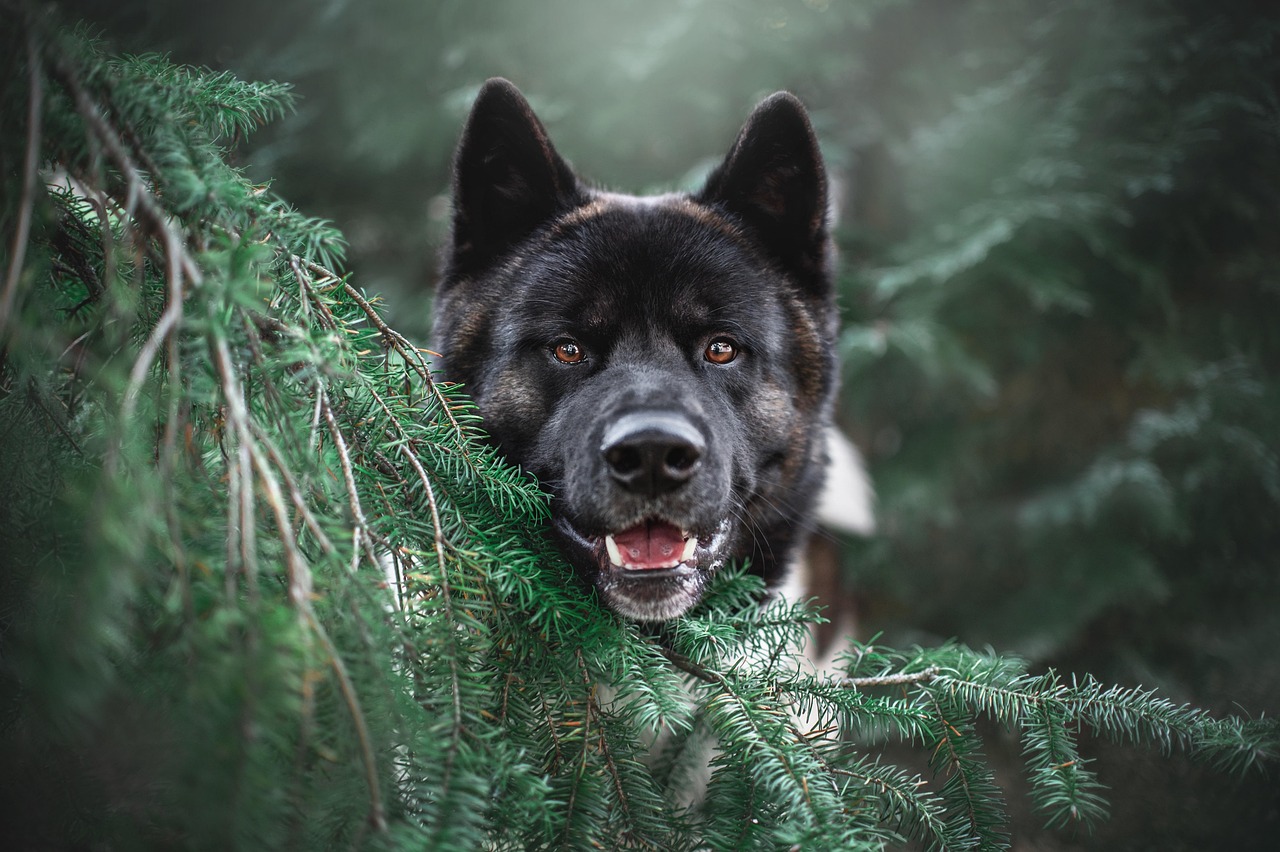
Akitas appear on various restricted breed lists alongside breeds like Australian Cattle Dogs and Belgian Malinois. These spitz-type dogs from Japan were originally bred for hunting wild boar, bears, and other large game in mountainous terrain.
Akitas are known for their fierce loyalty to their families but can be aloof with strangers. Their independence, combined with their substantial size and strong prey drive, has led to restrictions in some countries. The breed gained international attention through Hachiko, the famous loyal Akita who waited for his deceased owner for nearly ten years.
#5 Cane Corso – The Rising Star of Restriction Lists
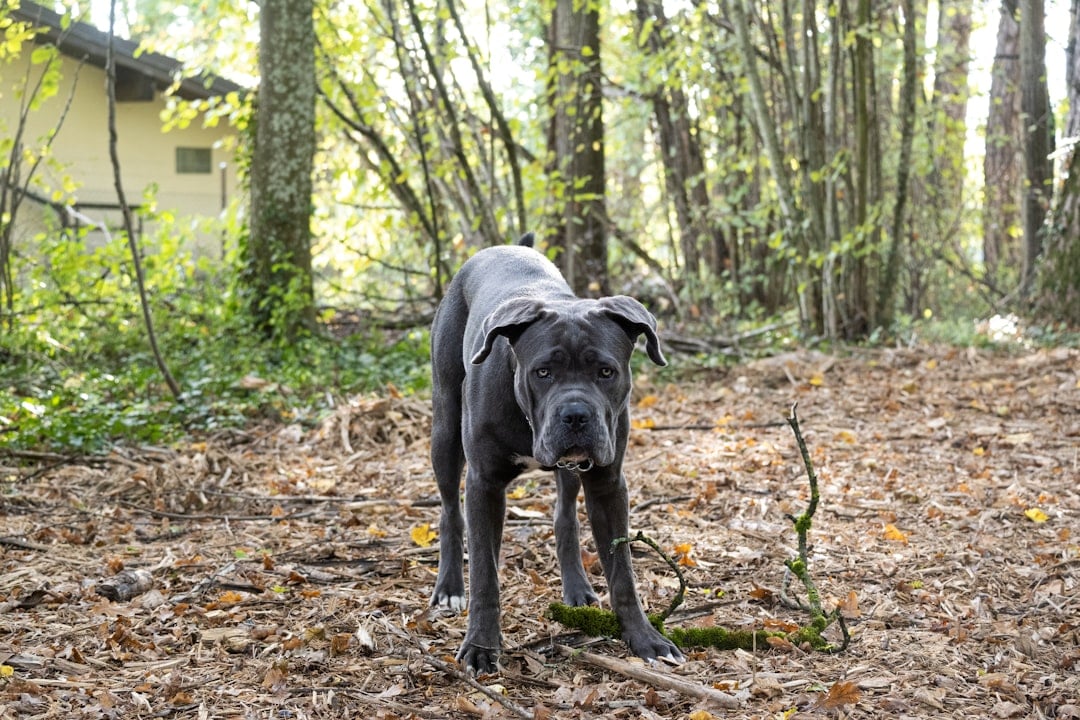
The Cane Corso is currently legal to own in the UK and can weigh up to 50kg (eight stone) but is not officially recognised by the Kennel Club. However, this Italian Mastiff is increasingly coming under scrutiny as more people seek them out as “status dogs.”
Canine behavior specialists warn that the XL bully ban is pushing people towards potentially more dangerous large breeds like the Cane Corso. Experts have described them as “like an XL bully on steroids” and even called them a “killing machine.” This breed might be next on future ban lists as authorities monitor its growing popularity.
#4 Wolf-Dog Hybrids – The Wild Card
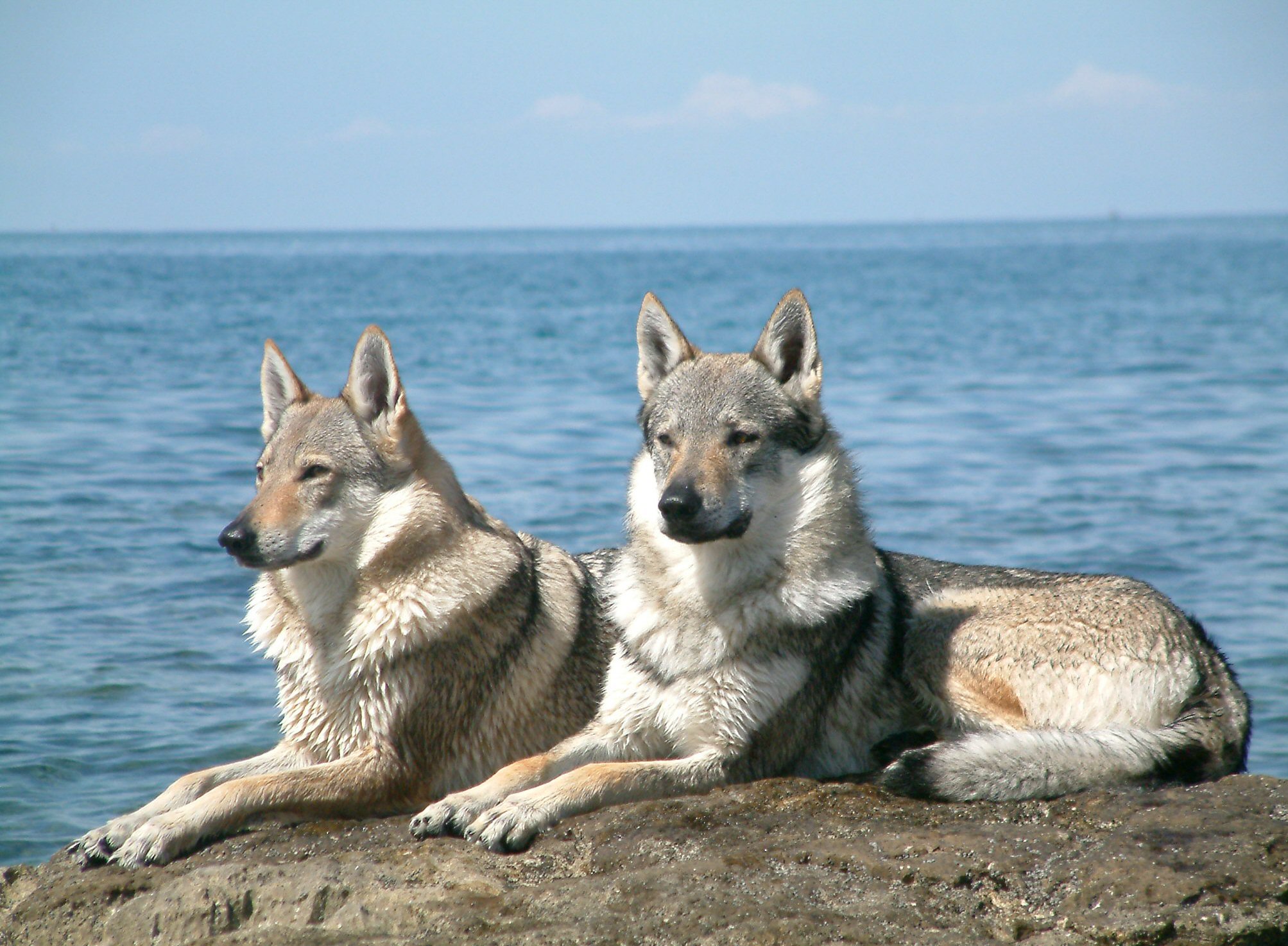
Wolf-dog hybrids are the third most commonly restricted type, targeted in 11% of breed-specific legislation ordinances. These animals represent a unique challenge because they’re not technically pure dog breeds but crosses between domestic dogs and wolves.
Since 1999, some countries entered restrictions on ownership of dangerous dog breeds including so-called “wolfdogs” with specific exceptions for breeds like Czech Wolfdog and Saarloos Wolfhond. The unpredictable nature of wild genetics mixed with domestic dog traits creates animals that can be difficult to manage and potentially dangerous in inexperienced hands.
#3 Neapolitan Mastiff – The Wrinkled Warrior
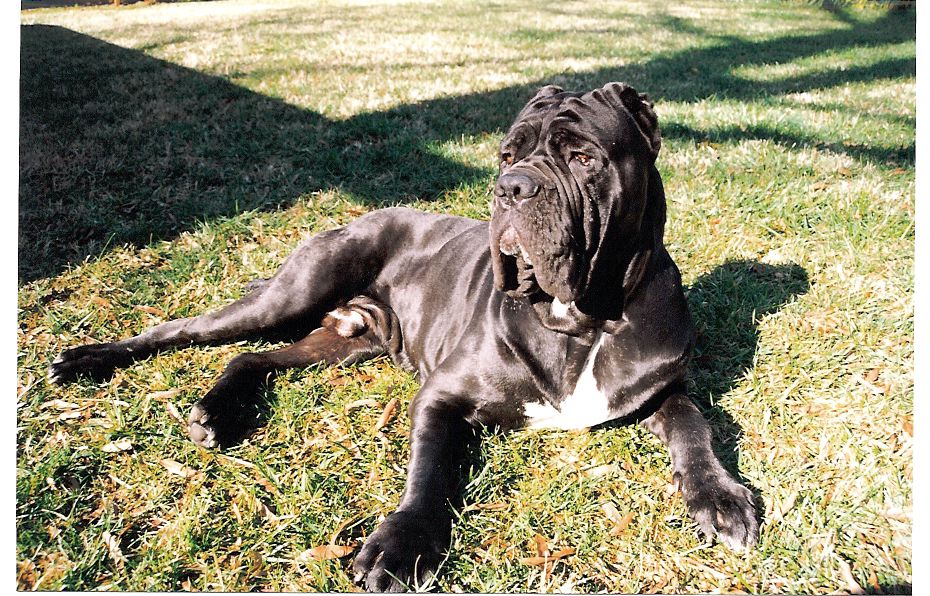
The Mastino Neapolitano (Neapolitan Mastiff) appears on restriction lists in various countries alongside other large guardian breeds. These massive, wrinkled dogs were bred in Italy as estate guardians and have an imposing presence that can be genuinely intimidating.
Despite their often docile nature with family, Neapolitan Mastiffs can be territorial and protective. Their enormous size – males can weigh up to 150 pounds – combined with their guarding instincts, has made them targets for breed-specific legislation in several countries seeking to limit ownership of powerful dogs.
#2 Chow Chow – The Fluffy Surprise
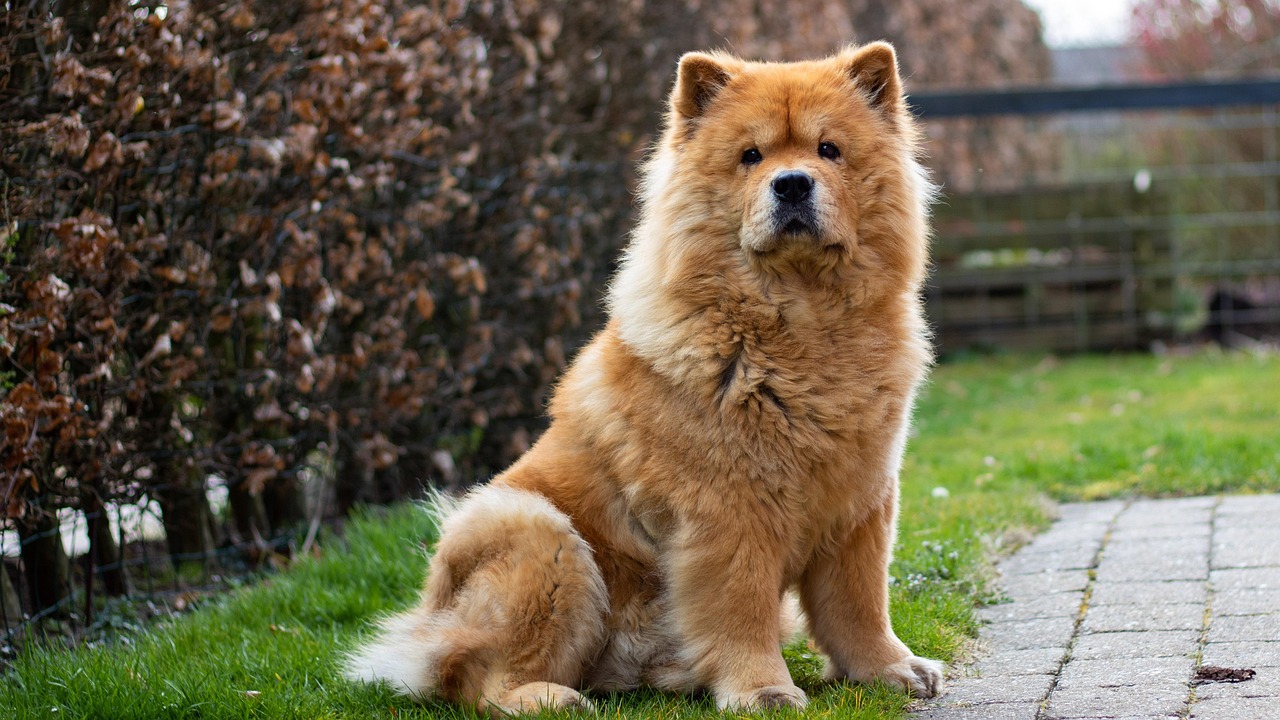
Chow Chows appear on some dangerous dog breed lists, which might surprise many people given their fluffy, almost teddy bear-like appearance. These lion-maned dogs from China were originally bred for various purposes including hunting, herding, and unfortunately, food.
Chow Chows are known for their independence and can be aloof with strangers, sometimes showing protective aggression. Their strong-willed nature and tendency to bond strongly with one person while being wary of others has led to their inclusion on some restriction lists, particularly in countries with broad definitions of “dangerous” breeds.
#1 The Indian Ban Wave – 23 Breeds in One Sweep
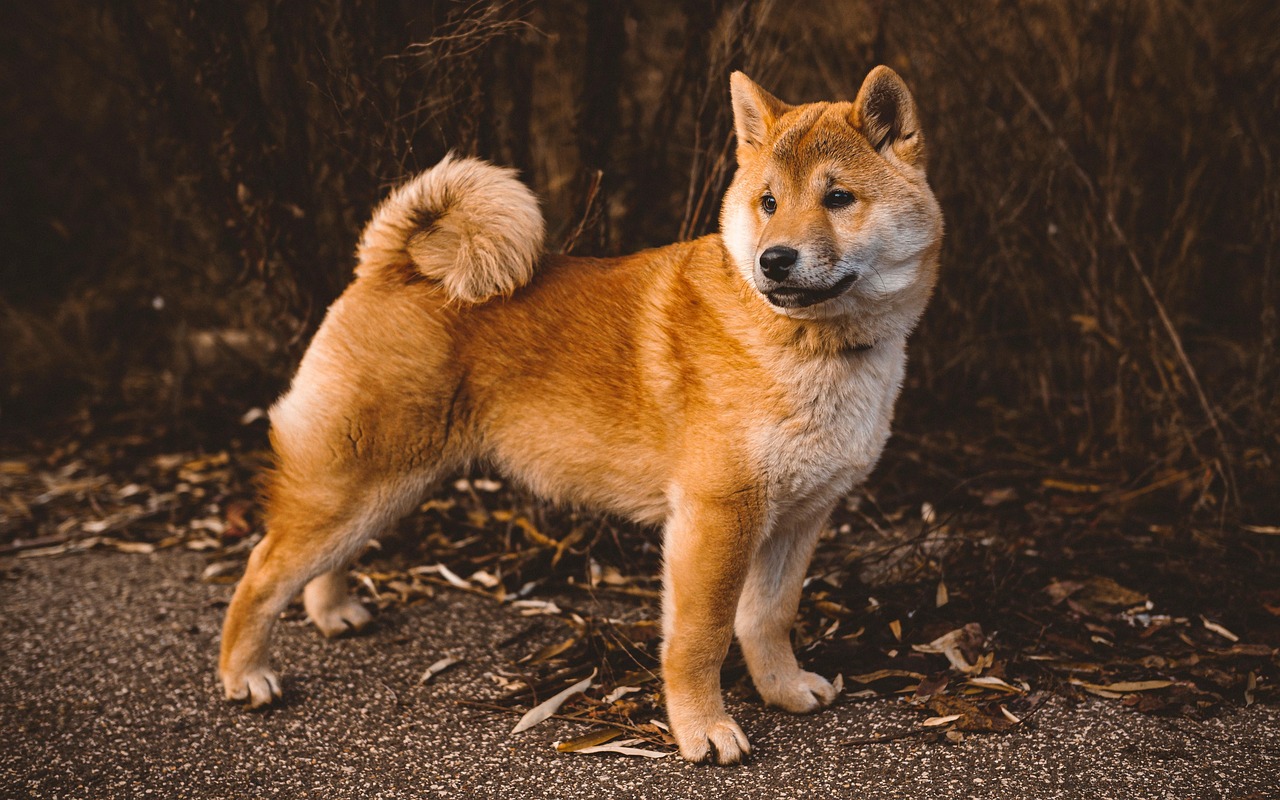
On March 12, 2024, the Indian government banned 23 dog breeds after a committee of experts and animal welfare groups submitted their report to the Delhi High Court in response to an order banning certain dog breeds as pets. This represents one of the most comprehensive breed bans in recent history.
The Indian government’s decision came due to increasing dog attack cases and human deaths, with Maharashtra reporting the highest frequency of dog attacks in 2023 at 4.35 lakh cases, with the data showing a rise of 11.32% compared to 2022. This massive legislative response demonstrates how quickly political attitudes toward dog breeds can change when public safety concerns mount.
The world of banned dog breeds reveals an uncomfortable truth about how fear, politics, and tragedy intersect with our relationships with animals. The effectiveness of breed-specific legislation in preventing dog bite fatalities remains controversial, with advocates arguing these laws are ineffective and discriminatory, while some researchers contend they may reduce serious attacks.
What’s most striking is how a dog’s postal code can determine whether it’s a beloved family member or a banned “weapon.” The same German Shepherd serving as a therapy dog in one country might require a muzzle in another. Perhaps the real question isn’t which breeds should be banned, but whether we’re addressing the right problem in the first place. After all, shouldn’t we be focusing on the other end of the leash?

- 10 Signs That Reveal Your Spirit Animal Is a Snake - July 18, 2026
- 10 Common Dog Training Mistakes That Actually Harm Your Bond - July 18, 2026
- The #1 Reason Vets Say Hummingbirds Are Avoiding Your Garden - July 17, 2026