
#1. Chihuahua
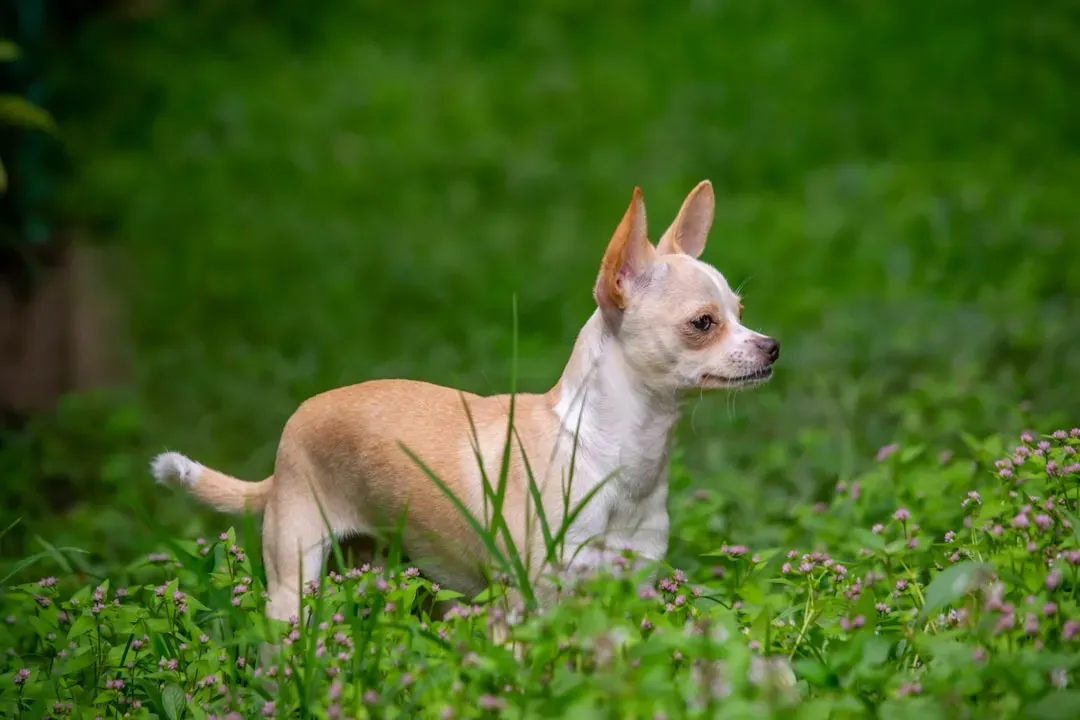
There’s a running joke among dog owners that Chihuahuas are too confident to know they’re supposed to age. That confidence, it turns out, might be doing them some real biological favors. Weighing only two to six pounds, Chihuahuas are one of the smallest and longest living dog breeds around, with some living up to 20 years. That’s a number that stops people mid-sentence when they hear it.
Despite being so small, Chihuahuas tend to be very healthy and are not especially prone to developing cancer. Congestive heart failure is the leading cause of death in older Chihuahuas, making regular wellness visits to the vet essential, but otherwise they aren’t prone to many serious health issues and are a great choice for those seeking a long-living companion. It’s the kind of breed that makes you reconsider everything you thought you knew about frailty and size.
#2. Toy Poodle

The Toy Poodle is one of those dogs that manages to be simultaneously brilliant, adorable, and stubbornly long-lived. Toy Poodles are the smallest of the three Poodle sizes, and therefore the dogs with the longest lifespan. As the smallest of the three Poodle sizes, Toy Poodles weigh between four and six pounds and can live up to 18 years. Owners who expect a 12-year relationship frequently find themselves celebrating year 16 and beyond.
Though small, Toy Poodles have a big personality and an even bigger brain – they are so smart that basic training and complicated tricks can be taught relatively easily. Despite their extra-long lifespan, Toy Poodles can experience common small-dog health issues like eye problems, dental disease, and luxating patellas, so attentive care matters. Still, the payoff for that attention is remarkable: years of sharp, engaged, joyful companionship that outlasts most predictions.
#3. Lancashire Heeler
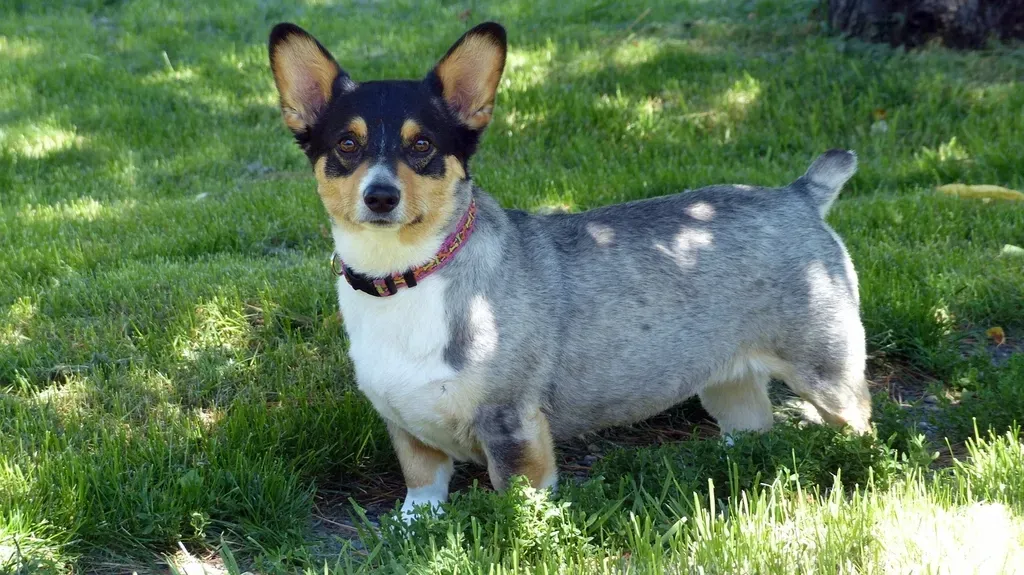
Not many people have heard of the Lancashire Heeler, but that’s rapidly changing. According to a Scientific Reports study, the Lancashire Heeler has the longest average lifespan of any measured breed, at 15.4 years. This small breed was developed for use as a drover and herder of cattle, is listed by the Kennel Club in the UK as an endangered breed, and only received recognition from the American Kennel Club in 2024. Its obscurity hasn’t stopped it from quietly topping longevity charts.
This breed typically weighs no more than 17 pounds and has a short, stout body similar to a Corgi, and the AKC gives them the highest possible scores for affection and how good they are with children and other dogs. Loyal, courageous, and happy, the Lancashire Heeler is friendly and affectionate toward its family, but also a rather watchful and cautious breed, making it an outstanding herding dog. Small in size, enormous in longevity, and almost entirely unknown to most dog lovers. That combination alone is worth paying attention to.
#4. Lhasa Apso
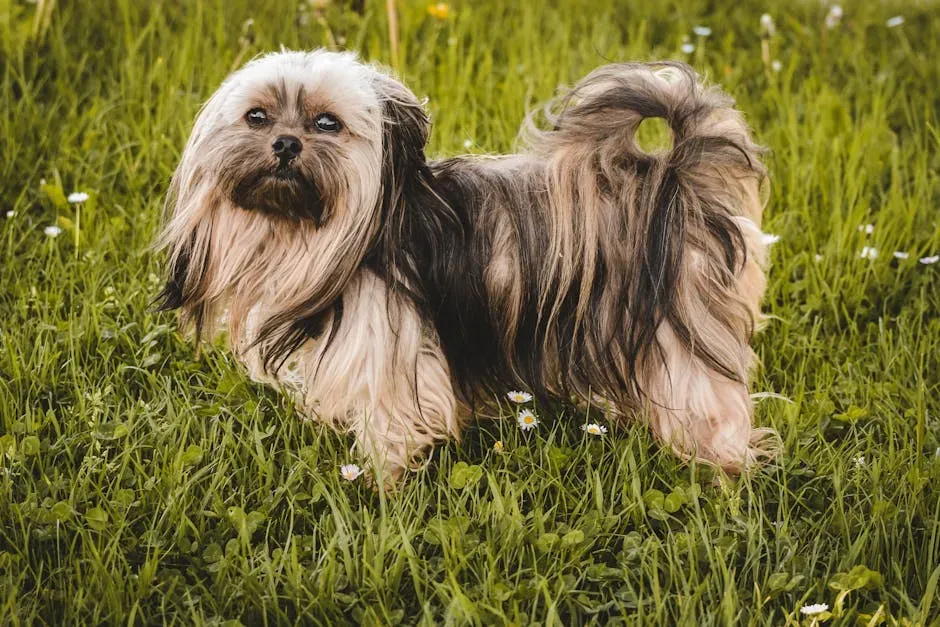
The Lhasa Apso doesn’t just look like it carries ancient wisdom. It genuinely does. The Lhasa Apso is one of the oldest dog breeds, originating in Tibet around 800 BCE, and was bred to work as a watchdog and pet in Tibetan monasteries, where it was given as a gift and highly prized. Centuries of careful, selective breeding in harsh mountain conditions gave this breed a biological toughness that still shows up today.
Although the average lifespan of a Lhasa Apso is 12 to 15 years, many can live to their late teens, and some beyond 20. That’s a staggering range, and one that regularly catches owners off guard in the best possible way. Lhasas are mischievous, playful dogs that remain puppyish right into their golden years, loving toys and games, and can be surprisingly agile when they want to be. The Lhasa Apso essentially refuses to act its age, which might be the secret to living past it.
#5. Coton de Tulear
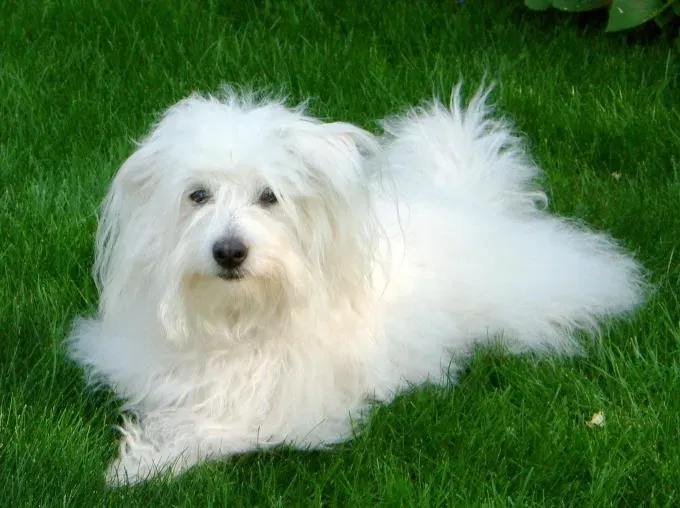
One look at a Coton de Tulear and you might assume this is a decorative breed, something fluffy and fragile. That assumption would be wrong. This breed, the official dog of Madagascar, has an average lifespan of 15 to 19 years, which places it among the longest-living dogs on the planet. According to the American Kennel Club, the small breed can live upwards of 19 years.
This dog was once the prized pet of the nobility of Madagascar, and those not of royal blood were prohibited from owning these little dogs. They are named for the town of Tulear in Madagascar and their fluffy white coats. The adaptable Coton de Tulear fits well into many lifestyles, from busy families to retirees, though the breed’s exercise needs are modest and their white coat needs to be brushed every day to prevent matting and tangles. Royal origins, cloud-like fur, and a near-20-year lifespan. Not bad for a small dog from Madagascar.
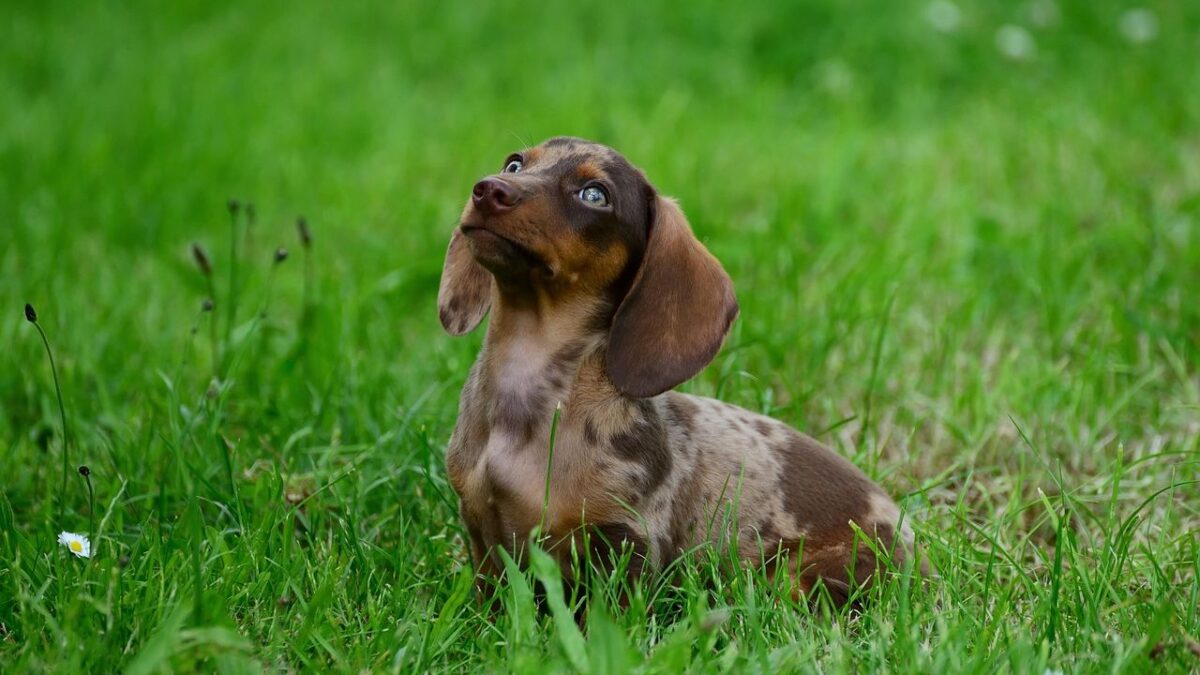
#6. Dachshund
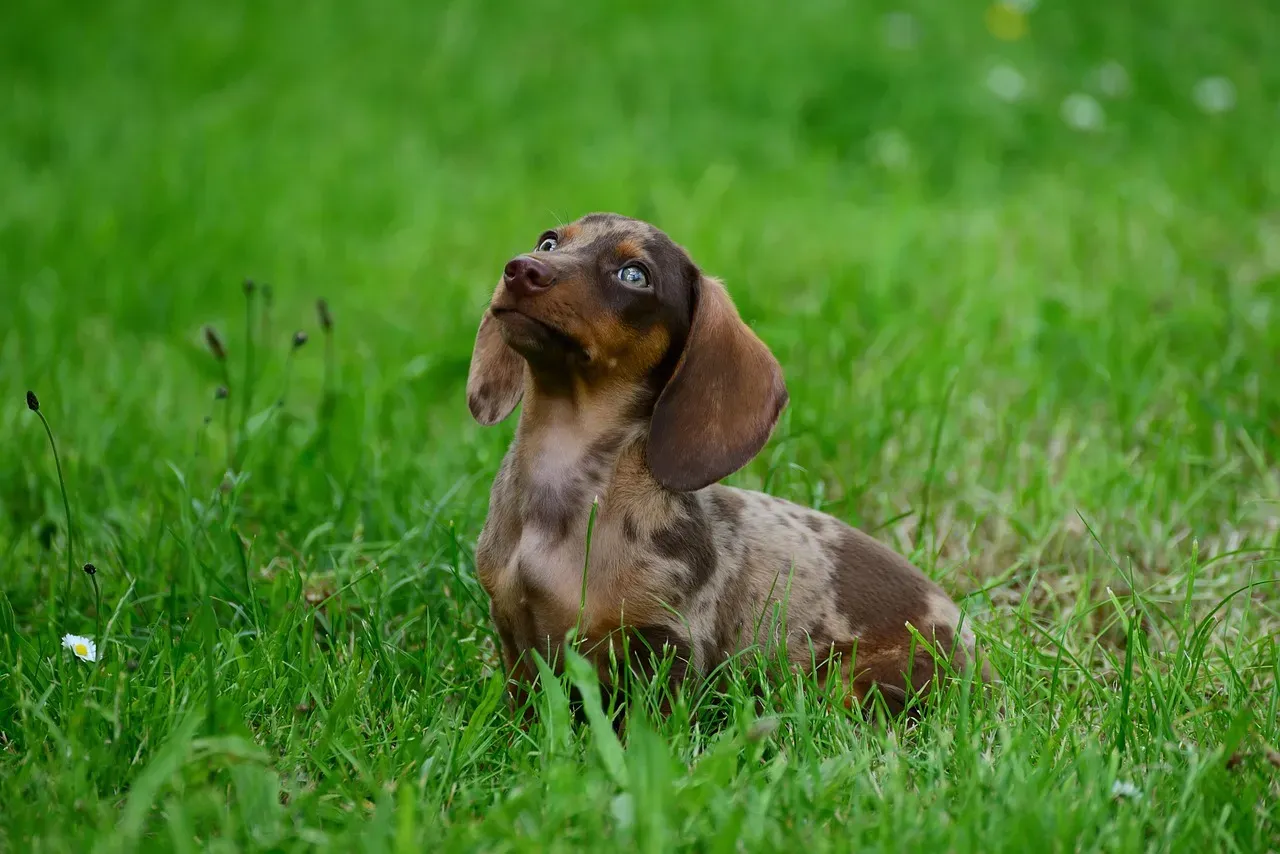
The Dachshund is probably the most underestimated long-liver on this list. People see the short legs and the long back and assume this is a breed with limitations. The lifespan data tells a different story entirely. Dachshunds are another long-living breed, with an average lifespan of 12 to 16 years, and are known for being affectionate and lively. These pups can live up to age 16, with the oldest one on record reportedly making it until age 25. Twenty-five years. Read that number twice.
The Dachshund was named the sixth most popular dog breed in 2024 by the American Kennel Club. Popularity and longevity, it turns out, go hand in hand with this breed. As they age, protecting their neck and back becomes extremely important. Keeping your dog at a healthy weight, using a harness instead of a neck collar, and offering ramps and pet stairs so they can avoid jumping can help support their long-term mobility. A little extra care with the spine keeps this remarkable dog going for years beyond what anyone expects.
#7. Yorkshire Terrier

The Yorkie may be tiny enough to fit in a handbag, but its resilience is anything but small. Yorkies are surprisingly brave and curious for a dog that easily fits inside most purses, and they typically live for 11 to 15 years, considered relatively hardy, though they can develop patellar luxation, tracheal collapse, and liver shunts. With solid care and routine veterinary attention, Yorkies routinely push past that upper range and settle into their late teens.
Yorkshire Terriers are known for their adorable and friendly nature. They are smart and beloved toy dogs, but they’re not just lap pets. While devoted and loving to their families, they also have terrier characteristics like being protective. The Yorkshire Terrier is a dog with a long lifespan and a long coat to match. Beneath all that silky hair is a compact, gutsy little animal that simply refuses to be written off early.
#8. Papillon

The Papillon’s butterfly ears get most of the attention, but what deserves equal recognition is the lifespan hiding behind those famously decorative features. The Papillon dog breed receives its name from its butterfly-shaped ear structure. The breed is intelligent and friendly yet surprisingly sturdy for its size. First-time dog owners should consider these dogs because they travel well and adapt to social environments. They fit into almost any household with ease, which partly explains how frequently they stick around for so long.
Their light body structure enables them to maintain their agility throughout their life. Their health benefits from daily walking and moderate exercise. The small dogs need monitoring when they interact with bigger canines. With proper socialization and care, Papillons often enjoy a life expectancy of 14 to 16 years. A Papillon gives off a foo-foo air with its polished appearance, but beyond those fanlike ears lies a hardy and playful pup. That contrast between appearance and durability is exactly what makes this breed such a pleasant surprise for new owners.
#9. Maltese

The Maltese has been a lapdog to royalty for centuries, and somehow that pampered life has done nothing to diminish its biological toughness. Maltese are small white dogs who are well-suited for pet parents looking for a loving lapdog. They do well in small living spaces like apartments and love being close to their people. That closeness to people, as it turns out, may be one of the quiet contributors to a long life. Loved dogs, well-cared-for dogs, simply tend to live longer.
The Maltese traces its roots from Malta. Despite being a toy dog, the Maltese looks regal and noble, its long silky hair helping with this image. Royals all around the world have had ties with this companion dog. Most Maltese owners report a typical range of 12 to 15 years, though many individuals push well past 15 with proper care. Interestingly, females tend to live one year longer than males, making the Maltese one of the few breeds where sex plays a more predictable role in longevity.
#10. Miniature Schnauzer

The Miniature Schnauzer is one of those breeds that genuinely seems to thrive on having a purpose. Keep this dog mentally busy and physically active, and it will repay you generously. The Miniature Schnauzer is a generally healthy breed with an average lifespan of 14 years. Miniature Schnauzers, known for their distinct beards and eyebrows, typically live 12 to 15 years. These intelligent and spirited dogs are relatively healthy but can suffer from conditions like pancreatitis and hyperlipidemia.
The Miniature Schnauzer originated in Germany during the 19th century as a small farm dog able to rid the property of vermin. That working-dog heritage gave the breed a physical resilience that city life hasn’t bred out of it. The Mini Schnauzer has a spunky and playful personality but can also be reliable, loyal, and sensitive. They are highly trainable and do well in both country and city environments. Owners consistently find themselves with a dog who’s still sharp, still social, and still very much present years past what the brochure suggested.
#11. Pomeranian
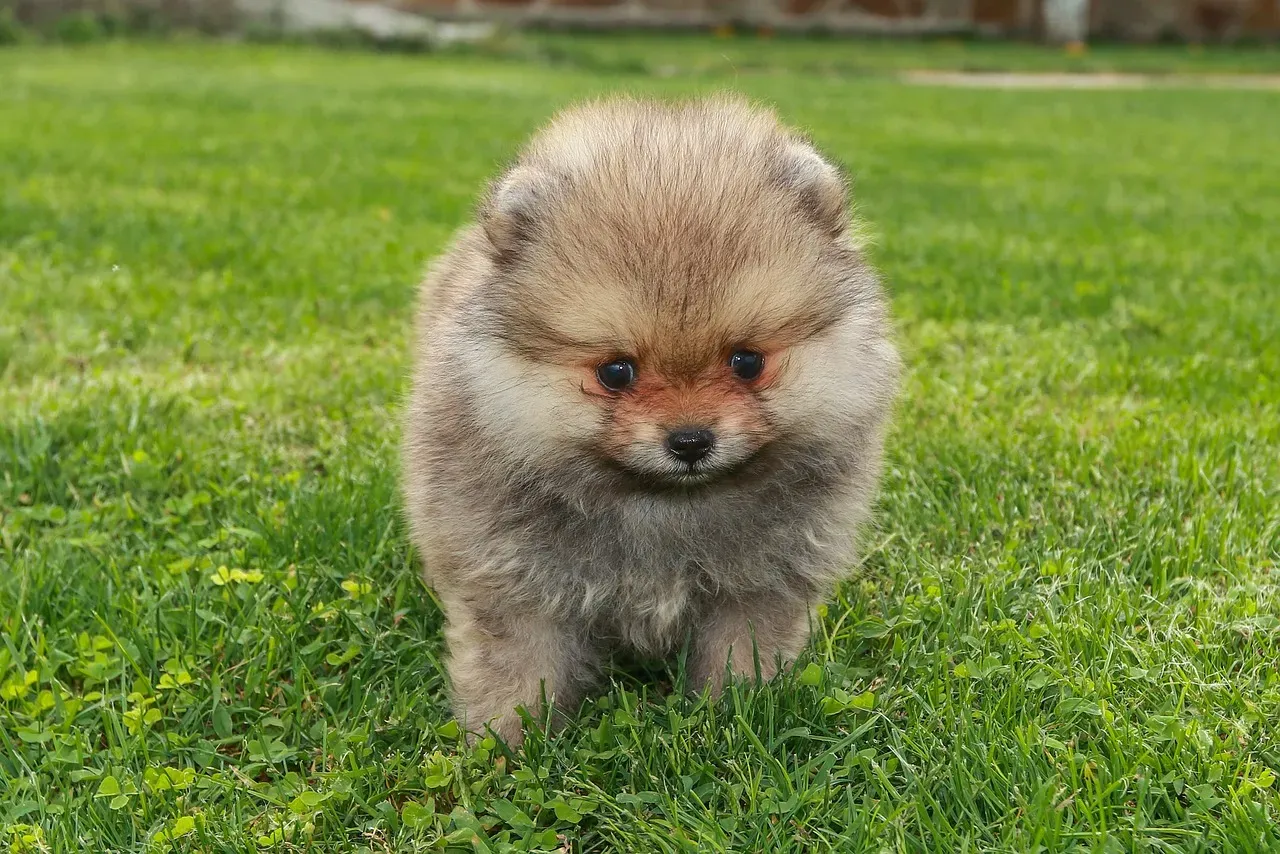
At first glance, a Pomeranian looks like something that should be kept under a glass dome. Fluffy, tiny, theatrical. The reality is considerably tougher. Pomeranians often live between 12 and 16 years. These small, fluffy dogs are known for their vivacious and bold personalities. With a dense double coat that requires consistent grooming, Pomeranians can be quite the show-stopper. They are highly trainable and thrive in environments where they can be the center of attention. Their spirited and loving nature makes them ideal for those seeking a lively and loyal companion.
Pomeranians are a good fit for pet parents who want a small dog with a confident, outgoing personality. They enjoy short walks and playtime but don’t require intense exercise. Their grooming routine can be pretty extensive, thanks to all that fluff. The effort required to maintain a Pomeranian’s coat can feel like a commitment, but it comes back around: owners who invest in consistent care tend to have dogs that clock well beyond 14 years. That’s a return on investment few breeds can match.
#12. Beagle

Beagles are one of the most recognized dogs in the world, and their longevity is one of the most underappreciated facts about them. Beagles have a long lifespan, on average 10 to 15 years. This breed hails from the UK, where they were bred as hunting dogs. That hunting background built in a physical robustness that shows up decades later in a dog still cheerfully sniffing every inch of the backyard well into its senior years.
Curious and friendly Beagles love to be outside. When you take them out for an adventure, these hounds need to stay on a leash or within a fenced-in yard because their high prey drive means they might dart off after a neighborhood squirrel. That curiosity and physical energy, maintained across a lifetime of daily exercise, is likely a contributing factor in the Beagle’s above-average staying power. Despite their robust health, they can be prone to hip dysplasia, eye problems, and obesity. Regular vet check-ups and a balanced diet help manage these issues, promoting a longer, healthier life.
#13. Australian Cattle Dog
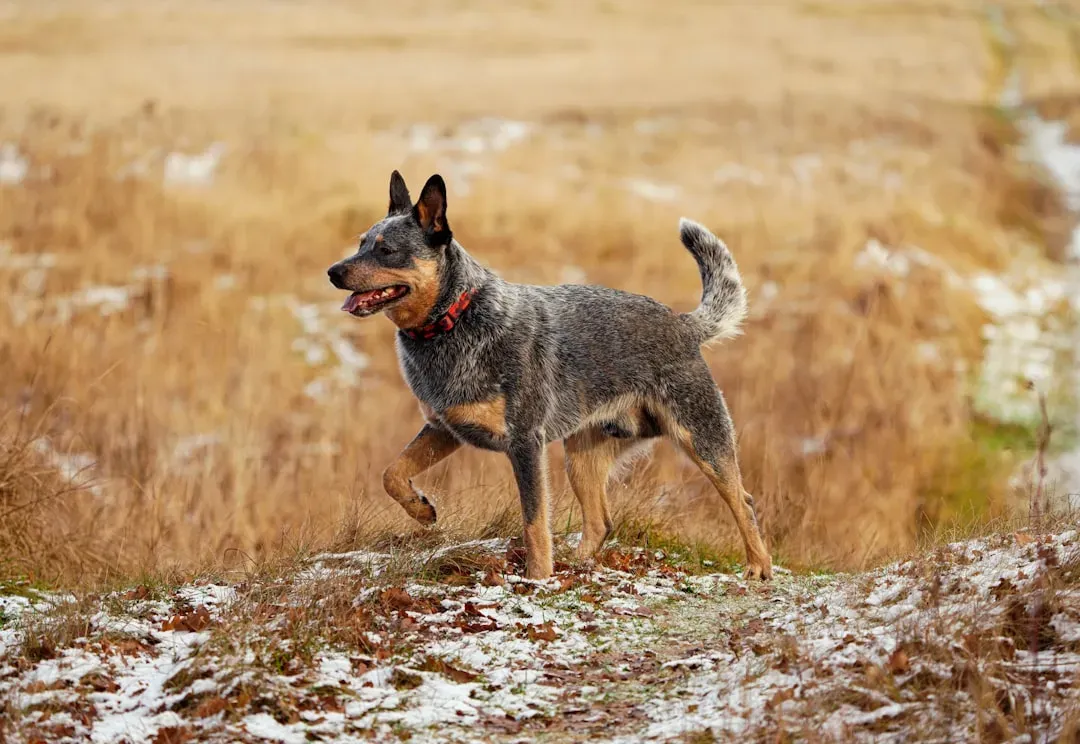
The Australian Cattle Dog stands almost alone as a medium-sized breed that genuinely competes with small dogs on lifespan. The Australian Cattle Dog is the only medium-sized dog breed with the longest lifespan on most longevity lists, making them quite special. They can live long lives, on average about 12 to 16 years. The world record holder for canine longevity, Bluey, was an Australian Cattle Dog who reportedly lived to 29 years old, though that figure remains the extreme outlier of all outliers.
As a medium-sized breed, Australian Cattle Dogs boast an impressive lifespan. These smart and high-energy pups love being outdoors and having a job to do, whether that’s herding on a ranch or running an agility course. Australian Cattle Dogs are a hardy breed, but can develop progressive retinal atrophy and hip dysplasia as they age. Providing regular exercise and mental stimulation can help maintain their health and vitality over the years. This is a dog that needs to work, and in return, it will work at being alive far longer than you anticipated.
#14. Shiba Inu
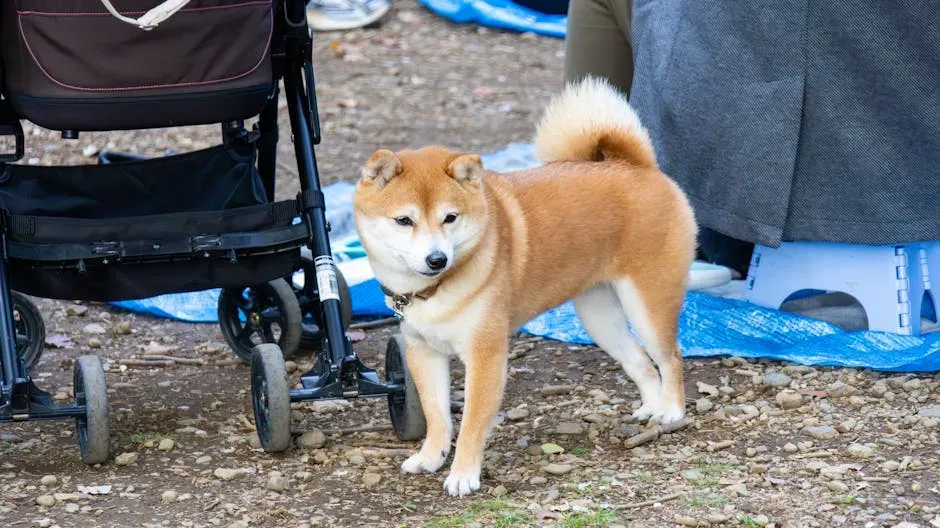
The Shiba Inu has a reputation for being stubborn, independent, and deeply opinionated. It also has a reputation, among those who know this breed well, for refusing to leave. The Shiba Inu is one of the longest living dog breeds of medium size, consistently recording lifespans that push well past what most people expect from a dog of its stature. Well-cared-for Shibas frequently see their 16th year and sometimes their 17th.
Shibas are independent dogs who have strong opinions and communicate them through their famous “Shiba scream,” a high-pitched noise somewhere between a squeal, whine, and cry. They are a relatively healthy breed, but Shibas can often suffer from skin allergies, ear allergies, and, like many small dogs, dental disease. Staying on top of dental hygiene and routine skin care makes a measurable difference in their overall health trajectory. The breed’s natural physical hardiness, shaped by centuries of mountain life in Japan, gives it a biological foundation most breeds simply don’t have.
#15. Jack Russell Terrier
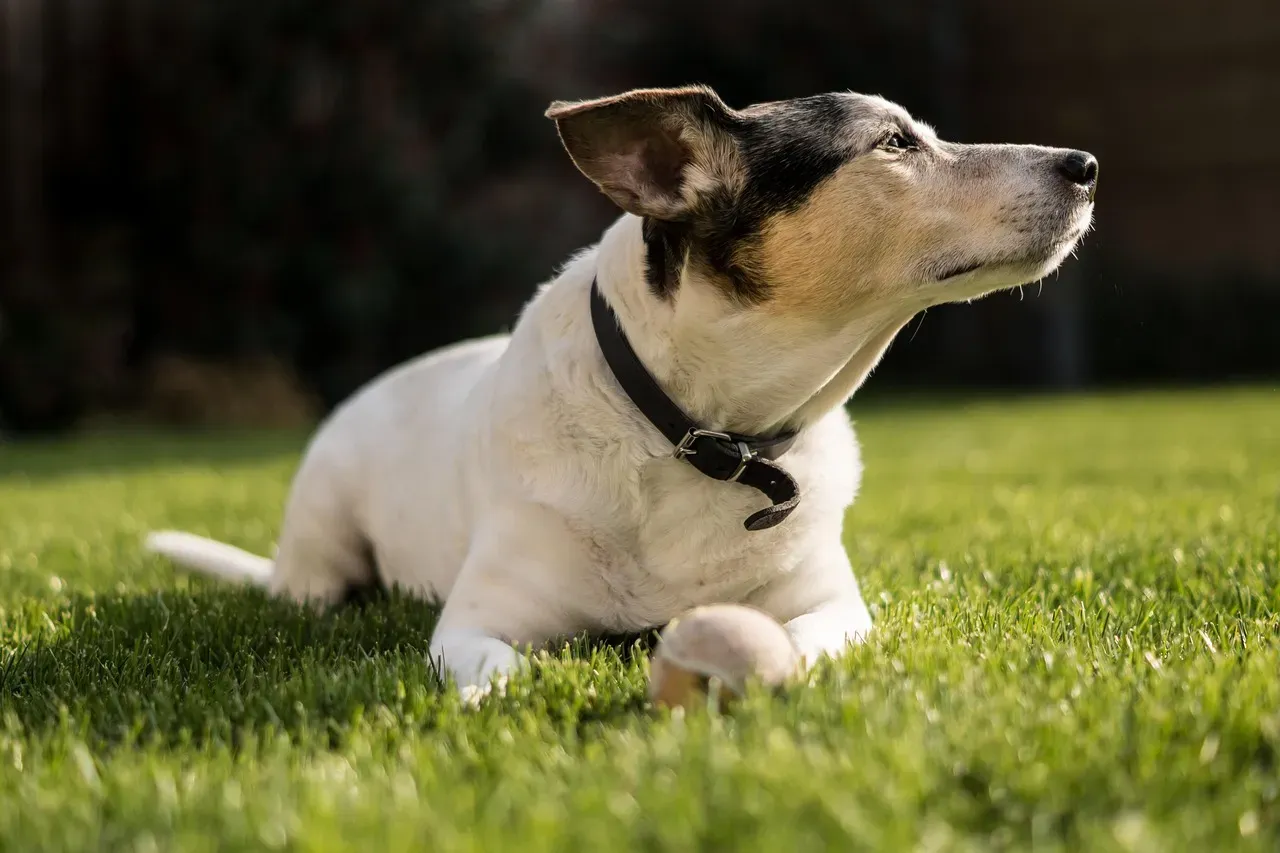
The Jack Russell Terrier is a small dog that lives like it has no concept of slowing down, and the numbers back that up. Small Jack Russell Terriers and midsized Border Collies differ substantially in size, but according to one major UK study, they live similar lifespans, around 12.7 years on average for Jack Russells. What that average doesn’t capture is the number of individual Jack Russells that sail past 16 and 17 years with the energy of a dog half their age.
Generally, the smallest breeds live the longest, with 14 to 18 or more years not uncommon, due to slower aging, lower body stress, and slower metabolism. Chihuahuas, Dachshunds, Toy Poodles, and Jack Russell Terriers are consistently named longevity champions. The Jack Russell’s secret weapon is relentless physical activity. These dogs were bred to work, and maintaining that activity into old age appears to keep their bodies functioning at a level that defeats the typical aging timeline. They don’t retire gracefully. They just keep going.
#16. Miniature Pinscher
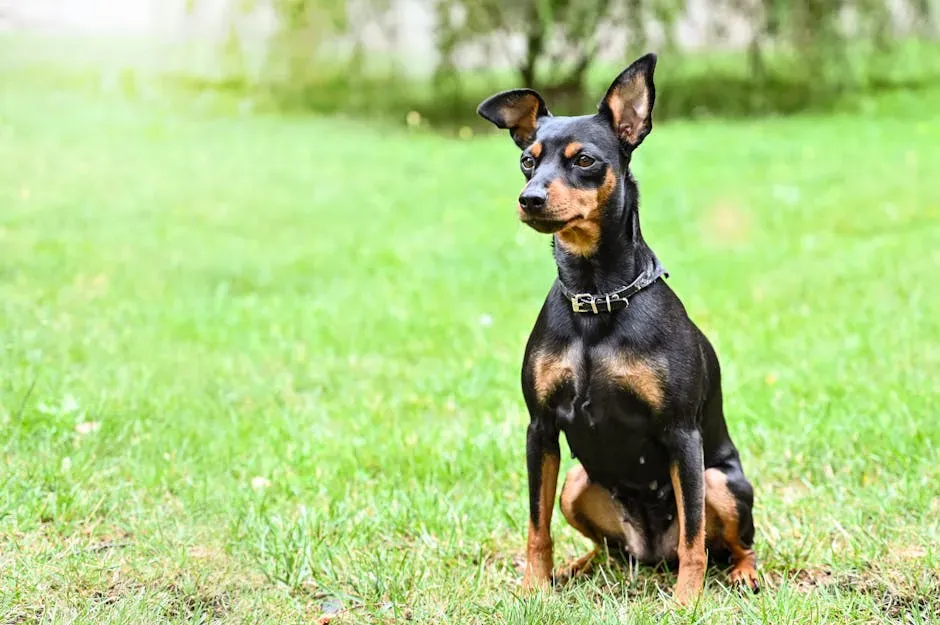
The Miniature Pinscher, affectionately called the Min Pin, is one of those dogs that packages an enormous personality into a very small, very durable body. Affectionately called “Min Pins” by their pet parents, Miniature Pinschers are petite pups with a big spirit. Though they look like small-scale Doberman Pinschers, Min Pins are most likely created by crossing Dachshunds with Italian Greyhounds, according to the Miniature Pinscher Club of America. That cross-breed genetic origin may well contribute to the diversity that supports a longer life.
Min Pins consistently log lifespans in the range of 12 to 16 years, with many individuals doing considerably better under attentive ownership. They are high-energy, curious dogs that keep themselves mentally sharp well into old age, which veterinary researchers increasingly believe plays a role in overall longevity. A dog will live longer when all four factors of genetics, adequate training, proper nutrition, and consistent veterinary visits work together. The Min Pin, almost uniquely, leans into all four of those pillars naturally. It’s not trying to live long. It just does.
#17. Toy Manchester Terrier

The Toy Manchester Terrier is one of the lesser-known breeds on this list, but the longevity data is hard to ignore. The Toy Manchester Terrier was originally bred to hunt rabbits and rats. With their small size and affectionate nature, they make excellent family pets. These dogs are highly intelligent, making them easy to train. They are energetic and require regular exercise to prevent obesity. With proper care and a good diet, they can live for about 14 to 16 years, making them one of the few longest living dog breeds.
The hunting instinct that originally defined this breed also built in a lean, athletic physique and a metabolism that doesn’t easily tip into the kind of obesity that shortens many small dogs’ lives. Studies consistently show that dogs maintained at a lean, healthy weight live, on average, two years longer than their overweight counterparts. The Toy Manchester Terrier, by nature, tends to stay lean and active, which means it enters old age in considerably better shape than many breeds that are pampered into early decline. Owners of this breed often report a dog that simply refuses to look or act old, right up until the very end.
Why Some Breeds Simply Outlast the Rest

It depends on size, genetics, and overall care. The dogs with the longest lifespan tend to be smaller or toy dog breeds, but lifestyle factors like nutrition, exercise, and regular vet visits also make a big difference in how many happy years you’ll share with your pup. Size, it turns out, is the most consistent predictor, but it’s not the whole story. Large breeds die of cancer more often than small breeds, a trend researchers believe has to do with how quickly they grow in their first year of life. With all that rapid expansion, abnormal cell growth may be more likely.
Some breeds are genetically predisposed to certain health conditions like heart disease, cancer, or diabetes, and these diseases can impact how long a dog lives. Genetic diversity also plays a role. High genetic diversity scores indicate a wider variety of different traits and are associated with a lower instance of inbreeding, and a higher genetic diversity score is generally beneficial to overall health. Research has shown that overweight dogs live an average of 2.5 years less than dogs at an ideal body weight, making weight management one of the highest-impact decisions an owner can make. The breeds on this list are not immortal. They’re just the product of good genetics, centuries of resilient selection, and the kind of focused care that rewards every year of commitment with another one beyond it.
A Final Thought Worth Sitting With
There’s something quietly moving about the idea that a dog can outlive not just its predicted lifespan, but the grief you were already bracing yourself for. These 17 breeds don’t just offer companionship. They offer more of it than you planned for, more birthdays, more morning routines, more years of being known by a creature that has chosen to stay.
The science points to size, genetics, and care as the primary levers. Honest reflection tells us something more. The breeds on this list are not extraordinary because of some mystery. They’re extraordinary because they were shaped, over generations, to be tough enough to endure and social enough to thrive in the company of people who love them. That’s not a coincidence. It’s the result of a very long relationship between humans and dogs that, in the best cases, turns out to be even longer than anyone expected.
If you’re choosing a dog and longevity matters to you, the evidence is clear. Choose small, choose carefully, and then give everything you have to keeping that animal healthy. In return, there’s a very real chance they’ll stay long enough to surprise you.

- 12 Architectural Wonders From The Ancient World That Inspire Us Today - July 18, 2026
- 6 Beautiful Ancient Cities That Time Forgot (But Shouldn’t) - July 18, 2026
- 6 Common Animal Behaviors That Are Often Misunderstood by Humans - July 18, 2026