
There’s a moment most new dog owners recognize in hindsight. You scroll through photos of a breed, fall completely in love with the face, the coat, the size. You picture lazy Sunday mornings and park walks. What you don’t picture is the vet bill, the anxiety spiral, or the three-hour daily exercise requirement you absolutely were not warned about.
Vets see these mismatches constantly, and many of them have strong private opinions about which breeds are simply not a good fit for first-time owners. Many veterinary professionals grow frustrated seeing the same pedigree breeds presenting with the same health issues time and time again, and they’ve noted that pet owners often aren’t aware of just how common and predictable these issues are. The breeds on this list aren’t bad dogs. They’re just dogs that deserve owners who truly understand what they’re signing up for.
#1 French Bulldog
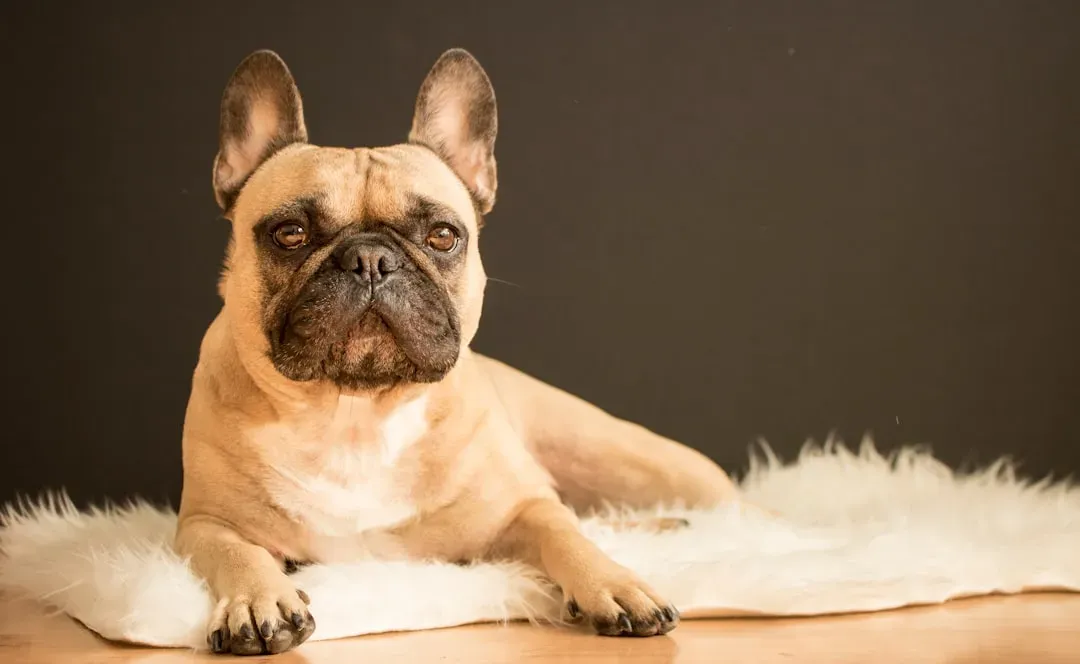
The French Bulldog sits at the top of almost every vet’s private do-not-recommend list, and the reasons go far deeper than a personality quirk. French Bulldogs come with non-stop health issues, from breathing problems to skin infections to spinal issues. These aren’t occasional problems. They’re baked into the breed’s anatomy.
Brachycephalic breeds like French Bulldogs require intensive health management, and their anatomical issues commonly cause suffering and expenses that overwhelm novice owners. Between corrective surgeries, regular skin fold cleaning, and the chronic respiratory noise that signals a dog struggling to breathe at rest, the commitment is considerable. They’re undeniably charming, but charming and manageable are not always the same thing.
#2 English Bulldog
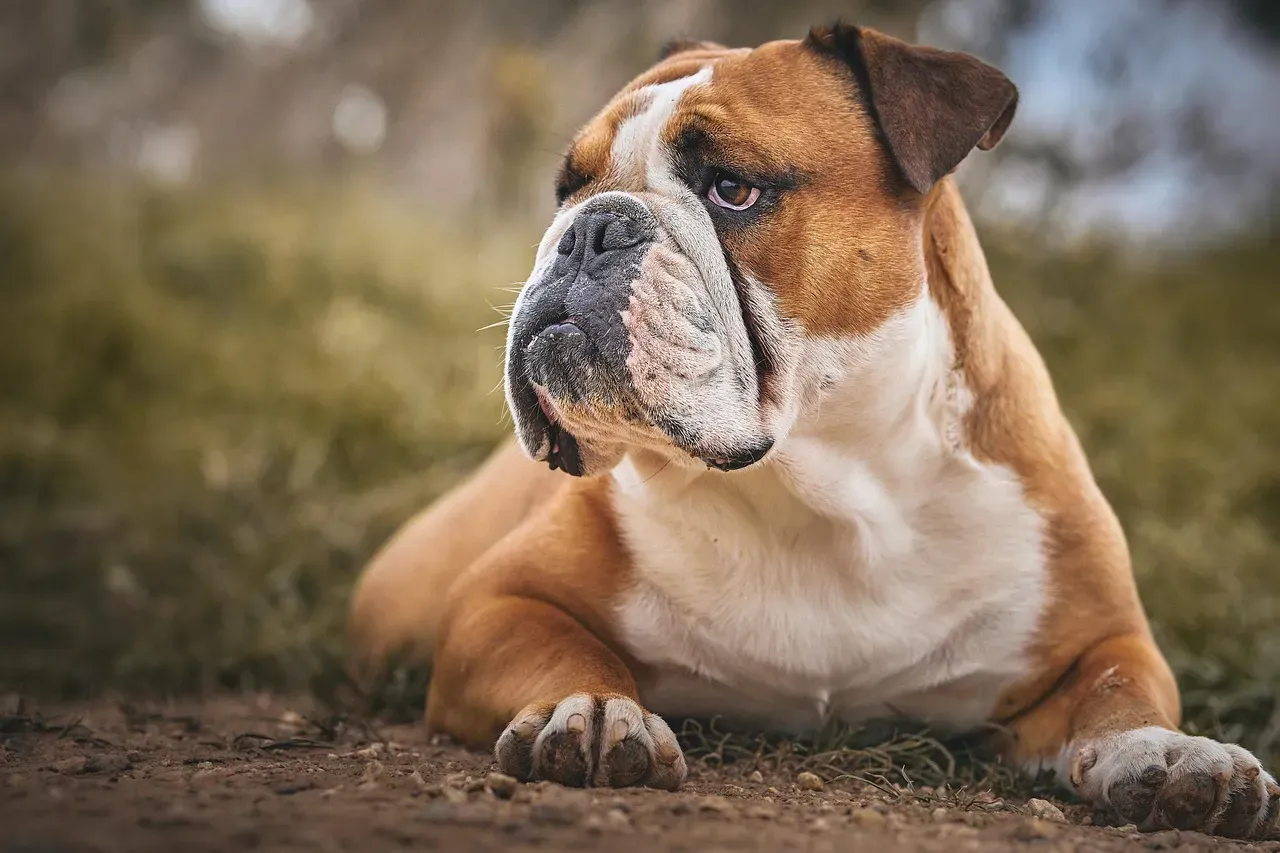
The English Bulldog is a breed that has been genuinely loved into a corner. Decades of selective breeding for that wrinkled face and stocky build have left the modern Bulldog with a body that fights against itself. Bulldogs are brachycephalic, meaning they have short, squished faces with small noses, which makes it hard for them to breathe, perform exercises, and swim. They are also sensitive to stress and heat.
The Bulldog’s heavy build and flat face make them particularly sensitive to heat, exercise, and stress. They can’t swim, so if you have a pool, pond, or spa, their access should be restricted. They are prone to a variety of health issues and can be challenging to train. For a first-time owner expecting a laid-back family dog, the reality of managing a Bulldog’s health needs can arrive as quite a shock.
#3 Shar Pei
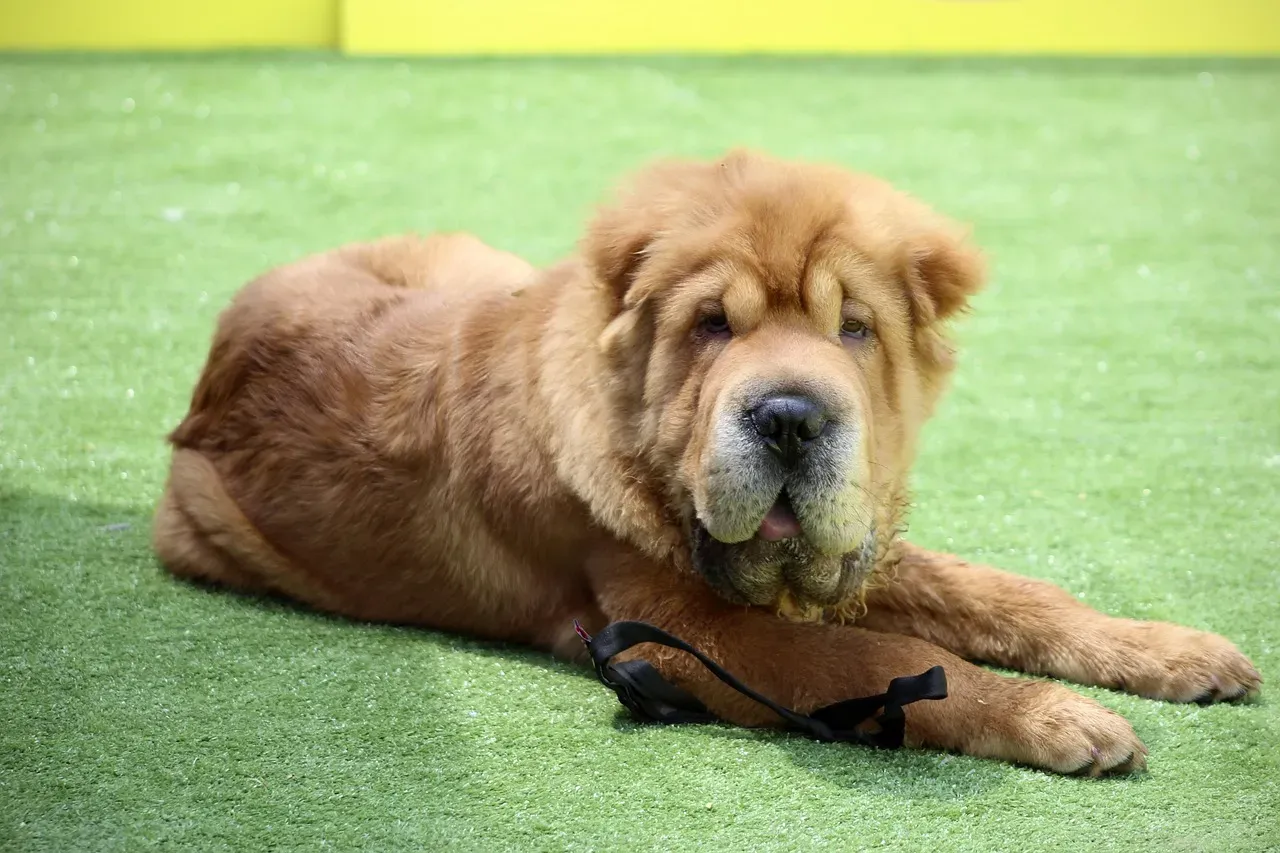
The Shar Pei is one of those breeds that vets like in theory and hesitate over in practice. Their deep wrinkles and unusual appearance are striking, but those same physical characteristics drive a long list of medical problems. Shar-Pei Fever, also known as Familial Shar-Pei Fever, is a chronic auto-inflammatory disorder that causes recurring fever and swelling. More seriously, the genetic condition can cause protein accumulation in the body, leading to organ failure.
Beyond health problems, potential owners should understand several behavioral issues before adopting this breed. One of the most serious is fear aggression, which can make the breed challenging for inexperienced pet parents. Dog-to-dog aggression is also fairly common, as the Shar Pei was originally bred as a fighting dog, and their stubborn temperament can make obedience training more difficult. That’s a complicated mix of health and behavioral challenges for someone who’s never owned a dog before.
#4 Belgian Malinois
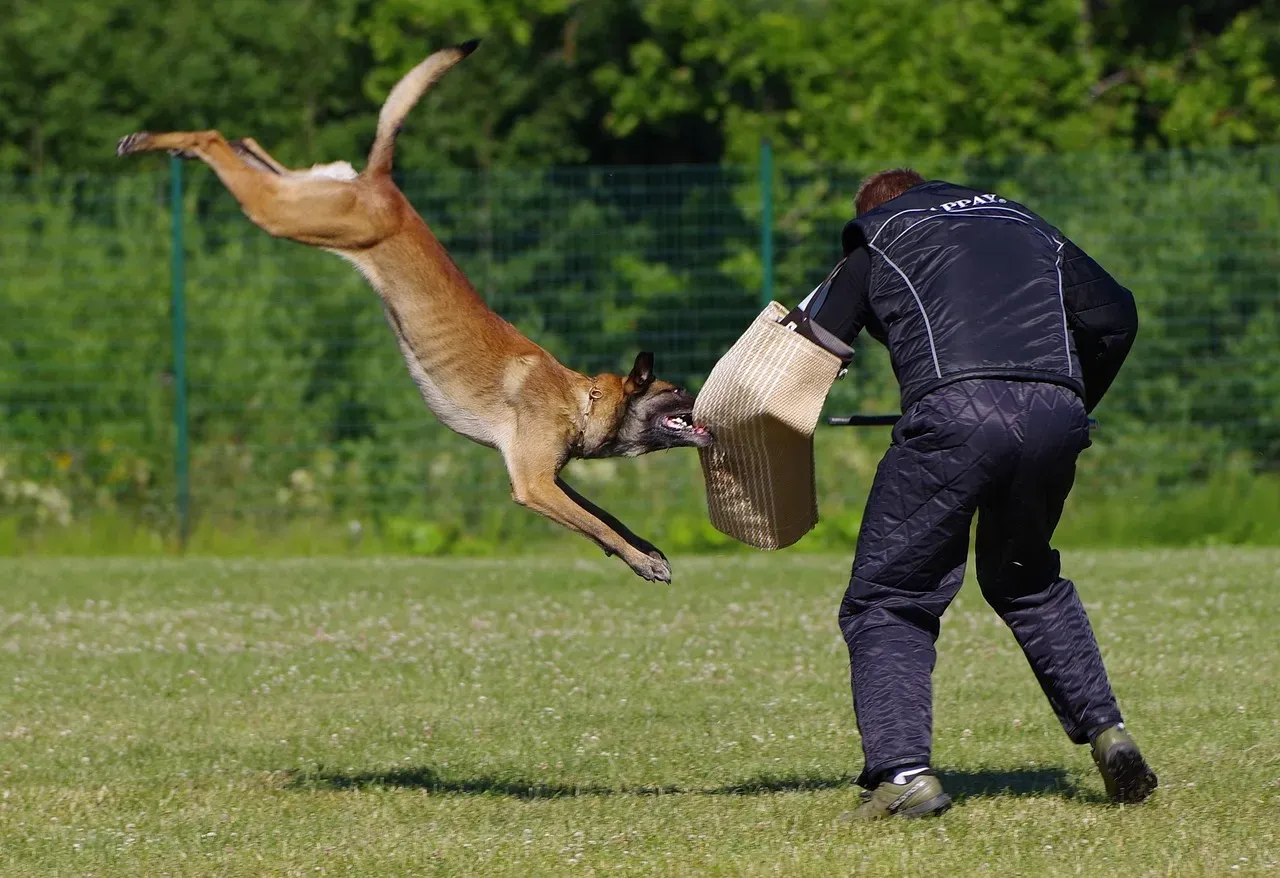
The Belgian Malinois went viral for all the wrong reasons, rising in popularity after appearances in military films and social media videos. The result was a wave of adoptions by unprepared owners. Belgian Malinois are incredible working dogs, crazy intelligent and driven, but unless you’re training them constantly and giving them proper structure, they become destructive and reactive fast.
Working breeds like the Belgian Malinois require high levels of mental and physical stimulation. They are typically intelligent and energetic and excel at tasks like herding or obedience. Without proper exercise and mental stimulation, they can become bored, develop behavioral issues, or exhibit destructive behaviors. This is genuinely a dog designed for professionals. Treating it like a regular family pet is where things fall apart.
#5 Siberian Husky
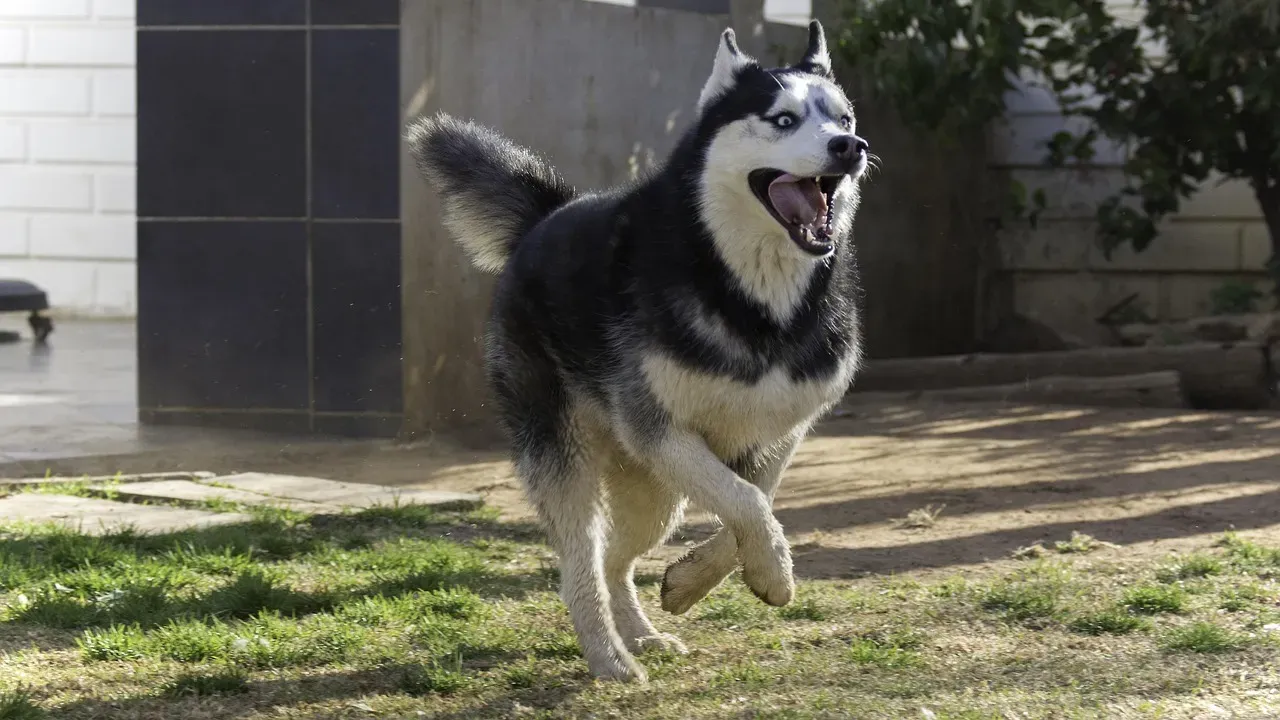
It’s hard to meet a Husky without being immediately charmed. The blue eyes, the thick coat, the wolf-like face. Vets, however, have seen what happens when that same dog ends up bored in a suburban backyard. The Siberian Husky was bred to pull sleds over long distances, and their liveliness reflects that. A short walk around the block won’t do for this breed. They shed heavily, are capable escape artists, and have a strong predatory drive, making them not a great choice for homes with cats or small pets.
Siberian Huskies are famous for having minds of their own. These clever escape artists can slip in and out of spaces you didn’t even know existed. While blessed with intelligence, endurance, and a playful heart, Huskies also come with plenty of quirks. Their vocal nature alone, the howling at all hours, is something many first-time owners simply aren’t prepared for.
#6 Rottweiler
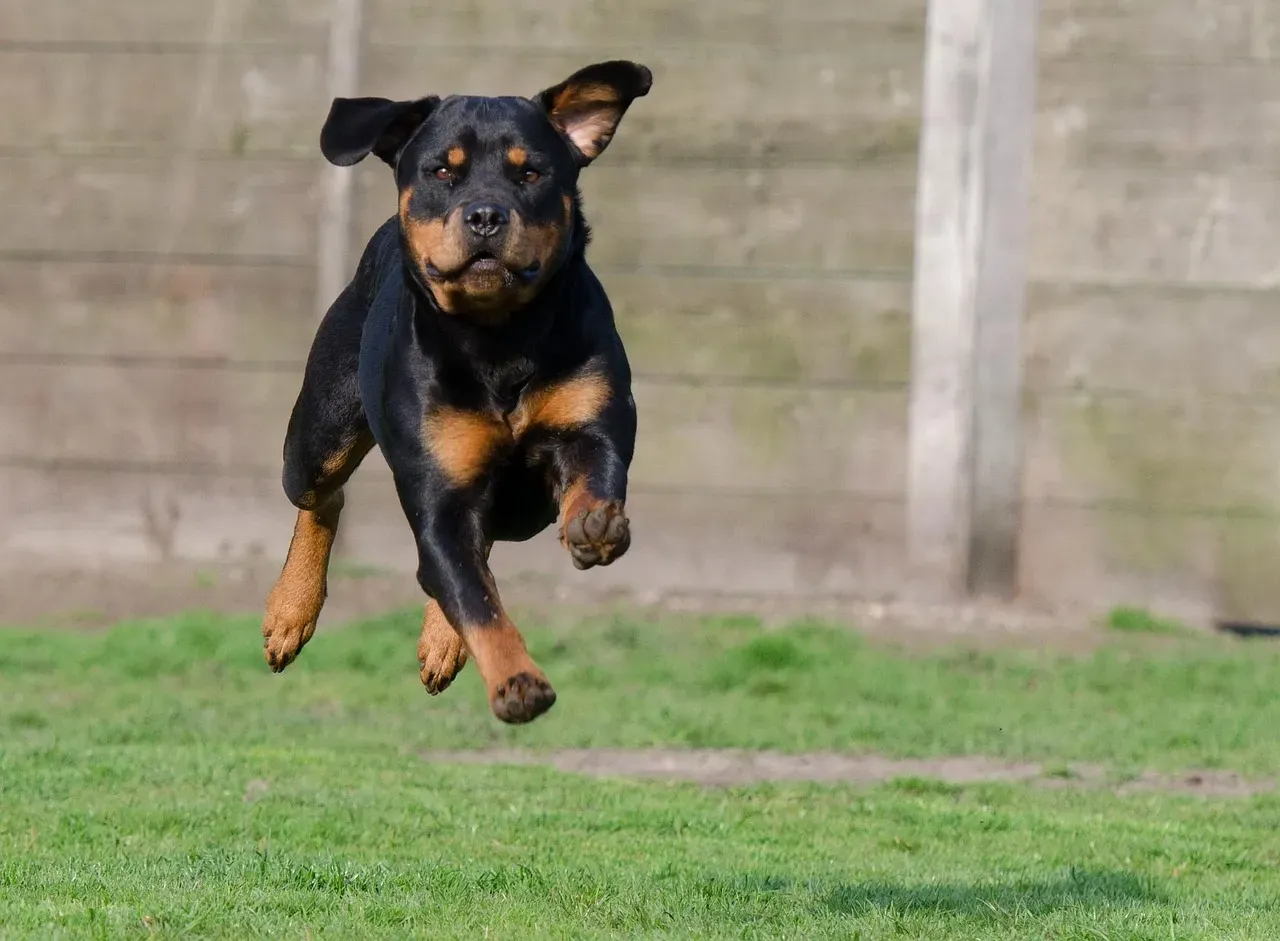
Rottweilers get a complicated reputation, and the truth is somewhere between the extremes. In the right home, with the right owner, they can be exceptional. The problem is that “the right owner” has a very specific profile. In the right circumstances, Rottweilers make fabulous family dogs and are loyal, protective, and even-tempered. The right families have experience with working dogs and guardian breeds and have the time to spend training and working with their Rottweiler almost daily.
In the wrong environment, Rottweilers can be reactive, anxious, and domineering. Happiest when they know the schedule and can follow a routine, Rottweilers are too often purchased by families that are not prepared for how much their lives will revolve around their dog. Weighing 80 to 135 pounds with deeply ingrained guarding instincts, it can be difficult for first-time owners to properly train and handle a Rottweiler, and their strength means adolescent rebellion could escalate without an experienced leader.
#7 German Shepherd
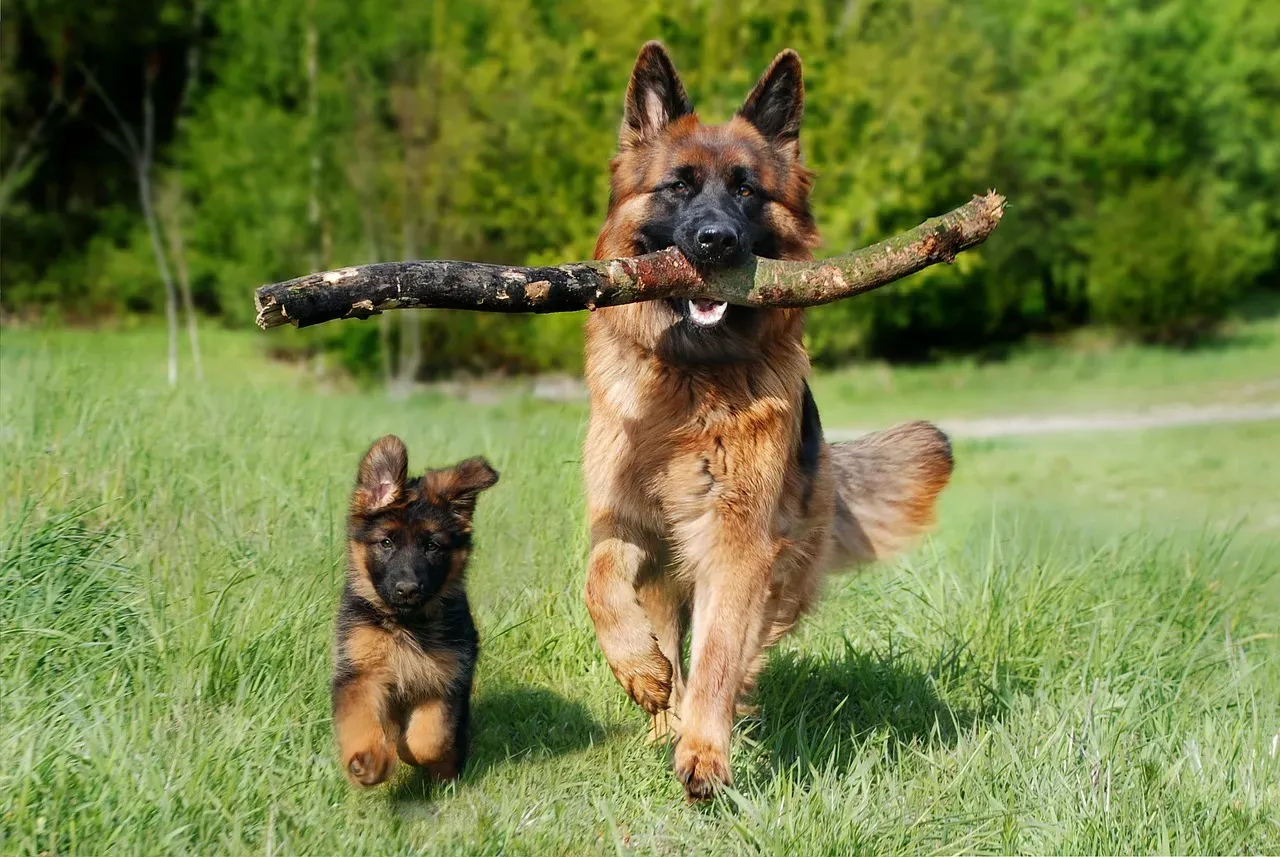
Few breeds are as iconic or as commonly misunderstood as the German Shepherd. They’re smart, deeply loyal, and impressively capable. They also come with a genetic health burden that gives many vets genuine pause. German Shepherds are predisposed to several conditions including hip and elbow dysplasia, and too many are seen with the paralyzing spinal condition degenerative myelopathy.
The most common behavioral trait is aggression, which is usually caused by them not being socialized at an early age. German Shepherds also have a lot of energy and need a lot of exercise, more than most owners have time for. A poorly exercised, under-socialized German Shepherd in a small home is an outcome nobody wants, and it’s a situation that plays out frequently enough that vets notice the pattern.
#8 Akita
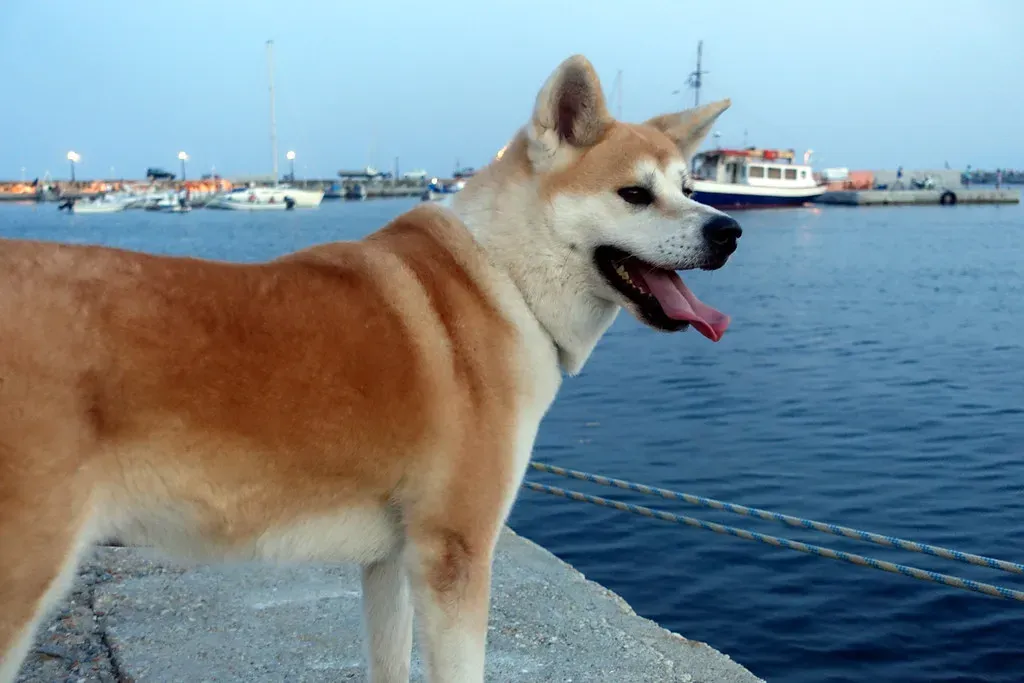
The Akita is a deeply loyal breed with a long history, and that history includes centuries of guarding and hunting work that shaped a dog with genuine intensity. Akitas were bred to hunt big game, so they have a strong prey drive and can be aggressive if not adequately socialized and trained. Highly protective by nature, these dogs are often wary of strangers and do not always get along with other dogs. It takes an experienced pet parent to keep Akitas grounded and trained.
Akitas aren’t recommended for first-time dog owners. They require firm training and plenty of careful socialization from a young age to soften their rough edges, including issues like destructive chewing, barking, leash tugging, and aggression toward animals. Their loyalty is real and genuine, but it comes packaged with a protectiveness that inexperienced owners can easily misread or mishandle.
#9 Chow Chow
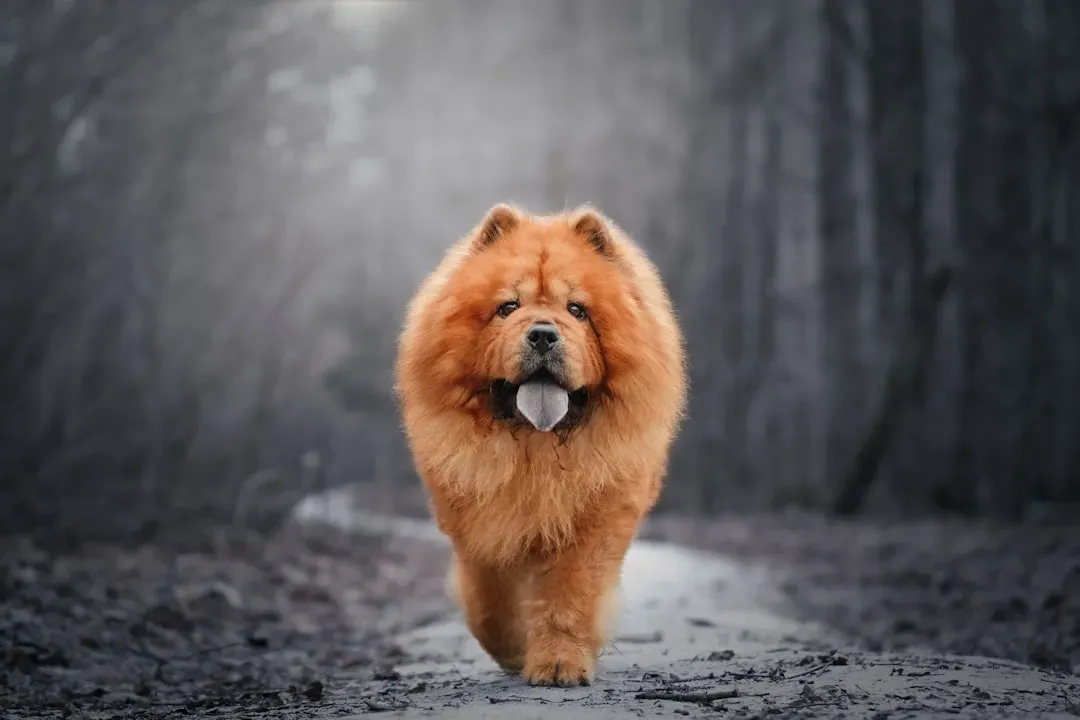
The Chow Chow looks like a stuffed animal and behaves like a dignified emperor who has decided whether or not they like you, and that decision may be final. This is a breed with deep independence built in from the start. While intelligent, Chow Chows are stubborn. Raising a well-mannered and well-adjusted Chow takes a lot of training and patience, so these dogs do best with experienced owners. Because of their long double coats, Chows also have relatively intense grooming needs. If you can’t keep up with brushing and removing mats regularly, this breed is not for you.
Known for their cat-like independence, Chow Chows don’t always enjoy the company of other dogs. They can be territorial and selective with playmates, so they often do best in a single-dog household. One of the oldest dog breeds around, Chows served as imperial guards in China, and they have the regal attitude to match. That attitude, while fascinating in the right hands, can become a genuine management challenge for a new owner.
#10 Dalmatian
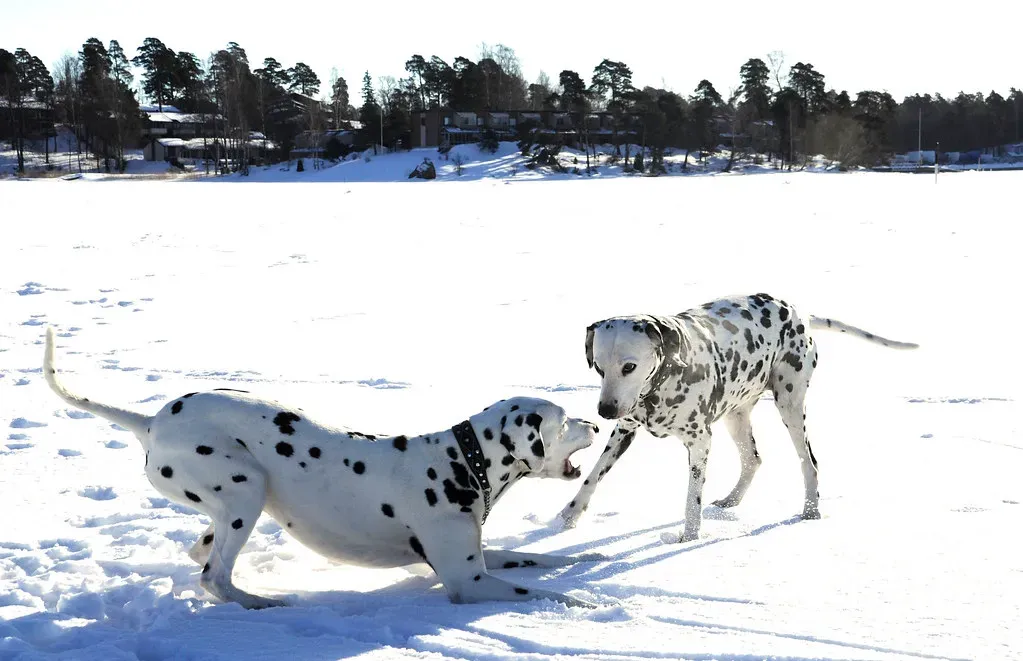
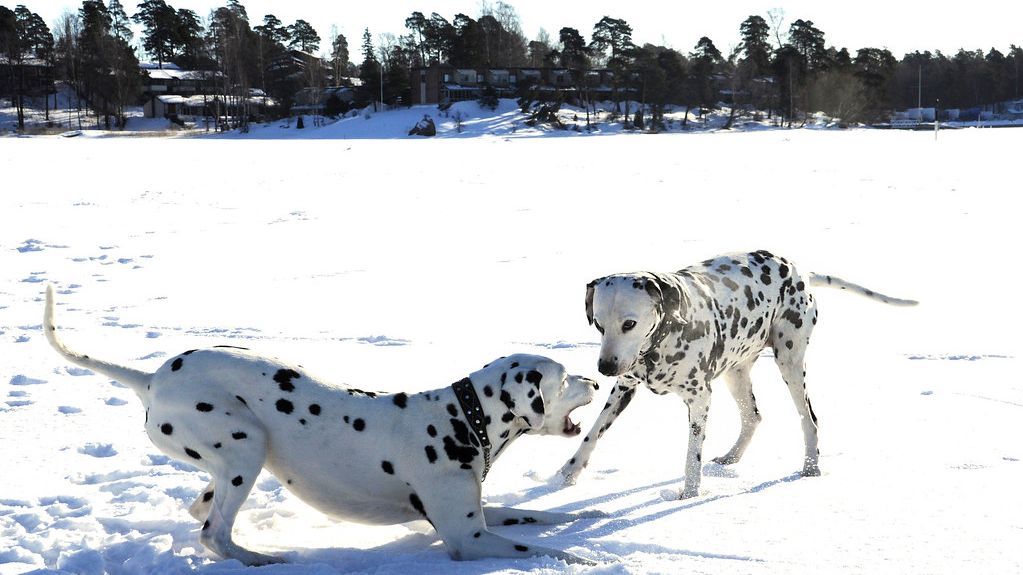
The Dalmatian has been romanticized by pop culture for decades, which has done the breed no favors. Many families adopt one imagining an energetic but manageable spotted companion. What they get is a high-performance athletic breed with needs that far exceed the average household’s capacity. Dalmatians are working dogs packed with loads of energy. They were bred to run, making them one of the fastest breeds. In fact, they used to run alongside horses and fire engines.
Dalmatians can become destructive and bark endlessly when not given the desired stimulation. Despite having a short coat, they still shed heavily. Dalmatians are reasonably smart dogs but are better suited for experienced owners due to their exercise and training requirements. There is also a well-documented genetic predisposition to deafness in the breed, something that catches many new owners completely off guard.
#11 Doberman Pinscher
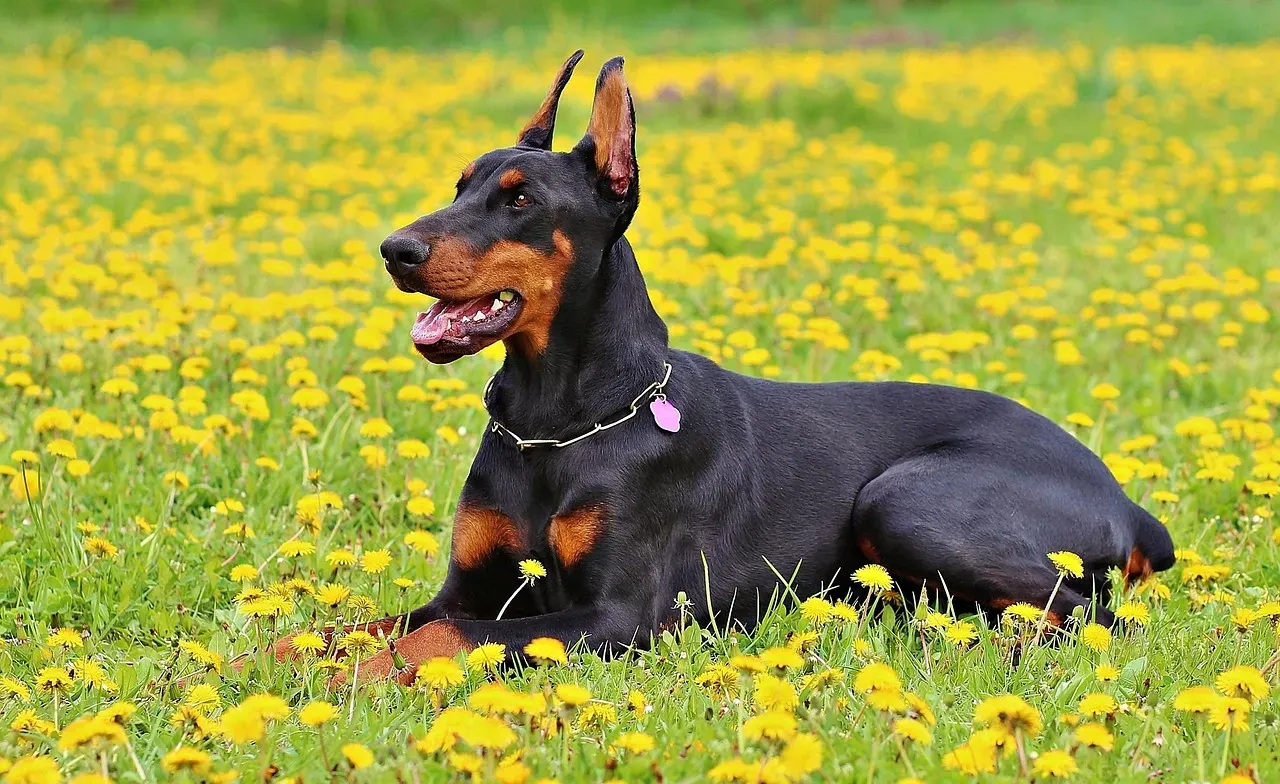
The Doberman is a breed that demands respect, not in a threatening way, but in the sense that its needs are very real and very specific. Dobermans need rigorous physical and mental exercise, proper socialization, and firm handling. If left alone extensively, their protective traits and separation anxiety often create problems, and first-timers rarely meet their demands.
The Doberman Pinscher can have a bit of a reputation as a difficult dog. While they have plenty of devoted fans praising their generally loving and loyal nature, there are reasons they have that reputation. The combination of high intelligence, physical power, and emotional sensitivity means that mishandling during puppyhood can produce a dog whose problems are difficult to undo. This is a breed that requires someone who knows what they’re doing from day one.
#12 Cavalier King Charles Spaniel

This one might surprise people. The Cavalier looks like the ideal lapdog, gentle and soft-eyed and absolutely adoring. Many vets genuinely love the breed’s personality. What they can’t overlook is the health picture. Degenerative mitral valve disease is the leading cause of death of Cavaliers. It is a highly heritable heart disease which, statistics show, afflicts more than half of all Cavalier King Charles Spaniels by age five and the great majority by age ten.
Unfortunately, selective breeding practices have contributed to a higher incidence of inherited health issues, especially heart and eye disease. The number one health concern in this breed is mitral valve disease. Chiari-like malformation and syringomyelia are also reported to be very widespread in the Cavalier breed, representing a combined disorder of the brain and spinal cord which may cause severe head and neck pain and possible paralysis. For a new owner unprepared for complex medical management, this breed can become an emotional and financial weight.
#13 Shiba Inu
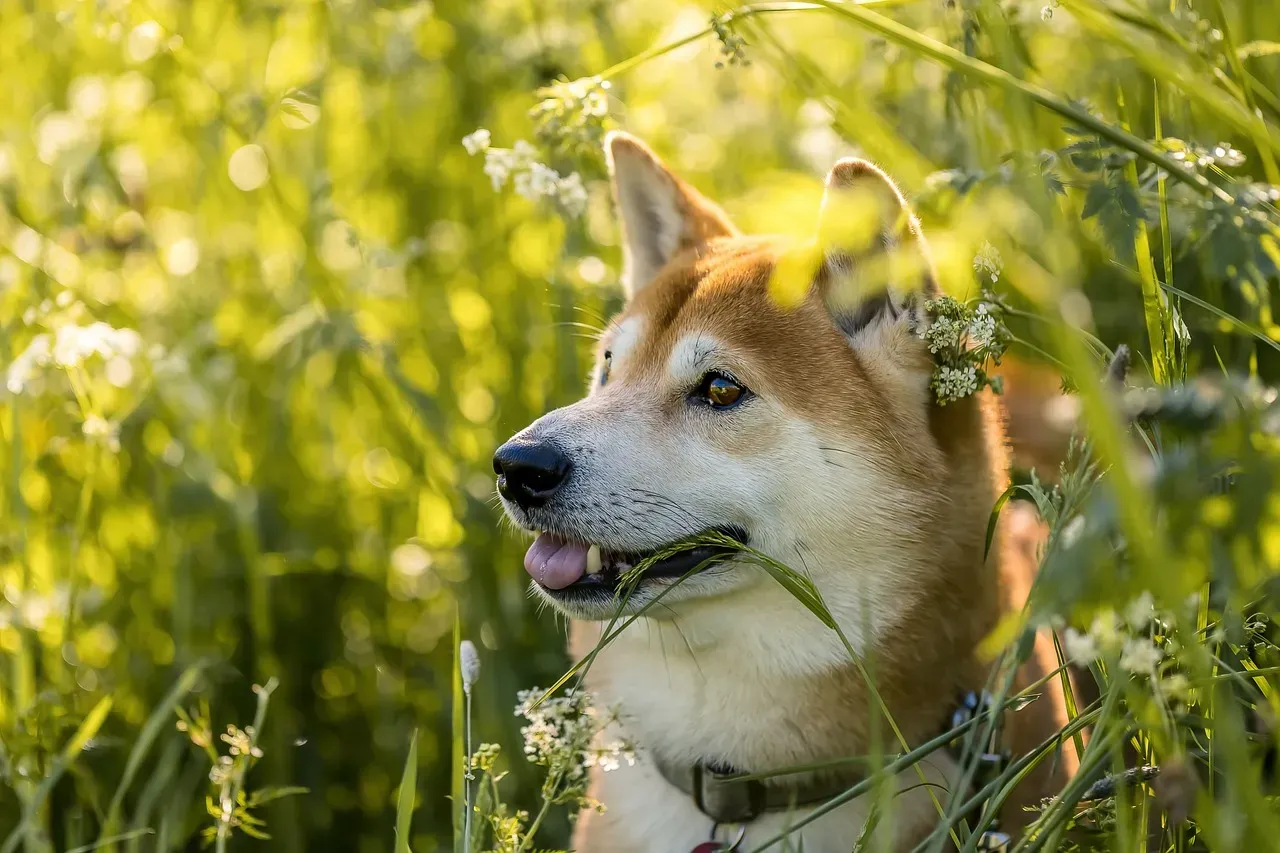
The Shiba Inu’s internet fame created a wave of demand that outpaced any real understanding of the breed. They photograph beautifully. They have expressive faces and a certain cool confidence. In person, that confidence can read very differently. Shiba Inus are known for their independent spirit. They may require extra patience and consistency in training. Early socialization and training are key for managing their temperament. While they are often described as stubborn, this trait usually stems from their strong-willed and independent nature.
Shiba Inus are better suited for experienced dog owners due to their independent nature and training requirements. First-time owners should be prepared for the commitment of consistent training. Both Shiba Inus and Akitas have a strong prey drive, but Shiba Inus tend to be more agile and quicker, which can lead to a need for secure, enclosed play areas. They’re not a casual dog. They’re a dog that requires someone who has genuinely done their homework.
#14 Weimaraner

The Weimaraner is one of those breeds that seems almost perfectly designed to exhaust an unprepared owner. Nicknamed the “Gray Ghost,” they’re strikingly beautiful and deeply attached to their people, which sounds wonderful until you realize what that attachment actually involves. The Weimaraner is extremely energetic with no off switch, and is not happy being left alone. Separation anxiety can be a real issue with this breed. They can be difficult to housetrain and a hazard to cats and other small pets.
Weimaraners are intelligent dogs that need to be managed by experienced owners. They’re also difficult to train at home since they have a high prey drive and like chasing other pets. If you go out for a jog, a Weimaraner can accompany you, but you’re unlikely to tire them out without providing more exercise. That last point is worth sitting with. A full jog isn’t enough exercise for this breed. That’s a significant lifestyle requirement.
#15 Alaskan Malamute
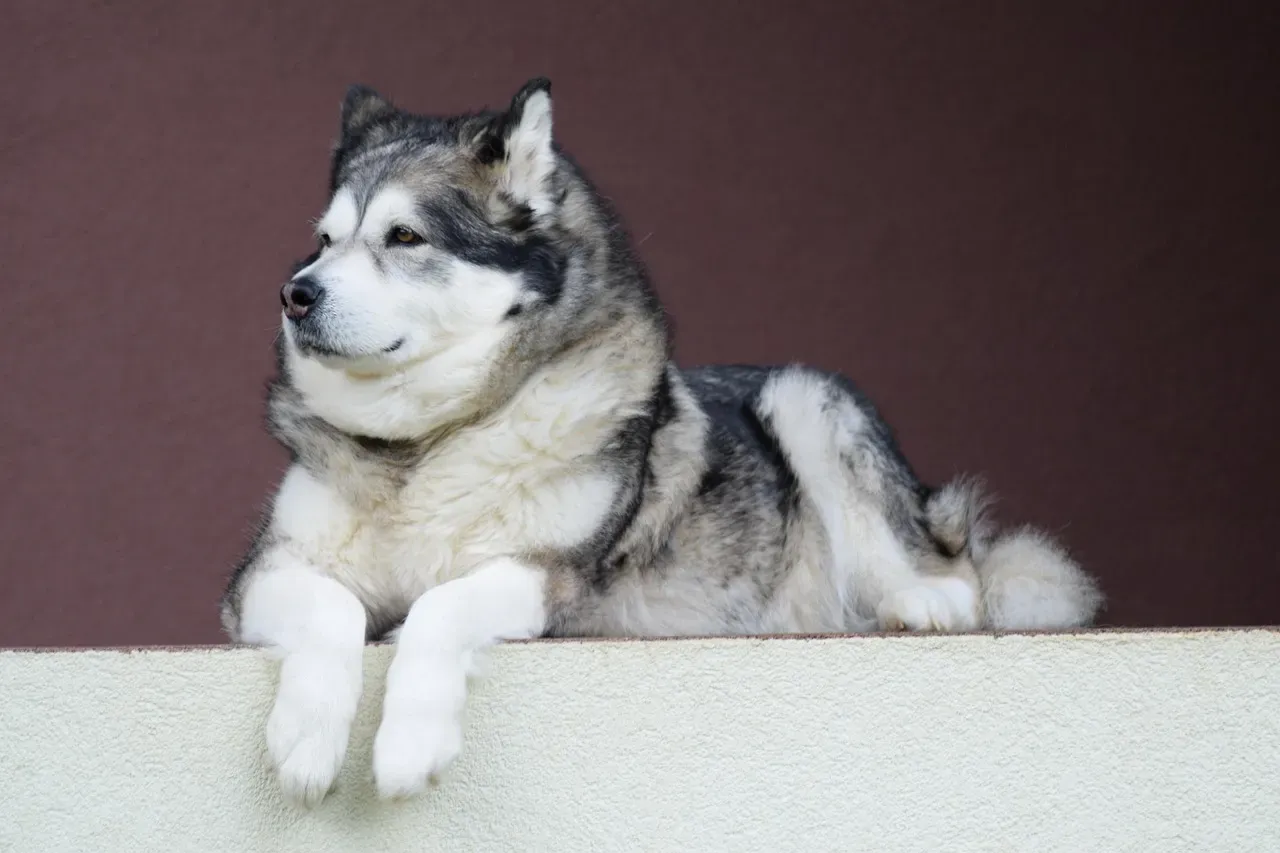
The Alaskan Malamute is sometimes confused with the Husky, and the two share some traits, but the Malamute brings its own distinct challenges. This is a working dog built for endurance and physical power, not apartment life. Known as one of the oldest working dogs, Alaskan Malamutes are strong canines with impressive endurance levels. They can carry heavy loads for longer distances but are not very fast. Because of their love and affection for family members, Alaskan Malamutes are a great companion for experienced owners.
Traditionally bred as sled dogs, Alaskan Malamutes are high energy and shed heavily. Their pack instincts run deep, and without proper structure and leadership from day one, they can become dominant, destructive, and very difficult to manage. The shedding alone, which happens in dramatic seasonal dumps twice a year, is enough to overwhelm owners who weren’t told what to expect. It’s genuinely a full-coat event.
#16 Bullmastiff
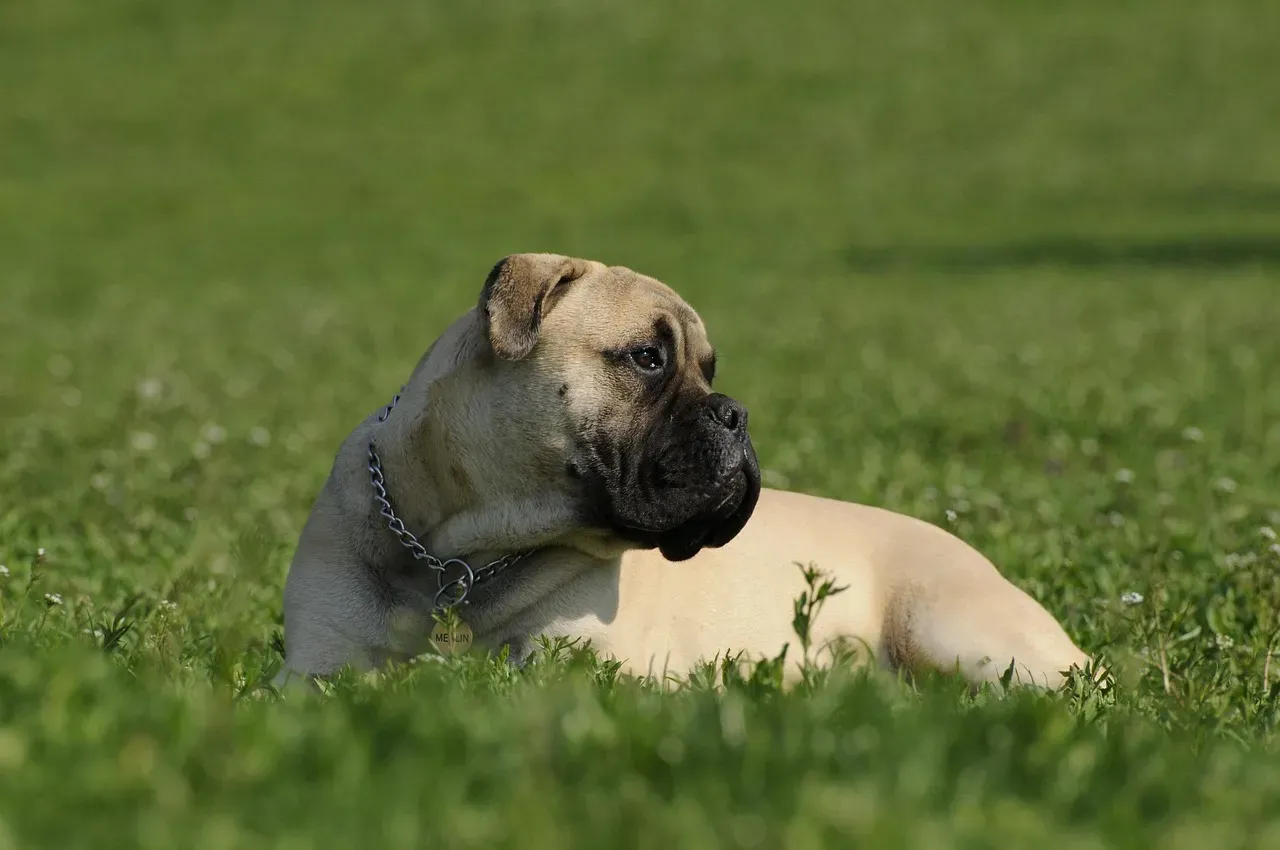
The Bullmastiff is a gentle giant in the truest sense, calm and affectionate with the right family and terrifying in size if things go wrong. Bullmastiffs are large, powerful dogs requiring an owner experienced in handling strong, sturdy breeds. First-timers may not feel confident controlling them. Their protective nature means they need extensive socialization from a young age, and inexperienced owners may struggle to socialize them properly, which could result in aggression issues.
Bullmastiffs require more training and socialization than other breeds to help them feel at ease around other dogs and strangers. They like to do things their own way, a trait which coupled with their strong build and large size can make it difficult to get them to do what you want. Therefore, they need a confident, strong-willed owner to match their equally strong-willed nature. A first-time owner who hasn’t established leadership early on will find this breed increasingly challenging as it grows into its full weight, which can exceed 130 pounds.
#17 Border Collie
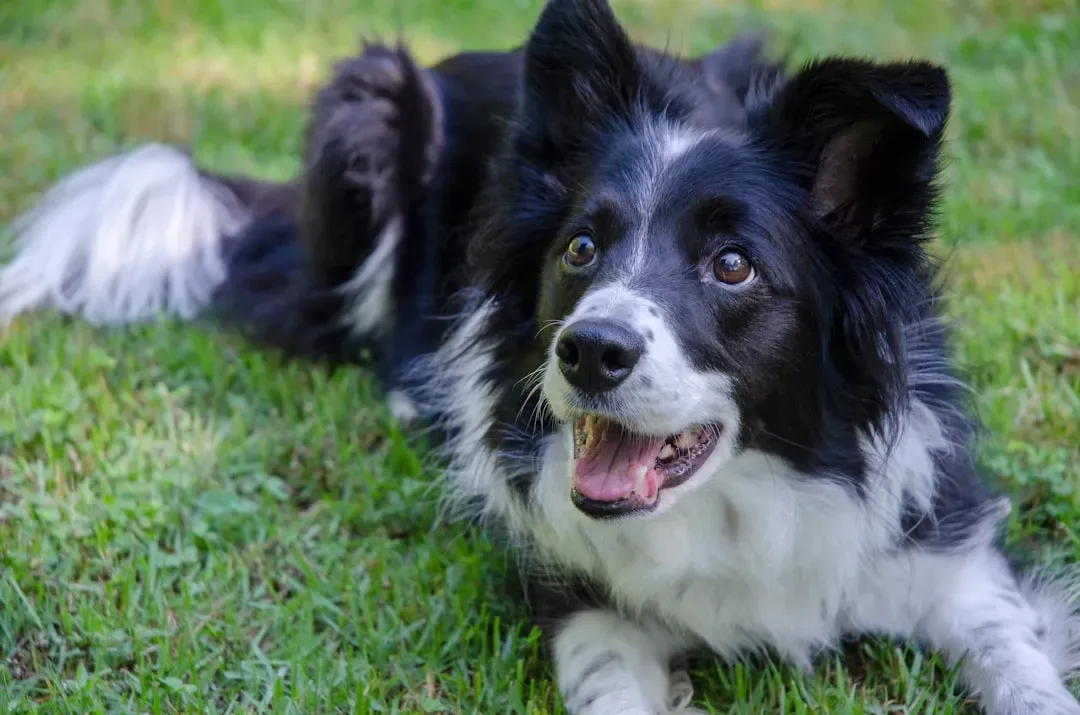
The Border Collie is, by most measures, the most intelligent dog breed on the planet. That sounds like a selling point. In practice, it means you’re living with a dog that is always thinking, always watching, always needing something productive to do. Border Collies are a very intelligent herding breed requiring near-constant mental stimulation. Without adequate outlets for their energy and smarts, they will be prone to nipping and developing destructive and aberrant behaviors.
Border Collies are extremely intelligent and bursting with energy. These qualities make them exceptional workers. Unfortunately, they also lead to plenty of mischief when there is no job to be done. These dogs are best suited to country life and do not do well as urban apartment dwellers because of their intense need for physical activity. Natural herders, Border Collies are prone to nipping at people’s heels. They thrive with a job. Without one, they invent their own, and a Border Collie’s invented job rarely aligns with what their owner had in mind.
A Final Thought Before You Choose
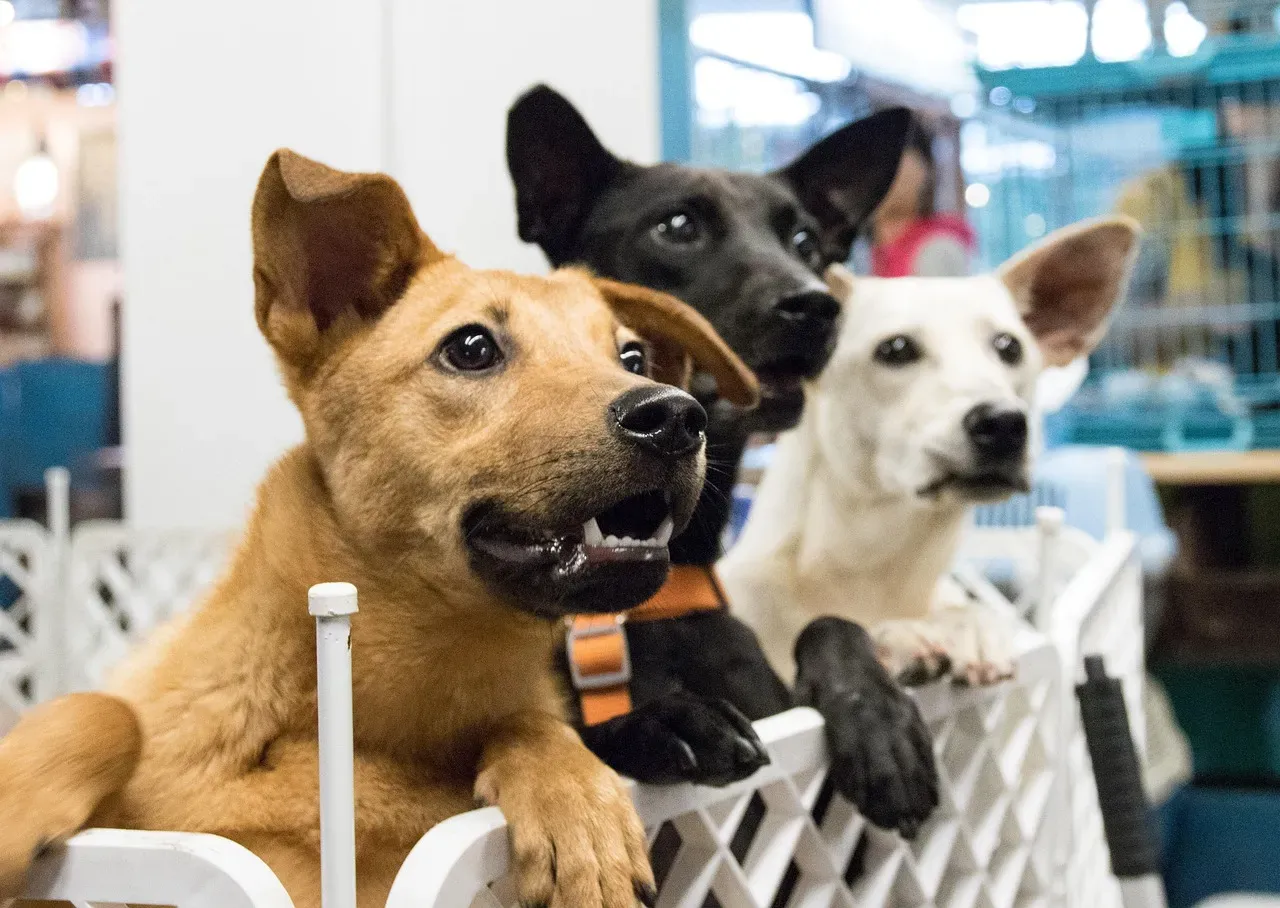
None of these breeds are broken. Every single one of them has devoted fans who would argue passionately for their merits, and rightly so. The point isn’t to shame any breed or discourage dog ownership. Not every dog is the right fit for every owner, and it’s entirely possible that a first-time dog owner may find certain breeds more of a challenge than others.
There is definitely a sort of disconnect between what vets see as breeds they would personally want to own, and the breeds the general public is buying. That gap tends to close the hard way, through surrenders, expensive vet bills, and overwhelmed owners. Early socialization, proper training, and providing adequate mental and physical stimulation are crucial for any dog, regardless of breed. If you are a new dog owner, it may be helpful to work with a reputable breeder or consider adopting an adult dog with a known temperament that matches your experience and lifestyle. The best match isn’t the most beautiful breed or the most popular one. It’s the one whose real, everyday needs you can genuinely meet.

- 5 US States With the Most Grizzly Bears - July 15, 2026
- 10 Wild Cat Breeds Vets Say You Should Never Keep as Pets - July 15, 2026
- Dogs Can Understand Human Emotions With Startling Accuracy, Study Reveals - July 15, 2026