


Imagine walking down a cobblestone street when suddenly a black cat crosses your path. Your heartbeat quickens. Do you freeze? Do you walk backward? Or do you simply keep walking? What you do next might depend entirely on where you grew up. For centuries, cats have woven themselves into the fabric of human culture in ways that would make even the most cunning feline proud. From ancient temples to modern storefronts, these mysterious creatures have inspired beliefs, superstitions, and folklore that span continents and millennia. What’s truly fascinating isn’t just that we believe these things about cats – it’s how wildly different these beliefs can be from one culture to another.
Ancient Egypt’s Sacred Protectors

Ancient Egyptians believed cats were magical creatures, capable of bringing good luck to the people who housed them, and black cats were considered sacred animals associated with the goddess Bastet. Cats were so special that those who killed them, even by accident, were sentenced to death. To honor these treasured pets, wealthy families dressed them in jewels and fed them treats fit for royalty. When the cats died, they were mummified. As a sign of mourning, the cat owners shaved off their eyebrows, and continued to mourn until their eyebrows grew back. The domestic cat was regarded as living incarnation of Bastet who protects the household against granivores, whereas the lion-headed deity Sekhmet was worshipped as protector of the pharaohs. The reverence was so intense that cats were placed outside tombs to ward off evil spirits from entering and bothering the dead.
Japan’s Lucky Beckoning Cats

Contrary to Western beliefs about black cats, in Japan, they are considered good luck! In fact, the Beckoning Cat, a common symbol in Japan and China with one paw raised, is believed to bring good luck to its owners. If Japanese women own a black cat, it’s a common superstition that they will have better luck in the romantic department finding suitors. The maneki-neko is a common Japanese figurine which is often believed to bring good luck to the owner. The Japanese lucky cat can have either its right paw or left paw raised, and both styles have different meanings. The raising of the right paw symbolizes more money or wealth for the owner. A raised left paw symbolizes more customers for the owner. The higher the paw is raised, the more potent the luck being summoned is believed to be.
Germany’s Directional Fortune

Many of these superstitions are due to just their color, but Germany has one about the direction of travel. This is a superstition that other countries also have, but not as uniquely as Germany. If the cat crosses from left to right, it is a bad omen. However, if it crosses right to left, this is a good sign. A black cat crossing your path from left to right is good luck; it is bad luck only if the black cat crosses your path from right to left. This directional belief makes Germans particularly observant of feline movements, turning every cat encounter into a moment of careful assessment. Unlike other cultures where any black cat crossing brings misfortune, Germans have created a nuanced system that requires split-second direction recognition.
Italy’s Sneezing Fortune Tellers

In Italy, hearing a cat sneeze is supposed to be good luck. Specifically, if your pet gets the sneezes, it means there’s money coming your way. If a bride hears a cat sneeze on her wedding day, it means the marriage will be a good one. Beware, though—while one sneeze might be good luck, if a cat sneezes three times it supposedly indicates that you’re going to come down with a cold. In Italy, cats can be seen as a sign of imminent death and a bringer of bad luck. Traditionally it was said that if a black cat lay on your bed when you were sick, then death was near. This creates an interesting paradox where Italian cat owners must carefully count their pet’s sneezes.
France’s Black Cat Kindness

In the south of France, there’s a local superstition that feeding black cats and treating them with respect is believed to bring good luck. A black cat released at the intersection of five roads will lead a person to treasure. Wealth will come to the person who feeds their black cat the first bite of dinner. We often associate bad luck with Friday the 13th, but it’s a particularly unlucky day for cats in France. If you cross a stream with a cat in your arms, it’s viewed as an omen of death for a loved one. The French have developed some of the most specific rituals around black cats, creating detailed instructions for proper feline care that supposedly unlocks financial prosperity.
Netherlands’ Gossipy Felines

In the Netherlands, cats are apparently believed to be gossipy creatures who will happily blab all of your deepest, darkest secrets. For that reason, people try not to have important or private conversations while a cat’s in the room, just in case it’s listening. Cats spread gossip so they should not enter rooms where private discussions are taking place. This superstition has led to some amusing scenarios where Dutch families carefully check for feline presence before discussing sensitive matters. It’s perhaps the only culture that attributes actual eavesdropping abilities to cats, treating them like furry surveillance devices. The belief has made cats unwelcome guests at business meetings and family councils throughout Dutch history.
Scotland’s Prosperity Portents

While Scotland may be a part of Western Europe, they had a different idea about black cats. It shows how these creatures can capture the imagination, sometimes in a negative way, but also sometimes positively as well. There are some things you may not know about your pet cat with one of them being it can be a symbol of great wealth. That was the belief in Scotland should one show up on your doorstep. That’s a stark contrast to thinking it may be a witch. Scottish lore holds that a black cat’s arrival at a new home signifies prosperity, while Welsh lore states that a black cat brings good health. This makes Scotland one of the most cat-friendly cultures in terms of superstitions, where unexpected feline visitors are welcomed as harbingers of financial success.
Russia’s Spiritual Guardians

In Russia, cats are seen as protectors of the home. This is perhaps due to their incredible hunting instincts, but it’s believed they can remove any lingering energy or bad spirits. Perhaps it’s a cat’s ability to sense when we’re sad that led to this belief. They can help to ward off negative energy and foster a more positive environment. As with most superstitions on this list, these beliefs aren’t as strong as they once were, but many still see cats as a symbol of peace. Russian households often keep cats not just for companionship but as active spiritual cleansers, believing these felines can literally purify their living spaces of negative influences.
England’s Weather Predictors

In England, if a cat runs away from a household and doesn’t return, it’s believed that the household will be plagued by bad luck. It’s also believed that windy weather will come if a cat toys with your curtains. Another similar weather superstition is that if a cat sleeps with all four paws tucked underneath or washes behind its ears, rain is coming. A fisherman will return from sea if the wife keeps a black cat in the house. English folklore has turned cats into living barometers, with their behaviors serving as detailed weather forecasting systems. Cat owners in England historically paid close attention to their pets’ sleeping positions and grooming habits to predict upcoming storms.
Celtic Cat-Sìth Legends

There is a mysterious creature called the cat-sìth or cat-sì which is believed to roam the countryside. It’s a cat-like fairy that is predominantly black but with a patch of white on its chest. It was thought the cat had mystical powers and could steal someone’s soul. Scottish lore holds that a black cat’s arrival at a new home signifies prosperity, while Welsh lore states that a black cat brings good health: The Gaels had traditions of feral and sometimes malevolent black cats. In Scottish mythology, a fairy known as the Cat sìth takes the form of a black cat with a white spot on its chest. This supernatural cat figure appears in both Irish and Scottish folklore, representing the more dangerous side of feline superstitions where cats possess actual magical abilities.
Maritime Cat Superstitions

Tricolor cats are good luck on a ship. If a ship’s cat approaches a sailor, it is a sign of good luck—but if they approach then walk away, it is a sign of bad luck. If a black cat walks onto a ship then walks off again, the ship will sink. If a cat is mewing before setting sail, the journey will be rough. If a cat is playful before setting sail, the journey will be blessed with good winds. One black cat superstition you might not have heard is that if a black cat walks onto a ship and then back off again, the ship will sink on its next voyage (though according to an old Irish and British superstition, black cats were actually good luck for a ship). Sailors developed an incredibly detailed system of cat-based omens, treating shipboard felines as living indicators of voyage success or disaster.
Indonesian Rain Makers

You might suspect there’s some cause and effect confusion going on here, but in parts of Indonesia, cats are associated with the weather. If people wanted it to rain, they’d pour water over a cat. Presumably the cat in question then made it rain as revenge. This rather dramatic weather-making ritual demonstrates how some cultures have attributed almost god-like powers to cats, believing these animals can directly influence natural phenomena. The practice suggests a belief in cats’ supernatural connection to water and storms, though one imagines the cats themselves were less than enthusiastic participants in these rain ceremonies. The superstition reveals how human desperation during droughts could lead to some unusual feline-centered rituals.
American Wedding Wisdom

Although pop culture has turned cats into a symbol of eternal singledom, according to one book on Pennsylvania German tradition, cats can help a woman who is anxious to get married. All she has to do is “feed the cat from her shoe,” although the superstition doesn’t say what’s supposed to happen next—or how to get the uneaten cat food out of the shoe. Cats used to help future brides decide whether or not they should get married. Hopeful future wives would pluck three hairs from their cat’s tail and wrap it in paper. If it created a ‘Y’ shape (for yes), then she should marry him. If it created an ‘N’ shape, then she shouldn’t marry him. These matrimonial superstitions show how cats have served as relationship advisors throughout history, though both methods seem rather challenging for all parties involved.
One-Eyed Cat Wishes

Common superstition says that if you see a cat with only one eye, spit on your thumb and palm it in your hand. If you make a wish, it’s believed to come true. When you see a one-eyed cat, spit on your thumb, stamp your palm with your thumb and make a wish. This unusual superstition creates an elaborate ritual around encountering disabled cats, transforming what might be seen as unfortunate into an opportunity for wish fulfillment. The specific nature of the ritual – involving saliva and precise hand movements – suggests ancient origins where such encounters were considered powerful magical moments. It’s one of the few superstitions that specifically addresses cats with physical disabilities, treating them as especially potent wish-granters rather than unlucky omens.
Universal Black Cat Mystique

Among superstitions, one of the oldest and most enduring is that crossing paths with a black cat will bring on bad luck. Given the belief in medieval Europe that the devil and witches were capable of taking the form of black cats, it makes sense that the superstition surrounding crossing their paths developed. “Therefore, a black cat crossing your path might very well be on a mission from a witch,” she notes. “Just as easily, it could be the devil in disguise—and no one wants to cross paths with the devil. This explains why a black cat crossing your path is considered a bad omen.” From this spiraled many superstitions and fears surrounding black cats, including one of the most popular and oldest – that a black cat crossing your path will bring you bad luck. However, it doesn’t stop there, as even to this day they are unfairly linked to being symbols of evil, omens of bad luck and a foreboding Halloween icon.
Cat Face Washing Prophecies

According to Japanese superstition, if a cat washes its face with its paws, it’s not just grooming—it means that visitors are on their way. There are similar superstitions in other countries, too, with some people in the U.S. expecting a visit from a member of the clergy if a cat starts cleaning its whiskers. If a cat grooms its face, it’s considered a sign that an unexpected guest is about to pay you a visit. This widespread belief in cats as visitor-predictors shows how closely humans have observed feline behavior throughout history. The superstition has practical implications, as some people still prepare their homes for unexpected guests when they notice their cats engaging in face-washing rituals. It’s remarkable how a simple grooming behavior has been interpreted as supernatural communication across multiple cultures.
Southern European Vampire Guards

In parts of Southern Europe, folklore has it that if a cat jumps across a person’s grave, they’ll rise again as a vampire. This idea spread beyond Southern Europe: Writing in the late 19th century, William Henderson recounted that in England, a cat once jumped over the coffin during a funeral and no one was willing to move until the cat was killed. This macabre superstition represents one of the darkest beliefs about cats, where their natural agility and curiosity become signs of supernatural danger. The belief was so strong that it could literally halt funeral proceedings, showing how deeply these superstitions could influence important life events. The fact that people would kill a cat to prevent vampiric resurrection demonstrates the extreme measures taken when superstition and fear collided with feline behavior.
Conclusion
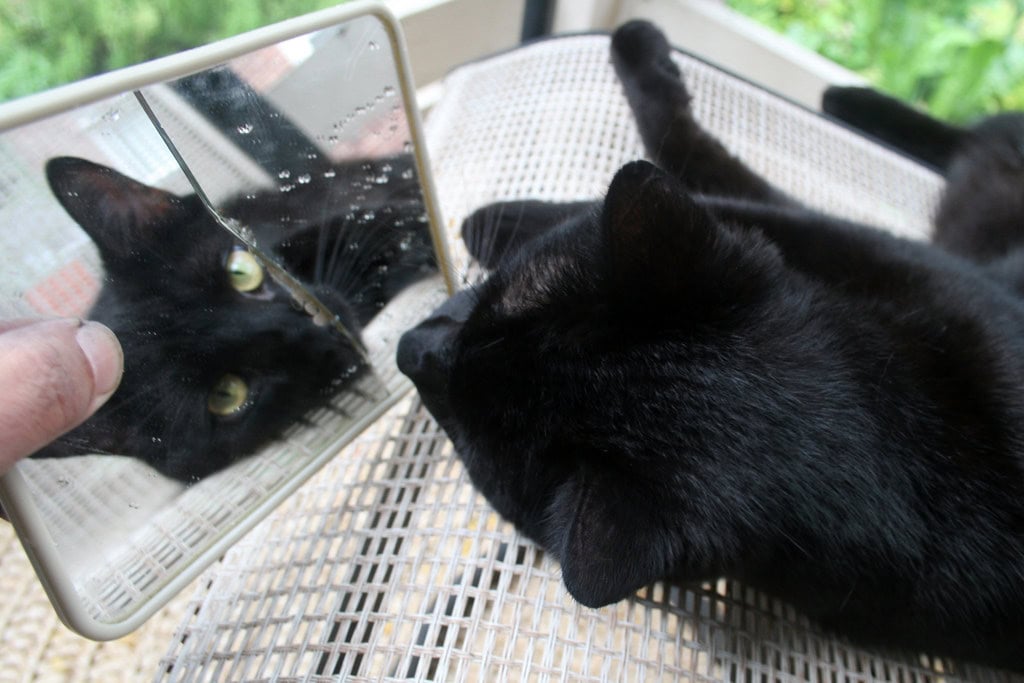
From ancient Egyptian temples to modern Japanese storefronts, cats have maintained their mysterious hold on human imagination for thousands of years. These seventeen superstitions reveal something fascinating about us as much as they do about cats – our desperate need to find meaning in the everyday, to transform the mundane into the magical. Whether it’s a black cat crossing your path in Germany (remember to check which direction!), a sneezing Italian feline promising wealth, or a Dutch cat supposedly eavesdropping on your secrets, these beliefs show how differently cultures can interpret the same creature. Perhaps what’s most remarkable is that despite our technological advances and scientific understanding, many of these superstitions persist today. The next time you see a cat washing its face, crossing your path, or simply sleeping with its paws tucked under – will you remember these ancient beliefs? What stories will your encounter tell?

As a little kid, I fell in love with nature, wildlife, and animals. Living in the USA, South Africa, Italy, China and Germany gave me the opportunity to discover the world's Wildlife. My favorite animals are Mountain Gorillas, Siberian Tigers, and Great White Sharks.
I'm a certified PADI Open Water Diver, went to Everest Base Camp and Trekked Gorillas in Uganda. I hold a Master of Science in Economics and Finance.
Please send any feedback to feedback@animalsaroundtheglobe.com
- 11 Most Endangered Insects Buzzing in America Today - July 22, 2026
- 10 Most Frequently Googled Animal Birth Facts - July 22, 2026
- 10 Incredible Migration Journeys in the Animal Kingdom - July 22, 2026