
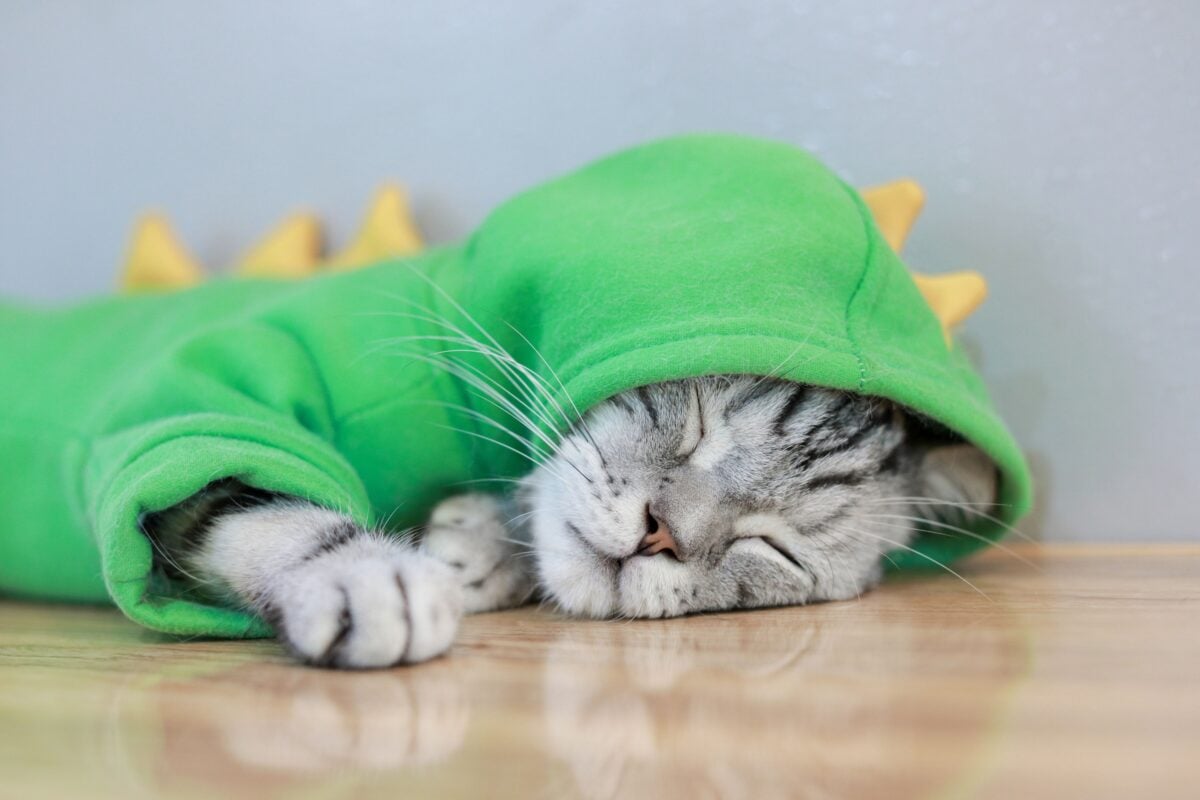
Most people take one look at a senior cat sleeping all day, wandering off alone, and barely reacting to anything, and quietly decide the same thing: my cat is just over it. Tolerating you. Politely done with affection. Case closed.
Except cat behaviorists say that’s almost backwards. Many older cats are more emotionally attached than they’ve ever been – they’ve just stopped shouting about it. The signals get quieter, slower, and easier to miss, which means the very habits you’ve written off as “distance” might actually be your cat’s deepest declaration of trust. Here are the 13 gentle, easy-to-overlook signs that your senior cat still feels completely safe with you – and the last one might catch you off guard.
#1 – It Chooses To Sleep Near You, Not Just Anywhere
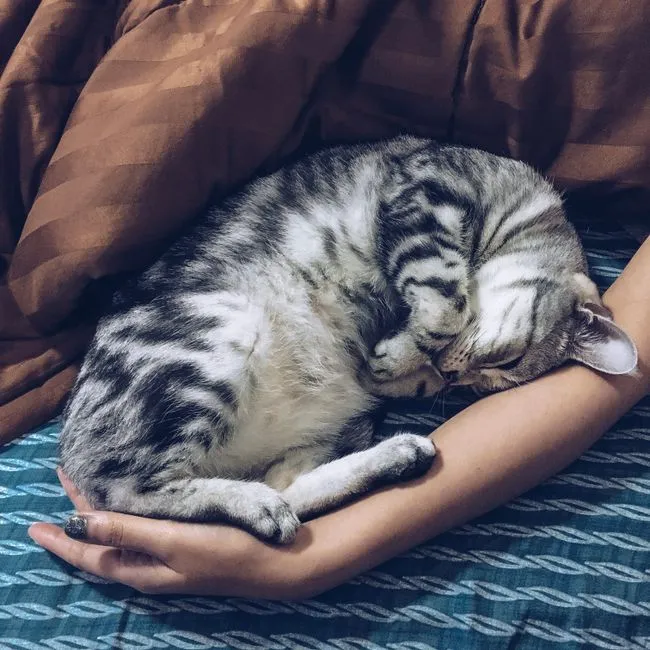
If your older cat keeps landing close to you – the edge of the couch, the floor by your bed, a random spot that happens to be three feet from your chair – that’s not laziness or coincidence. For a senior cat, where they sleep is where they feel safest. At 12, 15, or 17 years old, they’re not experimenting. They’re picking their protected zone and sticking to it.
Watch where your cat ends up after a lap around the house: the foot of the bed, the back of your favorite chair, a blanket that smells like you. Senior cats crave warmth and routine, sure, but underneath that is a deeper need for security. When your cat curls up with its back to you and drops into that heavy, twitchy, fully-checked-out sleep, it’s telling you something real. A cat that doesn’t feel safe almost never surrenders that completely around a human.
Fast Facts
- Adult cats typically sleep 12 to 16 hours a day.
- Senior cats (age 11 and up) often sleep even more, sometimes 18 to 20 hours.
- Cats pick sleep spots based on warmth, safety, and familiar scent – not just comfort.
- Sleeping deeply with its back turned to you is one of the clearest relaxation signals a cat can give.
#2 – It Shows You Its Belly (But Doesn’t Always Want Touch)
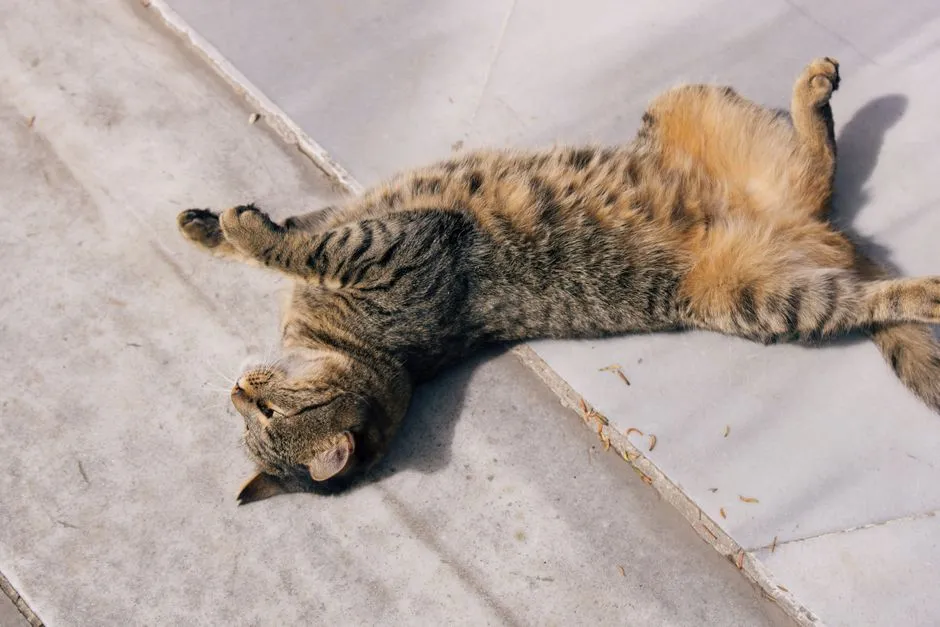
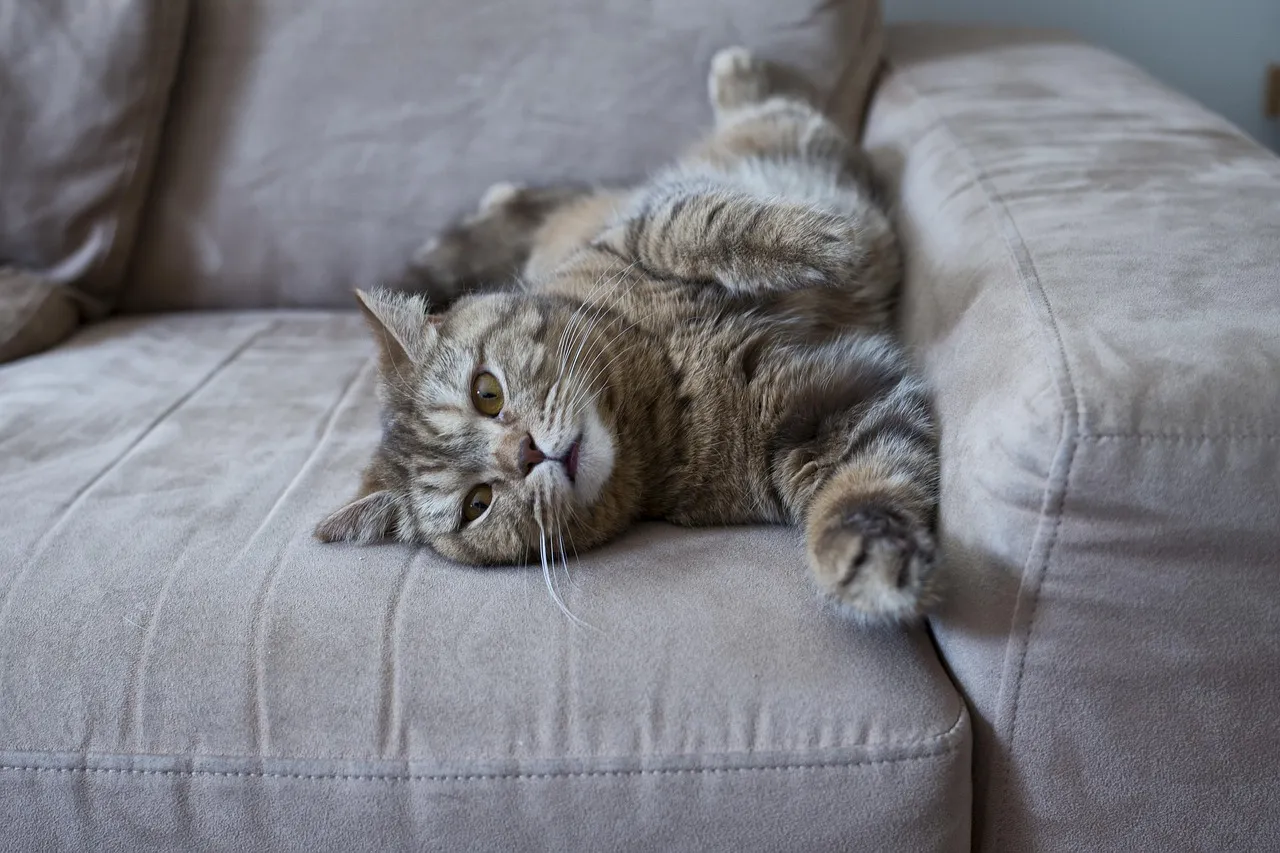
Most people assume a cat flipping onto its back is begging for a belly rub. With seniors, that assumption gets you swatted. Exposing that soft underside – the exact spot where every vital organ lives – has almost nothing to do with wanting to be touched and everything to do with showing you deep, vulnerable trust. No prey animal flashes its belly to something it fears.
You might catch your older cat flopping sideways, stretching out, then slowly rolling to reveal that belly right in your path. It may still swat if you reach for it, not because it feels unsafe, but because belly contact is simply too much sensation for an aging nervous system. The trust isn’t in letting you touch it – it’s in daring to be that open around you in the first place. A senior cat that lies exposed like that while you move freely around the room is quietly saying, I know you won’t hurt me.
#3 – It Blinks Slowly Instead Of Staring You Down
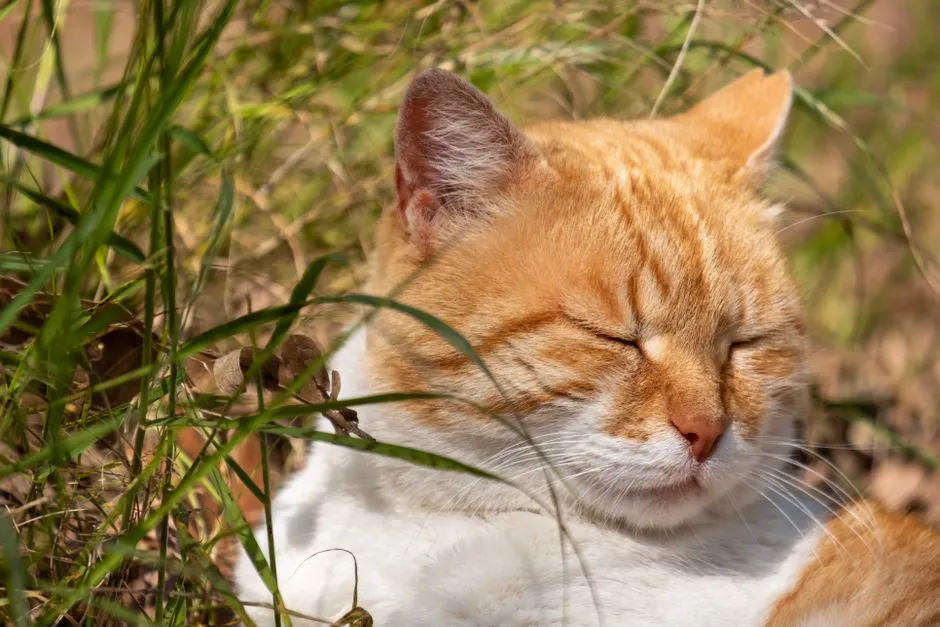
Cat people love talking about slow blinks, but in a senior cat, that gesture carries even more weight. When your older cat locks eyes with you and gives that lazy, half-closed blink, it isn’t bored – it’s disarming itself on purpose. In the animal world, a hard stare is a threat. Breaking that stare slowly, on purpose, is the closest thing a cat has to a peace treaty.
If your senior gives you soft, sleepy eyes when you talk, a slow close-and-open of both eyes, or a relaxed face with whiskers resting instead of pushed forward, that’s your cat saying we’re good, I don’t need to watch you. People underestimate how significant this is in older cats, who run on habit and safety far more than play. Forget the myth that purring is the ultimate trust signal – many longtime cat owners will tell you a slow blink from an aging cat is the real emotional currency.
#4 – It Still Purrs… But In Quieter, Very Specific Moments
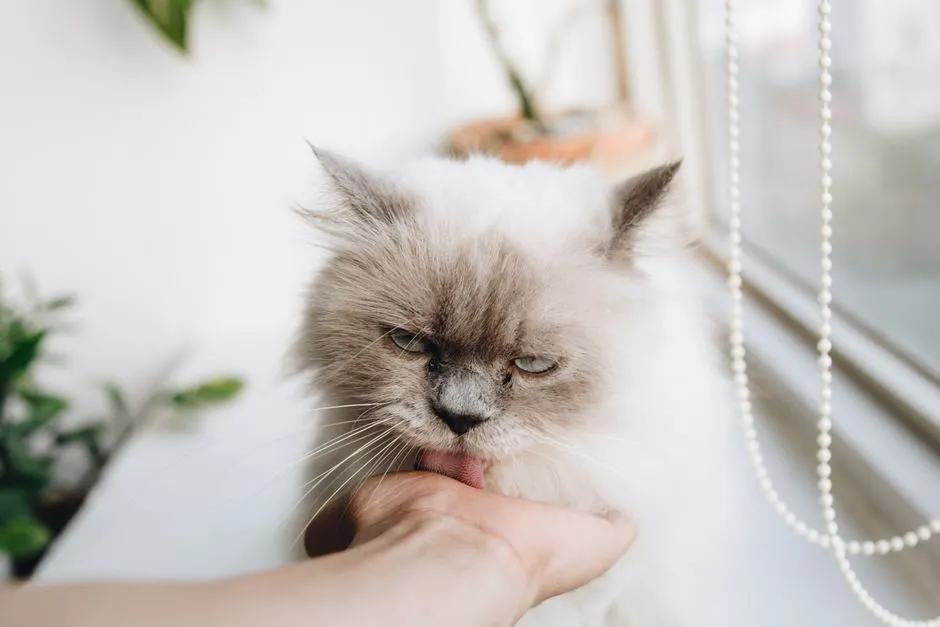
Plenty of owners panic when a senior cat’s purr fades from the loud kitten-era rumble into something faint and inconsistent. Here’s the part nobody warns you about: older cats often turn down the volume without losing any of the meaning. Aging joints, dental pain, or simple energy conservation can soften a purr without erasing what it stands for.
If your cat only purrs when you sit in your usual spot, when you touch specific “safe” areas like the cheeks or shoulders, or when it settles into a predictable bedtime routine, that’s not indifference – that’s a targeted trust response. A senior cat that curls into you, closes its eyes, and lets out even a faint, buzzing purr is reaching a level of contentment a nervous cat simply can’t fake. Some cats skip the sound entirely and switch to a silent “purr face” instead – relaxed jaw, soft eyes – because even purring takes energy they’d rather spend on you.
#5 – It Follows You Room To Room Like A Quiet Shadow
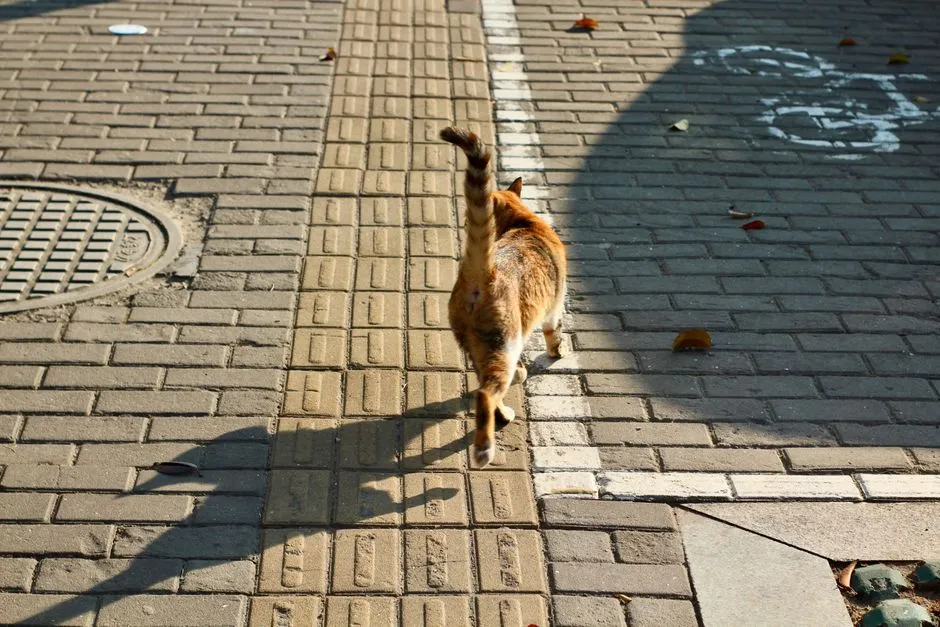
Dogs get all the credit for loyalty, but when an old cat quietly turns into your shadow, that’s a huge emotional tell. A senior cat that trails you without begging, without meowing, just consistently showing up wherever you land, has picked proximity as its main survival strategy – and that strategy is built entirely around you.
Maybe it appears in the hallway the moment you head to the bathroom. Maybe it relocates from the couch to the chair the second you move, then settles in like it “just happened” to end up there. Older cats don’t waste energy on things that don’t matter. If yours is using stiff, aching joints to stay close to you, that’s not clinginess – that’s a cat saying wherever you are, nothing bad happens. People love to slap a human label on this, but in cat language, quiet companionship is one of the loudest signs of security there is.
#6 – It Turns Its Back On You And Faces The Door
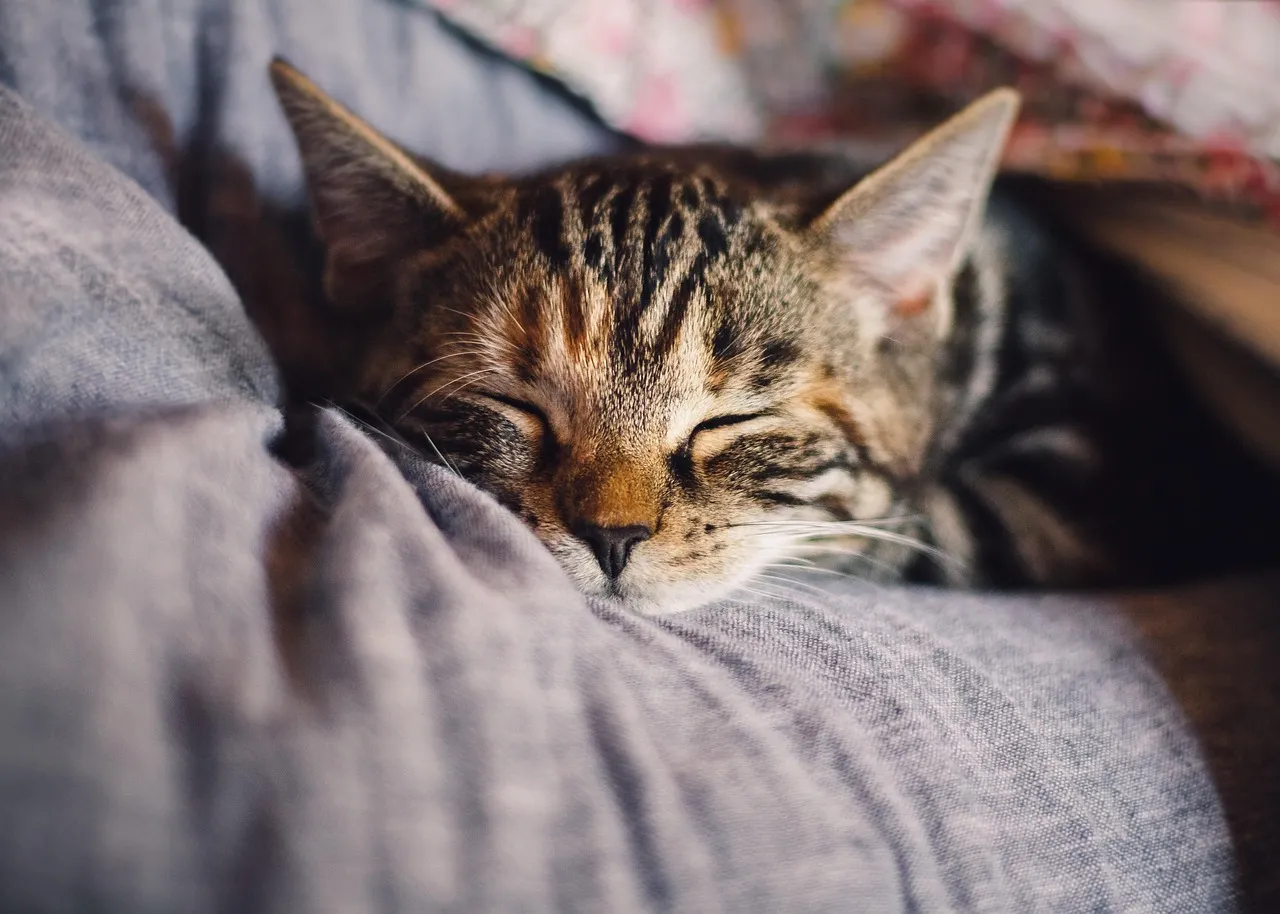
Here’s the one that flips people’s understanding completely: your senior cat sitting with its back to you isn’t a snub. It’s a bodyguard move. In multi-cat households and feral colonies, cats who trust each other sit back-to-back, each one watching a different angle of the room. When your cat parks itself facing the doorway while you’re behind it, it has quietly promoted you into its inner circle.
Watch for the details: it picks a perch where it can see the hallway or the front door, it fully relaxes even while you’re sitting in its blind spot, and its tail hangs loose instead of flicking with irritation. That posture is basically your cat saying, you watch my back, I’ll watch the front. A cat that doesn’t feel safe stays hyper-alert in every direction at once. A senior cat that hands you the one job of “watch behind me” is telling you exactly where it feels protected.
Quick Compare: Trusting vs. Guarded Body Language
- Tail: loose and still when trusting, versus tucked or flicking sharply when guarded.
- Ears: relaxed and forward when trusting, versus flattened or swiveling constantly when guarded.
- Eyes: soft with slow blinks when trusting, versus wide and fixed in a stare when guarded.
- Body: loose and sprawled when trusting, versus tense and crouched, ready to bolt, when guarded.
#7 – It Tolerates Vulnerable Care: Pills, Grooming, Vet Trips
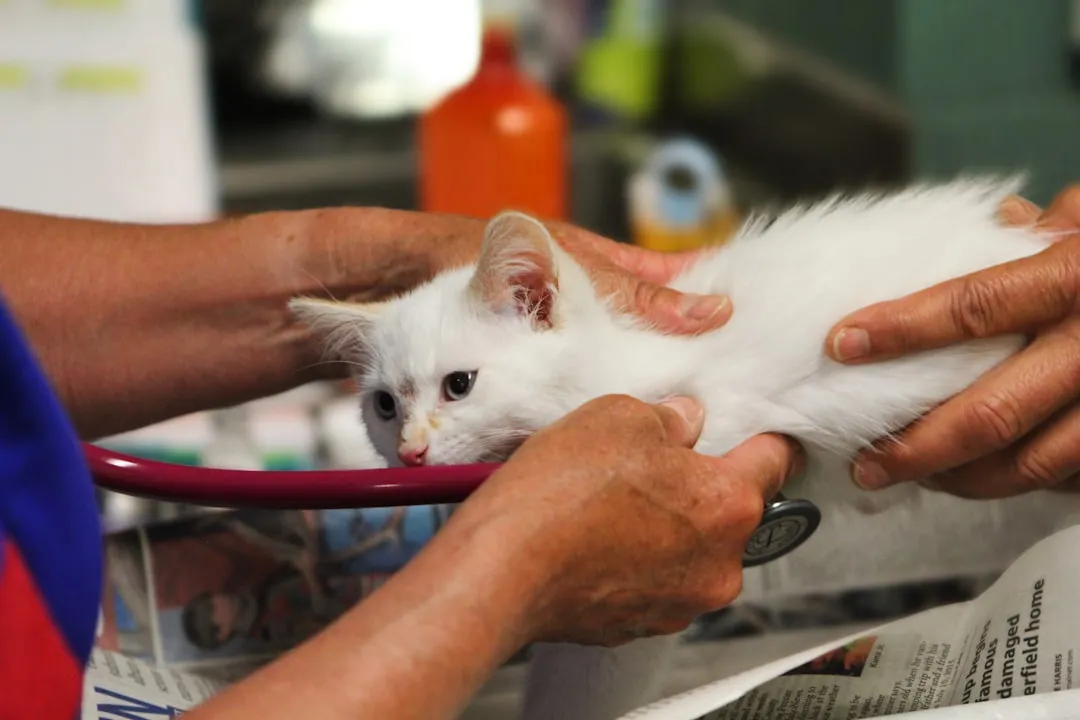
This is where a lot of owners get it completely backwards. A cat that grumbles through nail trims, eye cleaning, or medication looks annoyed, so people assume it must hate the whole relationship. In reality, a senior cat that lets you handle it through unpleasant, necessary care is showing an almost unbelievable level of trust.
Think about what you’re actually asking it to allow: you open its mouth to give a pill, the single easiest moment for a bite. You hold its paw, a body part cats guard fiercely. You put it in a carrier, a box that most cats’ instincts read as a trap. If your cat grumbles through all of that and then still chooses to sit near you afterward, that reaction means something. Cats don’t hold grudges the way people do – a senior cat that keeps seeking you out after “scary” care is essentially saying, I don’t love the process, but I believe you keep me alive.
#8 – It Keeps Its Routine Around You, Even When It’s Frail
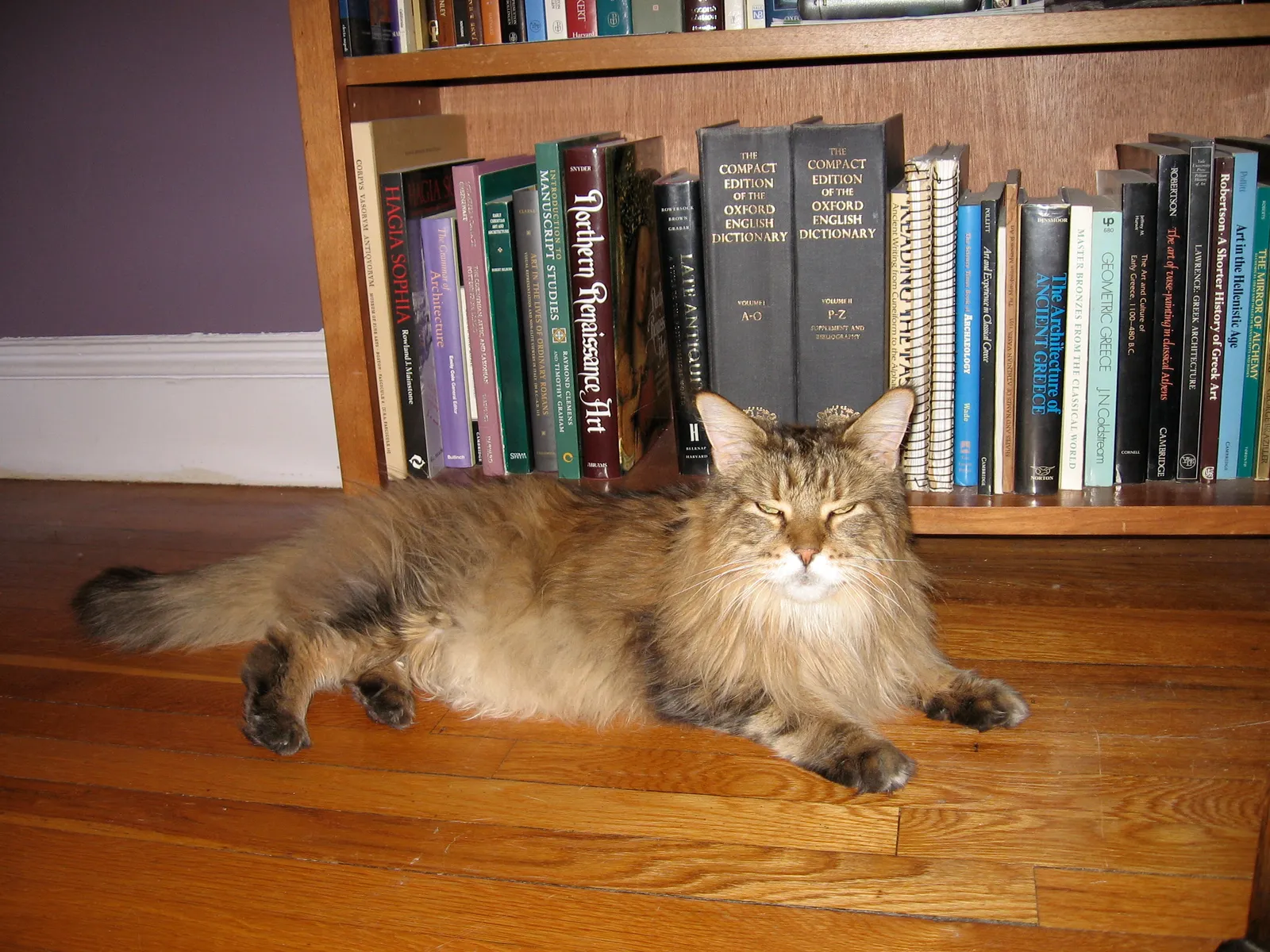
Older cats run on ritual. A senior that keeps showing up for its predictable routines with you – even as arthritis or illness makes every movement slower and harder – is telling you that its entire sense of safety is tied to your presence.
Look for the small, stubborn patterns: meeting you in the same spot each morning, just slower now. Insisting on “supervising” your bathroom or kitchen routine. Waiting on the same chair or rug for you to walk through the door. Cats that feel unsafe tend to hide the moment health problems start. A senior cat that stays out in the open, keeps its familiar rituals, and keeps folding you into its daily rhythm anyway isn’t just comfortable with you – it’s trusting you through the hardest, most vulnerable stretch of its life. That quiet consistency says more than any dramatic display of affection ever could.
#9 – It Uses Its Voice Differently With You
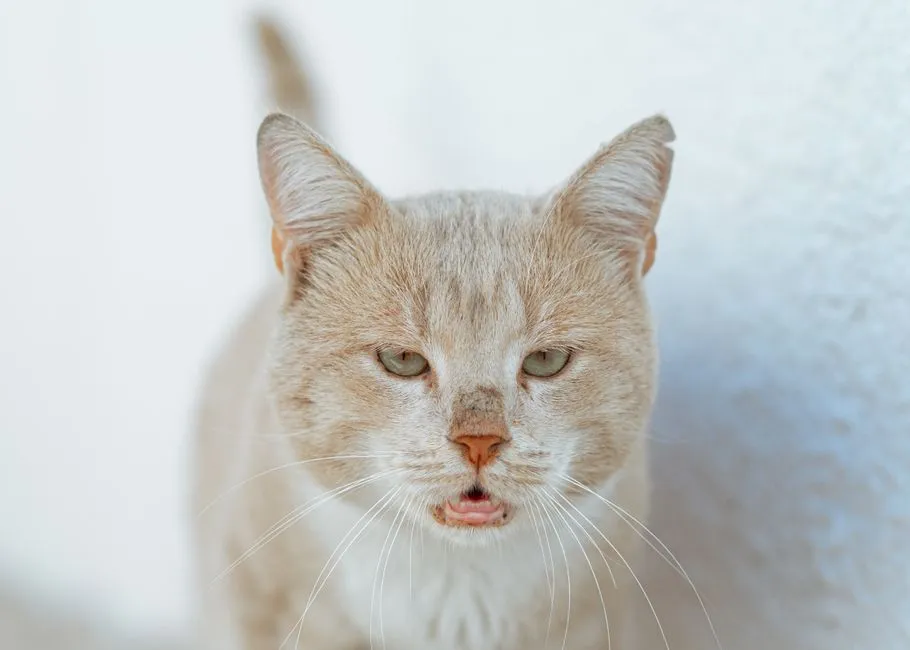
Senior cats often get chattier, or strangely quiet, and neither shift is really the point. What matters is whether your cat has developed a distinct “language” it uses mainly with you. That specific vocal pattern is a social bond, not background noise.
Some older cats give a short, soft chirp only when you walk in – a greeting reserved just for you. Others offer one complaining meow, then settle the moment you respond, which shows they expect safety as the outcome. If your senior adjusts its meow to match your tone, going quiet when you whisper and louder when you’re upbeat, that’s real social attunement. Worth noting: increased yowling at night can signal cognitive decline or pain and deserves a vet visit, not a shrug. But a cat that shapes its voice around your presence hasn’t checked out emotionally – it’s still actively relating to you, every single day.
Worth Knowing
- Sudden, increased yowling – especially at night – can point to cognitive decline, pain, or a thyroid issue.
- A senior cat that abruptly stops vocalizing altogether is just as worth a vet check as one that gets louder.
- Many cats develop distinct “words” reserved only for specific people or routines after years together.
- Vocal changes paired with disorientation or appetite shifts deserve a same-week vet visit, not a wait-and-see approach.
#10 – It Still Plays… But Only When You’re The One Initiating
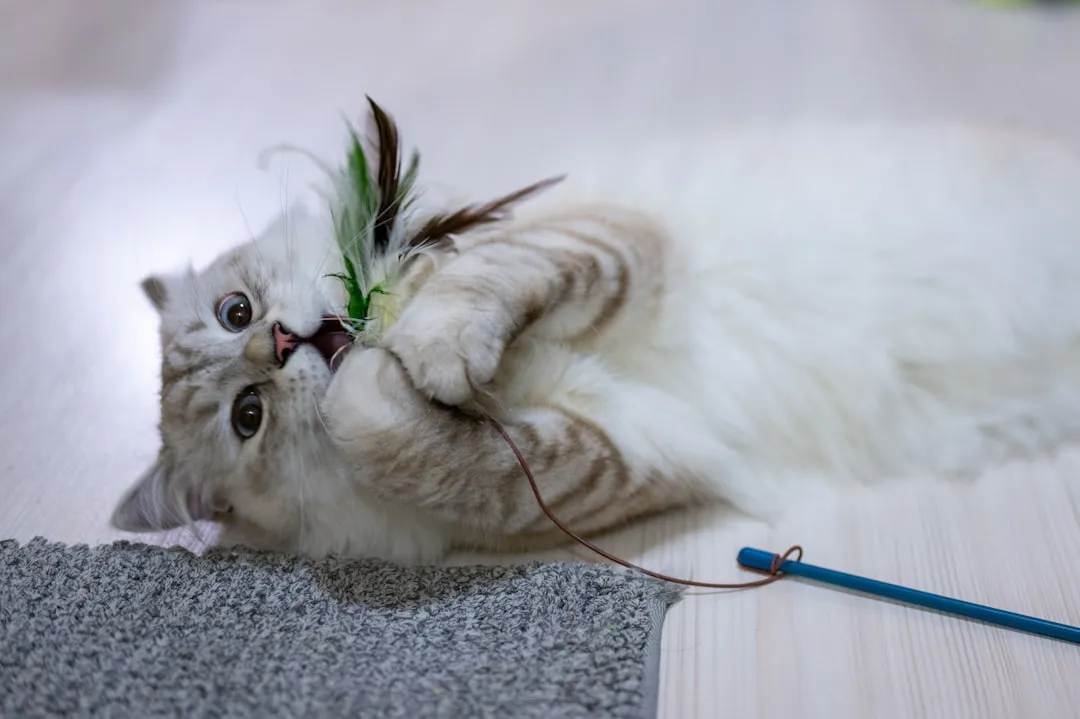
Most people don’t realize that older cats play selectively, not constantly, and that selectivity is the whole point. A senior cat that responds to your invitation to play, even for thirty seconds, is handing you a clear vote of confidence: it feels safe enough to lower its guard and act like prey again, briefly, just for you.
Maybe it swats at a feather for a few lazy arcs, bats a crinkly ball once and flops down satisfied, or chases your fingers under a blanket in slow motion. The amount of play matters far less than the choice to engage at all. An anxious or unsafe cat ignores play entirely or turns it aggressive. A senior cat that gives you a few short bursts of effort is prioritizing connection while still protecting its limited energy – like a grandparent who won’t run the whole playground but always joins for one goofy game.
#11 – It Chooses Your Scent Over “Perfect” Cat Gear
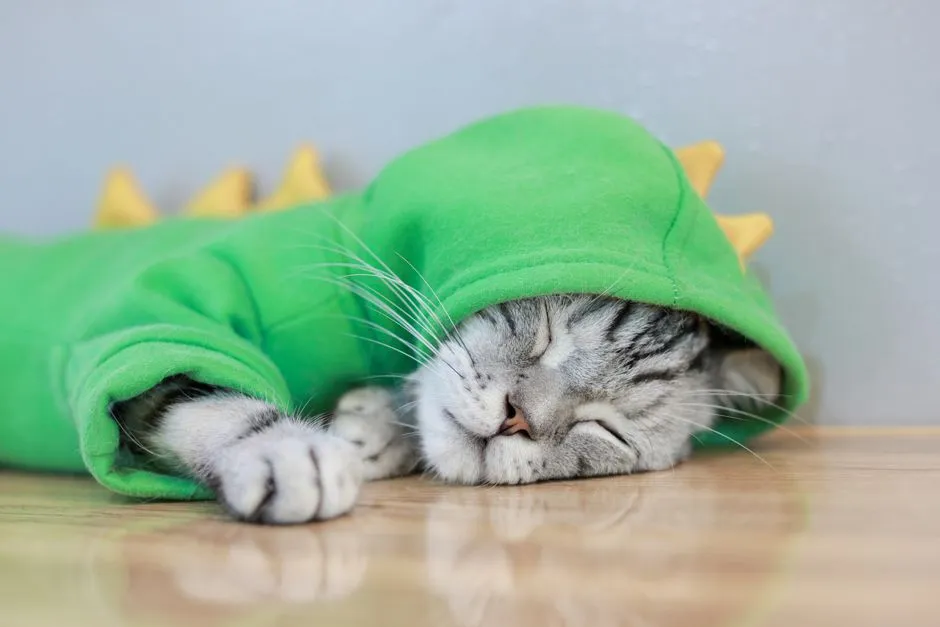
Here’s the part pet marketers hate: your senior cat might completely ignore the expensive memory-foam bed and sleep on your old hoodie instead. That’s not stubbornness – that’s your cat treating your scent as a safety blanket. In the wild, scent means security. In your home, your smell is your cat’s personal safe code.
Notice what it actually picks: the sweater tossed over a chair, your side of the bed, the pile of laundry you still haven’t folded. Cats gravitate toward these “imperfect” spots because they’re soaked in your smell, not because of anything wrong with your hygiene – it’s biology. A senior cat with aches, anxiety, and slower everything, still choosing your scent over comfort-designed cat gear, is telling you exactly where it finds calm. If your cat sleeps in your unwashed shirt instead of that designer cat cave you bought, that’s the most honest review you’ll ever get.
#12 – It Lets Its Guard Down Around Guests… As Long As You’re There
Some owners think a “truly safe” cat should love everyone who walks through the door. That’s human logic, not feline logic. A more accurate sign is a senior cat that stays visible or loosely relaxed around visitors, but only as long as you’re in the room.
Look for the tells: staying on the couch instead of vanishing under the bed, watching from a distance without fully hiding, checking in with you through a glance or a slow blink before settling back down. Your cat isn’t auditioning for friendliest pet on the block. It’s using you as a safety barometer – if you’re calm, it decides the situation is manageable. A cat that feels unsafe around you disappears no matter who’s visiting. A cat that feels safe because of you might never become a social butterfly, but it won’t abandon its territory, either.
#13 – In Illness Or Pain, It Comes To You Instead Of Hiding
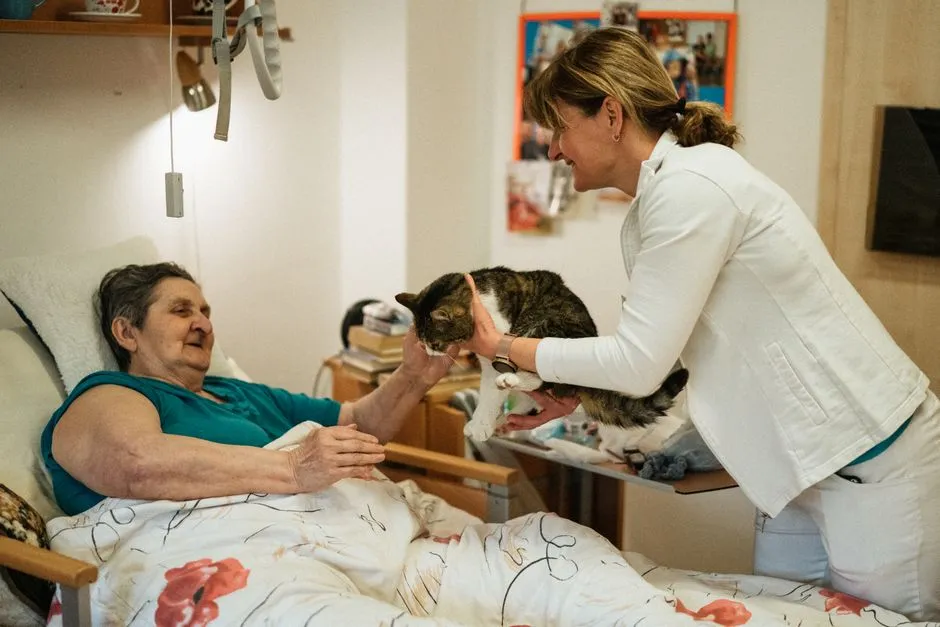
This is the heaviest sign on the list, and the one most people underestimate. By default, sick or injured cats hide – it’s a deeply wired survival instinct that says weakness equals danger. So when a senior cat chooses you instead, climbing into your lap, sleeping pressed against your side, or quietly seeking you out while it feels unwell, that’s one of the strongest trust signals an animal can give.
Maybe it starts sleeping closer when the arthritis flares up. Maybe it finds you specifically when it’s nauseous, disoriented, or recovering from something frightening. Maybe it just sits in front of you and stays there, as if asking for help the only way it knows how. That’s not manipulation – that’s a vulnerable animal deciding that out of every possible hiding spot, your presence is still the safest place it knows. Some guardians say their cats grew visibly more affectionate near the end of life, not because anything changed in the cat, but because the trust that was always there finally had nowhere left to hide. It’s a hard thing to witness, and it’s also the clearest proof you’ll ever get that your senior cat feels completely safe with you.
Here’s the honest takeaway: senior cats don’t announce their love the way kittens do. They whisper it through routine, through body language, through the small daily choices that quietly say, you’re my safest place. A cat that sleeps near you, shows its belly, tolerates care it doesn’t enjoy, or comes looking for you when it feels sick isn’t “just old and shutting down” – it’s actively trusting you with the most fragile years of its life, and that deserves more credit than most owners ever give it.
People chase big, camera-ready affection and completely miss these quieter, heavier truths sitting right in front of them. If your older cat keeps folding you into its habits, relaxing its guard around you, and choosing your scent and your presence over solitude, it isn’t just tolerating you as a food source. You are, in every way that matters to your cat, home. So look again at the cat you thought was “distant” – odds are, it’s been telling you the opposite the whole time.
