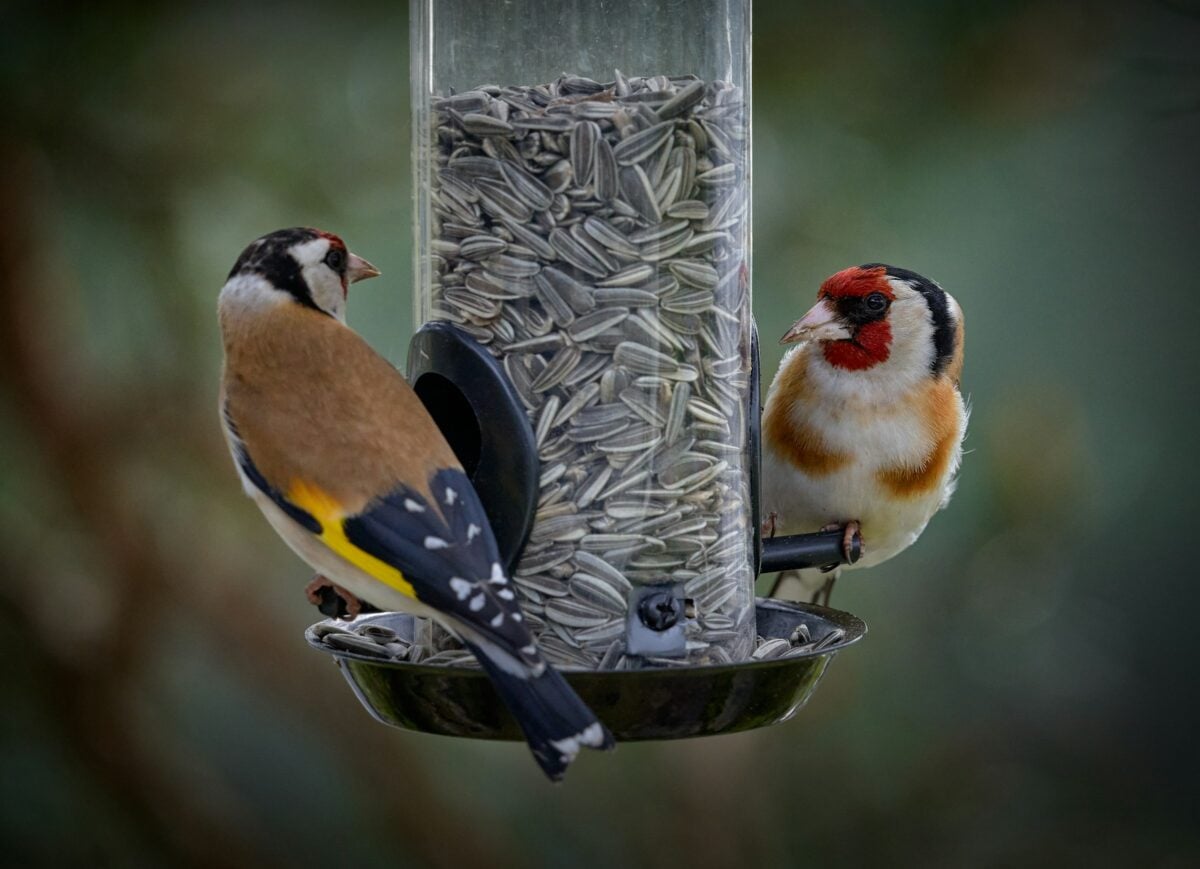
Most homeowners spend early autumn raking, trimming, and “tidying” their gardens into oblivion – then wonder why the feeders sit empty by December. Here’s the uncomfortable truth: the neat, freshly-cut yard you’re proud of in September is often the exact reason birds skip your property once the cold sets in.
Ornithologists have quietly reversed decades of standard garden advice, and it flies in the face of what most garden centers still tell you at checkout. The window between late August and mid-October is when birds are actually casing your yard, deciding whether it’s worth the risk of overwintering there or just a rest stop on the way to somewhere better fed. Here are the 17 small, easy-to-skip jobs that wildlife experts say actually make that call for them.
#1 – Stop Deadheading Your Seed Heads Immediately
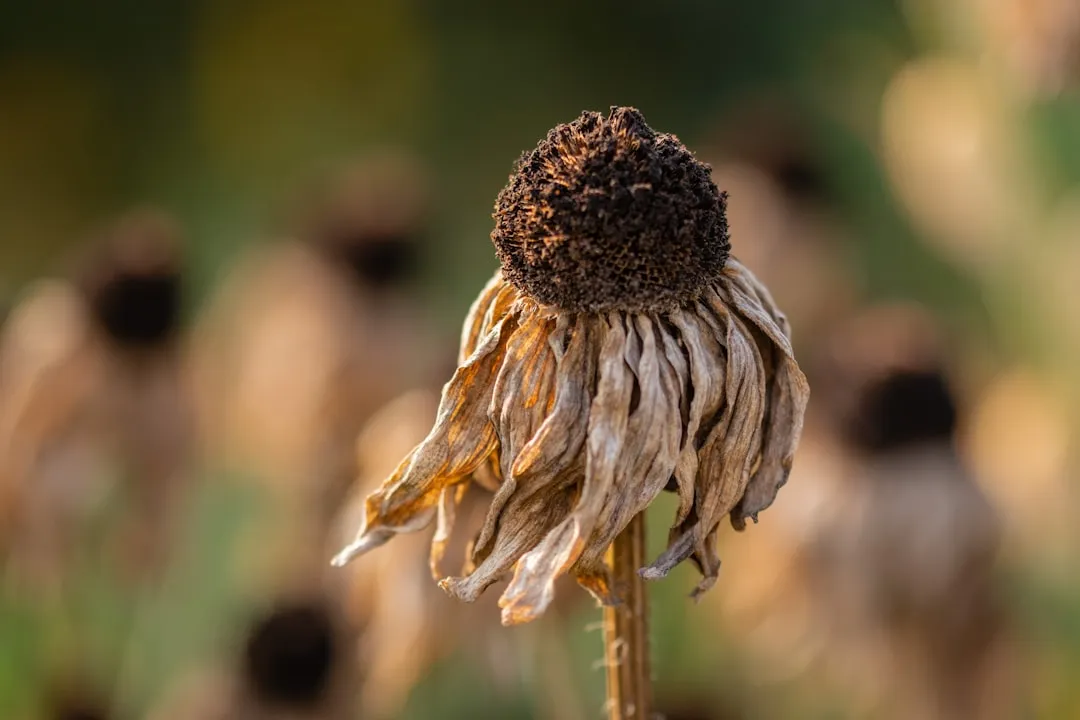
Most gardeners reach for the pruning shears the second flowers fade, and that single habit might be costing you an entire winter’s worth of finches. It’s such a normal chore that almost nobody stops to question it – snip the dead stuff, tidy the bed, move on.
Coneflowers, rudbeckia, and sunflowers aren’t finished working just because the petals dropped. Left standing, their seed heads turn into a natural, slow-release feeder that lasts deep into winter, while the dried stems double as shelter for insects. Black-eyed Susans pull the same double duty – feeding birds through the cold months while their sturdy stems add structure to an otherwise bare bed.
Experts now recommend waiting until spring growth begins before cutting anything back. The controversial part? Most “tidy garden” advice you’ve been handed for years is quietly working against the very birds you’re trying to attract. Wait until you see what skipping the rake does for #2.
#2 – Leave the Fallen Leaves Exactly Where They Land
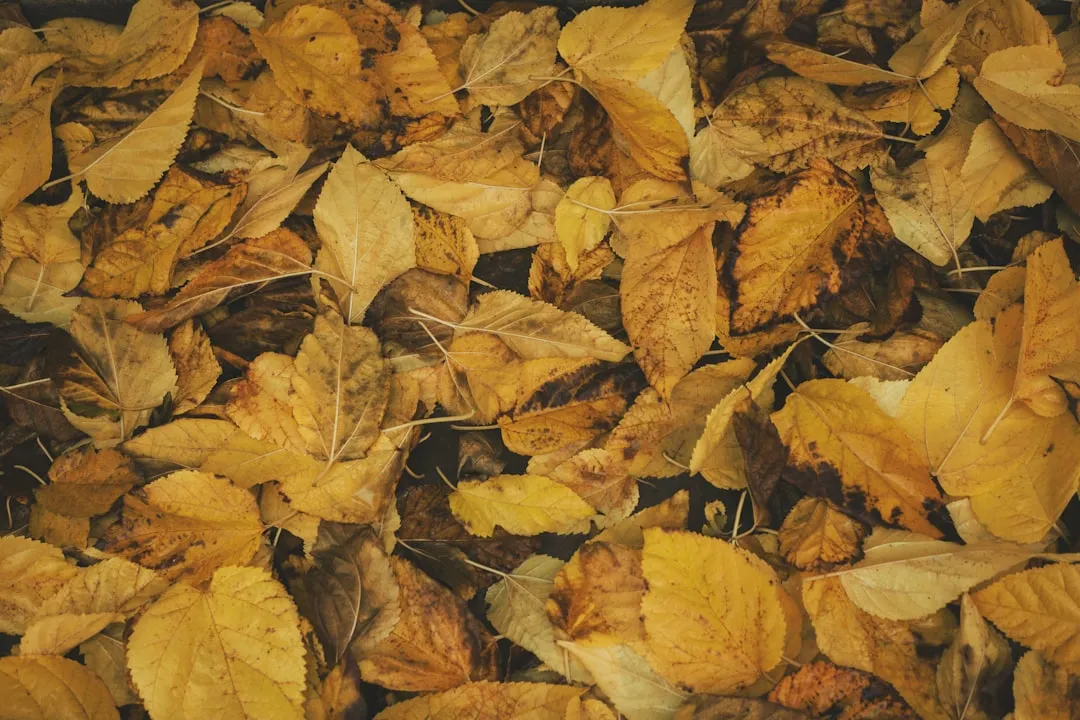
Bagging leaves for curbside pickup might be the single most damaging autumn habit for backyard birds, and almost no one realizes it.
Fallen leaves aren’t yard clutter waiting to be hauled away – they’re a pantry. Countless insects and invertebrates overwinter in leaf litter, which means that decaying layer is doing more work than any bag of birdseed ever could. It becomes a dining table stocked with moth caterpillar pupae, a favorite food source for baby birds come spring, while also acting as free mulch that protects roots and chokes out weeds.
Fast Facts
- Leaf litter hosts overwintering insects that become spring food for baby birds
- Decomposed leaves act as a free, nutrient-rich mulch
- Raking leaves into garden beds instead of bags keeps every benefit without the “messy lawn” look
If a completely leaf-covered lawn bothers you, there’s a middle ground: rake the leaves into garden beds instead of bags. They’ll break down into nutrient-rich soil while still feeding and sheltering wildlife all winter. Most people don’t realize raking is optional, not mandatory. But that’s nothing compared to what #3 is hiding in plain sight.
#3 – Delay Cutting Back Perennial Stems Until Spring
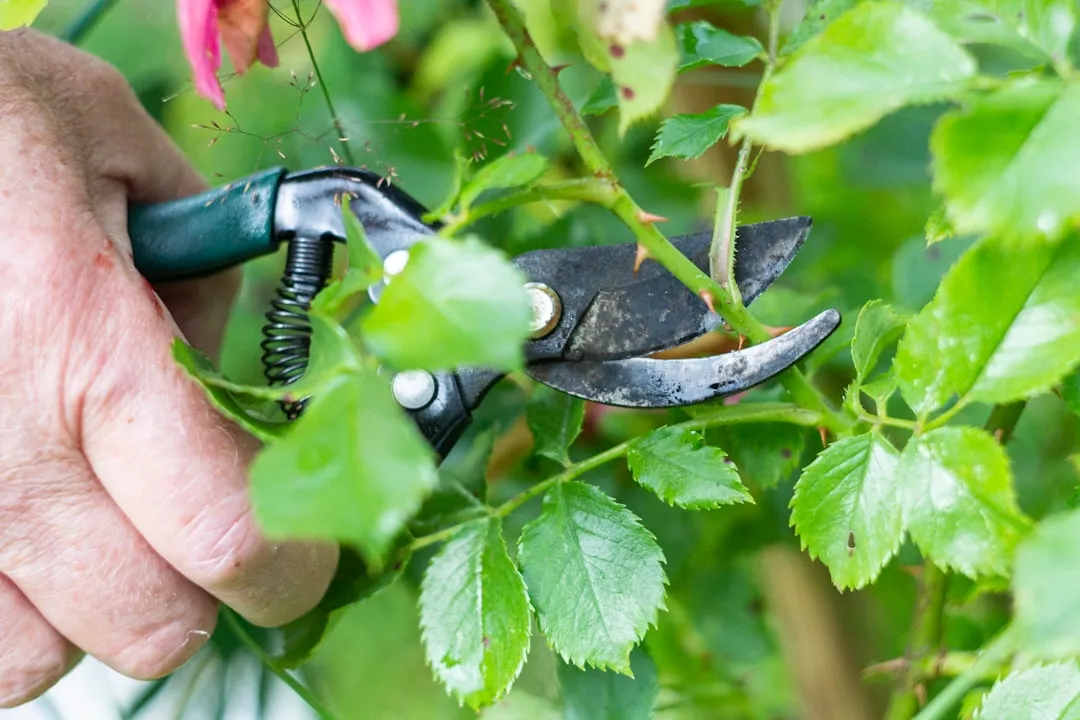
Hollow-stemmed perennials look “finished” in October, but cutting them now demolishes a hidden insect apartment complex you never knew existed.
Bumble bees, solitary bees, and other beneficial insects don’t disappear when the flowers do – they move into the stems. Hollow stalks, dried leaves, and old seed heads offer critical winter shelter for pollinators like ladybugs and butterflies, many of which spend the entire winter tucked inside a single stem or buried in leaf litter around the plant’s base.
This isn’t neglect dressed up as an excuse to skip chores – it’s a documented survival strategy. Seed heads function like bird feeders on stalks, minus the disease risk that comes with crowding birds around artificial feeders. Experts recommend waiting to cut back perennials until pollinators are actively flying and temperatures sit consistently around 50°F, which in many regions doesn’t happen until March or April. That’s an entire five-month window most gardeners are cutting short for nothing. But #4 might be the messiest tip on this whole list – and the most valuable.
#4 – Build a Brush Pile in a Forgotten Corner
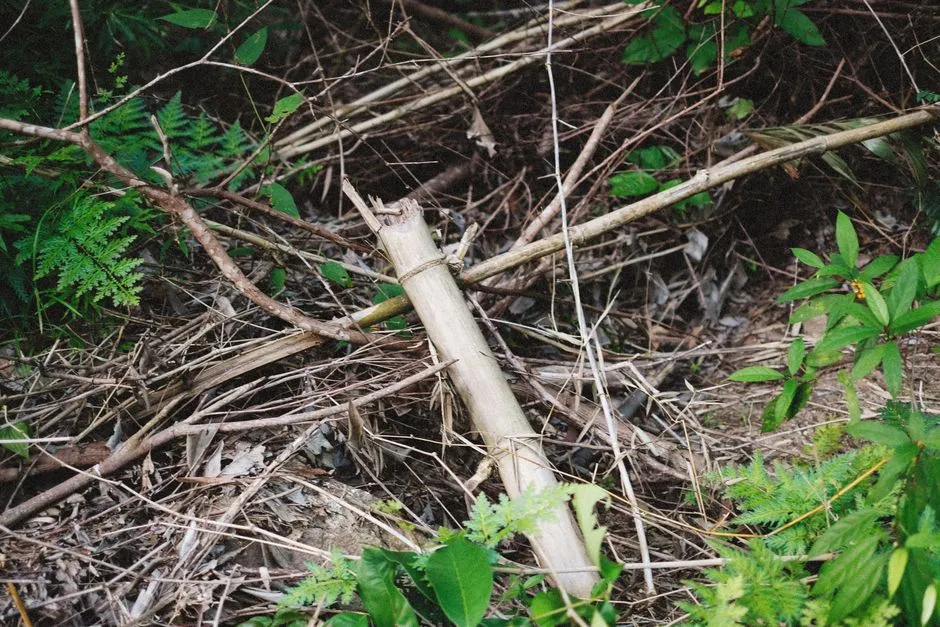
That pile of prunings you’re about to haul to the curb could be the warmest real estate in your entire yard.
Instead of bagging discarded branches, experts suggest stacking them deliberately into what’s sometimes called a “dead hedge” – piled up in a quiet, out-of-the-way spot where the “mini beasts” can move in. Those mini beasts are exactly what hungry birds go hunting for. A compost heap or a pile of dead wood quickly becomes a hot spot for worms, grubs, beetles, woodlice, ants, and spiders – a buffet, not a mess.
Brush piles do double duty as shelter, not just a food court. Some birds hide inside them during cold snaps and storms, using the tangle of branches as a windbreak when nothing else in the yard offers cover. Secretly, the messiest corner of your yard is often the most valuable one for wildlife. But that’s nothing compared to what we found about #5…
#5 – Let Ornamental Grasses Stand Through Winter
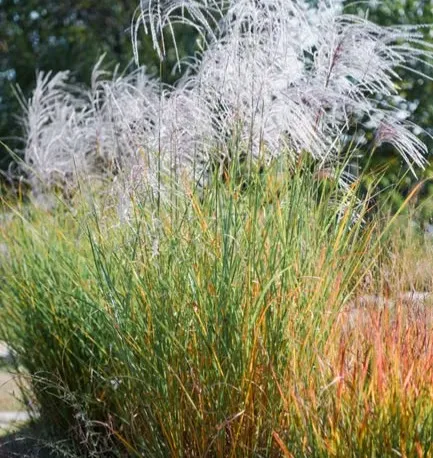
Cutting ornamental grasses down in fall might look neat, but you’re removing both a food source and a five-star insect hotel in one swipe of the shears.
Those tall, fluffy plumes aren’t just decoration. Tuft-forming grasses grow in dense clumps and throw up seed heads that attract all manner of insects looking to hide from the winter cold. For seed-eating birds, that clump becomes a slow-release feeder that keeps producing through the coldest months of the year.
Grasses also carry a bonus function once spring rolls around – the dried, overwintered stems get repurposed as nesting material by birds building their spring homes. Turns out that “untidy” ornamental grass patch is a two-season investment, not a one-season decoration. But that’s nothing compared to what we found about #6…
#6 – Hold Off on Trimming Berry Hedges
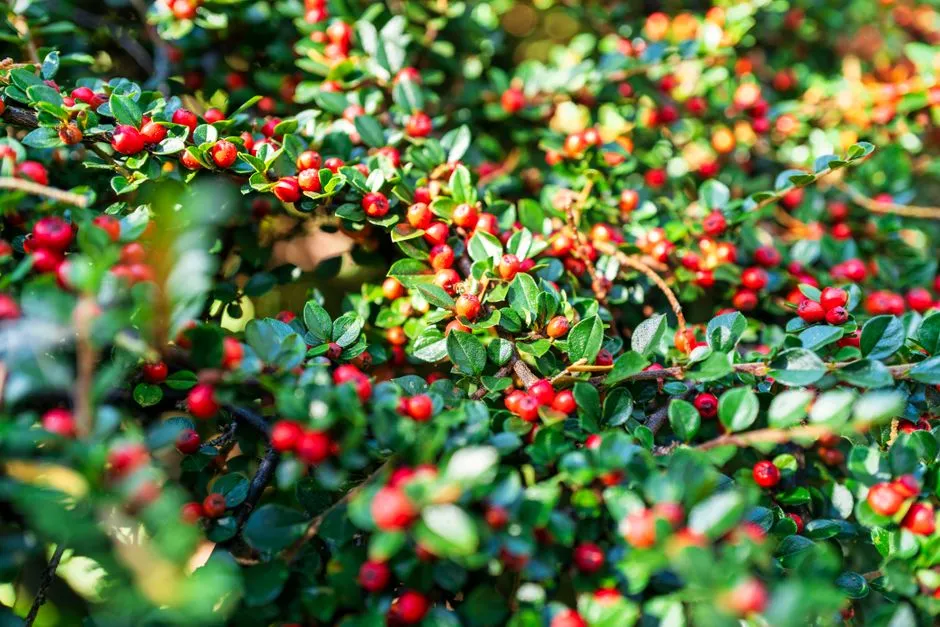
If you’re pruning hedges before the berries are gone, you’re cutting into a bird’s winter grocery store – and most people do it without realizing what they’re removing.
Timing matters more than most homeowners think. Cutting hedges before berries are gone, or mowing lawns too short, strips away resources wildlife are actively depending on. Messy hedges also hide overwintering butterflies and moths, along with their eggs, caterpillars, and chrysalises. Hawthorn, pyracantha, and rowan berries aren’t there for curb appeal – they’re survival food.
The payoff for patience shows up almost immediately. Hawthorn doubles as a windbreak, and its autumn berries pull in robins and other birds that will stick around for the entire winter as a result. While most homeowners rank hedge-trimming as a September must-do, many wildlife experts now call it one of the worst-timed garden chores of the year. But that’s nothing compared to what we found about #7…
#7 – Stop Ripping Out the Ivy
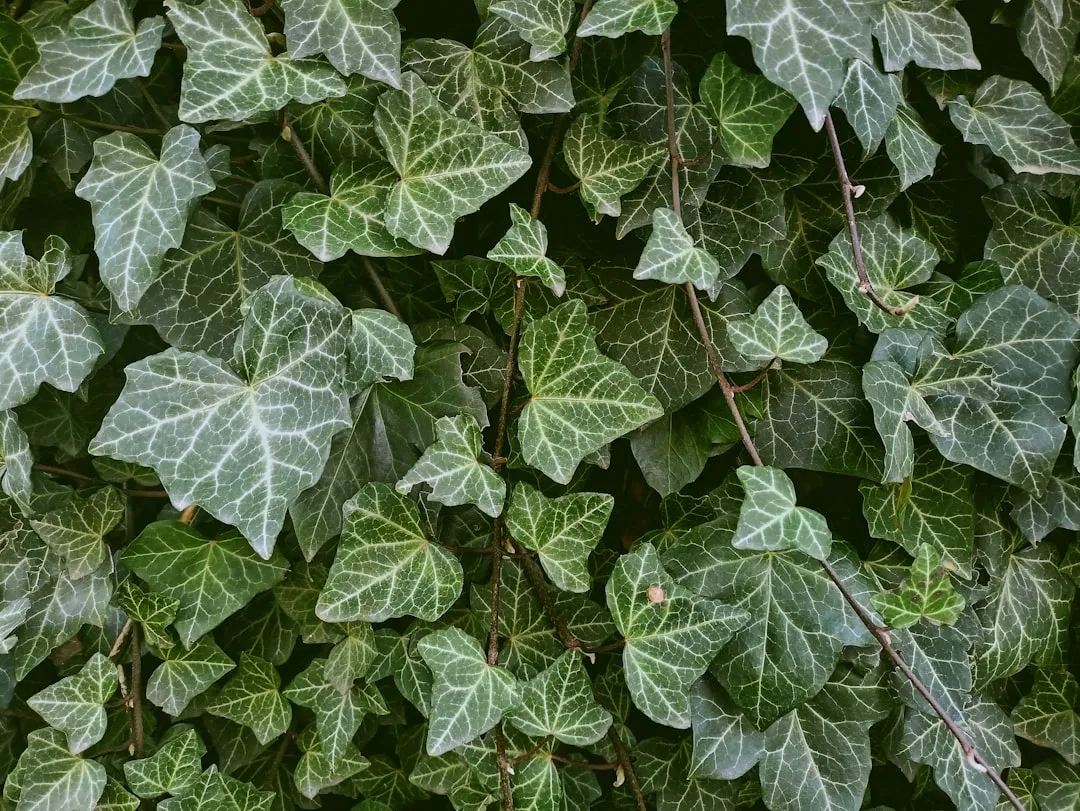
Ivy gets a bad reputation as a “weed,” but ripping it off your fence in September removes one of the very last nectar sources of the entire year.
Most people don’t realize ivy blooms this late. Mature ivy flowers in autumn, right when other nectar sources have dried up, making it an essential late-season lifeline for bees, butterflies, and moths. That’s just the first act.
The berries come next, arriving exactly when birds need them most. After flowering, ivy produces berries that ripen slowly through winter, feeding birds and small mammals well past the point when other food has vanished. The dense evergreen foliage also acts as insulation and shelter along fences. Secretly, that overgrown ivy patch is doing more for local wildlife than half your flower beds combined. But that’s nothing compared to what we found about #8…
#8 – Leave Windfall Fruit on the Ground
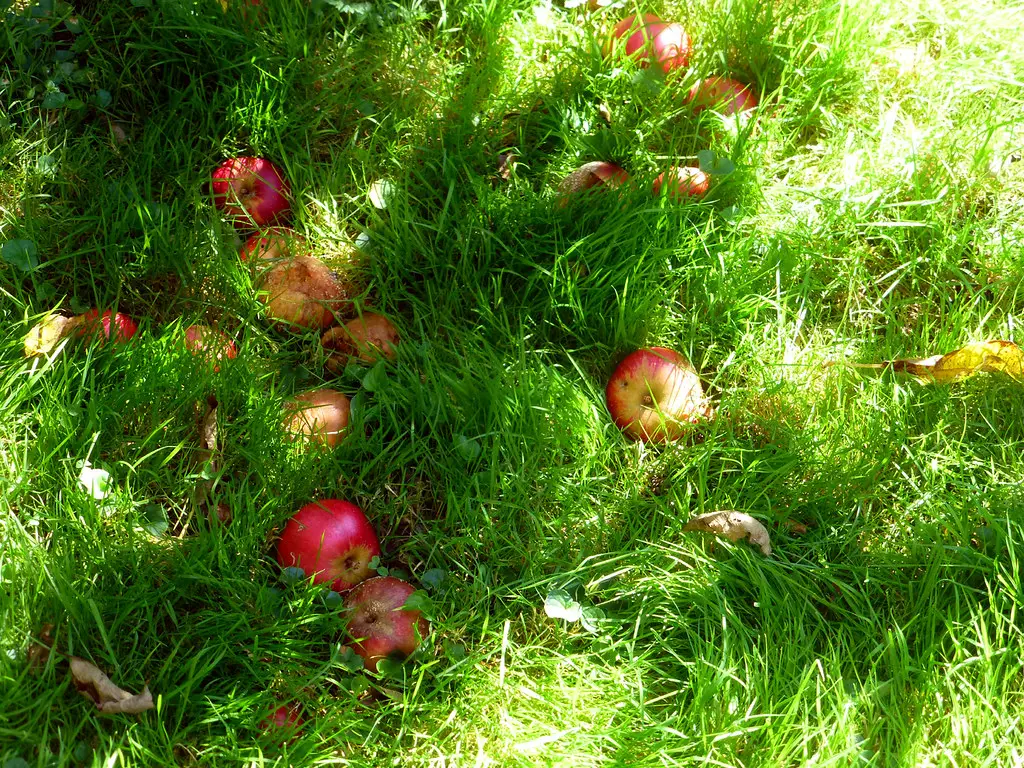
Picking up every fallen apple and pear the moment it drops is a habit worth breaking this season.
Windfall fruit rotting on the ground looks messy, but it’s a magnet for exactly the wildlife you’re trying to attract. Leaving apples, berries, and nuts where they fall can support everything from blackbirds and thrushes to foxes, badgers, and small mammals. Thrushes in particular gorge on softening fruit as the temperature drops, treating it like dessert.
If your yard doesn’t have fruit trees, you can still recreate the effect. Cutting up soft fruits like bananas, melon, oranges, and plums and leaving them out attracts butterflies like red admirals, commas, and peacocks, along with moths looking for a late-season meal. Most people don’t realize that rotten fruit is a delicacy, not garbage, to a huge share of garden wildlife. But that’s nothing compared to what we found about #9…
#9 – Set Up (or Clean) a Water Source Now
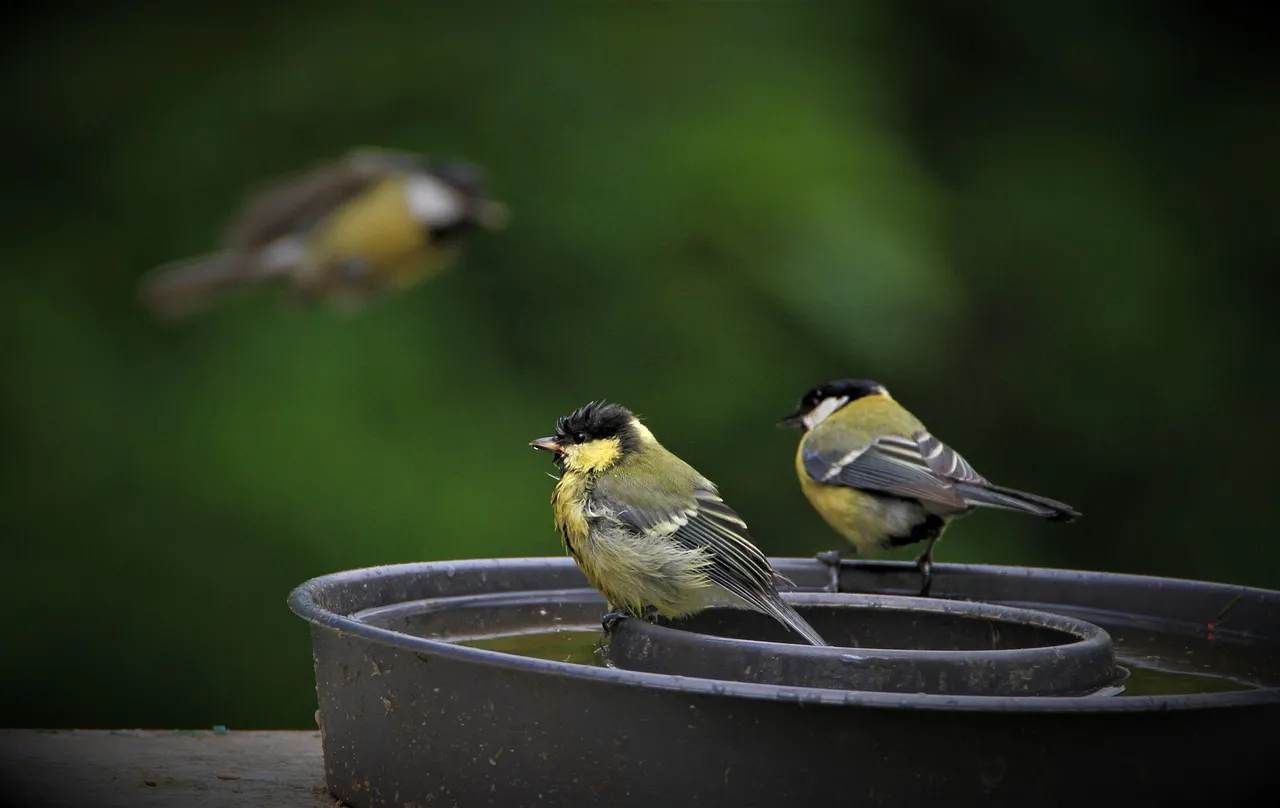
Feeders get all the attention, but water is the one resource birds truly cannot substitute – and most yards have none of it in autumn.
The stakes here are higher than most people assume. Birds need water to drink and bathe in, and they need it to properly digest their food, since not every bird visits a feeder but every single one needs water to survive. Bathing isn’t vanity – it’s survival gear.
At a Glance
- Every bird species needs water, even those that never visit a feeder
- Water aids digestion and lets birds bathe even in freezing weather
- Clean feathers can trap up to 21°C of insulating warmth for small birds like chickadees
- Setting up a water source before the first hard freeze gives birds time to find it
Clean feathers regulate body temperature in a way most people underestimate. Bathing even in freezing weather helps birds keep their feathers in top condition, which matters enormously for insulation and for escaping predators. Research has shown chickadees with well-maintained feathers can sustain a 21°C layer of insulation between the outside air and their skin. Getting a shallow dish or heated bath in place before the first hard freeze gives birds time to find it and add it to their routine. Turns out water, not seed, is the resource that decides survival on the coldest nights. But that’s nothing compared to what we found about #10…
#10 – Get Feeders Up and Hygienic Before the Cold Hits
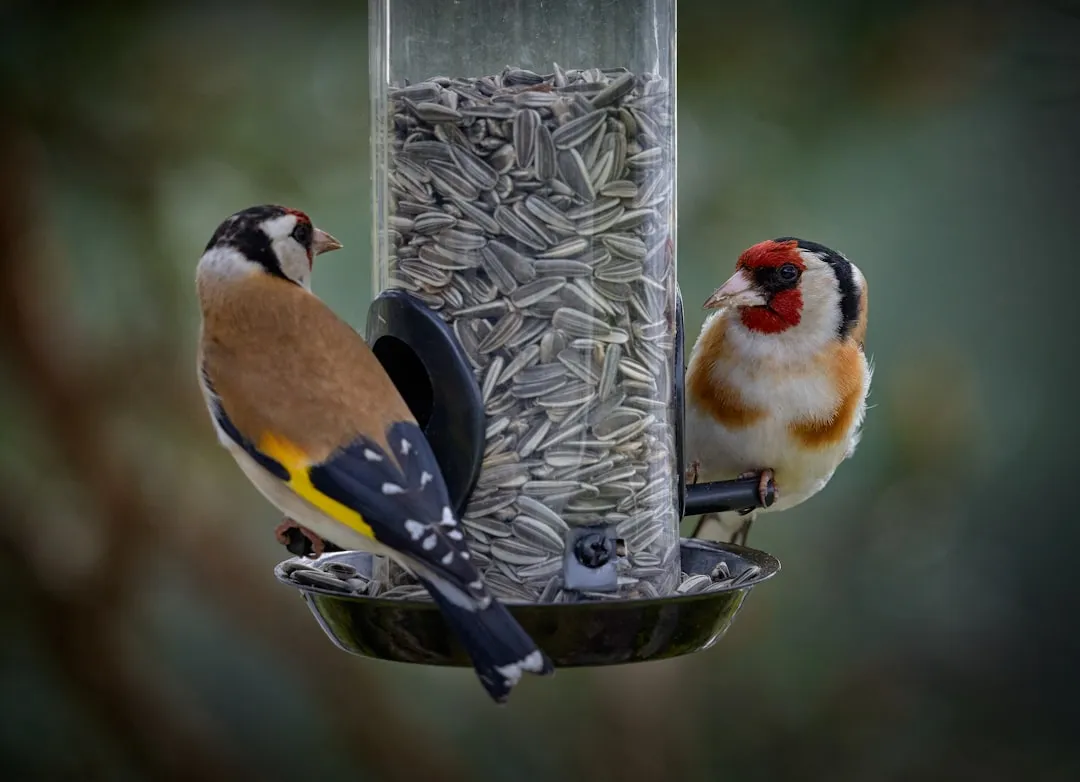
Waiting until the first snowfall to hang your feeder means you’ve already missed the window when birds are scouting territory for winter.
Positioning and quantity matter early on. It’s smart to only half-fill a feeder at first, especially in wet weather, since birds usually find a new feeder within a couple of days and soggy food goes to waste. Once discovered, though, that feeder becomes part of a bird’s daily route – and they’ll remember it.
Hygiene is the part almost everyone skips. As natural food and water sources shrink, local birds start relying on backyard feeders as a genuine survival resource, which means a dirty feeder isn’t just unpleasant – it spreads disease fast. Storage matters just as much: keeping bird food in a cool, dry spot inside metal or plastic containers helps keep mice and rats out of your supply. Experts are blunt about this: a dirty feeder does more harm than no feeder at all. But that’s nothing compared to what we found about #11…
#11 – Install a Roosting Box, Not Just a Nest Box
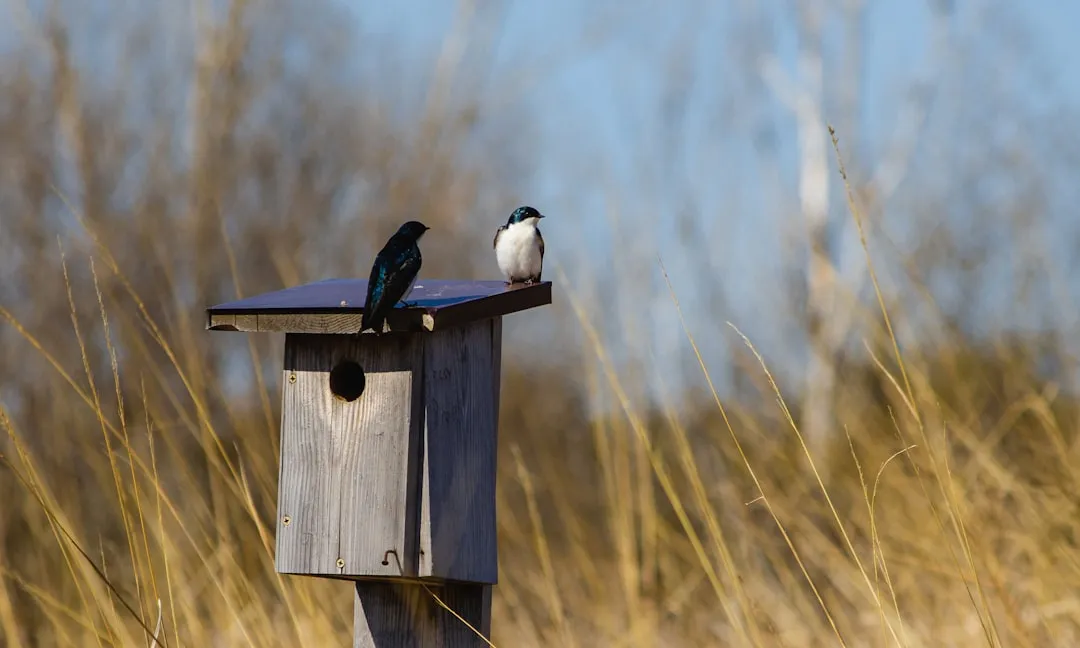
Most people assume birdhouses are only useful in spring, and that assumption leaves birds without shelter on the coldest nights of the entire year.
Roosting boxes are engineered completely differently than nesting boxes. Built specifically for winter warmth, they typically place the entry hole near the bottom to trap rising heat, add interior perches for multiple birds, and keep ventilation to a minimum to hold that warmth in. The temperature difference this creates is measurable, not theoretical.
Quick Compare: Nest Box vs. Roosting Box
- Nest box: entry hole near the top; built for spring breeding, not winter warmth
- Roosting box: entry hole near the bottom to trap rising heat
- Roosting box: minimal ventilation and interior perches so several birds can huddle together
- Result: roosting cavities can run about 11 degrees warmer than the outside air
Numbers back up why this matters so much for small-bodied birds. One study cited an 11-degree difference between the internal temperature of a roosting cavity holding a single bird and the outside air – a significant swing when you’re weighing mere ounces. Multiple birds will often crowd into the same box purely to share warmth. Secretly, an empty summer birdhouse left up through winter can become a life-or-death shelter with zero extra effort. But that’s nothing compared to what we found about #12…
#12 – Leave a Patch of Stinging Nettles Standing
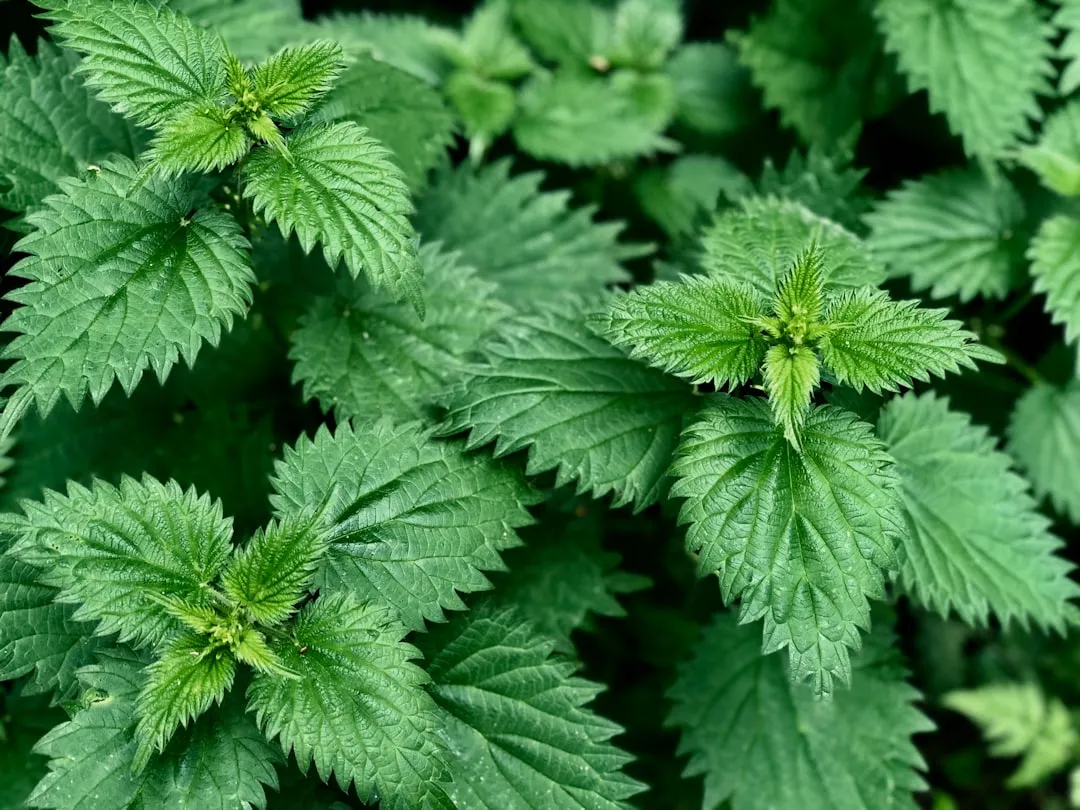
Nobody plants nettles on purpose, but ripping them out in early autumn destroys a nursery that next spring’s baby birds will depend on.
The connection isn’t obvious until you trace the food chain. A patch of stinging nettles left to grow provides a cozy overwintering bed for butterfly and moth caterpillars. Comma, red admiral, and peacock butterflies are lovely to watch fluttering through a summer garden, but their larvae crucially need somewhere to sleep through the cold months first.
Those overwintering caterpillars become next year’s protein supply. Baby birds are raised almost entirely on soft-bodied insects and caterpillars, not seed, which is exactly why this unglamorous patch of “weeds” quietly determines how many chicks survive the following spring. This is the one most homeowners actively remove without ever realizing what they’re destroying. But that’s nothing compared to what we found about #13…
#13 – Plant Berry-Producing Shrubs While the Soil Is Still Warm
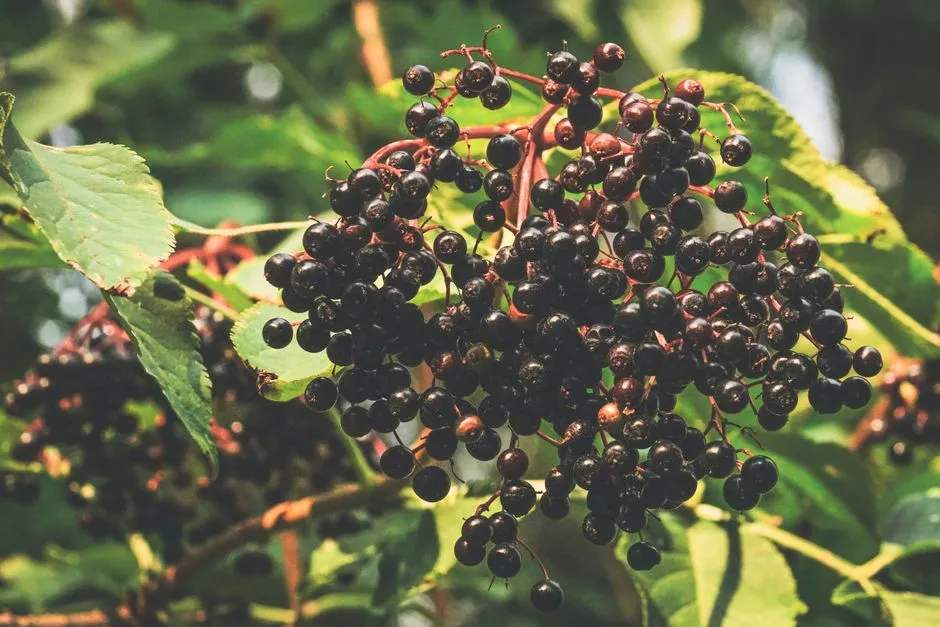
Early autumn is prime planting season for the exact shrubs that keep birds fed once insects disappear, and most people miss the window entirely.
Bare-root planting has a specific advantage right now. Autumn and early winter are ideal for planting a bare-root hedge, giving the roots time to establish before the ground freezes hard. Elderberry, viburnum, and mountain ash are the standout performers for a reason.
Each brings something slightly different to the table. Elderberry’s dark berry clusters are a magnet for birds all fall. Mountain ash pulls its weight exactly when it matters most, drawing in robins and waxwings with bright red berries just as natural food becomes scarce elsewhere. Most people wait until spring to plant, not realizing autumn-planted shrubs get a full season’s head start. But that’s nothing compared to what we found about #14…
#14 – Put the Pesticides Away for the Season
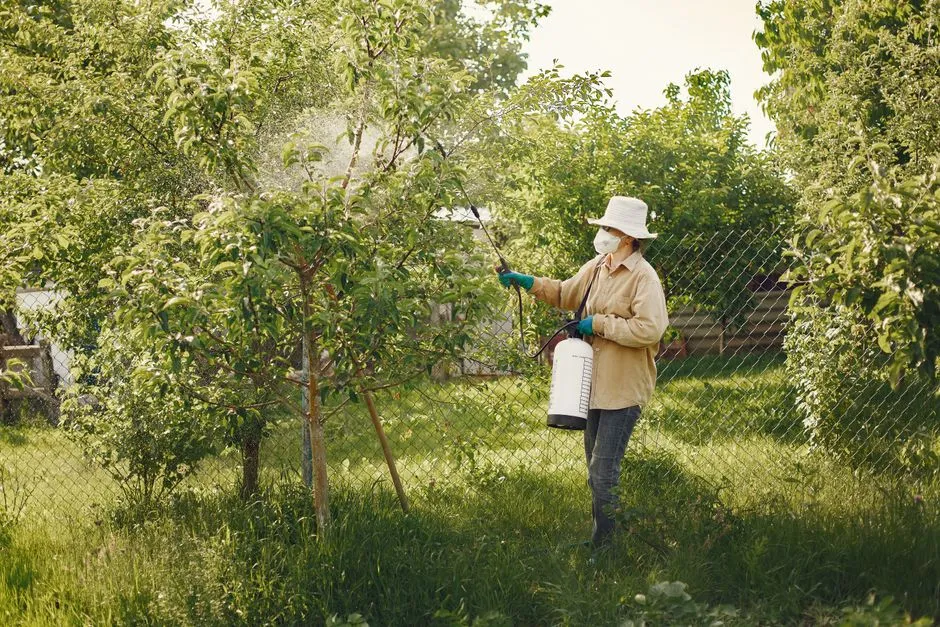
Spraying for late-season pests in September might feel productive, but it’s quietly starving the exact birds you’re trying to keep around.
Insects aren’t the enemy in a winter-ready garden – they’re the main course. Insects resting in leaf litter and stems supply birds with the protein they need most as natural food becomes scarce heading into winter. Wiping out that insect population with chemicals removes the one resource birds can’t replace with seed alone.
Ground-dwelling insects matter just as much as the ones in the air. A compost heap or a pile of dead wood is a constant hot spot for worms, grubs, beetles, and spiders that robins and other ground feeders rely on daily. This is a controversial one: many experts now argue “pest control” in autumn does more damage to your garden’s food web than the pests ever would. But that’s nothing compared to what we found about #15…
#15 – Stop Mowing the Lawn So Aggressively
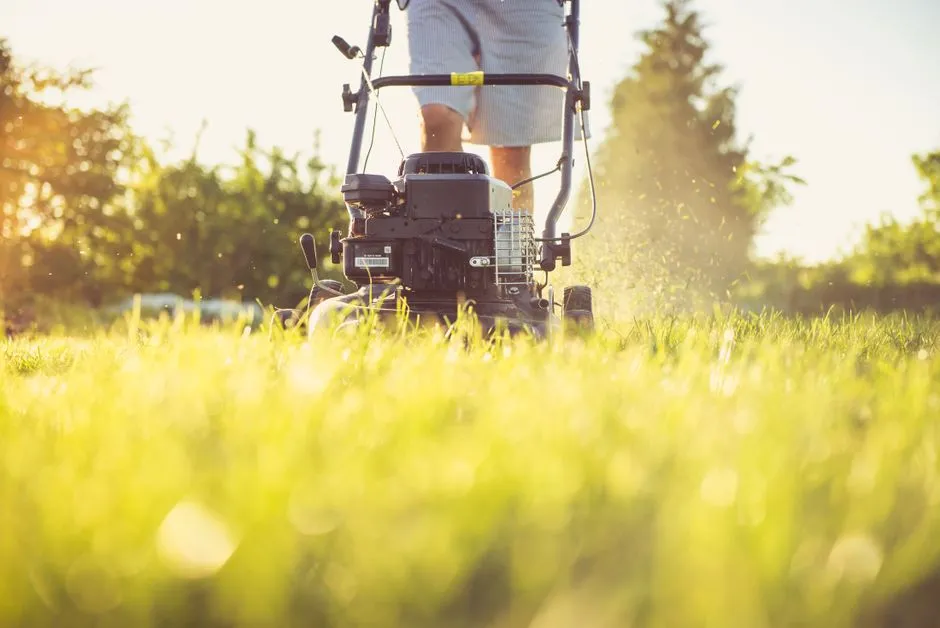
A lawn cut to putting-green height in October looks sharp, but it removes cover and food in one pass – and most people never connect the two.
The advice from wildlife groups is consistent on this point: mowing too short reduces available resources for wildlife just as fast as trimming hedges before the berries are gone. Longer grass holds seed heads, shelters insects, and gives ground-feeding birds like robins somewhere to forage without standing fully exposed.
Letting even a small section grow long through autumn creates a miniature meadow effect that a closely-shaved lawn simply can’t replicate. Robins, wrens, and sparrows all forage at ground level, and a manicured lawn offers them next to nothing to find. While a tightly mowed lawn is still considered the gold standard by most neighbors, many ecologists now call it one of the least wildlife-friendly features a yard can have. But that’s nothing compared to what we found about #16…
#16 – Leave Dead Wood and Fallen Branches Exactly Where They Fall
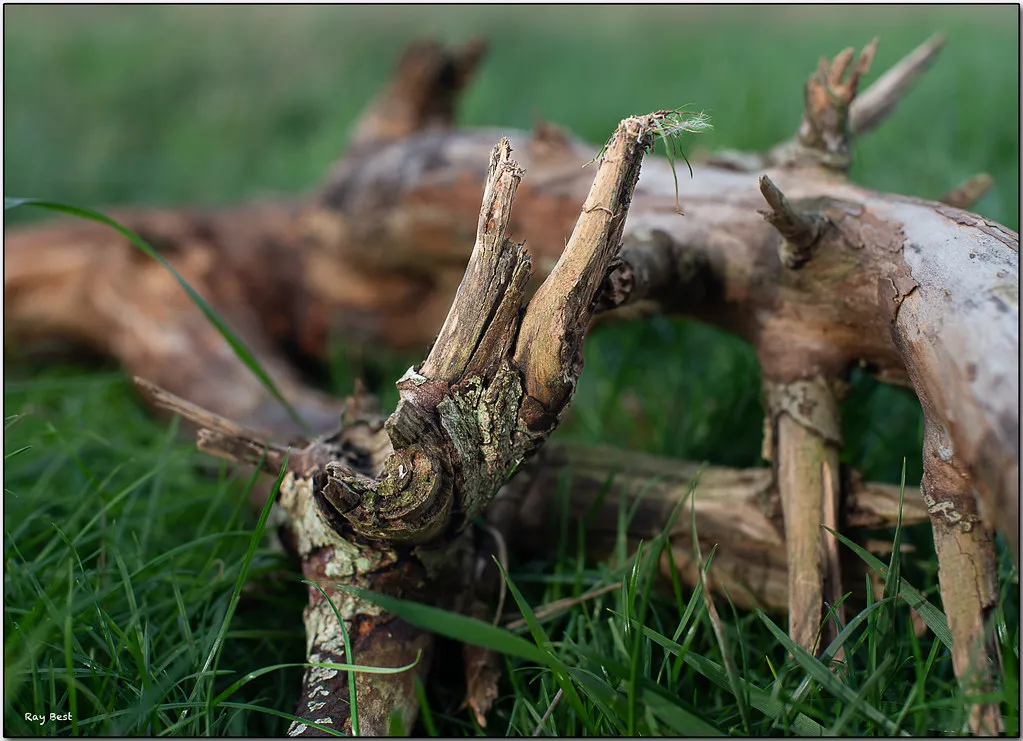
Hauling away every fallen branch the moment it drops removes a habitat feature that takes years to recreate once it’s gone.
Dead wood isn’t waste – it’s infrastructure. Resisting the urge to have a perfectly tidy yard is one of the simplest, most effective ways to provide winter shelter, since dead wood and fallen branches create microhabitats that living trees rarely offer. Cavities forming in dying wood become genuine nesting and roosting spots.
Even broken limbs still hanging on the tree serve a purpose if left alone. Propping up a broken bough, or leaving a few cut branches from evergreens scattered around, gives birds like woodpeckers and owls a roosting spot they’ll actually use. Most people don’t realize that “cleaning up” storm debris too quickly removes shelter certain birds specifically depend on. But that’s nothing compared to what we found about #17…
#17 – Plant or Preserve Evergreen Cover Before the Leaves Drop
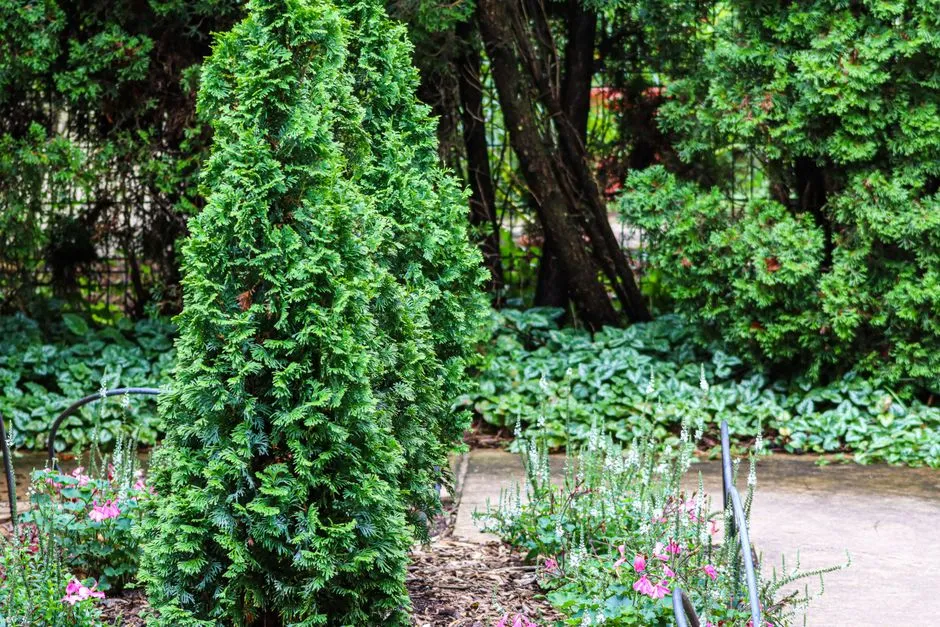
This is the single most decisive job on the entire list, and most gardeners never think about it until it’s already too late in the season.
Once deciduous trees go bare, birds lose their primary windbreak overnight. After the leaves drop from most trees and shrubs, it becomes noticeably harder for birds to find safe cover, which is exactly why evergreen trees, bushes, vines, and ground cover matter so much heading into the coldest stretch of the year.
Why It Stands Out
- Evergreens remain the only reliable windbreak once deciduous trees go bare
- Cedar and holly combine dense cover with a steady berry supply
- Spruce and pine create sheltered pockets that matter most in the worst weather
- Juncos roosting inside evergreens save roughly 10% of their nightly energy
The science behind this is more dramatic than most people expect. Cedar and holly provide dense cover and food through their berries, while spruce and pine create protected pockets that matter most during the worst weather. Studies show juncos roosting inside evergreen trees save roughly 10% of their energy every single night. For a bird weighing a fraction of an ounce, that’s the difference between finding enough food the next morning and not surviving the night at all. Secretly, one well-placed conifer does more for winter bird survival than every feeder in your yard combined.
The Bottom Line
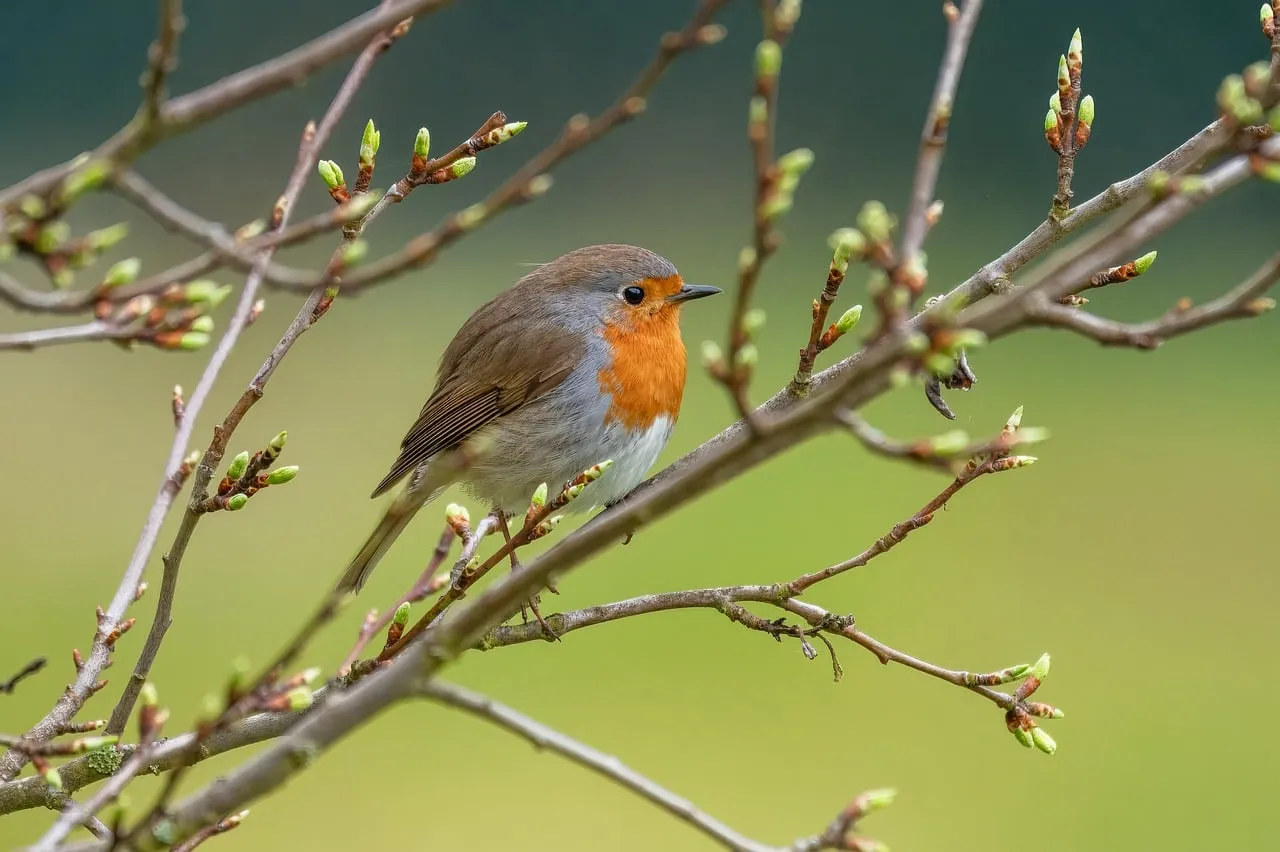
The pattern across all 17 jobs is the same: doing less, not more, is what actually keeps birds around through winter. Seed heads, leaf litter, brush piles, ivy, and standing grasses all get ripped out by well-meaning gardeners every September, and every one of those removals strips away food or shelter birds are quietly counting on.
Water and roosting shelter matter just as much as feeders, yet almost nobody prioritizes them until it’s already too late. If your yard feels “too messy” right now, that’s probably a good sign, not a problem to fix. I’ll say it plainly: the gardeners with the scruffiest-looking yards this October are the ones who’ll have the busiest feeders by January.
Which of these 17 jobs have you never done before? Drop it in the comments – and tell us if your feeders got busier once you stopped tidying up.