
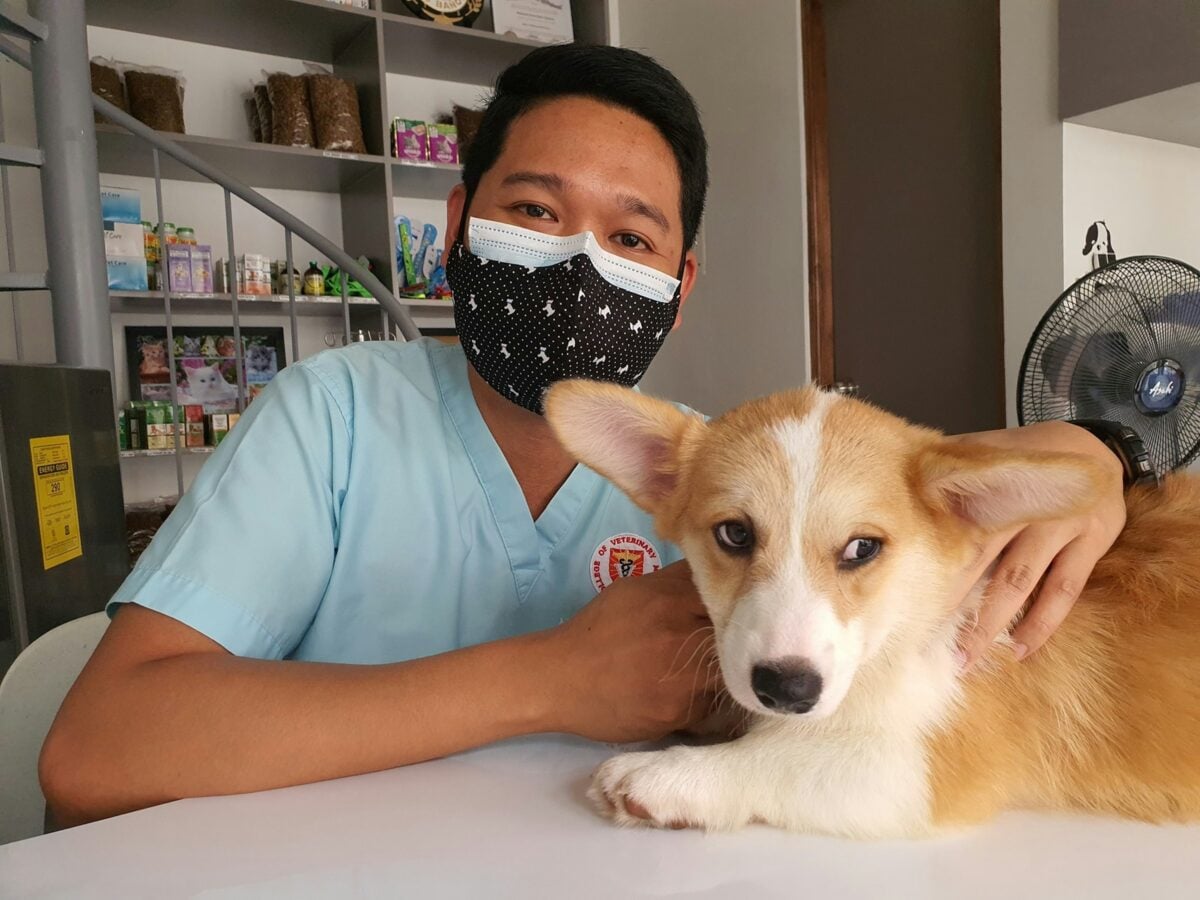
A glossy coat and a wagging tail feel like proof that a pet is thriving. Veterinary teams will tell you those are the easy parts. The real evidence is quieter. It shows up in how a dog stands on a slippery exam table, how a cat reacts when a stranger lifts a paw, and how long the nails are. That’s what this list covers: 17 gentle tells that vets and techs pick up on, often within minutes of walking into the room.
Some of these will make you proud. A few might make you wince. And the tell saved for the very end has almost nothing to do with how a pet looks.
#17 – Ribs You Can Feel but Not See

🔥 Would you like to save this?
We'll email this post to you, so you can come back to it later!
Vets check body shape before anything else.
The first thing a team assesses is body condition. In a well-cared-for pet, the ribs are easy to feel under a thin layer of padding, but you can’t see them. From above, there’s a visible waist. From the side, the belly tucks up slightly.
Vets use a standardized body condition score, usually on a 5-point or 9-point scale. The goal is the middle of the scale, not the top. Many owners read a round pet as “healthy and happy,” and that’s the mistake that costs animals the most. Thick fur can hide the problem, which is why vets trust their hands over their eyes.
A long-running study on Labrador retrievers found that dogs fed about 25% less than their littermates lived nearly two years longer on median. They also developed chronic conditions later.
- Ribs: felt easily, not seen
- Waist: visible from above
- Belly: gently tucked from the side
But the number on the scale tells an even bigger story over time, and that’s tell #16…
#16 – A Weight That Barely Moves Between Visits

🔥 Would you like to save this?
We'll email this post to you, so you can come back to it later!
A steady weight trend says more than any single weigh-in.
Veterinary teams compare today’s weight to every previous visit. A pet who sits within a narrow range year after year signals consistent feeding and portion control. It also suggests no hidden illness is quietly changing the body.
Slow, unexplained weight loss is a classic early flag in cats. Conditions such as hyperthyroidism and kidney disease can appear this way. The change is so gradual that owners living with the pet rarely notice it.
Small numbers matter more than they sound. For a 10-pound cat, losing a single pound is about 10% of its body weight. That’s why the scale at the clinic often catches illness before the owner does, and why many practices weigh healthy pets at every visit, not just sick ones.
A pet whose chart shows a flat, boring line is often a pet whose family measures food instead of guessing.
Weight is only half the story, though. The coat adds its own chapter…
#15 – A Coat That’s Maintained, Not Just Shiny
🔥 Would you like to save this?
We'll email this post to you, so you can come back to it later!
Gloss isn’t the proof most people think it is.
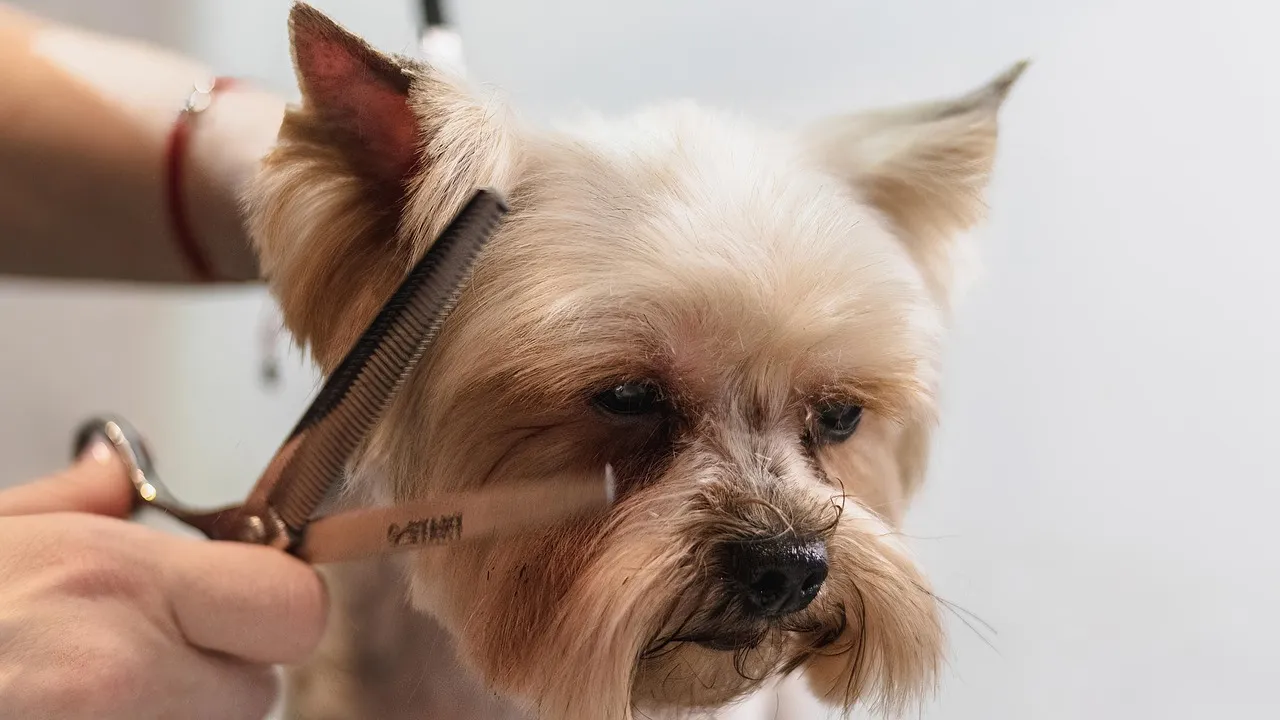
Vets look for a clean, mat-free coat that suits the breed. They also check that the skin underneath is calm. No flaking, no greasy patches, no bald spots, no tangles hiding in the armpits or behind the ears.
Here’s a take that will annoy some owners: a salon-perfect pet isn’t automatically a well-cared-for one. Experts caution that frequent bathing with the wrong shampoo can strip skin oils and irritate the skin. A regularly brushed pet with a modest coat often has the better routine.
Mats matter because they pull on the skin. Severe mats can cause pain and sores, and they can hide infections and parasites. In cats, a greasy or unkempt coat can mean the pet is too sore or too overweight to groom itself.
And what’s hiding under the fur is where the real clues sit, at #14…
#14 – Skin That’s Clear of Fleas, Ticks, and Irritation
🔥 Would you like to save this?
We'll email this post to you, so you can come back to it later!
Parasite prevention leaves a visible signature.
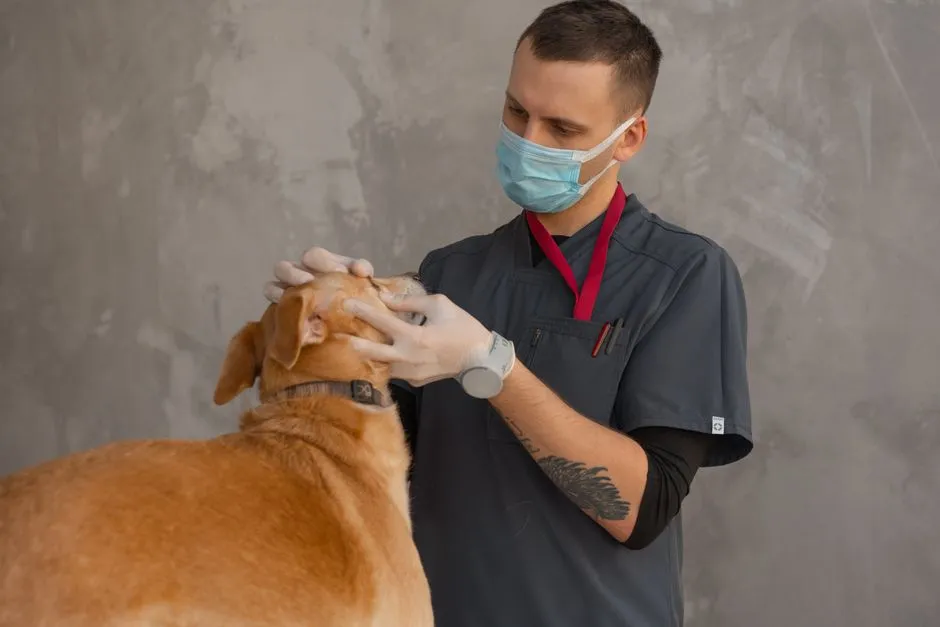
A vet will part the fur and look for specks, scabs, redness, and scratching damage. Healthy skin is typically smooth and free of crusts. Color varies by pet, so teams look for changes and patterns.
One classic test uses “flea dirt,” the black specks that are really flea droppings. Place them on a damp white paper towel, and they smear reddish-brown because they contain digested blood. It’s a quick, low-tech way to confirm fleas that owners never saw.
Worth Knowing
- Adult fleas on the pet are only a small slice of the problem, often estimated at around 5% of the total population.
- The rest are eggs, larvae, and pupae hiding in bedding, carpet, and floor cracks.
- Flea pupae can stay dormant for months, then emerge when they sense warmth and movement.
- A female flea can lay dozens of eggs a day once she starts feeding.
Many indoor cats and small dogs still pick up fleas. In pets with flea allergy, even a few bites can set off intense itching. Parasite-control guidelines in the US generally recommend year-round prevention, not seasonal bursts, and a pet with consistently clean skin often has a family following that advice.
- No flea dirt or crawling insects
- No embedded ticks
- No raw, scratched patches
Next up is a spot most owners forget entirely, at #13…
#13 – Ears That Are Clean, Quiet, and Nearly Odor-Free
🔥 Would you like to save this?
We'll email this post to you, so you can come back to it later!
The ear canal is one of the first places neglect shows up.
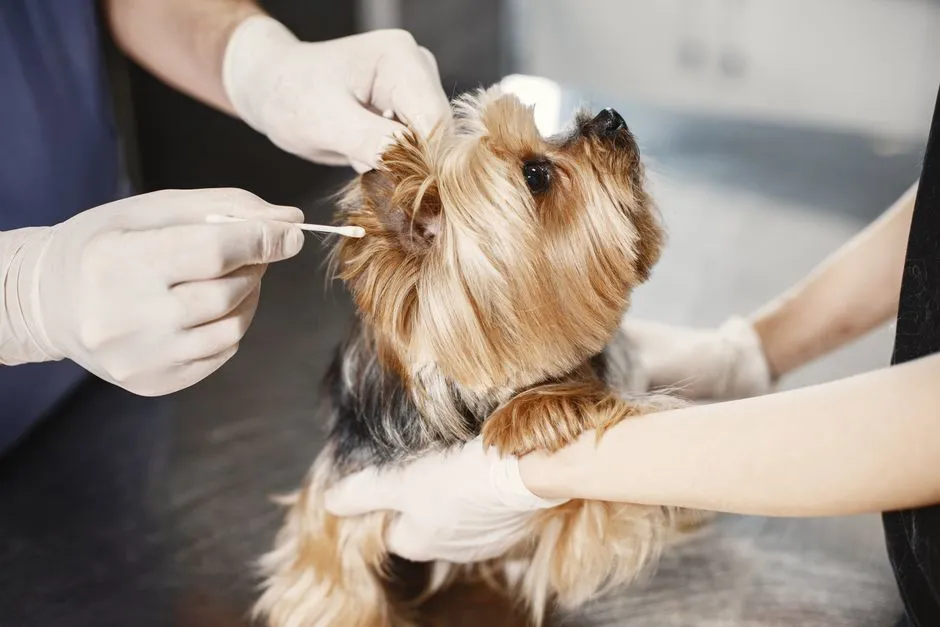
A healthy ear looks pale pink inside. It has little odor and only a small amount of light wax. Dark, crumbly debris, a yeasty smell, or head shaking can point to infection, allergies, or mites.
Here’s what most people don’t realize: over-cleaning is also a mistake. Aggressive swabbing can irritate the canal and push debris deeper. Vets often prefer a gentle, vet-approved cleaner and a light touch, used only when needed.
Floppy-eared breeds and dogs who swim often are more prone to problems. A pet with calm, clean ears usually has an owner who checks regularly and acts early, without overdoing it.
But the clearest window into health may be the eyes, at #12…
#12 – Eyes That Are Bright, Clear, and Symmetrical
🔥 Would you like to save this?
We'll email this post to you, so you can come back to it later!
Vets read eyes in seconds.
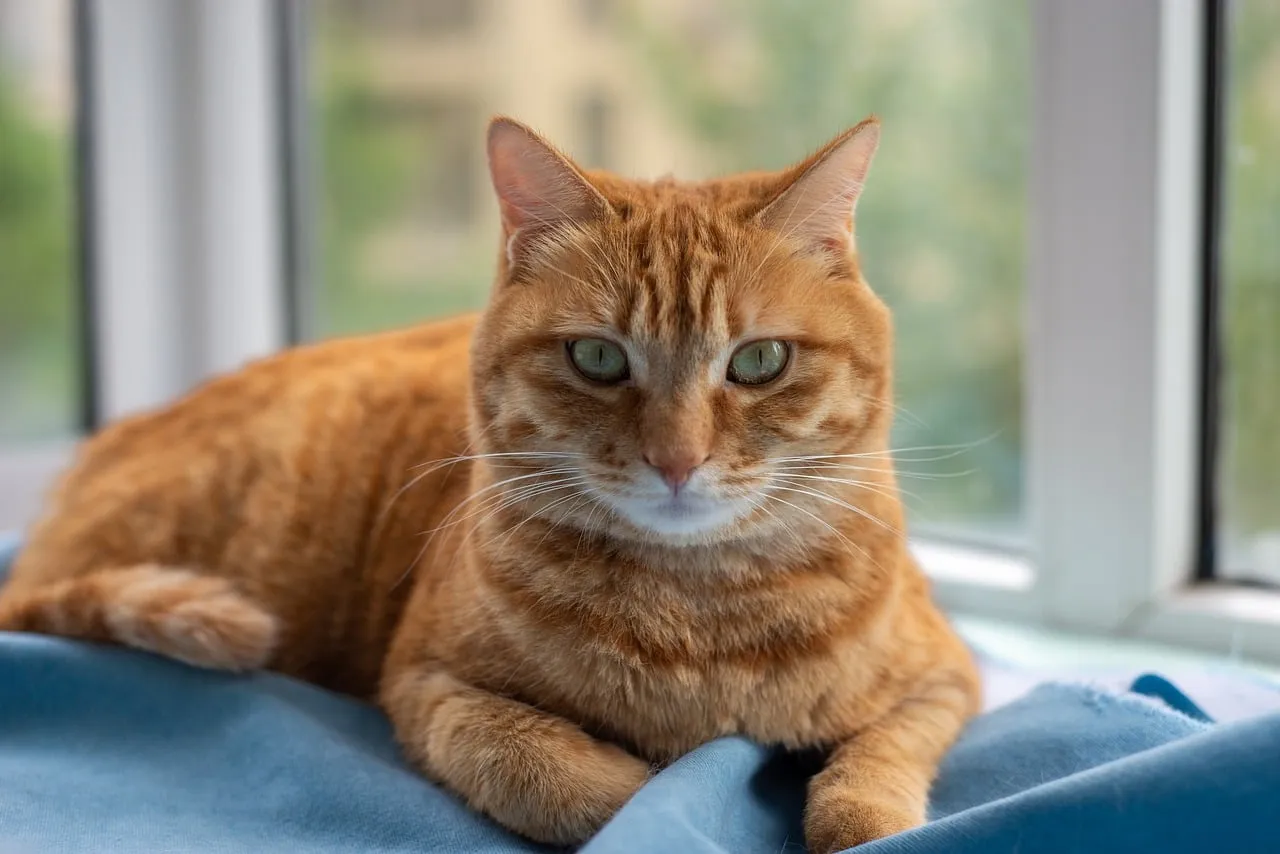
Healthy eyes are clear and open comfortably, and both match each other. There’s no persistent squinting, cloudiness, or thick discharge. The whites aren’t red, and the pet isn’t pawing at its face.
Squinting is a big one. Eye pain often shows up as a half-closed eye before anything else looks wrong. Untreated eye problems can worsen quickly, so teams value the owner who brings a pet in at the first squint.
In cats, a visible third eyelid, the pale membrane in the inner corner, can accompany illness. Some flat-faced breeds have tear staining that’s mostly cosmetic, which is why vets judge the whole picture and not one detail.
A calm, clear-eyed pet suggests small problems get noticed. Teeth tell a similar story, at #11…
#11 – Teeth and Gums That Aren’t Quietly Decaying
🔥 Would you like to save this?
We'll email this post to you, so you can come back to it later!
“Dog breath” is not normal.
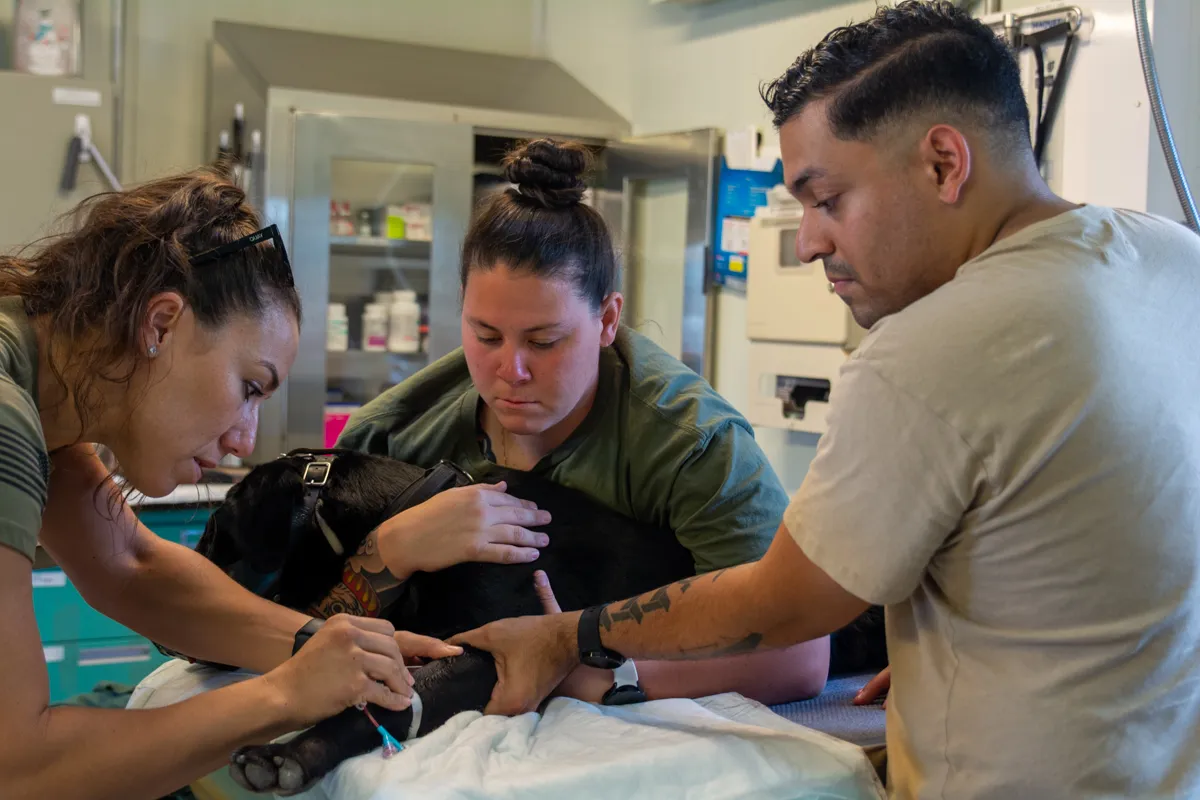
Most veterinary sources agree that dental disease is one of the most common conditions in adult dogs and cats. Many show some signs by early adulthood. A mouth with pink, firm gums and little tartar stands out immediately.
Strong odor, red gum lines, and brown buildup point to bacteria working below the gumline. Much of the damage is hidden, because the root problem sits beneath what you can see. Vets often need dental X-rays to find it.
Daily brushing is considered the gold standard of home care. Many owners find it unrealistic, so some teams are open to approved chews, diets, and additives as partial help. Not all are equal.
Dental care is often a sign of routine, and routine is visible in the paws too, at #10…
#10 – Nails and Paw Pads in Good Order
🔥 Would you like to save this?
We'll email this post to you, so you can come back to it later!
Overgrown nails are a quiet red flag.
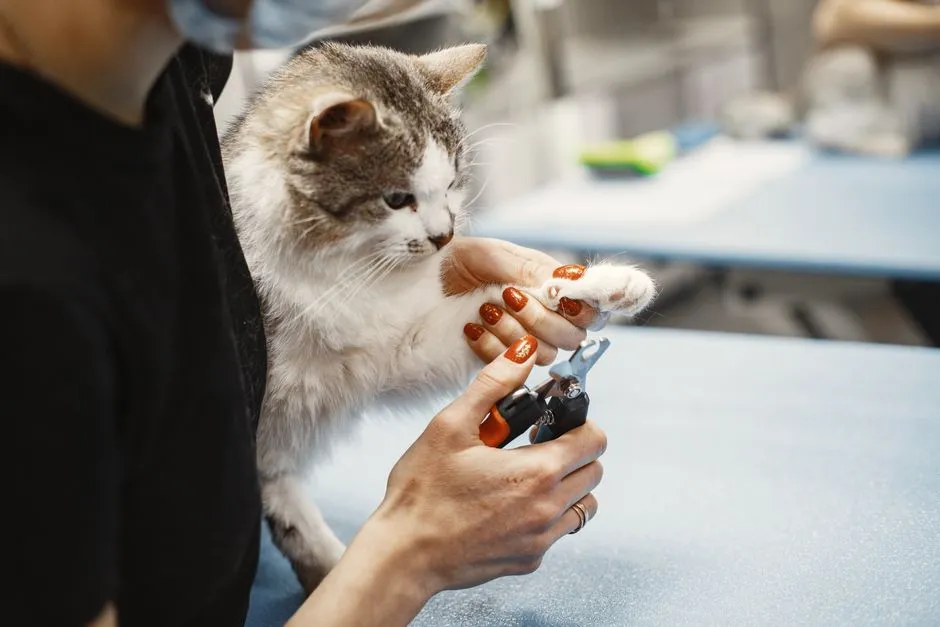
Vets check that nails are trimmed so they barely touch the floor when the pet stands. Pads should be smooth, not cracked or sore. There should be no limping when the pet walks across the room.
Long nails change how a pet stands and walks. They can push the toes upward and alter posture and gait over time. In neglected cases, nails curl into the pad and cause painful wounds.
Dewclaws, the higher nails on the inner leg, are often missed. They don’t wear down and can grow into the skin. Senior cats may also grow thick, brittle claws that need regular attention.
- Nails: short enough to avoid constant floor contact
- Pads: no deep cracks or sores
- Dewclaws: checked, not forgotten
How a pet moves tells even more, at #9…
#9 – Smooth, Willing Movement
🔥 Would you like to save this?
We'll email this post to you, so you can come back to it later!
Mobility is a health report you can watch for free.
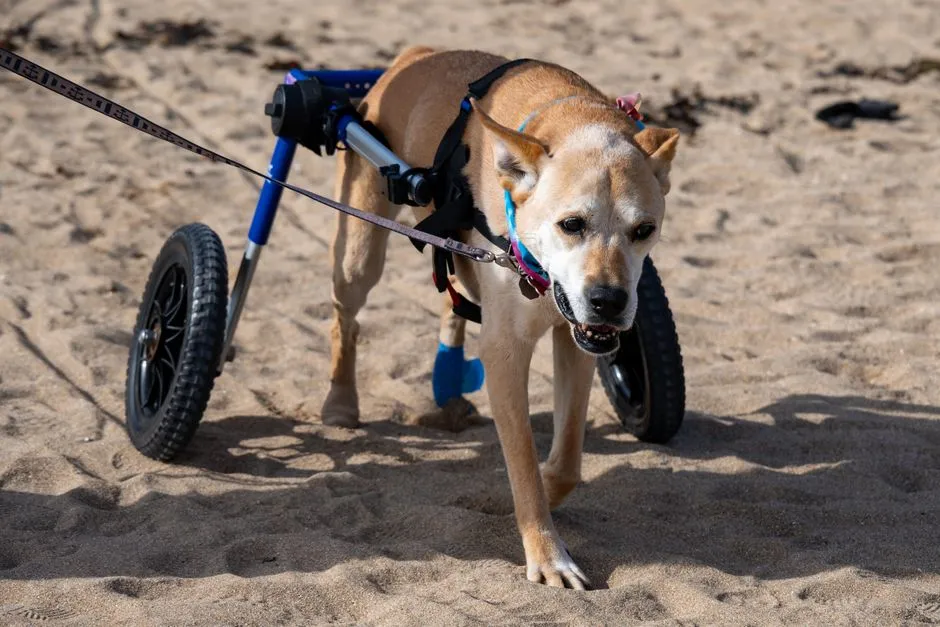
Teams watch pets walk, rise, and settle. A comfortable animal gets up smoothly and shifts weight evenly. It doesn’t hesitate on stairs or avoid jumping.
Arthritis is common in older dogs and cats, and cats are especially good at hiding it. Subtle clues include skipping the couch or hesitating before a jump they once cleared easily. Many owners dismiss this as “just getting old.” Vets often point to that as one of the most commonly missed signs in senior pets, because pain is treatable.
A pet with fluid movement at an older age often has a family that managed weight, exercise, and early joint support. It’s rarely luck.
Muscle, not just movement, matters too, at #8…
#8 – Muscle Tone That Matches the Age
🔥 Would you like to save this?
We'll email this post to you, so you can come back to it later!
Weight alone can hide a serious problem.
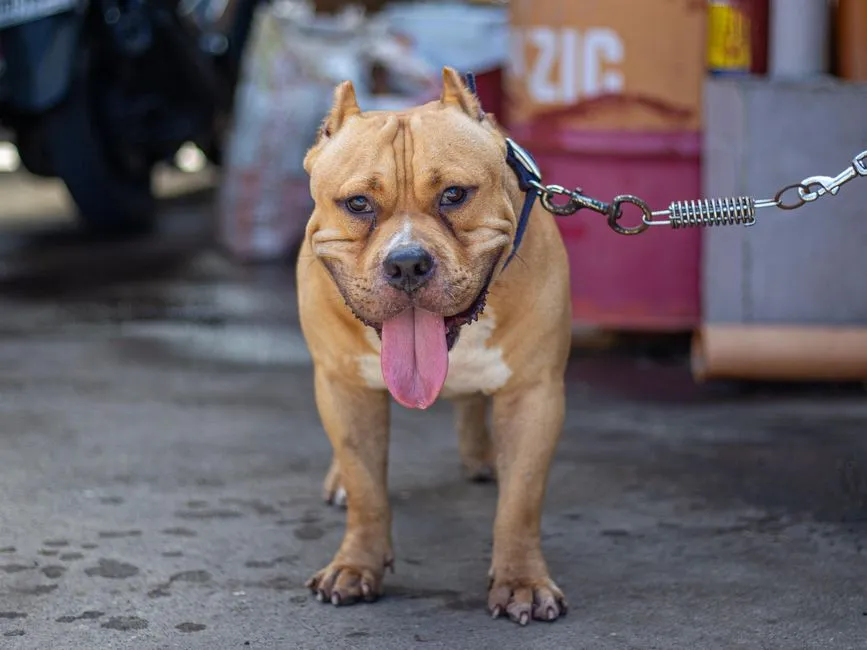
Vets also assess muscle condition by feeling along the spine, skull, shoulder blades, and hips. A well-kept pet keeps firm muscle through adulthood. Seniors may lose some, but not dramatically.
Here’s the twist: an overweight pet can still be losing muscle. Fat can mask the loss, so the scale looks fine while the body changes underneath. Veterinary groups use a separate muscle condition score for this reason.
Quick Compare
- Body condition score: estimates how much fat a pet carries, usually on a 5- or 9-point scale.
- Muscle condition score: rates muscle as normal, or as mildly, moderately, or severely wasted.
- Together: they can expose a “chunky” pet who is quietly losing muscle.
Visible hollowing over the spine or hips is a signal to investigate, not to blame on age. Appetite, protein intake, pain, and chronic disease can all contribute.
Good muscle tone usually reflects balanced nutrition and regular activity, two things that rarely happen by accident.
Behavior in the exam room reveals the next layer, at #7…
#7 – Calm Tolerance of Handling
🔥 Would you like to save this?
We'll email this post to you, so you can come back to it later!
An animal comfortable with touch makes an exam possible.
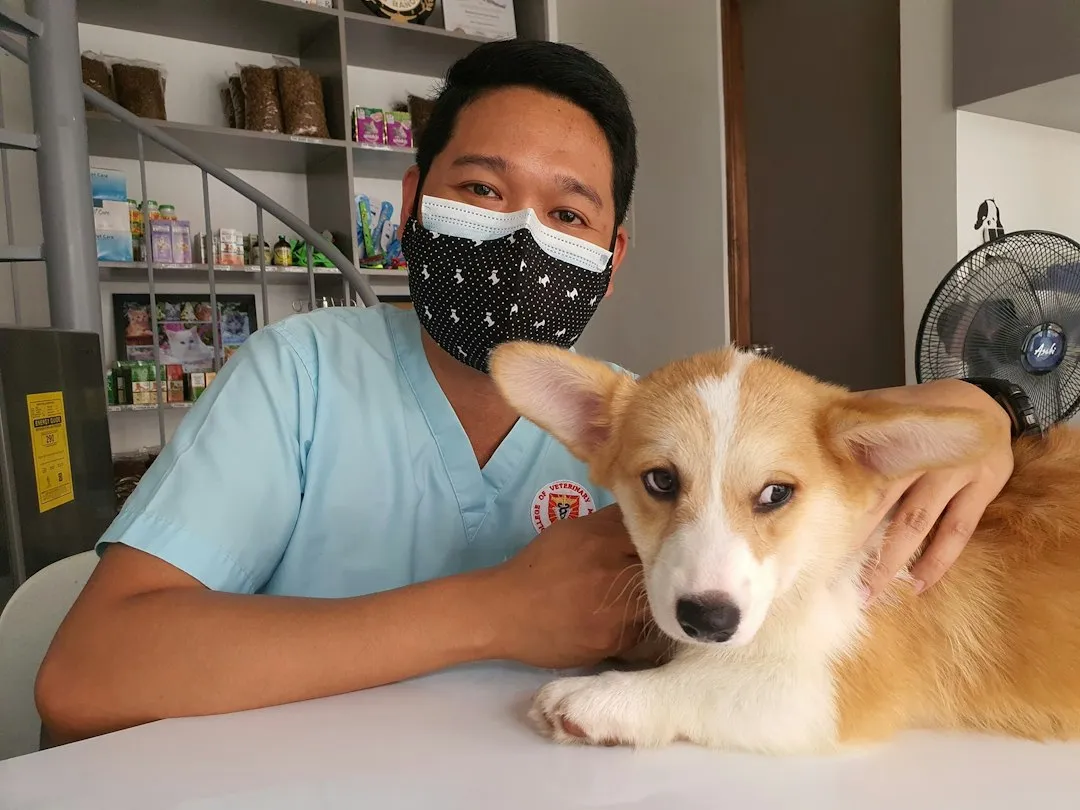
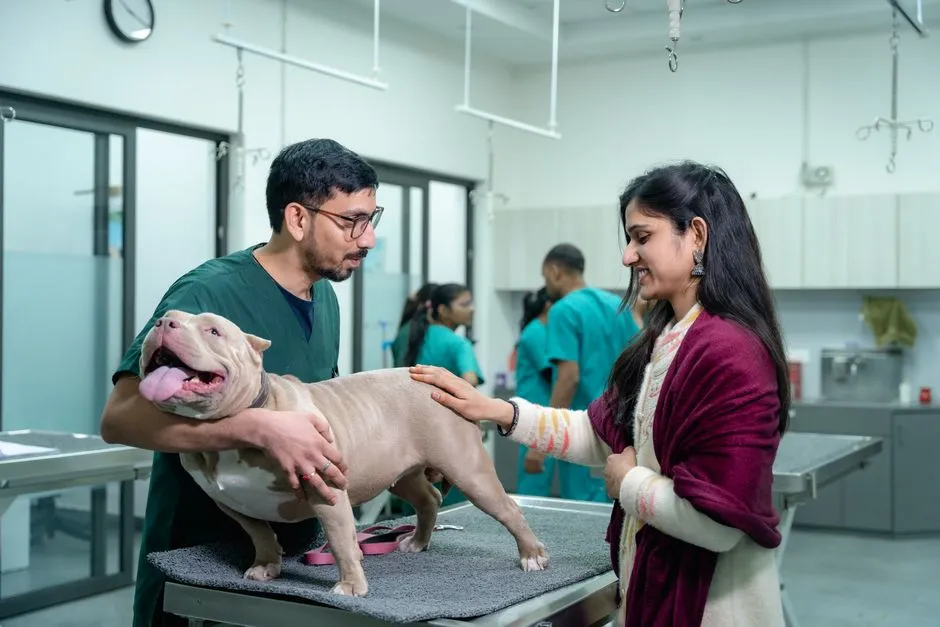
Vets must lift lips, examine paws, check ears, and feel the belly. A pet who accepts this without panic has usually been handled gently at home from an early age. Team members notice that immediately.
This isn’t about obedience. Fear-based or struggling animals can be harder to examine, and stress can mask or mimic symptoms. Programs like Fear Free and low-stress handling exist because calm patients get better exams.
Owners can build this at home with short, treat-based sessions. Touch a paw, reward. Lift a lip, reward. Keep it brief and stop before the pet gets uncomfortable.
But handling starts long before the exam room, as #6 shows…
#6 – A Pet Who Doesn’t Fear the Carrier or Leash

🔥 Would you like to save this?
We'll email this post to you, so you can come back to it later!
Travel gear says a lot about how a pet’s world is organized.
A cat who walks into a carrier, or a dog who settles on a leash, has usually learned that these items aren’t a prelude to something awful. Teams can often tell within seconds when a pet has been prepared.
Many cats only see the carrier on vet day. That creates a predictable fear loop. Feline-friendly guidelines suggest leaving the carrier out at home as furniture, with a blanket and occasional treats inside, so it’s familiar, not a warning sign.
Dogs benefit from short, positive outings that don’t always end at the clinic. A pet whose car rides include parks and not only injections tends to arrive calmer.
And what happens once inside the clinic is the next clue, at #5…
#5 – Taking Treats in the Exam Room
🔥 Would you like to save this?
We'll email this post to you, so you can come back to it later!
Appetite can be an invisible stress gauge.
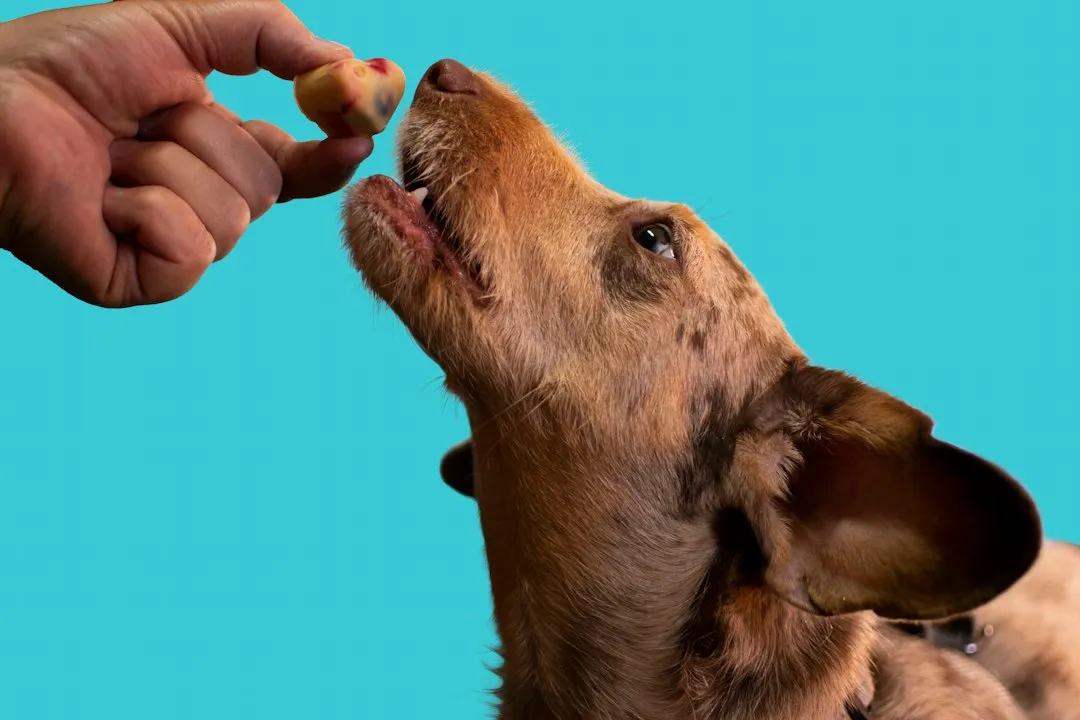
Techs often offer a treat as a quiet test. A pet that eagerly takes a tasty snack in an unfamiliar room is usually coping well. Refusing even a favorite food can mean fear, since high stress often suppresses appetite.
It’s not a perfect measure. Nausea, pain, and fasting before a procedure can affect it too. But as part of the whole picture, treat acceptance is a surprisingly informative signal that teams in low-stress clinics use.
Here’s a debate that divides professionals: some argue that bringing a pet’s own favorite food is worth the effort, while others worry about upsetting sensitive stomachs. Ask your clinic what they prefer.
The next tell doesn’t involve behavior at all, just a tiny device, at #4…
#4 – Identification That’s Actually Current

🔥 Would you like to save this?
We'll email this post to you, so you can come back to it later!
A collar tag alone isn’t enough.
A microchip is about the size of a grain of rice and has no battery. It holds a number that links to a registry record. Vets scan new patients routinely because it’s quick and shows whether a pet is traceable.
Fast Facts
- The chip is placed under the skin, usually between the shoulder blades.
- It goes in with a needle, much like a routine injection.
- Most modern chips carry a 15-digit ID number that a scanner reads in seconds.
- It’s designed to last a pet’s entire life, but the registry details are up to you.
Here’s the catch that most owners miss: a chip is only as good as the contact details attached to it. Plenty of chipped pets are registered to old phone numbers or former owners.
Some argue that a chip makes tags unnecessary. Many experts disagree and say to keep both, since a tag can get a pet home without a scanner. A chip is a backup that can’t fall off.
- Chip: scanned and registered
- Tag: readable, with current phone number
- Collar: fits snugly, not tightly
Records say even more about the people behind a pet, as #3 reveals…
#3 – A Medical History Without Big Gaps
🔥 Would you like to save this?
We'll email this post to you, so you can come back to it later!
Consistency is what impresses vets most.
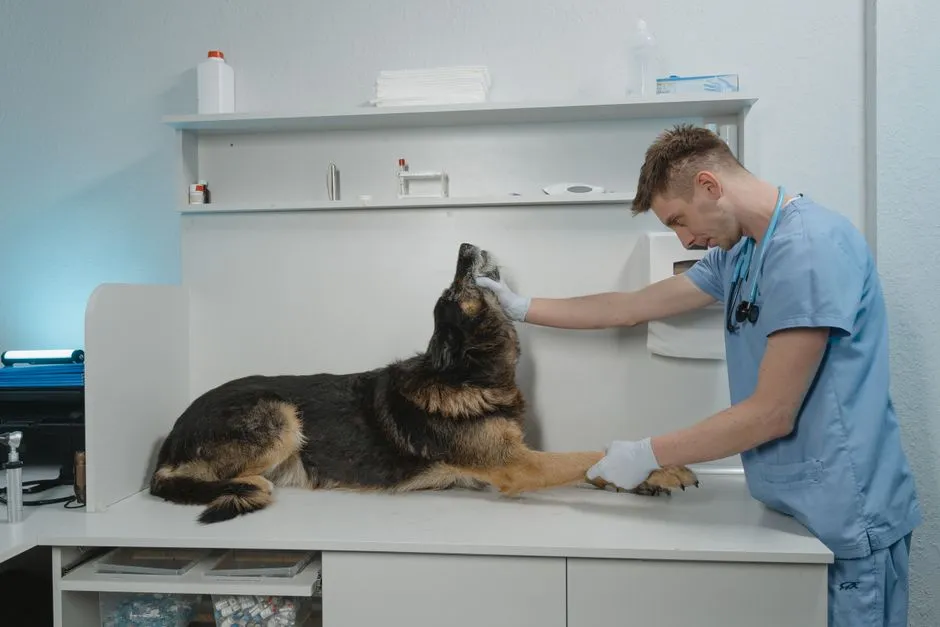
A chart showing yearly exams, vaccines, and parasite prevention tells a continuous story. Teams can spot trends in weight, bloodwork, and behavior because they have a reliable baseline.
Baselines matter. Many tests have wide normal ranges, and an individual’s own history is often more useful than a textbook average. A senior pet with years of data gives vets a map of what “normal” looks like for that specific animal.
Preventive care isn’t flashy, but it’s the foundation of early detection. Vaccine schedules vary by region, lifestyle, and species, so teams tailor recommendations rather than apply a single rule.
Beyond paper, the bond between pet and person leaves its own trace, at #2…
#2 – A Pet Who Looks to Their Person

🔥 Would you like to save this?
We'll email this post to you, so you can come back to it later!
The relationship is visible within seconds.
In a stressful setting, many well-bonded dogs check in with their owner by glancing, leaning, or settling near them. Research on dogs suggests they can use their person as a kind of secure base in unfamiliar situations.
Cats are subtler. A cat who relaxes slightly with a familiar person nearby, or who accepts a hand on the back, is communicating comfort. Cats bond deeply, but they signal it in ways many owners miss.
This doesn’t mean a nervous pet is neglected. Temperament, genetics, and early experiences all play a role, and shy animals can have excellent homes. Vets judge trust as one piece of evidence, never the entire verdict.
But the strongest tell of all comes down to something vets almost never see, at #1…
#1 – Problems Found Small
🔥 Would you like to save this?
We'll email this post to you, so you can come back to it later!
The ultimate sign of care is a diagnosis made early.
When a well-cared-for pet has a problem, it’s usually caught while it’s minor. A lump gets checked when it’s pea-sized. A tooth is treated before the root is infected. A cat’s kidney values are flagged during routine bloodwork, not during a crisis.
This is what veterinary teams quietly value most. Early detection often changes the options available, from simple monitoring to less invasive treatment. Late discoveries tend to mean harder choices and higher costs.
The pattern is clear: attentive owners notice small changes, like a skipped meal or a different way of sitting, and call the clinic. They aren’t perfect, and their pets still get sick. They just give their vet a head start.
Here’s my opinion: the best-cared-for pets aren’t the most pampered ones. They’re the ones with the most boring charts.
Steady weight, trimmed nails, clean ears, and no gaps in records beat expensive grooming every time. Vets don’t need a spotless pet. They need a pet whose family notices small changes and acts on them.
Ribs you can feel, a calm paw lift, and a problem caught small say more than any gloss on a coat. Love, in the end, looks a lot like paying attention.

- 10 Common Garden Pests That Are Actually Beneficial To Your Backyard Ecosystem - November 5, 2026
- 10 Unusual Reasons Older Adults Bond More Deeply With Certain Dog Breeds - November 5, 2026
- The Cheetah: The Speed King of the Animal Kingdom - November 5, 2026