

In the vast, bustling colonies of penguins, where thousands of nearly identical birds gather, one might wonder: how do these creatures find their one and only? The answer lies in a remarkable natural phenomenon – penguins possess the extraordinary ability to recognize their mate’s unique voice amidst a cacophony of calls. This auditory prowess is not just a charming quirk; it’s a vital survival mechanism honed through evolution.
The Symphony of the Colony: A Sea of Sound

🔥 Would you like to save this?
We'll email this post to you, so you can come back to it later!
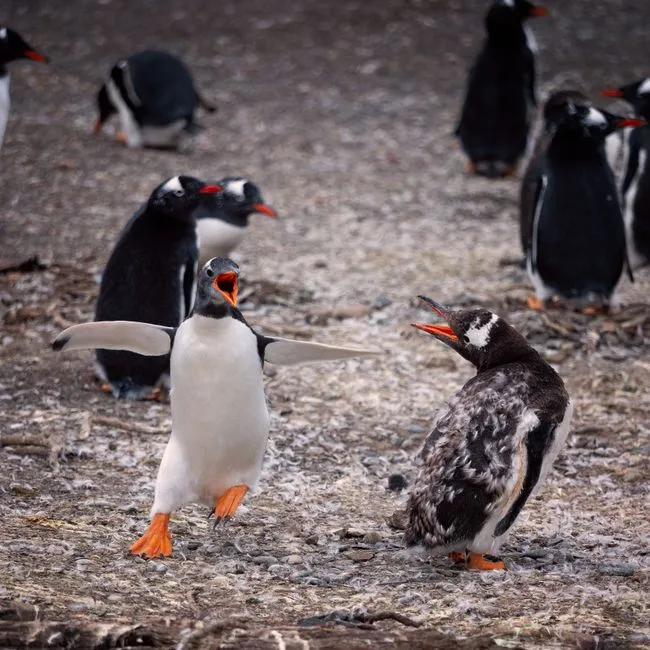
Imagine standing in the midst of a penguin colony, surrounded by thousands of birds, each vocalizing simultaneously. The noise is overwhelming, a continuous blend of calls that could easily disorient any listener. Yet, within this auditory chaos, each penguin can pinpoint the call of its mate with astonishing accuracy. This ability is crucial, especially during breeding seasons when partners must reunite after foraging trips to feed their young.
Unique Vocal Signatures: Nature’s Fingerprints

🔥 Would you like to save this?
We'll email this post to you, so you can come back to it later!
Each penguin’s call is as unique as a human fingerprint. These vocal signatures are not random; they carry specific information that allows mates to identify each other. Studies have shown that both adult penguins and their chicks can recognize individual calls within a crowded colony. This individual recognition is essential for maintaining pair bonds and ensuring the successful rearing of offspring.
The Two-Voice System: A Biological Marvel
🔥 Would you like to save this?
We'll email this post to you, so you can come back to it later!
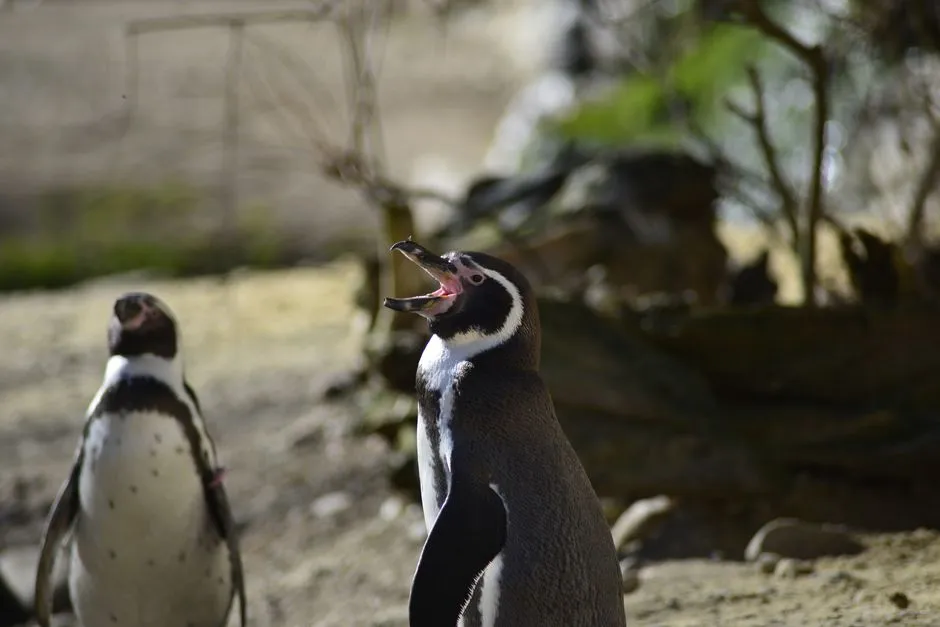
Delving deeper into the mechanics of these calls reveals a fascinating aspect known as the “two-voice system.” Penguins have a specialized vocal organ called the syrinx, which can produce two different frequencies simultaneously. The interaction between these frequencies creates a unique beat pattern for each individual. This dual-frequency system enhances the distinctiveness of each penguin’s call, making it easier for mates to recognize each other even in dense colonies.
Visual Cues: The Role of Sight in Recognition

🔥 Would you like to save this?
We'll email this post to you, so you can come back to it later!
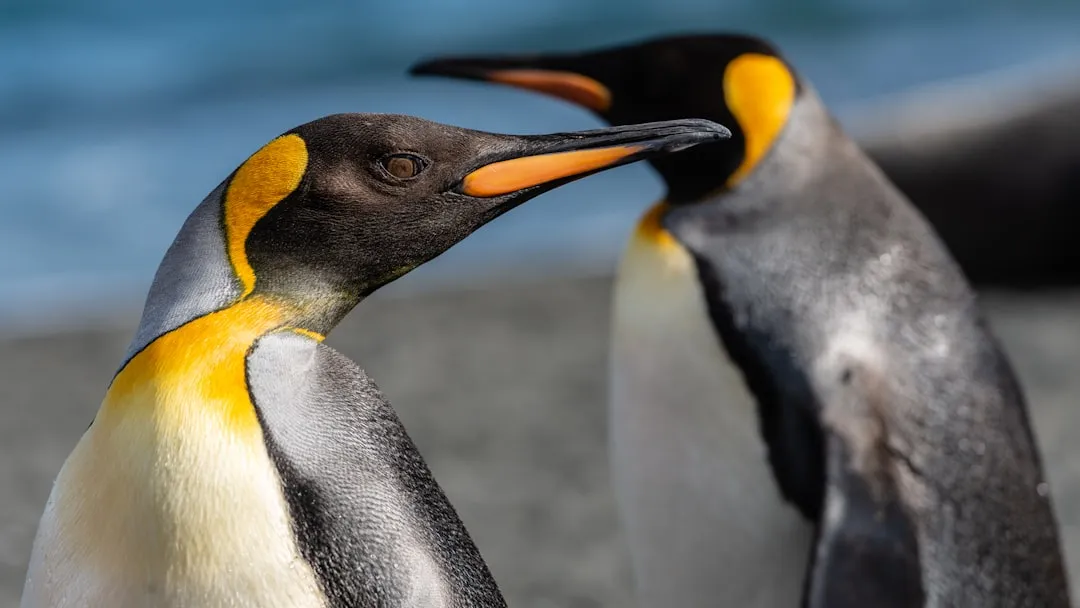
While vocal recognition is paramount, visual cues also play a role in mate identification. Penguins are capable of recognizing each other’s faces, a trait quite rare among birds. This visual recognition complements their auditory abilities, providing a multi-sensory approach to finding their partners. In species like the King Penguin, where nests are not fixed, this combination of vocal and visual cues becomes even more critical.
Olfactory Recognition: The Scent of Familiarity

🔥 Would you like to save this?
We'll email this post to you, so you can come back to it later!
Recent research suggests that penguins may also use their sense of smell to recognize mates and kin. This olfactory recognition helps prevent inbreeding by allowing penguins to identify relatives within the colony. While not as extensively studied as vocal and visual recognition, the role of scent adds another layer to the complex social interactions of these birds.
Comparative Strategies: Penguins vs. Other Seabirds
🔥 Would you like to save this?
We'll email this post to you, so you can come back to it later!
Not all seabirds rely on vocal recognition to the same extent. For instance, Guillemots, despite having individually distinctive calls, do not primarily use them for mate recognition. Instead, they rely more on visual cues and the physical location of their nests. This contrast highlights the unique evolutionary path penguins have taken, emphasizing the importance of vocal communication in their social structure.
Implications for Conservation: Understanding and Protecting Penguin Communication
🔥 Would you like to save this?
We'll email this post to you, so you can come back to it later!
Understanding the intricacies of penguin communication is not just an academic pursuit; it has real-world implications for conservation efforts. Disruptions to their natural habitats, increased noise pollution, and climate change can interfere with their ability to recognize mates and offspring. Protecting these environments ensures that penguins can continue their remarkable vocal traditions, essential for their survival.
In conclusion, the ability of penguins to recognize their mate’s voice among thousands is a testament to the wonders of evolution. This complex interplay of vocal, visual, and olfactory cues underscores the depth of their social bonds and the sophistication of their communication systems. As we continue to study these fascinating creatures, we gain not only insights into their world but also a greater appreciation for the intricate tapestry of life on our planet. Isn’t it remarkable how nature equips its creatures with such precise tools for connection?

- Beyond the Bark: Decoding Your Dog’s 12 Most Common Vocalizations - November 5, 2026
- 12 Surprising Facts About North American Mountain Lions You Never Knew - November 5, 2026
- Wild Salmon Populations Are Rebounding in the Pacific Northwest, A Sign of Healthier Rivers - November 5, 2026