

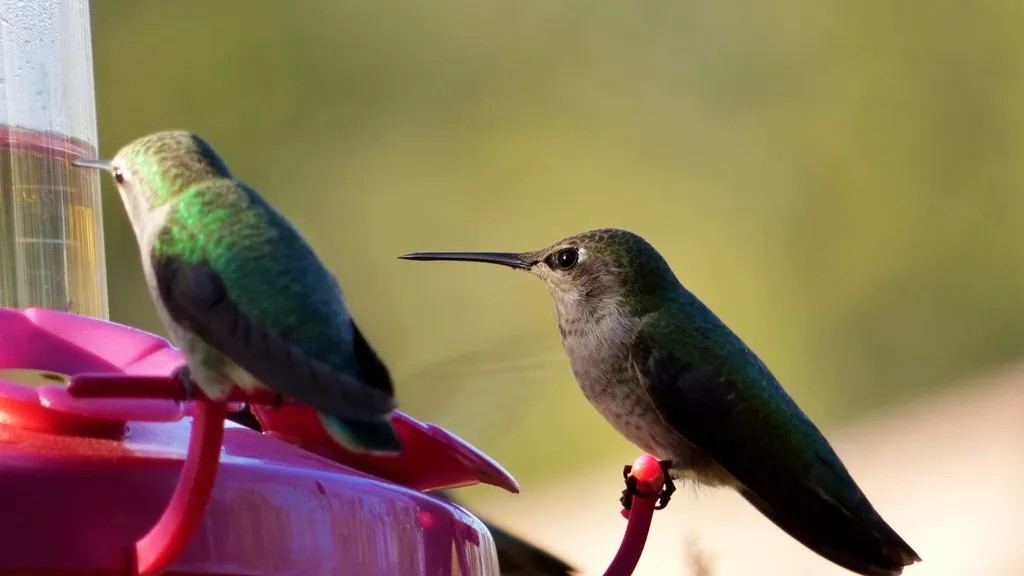
There’s a certain quiet frustration that comes with doing everything you think is right for hummingbirds and still watching your garden sit empty. You hang the red feeder, you fill it faithfully, you wait. Most beginners have been there. What separates a garden that hummingbirds genuinely return to, season after season, from one they merely glance at during migration? The answers turn out to be less obvious than any beginner guide suggests.
Experienced hummingbird gardeners have quietly accumulated a set of hard-won habits that rarely make it into beginner guides. Some of these truths run counter to popular advice, and others feel almost embarrassingly simple once you know them. These are the 17 secrets they’ve finally stopped keeping to themselves.
#1 Insects Are the Real Secret Ingredient
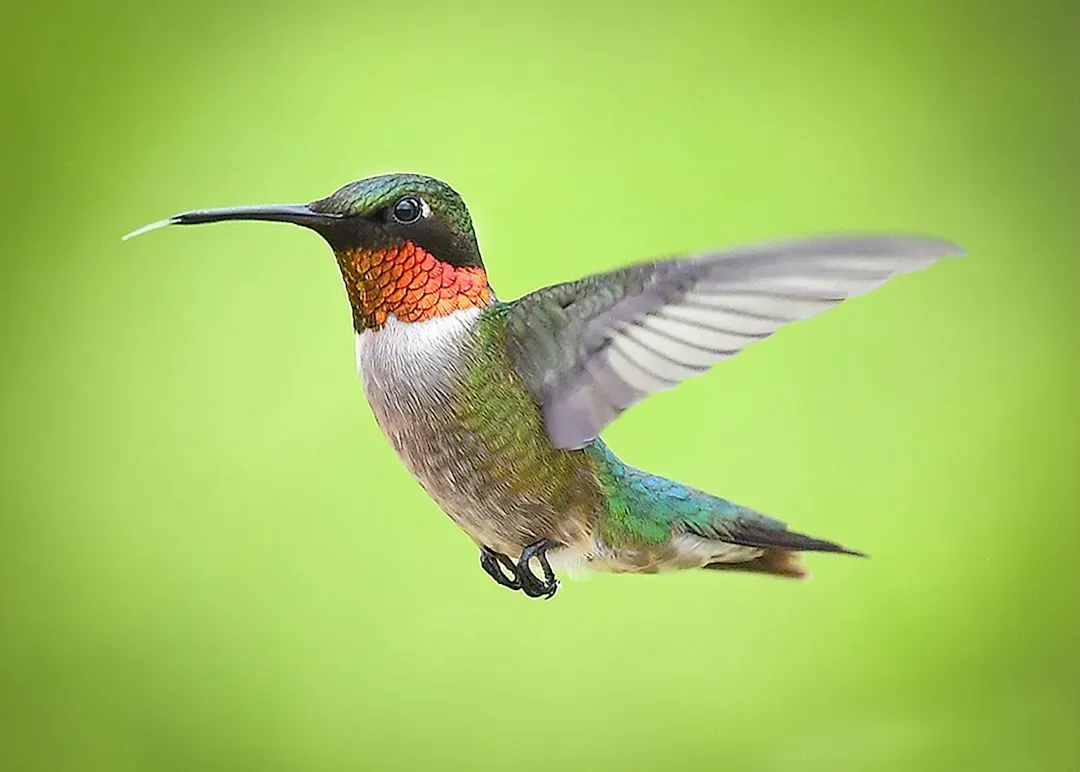
Most gardeners think of hummingbirds as nectar machines. The truth is more complicated. Although nectar is a great energy source, it lacks many important nutrients, especially amino acids. So hummingbirds derive virtually all of their protein from insects, and spiders are an important item in their diet.
Hummingbirds require protein to survive. They get their fill of it by eating small insects like fruit flies, mosquitoes, and gnats. They eat spiders, too. A garden that only offers flowers but kills off its insect life with pesticides is essentially a half-finished habitat. Build the insect population and the hummingbirds will follow.
#2 Pesticides Are Quietly Driving Them Away
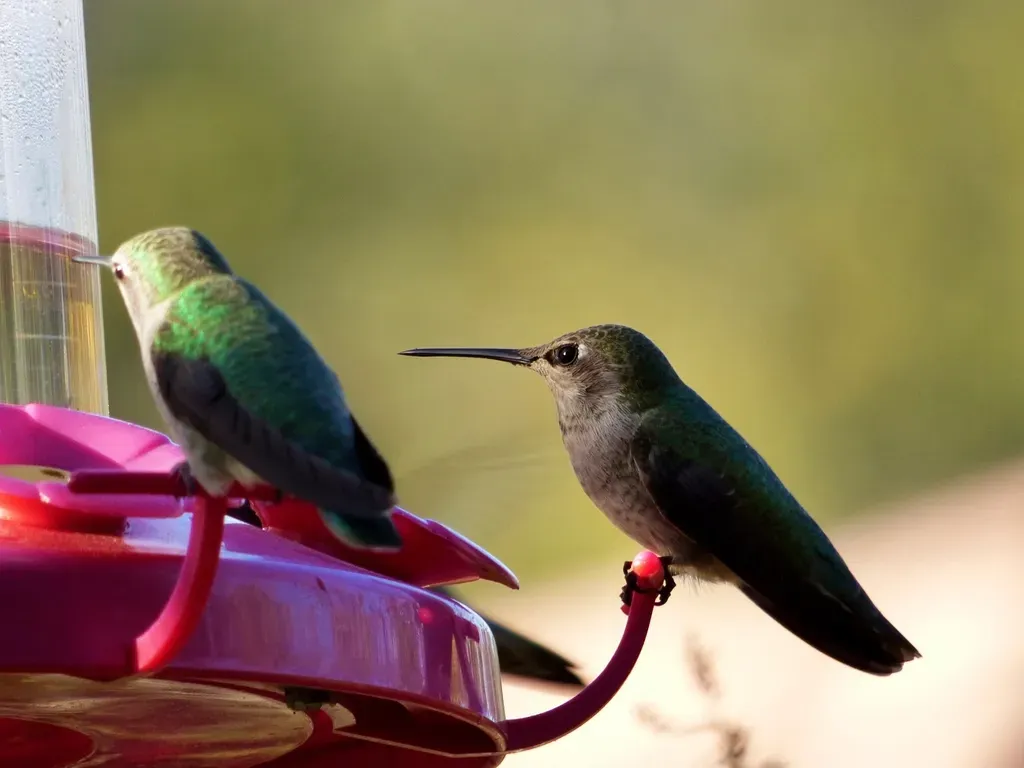
Pesticides don’t just kill every bug, beneficial or not – they also mess with the natural balance of the ecosystem of your own garden oasis. For hummingbirds and other pollinators, residual pesticides can also wind up on nectar-producing plants that they visit. Leaving the insecticides on the store shelf is always the right call.
Avoid insecticides entirely. Hummingbirds can ingest poisons when they eat insects, and systemic herbicides can also be found in flower nectar. The damage is often invisible. You won’t see it happening, which is exactly why experienced gardeners are so firm on this point. A pesticide-free garden is a prerequisite, not a preference.
#3 Bloom Succession Matters More Than Any Single Plant
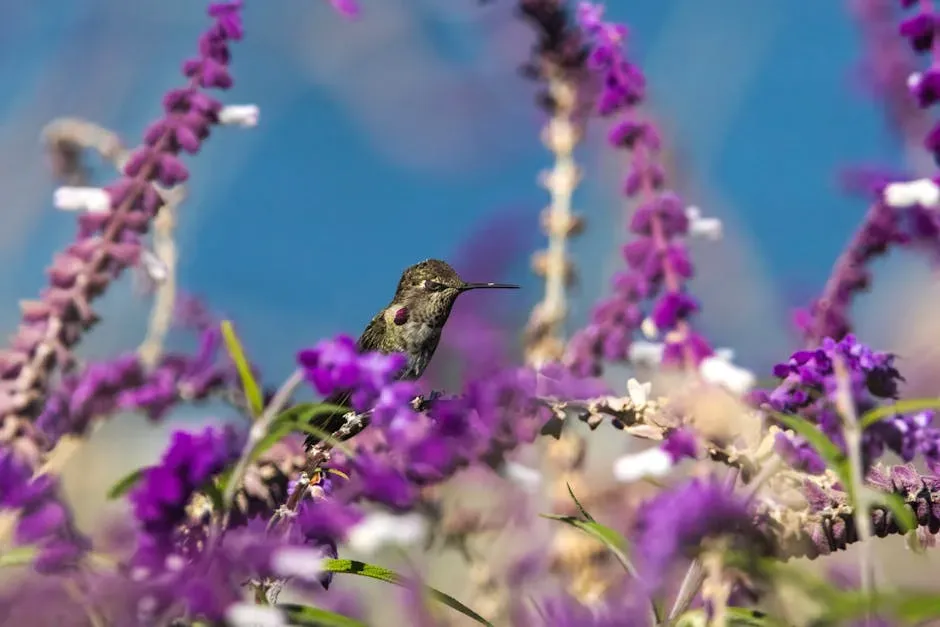
A garden that flowers for three weeks in June then goes quiet is not a garden hummingbirds will return to reliably. If hummingbirds find a good nectar source, they’ll keep coming back to check it. The key word there is “keep.” One spectacular bloom period means nothing if the garden falls silent in July and August.
Planting a garden that blooms throughout the warm season will ensure that you’re providing food from their arrival until their fall migration. Early in the season, plants like Peaches and Cream Honeysuckle, Kirigami Columbine, and Summertime Blues Chaste Tree offer a nectar kickstart for hummingbirds just arriving from their long journey. Summer bloomers keep the party going, while late-season bloomers like Stoplights Red Yucca provide fuel for the journey south.
#4 Native Plants Outperform Exotics Every Time
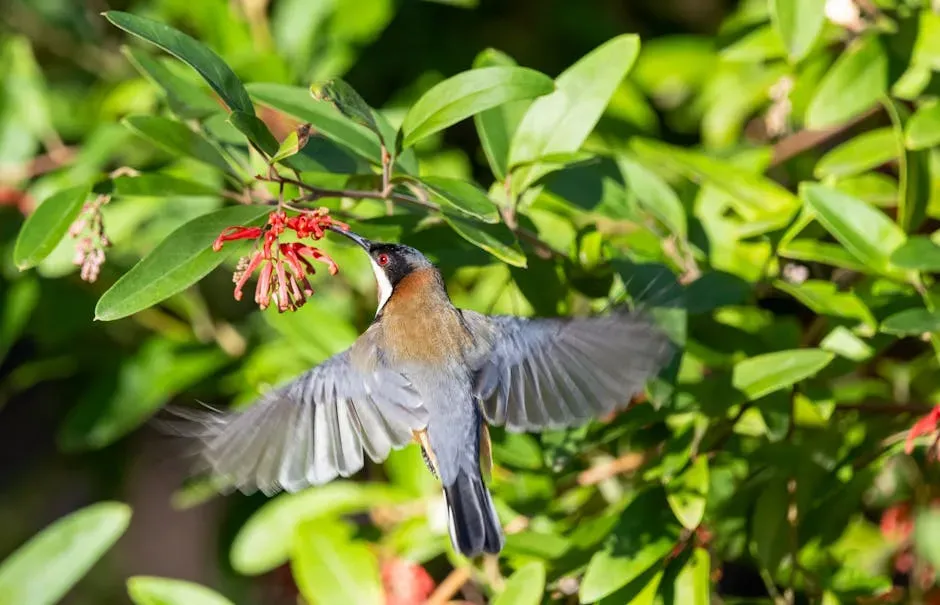
Native hummingbird plants and local hummingbird species have a long association in which plants serve as a reliable source of nectar at the same time each year. That timing matters enormously. A native plant and a local hummingbird have effectively co-evolved, and the relationship runs deep.
Research has shown that ecosystems with a high percentage of native plants will produce a higher volume of nectar than exotic plantings, and thus support a greater concentration of insects and spiders available as prey for hummingbirds and other birds. Exotic ornamentals can certainly play a supporting role, but anchoring your garden in natives gives hummingbirds what they have always known how to use.
#5 Tube-Shaped Flowers Are Not Just a Preference
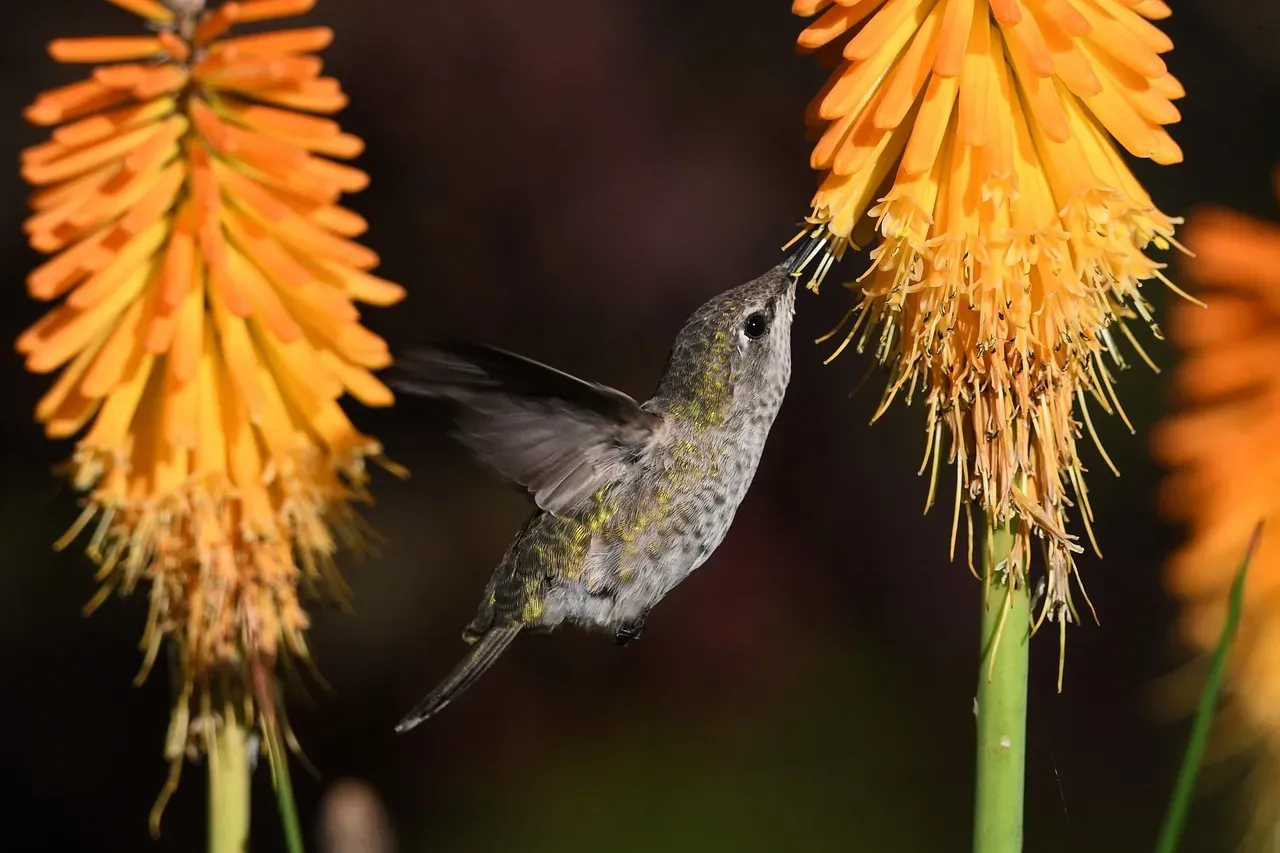
Not just any flowering plants will get hummingbirds’ attention. As pollinators, hummingbirds have evolved specifically to accommodate the pollination needs of tube-shaped flowers, as their long beaks are a perfect fit for reaching nectar deep inside the flower. This is anatomy meeting ecology in the most practical way possible.
Choose flowers with tube-shaped blooms favored by hummingbirds, especially in hues of red, orange, and pink. Native options include scarlet monkeyflower and native honeysuckle. Plants like bee balm and salvia tick both boxes – tubular form and bold color – which is why they appear in virtually every serious hummingbird garden. There’s no mystery to why they work so well.
#6 Spider Webs Are Garden Gold Worth Protecting
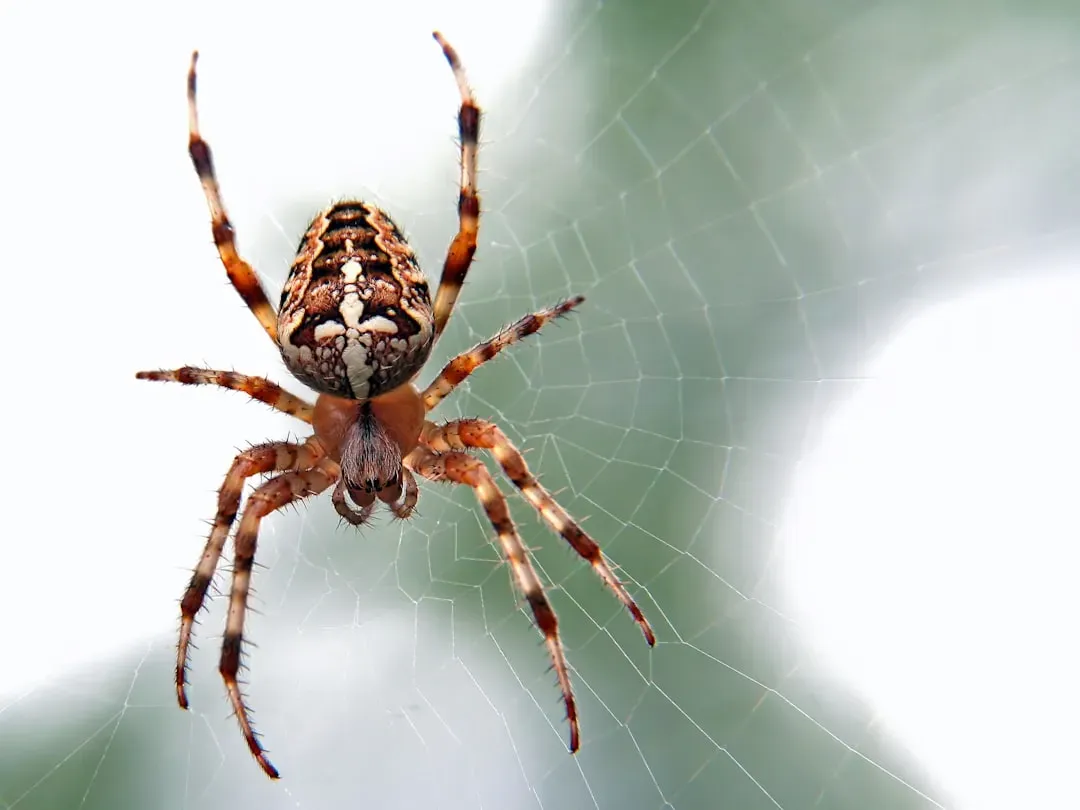
Most gardeners see a spider web and immediately reach for something to knock it down. Experienced hummingbird gardeners have learned to leave them alone. This single habit shift has a bigger impact than most people realize, operating on two levels at once.
Spider silk is perhaps the most important material in nest construction, acting like glue and holding the nest together. The spider web is stretchy and will allow the nest to expand as the hummingbird’s chicks grow. Leave the webs where they hang and you’re not just tolerating spiders – you’re actively supporting the next generation of hummingbirds nesting in your yard.
#7 They Perch Far More Than They Fly
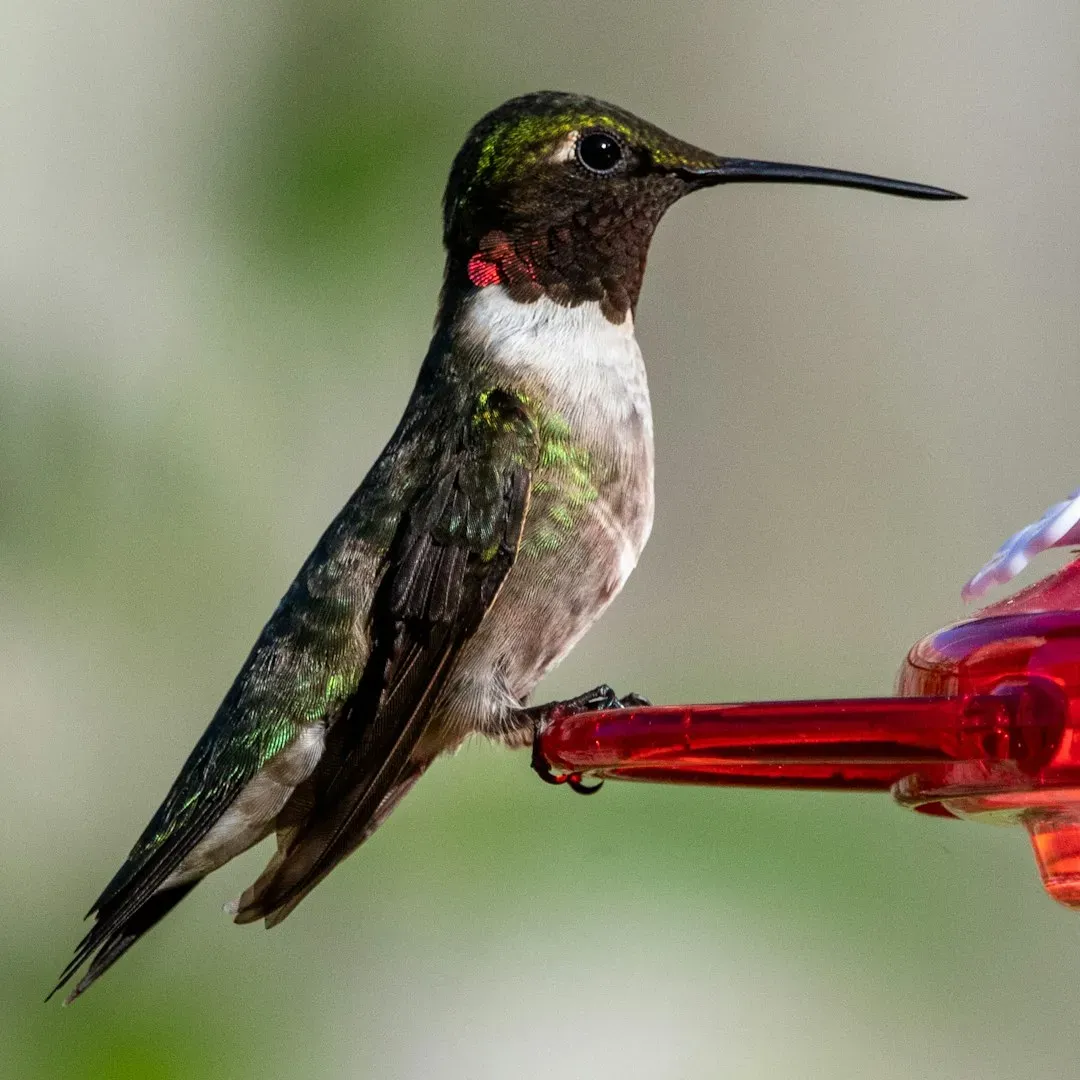
The hummingbird hovering at a flower is the image everyone holds in their head. But that’s only a fraction of their day. While hummingbirds are famous for their hovering ability, they spend about 80% of their time perching. Include small trees, shrubs, or even strategically placed garden stakes to give your tiny visitors spots to rest and survey their territory.
During the day, hummingbirds use a perch to oversee and guard a flower garden, feeder, or any other source of food. After feeding, a perch supplies a comfortable spot to digest their food, which usually takes about 20 minutes. A perch also supplies a spot for maintenance – preening – which is removing built-up debris in their feathers. A garden without perches is a garden that only serves half of a hummingbird’s daily needs.
#8 Vertical Layering Transforms a Good Garden Into a Great One
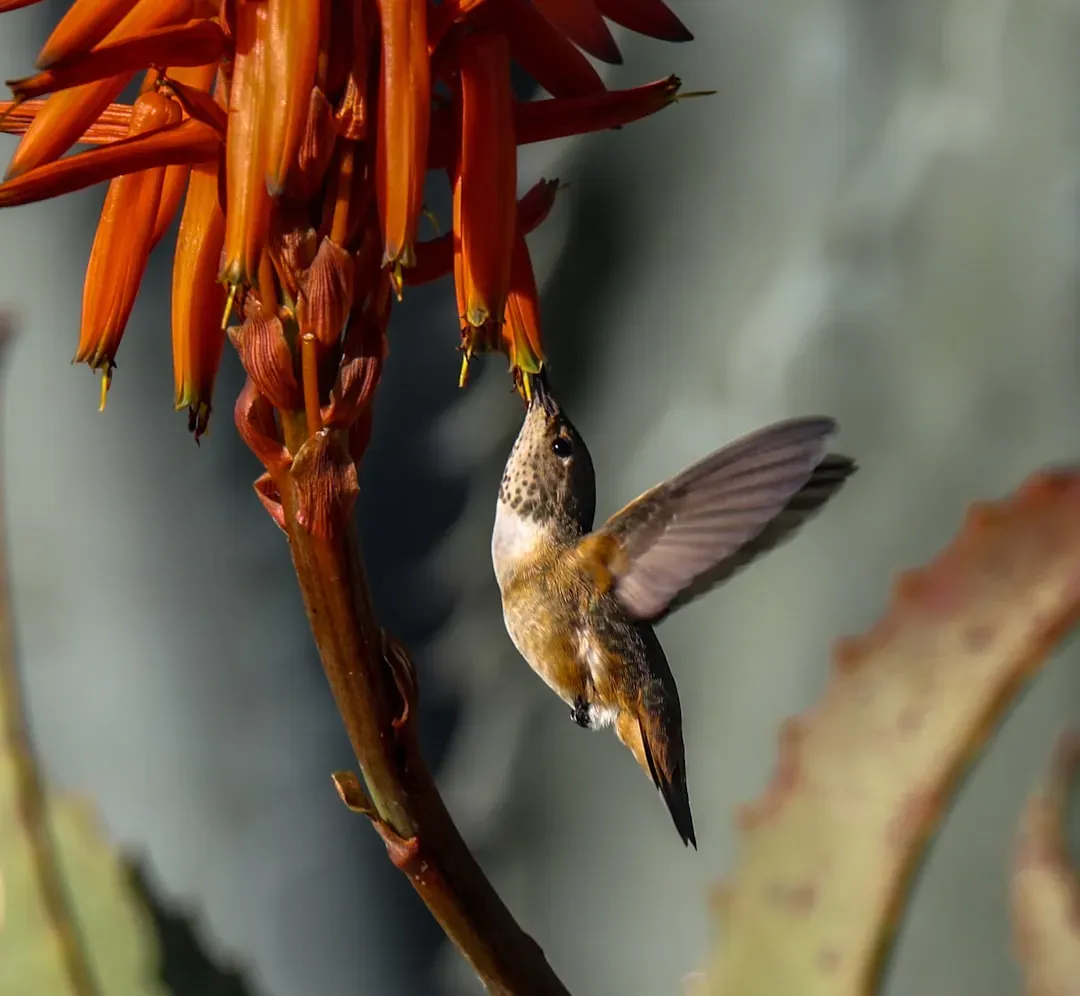
Hummingbirds move through a garden the way we move through a house. Some spaces are for feeding. Some are for resting. Some are transitional. When you include plants at various heights, you naturally create these zones. Most gardeners plant flat. Hummingbirds thrive in structure.
Tall shrubs and trees give hummingbirds places to survey the garden, preen, and rest. Mid-sized perennials supply consistent nectar right at feeding height. Low-growing plants cover the ground and support short hover-feeding sessions. A garden built with layers feels immersive rather than sparse, and that richness is as appealing to hummingbirds as it is to humans.
#9 Their Memory Is Remarkably Precise
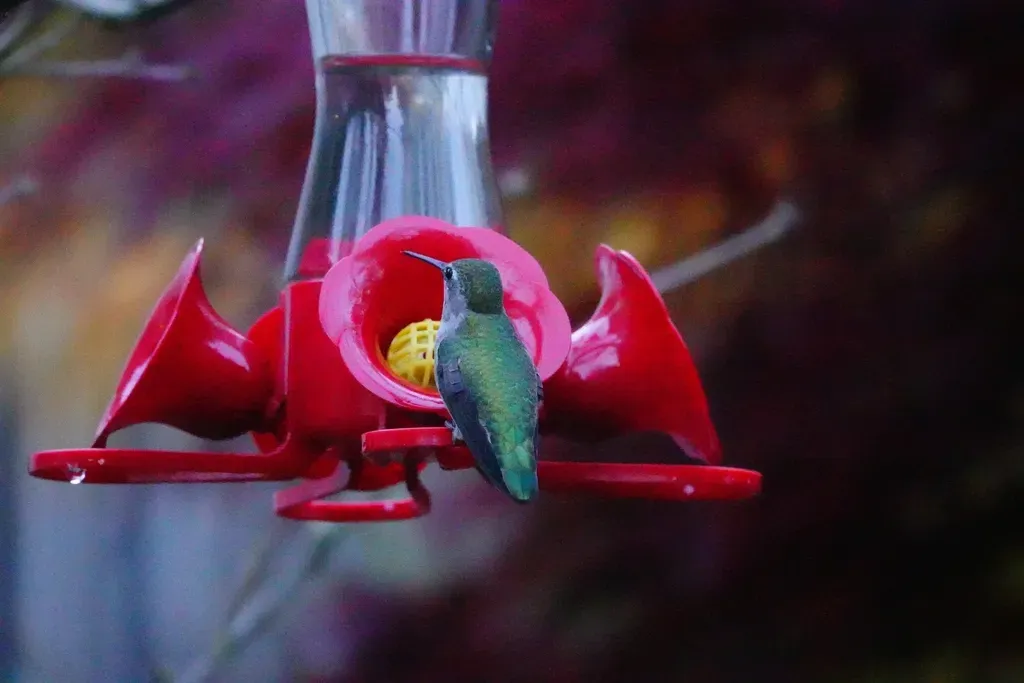
Hummingbirds have excellent spatial memory and can remember which flowers they visited and when those blooms will refill, a type of time-place learning shown in controlled studies. That memory supports traplining, which involves repeatable foraging routes that make them dependable pollinators. Once they’ve mapped your garden, they return with intention, not by accident.
Hummingbirds are creatures of routine. They visit the same feeders at roughly the same times each day. Once you’re on their mental map, staying consistent is all it really takes. Consistency in your nectar supply, your plant choices, and your garden layout is what converts a casual visitor into a reliable seasonal resident.
#10 Multiple Feeders Solve the Territorial Problem
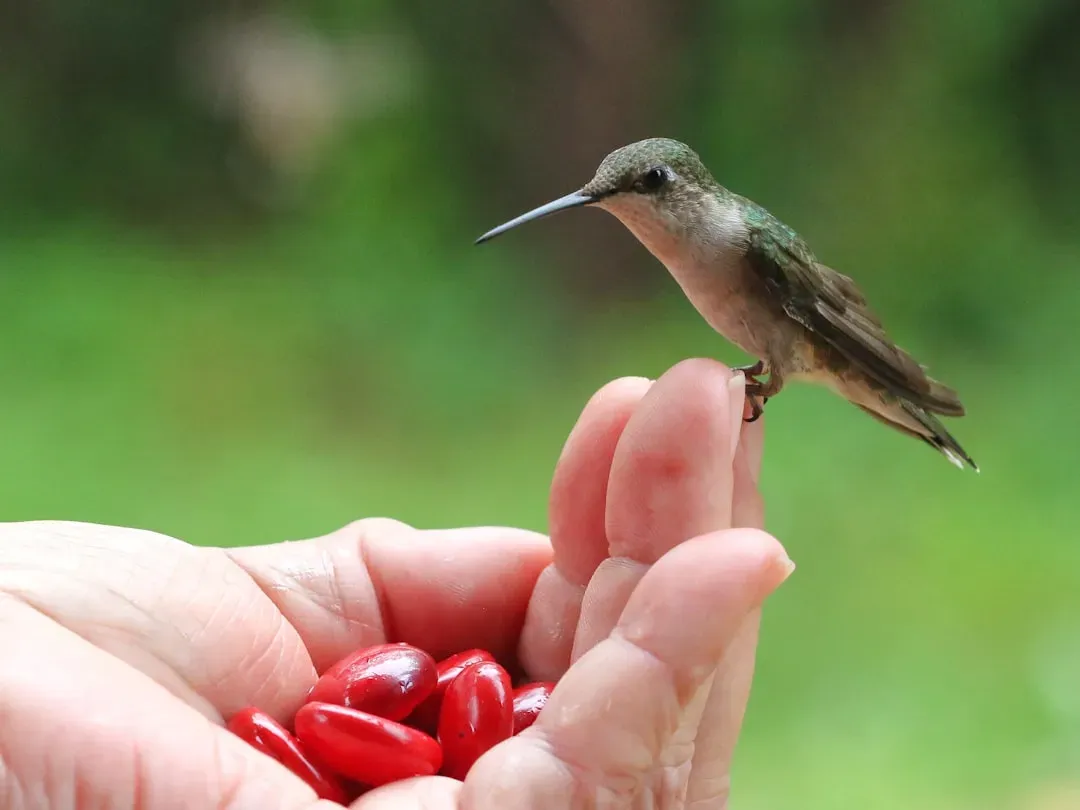
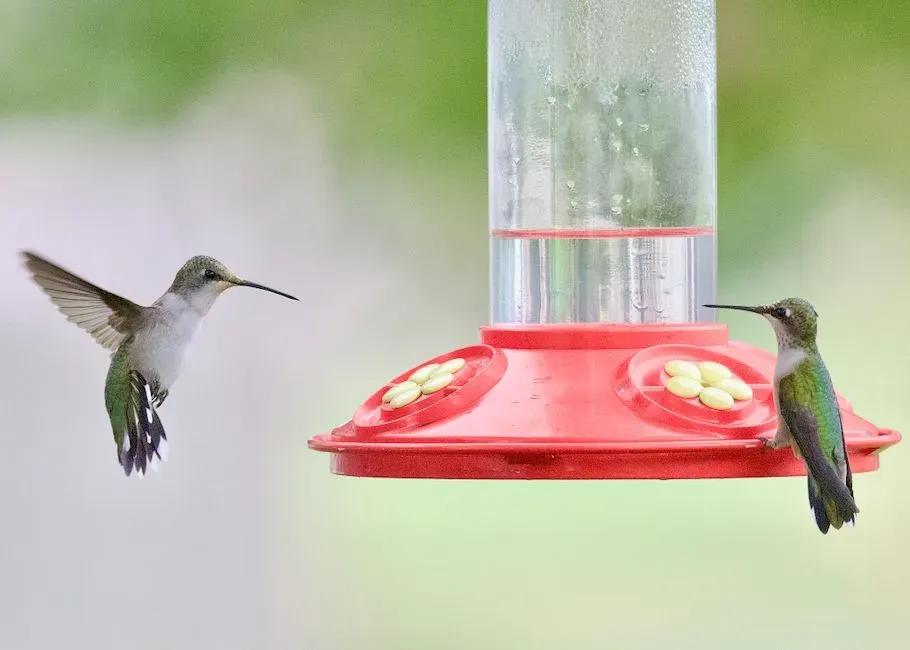
These birds have an instinct to defend their food sources because a patch of flowers produces only a little nectar each day. That territorial instinct is hardwired. A single feeder in the yard almost guarantees that one dominant bird will chase every other hummer away, leaving you watching one bird and wondering where all the others went.
A good strategy to prevent one bird from dominating the food source is to put up several feeders, located some distance apart from each other. If a feeder is out of sight from the others – around a corner, for example – it makes it harder for one bird to control them all. In a situation like that, even the more aggressive hummingbird may give up and just share with others.
#11 Clean Feeders Are Non-Negotiable
It’s important to clean your hummingbird feeder every three days – if you live in a warm climate, you might need to clean it more often – to prevent mold from developing, which can be fatal to these little birds. Thoroughly wash and rinse the feeder with hot, soapy water between feedings. This is the step most casual gardeners cut short, and it’s also one of the most consequential.
The nectar recipe itself matters just as much as the cleanliness. Mix one part white cane sugar to four parts water and nothing else. Skip the red dye and store-bought mixes, which can harm birds. The simplicity of the recipe is the point. There’s nothing to improve on, and plenty of ways to accidentally make it worse.
#12 Water Features Work Wonders Few Gardeners Use
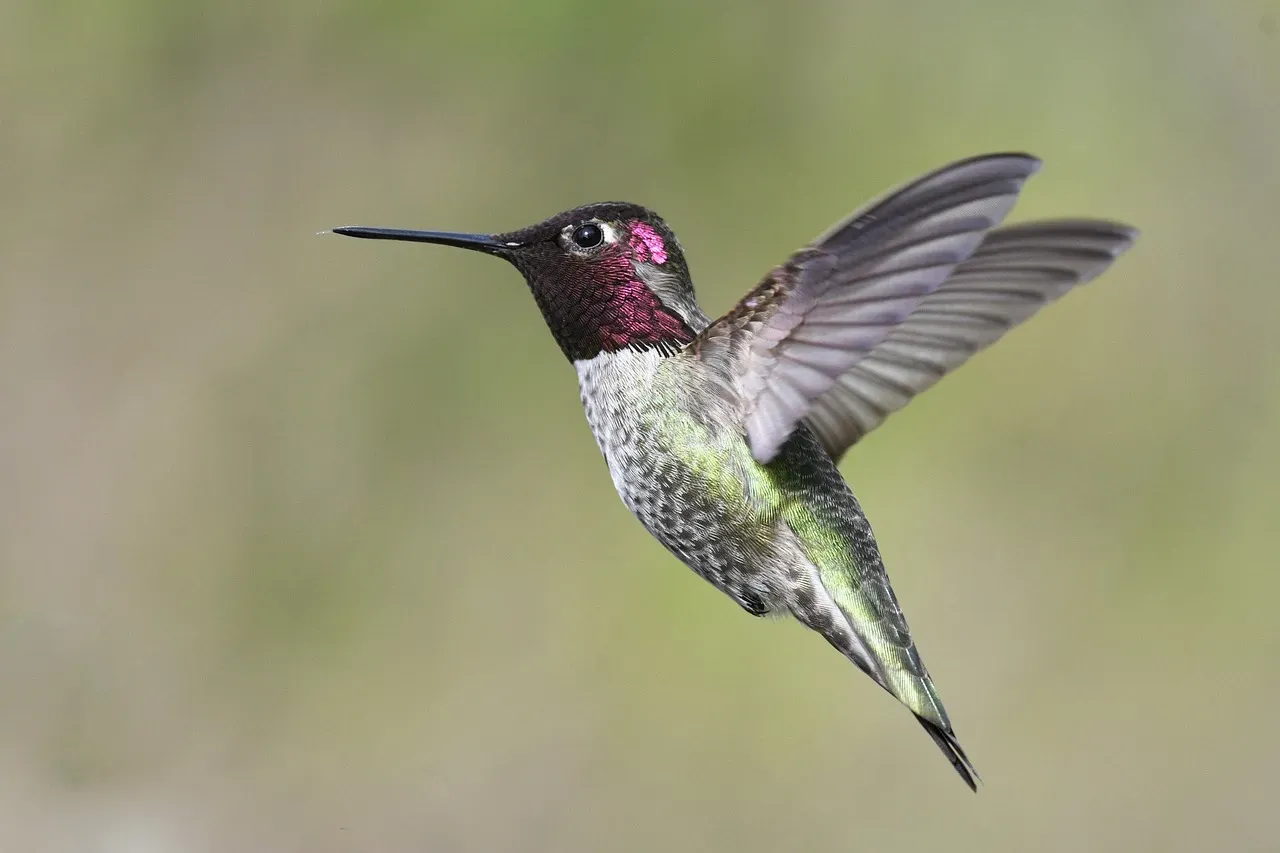
Hummingbirds like to bathe frequently – even in the pools of droplets that collect on leaves. Providing your yard with a constant source of water from a drip fountain attachment or a fine misting device is very effective. A misting device is an especially attractive water source for hummingbirds. Yet water features remain one of the most overlooked elements in a hummingbird garden.
Hummingbirds can drink and bathe in flight. They don’t submerge themselves in a birdbath as other birds will do. They prefer to dive and skim the surface or fly through a spray to get their requirement of water and bathe. A standard birdbath won’t cut it. A fine mister or bubbler, however, tends to become a hummingbird magnet almost immediately.
#13 Torpor Is a Nightly Event You Should Know About
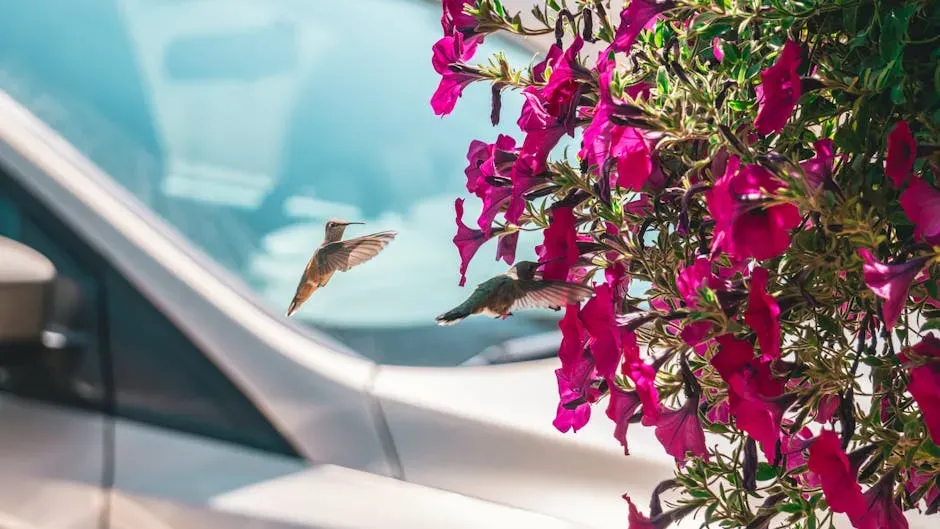
To cope with overnight fasting, many temperate species use torpor, a state that sharply lowers metabolic rate and body temperature. They go into a very deep sleep known as torpor where they slow their breathing and heartbeat, allowing them to survive cold nights. Often, they do this upside down. If you see a hummingbird hanging upside down, do not disturb it.
They can burn roughly fifty times less energy when they go into this state of nightly hibernation. Knowing this changes how you think about your garden at dusk. Make sure you have plenty of safe places for hummingbirds to rest and sleep in your yard. Hummingbirds often perch to rest or survey their territory, and some spots should be in protected areas hidden from view and buffered from any cooler overnight temperatures.
#14 They Feed With Extraordinary Intensity
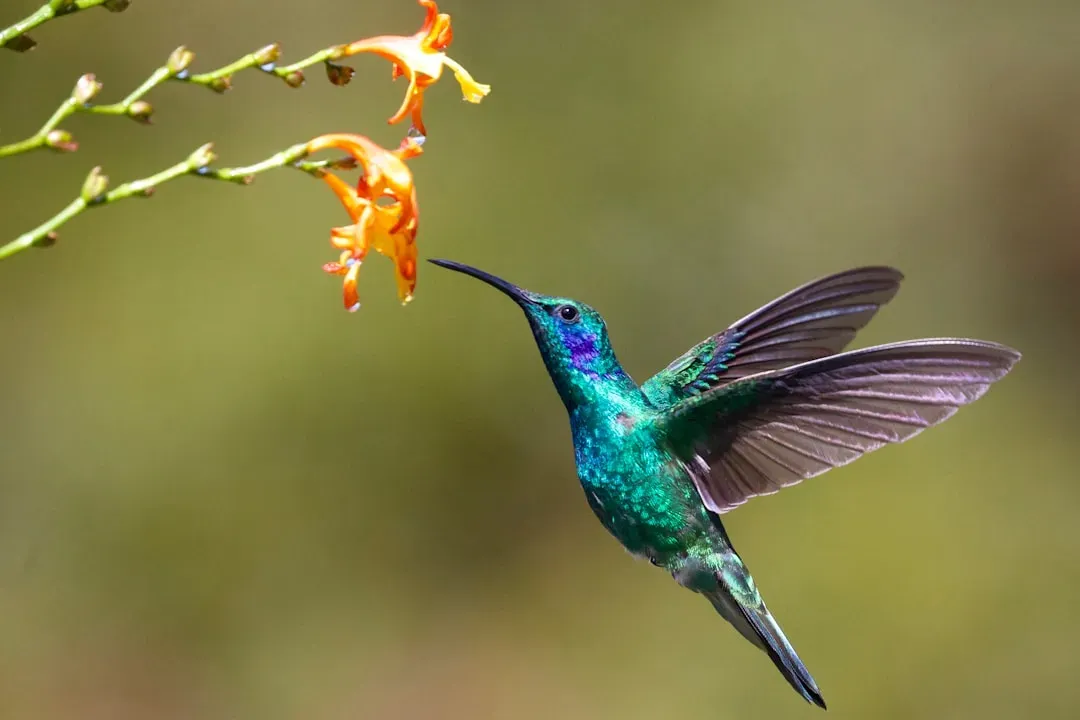
To sustain their supercharged metabolisms, hummingbirds must eat once every 10 to 15 minutes and visit between 1,000 and 2,000 flowers per day. Framing it that way reframes what your garden actually needs to be. A sparse planting of two or three nectar plants isn’t a resource – it’s barely a snack.
A hummingbird’s metabolism is about 77 times faster than a human’s. To keep their wings beating up to 50 to 80 times every second, they have to eat almost constantly. If a human burned energy that fast, we’d need to eat about 150,000 calories a day just to stay alive. Abundance in your garden isn’t generosity – it’s a biological necessity for these birds.
#15 Nest Materials Around the Garden Encourage Nesting
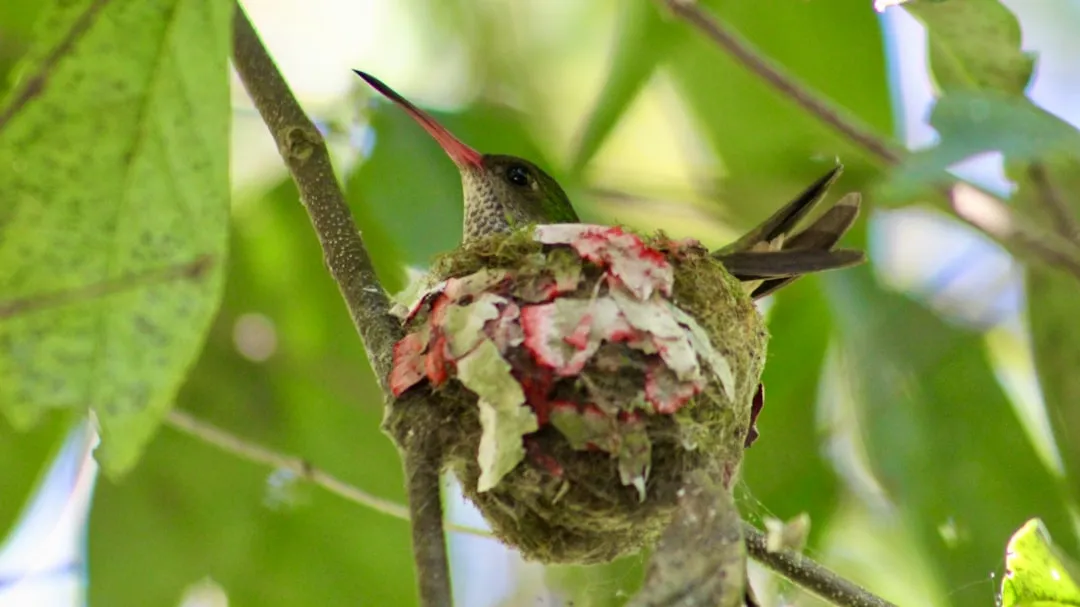
Hummingbirds build their nests with materials like lichens, spiderwebs, and lamb’s ear. Having hummingbirds stop by your garden is always a delight, but getting hummingbirds to nest in your yard is even more rewarding. While you can never guarantee where hummingbirds will nest, leaving natural nesting materials in place when you can encourages them to stick around.
Hummingbirds also love lining their nests with fluffy materials like dandelion fluff or the soft fluff from cattails, milkweed, and the leaves of lamb’s ear plants. If you’re lucky, you may already have some or all of these plants growing in your garden, or you can sow them intentionally to help out nesting hummingbirds. A small patch of milkweed or lamb’s ear tucked into the border does double duty: it feeds pollinators and furnishes a nest.
#16 The First Visit Can Take Weeks – Persistence Pays Off
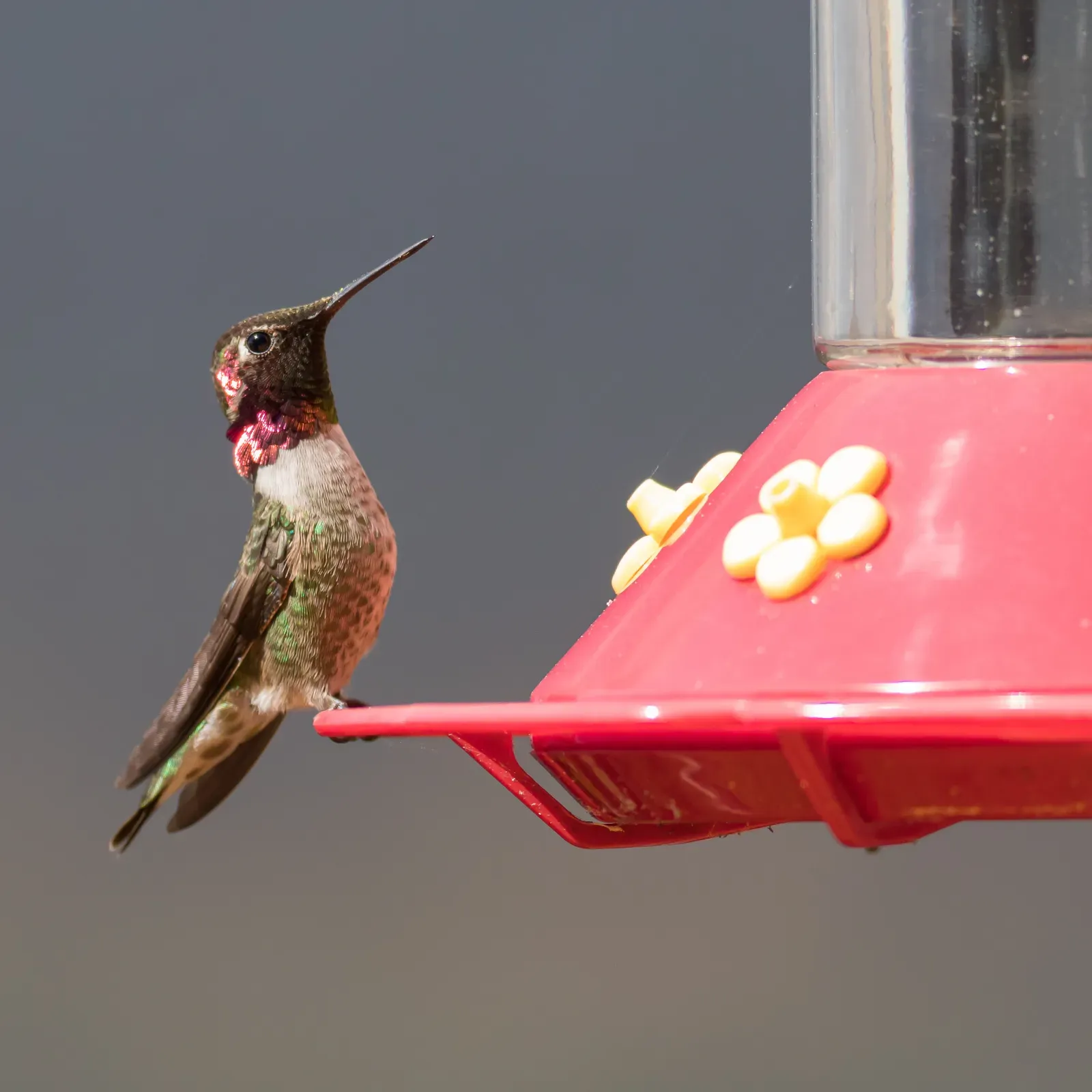
Hummingbirds may appear minutes after you set out inviting plants, but sometimes it takes several weeks before they chance on your garden. Even with luscious red flowers as bait, pure chance may keep your feeder a secret until the first migrant discovers it. Once hummingbirds do start visiting your garden, they are likely to continue throughout the season and will usually return the following year.
If visits drop off for a week or two in midsummer, the reason may be that an especially attractive nearby flower patch may have temporarily diverted your hummingbirds. That lull isn’t failure – it’s competition. The number of hummingbirds that frequent your yard is closely linked to the abundance of food, water, nesting sites, and perches. Addressing all four together creates cumulative momentum rather than isolated results.
#17 Red Is a Signal, Not the Whole Story
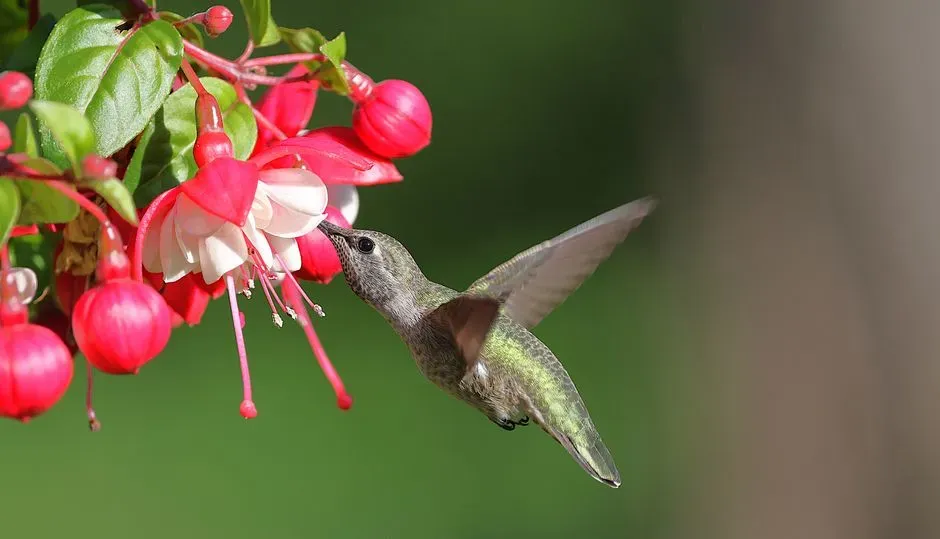
Hummingbirds have no sense of smell. Many people think that they find food based on smell, however this is not the case at all. In fact, food is generally found by sight. Red grabs their attention from a distance, which is why red feeders and red flowers are such reliable tools for getting that first visit. But sight goes well beyond color.
While hummingbirds might investigate almost any flower, bold colors like reds, oranges, hot pinks, and deep purples stand out the most. Bright blooms help hummingbirds quickly assess where to feed, and movement plays an equally important role. Airy perennials and ornamental grasses sway with even the slightest breeze, creating visual cues that help hummingbirds navigate safely. A garden that moves and glows is a garden hummingbirds can read from the air.
What Ties All 17 Secrets Together
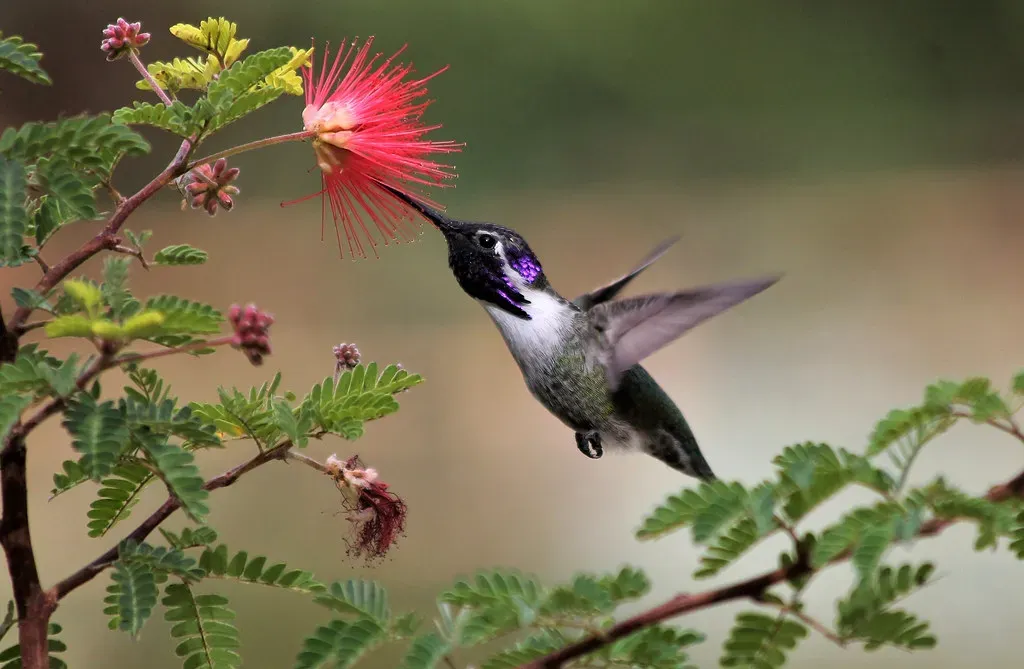
The through line in all of this is the same: hummingbirds need more than a feeder and a flowering plant. They need a complete habitat – layered, insect-rich, pesticide-free, consistently blooming, and stocked with the structural elements that let them feed, rest, nest, and return year after year.
None of these secrets require a large garden or a significant budget. Most require only a shift in how you think about the space. Once hummingbirds discover your property, the same individuals are likely to return each year at about the same time, as they are remarkable creatures of habit. The number of hummingbirds that frequent your yard is closely linked to the abundance of food, water, nesting sites, and perches.
Get those four things working together, and the garden tends to take care of itself. That’s the open secret experienced gardeners have quietly known all along.

From exploring the marine wonders in the Azores and witnessing the vast savannas of Kenya, to delving deep into the rich biodiversity of South Africa and traversing iconic landscapes in Australia and the US like Yellowstone, Chris's experiences are vast.
With a penchant for diving alongside sharks, the ocean holds a special place in his heart.
Through his academic insights, he champions wildlife conservation, striving with 'Animals Around The Globe' to cultivate a profound connection between humans and animals, enhancing our mutual appreciation.
Connect with him at Feedback@animalsaroundtheglobe.com.
- 13 Most Bizarre Things Washed Up on American Beaches - July 26, 2026
- Why More Animals Are Moving Into Urban Areas - July 26, 2026
- The Surprising Intelligence of Octopuses Explained - July 26, 2026