

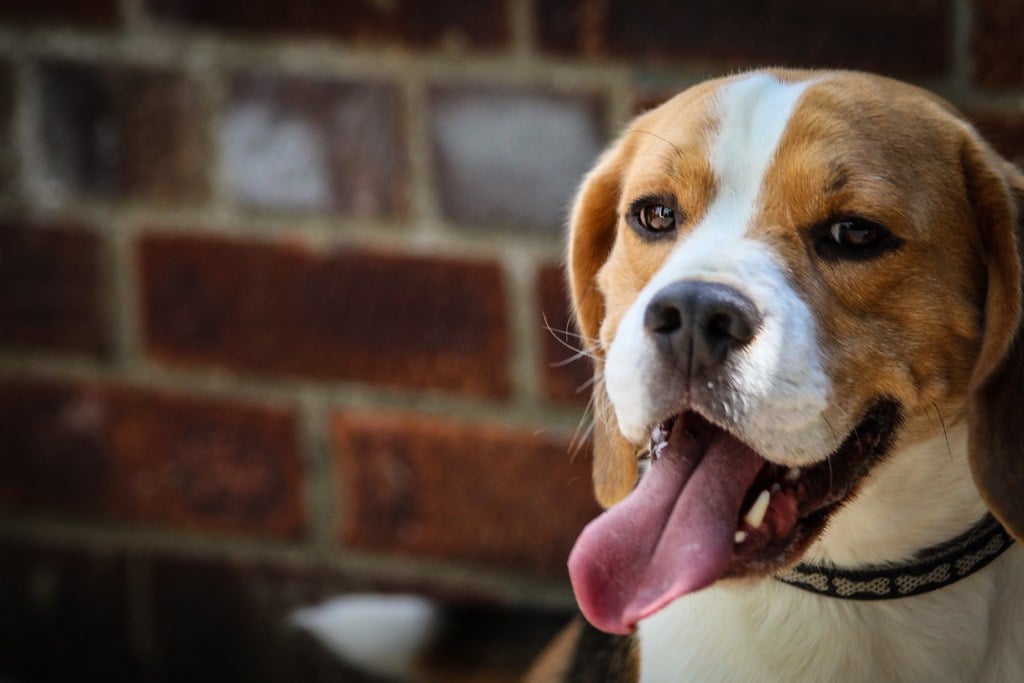
Your vet gets fifteen minutes with your dog, under fluorescent lights, on a stainless steel table, in a room that smells like fear and antiseptic. You get the other 525,600 minutes a year. Most of those minutes happen on the same boring walk around the same block, and that’s exactly why nobody takes them seriously.
But here’s the uncomfortable truth: the moment your dog hesitates at the door, sniffs a lamppost differently, or drags on the way home isn’t nothing. It’s data. It’s the earliest version of a story that, months later, might end with a diagnosis. Keep reading, because by the time you finish this list, you’ll never look at your daily walk the same way again.
#17 – The First Three Steps Out the Door
🔥 Would you like to save this?
We'll email this post to you, so you can come back to it later!
That awkward half-second when your dog crosses the threshold is more diagnostic than most fifteen-minute exams. If your dog explodes through the door every single time, dragging you down the stairs like you’re an afterthought, that’s not “cute enthusiasm.” It can be chronic over-arousal, weak impulse control, or hidden anxiety wearing an excited mask.
Dogs that launch like rockets often struggle to settle indoors, sleep lightly, and get twitchier later on the route. Over time, that constant stress load can quietly chip away at digestion, skin health, and even immune function.
Now flip it. A dog that used to bolt outside but suddenly pauses, scans, or hangs back at the threshold is telling you something changed. Sudden slowness in those first steps can hint at joint stiffness, early arthritis, or fading vision, especially in low light.
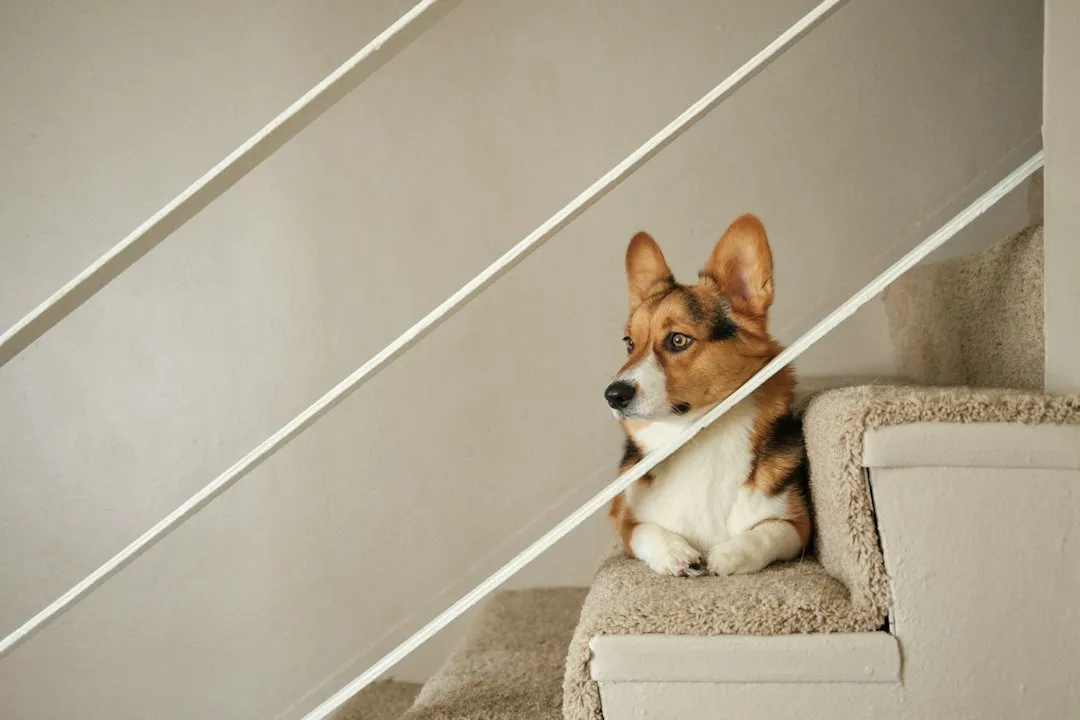
Even how they handle the stairs right outside matters. Skipping a step, bunny-hopping the hind legs, or avoiding the last curb jump can point to hip or lower back discomfort long before a limp shows up. Your vet will never see your stairs. Only you connect that baseline.
#16 – How They Sniff the Same Old Bush
🔥 Would you like to save this?
We'll email this post to you, so you can come back to it later!
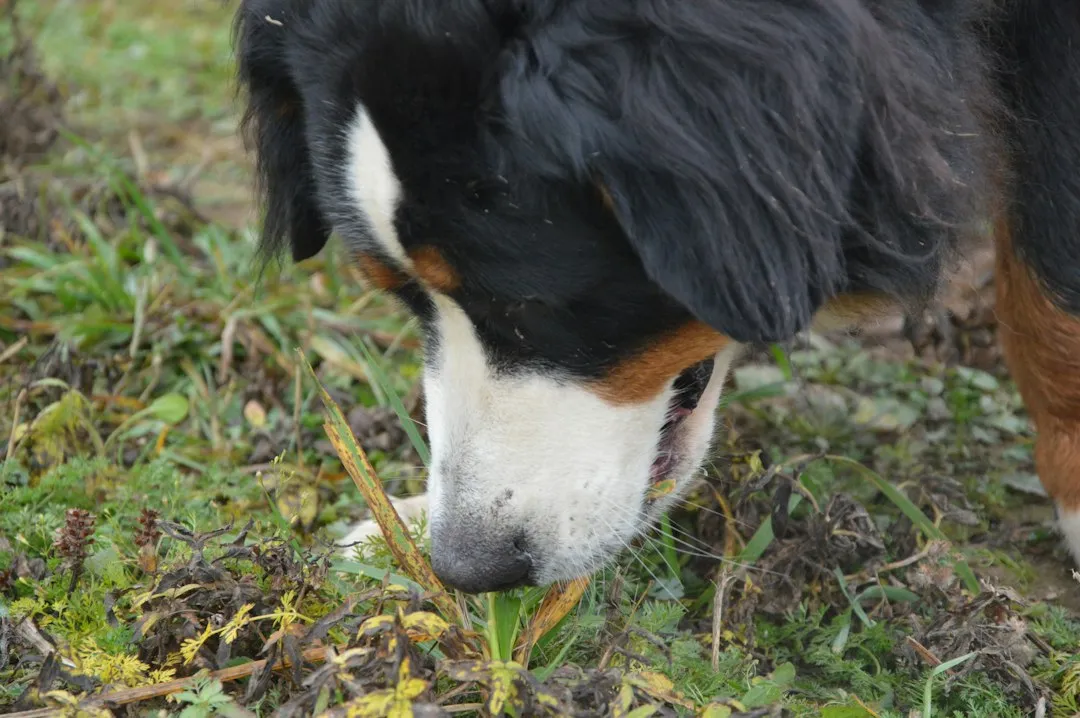
Sniffing isn’t just “checking pee-mail.” It’s your dog plugging into the neighborhood’s entire data feed, and the pattern they use should stay fairly consistent day to day.
Some dogs do a quick scan, one or two sniffs, then move on. Others go full detective mode, working the base of the bush like it owes them money. When that pattern suddenly shifts on an otherwise normal day, with no new dog, no trash, no weather change, it’s a quiet red flag. A dog that used to inspect carefully but now does a rushed, disinterested pass might be dealing with low-level pain or fatigue.
Fast Facts
- Dogs have up to 300 million scent receptors, compared to roughly 6 million in humans.
- A dog’s sense of smell is estimated to be tens of thousands of times more sensitive than a person’s.
- The brain region devoted to analyzing scent is proportionally far larger in dogs than in humans.
- Shifts in sniffing style can appear well before other visible symptoms of pain or illness.
The opposite is just as telling. An older dog that suddenly fixates on one spot every single day, licking or drooling at it, might be reacting to hormonal shifts in nearby dogs, or wrestling with new anxiety. Compulsive re-sniffing paired with trouble disengaging can masquerade as enrichment while actually signaling stress.
Even the depth of the inhale matters. Short, choppy sniffs can line up with nasal irritation, allergies, or early dental discomfort. Long, full-body sniffs usually mean calm curiosity and confidence. Most people just yank the leash and mutter “come on already,” but this tiny ritual is basically a mood ring for your dog’s brain.
#15 – The Way They Greet the Same Neighbor Every Day
🔥 Would you like to save this?
We'll email this post to you, so you can come back to it later!
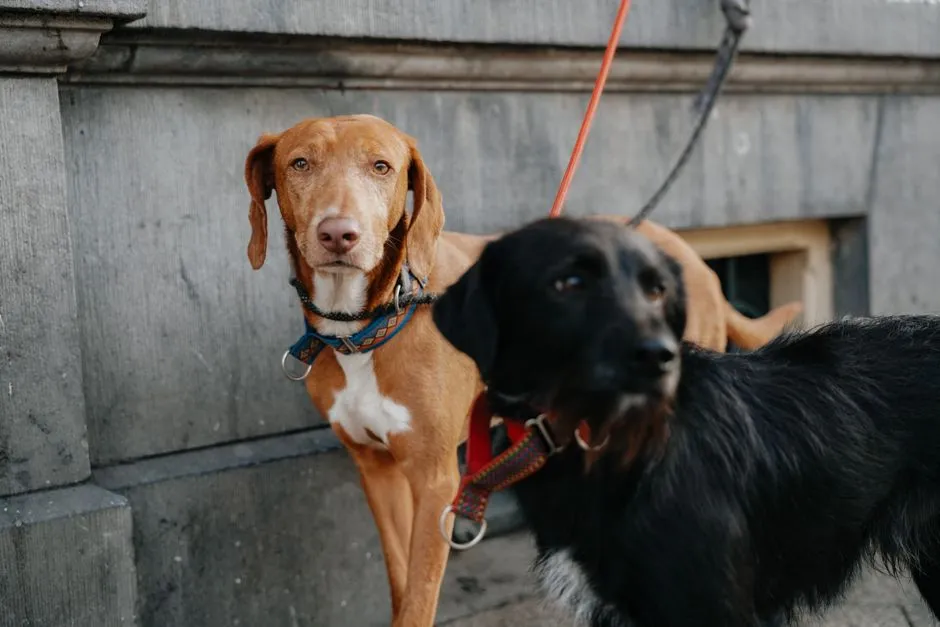
That familiar neighbor you pass every morning isn’t just small talk fuel. For your dog, it’s an emotional thermometer, and the reading should stay stable over weeks if nothing’s wrong.
A dog offering a loose body, a mid-height wag, and a soft face is saying, “I know this person, I feel okay.” When that shifts to stiff posture, a slow wag, avoided eye contact, or hiding behind your legs, it’s not moodiness. It can be early fear, pain, or a medical change building quietly underneath.
Some owners proudly say “he loves everyone” while their dog launches down the sidewalk, paws scraping, squealing at full volume. That frantic full-body flinging is usually over-arousal mixed with poor coping skills, not genuine social ease, and these dogs tend to burn out faster and pull harder everywhere else too.
Watch for new clinginess too. A dog that starts leaning harder into you, or uses your leg as a shield while still wanting to say hi, may be feeling uncertain. Anxiety never shows up on an X-ray, but it shows up here, in about four seconds, every single day.
#14 – Their Reaction to That One Noisy Spot
🔥 Would you like to save this?
We'll email this post to you, so you can come back to it later!
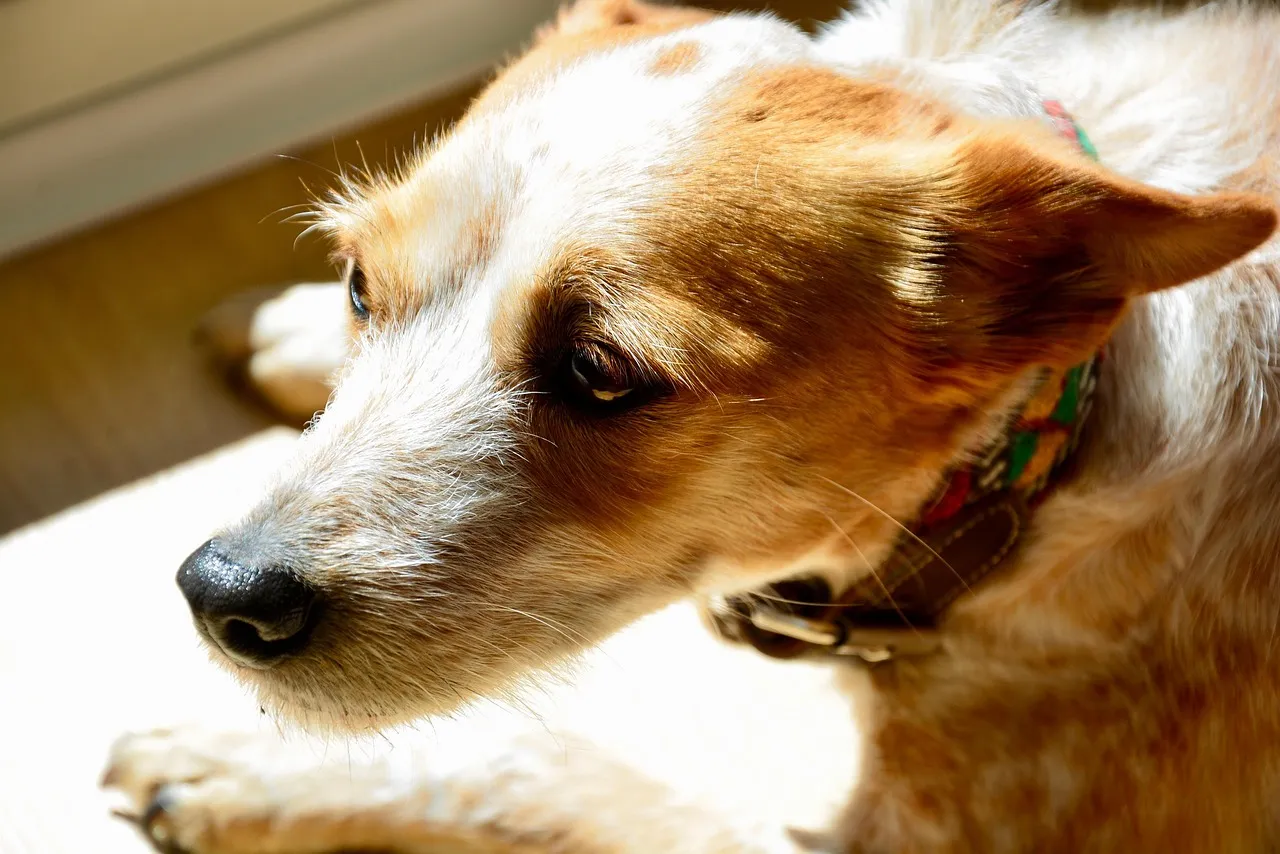
Every route has a trouble zone: a busy intersection, a construction site, a fence with a barking dog behind it. At first, wariness is normal. Trucks make dogs startle. Crosswalk beeps make them freeze. That’s not the concern.
What matters is the trajectory. A resilient, healthy dog should gradually relax with repeated, calm exposure over weeks. If they’re still panicking, lunging, or trying to bolt months later, that’s not a quirky personality trait. It can signal a nervous system stuck in high alert, or trauma that never resolved.
Watch for the micro-signs before the reaction: lip licking as you approach, a faster walking pace to rush through, ears pinned or eyes gone wide before the noise even starts. If they improve some days and regress on others, track what’s different: time of day, your own mood, how much sleep they got the night before.
Dogs that suddenly become dramatically more sensitive to sounds they’ve heard for years may be dealing with pain, hearing changes, or cognitive decline. Vets ask “any behavior changes?” and most owners say no, but that one loud corner on your daily route might already be shouting the truth.
#13 – How They Walk on Different Surfaces
🔥 Would you like to save this?
We'll email this post to you, so you can come back to it later!
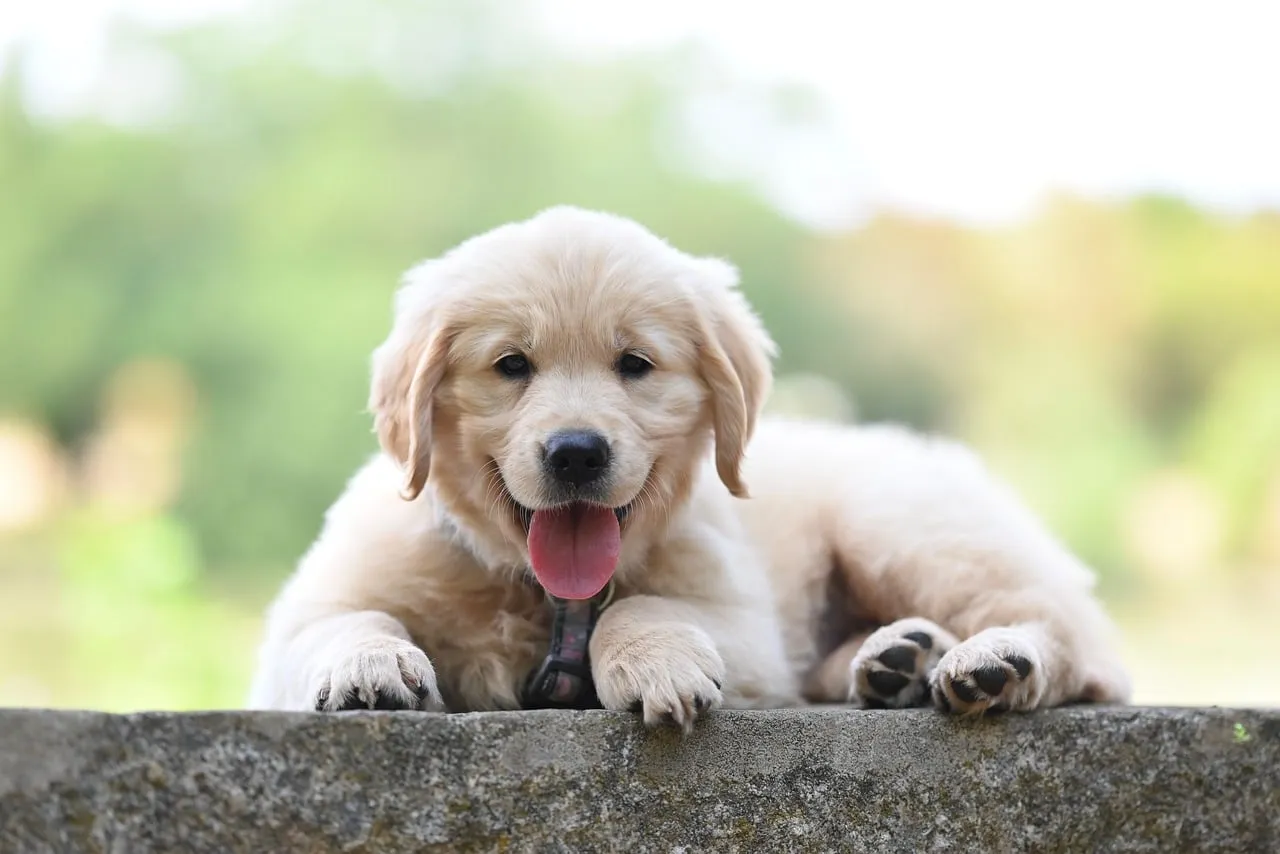
Sidewalk, grass, gravel, hot pavement: every surface is a quiet test of your dog’s body. A dog with healthy joints and confident paws adjusts seamlessly. They might prefer grass for comfort, but they don’t refuse or tiptoe across everything else.
Watch for subtle avoidance: hugging the grass strip to dodge concrete, bunny-hopping across pebbles, freezing at a metal grate. Dogs with early joint pain or sore paws quietly “vote with their feet” long before they ever limp in front of you.
Hard surfaces magnify impact, so if your dog’s gait looks stiffer on pavement but looser on grass, that’s often a musculoskeletal clue, not just “getting older.” Watch for a shortening stride in the back legs, skipping a step after a curb jump, or dragging and scuffing nails on one side more than the other.
Temperature adds another layer. Sudden paw lifting, hopping, or frantic licking after a few steps on hot pavement can mean the ground is genuinely too hot, or that the pads themselves are sensitive. You’ll never see this on a clinic floor. You see it constantly on your route, if you’re actually watching.
#12 – Their Leash Tension in the Boring Middle
🔥 Would you like to save this?
We'll email this post to you, so you can come back to it later!
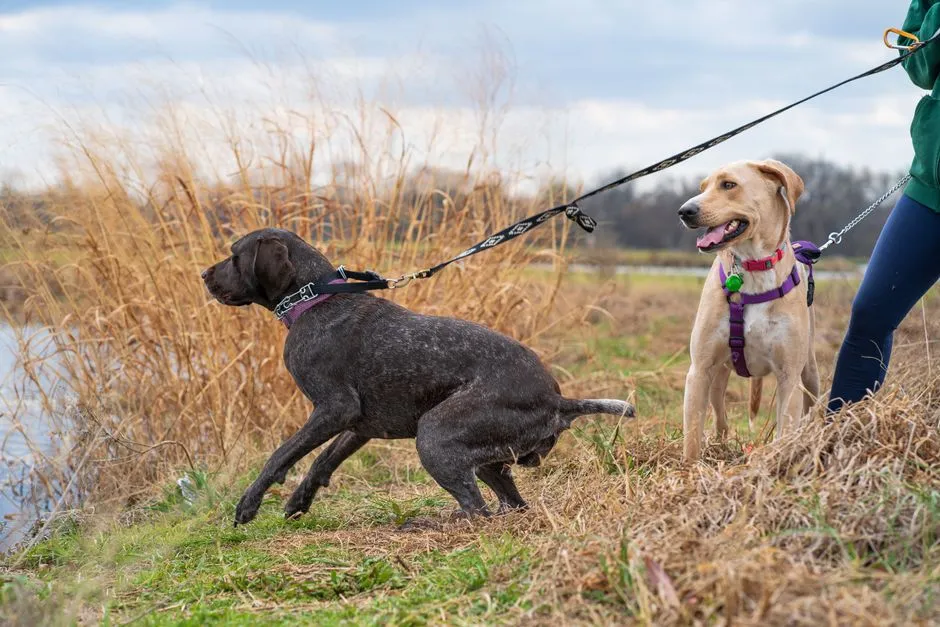
Everyone pays attention to the excited start and the tired end of a walk. The boring middle stretch is where the real truth serum lives. Once the initial burst of energy burns off, your dog’s natural rhythm takes over.
A stable, comfortable dog usually settles into mild pulling, regular sniffing, brief stops, then moving on. When the route is familiar and nothing unusual is happening, changes in that baseline leash tension are a big deal. A dog that used to stroll comfortably but now either drags desperately or lags behind is almost always signaling a physical or emotional shift.
Quick Compare
- Sudden pulling mid-walk: often linked to discomfort, anxiety, or pent-up energy from poor sleep.
- Sudden lagging mid-walk: often linked to fatigue, joint pain, or low mood.
- Steady mild pulling: generally a normal baseline for many healthy dogs.
- Frequent stopping to stare at you: can signal real discomfort, not stubbornness.
Excessive pulling mid-walk can mean they’re compensating for discomfort and trying to “get it over with,” or it can point to rising anxiety, restlessness, or pent-up energy from poor sleep. Lagging is arguably the bigger warning, especially in a dog that used to lead the way.
That slow trudge, the hanging back, the stopping to stare at you, can signal fatigue, pain, heart or lung issues, or low mood. Too many owners chalk it up to stubbornness and just drag them along, missing an early medical flag. Your leash is basically a direct wire into their nervous system.
#11 – The Poop Routine You Think Is Normal
🔥 Would you like to save this?
We'll email this post to you, so you can come back to it later!
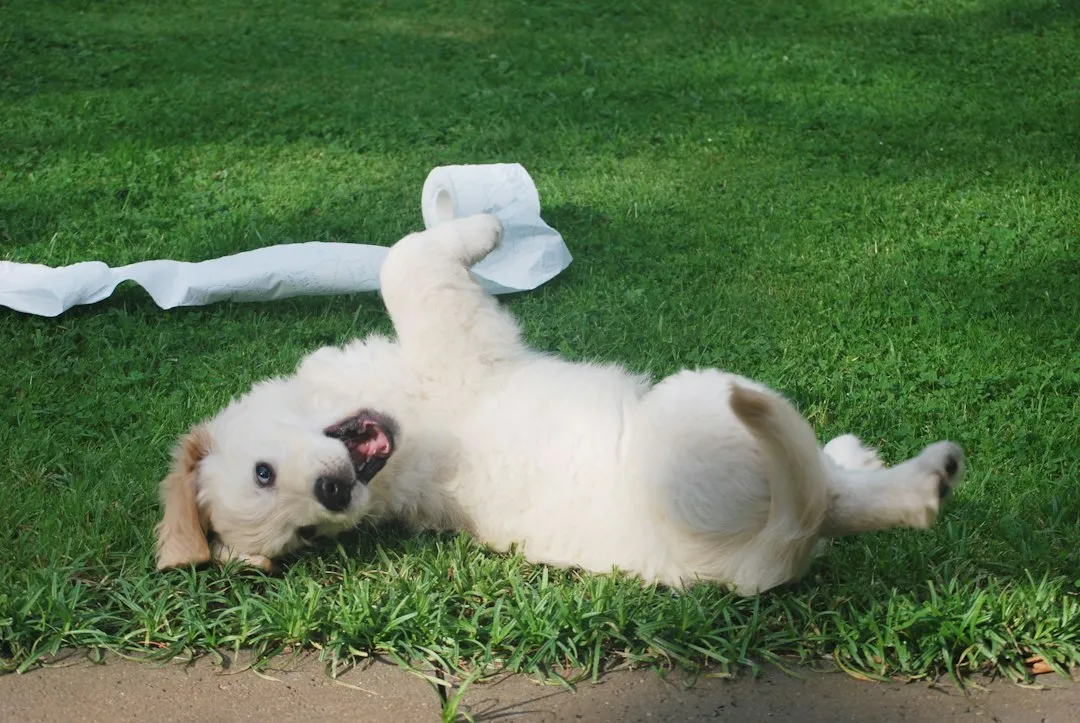
Yes, your daily pickup duty is a health report, if you’re actually reading it. Most people just check “did they go” and move on, but the how matters as much as the what.
A dog that circles twice, squats, and finishes in seconds has a pattern. When they suddenly start pacing for minutes, straining, or trying repeatedly without much result, that’s an early-warning system for digestive issues, dehydration, or even spinal pain making the squat itself uncomfortable. A dog that arches oddly or seems to “fall out” of the squat may be guarding sore hips or a sore back.
The stool itself matters too, obviously: diarrhea, mucus, blood are hard to miss. But consistency over days tells you more than one weird outlier. Alternating between perfect and messy with no diet change is often a stress signal, not “something they ate.” Dogs internalize stress in their gut the same way people do.
Here’s the blunt part: many serious illnesses, from inflammatory bowel disease to anal gland problems, show up first as tiny poop-pattern changes on your daily route, long before your dog seems sick to the naked eye.
#10 – How They React to Other Dogs in the Distance
🔥 Would you like to save this?
We'll email this post to you, so you can come back to it later!
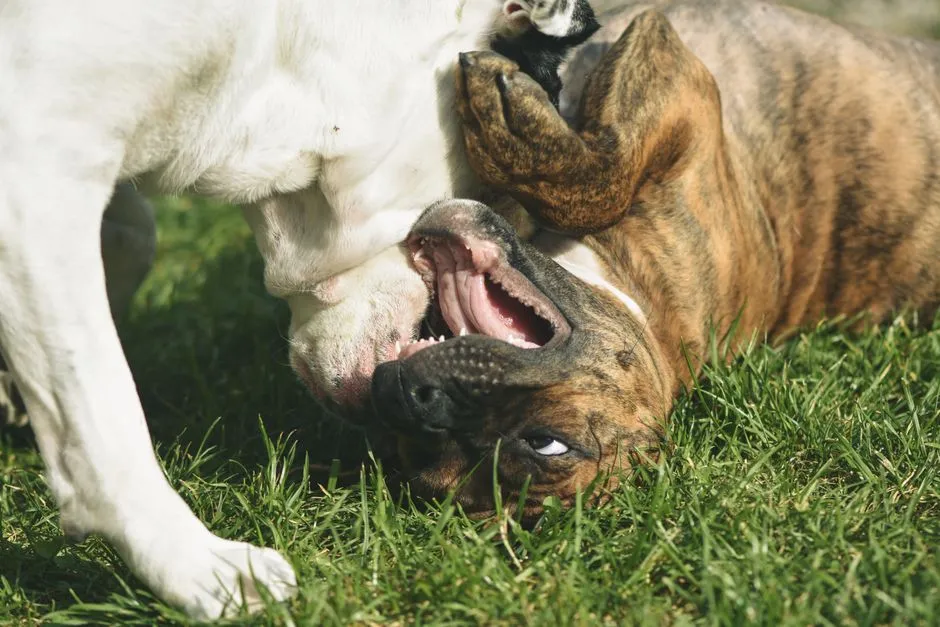
Everyone notices the dramatic lunge when a dog passes. The pre-game reaction, the half-second before the reaction, matters far more.
When your dog first spots another dog half a block away, what happens? A quick glance and back to sniffing usually means comfort. Mild interest with a loose tail and relaxed ears is normal too. But locking into a stare, freezing, or creeping forward on stiff legs is a warning sign that your dog isn’t “friendly,” they’re conflicted and possibly overwhelmed.
Even the “excited” dogs screaming and dragging you toward every passing dog are often over their emotional threshold, not genuinely happy. That constant intensity raises baseline stress hormones, and over time it can quietly erode sleep, immune health, and digestion. You’ll never see a cortisol spike at a routine vet check, but you’ll see its residue right here, on the sidewalk.
Watch for pattern shifts too. If your dog used to ignore passing dogs but now barks, hides, or refuses to walk past, something changed, maybe a bad experience, aging, pain, or fading vision or hearing making them feel exposed. Reactivity rarely appears out of nowhere. Most people write it off as “he’s just protective,” when really, it’s anxiety asking for help.
#9 – Their Speed on the Way Out vs. the Way Home
🔥 Would you like to save this?
We'll email this post to you, so you can come back to it later!
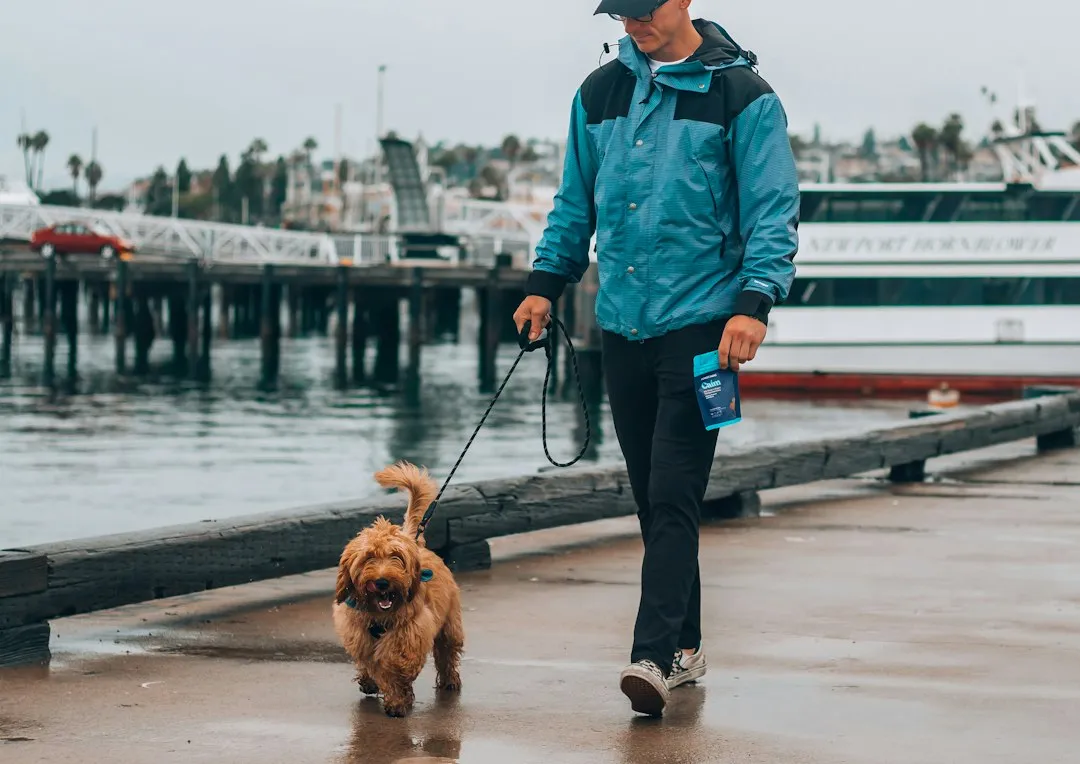
This one looks harmless, but it’s surprisingly revealing. Almost every dog is a little faster leaving the house and a little more focused heading back. The degree of difference is what matters.
If your dog sprints away from home like their tail’s on fire, then drags their feet or straight-up refuses to walk back, that’s not just “not wanting the fun to end.” It can point to weak stamina or cardiovascular issues, joint pain that worsens after activity, or underlying anxiety about being left alone once you’re home.
Flip it around. A dog that drags on the way out but marches briskly toward home might feel uneasy on the route itself, maybe due to noise, loose dogs, or unpredictable run-ins you’ve dismissed as no big deal. The ratio between out-speed and home-speed is basically your dog’s emotional GPS.
Big shifts over weeks, suddenly surging home faster than usual, or starting to hesitate near your own block, should make you ask what changed in their body or environment. No vet ever sees this pattern. You’re the only one logging it.
#8 – What They Do at the Usual Rest Stop
🔥 Would you like to save this?
We'll email this post to you, so you can come back to it later!
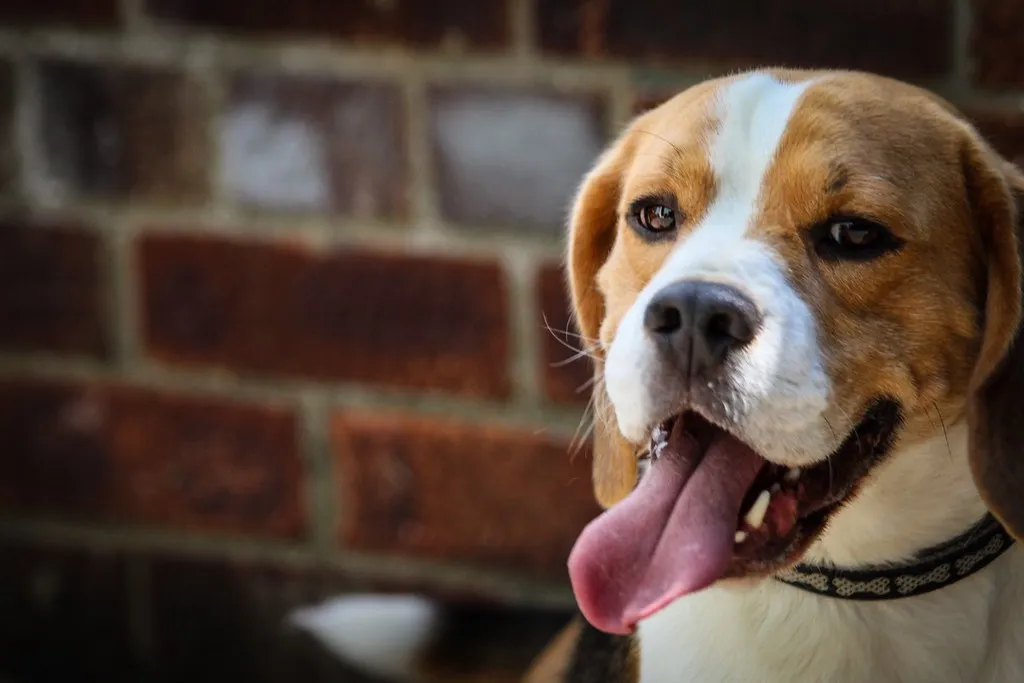
Most routes have a predictable pause: a bench, a shady patch, a corner where you check your phone or chat with a neighbor. What your dog does here, when nothing is happening, is one of the clearest health tells you’ll ever get for free.
A comfortable, balanced dog might lie down with hips tucked and legs relaxed, casually scan and then rest their head, or alternate between sniffing and settling. Dogs that never settle, constantly pacing, whining, jumping at tiny sounds, obsessively scanning the horizon, may be carrying a chronic stress load that a ten-minute exam would completely miss. Chronic hypervigilance often gets mislabeled as “high energy,” but it lives much closer to anxiety.
Worth Knowing
- A relaxed dog usually shifts positions every few minutes rather than freezing in one spot.
- Sphinx-style resting with the chest up can be a subtle sign of joint or muscle guarding.
- Constant scanning or pacing at a “safe” rest stop often points to chronic stress, not high energy.
- A sudden preference for shade or cool ground can hint at overheating or coat-related discomfort.
Watch the down position too. A dog that used to flop on their side but now only lies sphinx-style, chest up, ready to spring, may be guarding sore hips or elbows. Avoiding one particular side, or grunting on the way back up, is a joint comfort clue your vet may never personally witness.
Even the choice of spot matters. Sun versus shade, grass versus concrete. A sudden preference for cooler ground can hint at overheating or coat changes, while hugging walls or hiding under benches can signal creeping insecurity.
#7 – Their Startle and Recovery Around Sudden Events
🔥 Would you like to save this?
We'll email this post to you, so you can come back to it later!
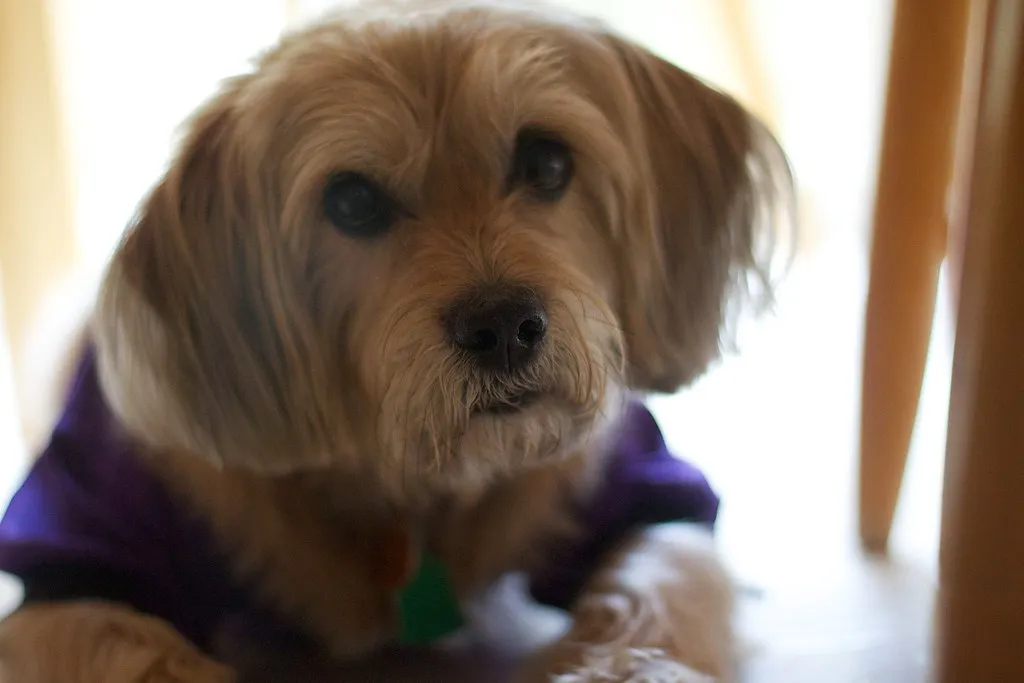
A dropped trash can lid, a skateboard zipping past, a car door slamming shut: your daily route is full of pop quizzes for your dog’s nervous system. The startle itself is normal. The recovery is the real test.
A healthy, emotionally stable dog might jump, then quickly sniff, shake off, and return to baseline within seconds. A dog that stays locked up, tail tucked, ears pinned, pupils dilated, for minutes afterward is waving a genuine red flag about their stress resilience. That prolonged alarm state keeps their body flooded with stress chemistry long after the trigger is gone.
Watch how long it takes them to resume normal sniffing, whether they keep glancing back at the scary spot, and whether they flat-out refuse to walk past that area again later in the same walk. If the startle response intensifies over time to the exact same stimulus, that’s not “aging grumpiness.” It can be pain, sensory decline, or unresolved anxiety quietly stacking up.
Until one has loved an animal, a part of one’s soul remains unawakened.
Anatole France
Some older dogs seem almost bombproof, unbothered by anything anymore, but that’s not always calm confidence. Sometimes it’s a cognitive checkout, an early sign of canine cognitive dysfunction you’d never catch in a rushed office visit. You witness these micro-moments dozens of times a week. Your vet might catch one, if you’re lucky.
#6 – Their Interaction With Familiar Landmarks
🔥 Would you like to save this?
We'll email this post to you, so you can come back to it later!
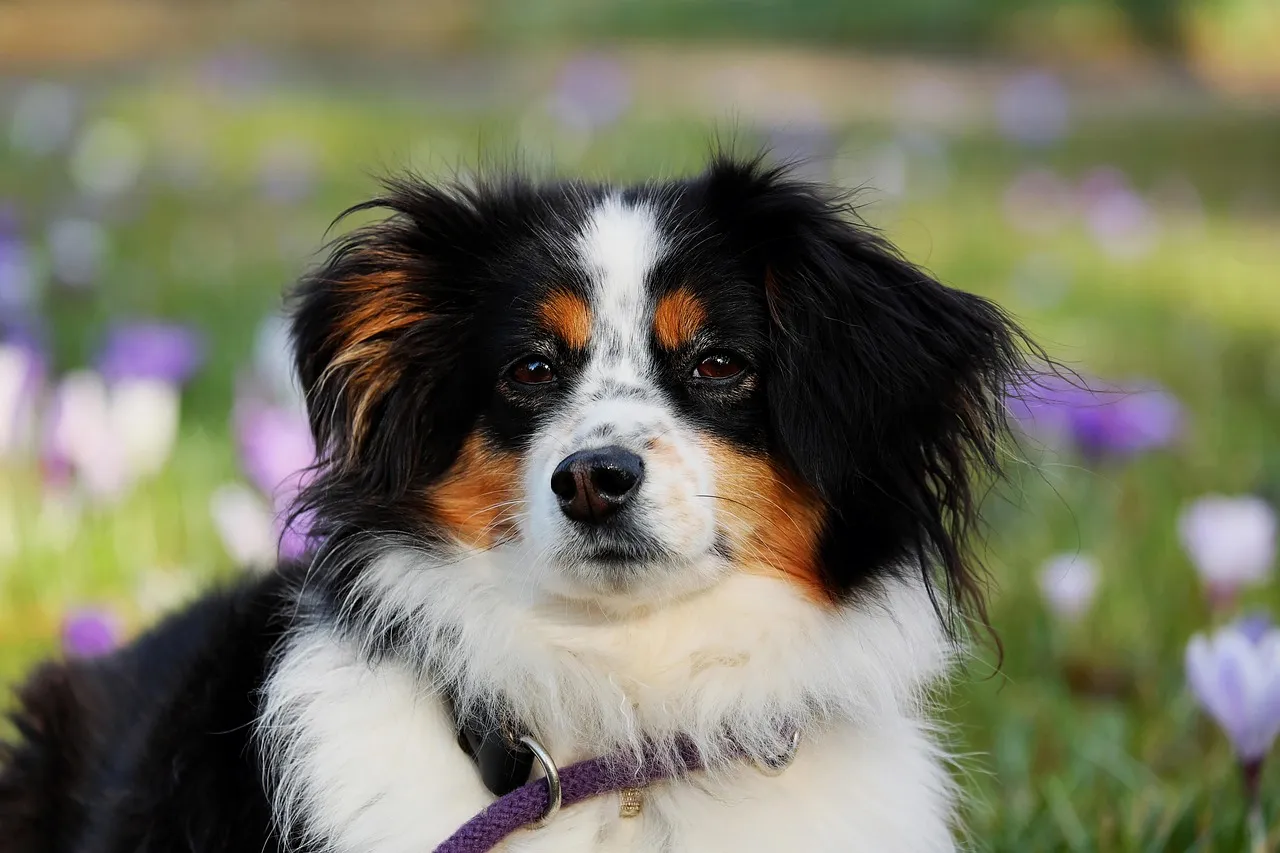
Every route has its landmarks: a certain tree, a corner store, the park gate, a row of mailboxes. Dogs build mental maps around these fixed points, and those little routines reveal both comfort and memory.
If your dog always trots ahead at the same corner or pauses to drink from the same puddle, that’s their map working correctly. When a mentally sharp dog suddenly “forgets” a long-established pattern, missing a usual turn, walking past your own building, seeming disoriented at a gate they’ve passed a thousand times, that can be an early cognitive or sensory warning sign.
Watch for pausing at the wrong door, needing extra verbal cues to make a turn they used to take automatically, or generally seeming lost somewhere painfully familiar. This isn’t always dementia, though. Pain or fatigue can break old habits too.
A dog might start avoiding the park gate they used to charge through because rough play now hurts. Or they might drag near a car they associate with a bad vet visit or a boarding stay. Landmarks are basically chapter markers in your dog’s daily story, and when they start rewriting those chapters on their own, it’s real data, not weirdness.
#5 – How They Act in the Car on the Same Route
🔥 Would you like to save this?
We'll email this post to you, so you can come back to it later!
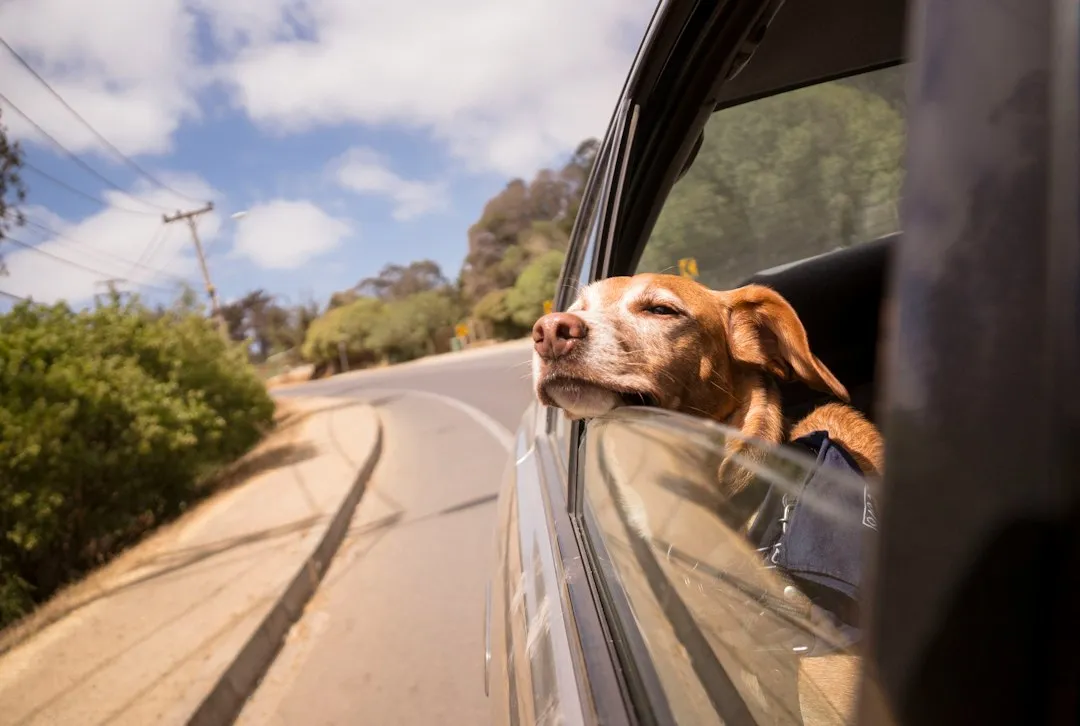
For a lot of dogs, the daily route happens by car: daycare drop-off, the dog park, the drive to the trail. Everyone notices the obvious stuff, car-sick drooling, panting, vomiting. The subtler patterns matter even more.
A dog who used to ride calmly but now pants, drools, or paces only on certain stretches, like near a vet clinic or a busy highway, may be building route-specific anxiety. Associations like “this road means needles” or “this exit means scary dogs” show up in body language long before an outright refusal to get in the car.
Watch for a dog refusing to jump in when they used to hop right up, scrambling to the front seat, hiding under your legs, or going strangely silent when they’re usually vocal, or the reverse. Car posture matters too. Bracing hard on turns or constantly shifting position can point to joint or spine discomfort that motion makes worse.
We love to blame “car nerves,” but sometimes it’s just pain. Because the route is identical every time, any change in behavior is meaningful. Your vet sees your dog stand on a scale. They never see the subtle trembling that starts three blocks before the clinic, every single Thursday.
#4 – Their Thirst Pattern Before, During, and After
🔥 Would you like to save this?
We'll email this post to you, so you can come back to it later!
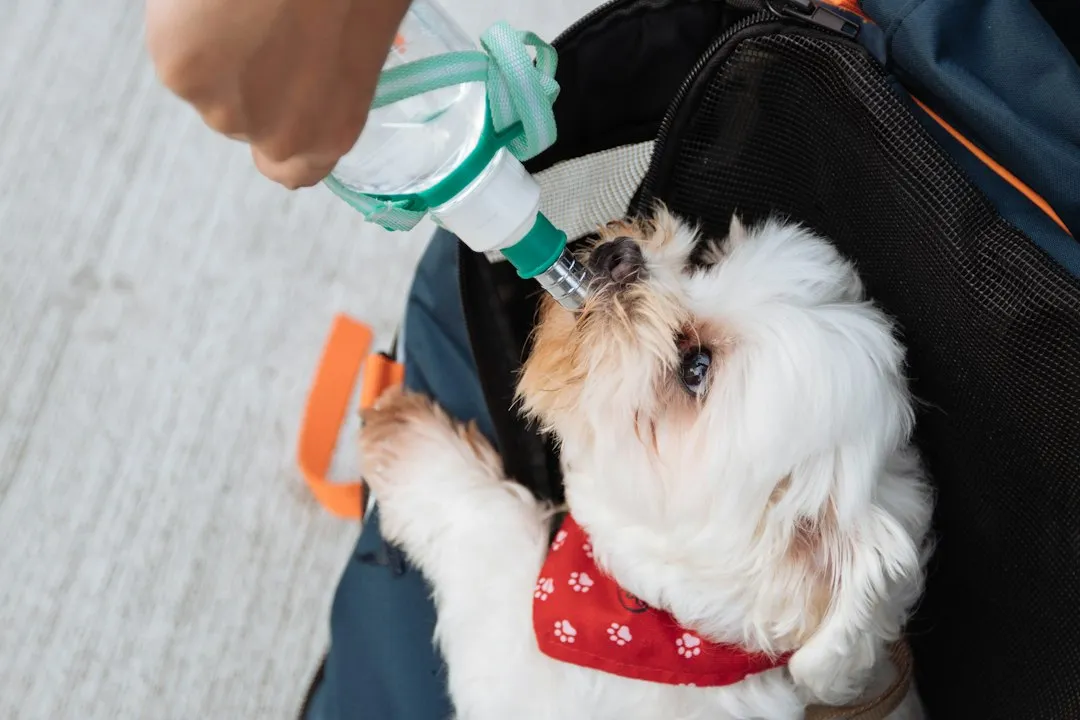
Water isn’t just hydration, it’s a diagnostic habit hiding in plain sight. On a consistent daily route, your dog’s drinking rhythm should be fairly predictable: maybe they ignore water before the walk, take a sip at the halfway point, then drink properly once home.
When that pattern shifts significantly, pay attention. A dog that suddenly gulps large amounts of water after a shorter-than-usual walk, or keeps hunting for puddles outside, may be signaling metabolic issues, overheating, or medication side effects. On the flip side, a dog that used to drink eagerly after every walk but barely touches water now, even after real exercise, may be dealing with nausea, oral pain, or something deeper.
Thirst changes are one of the classic early signs of conditions like diabetes or kidney disease, but the nuance gets dismissed constantly as “it’s hot out” or “he’s just being weird.” Watch how they approach the bowl too. Hesitation bending down, dropping water while drinking, coughing after a sip, can all hint at discomfort or swallowing trouble.
Your vet might ask, “any changes in drinking?” and most people confidently say no. Your daily route can answer that question far more honestly than memory ever will.
#3 – Their Energy Crash After the Usual Walk
🔥 Would you like to save this?
We'll email this post to you, so you can come back to it later!
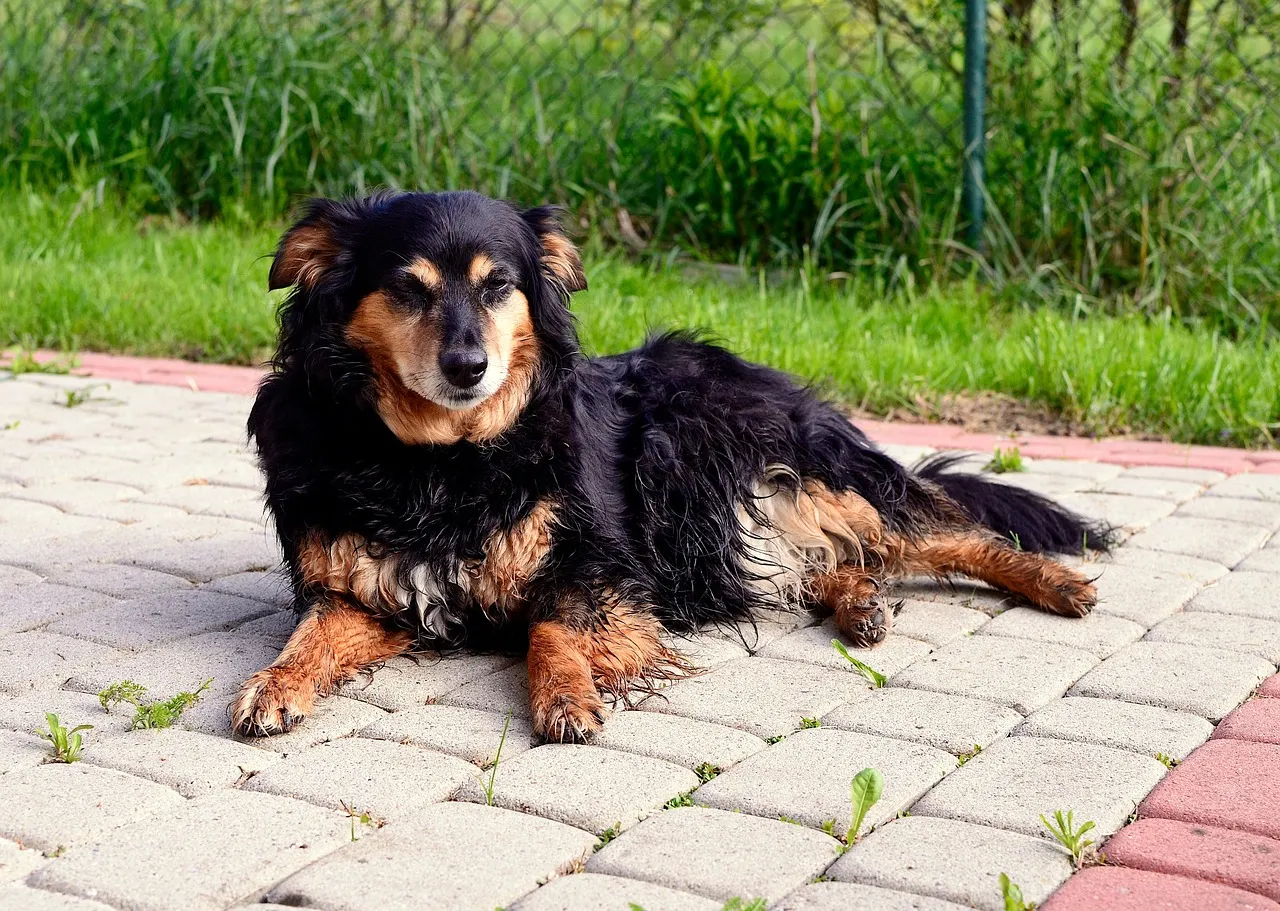
You already know what’s normal for your dog after the standard route: a short nap and back to life, or a total flop for hours. When that post-walk pattern shifts, it’s basically a free lab test for hidden fatigue, pain, or stress.
A dog that suddenly sleeps much longer than usual after a routine walk, especially when the distance and weather haven’t changed, may simply be working harder to do the same basic activity. Aging, heart or lung issues, joint pain, and chronic stress all quietly steal recovery capacity.
Just as concerning is the dog who can’t settle at all afterward. If your dog used to nap peacefully but now paces, pants, startles at small noises, or keeps getting up and lying back down after a short, familiar walk, that can be pain, anxiety, or both at once. They’re physically exhausted but can’t find a comfortable position or shut their brain off.
In multi-dog households, compare recovery directly. If one dog bounces back while the other is still wrecked an hour later, especially if they’re similar in age and breed, that’s a real clue. Your daily route is a stress test repeated over 300 times a year. That recovery curve tells you more than a single heart rate reading in a quiet exam room ever could.
#2 – The Way They Check Back With You, or Don’t
🔥 Would you like to save this?
We'll email this post to you, so you can come back to it later!
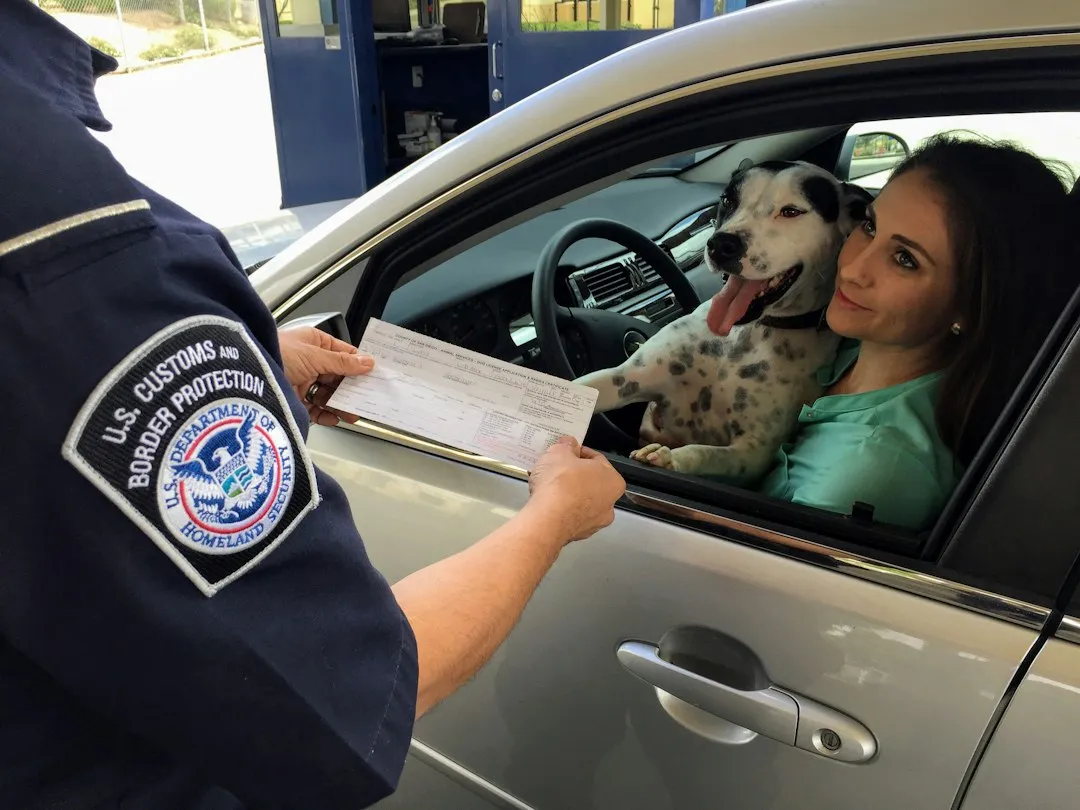
Leash or off-leash, your dog’s check-ins are a window straight into their emotional world, and yours. Some people assume a dog that never looks back is “independent,” and a dog that constantly stares up is “clingy.” Reality is more nuanced than either label.
On a familiar route, a behaviorally healthy dog usually glances back periodically, syncing with your pace without being glued to your side. When a previously confident dog suddenly stops checking in and barrels ahead, ignoring your voice entirely, it can mean rising anxiety, sensory overload, or even hearing loss creeping in.
At a Glance
- Occasional glances back at a steady pace: typically a sign of a secure, well-bonded dog.
- No check-ins at all on a familiar route: can point to sensory changes or rising anxiety.
- Constant pressing against your leg: may signal insecurity, pain, or vision changes.
- Hard, frantic stares: often a quiet request for reassurance or help.
Conversely, a dog that used to trot ahead but now walks pressed against your leg, staring up constantly, may be feeling insecure, sore, or overwhelmed by the environment around them. Dogs in pain often lean harder into their person. Dogs losing their vision often stick closer, using you as a moving landmark they trust.
Even the quality of eye contact matters. Soft, brief, mutual glances are reassuring. Hard stares, wide eyes, or frantic repeated looks can mean they’re quietly asking for help in a moment you assumed was no big deal. A vet can’t evaluate a relationship in fifteen minutes. Your route does it every single day, for free.
#1 – The Moment You Get Back Home
🔥 Would you like to save this?
We'll email this post to you, so you can come back to it later!
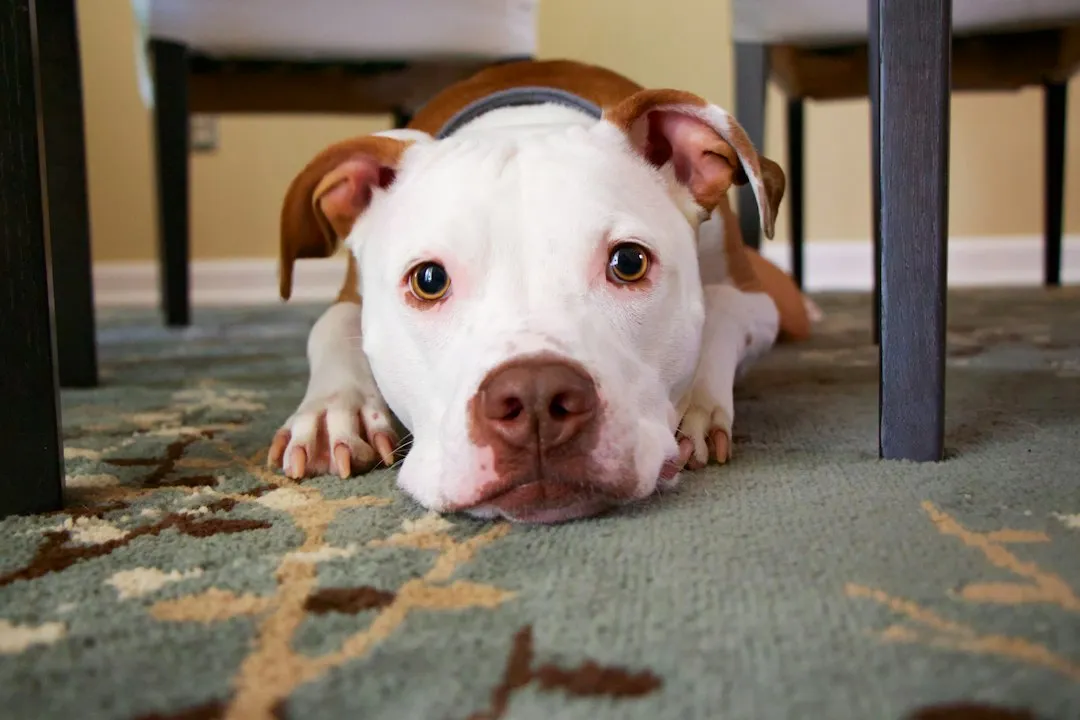
The real truth bomb isn’t out on the sidewalk. It’s in the sixty seconds after you step back through your own front door. Most people unclip the leash, hang it on the hook, and move on with their day.
Meanwhile, their dog is delivering the single most honest health report of the entire outing. A dog that used to trot in, drink some water, then flop happily, but now bolts to hide under a table, scratches obsessively, or paces from room to room, is telling you something is off, physically, emotionally, or both.
Watch this sequence closely: do they shake off at the door, a full-body shake that usually means a genuine stress reset? Do they drink water or ignore the bowl entirely? Do they seek contact, leaning in for cuddles, or actively avoid touch? And how easily do they settle, and in what position?
A dog who starts obsessively licking their paws, chewing at their tail, or scratching their ears only after walks may be reacting to something on the route itself, grass, pollen, road salt, sidewalk chemicals. That never shows up in a sterile exam room; it only appears in real life, right there in your hallway. If a dog who once happily snoozed after every walk now stands restless, staring, or whining instead, that’s not “being weird.” That’s discomfort or anxiety, asking to finally be noticed.
The Bottom Line
🔥 Would you like to save this?
We'll email this post to you, so you can come back to it later!
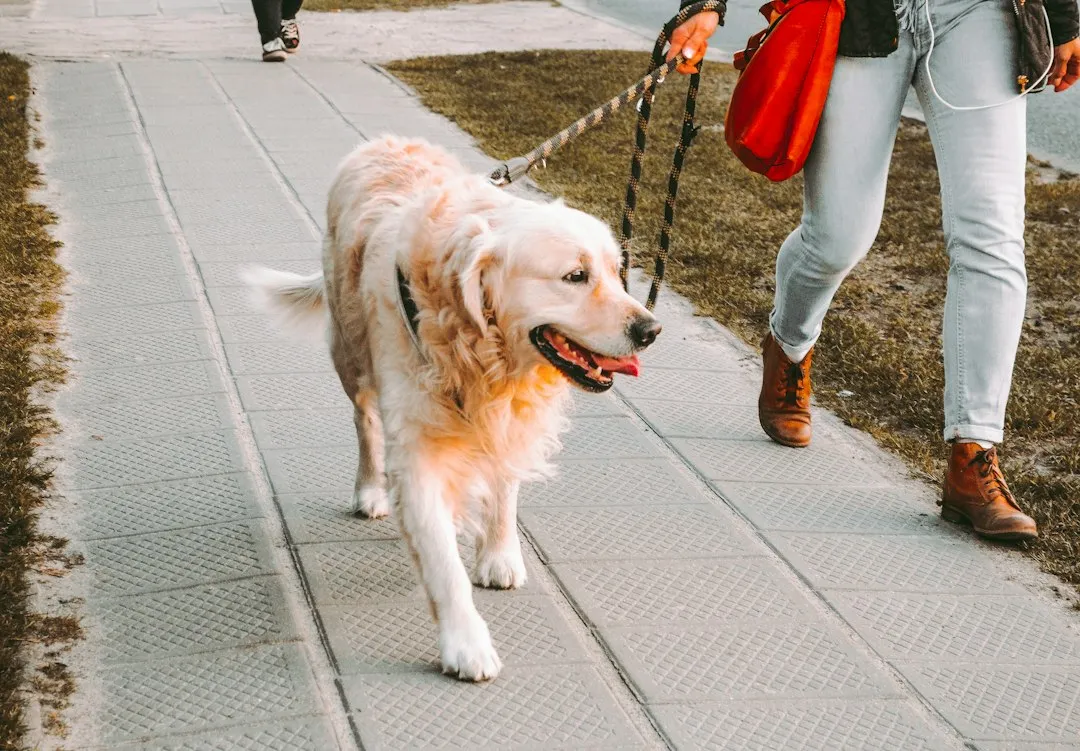
Your daily route isn’t routine. It’s a living diagnostic chart your dog writes in real time, one step, sniff, pause, and glance at a time. Vets are essential for tests, medication, and professional diagnosis, but their fifteen-minute snapshot can never replace the full movie you get to watch on sidewalks, stairs, in the car, and back at your own front door.
Changes in gait, greetings, sniffing style, recovery time, even how your dog drinks water or checks in with you, can flag pain, anxiety, or illness months before a full-blown crisis hits. And here’s the part that should genuinely bother you: most “sudden” health scares were never sudden at all. The early chapters were written quietly, on that same loop around the block, while everyone was too busy checking their phone to read them.
Start treating your daily route like a conversation instead of a chore, and you’ll catch the whispers long before they turn into screams. Which one of these did you already know, and which one just made you rethink your dog’s whole walk? Tell us in the comments.

From exploring the marine wonders in the Azores and witnessing the vast savannas of Kenya, to delving deep into the rich biodiversity of South Africa and traversing iconic landscapes in Australia and the US like Yellowstone, Chris's experiences are vast.
With a penchant for diving alongside sharks, the ocean holds a special place in his heart.
Through his academic insights, he champions wildlife conservation, striving with 'Animals Around The Globe' to cultivate a profound connection between humans and animals, enhancing our mutual appreciation.
Connect with him at Feedback@animalsaroundtheglobe.com.
- 15 Wild Animals You Might Spot in U.S. National Parks - November 5, 2026
- Top 10 Animals and Wildlife in Hawaii - November 4, 2026
- Top 10 Animal Encounters in Europe - November 3, 2026