
There’s a quiet crisis playing out inside kennels across the country, one that doesn’t always make headlines but affects millions of animals every year. Shelters aren’t begging people to stop loving dogs. They’re begging people to stop adopting breeds they’re not truly prepared for, because when the reality of that dog’s needs sets in, many of those same animals end up right back where they started.
With more animals staying longer in shelters, and multiple other factors converging simultaneously such as staffing and veterinarian shortages, as well as an increasing proportion of animals with greater medical and behavioral needs, many shelters continue to face an ongoing capacity crisis. The issue of dogs ending up in shelters is complex, influenced by overbreeding, owner surrender, and changing life circumstances. While all breeds can find themselves in shelters, some are more commonly seen due to their popularity, specific breed traits, or misconceptions about their behavior.
This isn’t a list meant to discourage adoption. It’s the opposite. It’s meant to encourage smarter, more honest adoption, so that the dog you bring home stays home.
1. Pit Bull Terrier: The Most Overcrowded Breed in America
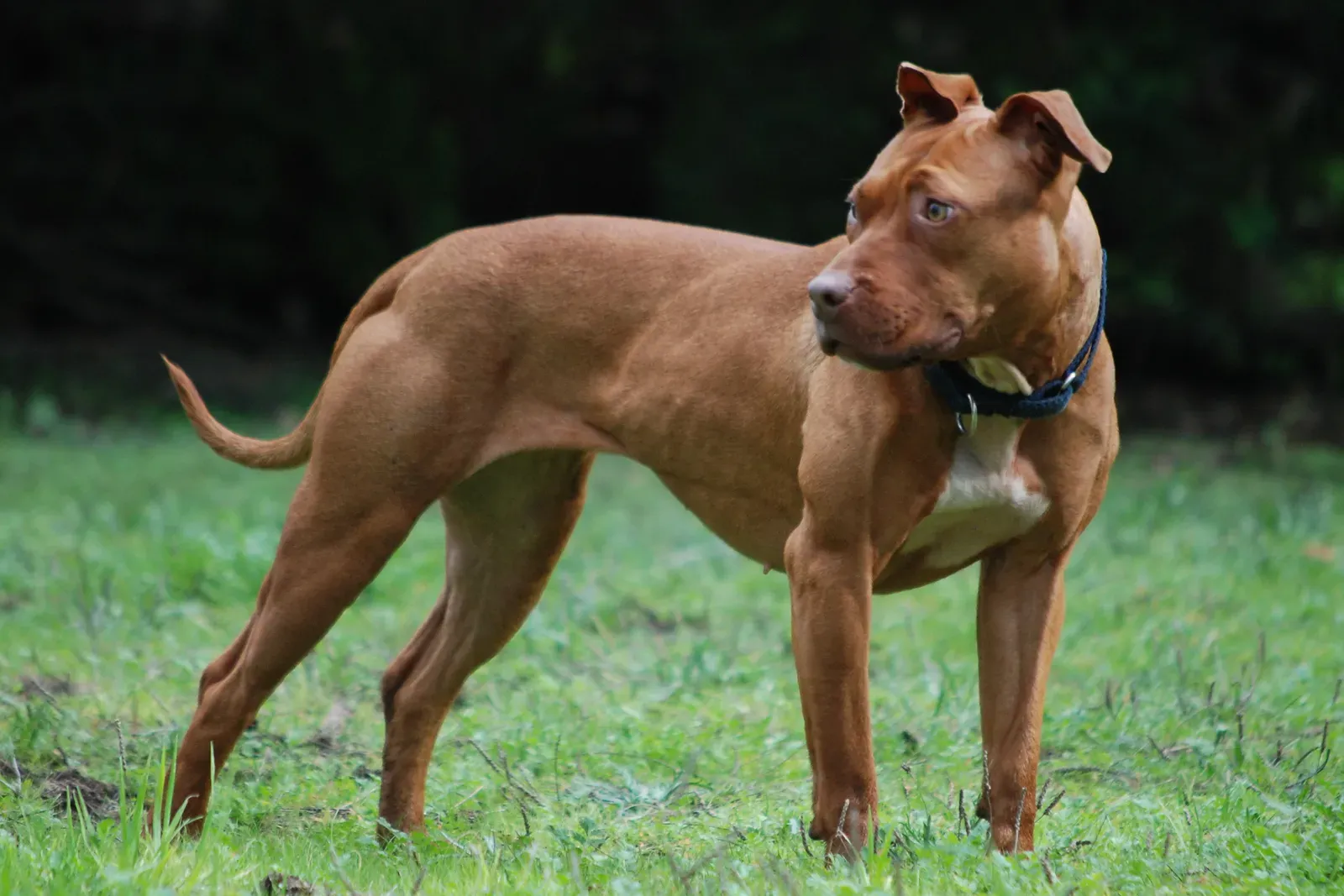
No breed fills shelter kennels quite like the Pit Bull Terrier. The Pit Bull Terrier is the most common dog breed in shelters across America’s largest cities, accounting for nearly 22% of all dog adoption listings. That number is staggering when you consider how many total breeds exist.
Despite their loyal and affectionate nature, Pit Bulls often face significant stigma due to their association with aggressive behavior and dog fighting. This negative perception can lead to higher rates of abandonment and lower adoption rates.
Breed-specific legislation in some regions restricts or bans the ownership of Pit Bulls. These laws contribute to the high number of Pit Bulls in shelters, as owners may surrender their pets to comply with local regulations. This legislation can also deter potential adopters, further increasing the length of time these dogs spend in shelters. The cycle is brutal and largely preventable.
2. German Shepherd: Intelligence With a Price Tag
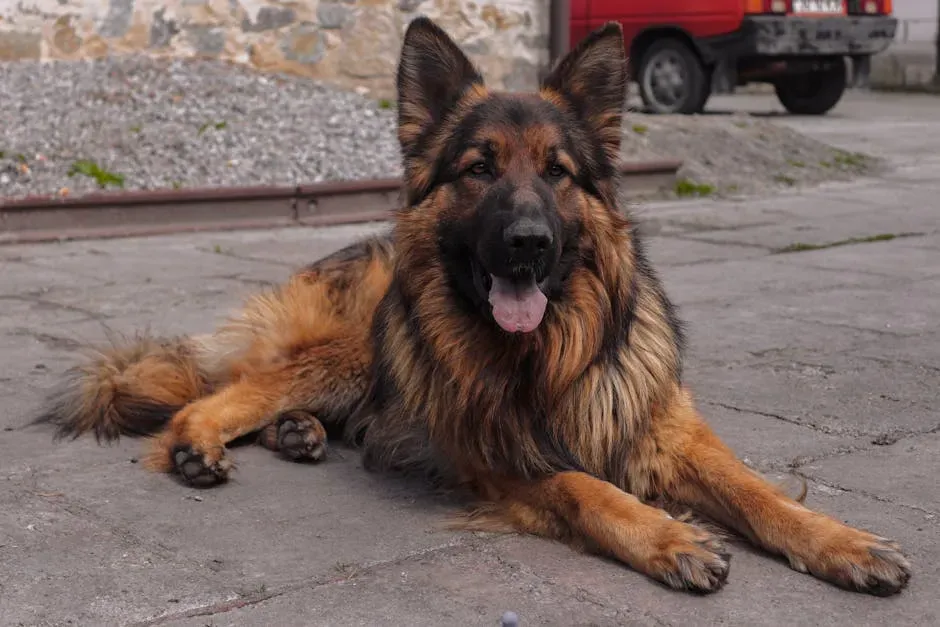
German Shepherds are the second most common shelter breed, representing over 11% of dog adoption listings nationwide. That’s a remarkable number for a breed widely regarded as one of the most capable working dogs in the world.
German Shepherds are among the most intelligent dog breeds, often serving as police or service dogs. However, their high intelligence comes with a need for extensive training, socialization, and mental stimulation. Many pet parents are unprepared for the responsibility of caring for such a sharp-minded and active breed. When their needs aren’t met, German Shepherds may become anxious or destructive, causing them to end up in shelters.
German Shepherds are smart and physical. If you can’t commit to exercising both their brain and their brawn, you’ll find that your German Shepherd starts to act out. German Shepherds also don’t like small spaces, so if they can’t be out in the open, they’ll do the same.
3. Labrador Retriever: Too Popular for Their Own Good

Labradors are one of America’s most popular breeds, known for their friendly nature and suitability as family pets. Their popularity means more people adopt or buy them. With more Labs in homes, there is naturally a higher number being surrendered due to unpreparedness or life changes.
The Labrador Retriever has just about as many dogs listed on Petfinder’s website as Pit Bulls do. Labradors are the most popular breed of dog in the United States, and it’s no surprise that puppy mills and immoral breeders are constantly producing puppies for money and selling them into the wrong homes.
Specifically, black Labs are often common in shelters. This is due to the theory that big black dogs are adopted less often than other types of dogs. So even within a beloved breed, coat color can quietly determine how long a dog waits for a home.
4. Siberian Husky: The Movie Dog Nobody Was Ready For
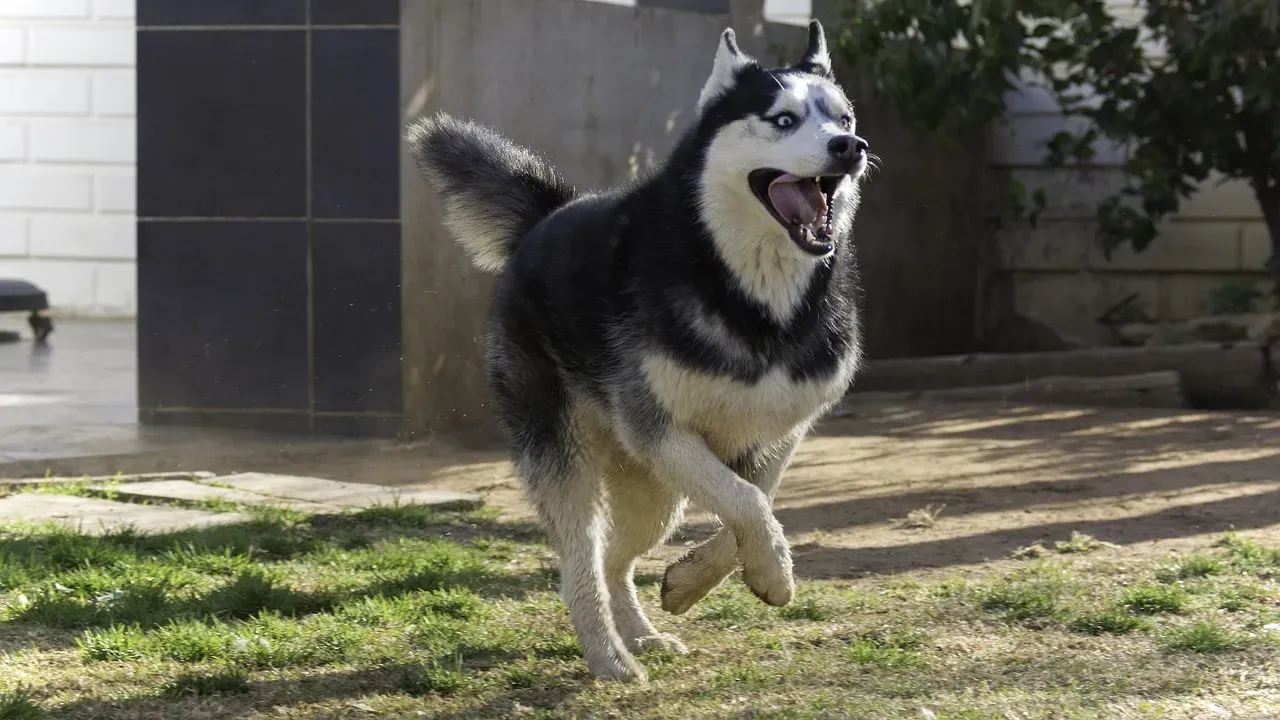
Siberian Huskies represent the fourth most common shelter breed at around 6.5% of national dog adoption listings. Their striking appearance draws people in fast, but their reality requires considerably more commitment than most new owners anticipate.
Siberian Huskies are beautiful and athletic dogs, but their high energy and independent streak make them challenging for inexperienced owners. Many Huskies are surrendered because they escape yards, dig excessively, or become destructive when bored. Their thick coats also make them less suitable for warmer climates, leading some owners to give them up.
Despite their striking appearance and Hollywood fame, Huskies are often misunderstood. They are known for being high-energy, vocal, independent, and intelligent. Owners who do not know about their needs for training, exercise, and nutrition can easily become overwhelmed. This is a breed built for arctic endurance, not apartment living.
5. Chihuahua: Small Dog, Massive Misconception

Chihuahuas are often victims of overbreeding and impulse-buying due to their small size and “cute” appeal. Despite being one of the smallest breeds, they have bold personalities and can be quite vocal. Many people adopt Chihuahuas without considering their temperament and the kind of training and socialization they need, which unfortunately results in these excellent dogs ending up in shelters.
Chihuahuas and Chihuahua mixes make up a huge portion of dogs available in shelters and rescues around the country. These popular dogs are often raised without any training, making cute puppies turn into obnoxious, uncontrollable adults that end up homeless when their owners give them up.
Chihuahuas are known for being protective, loyal, and sometimes fear-aggressive. They often become attached to one family member and need consistent, patient training and socialization to discourage behaviors like resource guarding. Without proper education, some owners misinterpret their Chihuahua’s behavior and surrender.
6. Boxer: The Lifelong Puppy With Nowhere to Go
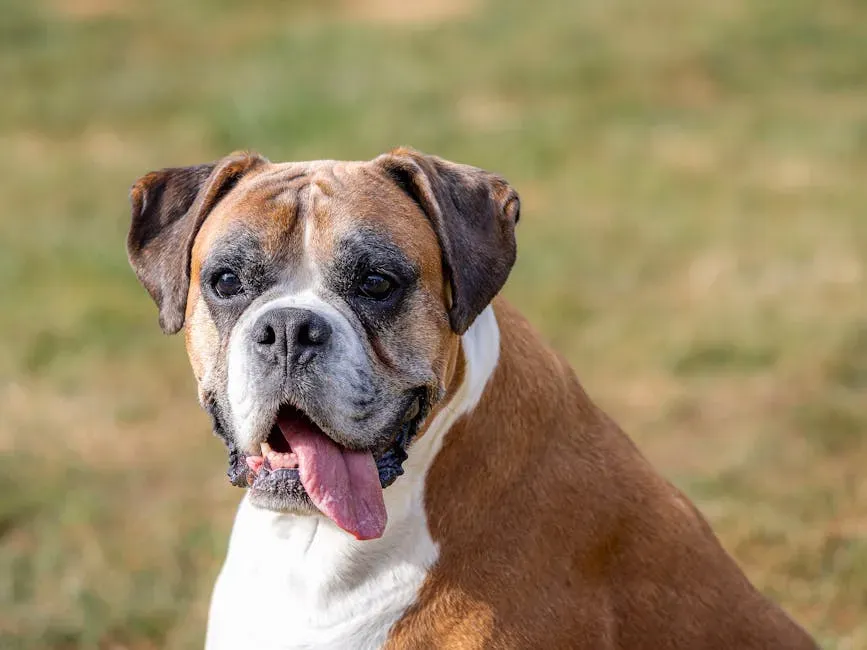
Boxers are energetic, playful dogs known for their boundless enthusiasm and love for family. Despite their endearing qualities, they are often found in shelters due to their high energy levels and need for consistent training and socialization. Boxers are strong and can be boisterous, which can be overwhelming for inexperienced owners.
The breed became hugely popular in the 90s and has been overbred, leading to lots of Boxers in shelters and rescues. Decades of overproduction have left a legacy that rescue workers are still managing today.
Boxers might not look like they have a lot of energy, but they’re bursting with it. Unfortunately, like Pit Bulls, their look sometimes leaves potential owners hesitant. A lack of research about a dog breed can lead to some poor decision making, and that’s landed many Boxers in shelters.
7. Beagle: The Nose Knows No Boundaries
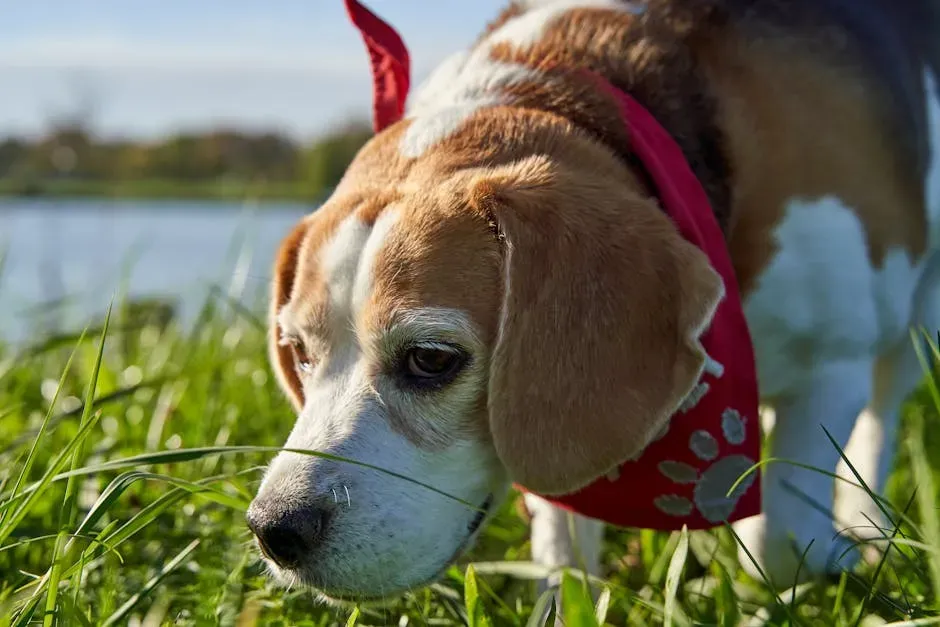
Beagles are friendly and curious dogs known for their excellent sense of smell and energetic nature. Despite their charm, Beagles are commonly found in shelters due to their high energy levels and tendency to follow their noses, often leading to escape attempts. Beagles require a lot of exercise and mental stimulation, which can be challenging for some owners to provide.
Their strong scent drive and tendency to wander often frustrate unprepared owners. Beagles are also known for their loud, distinctive baying, which can be challenging in apartment settings. Many end up in shelters due to behavioral issues that stem from a lack of proper training or outlets for their energy.
Beagles can develop severe separation anxiety if left alone, leading to destructive behaviors. That combination of wandering instinct, loud vocals, and separation anxiety is a lot to manage without prior research and preparation.
8. Dachshund: Charming Until the Vet Bills Arrive

With their long bodies and short legs, Dachshunds are charming but often misunderstood. They are frequently found in shelters due to health issues related to their unique build, such as back problems, and behavioral challenges like stubbornness and a strong prey drive. Dachshunds can also be prone to separation anxiety and may not get along well with young children. These factors, along with their popularity, lead to many Dachshunds being surrendered to shelters.
Dachshunds commonly have spinal problems, and owners without pet insurance often can’t afford the medical costs of keeping up with their furry friend’s medical bills. The cuteness of the breed rarely comes with a heads-up about the potential for expensive, long-term orthopedic care.
Dachshunds are small but spirited dogs known for their strong-willed nature. Many are surrendered because of behavioral issues such as digging, barking, or guarding their food or toys. Stubbornness in a small package is still stubbornness.
9. Rottweiler: Misunderstood and Undersupported

Rottweilers are very commonly found in shelters for a variety of reasons. They are active dogs that need regular exercise to prevent them from becoming destructive. They are large and powerful dogs that need early training to establish control and they can be very protective of their family and territory. In the right home, however, they make excellent companions.
Rottweilers are often surrendered due to their intimidating size and strength, which can be difficult for unprepared owners to manage. Without proper training and socialization, Rottweilers may develop guarding behaviors that lead to misunderstandings. They are also victims of breed-specific legislation, which can force families to give them up.
Rottweilers need training from a young age due to their strength, but they are generally devoted and good-natured dogs. Despite their historical use as guard dogs, they are not aggressive and are protective of their families. They are playful and adaptable, and they get along well with children.
10. American Staffordshire Terrier: Banned Before They Get a Chance

Known for their muscular build and strong appearance, American Staffordshire Terriers are often unfairly stereotyped as aggressive, leading many to avoid adopting them. That fear-driven perception keeps their kennels full while perfectly sociable dogs wait, sometimes for months.
With proper training and care, they can be loyal, gentle, and friendly pets. This breed also faces issues with breed-specific housing restrictions, which is unfortunately another reason why they end up in shelters.
AmStaffs face similar negative stereotypes as Pit Bulls and Bulldogs due to their historical association with dog fighting. AmStaffs are affectionate, intelligent, and self-assured dogs that form strong bonds with their families. Many apartment and condo complexes categorize AmStaffs as bully breeds and prohibit owners from keeping them in their homes. Housing restrictions, more than temperament, are often the real reason these dogs end up surrendered.
11. Australian Shepherd: The Herding Brain in the Wrong Home
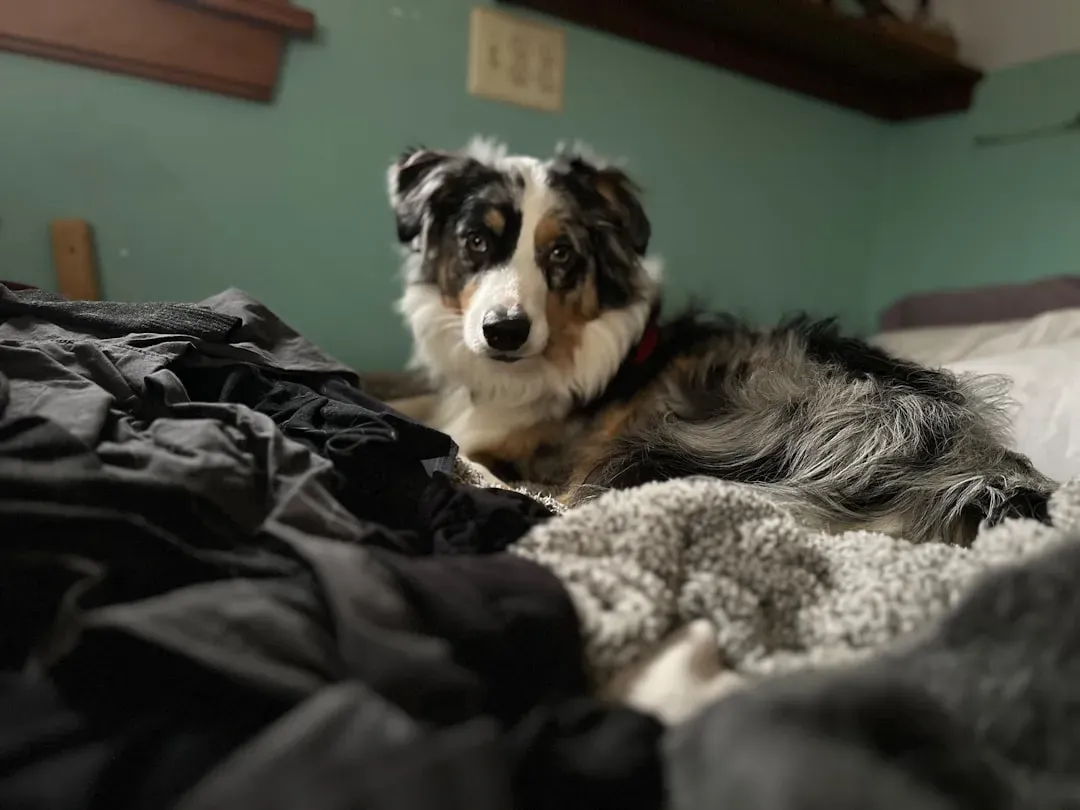
Australian Shepherds are highly intelligent and energetic dogs that require a lot of mental and physical stimulation. They are often found in shelters because their high energy levels and herding instincts can be overwhelming for some owners.
This breed requires a high level of physical and mental stimulation, which is something their owners need to understand. When their needs aren’t met, Australian Shepherds can become bored and develop behavioral issues like excessive barking or destructive tendencies, which leads them to shelters.
An Australian Shepherd without a job to do is essentially a very smart, frustrated animal looking for an outlet. That outlet is almost never something the owner intended to provide.
12. Border Collie: The Smartest Breed and the Most Misplaced
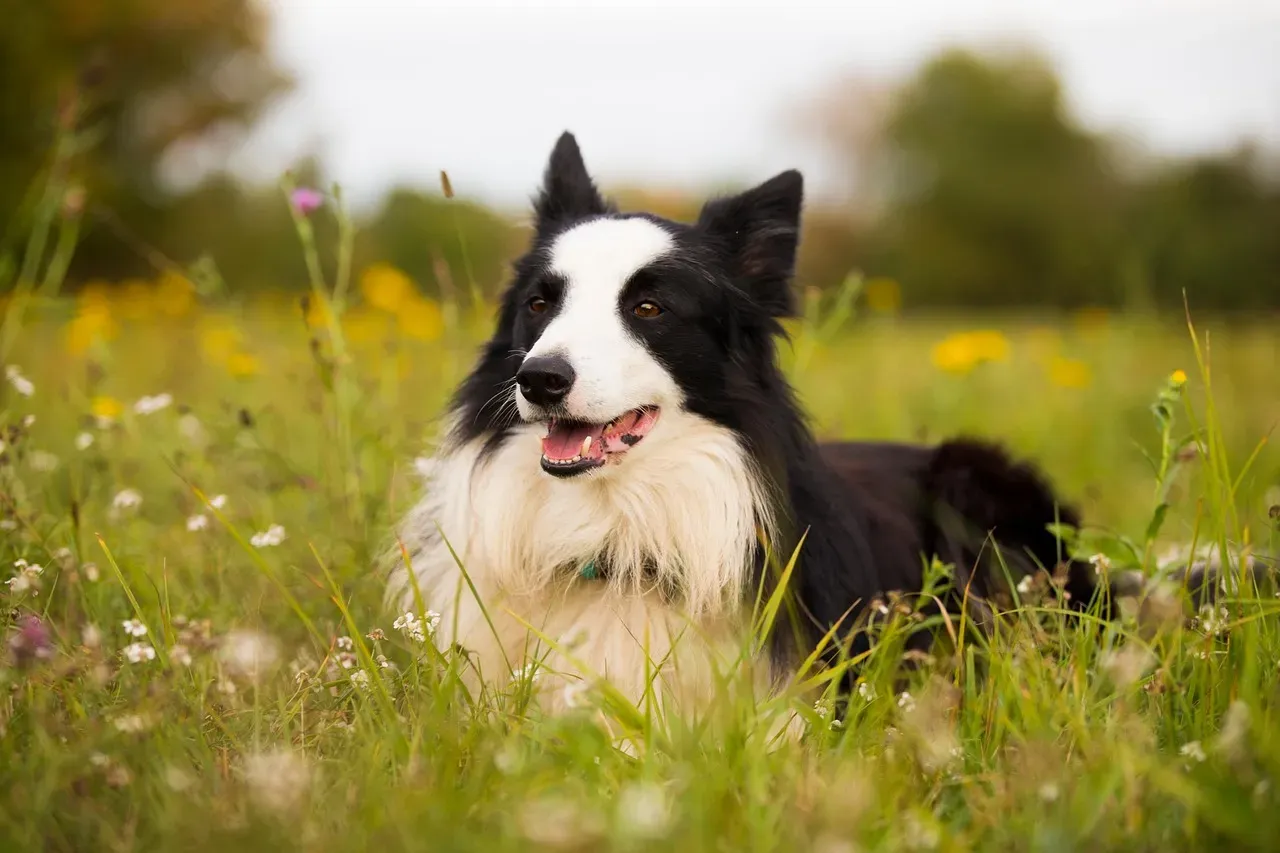
Border Collies are very smart and require a lot of mental and physical exercise, which can be overwhelming for people who aren’t prepared for such an active dog. The breed’s intelligence is often the selling point, but that same intelligence makes under-stimulation genuinely painful for the animal.
Border Collies are high-energy dogs. That means they have a need to play and be active. Without enough exercise, they can develop behavioral problems and do destructive things. Because many owners do not know about this fact, these dogs are instead sent to shelters.
It’s worth noting that Border Collies don’t just need a daily walk. They were bred for sustained, mentally demanding work across long distances. A backyard simply doesn’t cut it for this breed.
13. Australian Cattle Dog: Built for the Outback, Not the Living Room
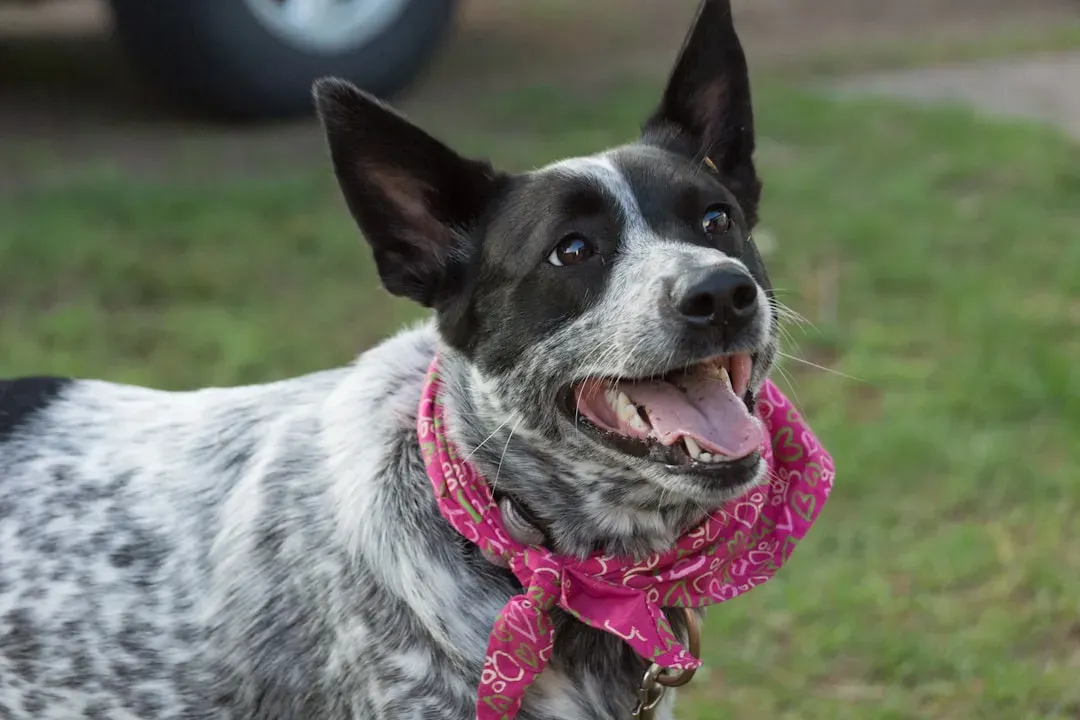
Australian Cattle Dogs are very smart, energetic, and bred to work long hours herding livestock. That heritage runs deep. Without an equivalent outlet, these dogs tend to redirect their instincts in ways that frustrate most household environments.
While Australian Cattle Dogs are beautiful with their speckled coats and striking eyes, their appearance is not their most important trait. They have high energy levels and need lots of exercise and mental stimulation, which is one of the many reasons they end up in shelters.
The heeler breed is so-called because it nips at the heels of cattle to keep them in line. Training will prevent this vocal dog from using similar tactics on young family members and small animals. That nipping instinct catches a lot of families off guard, especially those with young children.
14. Cocker Spaniel: The Grooming Bill Nobody Expected
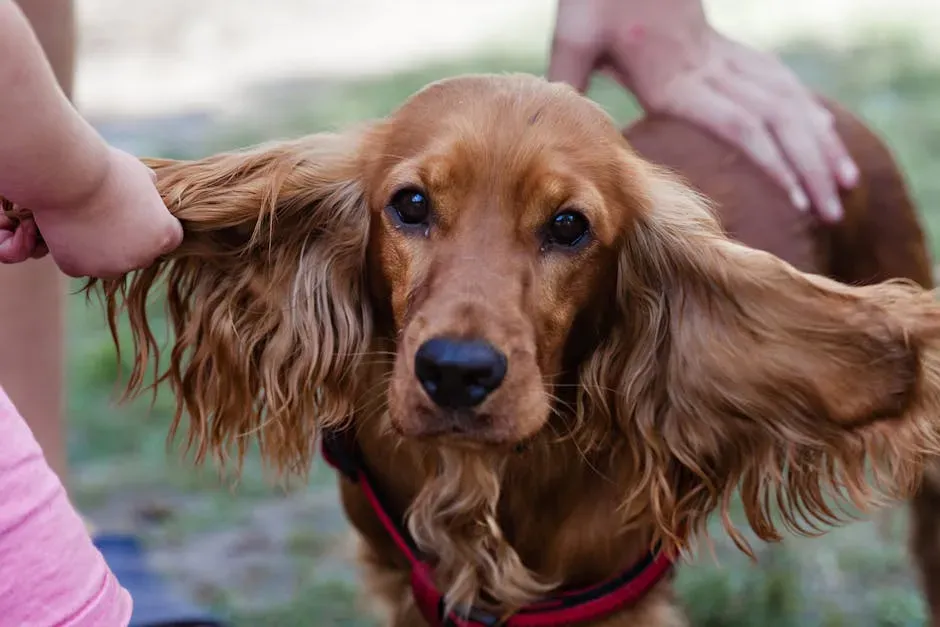
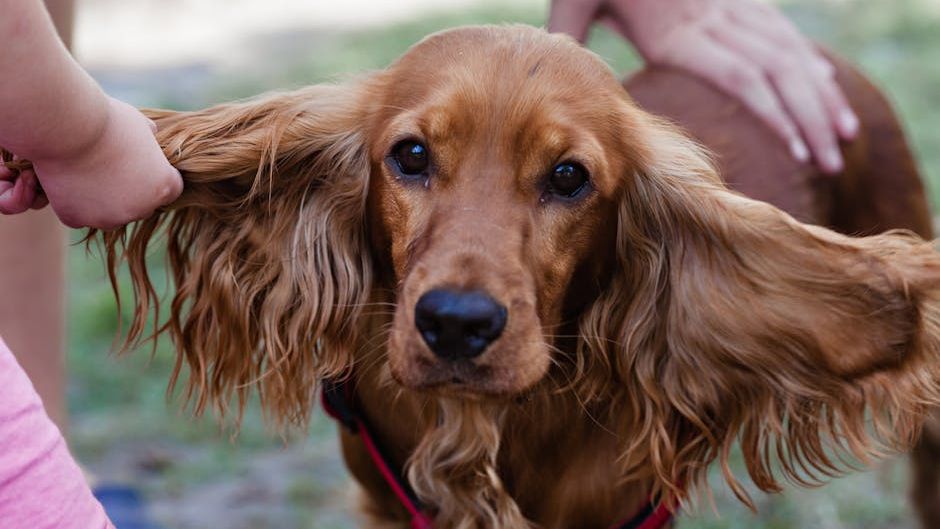
Cocker Spaniels are affectionate and playful dogs known for their beautiful coats and friendly disposition. Despite their popularity as family pets, they are often found in shelters due to grooming needs, health issues, and behavioral challenges. Cocker Spaniels can be prone to ear infections and require regular grooming, which can be overwhelming for some owners.
The elegant silky coat that makes Cocker Spaniels so visually appealing requires consistent upkeep. Skip a few grooming sessions and you’re looking at painful matting, skin issues, and compounding vet visits. It’s a maintenance commitment that rarely gets communicated at the point of adoption.
Beyond grooming, Cocker Spaniels can carry a stubborn streak and are sensitive dogs that respond poorly to harsh training methods. They need a patient, consistent hand, and many owners simply weren’t prepared for that combination.
15. Poodle: High Maintenance Disguised as Hypoallergenic
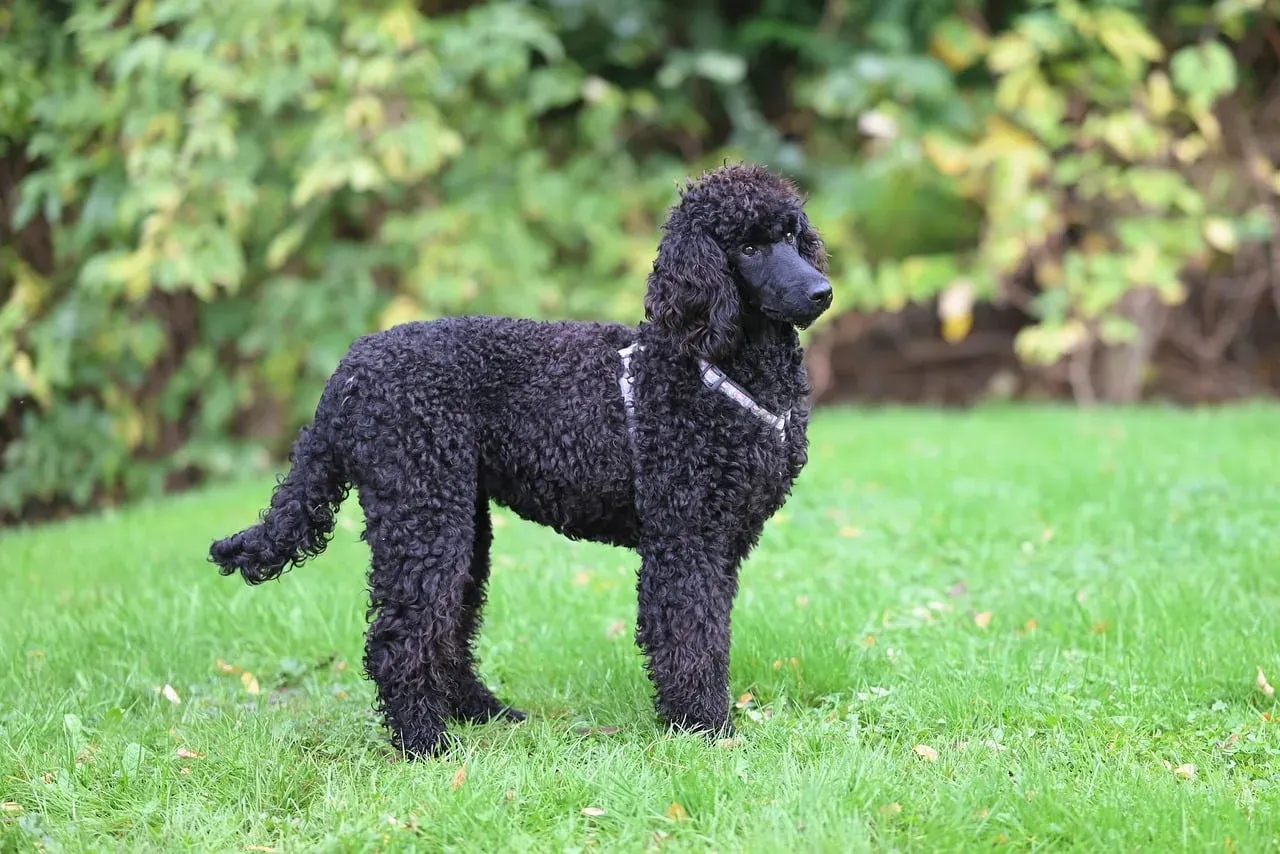
Poodles, whether standard, miniature, or toy, are intelligent and energetic dogs known for their curly coats. They are frequently found in shelters due to grooming needs and high energy levels. Poodles require regular grooming to prevent matting and health issues, which can be challenging for some owners. Additionally, their intelligence and need for mental stimulation mean they require consistent training and exercise. Many Poodles end up in shelters when owners cannot meet these needs.
People often seek out Poodles for their low-shedding coats, framing the decision as low-maintenance. The reality is the opposite. Professional grooming every six to eight weeks isn’t optional for this breed, it’s essential to their health.
16. Jack Russell Terrier: Ten Pounds of Relentless Energy
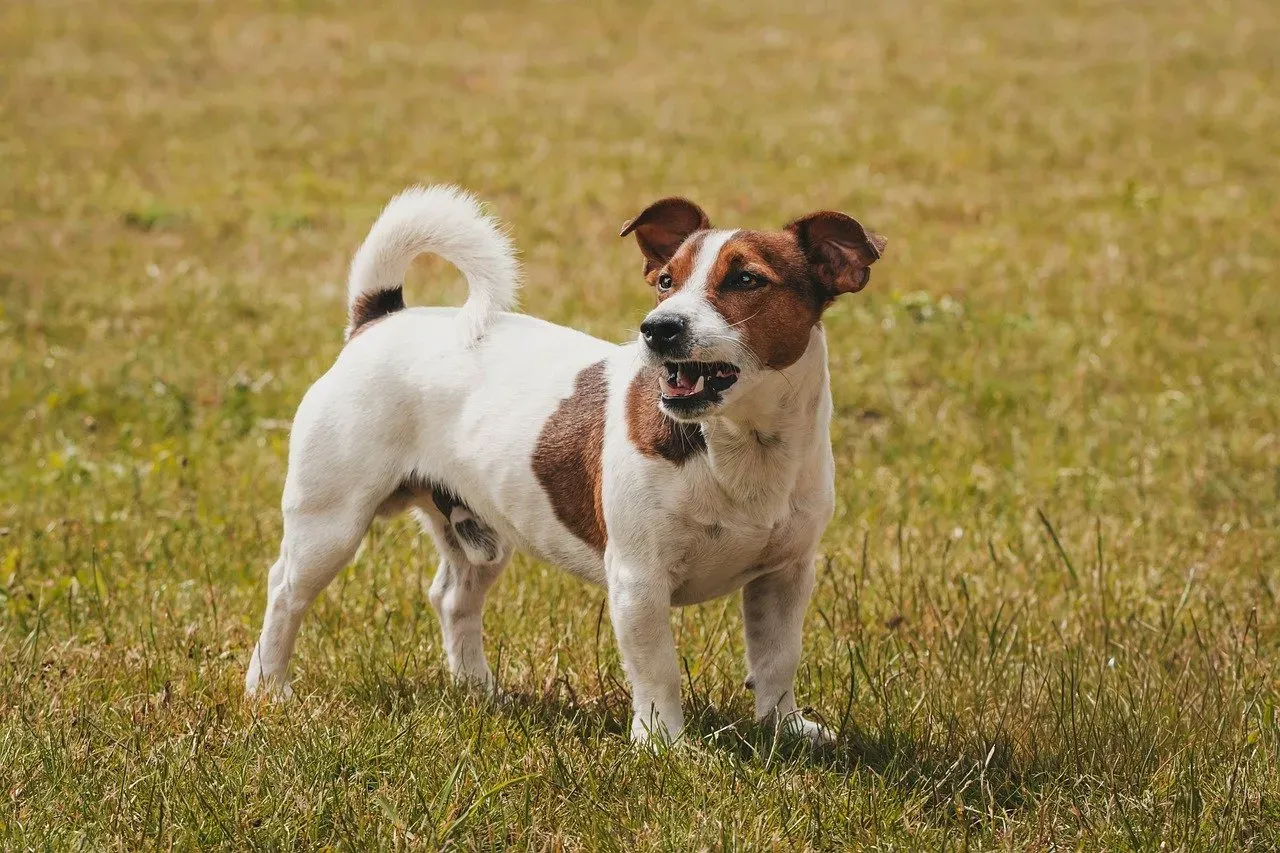
The Jack Russell Terrier is a small but highly energetic breed that can be challenging without proper training. Despite their size, they need rigorous daily exercise to avoid boredom-related behaviors like digging and barking. This misunderstood requirement often leads to Jack Russells becoming one of the most common breeds in shelters.
Bred as working dogs, Jack Russell Terriers have a lot of energy, drive, and excel at sports. However, they need careful training, socialization, and a lot of exercise. Most people who adopt them underestimate the terrier temperament entirely, expecting a calm lap dog and getting something closer to a small, tireless athlete.
Their bold, tenacious personality means they can be stubborn with training and assertive with other animals. In experienced hands they’re wonderful. In unprepared hands, they quickly become more than most people bargained for.
17. Mixed Breed Dogs: The Forgotten Majority

Mixed-breed dogs make up the majority of dogs in shelters and rescues. These mixed dogs are typically the result of accidental or unplanned litters. However, mixed-breeds can make wonderful, loving companions. They’re generally healthier than purebred dogs, because they have less risk of inheriting breed-specific diseases.
Because many people perceive shelters as only having larger Pit Bull-type dogs, they may turn to breeders or pet stores to acquire a small dog, not realizing the volume of small dogs available in shelters and rescues. That misconception keeps enormous numbers of entirely adoptable dogs waiting.
The vast majority of surrendered dogs are perfectly safe to adopt. Many of the dogs you find in shelters and rescues are abandoned through no fault of their own. These dogs are often loving, loyal companions waiting for the right person to give them a second chance. Mixed breeds, in particular, deserve far more consideration than they typically receive.
The Bigger Picture: What Shelters Actually Need
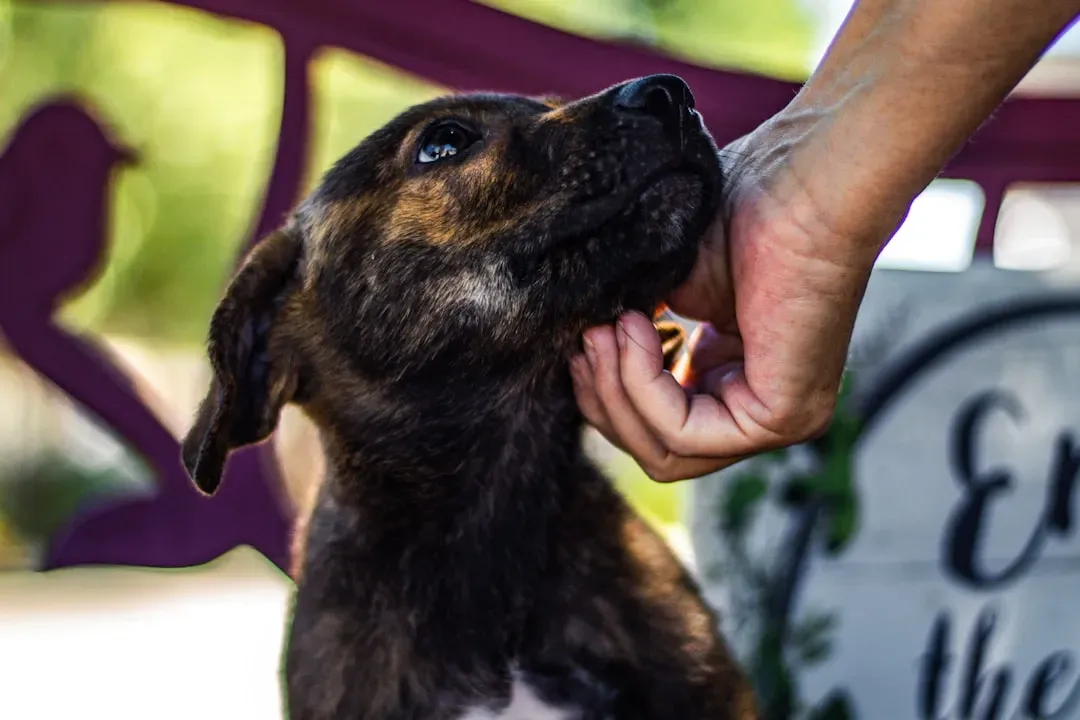
While the number of animals entering shelters has declined slightly since 2023, many shelters still have too many animals and not enough adoptions. The overall trend has improved over recent decades, but the system remains under serious strain.
Once animals come into shelters, they’re staying longer. Large dogs in particular are having a hard time finding adoptive homes, now staying in shelters twice as long as they were before the pandemic. Because of this, some shelters are having to make more heartbreaking euthanasia decisions.
Owner-related issues were the most common reasons for giving up both cats and dogs. Among animal-related factors, behavioral problems were the most frequently reported reason for relinquishment. Most of those behavioral problems were predictable and preventable with proper research before the adoption took place.
Conclusion: Adopt Smarter, Not Just Sooner
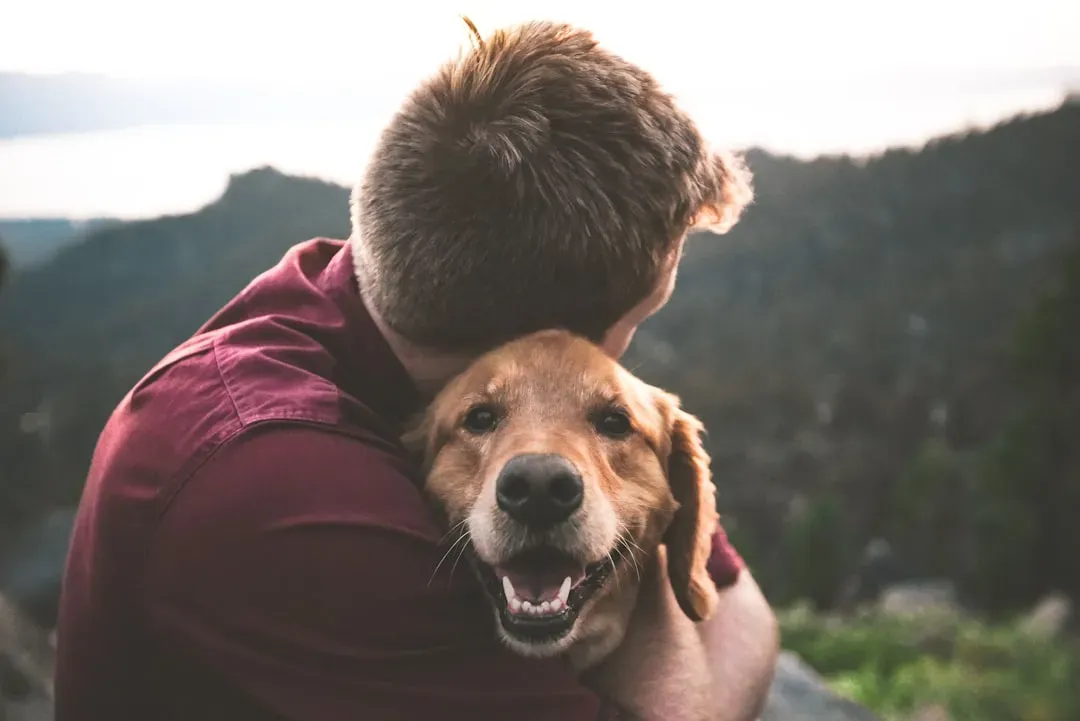
None of these breeds are wrong. None of them deserve to wait in a kennel. The problem isn’t the dogs. It’s the gap between the version of the dog someone imagines bringing home and the real, living animal that actually arrives.
Shelters aren’t asking people to stop adopting. As shelters continue to face ongoing capacity pressures, they encourage the public to adopt, foster, or volunteer to support vulnerable cats and dogs in their communities. When people get involved, they help ease the strain on shelters and allow critical resources to be directed to other animals in need.
The most responsible thing any prospective dog owner can do is research a breed’s true needs before falling in love with how it looks. The dog you adopt deserves a home that was chosen with eyes wide open, not one that gives up on them when reality sets in. Every surrender is a second heartbreak for an animal that didn’t cause the problem in the first place.

- 8 Ancient Architectural Wonders Built with Animal Inspiration - June 27, 2026
- Beavers Are Nature’s Engineers, Shaping Ecosystems With Their Dams - June 27, 2026
- Scientists Warn Some US Habitats May Disappear - June 27, 2026