
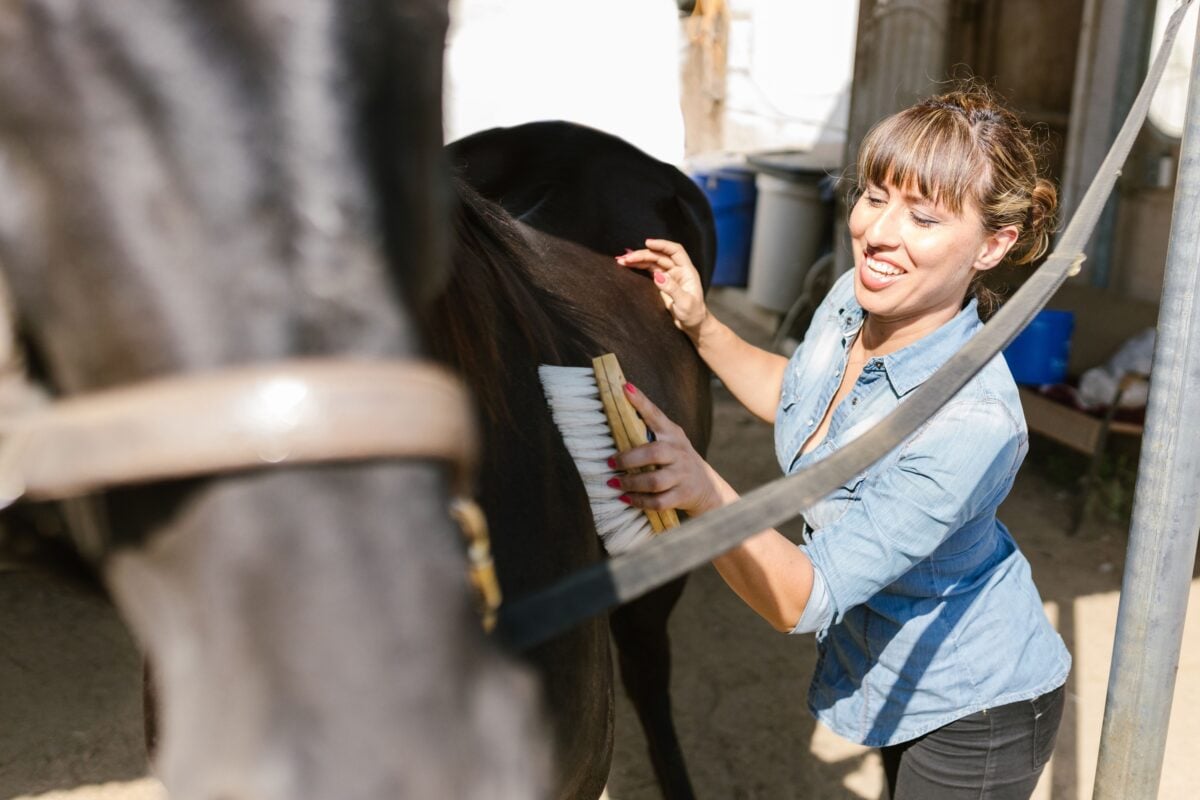
Most horse owners think a “bonded” horse is simply the one that nickers hopefully at the sight of a treat bag. Equine behaviorists know better – and what they’ve documented is stranger, quieter, and far more heartbreaking than a horse begging for carrots.
A truly bonded horse doesn’t just enjoy your company. It reorganizes its stress responses, its herd instincts, even the way it uses its own body – all around the simple fact that you exist. And when that bond gets severed, the fallout can look eerily like human grief: withdrawal, anxiety, a horse that seems to lose its spark overnight.
These aren’t cute quirks. They’re documented attachment patterns, and once you know what to look for, you’ll never watch your horse greet you the same way again. Here are the 17 quiet signs that mean your horse has bonded to you so deeply, losing you might genuinely break its heart.
#1 – Their Heart Rate Follows Yours
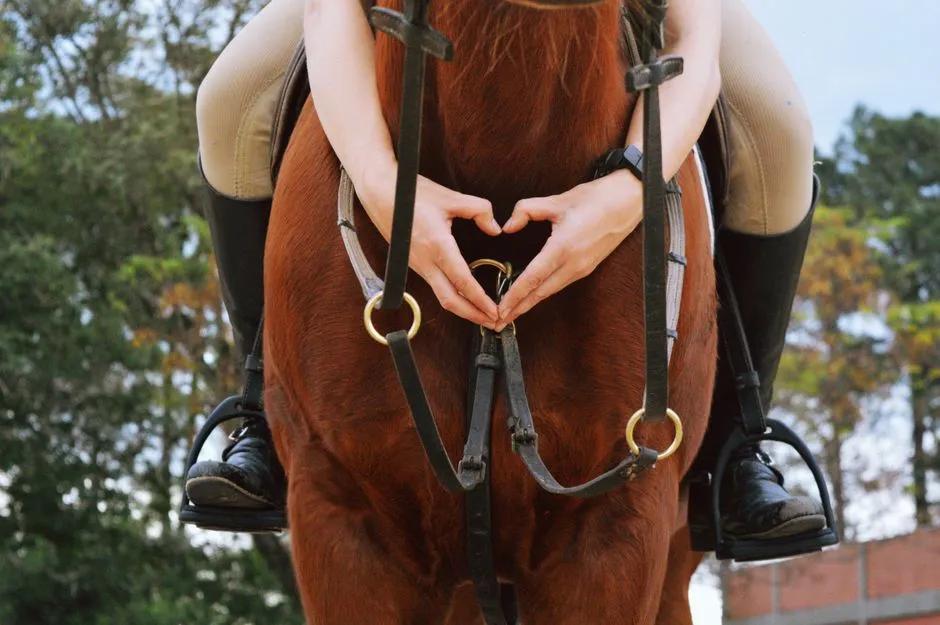
The quiet claim: a truly bonded horse starts to sync its body to your nervous system.
You’ll notice it most in calm, unremarkable moments – not when you’re feeding or fussing over them, but when you’re just standing nearby. A bonded horse tends to settle faster around you than around anyone else: heart rate drops, breathing deepens, muscles go loose.
Research on horse-human interaction shows horses can actually mirror human heart rates and emotional states, especially where a strong attachment exists. That’s also why anxious riders so often end up with anxious horses – the nervous system talks both ways.
Try it yourself. Walk into the barn stressed, stand quietly with your horse, and consciously slow your own breathing. No touching, no treats, no talking – just presence. If your calm pulls your horse down with you more reliably than it does for anyone else, that’s not a fluke. That’s a body-level bond.
Fast Facts
- A resting adult horse’s heart rate typically runs between roughly 28 and 44 beats per minute.
- Newborn foals start out with much faster hearts, often well over 80 beats per minute, slowing steadily with age.
- Heart-rate synchrony between horses and trusted handlers is one of the measurable markers researchers use to study the human-horse bond.
#2 – They Track You, Not Just Food
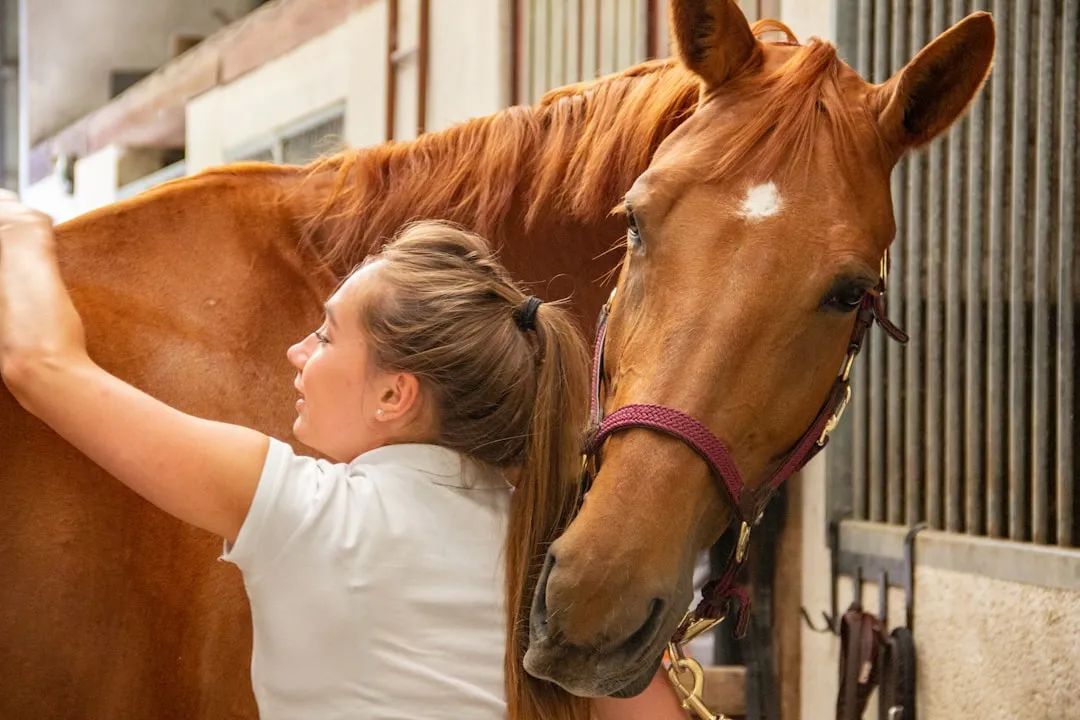
The subtle sign: their eyes and ears follow you, even when there’s hay or commotion elsewhere.
Most horses will watch whoever might bring food. That’s ordinary opportunism, not devotion. A deeply bonded horse goes further – you’ll catch them quietly tracking your movement around the barn, pricking their ears at your voice in another aisle, or shifting position just to keep you in view.
Watch them during turnout with buddies. A horse that’s only food-motivated forgets you the second grass or the herd takes over. The one that’s attached lifts its head periodically to find you, even while you’re doing something as boring as stacking poles.
When that person suddenly stops showing up, these horses often turn restless and watchful, scanning every newcomer as if they might be “the one” who finally comes back.
#3 – Herd Status Quietly Shifts Around You
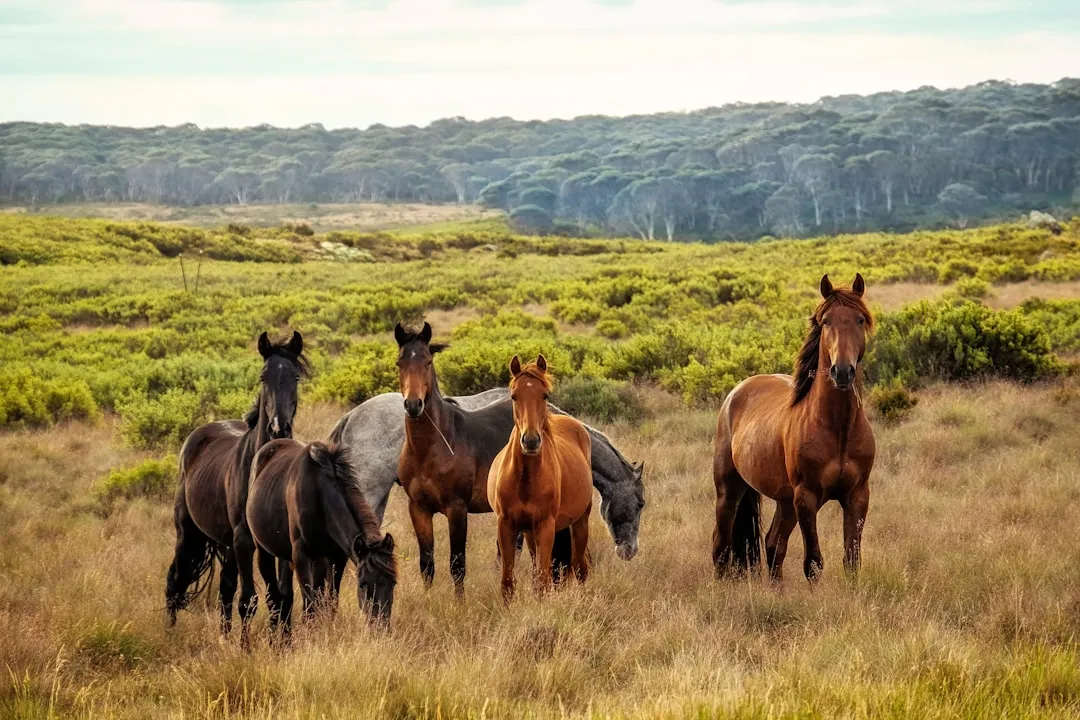
The insider truth: a deeply bonded horse often adjusts herd behavior the moment you appear.
While most riders obsess over “alpha” myths, experienced horse people watch what happens to the whole group when a specific human walks up. Some horses step between you and pushier herd mates, or suddenly tolerate lower-ranking horses closer to them, trusting you to manage the conflict.
- They leave a preferred friend to walk the fence line where you’re standing.
- They tolerate horses near them that they’d normally chase off, simply because you’re there.
If that human disappears for good, these same horses can look “out of sorts” in turnout – pacing more, standing alone, oddly irritable with old friends. They’ve lost the social anchor that made the group feel safe.
#4 – They Wait for You in “Your” Spot
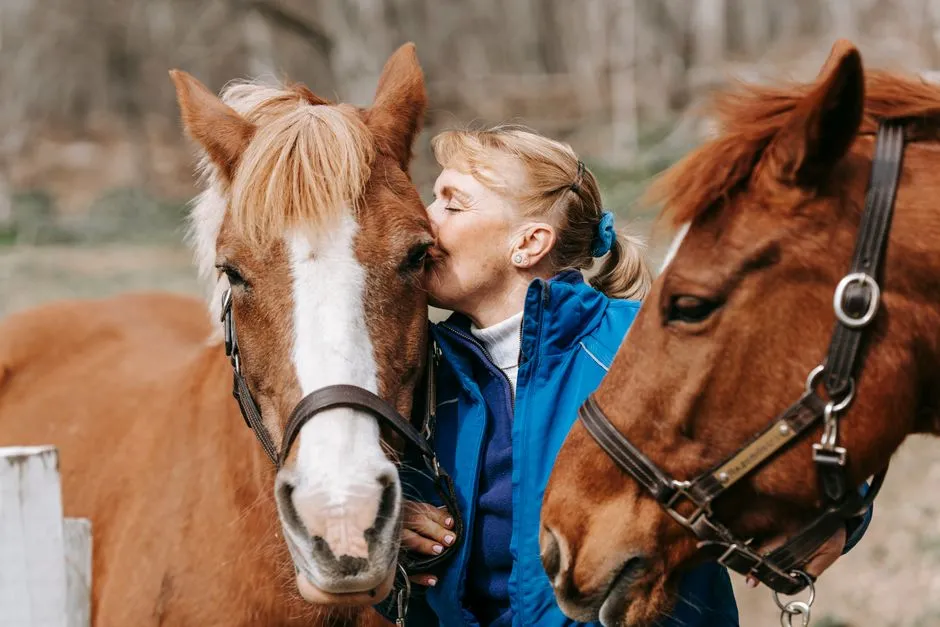
The quiet ritual: a bonded horse builds specific waiting places around your routine, not just feeding time.
Plenty of horses loiter by the gate when dinner’s due. That’s a clock and an appetite, not attachment. A horse bonded to a person waits somewhere that means you – the grooming spot you always use, the paddock corner where you call them, the exact stall door they know you open first.
Over time it becomes a ritual: they check that spot around your usual arrival time, pacing lightly or staring down the driveway. If weeks pass without you, bonded horses either abandon the waiting place entirely, as if it’s too loaded with disappointment, or haunt it obsessively, flinching at every sound.
#5 – They Offer “Checking-In” Touches, Not Demands
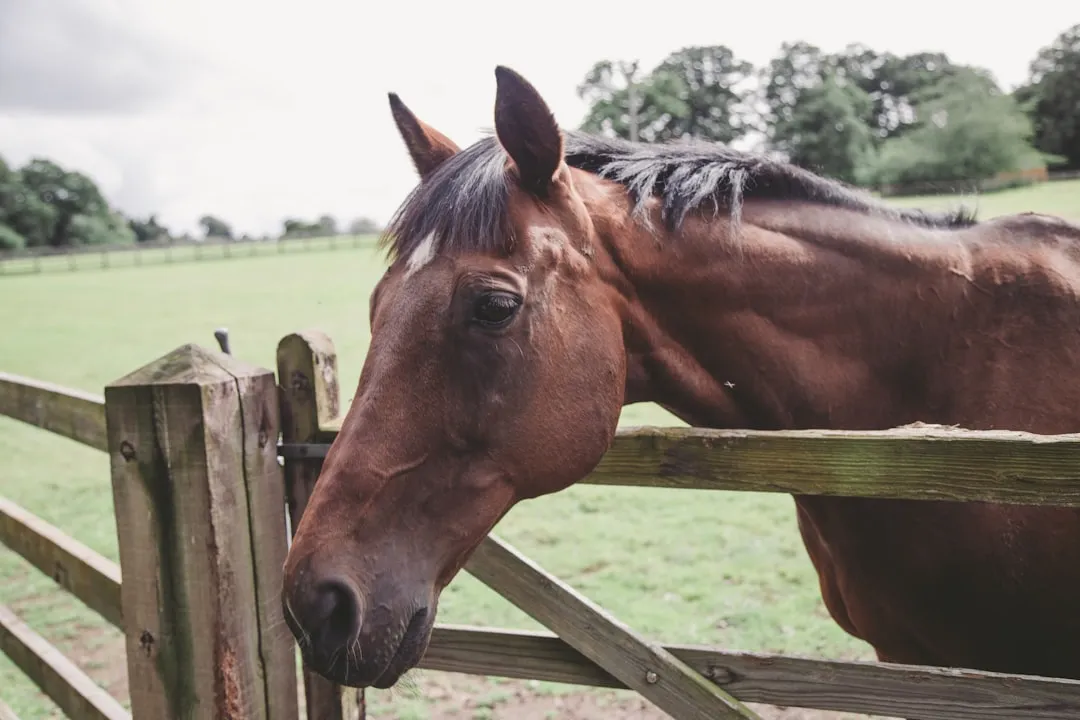
The overlooked detail: bonded horses touch you differently than pushy horses do.
Mugging pockets, shoving for scratches, leaning their whole body into you for attention – that’s boundary-testing, not affection. A truly bonded horse develops something softer: a gentle brush of the nose against your sleeve, a muzzle resting briefly on your shoulder, a quiet exhale into your hair. It reads less like “give me” and more like “I’m here with you.”
Watch what happens when you’re distracted, talking to someone at the arena gate. Does your horse step close and rest its nose near your arm without demanding anything? Stand lined up behind you, almost touching but not crowding?
When that person disappears, these are the horses that keep offering the gesture to no one – standing still, head low, checking in with an empty space where a person used to be.
#6 – Their Separation Anxiety Is Specific, Not General
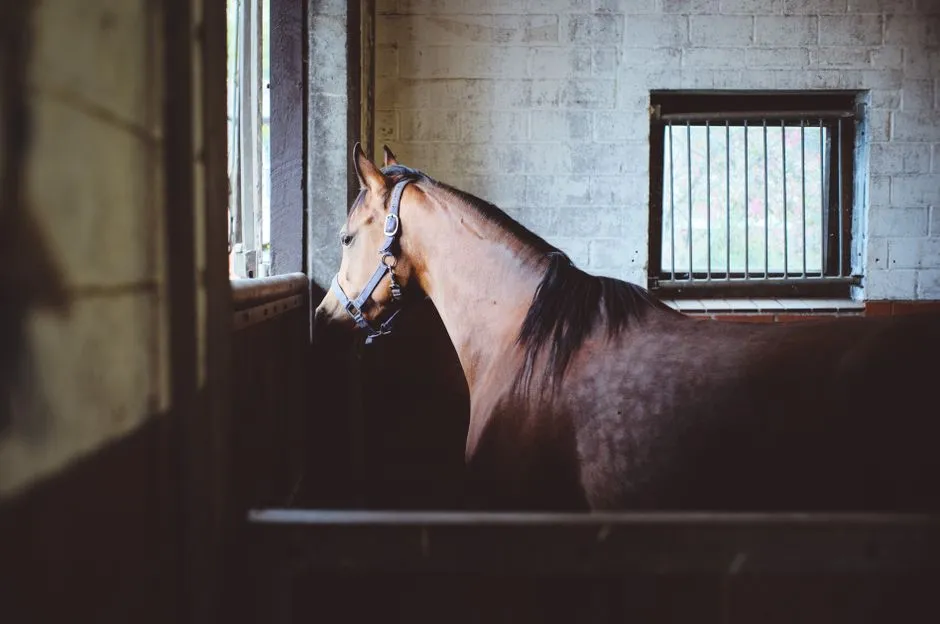
The controversial point: not all “buddy sour” behavior is really about other horses.
Most separation anxiety gets blamed on herd instinct, and often that’s fair. But a deeply bonded horse can show the opposite pattern – perfectly fine leaving the herd, but distressed the moment they’re taken away from one particular human.
- They call or fuss watching you walk another horse away.
- They plant their feet or whirl back toward you if a stranger tries to lead them off.
- They settle faster in strange environments simply because you’re present.
When that person stops coming, these horses often develop new, seemingly random separation issues – calling more, getting hard to catch. It isn’t random. They’ve lost the one attachment figure that made separation feel survivable.
#7 – They Mirror Your Micro-Movements
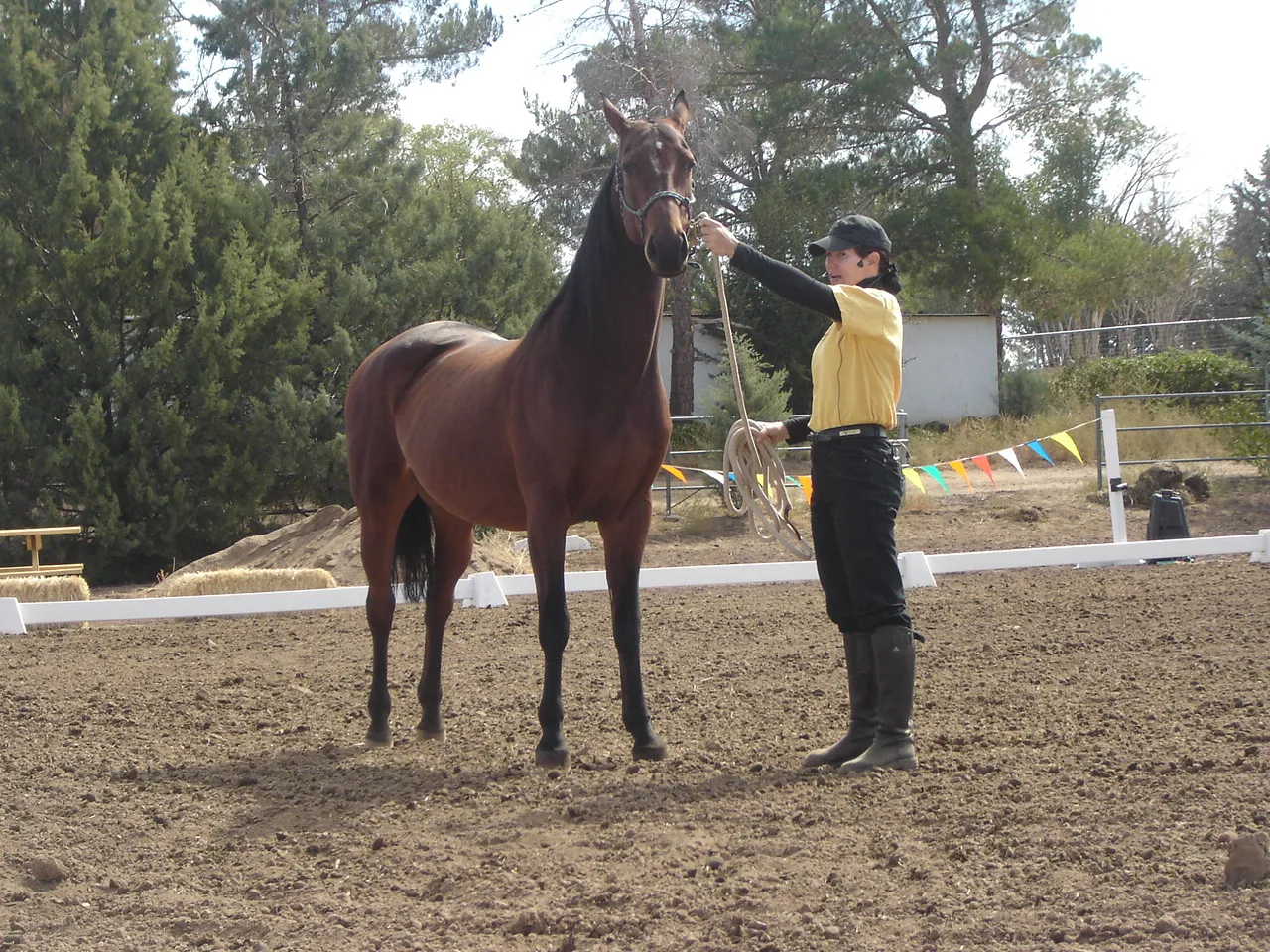
The subtle giveaway: your tiniest shifts become their cues.
On the ground, a bonded horse can seem to read your mind. You half-turn toward the arena and they’re already stepping that way. You inhale and shift your weight forward, and they start walking before you’ve touched the lead. It isn’t magic – it’s an animal tuned down to movements you don’t even know you’re making.
Seasoned handlers notice it constantly: a horse adjusting mid-groom to give you better access unasked, matching your stride and tempo during groundwork with unnerving precision, producing a full transition under saddle off nothing but your exhale.
Lose that person, and trainers often say the horse goes “deaf” for a while – slower to respond, less tuned in to anyone new. They’re still waiting for a body language only one person ever spoke.
Worth Knowing
- Horses see nearly 350 degrees around their body, giving them an almost panoramic view of the people and movement around them.
- Their muzzle and whiskers are dense with nerve endings, sensitive enough to register the faintest shift in touch or air movement.
- Each ear can swivel roughly 180 degrees independently, letting a horse track a familiar voice even when it’s out of sight.
#8 – They Choose Your Contact Over Escape
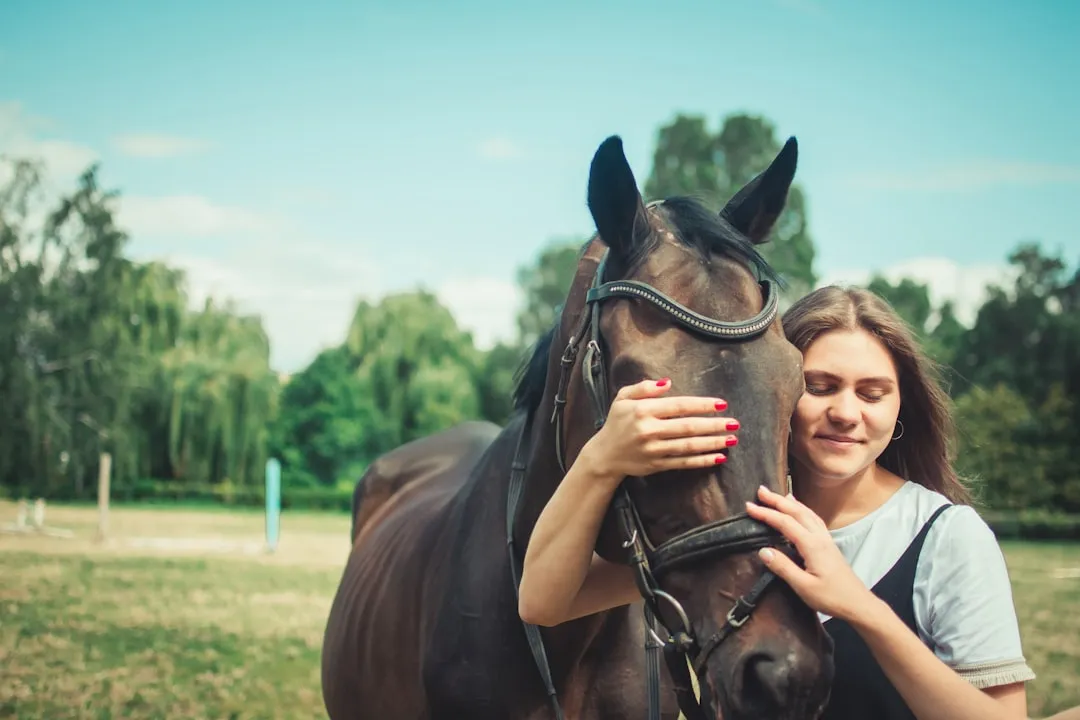
The honest test: what does your horse choose when it’s genuinely overwhelmed?
Most frightened horses flee – pull away, spin, yank the lead. Bonded horses sometimes do the opposite: they lean into their person, seeking touch and proximity as the safety strategy instead of distance. Neck arched, muscles tight, but anchored to you rather than running from you.
You’ll see it at the vet clinic when the needles come out, during a storm or fireworks, when a chaotic new horse gets introduced to the space. If your horse swings its head toward your body or presses its face into your chest, that’s not a trick. That’s attachment choosing you over instinct.
Remove that human permanently, and some of these horses become noticeably more reactive – their portable safe zone is simply gone.
#9 – They Show “Search Behavior” When You Break Routine
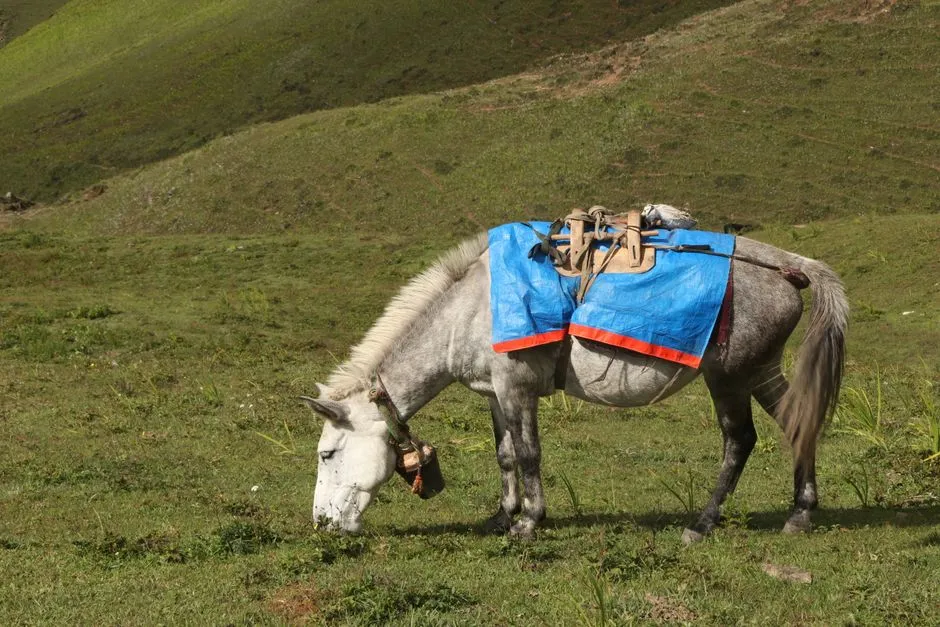
The quiet grief rehearsal: they don’t just wait – they actively go looking.
A food-motivated horse stares at the feed room when dinner’s late. A bonded horse goes looking for you specifically – walking to places you usually appear, peering into empty grooming bays, staring down the driveway long after everyone else has lost interest. Barn staff often notice them pacing the exact paths that mirror your normal routine.
They’ll whicker at footsteps or car doors that “sound like you,” then go silent when it isn’t. If the absence drags on, that hopeful searching can fade into something flatter: standing in corners, less vocalizing, a blank stare at the driveway they once scanned eagerly. That shift, from hope to disinterest, is exactly the kind of emotional blunting behaviorists associate with loss.
#10 – Their Grooming Preferences Become Weirdly “You-Shaped”
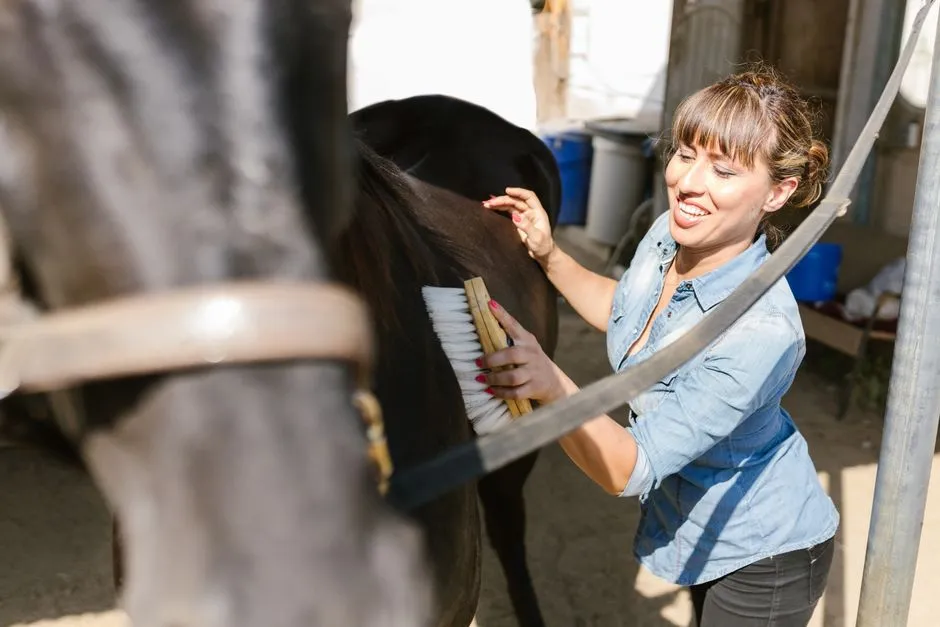
The overlooked clue: they don’t just like grooming – they like how you groom.
Plenty of horses enjoy a brush. A bonded horse shows oddly specific reactions to your particular touch – leaning into your curry comb in one favorite spot, going half-lidded at a pressure only you use, tolerating sensitive areas for you that they resist from anyone else. Switch groomers, and that tolerance can vanish overnight.
- Pinning ears or stepping away when someone new grooms them, despite being angelic for you.
- Repeatedly pressing a hip or neck into your hands in exactly the way you’ve “taught” them feels good.
- Dropping their head and softening their jaw the second they see your brush, before you’ve even touched them.
When you disappear, some horses turn edgy or even snappish during grooming, as if a trusted ritual has been replaced with something clumsy and foreign. It’s not fussiness. The sensory bond is simply gone.
#11 – They Volunteer Work With You, Resist It With Others
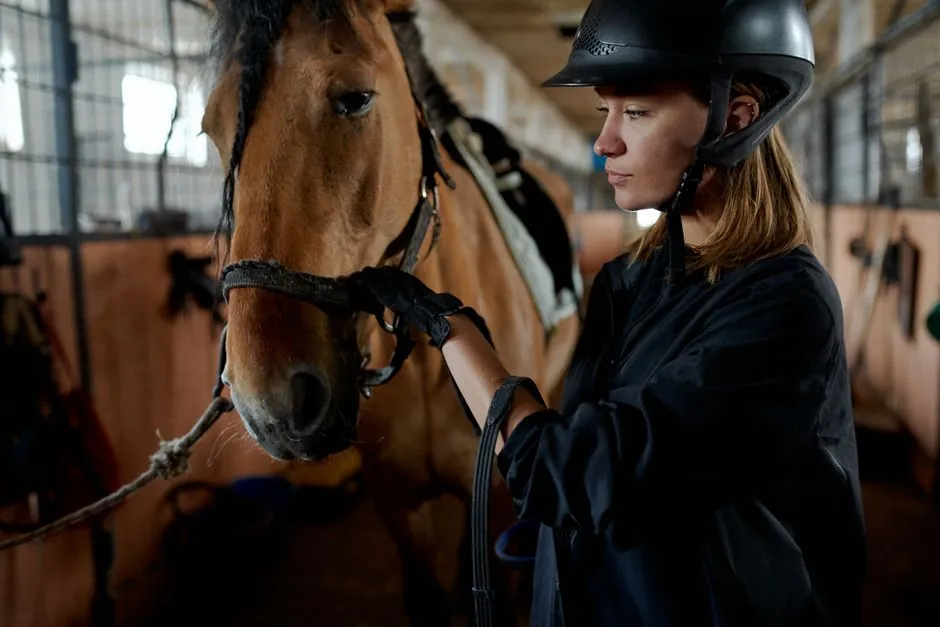
The uncomfortable truth: a bonded horse can look lazy or difficult with absolutely everyone else.
Trainers don’t love admitting this, but it happens constantly. Some horses offer their best focus and softness to exactly one person, then go flat, resistant, or checked-out for anyone else. From the saddle it can feel like riding two completely different animals.
With you, they step under and stretch and explore. With another rider, they hollow, rush, or shut down entirely – meeting you at the gate on work days while ignoring everyone else, brightening the moment they see you heading for the arena.
If that person leaves permanently, barns sometimes mislabel these horses as “sour” – when really, they’ve lost the one relationship that made trying feel worth it.
#12 – Illness or Injury Hits Harder When You’re Gone
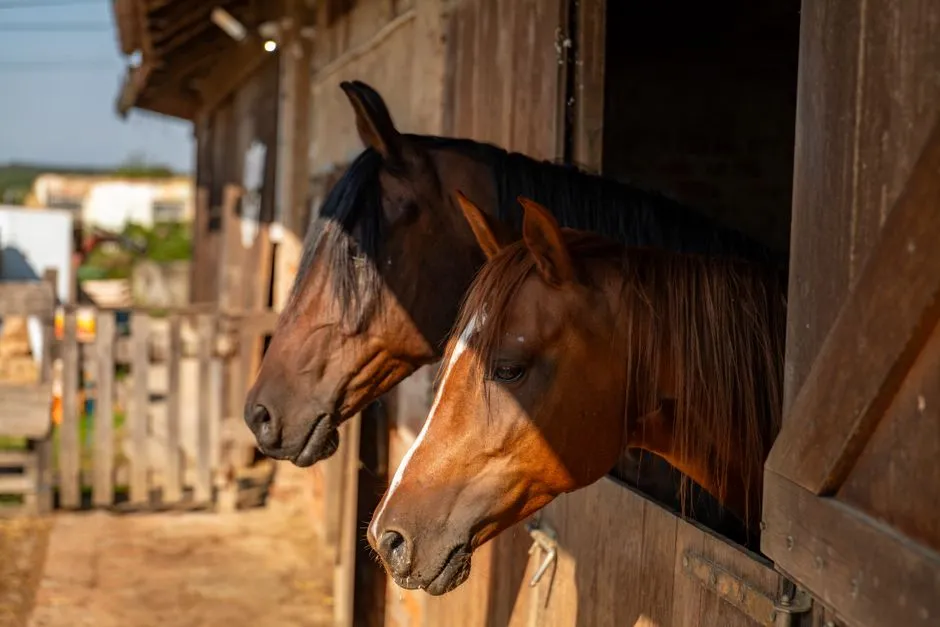
The heavy one: health problems can expose exactly how deep a bond really was.
Horses are experts at linking emotional states to places and people. Some deeply bonded horses show appetite changes, weight loss, dull coats, or colic-prone stress the moment their person vanishes – especially if that human handled their daily care. Sadness doesn’t directly cause disease, but chronic stress absolutely hammers immune function and digestion.
Watch for a previously bright horse going listless in the stall, drinking or eating habits shifting for no medical reason, or mild colic episodes starting shortly after someone stops coming around.
Not every case is grief. But dismissing these changes as drama misses how deeply routine and attachment shape a horse’s entire nervous system. Lose the human, and the whole body reacts.
At a Glance: Stress Signals Worth Watching
- Dull, tucked-up coat despite normal grooming and feed
- Sudden appetite changes or unusually picky eating
- Increased pacing, weaving, or fence-walking
- Recurrent mild colic episodes with no clear dietary trigger
#13 – They “Guard” Your Space, Even When You’re Not There
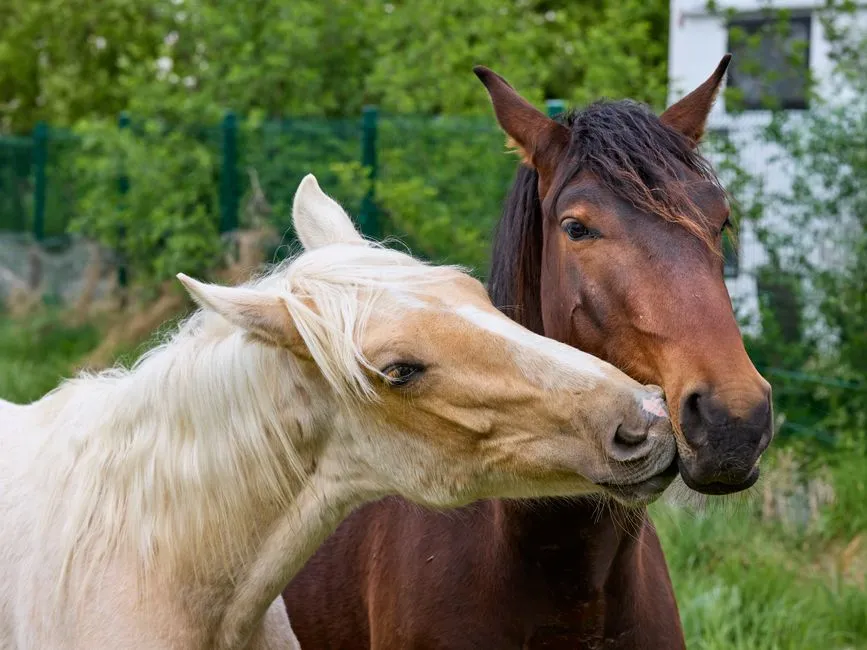
The controversial behavior: some bonded horses get oddly territorial about your things.
This isn’t dangerous aggression – that’s a separate training issue. It’s subtler. A bonded horse may camp near “your” grooming bay, tack trunk, or usual tie spot, pinning ears or snaking its neck if an unfamiliar horse or person invades that zone. To them, it’s shared territory built out of the relationship itself.
- Planting themselves by your saddle rack in the aisle while ignoring everyone else nearby.
- Fussing more when tied in your spot if a stranger approaches than if you do.
- Relaxing on a loose rein only in the specific corner of the arena where you always rest them.
When that person disappears, some horses keep visiting these spaces for weeks before gradually giving up on them – one of the clearest, quietest echoes of a bond that used to exist.
#14 – They Vocalize Differently for You
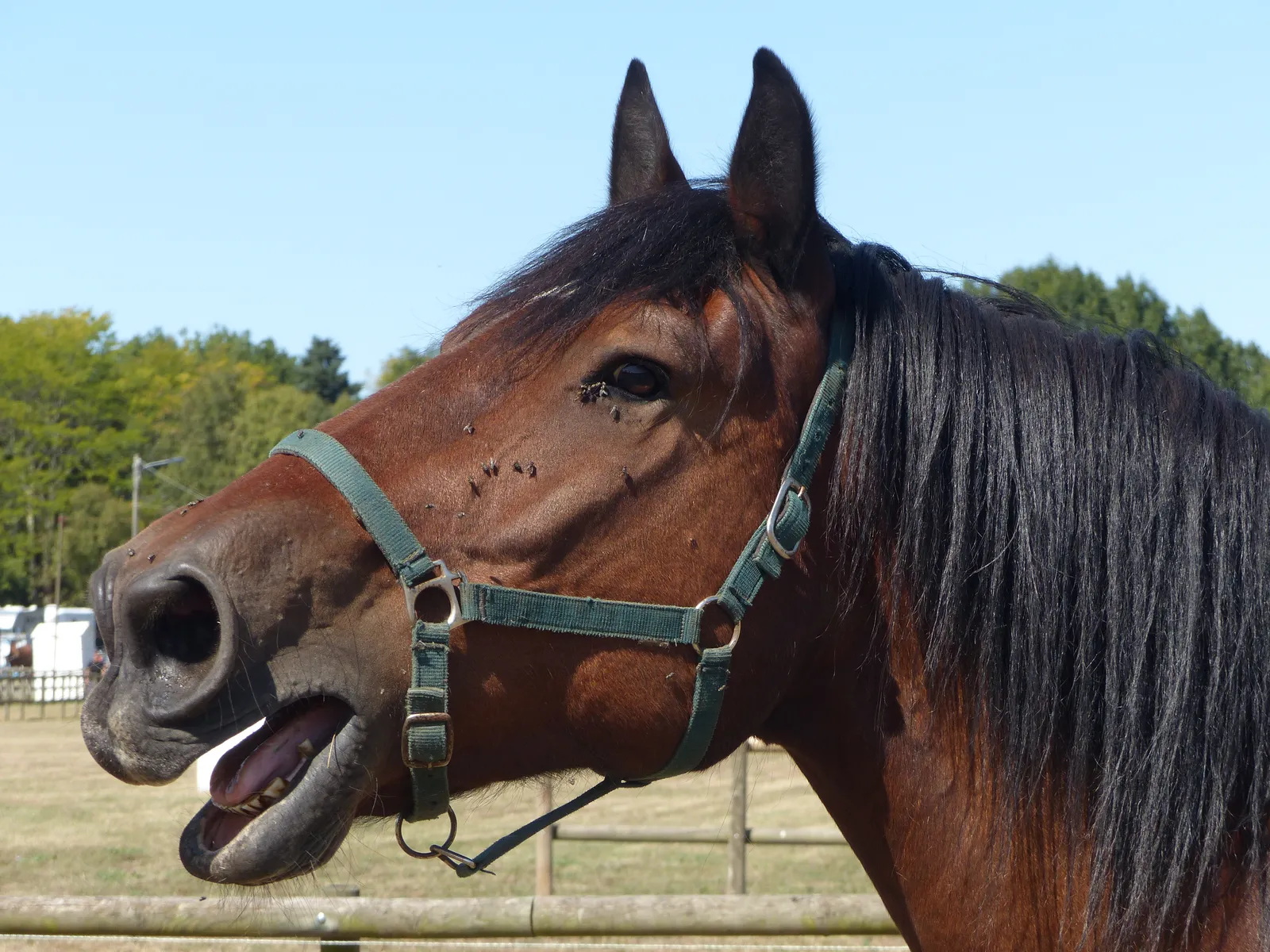
The sound you can’t un-hear: not all nickers are created equal.
Plenty of horses whinny at feed time or when a buddy leaves. The horse truly bonded to a person develops a specific “you” sound – often a low, throaty nicker or a short whuffle reserved just for your arrival. Barn staff will say, “He doesn’t talk to anyone else like that,” and they’re right. Horses shape vocalizations around social meaning, not just volume.
Listen for a softer, almost conversational nicker as you round the corner, breathy little squeaks when you step into their stall that go silent for anyone else, a frustrated whinny as they watch you walk off with another horse.
If your visits suddenly stop, those “you” sounds may spike for a while at any footstep or voice that resembles yours – then fade into flat silence. It’s hard to call that anything but seeking, and eventually, resignation.
#15 – They Show “Protest Behaviors” Only After You Vanish
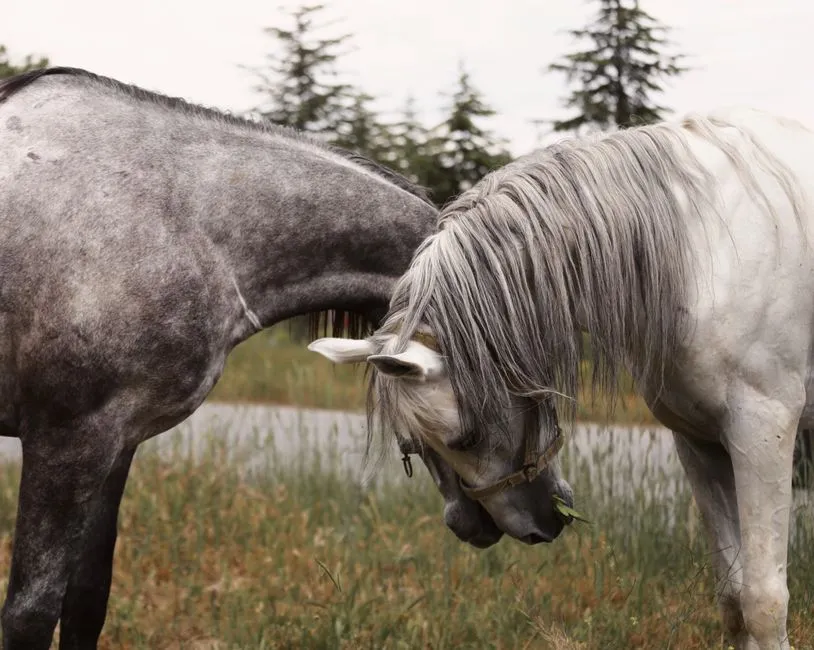
The time-lag clue: problems that start after you leave say more than the quirks you always managed.
People love blaming new barns or new owners for sudden behavior changes, but timelines matter. Some horses stay stable for years, then develop stall vices, gate-pacing, or a sudden refusal to be caught only after their primary human disappears. The work, feed, and environment stayed the same – the attachment didn’t.
A previously easy loader refuses trailers parked in “your” old spot. A horse that used to march into the arena with you starts balking under new riders. Weaving, cribbing, or aggressive chewing shows up out of nowhere.
Not every new habit is grief. But pretending the loss of a deep bond is irrelevant is naive – horses build emotional maps around their people, and ripping out one major landmark can make the whole landscape confusing.
#16 – They Struggle to Transfer Trust
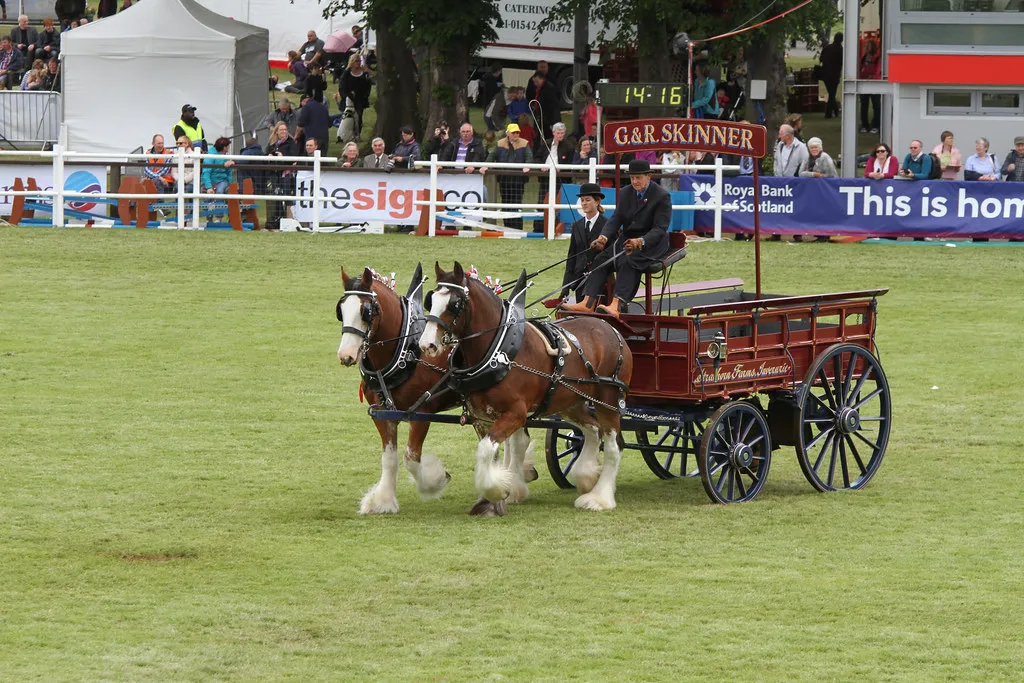
The hard truth: some bonds are so deep they actually complicate rehoming.
Rescue workers see it constantly. A horse arrives clearly grieving a former human – dull-eyed, withdrawn, slow to respond to anything. It’s not that they hate people; it’s that they had a person, and they no longer know how to believe in a new one. These are the horses that can take months, sometimes years, to open back up.
They tolerate handling but show almost no curiosity, do what’s asked with a mechanical, checked-out look, and offer very little “try” – until one new human shows up consistently enough, and the lights slowly come back on.
That difficulty transferring trust is, ironically, proof of exactly how deep the last bond was. They’re not aloof. They’re guarding the part of themselves that once chose a person and got burned.
Quick Compare
- Average horse meeting someone new: curious and relaxed, often warms up within days.
- Grieving, previously bonded horse: withdrawn and slow to make eye contact, sometimes taking months to trust again.
- Once trust rebuilds: frequently becomes just as devoted to the new person as before.
#17 – They Keep Looking for You in Other People
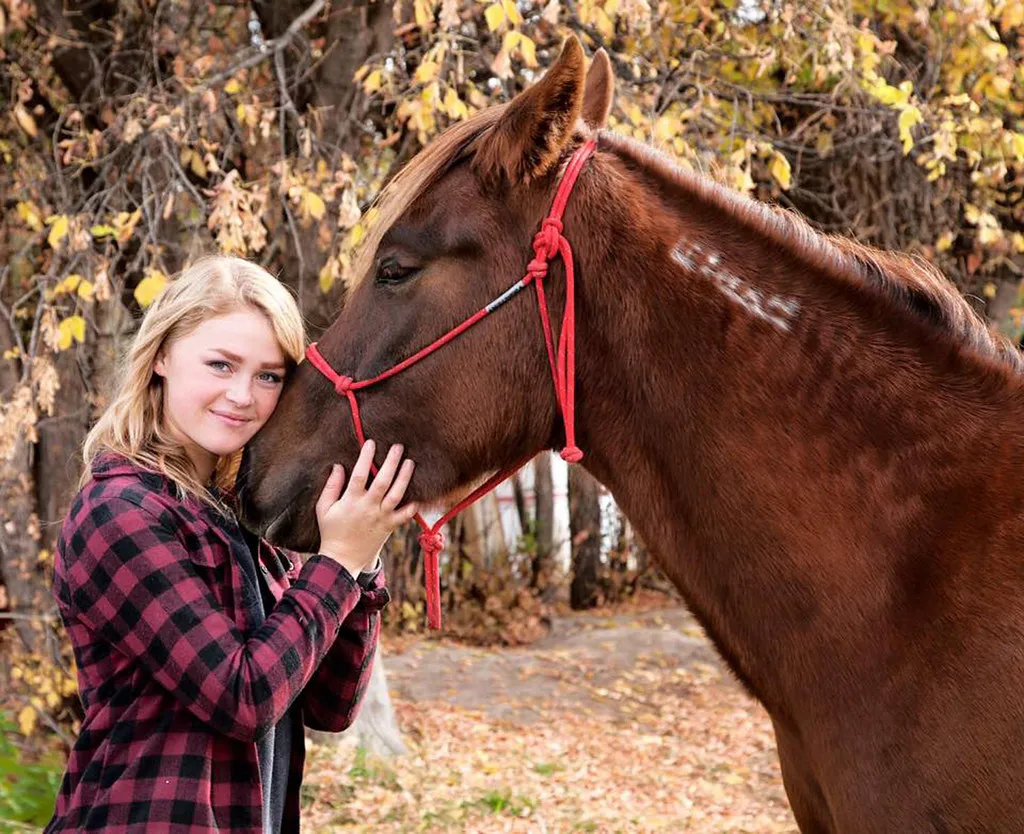
The quiet heartbreak: a horse can seem to audition new humans as possible replacements for you.
This is where it stops feeling like theory. Some deeply bonded horses greet each stranger with a flash of hope – ears up, quick steps forward – then visibly deflate when the voice, smell, or body language doesn’t match the person they lost. They nuzzle jackets that feel like yours, follow a familiar gait down the aisle, freeze at a laugh that sounds like yours used to.
Over time, one of two things tends to happen: they shut down, deciding no one is worth that kind of hope again, or they pick one new person and start repeating the same patterns – mirroring, searching, guarding, trusting, all over again.
Either way, the way they scan faces and test interactions tells you something simple and hard to sit with: they aren’t just reacting to “humans.” They’re hoping, against the odds, that their person somehow came back.
The Bottom Line
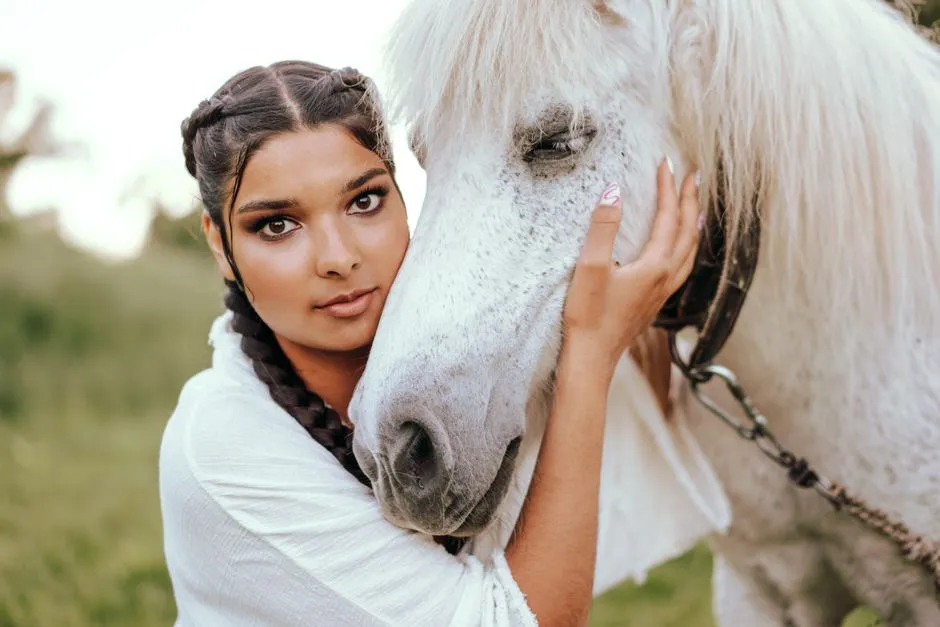
The most uncomfortable truth in all of this is simple: horses don’t bond to the idea of “people.” They bond, very specifically, to a person – and sometimes that attachment runs deep enough that losing it reshapes their behavior, their health, and their sense of safety for a long, long time.
There is something about the outside of a horse that is good for the inside of a man.
Winston Churchill
The 17 signs above aren’t cute anecdotes. They’re patterns that trainers, grooms, and behaviorists watch repeat themselves, over and over, in horses who have clearly lost someone they trusted. Not every affectionate horse will grieve if you walk away – but some absolutely will, and pretending otherwise is more convenient for us than it is honest about them.
If you recognize your horse in these pages, you already know what it’s asking of you: consistency, not perfection. Did we nail it, or do you think horses don’t feel it this deeply? Say so in the comments – I want to hear it.

- 17 Quiet Signs a Horse Has Bonded So Deeply It Will Grieve If That Person Ever Leaves - July 31, 2026
- 17 Signs Your Dog Has Quietly Made One Person Its Whole World, According to Behaviourists - July 31, 2026
- 16 Once-Common Dog Breeds Vets Say They Now Go Entire Years Without Ever Treating - July 31, 2026