

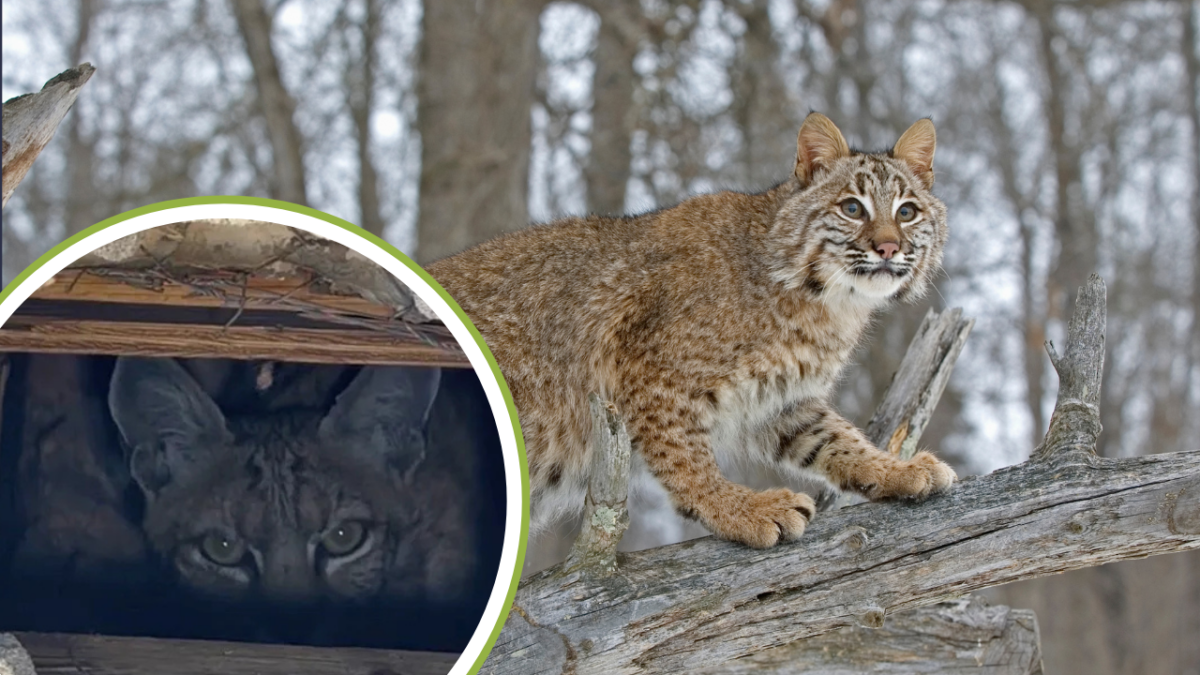
SCOTTSDALE, Ariz. — What began as a series of unexplained scratching sounds above the ceiling turned into an extraordinary wildlife discovery for an Arizona homeowner after a mother bobcat was found raising her kittens inside the attic of her home.
The unusual incident unfolded in Scottsdale, Arizona, in July 2026, after homeowner Karen, who asked that her surname not be published, contacted local wildlife removal company Critter Evictors following several days of hearing heavy footsteps, growling and persistent noises overhead. Instead of the rats or raccoons she expected, technicians discovered a bobcat had transformed the attic into a temporary den for her young.
Wildlife specialists opted for a humane removal strategy
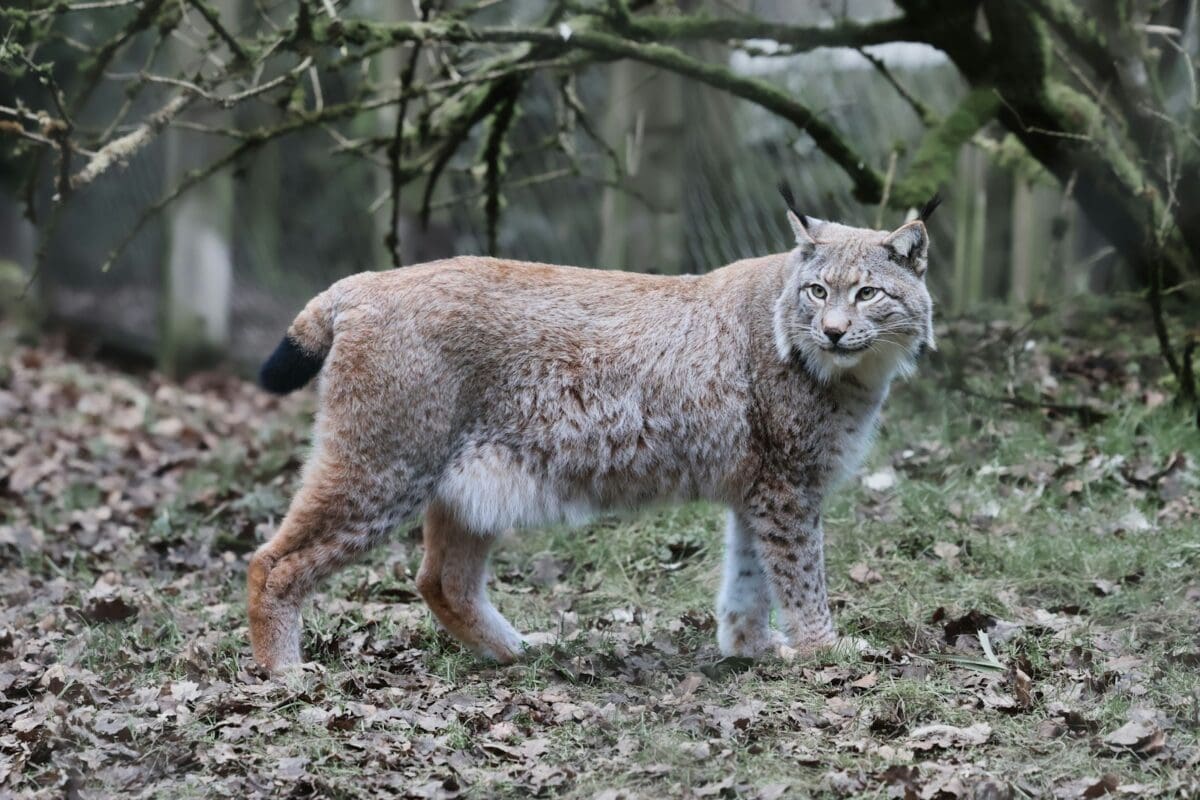
According to Critter Evictors owner Verner Swenson, the discovery ranks among the rarest wildlife calls his company has handled. While bobcats are regularly spotted throughout Arizona’s urban fringes, finding a mother safely raising kittens inside the attic of an occupied home is highly unusual.
Rather than trapping or relocating the animals, technicians chose a humane approach designed to encourage the bobcat to move her family on her own. Over several days, workers repeatedly entered the attic, leaving behind human scent and maintaining a consistent presence that gradually made the den less attractive. Wildlife experts say this method reduces stress on both the mother and her kittens while avoiding the risks associated with separating young animals from their parent.
Bobcat family relocated without injury
The strategy proved successful as the mother eventually carried each of her kittens to a new den elsewhere. Only after confirming the animals had permanently left did technicians seal the attic’s entry points with galvanized steel to prevent future wildlife intrusions while preserving proper roof ventilation.
Swenson said every wildlife response begins with assessing whether young animals are present before deciding on the safest course of action. The company emphasized that protecting both homeowners and wildlife remained the priority throughout the operation.
Bobcats increasingly adapting to suburban environments
The incident also highlights the growing overlap between wildlife and expanding suburban neighborhoods across central Arizona. According to the Arizona Game and Fish Department, bobcats commonly move through residential communities in search of food, water and shelter. Rabbits, rodents, birds and other prey found in landscaped neighborhoods can attract the elusive cats, while attics, sheds and other sheltered spaces occasionally serve as temporary den sites for females raising kittens.
Wildlife officials advise homeowners who hear persistent scratching or heavy movement in ceilings or attics not to investigate the space themselves. Instead, they recommend contacting licensed wildlife professionals, particularly during the breeding season when young animals may be present. Humane exclusion methods are generally preferred over trapping, allowing mothers to relocate their offspring naturally while minimizing stress and reducing the likelihood of the animals returning.
