
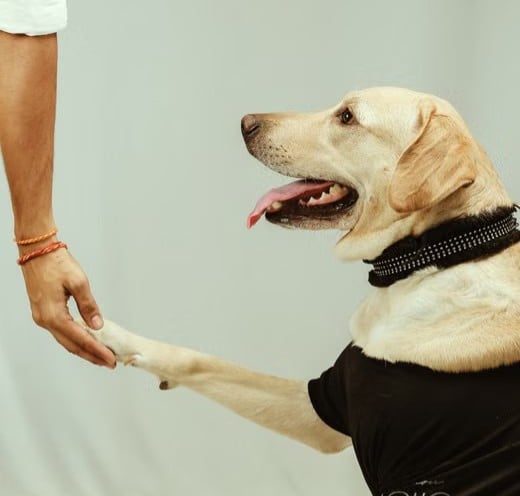
Everyone assumes a Labrador loves the whole family the same way – tail wagging for whoever fills the food bowl, whoever throws the ball, whoever happens to be closest on the couch. That assumption is wrong, and once you notice the pattern, you can’t unsee it. Behind the goofy, everybody’s-best-friend reputation, most Labs quietly pick one person and build an entire private world around them.
Here’s the part that gets uncomfortable: when that one person leaves – for a breakup, a move, a death, or just life pulling them away – whole pieces of the dog’s personality go missing with them. Not the obvious stuff. The quiet stuff. The rituals nobody outside the house ever noticed in the first place. Below are 17 of those private behaviors, and what actually happens the moment the bond breaks.
#17 – The Late-Night Check-In Lap
🔥 Would you like to save this?
We'll email this post to you, so you can come back to it later!
Most Labs seem to power down when the house goes quiet, but some run a strict late-night route reserved for exactly one person. They wait until the TV clicks off and the dishes are done. Then they pad down the hallway for a single, silent check-in – a nose against the hand, a sigh, maybe a lean into the leg before turning back toward bed.
It’s not begging, and it’s not about needing the bathroom. It’s a dog making sure their person is physically there and okay. Owners usually shrug it off as habit – until the person is gone for good. The dog may still wander the house at night, but that specific, wordless “you’re my final check” ritual simply stops.
#16 – The One-Human Greeting Explosion
🔥 Would you like to save this?
We'll email this post to you, so you can come back to it later!
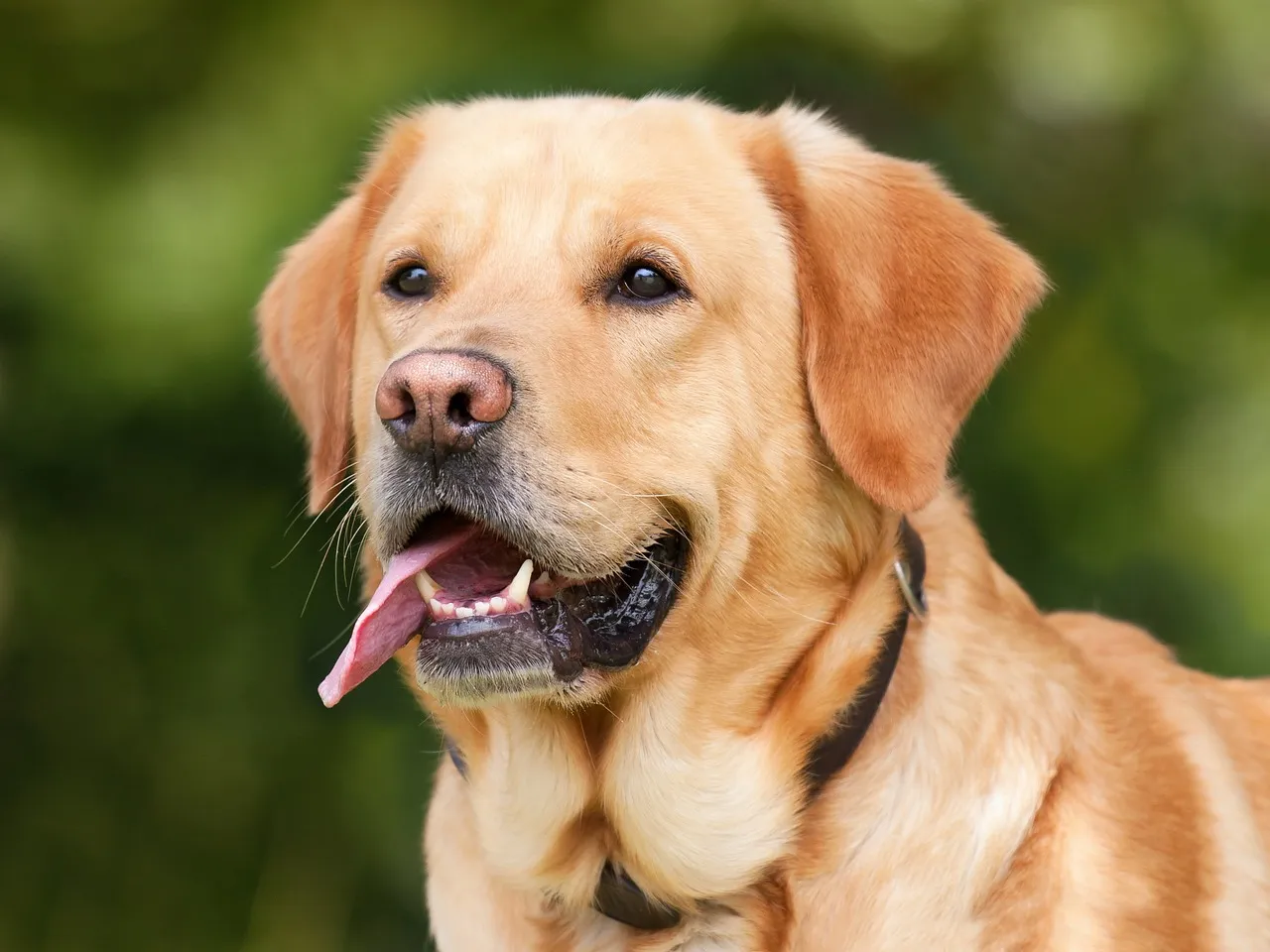
Labradors have a reputation as universal greeters, but most keep one greeting locked away for a single person. It’s a whole different show: spinning, half-barks, frantic figure-eights, a toy shoved into a hand, a full-body wag that starts at the shoulders and rolls all the way to the tail.
Everyone else gets the polite, toned-down version. Behaviorists call this differential arousal – the dog’s nervous system genuinely fires harder for one specific human. When that person disappears long-term, the peak greeting doesn’t transfer to whoever walks in next. It just goes quiet, replaced by a muted hello even for people who’ve been gone for weeks.
Fast Facts
- Labradors held the AKC’s No. 1 spot for 31 straight years before slipping to No. 2 in 2022
- The top-tier, full-body greeting is reserved almost exclusively for the attachment figure
- Everyone else typically gets a calmer, more generic hello
- This gap in reaction intensity is what behaviorists call differential arousal
#15 – The Secret Comfort Object Ritual
🔥 Would you like to save this?
We'll email this post to you, so you can come back to it later!
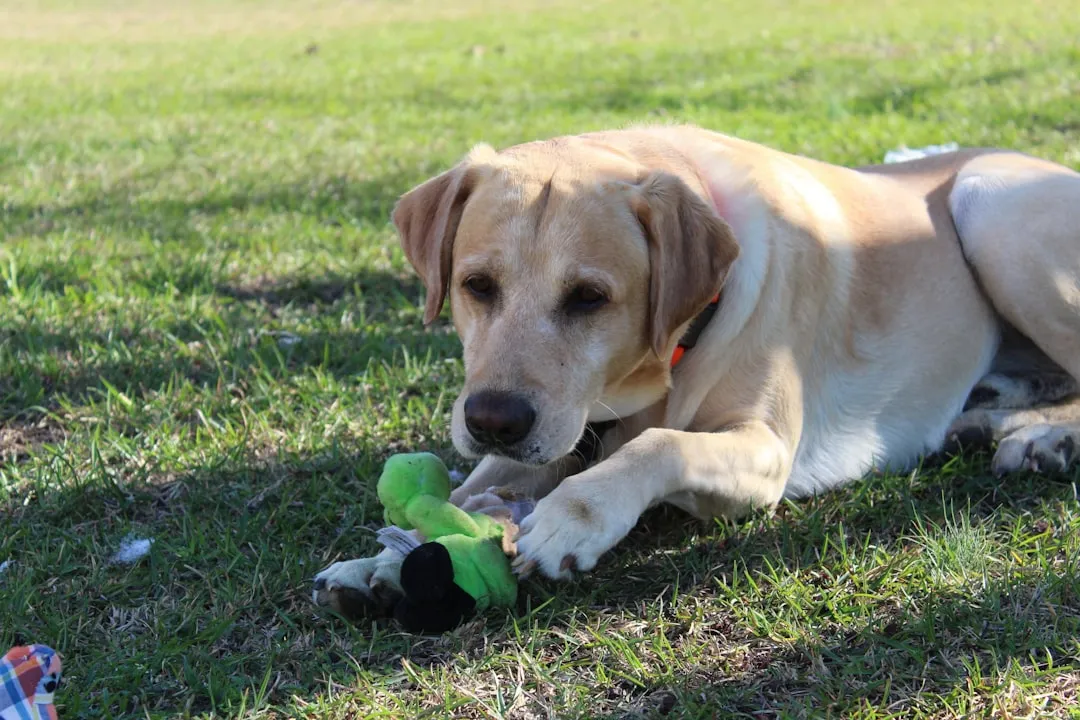
Some Labs keep a comfort object they only bring out for one human – a shredded plush, a specific ball, even a random sock they’ve quietly claimed. The object itself barely matters. What matters is who they share it with. They’ll carry it into that person’s room, drop it in their lap, and just lie there. No tug, no fetch – just quiet possession.
Two tells give it away: the dog ignores that same object when anyone else tries to play with it, and it tends to live near that person’s usual spots – a bedroom door, a couch corner, an office threshold. Vets sometimes call this a grief marker. When the person leaves for good, the object is often abandoned, destroyed, or hidden – but the shared ceremony almost never transfers to someone new.
#14 – The “Shadow Walking” Heel
🔥 Would you like to save this?
We'll email this post to you, so you can come back to it later!
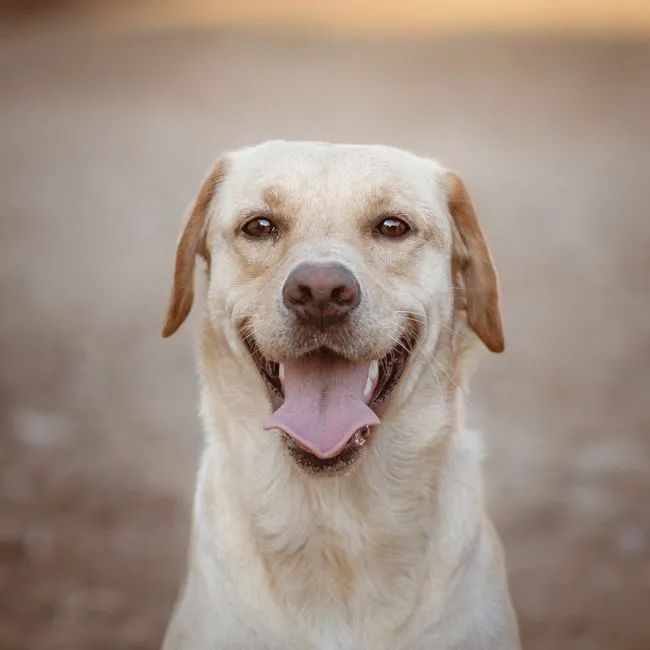
People mistake this for clinginess, but the shadow walk is something more specific. No commands, no training involved – the dog simply chooses to stay locked at one person’s side, matching their pace, turning when they turn, stopping when they stop. It shows up most in the boring, low-stimulation moments: folding laundry, puttering in the yard, standing at the sink.
Heart-rate research in companion dogs has shown measurable drops when a dog walks in sync with its attachment figure specifically – not just any familiar person. When that human is gone, the shadow walk doesn’t quietly reassign itself. Instead, many Labs become scattered: trailing ahead, lagging behind, bouncing between people instead of locking onto one.
#13 – The Private “Soft Talk” Vocabulary
🔥 Would you like to save this?
We'll email this post to you, so you can come back to it later!
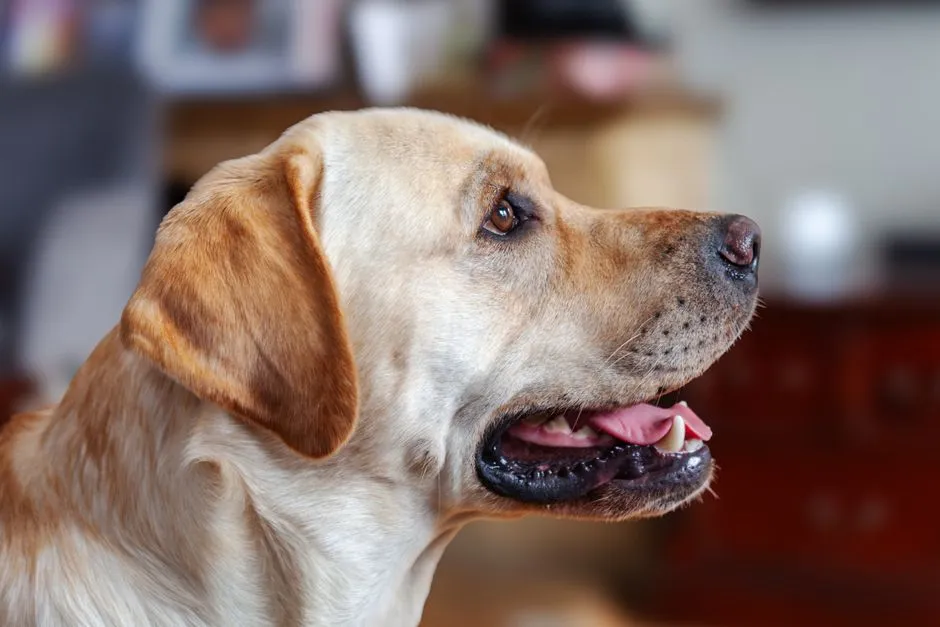
Labs are language sponges, but the words that matter most are rarely the trained ones. It’s the throwaway sounds – “easy,” “hey, hey,” a nickname that means nothing to anyone else – that one person builds without even realizing it. Over years, those sounds get tagged with real emotional weight: comfort, mild correction, invitation.
Research on canine hearing shows dogs pick up on tone and speaker identity, not just vocabulary, and they form the deepest associations with one consistent voice. When that person is gone, family members can repeat the exact same words – and get hesitation, delay, or nothing at all. The private dictionary they spent years building simply goes offline.
Worth Knowing
- Dogs read tone, rhythm, and pacing at least as closely as the actual words being said
- A private nickname often carries more emotional weight than a trained command
- Vocal bonds form gradually, through years of repetition with one consistent speaker
- When that speaker is gone, the same words from someone else can fall flat
#12 – The Bedtime “Guard Shift” Position
🔥 Would you like to save this?
We'll email this post to you, so you can come back to it later!
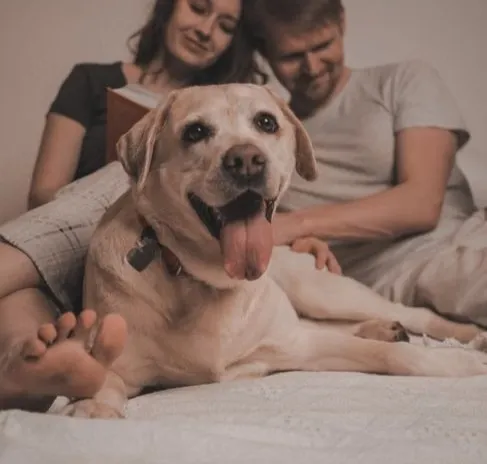
Most Labs settle into a default nighttime spot, but for a lot of them, that choice is about a person, not a room. They’ll sleep across a specific bedroom doorway, on the floor under one particular side of the bed, or at the end of the hallway leading to that room – and nowhere else will do.
It’s a classic guard position: not aggressive, just hyper-attuned. “If something happens to you, I’m between you and everything else” is basically the message. When that person is gone for good, the dog rarely reassigns the post to someone new. It either abandons bedrooms entirely or drifts unpredictably, never settling on a new checkpoint. The original spot was about the bond, not the floor plan.
#11 – The “Only With You” Play Game
🔥 Would you like to save this?
We'll email this post to you, so you can come back to it later!
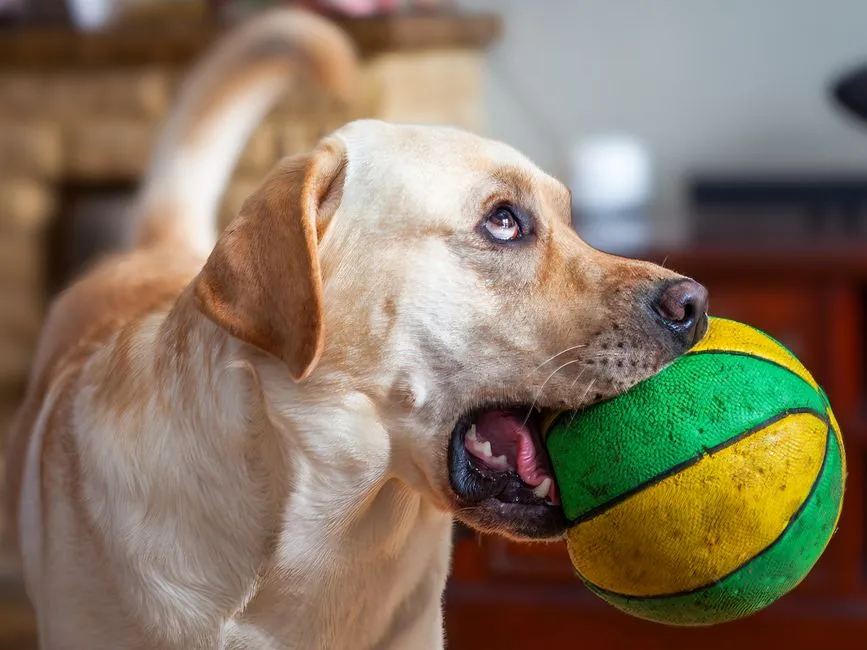
Every Lab has a favorite kind of play, but a surprising number also keep a secret game reserved for one person alone – a specific tug pattern, a chase route around the same coffee table, a hide-and-seek routine on the stairs. The trigger is often a tiny, almost invisible cue: a hand reaching for a towel, a glance toward the hallway.
Other people can try to copy the moves and get a half-hearted response, because the ritual is tied to that person’s exact voice, timing, and micro-habits. Behaviorists call this learned play scripting. When the partner is gone, the script usually dissolves – the Lab may still like tug or chase in general, but that exact sequence, and the joy that came with it, doesn’t come back.
#10 – The Emotional “Check Your Face” Scan
🔥 Would you like to save this?
We'll email this post to you, so you can come back to it later!
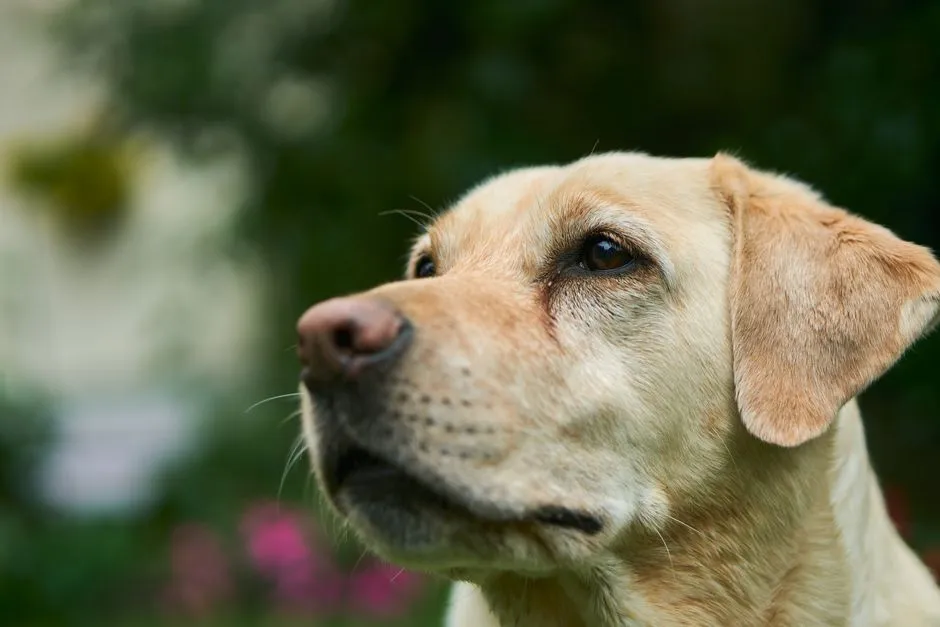
Some Labs obsessively read one human’s face – not just at dinner, but during quiet moments, while you’re on your phone, during nothing in particular. They’re tracking eyebrows, jaw tension, shoulder posture, constantly asking, “What’s the mood in here?”
Eye-tracking studies on dogs show they preferentially scan the faces of their primary attachment figures to predict what happens next. Many will visibly relax when that person smiles and freeze or lick their lips when the mood shifts. When the person is gone, the scanning doesn’t transfer to another face – it often just switches off, and the dog’s attention drifts to doorways and windows instead.
#9 – The Bathroom Bodyguard Routine
🔥 Would you like to save this?
We'll email this post to you, so you can come back to it later!
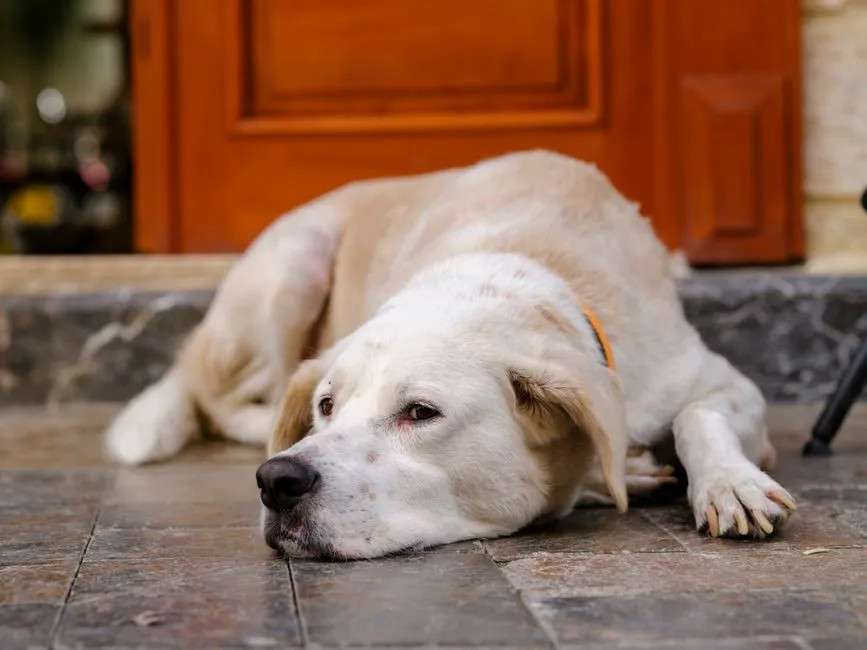
It sounds ridiculous, but the bathroom shadow is real, and it’s usually reserved for one person only. Some Labs follow that human into the bathroom every single time, lie between the toilet and the door, and stare at the entrance like they’re running perimeter security.
It’s not cartoonish separation anxiety – it’s attachment layered with pattern recognition. This is the one place that person becomes briefly unreachable, and the dog chooses to guard it. When that person is no longer in the house, the escort duty usually stops cold rather than transferring to someone else. Families joke that the dog got “more respectful,” but really, the one relationship that triggered that specific protocol is simply gone.
Quick Compare
- With the bonded person: follows into the bathroom, lies by the door, waits for them to reappear
- With everyone else: stays outside, or ignores the closed door completely
- After that person is gone: the escort duty typically stops rather than shifting to someone new
#8 – The “Only When You Cry” Response
🔥 Would you like to save this?
We'll email this post to you, so you can come back to it later!
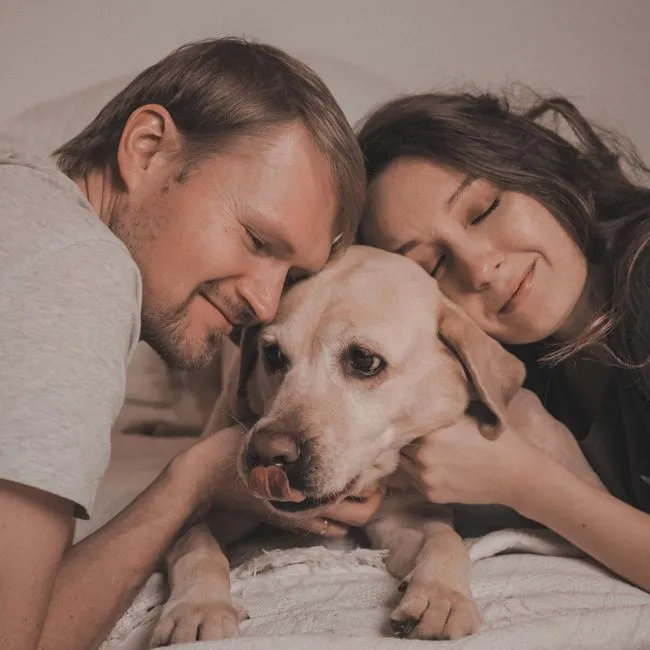
Plenty of Labs react when someone cries, but the depth of the reaction often spikes hard for one specific person. Watch closely next time that human is genuinely upset: the dog may press their entire body against them, whine softly, lick insistently, and plant themselves directly on the person’s feet – then stay there long after the tears stop.
Dogs are not our whole life, but they make our lives whole.
Roger Caras
Research on emotional contagion in dogs shows many are more distressed by their primary caregiver’s sadness than by anyone else’s, because the response was built over hundreds of small, repeated moments. When that person is gone, the intensity fades. Dogs may notice others crying, but they respond slower, hang back farther, and don’t anchor themselves the same way. It’s not that they became less caring – the specific pathway built for one person’s emotions simply lost its target.
#7 – The Workday Departure Ritual
🔥 Would you like to save this?
We'll email this post to you, so you can come back to it later!
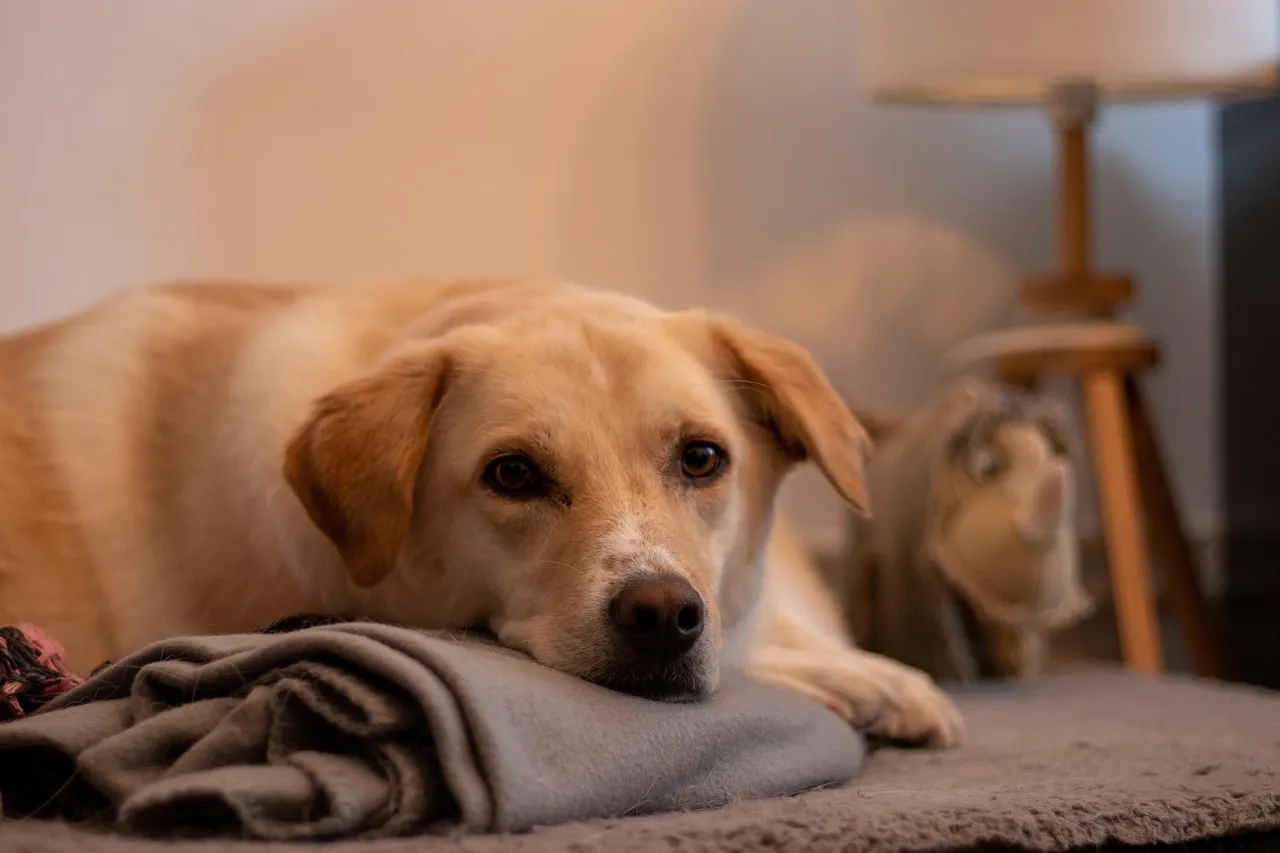
Most families have a generic goodbye, but many Labs run a highly specific departure script with one person – usually whoever has the most predictable schedule. Waiting on the same stair while shoes go on. Circling twice before settling by the door. Accepting one exact phrase, and no other, before finally turning away.
Interestingly, the dog often mirrors that person’s emotional state – pacing more if they’re rushed, settling faster if they’re calm. It becomes a two-way regulation loop. When that person leaves for good, the ritual collapses rather than transferring. The Lab may ignore other people’s departures entirely or react in scattered, inconsistent ways that never settle into a new routine.
#6 – The “Your Smell Is Home Base” Obsession
🔥 Would you like to save this?
We'll email this post to you, so you can come back to it later!
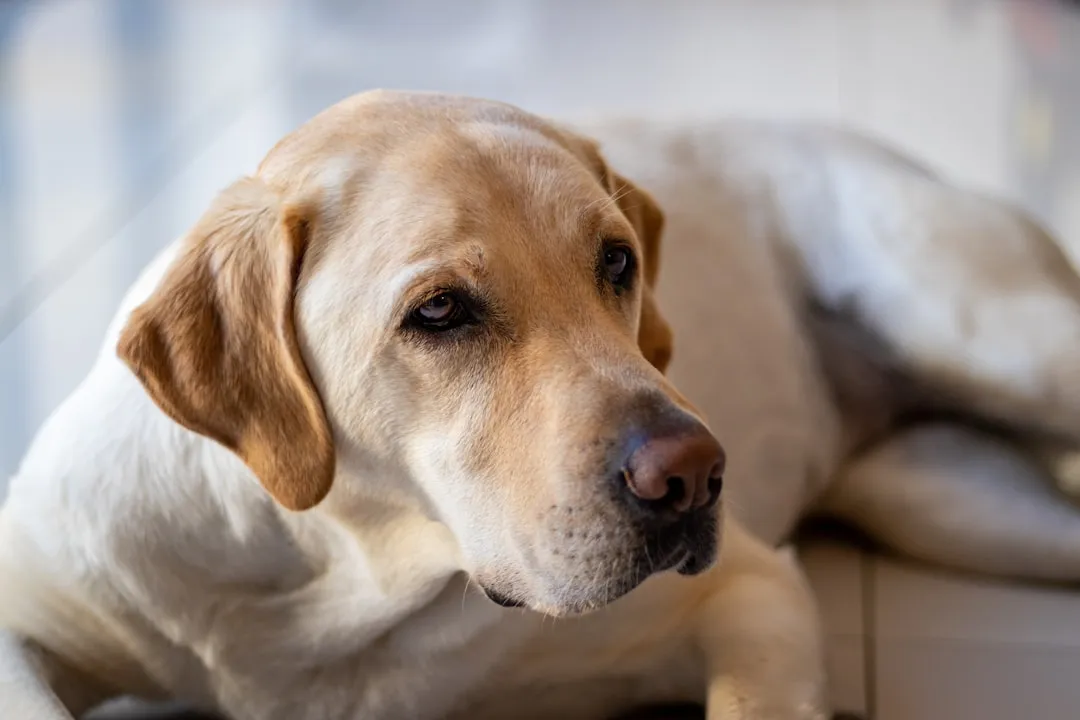
Labradors live through their noses, but some build a full smell anchor around one human – seeking out that person’s shoes or worn shirt when stressed, sleeping on their side of an empty bed, calming faster around their scent than anyone else’s.
Experiments using worn clothing show dogs can experience measurably reduced stress when exposed to their primary attachment figure’s scent versus a stranger’s. When that person leaves for good, there’s often a short, intense search phase – sniffing their usual chair, checking a specific closet – followed by an abrupt shutdown once the scent fades. The Lab rarely transfers that same obsession onto someone else’s belongings.
#5 – The “Only With You” Relaxed Belly Exposure
🔥 Would you like to save this?
We'll email this post to you, so you can come back to it later!
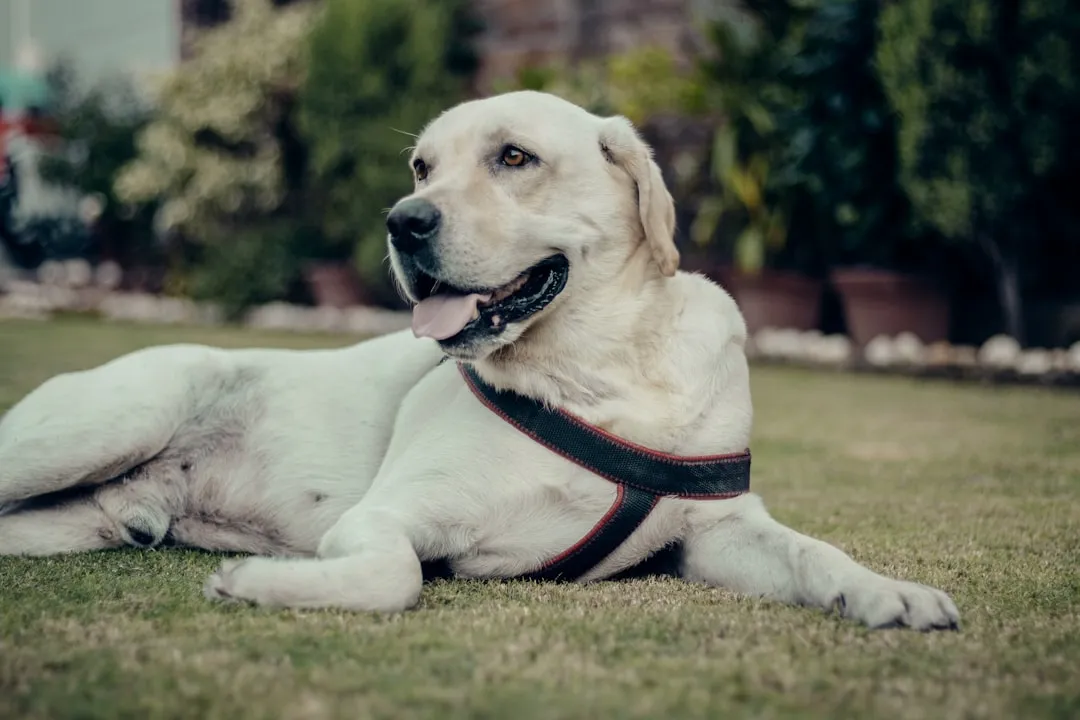
A dog rolling onto its back looks like a universal invitation for belly rubs, but context matters more than people think. Some Labs go fully loose and floppy, eyes half-closed, breathing slow, belly exposed – but only with one specific human, and usually only in quiet, private moments.
This isn’t performative cuteness. It’s deep trust: “I am safe here, and you are my secure base.” A Lab might flash its belly to a stranger as an appeasement gesture, but the full, boneless melt is something else entirely. When that person is gone, dogs may still roll over for play with others, but that specific total-relaxation version rarely comes back the same way.
#4 – The Middle-of-the-Night “Are You Still Alive?” Patrol
🔥 Would you like to save this?
We'll email this post to you, so you can come back to it later!
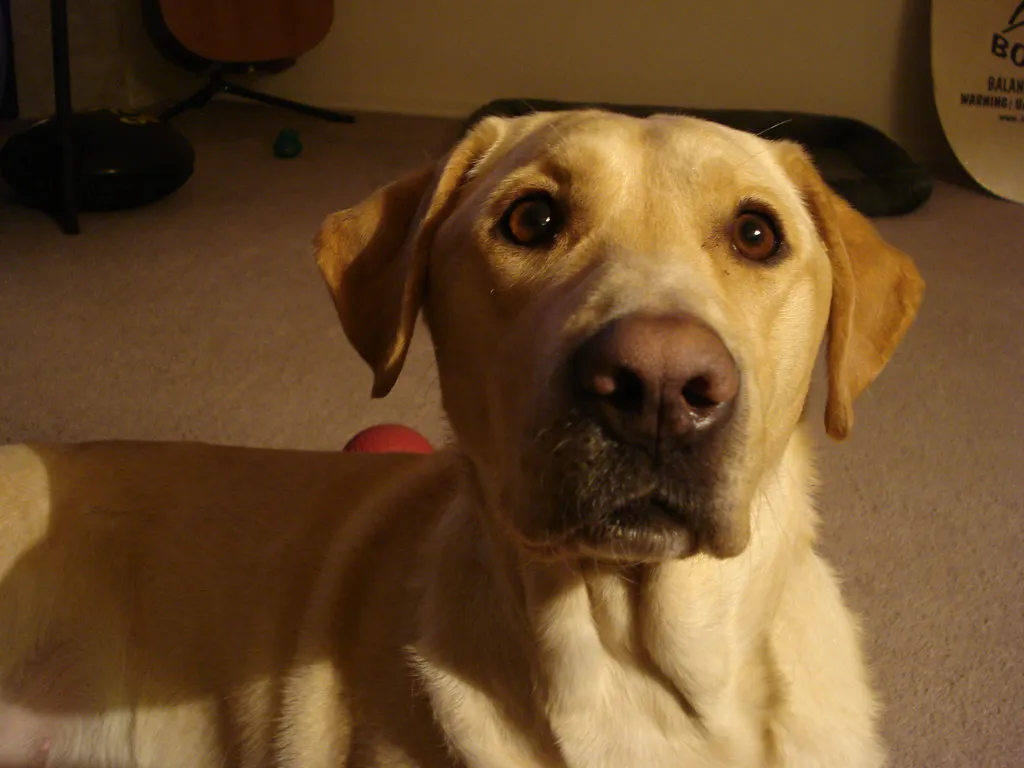
Some Labs do something owners barely notice: they wake quietly in the night, check one person, and go right back to sleep. A soft hop onto the bed edge, a quick sniff near the face or chest, then a silent return to their own spot. No whining, no drama.
To the dog, it’s a biological safety check – older Labs do it more with elderly or ill owners, younger ones with whoever they’re most fused to. When that human is gone, the patrol usually stops entirely rather than shifting to someone else. Some dogs go through a brief transition of checking the empty bed and then the doorway before giving it up for good. People call this “finally sleeping through the night.” It’s actually the opposite of peace.
At a Glance
- The nighttime check usually lasts only a few seconds – a hop, a sniff, a return to sleep
- It shows up more often in senior Labs paired with elderly or unwell owners
- Owners often mistake its disappearance for the dog finally “settling down”
- The ritual rarely reappears with a different person, even in the same household
#3 – The Weird Little Compliance Exceptions
🔥 Would you like to save this?
We'll email this post to you, so you can come back to it later!
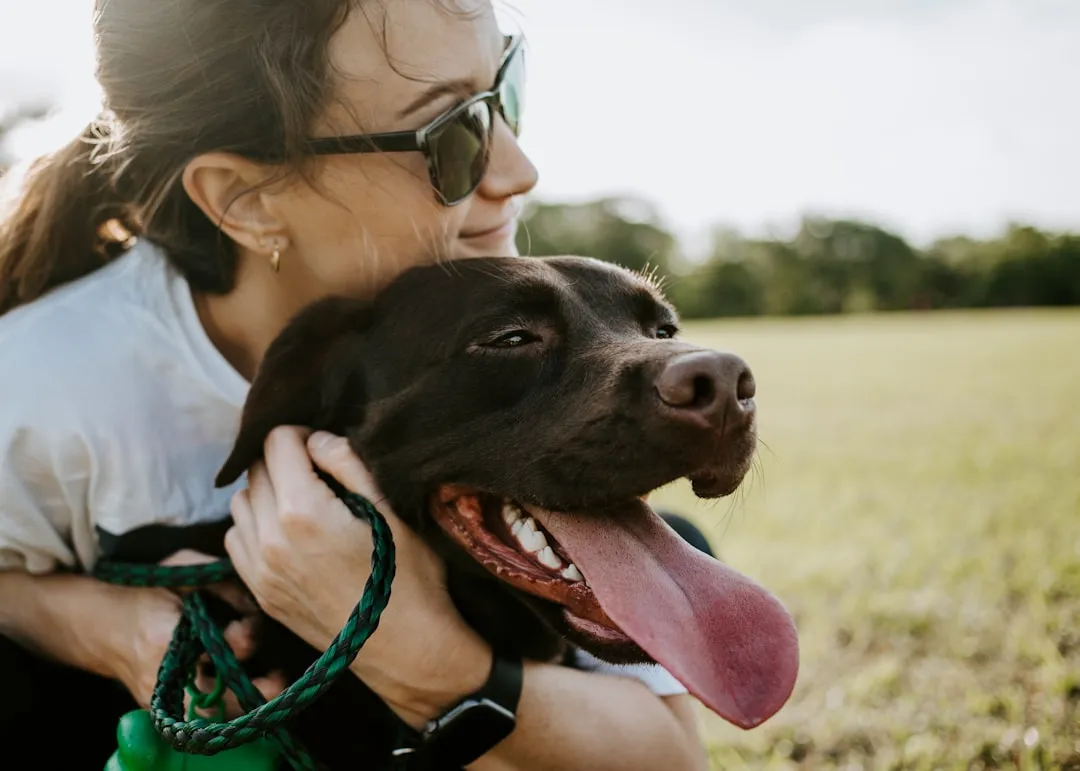
Every Lab owner knows which rules get followed and which get quietly ignored. What’s less obvious is that many Labs write a separate rulebook for exactly one human. That person gets the medicine given without a fight, the nail trim without drama, the furniture request obeyed on the first ask.
It isn’t dominance – it’s trust built through hundreds of tiny moments where “I might not like this, but with you it turns out fine.” When that person leaves, those exceptions usually die with them. Ear cleanings become a wrestling match again, meds require elaborate bribery, and the dog pushes back harder on everything. Families blame aging or stubbornness, but often the real change is simpler: the one person who had earned that deep compliance is gone, and nobody else has been granted the same pass yet.
#2 – The “I’ll Wait Right Here” Position
🔥 Would you like to save this?
We'll email this post to you, so you can come back to it later!
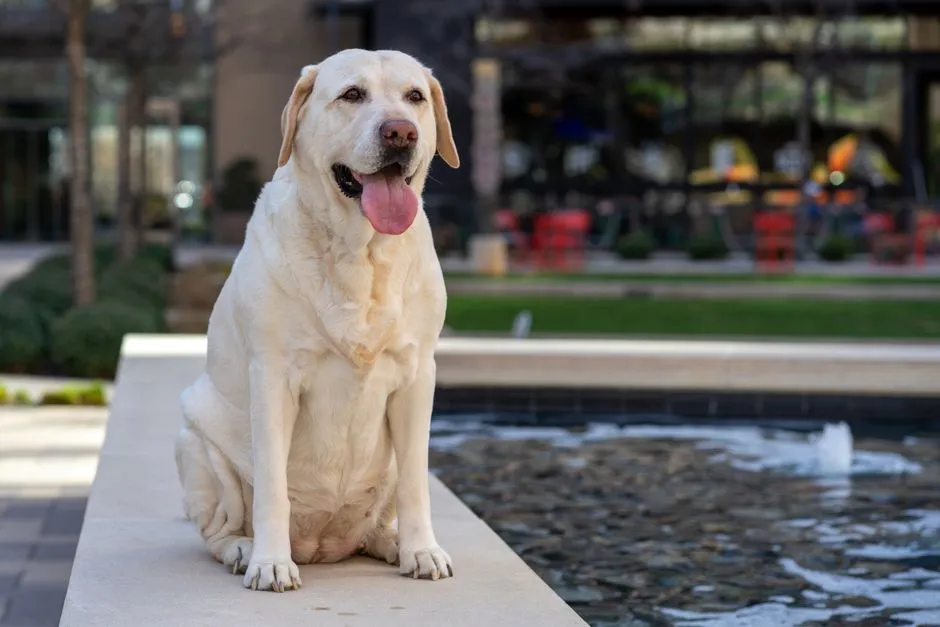
Some Labs claim a very specific waiting spot tied entirely to one person’s comings and goings – a patch of floor by the front door, a mat near the garage, the top of the stairs with a clear line of sight. It’s not about comfort. It’s about being exactly where that person will predictably reappear.
Over time, the dog starts migrating there like clockwork around the person’s usual return time, even adjusting on the days they’re running late. When that person disappears for good, the routine decays slowly – the dog still shows up for days or weeks before finally stopping. And here’s the part families don’t love hearing: that exact vigil almost never gets reassigned to someone else. The greeting for other people stays warm. The waiting doesn’t.
#1 – The Full “You Are My World” Orientation
🔥 Would you like to save this?
We'll email this post to you, so you can come back to it later!
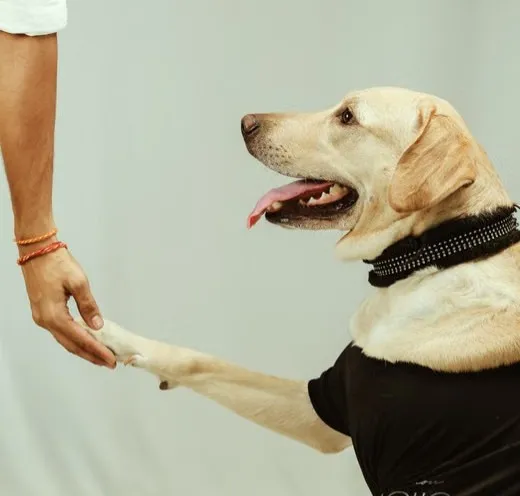
Underneath every quirk on this list sits one master behavior: orientation. A truly bonded Labrador quietly arranges its entire day around one human – resting where it can hear their footsteps even if the spot is uncomfortable, reacting harder to their steps than anyone else’s, taking emotional cues from their energy instead of the room’s.
This is what attachment theory calls a secure base, and it’s deeper than affection. Every ritual on this list – the night checks, the greeting explosion, the waiting spot – is just one expression of it. When that person is gone, the orientation doesn’t rotate onto someone new as a clean package. Labs can absolutely bond again, but what comes back is fragments: some following here, some affection there, never quite the same tightly woven web. The dog rebuilds something. It just isn’t the same world.
The Bottom Line
🔥 Would you like to save this?
We'll email this post to you, so you can come back to it later!
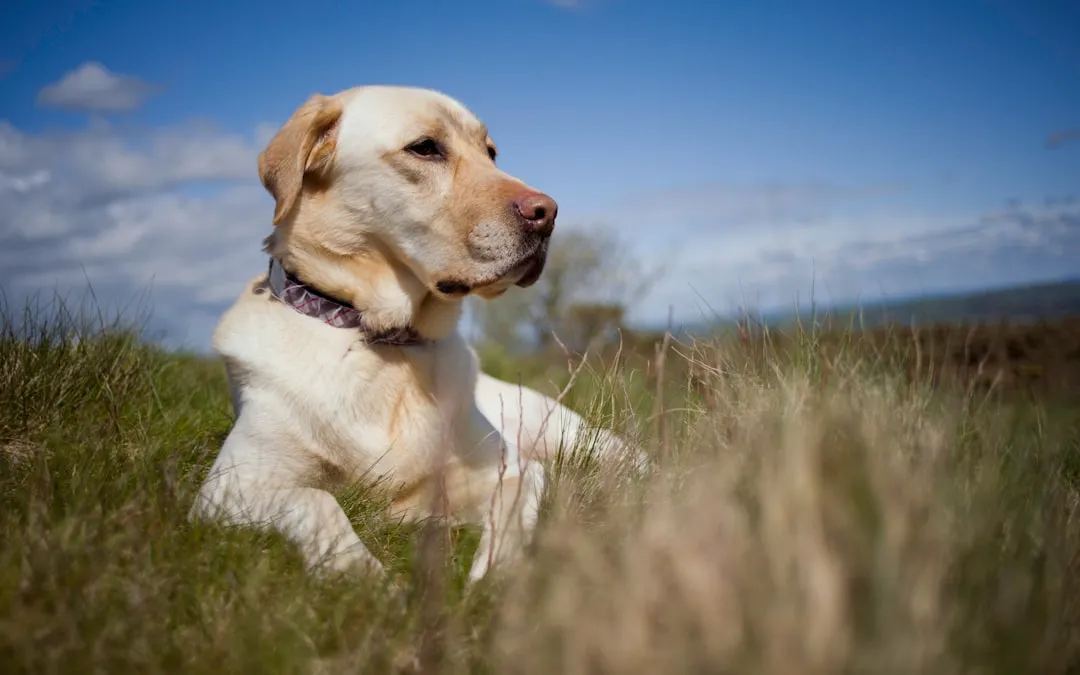
Labradors get filed away as easy, goofy, everybody’s-best-friend dogs, but underneath that reputation, many of them build one of the most intense, one-person attachment maps you’ll find in any breed. The late-night patrols, the bathroom guarding, the smell obsessions, the strange little rule exceptions – none of it is random. It’s a private language between one brain and one other living being.
And when that person leaves, most of it doesn’t transfer. It just vanishes. You can call that heartbreaking, or you can call it proof that whatever you had with your Lab was more specific, and more irreplaceable, than anyone ever gave it credit for. Do you recognize any of these rituals in your own dog – or did we miss one worth mentioning? Drop it in the comments.

- 23 Warm Corners an Elderly Cat Keeps Returning To All Winter - October 29, 2026
- 16 Behaviours Showing a Cat Considers a House Permanent Now - October 29, 2026
- 15 Wildlife Programmes a Lifetime Pass Holder Over 62 Can Join Free - October 29, 2026