

Worried about unexpected vet bills?
Pet insurance can cover thousands in unexpected vet costs. Get a free quote from Lemonade in under 2 minutes.
Get My Free Quote →Sponsored · Opens Lemonade.com
Cats can be sensitive creatures, and stress can affect their health and behavior. Recognizing the signs of stress early can help prevent more serious issues. Some signs may be obvious, while others are more subtle. Understanding these behaviors will help you create a comfortable environment for your feline friend.
1. Hiding More Than Usual

Cats like to have their own space, but if they start hiding excessively, it could be a sign of stress. A stressed cat may avoid people, other animals, or loud noises.
2. Excessive Grooming

Licking and grooming are normal cat behaviors, but when it becomes excessive, it may indicate stress. Overgrooming can lead to bald patches and irritated skin.
3. Loss of Appetite

A cat that suddenly refuses to eat may be experiencing stress. Changes in routine, a new pet, or a different environment can cause them to lose interest in food.
4. Increased Vocalization

Cats communicate through meows, but excessive vocalization, such as constant meowing or yowling, can be a sign of distress. This is especially true if the behavior is new or unusual.
5. Aggressive Behavior
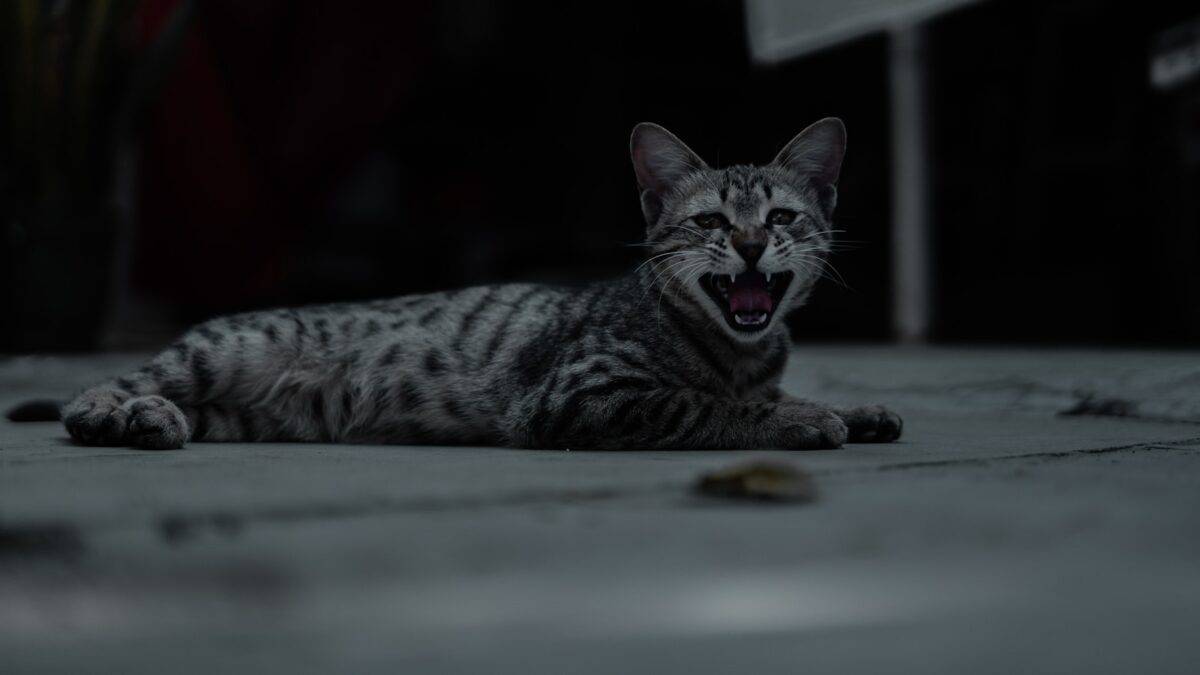
A normally friendly cat that suddenly becomes aggressive towards people or other pets may be feeling stressed. Swatting, hissing, or biting can indicate discomfort.
6. Litter Box Issues

If a cat stops using the litter box or starts urinating in unusual places, stress might be the cause. This behavior can be triggered by household changes or conflicts with other pets.
7. Excessive Scratching

Cats scratch to mark territory and keep their claws healthy, but an increase in scratching may be due to stress. They may scratch furniture or walls more often when anxious.
8. Changes in Sleeping Patterns
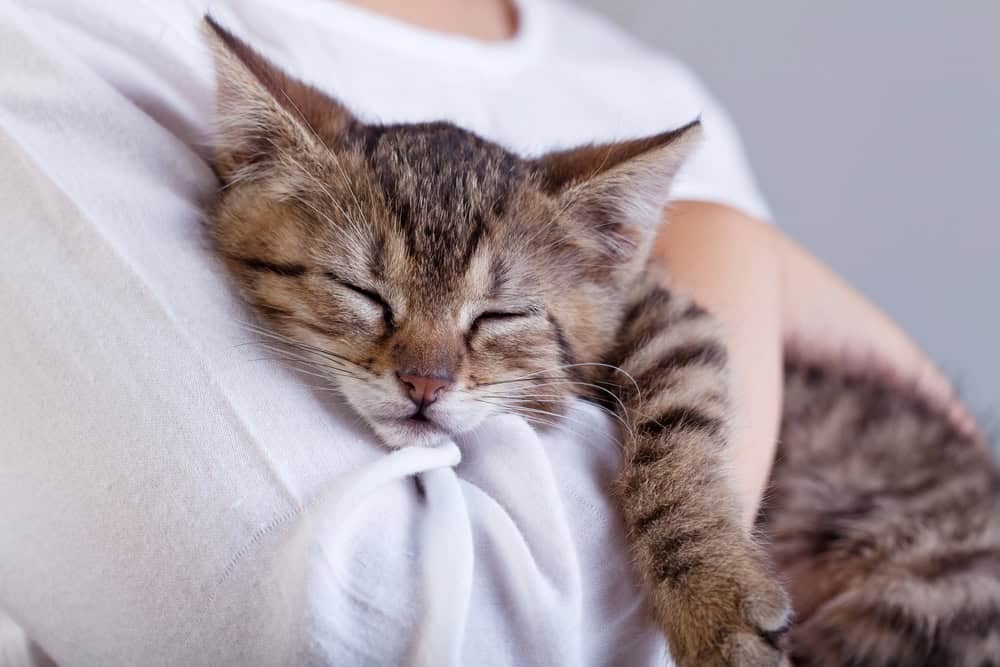
Stress can lead to disruptions in a cat’s sleep. Some cats sleep more to escape stress, while others may become restless and sleep less.
9. Tail Twitching
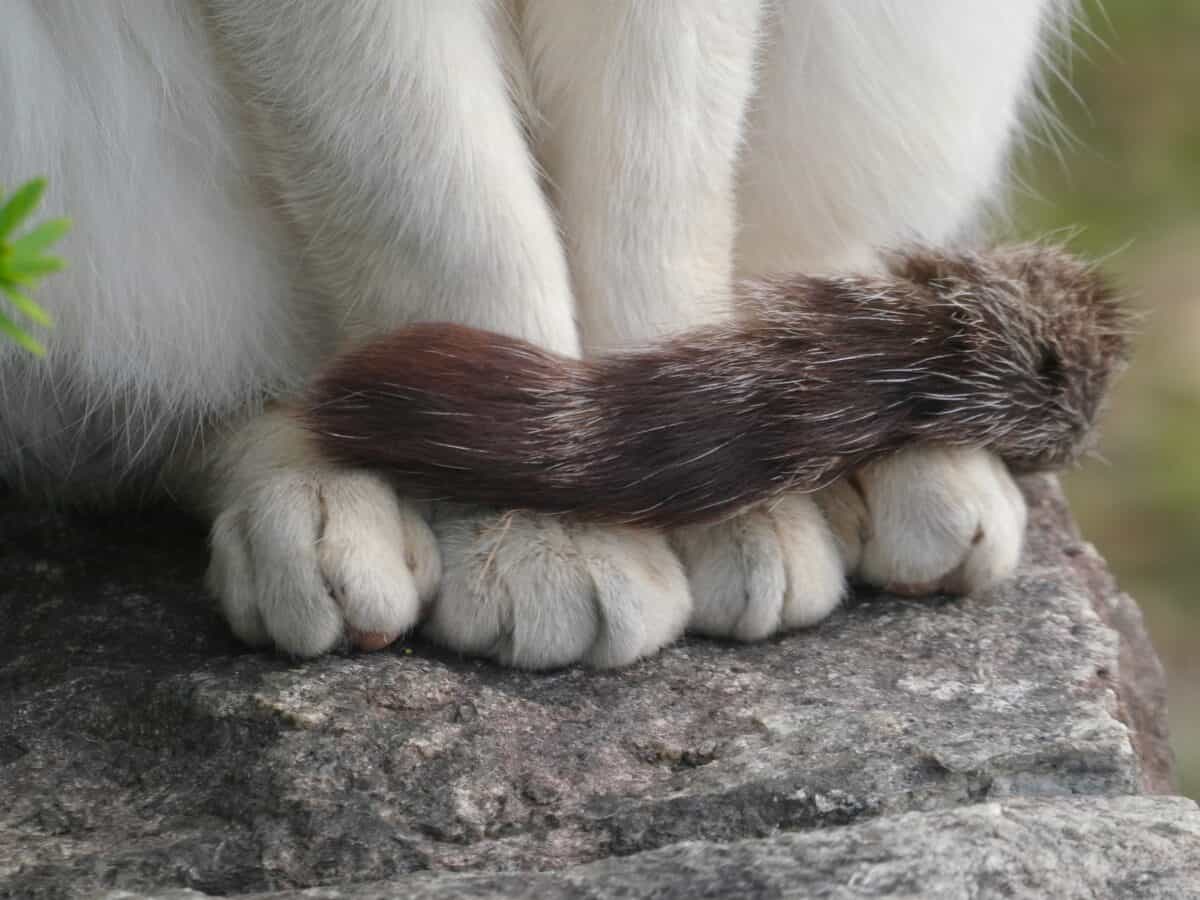
A cat’s tail can be a good indicator of mood. Frequent twitching or lashing of the tail may mean the cat is feeling agitated or anxious.
10. Pacing or Restlessness

A cat that constantly walks around without settling may be feeling stressed. Pacing and appearing unsettled can indicate anxiety or discomfort.
11. Loss of Interest in Play

If a normally playful cat stops showing interest in toys or games, it might be a sign of stress. A lack of engagement can suggest they are not feeling secure.
12. Dilated Pupils
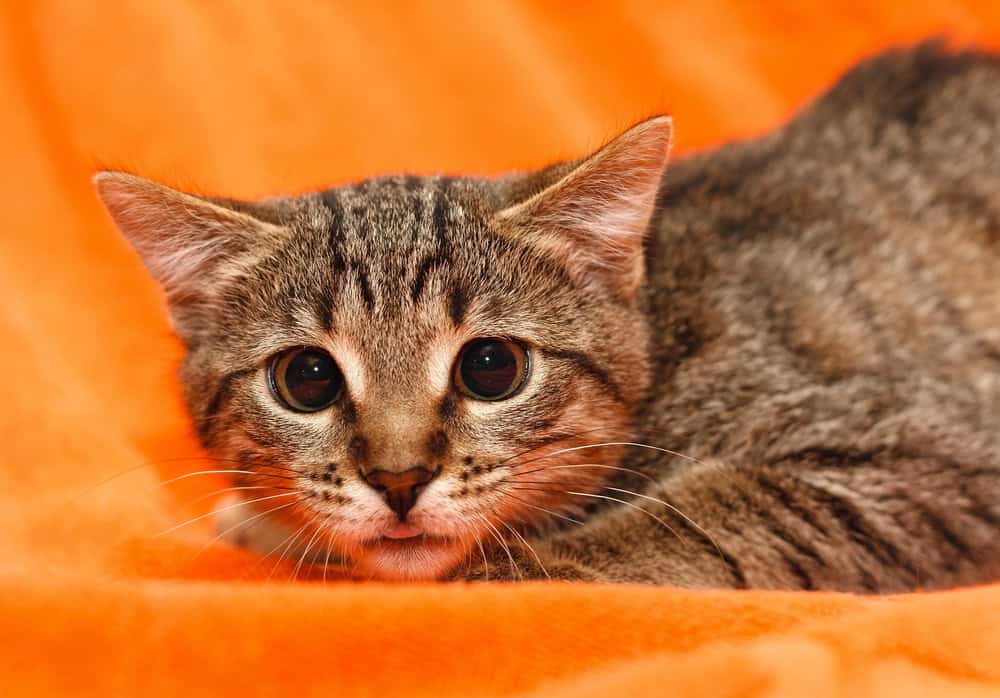
Large, dilated pupils can be a response to stress or fear. If a cat’s eyes remain wide even in normal lighting conditions, it may indicate distress.
13. Excessive Clinginess
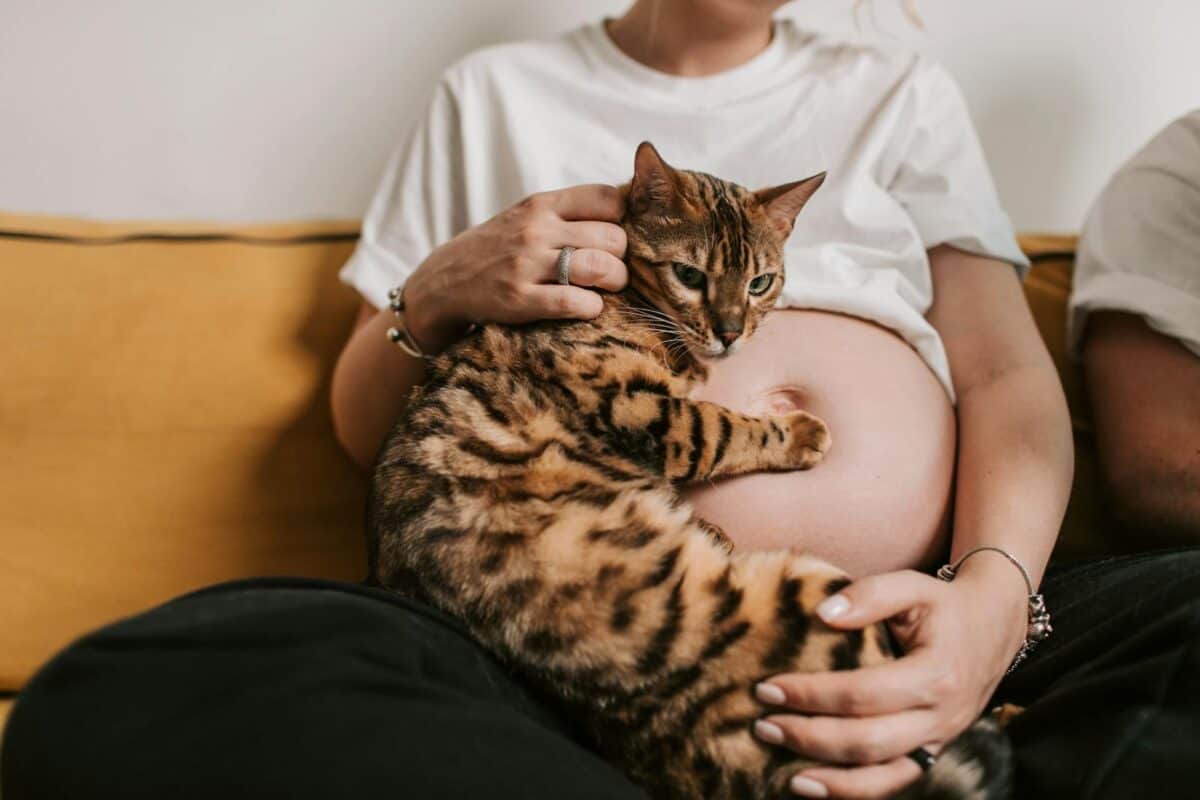
Some stressed cats may seek constant attention from their owners. If a cat suddenly becomes overly attached, it could be a sign that they are feeling insecure.
14. Flattened Ears
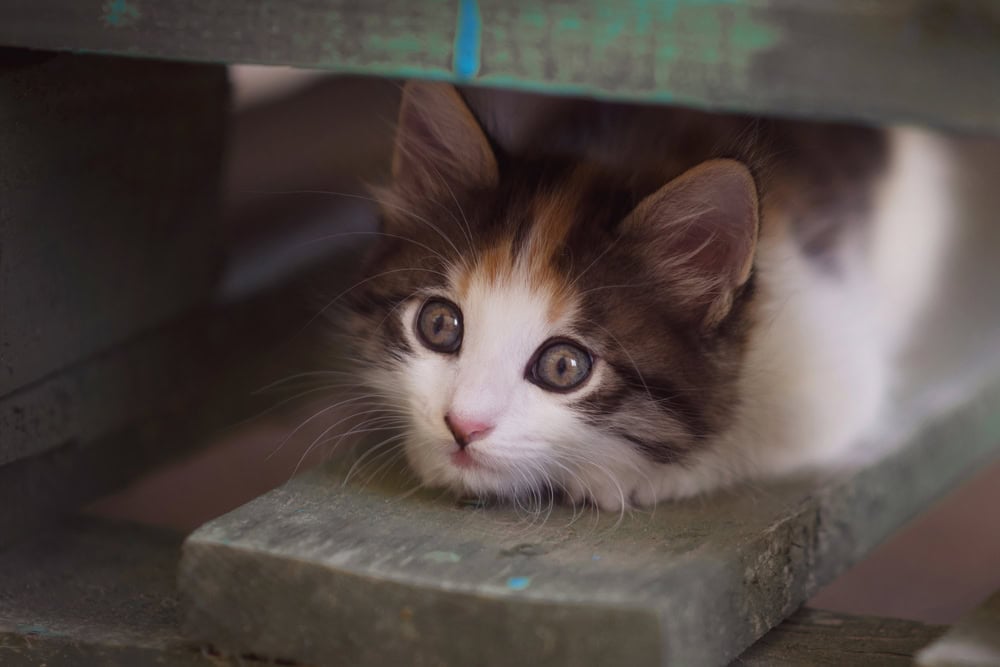
Ears that are pinned back against the head can indicate fear or stress. If this posture is frequent, the cat may be experiencing ongoing anxiety.
15. Heavy Breathing or Panting
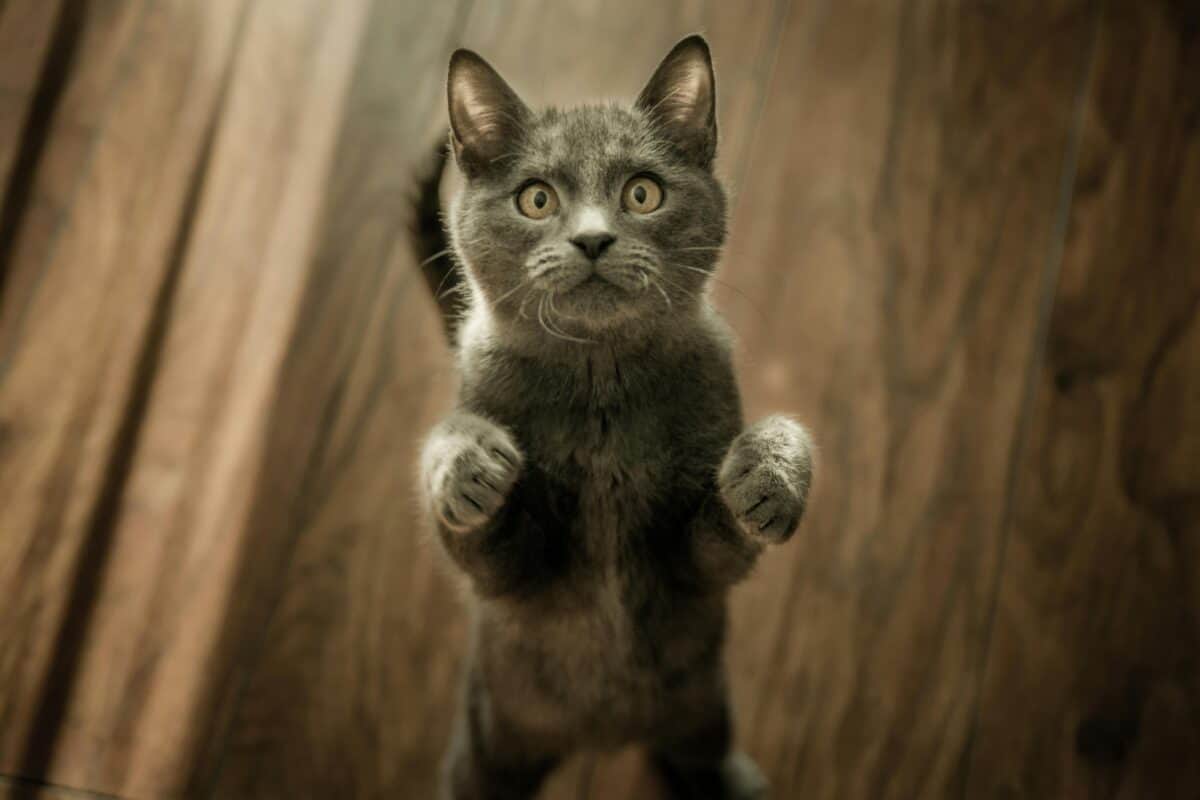
Cats do not normally pant like dogs. If a cat is breathing heavily or panting without physical exertion, it could be a sign of stress or illness.
16. Changes in Body Posture
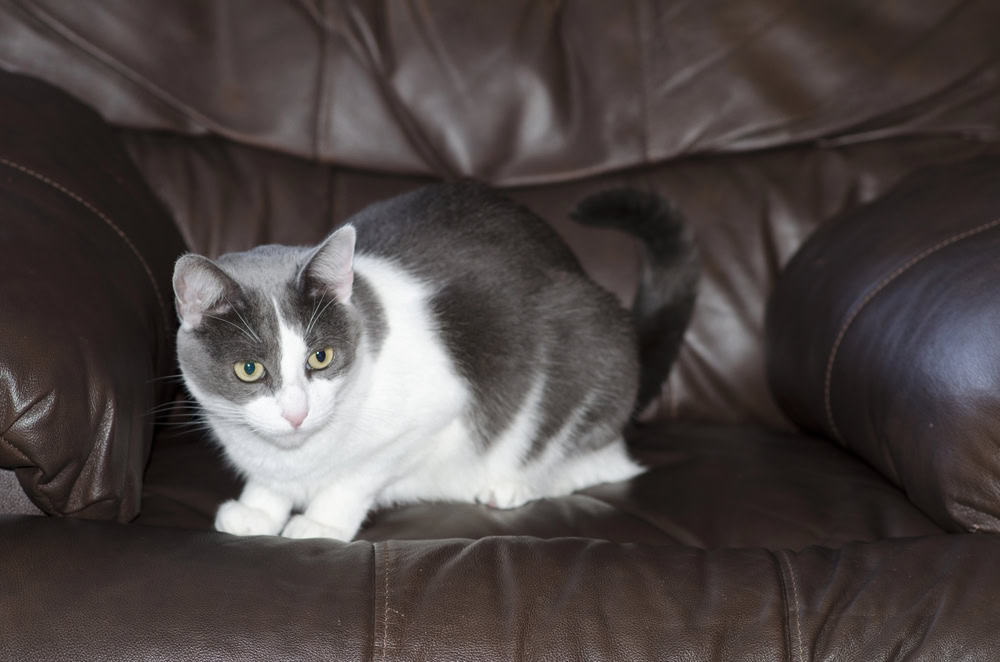
A stiff, low posture with tense muscles can be a sign of stress. A cat that crouches low and appears on edge may be feeling uneasy.
17. Increased Shedding

Shedding is natural, but excessive hair loss can be a response to stress. A stressed cat may shed more due to nervousness or anxiety.
Conclusion
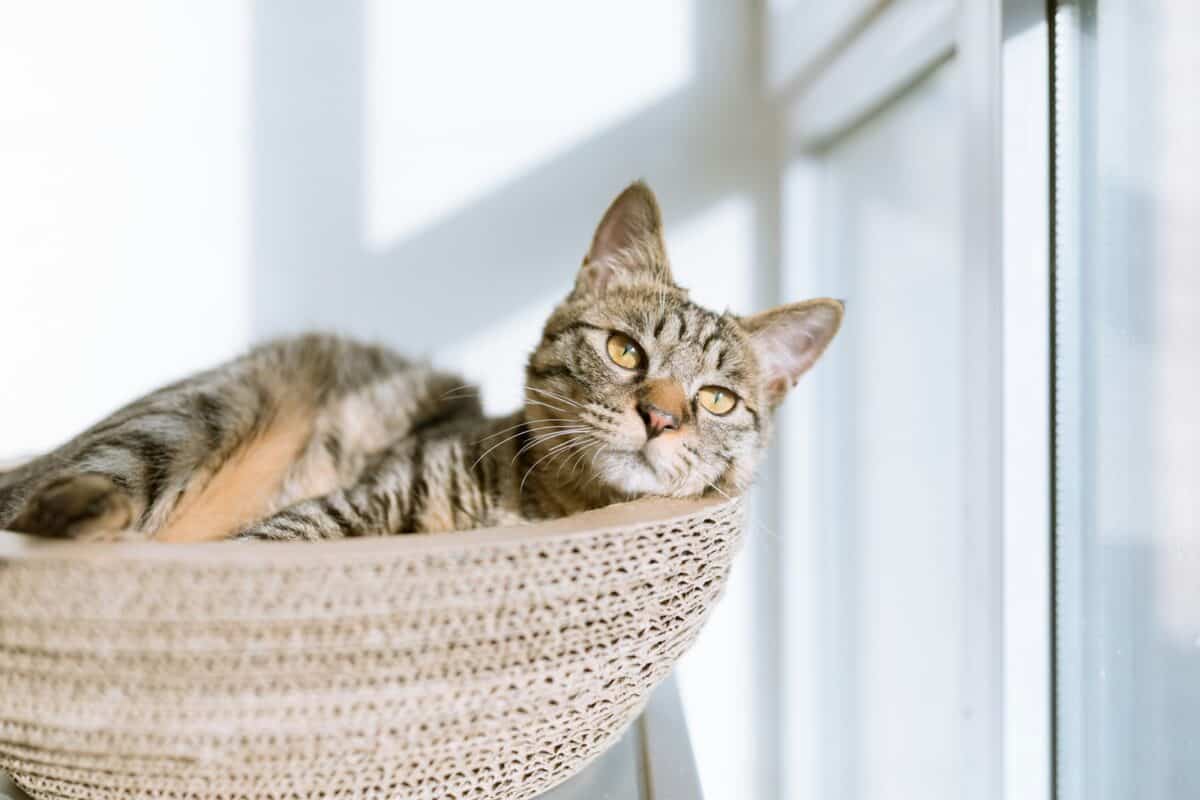
Stress in cats can manifest in many ways, from changes in behavior to physical symptoms. Identifying these signs early can help you address the cause and create a more relaxed environment. Providing a stable routine, safe spaces, and enrichment can help reduce stress and keep your cat happy and healthy.
Worried about unexpected vet bills?
Pet insurance can cover thousands in unexpected vet costs. Get a free quote from Lemonade in under 2 minutes.
Get My Free Quote →Sponsored · Opens Lemonade.com
