

Every September, backyard birdwatchers get a front-row seat to one of nature’s most underrated spectacles, and most people never even clock that it’s happening. While everyone’s craning their neck for the first V-formation of geese, millions of tiny songbirds are quietly staging a mass exodus right in your backyard, your local park, or the trail you walk every morning.
Turns out, the bird singing outside your window right now might not be there by the weekend, let alone by Halloween. Some won’t even make it to October. Here’s what field ornithologists actually track when it comes to the songbirds slipping out of your yard this week, and just how little time you actually have left to say goodbye.
#1 – Baltimore Oriole
🔥 Would you like to save this?
We'll email this post to you, so you can come back to it later!
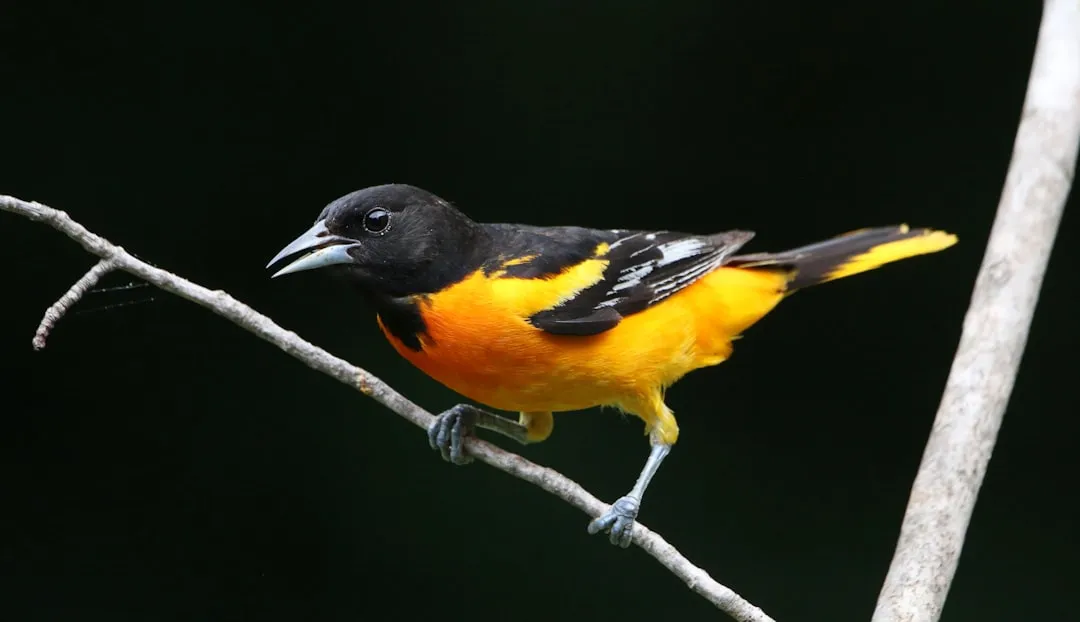
That flash of blazing orange in your treetops? It’s on borrowed time.
Baltimore Orioles spend their summer raising broods across the eastern and midwestern U.S. and Canada, but they’re famously impatient migrants. Most adult orioles begin slipping south by late August, well before their bright colors even fade for the season, leaving stragglers and juveniles to trail behind through September. They’re headed to Central America and northern South America, where they’ll trade backyard suet and jelly feeders for a winter diet of nectar and fruit.
Fast Facts
- Adult departure begins as early as late August
- Wintering range: Central America and northern South America
- Diet shifts from suet and jelly to nectar and fruit
- Migration is triggered by shrinking daylight, not food supply
Here’s the part that stirs up debate at feeder forums: many birders insist orioles “leave early” because feeders go untended in late summer, but experienced banders say food has nothing to do with it. It’s shrinking daylight, not dinner, that flips the migratory switch. If you want one last look, check the treetops at dawn, because that orange flash won’t be back until next spring.
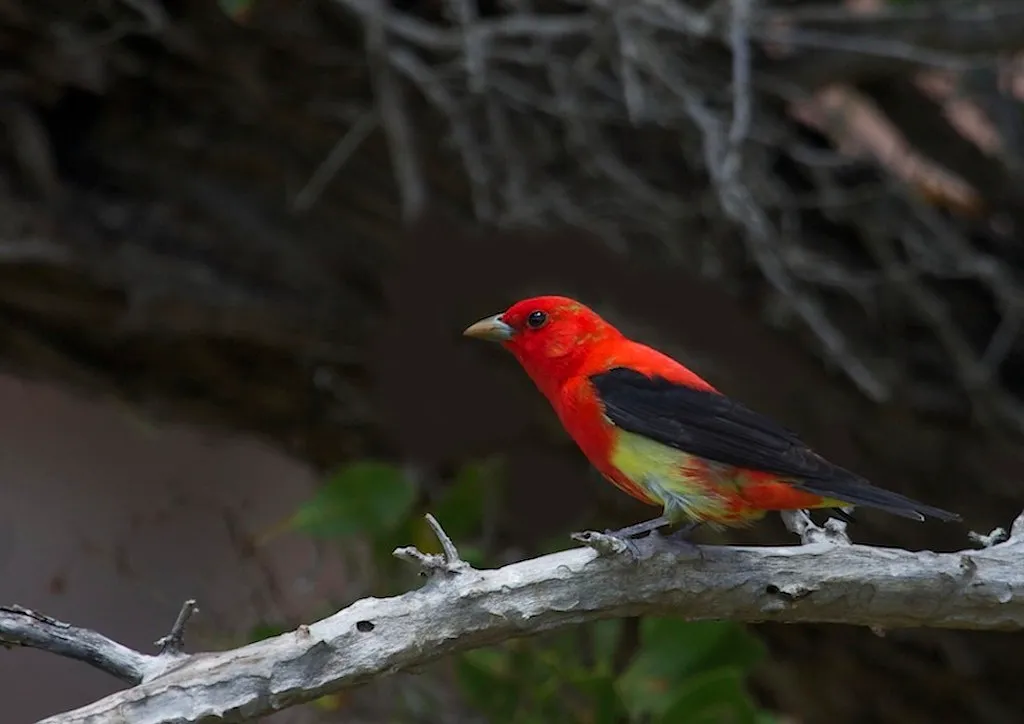
#2 – Scarlet Tanager
🔥 Would you like to save this?
We'll email this post to you, so you can come back to it later!
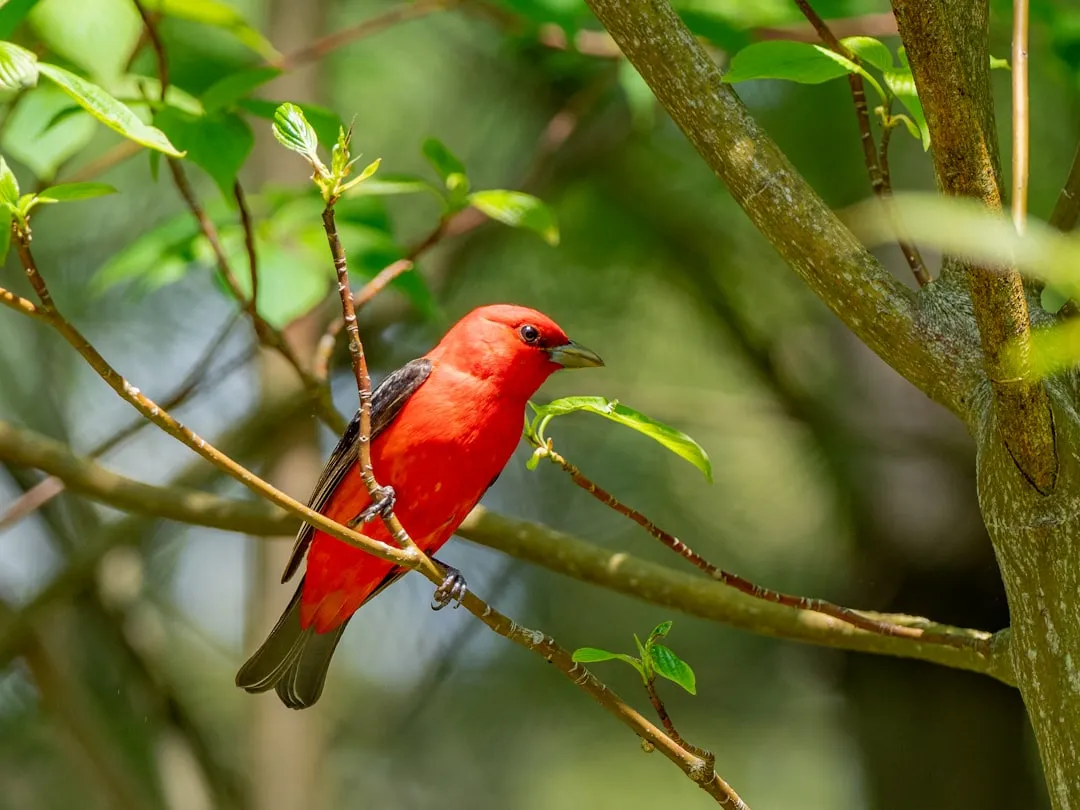
Few birds cause as much backyard commotion as a male Scarlet Tanager in full breeding red, and few disappear quite this abruptly.
Scarlet Tanagers breed in mature deciduous forests across the eastern U.S., but they’re notorious “skulkers,” staying high in the canopy where they’re easy to hear and hard to see. By early fall, males molt out of their brilliant scarlet plumage into a dull olive-green almost identical to females, which is part of why so many people assume the bird has already left when it’s actually still nearby, just camouflaged. True departure typically wraps up by late September.
Their journey is no small feat. These forest-dependent birds fly across the Gulf of Mexico or through Central America to reach wintering grounds in the Andes region of South America. Some birders call fall tanagers “the most overlooked flame of the forest,” because the muted version simply doesn’t photograph the way the scarlet one does. Number three fades out in a way that’s arguably even sneakier.
#3 – Rose-breasted Grosbeak
🔥 Would you like to save this?
We'll email this post to you, so you can come back to it later!
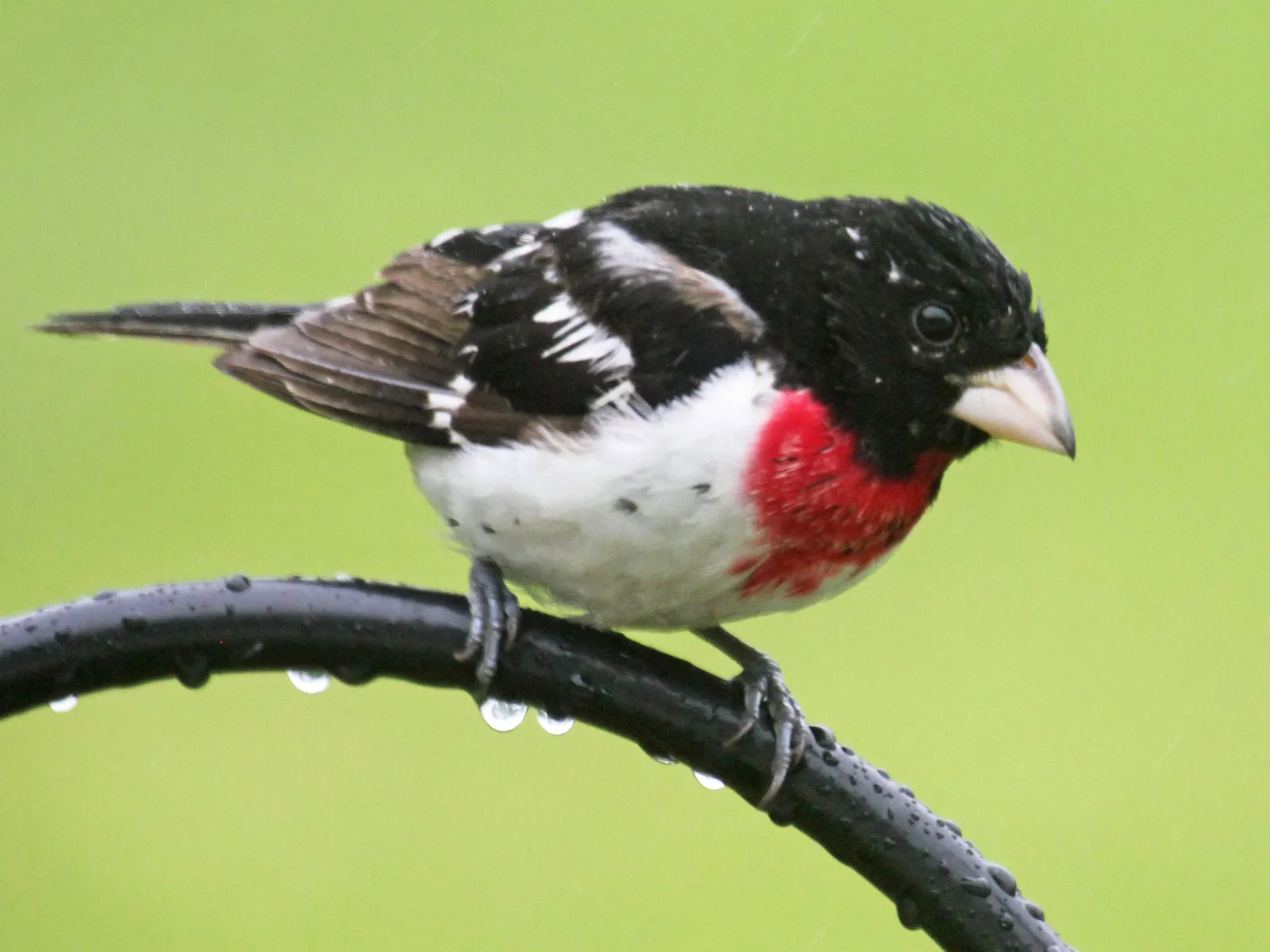
This chunky, big-billed songbird looks like it’s dressed for a formal event, and it won’t be sticking around for the after-party.
Rose-breasted Grosbeaks are late arrivers in spring and early departers in fall, giving them one of the shortest breeding-ground windows of any common backyard songbird. Adult males can begin their southbound journey as early as mid-August, months before winter even threatens the region, heading toward Mexico, Central America, and northern South America.
What surprises most casual birdwatchers is how quickly grosbeaks abandon feeders once migration hormones kick in. A bird that visited daily in July can vanish completely by the second week of September. Experts point to this as one of the clearest examples of photoperiod-driven migration, where shrinking daylight, not weather or food, pulls the trigger. Miss the rose-red flash on the chest now, and you’re waiting until next May.
#4 – Yellow Warbler
🔥 Would you like to save this?
We'll email this post to you, so you can come back to it later!
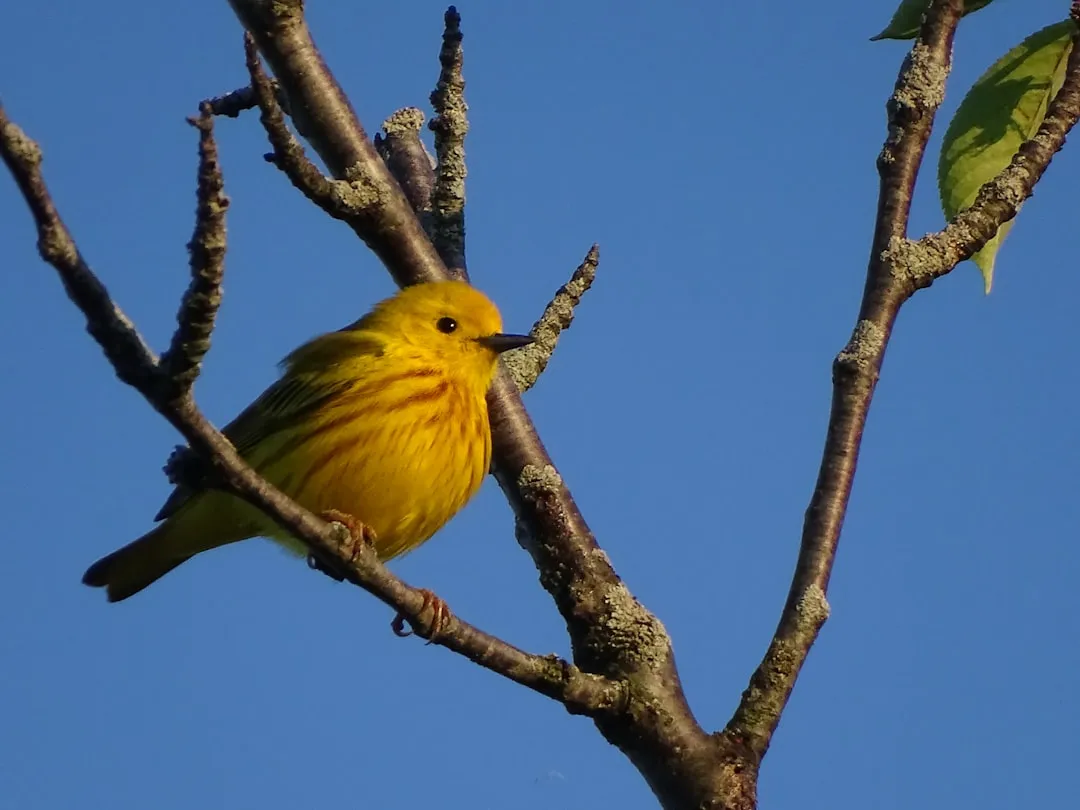
If you’ve heard a bright, cheerful “sweet-sweet-sweet-I’m-so-sweet” song in a shrubby area this summer, you’ve already met one of the earliest fall migrants of them all.
Yellow Warblers are, remarkably, among the very first neotropical migrants to leave North America each year. Many individuals begin their southbound trek in July, meaning by the time most people start thinking about “fall migration season,” a huge percentage of the population has already left the country entirely.
This early departure catches even seasoned birders off guard, because Yellow Warblers are so visually striking and vocal all summer that their sudden silence feels almost personal. They winter from Mexico down through South America, and their fast turnaround is thought to be linked to raising only a single brood before beginning the long flight south. Blink in late August, and you may have already missed your last one for the year.
#5 – Common Yellowthroat
🔥 Would you like to save this?
We'll email this post to you, so you can come back to it later!
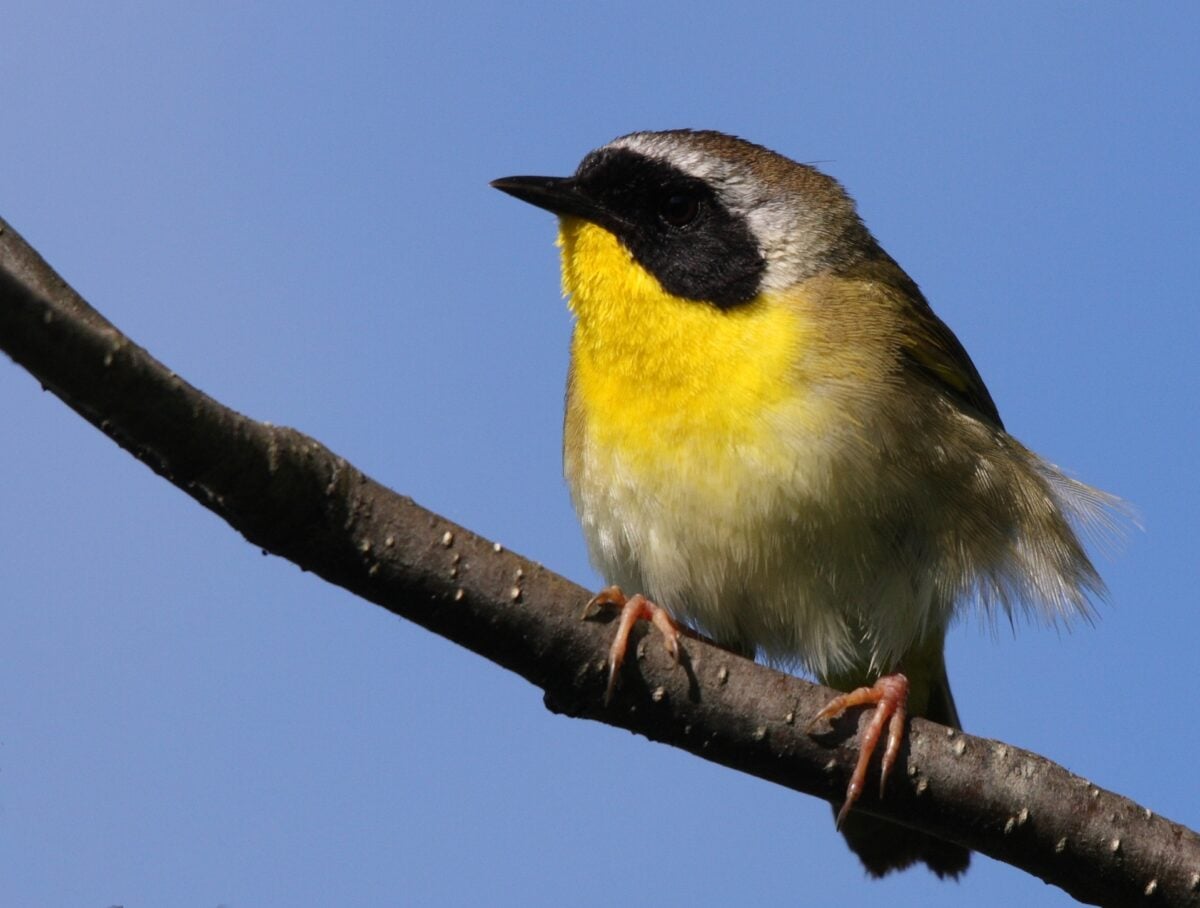
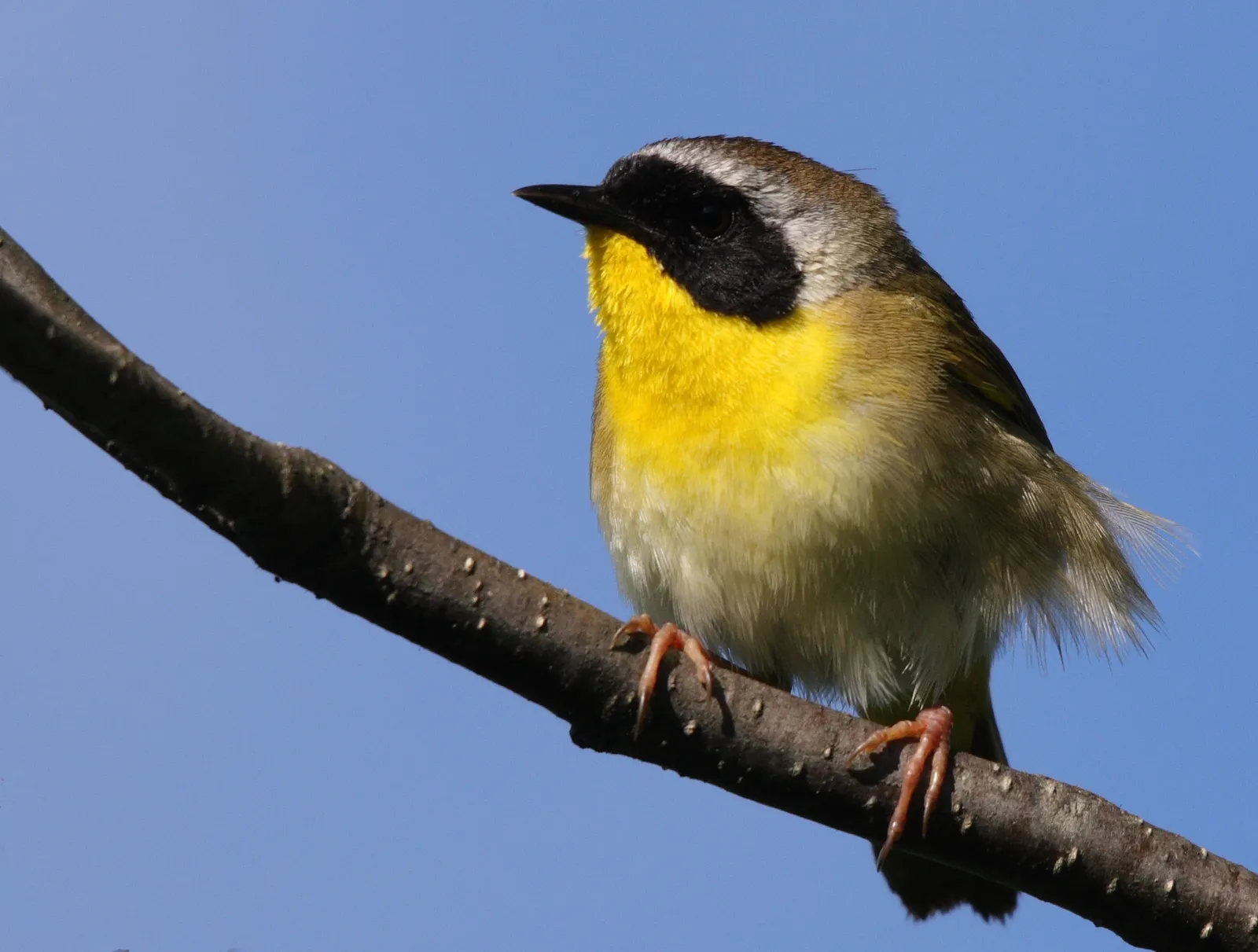
This masked little warbler hides in marshes and brushy fields all summer, and its unmistakable “witchety-witchety-witchety” call is one of the most recognizable sounds of the season.
Common Yellowthroats are short-distance to medium-distance migrants, but don’t let that fool you into thinking they’ll linger. Most populations clear out of northern and midwestern breeding territory by late September, with only far-southern populations sticking around into cooler months.
What makes this bird tricky to track is its secretive nature. It skulks low in dense vegetation rather than flying conspicuously overhead like hawks or geese. Many birders don’t even realize their neighborhood yellowthroat is gone until the marsh goes eerily quiet. It’s a subtle exit, but a swift one nonetheless.
#6 – American Redstart
🔥 Would you like to save this?
We'll email this post to you, so you can come back to it later!
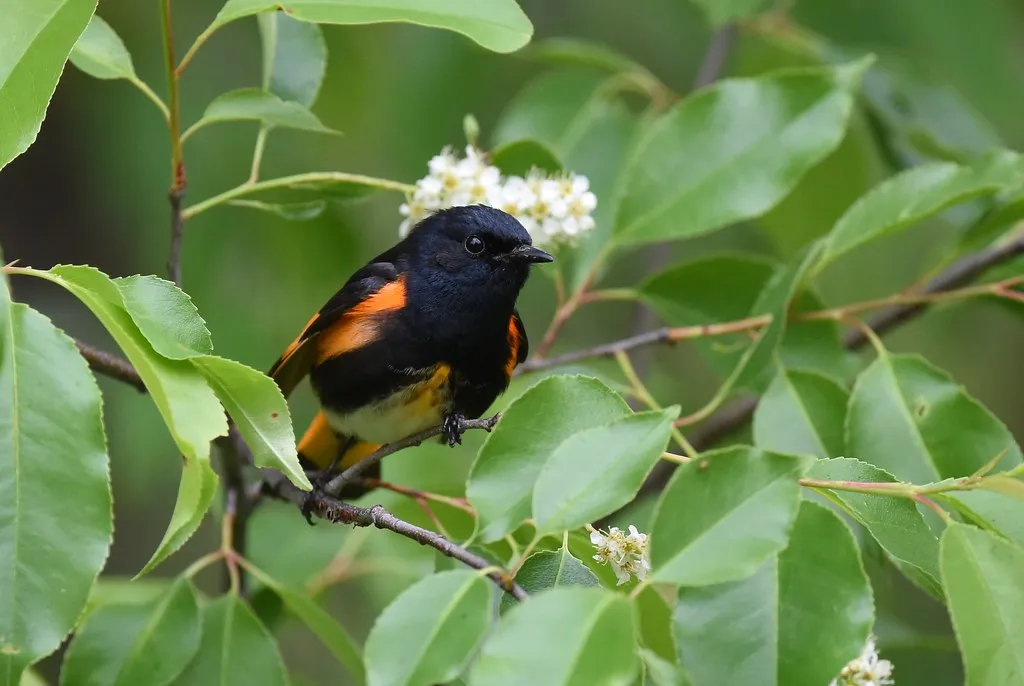
Nicknamed the “butterfly of the bird world” for its habit of flashing bright orange or yellow tail and wing patches while foraging, the American Redstart is a favorite among backyard birders, while it lasts.
Redstarts are active, energetic feeders that flick their tails constantly to startle insects into flight, giving away their presence even in dense foliage. Peak fall departure typically occurs during the second and third weeks of September, making this genuinely one of the last chances to catch this flashy performer in your area.
Interestingly, ornithologists have found that redstarts often migrate in mixed flocks with other warbler species, using safety in numbers during the risky overnight flights south. Their wintering range stretches from Mexico all the way into northern South America and the Caribbean. Once they’re gone, the woods lose one of their most animated visual performers until spring.
#7 – Blackpoll Warbler
🔥 Would you like to save this?
We'll email this post to you, so you can come back to it later!
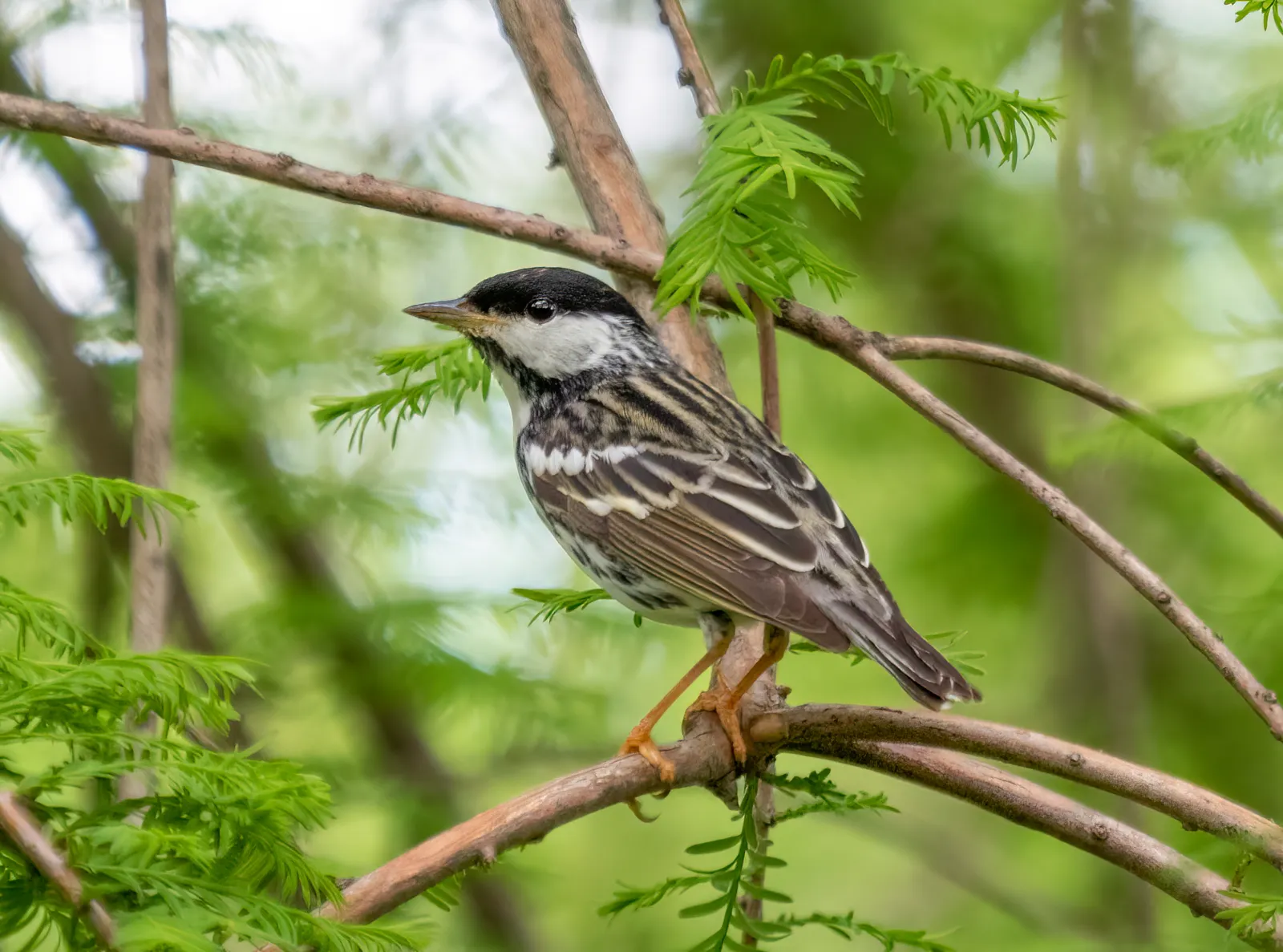
This unassuming gray-and-white warbler pulls off one of the most extraordinary feats in the entire animal kingdom, and almost nobody realizes it’s happening in their own backyard.
Blackpoll Warblers breed in the boreal forests of Canada and the northern U.S., but come fall, they stage along the Atlantic coast before attempting something remarkable. Many Blackpolls fly nonstop over open ocean for up to three days straight, covering roughly 1,500 to 2,000 miles directly to South America without ever touching land.
Why It Stands Out
- Flies nonstop over open ocean for up to three days straight
- Covers roughly 1,500 to 2,000 miles without touching land
- Nearly doubles its body weight in fat before departure
- Launches this marathon flight in late September
Before this flight, the tiny bird nearly doubles its body weight in fat reserves, essentially turning itself into a feathered fuel tank. This migration typically launches in late September, meaning the window to spot one resting and refueling in coastal shrubs is brutally short. Miss this one, and you’ve missed watching a genuine athletic marvel of the bird world.
#8 – Magnolia Warbler
🔥 Would you like to save this?
We'll email this post to you, so you can come back to it later!
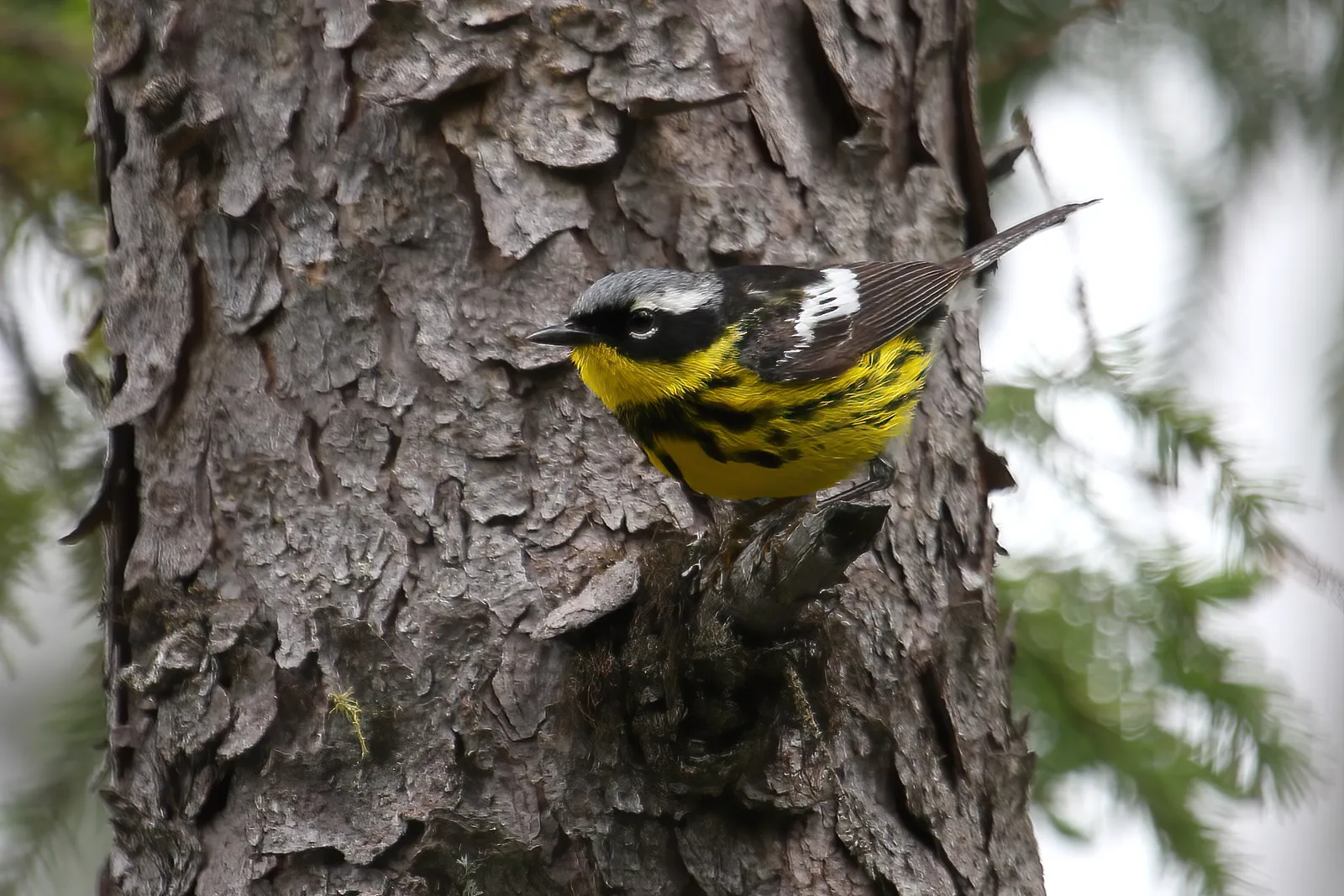
Despite its name, this warbler has little to do with magnolia trees. It was simply first documented in one during migration, and the name stuck.
Magnolia Warblers breed in coniferous and mixed forests across Canada and the northern U.S., sporting a striking black, yellow, and white pattern that makes them a favorite target for birders during fall migration. Their departure window is tight, with most individuals passing through mid-latitude states between early and late September before pushing on toward Mexico and Central America.
One detail that surprises casual observers: fall-plumage Magnolia Warblers look dramatically duller than their spring counterparts, leading many people to misidentify them entirely or assume they’ve already left when they’re actually still passing through. Birders who know the subtle fall markings get a final look at this species before it disappears for the winter.
#9 – Chestnut-sided Warbler
🔥 Would you like to save this?
We'll email this post to you, so you can come back to it later!
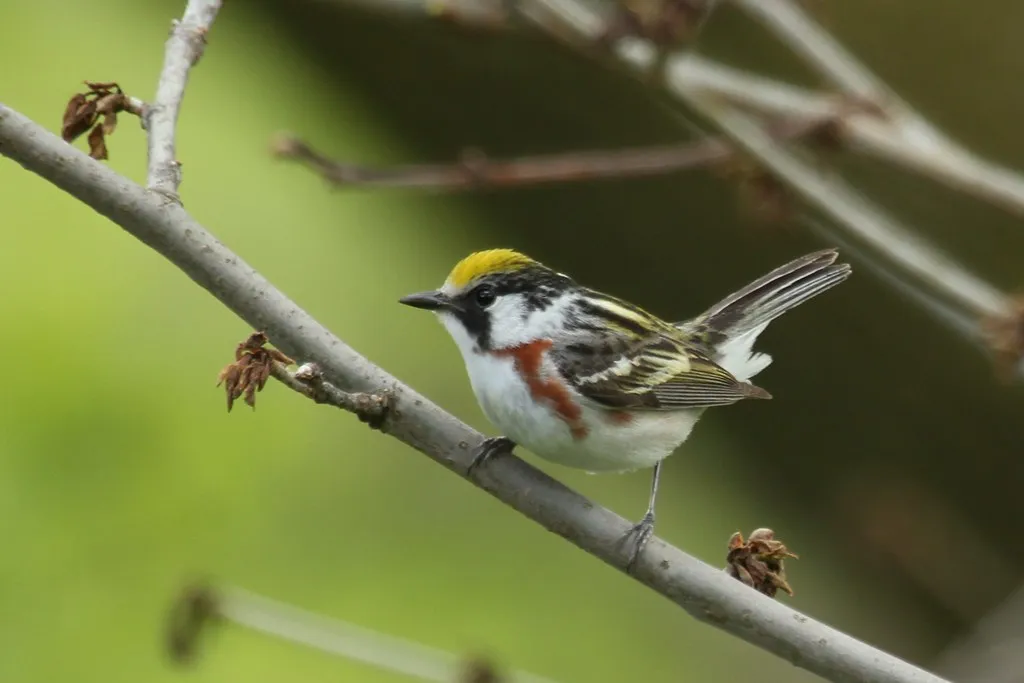
This warbler’s springtime chestnut flanks nearly disappear by fall, giving it one of the most confusing seasonal transformations of any North American songbird.
Chestnut-sided Warblers breed in shrubby, regenerating forest habitat across the northeastern and midwestern U.S. and Canada, and they’re considered one of the great conservation success stories tied to logging-cycle habitat. Fall migration typically peaks in September, with birds funneling south through the eastern U.S. toward wintering grounds in Central America.
A point of friction among birders: some argue that because this species thrives on “disturbed” or regrown forest, it’s proof that certain habitat disruption can actually benefit migratory species, a claim that ruffles feathers among strict old-growth conservation purists. Regardless of the debate, its fall plumage, pale and washed out compared to spring, means it slips away from most yards almost unnoticed.
#10 – Wilson’s Warbler
🔥 Would you like to save this?
We'll email this post to you, so you can come back to it later!
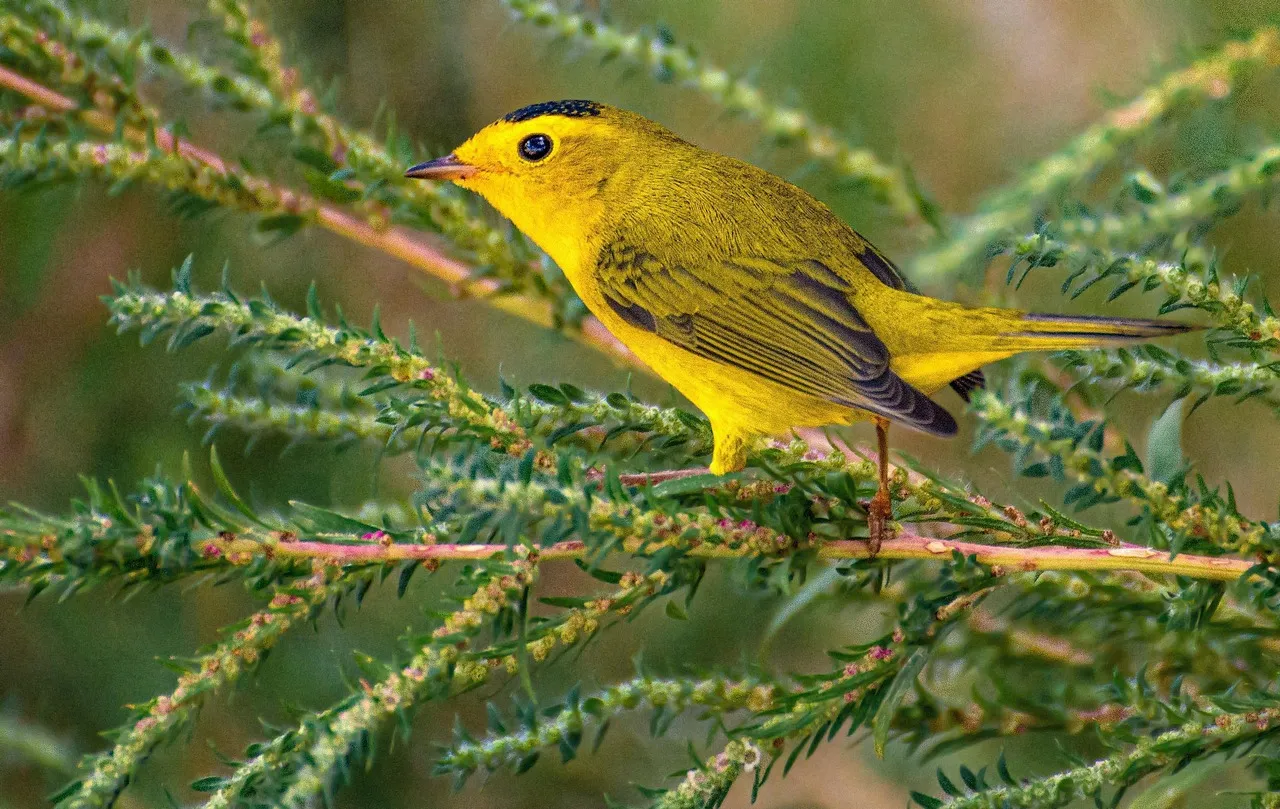
Small, quick, and sporting a distinctive black cap, Wilson’s Warbler is a hyperactive forager that rarely sits still long enough for a clear photo.
This species breeds across a huge swath of North America, from Alaska and Canada down through the western mountains, and migrates through nearly every U.S. state in fall. Wilson’s Warblers are considered one of the more temperature-sensitive migrants, with departure timing shifting noticeably based on early cold snaps rather than a fixed calendar date.
Because of this flexibility, some individuals may still be present into early October in warmer regions, while others clear out by mid-September in northern areas, making this one of the trickier species to predict. Their wintering grounds stretch from Mexico through Central America. Spotting one darting through low shrubs this week may be your very last sighting of the year.
#11 – Black-throated Blue Warbler
🔥 Would you like to save this?
We'll email this post to you, so you can come back to it later!
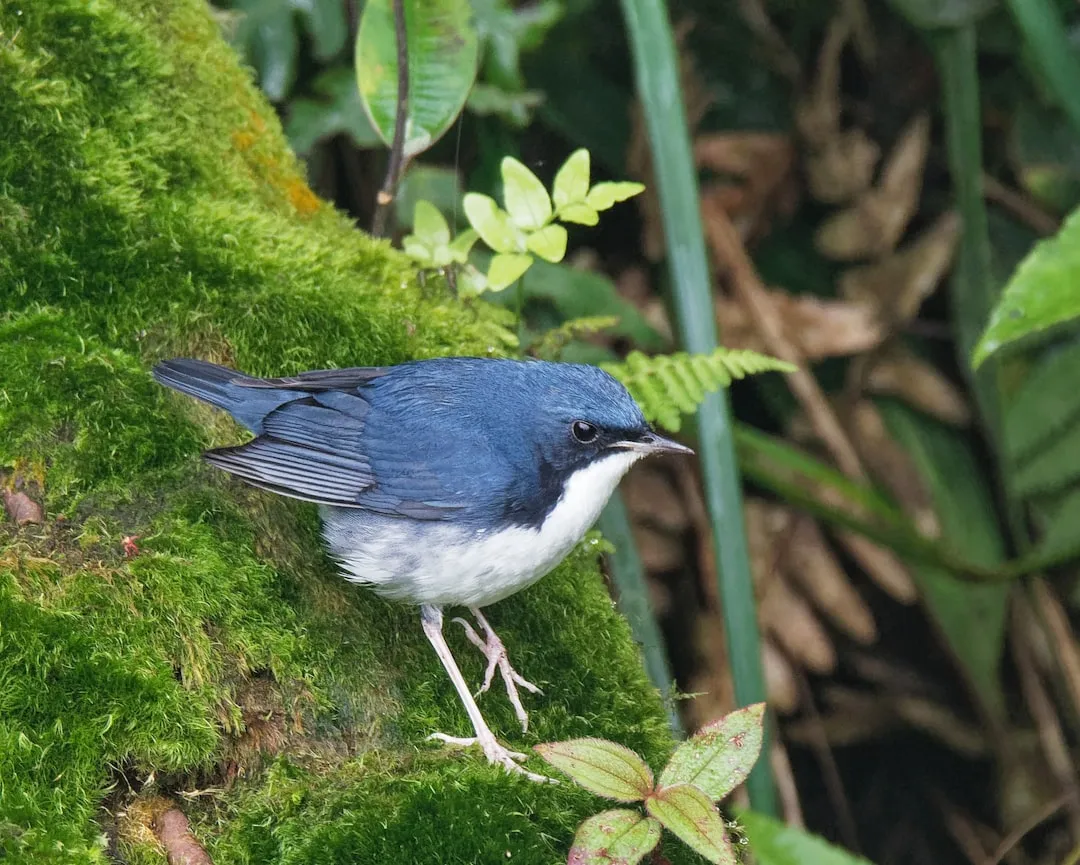
The male’s slate-blue back, black throat, and white belly make this one of the most strikingly patterned warblers in North America, and one of the more punctual fall migrants.
Black-throated Blue Warblers breed in the mixed and deciduous forests of the northeastern U.S. and eastern Canada, favoring dense understory shrubs. Migration typically ramps up sharply in mid-to-late September, with the bulk of the population moving through the eastern U.S. within just a few weeks.
Unlike some warbler species where males and females look nearly identical, female Black-throated Blues are so different in coloration that early ornithologists once classified them as an entirely separate species. Their wintering grounds center on the Caribbean, particularly Cuba and nearby islands. Once this narrow migration window closes, this species won’t reappear in northern yards until the following spring.
#12 – Indigo Bunting
🔥 Would you like to save this?
We'll email this post to you, so you can come back to it later!
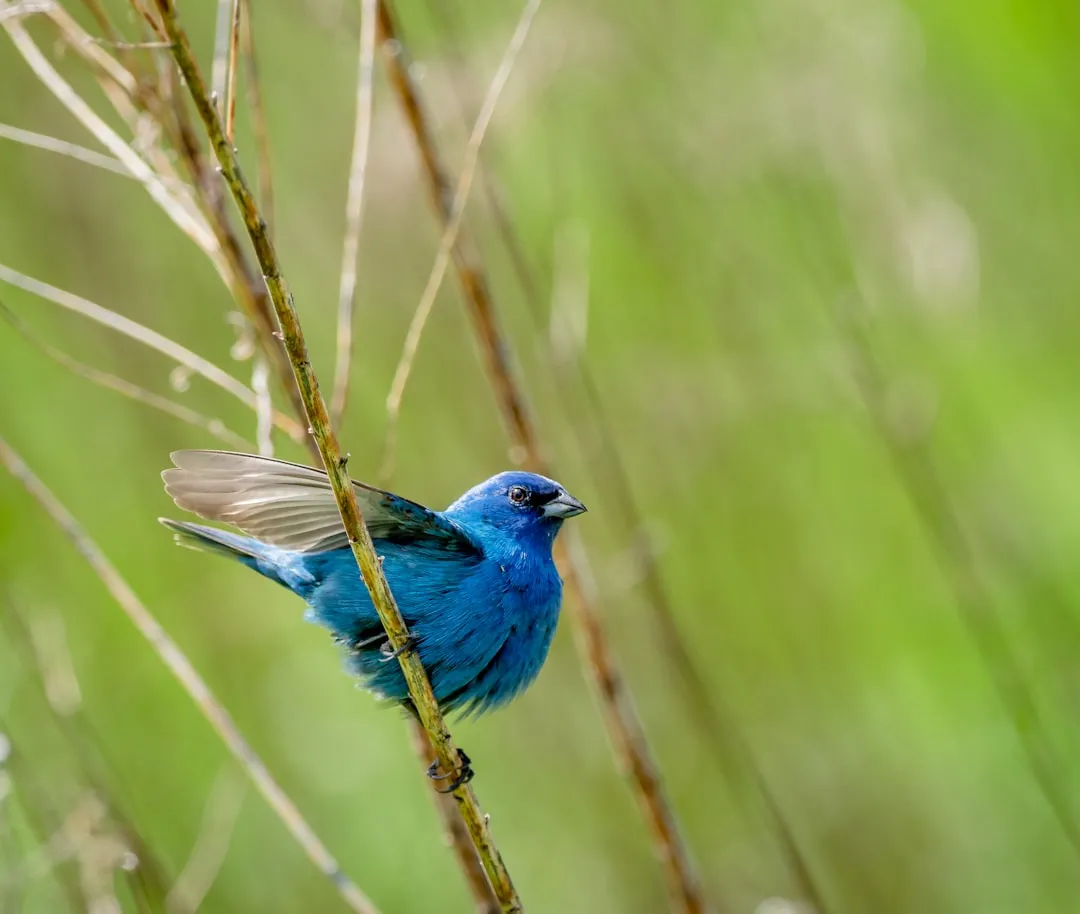
That impossibly vivid blue songbird singing from fence lines and roadside wires all summer isn’t actually blue at all, and it won’t be around much longer either way.
Indigo Buntings don’t have blue pigment in their feathers. Their color comes entirely from microscopic feather structures that scatter light, a phenomenon called structural coloration, meaning the “blue” you see can actually shift depending on the angle of sunlight. By early-to-mid September, most males have molted into a drab brown, nearly identical to females, right before departing.
Worth Knowing
- Their blue color is structural, not pigment-based, and shifts with light
- Males molt into drab brown by early-to-mid September
- They migrate at night, navigating in part by the stars
- Wintering grounds span Mexico, Central America, and the Caribbean
This dual disappearing act, color fading and then the bird itself leaving, means many backyard observers lose track of Indigo Buntings weeks before they’ve actually left the region. They migrate at night, navigating in part by the stars, toward wintering grounds in Mexico, Central America, and the Caribbean. Their vivid summer presence gives way to near invisibility by fall.
#13 – Warbling Vireo
🔥 Would you like to save this?
We'll email this post to you, so you can come back to it later!
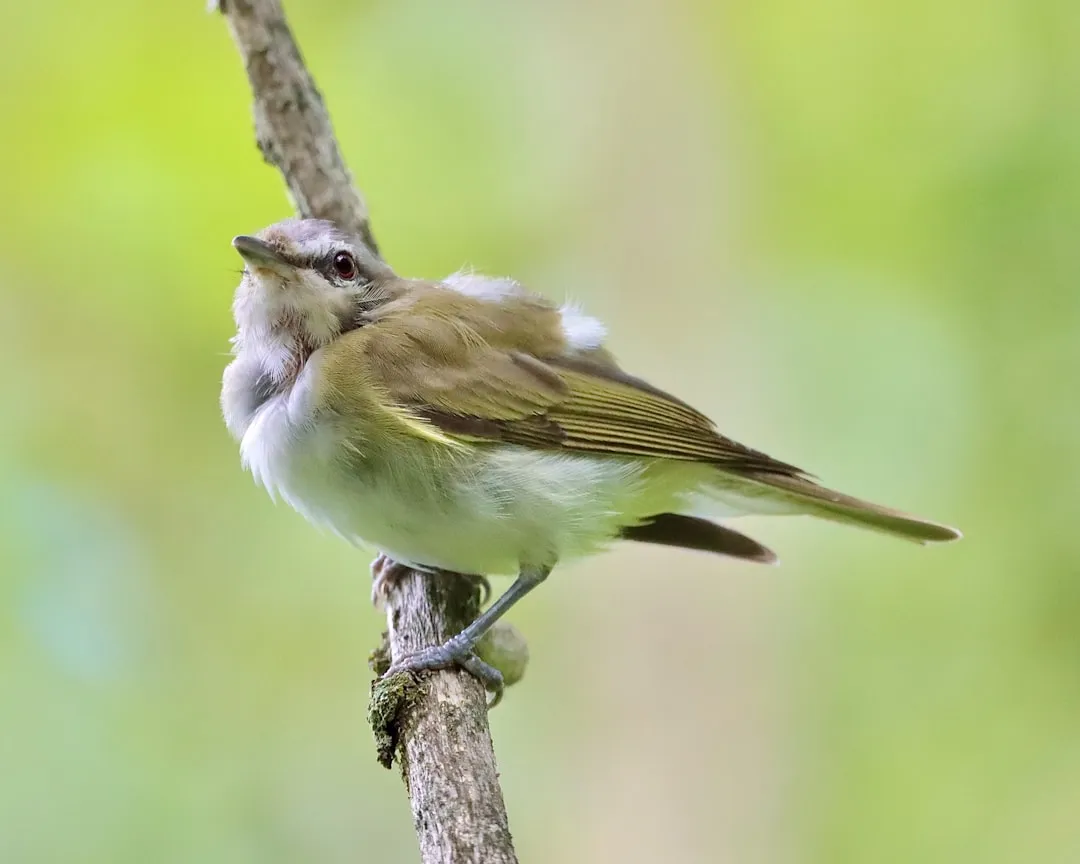
You’ve almost certainly heard this bird more than you’ve seen it, a rambling, cheerful song pouring down from high branches all summer long.
Warbling Vireos are drab, olive-gray birds that blend seamlessly into leafy canopies, relying on their distinctive song rather than flashy plumage to announce their presence. Fall migration generally begins in late August and wraps up by late September, as birds head toward wintering grounds in Mexico and Central America.
Because they’re so plain-looking and stay high in the treetops, most casual observers never actually “see” a Warbling Vireo depart. They simply notice one day that the constant background song has gone silent. Birders who rely on ear identification often get more accurate migration timing data on this species than those relying on visual sightings alone.
#14 – Red-eyed Vireo
🔥 Would you like to save this?
We'll email this post to you, so you can come back to it later!
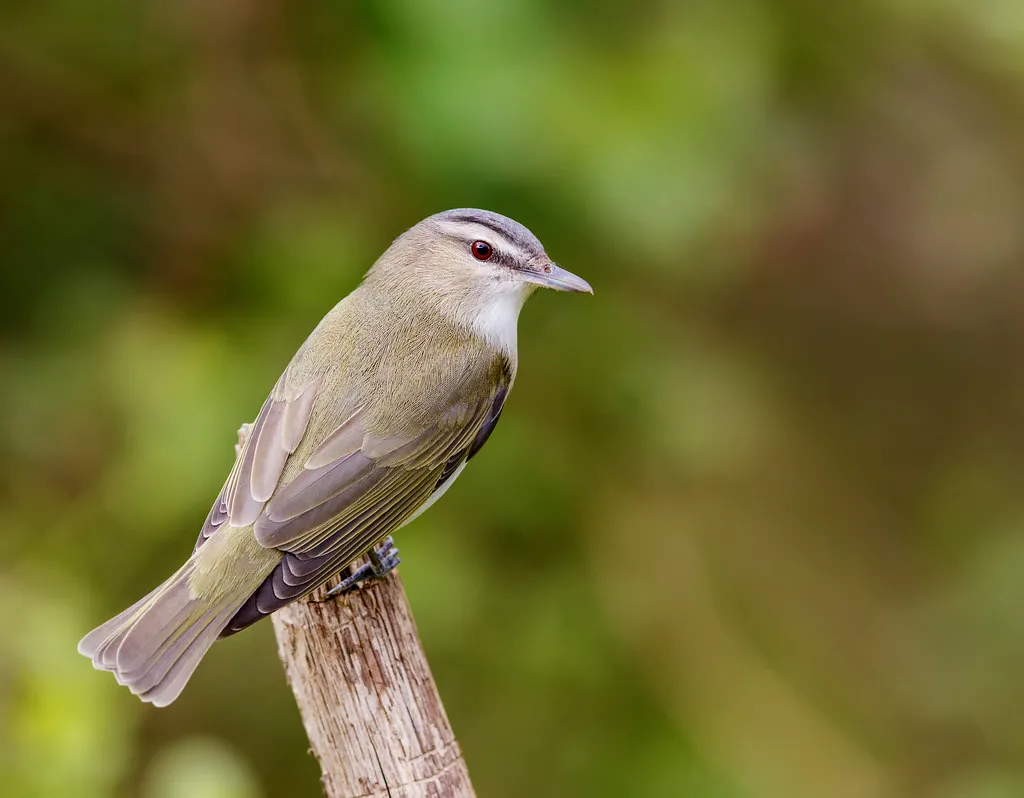
Considered one of the most persistent singers in the entire bird world, the Red-eyed Vireo can repeat its short, choppy song thousands of times in a single day.
This species is incredibly common across eastern and northern forests in summer, though its gray-green plumage makes it easy to overlook. Despite being one of the most vocally persistent birds all summer, Red-eyed Vireos typically fall silent and depart by late September, undertaking a journey to the Amazon Basin in South America, one of the longest migrations of any songbird on this list.
Researchers studying vireo migration have noted that this species often travels enormous distances relative to its small size, making its late-September window a critical refueling and departure period. Many backyard birders mistake the sudden quiet for a “bad bird year” rather than recognizing it as normal seasonal departure. Once the singing stops, the Amazon-bound journey has already begun.
#15 – Veery
🔥 Would you like to save this?
We'll email this post to you, so you can come back to it later!
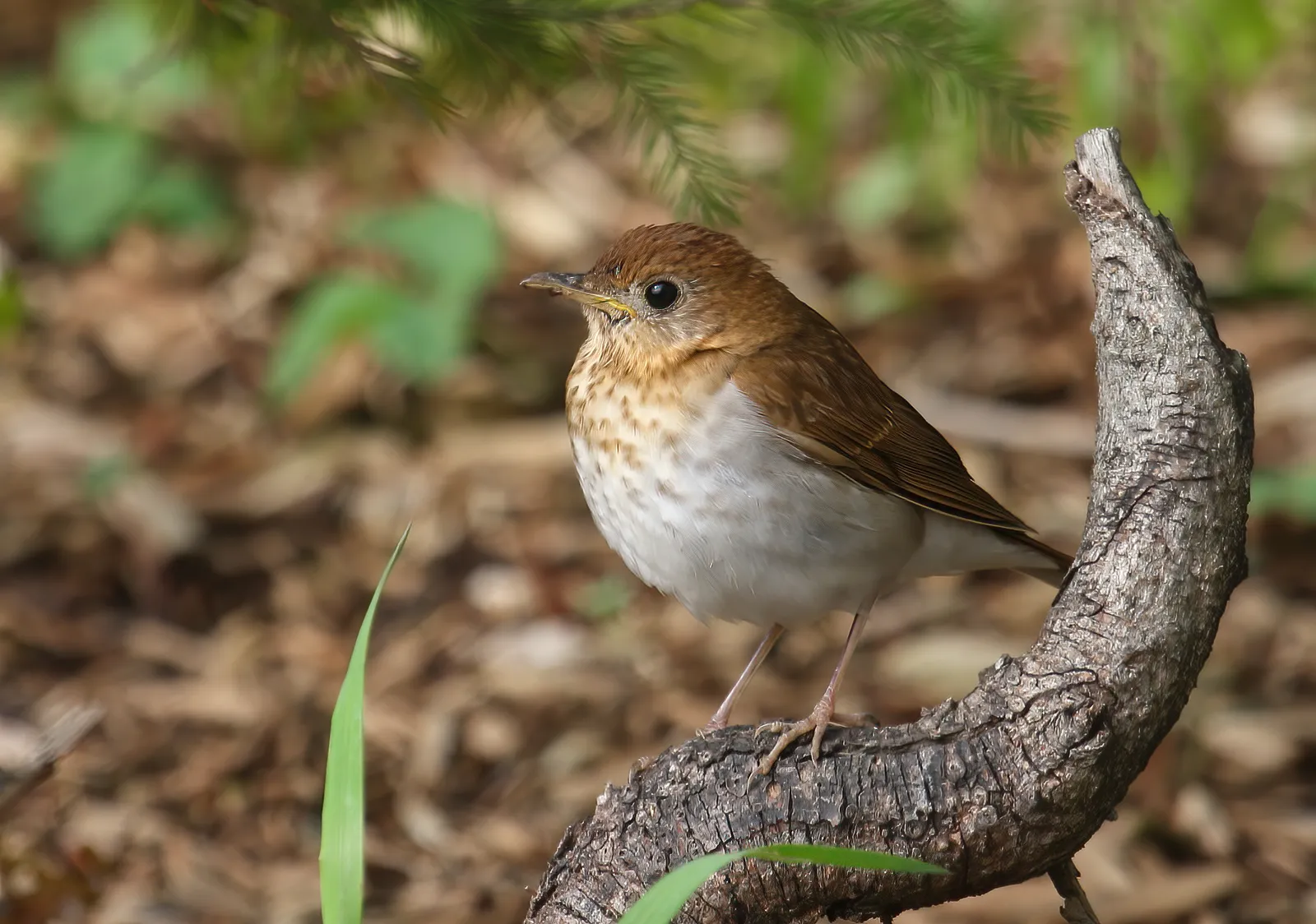
This soft cinnamon-brown thrush is best known for its haunting, downward-spiraling song, often heard at dusk in damp, shaded forests.
Veeries breed across the northern U.S. and southern Canada, favoring moist woodlands near streams and wetlands. Fall departure is famously early and abrupt, with many Veeries leaving breeding grounds by early-to-mid September, making them one of the first thrush species to vacate North American forests each year.
Fall migration isn’t one event. It’s thousands of individual decisions made by birds responding to daylight, weather, and instinct all at once.
Scott Weidensaul, ornithologist and author
What’s fascinating is that recent tracking studies have shown Veeries can sense hurricane activity in advance and actually adjust their migration routes around Atlantic storm systems before those storms even form, an ability researchers are still working to fully understand. They winter in the interior of Brazil, one of the more specific and limited wintering ranges of any North American songbird. Catching that eerie song this week may be your final chance this year.
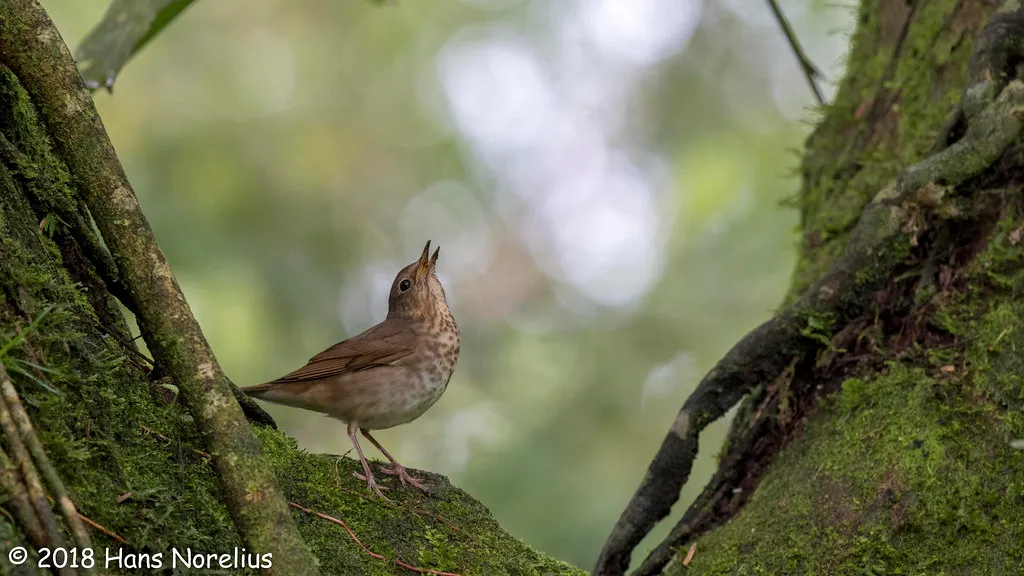
#16 – Swainson’s Thrush
🔥 Would you like to save this?
We'll email this post to you, so you can come back to it later!
Often confused with other brown thrushes, Swainson’s Thrush gives itself away with a distinctive eye-ring and an upward-spiraling flute-like song.
This species breeds in coniferous and mixed forests across Canada, the northern U.S., and the western mountains, but it’s most often noticed during migration rather than during the breeding season itself. Swainson’s Thrushes are primarily nocturnal migrants, and their high-pitched flight calls can be heard passing overhead on quiet September nights even when the birds themselves are never seen.
Birders who go outside after dark in mid-to-late September and simply listen upward are often stunned by how much invisible migration traffic is happening directly above their homes. Swainson’s Thrushes winter primarily in Central America and northern South America. By the time October arrives, those night-sky flight calls have gone completely silent.
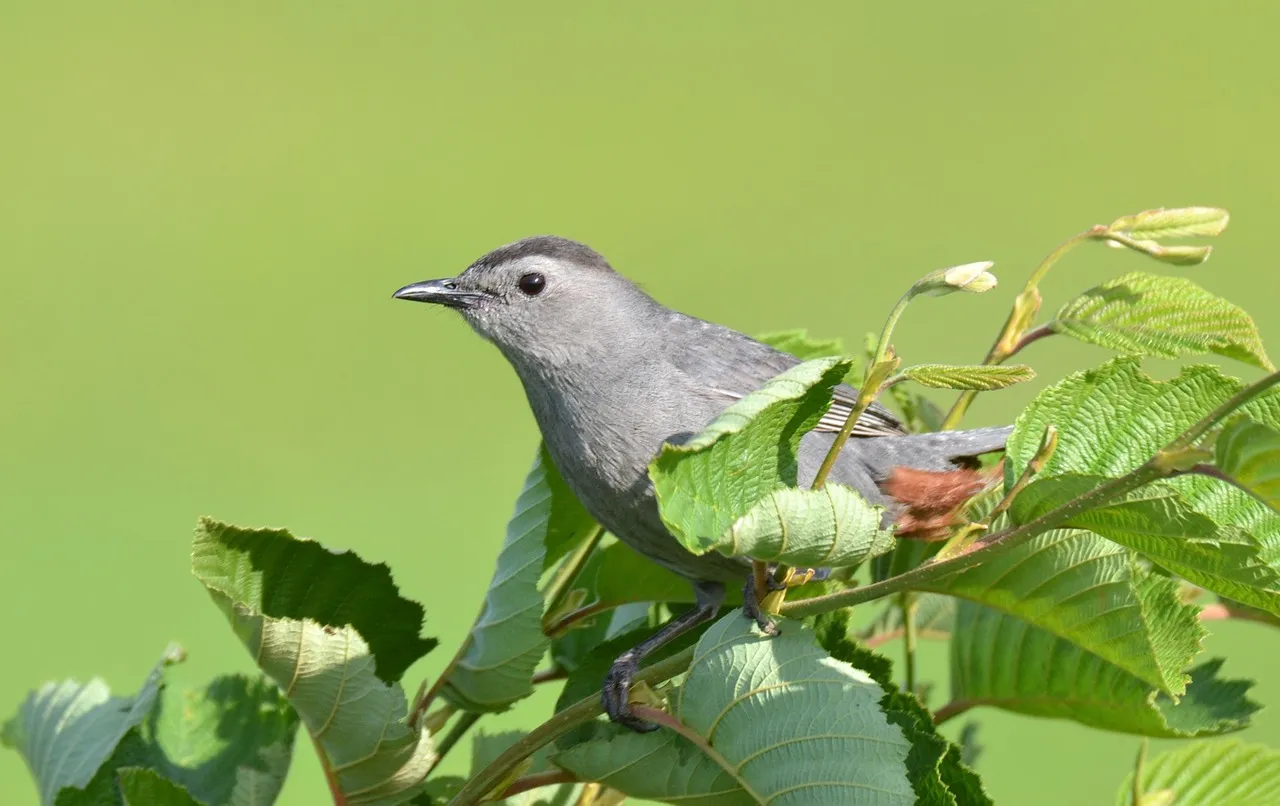
#17 – Gray Catbird
🔥 Would you like to save this?
We'll email this post to you, so you can come back to it later!
Named for its distinctive cat-like mewing call, the Gray Catbird is one of the most personality-packed backyard birds of summer, and one of the last true songbirds to finally clear out.
Catbirds are mimics, weaving snippets of other birds’ songs into their own rambling, chattering repertoire, often while hidden deep in dense shrubs. Unlike many of the warblers and tanagers on this list, Gray Catbirds are relatively late migrants, with many individuals lingering into late September and even early October before finally departing for wintering grounds in the southeastern U.S., Mexico, and Central America.
This makes the catbird something of a bittersweet “last call” bird, its extended presence giving backyard birders a few extra weeks compared to earlier-departing species. Some catbirds are even considered short-distance or partial migrants, with a small percentage overwintering in the southernmost U.S. states. But for most of the country, once the catbird finally goes quiet, songbird migration season is officially closed.
The Bottom Line
🔥 Would you like to save this?
We'll email this post to you, so you can come back to it later!
Fall songbird migration isn’t a single event. It’s a staggered, weeks-long disappearing act that starts as early as July and doesn’t fully wrap up until early October.
Quick Compare: Earliest vs. Latest Departures
- Earliest to leave: Yellow Warbler, often gone by July
- Early departers: Rose-breasted Grosbeak and Baltimore Oriole, mid-to-late August
- Middle-of-the-pack: most warblers and vireos, clearing out through September
- Last to go: Gray Catbird and Wilson’s Warbler, some lingering into early October
Some species, like the Yellow Warbler, are gone before summer even technically ends, while others, like the Gray Catbird, push their luck into October. In between, birds like the Blackpoll Warbler pull off physical feats, nonstop ocean flights lasting days, that most backyard observers never realize are happening overhead.
The real takeaway is simpler than any of the science: that colorful or vocal bird outside your window right now is already running on borrowed time. Whatever you saw this morning, look again tomorrow. It might already be a memory.

- 14 Wildlife Permits Waived for Americans the Year They Turn 62 - November 5, 2026
- Machu Picchu’s Engineering Feats Were Far Ahead of Its Time - November 5, 2026
- 12 Most Beautiful American Cities To See Before You Die - November 4, 2026