


When we think of snakes, their flickering forked tongues often come to mind first. This distinctive feature isn’t just for show—it’s a sophisticated tool that helps these legless reptiles navigate their world in ways that might surprise you. Unlike our tongues, which primarily serve for taste and speech, a snake’s tongue is a multifunctional organ essential for survival. From hunting prey to finding mates, snake tongues perform remarkable functions that have evolved over millions of years. Let’s explore 17 fascinating and sometimes bizarre ways snakes use their tongues to thrive in diverse environments around the world.
17. Chemical Detection Through Vomeronasal Organ

Perhaps the most crucial function of a snake’s tongue is chemical detection. Unlike humans who primarily taste with their tongues, snakes use theirs to collect chemical particles from the air and ground. When a snake flicks its tongue, it’s gathering these particles and delivering them to a specialized sensory organ called the Jacobson’s organ or vomeronasal organ, located in the roof of the mouth. This organ processes the chemical information, essentially allowing snakes to “smell” their environment in extraordinary detail. This system is so sensitive that some snakes can detect prey that passed by hours or even days earlier, following chemical trails with remarkable precision. The forked design of the tongue enhances this ability by providing directional information about where scents are coming from.
16. Tracking Prey Through Thermal Gradients

In an incredible adaptation, some snake species can detect subtle temperature differences with their tongues. By flicking their tongues rapidly, they can identify thermal gradients created by warm-blooded prey animals. This is particularly useful for snakes hunting at night or in environments where visibility is poor. The tongue essentially becomes a thermometer, helping the snake pinpoint the location of mice, birds, or other potential meals. This ability complements the heat-sensing pits found in vipers and pythons, creating a comprehensive thermal detection system. For example, studies have shown that rattlesnakes can detect temperature differences as small as 0.003°C with their tongues, making them incredibly efficient hunters even in complete darkness.
15. Finding Mates During Breeding Season

During breeding season, a snake’s tongue becomes an essential tool for reproduction. Male snakes use their tongues to track pheromone trails left by receptive females, sometimes following these chemical signatures for miles. The tongue’s sensitivity to sex pheromones is remarkable—male garter snakes, for instance, can detect female pheromones at concentrations of just a few parts per billion. When multiple males track the same female, they often engage in “mating balls,” where dozens of males may simultaneously court a single female. Throughout this process, their tongues work overtime, constantly sampling the air to maintain proximity to the female and assess her reproductive readiness. This sophisticated chemical communication system ensures successful reproduction in species that might otherwise struggle to find mates in vast territories.
14. Assessing Potential Threats

Snakes use their tongues as an early warning system for potential dangers. By sampling air particles, they can detect predators before they come into visual range. This gives the snake valuable time to hide, flee, or prepare defensive postures. The tongue can distinguish between different animal scents, allowing the snake to determine whether a nearby creature is a predator, prey, or neither. For example, when a snake detects the scent of a mongoose or hawk—common snake predators—it might freeze or seek shelter immediately. This threat assessment happens continuously as the snake moves through its environment, with tongue flicks increasing in frequency when the snake senses something unusual. For many species, this ability is crucial for survival in environments filled with animals that would happily make a meal of them.
13. Navigating Complex Environments
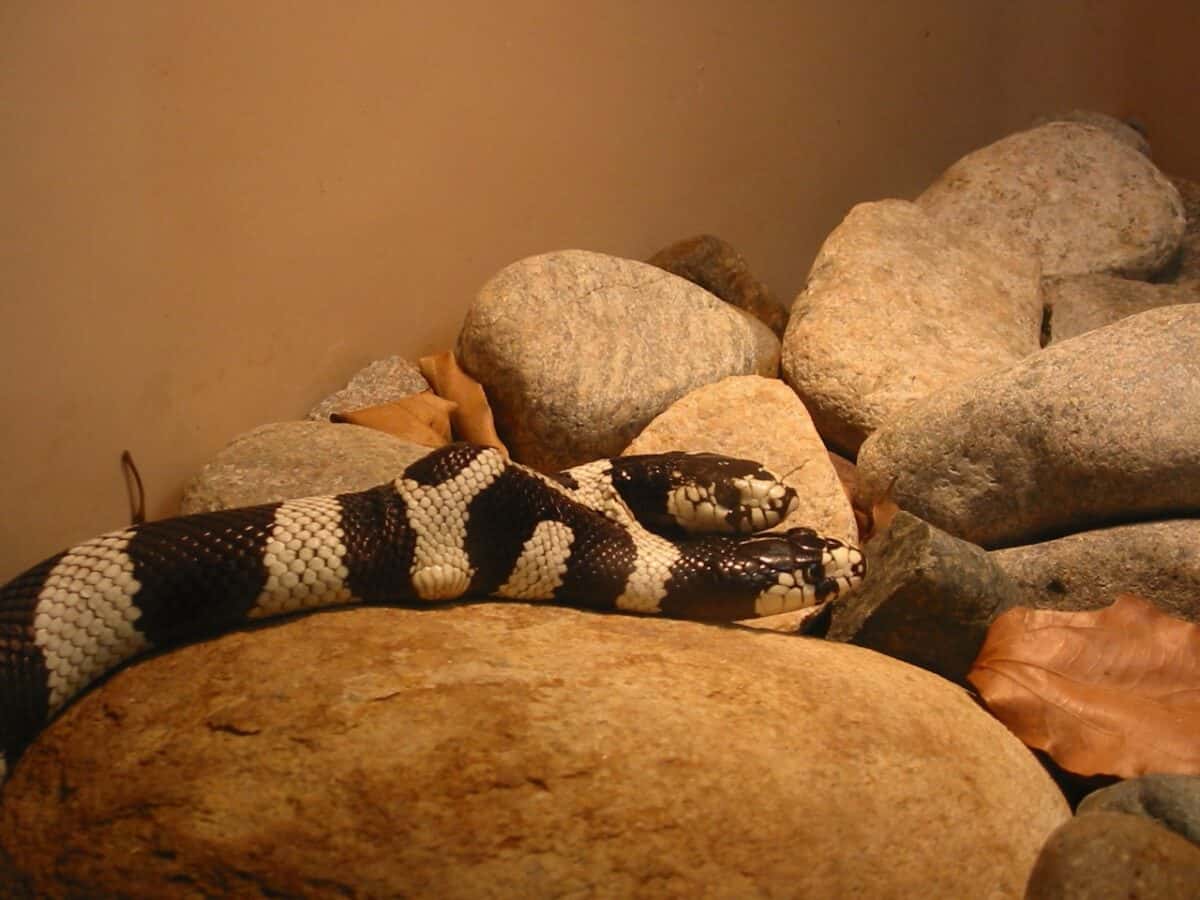
Snakes create mental maps of their surroundings using their tongues as navigational tools. By constantly sampling the chemical environment, they build a detailed olfactory picture of landmarks, boundaries, and familiar locations. This is particularly important for species that migrate between seasonal habitats or return to specific denning sites. Research has shown that some snake species, like timber rattlesnakes, can return to the same hibernation dens year after year, traveling several miles with remarkable accuracy. They accomplish this feat largely through tongue-based chemical navigation, recognizing familiar scent signatures in the environment. This chemical mapping ability also helps snakes identify territory boundaries and avoid areas frequently used by predators. The tongue essentially functions as a sophisticated GPS system based entirely on chemical information.
12. Discriminating Between Prey Types

The extraordinary sensitivity of a snake’s tongue allows it to distinguish between different types of prey animals based solely on chemical signatures. This ability helps snakes make critical hunting decisions, such as whether a potential meal is worth pursuing based on size, species, or even health status. For example, many snake species can detect whether prey is poisonous or unpalatable before attacking. The black rat snake can differentiate between the scent trails of various rodent species, allowing it to prioritize preferred prey. Some specialized snake species have evolved tongue sensitivity to specific prey—sea snakes, for instance, can detect fish mucus in water at extraordinarily low concentrations. This discriminatory ability is crucial for energy conservation, as snakes need to make each hunting effort count, especially given their relatively slow metabolism and infrequent feeding patterns.
11. Cleaning Their Eyes

In one of the more unusual uses, snakes sometimes employ their tongues to help clean their eyes. Since snakes lack eyelids and instead have a transparent scale called a spectacle protecting each eye, keeping these scales clean is essential for vision. While most cleaning occurs during the shedding process, snakes have been observed using their flexible tongues to remove small particles or debris from around their eyes between sheds. This behavior is more common in species that frequent dusty or sandy environments where eye contamination is more likely. The tongue’s moisture and dexterity make it a useful tool for this delicate cleaning task. Though not the primary function of the tongue, this behavior demonstrates the remarkable adaptability of this organ for solving various problems snakes encounter in their daily lives.
10. Sensing Humidity and Water Sources

Water detection is another crucial function of a snake’s tongue. By sampling moisture particles in the air, snakes can locate water sources even in arid environments. Desert-dwelling species like the sidewinder rattlesnake have particularly acute moisture detection abilities, helping them survive in some of the harshest conditions on Earth. The tongue can assess both the direction and distance of water sources based on concentration gradients of moisture in the air. Additionally, many snakes can detect subtle changes in humidity, which helps them find microhabitats with favorable conditions for thermoregulation and hydration. This ability is especially important during drought conditions or in seasonally dry environments where water becomes scarce. Some species even time their movements based on humidity patterns, becoming more active when moisture levels rise to minimize water loss through their skin.
9. Testing Surface Textures

Snakes use their tongues as tactile probes to test the texture and composition of surfaces before proceeding. This behavior is particularly noticeable when snakes encounter unfamiliar terrain or substances. By gently touching their tongues to surfaces, they gather information about whether the ground is solid, loose, sticky, or potentially dangerous. This tactile sensing helps prevent injuries from sharp objects or unstable surfaces and guides movement decisions. For arboreal (tree-dwelling) snakes, tongue-based texture assessment is crucial for evaluating branch stability before putting their full weight on a surface. Similarly, burrowing species use their tongues to test soil composition and moisture content before digging. This texture-testing behavior complements their vision and body-based tactile sensing, creating a more complete picture of their immediate environment.
8. Communicating With Other Snakes

Though less obvious to human observers, snakes use tongue flicking as a form of communication with other members of their species. The frequency, pattern, and intensity of tongue flicks can convey information about a snake’s status, intentions, or mood. During confrontations between males, changes in tongue-flicking behavior often signal aggression or submission. Similarly, during courtship, males may display distinctive tongue-flicking patterns that communicate their interest to females. Some species even engage in tongue-touching behaviors during social interactions, directly transferring chemical information between individuals. While snakes are often considered solitary animals, research increasingly reveals complex social behaviors mediated through chemical communication, with the tongue serving as the primary tool for both sending and receiving these chemical messages.
7. Detecting Air Currents and Vibrations
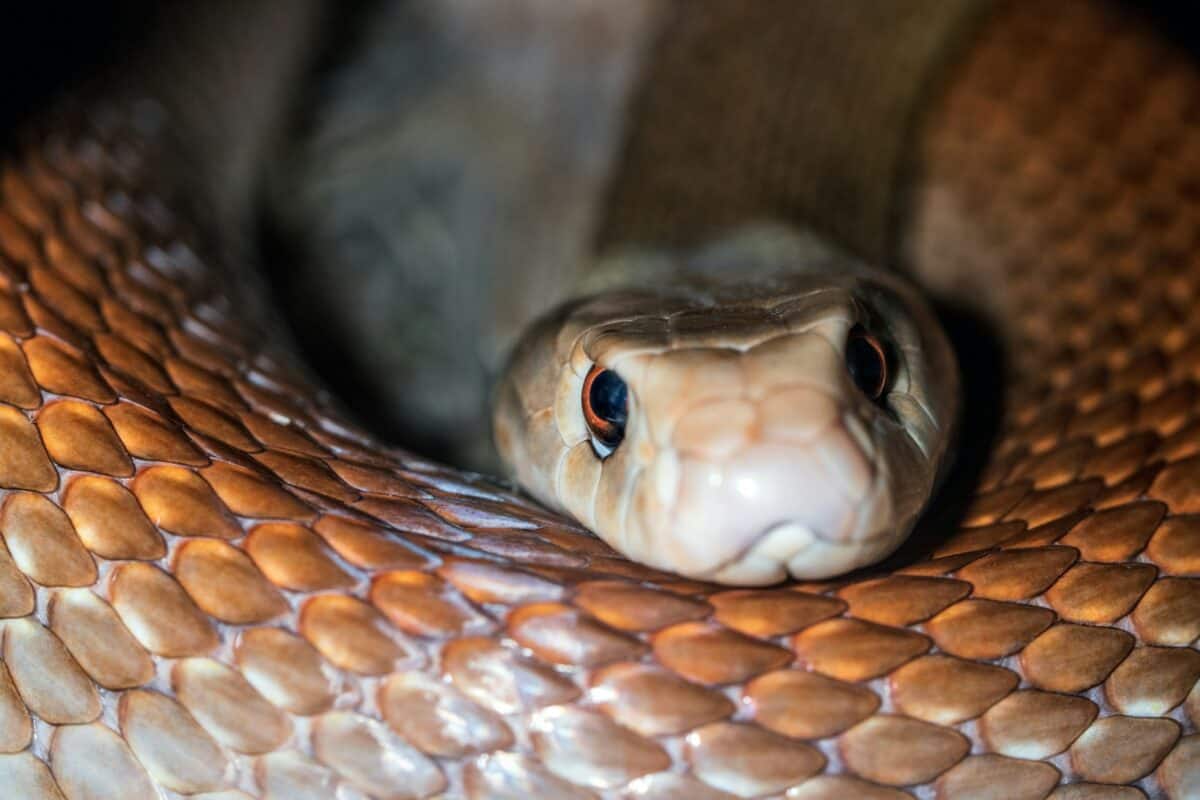
The tongue serves as a sensitive detector for air currents and vibrations, helping snakes identify movement in their vicinity. When extended, the tongue can pick up subtle shifts in air pressure caused by moving animals or environmental changes. This function is especially valuable when hunting prey that might be hidden from view. For example, some burrowing snakes can detect the movement of subterranean prey through vibrations in the soil, using their tongues as supplementary sensors alongside their jaw-based vibration detection. The thin, forked structure of the tongue makes it particularly responsive to air movement, functioning somewhat like a biological anemometer. This sensitivity to air currents also helps snakes detect approaching larger animals, whether potential predators or simply creatures to avoid. For many species, this ability provides crucial early warnings in environments where visibility is limited.
6. Aiding in Swallowing Prey
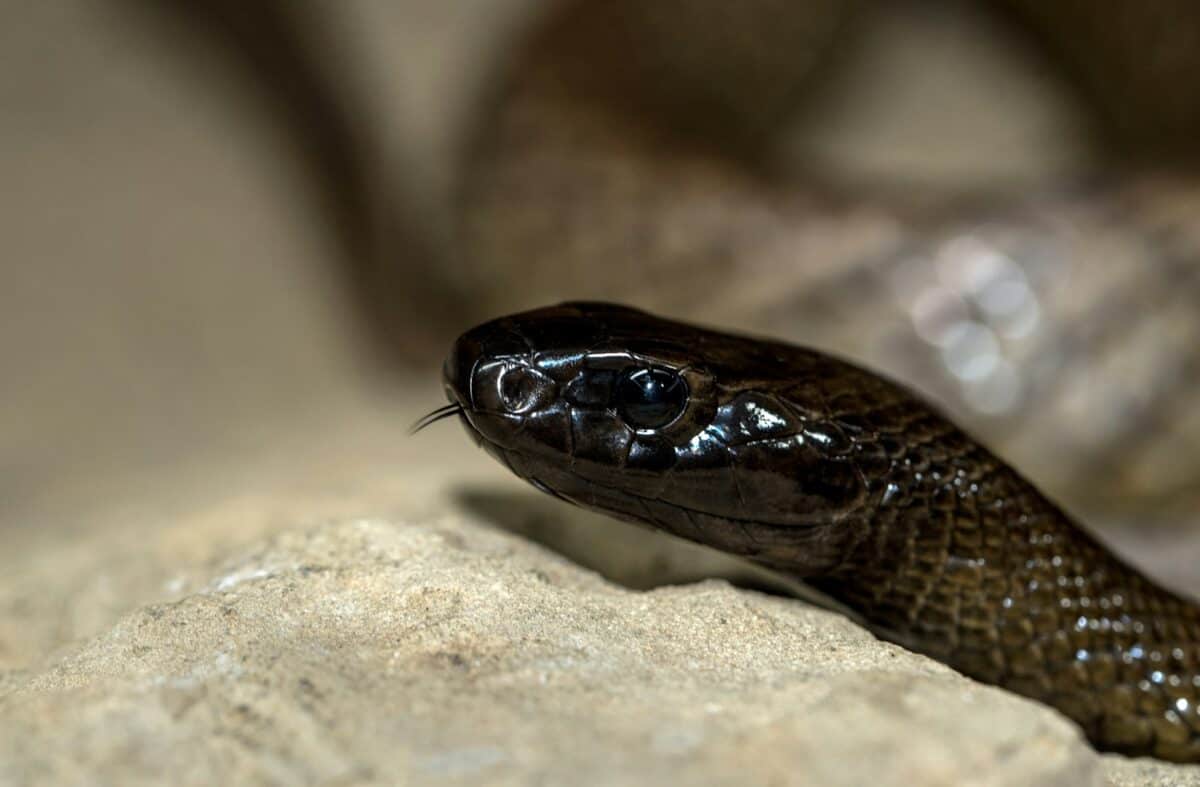
While snakes don’t use their tongues directly in the swallowing process (contrary to popular belief), the tongue does play a supporting role during feeding. Before and during swallowing, snakes frequently flick their tongues to monitor their surroundings, ensuring they remain safe during this vulnerable period when they cannot quickly flee. Additionally, the tongue helps position prey in the mouth before the swallowing process begins. Some species use subtle tongue movements to help manipulate prey items, particularly when dealing with awkwardly shaped meals. The tongue also continues chemical sampling during feeding, providing ongoing information about the prey item and surrounding environment. This continuous monitoring is important because swallowing can take anywhere from minutes to hours depending on the size of the prey, during which time the snake remains vulnerable to predators.
5. Temperature Regulation
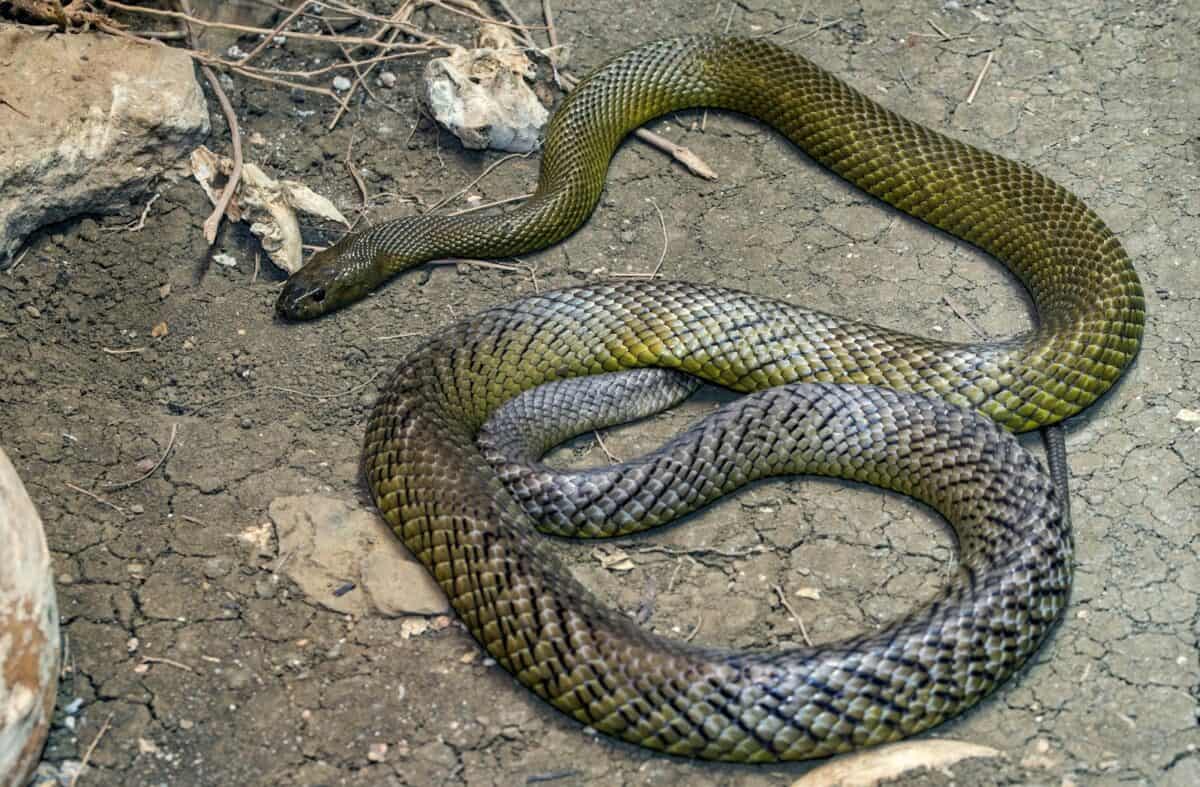
In a fascinating adaptation, some snake species use their tongues as temperature regulation tools. By extending their tongues in hot conditions, they can dissipate heat through evaporative cooling, similar to how a dog pants. This behavior is particularly common in desert-dwelling species that must cope with extreme temperatures. The tongue’s high surface area relative to its volume makes it an effective heat exchanger. Some snakes will increase their tongue-flicking rate during hot periods specifically for this cooling effect. Conversely, during cold weather, many species reduce tongue flicking to conserve body heat. Research has shown that the rate of tongue flicking in certain species correlates directly with ambient temperature, suggesting this behavior has a significant thermoregulatory component beyond its sensory functions. This dual-purpose use of the tongue highlights the remarkable adaptability of snake anatomy.
4. Sampling Food Before Consumption
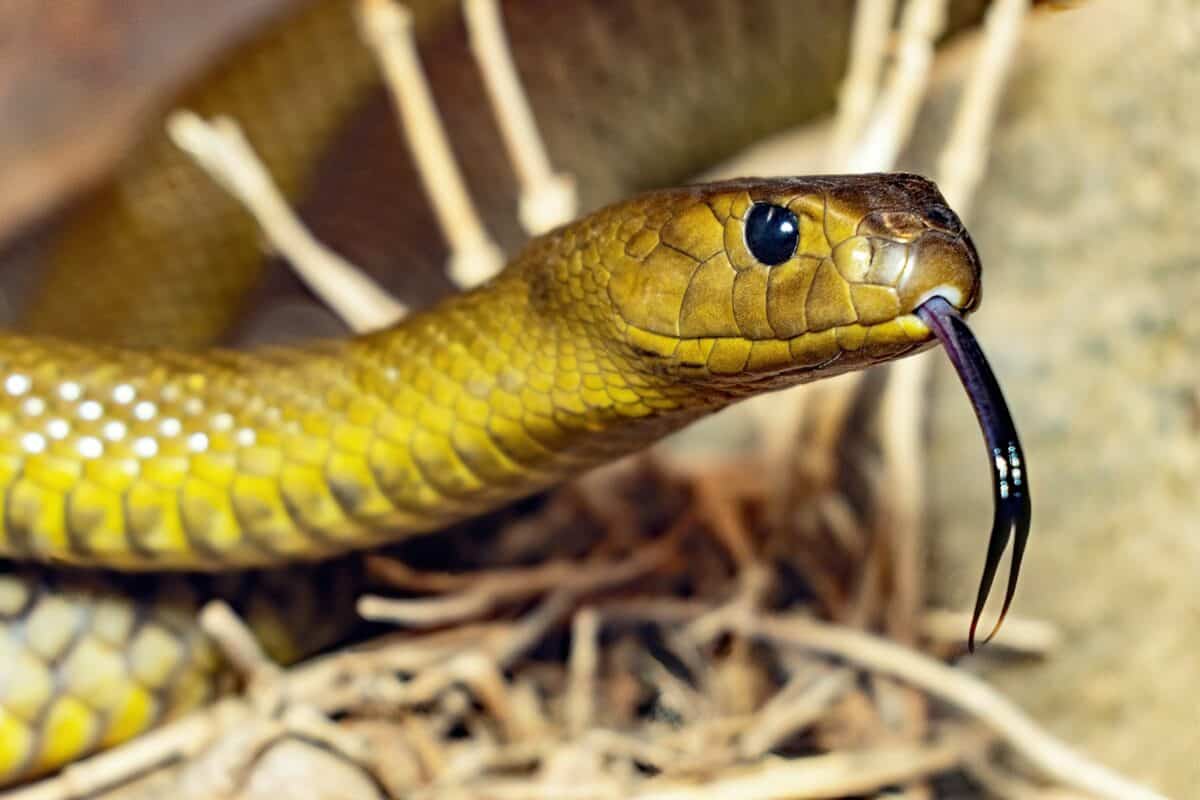
Before committing to swallowing prey, many snake species perform extensive tongue sampling to evaluate food quality. This pre-consumption analysis helps them determine whether a potential meal might be spoiled, toxic, or otherwise unsuitable. The tongue delivers chemical compounds from the prey to the Jacobson’s organ, which can detect signs of decay or toxins. This behavior is particularly important for scavenging species that might encounter carrion in various states of decomposition. Some snakes have been observed rejecting prey after thorough tongue examination, suggesting they can detect dangerous levels of bacterial growth or toxins. This quality-control mechanism helps prevent poisoning and digestive problems that could prove fatal. Given that many snake species can go weeks or months between meals, ensuring each feeding opportunity is safe and nutritious is critical for survival.
3. Identifying Territorial Markers
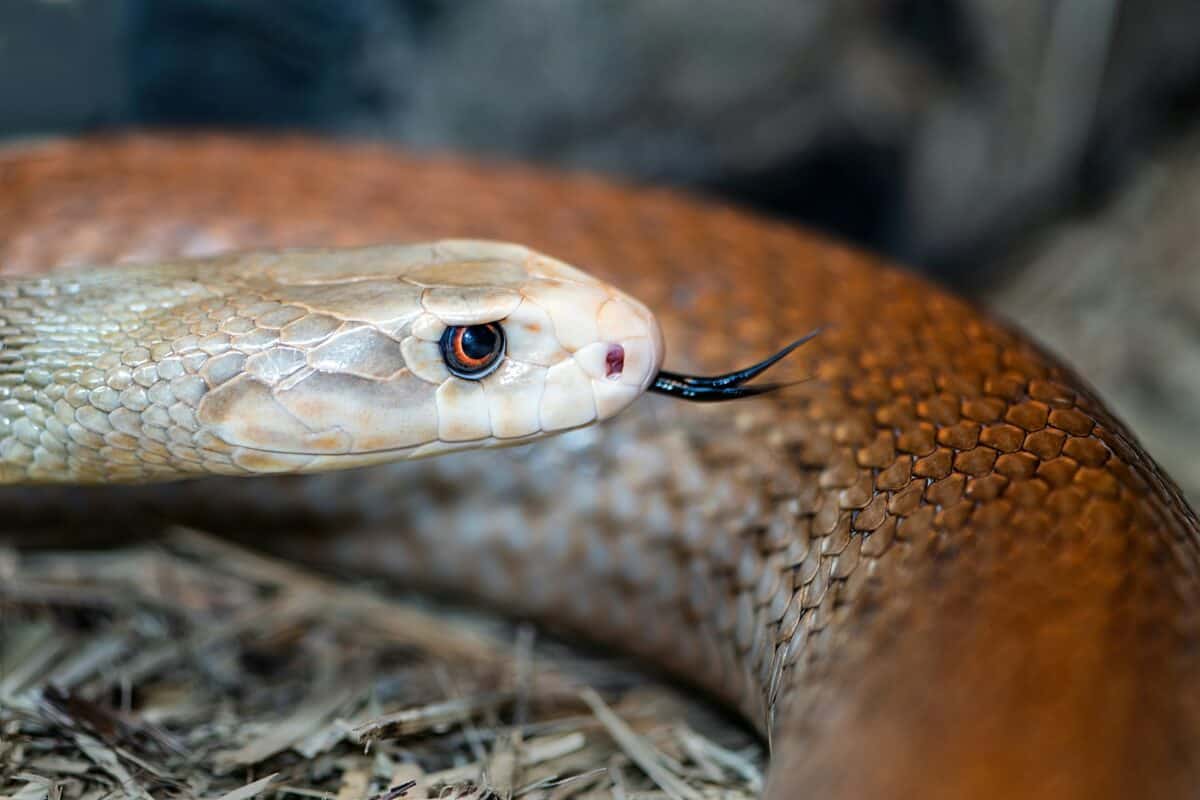
Snakes use their tongues to detect and interpret territorial markers left by other snakes. Many species deposit chemical signals by rubbing specialized glands against surfaces in their territory. These signals can communicate information about species, sex, size, and reproductive status. When a snake encounters these markers, its tongue collects the chemical information for analysis by the Jacobson’s organ. This territorial awareness helps prevent potentially dangerous confrontations between competitors and allows snakes to establish and maintain their own territories efficiently. For example, male rattlesnakes can determine whether another male has recently passed through an area and gauge whether that individual represents a serious competitive threat based on chemical signatures. This system of chemical territory marking and detection creat
es an invisible landscape of information that significantly influences snake movement patterns and social interactions.
2. Assessing Hibernation Sites
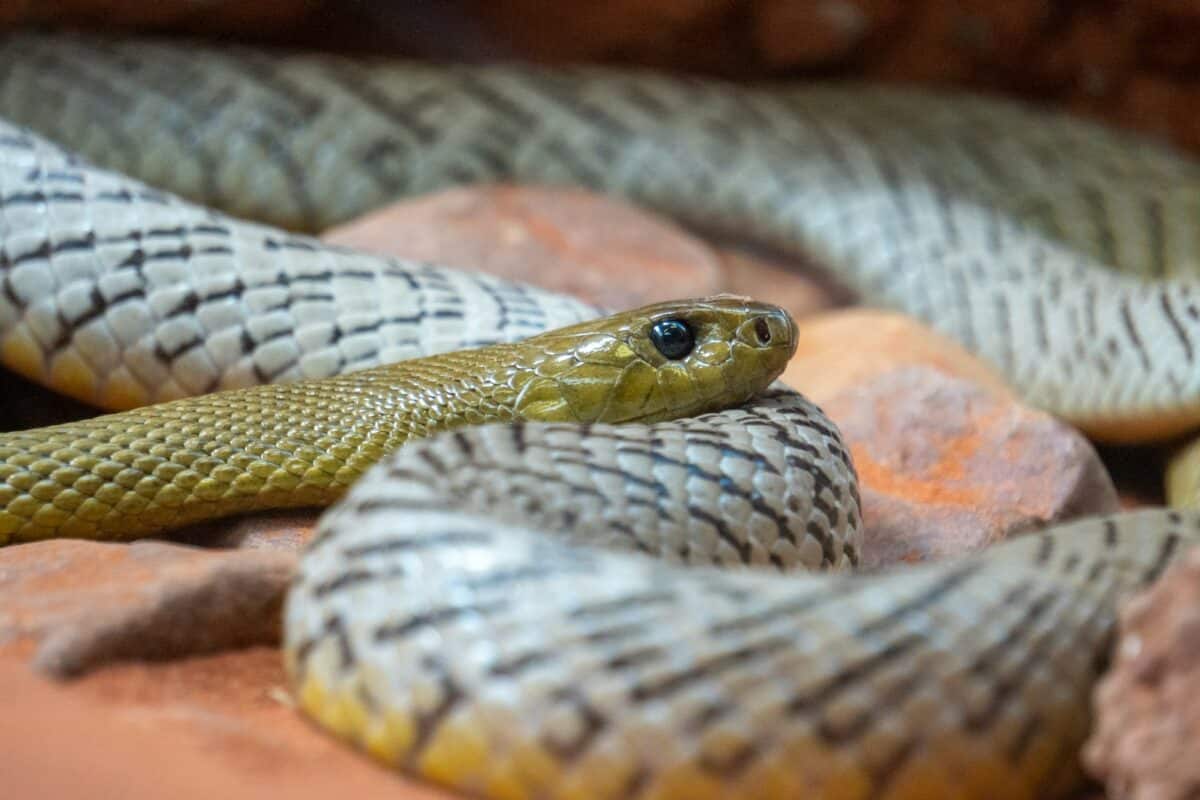
In temperate regions, many snake species hibernate during winter months, and tongue-based chemical assessment plays a crucial role in selecting appropriate hibernation sites. Before committing to a winter refuge, snakes thoroughly investigate potential dens using their tongues to detect chemical cues indicating safety, suitable microclimate conditions, and the presence of conspecifics. They can detect chemical signatures left by other snakes that have previously used successful hibernation sites, essentially benefiting from the “experiences” of others. The tongue helps them assess humidity levels, air circulation, and temperature stability—all critical factors for winter survival. Some species, like timber rattlesnakes, return to the same communal hibernation dens year after year, using their tongues to follow familiar chemical pathways. This chemical assessment of hibernation sites significantly increases winter survival rates by helping snakes avoid flooded, freezing, or predator-accessible locations.
1. Detecting Environmental Pollutants

The remarkable sensitivity of a snake’s chemical detection system allows them to identify environmental toxins and pollutants at concentrations far below human detection thresholds. This ability can influence habitat selection and movement patterns, as snakes will often avoid areas contaminated with certain chemicals. Research has shown that many snake species will alter their behavior when their tongues detect pesticides, heavy metals, or other pollutants in their environment. This sensitivity has led some researchers to suggest that snake behavior could potentially serve as a bioindicator of environmental contamination. For example, studies have documented changes in tongue-flicking rates and patterns when snakes encounter sublethal concentrations of agricultural chemicals. This pollutant detection ability may have evolved as a way to avoid naturally occurring toxins in the environment but now serves as an adaptation to human-altered landscapes.
Conclusion: The Remarkable Evolutionary Success of Snake Tongues
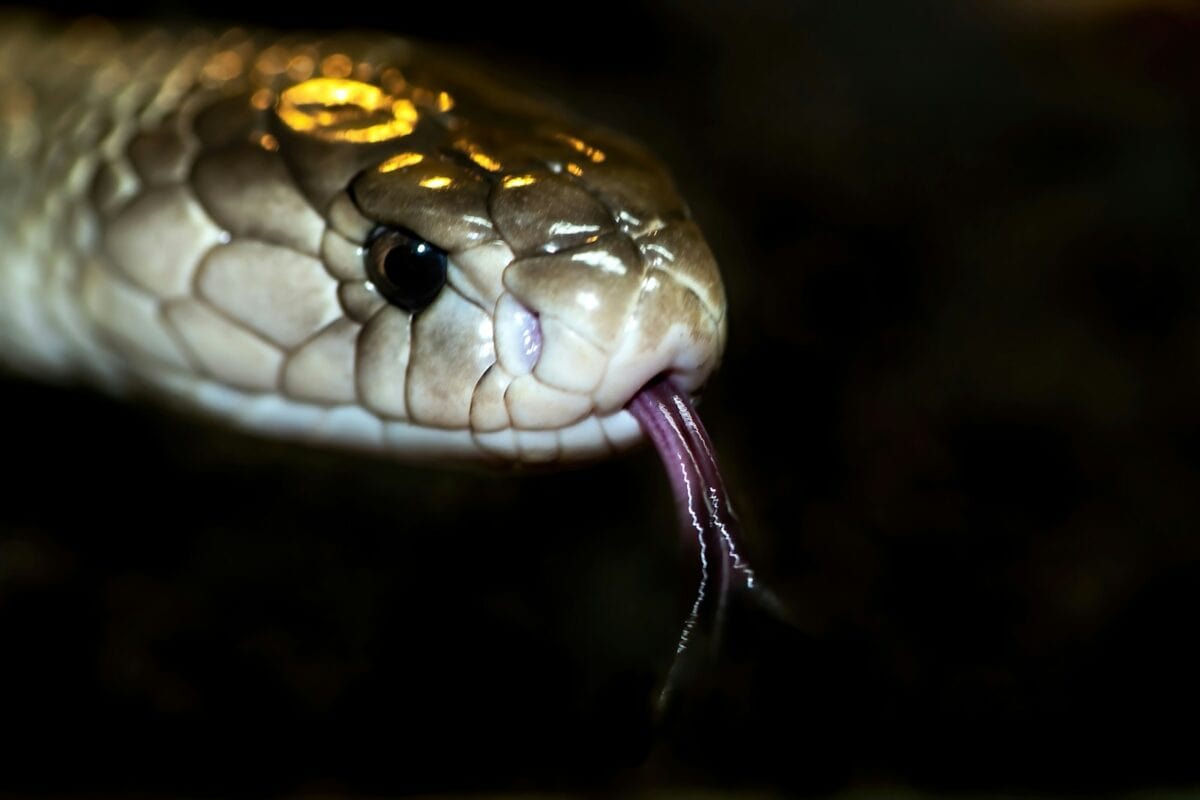
The snake’s tongue represents one of nature’s most sophisticated sensory organs, having evolved into a multifunctional tool central to virtually every aspect of snake survival. From hunting and mating to navigation and predator avoidance, this seemingly simple organ facilitates complex behaviors that have allowed snakes to thrive in diverse habitats across the globe for over 100 million years. The evolution of the vomeronasal system, with the forked tongue as its collection device, gave snakes a sensory advantage that compensates for their relatively poor vision and lack of limbs. Understanding the multifaceted functions of snake tongues not only provides insight into these fascinating reptiles but also highlights the incredible diversity of solutions that evolution has produced to solve the fundamental challenges of survival. The next time you observe a snake flicking its tongue, remember that you’re witnessing not a simple behavior but a sophisticated sensory system in action—one that represents millions of years of evolutionary refinement.

As a little kid, I fell in love with nature, wildlife, and animals. Living in the USA, South Africa, Italy, China and Germany gave me the opportunity to discover the world's Wildlife. My favorite animals are Mountain Gorillas, Siberian Tigers, and Great White Sharks.
I'm a certified PADI Open Water Diver, went to Everest Base Camp and Trekked Gorillas in Uganda. I hold a Master of Science in Economics and Finance.
Please send any feedback to feedback@animalsaroundtheglobe.com
- The 10 Rarest Dog Breeds Making a Comeback in America - July 19, 2026
- 13 Creatures That Survived Mass Extinctions - July 19, 2026
- 12 Pets That Are Perfect for Seniors - July 19, 2026