

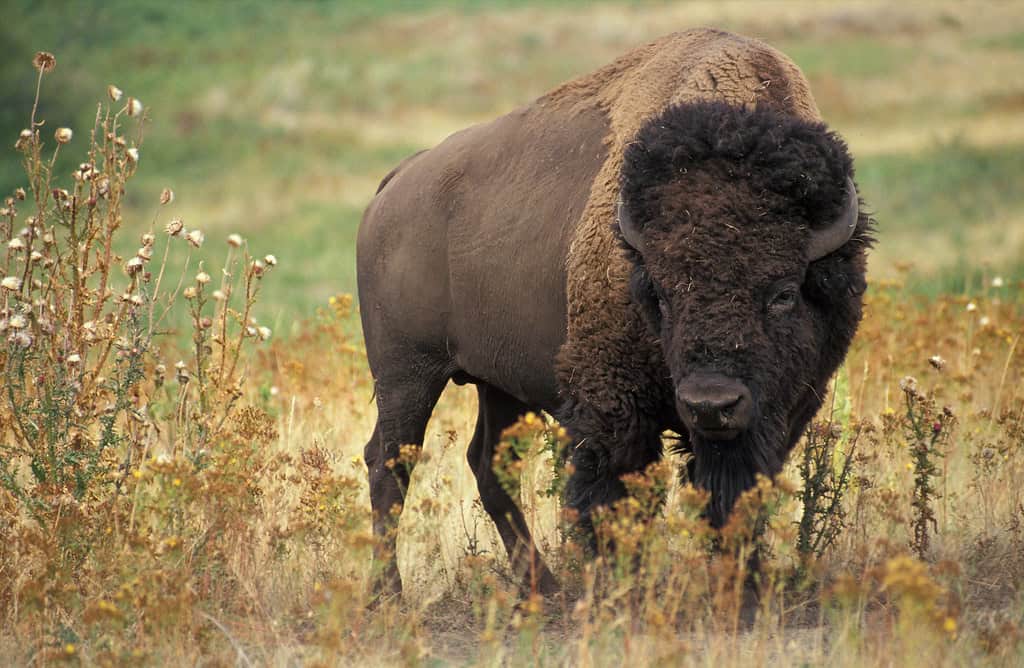
The American bison, often mistakenly referred to as buffalo, stands as one of North America’s most iconic mammals. These magnificent creatures once roamed the continent in the tens of millions, shaping both ecosystems and indigenous cultures. Though driven to the brink of extinction in the late 19th century, bison have made a remarkable comeback through conservation efforts. Beyond their imposing presence and historical significance, these animals harbor fascinating secrets and abilities that many people don’t know about. From their surprising agility to their ecological importance, the American bison continues to captivate our imagination and remind us of the wild heart of North America. Join us as we explore 17 surprising facts about these remarkable animals that showcase why they remain such an important symbol of American wilderness and resilience.
17. Bison Can Run Faster Than Horses

Despite their massive size, American bison are incredibly fast runners. These animals can reach speeds of up to 35-40 miles per hour, outrunning horses over short distances. Their powerful build belies their agility—bison can also jump up to six feet vertically and are excellent swimmers. This combination of speed and strength made them particularly challenging for early Native American hunters who pursued them on horseback. When threatened, a bison can maintain these impressive speeds for extended periods, an adaptation that evolved to escape predators like wolves and bears. Their speed is even more remarkable considering adult males can weigh up to 2,000 pounds, making them one of the fastest large land mammals in North America.
16. Bison Once Numbered in the Tens of Millions
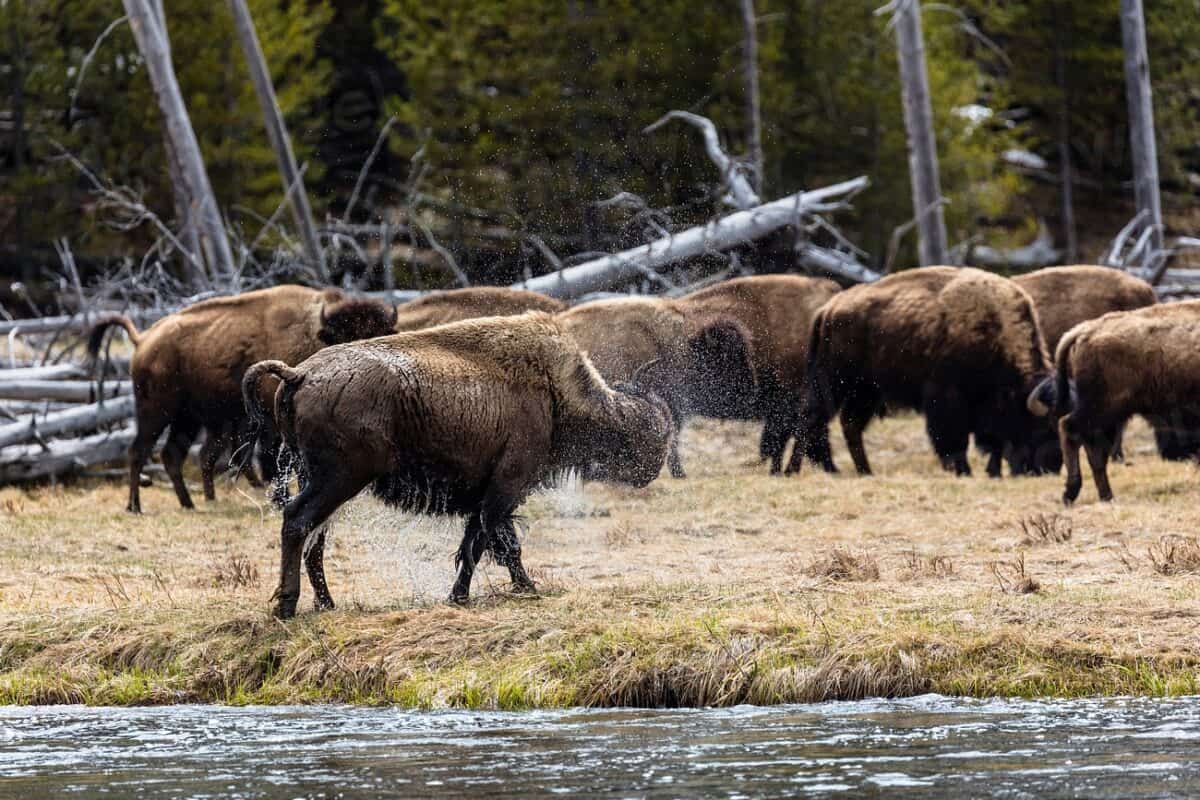
Before European settlement, an estimated 30-60 million bison roamed North America, forming one of the largest wildlife congregations on Earth. These massive herds stretched across the Great Plains from Canada to Mexico and from the Rockies to the Appalachians. The scale of these herds was so immense that early explorers and settlers reported that it could take days for a single herd to pass by. By 1884, however, only around 325 wild bison remained in the United States after decades of commercial hunting, government-supported extermination campaigns, and habitat destruction. This represents one of the most dramatic population collapses of a species in recorded history. The near-extinction of the bison not only devastated the species but also profoundly impacted the indigenous peoples and ecosystems that depended on them.
15. They’re Not Actually Buffalo

Although commonly called buffalo in North America, bison are not true buffalo at all. True buffalo species include the water buffalo of Asia and the Cape buffalo of Africa, which are only distantly related to the American bison. The misnomer dates back to early European explorers who called the animals “boeuf” (French for beef), which later evolved into “buffalo.” Scientifically, the American bison (Bison bison) belongs to the Bovidae family along with domestic cattle, sheep, and goats. Compared to true buffalo, bison have distinctive humps at their shoulders, beards, and thick winter coats. The confusion persists in popular culture, with the term “buffalo” appearing in place names, sports teams, and even legislation, despite being technically incorrect.
14. Bison Can Survive Extreme Temperature Swings

American bison have evolved remarkable adaptations for surviving the extreme temperature fluctuations of the North American plains. Their thick winter coats can insulate them against temperatures as low as -40°F, while they can also tolerate summer heat well over 100°F. Unlike many animals that face the harsh continental climate, bison don’t migrate south for winter—they face blizzards head-on, using their massive heads as snowplows to reach the grass beneath. Their bodies are designed to conserve heat efficiently, with their massive shoulder humps containing muscles supported by elongated vertebrae rather than fat stores. During winter, bison can reduce their metabolism by about 30%, requiring less food during the scarce months. Their ability to withstand such extreme conditions made them perfectly suited to life on the open plains throughout the seasons.
13. Their Heads Function as Snowplows

One of the bison’s most practical adaptations is their use of their massive heads as natural snowplows. During winter, when snow covers the plains, bison swing their heads from side to side to sweep away snow and expose the grass beneath. Their broad foreheads and strong neck muscles are perfectly designed for this purpose, allowing them to access food when other grazing animals might struggle. This adaptation gives them a significant survival advantage during harsh prairie winters. Bison will spend hours clearing snow in this manner, revealing patches of grass not just for themselves but inadvertently for other species as well. Historical accounts from 19th-century settlers describe witnessing large herds moving across snow-covered plains, leaving distinctive patterns of cleared ground in their wake that resembled plowed fields.
12. Bison Helped Shape the American Prairie Ecosystem

American bison played a crucial role as ecosystem engineers, fundamentally shaping the Great Plains landscape over thousands of years. Their grazing patterns prevented any single plant species from dominating, promoting biodiversity and maintaining the grassland ecosystem. As they moved, their hooves aerated the soil and created depressions called wallows—shallow basins formed when bison rolled in dirt to discourage insects and shed fur. These wallows, some still visible today, collect rainwater and create microhabitats for amphibians and specialized plants. Bison dung fertilized the soil and provided habitat for dung beetles and other decomposers. Research has shown that areas where bison have been reintroduced exhibit increased plant diversity compared to areas without them. The decline of bison populations contributed to significant ecological changes across the American prairie, demonstrating their importance as a keystone species in this ecosystem.
11. Bison and Domestic Cattle Can Interbreed

One of the more problematic aspects of bison conservation is that they can interbreed with domestic cattle, producing fertile offspring called “beefalo” or “cattalo.” This hybridization began in the late 19th century when ranchers deliberately crossbred bison with cattle in attempts to create livestock with the hardiness of bison and the meat production of cattle. Today, genetic testing has revealed that many bison herds contain some cattle DNA, with estimates suggesting that fewer than 15,000 genetically pure bison exist in conservation herds. This presents a significant challenge for conservation efforts aimed at preserving the original species. Organizations like the American Prairie Reserve and Yellowstone National Park maintain herds that are routinely tested to ensure genetic purity. Conservation biologists consider maintaining genetically pure bison populations crucial for preserving the species’ unique adaptations and ecological role.
10. Bison Communicate Through Body Language

Bison have developed sophisticated communication systems that primarily rely on body language rather than vocalizations. While they do grunt, snort, and bellow, especially during mating season, their physical displays convey most information within the herd. Tail position is particularly important—a raised tail often signals alertness or potential aggression. During the breeding season, males display their strength through head-swinging, pawing the ground, and wallowing in dust. They also engage in parallel walks to assess each other’s size before deciding whether to fight. Female bison communicate with their calves through subtle head movements and body positioning. Research has shown that bison have excellent visual acuity for detecting movement, allowing them to respond quickly to these silent signals across the herd. This sophisticated body language system helps maintain social order and coordinate movement among hundreds or thousands of individuals.
9. Their Horns Are Different From Antlers
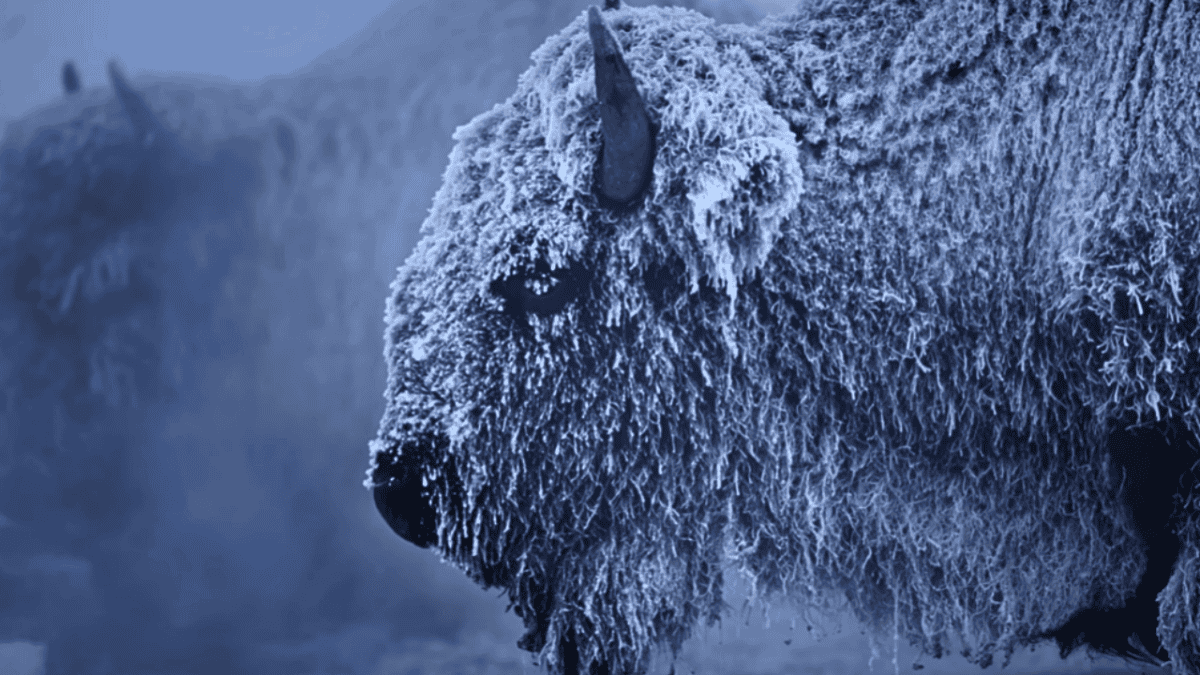
Unlike deer and elk, which grow and shed antlers annually, bison have permanent horns that grow throughout their lives. These horns consist of a bony core covered by a keratin sheath—the same protein found in human fingernails. Both male and female bison have horns, though males typically develop thicker, more curved ones. Bison horns can reach up to two feet in length and are used for defense against predators and during mating season when males compete for dominance. The horns grow continuously, but wear down from use and environmental exposure. Interestingly, bison horns can be used to determine an animal’s approximate age, similar to counting rings in a tree. Historically, Native American tribes used bison horns for various practical purposes, including tools, utensils, and ceremonial objects, highlighting their importance beyond the animal’s lifetime.
8. Bison Can Jump Six Feet Vertically
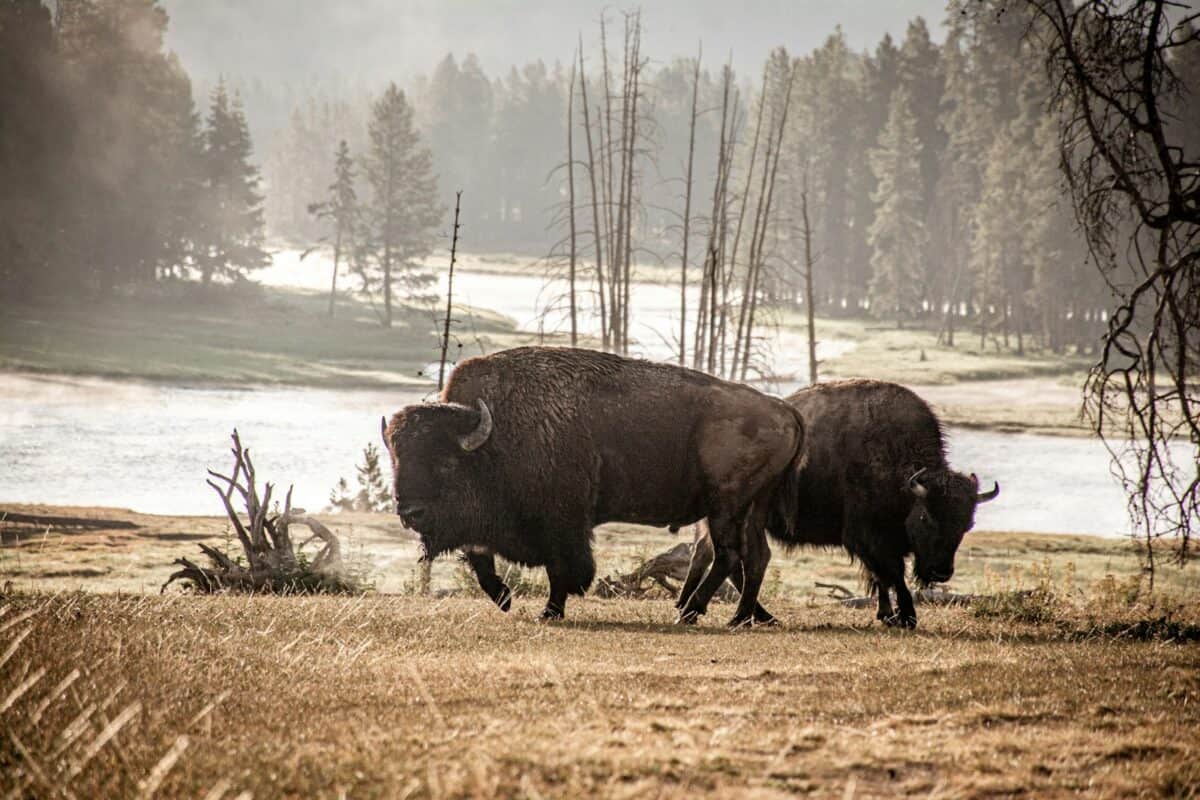
Despite their bulky appearance and massive weight of up to 2,000 pounds, bison possess remarkable agility, including the ability to jump nearly six feet vertically. This surprising capability makes containing them challenging—standard cattle fencing often proves inadequate for bison enclosures. Wildlife managers and ranchers raising bison typically need stronger, taller fencing systems specifically designed for these powerful animals. Their jumping ability combines with their speed and stamina to make them highly effective at evading predators. When threatened, a bison can execute quick directional changes, leap over obstacles, and sustain a fast pace longer than most predators. This agility becomes especially apparent during the rut (mating season), when bulls engage in athletic displays and sometimes leap completely over rival males during confrontations. Their combination of size, strength, and surprising athleticism makes them one of North America’s most physically impressive land mammals.
7. Bison Calves Can Stand Within Minutes of Birth

Bison calves are remarkably precocious, capable of standing within 30 minutes of birth and running with the herd within just a few hours. This rapid development is a crucial adaptation for survival on the open plains, where vulnerability to predators is highest during early life. Calves are born with a distinctive reddish-orange coat that changes to the adult dark brown within a few months. A typical bison calf weighs between 30-70 pounds at birth but grows rapidly, gaining approximately two pounds daily during its first few months. Mother bison are fiercely protective of their young, positioning themselves between their calves and any perceived threats. The strong mother-calf bond persists for about a year until the next calving season. This early mobility and rapid growth rate significantly increase survival chances in an environment where wolves, bears, and historically, human hunters posed constant threats.
6. The Bison Was Nearly Our National Mammal Before the Eagle
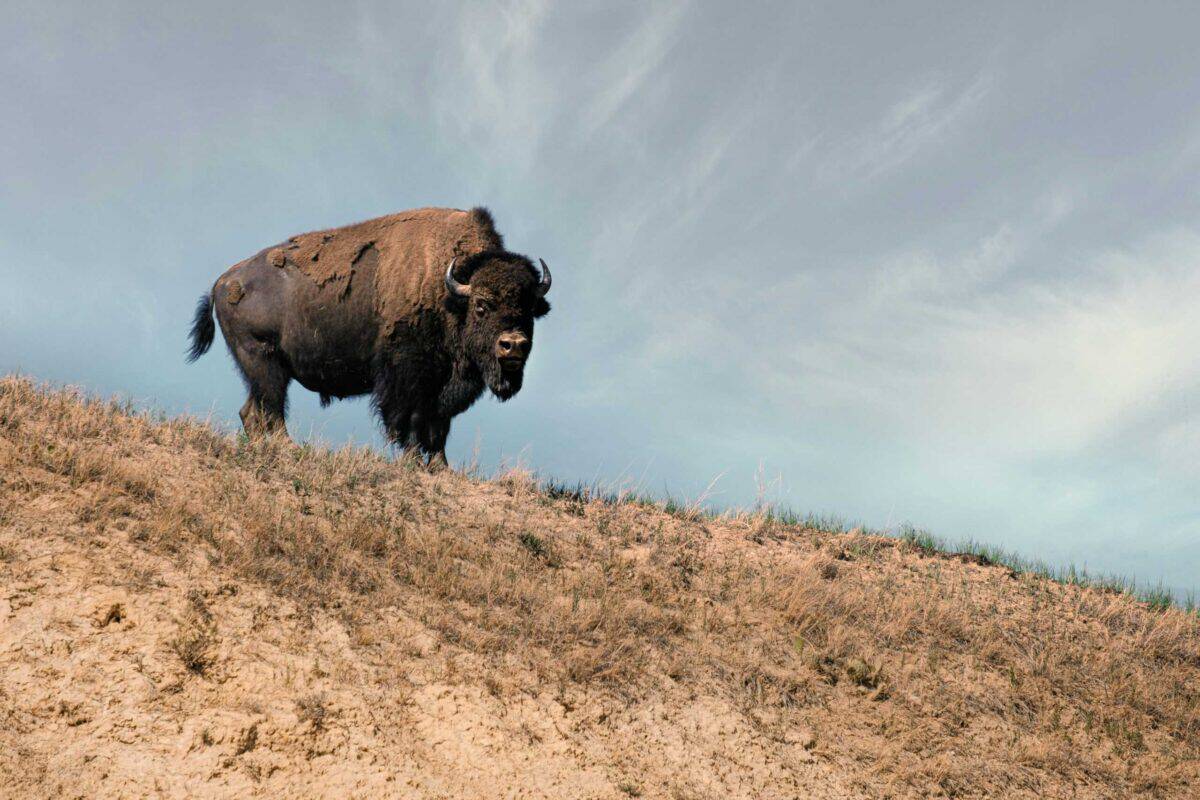
Before the bald eagle was chosen as the national symbol of the United States, the American bison was seriously considered for the honor. In the late 18th century, when the founding fathers were establishing national symbols, there was significant support for the bison as an emblem of American strength and the frontier spirit. Benjamin Franklin famously opposed the eagle, preferring the wild turkey, while others championed the bison as uniquely American. Though the eagle ultimately prevailed, the bison’s cultural significance never diminished. In 2016, this historical oversight was partially corrected when President Obama signed the National Bison Legacy Act, officially designating the American bison as the national mammal of the United States. This designation recognizes the bison’s historical, cultural, and ecological importance to the nation and acknowledges its remarkable comeback from near-extinction.
5. Bison Played a Central Role in Native American Culture

For many Plains Indian tribes, the American bison represented much more than just sustenance—it was the center of their material, spiritual, and cultural life. Tribes like the Lakota, Blackfeet, Comanche, and Cheyenne developed their entire way of life around the bison, using virtually every part of the animal. The meat provided food, hides became clothing, shelter, and containers, bones were crafted into tools and utensils, and even the dung (buffalo chips) served as essential fuel on the treeless plains. Beyond these practical uses, the bison held profound spiritual significance. Many tribes incorporated bison into their origin stories and religious ceremonies, viewing the animal as a sacred gift from the Creator. The White Buffalo Calf Woman, for instance, is a central figure in Lakota spirituality who brought sacred knowledge and practices to the people. The decimation of bison herds in the 19th century thus represented not just an ecological catastrophe but a devastating cultural loss for these indigenous nations.
4. Bison Engage in Communal Defense Against Predators
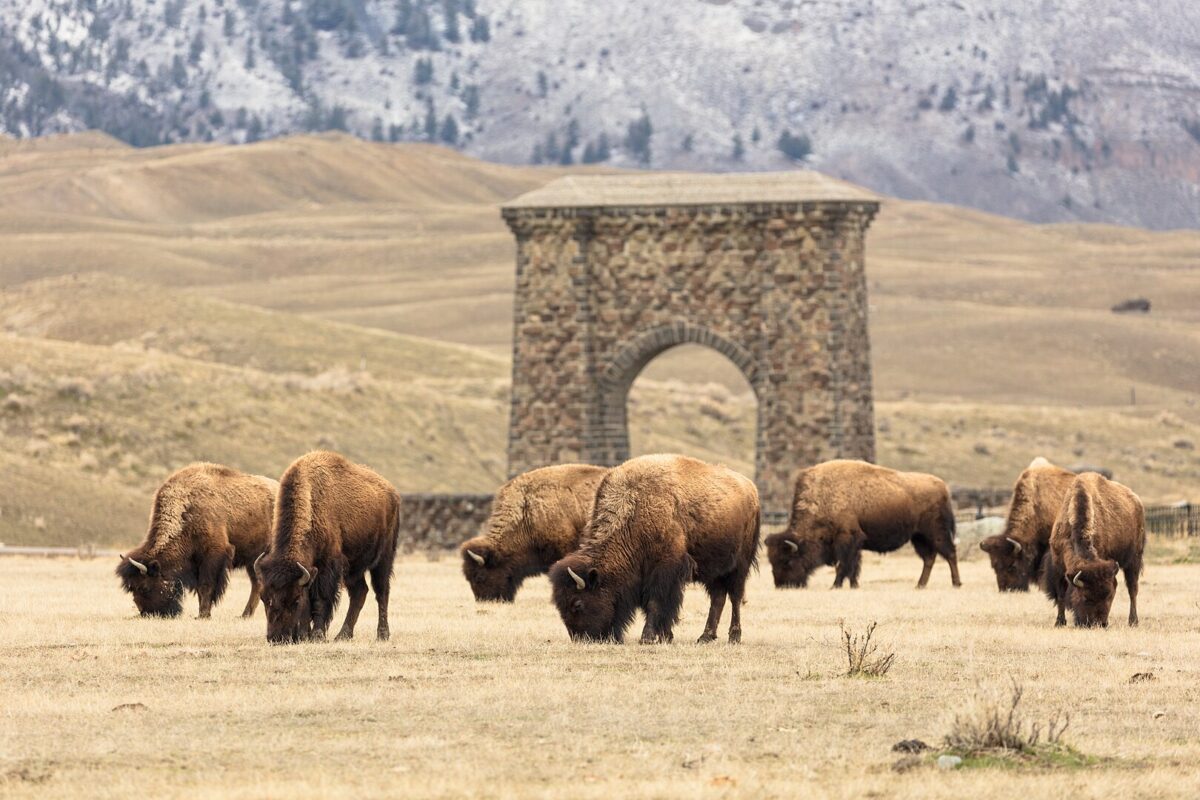
When faced with threats from predators like wolves or bears, bison display remarkable cooperative defense strategies that highlight their social intelligence. Rather than scattering, which would leave vulnerable individuals exposed, the herd typically forms a protective circle with adults facing outward and calves sheltered in the center. This “wagon wheel” formation presents would-be attackers with a formidable wall of horns and hooves. Bull bison will often position themselves at the most threatened points of the circle, using their greater size to deter predators. Research has documented instances where adult bison will actively charge predators that come too close to calves, even when the calves aren’t their own offspring. This cooperative defense reflects the strong social bonds within bison herds and contributes significantly to their collective survival. Historically, this defensive strategy was effective against their natural predators, though it made them more vulnerable to human hunters who could exploit their protective instincts.
3. Bison Have a Complex Social Structure

Contrary to the perception of bison as simple herd animals, they maintain sophisticated social organizations that change seasonally. For most of the year, bison form gender-segregated groups, with females and young calves in maternal herds while mature bulls form separate bachelor groups or live solitarily. During the summer rut (breeding season), these groups merge as bulls compete for mating opportunities. Within these herds, researchers have identified distinct hierarchies and individual relationships that persist over time. Dominant females lead herd movements and have priority access to feeding grounds, while established dominance among males reduces the need for physical confrontations. Studies using GPS tracking have revealed that certain experienced females serve as “decision-makers” during migrations, guiding the herd to seasonal feeding grounds remembered from previous years. This complex social structure, combining individual relationships with collective decision-making, helped bison herds navigate the vast American plains and respond effectively to environmental challenges.
2. Their Ecological Impact Extends to Birds and Insects

The ecological influence of bison extends far beyond the plants they graze, creating ripple effects that benefit diverse wildlife communities including birds and insects. As bison graze, they create varied vegetation heights that provide habitat for different grassland bird species—some requiring short grass for nesting, others taller grass for cover. Research has documented higher nesting success for certain ground-nesting birds in areas with bison compared to cattle or ungrazed areas. Additionally, bison wallows—depressions created when bison roll in dirt—collect rainwater and create ephemeral pools vital for amphibians and aquatic insects in otherwise dry landscapes. The bison’s shaggy winter coat, when shed in spring, provides nesting material for birds and small mammals. Perhaps most significantly, bison dung supports entire insect ecosystems, with over 300 beetle species documented feeding on or laying eggs in fresh bison dung. These insects, in turn, become food sources for birds and small mammals, demonstrating how a single keystone species can support biodiversity across multiple trophic levels.
1. Bison Have Been Central to Conservation History

The American bison holds a special place in conservation history as one of the first species to inspire a nationwide conservation movement. By the late 1800s, with bison teetering on the edge of extinction, a small group of forward-thinking individuals including Theodore Roosevelt, William Hornaday, and the Bronx Zoo’s staff established the American Bison Society in 1905 to save the species. Their efforts represented one of the first deliberate wildlife conservation programs in American history. The society arranged for captive-bred bison to be sent to newly established reserves like Yellowstone National Park and the National Bison Range in Montana. This pioneering conservation work not only saved the bison but helped establish principles and practices that would influence wildlife management for decades to come. The story of the bison’s recovery—from fewer than 1,000 individuals to over 500,000 today—remains one of the most successful species recovery stories, though concerns about genetic diversity and habitat limitations continue to challenge conservation efforts.
Conclusion
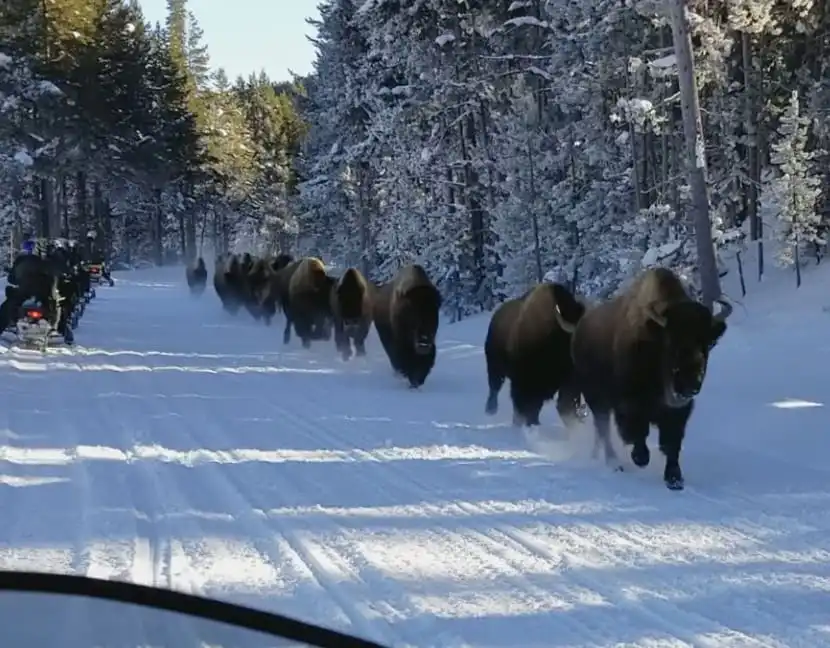
The American bison is more than just a symbol of the American West—it’s a living testament to resilience, ecological importance, and cultural significance. From their astonishing speed and strength to their critical role in shaping prairie ecosystems, bison continue to inspire awe and respect. Their near-extinction and subsequent recovery reflect both the destructive power and the potential of human intervention. As we deepen our understanding of these remarkable animals, we also recognize the importance of protecting and preserving them—not just as a species, but as a vital part of North America’s natural and cultural heritage.

As a little kid, I fell in love with nature, wildlife, and animals. Living in the USA, South Africa, Italy, China and Germany gave me the opportunity to discover the world's Wildlife. My favorite animals are Mountain Gorillas, Siberian Tigers, and Great White Sharks.
I'm a certified PADI Open Water Diver, went to Everest Base Camp and Trekked Gorillas in Uganda. I hold a Master of Science in Economics and Finance.
Please send any feedback to feedback@animalsaroundtheglobe.com
- 13 Cat Breeds That Get Along with Dogs - July 20, 2026
- The 12 Largest Dog Breeds That Still Love to Cuddle - July 20, 2026
- 12 Pet Habits That Secretly Mean They Love You - July 20, 2026