
Ask someone under 30 what dog ownership looks like, and they’ll describe biometric microchips, subscription kibble boxes, and a vet who texts appointment reminders. Ask a 1980s dog owner the same question, and you’ll get a story that sounds almost illegal by today’s standards.
Because it kind of was. Not officially, not yet, but the gap between then and now is so wide it’s almost funny. Stick around, because some of what used to be considered completely normal dog care would get a modern owner a stern talking-to from a vet, a neighbor, or possibly animal control.
#1 – No Poop Bags, No Rules, No Shame
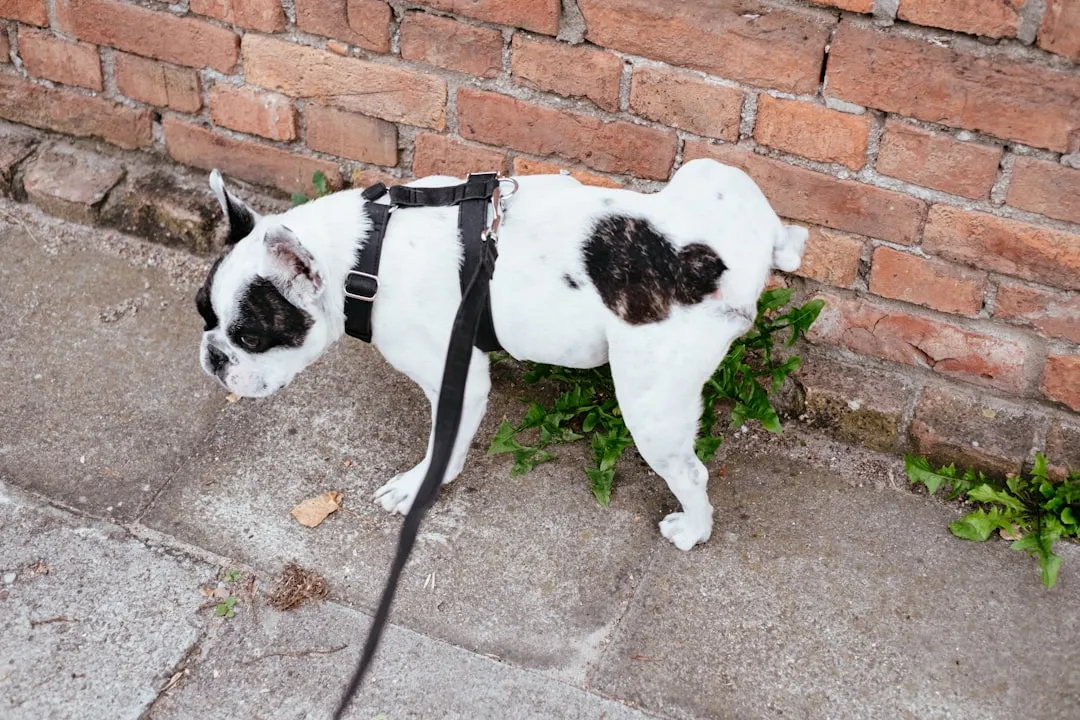
Picture a sidewalk in 1985. Now picture it covered in landmines nobody bothered to clear. That was just Tuesday. Plastic waste bags weren’t stocked on every store shelf, and most neighborhoods had no scoop laws at all, so owners let it lie or nudged it into the grass with a shoe and kept walking.
Cities didn’t start seriously fining people until the very end of the decade, and even then enforcement was practically theoretical. Stepping over a mess on your own front lawn wasn’t an inconvenience worth mentioning. It was just part of owning a dog, the same way you expected a little dirt on your shoes.
#2 – Dogs Rode Loose in the Back of Pickup Trucks
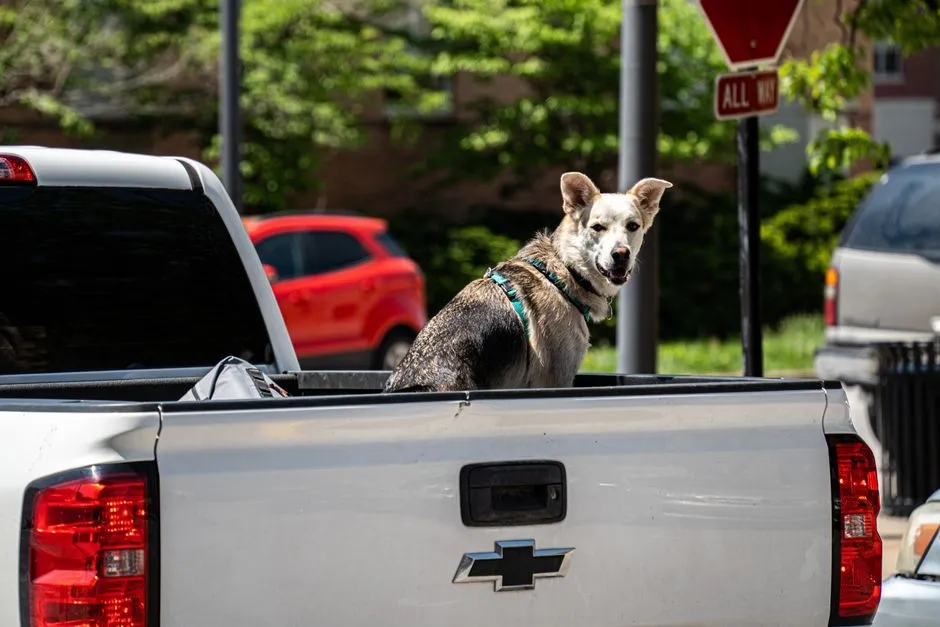
Nobody blinked twice at a dog standing in an open truck bed, ears flapping, paws sliding around on every turn. Highway speeds, sudden braking, gravel roads, none of it prompted a second thought. The dog just balanced there, and the owner just drove.
Crates were rare and retractable leashes barely existed yet, let alone the padded harnesses people now clip into a back seat like a car seat for a toddler. Dogs survived those rides through pure luck and four-legged balance, and most people never once considered it dangerous. It was simply how a dog got a ride to the hardware store.
#3 – Mall Pet Shops Sold Puppies Like Impulse Buys
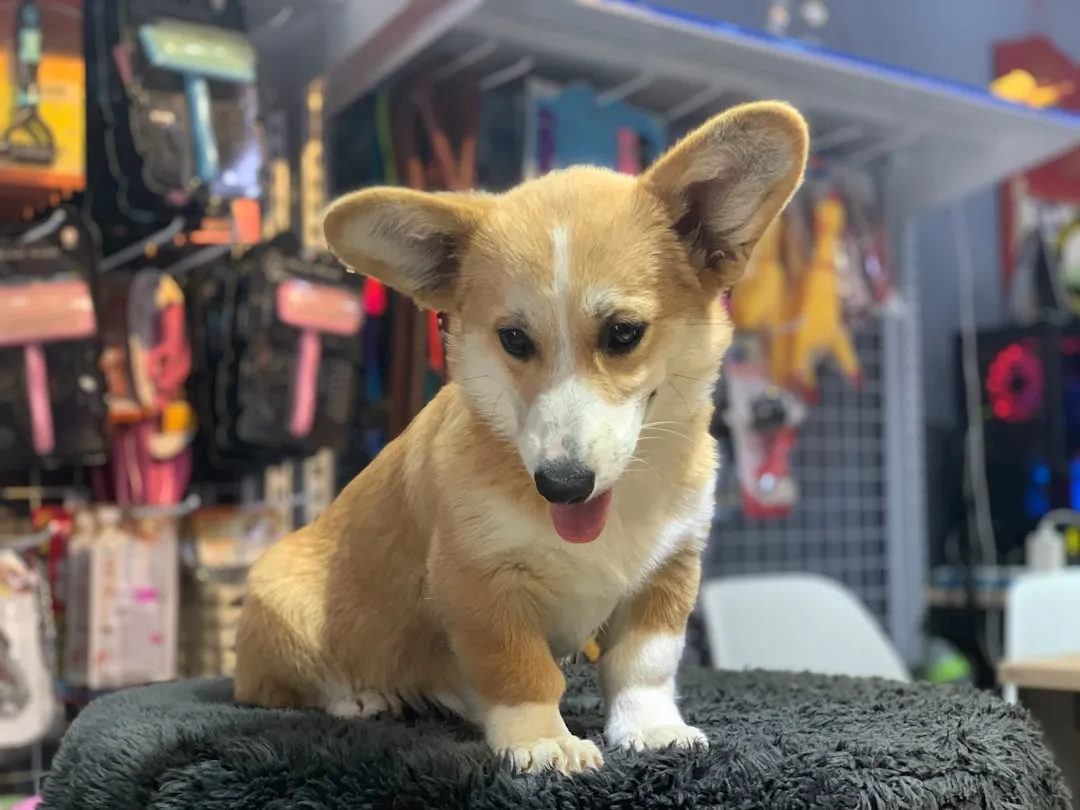
Walk through any mall in 1983 and you’d pass a glass display case with purebred puppies stacked up like merchandise, price tag included. There was no breeder to research, no health certificate to request, because the entire concept of checking a breeder’s reputation online didn’t exist yet.
People bought puppies the way they bought a new sweater, on a whim, during a Saturday shopping trip. Genetic screening and health testing weren’t things buyers asked about, so bringing home a sick puppy that same afternoon happened constantly, and most families just accepted it as bad luck rather than a red flag.
Worth Knowing
- Reputable breeders today expect calls, references, and sometimes a home visit before you even meet a puppy.
- Health certificates, vaccination records, and genetic screening are now standard paperwork, not an afterthought.
- Many states and cities have since banned retail puppy sales tied to commercial breeding operations entirely.
- Online breeder reviews and rescue databases didn’t exist yet, so word of mouth was the only screening tool available.
#4 – Training Meant a Library Book and Trial by Error
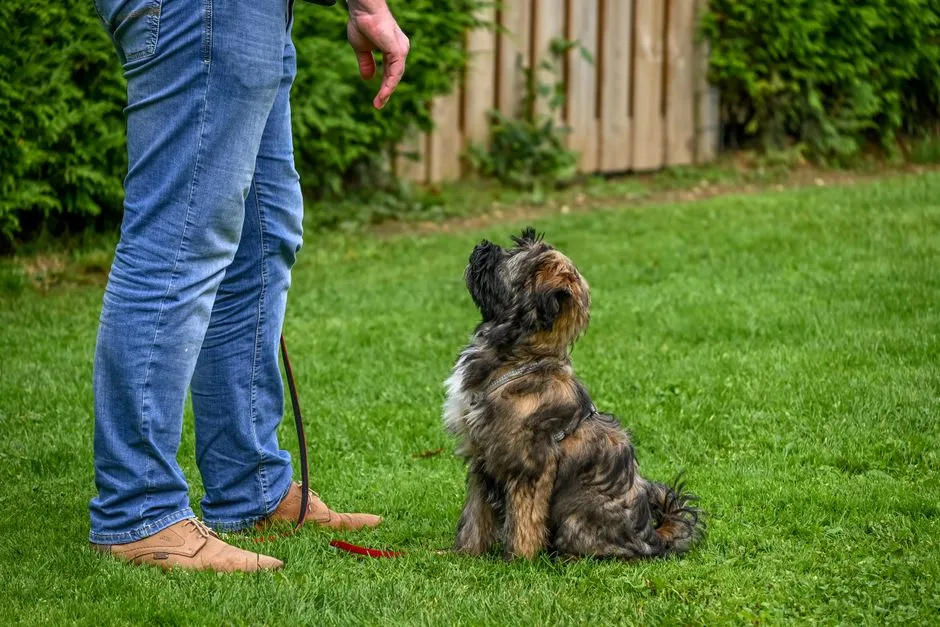
There were no YouTube tutorials, no certified trainers running Instagram accounts, no apps buzzing with reminders to practice recall. New owners walked into the public library, grabbed whatever paperback was on the shelf, and hoped the advice inside actually worked.
Some of those books pushed outdated dominance theory. Others offered nothing more scientific than “be firm and repeat it.” Dogs still learned sit, stay, and come, but mostly through sheer repetition, scolding, and owners winging it as they went. It worked often enough that nobody questioned the method.
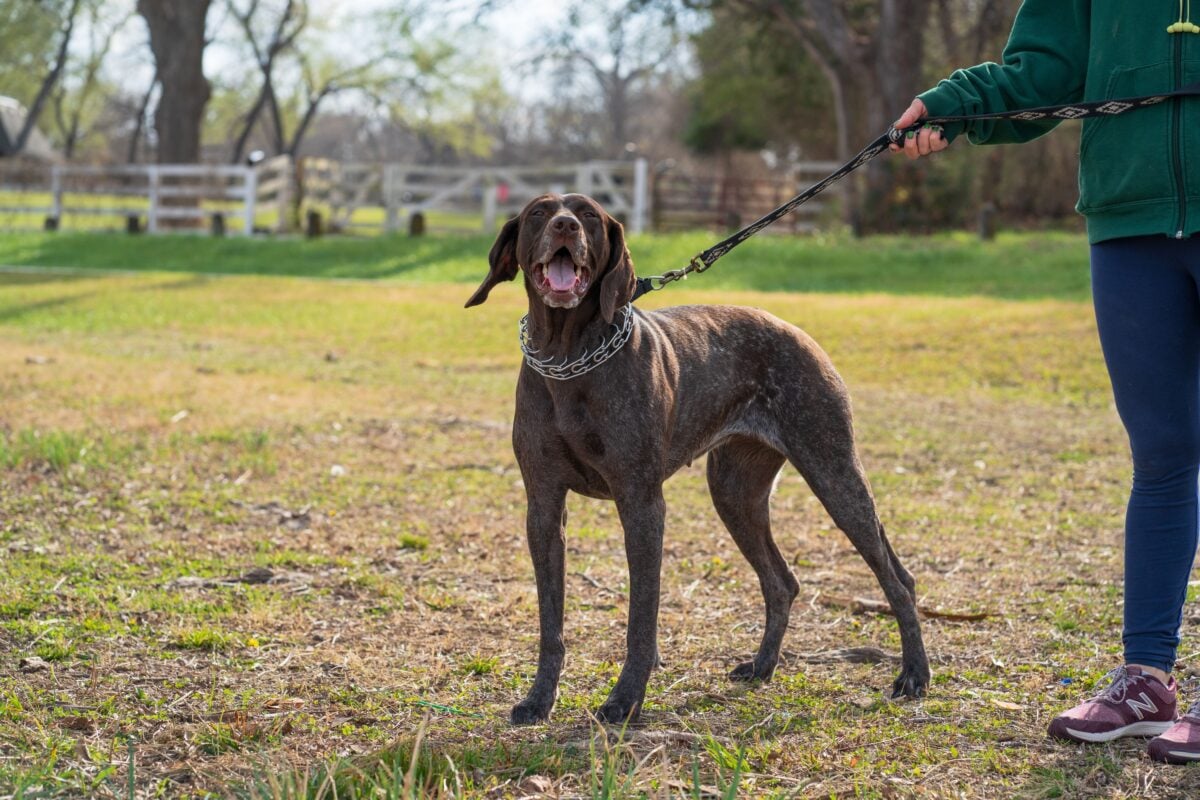
#5 – Choke Chains Were Considered Basic Gear
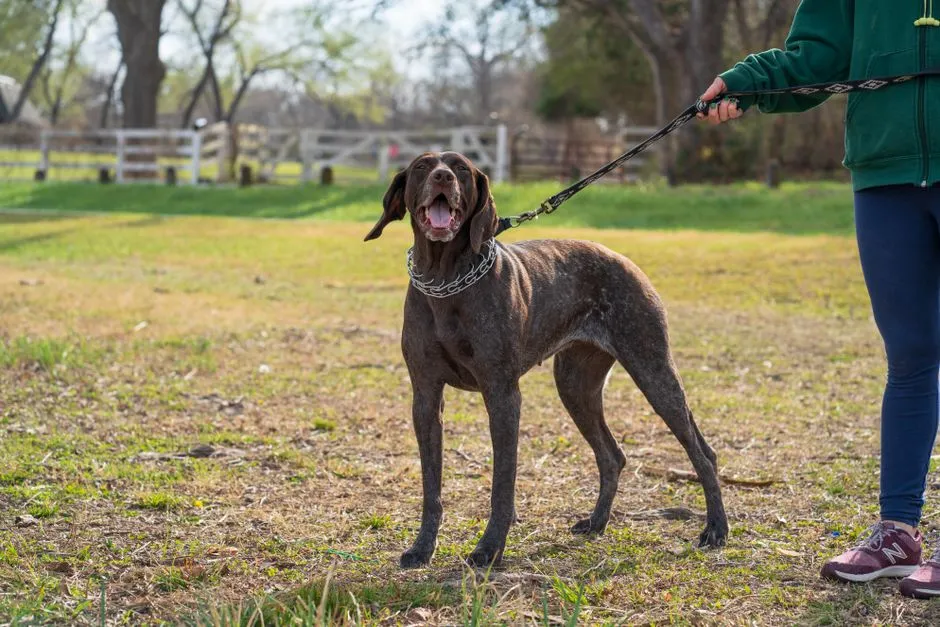
Nearly every dog wore a metal choke collar for walks, and trainers openly recommended a sharp yank on the leash as a correction technique. It wasn’t seen as harsh. It was just how you got a dog’s attention, sold right there in the same pet aisle as the food bowls.
Nobody connected the coughing, the neck strain, or the long-term injuries some dogs developed to the tool doing the damage. It took decades and a shift toward positive reinforcement training before choke chains fell out of favor, and the idea that they might be actively harmful barely registered at the time.
#6 – Flea Control Meant Dipping Your Dog in Chemicals
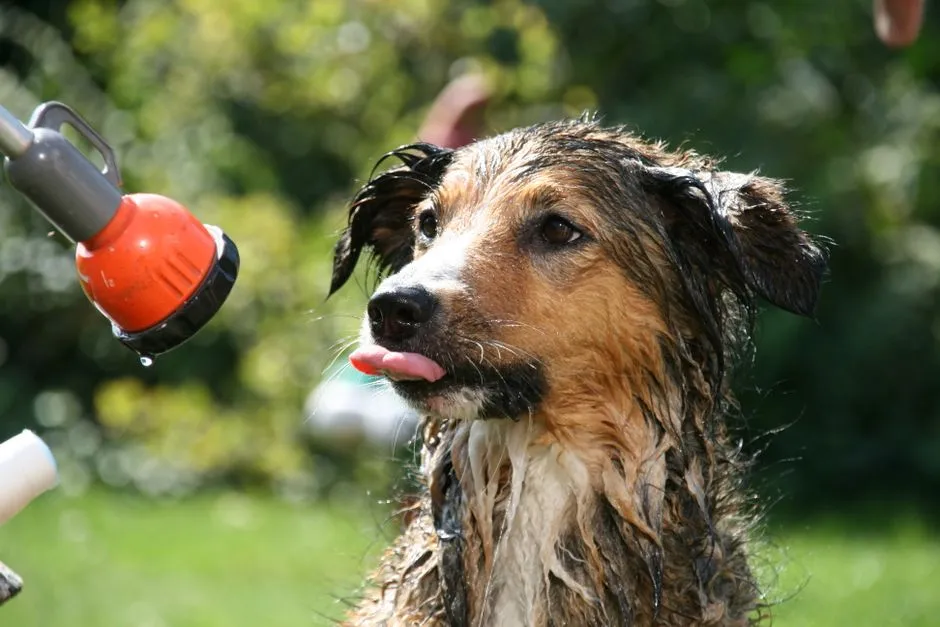
There was no monthly chewable tablet, no spot-on treatment you applied and forgot about. Flea season meant a chemical dip, a strong-smelling collar, or both, and baths only happened when the fleas became genuinely unbearable or the dog started to smell.
Those dips were harsh, sometimes harsher on the dog than on the fleas they were meant to kill. Owners weren’t reading ingredient labels or worrying about pesticide exposure. They just wanted the itching to stop, and whatever worked fastest usually won out over whatever might have been safest.
#7 – Spaying and Neutering Was Just an Option, Not an Expectation
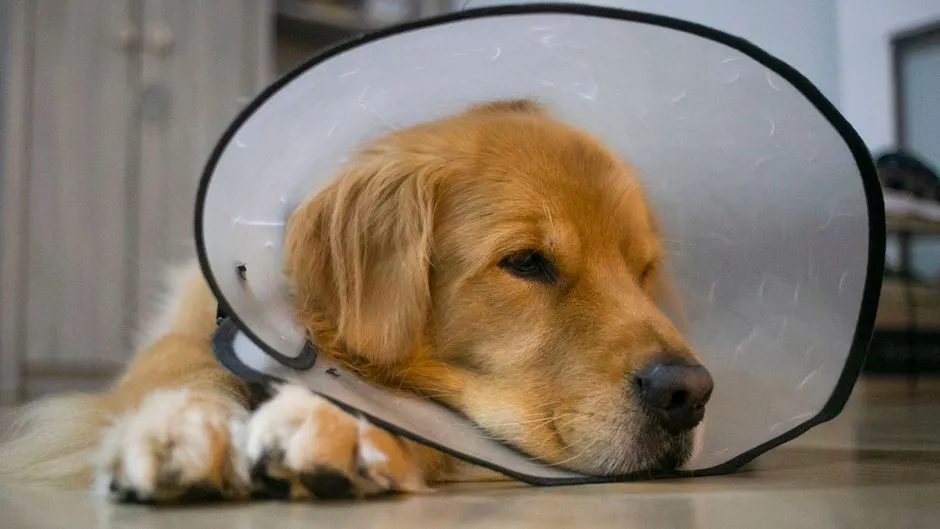
Vets didn’t push it the way they do now, and neighbors didn’t raise an eyebrow if your dog stayed intact for life. Litters happened often, sometimes by accident, and puppies got handed out free to anyone willing to take one home.
Some owners genuinely believed spaying or neutering would change a dog’s personality for the worse, and that belief spread mostly through word of mouth rather than anything a vet actually said. There was no shelter overpopulation conversation dominating the culture yet, so the decision felt casual instead of urgent.
Quick Compare
- 1980s: Spay or neuter was a personal choice, rarely discussed at checkups.
- Today: Most vets recommend the surgery by six months old and many shelters require it before adoption.
- 1980s: Free puppies from unplanned litters were common on neighborhood bulletin boards.
- Today: Municipal spay and neuter programs actively work to reduce shelter intake numbers.
#8 – Real Bones and Rawhide Were the Only Chew Options
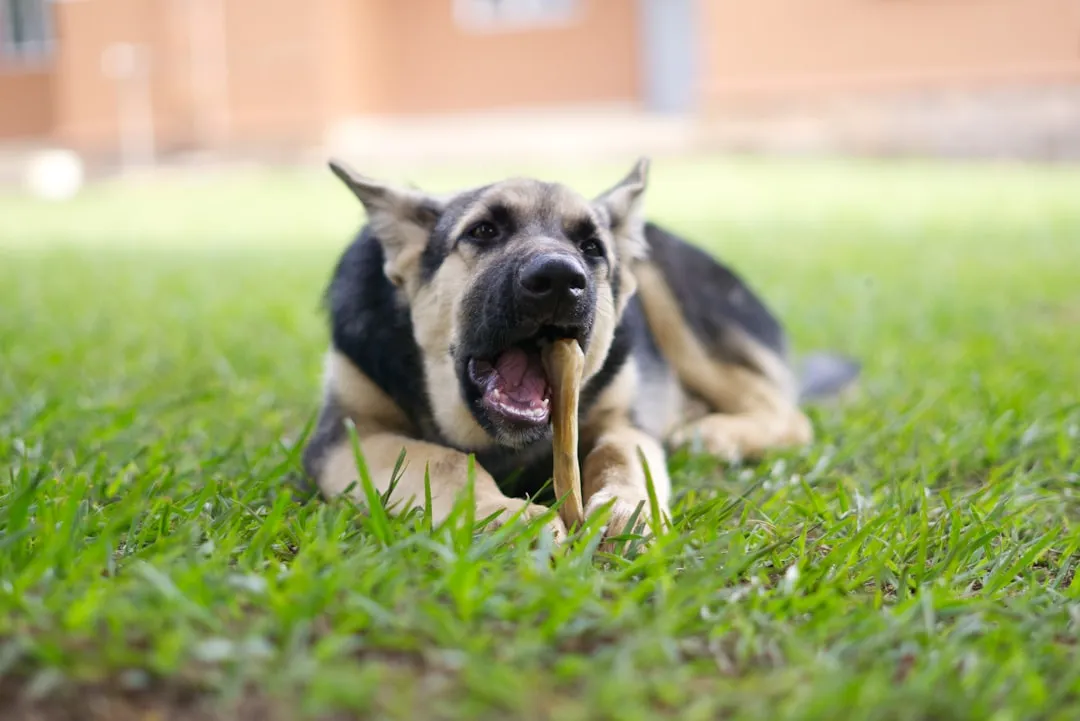
Dogs gnawed on actual beef bones from the butcher counter or thick rawhide strips, because dental sticks and rubber toys engineered by veterinary dentists simply didn’t exist. It felt natural, almost old-fashioned in a good way.
What rarely got discussed was how often those bones splintered, sending a dog into emergency surgery after a sharp piece tore something on the way down. Owners just didn’t connect the dots until it happened to their own dog, and even then, most people assumed it was a fluke rather than a pattern.
#9 – No Crates, No Harnesses, No Containment at All
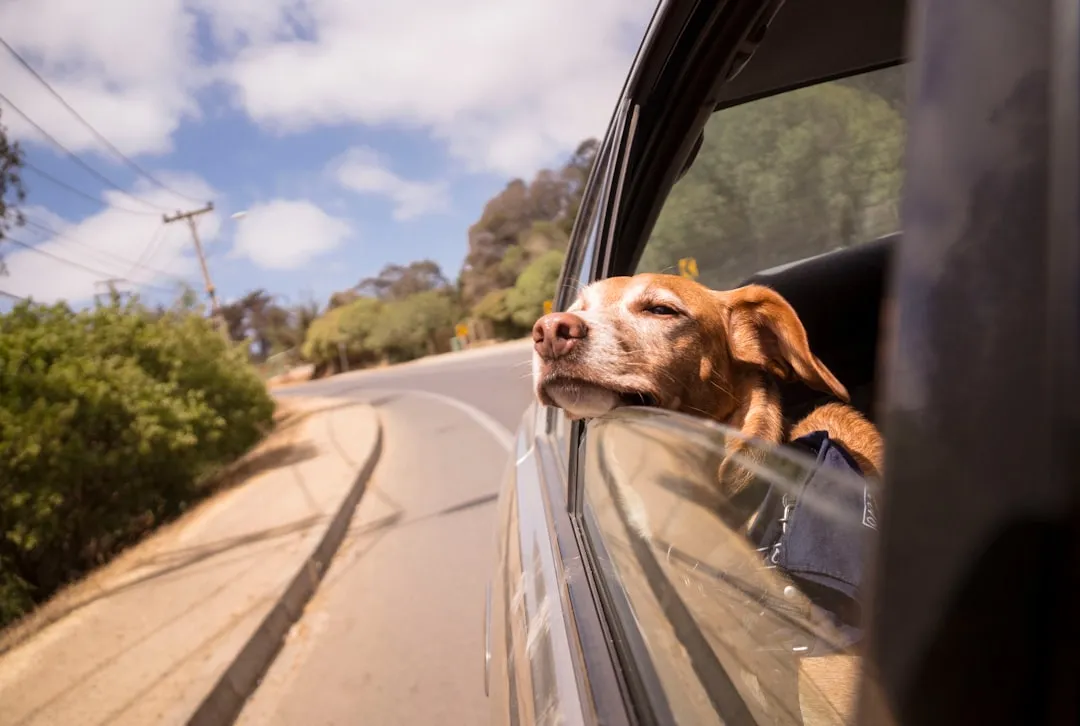
Car rides meant the dog sat loose on the back seat or sprawled in the way-back of the station wagon, no barrier, no belt, nothing. Crates existed, but plenty of owners viewed them as cruel little cages rather than the safe, den-like space trainers now recommend.
Sudden stops sent dogs sliding into door panels or front seats, and nobody thought twice about it afterward. Pet seatbelt laws were still decades away from even being proposed, so a loose dog in a moving car wasn’t a safety oversight. It was simply the only option anyone knew.
#10 – Every Dog Photo Cost Money and Took Patience

Capturing your dog mid-jump or curled up asleep meant loading actual film into a camera, hoping the shot came out, and then waiting days or weeks to get it developed at the drugstore. Most families ended up with a small handful of dog photos total, tucked into an album or a shoebox.
There was no scrolling through hundreds of accidental phone photos to find the perfect one. Every printed picture that turned out well became something close to a family treasure, precisely because it was rare, imperfect, and irreplaceable in a way digital photos never quite are.
At a Glance
- A roll of film typically held just 24 or 36 exposures for an entire month of moments.
- Photos took days to develop at a drugstore counter before you even saw the results.
- Blurry or poorly timed shots were simply lost forever, no delete-and-retry option.
- Today’s owners can snap unlimited photos instantly and share them in seconds.
#11 – One Annual Vaccine Schedule Fit Every Dog
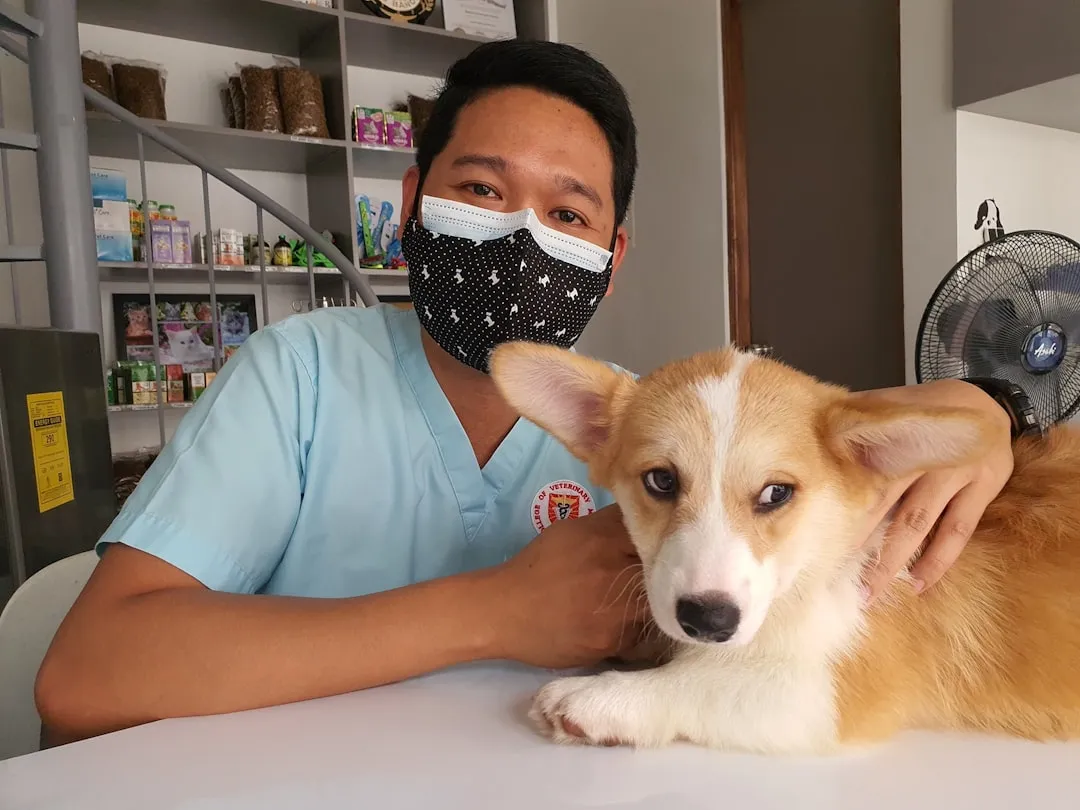
Core shots happened once a year, period, with no conversation about titers, customized schedules, or spacing vaccines out based on a dog’s lifestyle or risk level. Vets followed one calendar for every dog that walked through the door.
Nobody was raising concerns about over-vaccination back then, because the science and the awareness simply hadn’t caught up yet. And yet plenty of those heavily vaccinated dogs still lived long, healthy lives, which is its own strange little footnote to how much veterinary thinking has shifted since.
#12 – Dog Parks Weren’t a Thing Anywhere
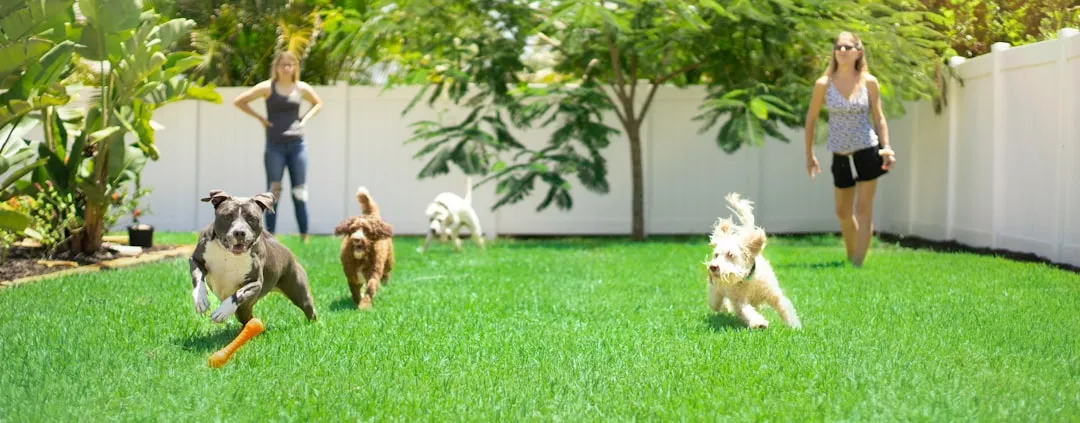
Socialization happened by accident, at the end of a rope in the backyard or during a chance meeting with a neighbor’s dog on a walk. There were no fenced-in spaces with separate sections for small dogs, water stations, or shaded benches for owners to chat on.
Plenty of dogs went their entire lives never meeting another dog outside their own household, and nobody considered that a problem worth solving. It was just the reality of the decade, and dogs adapted to it the same way they adapted to everything else.
#13 – Pet Insurance Barely Existed as a Concept
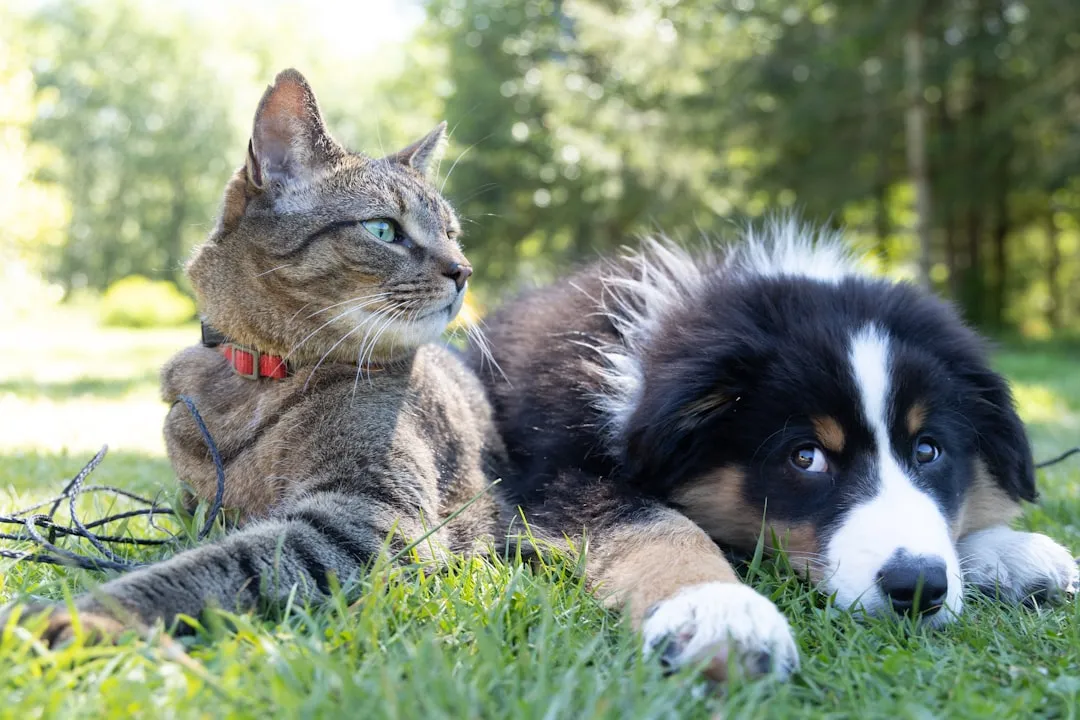
A major vet bill back then meant paying cash on the spot or making an impossible decision at the counter. Insurance policies for pets were rare, expensive, and largely unknown to the average family, so most people simply absorbed the cost or, heartbreakingly, chose euthanasia when the bill grew too large.
There was no safety net, no monthly premium quietly protecting against a surprise surgery. Owners either had the money that day or they didn’t, and that harsh reality shaped decisions in a way today’s insured pet owners rarely have to face.
Fast Facts
- The U.S. market penetration rate reached 3.9% of 163.6 million pets – 5.5% for dogs and 2.0% for cats as of 2024.
- The total number of insured pets in the U.S. has more than doubled from 3.1 million in 2020, showing how far the safety net has come.
- The average annual premium for an accident and illness plan for dogs stood at $749.29 in 2024, a cost that simply didn’t exist for most 1980s owners.
#14 – Neighborhood Dogs Roamed Free All Day, Every Day

Plenty of suburban dogs spent entire afternoons wandering the block completely unsupervised, and owners trusted them to show up back home around dinnertime. Leash laws technically existed on paper in most towns, but enforcement was loose enough that nobody really worried about it.
Somehow, an enormous number of dogs survived traffic, stray-dog encounters, and general neighborhood chaos through what can only be described as street smarts. It’s the kind of freedom that feels almost fictional now, and it’s exactly the kind of bond writer Roger Caras was describing when he wrote about what dogs actually give us.
Dogs are not our whole life, but they make our lives whole.
Roger Caras
#15 – No DNA Tests Meant Mixed Breeds Stayed a Total Mystery

A mutt in the 1980s stayed a mutt forever, no cheek swab, no mail-in kit, no detailed breed breakdown ever coming to clear things up. Owners guessed at parentage purely based on looks, ear shape, or a hunch about which neighborhood dog might have been involved.
Health issues that popped up later in life often went completely unexplained, because there was no genetic testing to connect a condition to a specific breed tendency. Families just chalked it up to bad luck rather than biology, and that uncertainty was simply part of loving a dog you couldn’t fully explain.
#16 – Raw Feeding Was Considered Reckless, Not Trendy

Commercial kibble dominated every recommendation a vet or a pet store clerk would give you, and feeding raw meat was treated as borderline dangerous, something that would draw warnings about bacteria and nutritional imbalance. A small, quiet group of owners still fed table scraps and bones anyway, mostly without telling anyone.
That raw feeding movement stayed almost entirely underground for years, passed along through word of mouth rather than the wellness blogs and influencer accounts that promote it today. What’s considered a premium, intentional choice now was once seen as something slightly reckless, even a little embarrassing to admit to.
Why It Stands Out
- Raw feeding once carried a stigma; now it’s marketed as a premium, health-conscious choice.
- Entire commercial pet food brands now exist solely around raw and fresh diets.
- Vets today are more likely to discuss raw feeding openly, even if opinions still vary widely.
- What was once a quiet, word-of-mouth practice is now a visible, influencer-driven trend.
#17 – Vets Actually Came to Your House
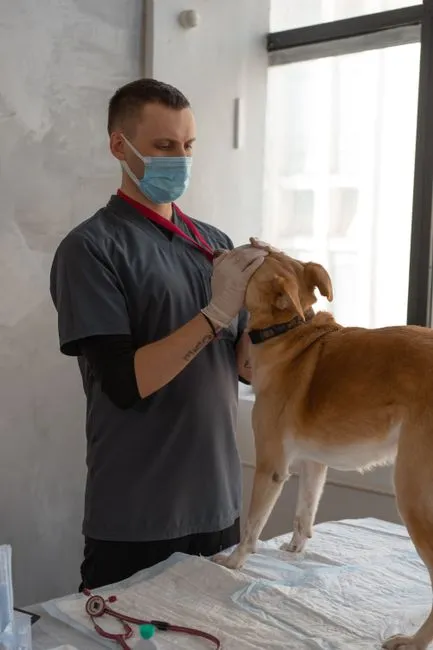
Plenty of veterinarians still made house calls for routine shots and basic checkups, driving straight to a family’s home instead of the other way around. There was no waiting room packed with anxious dogs straining against their leashes, because the appointment happened right there on the kitchen table.
Owners loved the convenience, and dogs were visibly less stressed without a car ride and a room full of strange animals. That personal touch disappeared fast once corporate veterinary clinics expanded and centralized care, and it’s one of the few things from that era that genuinely sounds better than what replaced it.
The Bottom Line
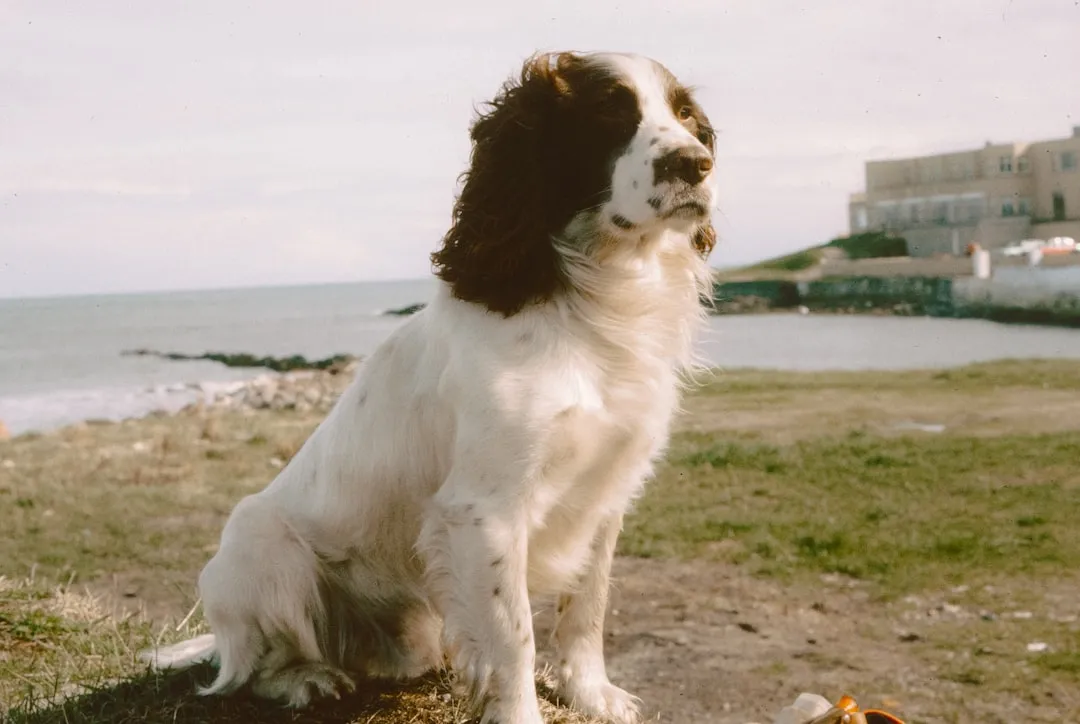
Owning a dog in the 1980s wasn’t gentler or simpler, it was just less protected, on every side. Fewer rules, fewer products, and a whole lot more trust that things would probably work out fine, even when the odds weren’t actually in the dog’s favor.
Some of it deserves nostalgia, the freedom, the loose leash laws, the house-call vet who knew your dog by name. But plenty of it deserves the reforms that eventually came, because dogs back then paid a quiet price for all that convenience.
The real takeaway isn’t that 1980s owners loved their dogs less. It’s that they simply knew less, had less, and somehow made it work anyway. Did we miss one that still makes you wince? Drop it in the comments.
