
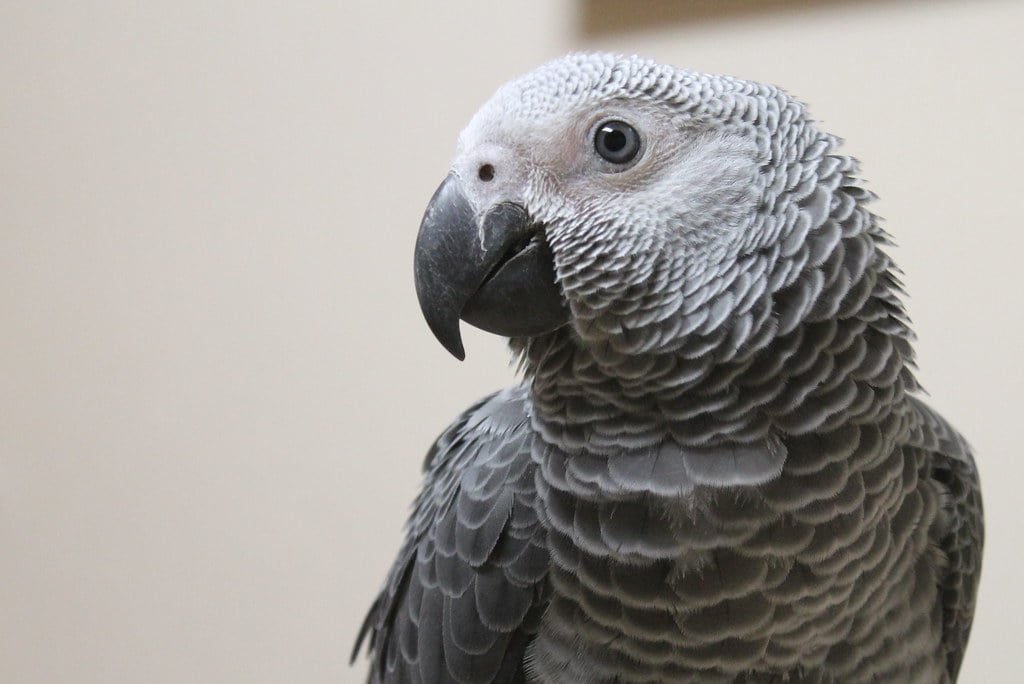
Most people assume a vet tech’s job is simple: check the bird, treat the bird, send it home. It isn’t. Behind almost every appointment with an owner over 65, a seasoned tech is running a second, unspoken checklist – one that has less to do with feathers and more to do with tremor, memory, grip strength, and grief.
Birds are notorious for hiding illness until it’s almost too late. What most people don’t expect is that their elderly owners are hiding things too – and the clues show up in cage grime, feeding routines, and body language long before anyone says a word out loud. Here’s what veterinary insiders actually see, and rarely admit to saying out loud.
#1 – The Cage Cleanliness Tells a Story Before the Bird Does
🔥 Would you like to save this?
We'll email this post to you, so you can come back to it later!
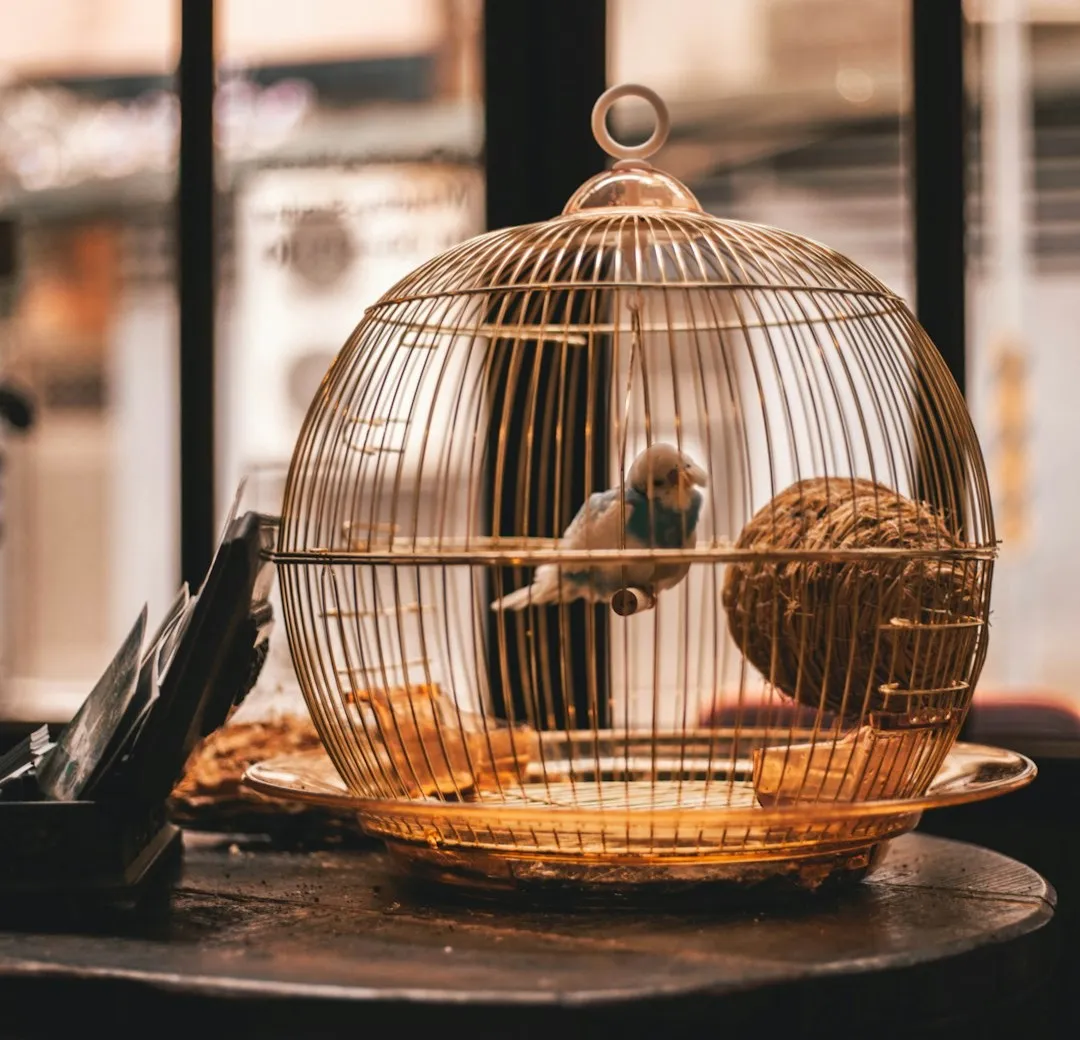
Vet techs say the first five seconds of unpacking a carrier reveal more than the intake form ever will. A cage lined with weeks-old droppings isn’t automatically neglect. Often it’s the fingerprint of arthritis, fatigue, or a body that simply can’t kneel down and scrub anymore. Techs quietly clock whether the grime is fresh or ground-in, because that timeline tells them how long the struggle has actually been going on.
What surprises newer staff is how often these owners are mortified and apologize repeatedly before anyone even asks. Experienced techs have learned not to react with judgment. A messy cage frequently means the bird’s food and water bowl got prioritized over the owner’s own comfort while their joints simply refused to cooperate. It’s one of the fastest, quietest ways to spot a caregiver who needs almost as much help as the bird sitting in front of them.
#2 – Nail and Beak Overgrowth Signals Skipped Grooming Visits
🔥 Would you like to save this?
We'll email this post to you, so you can come back to it later!
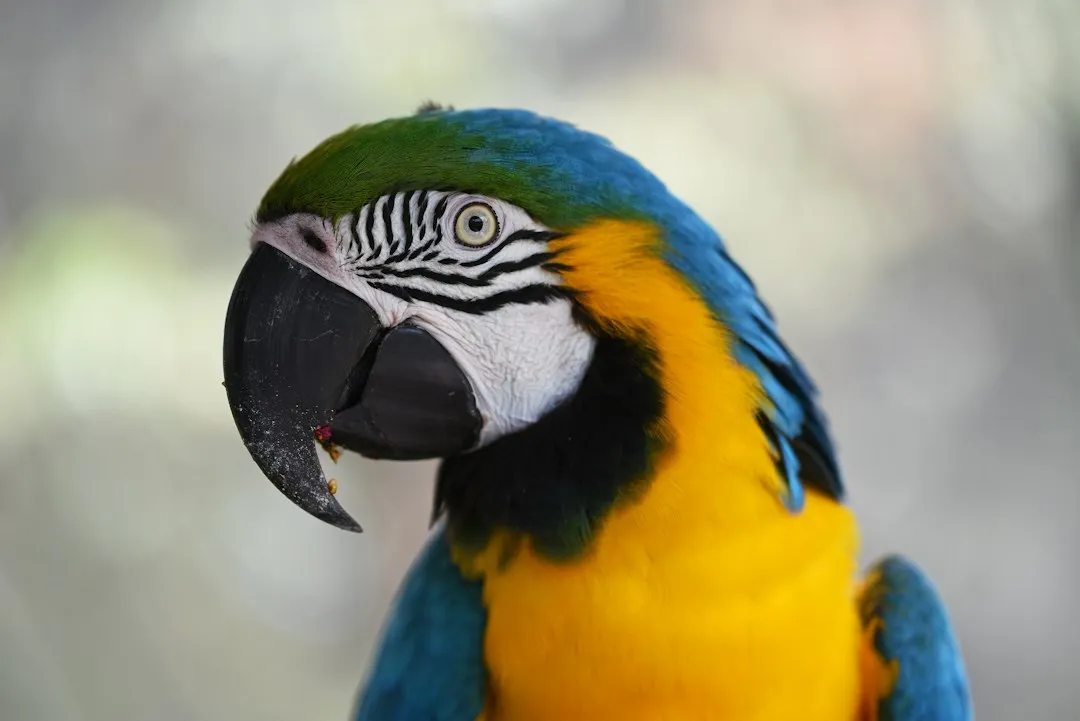
Overgrown nails and beaks happen across every owner age group, but techs notice a distinct pattern in older clients: slow, creeping overgrowth rather than sudden neglect. Grooming appointments are usually the first “extra” to quietly disappear once driving at night starts feeling risky, or once a ride to the clinic depends on someone else’s schedule.
This isn’t a cosmetic detail. Overgrown nails can cause pressure sores on a bird’s feet, and an unchecked beak can interfere with eating. Instead of asking “why hasn’t this been trimmed,” techs learn to ask something gentler, like “how’s the drive been for you lately?” The real culprit usually isn’t forgetfulness. It’s logistics. Once this pattern shows up twice, many clinics quietly start offering house-call grooming referrals without making it a whole conversation.
Fast Facts
- Most pet birds need nail trims roughly every 4 to 8 weeks, depending on species and activity level.
- Beaks generally need attention every 6 to 12 weeks if a bird lacks natural wear surfaces like rough perches.
- Overgrown nails are a leading cause of preventable foot sores in older pet birds.
- House-call grooming services have grown steadily as more clinics respond to transportation gaps in senior clients.
#3 – Feather Condition Often Reflects Emotional Bonding, Not Just Diet
🔥 Would you like to save this?
We'll email this post to you, so you can come back to it later!
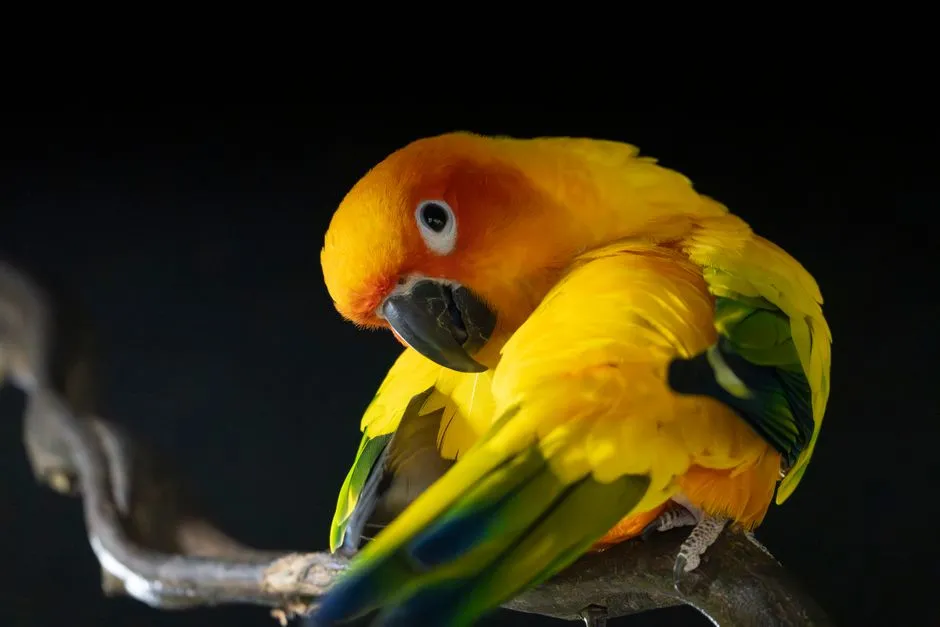
Feather quality gets blamed on diet more than almost anything else, but techs say something surprising: owners over 65 often bring in some of the shiniest, best-preened birds they see all week. Retirement means more one-on-one time, and birds that get consistent daily attention show it in their plumage, posture, and confidence.
Then there’s the flip side. Techs also see patchy, stress-barbered feathers on birds belonging to owners who recently lost a spouse or downsized into a smaller home. Feather picking spikes hard after major life disruption. That’s why vet techs now ask about recent household changes almost as routinely as they ask about diet – because in these households, emotional stress in the home shows up on the bird first, long before it shows up anywhere else.
#4 – Grip Strength Changes How Birds Are Held and Transported
🔥 Would you like to save this?
We'll email this post to you, so you can come back to it later!
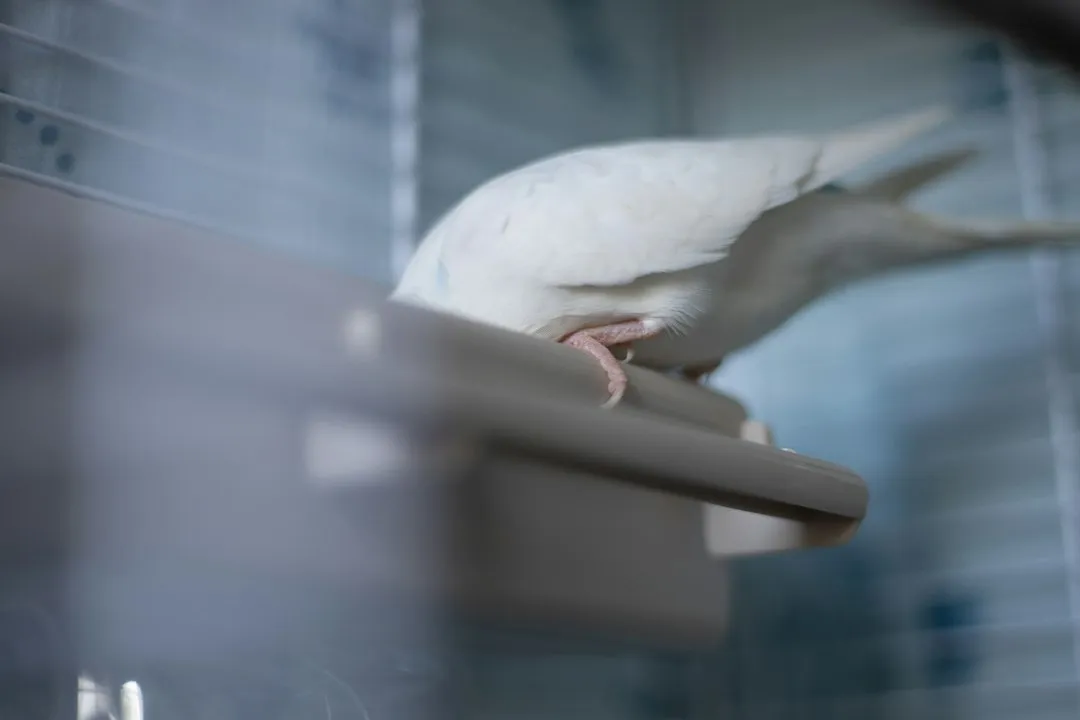
Techs watch how a bird gets carried into the room, and older owners often reveal physical limitations without saying a single word. A white-knuckle grip on the carrier handle, or a visible tremor while setting it down, are quiet, reliable signs of arthritis or early neurological changes.
This matters clinically because birds read hesitation instantly. A shaky or uncertain hold can spook an otherwise calm bird, which throws off the whole behavioral read during the exam. That’s why techs frequently offer to take the carrier themselves – not just as a courtesy, but as a quiet way to protect the owner’s dignity and keep the visit’s results accurate.
#5 – Medication Schedules Reveal Memory Concerns
🔥 Would you like to save this?
We'll email this post to you, so you can come back to it later!
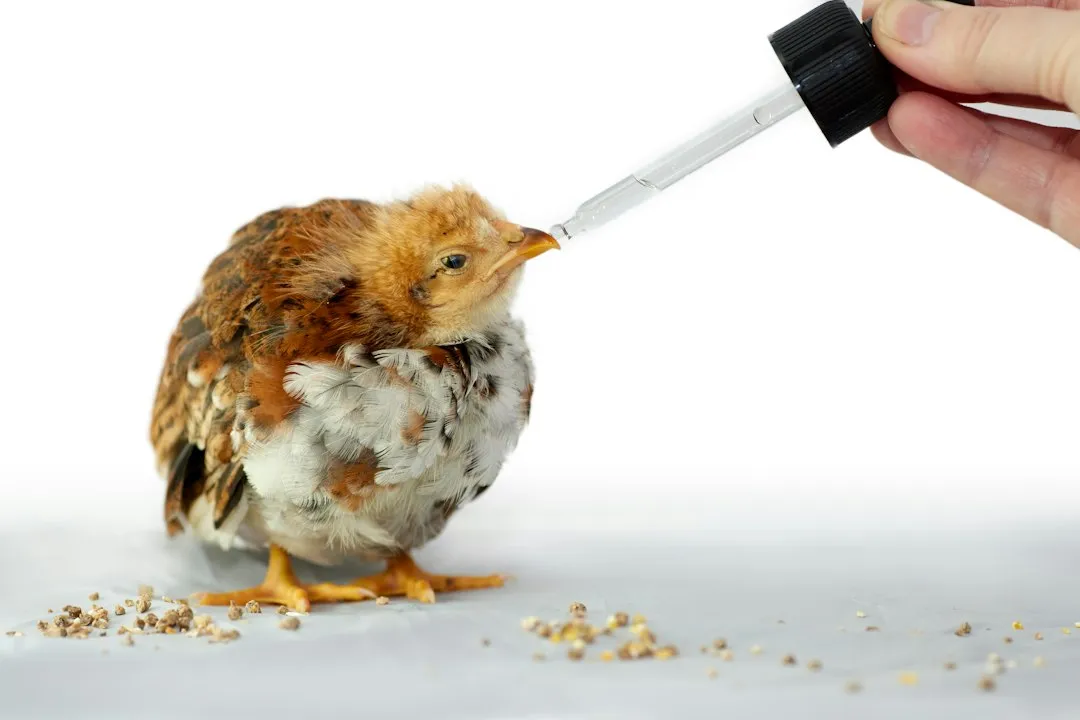
Bird medications – especially antibiotics or antifungals given three times a day – trip up even sharp, younger owners. Techs say missed or doubled doses are one of the most common, and most quietly worrying, patterns they see in the 65-plus crowd.
Rather than assuming carelessness, most techs now build in extra repetition, written instructions in larger font, and sometimes a repurposed pill organizer for liquid dosing schedules. Some clinics have started calling elderly owners the next day just to double-check dosing – not because the bird’s condition demands it, but because the pattern has become common enough to earn its own quiet care protocol.
#6 – Owners Often Downplay Their Own Health Struggles First
🔥 Would you like to save this?
We'll email this post to you, so you can come back to it later!
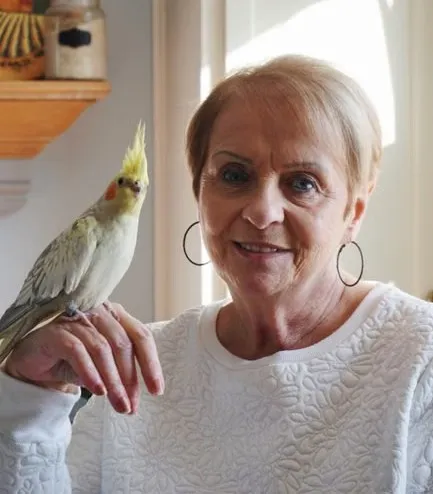
It’s a strange but consistent pattern: many older bird owners mention their own knee replacement, recent fall, or new vision trouble before they ever explain why the bird is actually there. Techs say this “self-disclosure before pet disclosure” habit is almost unique to this age group.
It isn’t oversharing. It’s context. Techs use those offhand comments to quietly reassess home safety – is the cage near stairs, near slick tile, somewhere a fall could happen while feeding the bird? A five-second mention of a hip replacement can completely change how a tech explains at-home care, swapping a complex daily regimen for something simpler and lower-effort.
#7 – Diet Choices Often Reflect Decades-Old (Outdated) Advice
🔥 Would you like to save this?
We'll email this post to you, so you can come back to it later!
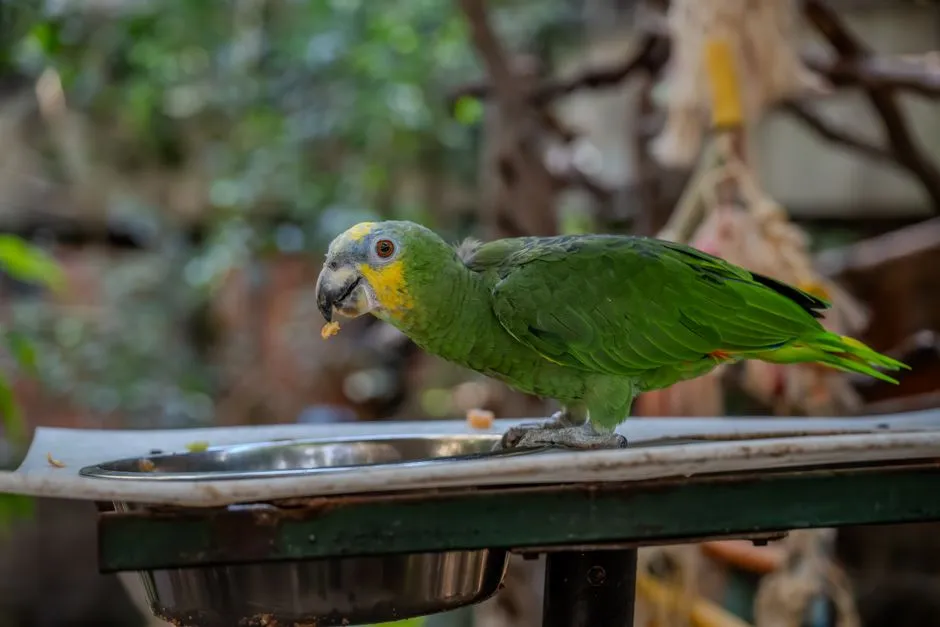
One of the most common friction points with older bird owners is diet. Many were told 20 to 30 years ago that an all-seed diet was perfectly healthy, and that belief has stuck hard. Undoing it usually takes several visits, not one lecture.
Here’s the part that gets a little controversial: some techs privately admit that pushing pelleted diets too aggressively on lifelong seed feeders can backfire, causing stress-related food refusal in birds that don’t adapt well to sudden change. The more effective approach many clinics quietly use now is a slow, blended transition – a method older owners respond to far better than an outright “you’re doing it wrong” conversation.
Quick Compare
- Old-school advice: Seed mix as the main or only food source, viewed as complete nutrition.
- Current guidance: Formulated pellets making up roughly 70 to 80 percent of the diet, with seeds as a smaller supplement.
- Old-school pace: Diet stays the same for decades once established.
- Current approach: Gradual, blended transitions over weeks rather than an abrupt switch.
#8 – Cage Placement Often Reveals Isolation, Not Just Room Layout
🔥 Would you like to save this?
We'll email this post to you, so you can come back to it later!
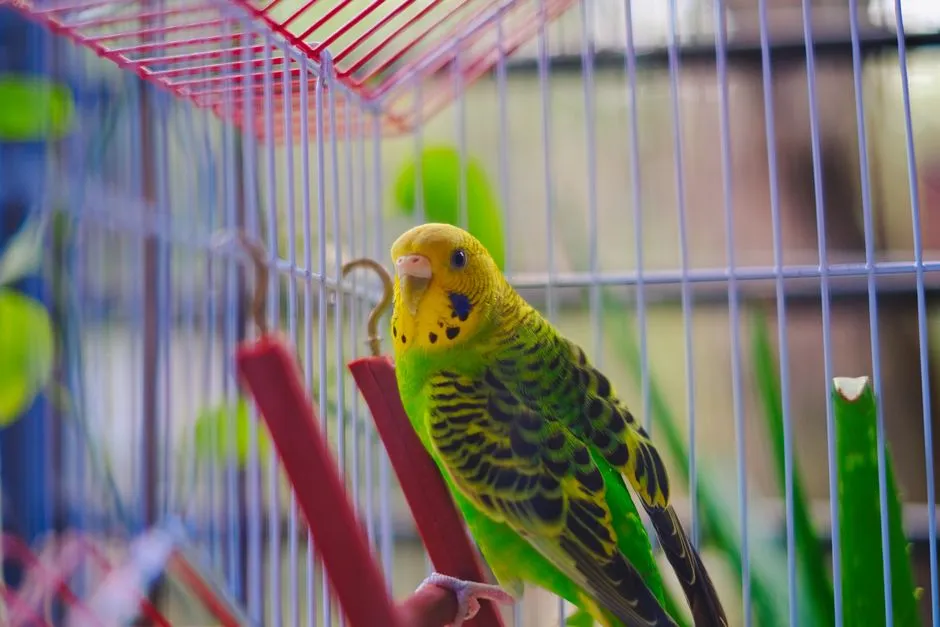
Techs say they can often gauge how socially isolated a household is just by asking where the cage sits during the day. A bird tucked away in a spare bedroom or garage, far from daily foot traffic, is a subtle red flag – not about the bird’s environment, but about the owner’s.
This matters more than people think. Birds are flock animals; they suffer psychologically without regular interaction, and so do many isolated seniors. When techs notice this pattern, some gently suggest moving the cage to the living room or kitchen. It’s a small change, but several long-time techs say it noticeably improves both the bird’s behavior and the owner’s mood by the next follow-up visit.
#9 – Owners Frequently Underreport Vocalization Changes
🔥 Would you like to save this?
We'll email this post to you, so you can come back to it later!
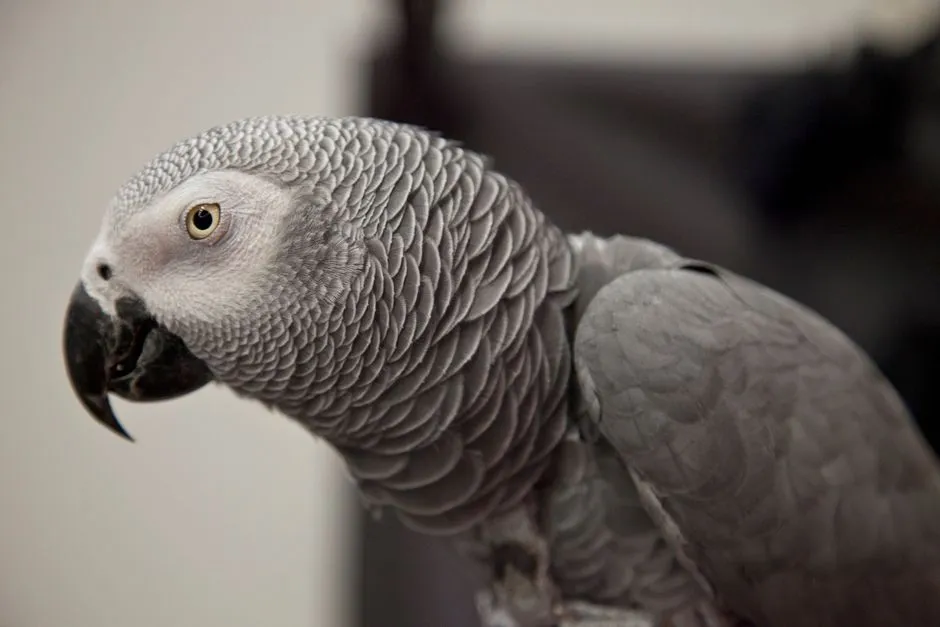
Older owners often live with months of new screaming, humming, or vocal quirks before ever mentioning it, chalking it up to “just aging” or “just personality.” Techs say vocal changes are one of the most under-reported early symptoms of pain or respiratory trouble in birds owned by seniors.
Part of this comes down to the owner’s own hearing. Mild hearing loss can bury a subtle wheeze or click that’s obvious the second a tech puts a stethoscope on the bird. That’s why many clinics now specifically ask, “has anyone else in the house mentioned new sounds?” A grandchild or caregiver often catches what the owner physically cannot.
#10 – Bird Longevity Sometimes Outpaces Owner Planning
🔥 Would you like to save this?
We'll email this post to you, so you can come back to it later!
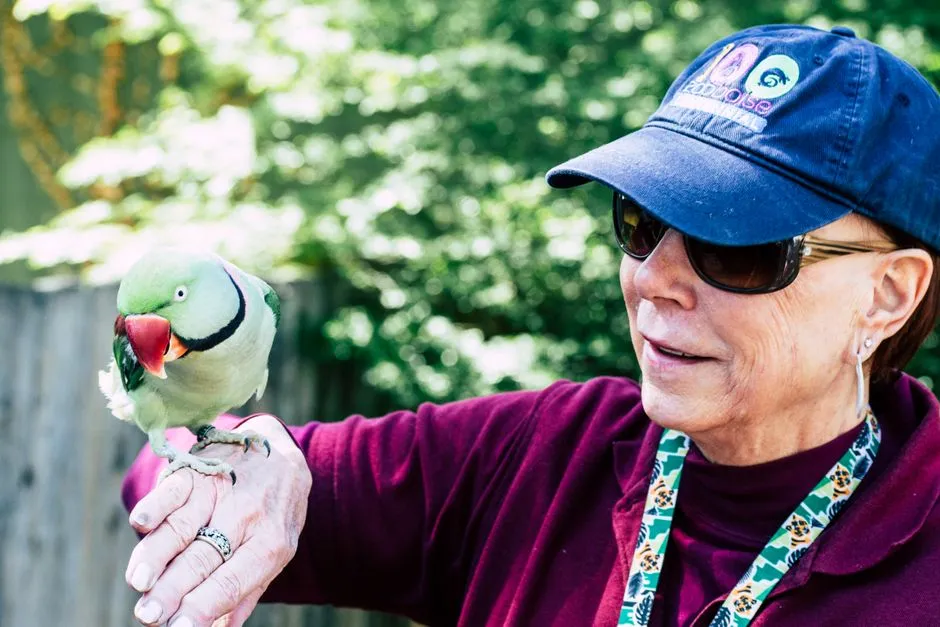
This is one of the heavier things techs notice: some owners over 65 are quietly, painfully aware that their macaw, cockatoo, or African grey may outlive them by decades. Larger parrot species can live 40 to 60-plus years, and that fact hits differently once you’re in your seventies.
Techs increasingly bring up rehoming or estate planning gently, not as a scare tactic but as a genuine kindness. Some clinics keep printed resources on hand just for this conversation, because they’ve watched how much visible relief owners feel once there’s a “just in case” plan written down instead of a worry they’ve been carrying silently into every single appointment.
At a Glance
- Budgies and cockatiels typically live 8 to 20 years with good care.
- African greys commonly live 40 to 60 years.
- Macaws and cockatoos can live 40 to 60-plus years, sometimes outliving several owners.
- A written care or rehoming plan is one of the most requested resources among senior bird owners once the topic is raised.
#11 – Owners Often Have Stronger Bird-Handling Instincts Than Younger Clients
🔥 Would you like to save this?
We'll email this post to you, so you can come back to it later!
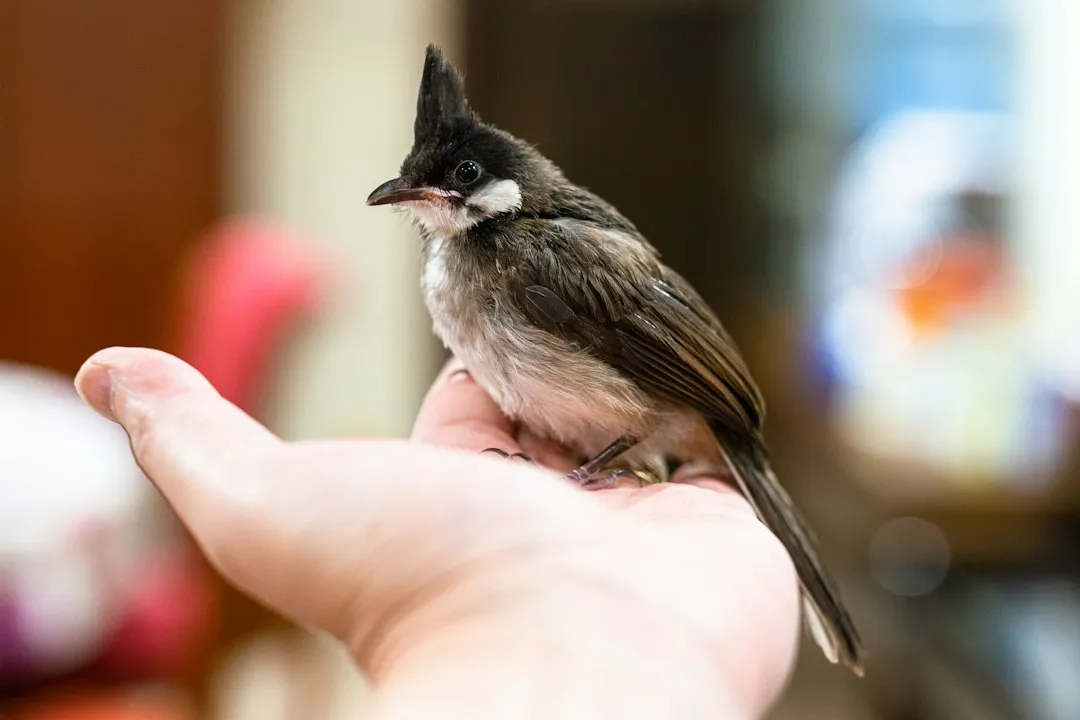
Here’s an opinion that stirs up debate in vet circles: many techs believe long-time owners over 65 have noticeably better bird-handling instincts than younger first-timers, simply from decades of trial and error. Confidence, timing, and reading subtle body language tend to come more naturally to this group.
That doesn’t mean mistakes don’t happen – they’re just different mistakes. Older owners are less likely to mishandle a bird out of fear, but more likely to be behind on updated nutrition science or newer enrichment recommendations. It’s a trade-off many techs quietly respect: less hands-on hesitation, occasionally more resistance to modern advice.
#12 – Vision Changes Affect Early Illness Detection at Home
🔥 Would you like to save this?
We'll email this post to you, so you can come back to it later!
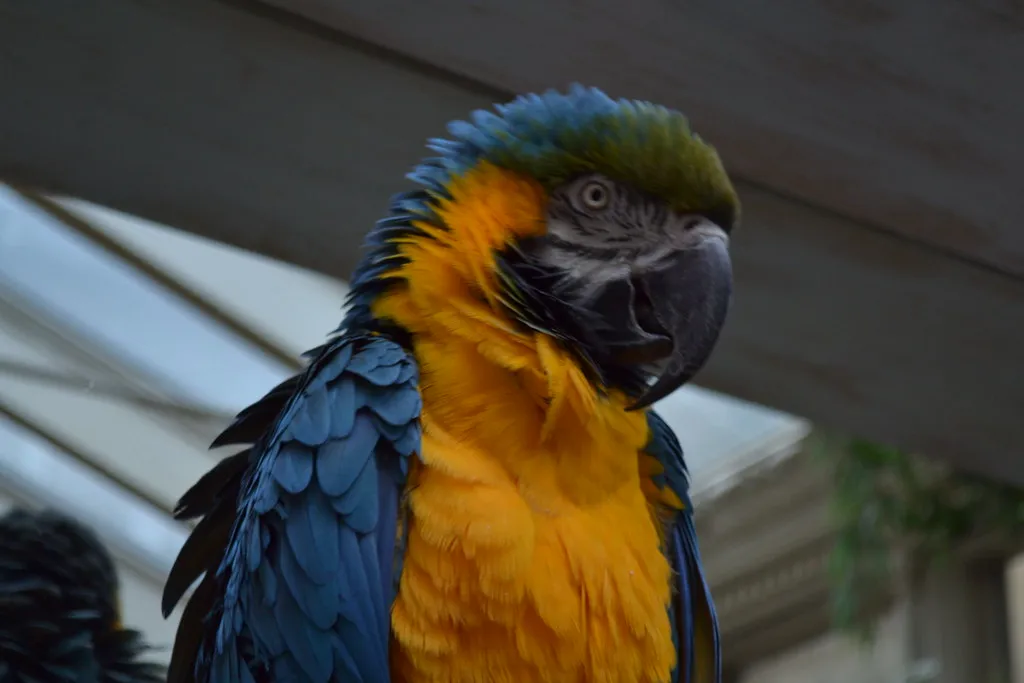
Birds are already experts at masking illness until it’s advanced. Add age-related vision changes into the mix, and techs say early warning signs – slight feather fluffing, discolored droppings, faint swelling – are far more likely to slip past unnoticed in households run by owners over 65.
This is why many techs now recommend small, practical fixes: brighter cage lighting, a magnified droppings tray, or scheduling wellness checks a little more frequently instead of relying solely on the owner to “notice something’s off.” It’s a minor operational shift, but several long-time clinic staff say it meaningfully improves early diagnosis rates in this age group.
#13 – Owners Frequently Personify Birds as Replacement Companionship
🔥 Would you like to save this?
We'll email this post to you, so you can come back to it later!
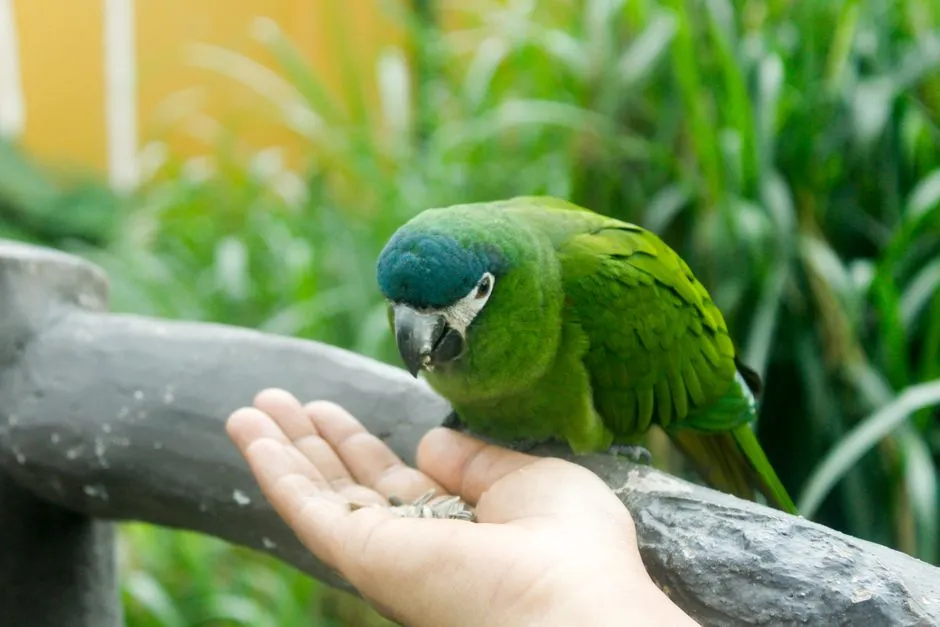
Techs consistently notice that birds owned by seniors – especially those who are widowed or living alone – get treated less like pets and more like life partners. This isn’t sentimentality talk. It directly changes clinical conversations around euthanasia, quality of life, and end-of-care decisions.
People forget that a bird can be the last living thing that greets someone by name every morning.
Common sentiment among long-time avian vet staff
Because of this depth of bond, techs say they slow everything down for this demographic – gentler language, more time, less rushed decision-making during hard conversations. Some have openly said these appointments are more emotionally demanding than almost any other client interaction, precisely because the loss isn’t just “a pet.” It’s often the last daily companion an owner has left.
#14 – Owners Often Under-Report Their Own Bird Bites
🔥 Would you like to save this?
We'll email this post to you, so you can come back to it later!
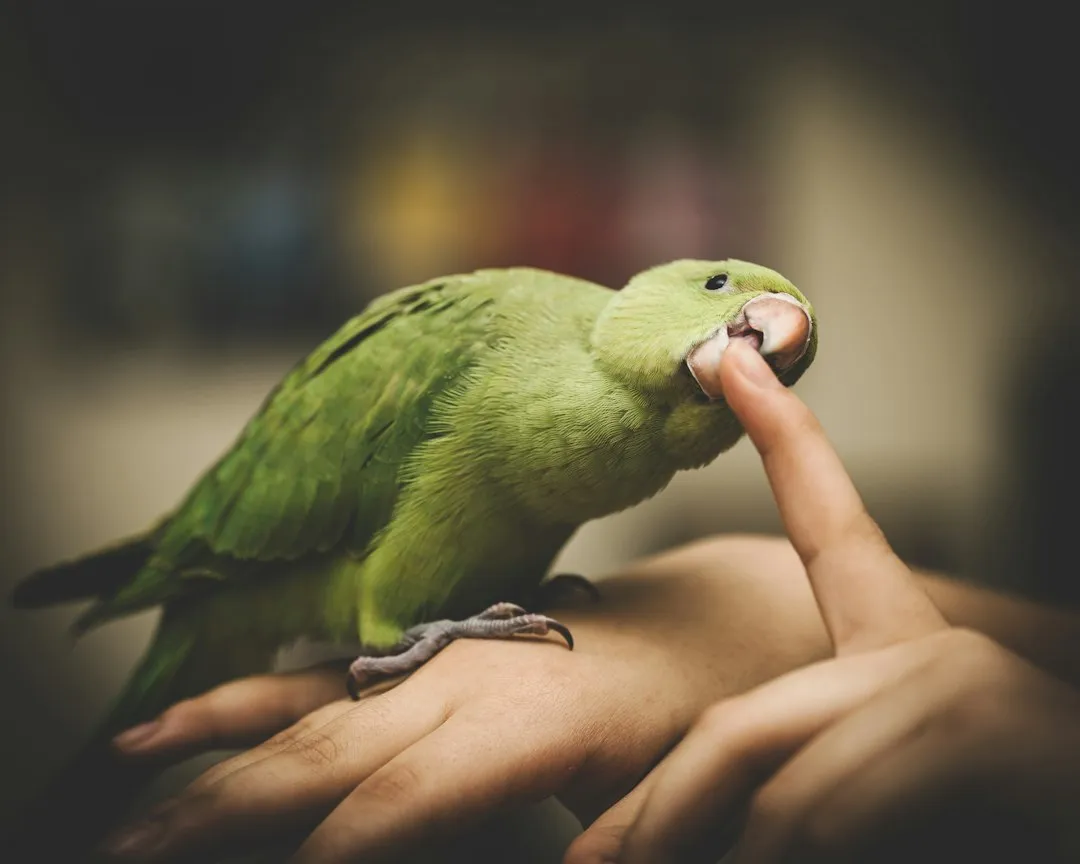
Younger owners tend to announce a bite immediately, sometimes dramatically. Older owners do the opposite – they downplay or completely hide bites, especially ones that break skin. Thinner, more fragile skin in seniors means what looks like a minor nip can turn into serious bruising or a slow-healing wound.
This matters clinically because untreated bite wounds in elderly patients carry a real infection risk. Techs have started weaving quick, casual skin checks into normal conversation – a glance at hands and forearms during intake, nothing formal. Several have caught infections early simply by noticing what the owner never brought up on their own.
#15 – Multi-Bird Households Are More Common in This Age Group
🔥 Would you like to save this?
We'll email this post to you, so you can come back to it later!
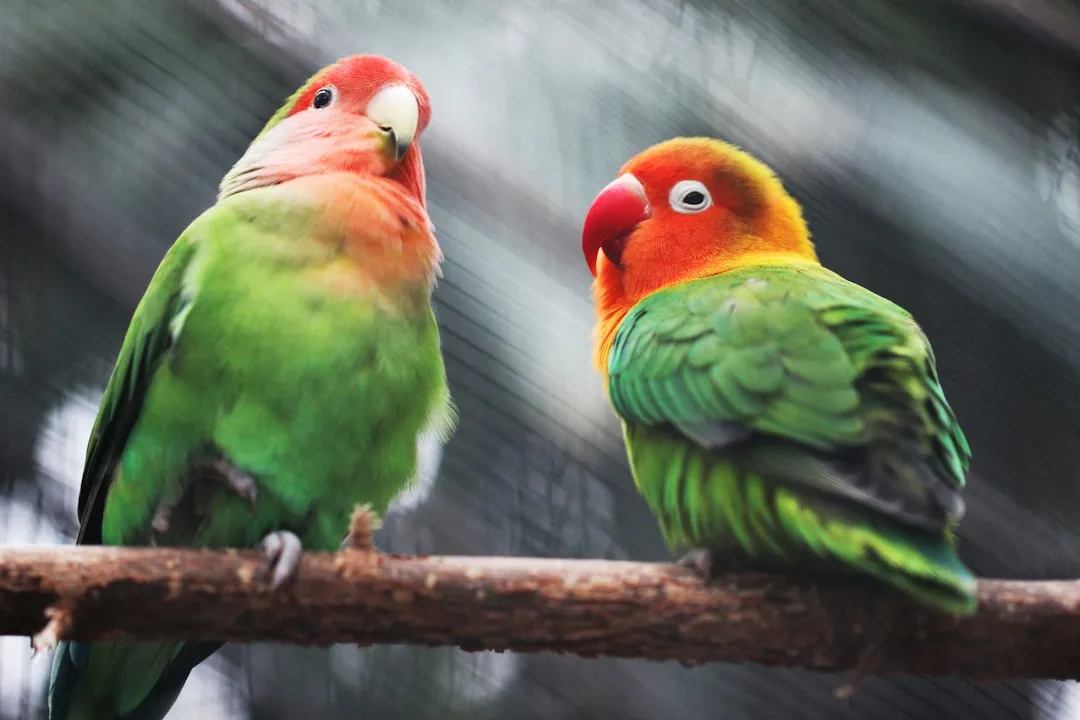
Techs report a clear pattern: owners over 65 are far more likely to have multiple birds, often collected over decades, compared to younger clients who usually start with just one. That changes the entire appointment – more complex history, more flock-dynamic questions, more layered attachment.
Here’s the controversial part. Some techs privately believe multi-bird elderly households are actually more attentive to individual bird needs, not less, because decades of watching multiple birds side by side have taught these owners to spot tiny differences in personality and health that younger, less experienced multi-pet owners routinely miss.
#16 – Cognitive Changes in Owners Sometimes Surface Through Bird Care Gaps
🔥 Would you like to save this?
We'll email this post to you, so you can come back to it later!
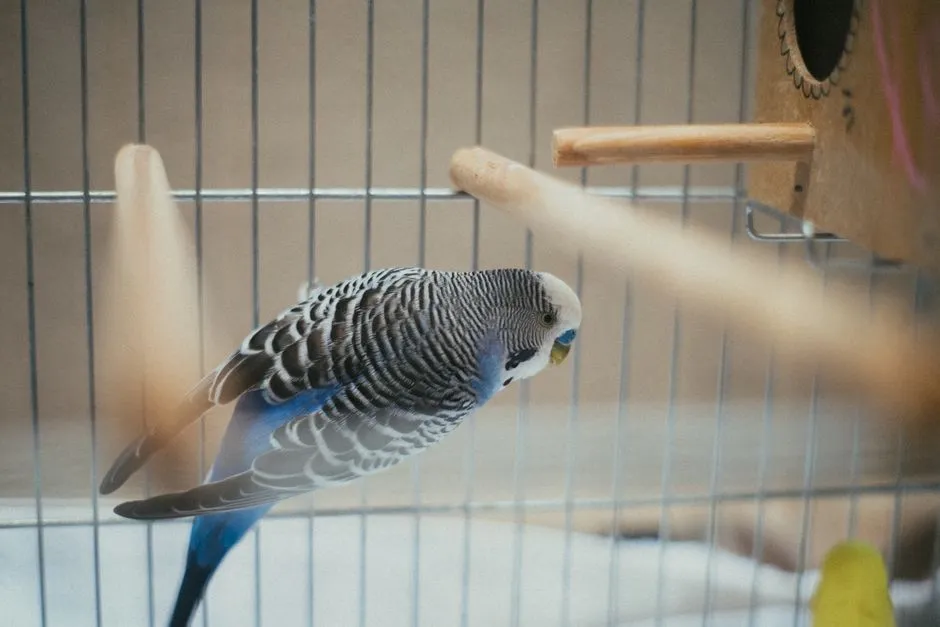
This is one of the more sensitive things techs notice but rarely say out loud: inconsistent feeding schedules, forgotten follow-ups, or repeated missed appointments can sometimes be an early flag for cognitive decline in the owner – not carelessness toward the bird.
Techs are trained to watch for patterns, not one-off mistakes: repeated confusion about medication, contradicting stories between visits, or a caregiver suddenly showing up at appointments that used to be solo. When this pattern emerges, many clinics quietly loop in family members. Not to alarm anyone, but because early awareness protects both the bird’s welfare and the owner’s safety at home.
Worth Knowing
- A single missed appointment rarely raises concern; a repeated pattern does.
- Contradicting stories about the bird’s history between visits is a common early signal.
- A new companion suddenly attending previously solo appointments is often a quiet clue.
- Clinics that loop in family early tend to catch both bird and owner issues sooner.
#17 – The Bond Often Runs Deeper Than Any Other Age Group
🔥 Would you like to save this?
We'll email this post to you, so you can come back to it later!
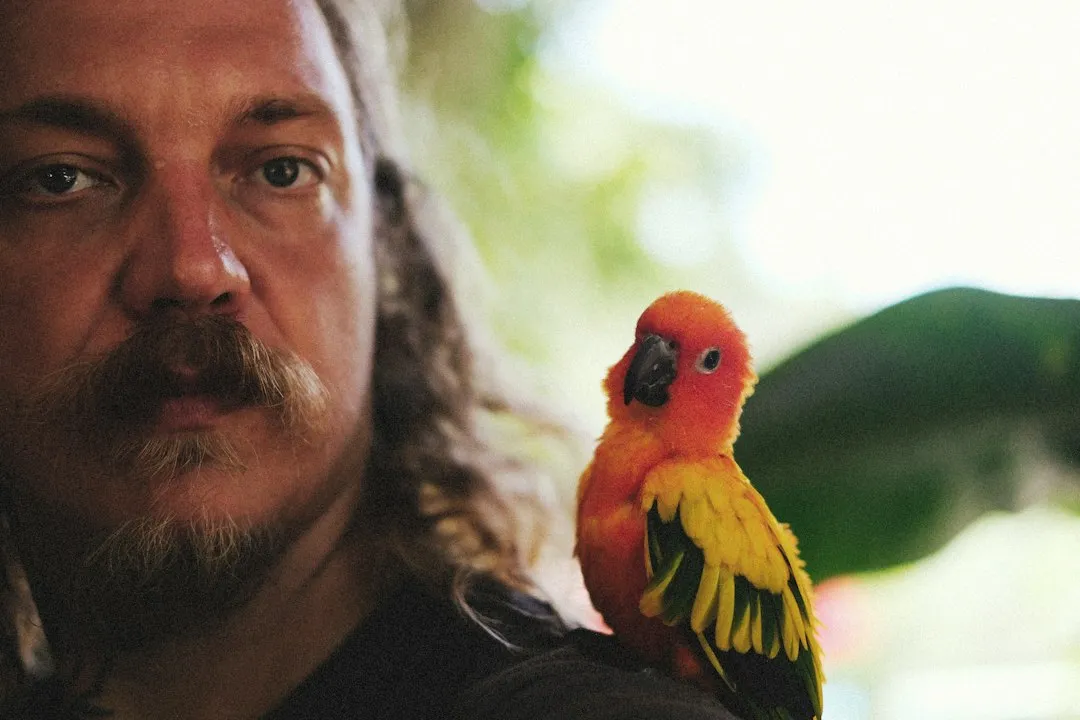
After everything else, techs keep circling back to one final observation: owners over 65 tend to display the deepest, most consistent bonds of any age group they treat. Decades of shared routine – morning greetings, shared meals, familiar phrases repeated a thousand times – build a relationship that’s almost impossible to replicate in newer owner-bird pairs.
That bond shows up in small, telling ways during appointments: owners who can recall a bird’s exact vocal pattern from three years ago, who notice a one-gram weight change before the scale confirms it, who simply know their bird’s “normal” so precisely that vague symptoms get caught earlier than in almost any other type of household.
The Real Diagnosis Isn’t the Bird
🔥 Would you like to save this?
We'll email this post to you, so you can come back to it later!
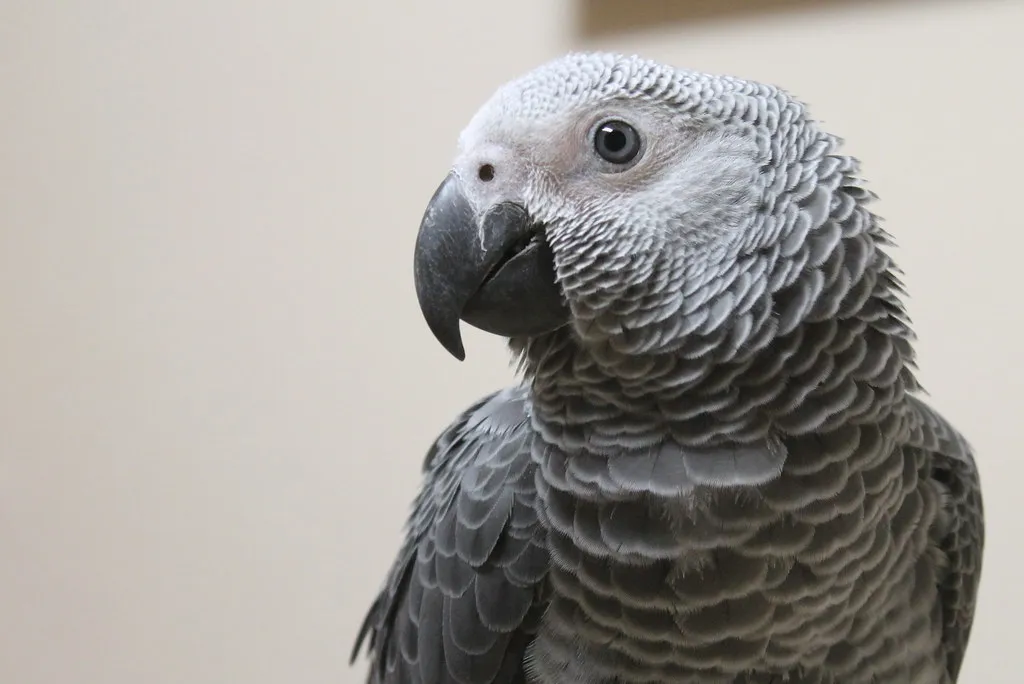
The real story here has never really been about feathers. Vet techs aren’t just checking beaks and wings – they’re quietly reading mobility, memory, isolation, and grief in owners who almost never say any of it out loud. And the most surprising truth in all of this is that older owners frequently deliver better long-term care than younger ones, even while their own bodies are working against them.
If there’s one opinionated takeaway worth sitting with, it’s this: any clinic that treats these visits as “just a pet appointment” is missing half the picture, maybe more. The bird is the reason for the visit. The owner is often the reason the visit matters. Should more vet clinics build in real wellness check-ins for elderly pet owners, not just their pets? That’s worth arguing about in the comments.

- 23 Warm Corners an Elderly Cat Keeps Returning To All Winter - October 29, 2026
- 16 Behaviours Showing a Cat Considers a House Permanent Now - October 29, 2026
- 15 Wildlife Programmes a Lifetime Pass Holder Over 62 Can Join Free - October 29, 2026