


Remember sitting in elementary school science class, fascinated by animal facts that seemed almost magical? From butterflies’ transformation to bears’ hibernation habits, these natural wonders captivated our young minds. Yet, as we grew older, many of these remarkable animal facts faded from memory, replaced by algebra equations and historical dates. This article revisits 18 fascinating animal facts that were once staples of American elementary education but have likely slipped from your memory over the years. These biological truths not only shaped our early understanding of the natural world but remain fascinating examples of nature’s ingenuity and diversity.
18. Butterflies Taste with Their Feet

🔥 Would you like to save this?
We'll email this post to you, so you can come back to it later!
While human taste buds are neatly arranged on our tongues, butterflies experience taste in a completely different way. These colorful insects have chemoreceptors located on their feet, allowing them to taste surfaces by simply landing on them. When a butterfly perches on a flower or leaf, it’s actually sampling that surface to determine if it’s a suitable food source. This remarkable adaptation helps female butterflies identify appropriate plants for laying eggs, ensuring their caterpillars will have proper nutrition upon hatching. Most elementary school curricula include this fact during insect units, but it’s easily forgotten as students advance to more complex scientific concepts.
17. Beavers’ Teeth Never Stop Growing

🔥 Would you like to save this?
We'll email this post to you, so you can come back to it later!
One animal fact taught in most U.S. classrooms concerns beaver dentition. A beaver’s front teeth (incisors) grow continuously throughout its life—approximately 4 inches per year! This adaptation is essential for these industrious rodents, as their constant gnawing on wood would otherwise wear their teeth down to useless nubs. The outer enamel of beaver teeth contains iron, giving them their distinctive orange color and providing extra strength for cutting through tough wood. Without this continuous growth, beavers would be unable to build their impressive dams and lodges that significantly impact ecosystems. This fact typically appears in units about adaptation or ecosystem engineers but often gets forgotten amid more prominent wildlife facts.
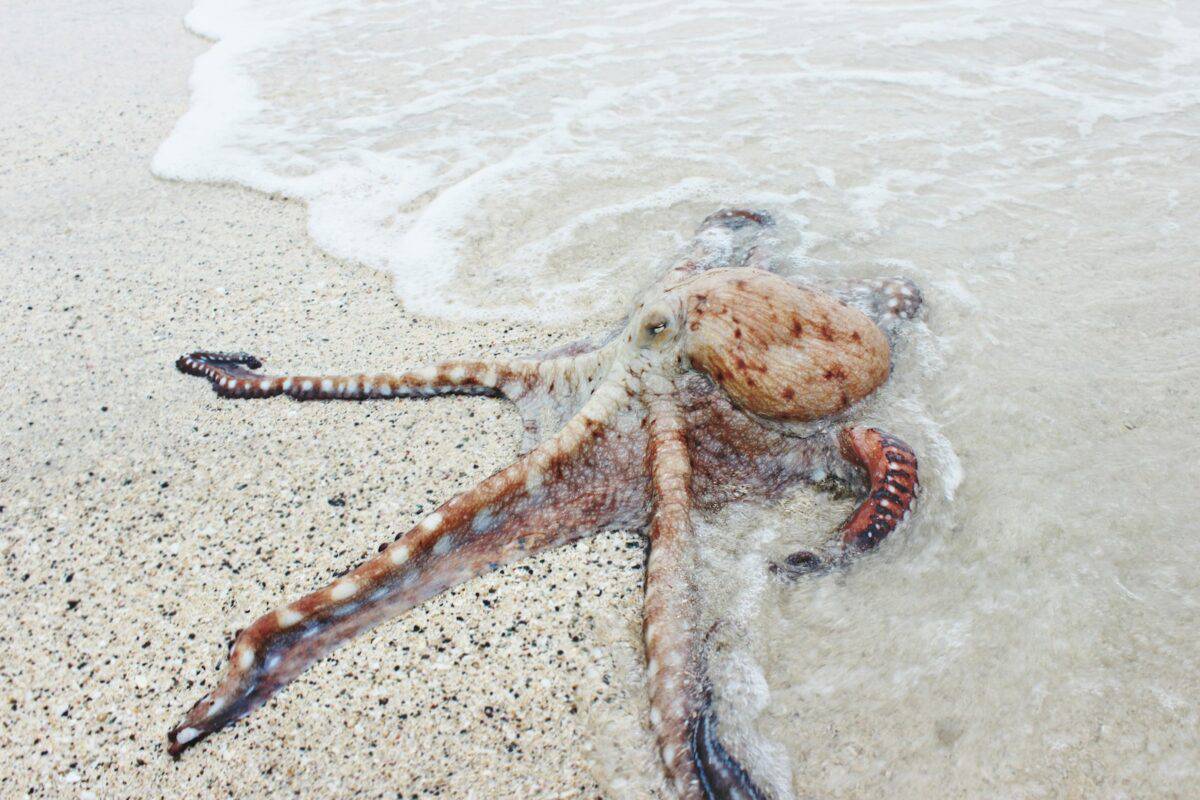
16. Octopuses Have Three Hearts
🔥 Would you like to save this?
We'll email this post to you, so you can come back to it later!
The circulatory system of an octopus represents one of nature’s most fascinating designs. These intelligent cephalopods possess three hearts: two branchial hearts that pump blood through the gills, and one systemic heart that circulates blood to the rest of the body. This unique cardiovascular arrangement helps octopuses maintain efficient oxygen delivery—crucial for animals that typically inhabit oxygen-poor deep ocean environments. Additionally, octopus blood contains copper-based hemocyanin rather than iron-based hemoglobin, making their blood blue instead of red. Elementary school science books frequently highlight this unusual anatomical feature during marine life units, but it’s a detail many adults have relegated to the back corners of their memory.
15. Camels’ Humps Don’t Store Water

🔥 Would you like to save this?
We'll email this post to you, so you can come back to it later!
Contrary to popular belief—and what many children initially learn—a camel’s hump doesn’t actually contain water. This is often corrected in later elementary school lessons, but the misconception tends to stick better than the truth. In reality, camels’ humps store fatty tissue—up to 80 pounds of it—which serves as both an energy reserve and a clever adaptation for desert survival. By concentrating fat in their humps rather than distributing it throughout their bodies, camels minimize insulation, helping them stay cooler in scorching desert temperatures. When these fat reserves are used up, the humps become flaccid and can even flop to one side. Camels store water in their bloodstream and tissues, allowing them to go without drinking for extended periods.
14. Bears Don’t Actually Hibernate (Technically)

🔥 Would you like to save this?
We'll email this post to you, so you can come back to it later!
Elementary textbooks often simplify the winter behavior of bears, teaching students that bears hibernate. However, more advanced biology reveals that bears enter a state more accurately described as torpor—a less deep form of dormancy. During true hibernation, animals experience dramatic drops in body temperature, heart rate, and metabolism, and cannot be easily awakened. Bears, by contrast, maintain a body temperature just a few degrees below normal, can wake relatively quickly if disturbed, and females can even give birth during their winter sleep. Bears can go for months without eating, drinking, urinating, or defecating—a biological feat that scientists are studying for potential medical applications. This nuanced distinction is usually glossed over in early education but represents an important clarification to childhood learning.
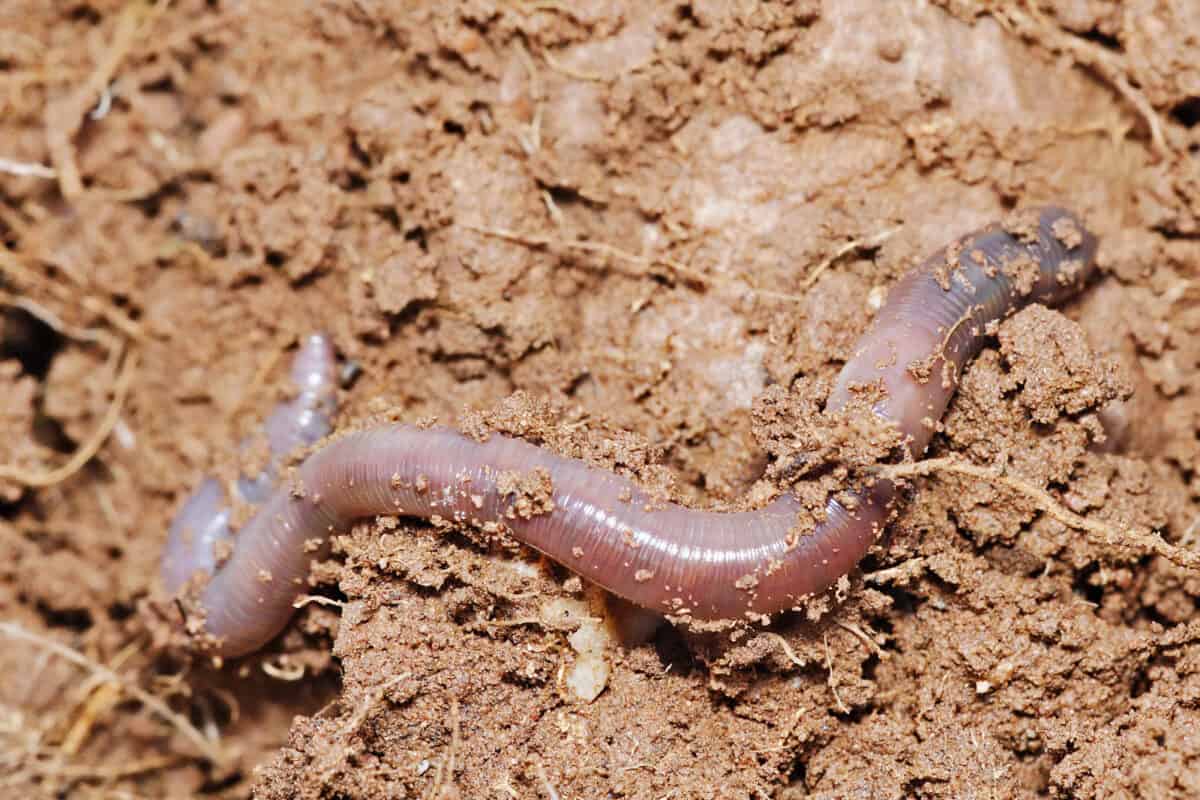
13. Earthworms Have Five Hearts
🔥 Would you like to save this?
We'll email this post to you, so you can come back to it later!
Those simple earthworms that fascinated us during playground excavations harbor an extraordinary circulatory system. Earthworms possess five pairs of aortic arches that function similarly to hearts, pumping blood throughout their segmented bodies. These aortic arches are located in segments 7 through 11 of the worm’s body and contract to move blood through the closed circulatory system. While not technically identical to vertebrate hearts, these structures serve the same fundamental purpose. This fact typically appears in elementary science lessons about soil ecosystems or invertebrate biology. Despite the earthworm’s commonplace appearance in childhood education, this remarkable anatomical feature rarely remains top-of-mind into adulthood.
12. A Giraffe’s Neck Has the Same Number of Vertebrae as a Human’s

🔥 Would you like to save this?
We'll email this post to you, so you can come back to it later!
Despite their dramatically different appearances, giraffes and humans share a surprising anatomical similarity: both possess exactly seven cervical vertebrae in their necks. The difference lies not in the number but in the size—each of a giraffe’s neck vertebrae can measure up to 10 inches long. This consistency in vertebral count across most mammals represents one of evolution’s curious constants. Exceptions do exist (sloths and manatees have different numbers), but the giraffe-human parallel illustrates an important principle of evolutionary biology often taught in upper elementary grades. This seemingly counterintuitive fact demonstrates how evolution works with existing structures, modifying their proportions rather than creating entirely new vertebrae—a concept introduced in basic form to young students but frequently forgotten.
11. Flamingos Are Naturally White, Not Pink

🔥 Would you like to save this?
We'll email this post to you, so you can come back to it later!
The iconic pink coloration of flamingos represents one of nature’s most interesting examples of “you are what you eat.” Flamingos are actually born with grayish-white feathers and would remain that way without their specialized diet. Their distinctive pink hue comes from beta-carotene, a red-orange pigment abundant in the algae, crustaceans, and mollusks they consume. This pigment gets broken down in the liver and deposited in growing feathers, skin, and even the flamingo’s bill. The intensity of a flamingo’s pink coloration directly correlates with its diet quality—zoo flamingos can fade to white if not given proper dietary supplements. Elementary science lessons often use flamingos as a prime example of how diet affects physical characteristics, though many adults forget this colorful demonstration of biological processes.
10. Snails Can Sleep for Three Years

🔥 Would you like to save this?
We'll email this post to you, so you can come back to it later!
When environmental conditions become unfavorable, particularly during periods of drought, snails can enter an exceptionally deep dormancy called estivation. During this state, snails retreat into their shells, seal the opening with a layer of mucus that hardens into a protective covering called an epiphragm, and drastically reduce their metabolic rate. In this suspended animation, certain snail species can remain dormant for up to three years, awakening when moisture returns to their environment. This remarkable survival mechanism fascinates young students during life science units but rarely remains in active memory. The capability exemplifies evolutionary adaptations that allow organisms to survive environmental extremes—a fundamental biological concept introduced in elementary education that builds a foundation for understanding more complex ecological relationships.

Professional 7 in 1 Dog Paw Cleaner for Dogs & Cats - Includes 1 Portable Paw Washer, 1 Bath Brush
Check Price on AmazonAs an Amazon Associate, we earn from qualifying purchases.
10/7/2026 1:26 pm GMTi

Smart Bird Feeder with Camera Solar Powered, 2K HD Live Video, 10,000+ Bird Species AI Identification
Check Price on AmazonAs an Amazon Associate, we earn from qualifying purchases.
10/7/2026 1:22 pm GMTi

Dog Stairs for Bed 18" H, 4-Step Dog Steps for High Bed
Check Price on AmazonAs an Amazon Associate, we earn from qualifying purchases.
10/9/2026 2:42 pm GMTi

Air Purifiers for Home Pets Large Room Up to 3000 Ft²,HEPA Air Cleaner with Washable Double-Side Filter, PM2.5 Air Quality Monitor,15dB Sleep Mode for Bedroom Odor Dust Pollen,White
Check Price on AmazonAs an Amazon Associate, we earn from qualifying purchases.
10/8/2026 8:23 am GMTi

2 Pcs Halloween Pet Hat Bandana Set, Witch Pumpkin Costumes for Dogs
Check Price on AmazonAs an Amazon Associate, we earn from qualifying purchases.
10/9/2026 2:45 pm GMTi
9. Horses Can’t Vomit

🔥 Would you like to save this?
We'll email this post to you, so you can come back to it later!
A peculiar anatomical fact taught in some elementary school animal units is that horses are physically incapable of vomiting. Horses have an extremely strong lower esophageal sphincter that prevents stomach contents from flowing back up the esophagus. Additionally, their esophagus joins the stomach at a sharp angle, creating another barrier against regurgitation. While this adaptation prevents horses from inhaling vomit into their lungs, it also makes them vulnerable to colic and other digestive problems. When horses consume toxins or spoiled food, they can’t expel it through vomiting, making such ingestion potentially fatal. This distinctive limitation contrasts sharply with other mammals and serves as an interesting example of how evolutionary adaptations can sometimes create vulnerabilities—a nuanced concept touched upon in elementary education but rarely remembered.
8. A Group of Flamingos Is Called a “Flamboyance”

🔥 Would you like to save this?
We'll email this post to you, so you can come back to it later!
The English language contains numerous colorful collective nouns for animal groups that delight young learners—a murder of crows, a bloat of hippopotamuses, or a tower of giraffes. Among these, the term “flamboyance” for a group of flamingos perfectly captures both their vibrant appearance and showy group behaviors. These social birds often perform synchronized movements that resemble choreographed dances, particularly during mating season. Elementary curriculum frequently includes lessons on animal group names as a fun way to build vocabulary while connecting language to the natural world. The whimsical terminology engages young imaginations but tends to fade from memory as academic focus shifts toward more technical vocabulary in secondary education.
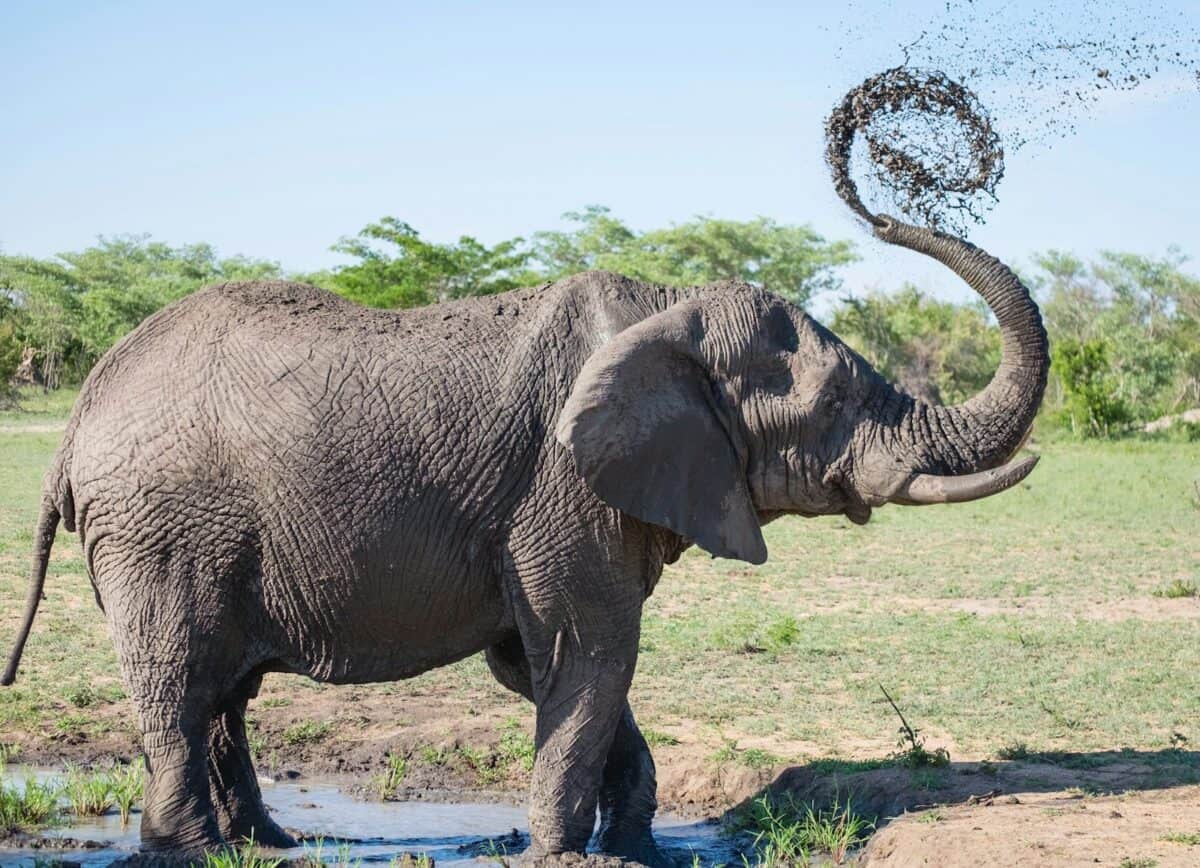
7. Elephants Are the Only Mammals That Can’t Jump
🔥 Would you like to save this?
We'll email this post to you, so you can come back to it later!
Despite their remarkable intelligence and physical capabilities, elephants possess one noteworthy limitation: they cannot jump. This inability stems from their unique anatomy. Elephants’ legs are designed as pillars to support their massive weight (up to 14,000 pounds), with all four feet typically maintaining some contact with the ground even while running. Their bones are positioned vertically like columns, unlike most mammals whose leg bones are arranged at angles to absorb shock. This adaptation provides exceptional stability and weight-bearing capacity but eliminates the possibility of jumping. Elementary science teachers often highlight this fact during lessons about animal adaptations and biomechanics, providing a memorable example of how physical structure determines functional capabilities—even if the specific detail often escapes long-term memory.
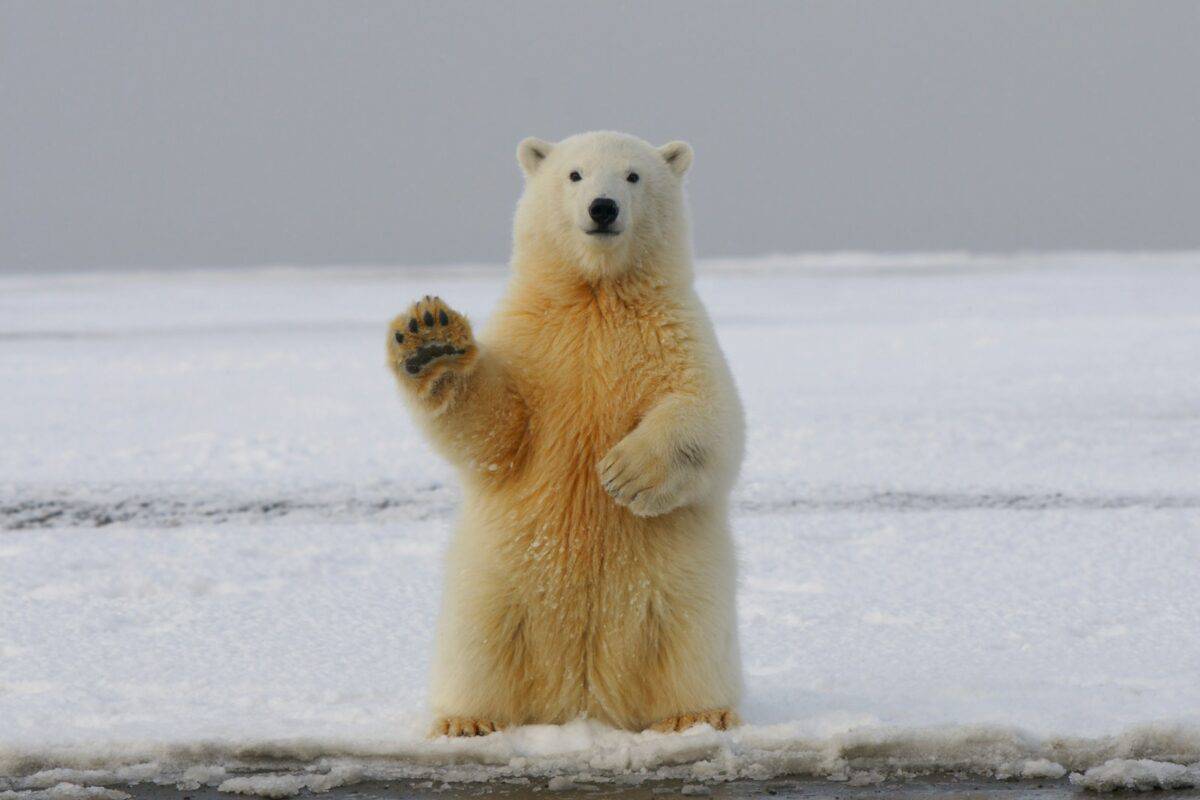
6. Polar Bear Fur Isn’t Actually White
🔥 Would you like to save this?
We'll email this post to you, so you can come back to it later!
A fascinating optical illusion taught in elementary science is that polar bears aren’t truly white. Their individual fur strands are actually hollow and transparent, containing no pigment at all. The apparent white coloration results from light reflection and scattering effects. When sunlight hits these hollow, translucent hair shafts, it bounces around inside them before reflecting back to our eyes, creating the appearance of whiteness—similar to how snow appears white despite being made of clear ice crystals. This adaptation serves multiple purposes: the air-filled hollow hairs provide excellent insulation, and the white appearance offers crucial camouflage in Arctic environments. Under their misleading fur, polar bears actually have black skin, which helps them absorb and retain heat from the sun. This scientific nuance demonstrates how animal adaptations often operate through complex physical principles—a concept introduced early but often misremembered.
5. A Tiger’s Skin Is Striped, Not Just Its Fur

🔥 Would you like to save this?
We'll email this post to you, so you can come back to it later!
Most children learn about tiger stripes as a classic example of camouflage, but there’s a deeper fact many forget: tigers’ distinctive pattern doesn’t stop at their fur. If you were to shave a tiger, you would discover that their skin itself bears the same striped pattern. This unique characteristic results from pigment in the skin that corresponds with the coloration of the overlying fur. Each tiger’s stripe pattern is completely unique—like a fingerprint—allowing researchers to identify individuals from photographs. The striping extends to every part of the tiger’s body, including face, legs, and tail. Elementary education typically presents this as an interesting example of how deeply adaptations are integrated into an animal’s biology, though the skin-level detail often fades from memory as students advance to more complex biological concepts.

PetSafe Oasys Pet Fountain, 1/2 Gallon (64 oz), Small Dogs & Cats
Check Price on AmazonAs an Amazon Associate, we earn from qualifying purchases.
10/8/2026 8:14 am GMTi

Earth Rated XL Dog & Puppy Pee Pads, Discreet Top, Max Absorbency
Check Price on AmazonAs an Amazon Associate, we earn from qualifying purchases.
10/7/2026 1:28 pm GMTi

Halloween Dog Collar with Bow, Orange Cute Ghost Collar,
Check Price on AmazonAs an Amazon Associate, we earn from qualifying purchases.
10/9/2026 2:43 pm GMTi

Halloween Cat Costume Cloak Witch Hat Pet Accessories
Check Price on AmazonAs an Amazon Associate, we earn from qualifying purchases.
10/9/2026 2:44 pm GMTi

Portable Dog Water Bottle Foldable Dog Travel Water Bottle
Check Price on AmazonAs an Amazon Associate, we earn from qualifying purchases.
10/7/2026 1:29 pm GMTi
4. Cows Have Best Friends

🔥 Would you like to save this?
We'll email this post to you, so you can come back to it later!
A heartwarming fact often featured in elementary lessons about animal behavior is that cows form strong bonds with specific herd members—essentially, they have best friends. Research has shown that cows develop preferred partners with whom they spend more time grazing and resting. These social bonds appear to have tangible benefits; when paired with their preferred partners, cows experience reduced stress levels and exhibit fewer negative behaviors. Conversely, when separated from their bovine friends, cows show measurable signs of anxiety and distress. This fact typically appears during units on animal emotions or social structures and helps young students recognize that complex social dynamics aren’t limited to humans. The concept introduces children to the idea that animals experience emotions and relationships—an important foundation for developing empathy, even if the specific detail about cow friendships often fades from memory.
3. Koalas Have Fingerprints Almost Identical to Humans

🔥 Would you like to save this?
We'll email this post to you, so you can come back to it later!
Among the most surprising animal facts taught in elementary school is that koalas possess fingerprints remarkably similar to human ones. These marsupials have distinctive ridge patterns on their fingertips that, even under close forensic examination, are nearly indistinguishable from human fingerprints. This represents an extraordinary example of convergent evolution—where unrelated species independently evolve similar traits due to similar environmental pressures. Koalas likely developed these prints to help maintain grip while climbing eucalyptus trees, just as primates evolved them for enhanced grasping ability. This similarity is so striking that koala prints have reportedly confused crime scene investigations in Australia. While this fact captivates young learners during units on animal adaptations or classification, it’s frequently forgotten amid the countless other biological facts accumulated throughout education.
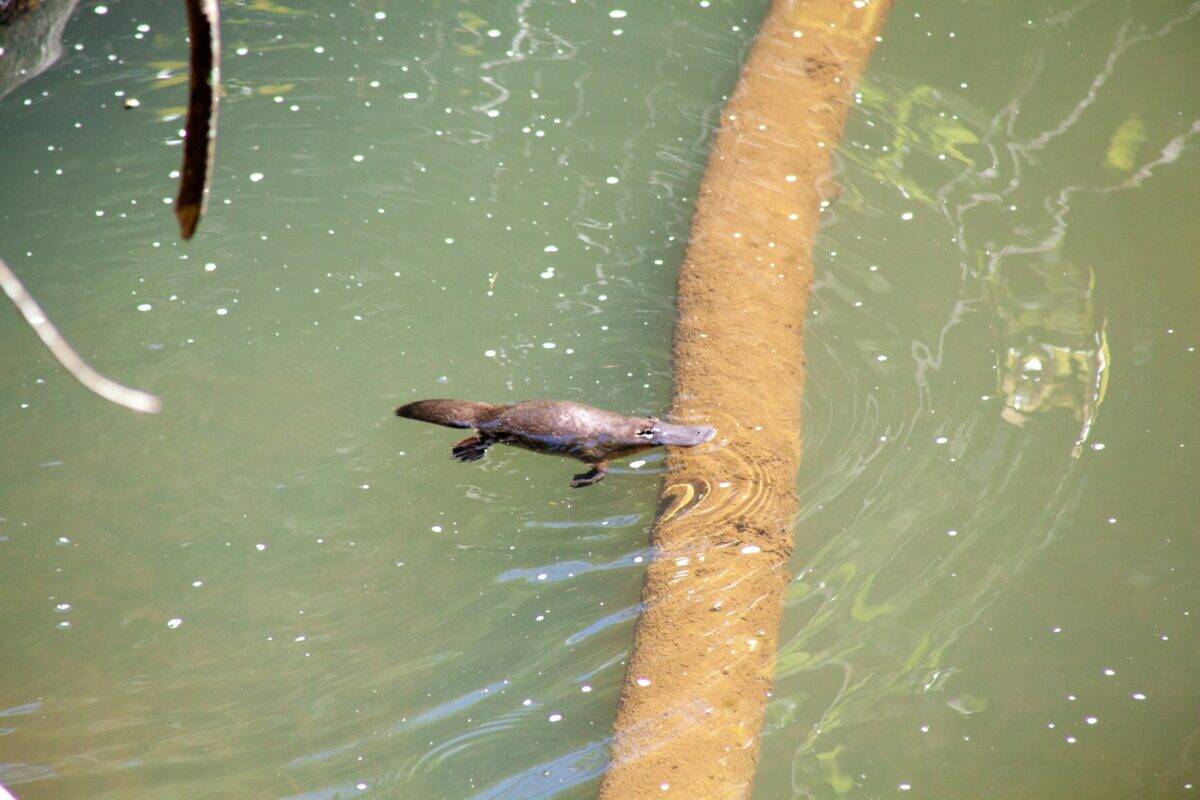
2. Platypuses Glow Under Ultraviolet Light
🔥 Would you like to save this?
We'll email this post to you, so you can come back to it later!
The platypus, already famous for its peculiar combination of mammalian, reptilian, and avian characteristics, harbors yet another strange trait taught in some contemporary elementary science curricula: its fur glows blue-green when exposed to ultraviolet light. This phenomenon, called biofluorescence, was only discovered in 2020, but has already made its way into updated educational materials about unique animal adaptations. Scientists aren’t yet certain why platypuses possess this trait, though it may help with visibility in low-light conditions during underwater foraging or could play a role in communication between individuals. The platypus shares this biofluorescent quality with some birds, fish, and other mammals including opossums and flying squirrels. This fact represents the ever-evolving nature of biological knowledge—reminding us that even well-studied animals can still surprise scientists with previously unknown characteristics.

Hand Blown Glass Hummingbird Feeders for Outdoors Hanging, 24oz Wild Bird Nectar Feeder
Check Price on AmazonAs an Amazon Associate, we earn from qualifying purchases.
10/7/2026 1:23 pm GMTi

Glass Hummingbird Feeder for Outdoors Hanging
Check Price on AmazonAs an Amazon Associate, we earn from qualifying purchases.
10/7/2026 1:21 pm GMTi

Glass Hummingbird Feeder for Outdoors Hanging, 16 oz Leak-Proof Nectar Feeder with Bee Guards & Ant Moat
Check Price on AmazonAs an Amazon Associate, we earn from qualifying purchases.
10/7/2026 1:22 pm GMTi

Orthopedic Extra Large Dog Bed, Waterproof Washable XL Pet Bed 44"
Check Price on AmazonAs an Amazon Associate, we earn from qualifying purchases.
10/7/2026 1:32 pm GMTi
1. Some Birds Use Medicinal Herbs to Build Their Nests

🔥 Would you like to save this?
We'll email this post to you, so you can come back to it later!
An often-overlooked fact from elementary science relates to the sophisticated nest-building behaviors of certain bird species. Some birds, including starlings and blue tits, deliberately incorporate specific aromatic herbs into their nests that serve medicinal rather than structural purposes. These carefully selected plants—which may include wild carrot, yarrow, and lavender—contain compounds that repel parasites and bacteria, creating a healthier environment for vulnerable chicks. Research has shown that nests containing these medicinal herbs have fewer parasites and higher chick survival rates than those without. This remarkable behavior demonstrates the complex ways animals use environmental resources to enhance survival—a concept introduced in elementary grades during discussions of animal adaptations and behaviors, though rarely retained in detail as students advance to higher education levels.
Conclusion: Reconnecting with Nature’s Wonders

🔥 Would you like to save this?
We'll email this post to you, so you can come back to it later!
The animal facts we learn in elementary school offer more than just fascinating trivia—they provide foundational understanding of biological principles that shape our world. Revisiting these forgotten facts reminds us of nature’s incredible diversity and the evolutionary ingenuity that has created such specialized adaptations. These seemingly simple tidbits actually illustrate complex biological concepts: adaptation, evolution, physiology, and ecological relationships. As adults, reconnecting with this childhood knowledge can reignite our sense of wonder about the natural world. Perhaps most importantly, remembering these facts helps us appreciate that learning about nature isn’t just an academic exercise but a lifelong journey of discovery that connects us more deeply to the extraordinary animals with whom we share our planet.

As a little kid, I fell in love with nature, wildlife, and animals. Living in the USA, South Africa, Italy, China and Germany gave me the opportunity to discover the world's Wildlife. My favorite animals are Mountain Gorillas, Siberian Tigers, and Great White Sharks.
I'm a certified PADI Open Water Diver, went to Everest Base Camp and Trekked Gorillas in Uganda. I hold a Master of Science in Economics and Finance.
Please send any feedback to feedback@animalsaroundtheglobe.com
- 14 Earthquakes That Altered the U.S. Landscape - November 9, 2026
- 18 Animal Facts Every U.S. Kid Learns in School But Forgets - November 9, 2026
- 12 U.S. States That Search for Cats More Than Dogs - November 8, 2026
Leave a comment
You must be logged in to post a comment.