

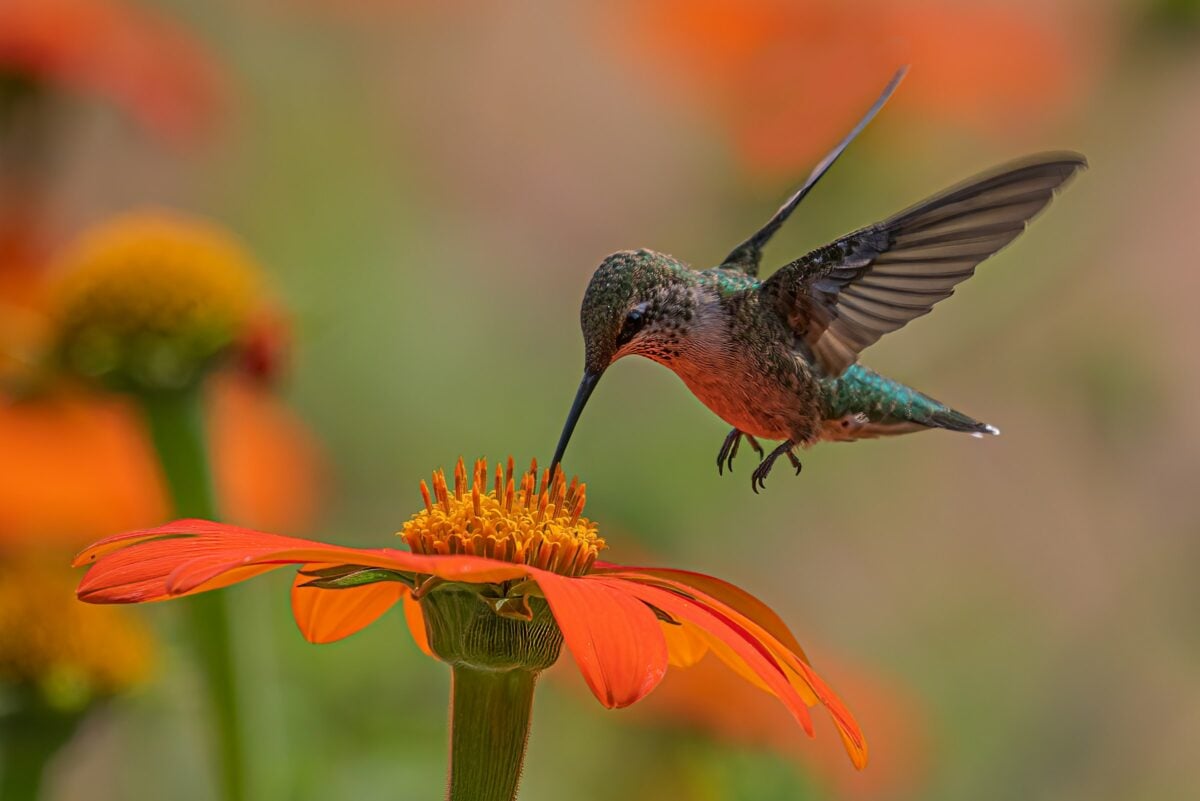
Something is off, and you can’t quite name it. Your feeder is clean, your flowers came back, your yard honestly looks better than it did last spring. And yet the sky has gone quiet – no hover, no chirp, no flash of green streaking past the porch rail.
Most people blame the weather, a “slow bird year,” or bad luck. But hummingbirds don’t work on luck. They work on memory, math, and razor-thin survival margins, and something specific in your yard likely tripped a switch they don’t forgive easily. Here are the 18 changes that quietly erase a yard from their spring route – starting with the one hiding in plain sight on porches everywhere.
#18 – Replacing Real Flowers With Plastic or Silk Decor
🔥 Would you like to save this?
We'll email this post to you, so you can come back to it later!
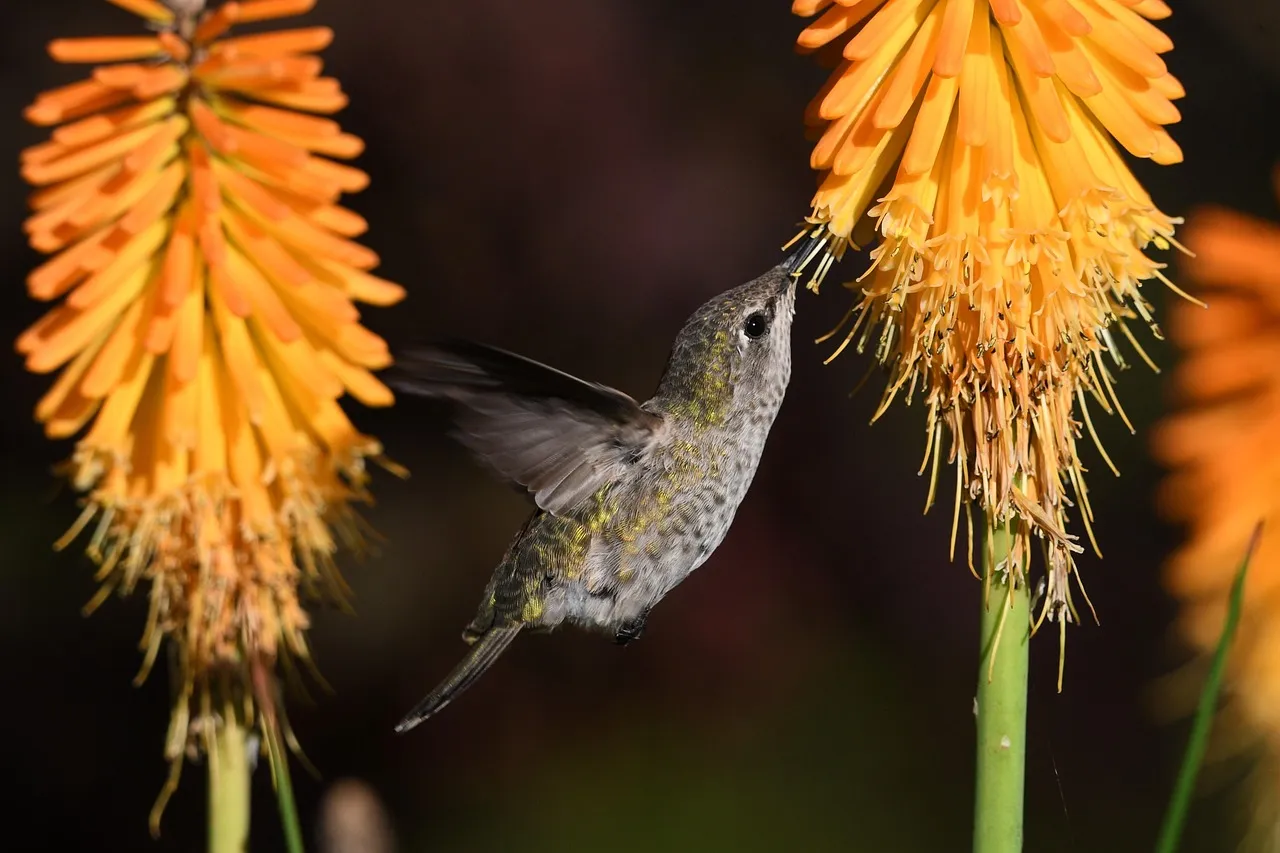
Most people don’t realize fake flowers can wreck a yard’s reputation with hummingbirds. From a distance, those bright plastic or silk blooms look exactly like a nectar station worth the detour.
Up close, they’re a total bait-and-switch. A hummingbird burns precious energy investigating each one, gets nothing for the effort, and files your yard away as a waste of a flight.
These birds remember exactly where they’ve been fooled before. Hit them with zero nectar in those “perfect” fake blooms two springs in a row, and they stop checking altogether – you’ve essentially trained them that your place lies.
- No nectar, no insects, no scent – just visual noise.
- Fake flowers can visually crowd out or hide real nectar plants nearby.
It sounds like a small decorating choice. To a bird running on emergency calories, it’s a dealbreaker.
#17 – Swapping Native Plants for “Low-Maintenance” Exotics
🔥 Would you like to save this?
We'll email this post to you, so you can come back to it later!
The landscaping trend is everywhere: rip out the “messy” native stuff, replace it with neat, glossy, non-native ornamentals. It looks tidy to us. To a hummingbird, it’s a food desert with good lighting.
Many exotic shrubs are bred for show, not nutrition – double blooms, minimal nectar, or shapes a hummingbird’s bill can’t even reach. Native tubular flowers routinely out-produce imported ornamentals when it comes to usable nectar.
Swap out bee balm, coral honeysuckle, columbine, or penstemon for sterile boxwoods and imported roses, and you’re removing plants that evolved alongside these birds for thousands of years. The result:
- Less nectar per square foot.
- Fewer tiny insects for protein.
- Shorter, patchier bloom windows through spring.
Birds that once treated your yard as a reliable refueling stop find nothing early in the season – and quietly reroute without warning.
#16 – Letting Feeders Go Dry During Early Spring
🔥 Would you like to save this?
We'll email this post to you, so you can come back to it later!
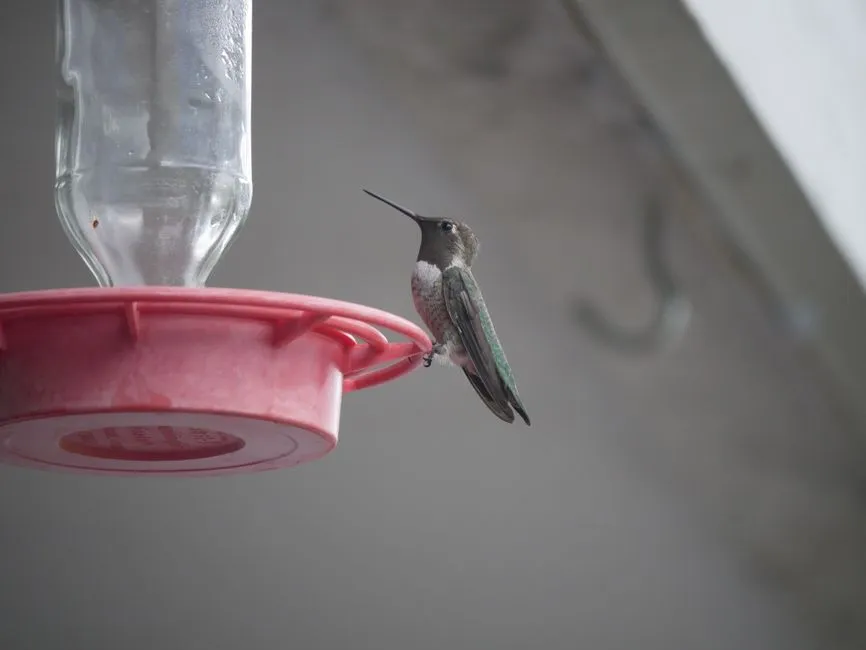
Most people hang a feeder “once they see hummingbirds.” By then, you’re already late to the game. Migration runs on razor-thin calorie margins, and early arrivals depend on food being ready before they land.
If your yard used to have a feeder up every March or April and suddenly doesn’t, the birds notice fast. They scout, they remember, and a consistently stocked yard becomes a mental anchor point on their internal map.
Skip a year, or let the feeder run dry during those first critical weeks, and the message lands loud and clear: this spot can’t be trusted anymore.
- Hang at least one feeder 1–2 weeks before your usual first sighting date.
- Check and refill every 2–3 days in cool weather, daily in heat.
- Never wait “until I see one” to clean and fill.
Once they skip your yard for a couple of springs, rebuilding that trust can take years.
#15 – Using Red Dye or “Special” Colored Nectar
🔥 Would you like to save this?
We'll email this post to you, so you can come back to it later!
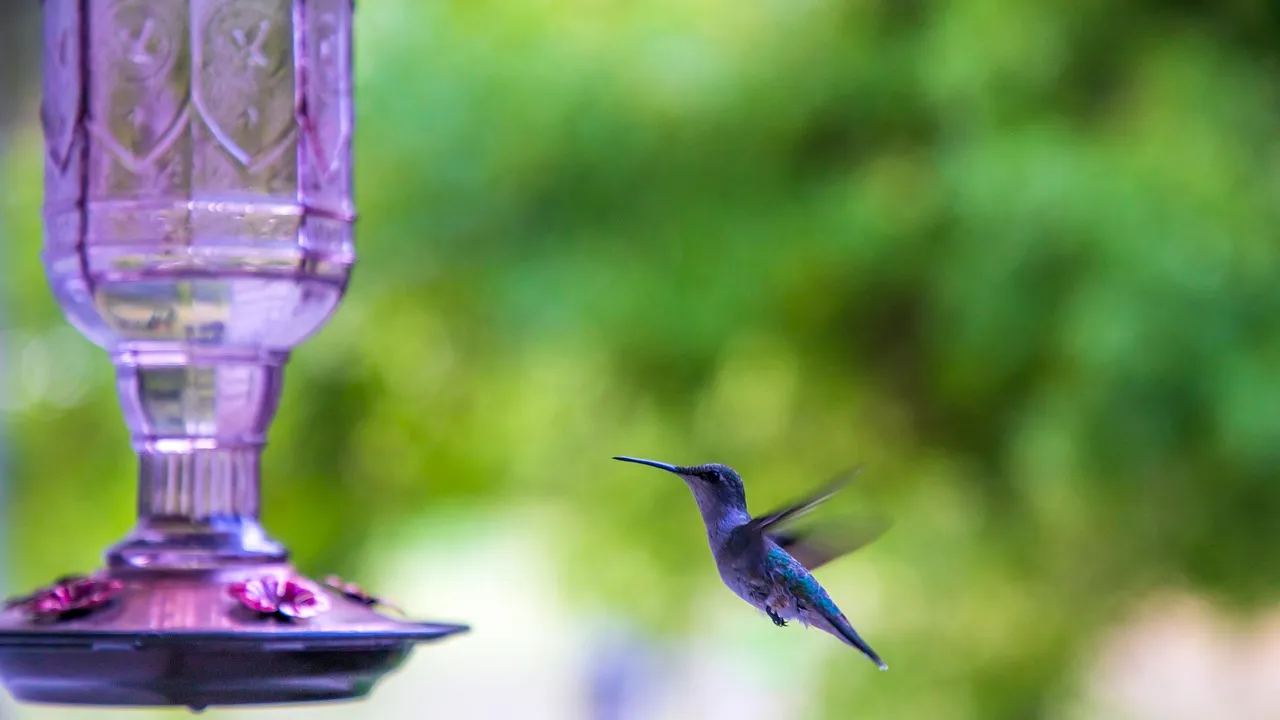
Here’s the part nobody expects: that bright red nectar still sold in stores is really marketed at you, not the birds. Hummingbirds don’t need dyed sugar water – the red plastic on the feeder itself is already enough to catch their eye.
Fast Facts
- Natural flower nectar that hummingbirds favor typically runs about 20-25% sugar concentration.
- The classic 1:4 sugar-to-water recipe works out to roughly 20% sugar – almost identical to what they find in the wild.
- Nectar sugar is mostly sucrose, the same type found in plain white table sugar – not the fructose-heavy syrups in some store-bought mixes.
Artificial dyes add zero nutrition and may irritate their digestive systems. No credible expert recommends red dye anymore, and some researchers suspect birds can taste the difference.
Here’s where it hits spring arrivals hardest: hummingbirds rely on consistent, safe food experiences. If nectar tastes off or carries questionable additives, they sample once, then vanish for good.
- 1 part plain white sugar to 4 parts water – nothing else.
- No honey, no brown sugar, no dyes, no flavorings.
- Boil, cool, fill, and replace frequently.
You’re not just feeding them. You’re telling them, in the only language they trust, that your yard is safe.
#14 – Over-Cleaning the Yard Into a Sterile “Outdoor Room”
🔥 Would you like to save this?
We'll email this post to you, so you can come back to it later!
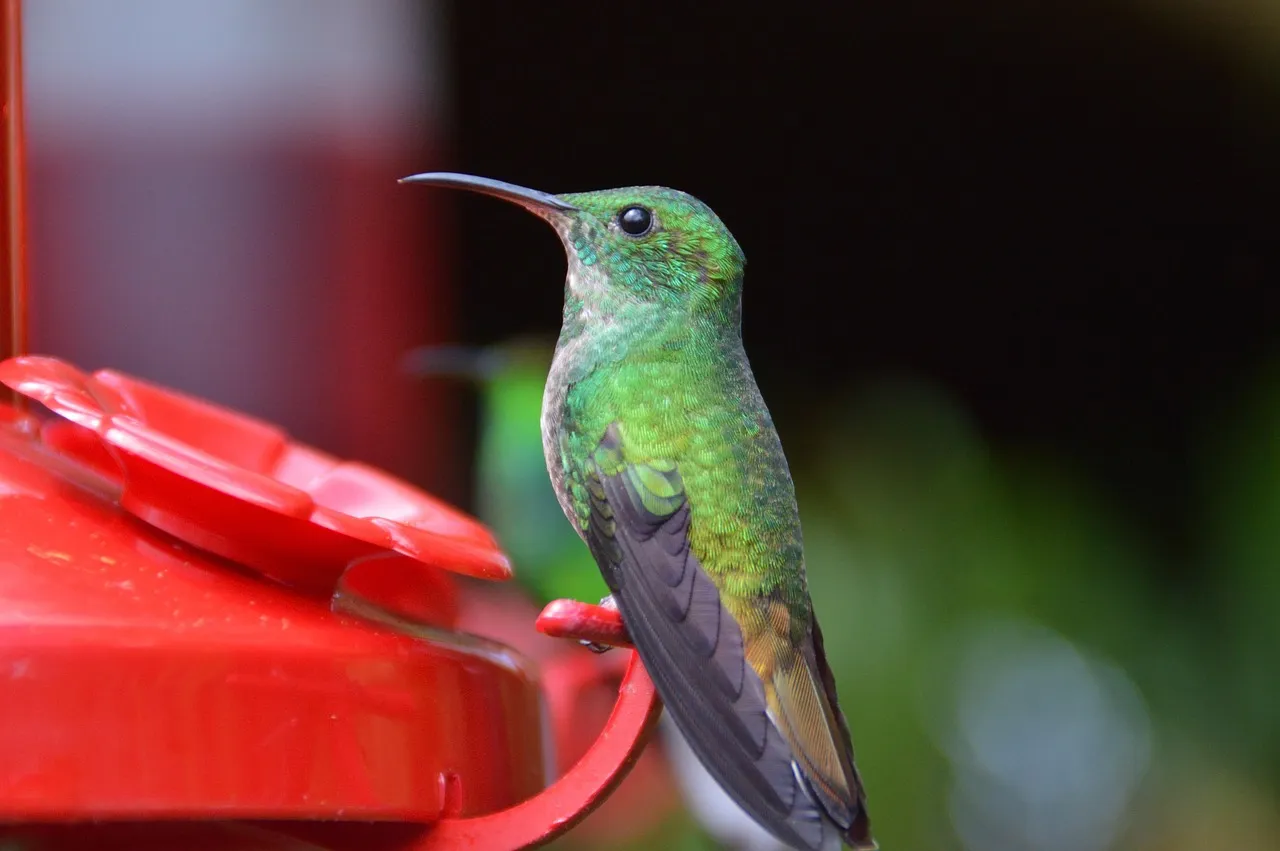
There’s a dangerous myth that a “perfect” yard means spotless – no leaf litter, no stray branches, no messy corners. To a hummingbird, a hyper-manicured yard reads as dead space.
They need layered shrubs and small trees for perching, spider webs and tiny insects for protein and nesting material, and a bit of clutter where micro-insects can actually thrive.
Blow away every leaf, trim every low branch, vacuum up every web, and you’re removing half their food supply and most of their shelter in one afternoon. Nectar alone doesn’t raise a healthy chick – protein from gnats and aphids is what actually does the job.
- Leave one “wild” corner with minimal cleanup.
- Let some shrubs keep denser interior foliage.
- Tolerate a few spider webs – hummingbirds raid them for both insects and silk.
Ironically, the yard humans call “messy” is often the one hummingbirds rate five stars.
#13 – Adding Too Much Glass, Mirrors, and Shiny Surfaces
🔥 Would you like to save this?
We'll email this post to you, so you can come back to it later!
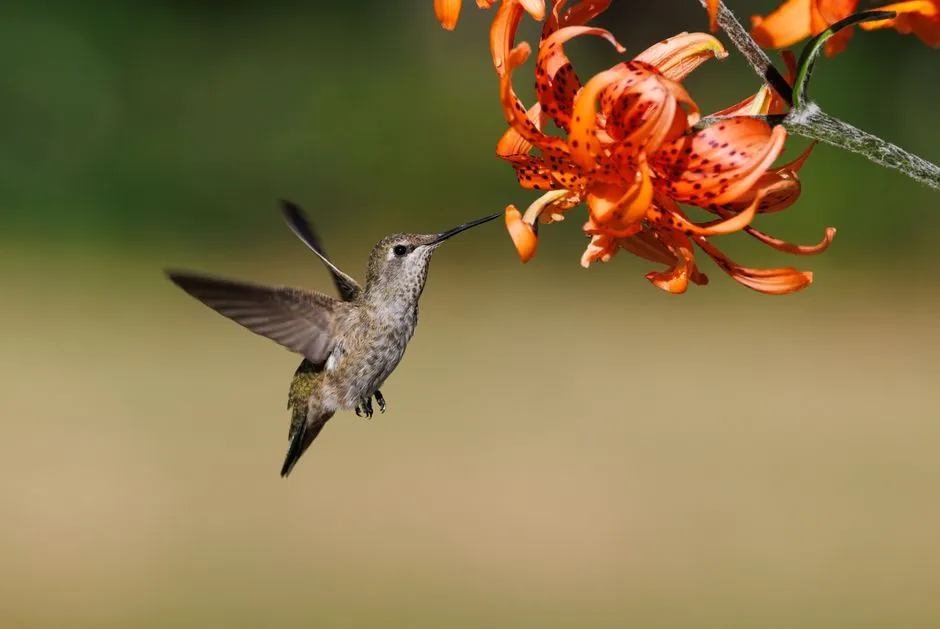
The trend of turning patios into glass-heavy outdoor living rooms looks sleek – and it’s quietly lethal. Hummingbirds are among the birds most prone to window strikes because they fly fast, low, and chase reflections without hesitation.
New sliding doors, glass railings, and mirrors reflecting sky and greenery all create the illusion of open space. One hard collision is often fatal for a bird that weighs less than a nickel.
Even the survivors don’t necessarily come back. Near-misses and disorienting reflections push cautious birds toward safer yards next season.
- New sliding doors facing feeders or flower beds.
- Angled windows that mirror sky or trees.
- Decorative mirrors mounted on fences or sheds.
A yard that “feels like glass” to you often reads as a danger zone to them – so decals, screens, and smarter feeder placement matter more than people think.
#12 – Removing All Water Features or Making Them Too Deep
🔥 Would you like to save this?
We'll email this post to you, so you can come back to it later!
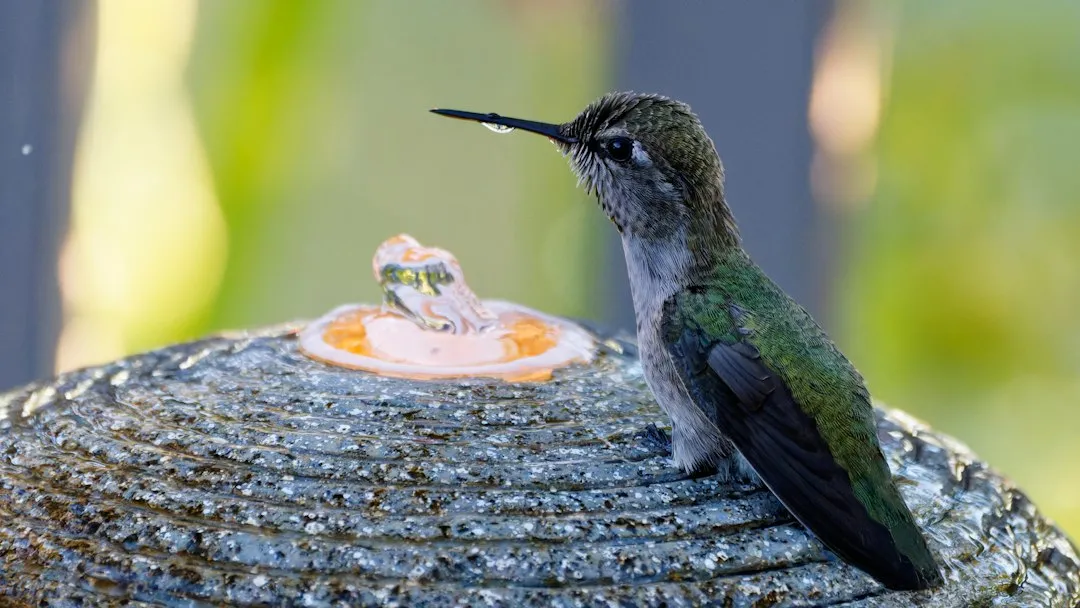
Most people assume hummingbirds don’t care about water since they feed on nectar. Wrong – they drink, they bathe, and they’re shockingly picky about how.
Deep birdbaths do almost nothing for them. They prefer shallow, moving water they can fly through, not still water they’d have to plunge into.
Lose the gentle misters, drippers, or shallow fountains, and you’ve removed a resource they depend on hard in spring:
- Replacing a shallow bubbler with a deep, still decorative pool.
- Turning off a dripper to “save water” and forgetting to restart it.
- Letting a clogged fountain sit dry for months.
The best setups stay simple: a mister on a hose, a shallow dish with barely half an inch of water, or a slow drip over stones. Take that away in spring, and they’ll find a yard that didn’t.
#11 – Switching to Broad-Spectrum Yard Pesticides
🔥 Would you like to save this?
We'll email this post to you, so you can come back to it later!
This is one of the quietest hummingbird killers, and it doesn’t work the way most homeowners assume. Spraying for mosquitoes, grubs, or “general insects” right as the weather warms rarely discriminates.
Broad-spectrum chemicals wipe out the tiny flying insects and spiders hummingbirds depend on for protein, especially during nesting season. Even with nectar and flowers everywhere, a bug-free yard is a restaurant serving dessert with no main course.
Adult hummingbirds can’t raise chicks on sugar water alone – nestlings need protein-dense prey to survive.
- Regular fogging treatments from lawn services.
- Systemic pesticides applied to flowering shrubs and trees.
- Granular “all-in-one” products labeled for broad insect control.
Spot-treat real infestations instead of blanket-spraying, and skip systemics on anything that blooms. Insects aren’t the problem – they’re the reason hummingbirds evolved to visit yards like yours in the first place.
#10 – Planting Only Short-Bloom “Show-Off” Flowers
🔥 Would you like to save this?
We'll email this post to you, so you can come back to it later!
A lot of yards look incredible for exactly three weeks. Then the big-box annuals and spring bulbs fade, and that’s it – nothing else planned.
To an early-arriving hummingbird, that’s a trap: one brief flash of color followed by a long stretch of nothing. Migration timing rarely lines up with your peak-bloom photo, because hummingbirds need a calendar of nectar, not a single weekend of it.
- Filling beds with single-season showpieces like tulips or short-lived annuals.
- Skipping early-blooming natives that bridge the gap before summer plants take over.
- Letting 4–6 week gaps form with almost no nectar sources at all.
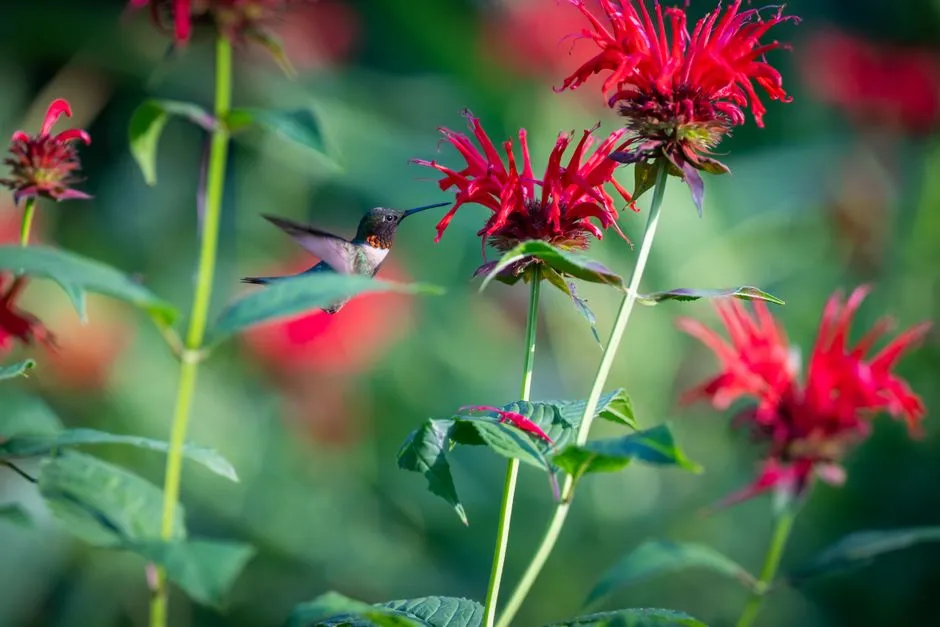
Mix early, mid, and late bloomers – columbine, salvia, bee balm, cardinal flower – and let some self-seed for staggered timing. Hit those “dead weeks” two springs running, and most birds simply stop counting on you.
#9 – Moving Feeders Constantly or Hanging Them in Exposed Spots
🔥 Would you like to save this?
We'll email this post to you, so you can come back to it later!
Here’s something people rarely consider: hummingbirds run on routine. Move a feeder around every few days and they waste time and energy hunting for it instead of resting.
Worse, relocating it somewhere exposed, windy, or predator-prone – like the middle of an open lawn – can make them avoid it entirely. A feeder that feels risky is as useless as no feeder at all.
- Swapping locations every few days “for a better view.”
- Hanging feeders right next to active nests of larger, aggressive birds.
- Placing them beside busy patios or doorways with constant foot traffic.
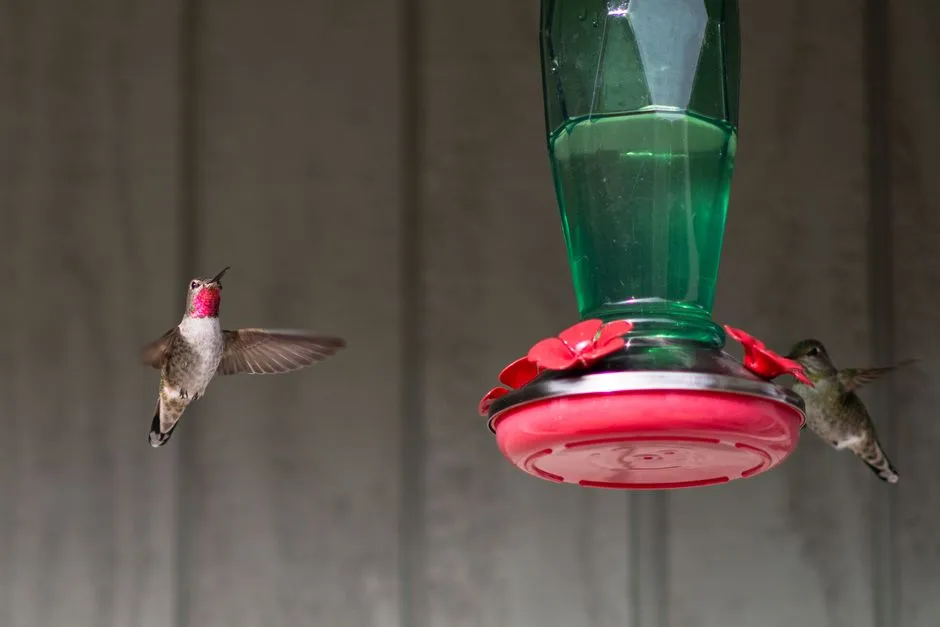
Pick a few sheltered-but-visible spots near shrubs or small trees, high enough to dodge cats, and keep them there year after year. Predictability is the whole game.
#8 – Allowing Aggressive Hummingbirds to Dominate a Single Feeder
🔥 Would you like to save this?
We'll email this post to you, so you can come back to it later!
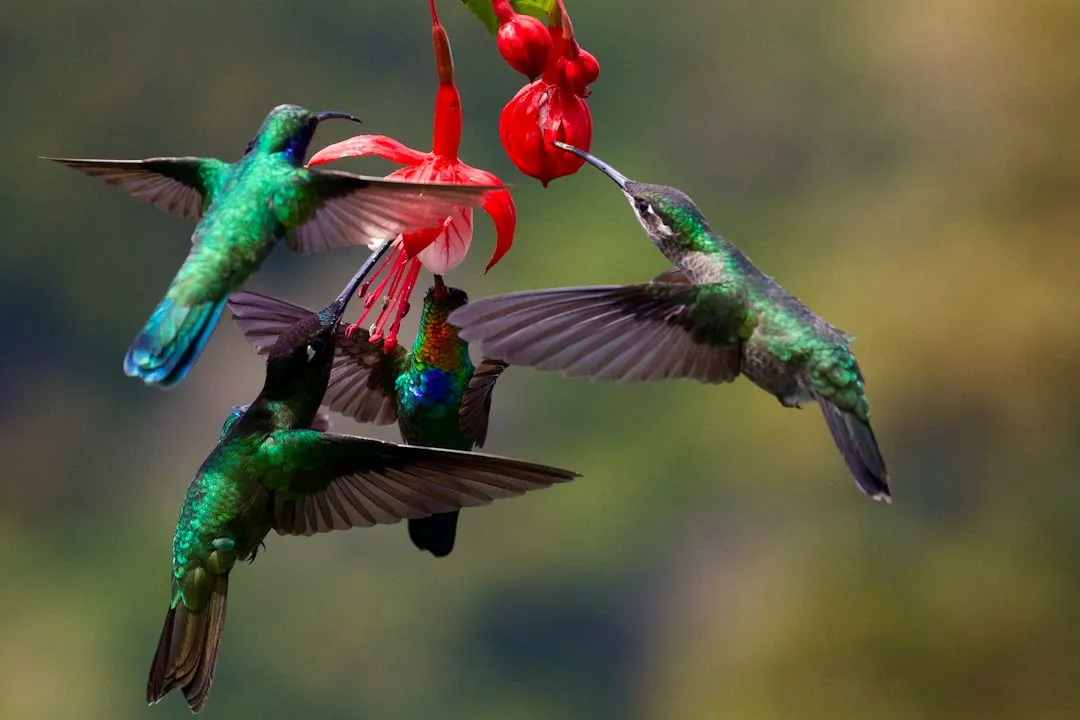
Yes, hummingbirds are adorable. They’re also tiny bullies with wings. Offer just one feeder, and one dominant bird will often claim the entire thing as personal property.
A single territorial male can make your yard feel “full” to him and completely off-limits to every migrating newcomer. If you used to see variety and now only see one tyrant chasing everyone off, your yard looks closed for business.
Quick Compare
- One-Feeder Yard: A single dominant male controls every port, chasing off scouts and newcomers all season long.
- Multi-Feeder Yard: Several birds feed at once, sightings stay steady, and more travelers treat the stop as safe enough to return to.
- Hang multiple feeders out of direct sight lines from each other.
- Space them at opposite corners of the yard or house.
- Use feeders with more ports to cut down on lineups and standoffs.
You’re not just offering food – you’re designing traffic flow. More democratic layouts keep more birds coming back each spring.
#7 – Letting Cats or Other Predators Roam the Yard
🔥 Would you like to save this?
We'll email this post to you, so you can come back to it later!
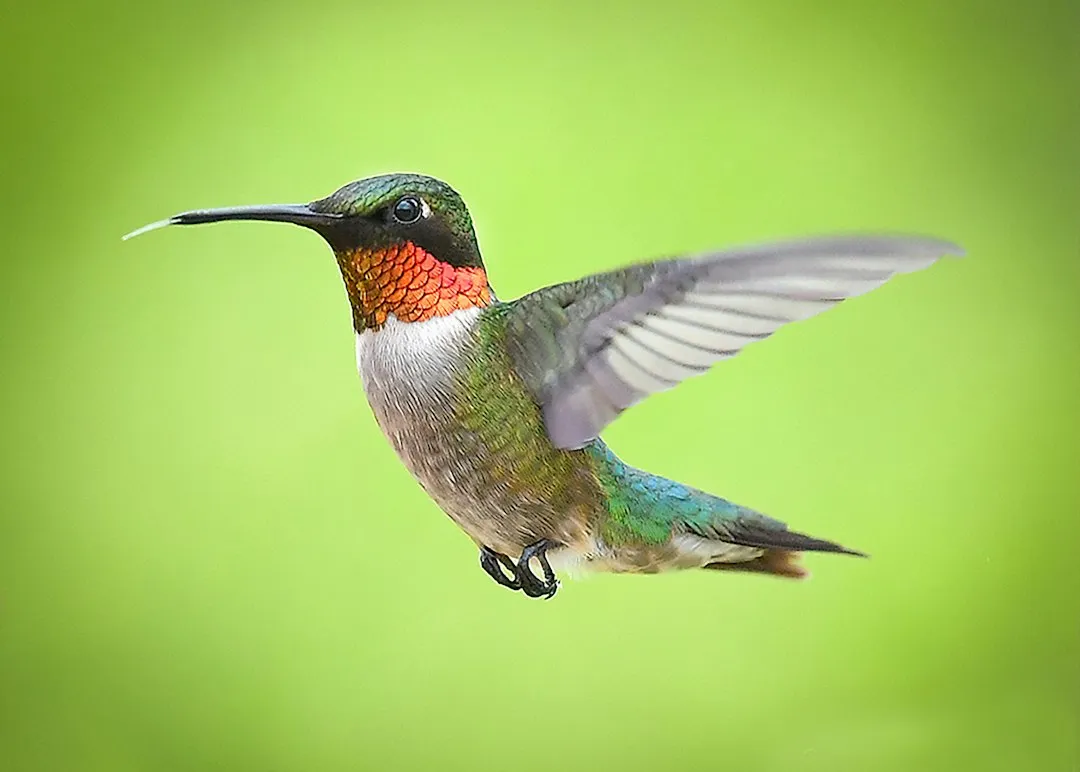
This is the change many homeowners don’t want to talk about. Outdoor cats, even well-fed ones, are stealth predators, and hummingbirds hover low and fly predictable routes right into their range.
It only takes a few close calls – or one fatal attack – for your yard to become a no-fly zone. It’s not only cats, either: new neighborhood hawks, snakes near dense shrubs, or even a fake owl moved too close to a feeder can spook cautious birds for good.
- Feathers scattered near a feeder base.
- Birds that approach but veer off at the last second.
- Hummingbirds sticking to high, far edges of the yard only.
Keep cats indoors or leashed, hang feeders 5–6 feet up and away from hiding spots, and skip thick groundcover directly beneath them. A yard that feels like a hunting ground doesn’t stay on anyone’s spring itinerary.
#6 – Adding Continuous Night Lighting and Ultra-Bright LEDs
🔥 Would you like to save this?
We'll email this post to you, so you can come back to it later!
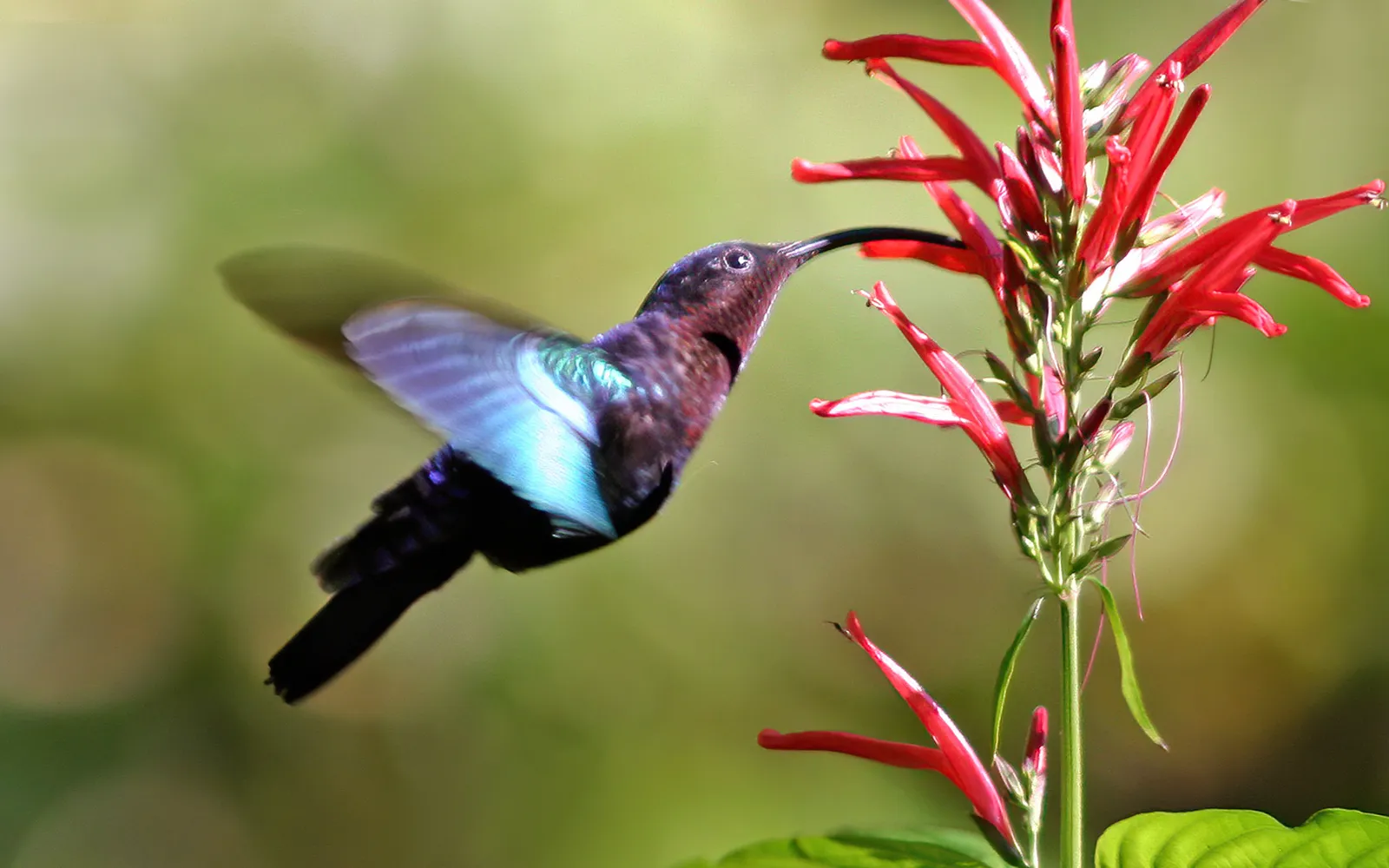
Humans love the resort-yard vibe: string lights, floodlights, motion spots glowing all night. Hummingbirds evolved with dark nights and gentle dawns, and constant artificial light quietly rewrites their world.
Excessive lighting often pulls insects away from flowers and toward walls and fixtures instead – exactly where hummingbirds can’t easily feed. It can also disrupt the delicate dawn and dusk windows they rely on.
- Insects clustering around bulbs instead of hovering over nectar plants.
- A yard that reads as unnaturally active or unsafe after dark.
- Disrupted early-morning or late-evening feeding windows.
Warm, low-intensity lights on timers beat all-night floods every time. If your yard went from softly lit to blazing bright in the last few years, that alone might explain the silence.
#5 – Removing Shrubs, Vines, and Small Trees in the Name of “Views”
🔥 Would you like to save this?
We'll email this post to you, so you can come back to it later!
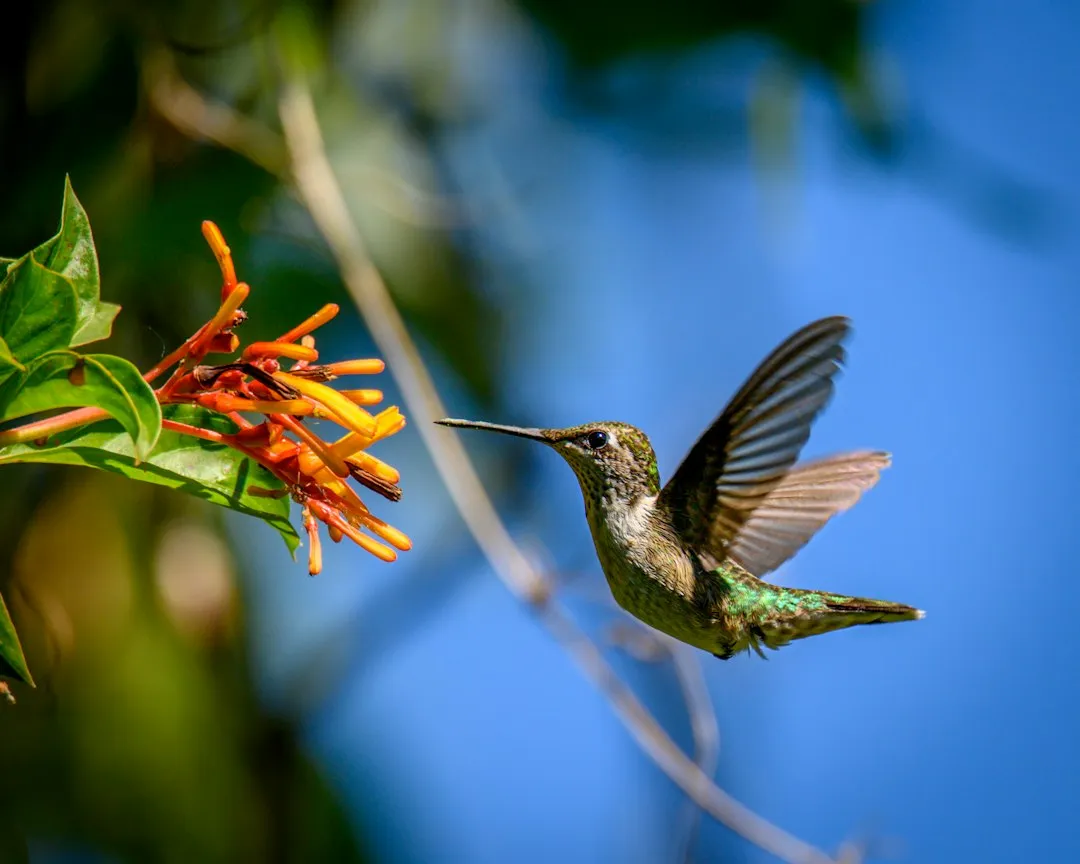
Everyone wants an open view – until the birds disappear with it. Hummingbirds need vertical structure just as much as flowers: shrubs, small trees, and climbing vines to perch on, rest in, and nest inside.
Strip a yard down to lawn plus a few flower islands, and you’ve built a high-effort, low-safety habitat. Consider what actually gets lost when you “open things up”:
- Sheltered resting spots between feeding bouts.
- Protected nest sites away from wind and predators.
- Perches at varied heights for territorial display and scanning.
Native shrubs like currant, elderberry, or spicebush, plus coral honeysuckle on a trellis, do more for a hummingbird than any manicured lawn ever will. Lose that middle layer, and many birds simply stop recognizing your yard as livable ground.
#4 – Ignoring Moldy, Fermented, or Ant-Infested Feeders
🔥 Would you like to save this?
We'll email this post to you, so you can come back to it later!
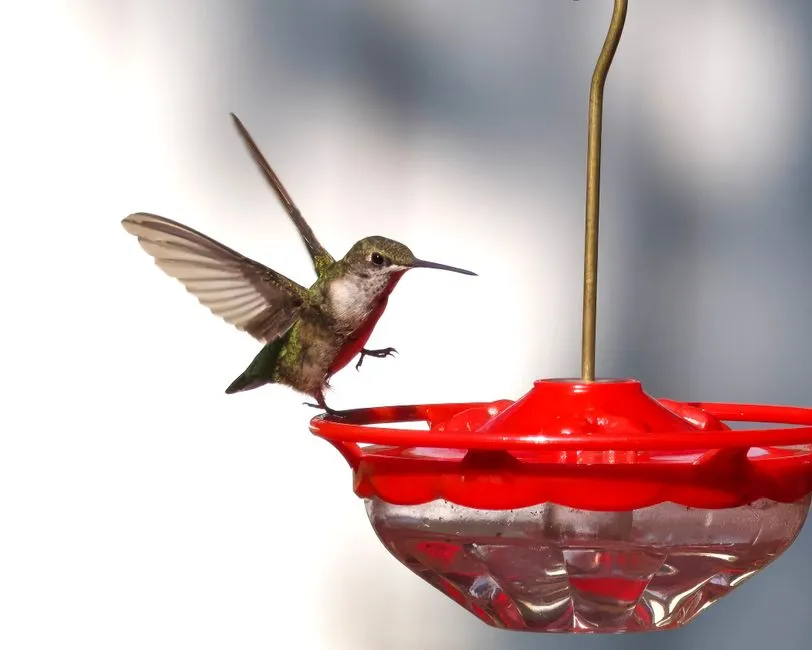
This one drives bird rehabbers crazy, because it’s completely preventable. Sugar water spoils fast in warm weather – yeast and bacteria build up within days, black mold can form in crevices, and ants and wasps show up uninvited.
To a hummingbird, that’s not just unappetizing – it can be dangerous, and it teaches them to avoid your yard entirely.
- Clean feeders with hot water and a bottle brush every 2–3 days in heat.
- Use a mild vinegar rinse occasionally – never harsh chemicals that could linger.
- Replace nectar the moment it clouds, even if the feeder isn’t empty.
Watch for black residue around the ports, a fermented smell, or insects floating in the liquid. A yard that consistently offers fresh nectar becomes a spring magnet; one that offers spoiled sugar water becomes a “never again” memory.
#3 – Letting Lawn Culture Take Over the Whole Property
🔥 Would you like to save this?
We'll email this post to you, so you can come back to it later!
Lawns are popular. They’re also nearly useless to hummingbirds. Shift a yard from mixed beds and borders to a vast expanse of turf, and you’ve paved over habitat with green carpet.
Grass offers almost no nectar, almost no insect diversity, and no vertical structure at all. Add fertilizers and weed killers on top, and you’ve built a pristine green desert.
- Replacing mixed front-yard gardens with grass plus two foundation shrubs.
- Expanding lawn to the fence lines, wiping out hedgerows and wild corners.
- Using pre-emergent herbicides that also kill the clover and dandelions insects rely on.
A little lawn is fine. A lawn that’s the entire identity of the yard is a loud, clear “no vacancy” sign for spring migrants.
#2 – Failing to Adjust Nectar and Flowers to Climate Shifts
🔥 Would you like to save this?
We'll email this post to you, so you can come back to it later!
Spring isn’t as predictable as it used to be. Warmer winters, late frosts, and erratic temperature swings are shifting bloom times across the country.
Worth Knowing
- Spring arrival is triggered mainly by day length and hormones, not by how much food happens to be sitting in a yard.
- The migration front sweeps north from the Gulf Coast in late February to southern Canada by mid-May, advancing at roughly 20 miles a day.
- Males typically scout ahead, arriving about ten days before females show up to claim territory.
If your feeder schedule and planting plan are still based on what “used to” work ten or twenty years ago, you might be badly out of sync. Hummingbirds time their arrival by day length and broad climate patterns – not your personal gardening habits.
- They arrive to find blossoms still in tight bud because you planted late.
- Feeders go out after they’ve already flown through in a hungry wave.
- A sudden cold snap kills the early flowers you were counting on.
Track your first and last sighting dates each year, move your feeder prep a week earlier if birds start showing sooner, and hedge with a few extra-hardy early bloomers. Ignore the shift, and your yard quietly drifts out of alignment with a migration clock that never stopped moving.
#1 – Treating Hummingbird Visits as an “Extra” Instead of Designing a Real Habitat
🔥 Would you like to save this?
We'll email this post to you, so you can come back to it later!
Here’s the uncomfortable truth few people say out loud: hummingbirds don’t owe you a visit. When a yard slides from intentional habitat to pretty backdrop, they notice – and they leave without a word of warning.
The most common pattern in homes that suddenly lose their spring hummingbirds isn’t one dramatic change. It’s a slow drift from active stewardship to passive decoration, one small skipped task at a time.
- Feeders that go up later each year and get cleaned less often.
- Native plants removed one by one, replaced with generic ornamentals.
- Wild corners shaved down for curb appeal.
- Pest control and lighting decisions made with zero thought for wildlife.
Hummingbirds don’t care about your style; they care about survival math. Is there nectar from multiple sources? Protein? Water, cover, and safety from predators and glass?
The bird you’re trying to attract has already decided your yard’s answer – it just hasn’t sent you the memo.
If the total equation turns negative, they don’t complain. They just stop arriving. Yards that intentionally prioritize habitat keep hummingbirds. Yards that treat them as an afterthought eventually lose them – quietly, and for good.
The Bottom Line
🔥 Would you like to save this?
We'll email this post to you, so you can come back to it later!
When hummingbirds stop arriving in spring, it’s rarely a mystery, and it’s almost never bad luck. It’s the sum of small choices: fake flowers instead of nectar-rich natives, spotless lawns instead of layered shrubs, pesticides instead of insects, floodlights instead of dark corners, neglected feeders instead of clean, steady sugar water.
Each change on this list chips away at what made your yard worth a wingbeat in the first place. And here’s the part I actually believe matters most: almost every single factor is reversible.
You can replant natives, fix your lighting, ditch the red dye, retire the broad-spectrum sprays, and bring back shallow water and wild corners. You can rebuild trust with a bird that remembers exactly where it was once welcome – and exactly where it wasn’t.
So the real question isn’t whether hummingbirds are fussy. It’s whether you’re willing to design a yard for them, or just keep hoping they show up anyway. If you’ve lost them, or somehow kept them through all of this, I’d genuinely like to know what made the difference.

As a little kid, I fell in love with nature, wildlife, and animals. Living in the USA, South Africa, Italy, China and Germany gave me the opportunity to discover the world's Wildlife. My favorite animals are Mountain Gorillas, Siberian Tigers, and Great White Sharks.
I'm a certified PADI Open Water Diver, went to Everest Base Camp and Trekked Gorillas in Uganda. I hold a Master of Science in Economics and Finance.
Please send any feedback to feedback@animalsaroundtheglobe.com
- 18 Powerful Lessons We Can Learn from Orca Social Structure - November 5, 2026
- 10 Incredible Migration Journeys in the Animal Kingdom - November 5, 2026
- 10 Sounds Dogs React To And 3 That Annoy Them - November 5, 2026