
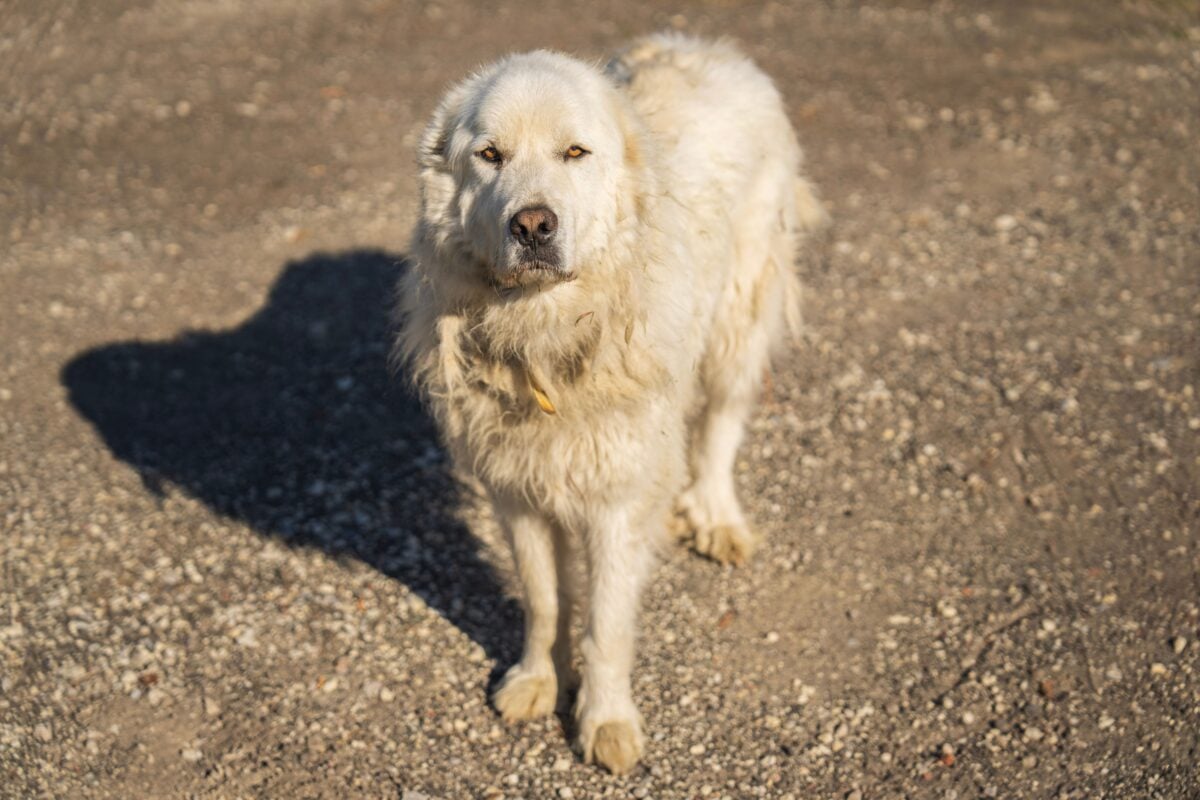
Most people picture a livestock guardian dog doing exactly one thing after dark: sleeping next to the flock and occasionally growling at a coyote. The truth is stranger, and far more calculated, than that.
A serious LGD is running a full night shift – reading wind currents, mapping sounds in pitch darkness, and repositioning animals like pieces on a chessboard, all while looking like it’s doing nothing at all. What looks like laziness is often energy being banked for a sprint that might happen at 3 a.m. Here’s what shepherds, trainers, and years of field observation reveal about the 16 things actually happening in your pasture while you’re asleep.
#16 – Scanning the Perimeter Before You Even Go to Bed
🔥 Would you like to save this?
We'll email this post to you, so you can come back to it later!
The first thing a real livestock guardian dog does at dusk isn’t sleep. It’s a security sweep.
As the light fades, most LGDs run a slow, almost bored-looking loop along fence lines, gates, and tree breaks. They’re not stretching their legs. They’re building a mental snapshot of the entire property before darkness erases the details, so anything that changes later – a new scent, an odd sound – triggers instant alarm.
They also check the weak spots. A loose board, a sagging wire, a gap in the brush where predators like to slip through all get extra nose time. Owners see random sniffing. Shepherds see an audit.
A few subtle things happen during this early patrol:
- The dog picks its night resting zones based on scent patterns and wind direction.
- It registers exactly where the flock is naturally clustering.
- It notices fresh predator tracks or scat long before a human would.
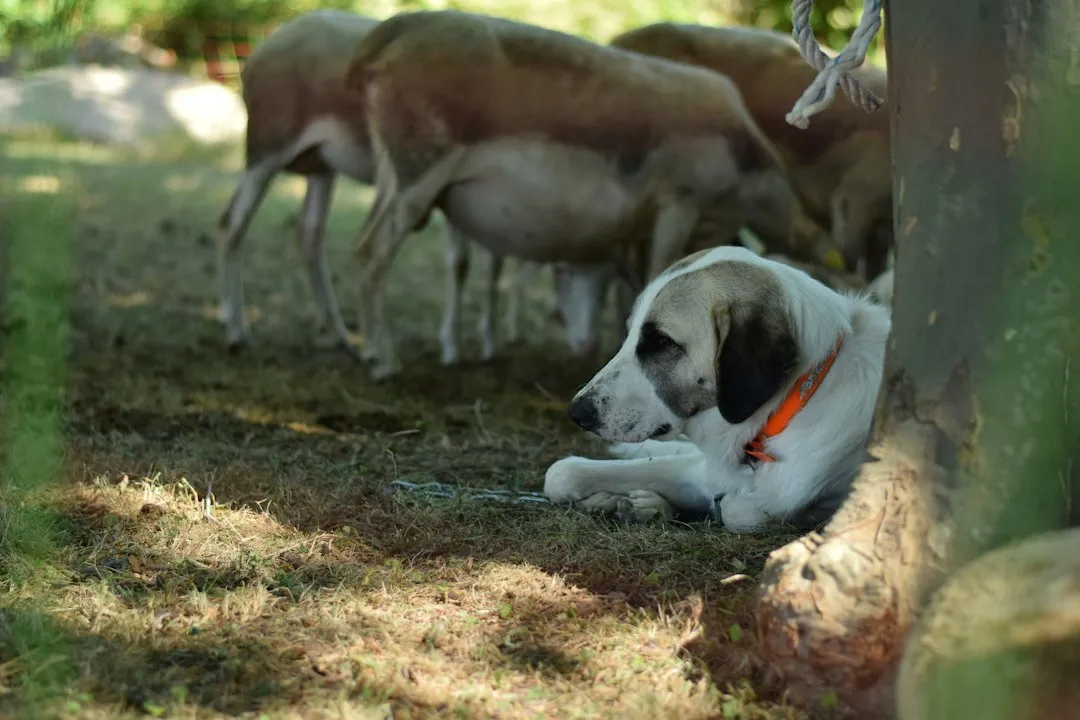
Most owners walk right past this twilight ritual without a second thought. That’s nothing compared to what happens once the sun is fully down.
#15 – Mapping Scent Cones on the Night Wind
🔥 Would you like to save this?
We'll email this post to you, so you can come back to it later!
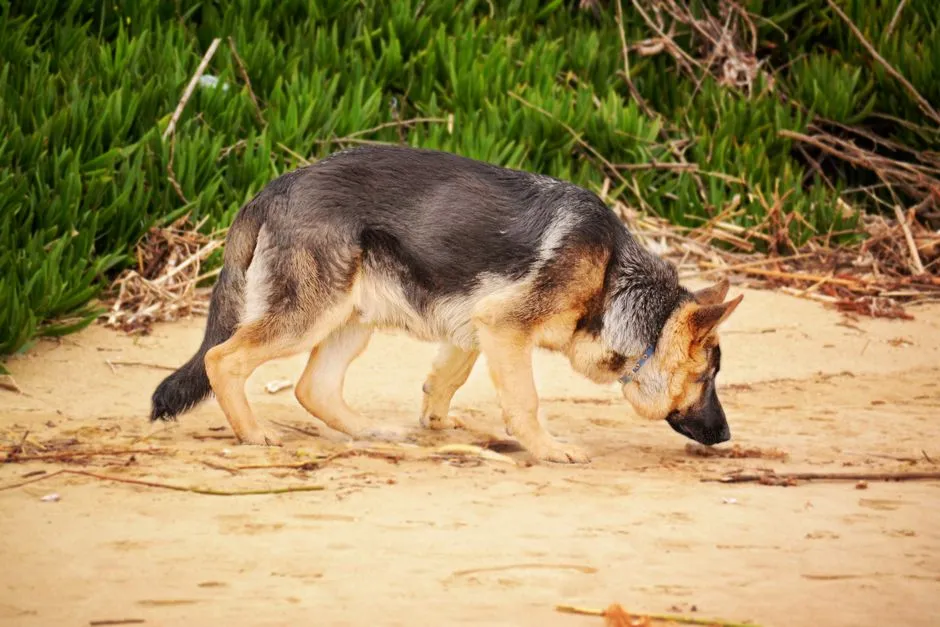
To a human, night air smells like nothing. To an LGD, it’s radar.
Once darkness settles, air currents sharpen and carry scent farther. Guardian dogs exploit this by positioning themselves wherever the wind delivers the widest range of smells – often a slight rise or an open corner of the paddock – then simply standing there while their nose does the heavy lifting.
This isn’t idle sniffing. Behaviorists call it a scent map: who passed through, which direction they were headed, and how long ago. A trace of fox musk gets a sharp reaction. An old coyote trail gets logged but ignored. A stranger’s scent drifting from the back gate flips the switch to full alert almost instantly.
You might catch them:
- Lifting their nose and “tasting” the air in short, deliberate sniffs.
- Tilting their head, then relocating a few feet for a better angle.
- Ignoring familiar barn smells but bristling at anything out of pattern.
Most people see a quiet dog and assume it’s off duty. In reality, this is the early warning system quietly humming in the background – and it’s nothing compared to how they move once they’ve locked onto something.
#14 – Running Silent Perimeter Patrols in the Dark
🔥 Would you like to save this?
We'll email this post to you, so you can come back to it later!
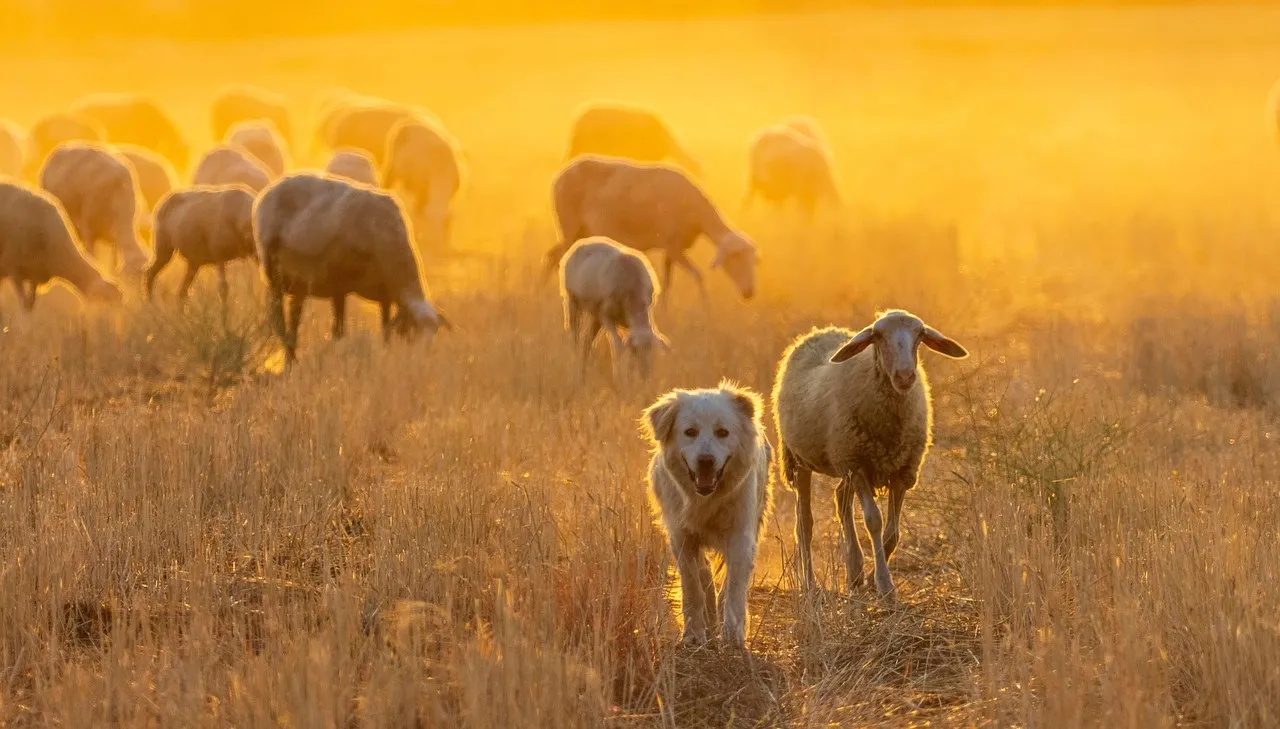
Forget the Hollywood version. A good LGD doesn’t bark nonstop through the night – the best ones spend long stretches moving in near-total silence.
These “ghost patrols” hug fence lines, brush edges, and treelines – the exact routes predators use to approach. The dog pauses often to listen and smell before moving again, and it changes its route slightly each night so nothing can predict its pattern.
Fast Facts
- Popular LGD breeds include the Great Pyrenees, Anatolian Shepherd, Kangal, Akbash, and Maremma Sheepdog.
- Adult guardian dogs typically weigh between 90 and 150 pounds, depending on breed.
- Most LGDs shift into peak alertness between dusk and dawn, mirroring the activity window of coyotes, foxes, and other common predators.
- A single guardian dog can patrol and effectively defend a territory spanning dozens of acres.
This isn’t aimless pacing. It’s intimidation through presence. Coyotes, feral dogs, and bobcats test fences before committing to an attack, and when they catch the scent of a large, confident dog already patrolling, most simply move on to an easier target somewhere else.
A surprising amount of “protection” is really just deterrence, not combat. Some owners prefer a dog that beds down in the middle of the flock, but many experienced shepherds now argue a roaming, perimeter-focused guardian stops trouble before it ever starts. Even that strategy pales next to what happens when the dog actually has to sound the alarm.
#13 – Using Bark Patterns as a Long-Range Alarm System
🔥 Would you like to save this?
We'll email this post to you, so you can come back to it later!
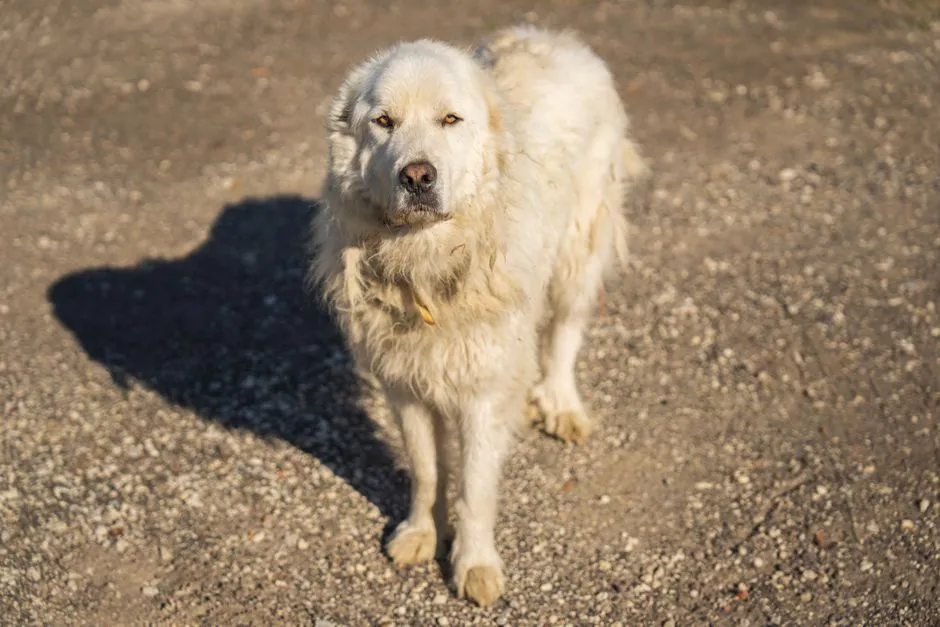
To a sleepy neighbor, it’s just annoying barking. To the flock, it’s a coded message.
LGDs don’t bark randomly – they use different patterns for different threats. A deep, slow bark usually means “something’s out there at a distance, stay calm.” Fast, repeated barking signals a closer threat and tells the flock to freeze. Short, sharp bursts are often aimed directly at a specific intruder.
A well-socialized flock actually learns these codes over time. Sheep, goats, and poultry respond by freezing, clustering together, or moving closer to the dog based on sound alone – not pure instinct, but a learned association built from repeated pairing of bark type and outcome.
You’ll often notice:
- A broad, sweeping bark aimed outward into the darkness.
- Intermittent barking that fades once the dog decides it’s a false alarm.
- Prolonged barking when something feels wrong, even if nothing is visible yet.
Suburban neighbors complain LGDs are too loud, but that night barking is a core layer of defense. When it doesn’t work, the dog escalates fast.
#12 – Physically Repositioning the Flock Like Moving Furniture
🔥 Would you like to save this?
We'll email this post to you, so you can come back to it later!
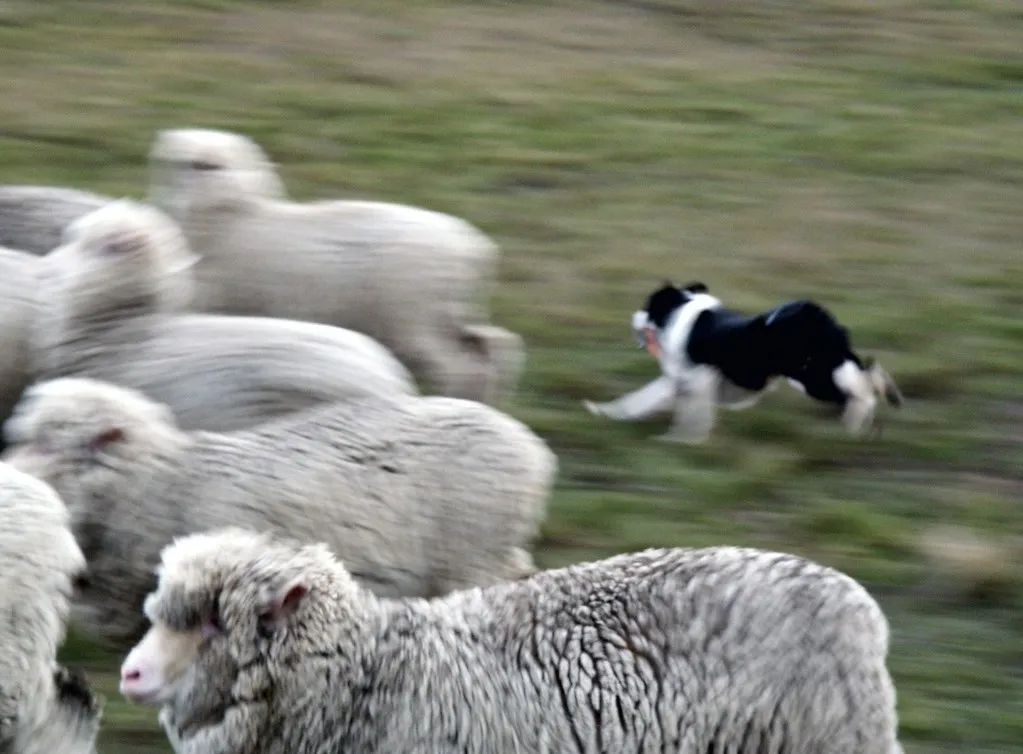
Most people assume only herding breeds can move livestock. That’s wrong – a good guardian dog reshapes the flock’s position all night long, without ever being taught to herd.
If the sheep bed down too close to a treeline or a weak stretch of fence, a sharp LGD will circle, nudge, and body-block them toward safer ground. This is pressure and presence, not nipping or chasing.
You might see:
- The dog pacing behind the flock until they gradually drift toward the barn or open ground.
- It lying down in the exact spot it doesn’t want the animals to wander toward, creating an invisible wall.
- Gentle nudges and shoulder bumps directed at stragglers, especially lambs and kids.
Prey animals are hardwired to read predator body language, and a guardian’s calm “move this way” posture works because of that same wiring. Many night attacks never even reach the danger stage because the dog quietly relocated the sleeping group hours earlier. While most owners obsess over whether their dog “can kill a coyote,” the real magic often happens in this quiet reshuffling nobody sees.
#11 – Enforcing Strict “No Outsiders” Rules After Dark
🔥 Would you like to save this?
We'll email this post to you, so you can come back to it later!
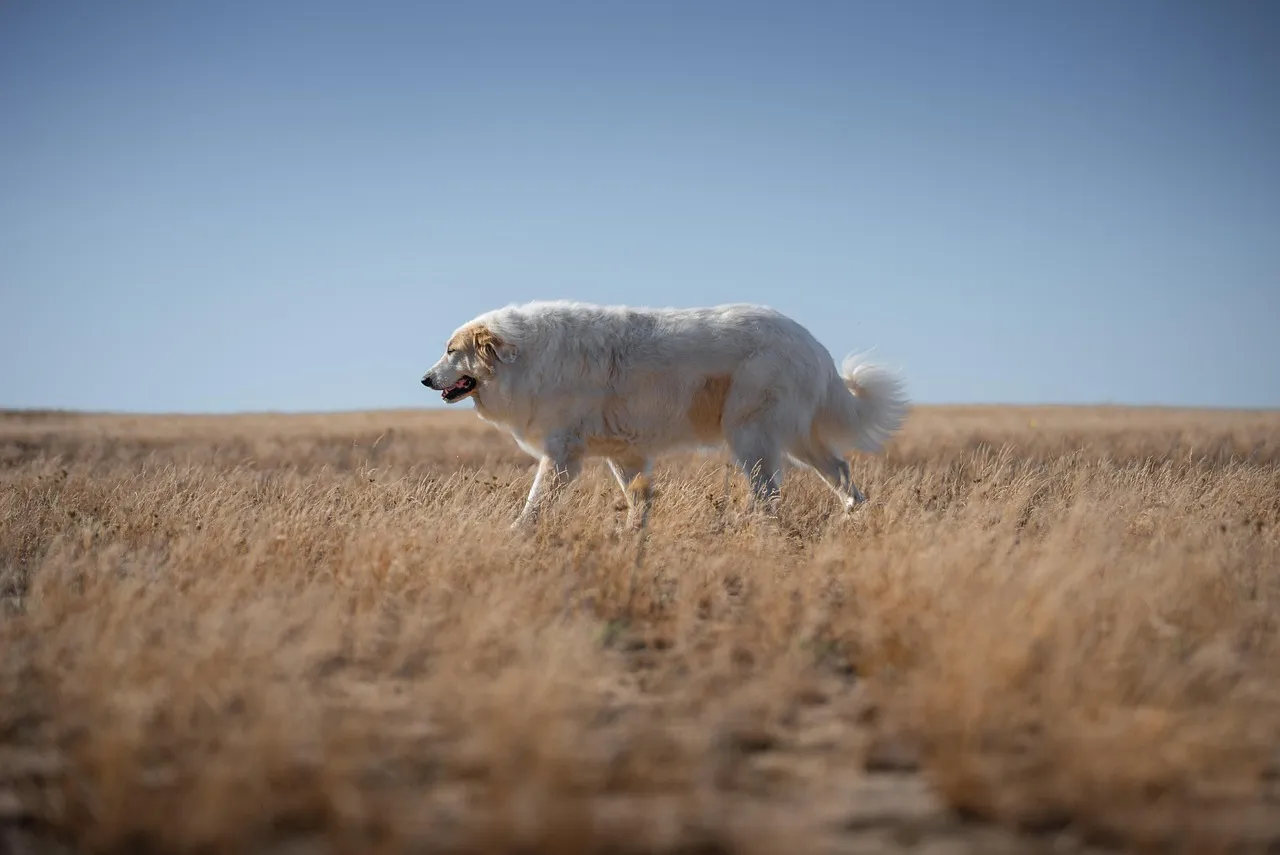
Daytime visitors might get a polite sniff and a wagging tail. At night, the rules change completely.
Many LGDs run on one hard boundary: no new animals, no new humans, and no strange dogs inside the flock’s space after sunset – period. That includes the neighbor’s “friendly” farm dog or a wandering barn cat that doesn’t belong. From the guardian’s perspective, every unfamiliar body inside the perimeter is a potential predator.
You’ll see the shift happen almost like a switch flips:
- A relaxed, even friendly daytime demeanor turns sharply businesslike after dark.
- The dog places itself squarely between the flock and any approaching shape.
- Growls and stiff postures appear much faster once the sun is down.
Some owners call this overprotective. It’s exactly what keeps lambs and poultry alive. In many regions, feral and free-roaming dogs cause more livestock losses than wild predators do, and an LGD that tolerates strange canines at night simply doesn’t survive long in a serious working operation. That hard line on outsiders is intense – but it’s nothing compared to how they police their own flock.
#10 – Breaking Up Fights and Calming Internal Chaos
🔥 Would you like to save this?
We'll email this post to you, so you can come back to it later!
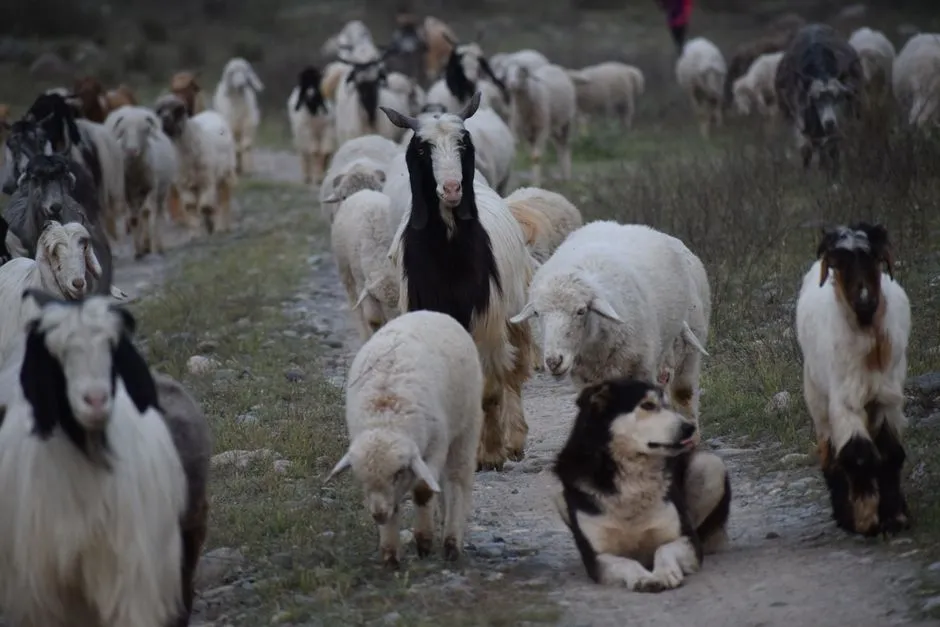
Guardians don’t only protect from outside threats – they also manage the drama happening inside the fence.
Night is when tensions spike: ewes guarding newborns, bucks testing each other, roosters being roosters. A chaotic, noisy flock is an easy target, so LGDs instinctively step in to break up fights, separate bullies, and settle agitated animals.
Common behaviors include:
- Charging between two fighting rams or bucks and body-slamming them apart.
- Standing over a newborn to block unwanted attention from other animals.
- Lying close to a nervous or injured animal to reduce its pacing and noise.
Some farmers see this as the dog “interfering.” In reality, a calm, quiet flock is a statistically safer flock – predators cue in on sound, motion, and distress signals. If the night stays boring, predators often decide it’s not worth the risk. That instinct for internal order is impressive, but it’s nothing compared to how selective these dogs get about where they sleep.
#9 – Sleeping in Strategic, Not Comfortable, Locations
🔥 Would you like to save this?
We'll email this post to you, so you can come back to it later!
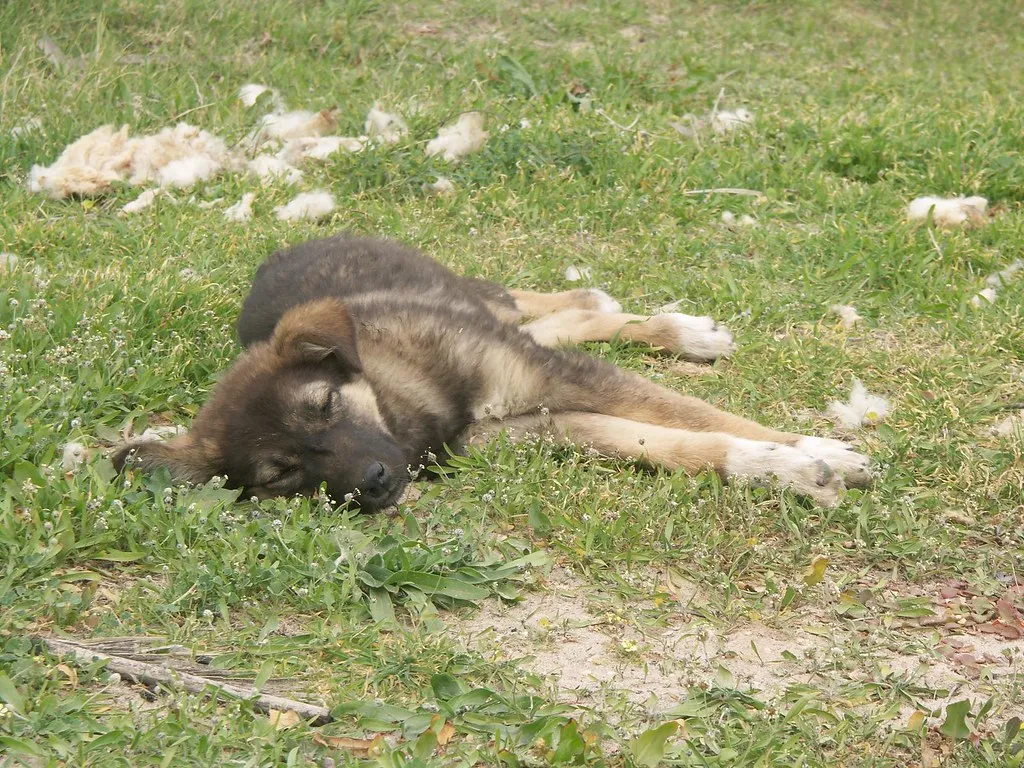
To a human eye, an LGD stretched out on a dirt mound looks like it just picked a random nap spot. It didn’t.
Guardians choose sleep positions the way soldiers pick lookout posts. Instead of the softest patch of hay, most will settle for:
- Slight elevation, so they can visually scan over backs and fences.
- A spot where sound carries well, like a corner where multiple fence lines meet.
- Ground downwind of typical predator entry points, so scent reaches them first.
They also sleep in short bursts rather than one long stretch. Instead of eight uninterrupted hours, they doze in cycles, waking often to check sounds and smells. Working-dog research consistently shows these dogs hold onto a lighter sleep state than the deep, oblivious sleep you’d see in a pet dog snoring on the couch.
The surprising part: that “lazy” dog on the mound may be perfectly positioned to intercept an intruder in under three seconds. It’s not about comfort – it’s about commanding the terrain. And that terrain awareness gets even stranger once you factor in the moon.
#8 – Shifting Tactics with the Phases of the Moon

🔥 Would you like to save this?
We'll email this post to you, so you can come back to it later!
Here’s where it gets genuinely scientific: predators change their behavior with moonlight, and so do serious guardian dogs.
On dark, new-moon nights, predators lean harder on scent and close-range ambush. LGDs respond by staying tighter to the flock, relying more on smell and sound, with less roaming and tighter circles around the sleeping animals.
On bright, full-moon nights, visibility jumps for everyone. Coyotes and cats travel farther and test fences more boldly, so guardians often respond by:
- Extending their patrol radius to cover more of the perimeter.
- Spending more time on high ground to scan open fields visually.
- Barking at moving silhouettes from much greater distances.
Owners running trail cameras consistently report heavier predator traffic on bright nights, matched by heavier dog movement. Most pet owners never think about lunar cycles, but seasoned shepherds actually plan lambing, paddock changes, and night checks around this pattern. The moon-based strategy is subtle – but the personal loyalty behind the next behavior is impossible to miss.
#7 – Checking on the Weak and Vulnerable One by One
🔥 Would you like to save this?
We'll email this post to you, so you can come back to it later!
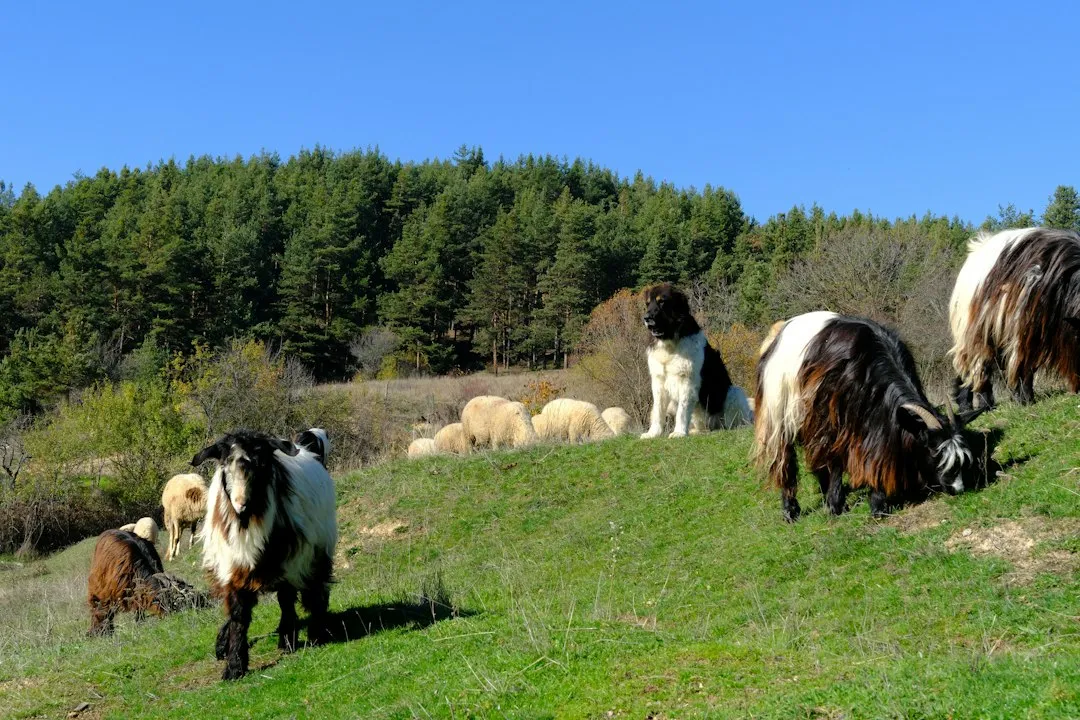
Not every animal in the flock gets equal attention from a guardian dog. At night, LGDs run something close to a triage list.
The ewe with twins, the bottle lamb, the goat that limped all day – they’re all on the dog’s radar. A good guardian will quietly check in on these higher-risk animals multiple times through the night, over and over, without being asked.
Watch for:
- Nose-to-nose touches with lambs or kids, followed by a quick body-scan sniff.
- The dog lying near one specific animal for an hour, then moving on to the next check.
- A guardian that refuses to leave a clearly sick or laboring ewe, no matter what.
This isn’t sentimentality – it’s strategy. Predators target the weakest link first, and by anchoring itself next to that animal, the dog patches the biggest hole in the flock’s defense before it becomes a problem. Some shepherds say their dog alerted them to a difficult birth or a hidden illness purely by refusing to leave one animal’s side. That triage instinct runs deep, but it’s backed by something even less visible: a map that exists only in the dog’s head.
#6 – Keeping a 3D Mental Map of Every Fence, Gate, and Gap
🔥 Would you like to save this?
We'll email this post to you, so you can come back to it later!
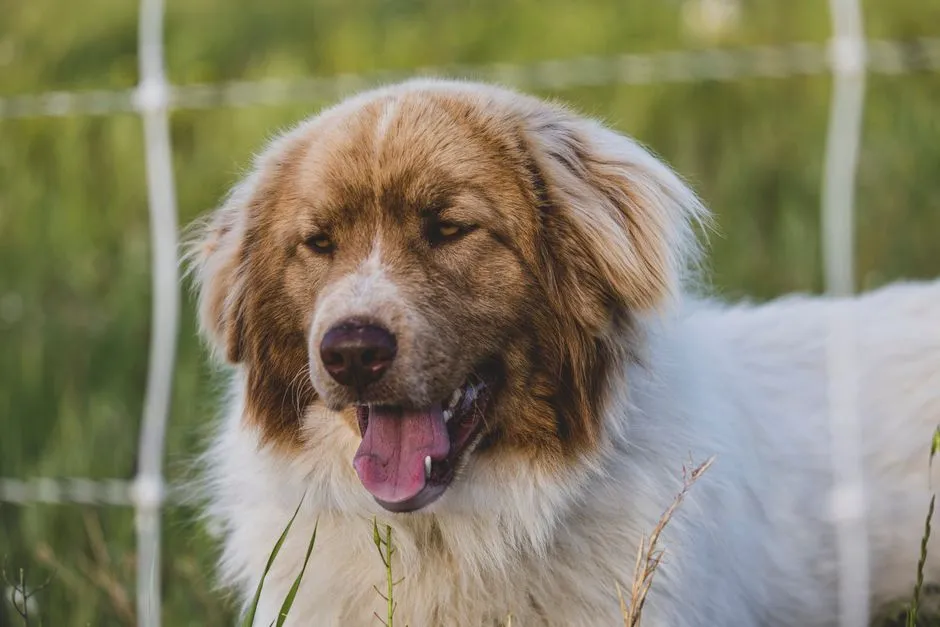
Humans need flashlights. LGDs need memory.
By nightfall, a working guardian already knows every fence line and where it bends or dips, which gates swing loose and which sometimes get left cracked open, and where the terrain funnels movement through low spots or brushy draws. At night, they move through this map almost entirely on memory and feel, with a confidence you never see in a house pet stumbling through a dark yard.
Worth Knowing
- Guardian puppies typically start learning fence lines and territory boundaries by walking the property alongside an experienced adult dog.
- Consistent, unchanging boundaries help an LGD settle into confident, predictable night behavior faster.
- Dogs raised on the same property from puppyhood tend to build a far more detailed mental map than adults introduced to a new range later in life.
That’s exactly why they can sprint full speed through darkness toward a threat without slamming into a fence post or a feed trough.
This internal map also flags anything different. A gate left oddly ajar, a tractor parked somewhere new, feed bags stacked too close to the fence line – all of it registers instantly as “changed.” And changed, at night, means “investigate before trusting it.” Most owners lean on cameras and headlamps for this kind of awareness. Your LGD is running a constantly updated, offline version of the same system for free – and what it does with actual predators is even more impressive.
#5 – Negotiating with Predators Before a Fight Ever Starts
🔥 Would you like to save this?
We'll email this post to you, so you can come back to it later!
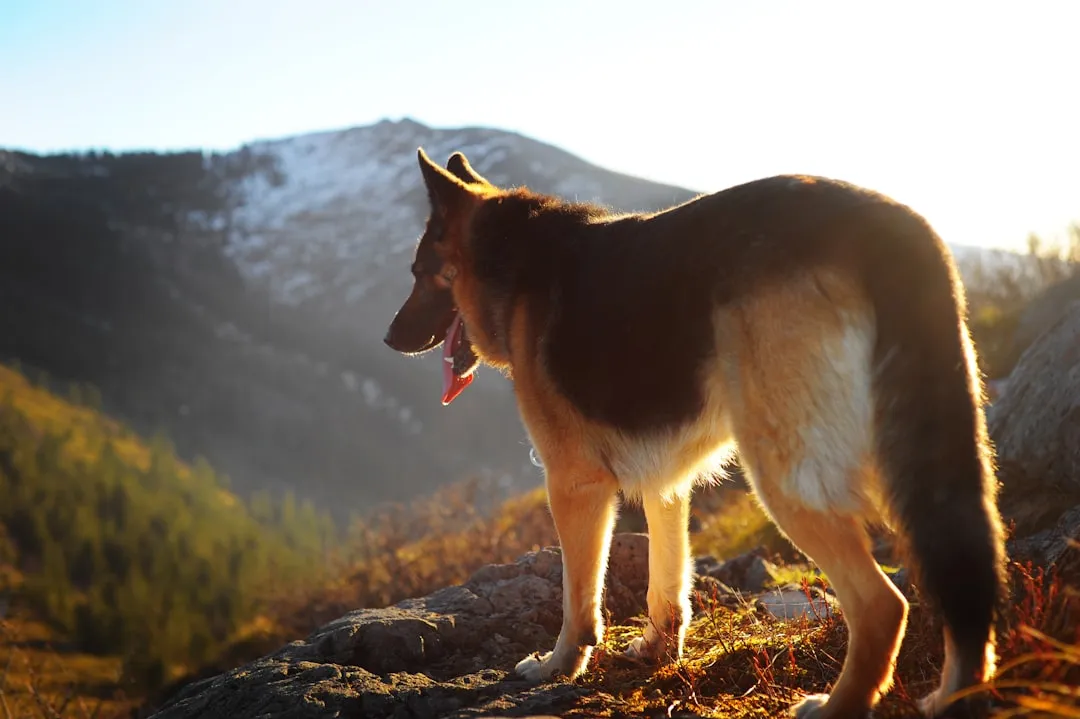
Here’s the part that surprises people: a lot of LGD work is psychological, not physical.
Coyotes and wolves are not eager to get hurt – a broken leg in the wild often means slow starvation. Guardian dogs exploit that fear by projecting confidence, ownership, and a clear willingness to escalate, long before any teeth make contact. The goal was never a body count. It’s convincing the predator that this particular flock simply isn’t worth the risk.
Typical “negotiation” moves include:
- Standing tall with tail up, barking in advancing bursts without ever crossing the fence line.
- Marking territory heavily right at the spots predators tend to approach from.
- Chasing an intruder to the property boundary, then stopping deliberately instead of continuing a risky, pointless pursuit.
Field observations show some coyote packs will permanently reroute around a well-defended property – not because the dog killed every one of them, but because it convinced them the location equals pain and hassle. People who brag only about body counts miss the real skill: a dog that rarely has to fight because its reputation is already written into the local landscape. Still, when talk fails, the physical tactics get brutally efficient.
#4 – Using Burst-Speed, Hit-and-Run Tactics in Close Encounters
🔥 Would you like to save this?
We'll email this post to you, so you can come back to it later!
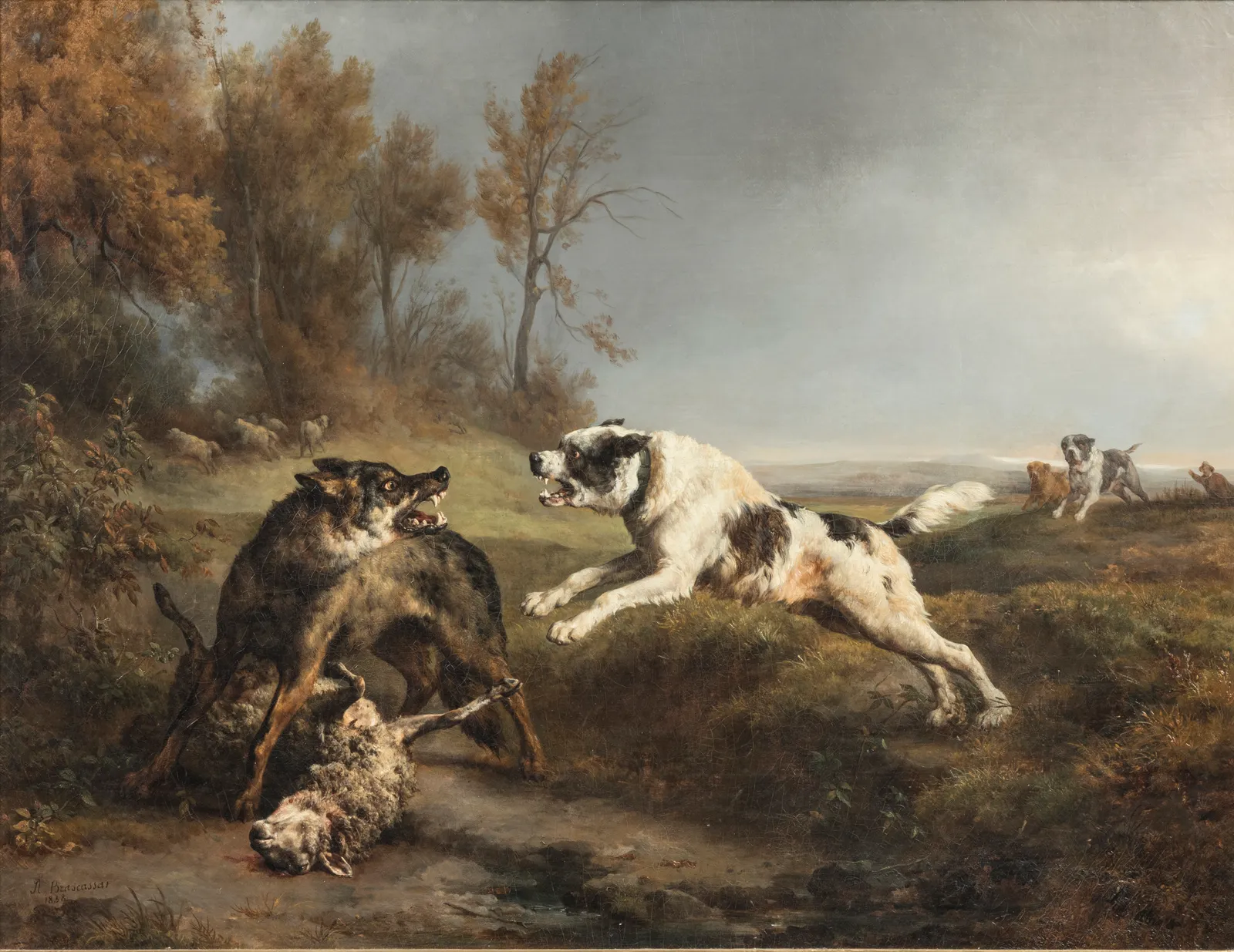
When a predator ignores every warning, all that “lazy” energy conservation from earlier in the night suddenly cashes out.
Guardian dogs aren’t built like marathon runners – they’re sprinters. They save their energy for short, explosive bursts of speed and power that arrive exactly when needed, going from a dead stop to full throttle in a heartbeat once an intruder crosses the line.
Key tactics include:
- Targeting the closest threat to the flock instead of chasing whatever is farthest away.
- Slamming into predators with shoulder hits to knock them off balance.
- Biting at flanks or hindquarters to drive intruders off rather than chasing them deep into the dark, where ambushes happen.
Experienced handlers will tell you a smart LGD isn’t trying to kill every intruder that shows up. It’s trying to deliver one very painful, very memorable lesson – then get back to the flock in one piece, because a dead guardian protects nothing. That physical power is impressive, but it’s the invisible chemical layer that really locks down a territory.
#3 – Laying Down a Chemical Fence with Scent Marking
🔥 Would you like to save this?
We'll email this post to you, so you can come back to it later!
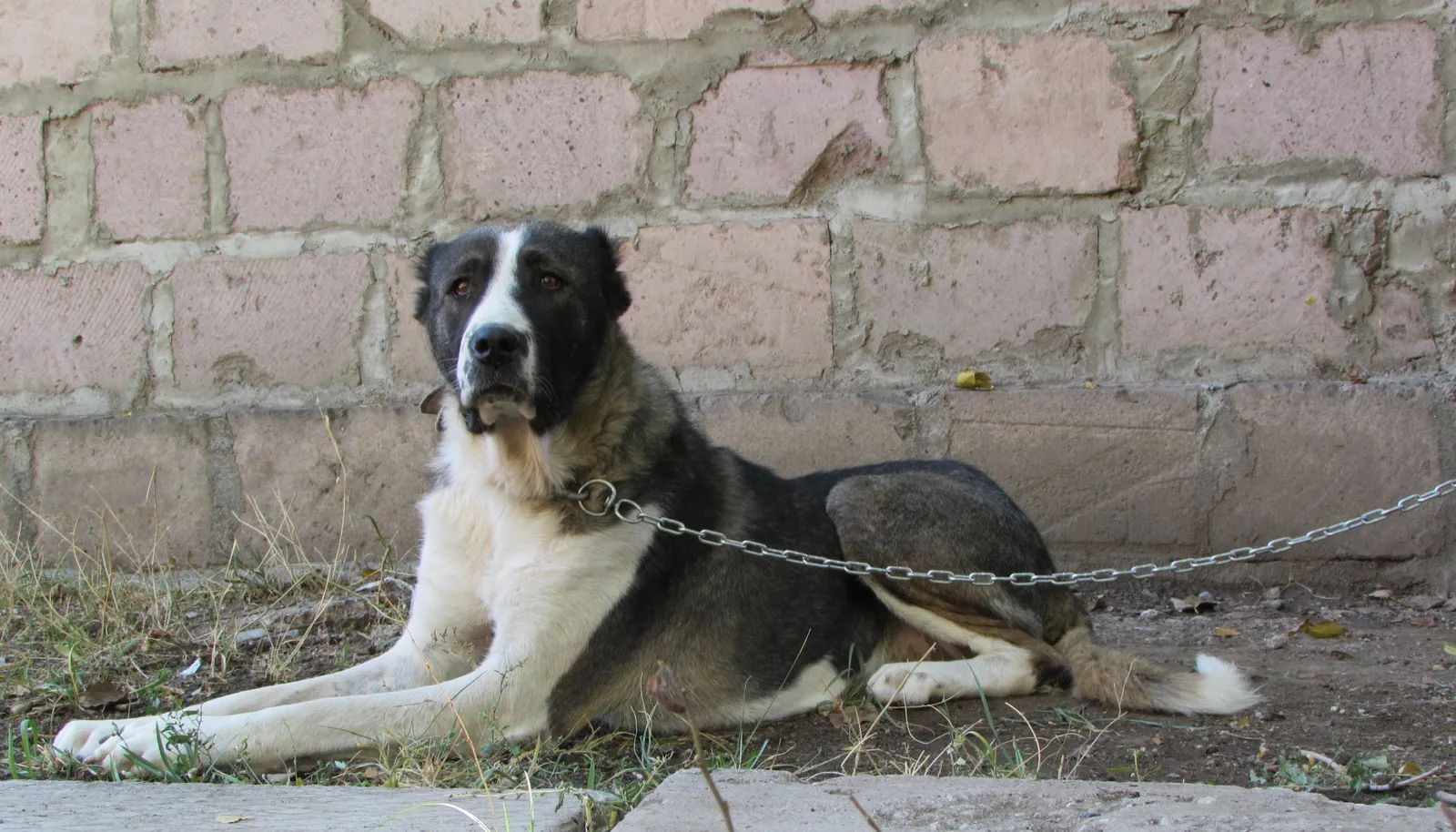
While you’re asleep, your LGD is basically painting invisible “keep out” signs across the property.
Guardians mark heavily at night along fence lines and corners, near common predator trails and game paths, and around the flock’s main bedding area. Urine and gland scent function as powerful territorial signals – a fresh, strong dog scent tells a predator exactly what kind of opposition it’s dealing with before it ever sees the dog itself.
Quick Compare
- Scent: Passive, long-lasting territory markers that keep working even while the dog sleeps.
- Sound: Active, real-time warnings that scale from mild to urgent depending on the threat.
- Presence: Physical positioning and body language that predators read on sight, no sound required.
Research on canid behavior shows wild predators read urine as more than just “a dog was here.” It reads more like an ID card – size, sex, and hormonal status, all recently updated. Some LGDs go a step further, scratching the ground or rubbing their bodies against posts to layer even more scent into the environment.
Over time, the whole property becomes a kind of chemical wall suggesting something big and serious lives here. On its own, scent marking isn’t enough – but combined with bark patterns, posture, and a track record of repelled attacks, it becomes a silent fence line most predators cross at their own risk. And oddly enough, much of that power comes from something that looks a lot like doing nothing at all.
#2 – Conserving Energy Like a Professional Athlete, Not a House Pet
🔥 Would you like to save this?
We'll email this post to you, so you can come back to it later!
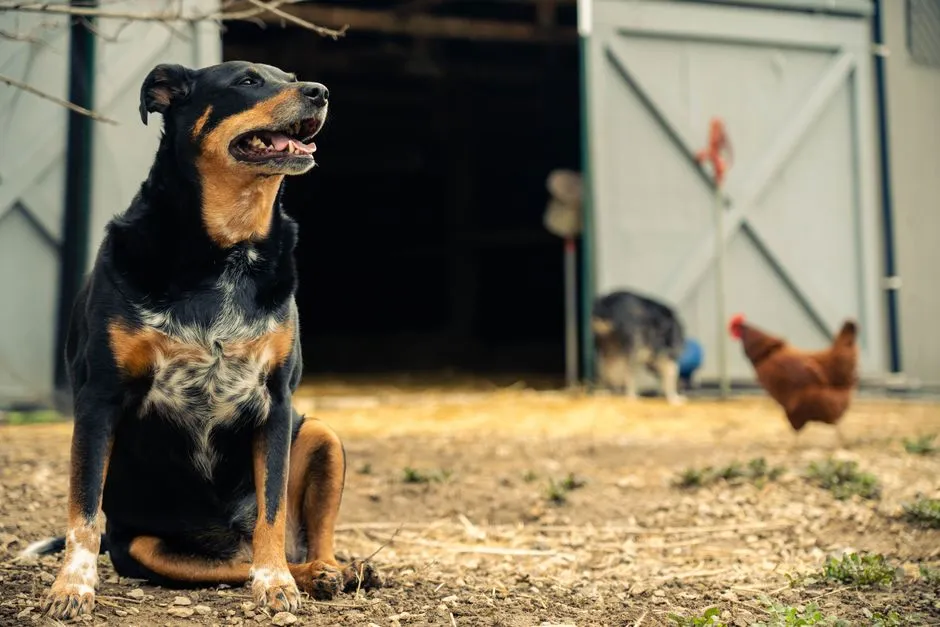
Here’s a truth that irritates a lot of new owners: a working LGD will look lazy roughly 80 percent of the time – and that’s exactly how it’s supposed to look.
These dogs are built for burst performance and long-term stamina across years, not constant hyperactivity. At night, you’ll see long stretches of lying still with ears flicking toward every sound, slow and economical patrols instead of frantic pacing, and short bursts of intense activity followed by immediate rest.
At a Glance
- Working LGDs typically spend the majority of a night resting or moving slowly, banking energy for short bursts.
- Sprint bursts used against intruders usually last only a few seconds but demand significant power.
- Dogs bred for guarding are built for endurance across years of work, not nonstop activity in a single night.
That energy management isn’t optional – it’s survival math. A guardian that runs itself ragged chasing every rustle in the brush will be exhausted the moment a real threat shows up, and predators absolutely learn to time their attacks for when a dog is spent.
Think of it like a boxer. The fighter bouncing nonstop in round one might look impressive to the crowd, but the professional knows most matches are won in the final rounds. Your LGD isn’t pacing itself for your camera at 10 p.m. – it’s pacing itself for a fight that might come at 3:17 a.m. And all of that leads to the one job most owners never fully understand.
#1 – Bonding So Deeply That the Flock Becomes Family, Not Just a Job
🔥 Would you like to save this?
We'll email this post to you, so you can come back to it later!
The most powerful thing a livestock guardian dog does at night isn’t barking, patrolling, or fighting. It’s belonging.
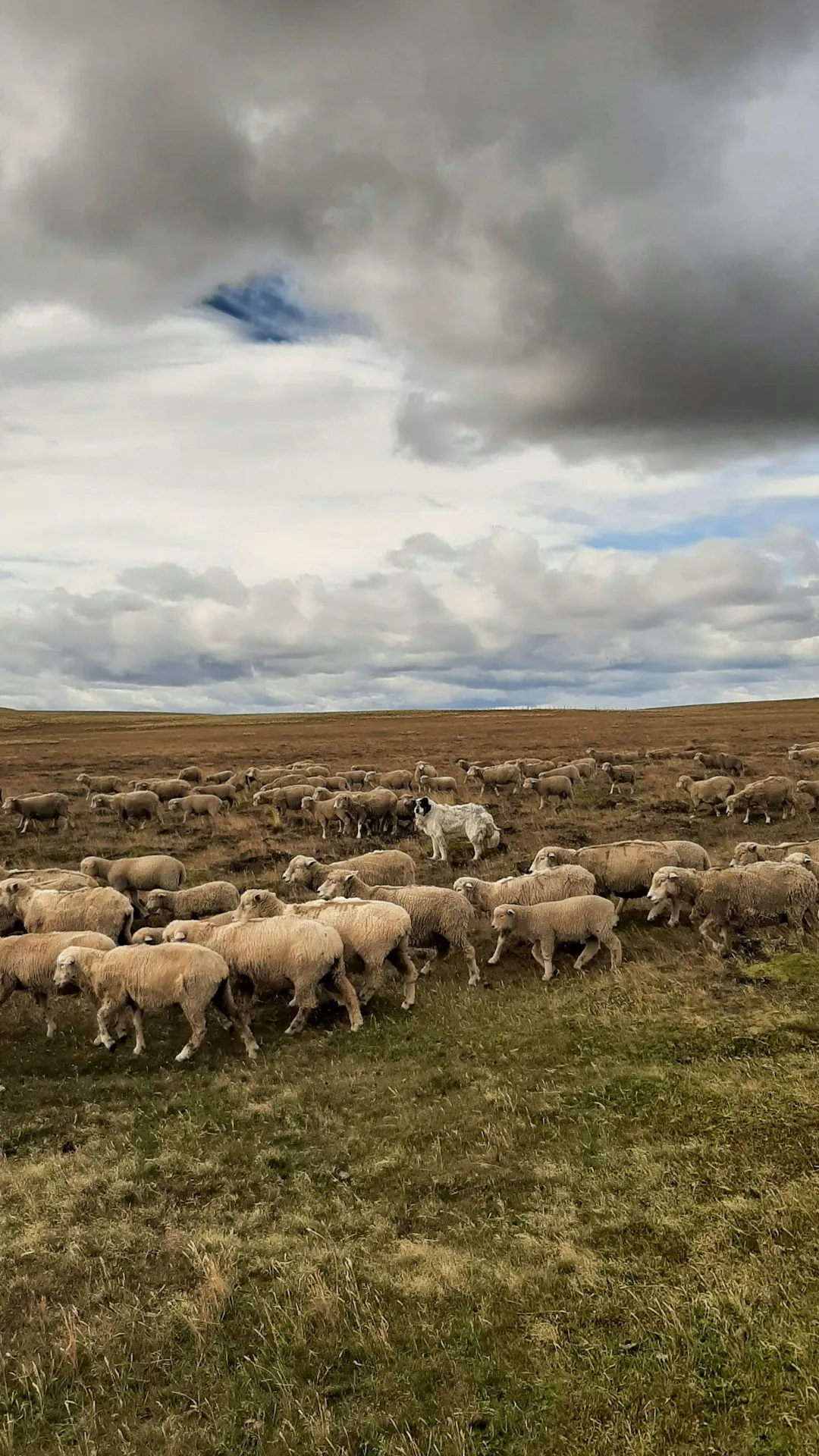
A true guardian doesn’t see sheep or goats as “livestock” at all. Through careful raising and constant exposure from puppyhood, it imprints on them as its own social group – its pack, its family. That bond is what turns routine behavior into something closer to conviction.
It’s why a dog will charge at a bear twice its size, or stand in freezing rain next to a bleating lamb instead of retreating to a warm porch. At night, that bond shows up in small, easy-to-miss moments:
- The dog curling itself around sleeping lambs during bad weather.
- Gentle grooming licks along the faces and ears of nervous animals.
- A guardian refusing to leave the field even when called, because something out there feels wrong.
This isn’t romantic fantasy – it’s practical biology. Canids defend their social group with a different intensity than they’ll ever defend an empty space. When an LGD decides “these are my people,” the entire predator equation on that property changes. You can train obedience. You can teach boundary cues. But you cannot fake that kind of species-crossing loyalty – it’s built night after night, in the dark, when nobody’s watching and no camera is rolling.
The Bottom Line
🔥 Would you like to save this?
We'll email this post to you, so you can come back to it later!
Livestock guardian dogs don’t “hang around” at night – they run a layered security operation that’s part military patrol, part social work, and part ecological negotiation. They map scent on the wind, patrol perimeters in near silence, break up internal fights, and quietly reposition the flock away from danger long before a predator ever shows up on a trail camera.
The real protection was never just teeth and muscle. It’s strategy, memory, and a stubborn emotional bond to every single animal under their watch.
Here’s my honest take: too many hobby farms treat these dogs like oversized porch ornaments, then blame the breed when losses start piling up. Working handlers know better. Respect the instincts, give the dog a real job, and trust that the lazy-looking stretches through the night are calculated – not careless. That’s the whole secret, and it’s been sitting in plain sight the entire time.

- 7 Everyday Habits That Can Make Your Senior Dog Happier - November 5, 2026
- 10 Enigmatic Structures That Continue to Puzzle Scientists Today - November 5, 2026
- 10 Strange Ruins in the Americas That Challenge What We Know About Early History - November 5, 2026