


Your dog’s happiness isn’t just about daily walks and belly rubs. The secret to a longer, healthier life for your furry friend might be hiding right in your kitchen cabinet. While most pet parents spend time researching expensive supplements and specialty dog foods, they often overlook the powerful longevity-boosting ingredients already sitting on their pantry shelves. Check out these 20 Pantry foods good for dogs to help them live a longer life.
#20 Chicken
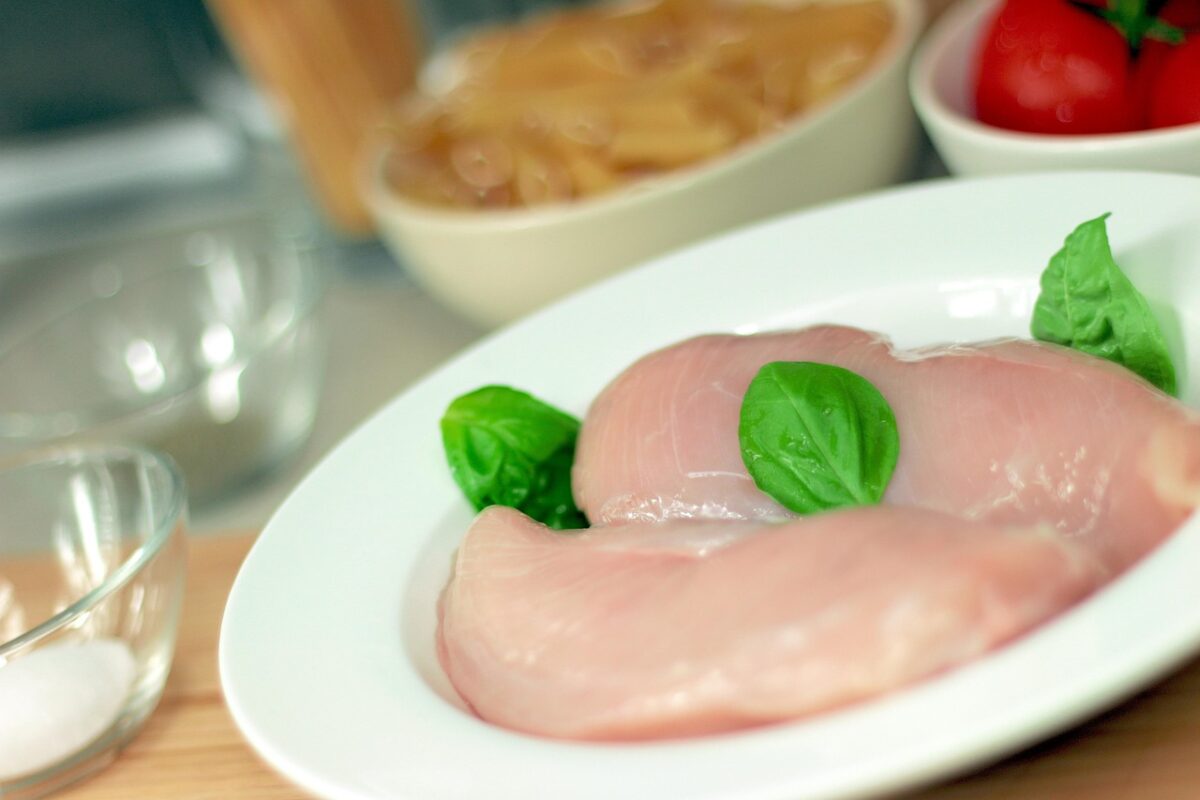
Chicken is one of the most popular and beneficial protein sources for dogs, providing lean, easily digestible meat that supports strong muscles, healthy skin, and overall energy. Rich in essential amino acids, chicken also supplies important nutrients like vitamin B6, phosphorus, and selenium, which contribute to a dog’s immune system and metabolic health. When cooked plain without added oils, seasonings, or bones, chicken can be a safe daily protein option or a gentle choice for dogs with sensitive stomachs.
#19 Banana

Bananas are a healthy, low-calorie treat for dogs that offer a natural source of vitamins and minerals. They’re packed with potassium, vitamin B6, vitamin C, and fiber, all of which support heart health, digestion, and proper muscle function. Bananas also provide natural sugars for a quick energy boost, making them an excellent occasional reward during training or active play. However, because of their sugar content, bananas should be given in moderation, ideally as a treat rather than a main food source.
#18 Sweet Potatoes: The Orange Powerhouse
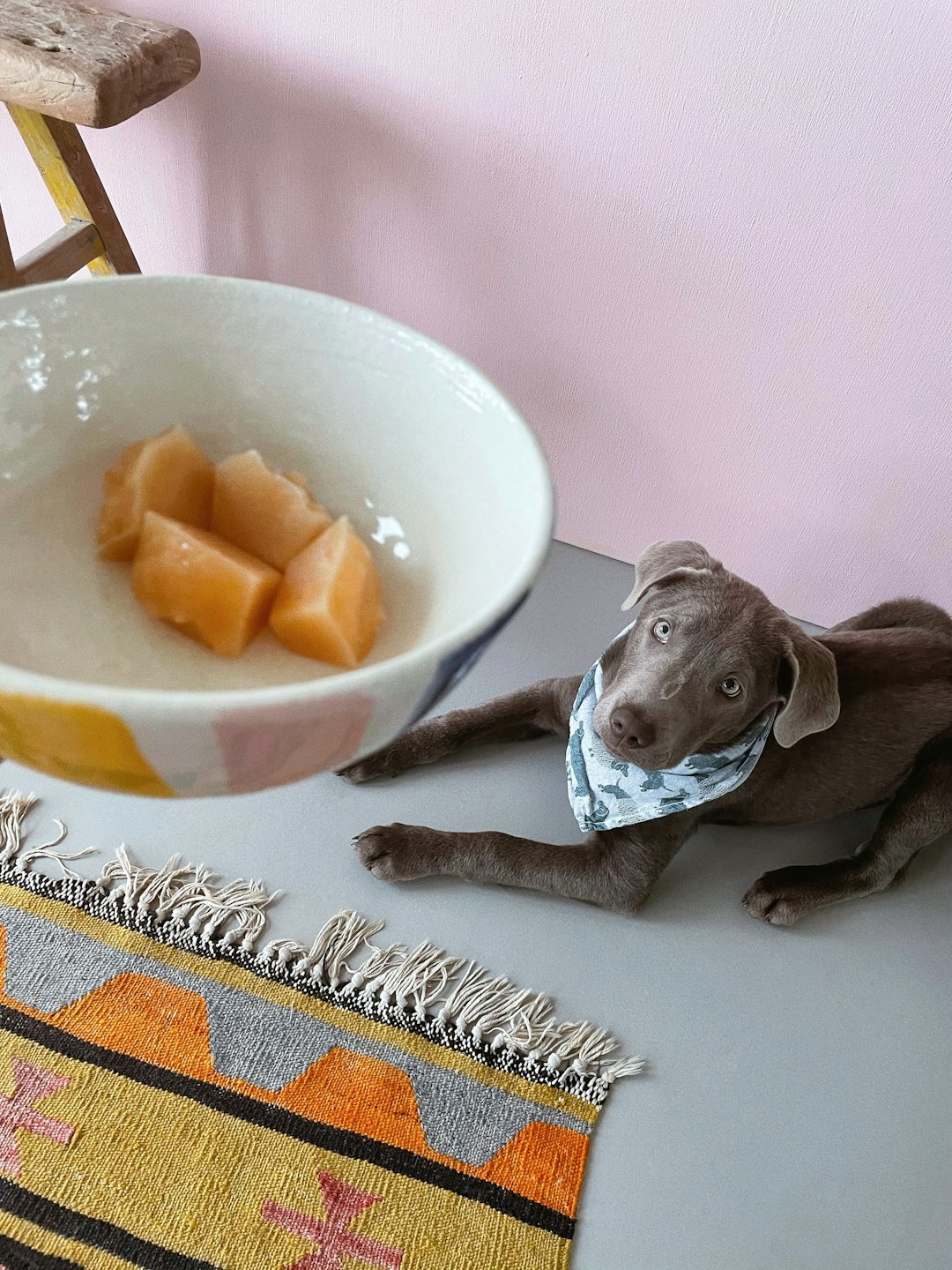
These vibrant orange gems aren’t just delicious – they’re packed with vitamins that could extend your dog’s lifespan significantly. Sweet potatoes are loaded with vitamins A, C, and B6, as well as fiber, and they can help maintain healthy skin, coat, and eyes. Think of them as nature’s multivitamin for dogs.
The beta-carotene content in sweet potatoes is particularly impressive for older dogs who might be experiencing vision problems. Unlike processed treats, these natural root vegetables provide sustained energy without the sugar spikes that can harm your pet’s health long-term.
#17 Pumpkin: The Digestive Miracle Worker

Pumpkin is rich in nutritional value (vitamins A, C and E, plus minerals like iron and potassium) and has high soluble fiber content, making it great for your dog’s digestion and helping with tummy issues like diarrhea or constipation. This autumn staple acts like a gentle reset button for your dog’s digestive system.
What makes pumpkin truly special is its prebiotic properties, which feed the beneficial bacteria in your dog’s gut. A healthy gut microbiome has been linked to improved immunity and potentially longer lifespans in both humans and dogs.
#16 Blueberries: Tiny Brain Boosters
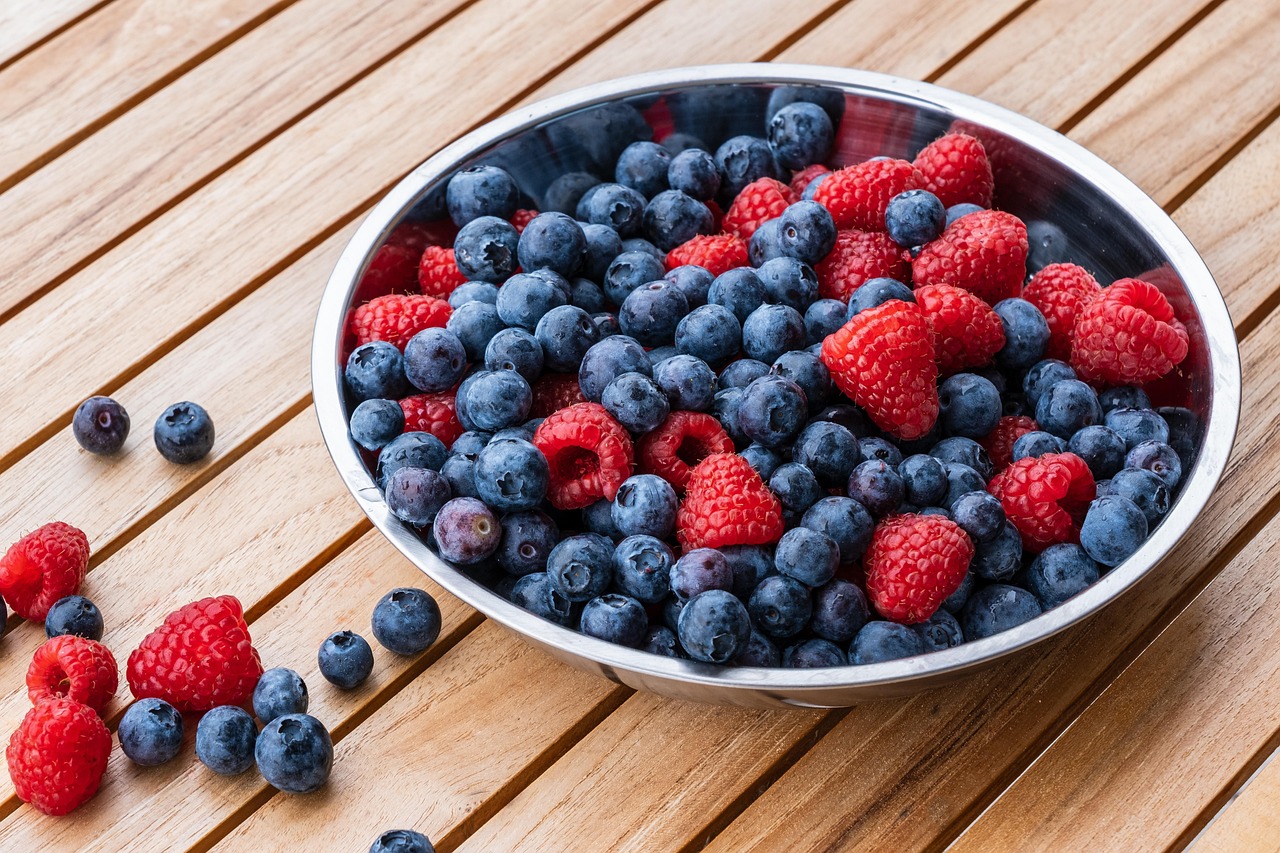
Small but mighty, blueberries are packed with antioxidants that can help fight cellular damage and support cognitive function in aging dogs. These little berries are like tiny shields protecting your dog’s brain cells from age-related decline.
Blueberries are safe for dogs to eat and are a rich source of fiber, antioxidants, and phytochemicals, which offer several benefits for dogs, such as reducing oxidative stress, risk of diseases and disorders, and age-related issues. Think of them as nature’s way of keeping your dog’s mind sharp well into their golden years.
#15 Carrots: The Crunchy Dental Cleaners

Chewing on carrots can help remove plaque from their teeth and promote good dental health, and carrots are also a good source of vitamin A, which is beneficial for a dog’s immune system, skin, and coat. It’s like giving your dog a toothbrush they actually want to use.
Low in calories and high in fiber, carrots are great for dental health and provide vitamin A for eye health. The natural crunch helps strengthen jaw muscles while the fiber aids digestion – a win-win for your dog’s overall health.
#14 Oats: The Gentle Giant
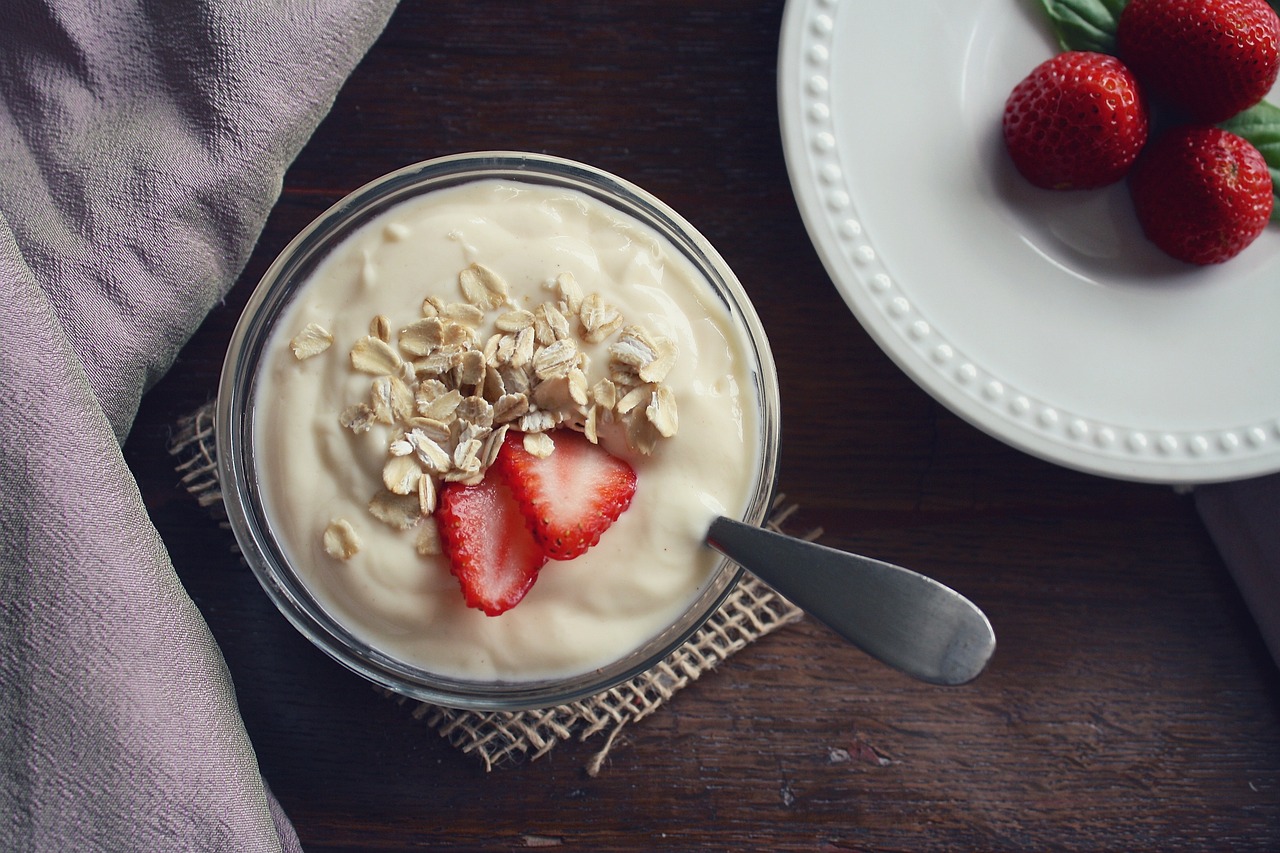
Oats can be a great source of nutrition for dogs with gastrointestinal issues, especially senior dogs. Cooking oatmeal for dogs with sensitive bellies can help, especially if they are on a hypoallergenic diet. This humble breakfast grain becomes a powerful ally for dogs with digestive sensitivities.
While dogs don’t need carbs to survive, brown rice, oats, sweet potatoes, and certain legumes can improve digestion and energy levels. The soluble fiber in oats helps regulate blood sugar and can contribute to heart health, potentially adding precious years to your companion’s life.
#13 Eggs: The Complete Protein Package
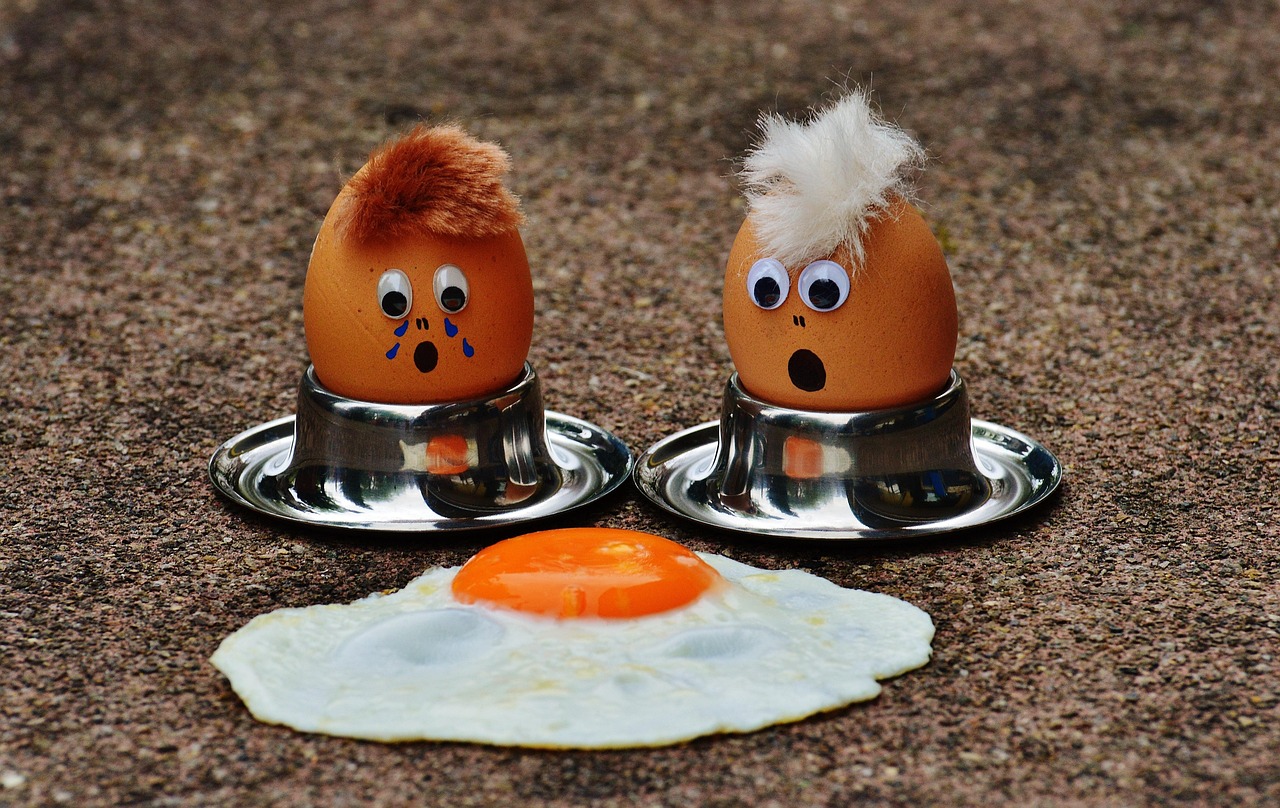
Eggs are one of the most complete bioavailable proteins available. They are also packed full of essential amino acids, vitamins, antioxidants, calcium and more! Combined, these healthy, natural inclusions can increase the longevity and wellness of your dog. It’s like giving your dog a nutritional powerhouse in a convenient shell.
Eggs are a good source of protein and are high in many vitamins, including vitamins A, B, D and K. Other important nutrients include selenium, calcium and zinc – all of which contribute to a super healthy treat for your dog. Make sure to cook them well as raw eggs can contain salmonella.
#12 Bone Broth: Liquid Gold for Joints
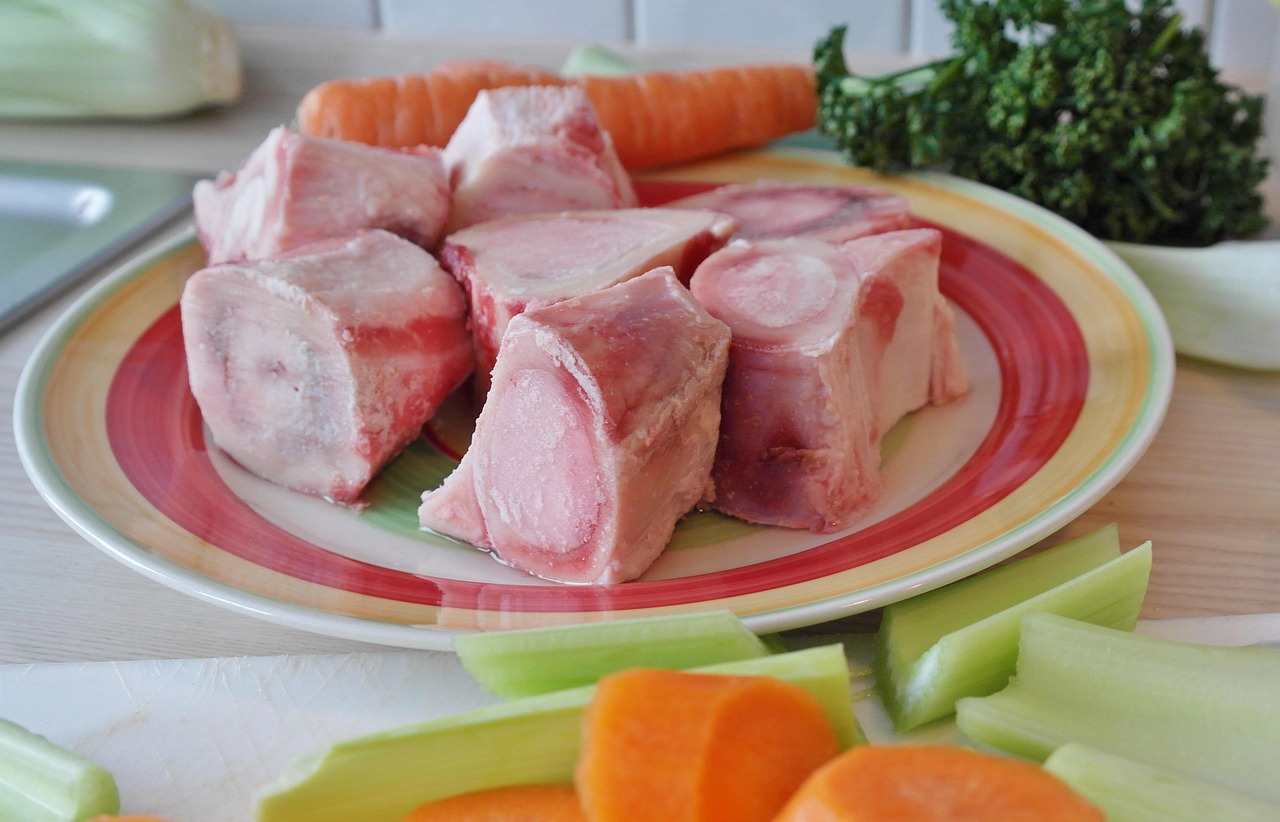
You can make a broth from bones as a nutrient dense, vitamins and mineral rich food that has lots of health benefits for your dog. Bone broth enhances breakdown of food and is said to have detoxifying effects and help strengthen bones and reduce joint pain due to the high collagen. This isn’t just soup – it’s medicine in a bowl.
Packed with nutrients and easy to digest, bone broth can support joint health and provide hydration, especially for older dogs. The collagen content helps maintain joint flexibility, which is crucial for maintaining mobility as dogs age.
#11 Spinach: The Iron-Rich Superfood
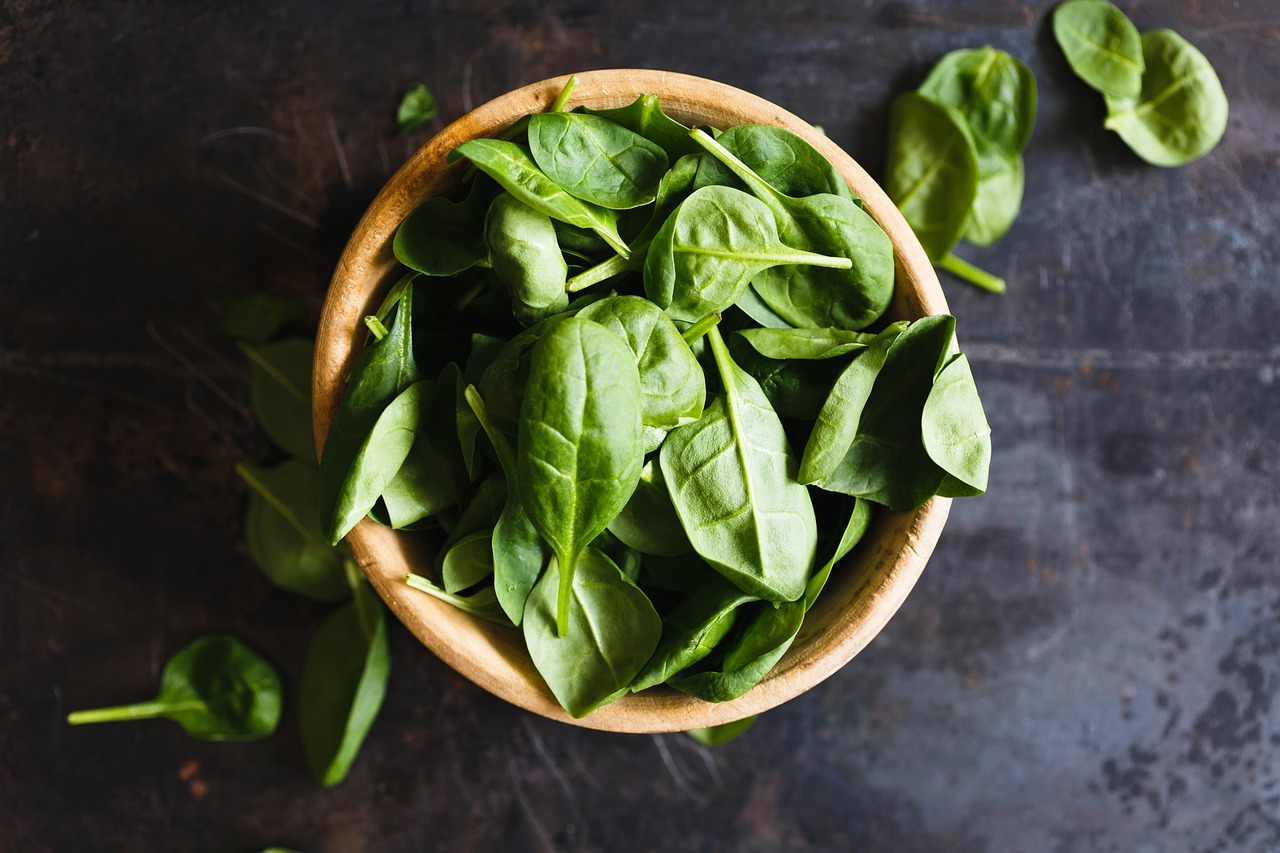
Loaded with vitamins K, A, and C, as well as iron, spinach can support immune function and overall health. This leafy green might not appeal to kids, but dogs often love its earthy flavor when mixed into their meals.
The folate content in spinach is particularly beneficial for cell regeneration and DNA repair. While you shouldn’t overdo it due to oxalates, moderate amounts can provide significant health benefits that support longevity.
#10 Plain Yogurt: The Probiotic Powerhouse

Plain yogurt is a perfectly acceptable snack for dogs. If your dog can digest it, the active bacteria in yogurt can help strengthen the digestive system with probiotics. Plain yogurt is the best choice. This creamy treat is like sending reinforcements to your dog’s gut army.
A healthy gut is vital for your dog’s longevity. Probiotics support immune and bowel health by maintaining good bacteria levels, which decrease with age. A dog-specific probiotic supplement or a small amount of vet-approved yoghurt can help maintain gut health.
#9 Cottage Cheese: The Calcium Champion
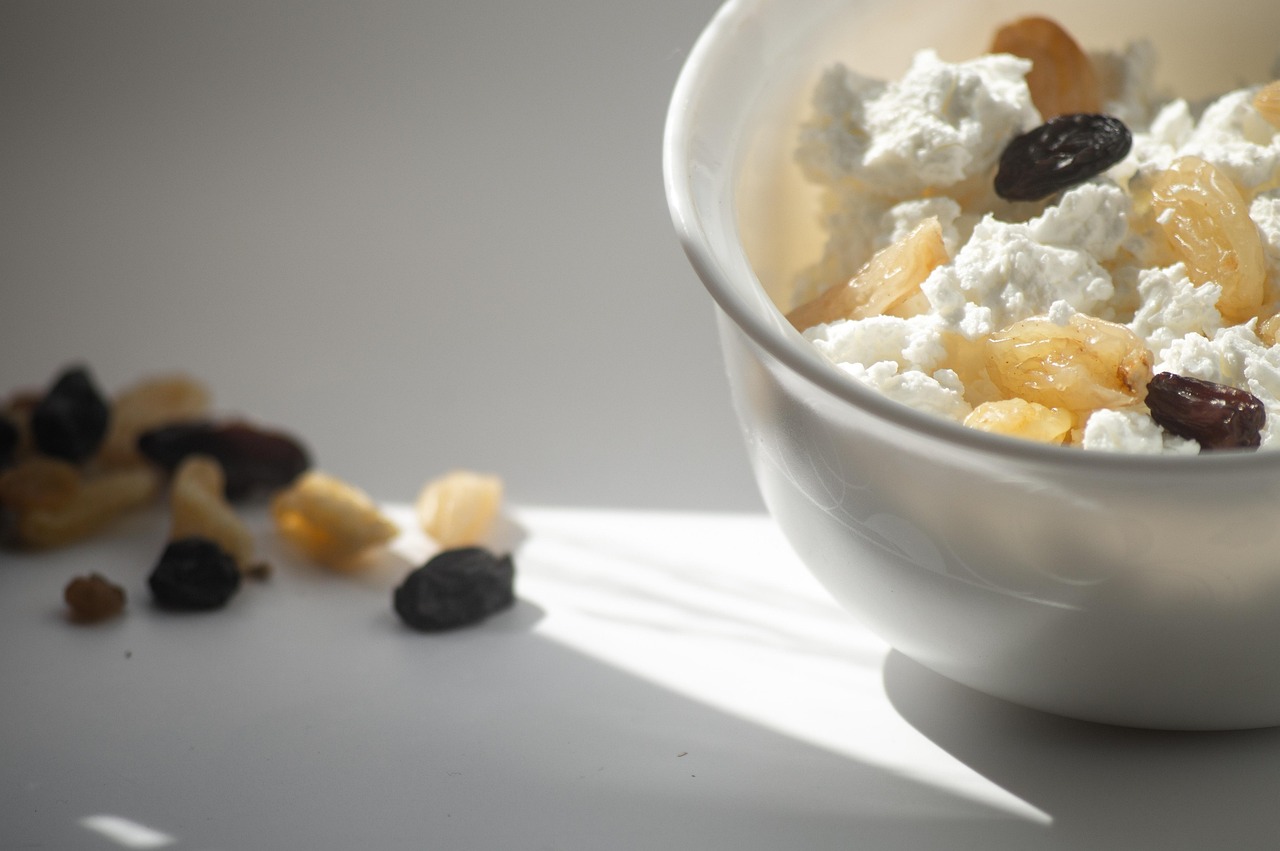
Dogs can eat cheese in small to moderate quantities. As long as your dog isn’t lactose intolerant, which is rare, but possible, cheese can be a great treat. Many kinds of cheese can be high in fat, so go for lower-fat varieties like cottage cheese or mozzarella. This protein-packed dairy option is gentler on most dogs’ stomachs than regular cheese.
The high calcium content supports bone health throughout your dog’s life, while the protein helps maintain muscle mass as they age. It’s particularly beneficial for senior dogs who might be losing muscle tone.
#8 Turmeric: The Golden Healer
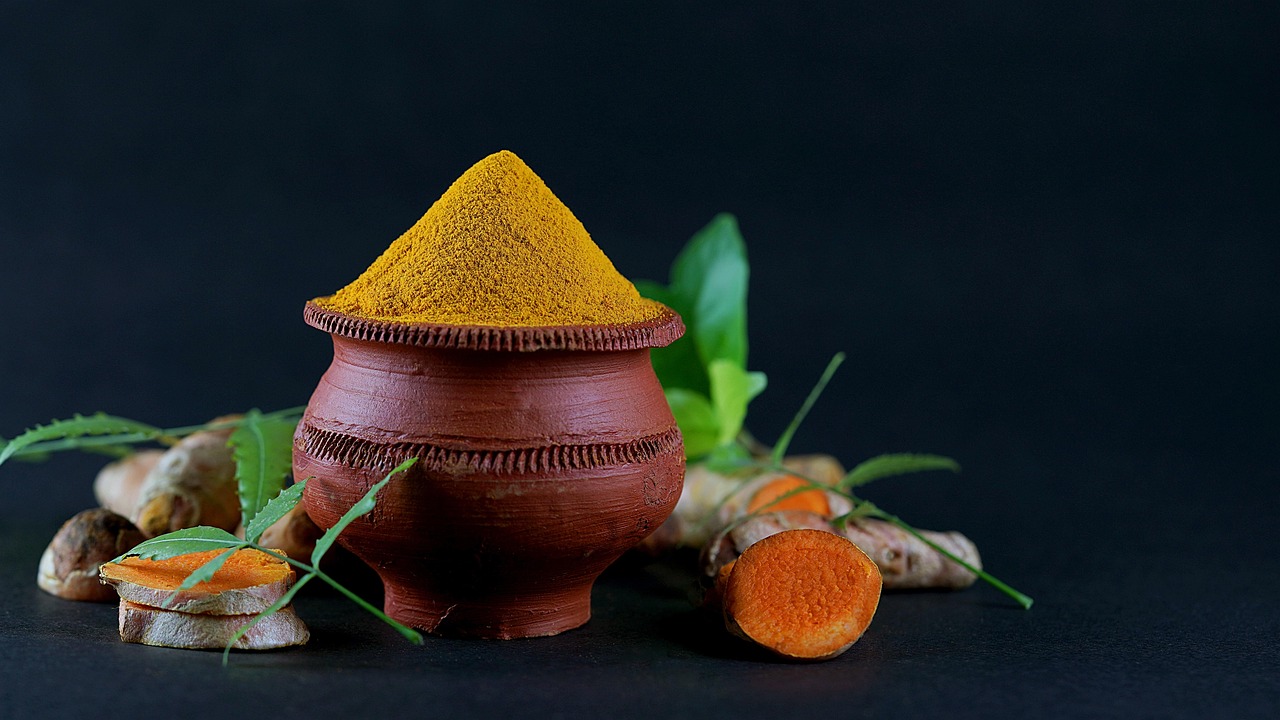
Turmeric has been appreciated in traditional medicine for centuries, as it is known to have many benefits for people and their animals, including dogs. Turmeric contains curcumin and is considered an antioxidant and anti-inflammatory, which may help your dog with a variety of different health problems. This golden spice is like having a pharmacy in your spice rack.
Just like us, as our dogs age, they develop issues like arthritis, muscle stiffness and sore joints. Turmeric not only helps these ailments in humans, it works for dogs as well. The anti-inflammatory properties can significantly improve quality of life for aging dogs.
#7 Coconut Oil: The Versatile Healer
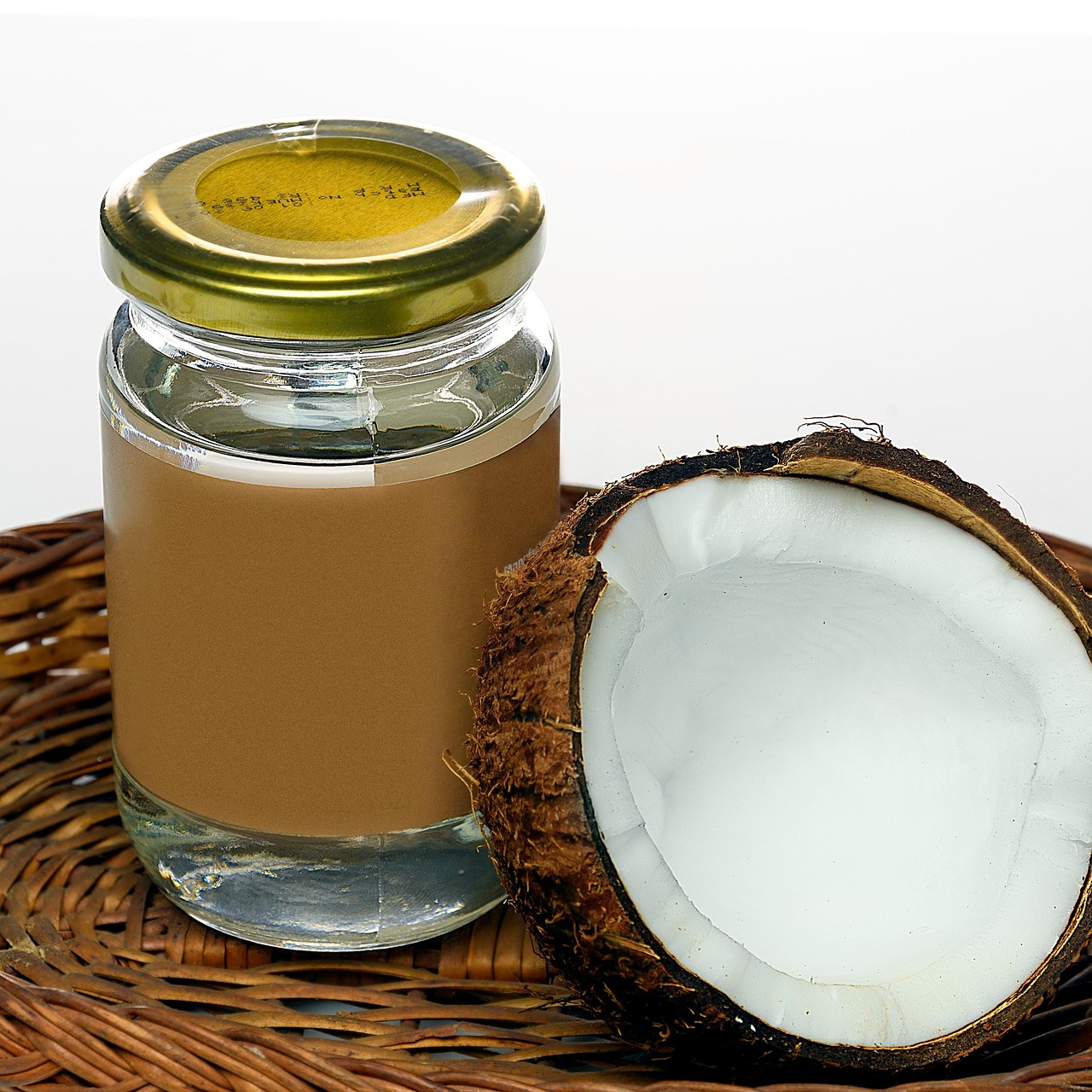
Coconut contains lauric acid, which can help combat bacteria and viruses. Coconut can also help with bad breath and clearing up skin conditions like hot spots, flea allergies, and itchy skin. Coconut milk and coconut oil are safe for dogs, too. This tropical oil works from the inside out to improve your dog’s health.
Coconut oil for dogs supports a smooth skin & coat, & healthy dog immune system. The medium-chain fatty acids provide quick energy while supporting cognitive function, making it particularly valuable for senior dogs.
#6 Green Beans: The Weight-Watcher’s Friend
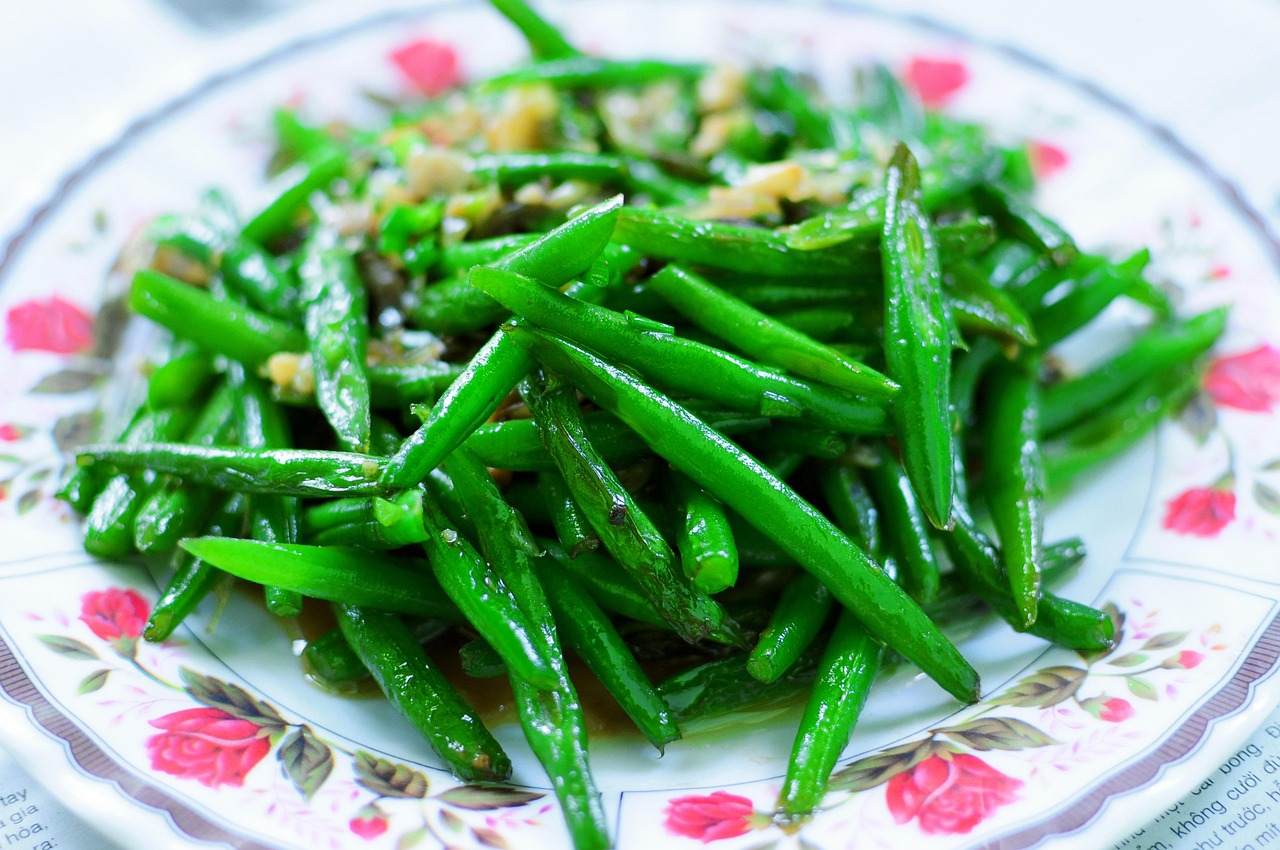
Green beans are one of the best foods on this list for overweight dogs because they are low in calories and fat. These crunchy vegetables are like nature’s diet pill – filling without the guilt.
Plain green beans are a good, healthful snack for dogs. They are a source of protein and also contain calcium, iron, and vitamin K. Dogs can eat green beans cooked or raw. The fiber content helps dogs feel full while providing essential nutrients without excess calories.
#5 Honey: Nature’s Sweet Medicine
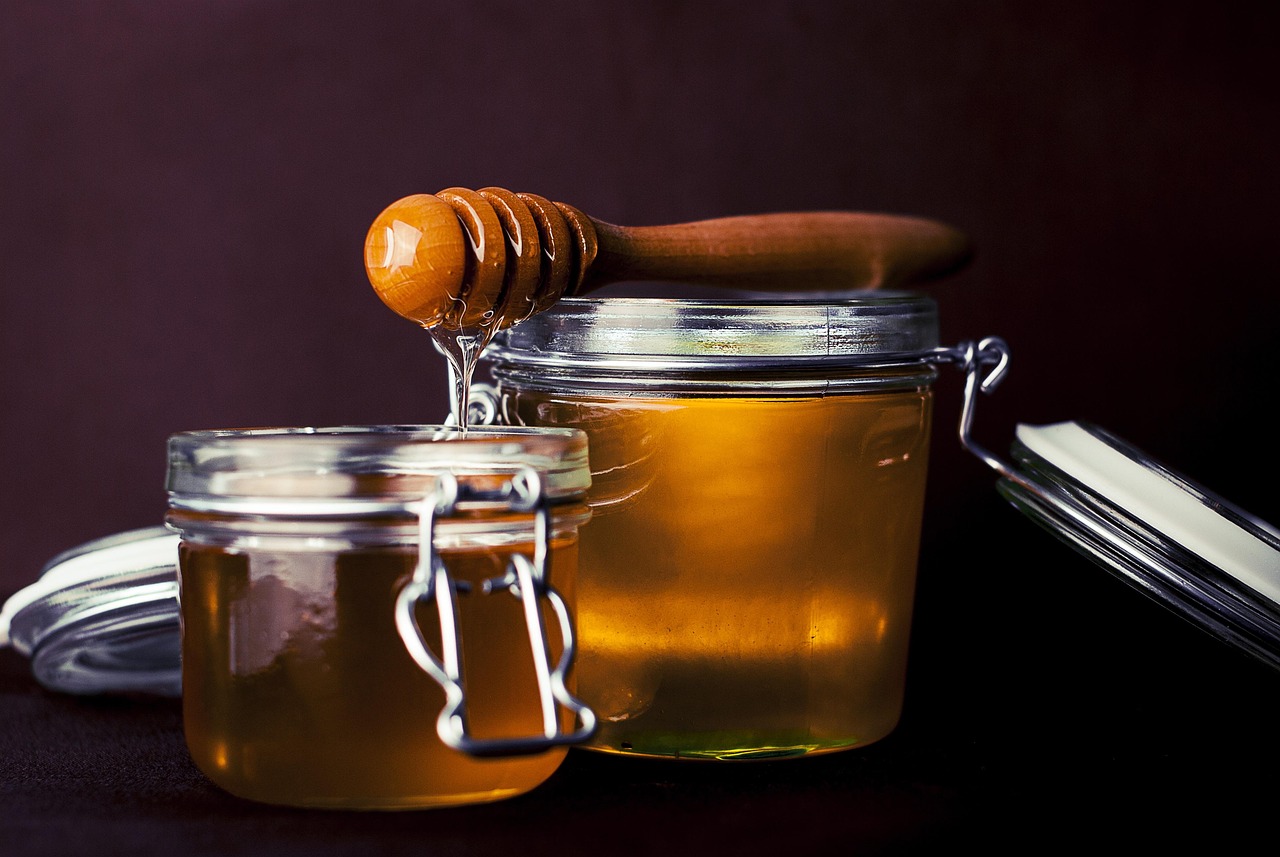
Honey is packed with countless nutrients, such as vitamin A, potassium, calcium, magnesium, copper, and antioxidants. Feeding dogs small amounts of honey can help with allergies because it introduces small amounts of pollen to their systems, building up immunity to allergens in your area. In addition to consuming honey, the sticky spread can also be used as a topical treatment for burns and superficial cuts.
This golden nectar acts as a natural antibiotic and can boost your dog’s immune system. The enzymes in raw honey support digestion and can help maintain energy levels throughout your dog’s life.
#4 White Rice: The Gentle Comforter
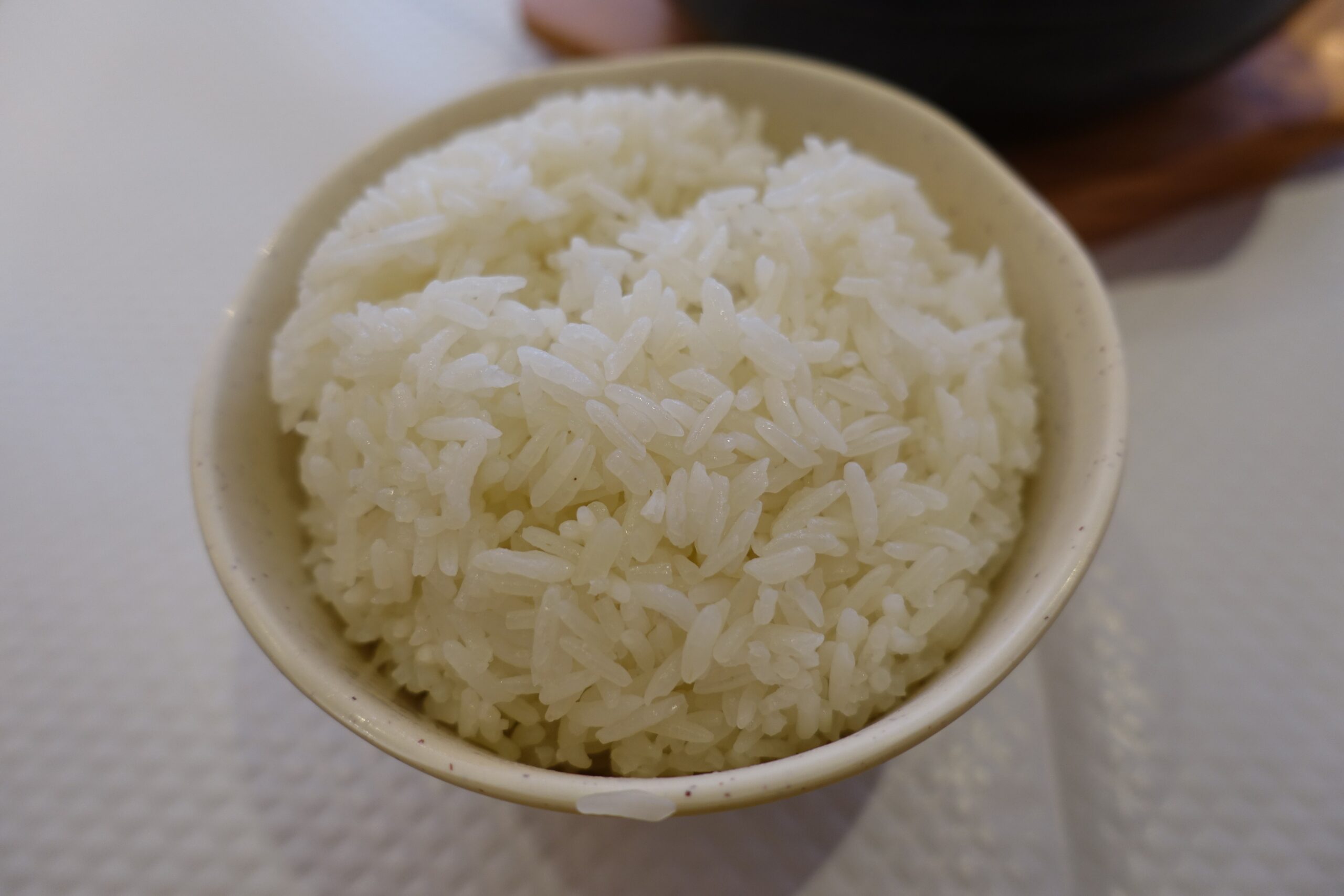
Cooked, plain white rice can be a good option for a dog with an upset stomach. It is easy to digest and helps bind stool. While it might seem simple, rice serves as a crucial recovery food that can help dogs bounce back from illness faster.
The easily digestible carbohydrates provide quick energy without stressing the digestive system. For senior dogs with sensitive stomachs, rice can be a staple ingredient that ensures they maintain proper nutrition even during difficult periods.
#3 Peanut Butter: The Protein Powerhouse
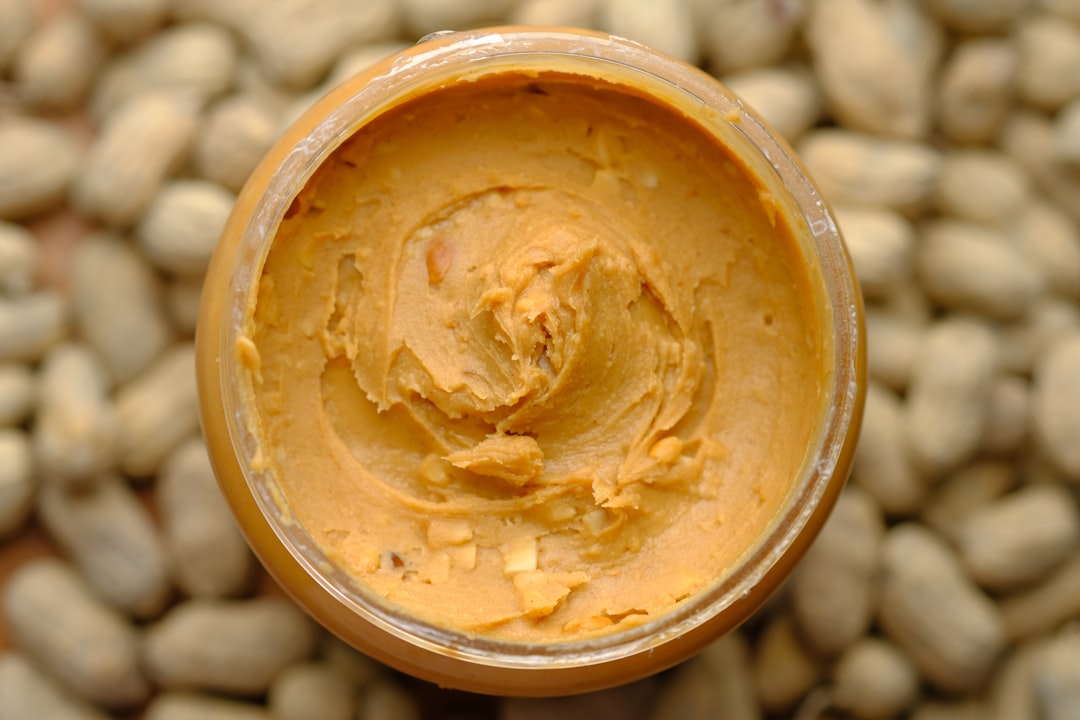
Peanut butter can be an excellent source of protein for dogs. It contains heart-healthy fats, vitamins B and E and niacin. Raw, unsalted peanut butter is the healthiest option. Read the label carefully to be sure the peanut butter does not contain xylitol, a sugar substitute that can be toxic to dogs.
The healthy fats support brain function and coat health, while the protein helps maintain muscle mass. However, moderation is key – think of it as a special treat rather than a daily staple.
#2 Quinoa: The Ancient Grain Superstar
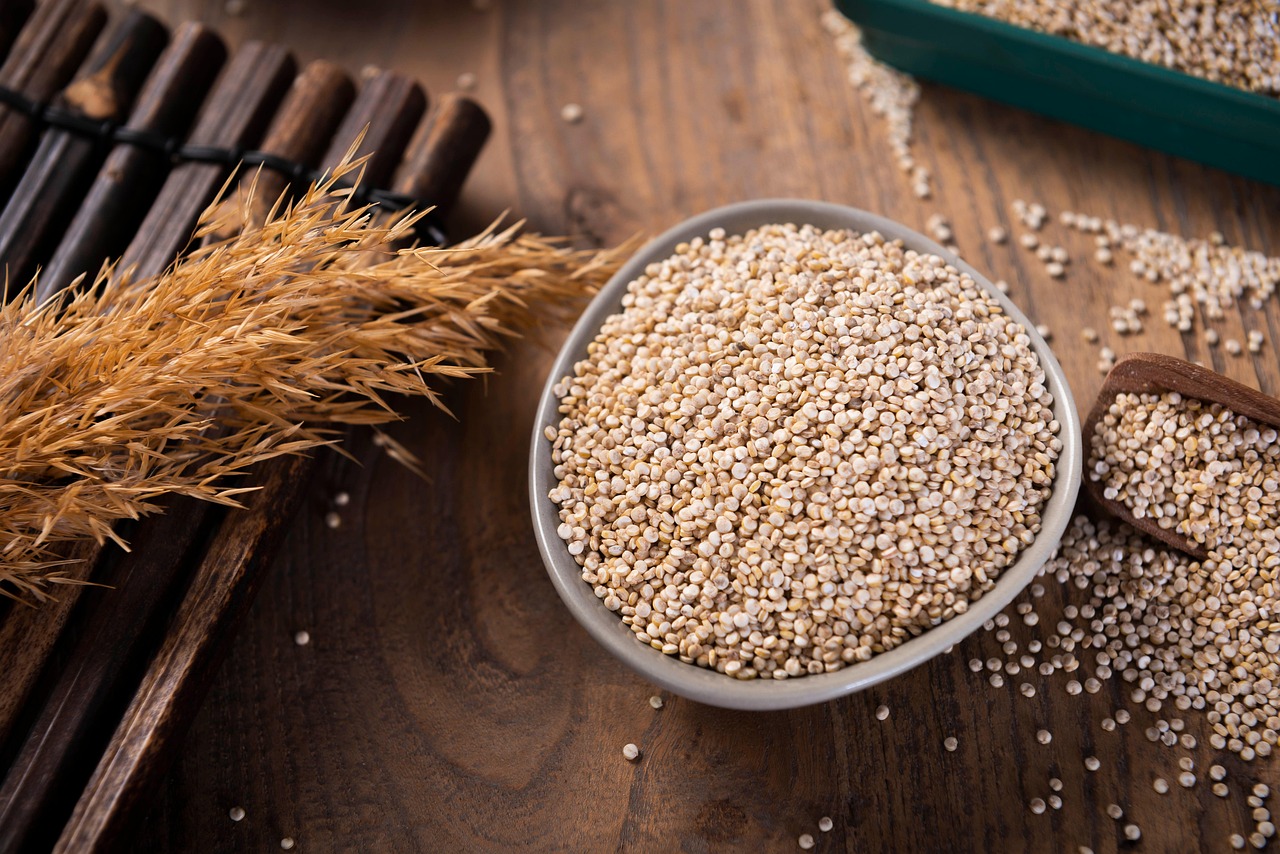
Sources include rice, pasta, oatmeal, and quinoa. This ancient grain provides complete protein, containing all essential amino acids that dogs need for optimal health. It’s like giving your dog a nutritional upgrade from regular grains.
Quinoa is particularly beneficial for dogs with grain sensitivities, as it’s naturally gluten-free. The high fiber content supports digestive health, while the protein content helps maintain lean muscle mass throughout your dog’s life.
#1 Apple Slices: The Fiber-Rich Treat

Dogs can eat apples. Apples are an excellent source of vitamins A and C, as well as fiber for your dog. They’re low in protein and fat, making them the perfect snack for senior dogs. Just be sure to remove the seeds and core first.
Fresh apples are a wonderful, crunchy snack for dogs – as long as you remove the seeds. The fruit is a good source of vitamins A and C, as well as fiber, which is important for digestive health. Vitamin A supports the immune system, assists in bone growth and promotes skin health. It helps maintain vision, too. Meanwhile, vitamin C can reduce inflammation, boost immunity and help with cardiovascular function.
Conclusion

The path to extending your dog’s life might be simpler than you thought. These eighteen pantry staples offer a natural, affordable way to boost your pet’s health and potentially add precious years to their life. From the anti-inflammatory power of turmeric to the digestive benefits of pumpkin, each ingredient brings unique properties that support canine longevity.
Remember, the key is gradual introduction and moderation. Start with small amounts and always consult your veterinarian before making significant dietary changes. Your dog’s individual needs, age, and health conditions should guide your choices. The beautiful thing about these pantry ingredients is that they work best as part of a holistic approach to pet care, complementing regular exercise, veterinary check-ups, and lots of love.
Did you realize that the secret to your dog’s longer, healthier life was hiding in your kitchen all along?

- 10 Land Animals That Can Fly - June 24, 2026
- 15 Most Breathtaking Hiking Trails Around the World - June 24, 2026
- An Octopus Changes Color and Other Extraordinary Ways How Animals Sleep - June 24, 2026