

Walking into your home should feel like entering a personal sanctuary, where every breath you take brings comfort and joy. But what if your living space could do more than just look beautiful? What if it could actually smell incredible too? While most people reach for synthetic air fresheners or scented candles, there’s a much more natural and sustainable way to fill your home with amazing aromas.
Scented candles and chemical air fresheners are popular ways to create a pleasant home environment, but a healthier and more environmentally friendly choice is to add fragrant houseplants to your home. There are many houseplants whose flowers or foliage will contribute enjoyable scents to your home and help cover disagreeable odors. These green companions don’t just purify your air – they transform your entire living experience with their natural fragrances. From the moment you step through your door, you’ll be greeted by delightful scents that change throughout the day and seasons.
#25 Scented Geraniums: Nature’s Living Potpourri
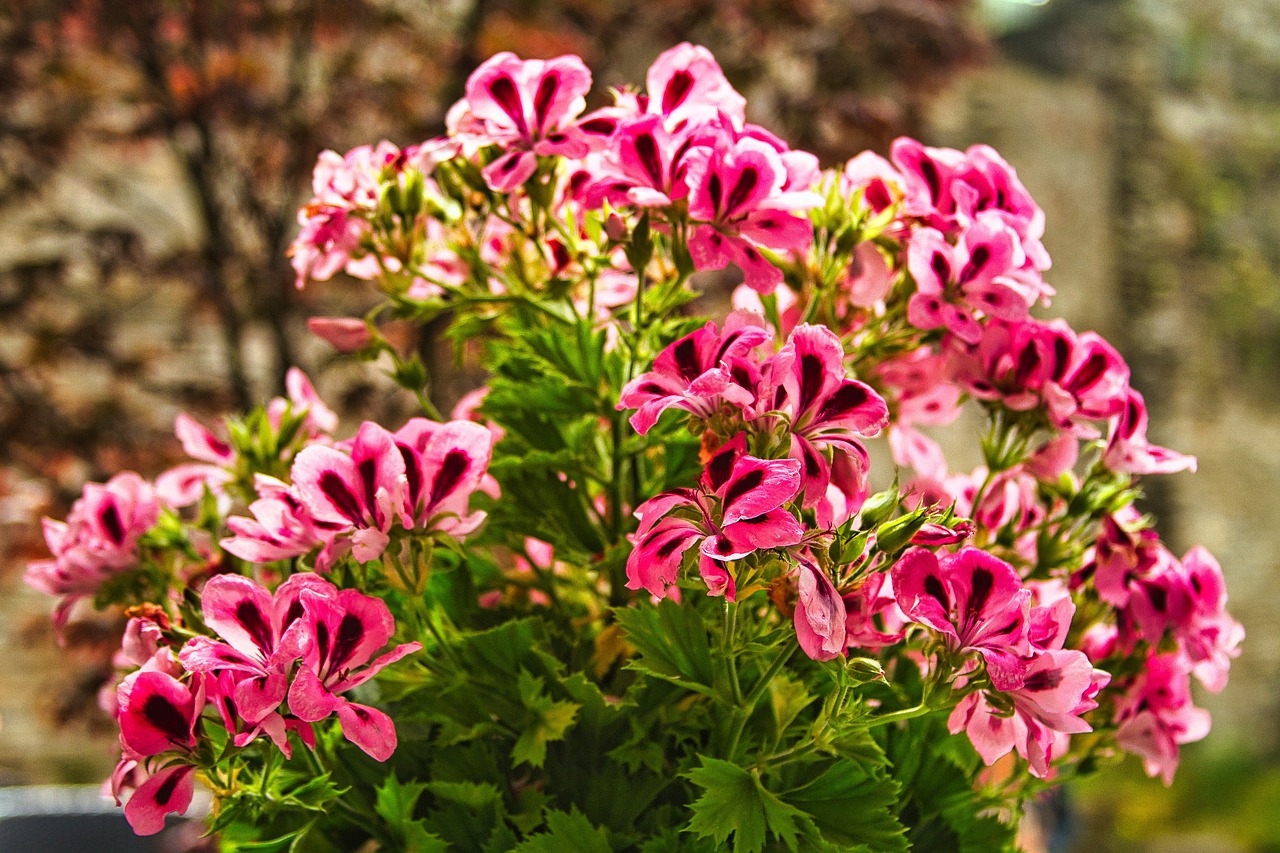
Among the most popular fragrant houseplants are the scented geraniums, perfume-leaved members of the genus Pelargonium. Varieties are available with fragrances reminiscent of apple, coconut, lemon, rose, cinnamon, and dozens of other scents. These remarkable plants are like having a living perfume collection right on your windowsill. What makes them truly special is that you don’t even need to wait for flowers to enjoy their fragrance.
Like the air freshener that releases a jet of fragrance when you press its button, a scented geranium will release a burst of beautiful scent into the room when you gently rub or bruise one of its leaves. It’s almost magical how such simple interaction can fill an entire room with delightful aroma. Scented geraniums also have attractive leaves with interesting shapes ranging from rounded to crinkled to deeply divided.
#24 Lavender: The Ultimate Stress-Buster
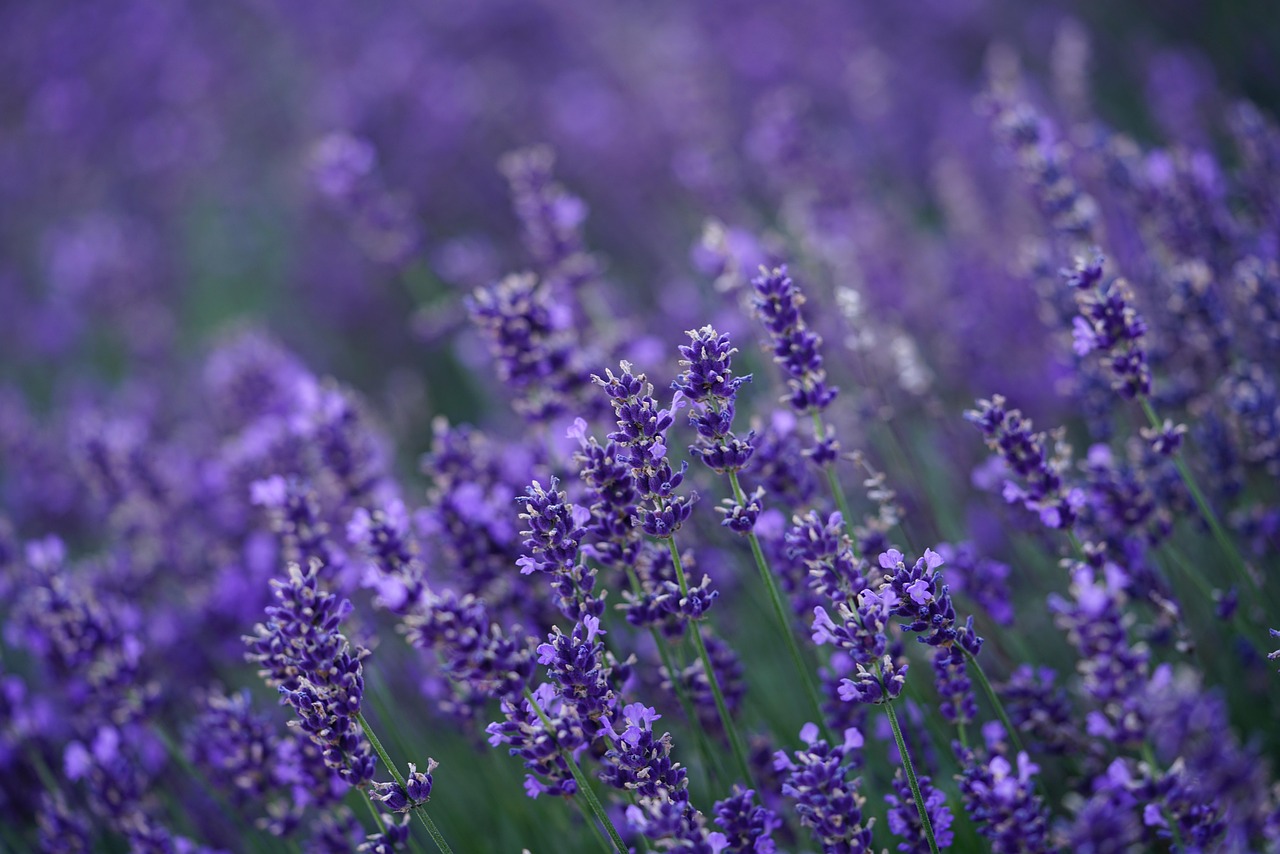
Nothing says relaxation quite like the gentle, floral scent of lavender wafting through your home. Lavender is synonymous with relaxation, thanks to its calming floral scent. While it’s more commonly grown outdoors, dwarf varieties such as French lavender can thrive indoors. Lavender prefers bright sunlight and well-draining soil. This purple-flowered beauty has been used for centuries to promote better sleep and reduce anxiety.
The best part about growing lavender indoors is its versatility – you can dry the flowers for sachets, use them in cooking, or simply enjoy their natural aromatherapy benefits. Lavender is a universally-loved herb that belongs in every fragrant herb garden. Both the leaves and the flowers emit a powerful, yet relaxing scent that turns your space into a calm and zen-like atmosphere – perfect for unwinding after a long day of work. Think of it as having your own personal spa right in your living room.
#23 Jasmine: Evening’s Sweet Embrace
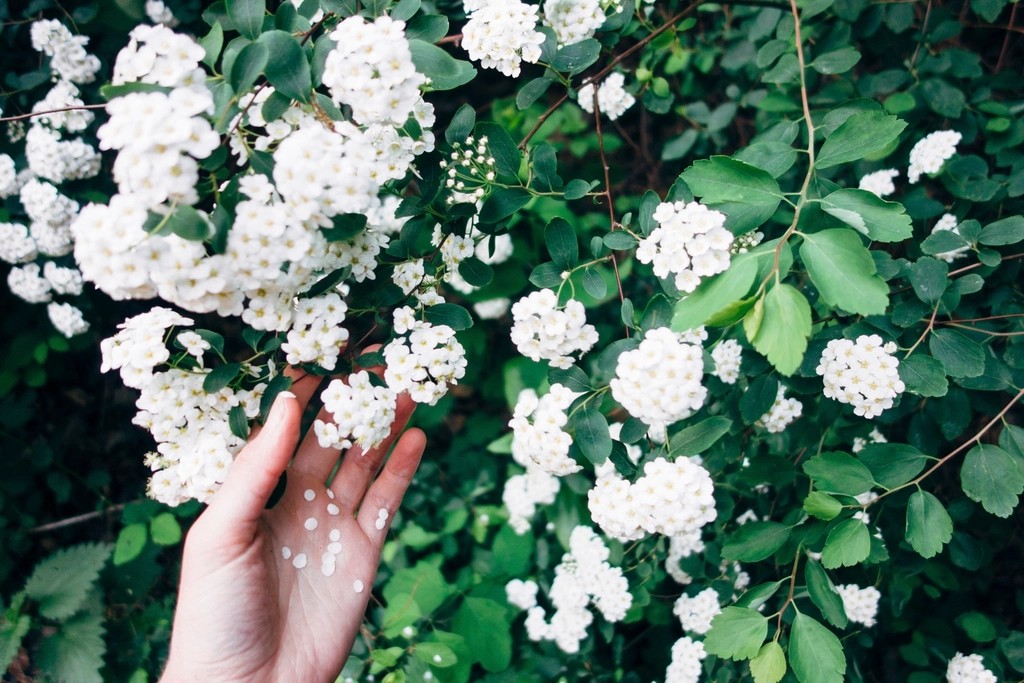
Few flowers can match the intoxicating sweetness of jasmine when it blooms. Jasmine is a classic choice for easy flowers to grow in a small apartment and one of my favorites. The sweet floral aroma of pots of jasmine in full flower will enhance any interior. When this lovely variety comes into flower in my cool hallway the crisp scent is an intoxicating treat in midwinter, especially on returning home. There’s something truly special about coming home to the welcoming scent of jasmine after a long day.
What makes jasmine particularly interesting is its night-blooming nature. Night Blooming Jasmine fills your evenings with a gentle, sweet aroma that’s easy to notice once dusk settles in. You’ll catch its scent mainly after dark, so it’s perfect for enjoying in bedrooms or near windows you keep open at night. It’s like having nature’s own aromatherapy session right when you need to wind down for the evening. The fragrance becomes more pronounced as temperatures cool, creating a perfect ambiance for relaxation.
#22 Gardenias: The Showstoppers
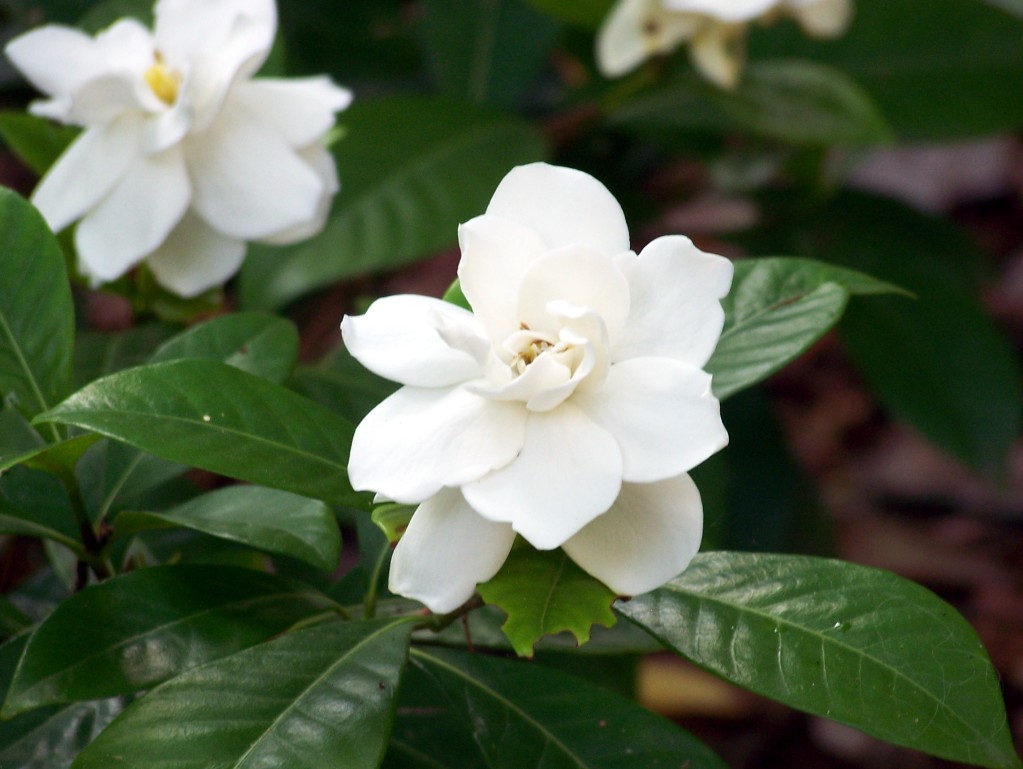
If you want a plant that commands attention through sheer fragrance power, gardenias are your answer. Gardenias will quickly fill your space with a strong, sweet scent that stands out even among other fragrant plants. Their creamy white flowers open in the warmer months, so you’ll notice the aroma most when the weather gets a bit humid. These stunning white blooms are often described as having one of the most intoxicating fragrances in the plant world.
Gardenias are known for their white rose-like flowers whose scent can fill a room. However, they do require a bit more attention than some other fragrant houseplants. Both of these are higher on the houseplant difficulty scale but will reward you with wonderfully fragrant and showy flowers. The reward is definitely worth the effort when your entire home fills with their heavenly perfume.
#21 Mint: The Invigorating Refresher
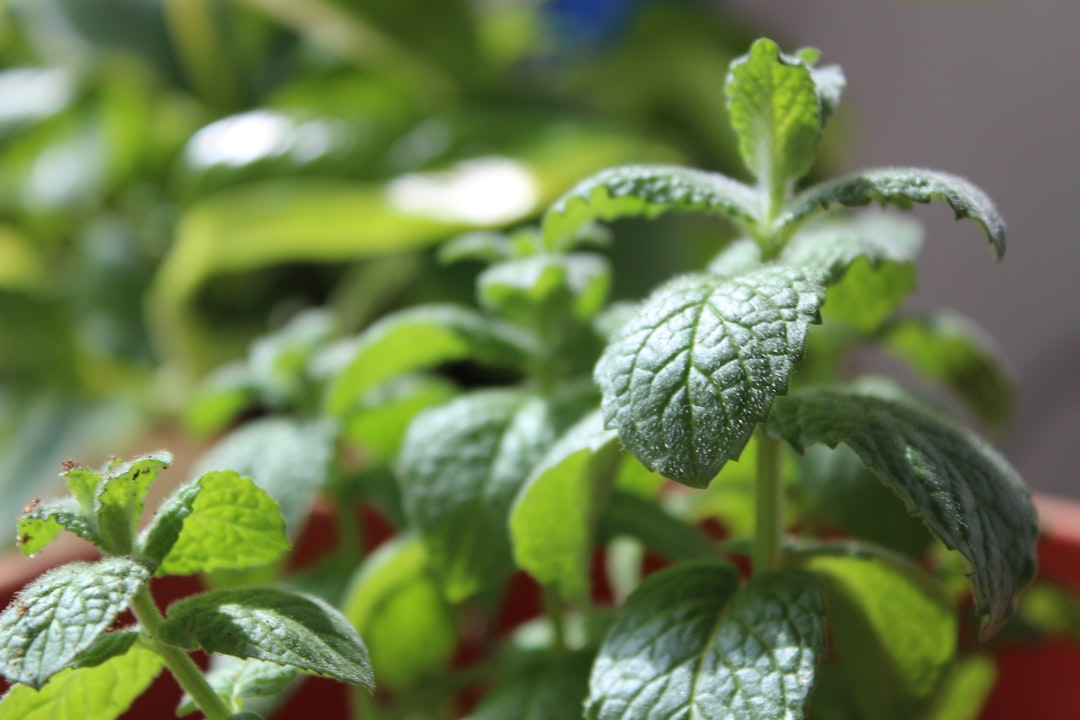
Mint brings an entirely different kind of fragrance to your indoor garden – one that’s crisp, clean, and incredibly energizing. Mint is an aromatic powerhouse with a cool, refreshing scent. It’s ideal for teas, desserts, and even savory dishes. The fragrance of mint is known to invigorate and energize your senses. Just brushing against its leaves releases an instant burst of freshness that can clear your mind and lift your spirits.
The fragrance of mint is undoubtedly calming and relaxing – it’s also quite easy to grow. It looks great in hanging baskets and you can crush its leaves anytime to have an instant minty aroma in rooms! The best part about mint is how incredibly low-maintenance it is. Mint is one of the easiest plants to grow indoors and is an excellent natural air freshener. It’s like having a natural pick-me-up available whenever you need it.
#20 Basil: The Culinary Aromatherapist
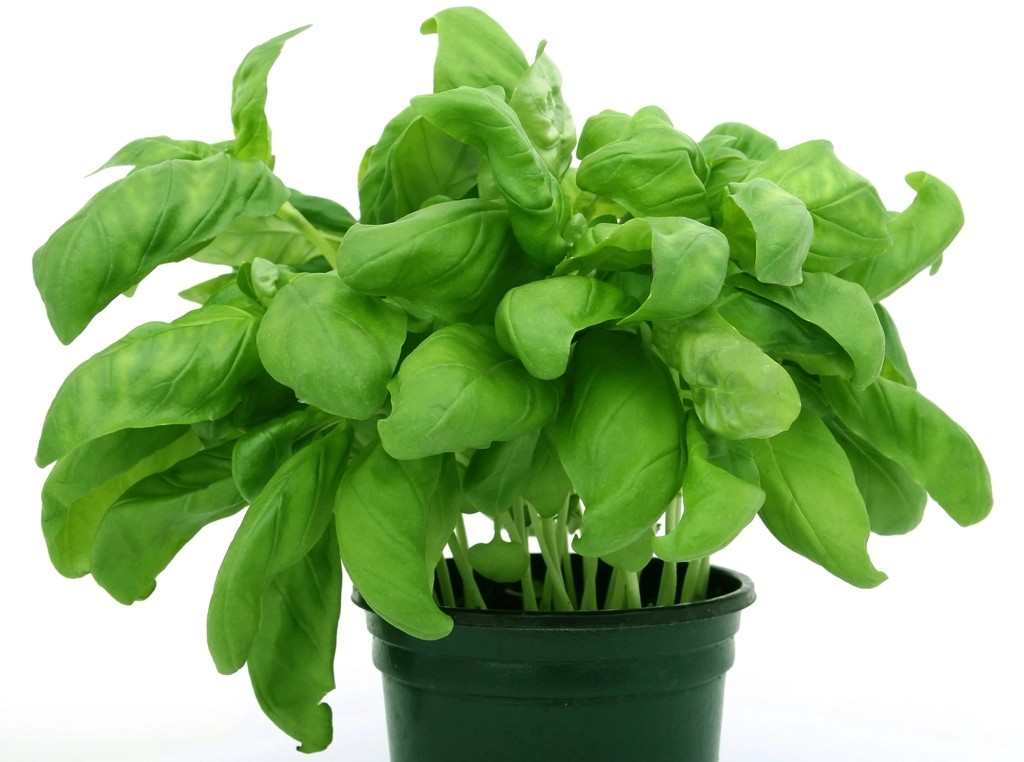
Most people think of basil purely as a cooking herb, but its aromatic qualities make it a fantastic fragrant houseplant. Basil is mostly thought of as a culinary herb, but it lands a spot in the fragrant herb list due to its undeniable pleasant and relaxing aroma. Basil is also referred to as the king of herbs due to its popularity in at-home herb gardens. It requires excellent drainage and sunlight to flourish, but often does best indoors due to its sensitivity to the cold.
What’s wonderful about basil is its dual purpose – you get incredible fragrance plus fresh herbs for cooking. More than just a kitchen staple, basil has a pleasant, mildly spicy scent that can enhance the air in your home. When placed near a sunny window, it thrives and emits a fresh, herbal fragrance. Plus, you can use it in cooking, making it both a functional and aromatic houseplant. It’s like having a living spice rack that doubles as natural air freshener. The sweet, peppery scent becomes more pronounced when you gently brush the leaves or harvest them for cooking.
#19 Rosemary: The Pine-Scented Memory Enhancer
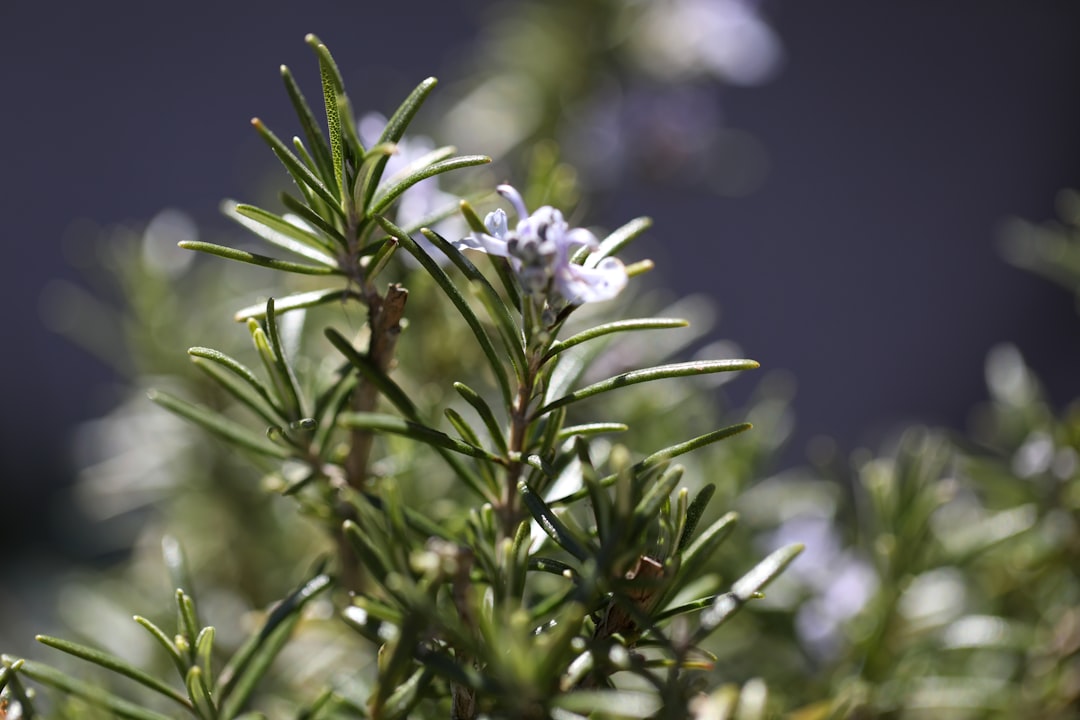
The robust, piney fragrance of rosemary is unmistakable and incredibly grounding. Rosemary offers a robust, pine-like aroma that’s both invigorating and earthy. This woody herb has been associated with memory enhancement for centuries, and having it in your home creates an atmosphere of clarity and focus. On a cold, wintry day, the earthy fragrance from a few crushed rosemary leaves can transport you to warmer climes. The needled leaves are among the must-add herbs to chicken, pork, lamb, soups, potatoes, and olive oil.
What makes rosemary particularly appealing as a houseplant is its evergreen nature and hardiness. Its aromatic, needle-like leaves are rich in camphor and cineole, compounds that naturally deter mosquitoes. So not only does it smell wonderful, but it also serves as a natural pest deterrent. The scent intensifies when you brush against the needle-like leaves, releasing essential oils that can instantly refresh any room.
#18 Stephanotis: The Bridal Beauty
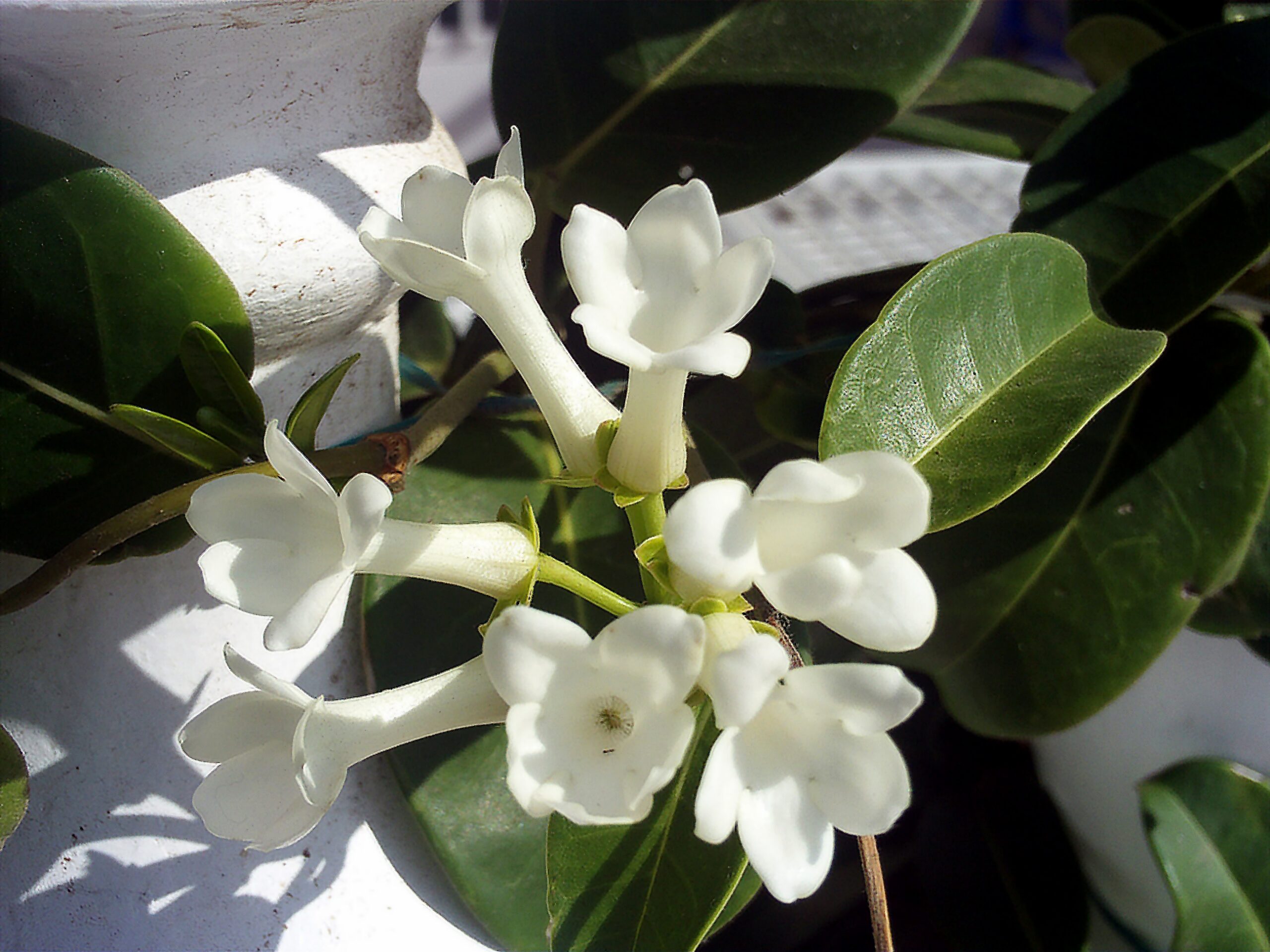
Often called Madagascar jasmine, stephanotis produces some of the most elegantly scented flowers in the houseplant world. Elegant and beautiful, stephanotis is an exotic tropical climber that shows off beautiful clusters of sweetly fragrant white flowers in spring and summer. The waxy, white flowers have an incredibly sweet fragrance that intensifies in the evening hours, making it perfect for bedrooms or living areas.
Stephanotis, sometimes called Madagascar jasmine, is known for its white tubular flowers that have a pleasing sweet aroma. The scent gets stronger in the evening, especially when several blooms open at once. What’s fascinating about this plant is how the fragrance changes throughout the day. Being a vine, it is a versatile plant to grow indoors. Allow it to climb up posts or wires (or make an invisible post with fishing line), trail from hanging baskets, or ramble along a mantle or other surface.
#17 Plumeria: The Tropical Paradise Maker
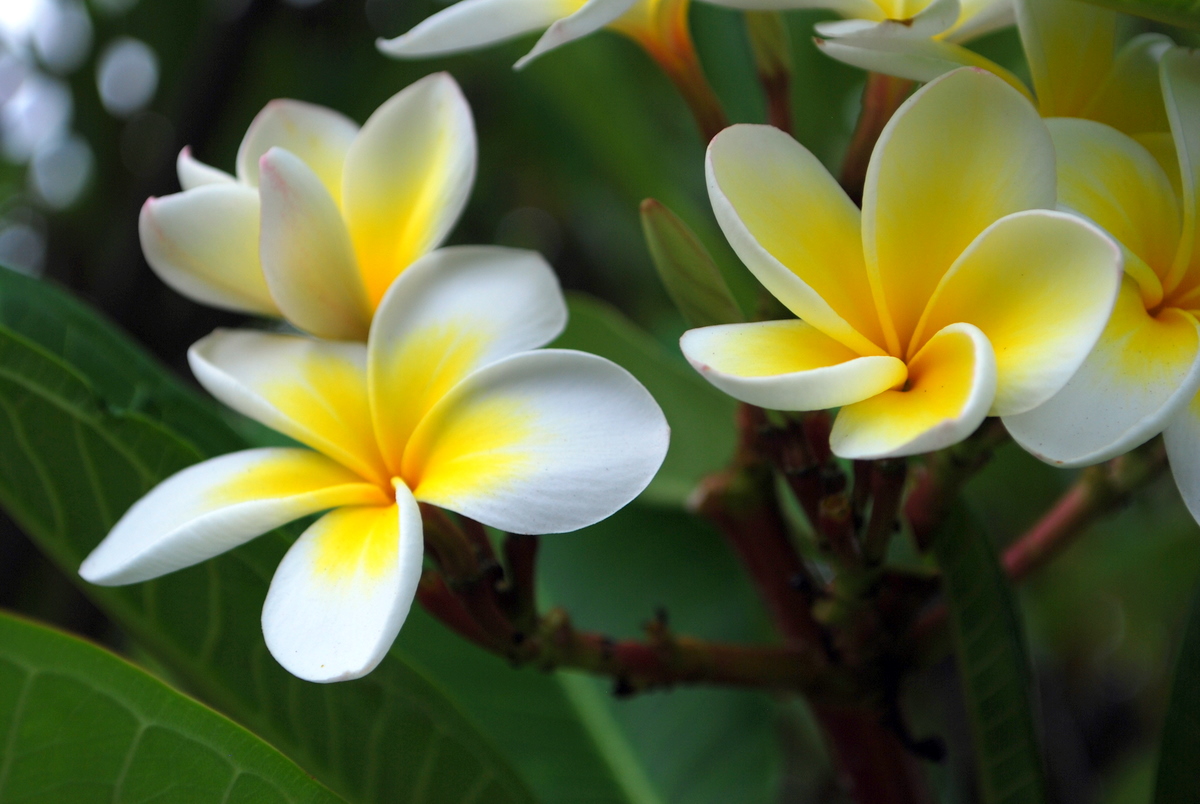
Bringing the scent of Hawaiian leis into your home, plumeria offers one of the most exotic and intoxicating fragrances available in houseplants. Also known as frangipani, plumeria is a tropical flower that can grow indoors. It flowers in a wide range of colors, from cool white and cream to hot shades of yellow, red, and pink. The stunning jasmine-like scent will literally fill the room. The fragrance is complex and layered, with sweet floral notes that can transport you to a tropical paradise.
Plumeria brings a sweet, floral fragrance that stands out, especially in the evenings. You might recognize the scent from tropical leis or vacations to warmer climates. The plant doesn’t require much attention indoors – just a sunny window and occasional watering. The best part about plumeria is how the scent seems to get stronger as the sun goes down, creating the perfect ambiance for evening relaxation. It’s like having your own personal slice of Hawaii right in your living room.
#16 Citrus Trees: The Sunshine Scent
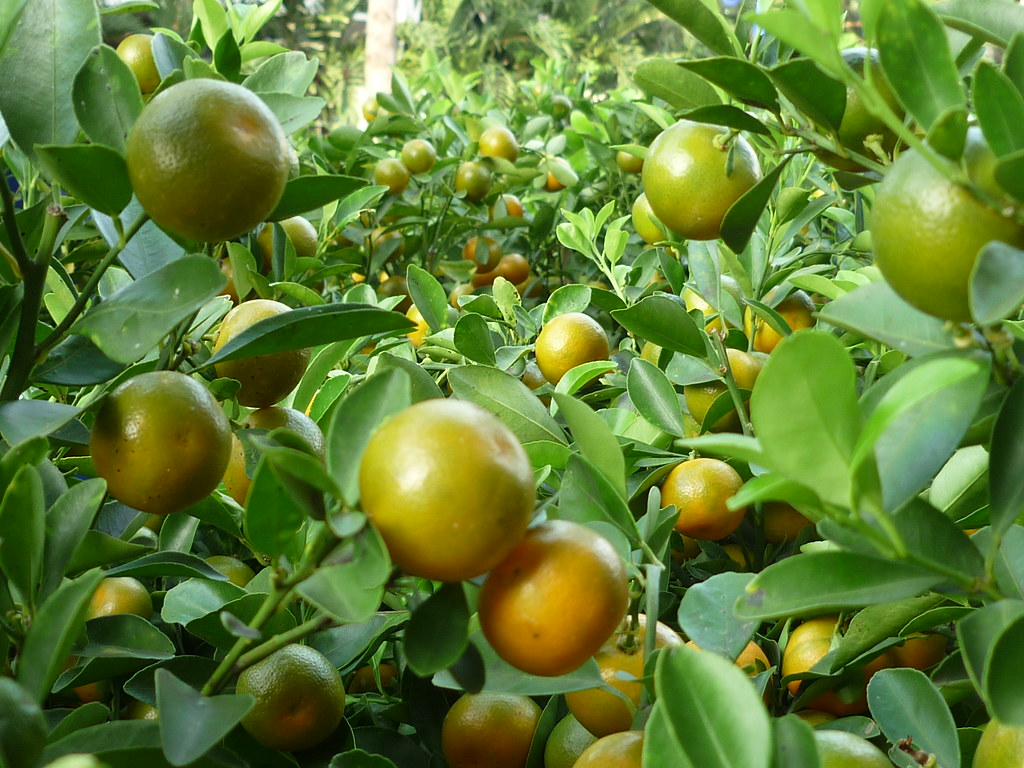
Few things can brighten up a home quite like the fresh, clean scent of citrus. Surprisingly, small citrus trees can thrive indoors, adding a fresh, tangy scent to your space. While they take time to bear fruit, their leaves and blossoms release a delightful citrus fragrance. With proper care, they can be a long-term source of both beauty and natural freshness. The fragrance comes not just from the flowers but also from the aromatic oils in the leaves.
Trees that produce citrus fruits not only produce an invigorating scent, but also add a vibrant, Mediterranean touch to your interiors. What makes citrus trees particularly special is their year-round fragrance potential. Even when they’re not blooming, simply brushing against the leaves releases those distinctive citrus oils. A sweet little citrus tree, with its exquisitely scented blooms, plus a tiny crop of vitamin C-rich fruit, is precisely the reason why it’s considered one of the best fragrant indoor plants. To really get your house smelling incredible, go for a dwarf variety like the calamondin orange.
#15 Eucalyptus: The Spa Experience

Transform your home into a spa-like sanctuary with the crisp, medicinal fragrance of eucalyptus. If you’re looking for a low-maintenance plant with a strong, invigorating scent, eucalyptus is a great choice. Its silvery-green leaves release a crisp, clean aroma that can freshen up any space. Unlike many other fragrant plants, eucalyptus requires little upkeep, making it perfect for beginners. The scent is instantly recognizable and has that clean, forest-fresh quality that makes you feel like you’re breathing mountain air.
Adding fragrant shrubs, like eucalyptus or Madagascar jasmine, to your living room, bedroom or bathroom can create a serene atmosphere. Their natural scents will envelop your space, leaving a calming effect on both your mind and body. What’s particularly appealing about eucalyptus is how the scent seems to have natural stress-relieving properties. Many people find that just being around eucalyptus helps them feel more relaxed and centered.
#14 Orchids: The Surprising Scent Stars
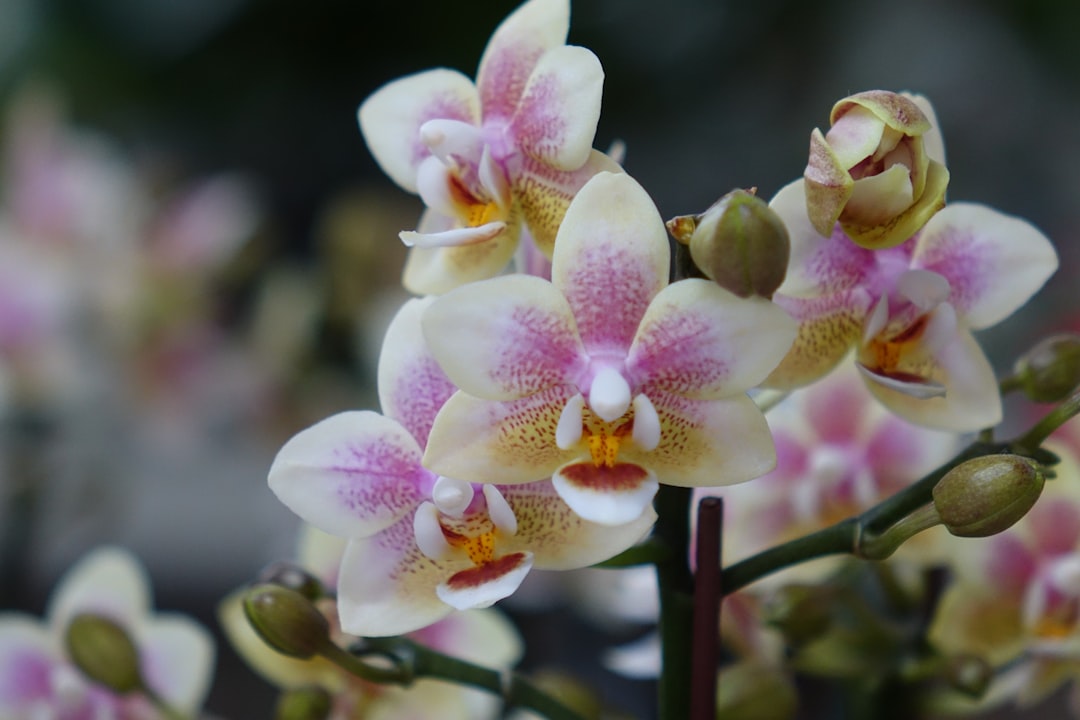
While many people grow orchids purely for their stunning visual appeal, certain varieties offer incredible fragrances that can surprise even experienced plant lovers. Some orchids provide more than just exotic beauty and durable blooms. Although not all species have a pleasant scent, there are some that definitely make it into the list of the best fragrant indoor plants. The fragrance of orchids can range from sweet and floral to spicy and exotic.
Their fragrance varies as much as their color and size. Sharry Baby ‘Sweet Fragrance’, for example, has a distinct chocolate scent; Twinkle ‘Fragrance Fantasy’, on the other hand, smells more herbal. What makes fragrant orchids particularly special is how their scents can change throughout the day. Some Orchids are fragrant in the morning. Some are fragrant at night. Some are not fragrant right away and get more fragrant as the flower ages. It’s like having a constantly evolving perfume in your home.
#13 Hoya: The Waxy Wonder
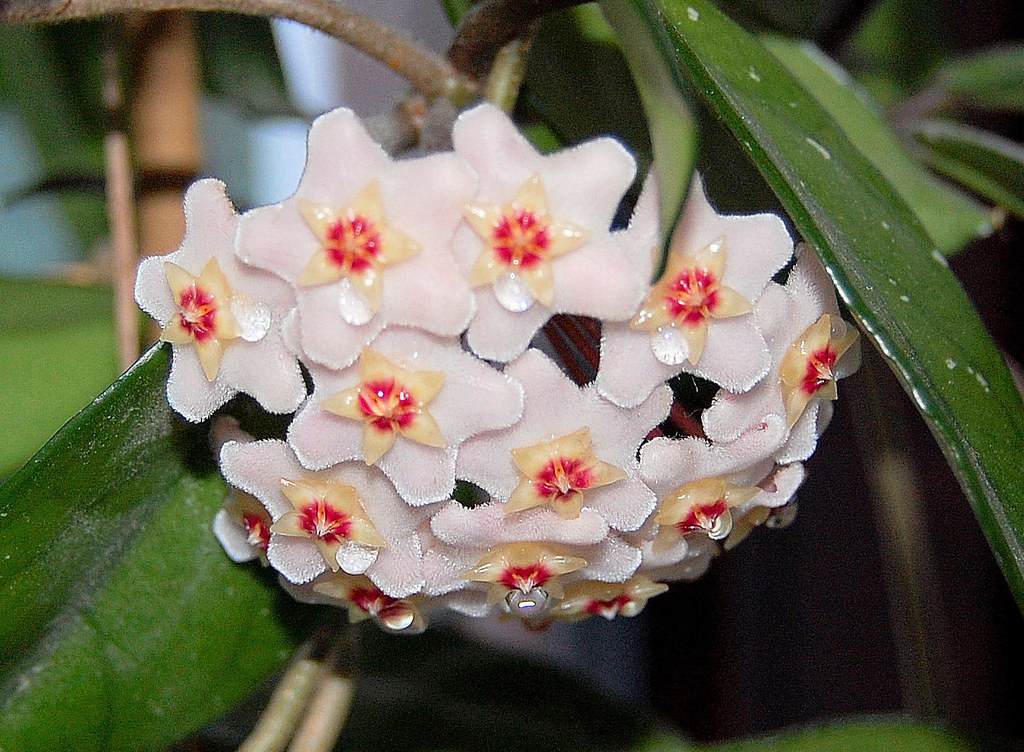
Often called the wax plant, hoya produces clusters of star-shaped flowers with an incredibly sweet fragrance. Commonly called wax plant, hoya is a no-fuss, old-fashioned houseplant that’s coming back into style. It has waxy, sweetly scented pink or white flowers and thick, glossy, dark green leaves. The fragrance is particularly intense in the evening and can be quite strong – sometimes filling an entire room with its perfume-like scent.
What makes hoya particularly interesting is its patience-testing nature. Hoyas can take a while to bloom. If you’ve had one for a couple of years and never seen a flower, try giving it more light. But once it does bloom, the reward is incredible. I used to have a wax vine (Hoya) that flowered readily and was very fragrant. They’re incredibly tough as house plants and seem to live forever. You just have to make sure that there’s no furniture underneath the flower clusters that will be damaged by large drops of sugary nectar.
#12 Angel’s Trumpet: The Evening Enchanter
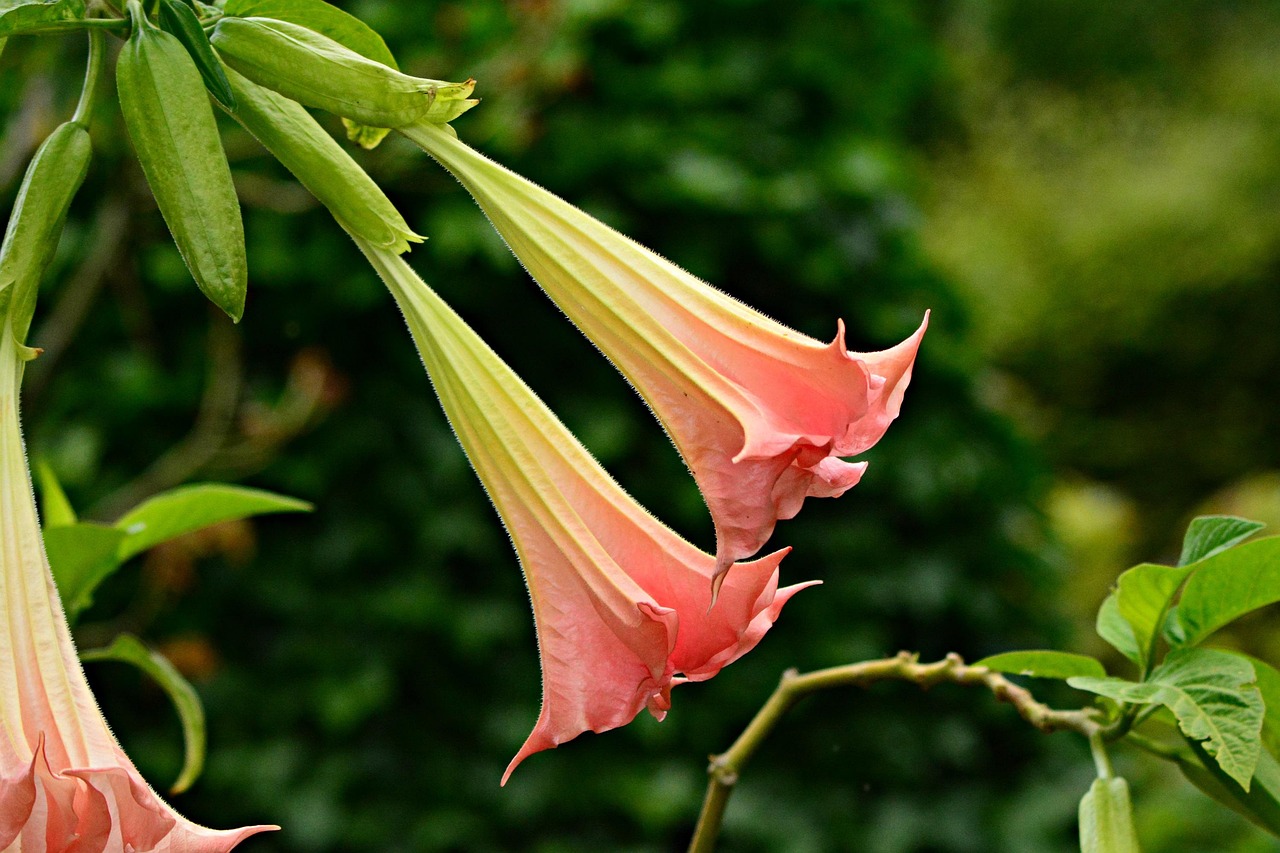
For those who want a truly dramatic fragrant houseplant, angel’s trumpet delivers both visual impact and olfactory excitement. Angel’s trumpet is a strong-smelling plant, known to smell like musk mixed with both lemon and jasmine. While the exact level of scent emitted will vary based on the time of day, angel’s trumpet is only recommended for homes that want a strong scent around the clock. The large, trumpet-shaped flowers are as dramatic as the fragrance they produce.
The scent of this houseplant is strong and distinct. Once the sun goes down, the smell may become even more prominent. What’s particularly fascinating about this plant is how the fragrance intensifies in the evening hours, making it perfect for outdoor patios or near open windows where the scent can drift indoors. The aroma is complex and intoxicating, with layers of floral and musky notes that can be quite addictive.
#10 Thyme: The Gentle Aromatic
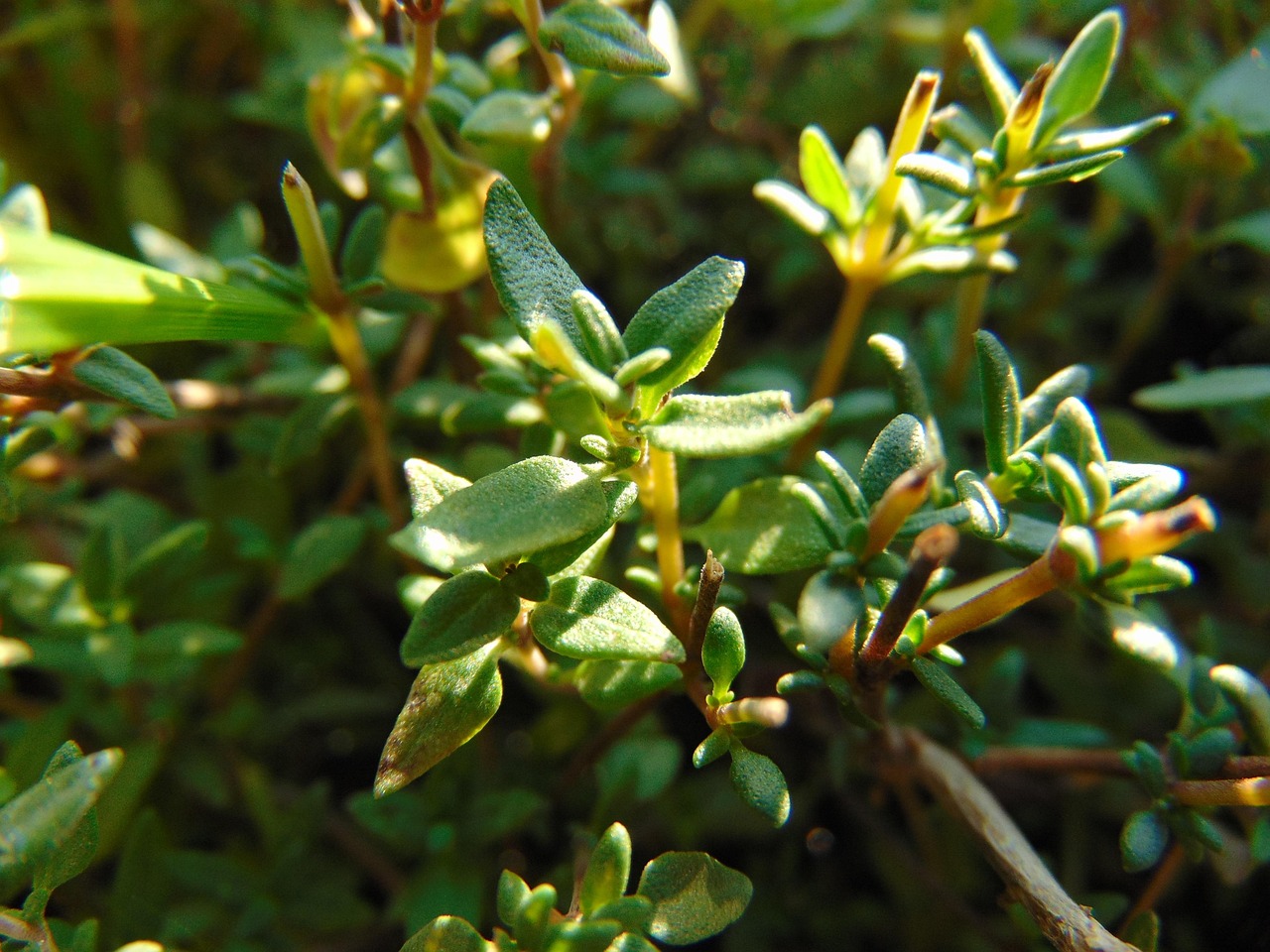
While thyme might seem like a simple cooking herb, its subtle fragrance makes it an excellent choice for indoor aromatherapy. Thyme is an aromatic herb containing gentle hints of lemon and mint. It’s popular for flavoring soups and marinades, but possesses a fresh, citrus-like scent that makes it great for a fragrant herb garden. The scent is never overwhelming but adds a gentle herbal note to any room.
Thyme is a versatile herb with a subtle, earthy fragrance. It pairs well with numerous dishes, especially roasted meats and vegetables. Its scent is also known to have calming properties. What makes thyme particularly appealing is how it releases its fragrance gradually throughout the day. Thyme is a popular fill-in plant that can cover bare spots in your garden and make for an amazing, aromatic carpet that will reward you for years to come. The scent becomes more noticeable when you brush against it or harvest its tiny leaves.
#9 Lemon Balm: The Citrusy Calmer
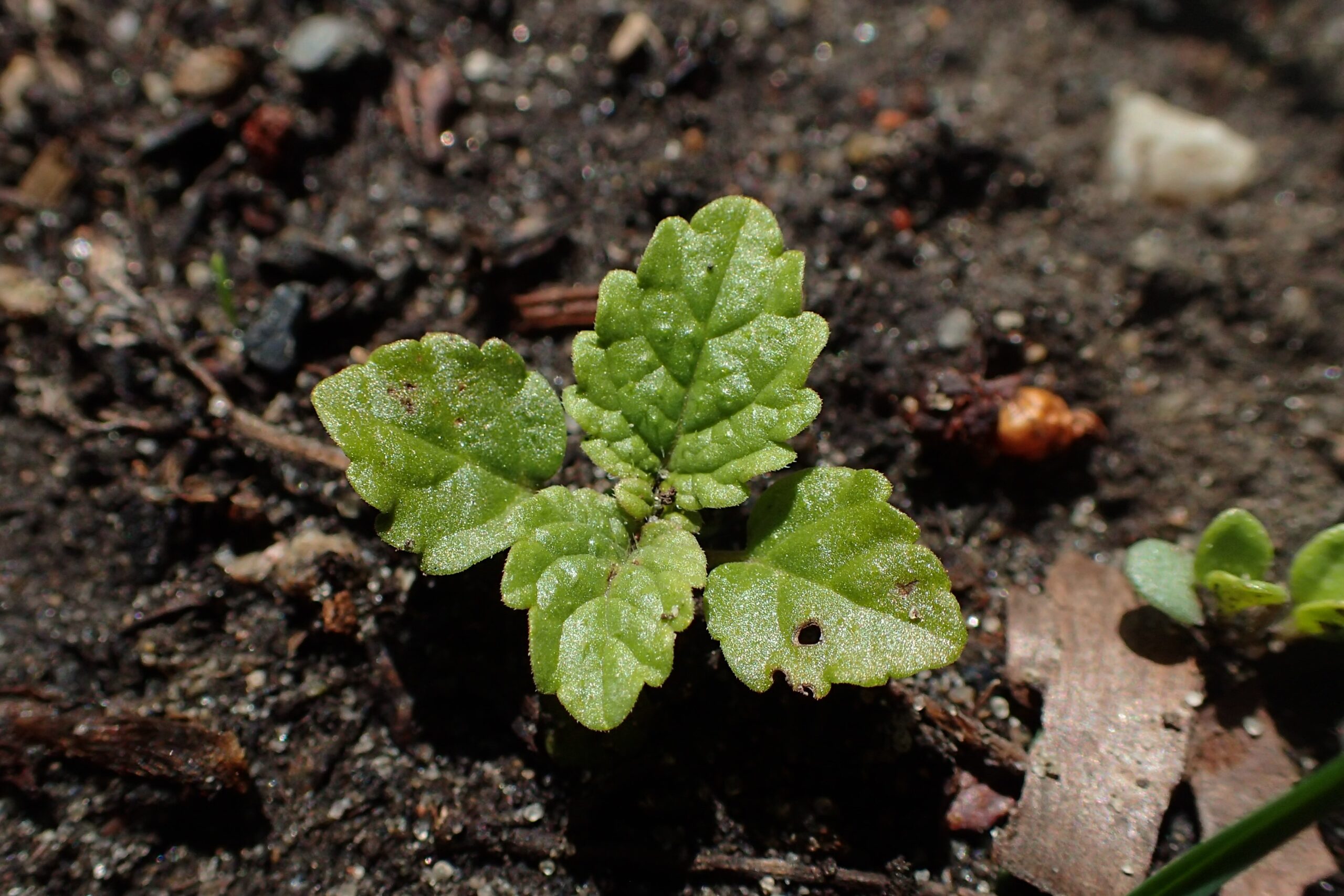
Part of the mint family, lemon balm offers a delightful citrusy fragrance that’s both energizing and calming. Lemon balm is a member of the mint family and gets its name from its lemony-scented leaves. Herbal gardeners adore this herb for the sweet and refreshing fragrance it emits. This herb was used for centuries to reduce anxiety, improve appetite and promote sleep. The combination of lemon and mint creates a unique fragrance that’s both invigorating and soothing.
Lemon balm emits a fresh, citrusy aroma that’s invigorating and calming at the same time. It’s a fantastic choice for teas and can help repel insects. What’s particularly wonderful about lemon balm is how the fragrance intensifies when you touch the leaves. It’s like having a natural aromatherapy treatment available whenever you need a mood boost or want to create a more peaceful atmosphere in your home.
#8 Sweet Bay: The Culinary Perfumer
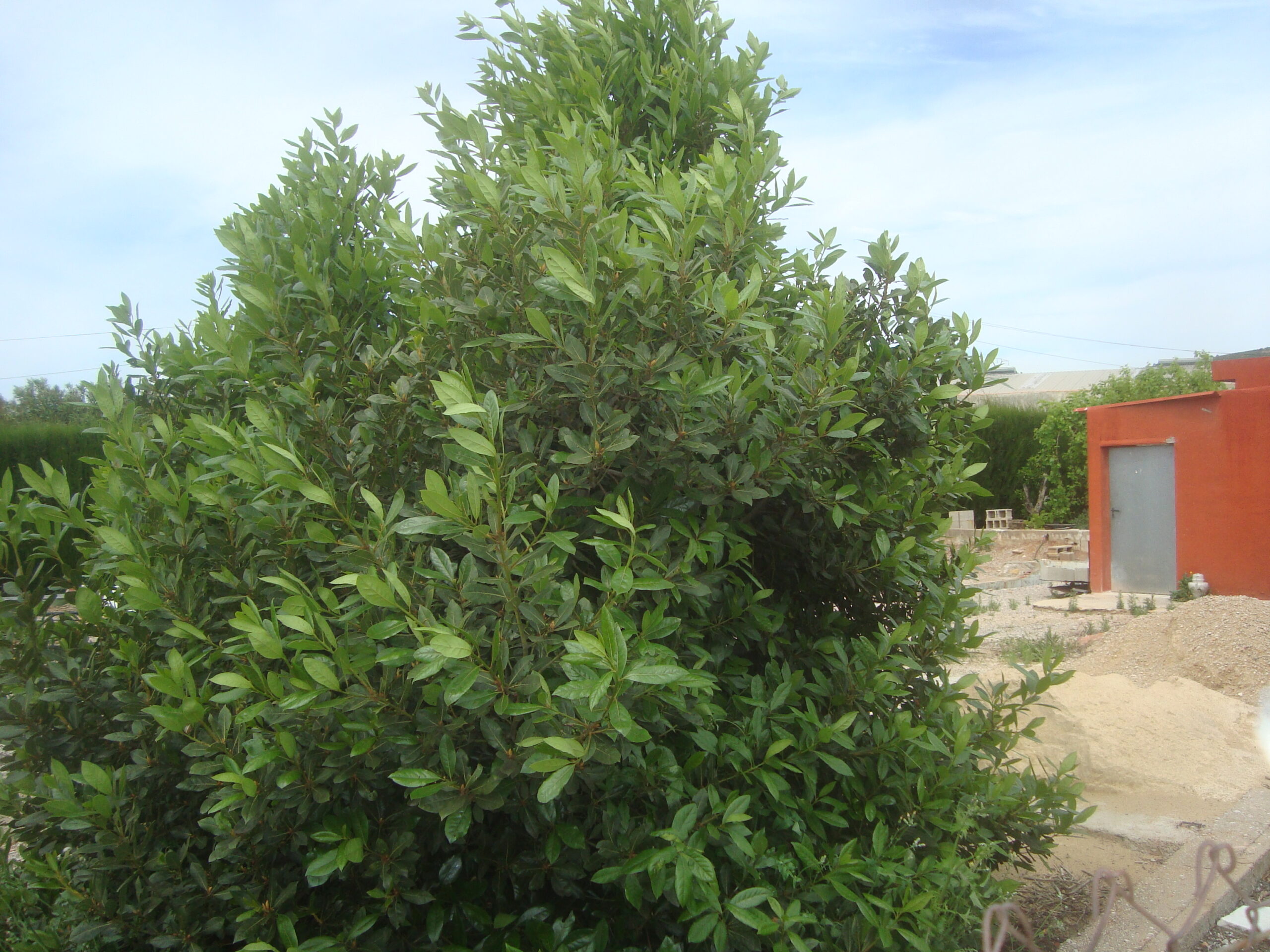
Sweet bay, also known as bay laurel, is primarily known as a culinary herb, but its aromatic qualities make it an excellent fragrant houseplant. A slow-growing shrub that may become a small tree, sweet bay shows off shiny green leaves with a savory, herbal scent. The fragrance is warm and comforting, with notes that are both herbal and slightly spicy.
Bay laurel is an herb commonly used in cooking, but many don’t know that it is also quite fragrant while growing. These plants are on the larger side, coming from a tree, but this tree can be rotated between indoors and outdoors to add an herbal scent to the home from time to time. The scent becomes more pronounced when you crush the leaves, releasing essential oils that have been prized for centuries both for culinary and aromatic purposes.
#7 Cuban Oregano: The Spicy Surprise
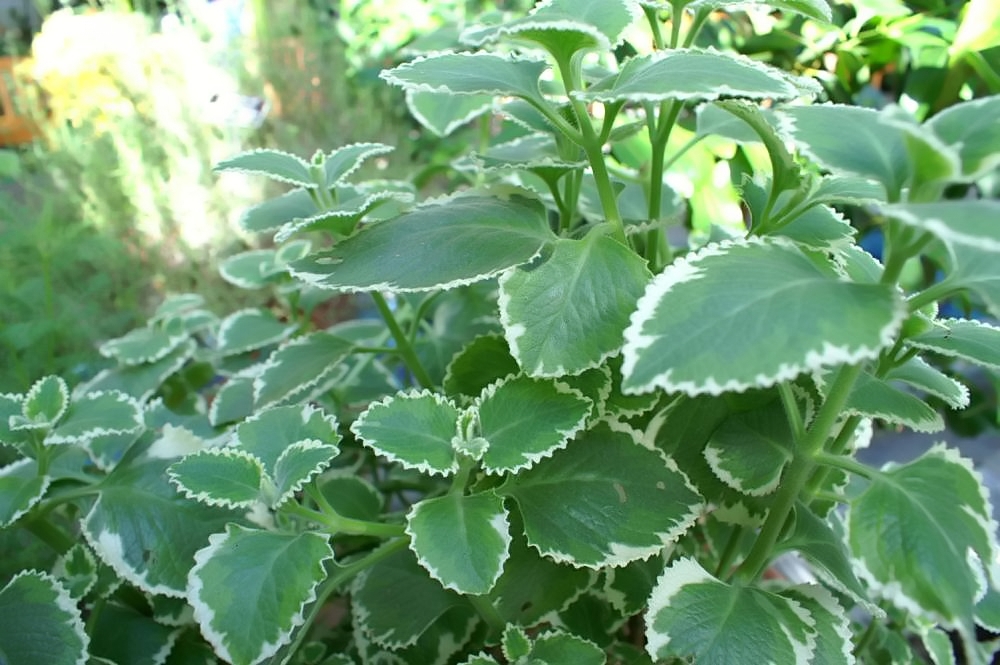
Despite its name, Cuban oregano isn’t actually oregano and isn’t from Cuba, but it does offer a wonderfully spicy fragrance that’s perfect for homes. Boasting a distinct spicy aroma, Cuban oregano is an easy-to-grow relative of Swedish ivy. (Interestingly, neither plant is native to the locations from where they get their common names.) You can cook with the fleshy, fuzzy green leaves or just brush them to release their scent. The fragrance is warm and inviting with a pleasant spicy quality.
What makes Cuban oregano particularly appealing is how easy it is to propagate and share. Cuttings from this plant root easily in potting mix, so it’s easy to propagate and share these fragrant plants with friends. The fuzzy leaves have a soft texture that invites touching, and each touch releases more of that delightful spicy aroma. It’s like having a living spice cabinet that doubles as natural air freshener.
#6 Orange Jessamine: The Exotic Bloomer
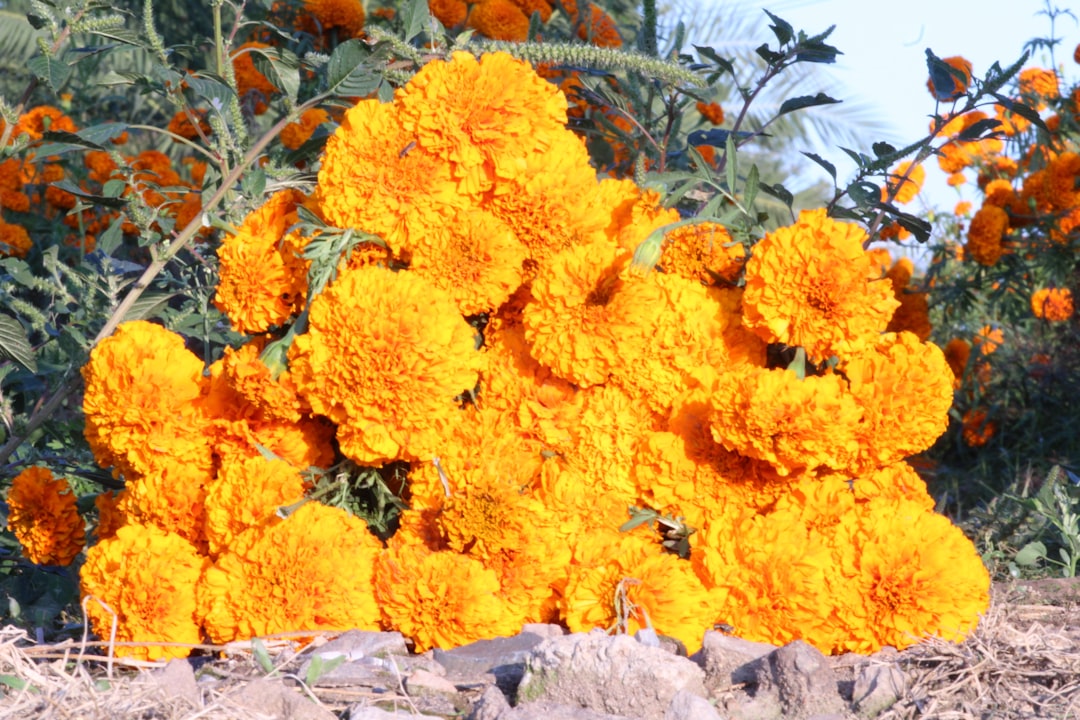
For those seeking something truly unique, orange jessamine offers an exotic fragrance that combines citrus and jasmine notes. Also, consider growing an aromatic relative from the citrus family, the orange jessamine (Murraya paniculata). Though its fruits are inedible, it produces hundreds of white flowers with a lovely scent. The small white flowers appear in clusters and can bloom multiple times throughout the year when conditions are right.
At maturity, which can take three to four years, it can grown to 8 to 12 feet tall and wide, creating a large, round shrub. Clusters of small, fragrant flowers bloom in spring, followed by bright reddish-orange berries in summer. The flowers are very fragrant and smell like orange blossoms, and flowering will occur year-round. The fragrance is particularly intense during warm weather and can fill large spaces with its delightful perfume.
#5 Corsican Mint: The Tiny Powerhouse
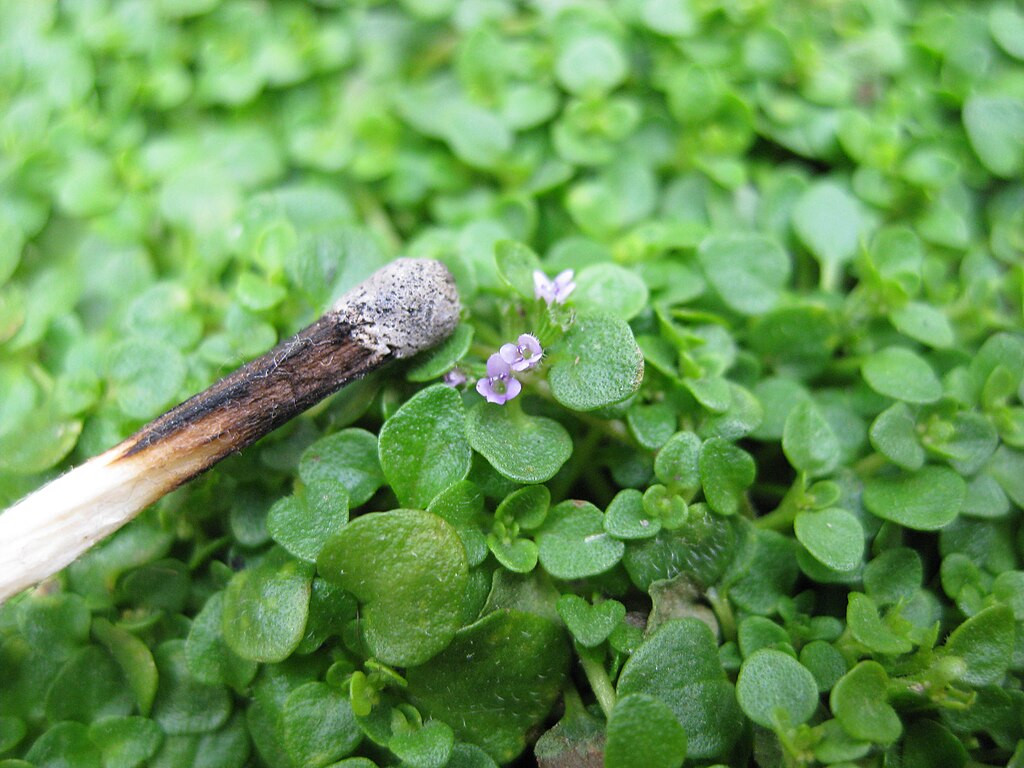
Don’t let its diminutive size fool you – Corsican mint packs a powerful fragrant punch. Corsican mint is a low, spreading ground-cover that only reaches about 1 inch high and 6 inches across. Its small bright green leaves cluster together to make a moss-like carpet, and tiny round flowers appear in the early summer months. This mint can tolerate low light indoor setting, filling the air with a peppermint-like scent. It’s perfect for small spaces or as a living carpet in terrariums.
The beauty of Corsican mint lies in its ability to release fragrance with the slightest touch. Because it grows so low and dense, walking by it or accidentally brushing against it releases bursts of fresh mint scent. It’s like having a natural air freshener that activates whenever you need it most, making it perfect for high-traffic areas or anywhere you want a subtle but refreshing fragrance.
#4 Tea Rose Begonia: The Floral Surprise
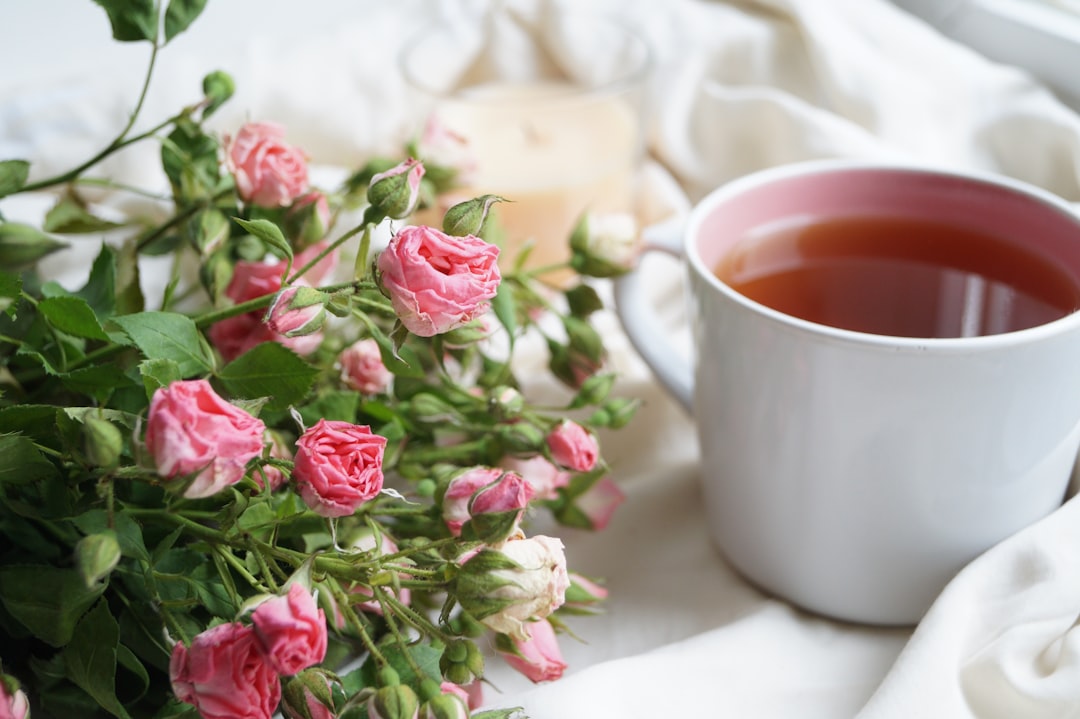
While most begonias are grown for their colorful foliage or flowers, the tea rose begonia offers the added bonus of incredible fragrance. The perennial begonia includes over 2,000 species in the Begoniaceae family. The one we’d recommend for a more fragrant home or workplace is the tea rose begonia. As the name suggests, this variety produces flowers with a delightful rose-like fragrance that can perfume an entire room.
What makes the tea rose begonia particularly special is how it combines visual beauty with olfactory delight. The flowers not only look beautiful but smell incredible, offering a classic rose fragrance that never goes out of style. The scent is particularly strong during the warmest part of the day and can provide a lovely background fragrance that changes subtly throughout the seasons.
#3 Hyacinths: The Spring Awakeners
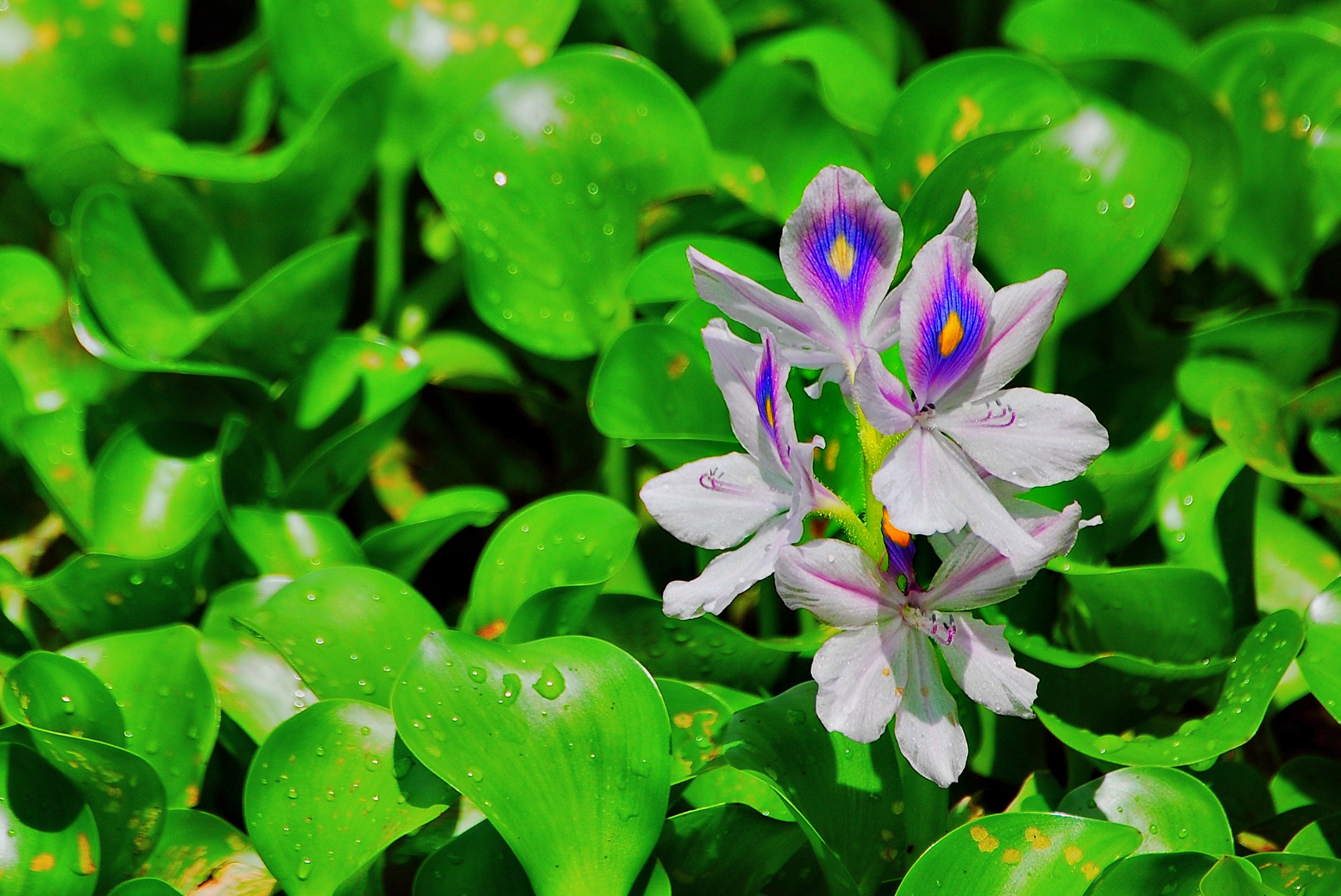
Hyacinths bring the promise of spring indoors with their intensely fragrant flower spikes. Hyacinths are popular fragrant houseplants, renowned for their floral and spicy aroma with hints of honey and citrus, that prefer to bloom indoors. With blooms that come in all colors from white to deep red, hyacinths are beautiful to look at and add a unique touch to any style décor. The fragrance is complex and layered, with sweet floral notes mixed with subtle spicy undertones.
Hyacinth adds a noticeable fragrance to your space in early spring. These houseplants often feature clusters of small, vibrant blooms ranging from purple and blue to white and pink. Place your hyacinth near a sunny window and water it moderately – the bulbs don’t like soggy soil. Their pleasant aroma fills a room quickly without being too strong or overwhelming. The scent is particularly welcome during the late winter months when you’re craving the fresh promise of spring.
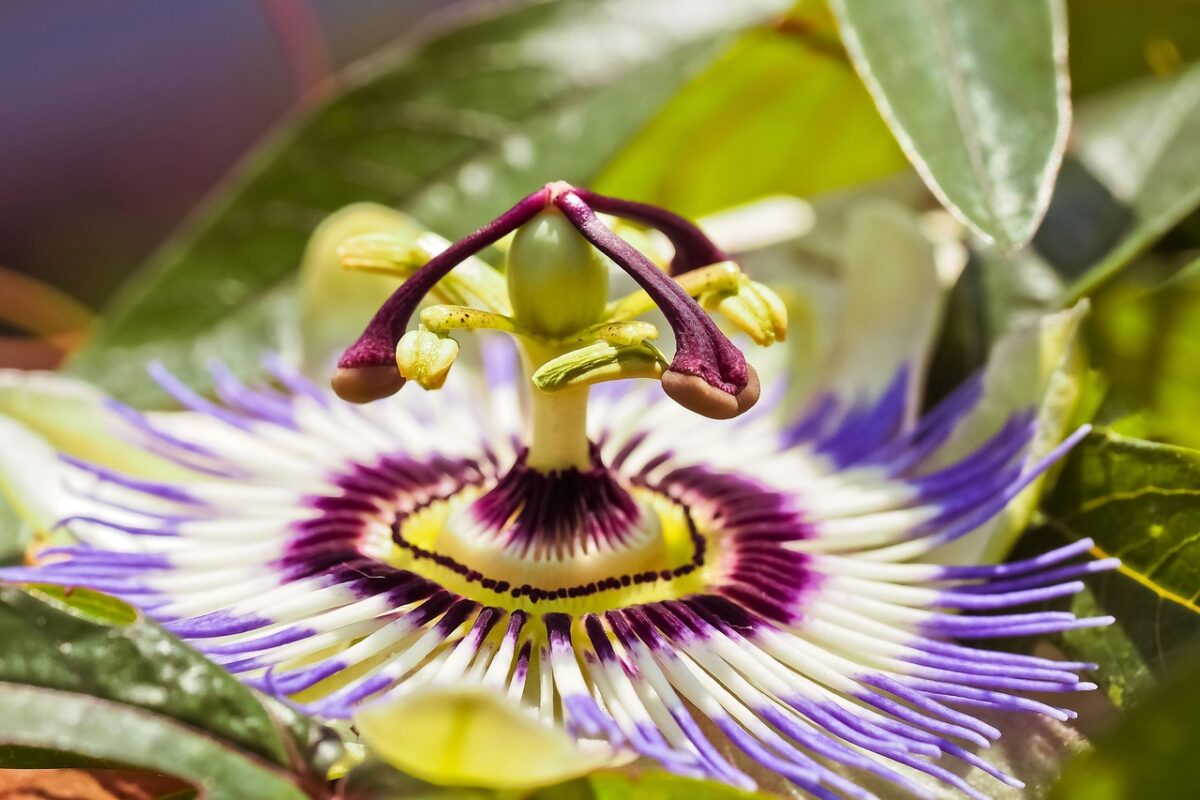
#2 Passionflower: The Exotic Climber
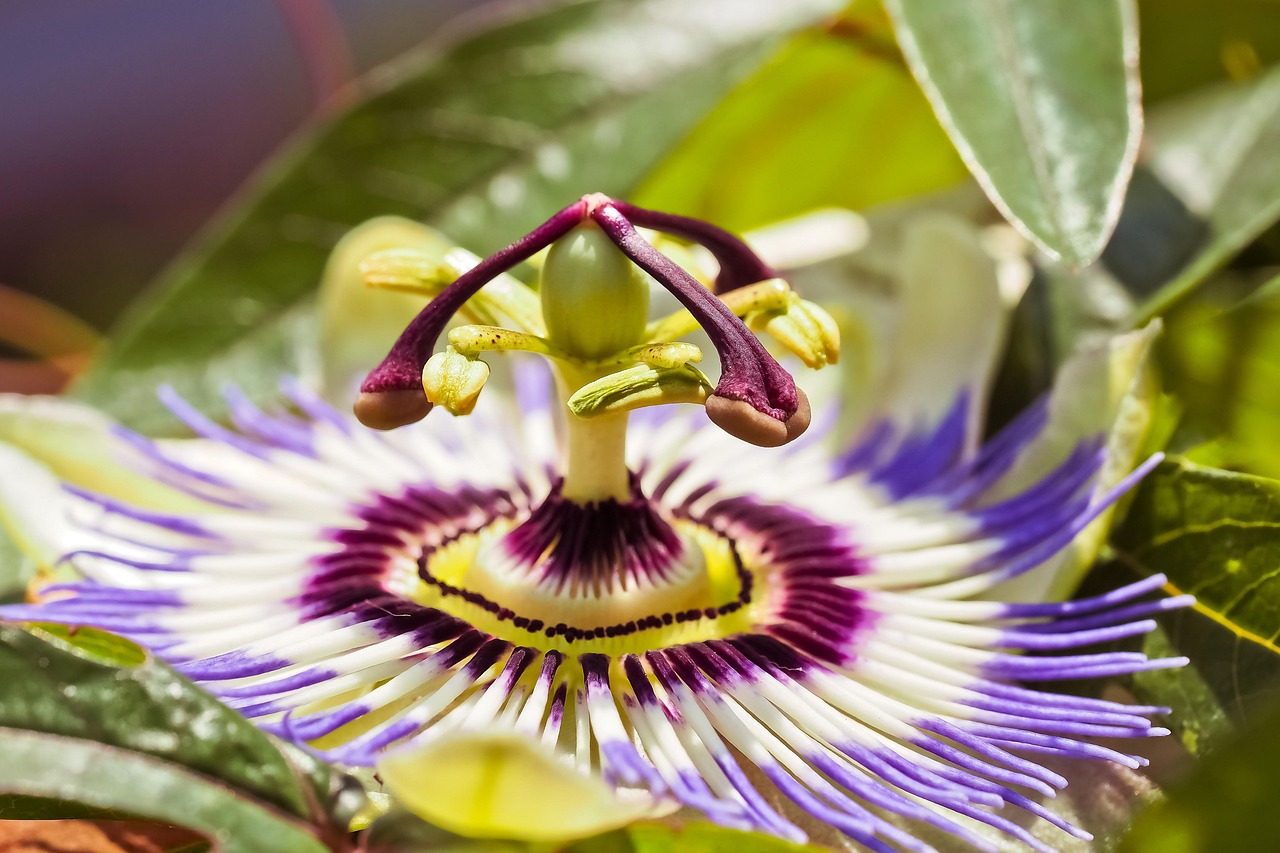
For those who love unique and exotic fragrances, passionflower offers something truly special. The intricate, otherworldly flowers produce a fragrance that’s both sweet and slightly exotic, unlike anything else in the plant world. The climbing nature of this plant makes it perfect for training up supports or allowing to cascade from hanging baskets, creating vertical gardens that fill the air with perfume.
What makes passionflower particularly interesting is how the fragrance seems to change throughout the day and across different seasons. The scent can range from lightly floral to intensely perfumed, depending on environmental conditions and the plant’s age. It’s like having a living work of art that also happens to smell incredible, making it a conversation piece as well as a natural air freshener.
#1 Night-Blooming Cereus: The Midnight Magic
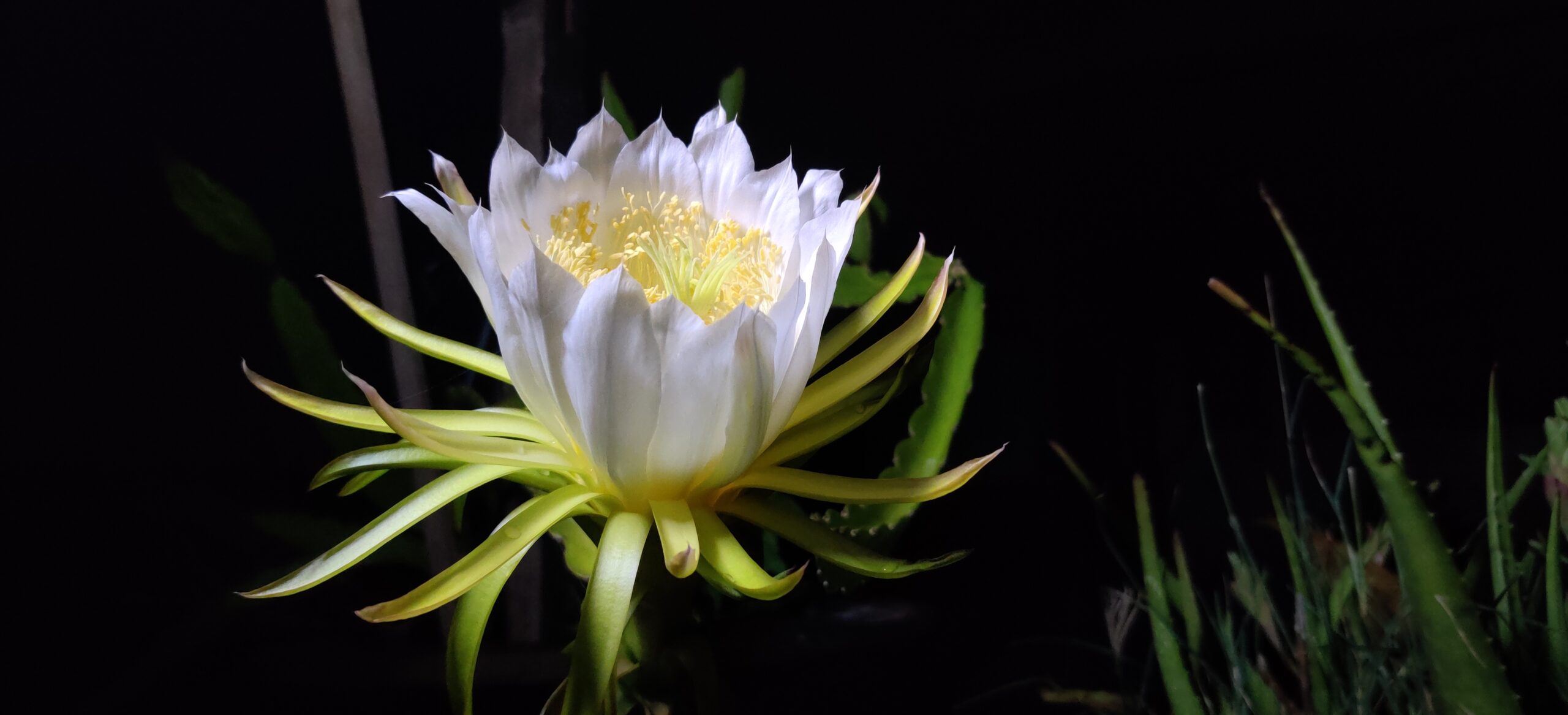
For the ultimate in dramatic fragrance, few plants can match the night-blooming cereus. This remarkable cactus produces enormous, incredibly fragrant flowers that open only at night and last just one evening. The fragrance is intense and intoxicating, often described as a combination of vanilla and jasmine with exotic spicy notes that can perfume an entire house.
The anticipation of waiting for the rare blooming event makes it even more special. When it finally happens, usually just a few times per year, the entire experience becomes almost ceremonial. Many people stay up late to witness the opening of these magnificent flowers and breathe in their incredible perfume. It’s like having your own personal natural phenomenon that transforms your home into something magical, even if just for one night.
Creating Your Fragrant Home Garden
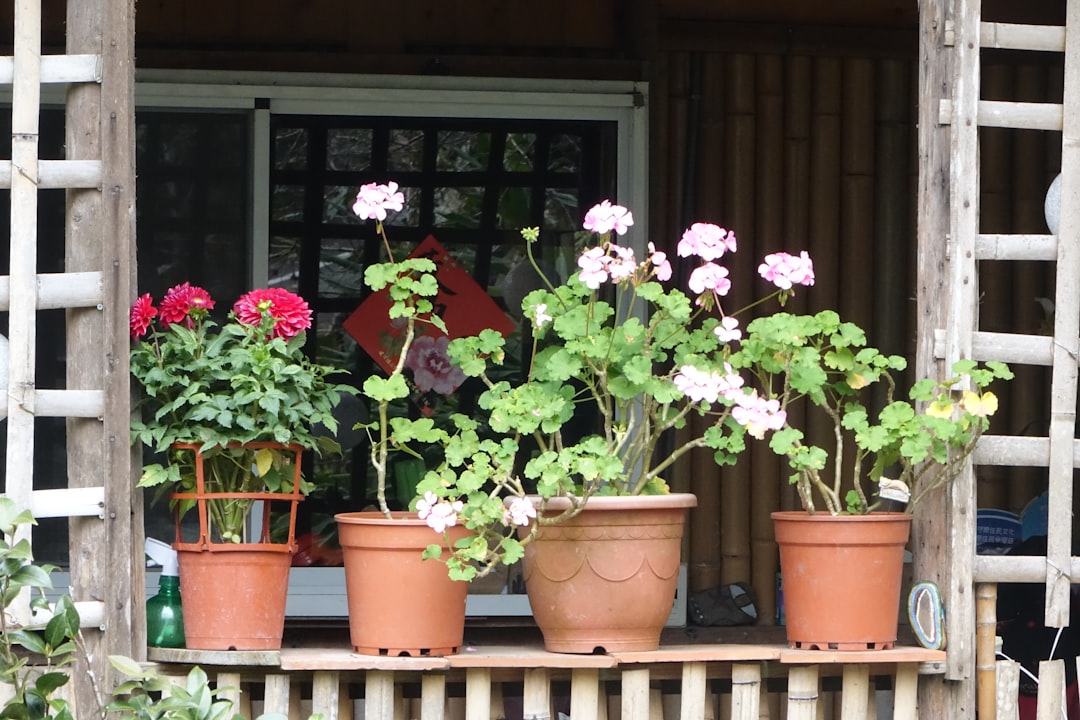
Incorporating fragrant plants into your home is a natural and sustainable way to keep your space smelling fresh. Each of these plants offers unique aromas, so whether you prefer citrusy, herbal, or floral scents, there’s an option for everyone. With the added benefit of enhancing indoor air quality and aesthetic appeal, these houseplants are a wonderful alternative to synthetic air fresheners.
The key to success with fragrant houseplants is understanding that different plants release their scents at different times and in different ways. Most fragrant houseplants only emit scent for a short period, while their flowers in bloom. To extend your window of freshness, buy a selection of plants that blossom at different times. Some plants are most fragrant in the morning, others in the evening, and some release their scent only when touched. By combining different types, you can create a symphony of natural fragrances that changes throughout the day and seasons.
Whether you choose just one stunning specimen or create an entire collection of fragrant plants, you’ll discover that natural plant fragrances offer something synthetic air fresheners simply cannot: depth, complexity, and a living quality that changes and evolves. Your home will become a more welcoming, peaceful, and naturally beautiful space that guests will remember long after they leave. Who knew that such simple green additions could transform not just how your home looks, but how it feels and smells too?

- 10 Land Animals That Can Fly - June 24, 2026
- 15 Most Breathtaking Hiking Trails Around the World - June 24, 2026
- An Octopus Changes Color and Other Extraordinary Ways How Animals Sleep - June 24, 2026