
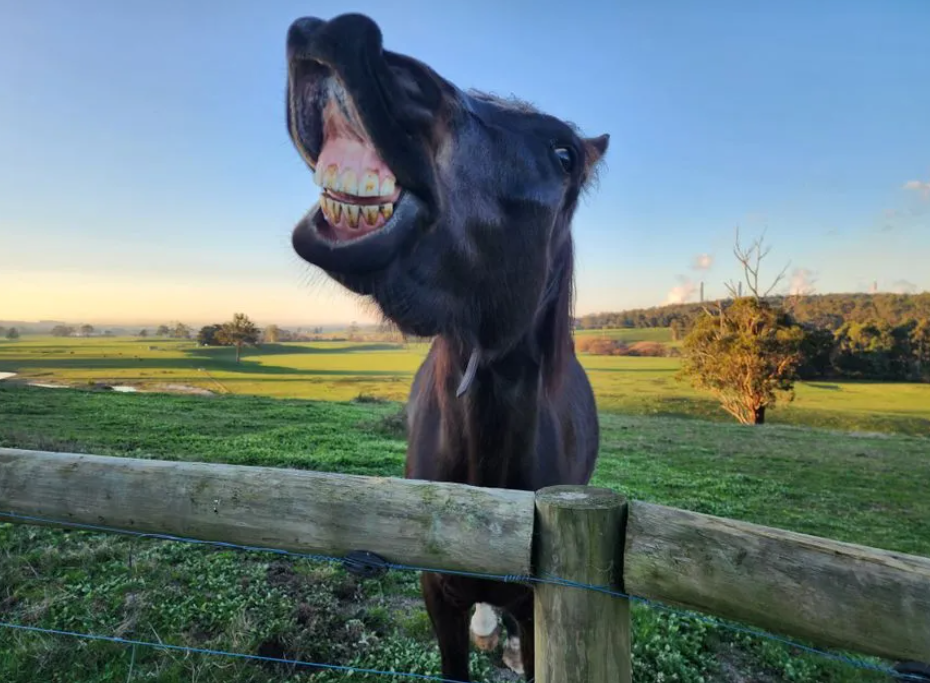
Horse owners will spend a fortune on the perfect saddle, agonize over grain brands, and call the farrier at the first sign of a chip. Then they hand the horse a bit, buckle a noseband, and never look inside its mouth again.
That’s the blind spot equine dentists keep running into. Some of the most beloved, most “easy,” most photographed breeds in the country are quietly living with mouths that would make a human orthodontist wince. Tiny jaws stuffed with full-size teeth. Show-ring heads bred for a look, not a bite. Horses trained to hide pain so well their owners never see it coming. Here’s the list equine dentists wish more buyers saw before falling in love with a breed.
#1 – Miniature Horses
🔥 Would you like to save this?
We'll email this post to you, so you can come back to it later!
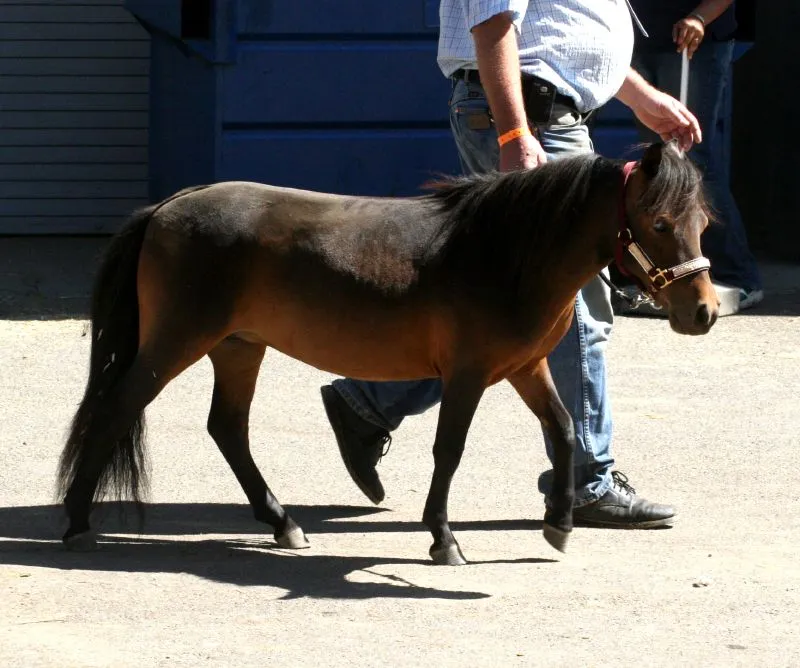
Miniature horses look like the ultimate low-effort pet: small, cute, easy to keep in a backyard. Equine dentists see something else entirely. They call minis “full-size teeth in a fun-size skull,” because that tiny jaw still tries to hold the same number of teeth as a 1,200-pound horse.
That mismatch creates overcrowding, tooth rotation, hooks, and wave mouths at rates that shock first-time owners. Minis are also notorious for impacted wolf teeth and crooked incisors, and because they’re stoic little eaters, they’ll keep grazing through serious pain. Watch for quidding, or dropping half-chewed hay, along with colic and weight loss that shows up far earlier than in bigger horses. Their tiny mouths also make dentistry itself harder, often requiring special small-speculum tools, extra time, and sometimes X-rays just to see what’s actually going on in there.
Fast Facts
- The American Miniature Horse Association caps registered horses at 34 inches at the withers, while the American Miniature Horse Registry allows a second division up to 38 inches.
- Most minis weigh between 150 and 350 pounds, yet they carry a full-size tooth count packed into a fraction of the skull.
- Veterinarians note that small skull size makes overcrowding and misaligned teeth one of the most common health issues in the breed.
#2 – Shetland Ponies
🔥 Would you like to save this?
We'll email this post to you, so you can come back to it later!
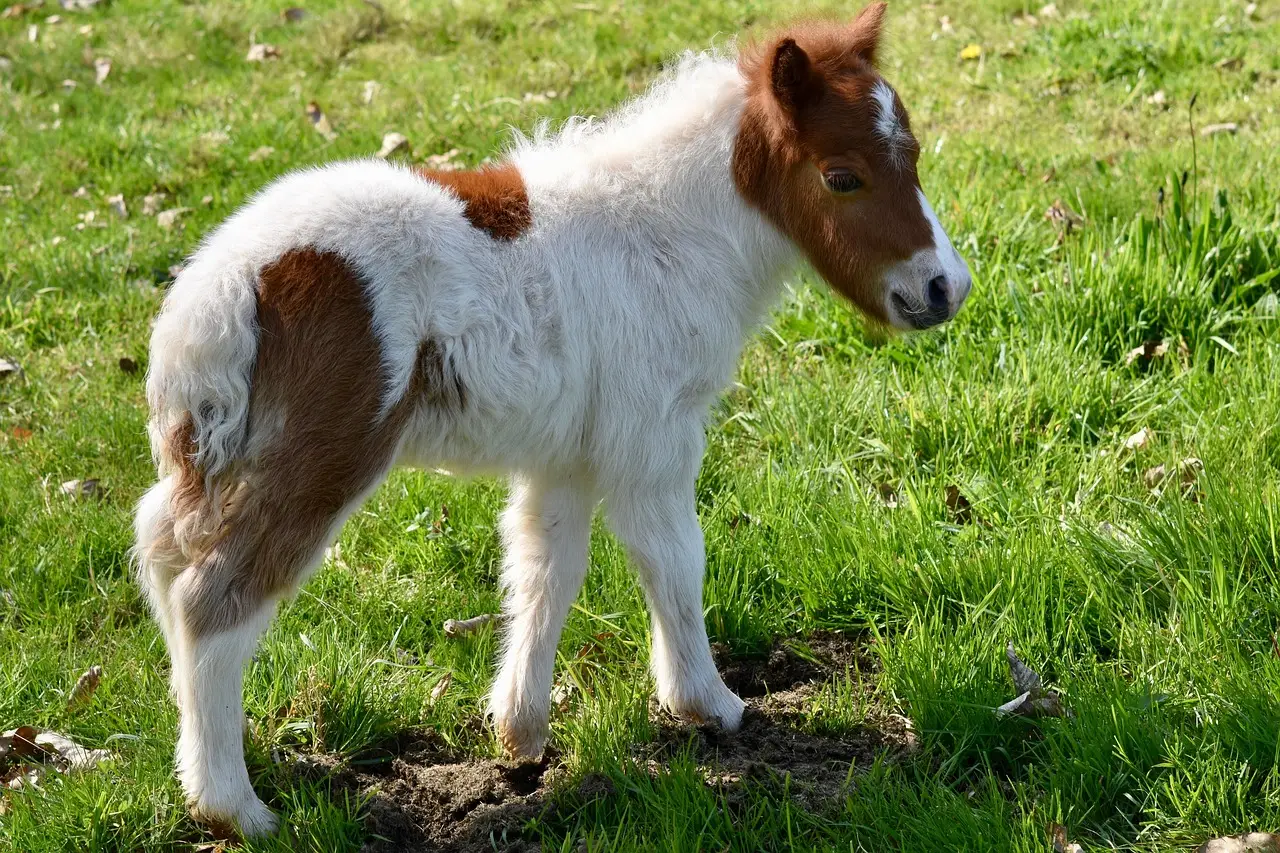
Shetlands get handed to kids as “bombproof starter ponies,” but their mouths can be quiet landmines. Decades of breeding for short, adorable heads has packed cheek teeth together, tilted dental angles, and created perfect little pockets for trapped feed and painful ulcers.
Their powerful jaws hide a lot. A Shetland can be in real pain and still clean its bucket every day. Equine dentists say the sugar-heavy diets so many Shetlands get, combined with crowded teeth, fuel tartar buildup, gum disease, and even root infections severe enough to break through into the sinuses. Owners routinely blame “pony attitude” or bit resistance on personality, when the real problem is a mouth that needs far more attention than an annual float.
#3 – Arabian Horses
🔥 Would you like to save this?
We'll email this post to you, so you can come back to it later!
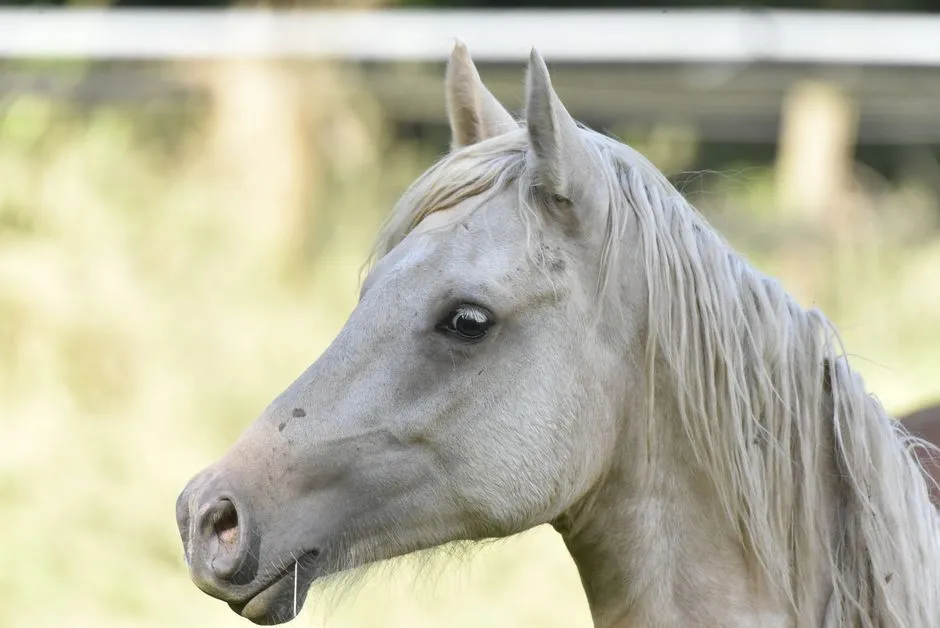
Arabians are marketed as refined, dish-faced, and elegant. Equine dentists look at that same profile and see a jaw alignment problem waiting to happen. The extreme concave face can mean the upper and lower jaws simply don’t meet evenly, setting up hooks, wave mouths, and enamel points sharp enough to shred the inside of a cheek.
Because Arabians are so expressive, dental pain rarely stays quiet. Head tossing, bit evasion, and that legendary “hot” temperament often ease up dramatically after a proper float. Some dentists have gone as far as calling the trend toward extreme dish faces in show lines “a welfare problem in slow motion,” especially in horses worked in tight nosebands and leverage bits.
#4 – Thoroughbreds
🔥 Would you like to save this?
We'll email this post to you, so you can come back to it later!
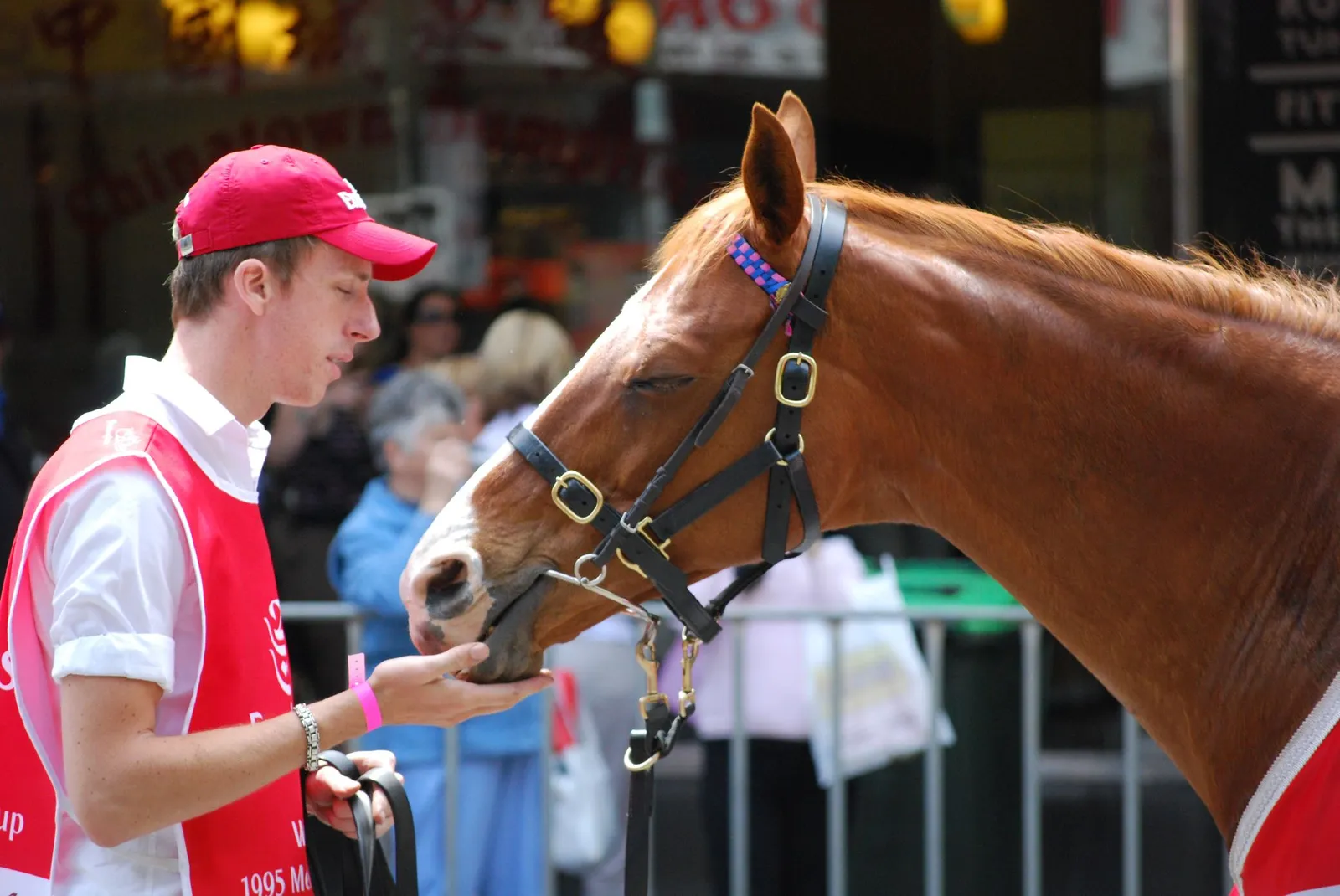
Everyone worries about a Thoroughbred’s legs. Equine dentists worry about its mouth. Years of racing, harsh bits, and tight nosebands can leave these horses with severe hooks, ramps, displaced wolf teeth, and TMJ soreness before they’ve even left the track.
Many ex-racers also carry “bit seats” cut too aggressively into the teeth, leaving thin enamel and chronic ulcers behind. High-strung by nature and often kept on rich grain diets, Thoroughbreds tend to mask pain as just “typical TB behavior.” Post-track rehab almost never includes a full sedated dental exam with X-rays, even though that’s frequently where most of the discomfort is hiding. Some equine dentists won’t even judge a Thoroughbred’s temperament until the mouth is fixed first.
#5 – Quarter Horses (Especially Western Show Lines)
🔥 Would you like to save this?
We'll email this post to you, so you can come back to it later!
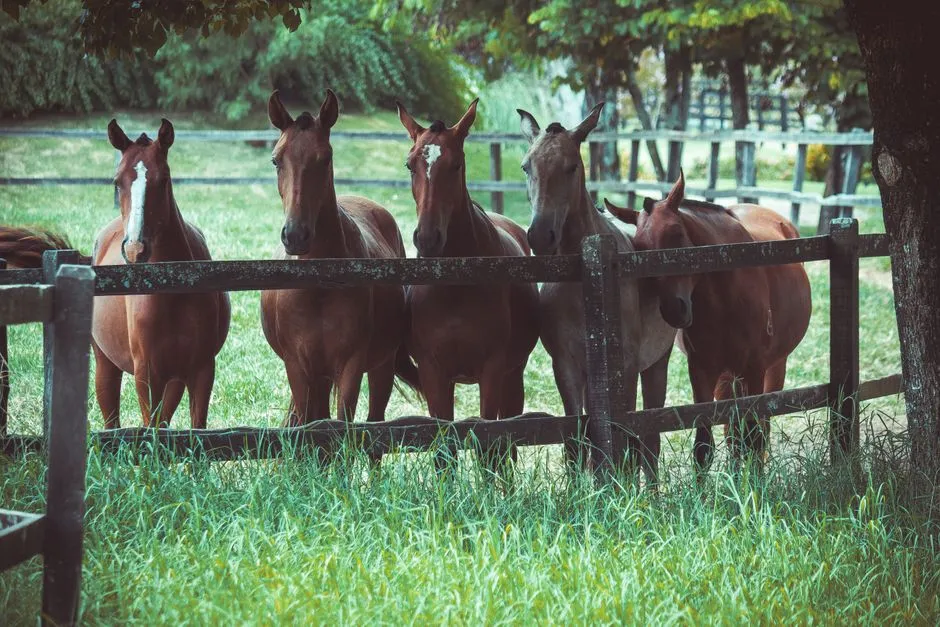
Quarter Horses are everywhere, which is exactly why their dental problems get overlooked. Popular halter and Western pleasure lines are bred for bulldog heads and heavy jaws that look “typey” in the show ring but create uneven bite surfaces and crowded premolars underneath.
Add curb bits, tight tie-downs, and one-sided lateral work, and you get a near-guaranteed recipe for chronic mouth pain. Equine dentists frequently find sharp hooks digging into cheeks and tongues, plus lopsided wear from roping or reining habits. Riders often blame “resistance” and reach for a stronger bit, when the horse is actually trying to escape razor-sharp teeth. For hard-worked performance Quarter Horses, once-a-year floating usually isn’t enough.
#6 – Warmbloods (Dressage & Jumper Types)
🔥 Would you like to save this?
We'll email this post to you, so you can come back to it later!
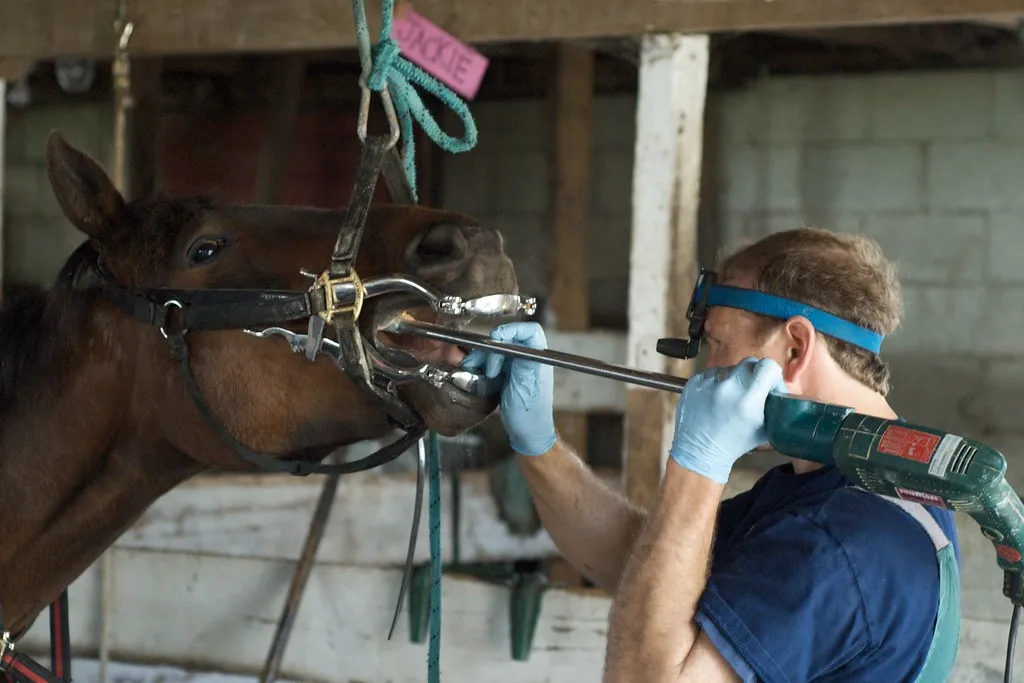
Warmbloods are built like athletes, but their mouths rarely get the same engineering-level attention as their gaits. Tall, elongated heads paired with powerful necks create enormous leverage on the bit, so even a slightly unbalanced mouth can turn into uneven wear, hooks, and TMJ strain fast.
Double bridles, figure-eight nosebands, and other gadgets that restrict jaw motion only make it worse, often causing exaggerated enamel points and poll or neck tension that actually starts in the mouth. Equine dentists say many stubborn “contact issues” disappear once the whole arcade is properly balanced, not just the sharp points knocked off. Yet owners will happily spend thousands on saddle fitting and bodywork while grabbing the cheapest, fastest float available.
Worth Knowing
- Chronic head tossing or chomping at the bit under saddle is often a mouth complaint before it’s a training complaint.
- Resistance to steady contact can trace back to sharp enamel points, not stubbornness.
- Unexplained poll or neck tightness sometimes eases only after a full dental balance, not more bodywork.
- Gadgets that restrict jaw motion can mask discomfort instead of solving it.
#7 – Friesians
🔥 Would you like to save this?
We'll email this post to you, so you can come back to it later!
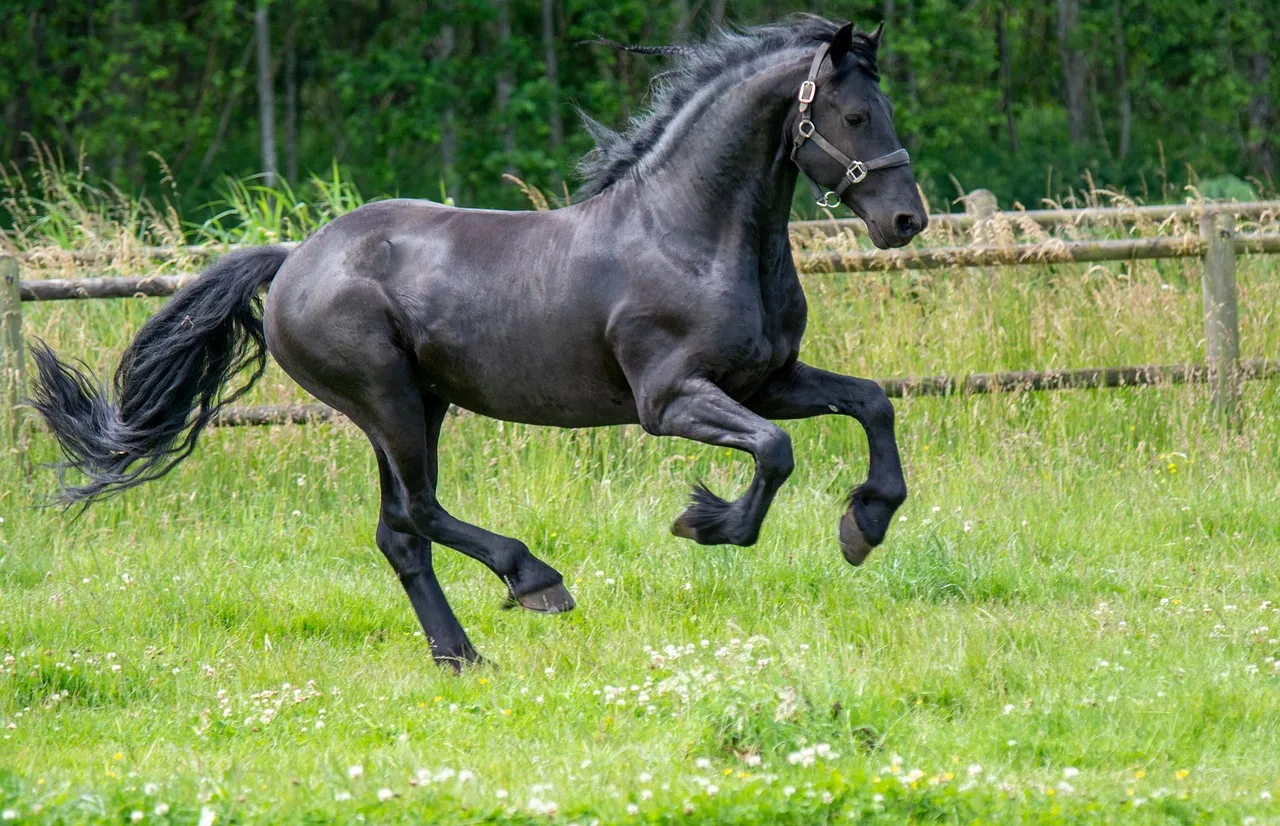
Friesians are social media royalty: flowing mane, arched neck, fairytale presence. Dentally, the picture is far less romantic. Their large, noble heads often hide subtle jaw mismatches and long, narrow muzzles that don’t distribute chewing forces evenly, and slight underbites or overbites cause hooks to form early.
These horses are frequently driven or ridden in high-collection work, which amplifies any existing discomfort. Equine dentists routinely find chronic sharp points and ulceration right where the bit sits, plus premature wear from one-sided rein use. Friesians are also famously stoic, so by the time an owner notices head tossing or stiffness, the dental damage is often already advanced. Skipping a detailed exam because “he seems fine” is one of the most expensive mistakes a Friesian owner can make.
#8 – Morgans
🔥 Would you like to save this?
We'll email this post to you, so you can come back to it later!
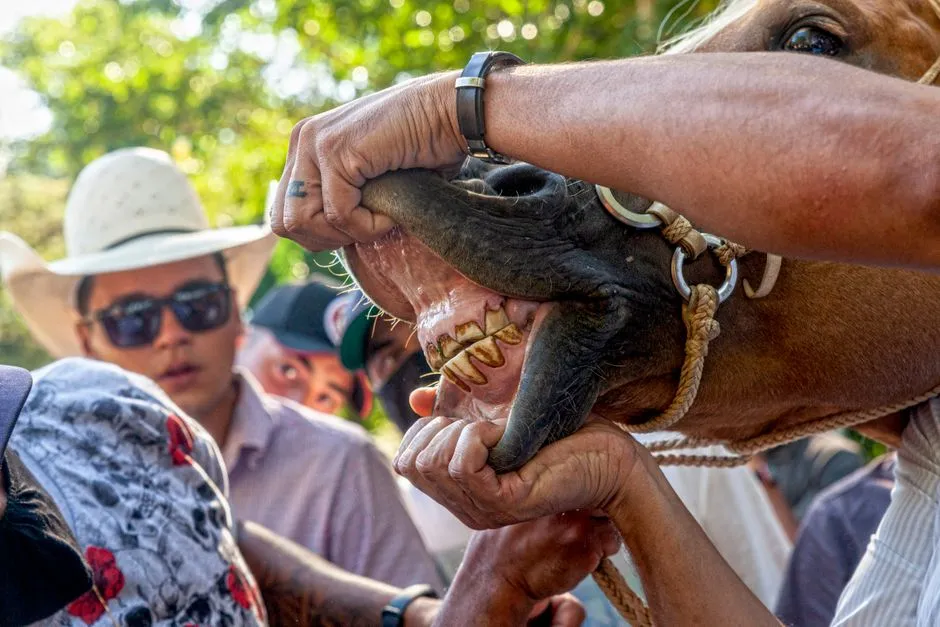
Morgans have a reputation as tough, easy-keeping all-rounders. Their mouths tell a different story. Compact, muscular heads pack the cheek teeth in a little too tightly, and over time that crowding leads to uneven wear, ramped molars, and food-trapping gaps that cause foul-smelling gum disease.
Because Morgans are so stoic and steady, owners tend to miss the early warning signs: a little fussing with the bit written off as “he’s just opinionated,” or slow weight loss despite a good appetite. Driving and saddleseat disciplines can mask mouth discomfort behind all that impressive frame and motion. Many equine dentists say Morgans present late, once decay or periodontal pockets are already deep, which means a quick barn-aisle check simply isn’t enough for this breed.
#9 – Saddlebreds
🔥 Would you like to save this?
We'll email this post to you, so you can come back to it later!
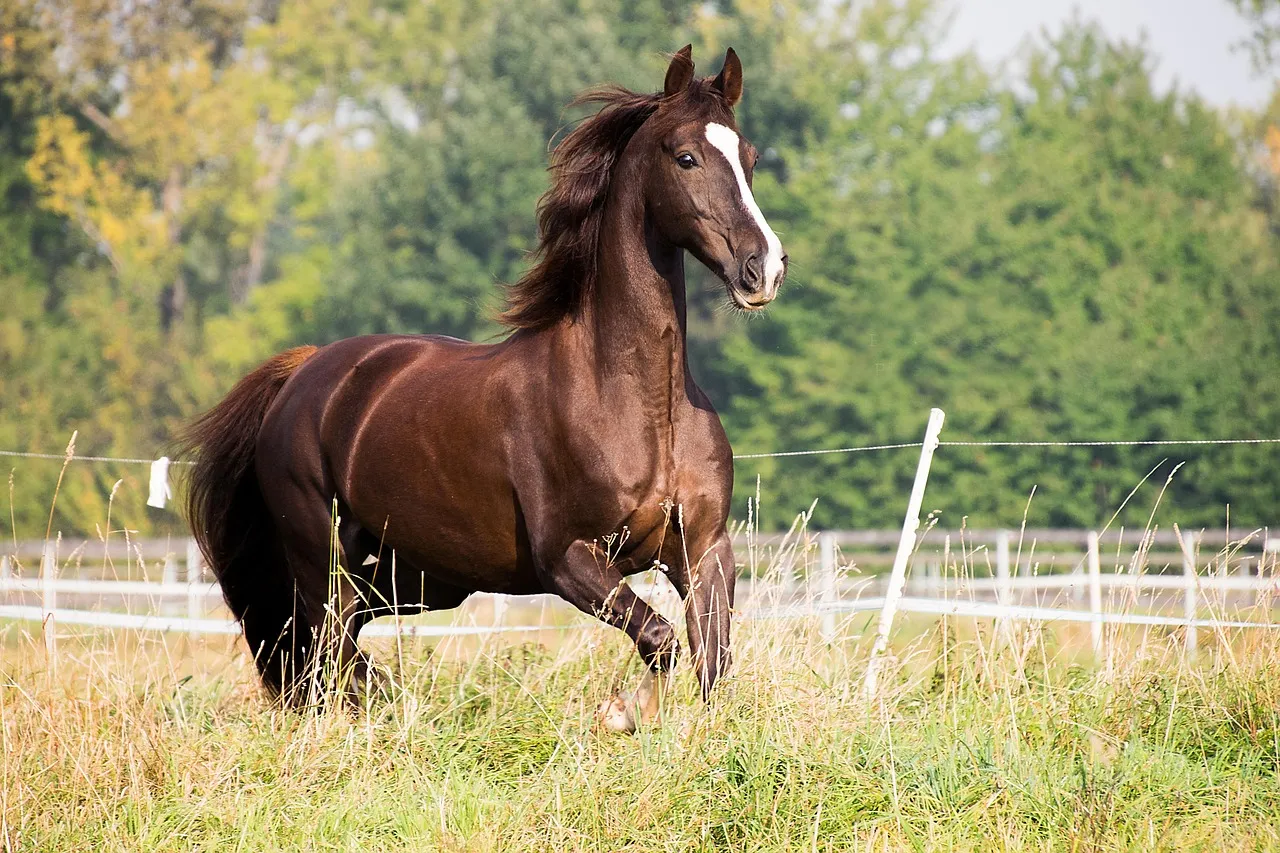
American Saddlebreds are bred for height and animation, and their mouths often pay for it. High head carriage, strong bits, and tight curb chains used in saddle seat training can exaggerate any pre-existing dental imbalance, and hooks, waves, and step mouths develop quickly when the jaw is held artificially high for hours at a time.
Equine dentists regularly uncover ulcers on the bars and cheeks from constant bit pressure, along with overgrown incisors that block normal lateral chewing and accelerate molar problems. Some corners of the discipline are modernizing, but plenty of dentists still see Saddlebreds whose mouths have clearly been sacrificed for “performance.” A horse can keep trotting with huge motion and still be in real pain. Skipping the annual sedated exam here is less like saving money and more like gambling.

2 Pcs Halloween Pet Hat Bandana Set, Witch Pumpkin Costumes for Dogs
Check Price on AmazonAs an Amazon Associate, we earn from qualifying purchases.
10/9/2026 2:45 pm GMTi

Hand Blown Glass Hummingbird Feeders for Outdoors Hanging, 24oz Wild Bird Nectar Feeder
Check Price on AmazonAs an Amazon Associate, we earn from qualifying purchases.
10/7/2026 1:23 pm GMTi

Portable Dog Water Bottle Foldable Dog Travel Water Bottle
Check Price on AmazonAs an Amazon Associate, we earn from qualifying purchases.
10/7/2026 1:29 pm GMTi

PetSafe Oasys Pet Fountain, 1/2 Gallon (64 oz), Small Dogs & Cats
Check Price on AmazonAs an Amazon Associate, we earn from qualifying purchases.
10/8/2026 8:14 am GMTi

Halloween Cat Costume Cloak Witch Hat Pet Accessories
Check Price on AmazonAs an Amazon Associate, we earn from qualifying purchases.
10/9/2026 2:44 pm GMTi
#10 – Standardbreds
🔥 Would you like to save this?
We'll email this post to you, so you can come back to it later!
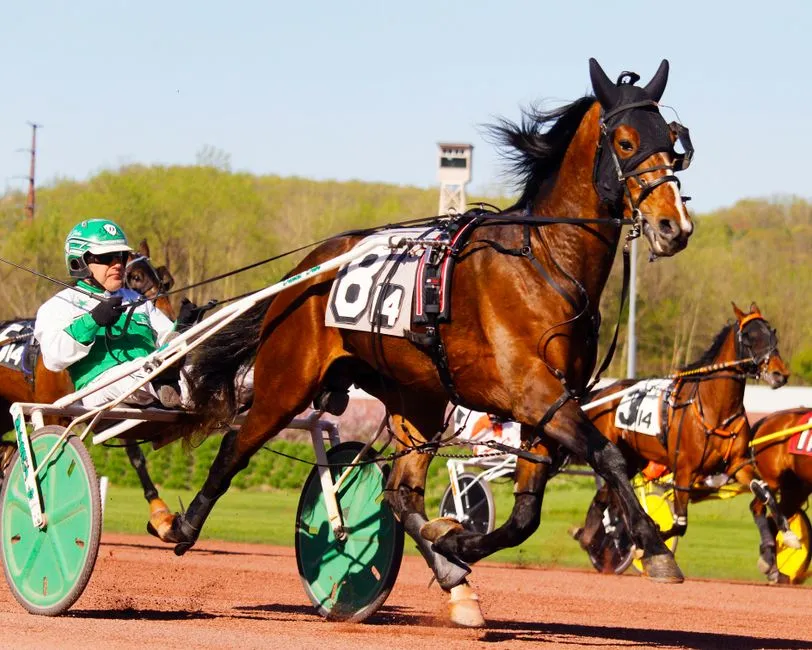
Standardbreds might be the most underrated dental-welfare problem in the sport horse world. Harness racing equipment sits the bit high in the mouth and applies pressure very differently than a typical riding bit, and combined with long training miles, that setup creates distinctive wear patterns, wave mouths, and severe hooks early in life.
Ex-racing Standardbreds often arrive on the pleasure market with old bit scars, bar sensitivity, wolf-tooth remnants, and chewing patterns that were never corrected. Because they’re usually priced cheaply as trail or cart horses, buyers cut corners on diagnostics. Equine dentists insist a full-mouth sedated evaluation with X-rays is non-negotiable for any off-track Standardbred, since a simple float can’t undo years of specialized racing wear.
#11 – Gaited Breeds (Tennessee Walkers, Paso Finos, and More)
🔥 Would you like to save this?
We'll email this post to you, so you can come back to it later!
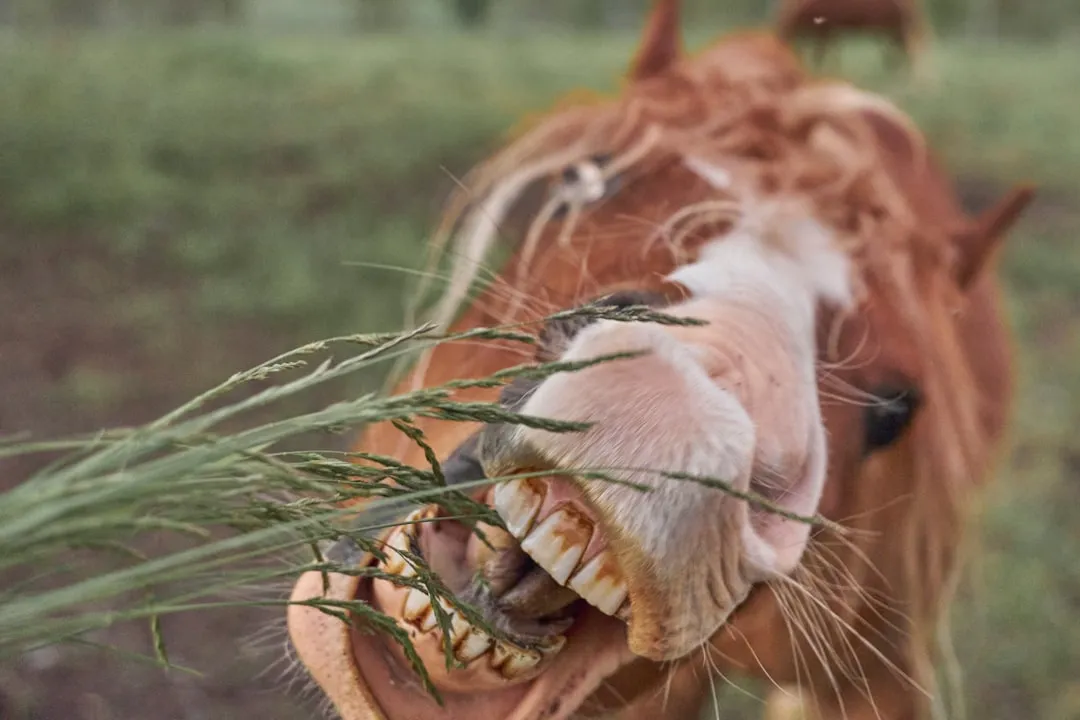
Gaited horses are trained for a very specific movement, and their mouths are sometimes sacrificed to get it. Poorly balanced teeth can quickly turn into extreme bit sensitivity, uneven head carriage, and resistance that owners mistake for a “gait problem” instead of a pain problem. Long-shanked curbs and complex bits only magnify whatever discomfort is already there.
Equine dentists commonly find hooks and ramps on the back molars that pinch cheeks in a collected frame, plus incisor imbalances that limit jaw freedom and directly hurt gait quality. Some trainers still reach for heavy-handed bitting to “lock in” a gait instead of fixing the mouth, which sabotages both welfare and performance at the same time. Specialists in this breed group tend to recommend frequent, precise balancing work instead of a generic once-a-year float.
#12 – Draft Horses (Percherons, Belgians, Clydesdales)
🔥 Would you like to save this?
We'll email this post to you, so you can come back to it later!
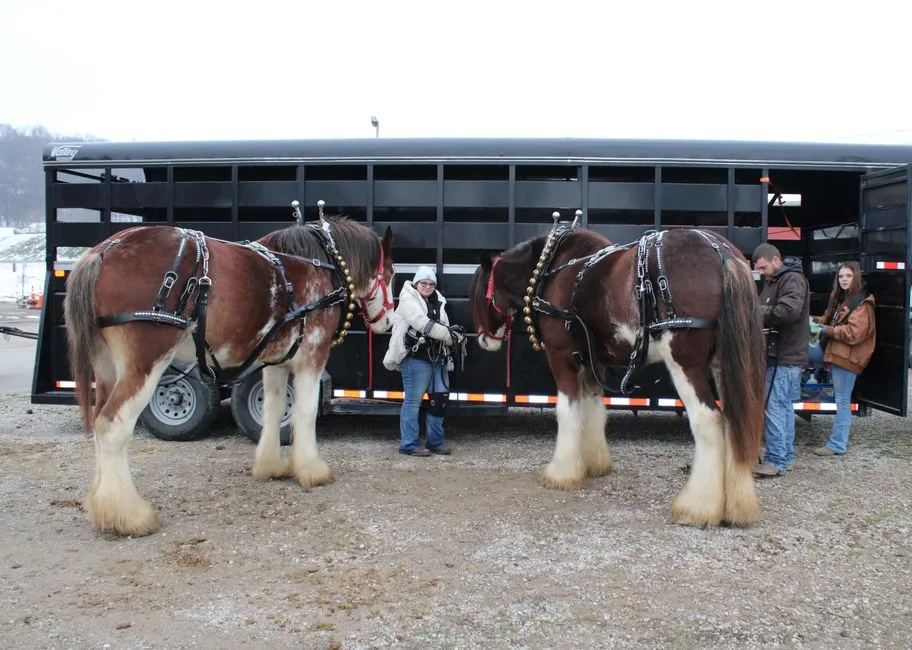
Big heads don’t mean fewer problems. Draft horses have massive jaws and long tooth rows, which actually make it easier for a small imbalance to snowball into a huge mechanical issue. If a draft’s molars aren’t level, the sheer force of that giant jaw can carve severe ramps, hooks, and waves in just a few years.
Add typical draft workloads, pulling, farm work, carriage driving, and you get intense bit pressure grinding against teeth that may already be sharp or misaligned. Owners often assume “he’s tough, he can handle it” and skip detailed dentistry altogether. Because drafts are physically harder to sedate and position, many never receive the same quality of dental care as riding horses, and equine dentists who work on them routinely find advanced, painful pathology hiding behind a calm demeanor and a healthy appetite.
Quick Compare
- Average adult pleasure horse: a dental check roughly once a year is usually enough if the mouth is otherwise balanced.
- Performance, gaited, or heavily bitted horses: many dentists recommend checks closer to every six months.
- Young horses shedding caps or seniors with worn, loose teeth: more frequent monitoring is typically advised.
- Drafts and other hard-to-sedate breeds: less frequent care is common in practice, even though their risk is just as high.
#13 – Iberian Breeds (Andalusians, Lusitanos)
🔥 Would you like to save this?
We'll email this post to you, so you can come back to it later!
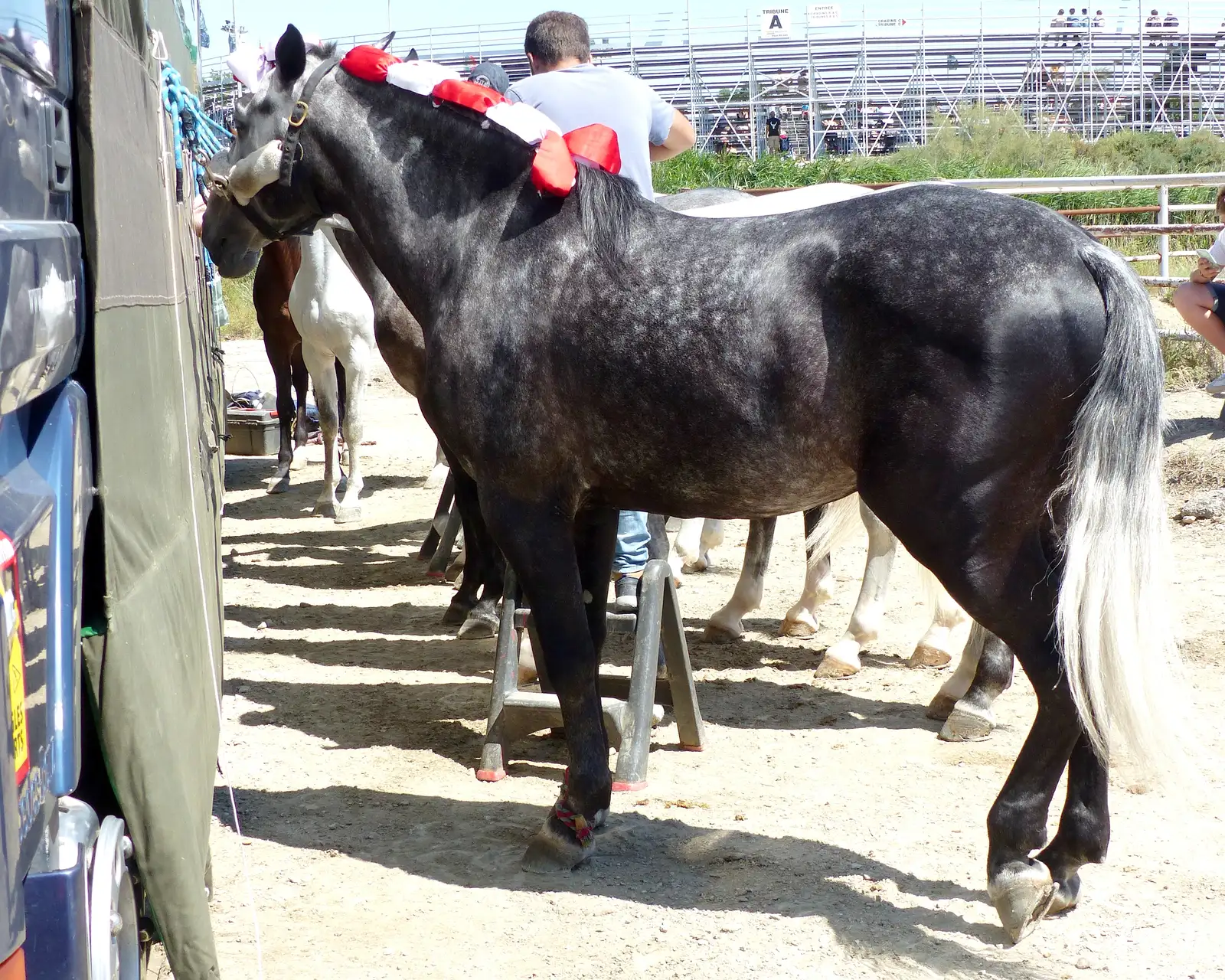
Iberian horses are prized for their baroque heads and arched necks, but those elegant skulls hide tricky dental geometry. Shorter, broad muzzles combined with powerful necks create intense leverage on the bit and a higher risk of uneven wear, and many Iberians go into high-collection work while still young, which further restricts natural chewing motion.
Equine dentists frequently note sharp enamel points forming quickly on the cheek side, along with hooks on both front and back molars from subtle jaw misalignment. Owners chasing softness and lightness often focus on saddle fit and hoof angles, leaving the mouth as an afterthought. True softness is impossible if every flexion grinds a sharp tooth into tender tissue. For this breed, precise, regular dental work isn’t a luxury; it’s part of the training equipment.
#14 – Hackney Ponies and Show Ponies
🔥 Would you like to save this?
We'll email this post to you, so you can come back to it later!
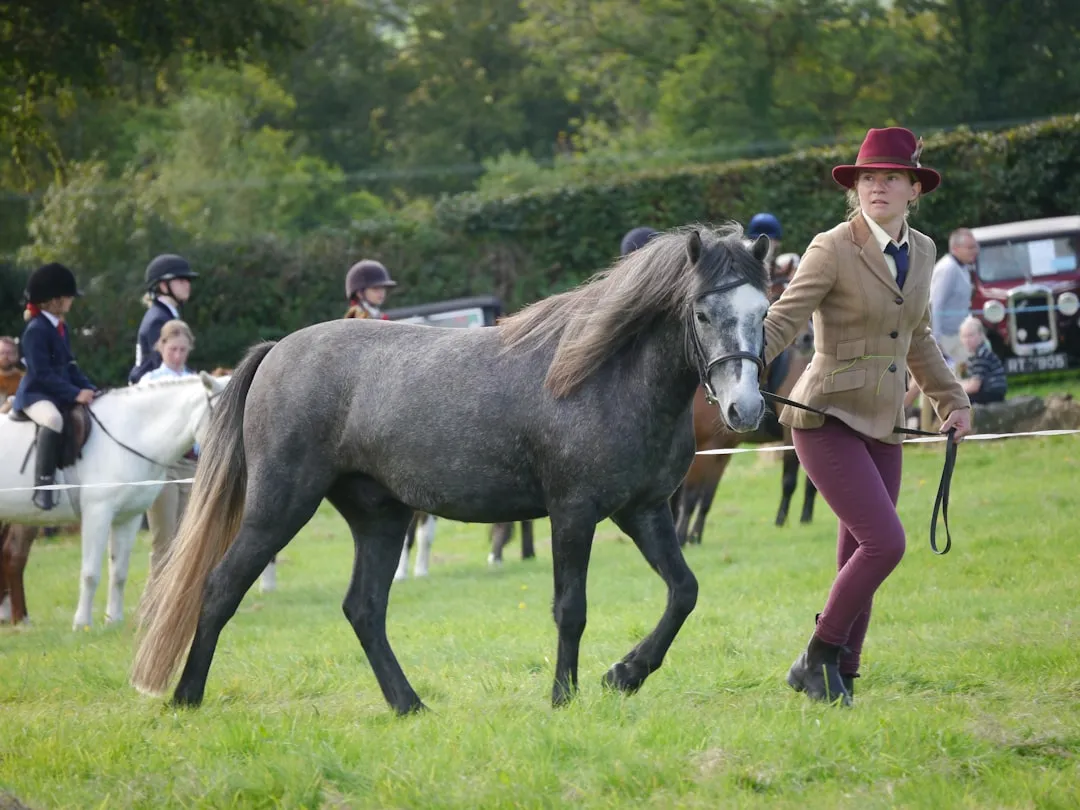
High-action show ponies like Hackneys look spectacular in the ring, but their mouths often pay for that dramatic “up” frame. Driving bits, overchecks, and intense schooling keep their heads up and jaws restricted, which accelerates hook formation, wave mouths, and soft-tissue irritation in already small, delicate mouths bred to be dainty and refined.
Equine dentists regularly see deep ulcers in the corners of the lips and sharp points that slice cheeks every time the pony flexes and collects. The industry often blames “naughty pony” behavior, bolting, head tossing, ringing in front of the judge, when chronic dental pain is the real culprit. If a show pony hasn’t had a recent sedated, full-mouth exam, that flashy performance may just be a polished act over real discomfort.

Earth Rated XL Dog & Puppy Pee Pads, Discreet Top, Max Absorbency
Check Price on AmazonAs an Amazon Associate, we earn from qualifying purchases.
10/7/2026 1:28 pm GMTi

Professional 7 in 1 Dog Paw Cleaner for Dogs & Cats - Includes 1 Portable Paw Washer, 1 Bath Brush
Check Price on AmazonAs an Amazon Associate, we earn from qualifying purchases.
10/7/2026 1:26 pm GMTi

Air Purifiers for Home Pets Large Room Up to 3000 Ft²,HEPA Air Cleaner with Washable Double-Side Filter, PM2.5 Air Quality Monitor,15dB Sleep Mode for Bedroom Odor Dust Pollen,White
Check Price on AmazonAs an Amazon Associate, we earn from qualifying purchases.
10/8/2026 8:23 am GMTi

Smart Bird Feeder with Camera Solar Powered, 2K HD Live Video, 10,000+ Bird Species AI Identification
Check Price on AmazonAs an Amazon Associate, we earn from qualifying purchases.
10/7/2026 1:22 pm GMTi

Dog Stairs for Bed 18" H, 4-Step Dog Steps for High Bed
Check Price on AmazonAs an Amazon Associate, we earn from qualifying purchases.
10/9/2026 2:42 pm GMTi
#15 – Gypsy Vanners and Cobs

🔥 Would you like to save this?
We'll email this post to you, so you can come back to it later!
Gypsy Vanners and traditional cobs have exploded across social media, but many are still bred more for looks than functional head conformation. Broad foreheads paired with short muzzles create crowded premolars and steep dental angles that don’t wear evenly, and a tendency toward obesity and carb-heavy diets piles gum disease on top of the mechanical problems.
Equine dentists often report significant tartar buildup on the canines and incisors, plus food-packed gaps that cause painful periodontal pockets. These horses are usually marketed as low-maintenance family mounts, which unintentionally encourages owners to skip or delay dentistry. Their easy-keeper reputation can hide mouth pain right up until it explodes into choke, colic, or a sudden personality change. A fluffy mane and a quiet eye don’t equal a comfortable mouth.
#16 – Appaloosas
🔥 Would you like to save this?
We'll email this post to you, so you can come back to it later!
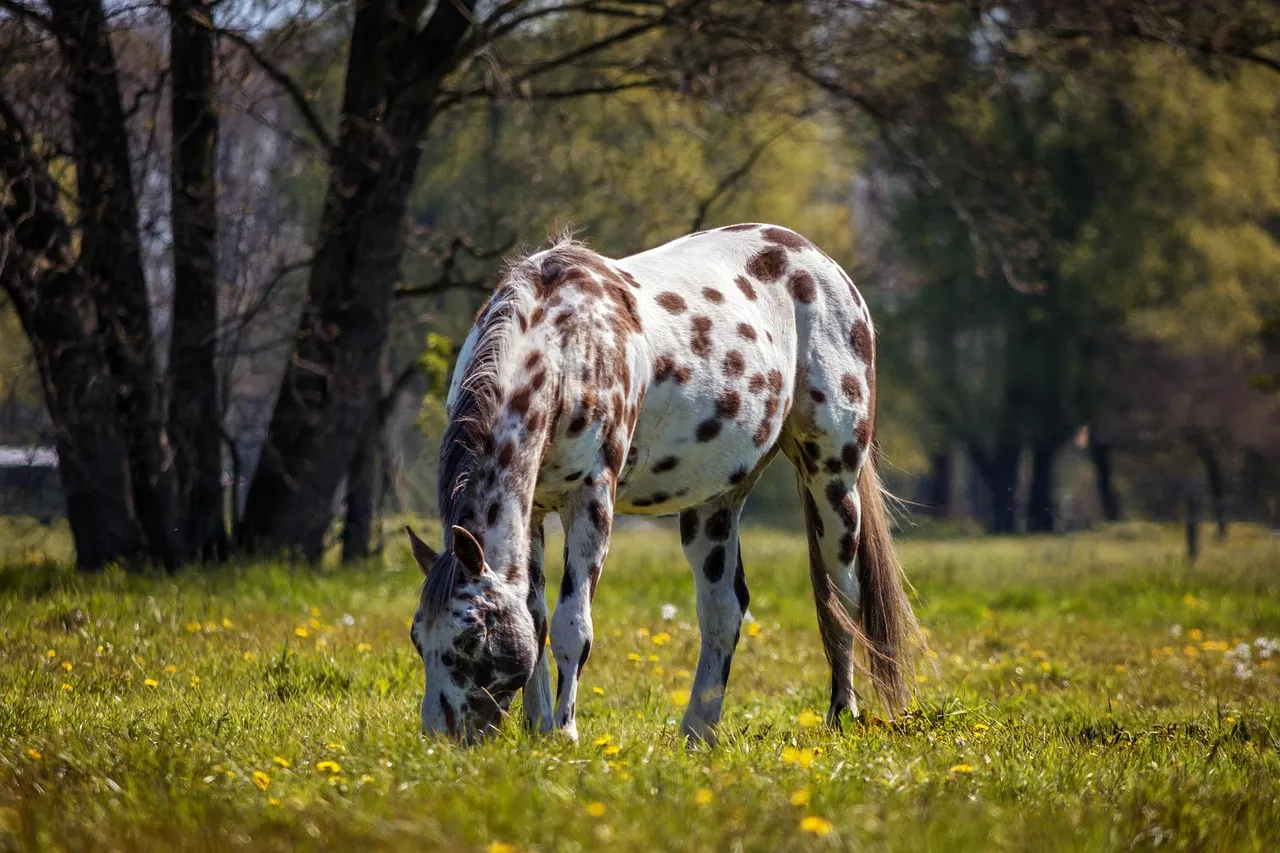
Appaloosas carry a lesser-known risk: they’re statistically more prone to certain eye conditions, and equine dentists warn that chronic mouth pain can quietly make those worse. A horse in dental discomfort often carries its head strangely, squints, or shies from light, which in an eye-vulnerable breed becomes a genuine red flag on top of everything else.
Many Appaloosas also have slightly quirky head shapes and jaw alignments that encourage uneven wear. Because they’re tough and versatile by reputation, they’ll often keep working through sharp enamel points and hooks that lock the jaw and limit chewing. Owners may write off subtle changes as “Appy attitude” instead of checking the mouth. Equine dentists argue that for this breed, proactive dental care is part of basic eye and overall welfare management, not an optional extra.
At a Glance
- Appaloosas are roughly eight times more likely to develop equine recurrent uveitis, or “moon blindness,” than other breeds combined.
- Appaloosas affected by the disease are about four times more likely to lose vision in one or both eyes.
- Leopard-patterned Appaloosas carry a higher risk than those with blanket or solid-type coat patterns.
#17 – OTTBs and Other Second-Career Horses
🔥 Would you like to save this?
We'll email this post to you, so you can come back to it later!
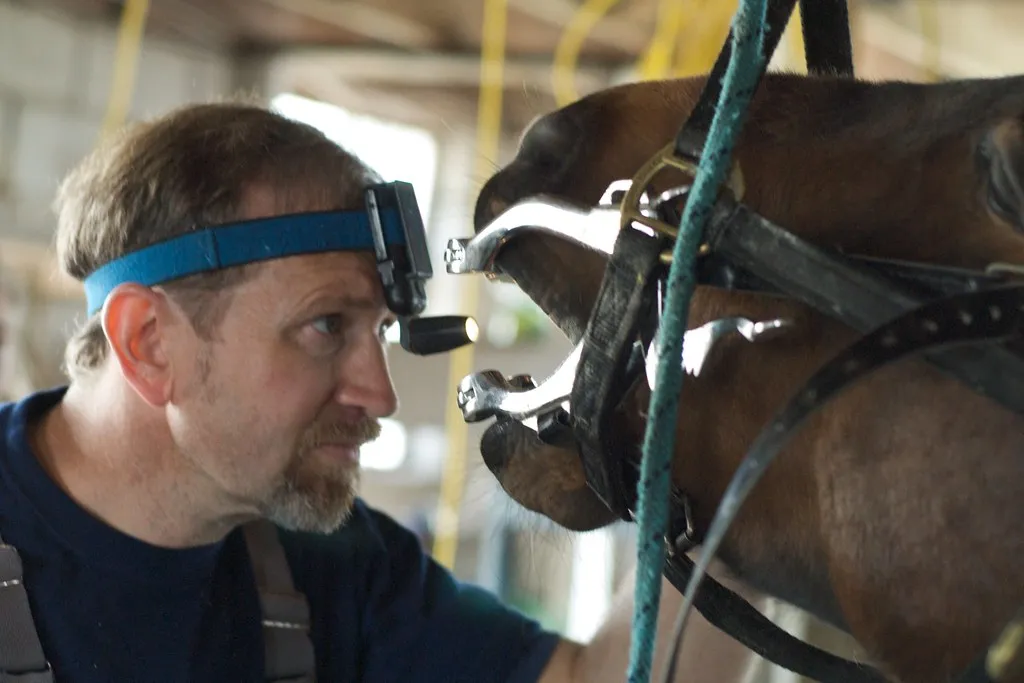
Off-the-track Thoroughbreds, Standardbreds, and any horse with a hard first career share one uncomfortable truth: retirement from sport does not retire the mouth’s problems. Years of specialized bitting, tight equipment, and high-energy work leave these horses arriving in second careers with entrenched wear patterns, old fractures, and pain nobody has ever addressed.
Equine dentists constantly find retained caps and damaged wolf teeth that were never removed, along with wave and step mouths that make bit acceptance nearly impossible. New owners are usually told a simple float will do. It usually won’t. These horses often need comprehensive work spread across multiple sessions to restore normal function, and calling them “difficult” or “broken” before that work is done is unfair to the horse and lazy horsemanship on the owner’s part.

Glass Hummingbird Feeder for Outdoors Hanging
Check Price on AmazonAs an Amazon Associate, we earn from qualifying purchases.
10/7/2026 1:21 pm GMTi

Orthopedic Extra Large Dog Bed, Waterproof Washable XL Pet Bed 44"
Check Price on AmazonAs an Amazon Associate, we earn from qualifying purchases.
10/7/2026 1:32 pm GMTi

Halloween Dog Collar with Bow, Orange Cute Ghost Collar,
Check Price on AmazonAs an Amazon Associate, we earn from qualifying purchases.
10/9/2026 2:43 pm GMTi

Glass Hummingbird Feeder for Outdoors Hanging, 16 oz Leak-Proof Nectar Feeder with Bee Guards & Ant Moat
Check Price on AmazonAs an Amazon Associate, we earn from qualifying purchases.
10/7/2026 1:22 pm GMTi
#18 – Any Breed With Extreme “Pretty Head” Breeding
🔥 Would you like to save this?
We'll email this post to you, so you can come back to it later!
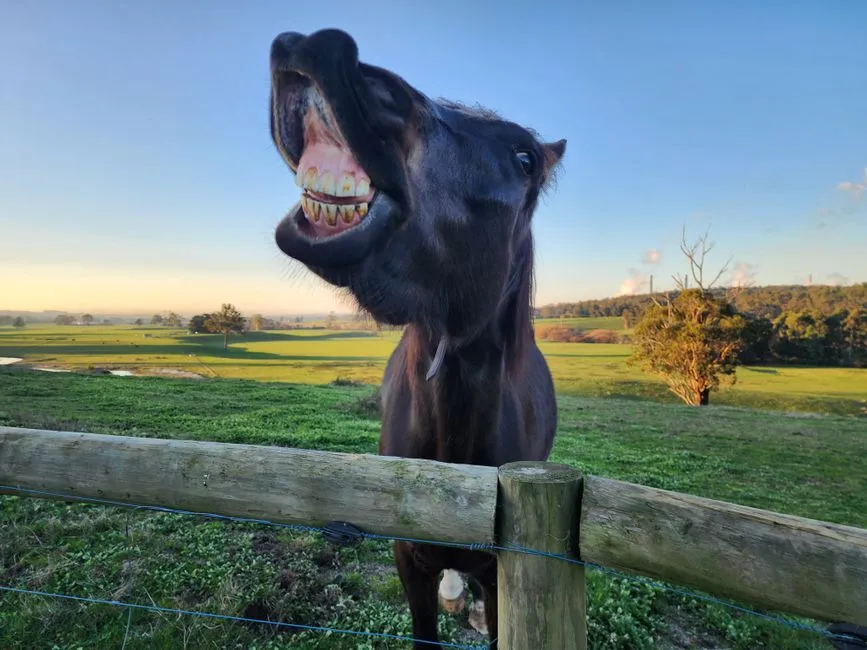
Here’s the most uncomfortable truth equine dentists share, off the record or on: the worst mouths today rarely belong to one specific breed. They belong to any line bred for an extreme, fashionable head. Ultra-dished faces, ultra-short muzzles, and exaggerated refinement are marketing gold in the show ring, and dental nightmares in the exam room.
When we shrink or distort a skull for aesthetics, the teeth don’t shrink along with it. Across breeds, dentists see the same pattern repeat itself: crowding, rotated teeth, early hooks, and chronic soft-tissue trauma because the jaw simply doesn’t line up. It doesn’t matter if it’s an Arabian, a pony, or a warmblood cross. If the head looks cartoonishly “pretty,” the odds of a difficult, uncomfortable mouth go up sharply. Some specialists quietly admit the show ring is rewarding skull shapes that actively sabotage long-term comfort, and that’s the conversation the horse world keeps avoiding.
The Bottom Line
🔥 Would you like to save this?
We'll email this post to you, so you can come back to it later!
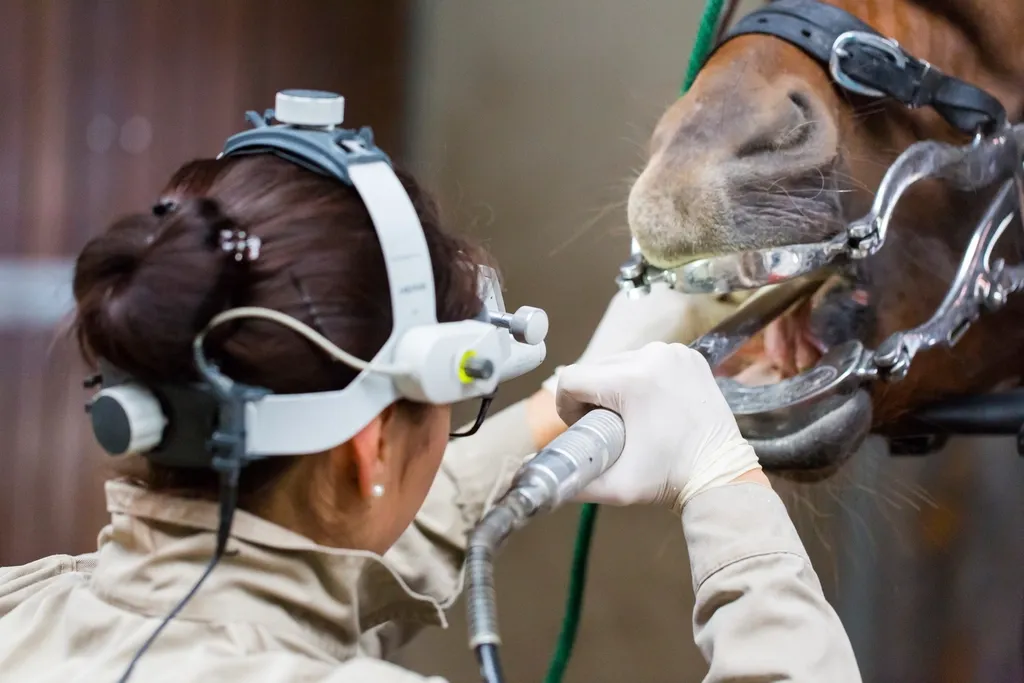
Ask equine dentists which breeds are hardest to keep comfortable, and they don’t rant about “bad horses.” They talk about skulls, teeth counts, and training equipment that were never designed to work together. Miniatures with full-sized teeth crammed into a fun-sized skull. Dished Arabians. Bulldog-headed Quarter Horses. Fairytale Friesians. Every single one shares the same root problem: human fashion outran functional anatomy a long time ago.
The breeds we call “easy” or “kid-safe” are often hiding some of the worst, most ignored dental pain in the entire horse world, and that’s the part that should bother every owner reading this. No breed gets a free pass. Extreme head shape, intense training, or a hard early career is almost a guarantee that a horse needs more than a casual once-a-year float. If that changes what “low maintenance” means to you, good. It should.
Which breed on this list surprised you the most, or do you think one doesn’t belong here at all?

- 9 Astonishing Hunting Skills That Set the Jaguar Apart From All Other Cats - November 10, 2026
- 18 Horse Breeds Equine Dentists Say Are Nearly Impossible to Keep Comfortable - November 10, 2026
- 10 Places in the Southwest Where You Might Encounter a Jaguar in the Wild - November 10, 2026