
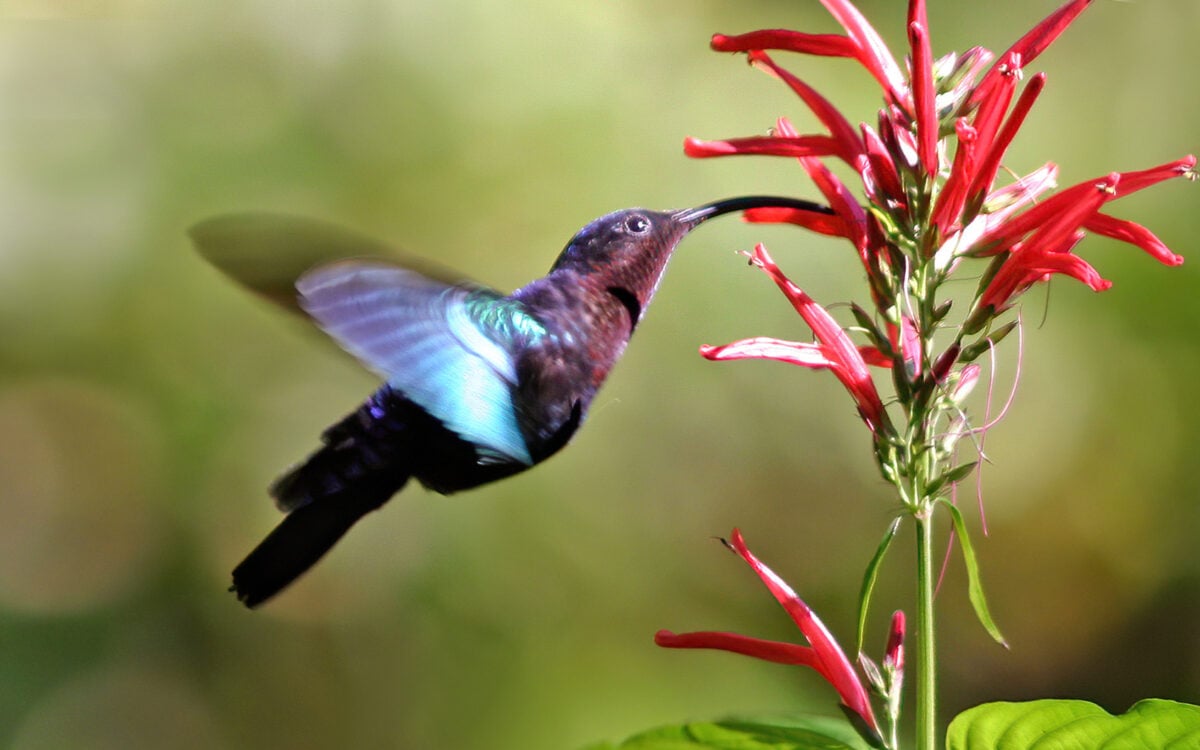
You probably think you already know your hummingbirds. You hang the feeder, you watch them zip in for a sip, you snap a cute photo, and you assume that’s the whole story. It isn’t even close.
Every single visit is packed with split-second decisions, silent threats, and calculated bets you never noticed – because they happen faster than your eyes can process. Once you see what’s actually going on out there, you’ll never watch a feeder the same lazy way again.
#1 – They “Taste Test” Your Feeder Like a Suspicious Critic
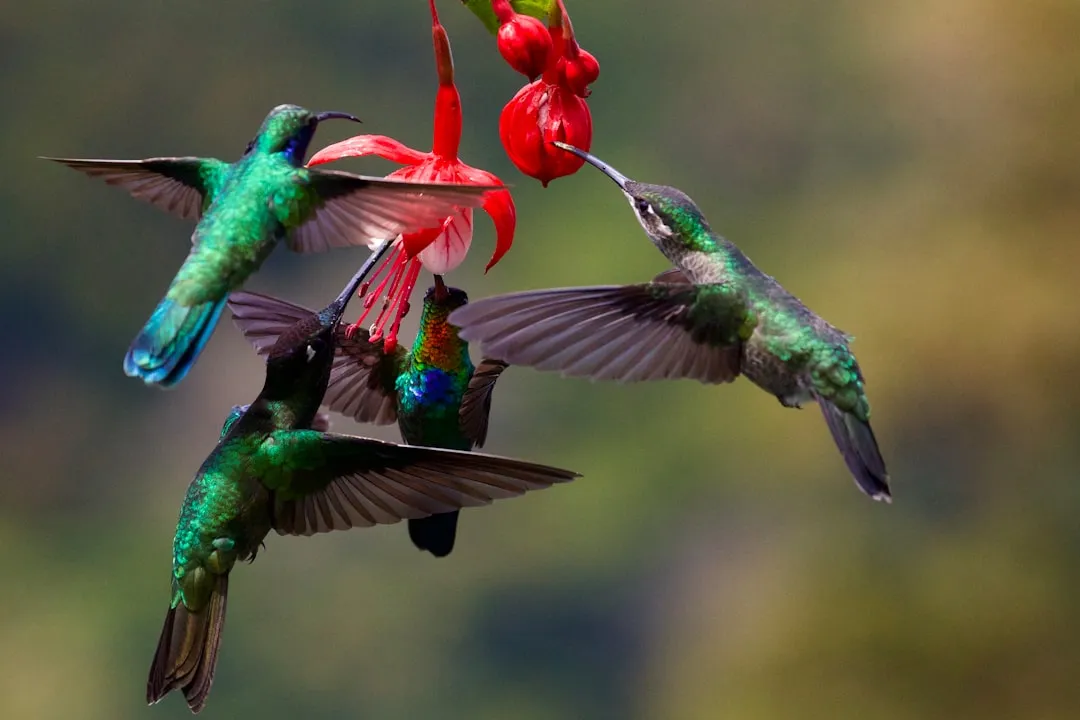
That fast first visit you see isn’t feeding at all – it’s a quality-control inspection. Hummingbirds often do a one-second hover, one quick sip, then bolt. They’re checking sugar concentration, temperature, and even odor before committing to anything.
If that first impression is off, they may not come back. Some will remember a bad feeder for weeks and bypass it, even while clearly hungry. They’re not being cute; they’re optimizing calories versus effort, and your feeder just failed the interview.
Fast Facts
- The standard nectar recipe is 4 parts water to 1 part white sugar – no dye needed.
- Hummingbirds have sharp color vision and are naturally drawn to red feeder ports.
- Many individuals return to the same yard, even the same feeder pole, year after year.
- A single “bad batch” of moldy or overly sweet nectar can get a feeder blacklisted fast.
#2 – They Freeze Midair to Eavesdrop on You
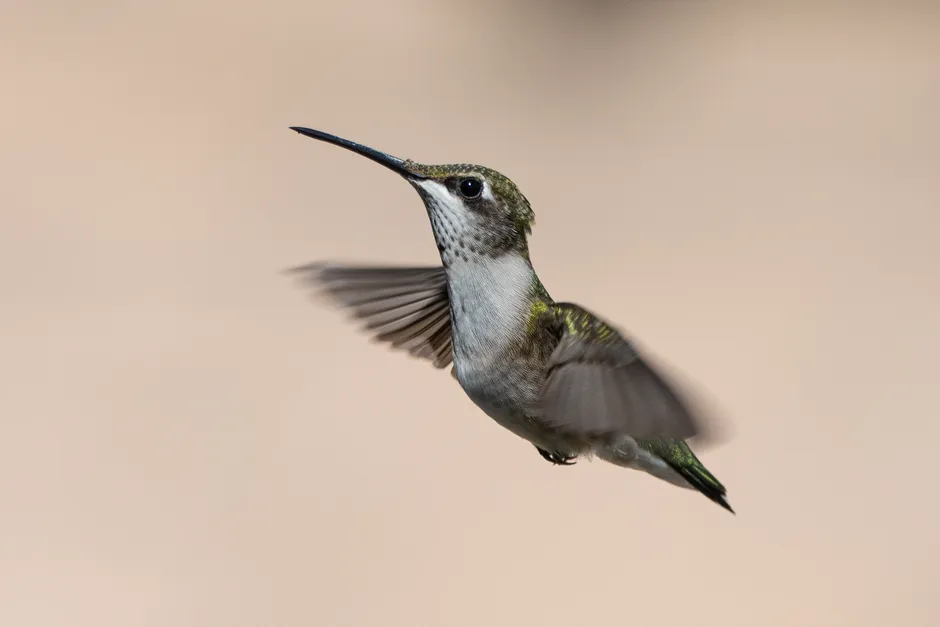
Most people think a hummingbird that suddenly “stops” at the edge of the porch is confused. It’s not. That three-second midair statue act is a deliberate listening and scanning behavior, checking for predators, rivals, and you.
Field observations show they can recognize individual humans by pattern and routine. If you refill at the same time daily, some will hover stone-still near a shrub and watch you like a hawk watches a mouse. It looks adorable. It’s actually a full danger audit, and you’re the subject.
#3 – They Run a Strict “Traffic Pattern” You Never Notice
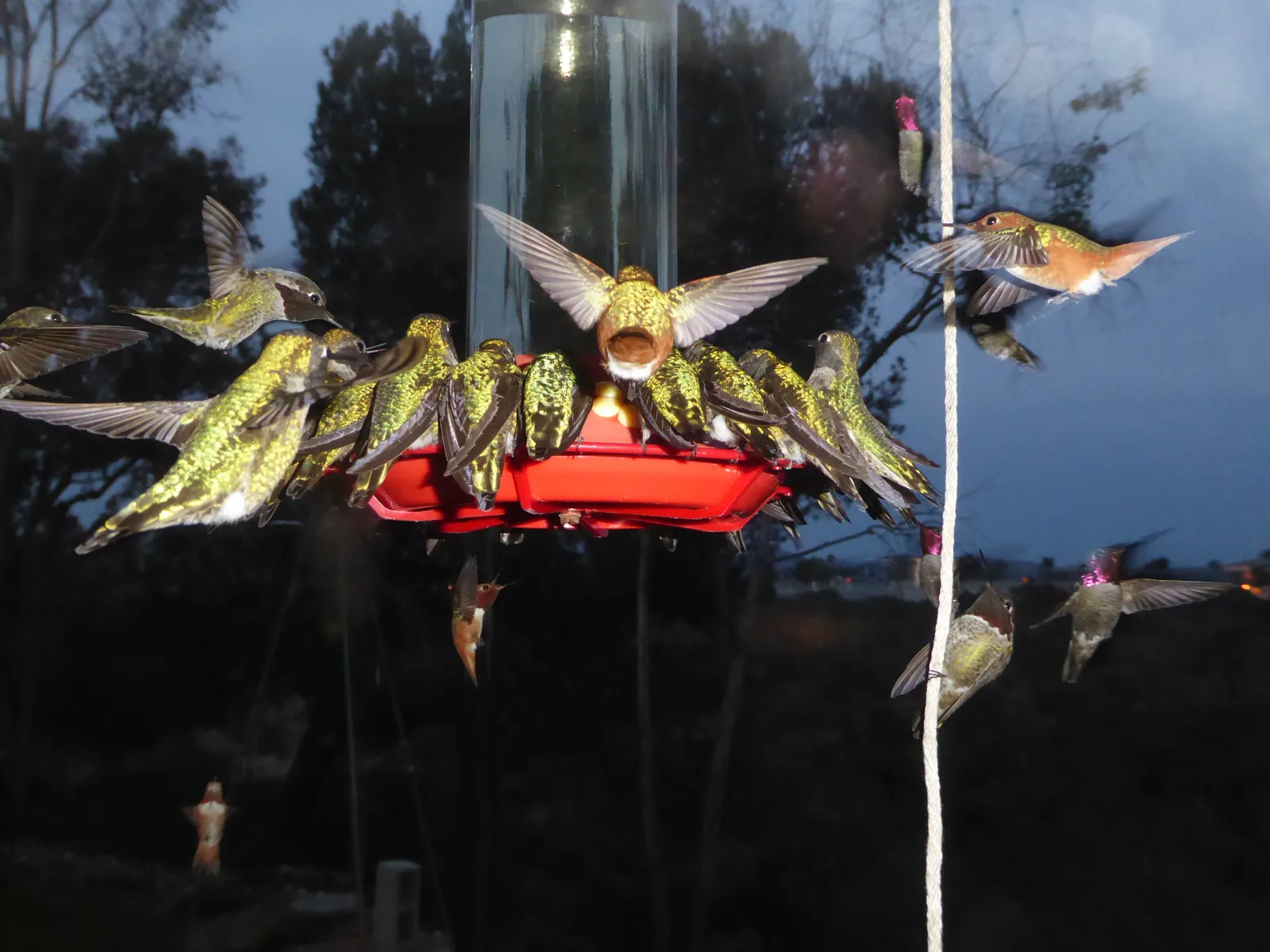
It looks chaotic – birds zipping in and out at random – but the airspace around a busy feeder behaves more like an airport than a free-for-all. Hummingbirds quietly follow entry and exit lanes they’ve worked out over repeated visits.
- A consistent approach vector, same branch, same angle every time.
- A preferred escape route the moment they feel spooked.
One bird might always swing in from the left maple and exit straight up, while another loops wide and low every single time. Add a new pole or hanging basket to that path, and watch birds abort approaches or hesitate, clearly rattled that their air route just changed.
#4 – They Fake Retreats to Lure Rivals Away
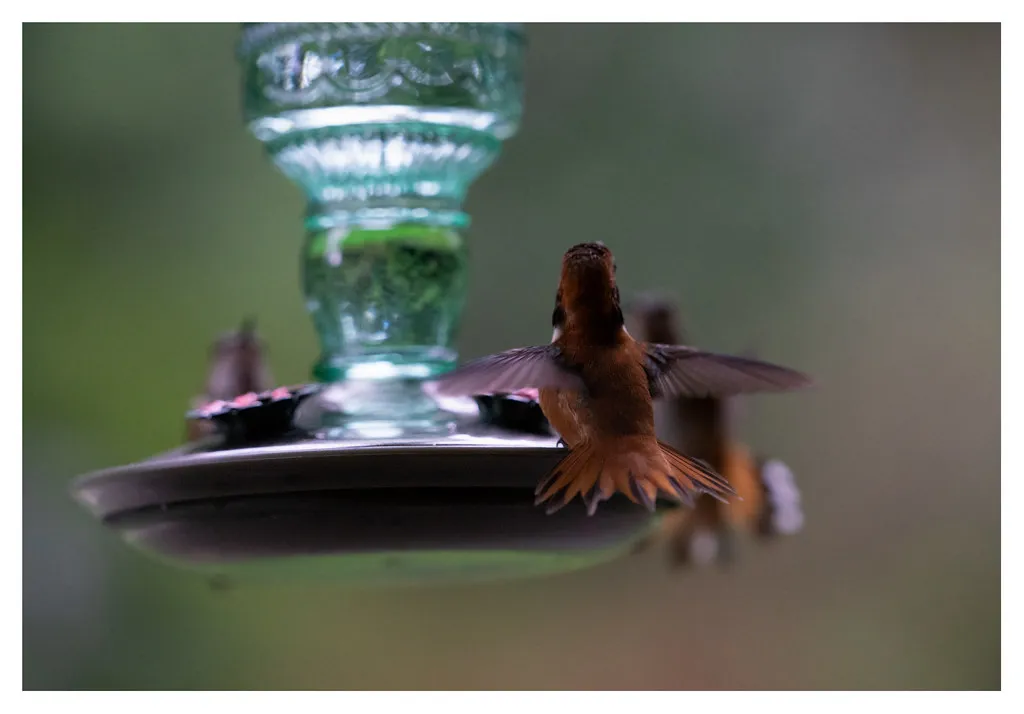
That dramatic chase you see – one hummingbird blasting after another across the yard – often isn’t about immediate feeding. It’s a decoy maneuver. Dominant birds will pretend to leave the feeder area, pulling rivals out and away, then double back.
The bully spots a newcomer, buzzes loudly, and chases them in a wide arc far from the feeder. Once the intruder veers off, the dominant bird snaps into a tight U-turn and rockets straight back to the nectar. Over time, that one bird can essentially privatize your entire feeder.
#5 – They Guard Empty Feeders Like They’re Still Full
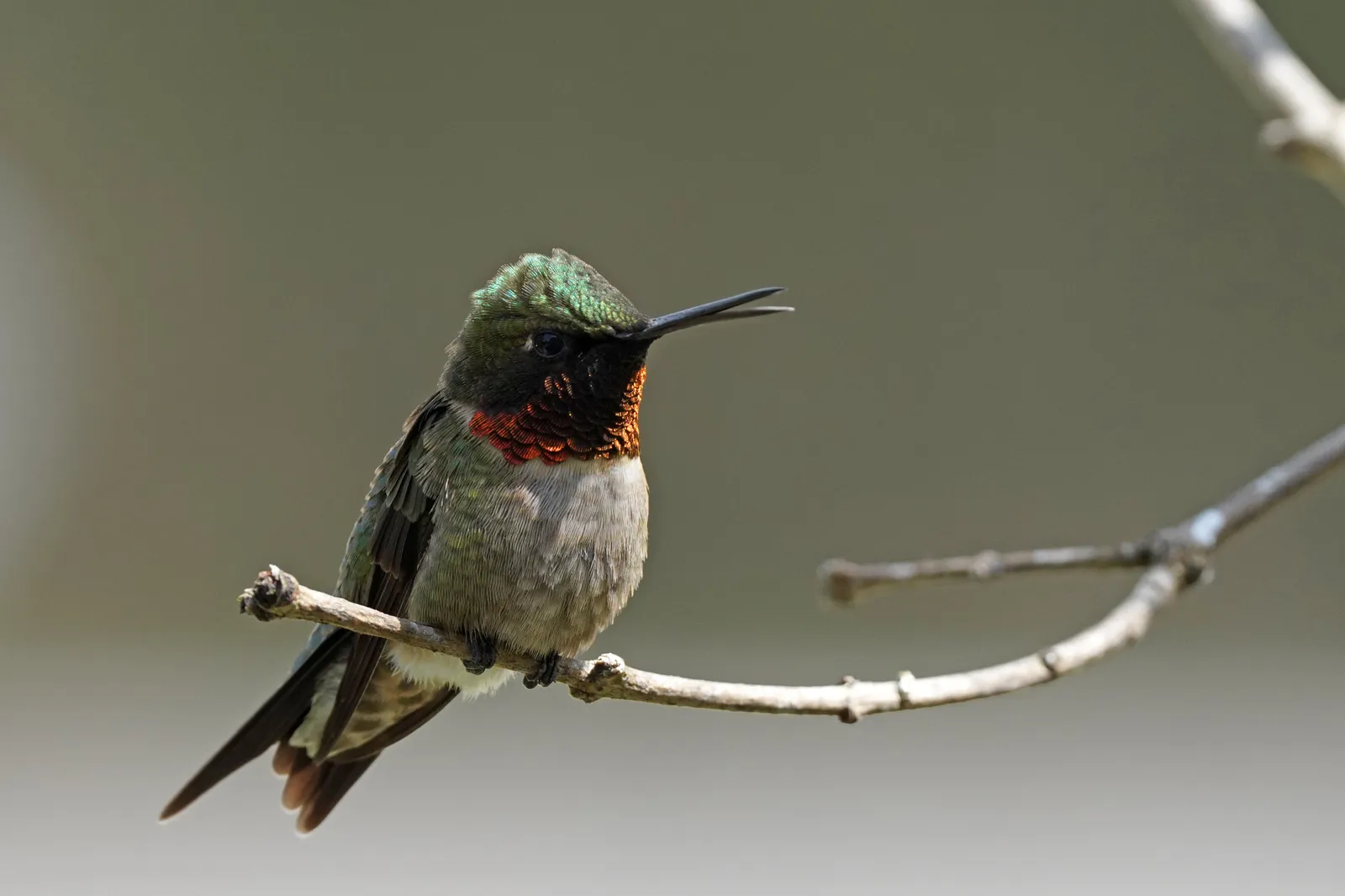
Almost every gardener has seen this and misread it completely: a hummingbird aggressively defending a feeder that’s bone dry. It looks ridiculous, but it’s weirdly logical once you understand what’s actually being protected.
They’re guarding the location, not the contents. A good spot with safe sight lines and predictable refills is hard to find, so they’re betting on your habits. Leaving an empty feeder hanging for days wastes that bird’s energy and misleads migrants passing through – so if you see a hummingbird furiously guarding nothing, don’t laugh. Refill it, or take it down.
#6 – They Use Tiny Tail Flicks as Trash Talk
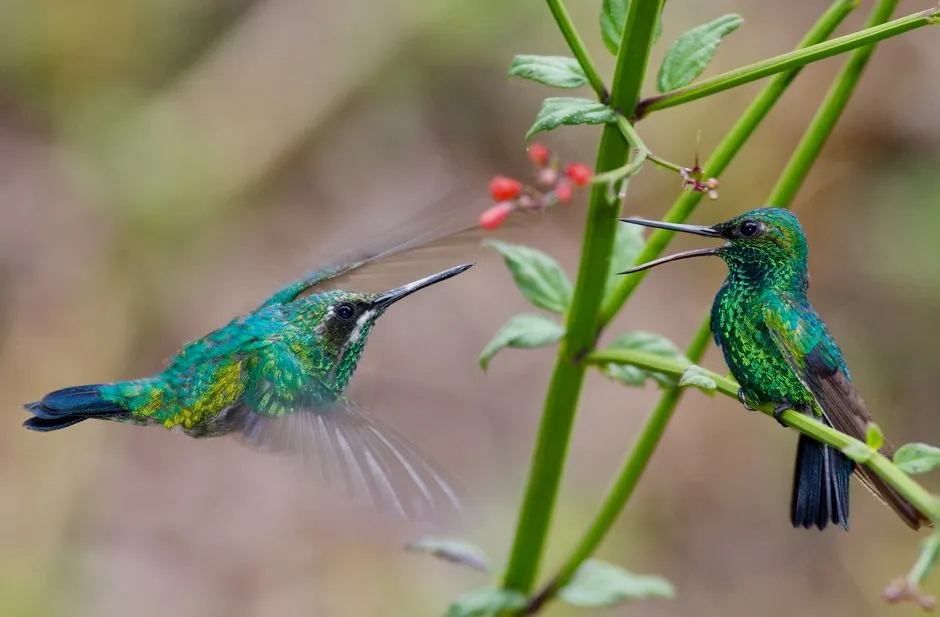
Those rapid little tail snaps you barely notice aren’t random. Tail flicking is one of the most overlooked communication signals at feeders – a hummingbird may hover peacefully, then suddenly flick its tail downward or sideways in sharp ticks. That’s not about balance; it’s attitude.
A bird will often give a series of tail snaps at a rival before escalating to a full aerial attack – an early warning that says “back off, or I’m coming.” Start watching tails instead of wings, and you’ll often predict a chase two seconds before it explodes, like catching the eye roll before the argument.
#7 – They “Hover Nap” for Microseconds Between Sips
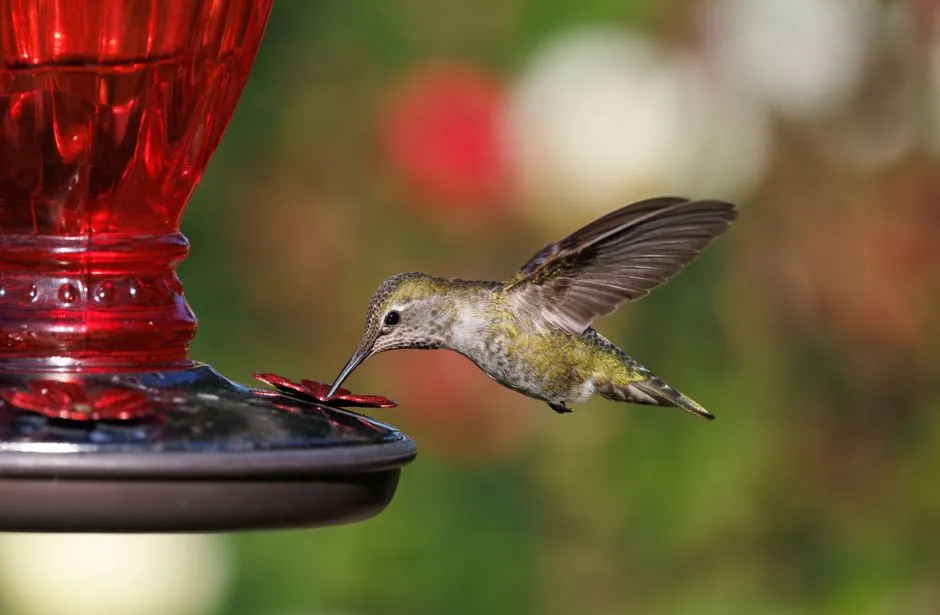
Everyone knows hummingbirds enter deep torpor at night, but almost no one notices their split-second rest strategy during the day. Because they burn insane amounts of energy, many take micro-pauses mid-meal that look like a glitch in a video – a lean-back, wings still beating but slower, eyes half-lidded for a heartbeat.
Gardeners often assume the bird is sick or disoriented. In reality, it’s dumping lactic acid and catching the tiniest neurochemical break, like a marathon runner slowing to a jog on a downhill stretch. In real time, these hover naps are ghosts – there and gone before your brain decides what it just saw.
Worth Knowing
- A hummingbird’s heart can beat over 1,200 times per minute during active flight.
- Wingbeats typically clock in around 50 to 80 times per second, depending on species.
- Nighttime torpor can drop their metabolic rate by up to 95 percent to conserve energy.
- To fuel that engine, they need to feed roughly every 10 to 15 minutes throughout daylight hours.
#8 – They Remember “Bad Weather Feeders” for Future Storms
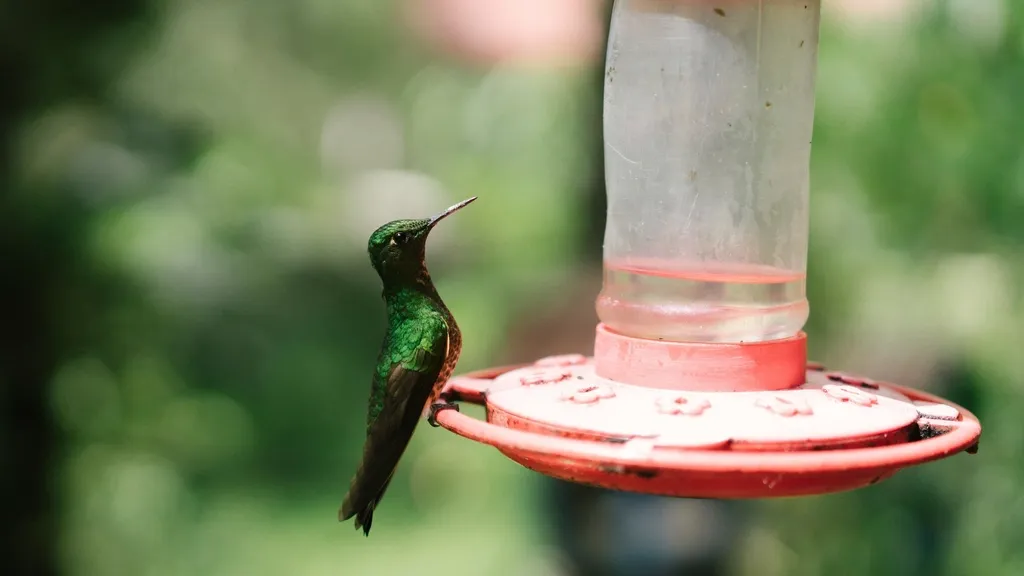
Most people refill feeders after a storm as an afterthought. Hummingbirds don’t. They form mental maps of which yards were lifesavers during the last brutal weather event and often return to those exact spots when the sky turns ugly again.
When heavy rain or wind hits, natural nectar sources get washed out and insects hide. A reliable feeder becomes an emergency fuel station, and birds that survived one storm with your help can show up earlier and more assertively before the next one. You’re not just a food source – you’re part of their disaster plan.
#9 – They Test Wind and Light Before Each Approach
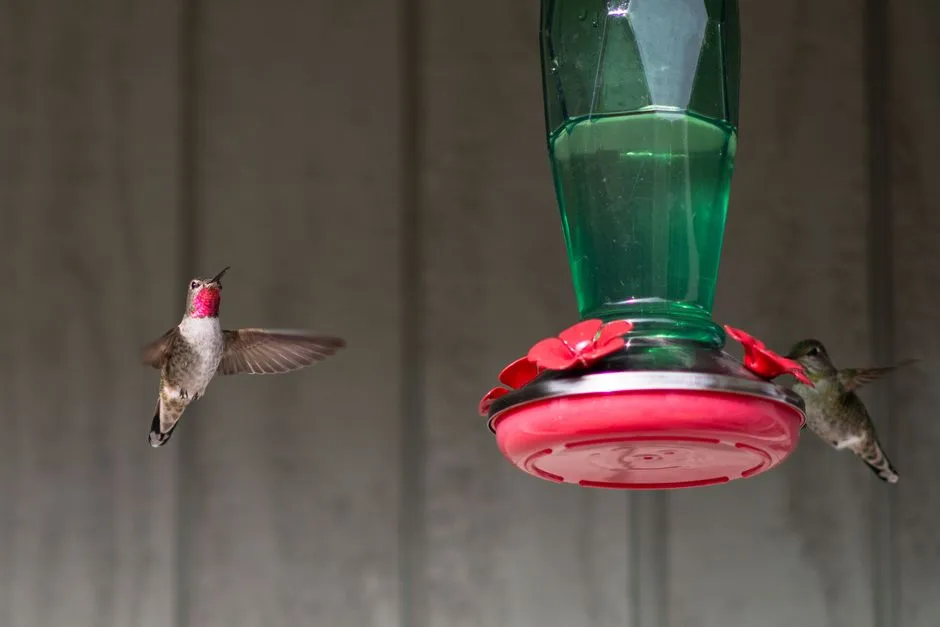
Ever notice a hummingbird appear, back off, then swing wide in a circle before finally committing to the feeder? That’s not shyness – it’s a micro-weather and visibility check.
- A gust from the wrong side can slam a tiny bird into plastic.
- Glare on the feeder can hide wasps or other birds waiting to ambush.
So you’ll see a bird approach, bob up and down, twist its head, then reposition to face sun and wind on better terms. If one angle of your feeder always seems unused, it might actually be the most dangerous spot from the bird’s point of view.
#10 – They Quietly Rank Flowers Against Your Feeder
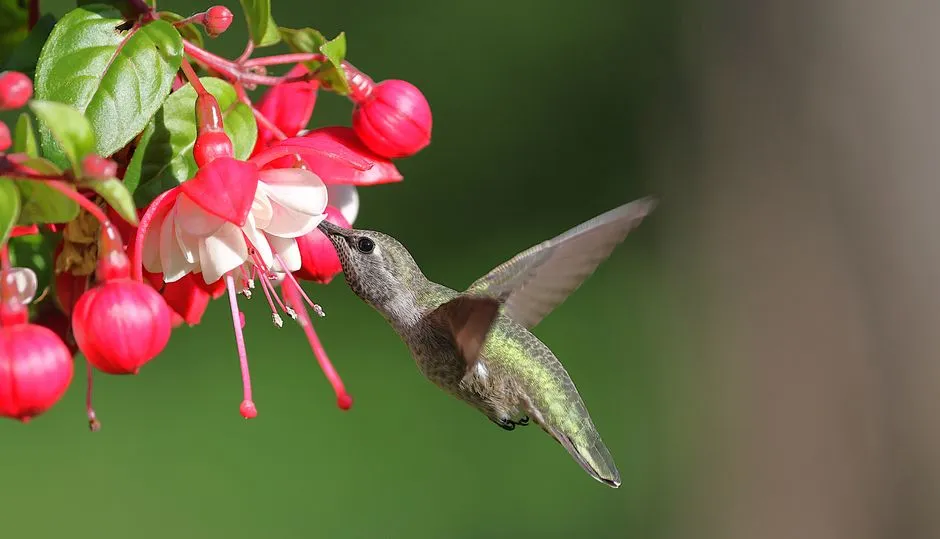
Gardeners love to believe their feeder is the star of the show. It usually isn’t. For many hummingbirds, the feeder is just one line item in a mental spreadsheet that also includes every decent flower in the neighborhood.
Some individuals will consistently choose specific flower clumps over your plastic ports, even when it looks less convenient. That’s not stupidity – it’s an informed preference, since different flowers offer sugar concentrations and micro-nutrients your plain sugar water simply doesn’t have. Want truly loyal visitors? Treat your garden like a buffet, not a one-item menu.
Quick Compare
- Feeder nectar: consistent 4:1 sugar water, available in any weather, but zero micronutrients.
- Native flowers: variable natural sugar levels plus pollen protein and antioxidants.
- Feeder: easy for you to monitor and refill on a schedule.
- Flowers: better long-term nutrition and a built-in supply of tiny insects for protein.
#11 – They Use Sound to Judge Feeder Crowds Before Arriving
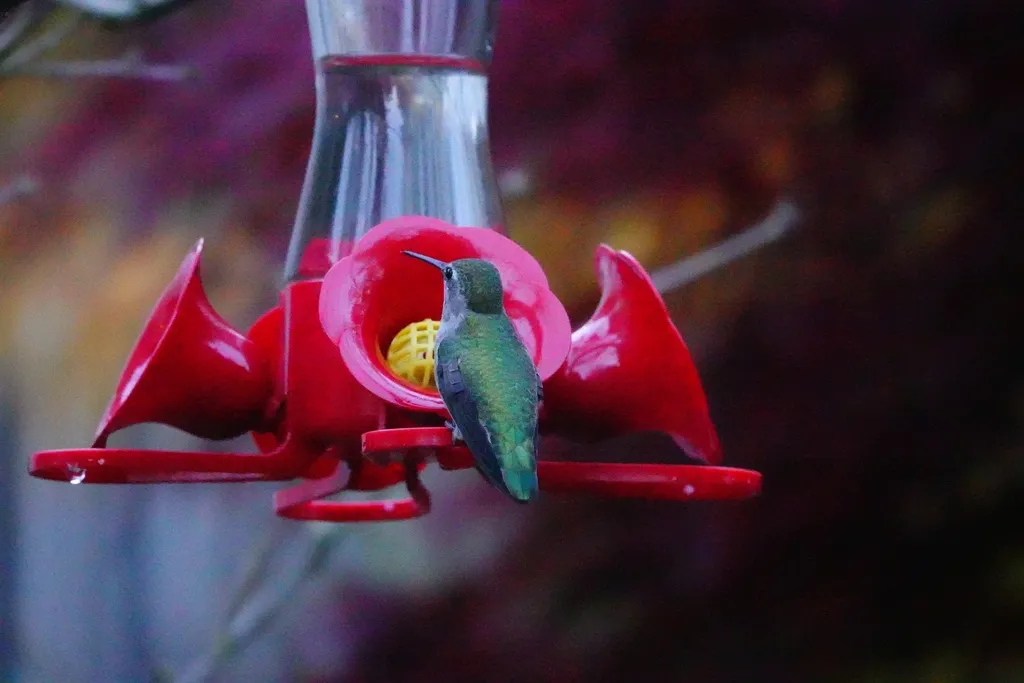
You know the high-pitched chittering and wing buzz around a busy feeder? Hummingbirds are listening too, often hovering just out of sight to estimate how chaotic things are before committing.
A loud, constant wing roar with frequent squeaks usually means multiple birds are already squabbling, and a timid individual may decide it isn’t worth the risk. Some will only slip in during brief quiet windows. If your feeder suddenly goes quiet on sound but not on birds, that often means one dominant bird has successfully scared everyone else off.
#12 – They Use the Feeder as a Training Ground for Youngsters
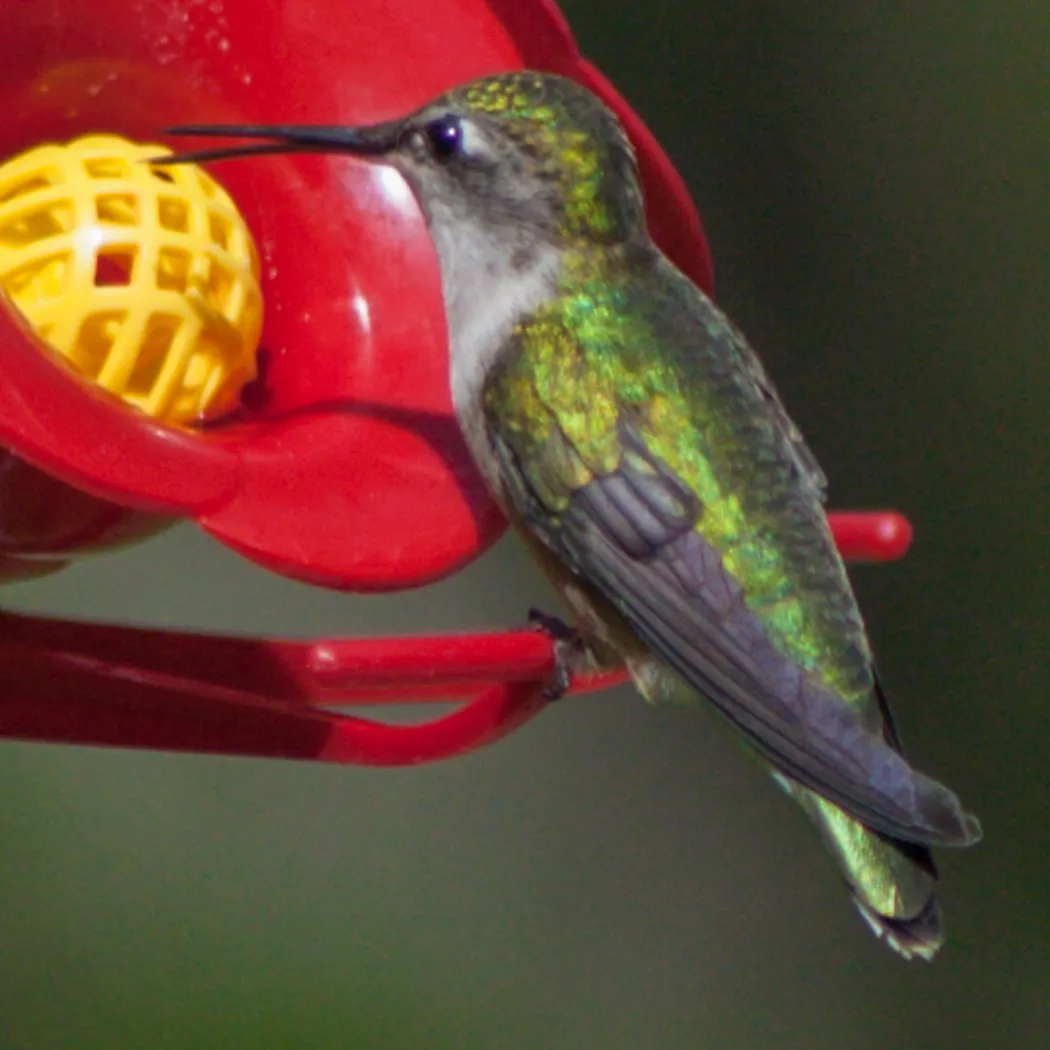
Every season, there’s a moment when the birds at your feeder seem clumsier – awkward landings, missed ports, weird hovering angles. That’s often when juveniles are being introduced to the “easy food” game.
- They overshoot the feeder entirely.
- They peck at plastic instead of the ports.
- They beg in midair, fluttering near mom instead of drinking.
The feeder becomes a controlled environment where young hummingbirds practice balance, aim, and speed before tackling unpredictable wild flowers. Faint throat streaking and shorter tail feathers are a good sign you’re watching flight school in session.
#13 – They Shift Feeding Times When Predators Learn Their Routine
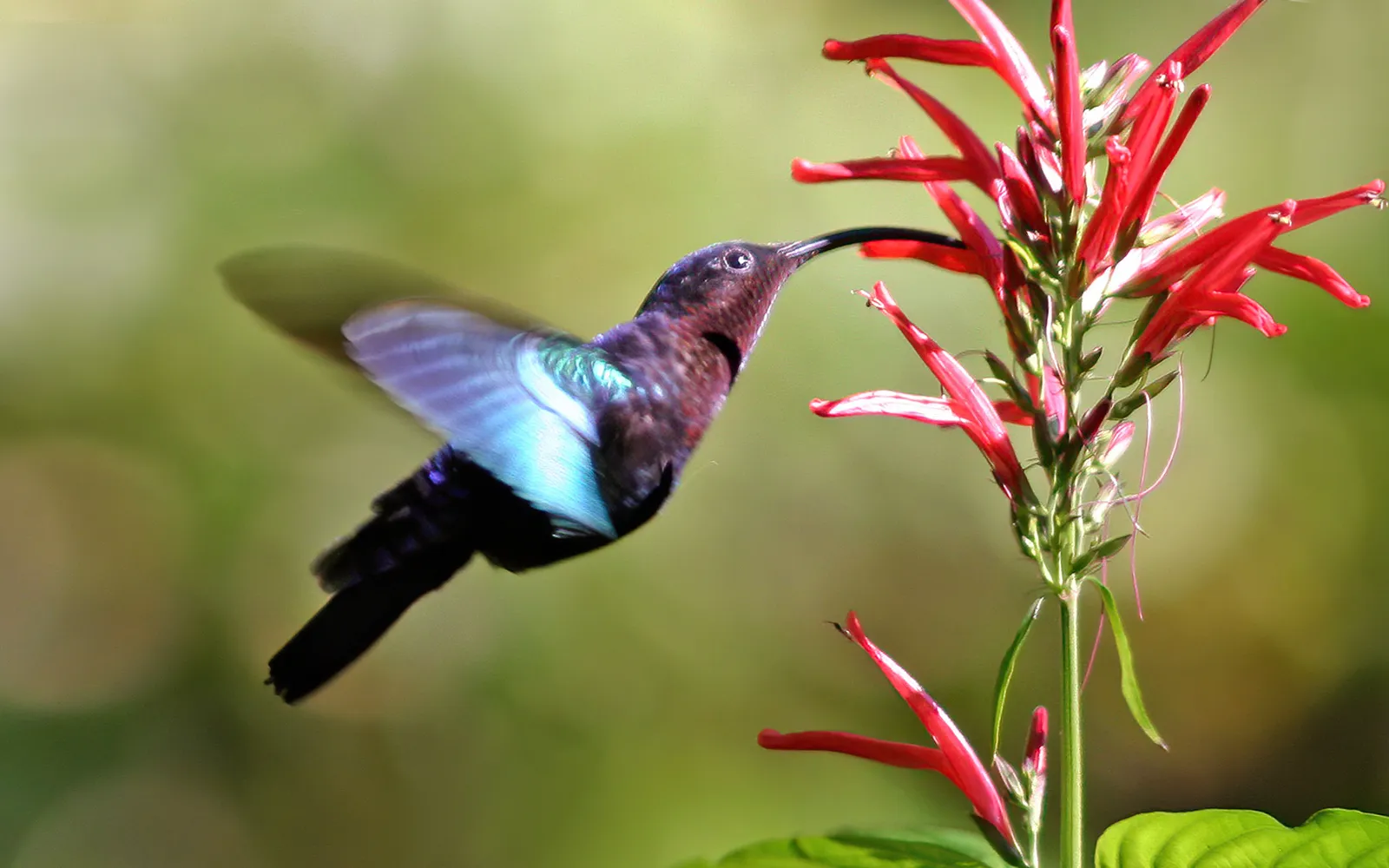
Gardeners love routines: same refill time, same viewing window, same chair. Predators learn those routines too. Sharp-shinned hawks, outdoor cats, and even crows notice when hummingbirds predictably gather, and the birds adapt faster than most people realize.
If hunting pressure spikes, hummingbirds may quietly shift their feeding to earlier dawn or later dusk, or bunch visits into short, frantic bursts. A single bad predation event at a feeder can alter local behavior for the rest of the season, with birds only returning from higher, more distant approach paths.
The more you watch, the more you realize a hummingbird’s whole world is built on split-second risk calculations.
Common observation among longtime hummingbird banders
#14 – They Take “Shadow Baths” on Your Feeder’s Hardware
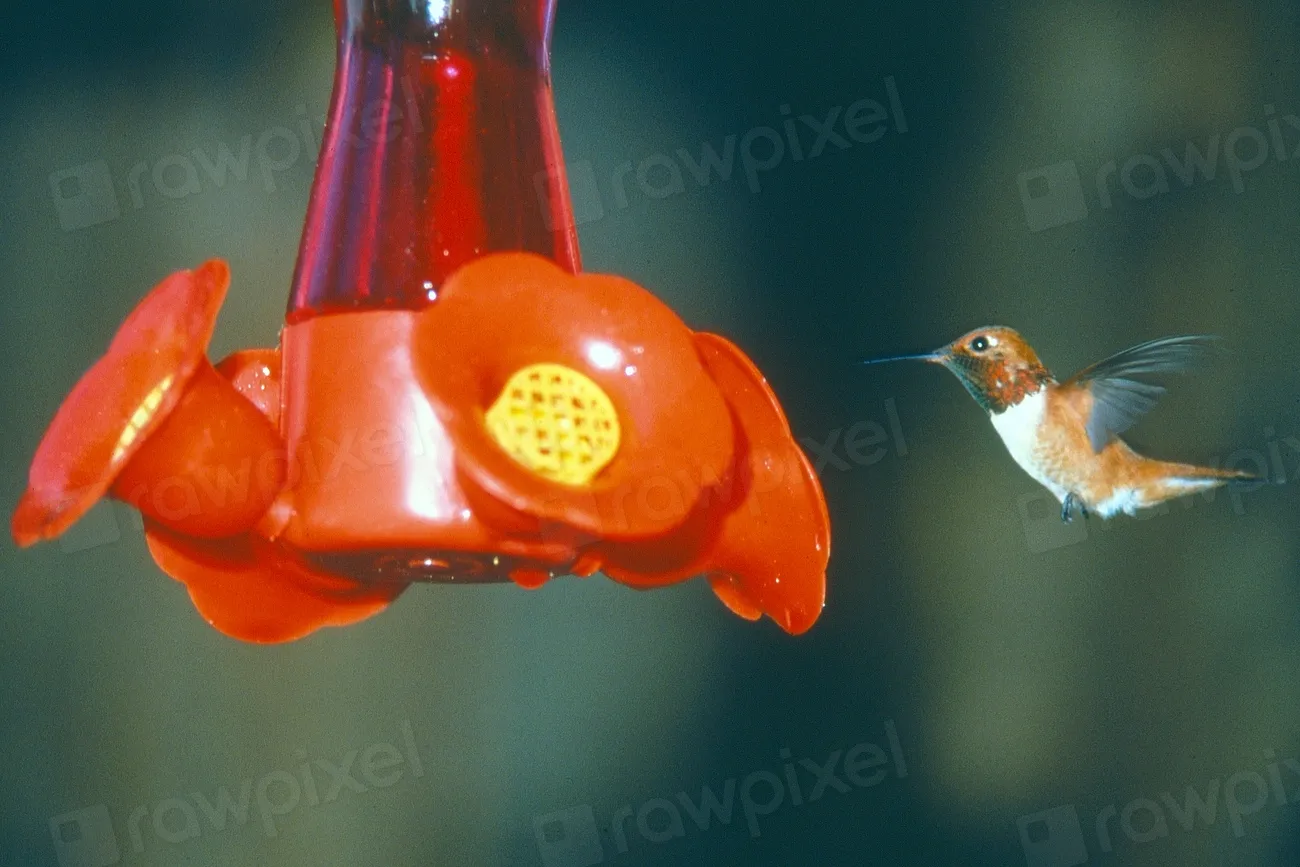
Everyone knows hummingbirds bathe in sprinklers or on wet leaves, but many completely miss a subtler grooming behavior around feeders: shadow and light bathing on the metal hooks, chains, and brackets on sunny days.
Some will perch briefly where light flickers through leaves, then twist their bodies, flare their gorget, and rapidly preen in a tight cycle. It’s not a true bath, but it helps align iridescent feathers and check for parasites. If you never see splashing in water, don’t panic – your hardware may already be a grooming station.
#15 – They “Ghost Visit” at Night Using Artificial Light
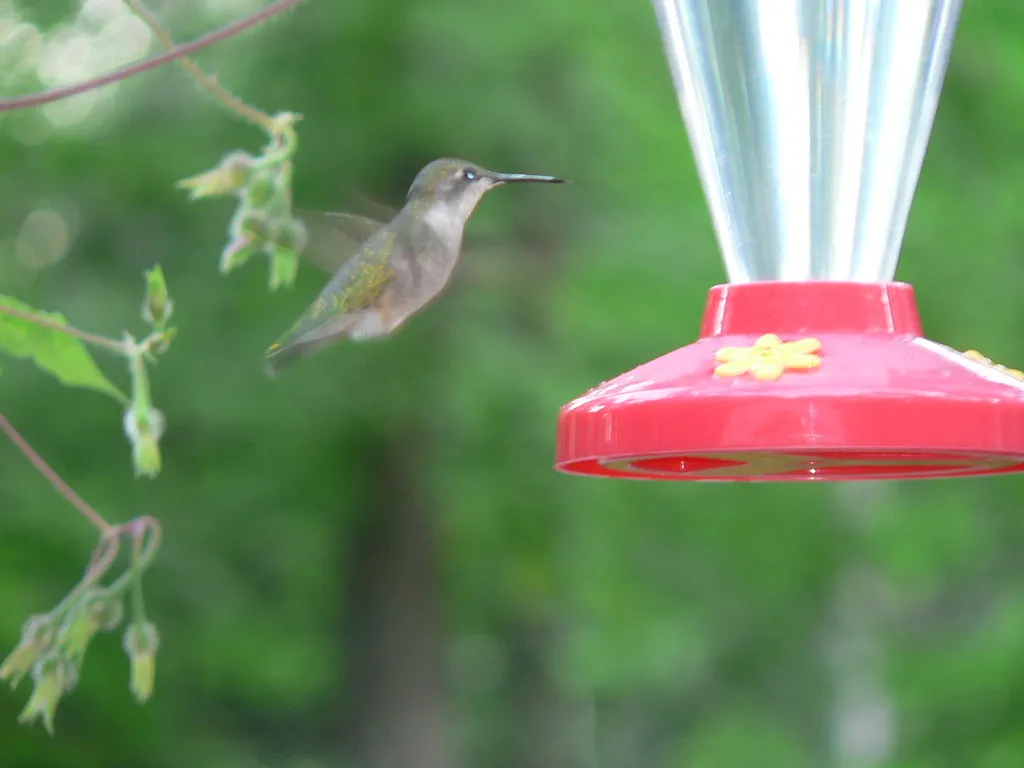
The standard line is that hummingbirds feed only in daylight. Mostly true, but in developed areas with strong artificial lighting, late-evening and near-night visits happen more than most people realize – the problem is you’re usually not outside to catch it.
Security lights, bright porch bulbs, or nearby streetlights extend usable “twilight” for desperate or migrating birds. Trail cameras have caught hummingbirds briefly using feeders far later than expected, so pulling your feeder in “right at sunset” may be yanking a resource just as these ghost visits ramp up.
#16 – They Learn Which Human Sounds Mean “Fresh Nectar”
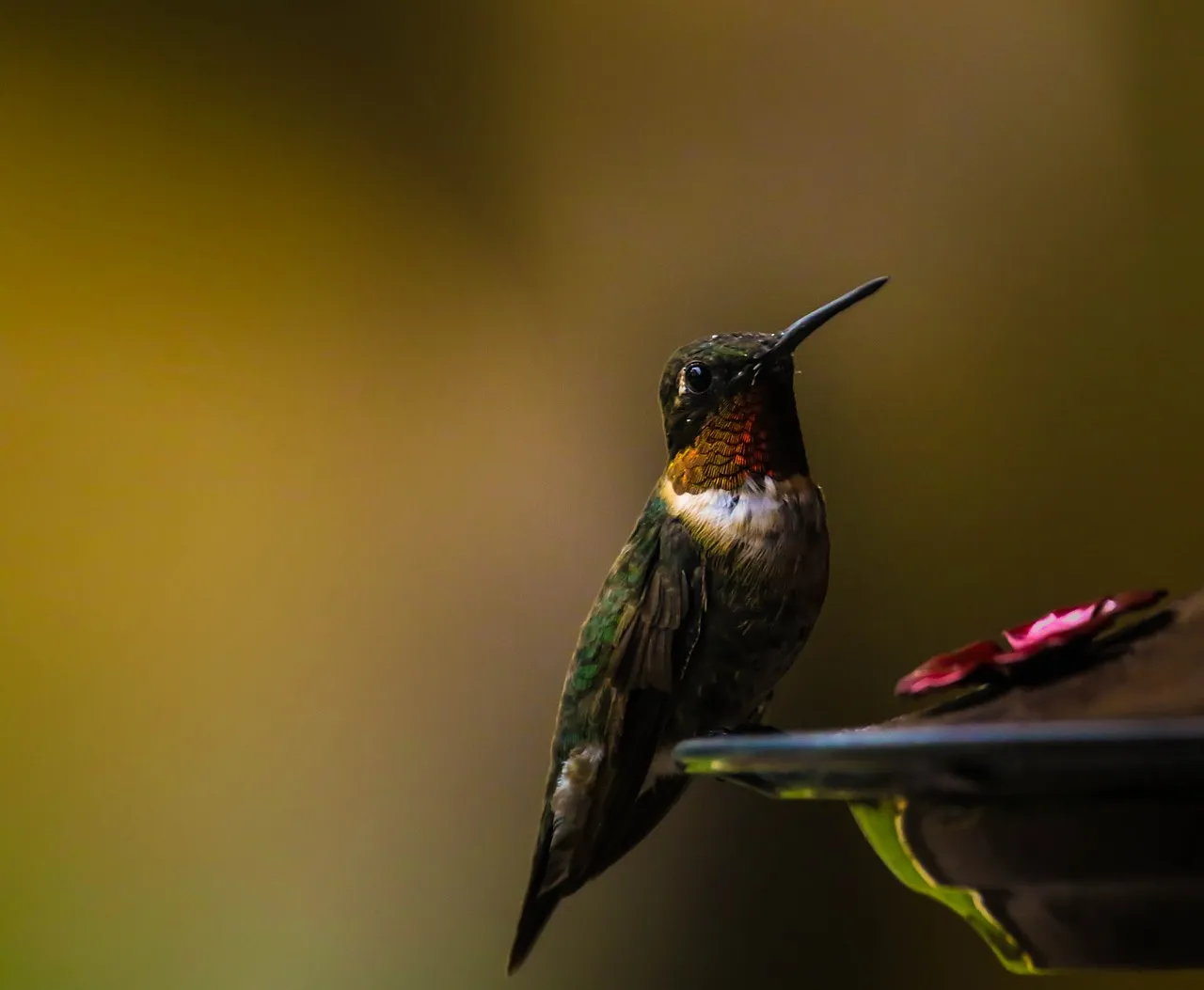
This is the part many people roll their eyes at, until they witness it themselves. Over time, hummingbirds associate specific sounds you make with feeder maintenance, and they absolutely act on it.
- Tapping the feeder against the railing after refilling.
- Calling out to a family member while walking out with the nectar.
- Rattling the hook hardware slightly as you hang it back up.
After enough repetitions, some hummingbirds appear within seconds of that exact cue. They’re not understanding words – they’re brutally good at pattern recognition, and the same sound plus a full feeder means it’s go time.
#17 – They Use Your Feeder as Neutral Ground Between Territories
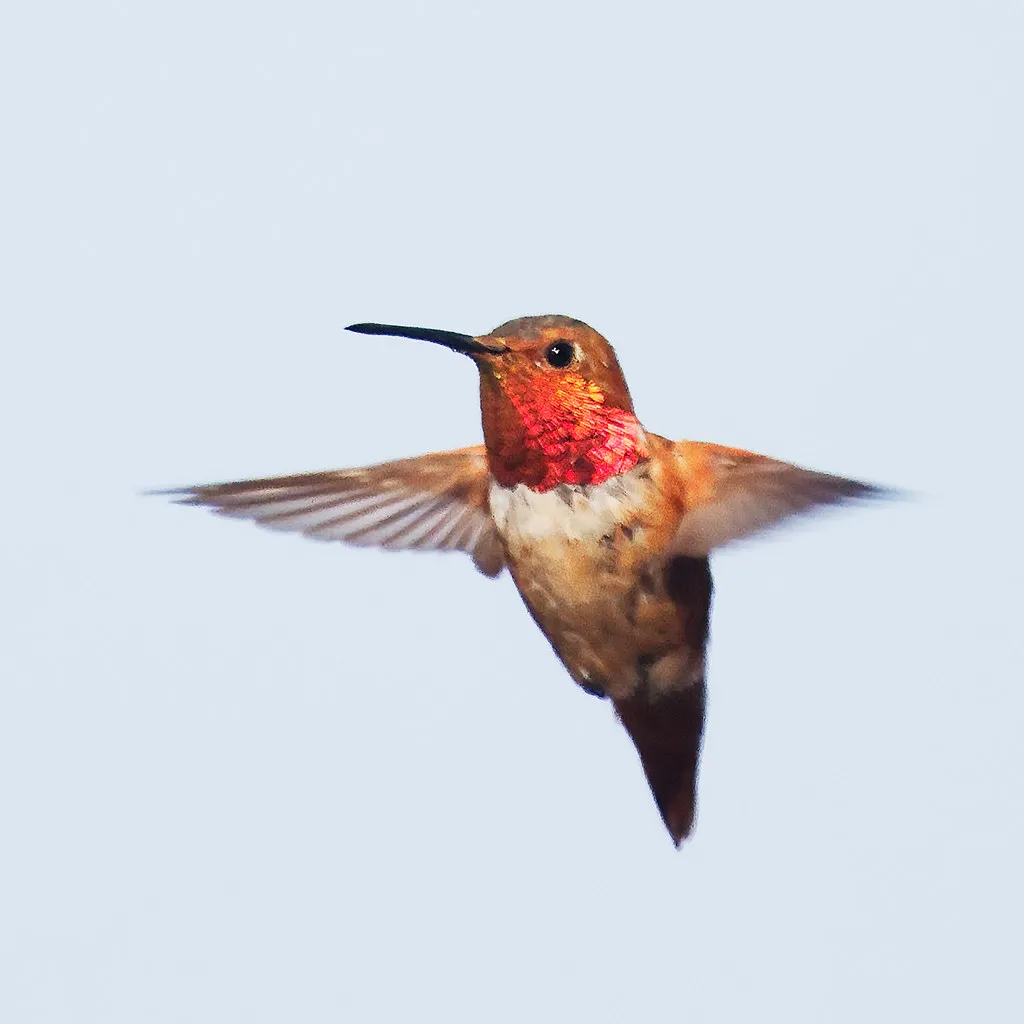
We like to imagine every hummingbird has one fixed, neat territory. Reality is messier. In areas with overlapping nectar sources, a single feeder can become a reluctant truce zone where boundaries blur for a few tense seconds at a time.
On days of peak bloom, you’ll sometimes see two or even three birds feed within a foot of each other with only half-hearted threats, then peel off in different directions. Full-blown fights at every encounter would burn more calories than the nectar is worth, so smart gardeners can exploit this by spacing multiple feeders far apart.
#18 – They Quietly Judge Your Hygiene – and Vote With Their Wings
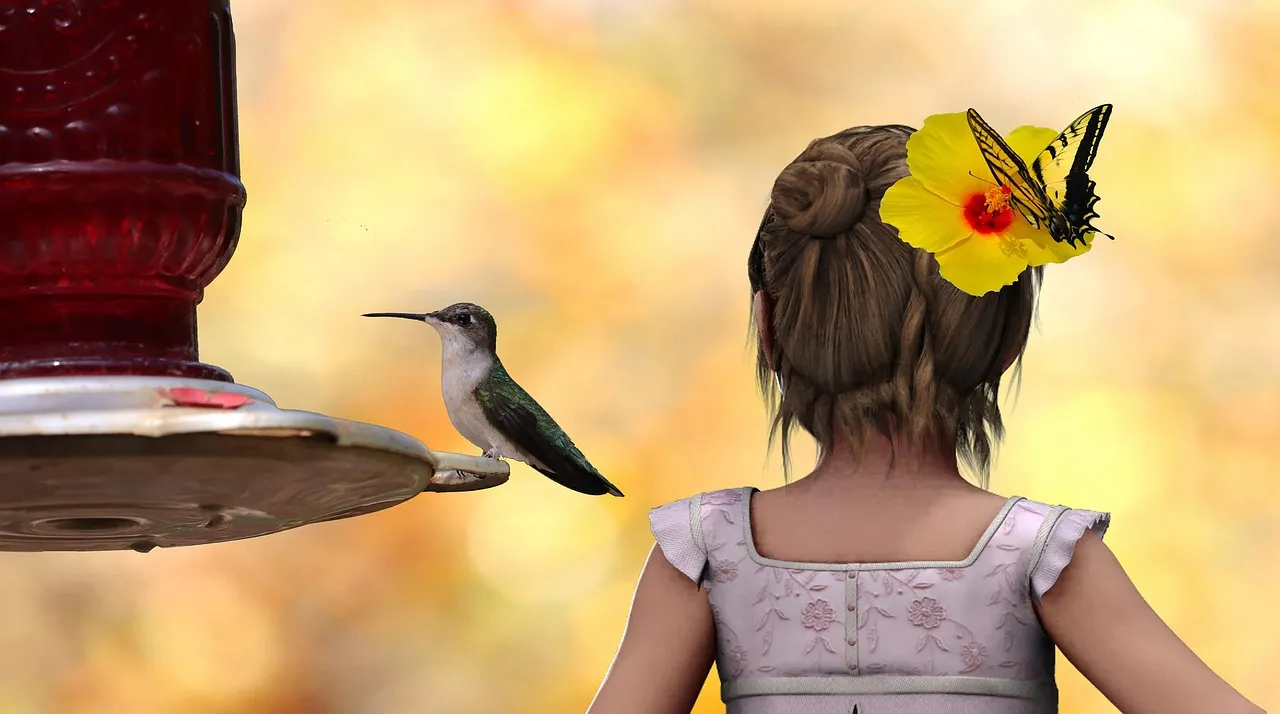
Here’s the harsh part almost no one wants to hear: hummingbirds will abandon a beautiful yard if the feeder is chronically dirty, moldy, or full of fermenting nectar. They don’t leave a review. They just stop coming.
Black mold in the ports, cloudy nectar, dead insects floating near the holes – these are bright red flags for birds whose lives depend on high-speed sugar metabolism. Regular deep cleaning, hot water scrubbing every few days in warm weather, isn’t overkill. It’s baseline. If your visits have mysteriously dropped, it’s rarely the neighbor’s flowers – it’s what you’re ignoring inside that pretty red feeder.
At a Glance
- Clean feeders every 3 to 4 days in hot weather, more often above 90°F.
- Nectar can grow mold or bacteria within 48 hours in warm temperatures.
- Use hot water and a bottle brush; skip soap, which can leave a residue birds avoid.
- Replace nectar on schedule even if the feeder isn’t empty – freshness matters more than volume.
The Bottom Line
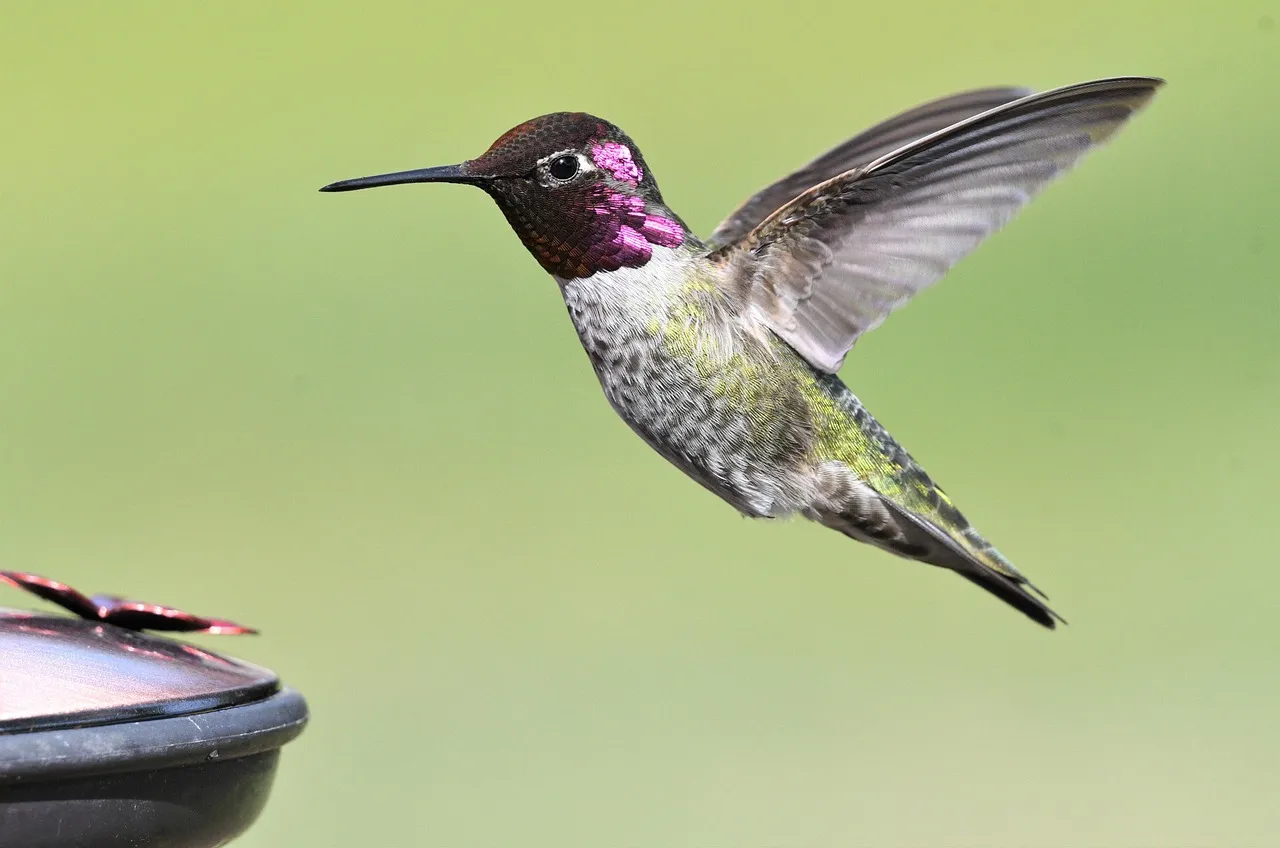
Hummingbirds don’t just visit a feeder. They audit it, memorize it, weaponize it against rivals, train their young on it, and judge you, brutally, on how well you maintain it. The quick sips, strange pauses, tail flicks, and sudden disappearances gardeners shrug off are actually sharp survival strategies playing out in real time.
Once you start seeing those 18 behaviors for what they really are, your feeder stops being backyard décor and becomes a live, twitching system of decisions, risks, and loyalties. Not everyone will like hearing that dirty feeders, outdoor cats, or lazy refill habits make you the risk factor, not the weather – but pretending otherwise doesn’t fool the birds.
Did we nail the behaviors you’ve seen in your own yard, or did we miss one that genuinely shocked you? Drop it in the comments and argue your case.
