
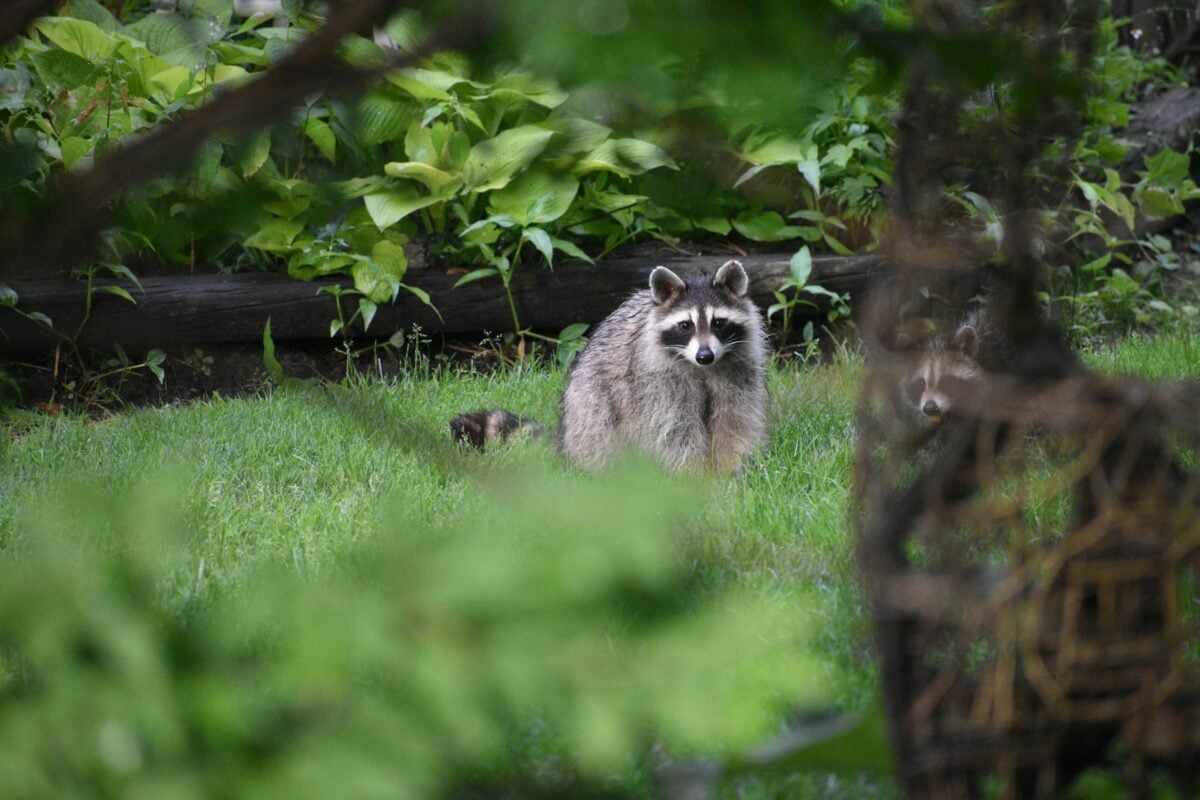
Most people design their yards for flowers, lawns, and quiet evenings on the porch – not for wildlife. Yet somehow, in nearly every unmanicured, “nobody planned this” backyard in America, a raccoon shows up in the dark and quietly starts fixing problems the homeowner didn’t even know existed.
Grub damage, rotting fruit, rodent booms, pond die-offs – the list goes deeper than most people assume, and wildlife biologists say the popular image of the raccoon as a messy trash bandit gets the story almost exactly backward. Here’s what actually happens after dark, one job at a time, in the 18 problems a raccoon quietly solves in a yard nobody built for it.
#1 – Grub-Ravaged Lawns
🔥 Would you like to save this?
We'll email this post to you, so you can come back to it later!
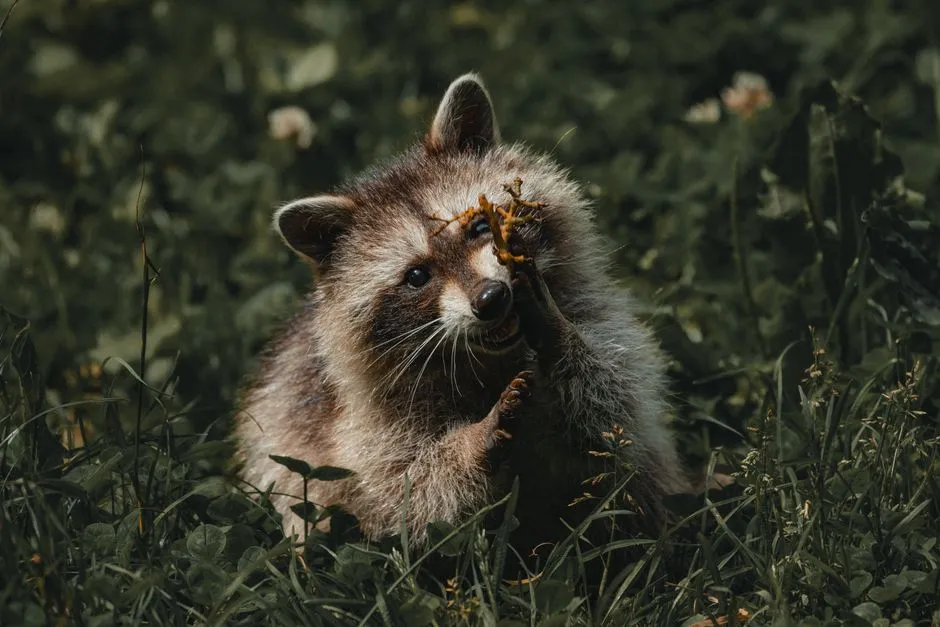
A raccoon walking across your lawn at 2 a.m. is often the only thing standing between you and dead, brown patches by July.
Raccoons are particularly fond of grubs, including Japanese beetle larvae, which chew through lawn roots and leave behind exactly that kind of dying turf. In a yard with no pest management plan, grub populations can explode completely unnoticed until the damage is already done – and fast breeders like the European chafer beetle only make it worse, completing a full life cycle in as little as a year.
Raccoons dig up these larvae before they mature into breeding adults, cutting the next generation off at the source. Homeowners see torn-up turf the next morning and assume vandalism. What they’re actually looking at is targeted pest removal, done for free, overnight.
Fast Facts
- Grub damage typically peaks in late summer and early fall, right when raccoon foraging ramps up
- A single raccoon can cover several acres of yard in one night while hunting
- Raccoons locate grubs by scent, often digging with pinpoint accuracy just below the surface
- Left unchecked, grub infestations can kill entire sections of turf within a single season
#2 – Slug and Snail Garden Takeovers
🔥 Would you like to save this?
We'll email this post to you, so you can come back to it later!
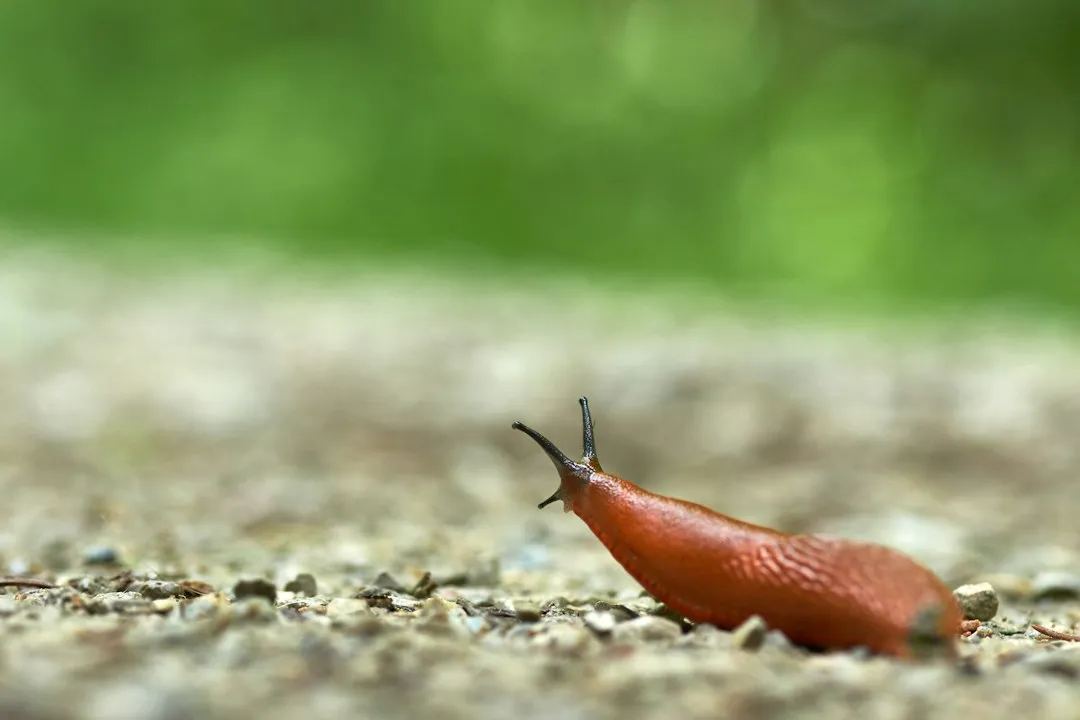
Nobody plants a garden hoping to lose it to slugs, but in a yard with no pest plan, that’s exactly what happens without help.
Raccoons eat grubs, beetles, snails, slugs, mice, and even wasp larvae – many of which rank among the most destructive garden pests there are. The stakes are bigger than most gardeners realize: snails and slugs alone cause millions of dollars in agricultural damage every year, according to the University of Florida.
In a wild, undesigned yard with no raised beds or barriers, slugs and snails have nowhere to hide from a raccoon’s nimble front paws. Letting nature handle it quietly turns a nightly infestation into pest control nobody had to buy – and it’s a bigger save than most people ever give it credit for.
#3 – Mice, Rat, and Vole Population Booms
🔥 Would you like to save this?
We'll email this post to you, so you can come back to it later!
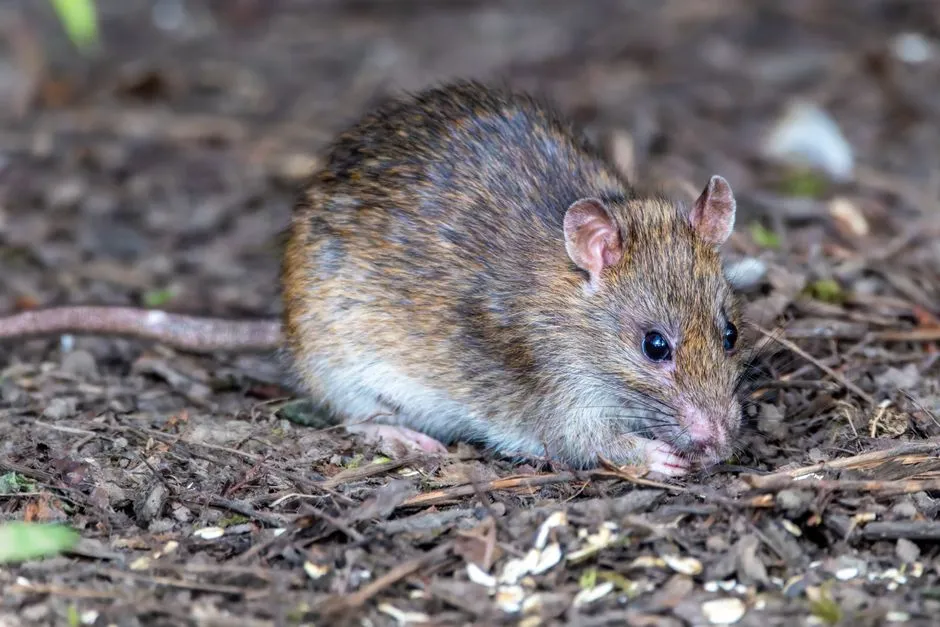
A yard without structure – no fences, no sealed sheds, no tidy borders – is basically an open invitation for rodents to move in and multiply.
Raccoons consume mice, rats, voles, shrews, and rabbits that might otherwise damage a garden or work their way into a home. This matters most in yards never designed with rodent-proofing in mind, where woodpiles, tall grass, and loose soil give rodents endless cover to breed undisturbed.
Most homeowners assume rodent control requires traps or poison. In reality, a resident raccoon is quietly doing that job every single night, and left unchecked, rodent populations can double in a season. A raccoon patrolling the property keeps that math from ever getting out of hand.
#4 – Ground Wasp Nests Nobody Wants to Find
🔥 Would you like to save this?
We'll email this post to you, so you can come back to it later!
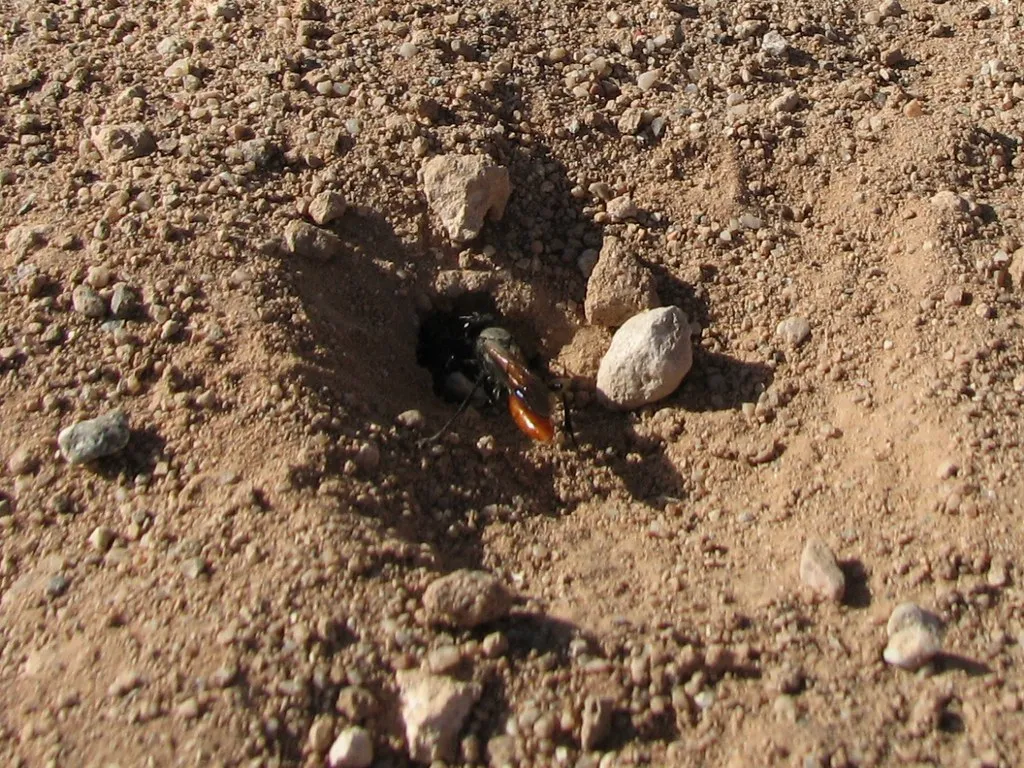
Stepping on a ground wasp nest is one of the worst backyard surprises imaginable, and in a wild yard, nobody’s out there checking for them.
Raccoons don’t flinch at stinging insects the way people do. Wasp larvae are a regular part of their diet, and it’s a food source most humans would never dare dig up on their own.
The surprising part is how thorough they are about it – raccoons will excavate an entire underground nest just for the protein-rich larvae inside, effectively neutralizing a hazard before anyone gets stung. It’s messy to look at the next morning, in unmowed corners and brush piles where ground wasps love to nest, but it’s a threat that’s no longer there.
#5 – Overcrowded Frog and Toad Ponds
🔥 Would you like to save this?
We'll email this post to you, so you can come back to it later!
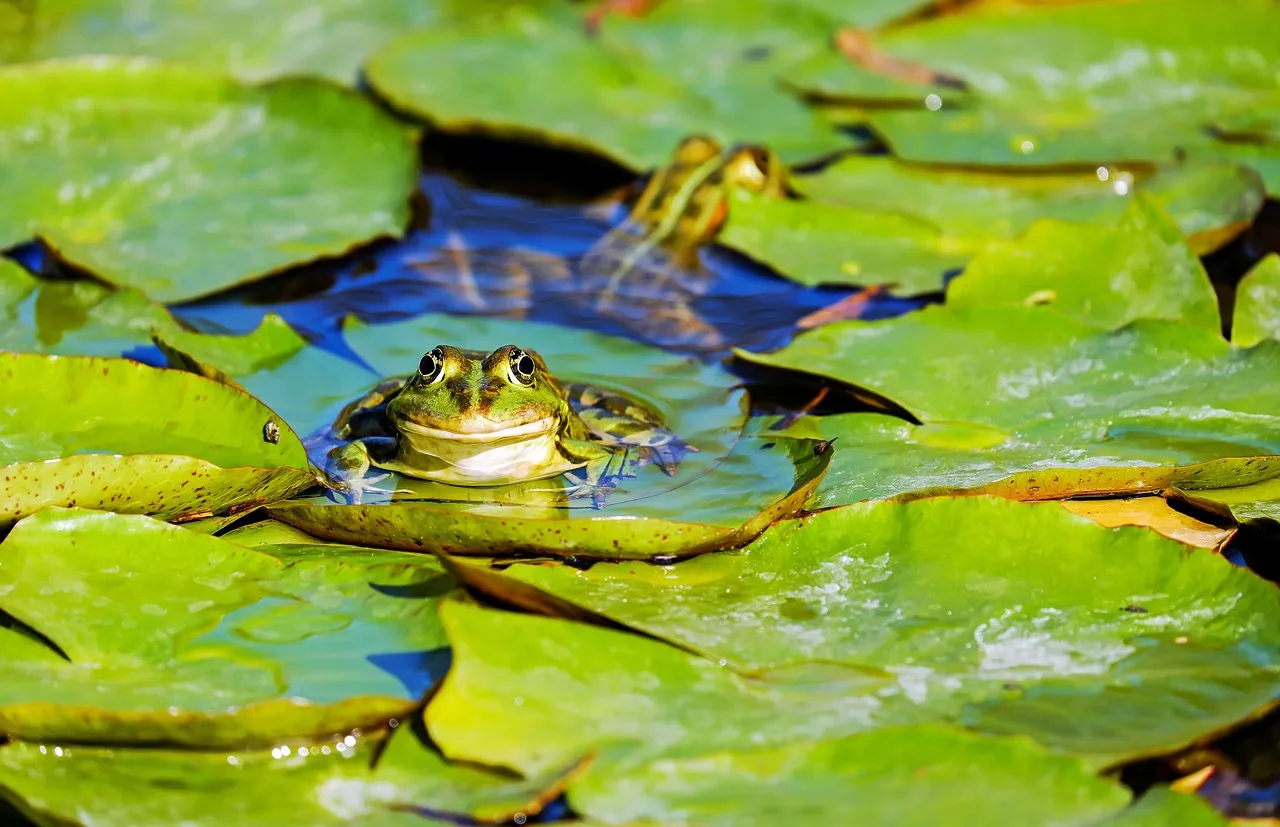
Anyone with a backyard pond that was never designed with wildlife balance in mind eventually runs into the same problem: too many amphibians, not enough space.
Frogs and toads can overpopulate fast when there are no natural predators around to thin them out. Raccoons help by catching the slower and weaker individuals, which keeps the whole pond ecosystem from crashing under its own crowding.
What most pond owners don’t realize is that overcrowding usually ends in disease that wipes out the entire population anyway – a raccoon picking off the weak ones actually prevents the bigger die-off. A balanced pond needs predators as much as it needs prey, and without one, the whole miniature ecosystem can collapse in a single bad season.
#6 – Rotting Windfall Fruit Nobody Cleans Up
🔥 Would you like to save this?
We'll email this post to you, so you can come back to it later!
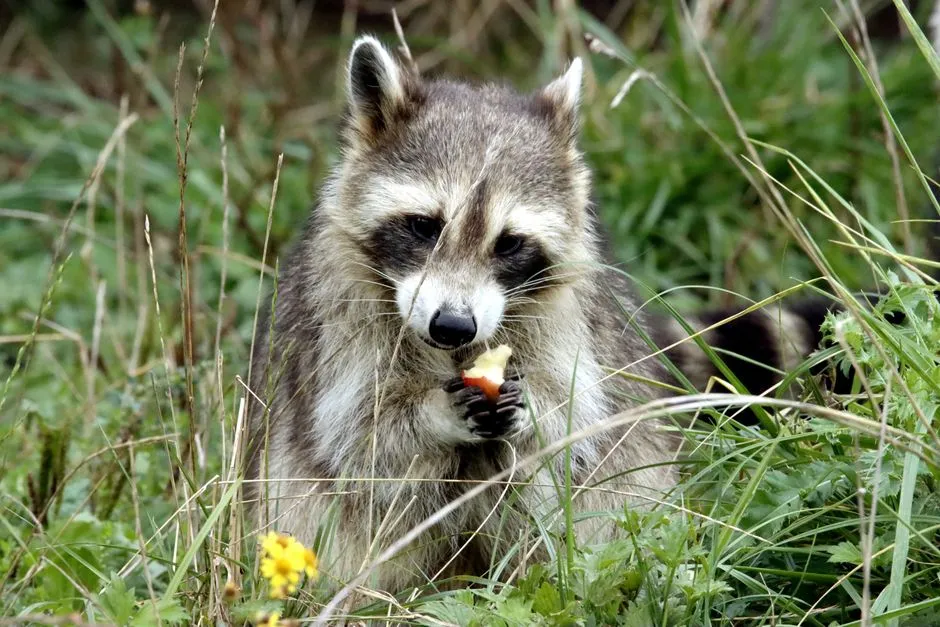
Fruit trees planted decades ago and never maintained drop pounds of rotting fruit every fall, and almost nobody wants that job.
Raccoons happily take it on. Cherries and apples rank among their favorites, alongside wild herbs, seeds, and nuts growing near their den – and in a yard nobody designed for cleanup, fallen fruit attracts flies, wasps, and mold within days if it’s left alone.
A raccoon can clear a season’s worth of windfall in a matter of nights, something most homeowners would need a rake, gloves, and a full afternoon to accomplish. It’s not glamorous work, but it keeps a rotting mess from becoming a bigger sanitation problem.
At a Glance
- Raccoons are true omnivores, shifting between fruit, nuts, insects, and small animals depending on the season
- Fall diets lean heavily toward fruit and nuts to build fat reserves for winter
- Their dexterous front paws let them peel, sort, and inspect food almost like small hands
- Most foraging happens after dusk, which is why the cleanup seems to happen overnight
#7 – Roadkill and Carrion Left to Rot
🔥 Would you like to save this?
We'll email this post to you, so you can come back to it later!
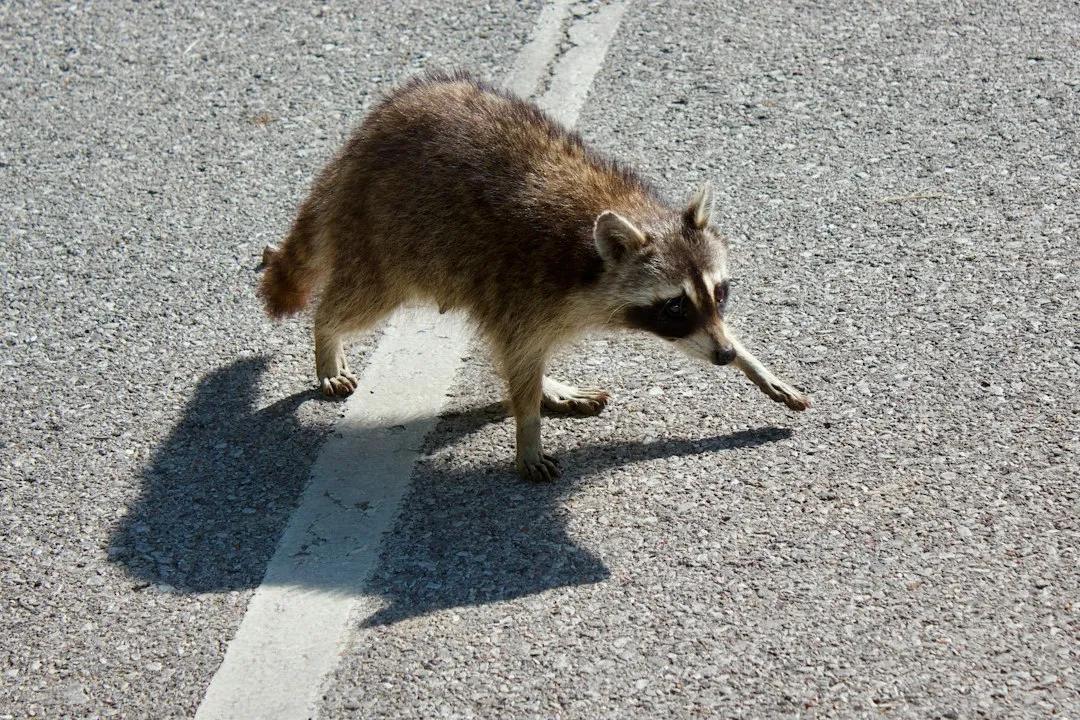
Every yard near a road or wooded edge eventually deals with a dead animal nobody planned for, and it’s not a job most people want.
Raccoons eat carrion, and in urban areas they help keep streets and yards clear of dead animals that would otherwise sit and decompose in the open. This scavenging role rarely gets any credit, mostly because it happens overnight and out of sight.
Most people don’t realize raccoons are functioning as an unofficial cleanup crew, quietly removing carcasses that would otherwise draw flies, disease, and days of bad smell. It’s uncomfortable to think about, but in a yard with no plan for handling it, that’s one less unpleasant chore for the property owner.
#8 – Compacted, Oxygen-Starved Soil
🔥 Would you like to save this?
We'll email this post to you, so you can come back to it later!
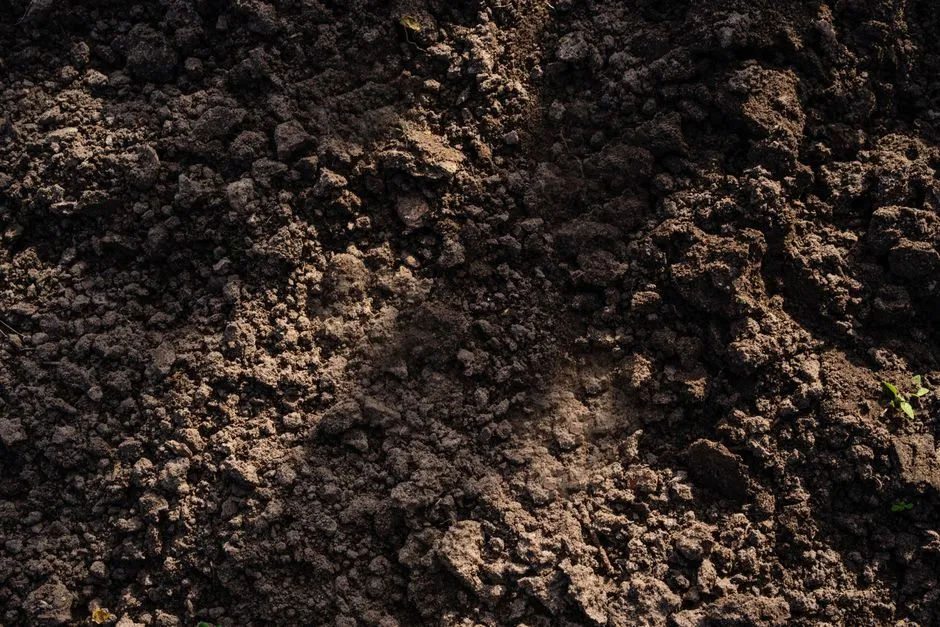
Soil that’s never been tilled, aerated, or amended tends to get hard, compacted, and bad at supporting plant roots – a common problem in yards nobody actively gardens.
Raccoons dig for grubs, earthworms, and insects, and that digging aerates the soil, keeping it renewed for whatever eventually gets planted there. Wildlife removal experts confirm the same pattern: this kind of foraging promotes decomposition and soil turnover.
The part most homeowners miss is that the same digging they curse as destructive is functionally identical to what a garden tiller does – just smaller, and repeated nightly. Compacted dirt struggles to absorb water and support roots, and a raccoon’s foraging habit works against that problem one small hole at a time.
#9 – A Yard With Zero Seed Dispersal
🔥 Would you like to save this?
We'll email this post to you, so you can come back to it later!
A yard that was never landscaped often has patchy, inconsistent plant growth simply because nothing is spreading new seeds around.
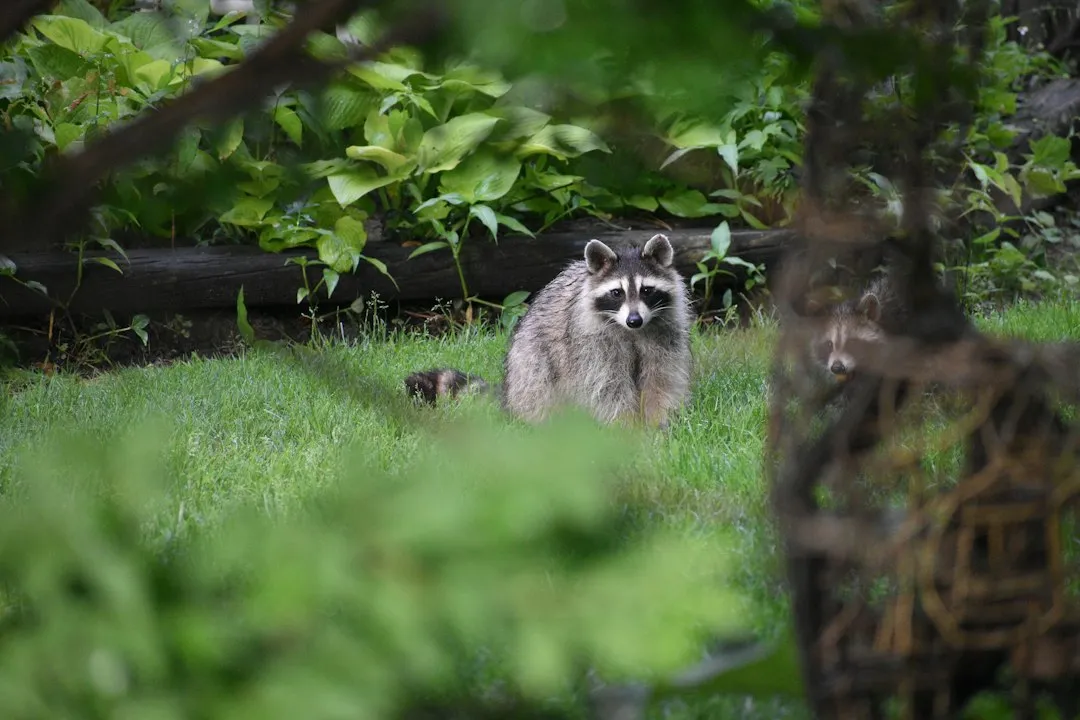
Raccoons play a real, if accidental, role in seed dispersal, spreading seeds through their droppings as they wander from one feeding spot to the next. That movement helps maintain and even increase plant diversity across a property.
Few people connect the dots between a raccoon’s nightly wandering and where new wildflowers or berry bushes show up the following spring. In a designed garden, humans control what grows where. In a wild yard, a raccoon is doing that job by accident – slow, unpredictable, and completely free.
#10 – Cutworm and Armyworm Damage to Turf
🔥 Would you like to save this?
We'll email this post to you, so you can come back to it later!
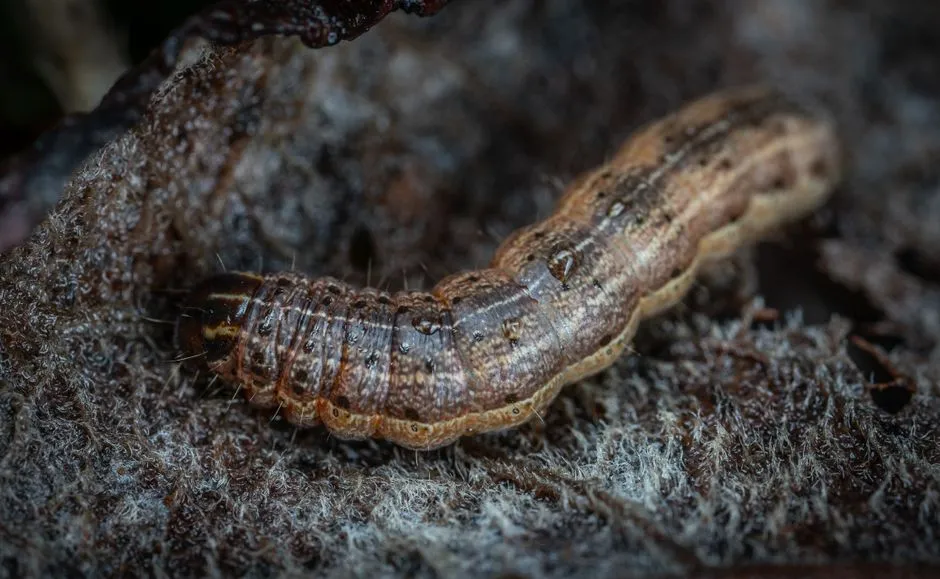
Cutworms and armyworms can chew through a lawn’s grass blades fast enough to leave bald patches within weeks, and most homeowners never see them coming.
Raccoons are effective at controlling exactly these kinds of insect populations, keeping cutworms, armyworms, and various beetles from getting out of hand. The timing lines up almost perfectly – these pests feed at night, the same hours a raccoon is out foraging.
In a yard with no pesticide schedule or lawn-care contract, that overlap matters more than most people realize. It’s one of the quieter reasons some untreated lawns hold up better than expected against turf-eating pests.
#11 – Nutrient-Depleted, Under-Fertilized Soil
🔥 Would you like to save this?
We'll email this post to you, so you can come back to it later!
Soil that’s never been fertilized eventually runs low on the nitrogen and phosphorus that plants actually need to thrive.
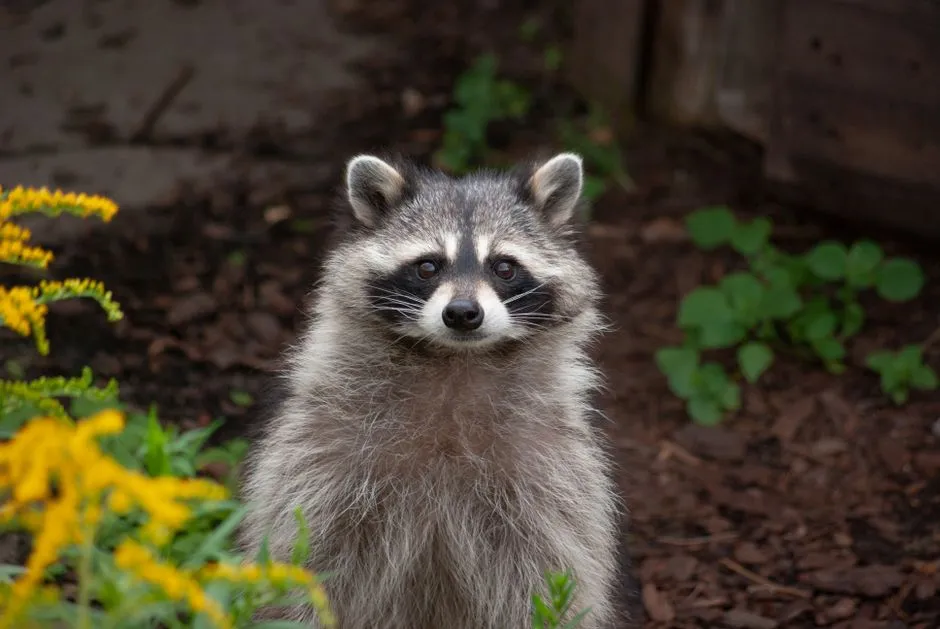
Raccoon droppings contain nitrogen, phosphorus, and other nutrients that can enrich soil in a way similar to bat guano or aged chicken manure, just delivered naturally and without anyone asking for it.
Most people would never guess raccoon waste functions almost like a slow-release fertilizer, quietly feeding the same soil a lawn or garden depends on. Nobody would choose to add it on purpose, but in a yard with no fertilizing routine, it’s doing real, measurable work in the background.
Quick Compare
- Raccoon droppings: slow-release nutrients delivered naturally, no cost, no schedule required
- Bagged fertilizer: fast-acting nutrients, but requires purchase, timing, and manual spreading
- Untreated soil: nutrients deplete steadily with no natural replenishment
#12 – A Missing Predator-Prey Link for Owls and Hawks
🔥 Would you like to save this?
We'll email this post to you, so you can come back to it later!
A yard with no mid-sized mammal activity often has a quieter, less balanced food web than people realize – and that affects everything above it.
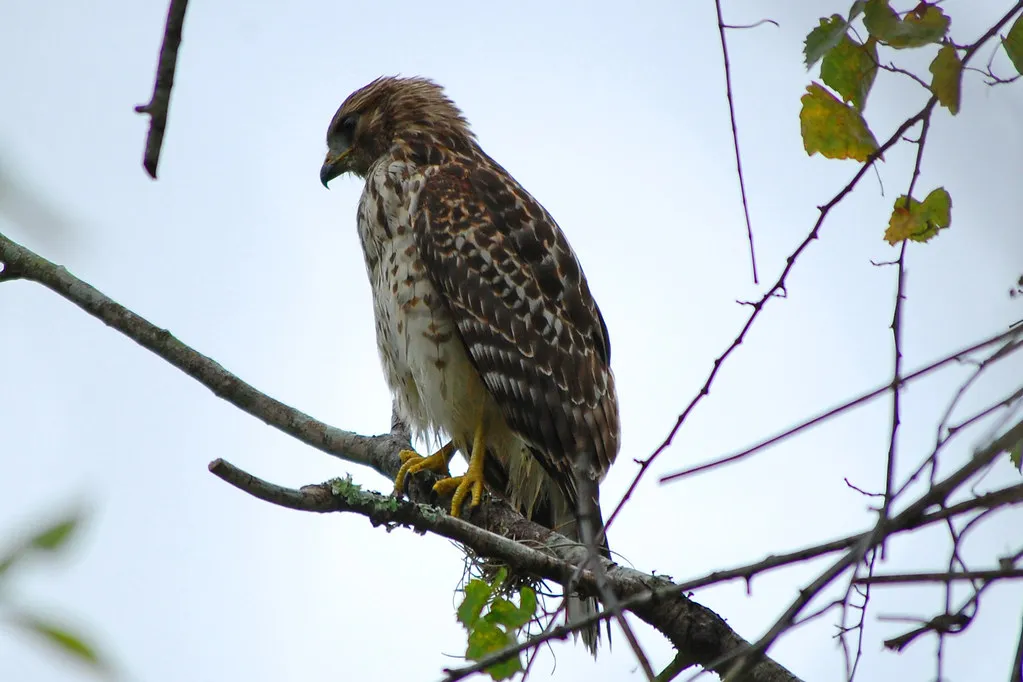
Raccoons serve as prey for owls, hawks, coyotes, and even the occasional snake, plugging a hole most undesigned yards don’t even know they have. Their position as both predator and prey gives them an outsized role in keeping the local food web balanced.
The part that surprises most homeowners is that having a raccoon around can actually attract more owls and hawks, not fewer, simply because it becomes part of the local menu. Without that link, larger predators have far less reason to stick around at all.
#13 – Invasive Bird Species Crowding Out Natives
🔥 Would you like to save this?
We'll email this post to you, so you can come back to it later!
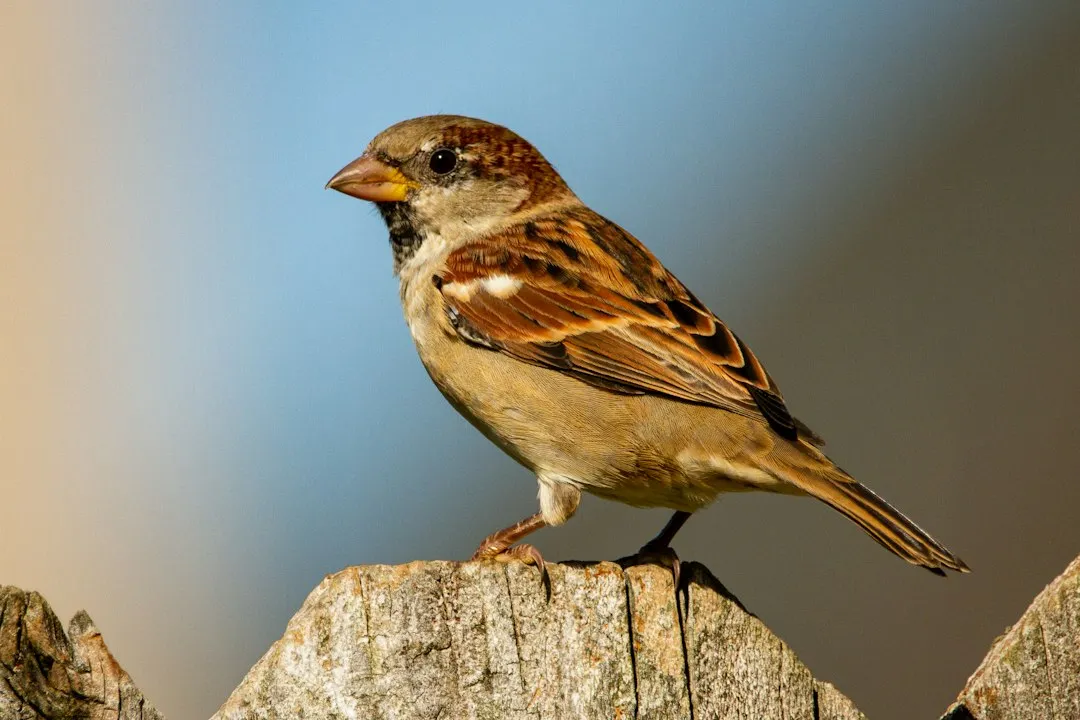
Yards without active bird management often end up dominated by aggressive, non-native bird species that push out the local ones.
Raccoons raid nests and eat a variety of insects, grubs, and snails, and part of that includes tackling invasive bird populations – a role most homeowners never think to credit them with, since bird management usually gets attributed to hawks or human intervention.
Every animal has a role in the local food web, and raccoons are no exception.
Wildlife ecology researchers
Here’s the uncomfortable opinion: raiding a nest, something most people see as purely destructive, can actually be an ecological correction when that nest belongs to a species outcompeting native birds. In an unmanaged yard, it’s one of the few checks keeping bird diversity from tilting too far in one direction.
#14 – Crayfish and Pond-Edge Pest Overload
🔥 Would you like to save this?
We'll email this post to you, so you can come back to it later!
A backyard creek or pond edge that’s never been maintained can quietly turn into a breeding ground for crayfish and other aquatic pests.
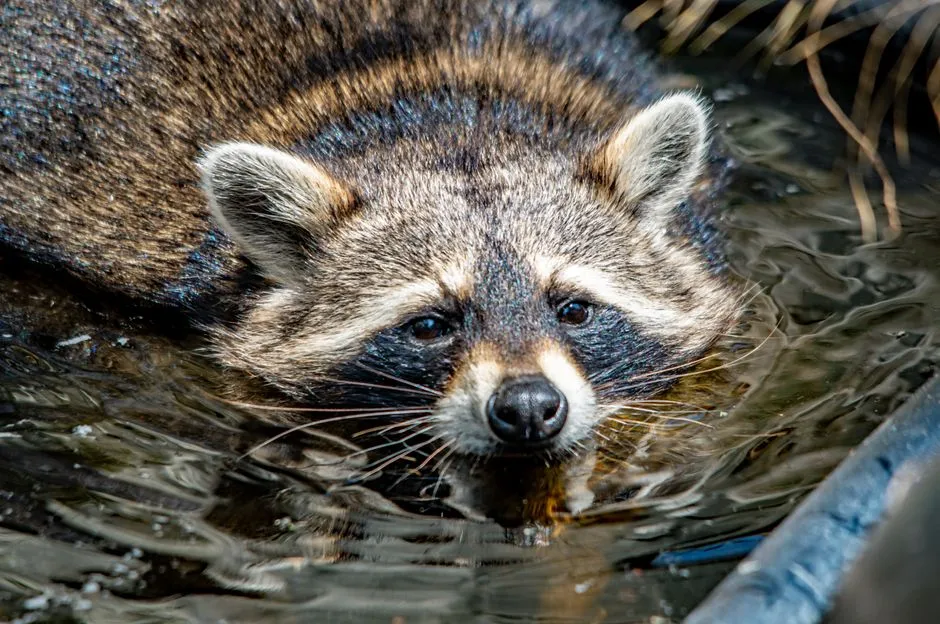
Raccoons eat insects, crabs, crayfish, frogs, fish, and turtle eggs, and their fishing habits specifically target clams, crawfish, and frogs living in shallow water – exactly the kind of overlooked aquatic pests a backyard water feature tends to accumulate.
Most people picture raccoons foraging in trash cans, not wading into shallow water to hunt. But that aquatic instinct is exactly what keeps pond-edge populations from spiraling in a yard with an unmanaged water feature – a job nobody else is doing.
#15 – Beetle and Caterpillar Outbreaks on Ornamentals
🔥 Would you like to save this?
We'll email this post to you, so you can come back to it later!
Ornamental plants that were never sprayed or treated are especially vulnerable to sudden beetle and caterpillar outbreaks that can defoliate a bush in days.
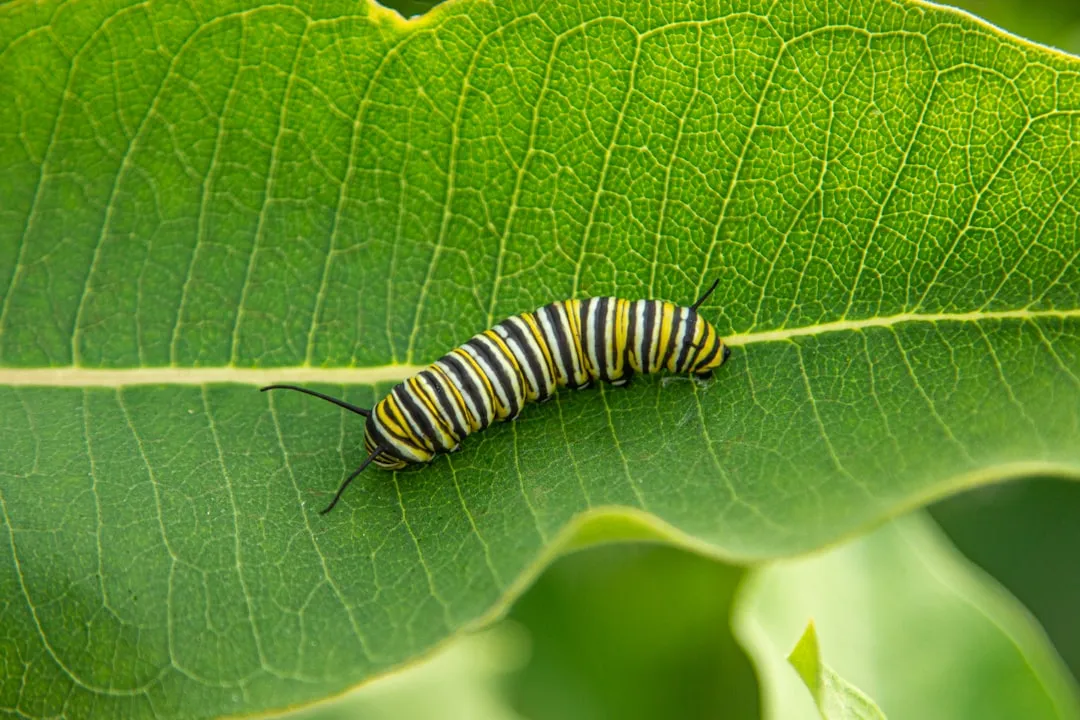
Raccoons eat a wide range of insects, including beetles, grubs, and caterpillars, and their opportunistic hunting extends into wooded edges where defoliating caterpillars often show up in high numbers during peak season.
The surprising part is the timing: raccoons often go after caterpillars right when outbreaks are at their worst, foraging exactly when the damage would otherwise peak. In a yard with untreated shrubs and no pest schedule, that timing does more work than most people ever assume.
#16 – Leaf Litter Hiding a Pest Infestation
🔥 Would you like to save this?
We'll email this post to you, so you can come back to it later!
Thick, undisturbed leaf litter looks harmless, but it’s actually one of the best hiding spots for pests in an unmanaged yard.
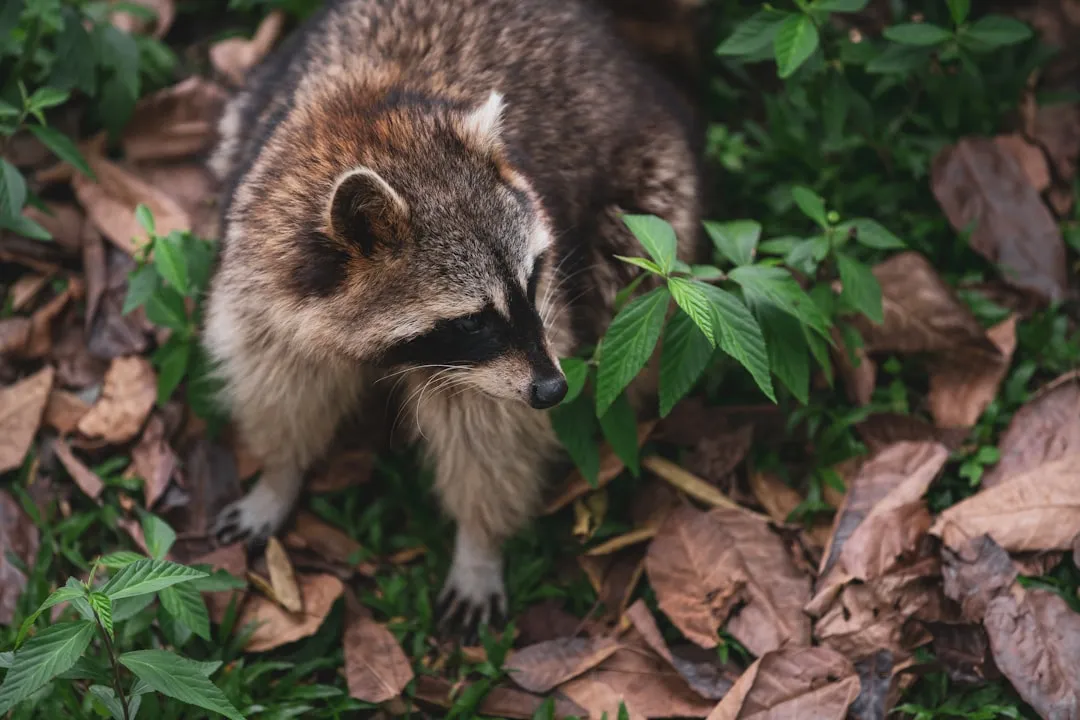
Raccoons have highly sensitive front paws built for exactly this kind of work, letting them locate insects beneath leaf litter, under rotting logs, and along riverbanks where moisture draws in countless invertebrates. That sensitivity translates directly into pest control most homeowners never notice.
Most people rake leaves for looks, not realizing a raccoon was already treating that same pile like an all-you-can-eat pest buffet. In a yard that’s never cleared of debris, this kind of hidden foraging matters more than it gets credit for.
Worth Knowing
- Raccoon front paws carry an unusually high concentration of sensory nerve endings
- They can identify and sort objects by touch alone, even in total darkness
- Wetting their paws is thought to sharpen tactile sensitivity even further
- This touch-first approach lets them find hidden insects that sight alone would miss
#17 – Worm and Insect Overload in Mulch Beds
🔥 Would you like to save this?
We'll email this post to you, so you can come back to it later!
Mulch beds that are never turned or refreshed can quietly become overcrowded with worms and insects feeding on decaying material underneath.
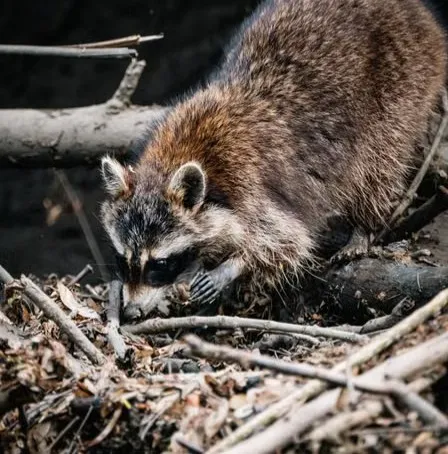
In urban settings, raccoons forage in gardens and parks for worms, sometimes leaving small patches of disturbed turf where they’ve been feeding overnight. This foraging isn’t random – insects make up one of the most important parts of a raccoon’s diet, especially in spring and summer when insect populations surge.
The detail most people miss is that raccoons time their heaviest foraging to exactly when insect populations are exploding – precisely when pest control matters most. Those disturbed patches homeowners complain about are usually evidence of a problem being solved, not created.
#18 – A Yard Completely Cut Off From Nature’s Balance
🔥 Would you like to save this?
We'll email this post to you, so you can come back to it later!
The biggest problem an undesigned yard has isn’t any single pest – it’s the total absence of a natural system that keeps everything else in check.
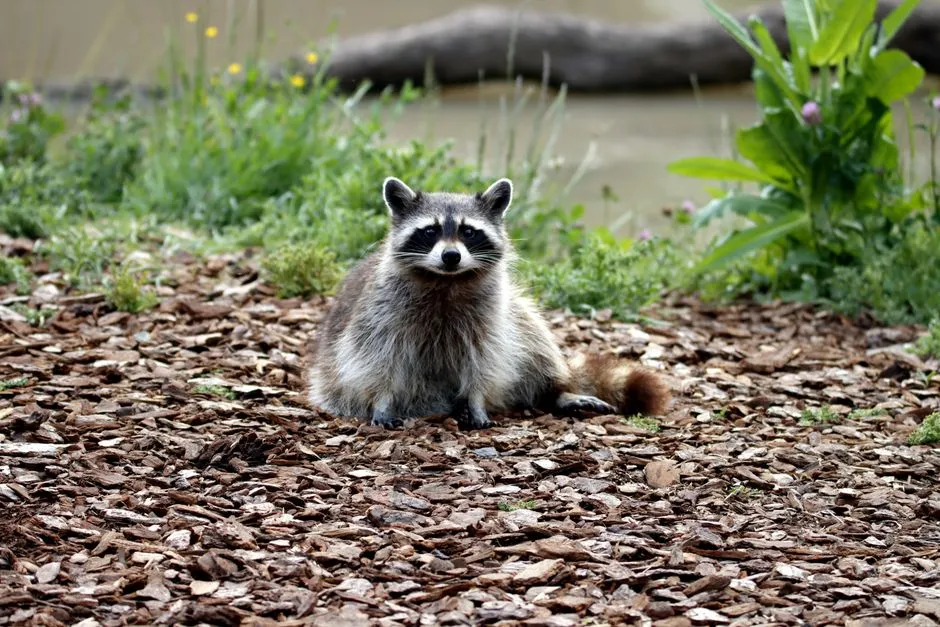
Like many urban-adapted species, raccoons help maintain important ecological processes in human-modified landscapes, bridging the gap between wild and developed spaces. By feeding on insects, fruit, small animals, and everything in between, they help sustain a balance that supports far more species than most homeowners ever consider.
The most controversial truth here is that a yard “cleaned up” of all wildlife, including raccoons, often ends up worse off than one left alone – more pests, poorer soil, and no natural checks left standing.
The Bottom Line
🔥 Would you like to save this?
We'll email this post to you, so you can come back to it later!
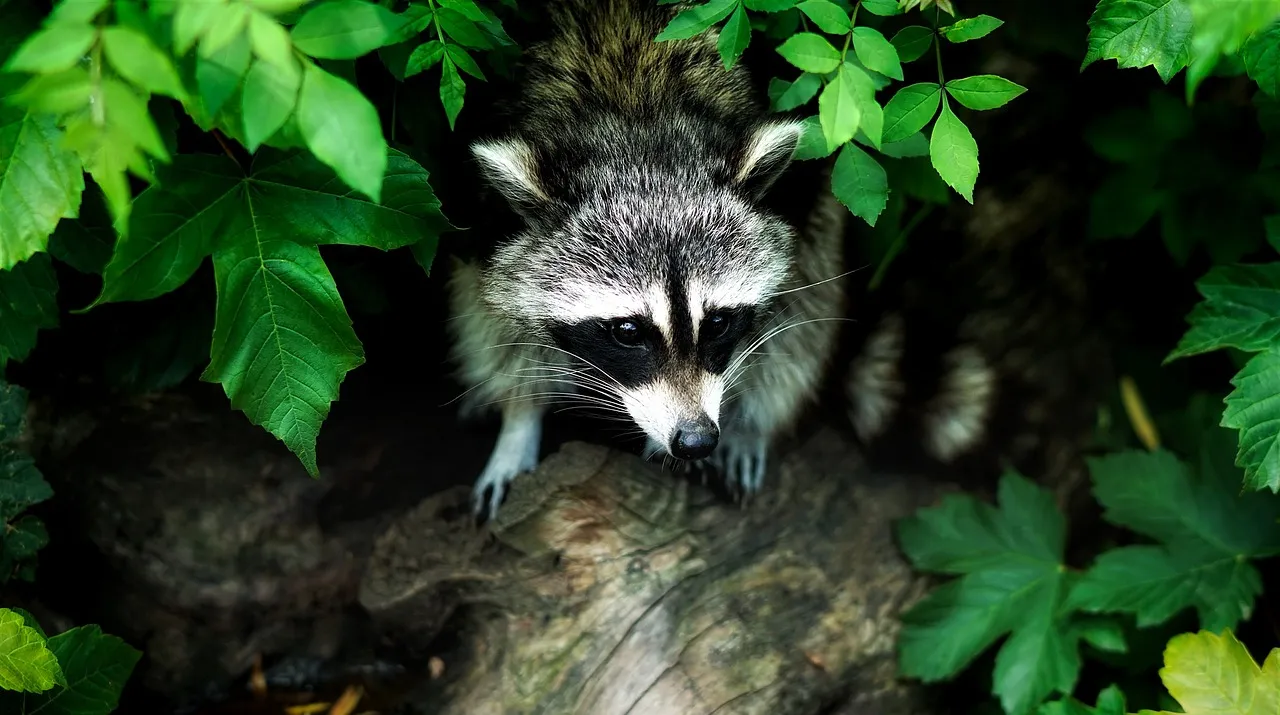
Across all 18 of these, one pattern keeps repeating: a raccoon isn’t invading a well-planned yard, it’s patching the holes left by a yard that was never planned at all. Grubs, slugs, rodents, rotting fruit, compacted soil, seed gaps – these problems exist whether or not a raccoon shows up, but the raccoon is often the only thing actually fixing them, for free, overnight.
Most homeowners see mess and assume damage. The evidence suggests otherwise. We think it’s time people stopped reaching for the phone to call animal control the second they spot one rustling through the yard at midnight. Do you agree, or is a torn-up flower bed still a dealbreaker? Drop your take in the comments.

- 23 Warm Corners an Elderly Cat Keeps Returning To All Winter - October 29, 2026
- 16 Behaviours Showing a Cat Considers a House Permanent Now - October 29, 2026
- 15 Wildlife Programmes a Lifetime Pass Holder Over 62 Can Join Free - October 29, 2026