

Ask most people what a sanctuary’s paperwork looks like and they’ll guess vaccination schedules, feeding charts, maybe a vet’s notes stapled to a clipboard. Reasonable guess. Completely wrong.
Behind the barns and enclosures, caretakers are logging things that sound almost made up: which rock a lion prefers to nap behind, how a rescued pig reacts to distant thunder, which staff member a traumatized parrot will finally look in the eye. These aren’t quirky footnotes for a newsletter. In a place where every animal arrives carrying a different history of neglect, injury, or fear, the smallest logged detail can be the tripwire that catches a crisis before it happens. Here’s what’s actually in those files – and why the record nobody would think to keep is often the one that saves a life.
#1 – The Exact Spot Where an Animal Chooses to Sleep
🔥 Would you like to save this?
We'll email this post to you, so you can come back to it later!
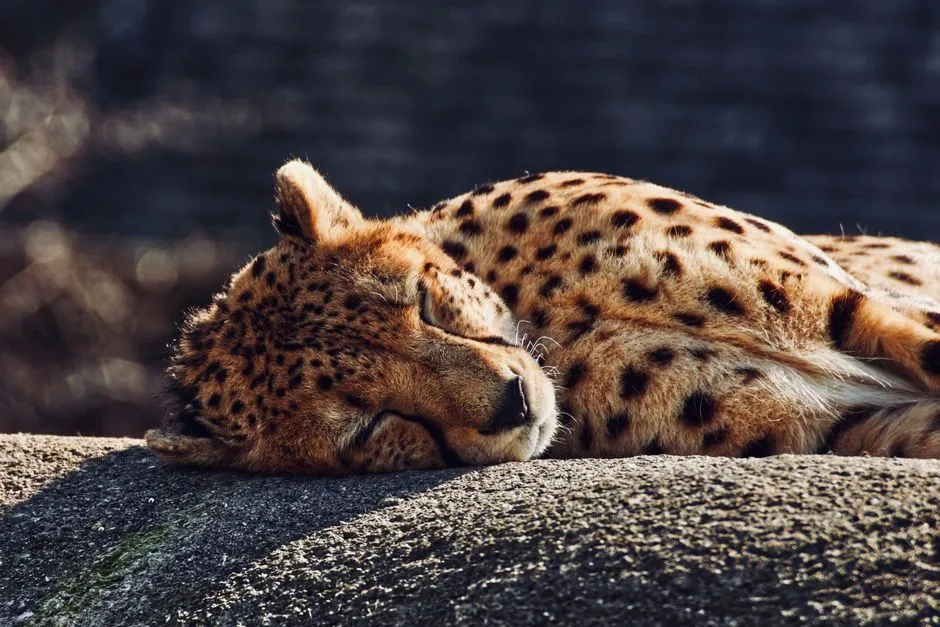
It sounds trivial until you realize sleeping location is one of the earliest indicators of stress, illness, or social conflict in a rescued animal. Caretakers don’t just glance at where an animal beds down – they log it nightly, tracking shifts in preference down to the specific corner, shade patch, or elevated perch.
A sudden change – an animal that always slept near the fence line suddenly retreating to the farthest corner of an enclosure – often shows up in behavior logs before any physical symptom does. Sleep-spot changes are frequently the first clue staff have that something is wrong, whether it’s a new predator scent nearby, tension with a companion animal, or the earliest ache of arthritis. That’s why sanctuaries keep months, sometimes years, of sleeping-location data on individual animals – a baseline nobody outside the field would think was worth the effort.
#2 – Which Staff Member an Animal Will Approach First
🔥 Would you like to save this?
We'll email this post to you, so you can come back to it later!
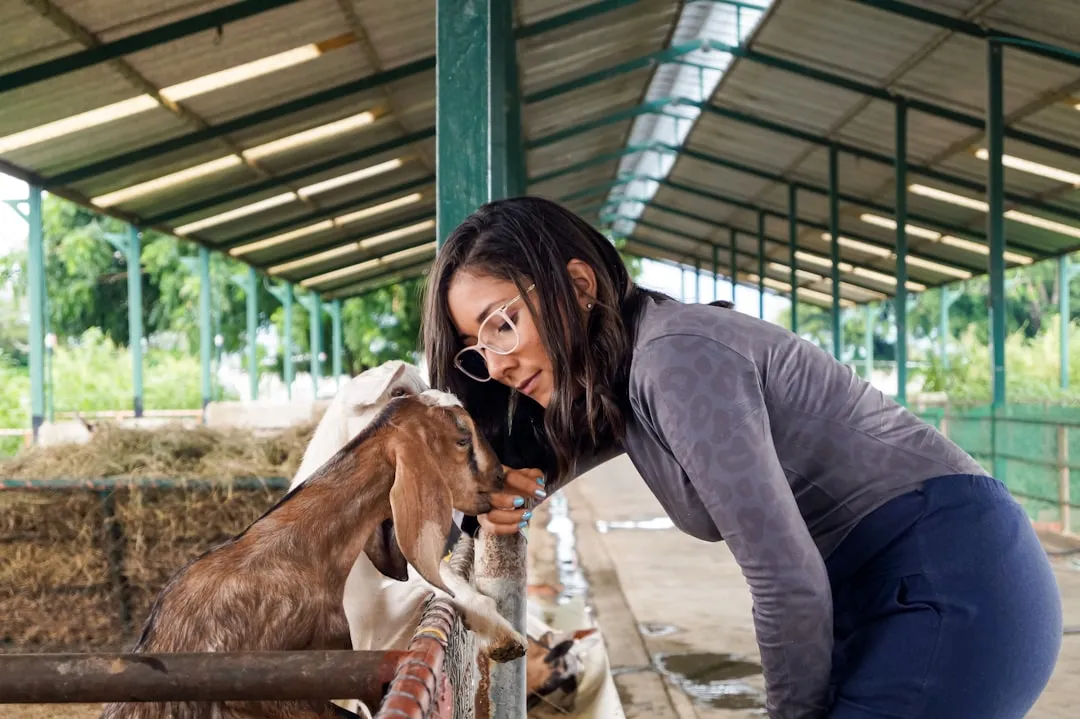
Sanctuaries quietly rank their own employees – not by performance, but by which animals trust them and why. This isn’t office gossip. It’s a working document that shapes daily care assignments.
Rescued animals, especially those with histories of abuse, often bond selectively. One caretaker might walk a formerly abused horse to pasture without incident, while another triggers immediate flight behavior. Staff log these preferences meticulously because assigning the “wrong” handler to a fearful animal can undo months of trust-building in a single afternoon. Over time, the notes reveal an entire hidden social map – animals that trust only women, only quiet-voiced handlers, or only people who avoid direct eye contact – that most visitors, and even many volunteers, never see.
#3 – Weather-Triggered Mood Shifts
🔥 Would you like to save this?
We'll email this post to you, so you can come back to it later!
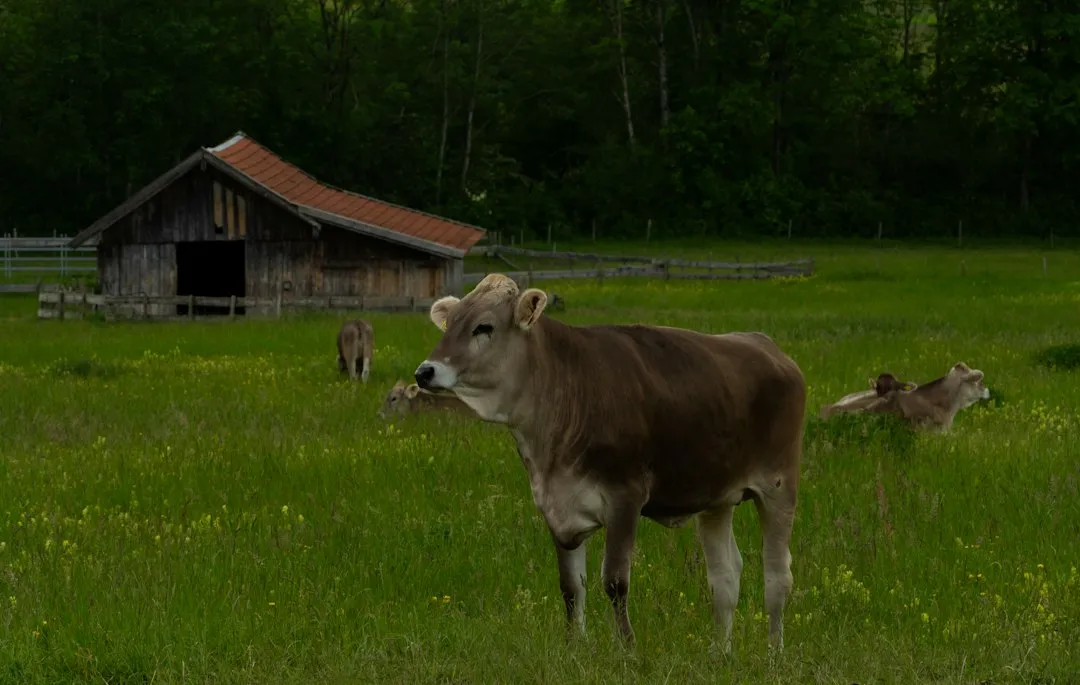
Sanctuaries treat barometric pressure almost like a fifth vital sign. Long before a storm rolls in, many animals – particularly former livestock and exotic rescues – show measurable changes in appetite, vocalization, and pacing.
Caretakers cross-reference behavior logs with weather patterns over years, building a personalized “storm profile” for each resident. Some animals become food-aggressive hours before a barometric drop, while others go completely silent – a detail that would be meaningless without a long paper trail to compare it against. Without that history, an animal’s sudden loss of appetite during a pressure drop could easily be misread as illness, triggering unnecessary and stressful veterinary intervention.
Fast Facts
- Sanctuaries build a unique “storm profile” for each animal by cross-referencing behavior logs with weather data over years.
- Some animals turn food-aggressive hours before a barometric drop; others go completely silent.
- Without that history, sudden appetite loss during a pressure shift could easily be mistaken for illness.
- These logs help staff avoid unnecessary vet visits triggered by ordinary storm anxiety.
#4 – Food Refusal Patterns Tied to Emotional State
🔥 Would you like to save this?
We'll email this post to you, so you can come back to it later!
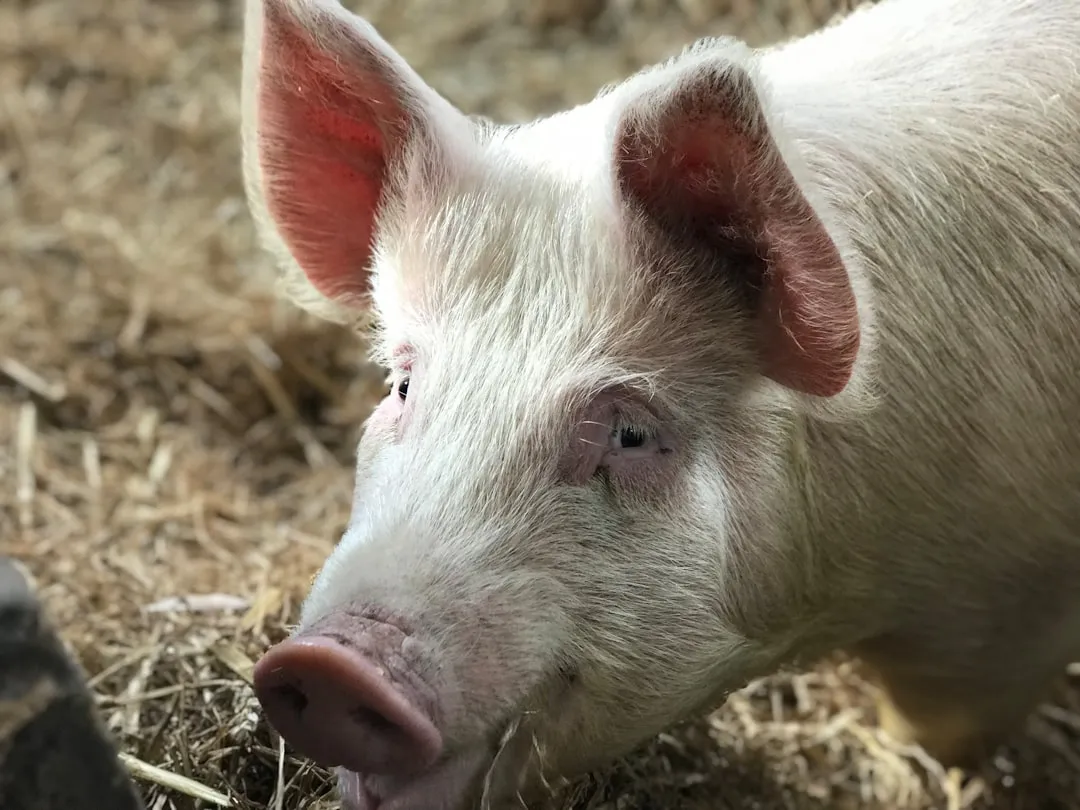
Not eating isn’t always about hunger. Sanctuaries track which foods an animal refuses, not just whether they’re eating at all, because selective refusal often points to emotional distress rather than physical illness.
An animal that suddenly turns down a favorite treat – while still eating basic feed – gets flagged differently than one that stops eating altogether. Staff log these micro-patterns because selective food refusal frequently precedes a grief response or anxiety episode by 24 to 48 hours, especially after the loss of a companion animal or a change in enclosure neighbors. That granular tracking lets staff intervene emotionally, not just medically, offering companionship or enrichment before a full appetite collapse sets in.
#5 – Grief and Mourning Behavior in Companion Animals

🔥 Would you like to save this?
We'll email this post to you, so you can come back to it later!
When one animal in a bonded pair or herd dies, sanctuaries don’t just note the loss – they document how the surviving animal grieves, in detail. This includes changes in vocalization frequency, proximity-seeking toward staff, and time spent near the deceased companion’s favorite resting spot.
These records exist because grief responses in animals can be prolonged and physically dangerous if unmanaged. Some sanctuaries have documented surviving animals refusing to move from a companion’s usual spot for days, a behavior that would go completely unnoticed without dedicated tracking. That data also helps staff decide when – and whether – to introduce a new companion animal, since forcing a new bond too early can backfire badly.
#6 – Which Enrichment Toys Get Ignored Versus Destroyed

🔥 Would you like to save this?
We'll email this post to you, so you can come back to it later!
Sanctuaries track object preference obsessively, not because it’s cute, but because it’s diagnostic. An animal that once shredded every enrichment toy within minutes and suddenly ignores them entirely is showing a measurable shift in engagement – often the earliest visible sign of depression or chronic pain.
Staff keep rotating logs of which toys, textures, and puzzle feeders each individual interacts with, and for how long. A drop in enrichment engagement is treated as seriously as a drop in appetite in many well-run facilities, because both point toward the same underlying problem: an animal that’s mentally or physically withdrawing. It’s one of the clearest examples of a record nobody outside the field would think to keep, yet it’s often the first real warning sign staff get.
#7 – Vocalization Logs, Down to the Pitch
🔥 Would you like to save this?
We'll email this post to you, so you can come back to it later!
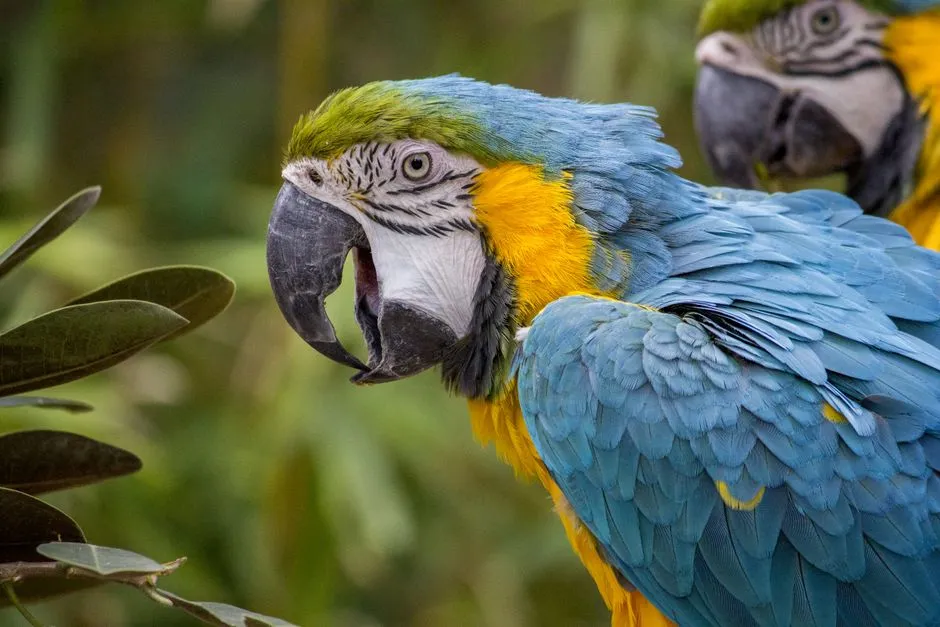
Sanctuaries don’t just note that an animal vocalized – they track pitch, frequency, duration, and context. This is especially true for species like primates, elephants, and parrots, where vocal communication is complex and highly individualized.
A shift in the pitch of a distress call, or a new vocalization pattern that didn’t exist before, can signal anything from a new social conflict to physical discomfort. Some sanctuaries maintain audio archives spanning years for a single animal, letting staff compare recordings side by side rather than relying on memory. It sounds excessive to outsiders, but for animals that can’t otherwise communicate pain or fear, it’s often the only reliable early-warning system available.
Worth Knowing
- Species like primates, elephants, and parrots rely on highly individualized vocal patterns to communicate.
- Staff track pitch, frequency, duration, and context – not just whether an animal called out.
- Some facilities keep multi-year audio archives for a single resident.
- A shifted distress call can signal new social conflict or discomfort long before other symptoms appear.
#8 – Which Animals “Pace” and the Exact Route They Take
🔥 Would you like to save this?
We'll email this post to you, so you can come back to it later!
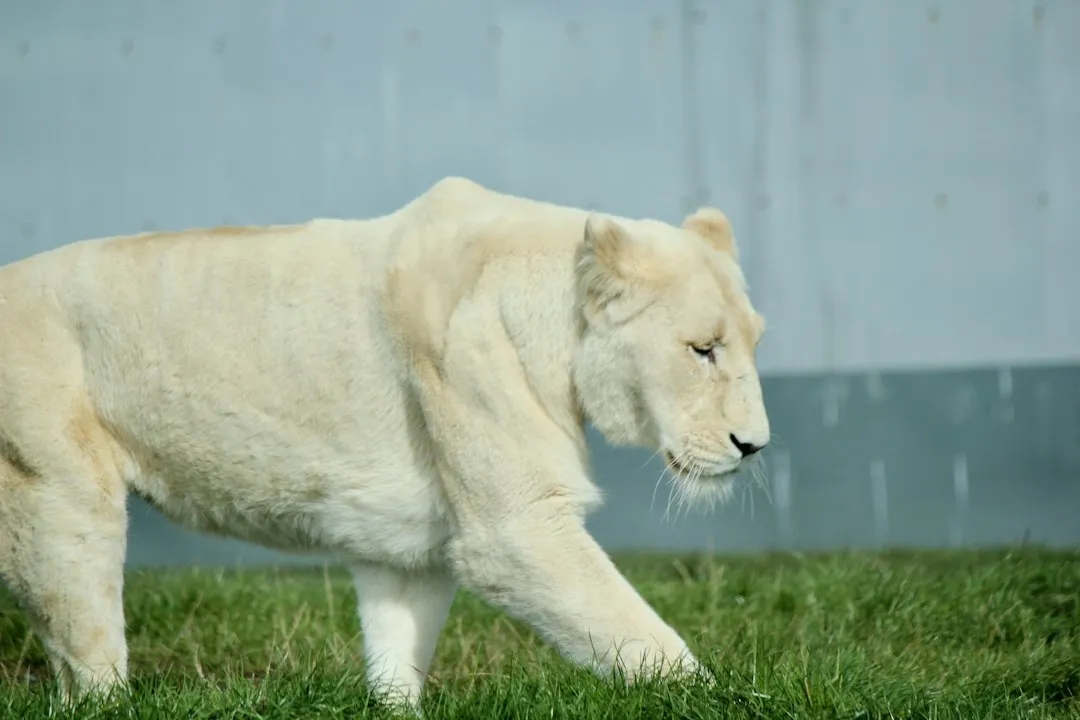
Repetitive pacing is a well-known stress behavior, but sanctuaries go further – they map the exact route an animal paces, down to the number of steps and specific turning points. A change in that route, not just the presence of pacing itself, is what actually matters.
Caretakers use these route maps to detect subtle shifts long before pacing becomes severe. An animal that shortens or alters a years-long pacing route is often signaling new pain, new fear, or new territorial pressure, even if the pacing itself looks unchanged to a casual observer. Building this record takes real patience – weeks of quiet observation just to establish what “normal” pacing even looks like for that individual.
#9 – Scent-Marking Frequency and Location

🔥 Would you like to save this?
We'll email this post to you, so you can come back to it later!
For many rescued mammals, especially former exotic pets, scent-marking behavior is a direct window into territorial confidence and stress levels. Sanctuaries track not just whether an animal marks, but where, how often, and in response to what stimulus.
A sudden increase in marking near a shared fence line often signals rising tension with a neighboring enclosure resident, while a total drop in marking can indicate withdrawal or illness. Staff use these logs to predict conflicts before they escalate into physical altercations, sometimes rearranging enclosure assignments based purely on marking pattern shifts. It sounds almost too specific to matter – until it prevents a serious injury between two animals that seemed perfectly fine on the surface.
#10 – Visitor-Triggered Stress Responses
🔥 Would you like to save this?
We'll email this post to you, so you can come back to it later!
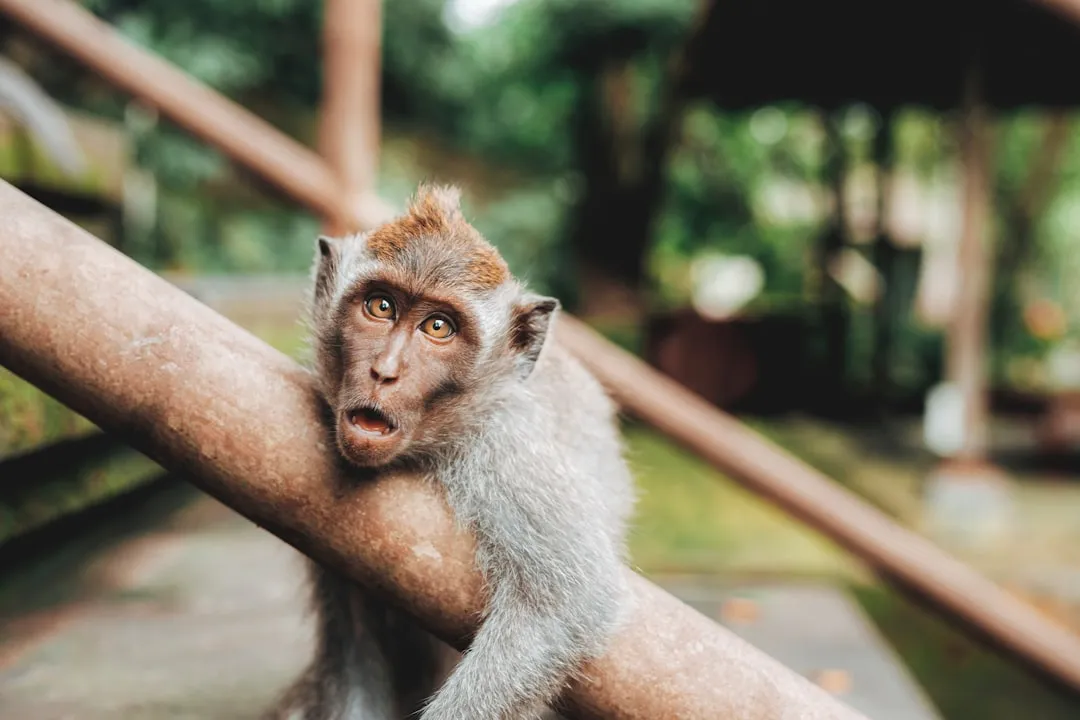
Public-facing sanctuaries track which specific conditions during visitor hours cause stress spikes – loud groups, flash photography, children running near enclosures, or even certain times of day when foot traffic peaks. This isn’t a general “animals get stressed around people” note; it’s individualized data per animal.
Some animals show no reaction at all, while others develop measurable stress responses tied to specific triggers. Facilities have adjusted entire visitor pathways based on documented stress responses from a single animal, rerouting foot traffic rather than risk chronic anxiety in a resident who can’t simply be moved elsewhere. This kind of record-keeping directly shapes how a sanctuary is physically designed – something most visitors never realize as they walk the grounds.
#11 – Cognitive Decline Tracking in Aging Residents
🔥 Would you like to save this?
We'll email this post to you, so you can come back to it later!
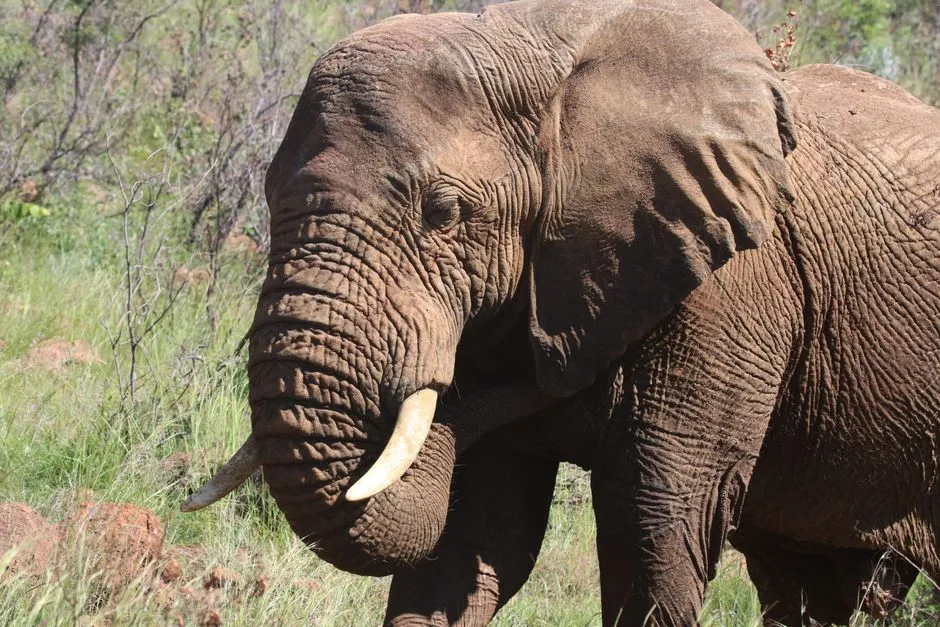
Just like in humans, aging animals – particularly long-lived species like elephants, parrots, and primates – can show signs of cognitive decline. Sanctuaries track changes in problem-solving ability, memory of routines, and social recognition over time, often through simple recurring tasks like puzzle feeders.
This isn’t standard veterinary practice; it’s behavioral tracking layered on top of medical care. Some sanctuaries have documented multi-year cognitive timelines for individual animals, similar to how a family might track a grandparent’s memory changes. These records help staff adjust care routines gradually rather than reactively, giving aging animals as much stability and dignity as possible as their needs change.
At a Glance
- Long-lived species like elephants, parrots, and primates are monitored for age-related cognitive shifts.
- Puzzle feeders and recurring routine tasks double as informal cognitive check-ins.
- Multi-year cognitive timelines let staff adjust care gradually instead of reacting to a sudden crisis.
- The approach mirrors how families track memory changes in an aging relative.
#12 – Which Animals Recognize Their Own Reflection
🔥 Would you like to save this?
We'll email this post to you, so you can come back to it later!
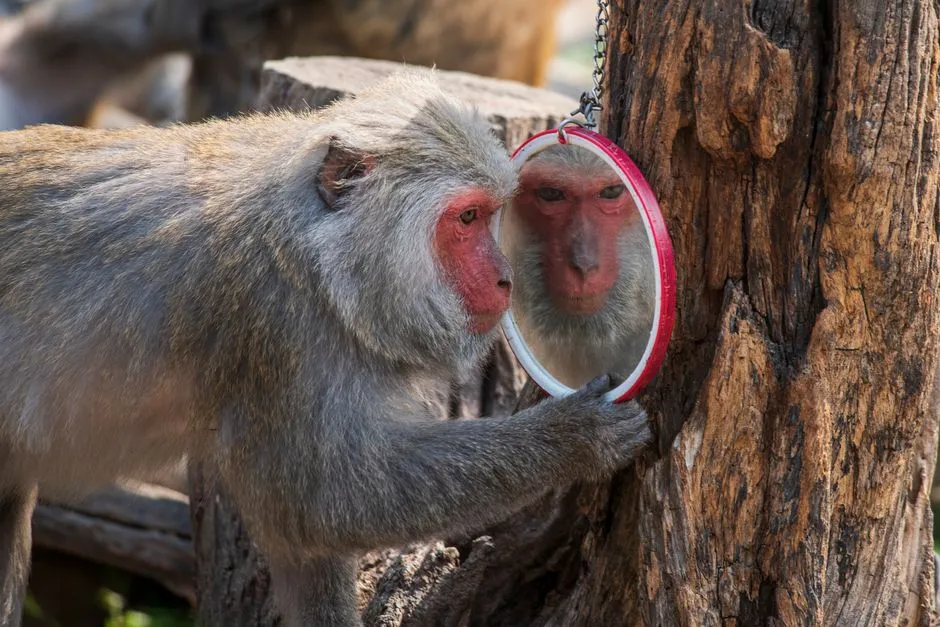
Mirror self-recognition testing isn’t just an academic curiosity – some sanctuaries keep informal, ongoing records of how individual animals react to reflective surfaces, whether through intentional testing or accidental encounters with puddles and windows. These notes help staff understand the cognitive and emotional complexity of the animals in their care.
An animal that investigates a reflection versus one that reacts aggressively, as if to a stranger, reveals very different things about self-awareness and past trauma. These informal logs sometimes influence enclosure design decisions, such as removing reflective surfaces for animals that show repeated aggressive or fearful reactions. It’s a record most people wouldn’t imagine exists, yet it directly shapes an animal’s daily environment.
#13 – Molting, Shedding, and Feather-Plucking Calendars
🔥 Would you like to save this?
We'll email this post to you, so you can come back to it later!
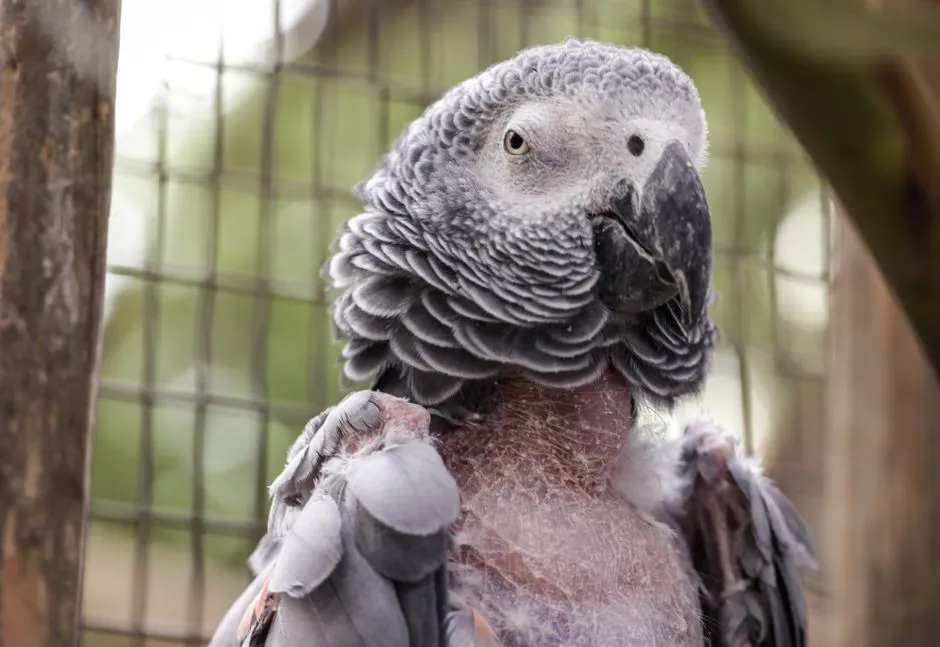
For birds and reptiles especially, sanctuaries maintain detailed seasonal calendars of molting or shedding cycles – and more importantly, deviations from those cycles. A parrot that begins plucking feathers outside its normal molting window is showing a behavioral red flag, not a physical one.
Caretakers compare each new cycle against years of prior data for that same individual, since “normal” varies dramatically between animals. Feather-plucking that starts weeks earlier than an animal’s historical pattern is treated as a mental health emergency, not a grooming issue, prompting immediate enrichment and stress-reduction interventions. This calendar-based approach turns what looks like a minor grooming habit into a genuinely predictive health tool.
#14 – Nighttime Sound and Movement Logs
🔥 Would you like to save this?
We'll email this post to you, so you can come back to it later!
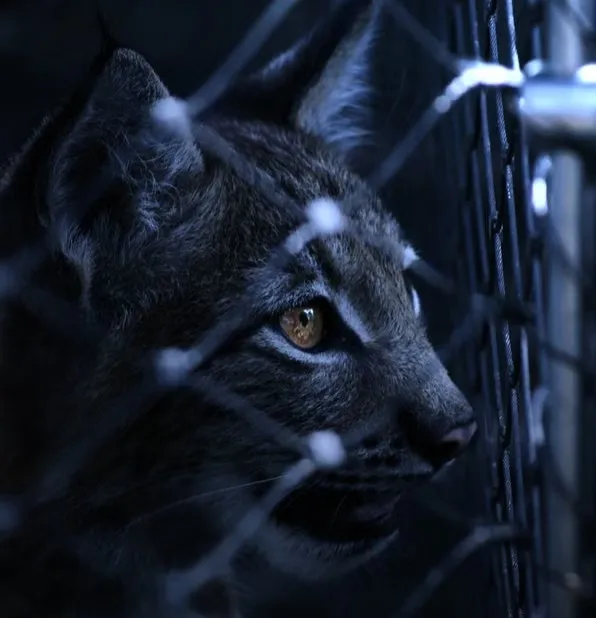
Many sanctuaries run overnight monitoring, not for security, but to document sleep quality and nighttime restlessness in individual animals. Twitching, vocalizing, or repeated waking can indicate anything from physical pain to trauma-related nightmares, a concept increasingly supported by animal behavior research.
Staff compare these nighttime logs against daytime behavior to build a fuller picture of an animal’s overall wellbeing, rather than judging health purely on how an animal appears during visiting hours. Nighttime restlessness has repeatedly shown up in sanctuary records as the first sign of chronic pain, weeks before any daytime symptom became obvious. It’s one of the least visible, yet most valuable, records a sanctuary keeps.
#15 – Social Rank Shifts Within Group-Housed Animals
🔥 Would you like to save this?
We'll email this post to you, so you can come back to it later!
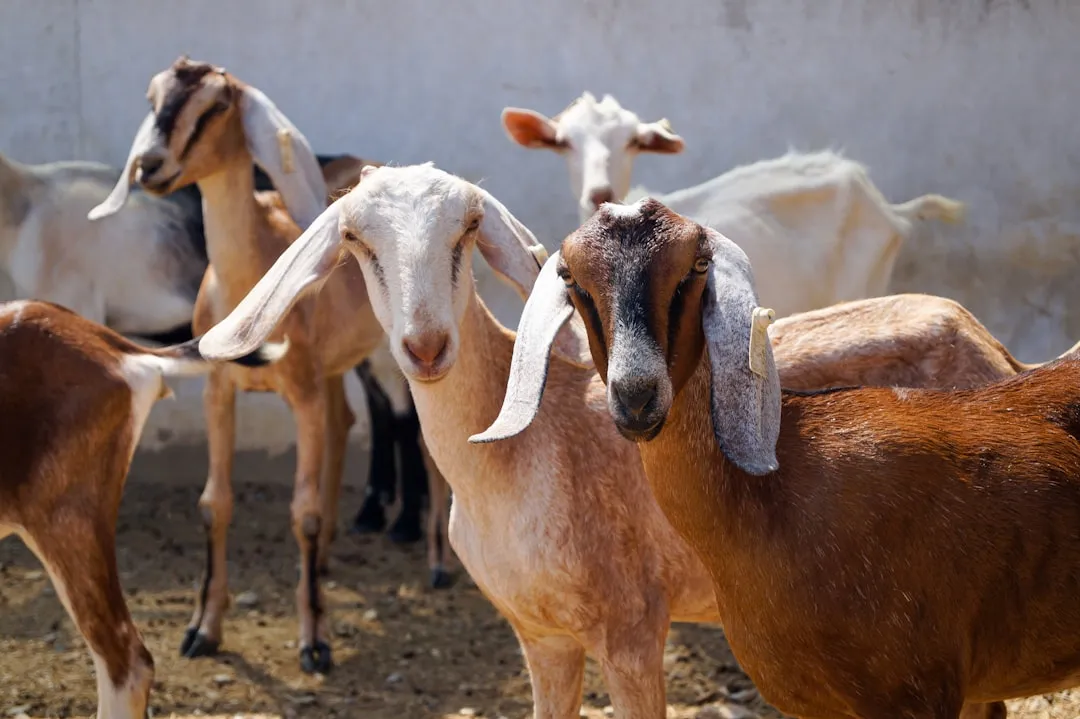
In group-housed species – goats, primates, certain birds – social hierarchy isn’t static, and sanctuaries track every shift in rank as it happens. This includes who eats first, who gets groomed most, and who backs down during minor conflicts.
These records matter because sudden rank changes often precede health problems; a declining animal frequently loses social status before it shows any outward physical symptom. Staff have caught early illness simply by noticing an animal’s unexplained drop in group hierarchy, prompting a veterinary check before any visible symptoms appeared. It’s a subtle, ongoing form of surveillance that treats social standing as seriously as any physical vital sign.
#16 – Reaction to Specific Scents, Not Just Sounds or Sights
🔥 Would you like to save this?
We'll email this post to you, so you can come back to it later!
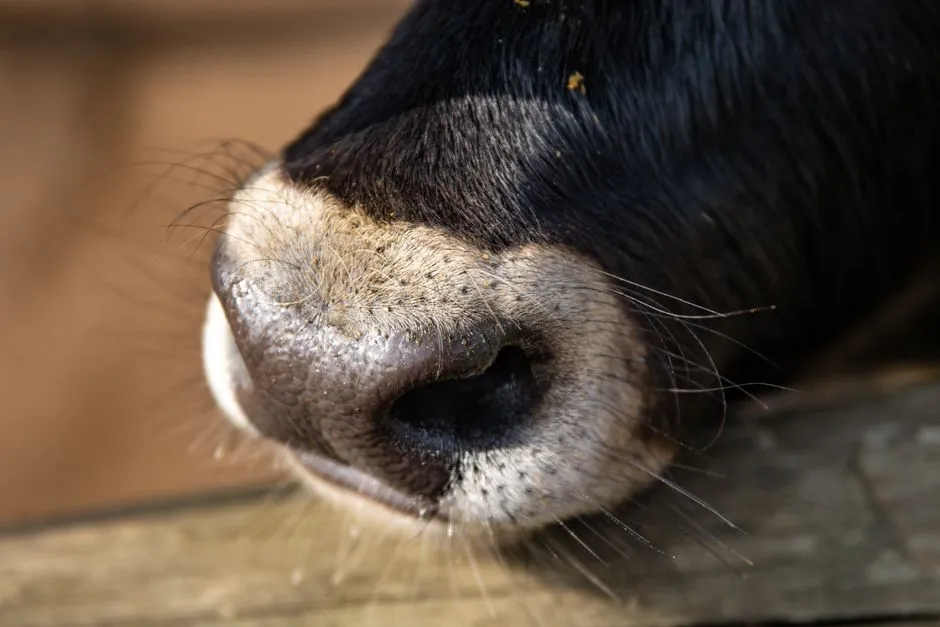
Sanctuaries track scent-based reactions with surprising specificity – certain cleaning products, specific staff members’ perfumes, or even seasonal plant blooms can trigger measurable stress or curiosity responses in individual animals. This goes far beyond general “sensitive to smell” notes.
Caretakers log which scents cause retreat behavior versus investigative behavior, since scent sensitivity often ties directly back to an animal’s pre-rescue trauma history. A single specific scent has, in documented cases, triggered flight behavior in animals rescued from abusive environments, even years after rescue. This level of tracking allows sanctuaries to eliminate unnecessary triggers from an animal’s environment entirely – something that would be impossible without years of careful scent-reaction documentation.
Why It Stands Out
- Scent triggers get tracked with the same seriousness as sound or sight triggers.
- Cleaning products, perfumes, and seasonal blooms can all provoke measurable stress responses.
- A single scent has been documented to trigger flight behavior years after rescue.
- This detail lets staff remove specific triggers from an animal’s environment entirely.
#17 – Which Animals “Test” New Staff or Volunteers
🔥 Would you like to save this?
We'll email this post to you, so you can come back to it later!
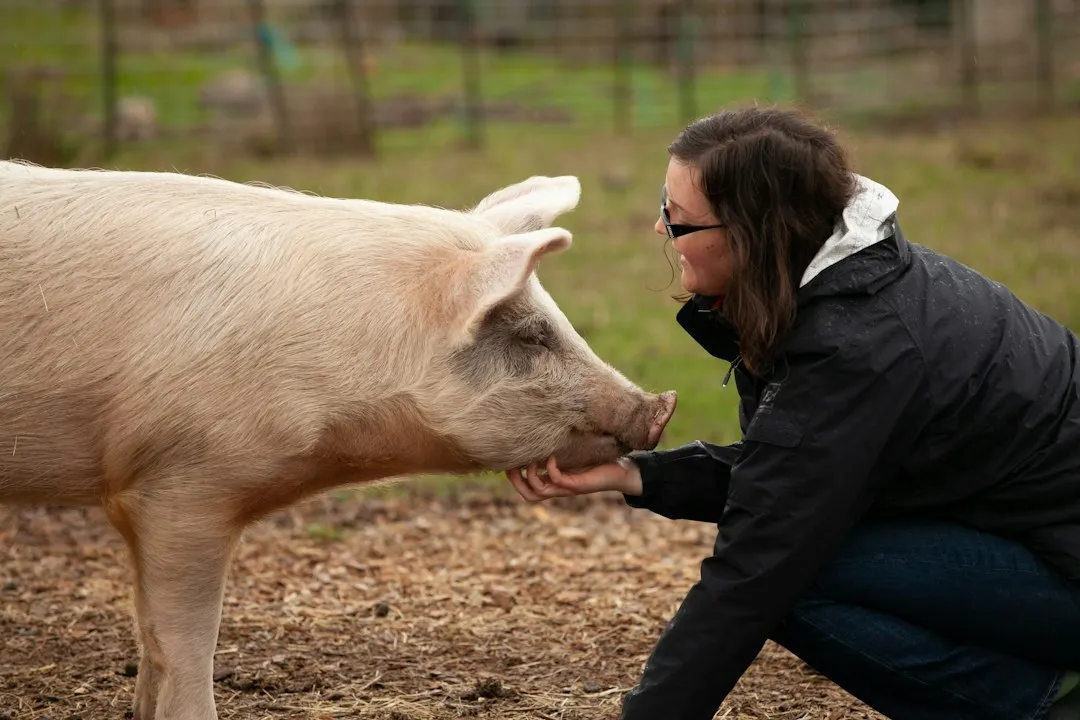
Sanctuaries keep informal but consistent records of how individual animals behave around brand-new staff or volunteers during the first few interactions. This isn’t about training the humans – it’s about understanding the animal’s trust-building process and protecting both parties.
Some animals show a consistent “testing” pattern – mild aggression or avoidance that fades within days – while others show the same pattern that never fades, a critical distinction for long-term placement decisions. Staff use these early-interaction records to predict, with real accuracy, which volunteers will eventually be trusted enough for direct animal care, saving both the animal and the volunteer from a mismatch that could set back progress. It’s one more example of a record built entirely from patient observation rather than any formal protocol.
#18 – The Full Emotional Biography of Every Animal
🔥 Would you like to save this?
We'll email this post to you, so you can come back to it later!
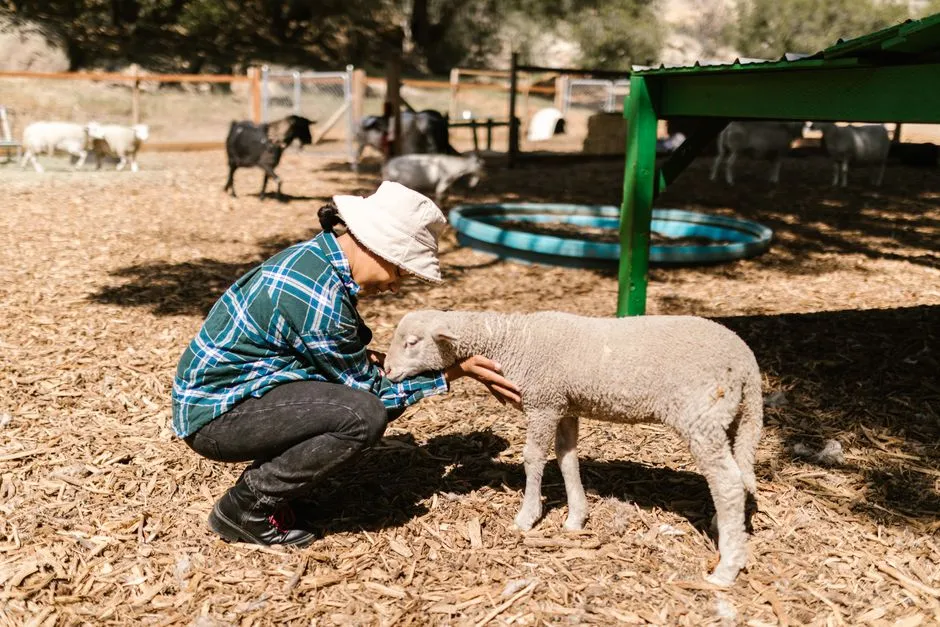
At the top of the list is the most comprehensive, and least talked about, record a sanctuary keeps: a full emotional biography for every single resident. This goes beyond medical history – it includes documented fears, favorite companions, comfort objects, trust milestones, and even personality quirks noted by multiple staff members over years.
This biography becomes the master reference for every other record on this list, tying sleep patterns, food refusal, vocalizations, and social rank shifts into one coherent narrative. These emotional biographies often run longer than an animal’s actual medical file, because behavior, not biology, ends up being the most reliable indicator of overall wellbeing. It’s the single record that proves sanctuaries aren’t just keeping animals alive – they’re trying to understand who each animal actually is.
The Bottom Line

🔥 Would you like to save this?
We'll email this post to you, so you can come back to it later!
Sanctuaries don’t just feed and shelter animals – they build detailed behavioral archives most people never knew existed. From sleeping spots to scent triggers to full emotional biographies, these records reveal a level of individualized care that goes far beyond basic animal welfare.
Here’s the opinion part: this obsessive documentation shouldn’t be the exception in animal care – it should be the standard everywhere animals are kept, from zoos to backyard farms. In an industry where animals can’t speak for themselves, paperwork becomes the closest thing to a voice they have, and any facility that isn’t keeping records like these is, frankly, guessing. Which of these records surprised you the most? Drop it in the comments.

- 23 Warm Corners an Elderly Cat Keeps Returning To All Winter - October 29, 2026
- 16 Behaviours Showing a Cat Considers a House Permanent Now - October 29, 2026
- 15 Wildlife Programmes a Lifetime Pass Holder Over 62 Can Join Free - October 29, 2026