
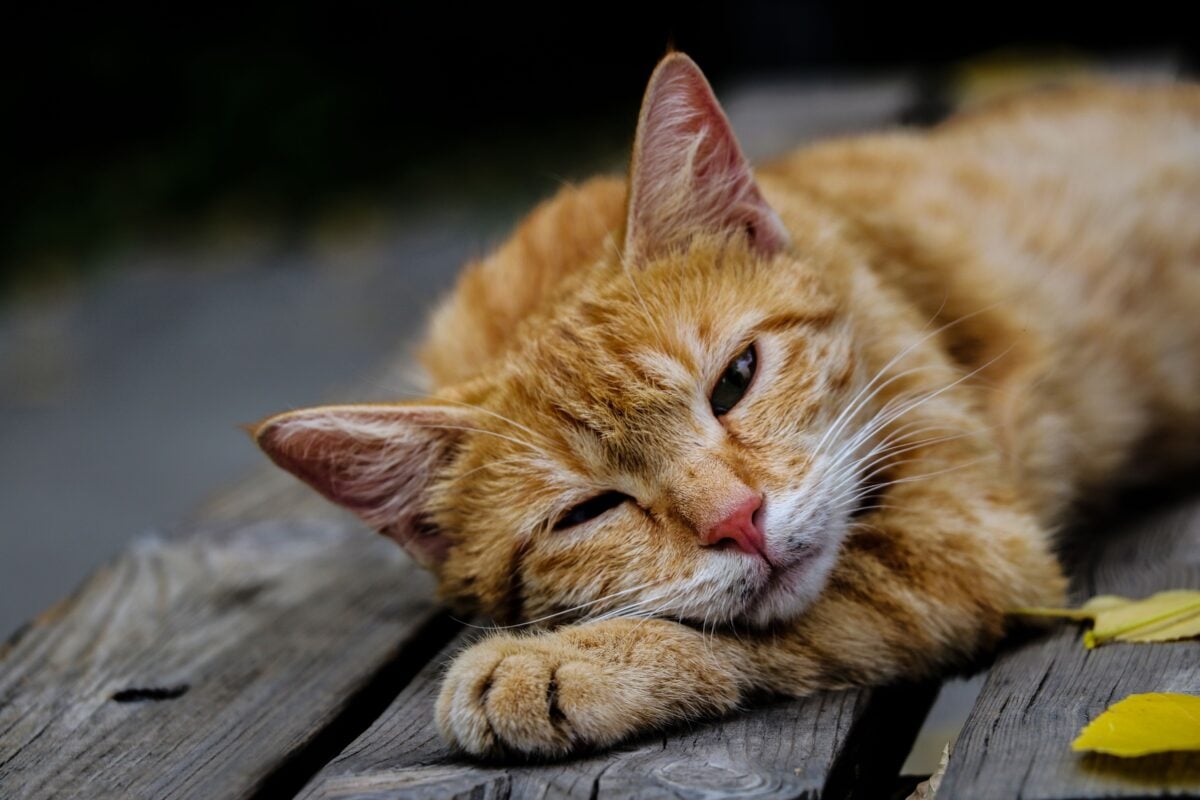
Most cat owners believe a squinty-eyed, quiet cat who’s avoiding the family is just “being a cat.” They’re wrong more often than they think. Veterinary researchers have spent the last decade proving that cats are evolutionary masters of disguise, and the exact behaviors owners chalk up to attitude, aging, or independence are frequently textbook pain responses hiding in plain sight.
Feline experts say cats hide pain as a survival response, since in the wild, a cat that shows weakness stops being a predator and starts being prey. That instinct never switched off just because your cat sleeps on a couch instead of a savanna. Here’s what veterinary pain specialists actually say to look for – and why so many owners miss it completely.
#1 – Squinted or Narrowed Eyes
🔥 Would you like to save this?
We'll email this post to you, so you can come back to it later!
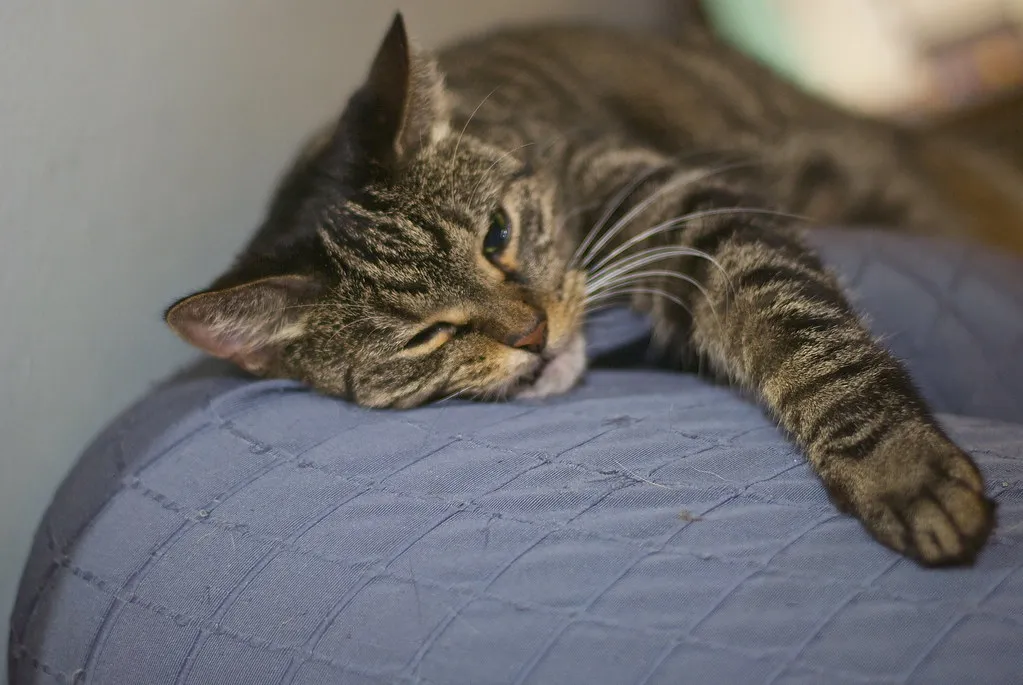
A cat with half-closed eyes on the couch looks relaxed, but that same look is one of the most studied pain markers in feline medicine. Squinted eyes, a furrowed brow, and flattened ears all show up on the Feline Grimace Scale, a tool built specifically because cats are so good at faking calm.
Most owners read a squint as a cat being sleepy or affectionate, not hurting. But researchers comparing painful and pain-free cats side by side found grimace scores were consistently higher in the painful group, with a strong correlation to other validated pain tools. That’s not guesswork – that’s peer-reviewed science watching a cat’s eyes tell the truth its body language tries to hide. The eyes are only the beginning; the ears tell an even stranger story.
Fast Facts
- Researchers at the University of Montreal categorized and tested five facial action units indicative of pain in cats to build the scale.
- It scores five separate features – ear position, orbital tightening, muzzle tension, whisker position, and head position – each rated 0 for absent, 1 for moderate or uncertain, and 2 for obvious.
- The total score out of 10 helps guide clinical decisions, and a score of 4 or higher often prompts vets to give pain relief.
- For an accurate read, a cat should be observed for 30 seconds when not sleeping, grooming, eating, or vocalizing.
#2 – Ears Flattened or Rotated Outward
🔥 Would you like to save this?
We'll email this post to you, so you can come back to it later!
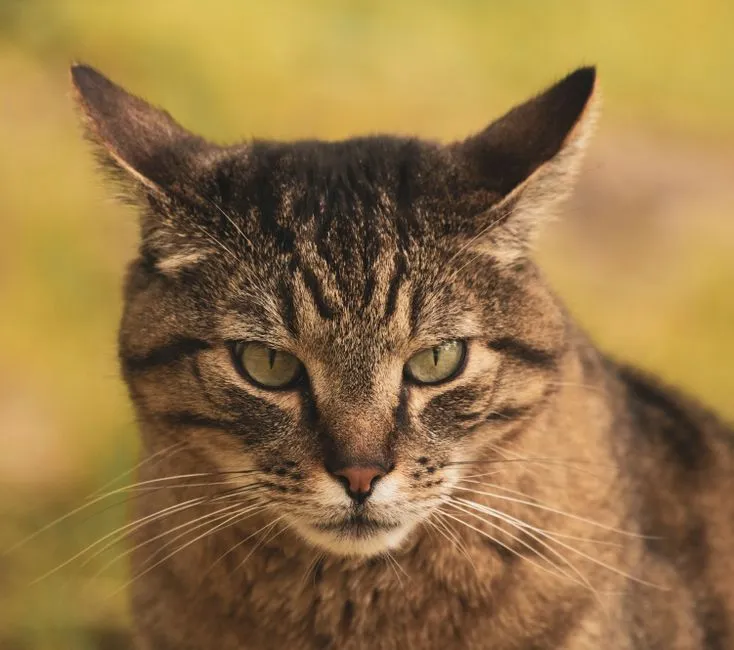
Everyone assumes flat ears mean an angry cat. Sometimes they mean a hurting one instead. Researchers scoring facial action units for pain in cats track ear position on a spectrum: forward and alert, slightly pulled apart, or flattened and rotated outward.
The surprising part is that ears rotated sideways – not just pinned flat back like an aggressive cat – count as a legitimate, documented pain signal. Owners who only watch for the classic “angry cat” ear position miss this subtler rotation entirely, which is exactly why so many painful cats get labeled moody instead of hurting. Ears are only half of it. The whiskers might be the most honest tell of all.
#3 – Whiskers Pulled Back and Bunched Together
🔥 Would you like to save this?
We'll email this post to you, so you can come back to it later!
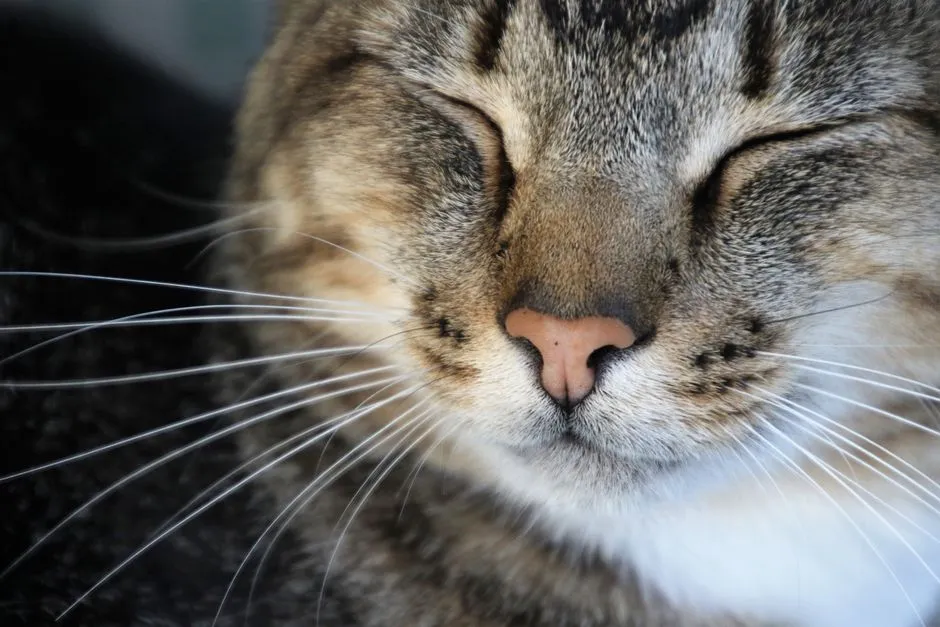
Whisker position is one of the most overlooked pain cues on a cat’s entire face. A relaxed cat’s whiskers sit loose and slightly forward. On the grimace scale, whiskers drawn backward and bunched close to the face signal discomfort or tension long before anything else changes.
This one detail – bunched, backward whiskers – is often the very first crack in an otherwise perfectly stoic feline poker face. It shows up before limping, before vocalizing, before any of the “obvious” signs owners are trained to expect. If whiskers are the first crack, the mouth and head give away the rest.
#4 – A Tense Muzzle and a Lowered Head
🔥 Would you like to save this?
We'll email this post to you, so you can come back to it later!
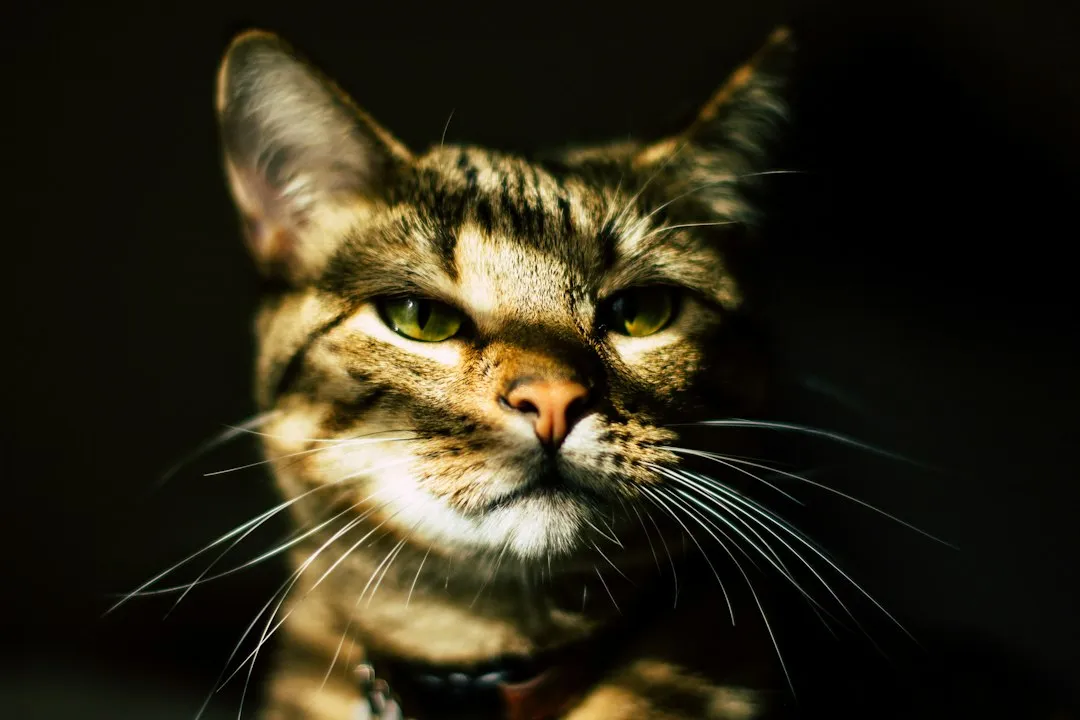
A tight, tense mouth combined with a dropped head is a pain combination even experienced owners routinely miss. The Feline Grimace Scale treats muzzle tension and head position as core indicators, not afterthoughts.
Most people assume a lowered head just means the cat is tired or uninterested – not that its face is physically bracing against discomfort. This combination matters because it’s rarely a single feature acting alone; veterinary pain scales treat facial tension as a cluster of small signals that add up to one bigger picture. The face isn’t the only place pain hides. The whole body changes shape too.
#5 – A Hunched, Guarded Body Posture
🔥 Would you like to save this?
We'll email this post to you, so you can come back to it later!
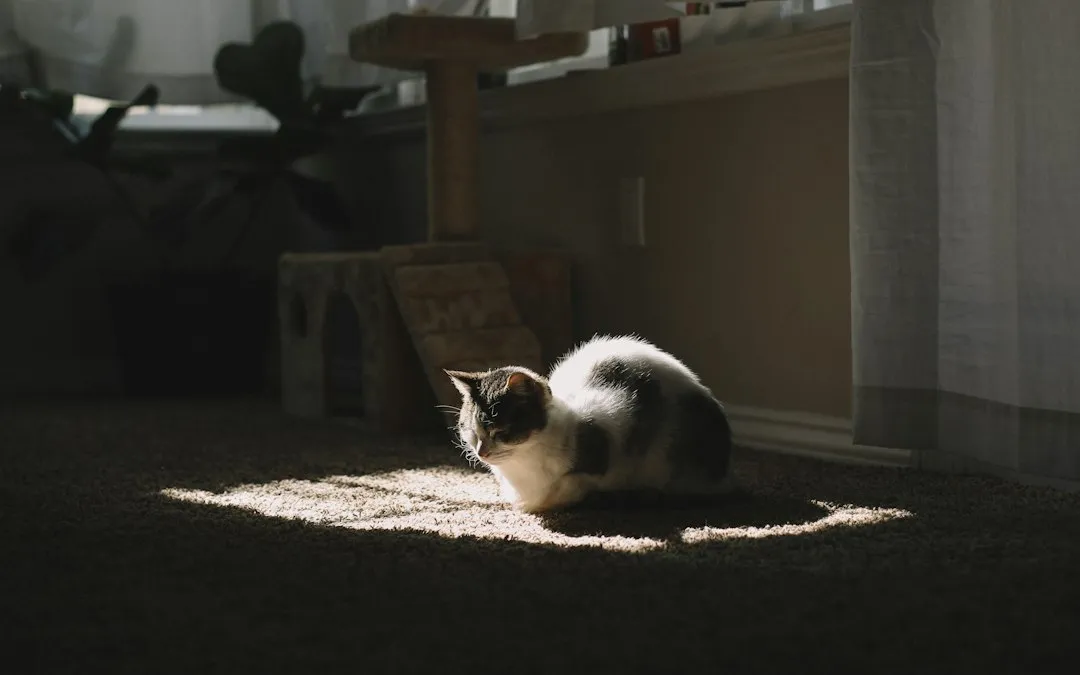
Cats don’t need to limp to tell you their body hurts – sometimes the entire silhouette changes. Hunched posture, altered mobility, social withdrawal, and shifting facial expression are all documented signs of pain in cats.
A cat curling into a tight, guarded ball on a flat surface – not a cozy loaf, but a tense crouch – is bracing its body against pain, not settling in for a nap. Owners often interpret this as the cat simply choosing a smaller, cooler spot to sleep, especially in older cats whose habits are already shifting with age. That single assumption delays countless vet visits every year. Posture is easy to miss. A hesitant jump is even easier to miss – until it isn’t.
#6 – Sudden Reluctance to Jump or Climb
🔥 Would you like to save this?
We'll email this post to you, so you can come back to it later!
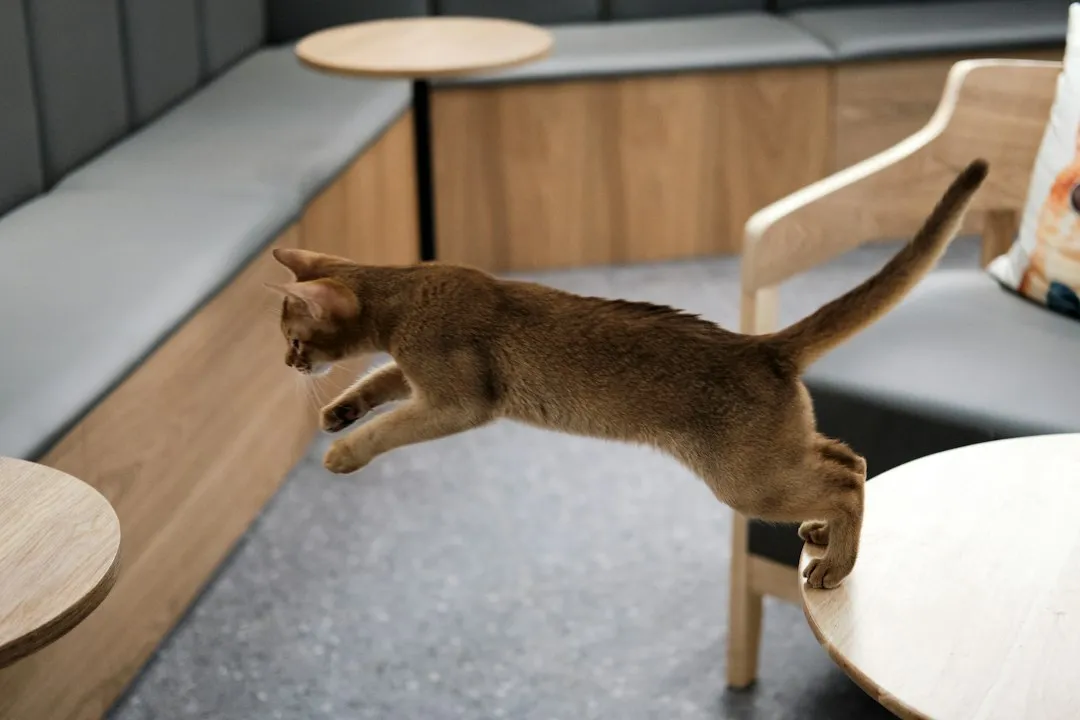
A cat who used to leap onto the counter without a second thought and now hesitates at the edge is showing one of the clearest, most missed pain signs there is. Vets watch for a stiffer gait, shorter jumps, reluctance on stairs, and less stretching as red flags.
Here’s the number that should worry every cat owner: studies estimate that 60% of cats aged 6 and older have degenerative joint disease, yet it’s not common for cats to limp or cry out. That means the majority of senior cats are quietly living with joint pain that never once produces a limp. The jump gets shorter, the pause before landing gets longer, and owners simply assume the cat is “getting lazy.” A hesitant jump is one thing. A change in how a cat actually walks is another.
#7 – A Stiff, Choppy Gait
🔥 Would you like to save this?
We'll email this post to you, so you can come back to it later!
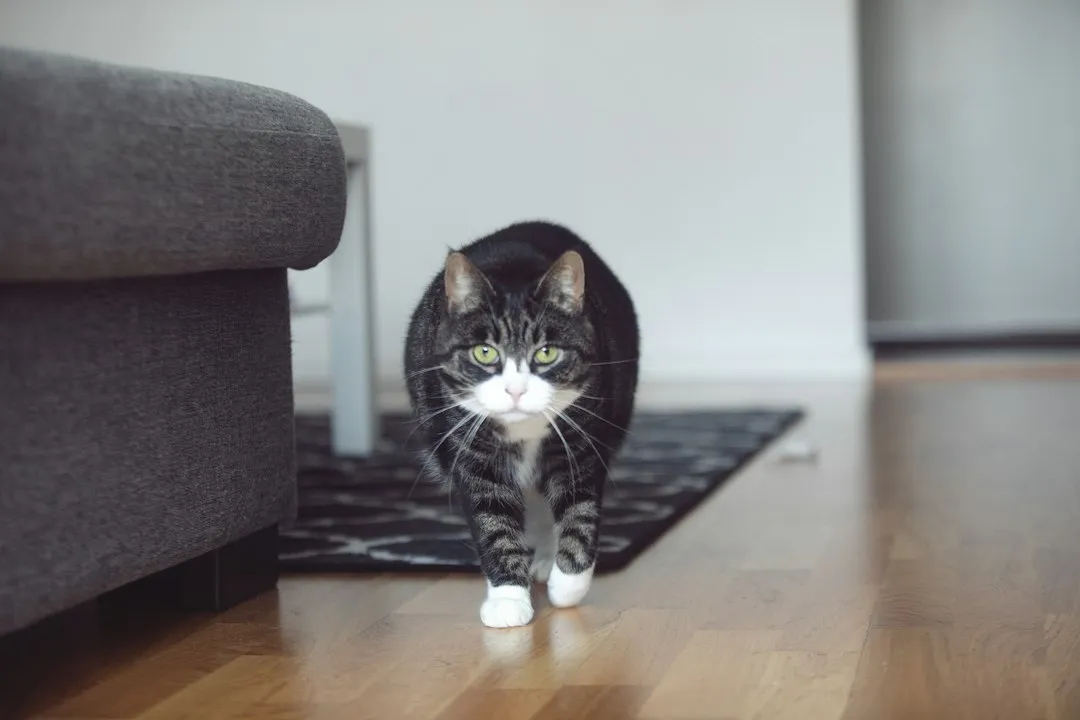
Limping is obvious. A subtly stiffer walk is not – and that’s exactly the problem. Mobility changes are a reliable sign of pain in cats, but they’re often far more subtle than the limping owners associate with pain in dogs.
Here’s the twist most owners never expect: feline osteoarthritis is often bilateral, hitting both sides of the body at once, so the classic limp dogs show almost never appears in cats. A cat with arthritis in both hips doesn’t favor one leg – it just moves a little slower and stiffer overall, which looks a lot like normal aging. The walk is subtle. What happens to a cat’s grooming routine is anything but subtle once you know what to look for.
Worth Knowing
- One study found that 61% of cats aged 6 or older already show radiographic evidence of osteoarthritis.
- By the time cats reach their senior years, 90% of cats 12 years of age and older had evidence of DJD on X-rays.
- Yet in one major study, only 4% of these had any mention of arthritis by either owner or veterinarian.
- When it does show up, appendicular osteoarthritis was bilateral in 90.8% of affected cases – which is exactly why the classic one-sided limp so rarely appears.
#8 – Overgrooming One Spot, or Barely Grooming at All
🔥 Would you like to save this?
We'll email this post to you, so you can come back to it later!
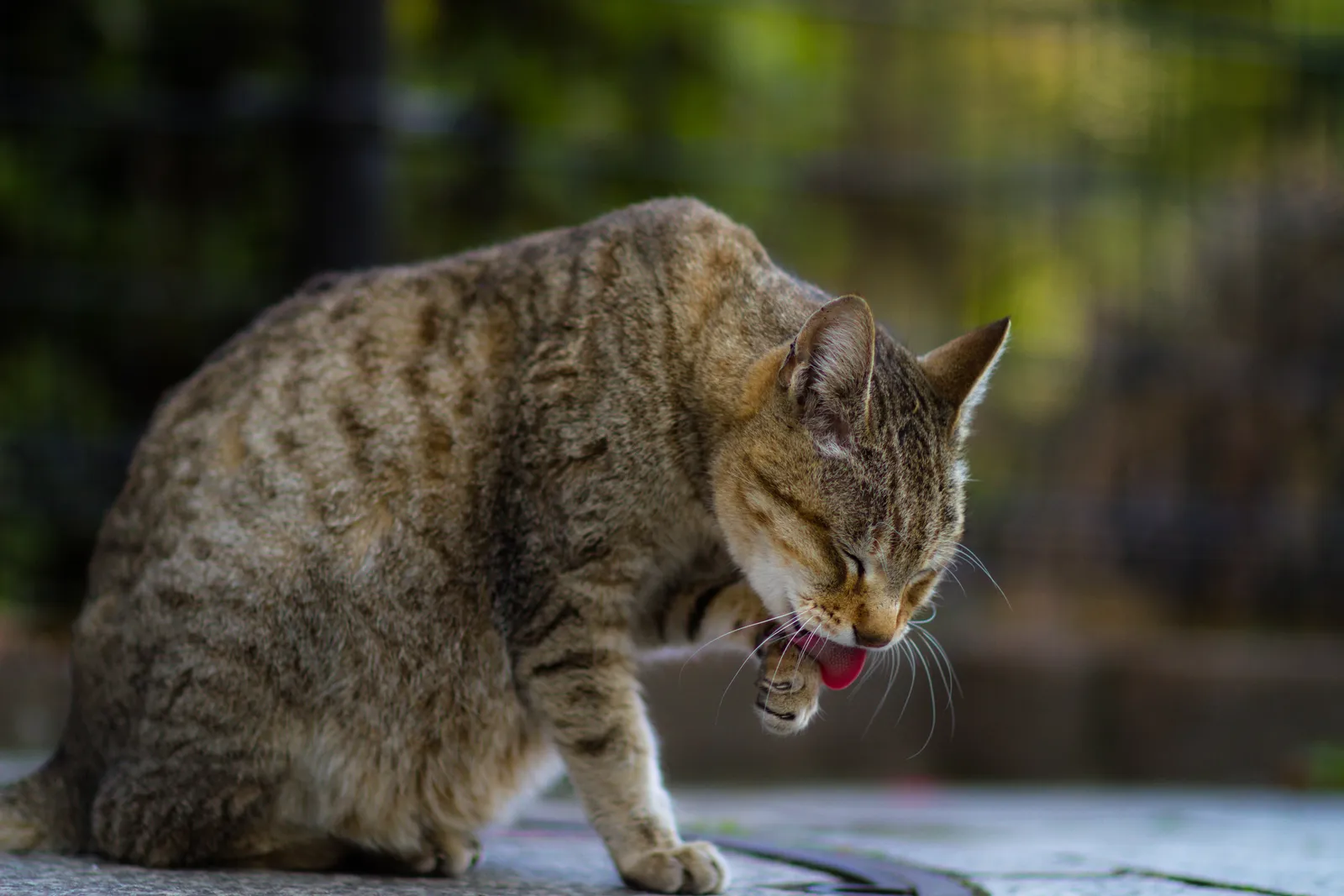
Grooming changes in either direction – too much or too little – are a pain red flag hiding in a habit owners barely notice. Overgrooming a specific area or neglecting grooming altogether are both clinical signs vets watch for.
A bald or raw patch from constant licking over one joint or organ is often the cat’s own attempt at self-soothing a specific painful spot, not a random behavioral quirk. On the flip side, a once-immaculate coat that turns greasy and unkempt often means the cat physically hurts too much to twist and reach certain areas anymore. Grooming habits are one clue. The litter box tells an even more uncomfortable truth.
#9 – Sudden Litter Box Struggles
🔥 Would you like to save this?
We'll email this post to you, so you can come back to it later!
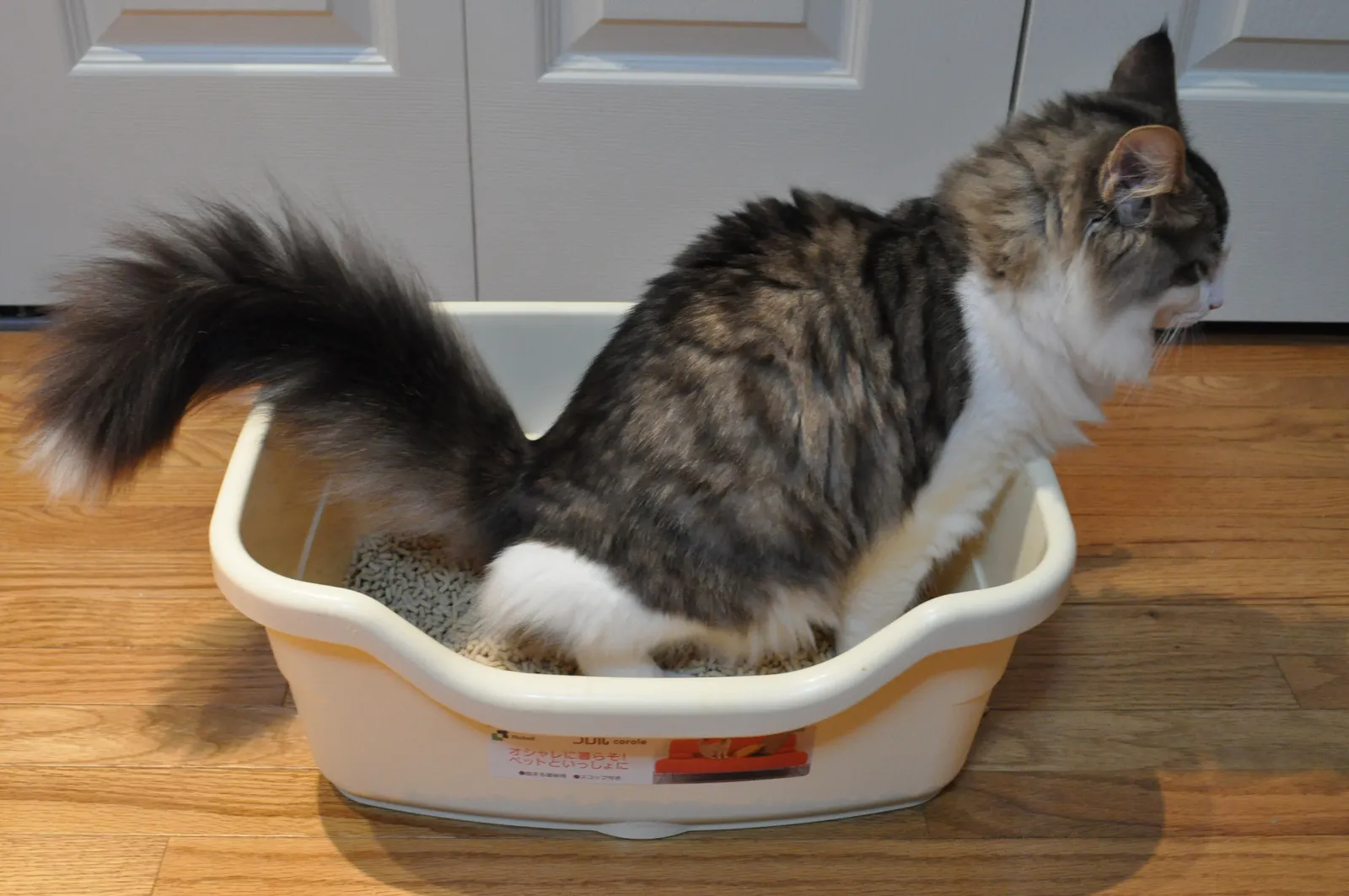
A cat avoiding the litter box isn’t necessarily being spiteful – it might physically hurt to get in. Going outside the box, straining to urinate, or making unusually frequent trips can all point to discomfort rather than defiance.
Climbing into the box or squatting to toilet can genuinely hurt a cat with joint pain, so they avoid the box entirely rather than face the pain of using it. This is the sign most owners misread as a “behavior problem” rather than a medical one – and it’s often the very first complaint that lands a cat at the vet. If the litter box is the first vet-visit trigger, mealtime is the second.
At a Glance
- Straining or spending unusually long stretches in the box
- Crying out while trying to urinate or defecate
- Perching on the rim instead of stepping fully inside
- Choosing soft surfaces like bathmats or beds over the box
- A sudden jump or drop in how often they use the box
#10 – Skipping Meals or Sudden Drooling
🔥 Would you like to save this?
We'll email this post to you, so you can come back to it later!
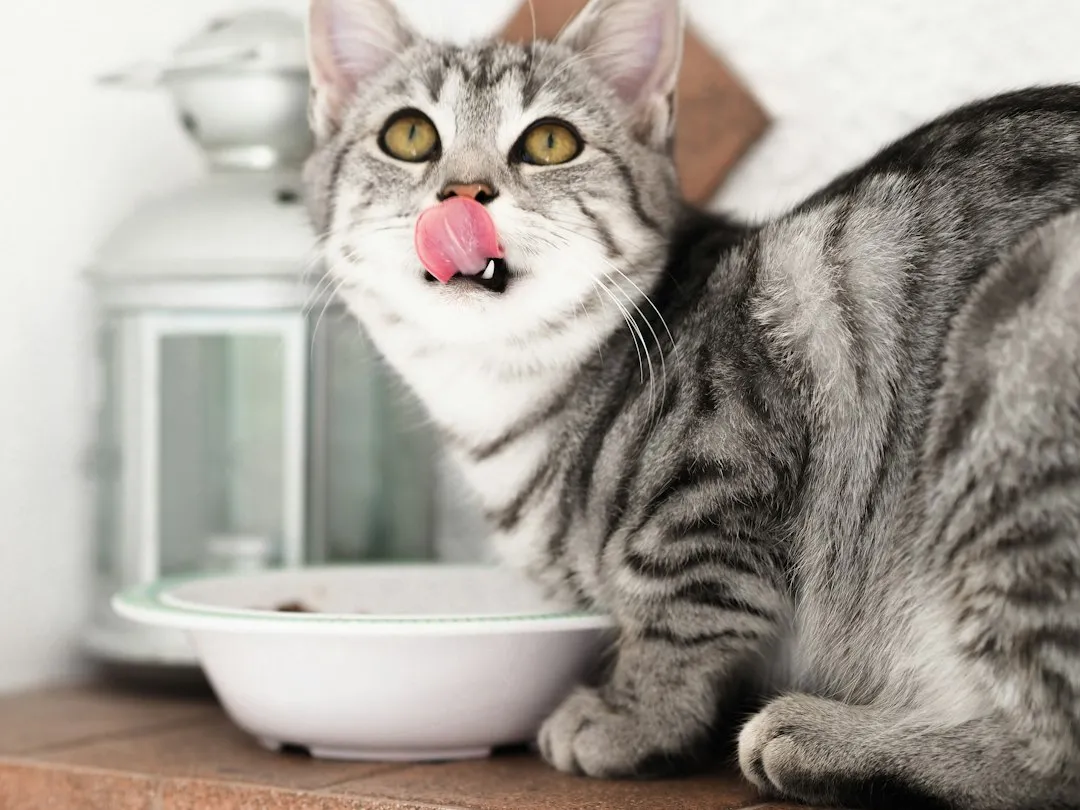
Appetite is one of the most reliable, and most ignored, windows into a cat’s pain level. Nausea from internal disease can suppress both eating and drinking, and dental pain makes crunching dry kibble genuinely painful.
A cat that suddenly abandons crunchy kibble for wet food isn’t being picky – its mouth may genuinely hurt too much to chew. Drooling that wasn’t there before is an even louder alarm, since healthy cats rarely drool outside of extreme stress or oral disease. Appetite changes are loud once you notice them. Disappearing acts are quieter – and just as telling.
#11 – Hiding More Than Usual
🔥 Would you like to save this?
We'll email this post to you, so you can come back to it later!
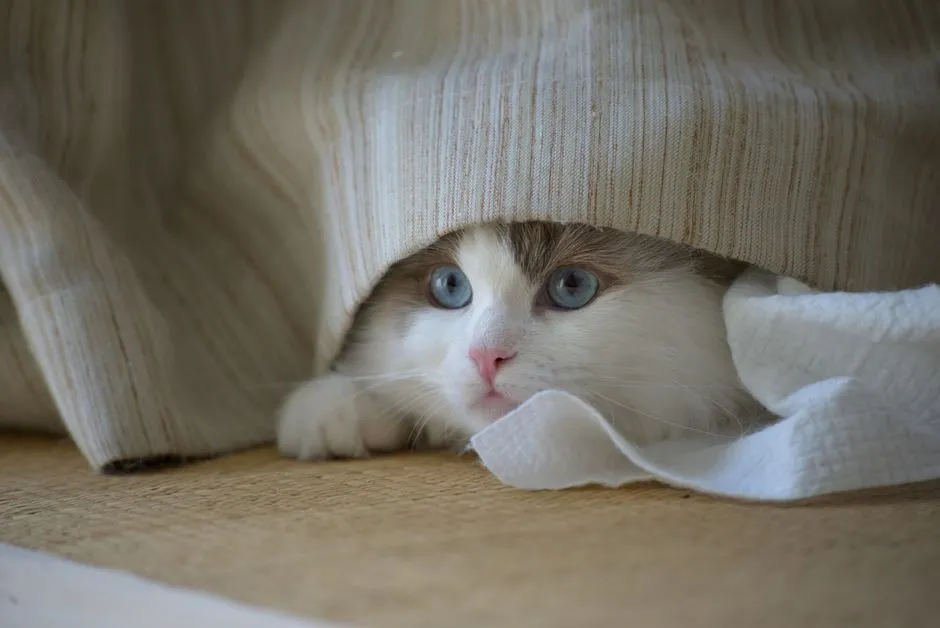
A cat who suddenly prefers the back of the closet over the windowsill is telling you something important. Isolation and avoiding interaction are both documented pain responses, not just quirks of independence.
Most owners describe this shift as the cat “getting more independent” with age, when it’s frequently a direct response to chronic pain that makes social contact feel unsafe. Withdrawal is a survival instinct – a wounded animal that isolates itself is a wounded animal that isn’t advertising weakness to anything that might exploit it. Hiding is a survival instinct. So, oddly, is sound – or the lack of it.
#12 – Unusual Vocalization, or Sudden Silence
🔥 Would you like to save this?
We'll email this post to you, so you can come back to it later!
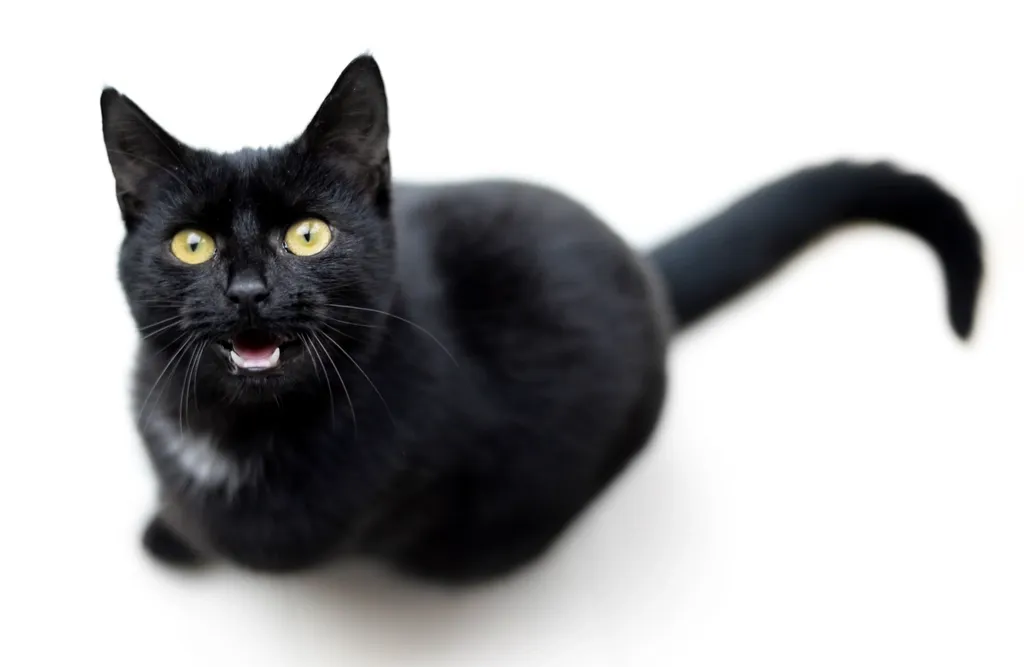
Both a noisy cat and a suddenly silent one can be sending the exact same message. Unusual meowing, growling, or hissing can signal pain, yet vocalization is a poor gauge on its own, because cats don’t pant and rarely cry the way dogs do.
That’s the paradox almost no owner expects: the absence of crying is not proof of comfort – it’s often proof of how well cats have learned to suffer quietly. A normally chatty cat going silent, or a normally quiet cat suddenly growling when approached, both deserve the same level of concern. Sound isn’t the only thing that flips expectations. Touch does too.
#13 – Snapping or Growling When Touched in a Specific Spot
🔥 Would you like to save this?
We'll email this post to you, so you can come back to it later!
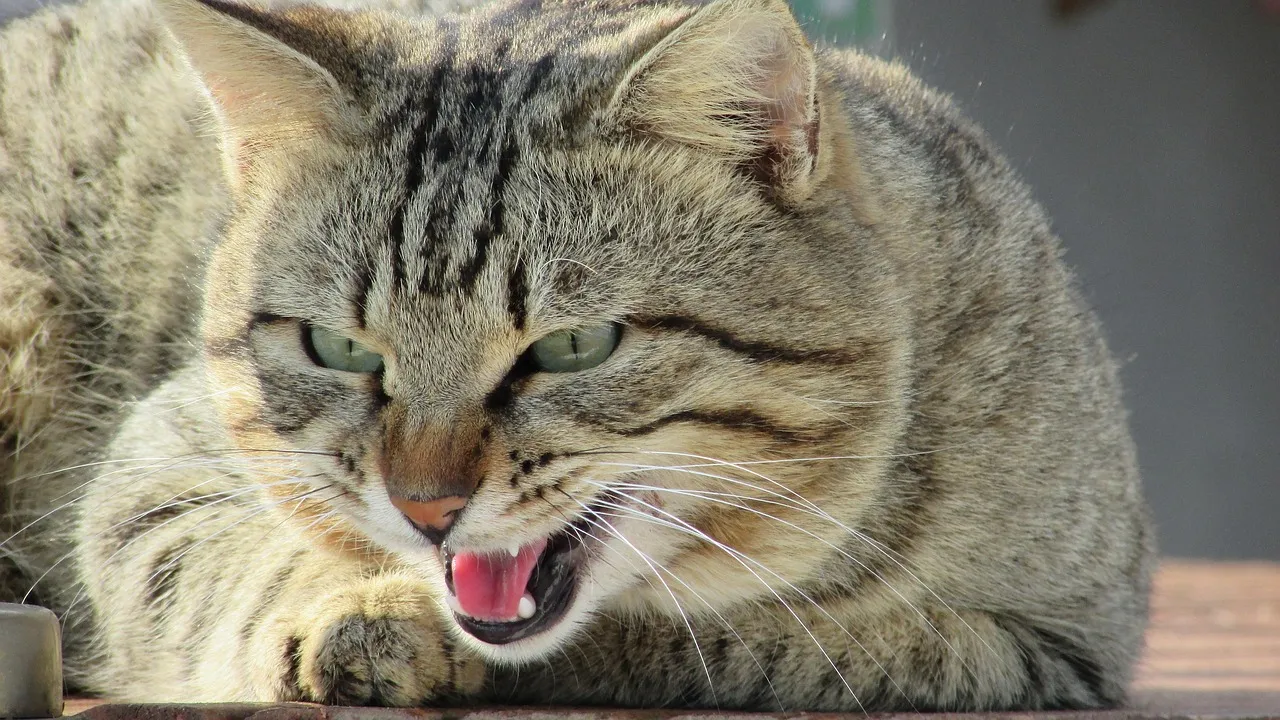
A cat who suddenly bites when you pet its lower back or hips isn’t turning aggressive out of nowhere. An animal in pain becomes more cautious and anxious as a direct result, which shapes very specific behavioral changes around touch.
The location matters more than the reaction itself – a snap at the tail base, spine, or belly is far more likely to be pain-driven than a cat swatting during general handling. Ignoring this pattern and continuing to touch the same spot the same way only teaches the cat that people can’t be trusted around its pain. Touch sensitivity is one extreme. Restlessness is the opposite – and just as revealing.
#14 – Restlessness Instead of Relaxing
🔥 Would you like to save this?
We'll email this post to you, so you can come back to it later!
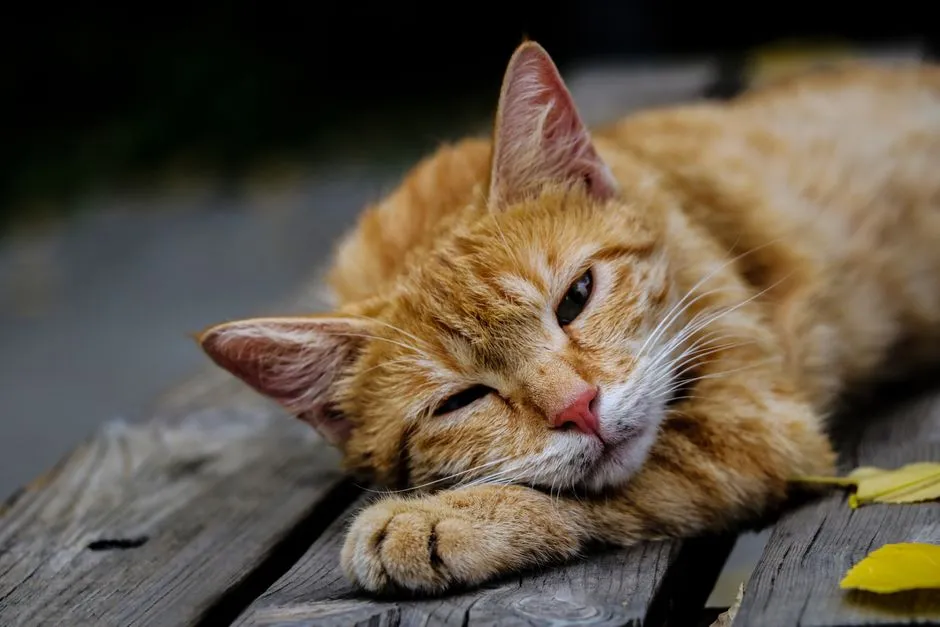
Not every painful cat slows down. Some speed up, and that catches owners completely off guard. Some cats become hyperactive or frantic, restlessly getting up and down and struggling to find a comfortable position.
This is the opposite of what most people picture when they imagine a cat in pain, which is exactly why it gets dismissed as anxiety, hyperactivity, or “zoomies” instead of discomfort. A cat that can’t settle, keeps shifting positions, or paces between the same three spots all night is often searching for a posture that simply doesn’t exist for its current level of pain. Restlessness breaks the stereotype. Purring shatters it completely.
Quick Compare
- Pain-driven restlessness: repeated position changes, pacing the same few spots, no clear trigger, often worse at night
- Normal playfulness or zoomies: short bursts tied to play, food, or excitement, followed by full relaxation
- Pain-driven restlessness: rest, grooming, or eating gets interrupted just to shift position
- Normal energy: settles into a loose, relaxed sleep posture within minutes
#15 – Purring That Isn’t Actually Happiness
🔥 Would you like to save this?
We'll email this post to you, so you can come back to it later!
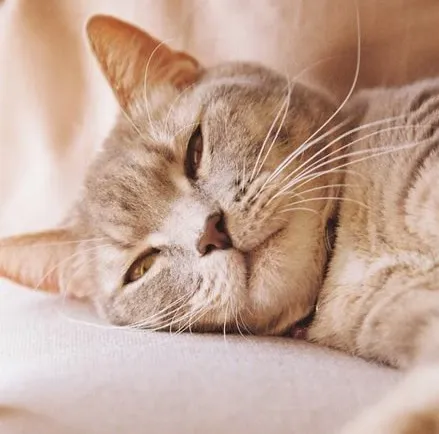
Purring is the single most misread sound a cat makes, full stop. Cats have the strange, well-documented ability to use purring as a self-soothing mechanism, not just an expression of contentment.
Almost every owner assumes purring equals happiness, but the same vibration frequency also shows up during pain, stress, and even labor. A cat purring at the vet’s office while trembling, or purring while sitting hunched and withdrawn at home, is not necessarily happy – it may be actively coping with discomfort using the only physiological tool it has. Purring lies. So, in its own quiet way, does sleep.
#16 – Sleeping Far More Than Normal
🔥 Would you like to save this?
We'll email this post to you, so you can come back to it later!
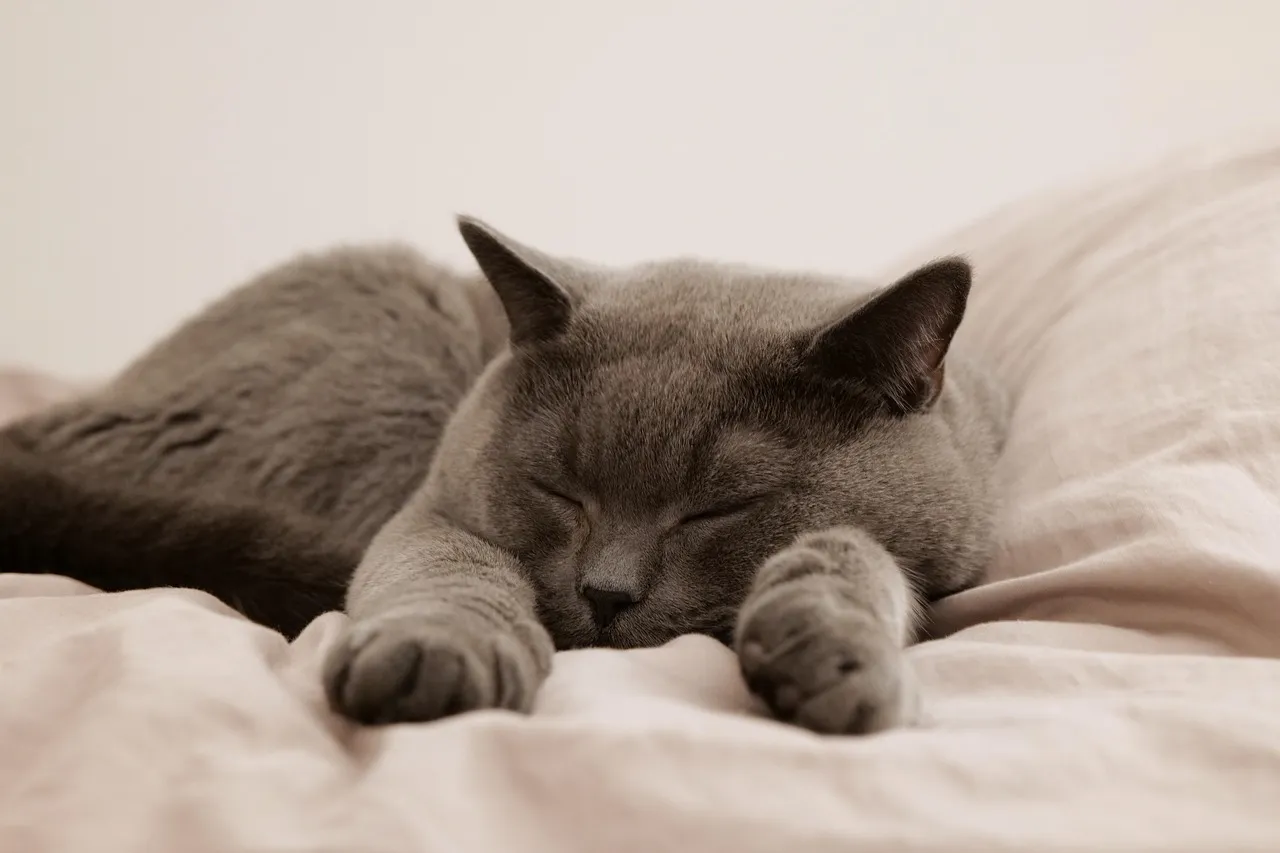
An older cat sleeping most of the day looks completely unremarkable – until you know what’s actually driving it. A change in activity level, including sleeping more hours than before, is a well-cited sign of pain in cats.
Most owners chalk up extra sleep purely to age, when in reality decreased activity is one of the most consistently cited pain indicators in veterinary literature. The trap here is subtlety: sleep increases gradually over weeks or months, so there’s rarely a single dramatic day that triggers alarm, even though the cumulative change is significant. Sleep hides pain slowly. Touch aversion hides it in plain sight.
#17 – Avoiding Being Petted in Specific Areas
🔥 Would you like to save this?
We'll email this post to you, so you can come back to it later!
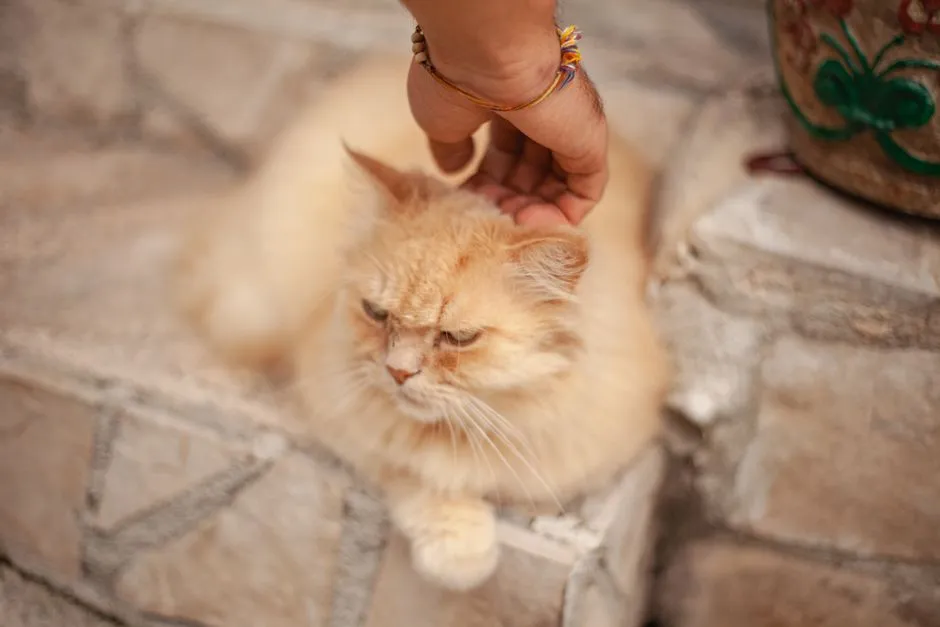
A cat who suddenly won’t let you touch its back half isn’t being fussy – it’s protecting something. Beyond formal grimace scales, a range of behavioral and physical changes can signal pain, and the owners who know their cats best often catch these shifts earliest.
Your intimate familiarity with your cat’s normal patterns is often the most valuable diagnostic tool available, catching pain before any formal scale would. A cat that used to melt into a full-body scratch and now flinches, moves away, or tenses at the same touch is showing you exactly where to look. All of these signs lead to the one most owners catch last – often too late.
#18 – Slow, Gradual Weight Loss and a Dulling Coat
🔥 Would you like to save this?
We'll email this post to you, so you can come back to it later!
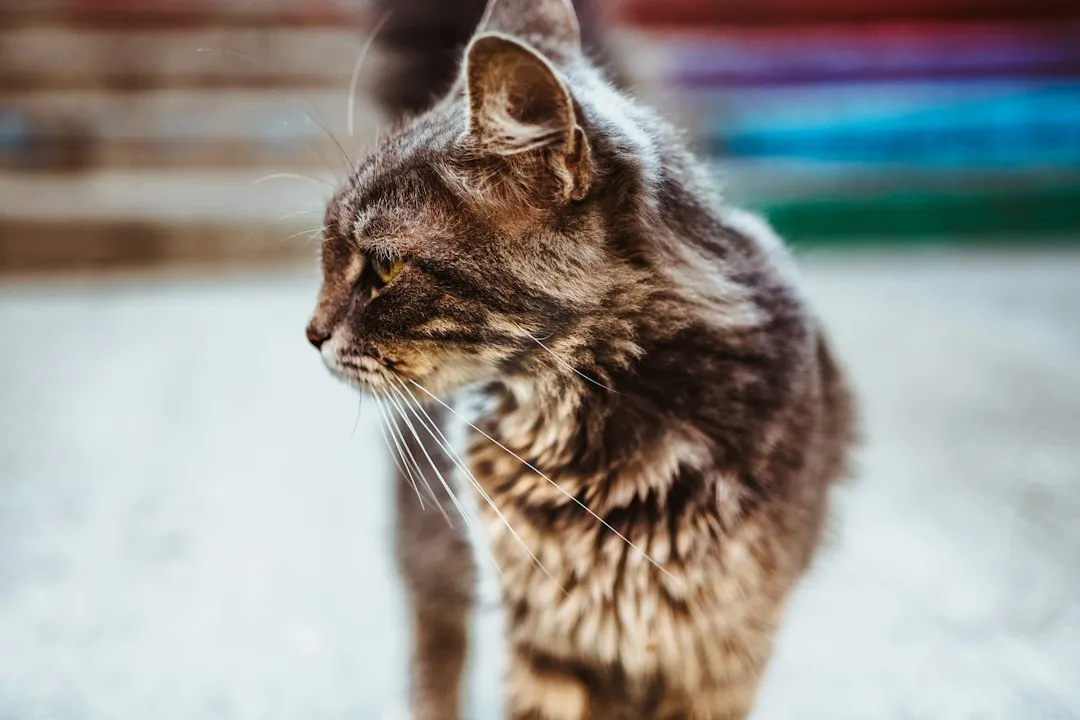
The most dangerous pain sign of all is the one that takes months to notice, not minutes. Weight loss, appetite loss, depression, a change in general attitude, and poor grooming habits are all clinical signs of osteoarthritis that build slowly rather than announcing themselves.
This is the sign experienced owners miss most often, precisely because it’s gradual – nobody weighs their cat weekly, so a slow decline over months can go completely unnoticed until the cat looks visibly thinner. By the time weight loss is obvious to the eye, the underlying pain has usually been present for a long time already, quietly eroding appetite, mobility, and grooming all at once.
The Bottom Line
🔥 Would you like to save this?
We'll email this post to you, so you can come back to it later!
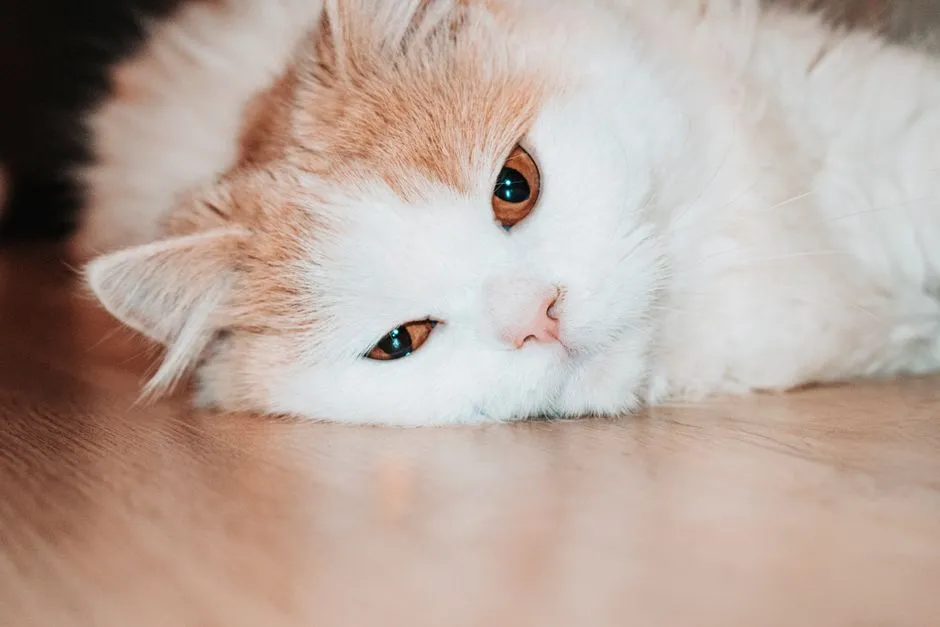
Here’s the uncomfortable truth: cats aren’t secretly moody creatures who occasionally act strange for no reason. They’re animals biologically wired to hide the very thing that would help them the most. The squint, the quiet, the extra sleep, the sudden pickiness at mealtime – none of these are personality quirks. They’re a language.
Veterinary researchers have literally built scoring scales around a cat’s face because that’s often the only honest signal left. We think the biggest mistake owners make isn’t ignoring obvious pain – it’s assuming that if a cat isn’t crying or limping, it must be fine. That assumption alone costs cats months, sometimes years, of untreated discomfort.
Fast Facts
- Face: squinting, flattened or rotated ears, bunched whiskers, a tense muzzle
- Body: hunched posture, a stiffer gait, sudden reluctance to jump
- Habits: grooming extremes, litter box avoidance, appetite changes, extra sleep
- Behavior: new hiding, vocal shifts, touch sensitivity, restlessness, and misleading purring
Which of these 18 signs did you always assume was just “your cat being a cat”? Drop it in the comments.

- 23 Warm Corners an Elderly Cat Keeps Returning To All Winter - October 29, 2026
- 16 Behaviours Showing a Cat Considers a House Permanent Now - October 29, 2026
- 15 Wildlife Programmes a Lifetime Pass Holder Over 62 Can Join Free - October 29, 2026