
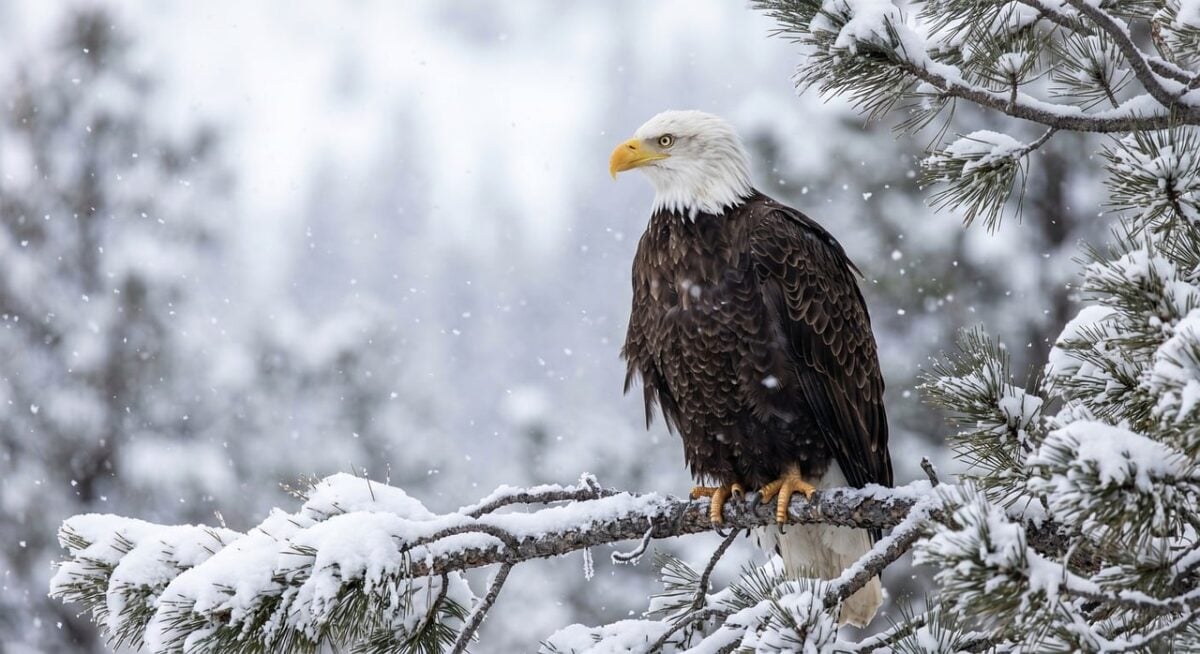
Picture the bald eagle in winter and you probably see the poster version: a lone, iron-jawed survivor frozen to a bare branch, staring down a blizzard like it’s daring the weather to try something. That image is on money, murals, and half the pickup trucks in America.
It’s also mostly wrong. The real winter bald eagle is a hoarder, a thief, a scavenger, a roommate, and sometimes a bird that does absolutely nothing for hours on end. Some of what they actually do would get a person kicked out of a neighborhood. Here’s what wildlife biologists and long-time eagle watchers see once the temperature drops – starting at #18 and counting down to the behavior that explains all the others.
#18 – They Turn into Seasonal Migrants (But Not the Way You Think)
🔥 Would you like to save this?
We'll email this post to you, so you can come back to it later!
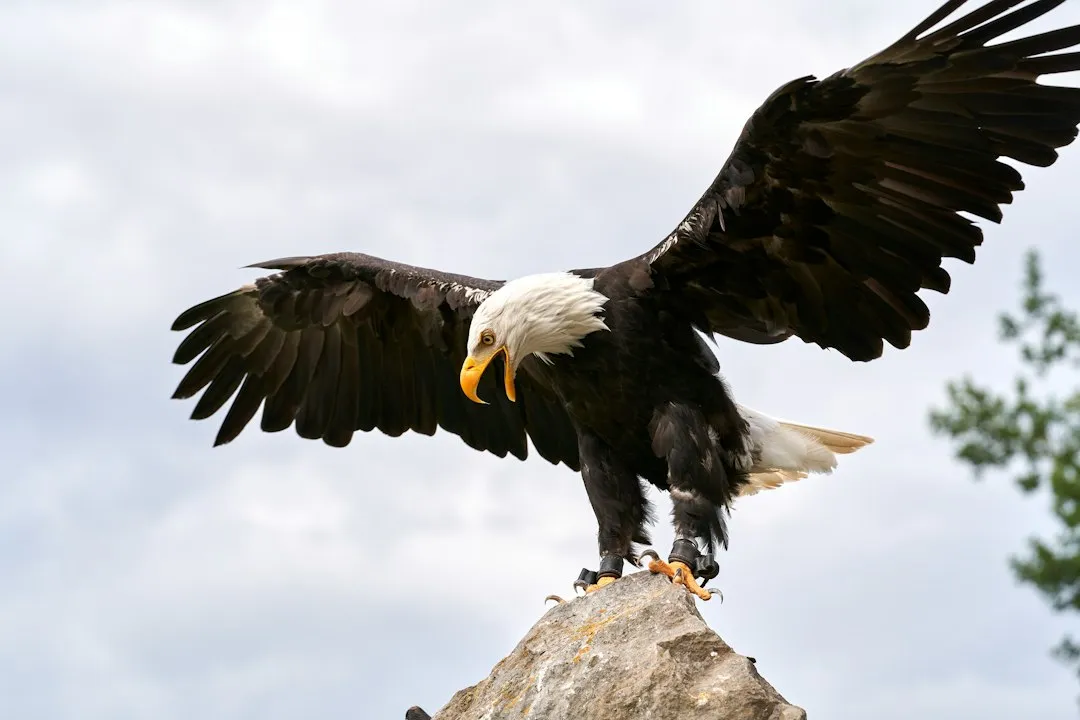
Most people assume bald eagles either stay put all winter or fly south like geese. In reality, a surprising number become short-distance, highly strategic migrants. They’re not chasing warm weather – they’re chasing open water and fish. When lakes and rivers freeze solid, northern eagles quietly slide south or downslope just far enough to find a meal.
That might mean moving from interior lakes to big rivers with strong currents that resist freezing, or from frozen mountain country down to coastal estuaries. What surprises people is how flexible this is from bird to bird. Some adults barely move 30 to 50 miles all winter. Others zigzag hundreds of miles, pausing wherever the fishing looks decent.
They’re less like commuters on a fixed route and more like road-trippers checking conditions as they go. You’ll even see what biologists call partial migration in the same region – some eagles stay put while others bail. Occasionally a mated pair splits up for weeks if one bird is confident enough in its local hunting skills to ride out the cold at home.
#17 – They Form Massive Winter “Eagle Cities”
🔥 Would you like to save this?
We'll email this post to you, so you can come back to it later!
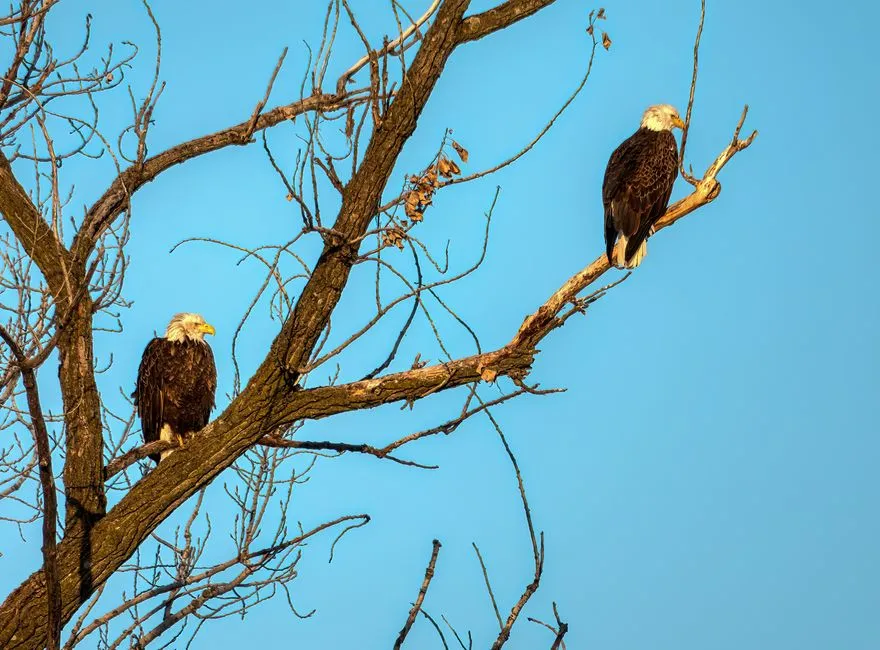
Bald eagles have a reputation as loners, but winter blows that reputation up completely. In certain river valleys, reservoirs, and coastal inlets, you can see dozens – sometimes well over a hundred – bald eagles roosting and feeding in the same stretch of shoreline.
These gatherings form around reliable food: late salmon runs, fish carcasses, or a patch of open water surrounded by miles of ice. To a first-time visitor, it looks like a convention of national symbols. To a biologist, it’s closer to a seasonal boomtown where everyone tolerates everyone else because the buffet is too good to walk away from.
Here’s the part that stirs debate. Some photographers use these massive gatherings as proof that eagle populations are booming everywhere, which isn’t always true. A single spectacular winter site can make the species look common even in regions where actual nesting territory is scarce and fiercely contested. Inside these crowds, the social order is brutal – dominant adults claim the best perches, younger birds get pushed to the edges, and fights over fish break out constantly.
At a Glance
- Winter roosts can host dozens – sometimes over 100 – eagles along a single shoreline
- Gatherings form around reliable food: salmon runs, carcasses, or open water ringed by ice
- Dominant adults claim the best perches; younger birds get pushed to the edges
- A single spectacular site can make the species look more common than it really is regionally
#16 – They Suddenly Eat a Lot More Dead Stuff Than You’d Expect
🔥 Would you like to save this?
We'll email this post to you, so you can come back to it later!
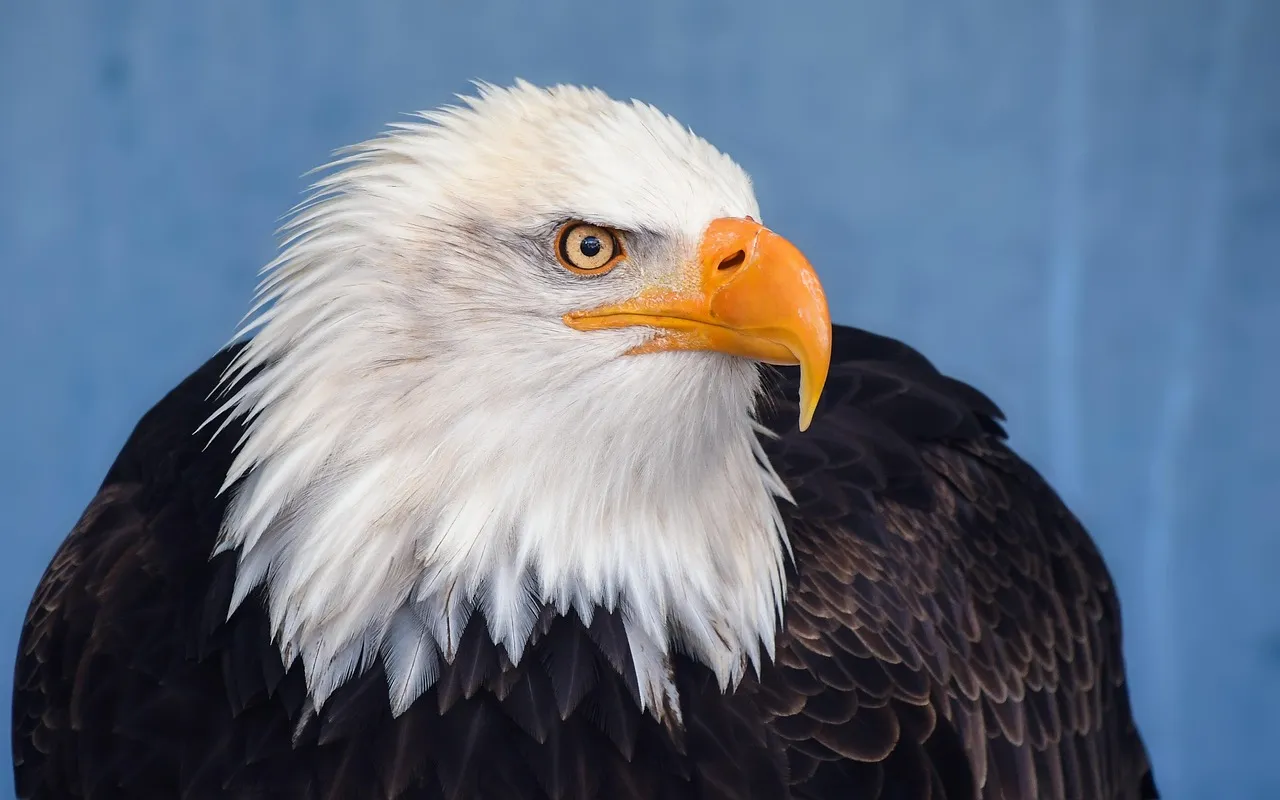
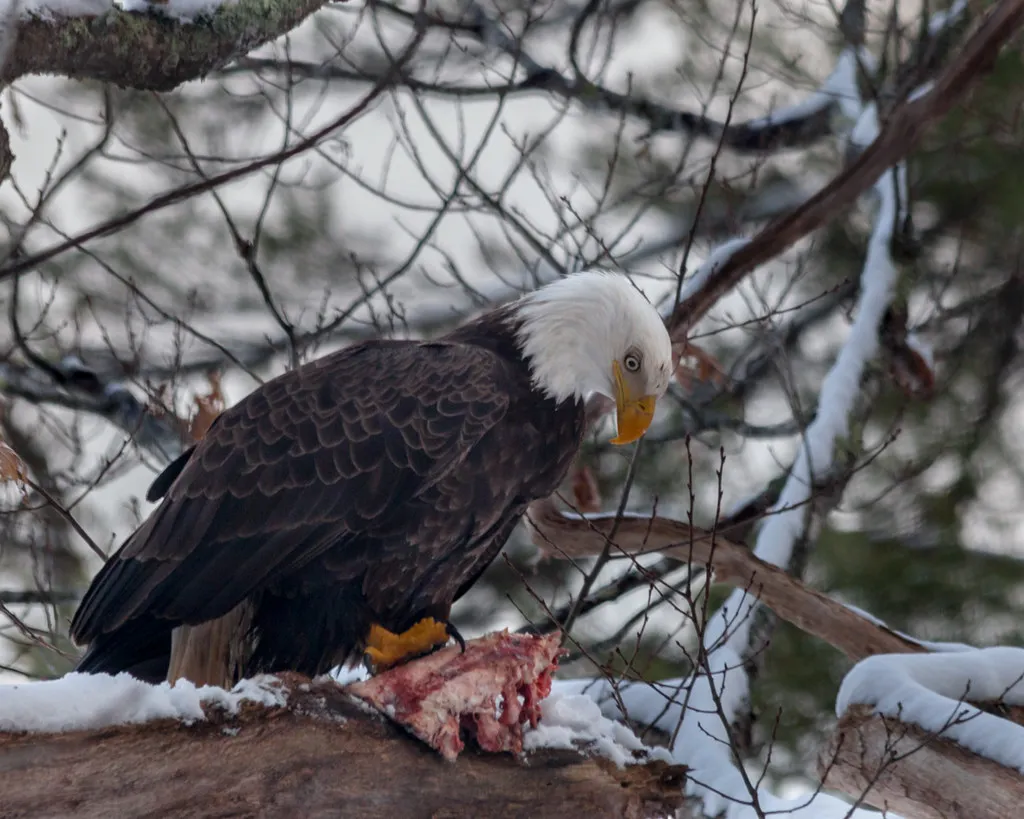
Ask someone what bald eagles eat and they’ll say “fish” without blinking. That image falls apart fast in winter. A huge chunk of their cold-season diet is carrion – animals that are already dead. When ice locks up the water or storms make hunting a losing bet, eagles pivot hard into scavenger mode.
Road-killed deer, winter-killed waterfowl, dead salmon rotting along riverbanks, even livestock carcasses on farms – if it’s protein and exposed, an eagle will at least come take a look. Two details tend to surprise people the most.
First, eagles are often second or third in line behind ravens, crows, or even coyotes at a carcass, especially the younger, less confident birds. Second, they’ll return to the same dead animal for days, essentially turning it into a personal feeding station. Some people get oddly disappointed by this, as if scavenging makes the bird “less noble.” In reality, eating carrion is one of the smartest energy-saving moves a large bird can make when every calorie burned chasing a live fish under ice is a gamble.
#15 – They Steal Food Like Professional Bullies
🔥 Would you like to save this?
We'll email this post to you, so you can come back to it later!
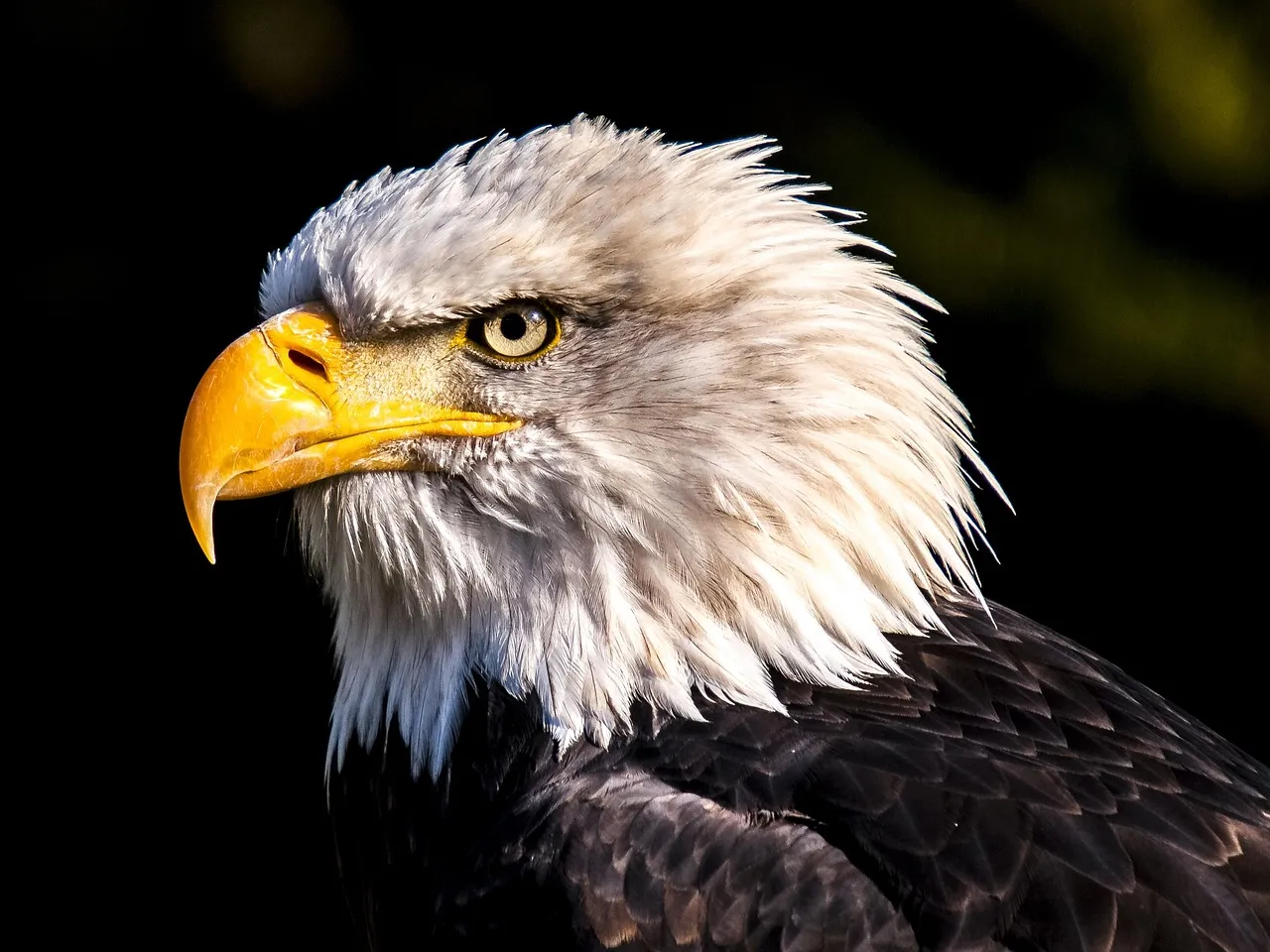
If bald eagles had a winter job title, it would be full-time thief. As prey gets harder to catch, they lean hard into kleptoparasitism – stealing food that another animal already caught. You’ll see them harassing ospreys carrying fresh fish, gulls and ducks with scraps, and even other eagles who got lucky first.
The move is simple and effective. An eagle dives or swoops repeatedly at the bird holding food, forcing it to drop the catch or flee entirely. The thief swoops in and claims the meal while the original hunter nurses its ego somewhere nearby.
Biologists will tell you this isn’t laziness, it’s cold-weather math. Why burn twenty minutes chasing a fish under ice when two minutes of intimidation gets the same result for free? It’s such a well-known trait that Benjamin Franklin famously used it to argue against the bald eagle as a national symbol.
He does not get his living honestly… too lazy to fish for himself, he watches the labor of the fishing hawk, and when that diligent bird has at length taken a fish… the bald eagle pursues him and takes it from him.
Benjamin Franklin
Franklin wrote that over two centuries ago, and modern eagle watchers can confirm – he wasn’t exaggerating one bit.
#14 – They Roost Together Like Roommates, Not Lone Wolves
🔥 Would you like to save this?
We'll email this post to you, so you can come back to it later!
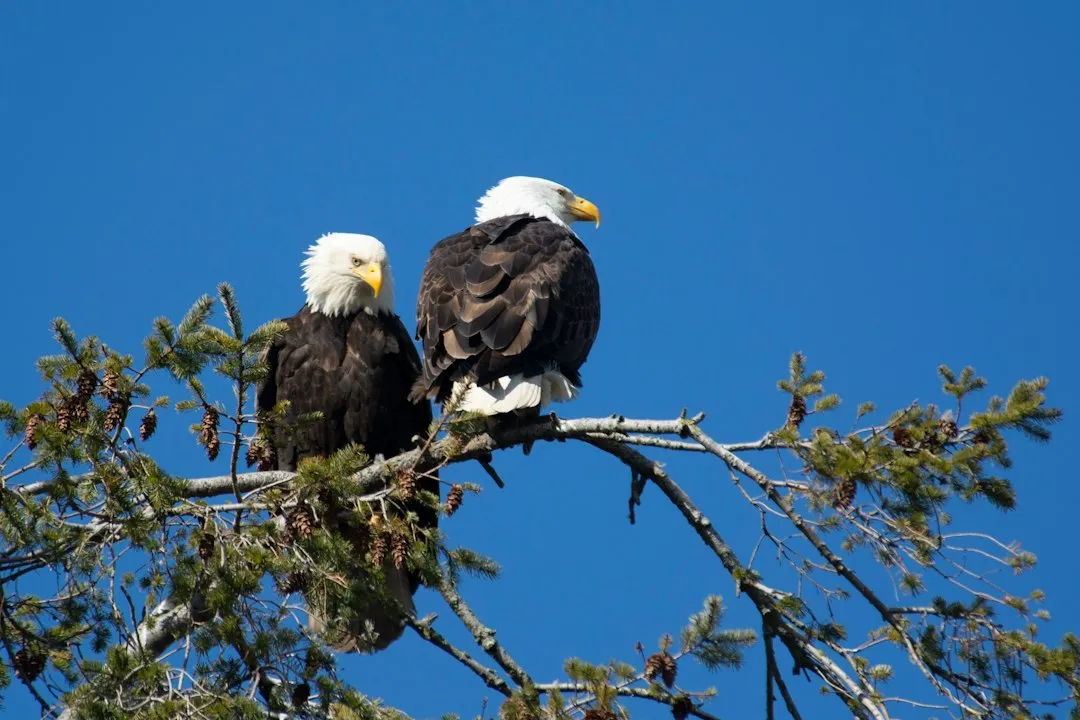
The “lone eagle on a cliff” image sells posters, but winter nights tell a completely different story. Bald eagles often roost communally in cold weather, packing into the same cluster of mature trees night after night. A single well-used winter roost can hold anywhere from a dozen to several dozen birds, mixing adults and immatures from entirely different breeding regions.
These shared roosts offer three real advantages. Tall conifers or sheltered valleys cut windchill dramatically. Birds leaving together at dawn often take cues from where others are heading to feed, essentially crowdsourcing breakfast. And a tree full of giant raptors is simply safer from predators than a single bird alone.
What most people don’t realize is how fragile these sites are. One noisy group of visitors, or a drone buzzing too close, can flush an entire roost and force dozens of birds to burn precious energy relocating on a brutal night. Many wildlife managers quietly consider repeated roost disturbance one of the most underrated threats eagles face all winter.
#13 – They Become Shockingly Quiet (Until They Don’t)
🔥 Would you like to save this?
We'll email this post to you, so you can come back to it later!
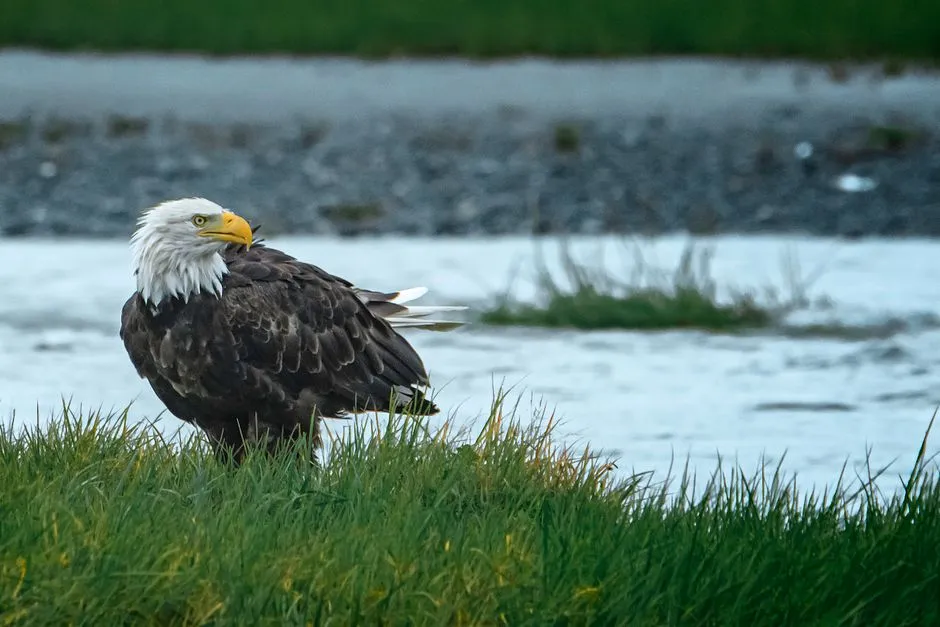
If you’ve heard bald eagles described as “screaming symbols of freedom,” winter will confuse you. They’re often far quieter in the cold months than people expect, especially around roosts and feeding hotspots. Energy conservation is part of it – every unnecessary sound is another calorie spent in a season where calories are precious.
You can watch dozens of eagles perched along an icy river in near total silence, broken only by wingbeats and the occasional squabble. But when they do speak up, it means something. Short, sharp calls at a feeding site signal dominance or a claim to food, while harsher calls warn off intruders near a chosen perch.
Here’s the twist that annoys some visitors: Hollywood almost never uses the actual bald eagle call. Movies and shows dub in the louder, more dramatic red-tailed hawk scream instead. People show up expecting a cinematic roar and get thin, high-pitched chirps that sound, frankly, underwhelming. The real sound is subtler than the myth, and plenty of first-timers leave a little let down by that.
#12 – They Use Ice and Snow Like Hunting Platforms
🔥 Would you like to save this?
We'll email this post to you, so you can come back to it later!
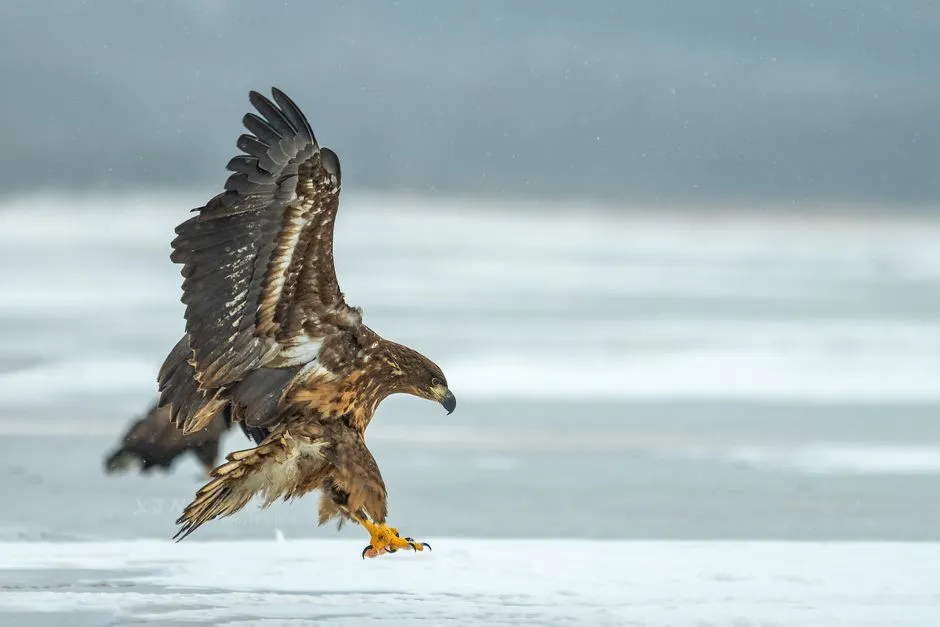
Most people assume snow and ice only make hunting harder. Bald eagles, being relentless opportunists, turn frozen landscapes into tools instead. Along frozen lakes and rivers, they’ll stand on the ice edge waiting to pounce on fish trapped near a small opening, scan for waterfowl squeezed into narrow bands of open water, or watch for anything weakened and stuck in a slushy patch.
Snow cover also does the eagle’s work for it visually. A dark-feathered duck or an injured goose on a white field stands out like a target on a shooting range. Combine that with bare, leafless trees giving eagles a clearer line of sight than at any other time of year, and winter actually becomes one of the easier hunting seasons – if you’re the eagle.
There’s friction here too. Some hunters and waterfowl enthusiasts view winter eagles as freeloaders, capitalizing on open-water holes that duck hunters carefully maintain. From the eagle’s side of things, though, this is exactly the kind of low-effort, high-reward hunting that gets it through February alive, and it doesn’t much care who dug the hole.
#11 – They Cache Food Like Survival Preppers
🔥 Would you like to save this?
We'll email this post to you, so you can come back to it later!
You might picture an eagle finishing every scrap it catches. In reality, they sometimes behave more like little survival preppers, stashing food for later when they get the chance. When an eagle stumbles onto a large carcass – a deer, a seal, a heavy salmon run – it can’t safely eat the whole thing in one sitting without getting dangerously heavy and sluggish in freezing air.
So it feeds to a safe level, then hides or partially buries the leftovers under snow, grass, or brush, and comes back later – often early morning, when other scavengers are less active. These caches aren’t secure vaults. Ravens, coyotes, foxes, and even other eagles will happily raid one if they find it first.
Still, from a survival standpoint, turning one lucky day into two or three separate meals can be the difference between an eagle thriving through winter and barely scraping by. Some skeptics argue we over-romanticize this as “planning” when it might just be instinct meeting opportunity. Either way, the result is the same: winter eagles don’t rely purely on luck, they bank their wins whenever they can.
#10 – They Spend Long Hours Doing Absolutely Nothing
🔥 Would you like to save this?
We'll email this post to you, so you can come back to it later!
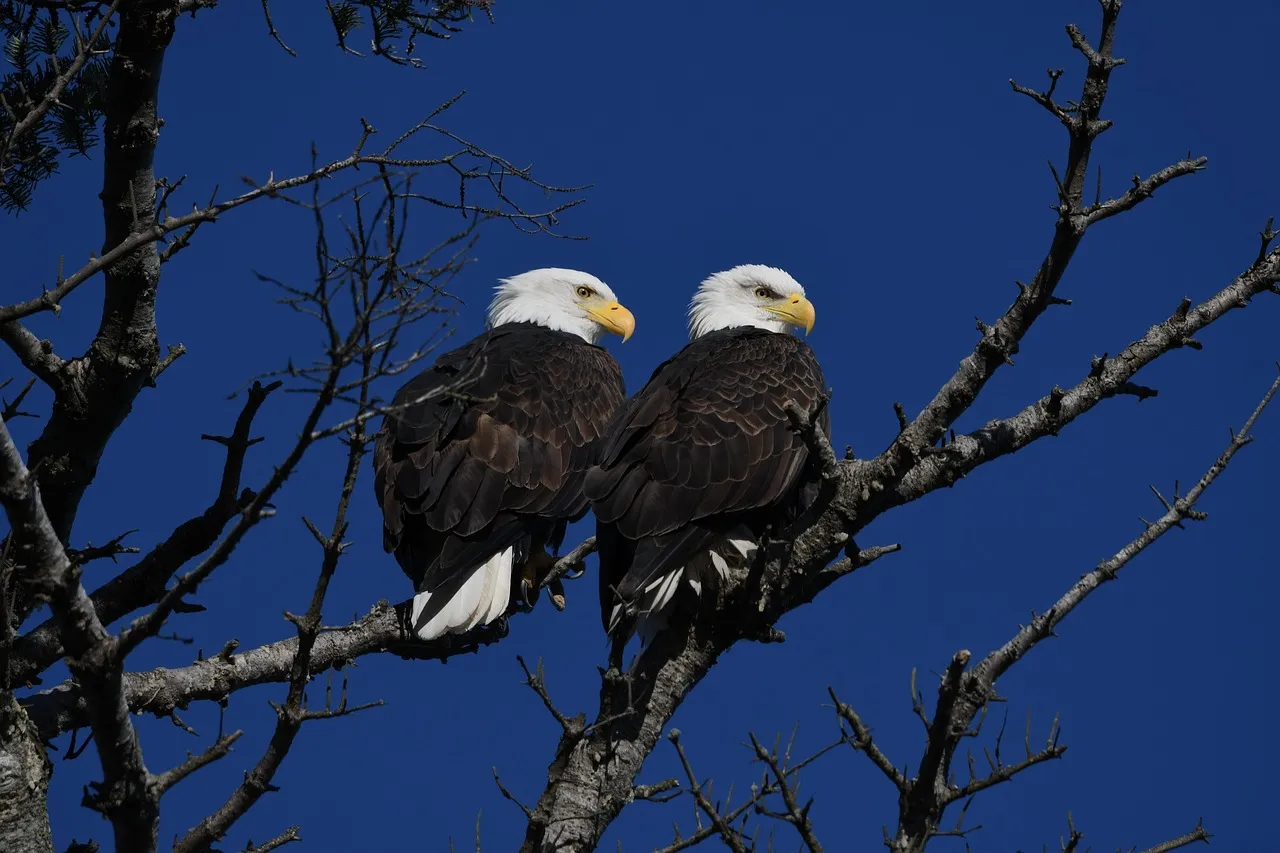
Watch an eagle in summer and you’ll see fishing, nest defense, chick feeding, constant motion. Watch one in winter and you might think you caught it on vacation. They can spend astonishing stretches perched, barely moving a feather, for hours at a time.
From a distance, that looks boring to visitors hoping for action shots. Up close, it’s hardcore energy accounting. Long, motionless sits help conserve body heat. Perching high gives a wide view while burning almost nothing. And waiting for the perfect low-effort opportunity beats chasing every maybe-meal that flies by.
Birds that flit constantly burn themselves into a calorie deficit fast. Birds that master stillness live longer. Some casual observers mistake this stillness for sickness or weakness, but the opposite is true – extreme patience is a healthy eagle’s winter superpower, and the ones doing the least are often the ones doing it right.
Fast Facts
- Long, motionless perching lowers heat loss in freezing air
- A high perch offers a wide hunting view while burning almost no energy
- Waiting for a low-effort opportunity beats chasing every meal that flies by
- Constant motion drains calories fast; stillness helps eagles outlast the cold
#9 – They Tolerate Humans in Winter… Up to a Point
🔥 Would you like to save this?
We'll email this post to you, so you can come back to it later!
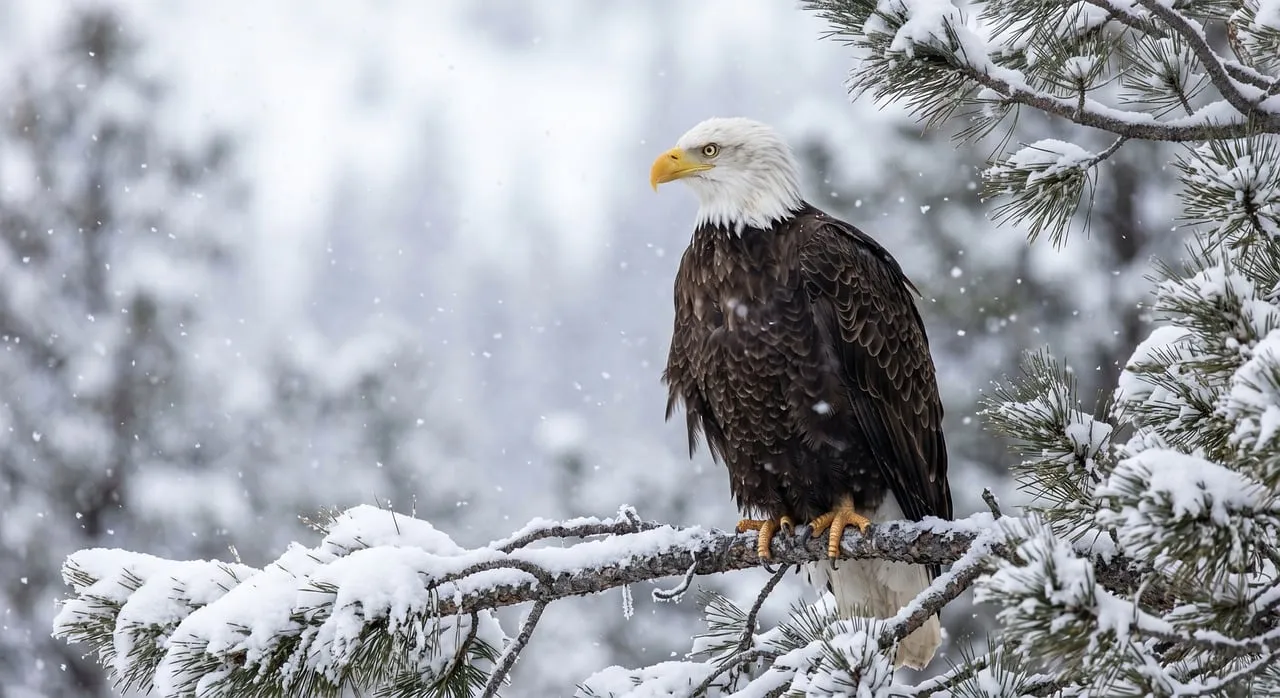
Here’s something birders argue about constantly: in winter, bald eagles often let people get closer than expected – right up until they don’t. Cold weather and limited daylight compress feeding windows, so eagles sometimes tolerate fishermen nearby on a productive river, birders and photographers at a respectful distance, and even steady traffic on bridges where they perch to watch the water.
There’s a dangerous misconception buried in this, though. That tolerance isn’t comfort – it’s a stressed compromise. Repeatedly flushing a bird off its feeding spot or roost forces it to burn fat reserves it may not be able to spare.
Wildlife managers often point out that the “one extra approach” for a better photo might be the exact push that tips an already marginal bird into real trouble. It’s not a dramatic enough idea for social media, but backing off earlier than you think you need to is the actual pro move in winter.
#8 – They Regularly Show Up in Places People Swear They’ve “Never Seen Them”
🔥 Would you like to save this?
We'll email this post to you, so you can come back to it later!
Every winter, local Facebook groups light up with the same claim: “I’ve lived here 40 years and never seen a bald eagle until now.” Part of that is genuine population recovery. But a bigger part is simply how fluid bald eagle winter ranges actually are.
When food or ice conditions shift even slightly, eagles follow river openings created by dam releases or warm inflows, explore new landfills, fish farms, or coastal outflows, and drift into suburbs and small towns that happen to sit near open water. Because they’re not tied to a nest site outside breeding season, they’re free to experiment. If one spot disappoints, they simply leave.
That flexibility means a pond that’s been eagle-free for years can suddenly host multiple birds in a single cold season. Some longtime residents insist this proves their area has become permanent “core habitat,” when often it’s closer to a temporary winter pop-up. The truth is less romantic and more dynamic: bald eagles go wherever the winter food math balances out best, and that may or may not be your backyard two winters in a row.
#7 – They Put Breeding on Pause… Mostly
🔥 Would you like to save this?
We'll email this post to you, so you can come back to it later!
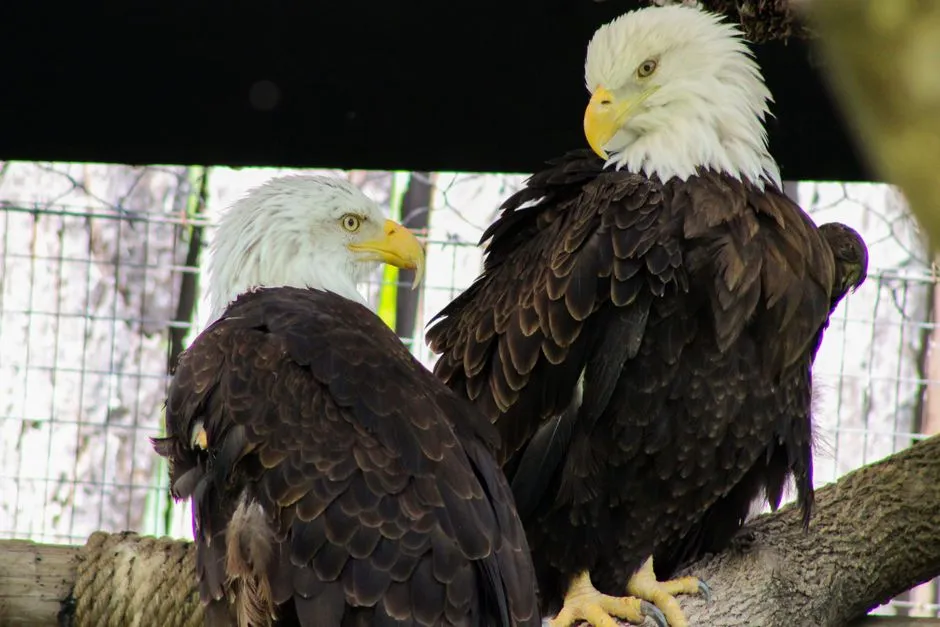
While songbirds are pairing up and practicing courtship calls, bald eagles in the dead of winter mostly look like they’ve shelved romance entirely. Serious breeding effort is typically delayed until late winter or early spring, depending on latitude. But watch closely and you’ll catch the preview.
Established pairs perch together more often as winter edges toward its end. They start revisiting old nests, rearranging sticks, adding fresh material. Occasional aerial displays and synchronized flights hint at what’s coming.
The timing is what surprises people most. In northern regions, by the time people “feel” spring arriving, many eagles have already finished critical pair-bonding and nest repair in cold that would send most humans straight back inside. Some observers like to call this a “reunion,” as if it’s a romance movie. Biologists push back on that framing – it’s about territory and reproduction first, sentiment a distant second, if at all.
#6 – Young Bald Eagles Wander Like Teenagers on a Road Trip
🔥 Would you like to save this?
We'll email this post to you, so you can come back to it later!
Adult eagles in winter are calculating strategists. Young eagles are something else entirely – downright nomadic. Immature bald eagles can roam hundreds, even thousands of miles in a single cold season. Since they’re not tied to a nesting territory yet, juveniles spend their first winters following river systems or coastlines in loose, shifting groups, sampling different wintering sites, and learning – often the hard way – where reliable food actually shows up.
This is exactly when you’re most likely to spot an eagle somewhere totally unexpected: a farm field far from any water, a highway corridor, the edge of a landfill. Many of those out-of-place birds are simply young and still figuring out the rules.
Some people find it unpleasant to see immature eagles picking through a landfill, calling it undignified. The blunt biology is this: a reliable, calorie-dense food source can be the difference between a juvenile surviving its first winter or not. It might offend our aesthetics, but the bird’s survival instincts don’t consult our opinions.
#5 – They Look Completely Different in Winter Than People Expect
🔥 Would you like to save this?
We'll email this post to you, so you can come back to it later!
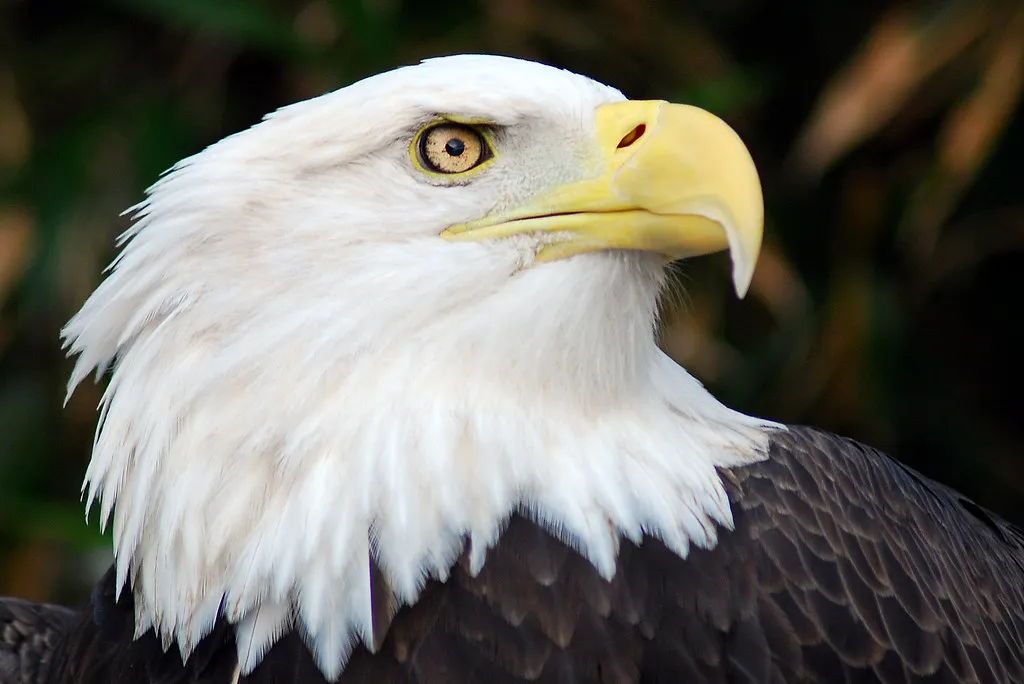
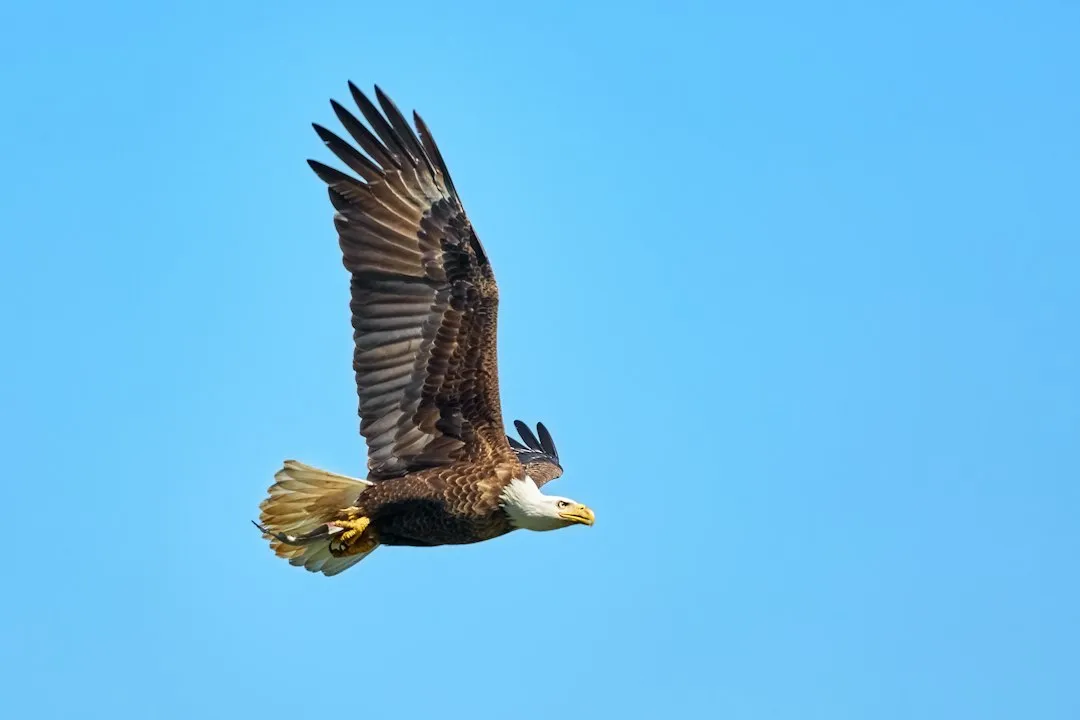
Most patriotic imagery shows a crisp white head and tail, golden eyes, chocolate-brown body. Then someone spots a big, blotchy brown-and-white bird in winter and swears it can’t possibly be a bald eagle. In reality, plenty of winter eagles are mottled, awkward-looking immatures still years away from that classic look.
For their first several years, bald eagles cycle through splotchy brown-and-white plumages, beak colors shifting from dark to bright yellow, and patchy head patterns that genuinely confuse casual observers. Winter concentrations make this even more obvious, since so many younger birds get pushed into the same shared feeding zones – it can look like several species mixed together when it’s really just one species at different ages.
Here’s where opinions clash. Some people dismiss immature birds as “not the real deal,” saving their attention for the photogenic white-headed adults. Serious eagle watchers will tell you that’s exactly backwards – if you want to understand where the species is headed, you watch the scruffy teenagers fighting to survive winter, not just the postcard-ready adults.
#4 – They Act Like Top Predators, Scavengers, and Janitors, All in One Day
🔥 Would you like to save this?
We'll email this post to you, so you can come back to it later!
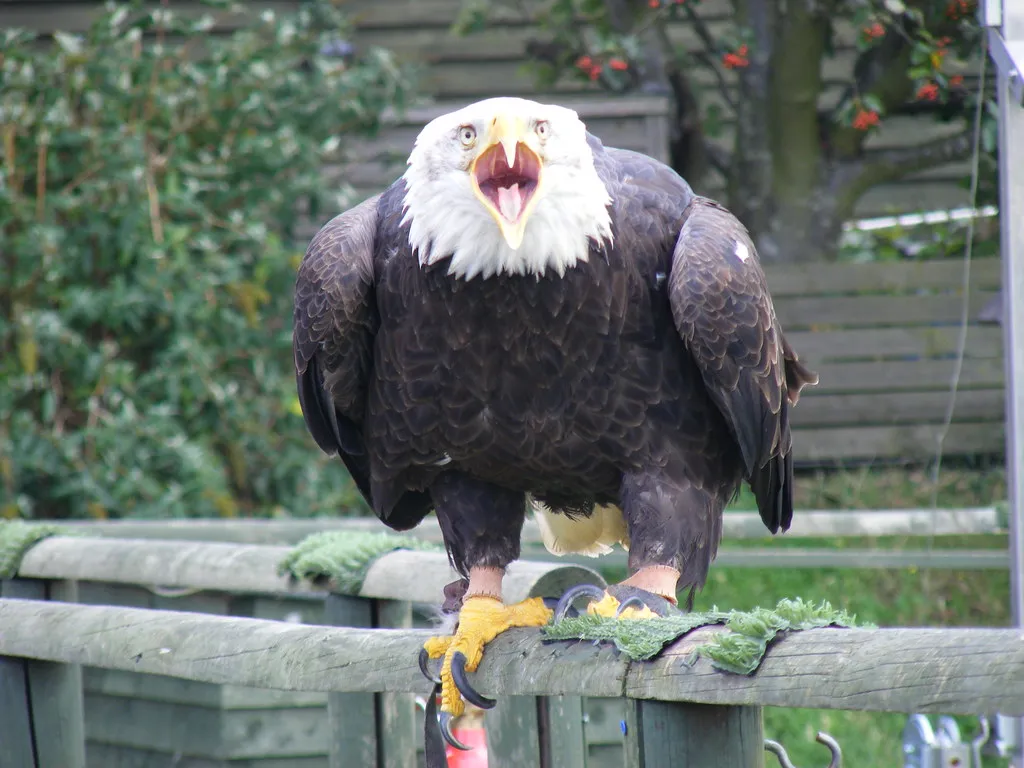
We love tidy categories – predator versus scavenger, hunter versus cleaner. Winter bald eagles refuse to stay in any single box. On one icy river, the same bird might play all three roles before sunset.
In the morning, it hunts live fish in an open pocket of water, diving with that billboard-worthy grace we all recognize. By midday, it spots a dead goose frozen into the ice edge and spends an hour tearing it open, uneasily sharing space with a circle of ravens. By late afternoon, it bullies a younger eagle off a deer carcass up on the bank, claiming a meal it neither killed nor found first.
From an ecosystem view, this constant role-switching is a feature, not a flaw. By eating dead animals, eagles help limit disease spread and return nutrients to the system faster than decomposition alone would. They’re cleaning up winter’s casualties even as they create a few of their own. Some people cling stubbornly to the “pure hunter” myth because it feels more heroic – but the truth, that a national symbol moonlights as a part-time janitor, is arguably more impressive, not less.
#3 – They Handle Brutal Cold with Built-In “Tech” You Don’t See
🔥 Would you like to save this?
We'll email this post to you, so you can come back to it later!
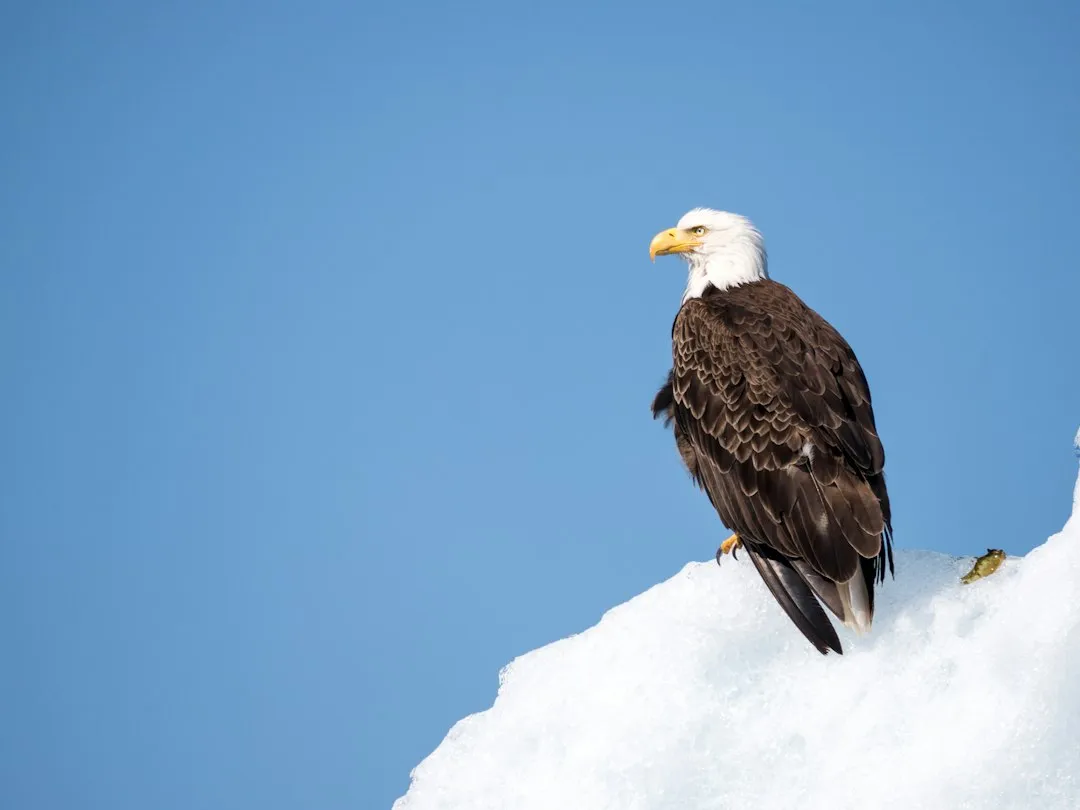
When temperatures plunge, human visitors show up bundled in high-end parkas. Bald eagles rely on hidden anatomical tricks instead, letting them perch in sub-zero wind without frosting over. Dense, layered down under their outer feathers traps warm air close to the body. A specialized circulatory system in their legs and feet – counter-current heat exchange – limits heat loss while they stand directly on ice. They can even puff up or sleek down their feathers to fine-tune insulation on the fly.
One of the most surprising facts for people: an eagle can stand on ice for hours without “freezing its feet off,” because relatively little warm blood actually reaches those extremities in the first place. The feet simply run cooler than the core, so there’s far less heat to lose out there.
Some observers project human discomfort onto the bird, assuming it must be miserable out there. In truth, cold becomes dangerous mainly when food runs short. A well-fed eagle tolerates shockingly low temperatures without issue, while a hungry one can be in real trouble even in milder weather. The thermostat that actually matters isn’t the air temperature – it’s the food supply.
Why It Stands Out
- Dense, layered down traps warm air close to the body
- Counter-current heat exchange in the legs limits heat loss while standing on ice
- Feathers can be puffed up or sleeked down to fine-tune insulation instantly
- Feet run cooler than the core, so there’s little warm blood left to lose to the cold
#2 – They Turn Dams and Human Structures into Winter Hunting Tools
🔥 Would you like to save this?
We'll email this post to you, so you can come back to it later!
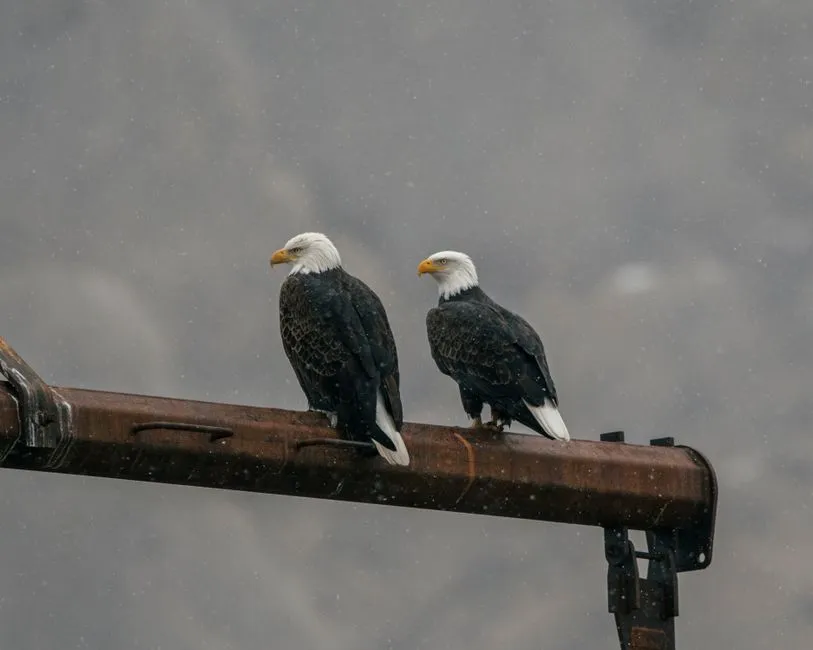
Here’s the part many people don’t want to admit: bald eagles are absolutely willing to exploit our infrastructure in winter if it gives them an edge. You’ll see them lining up below dams where fish are stunned or concentrated by turbines, perching on bridge railings to watch ice floes and waterfowl traffic, and roosting in tall transmission towers or cell structures when mature trees are scarce.
At some hydro facilities, dozens of eagles gather in winter simply because outflow water stays open and fish pile up, injured or disoriented, in the current below. It’s not “natural” in the postcard sense, but to the bird it’s all the same math: easy calories at a time of year when easy calories are rare.
This creates real tension among purists. Some argue that celebrating eagles at dams cheapens the wildness of the species. Others counter that adapting to human-altered landscapes is exactly why bald eagles have rebounded as well as they have in so many regions. Either way, pretending they only belong on pristine mountaintops is more fantasy than biology.
#1 – They Quietly Survive Winter on a Razor-Thin Energy Budget
🔥 Would you like to save this?
We'll email this post to you, so you can come back to it later!
Strip away the symbolism and the social-media-friendly moments, and winter bald eagles come down to one brutal, unglamorous truth: every day is a math problem of calories in versus calories out. Everything on this list – migrating just far enough, gathering in big groups at key spots, eating carrion, stealing food, caching leftovers, sitting motionless for hours, tolerating humans only when they must – all of it plugs into that same equation.
A typical adult needs a substantial amount of food each day, but not so much at once that it becomes heavy and sluggish, which is its own kind of danger. Fail to hit that balance for too many days in a row, and even a majestic national symbol can starve quietly in plain view of a scenic overlook.
This is the part people don’t want to hear. We like believing “nature is resilient” and “the eagles will be fine.” Many will be. But winter exposes every crack in the system – a fish run wiped out by pollution, a traditional night roost destroyed by development, a feeding ground flushed over and over by well-meaning photographers. When any of those happen, the math stops working quietly, long before the Instagram photos stop coming in.
Worth Knowing
- Every winter behavior on this list ties back to one equation: calories in versus calories out
- Eating too much at once can leave an eagle heavy and sluggish – a real danger in freezing conditions
- A wiped-out fish run, a destroyed roost, or constant disturbance can quietly break the math
- Food supply, not air temperature, is the real thermostat that decides a winter eagle’s fate
That tension between the romantic symbol and the harsh winter ledger is exactly why watching bald eagles in the cold months hits harder than any 4th of July poster ever could.
The Bottom Line
🔥 Would you like to save this?
We'll email this post to you, so you can come back to it later!
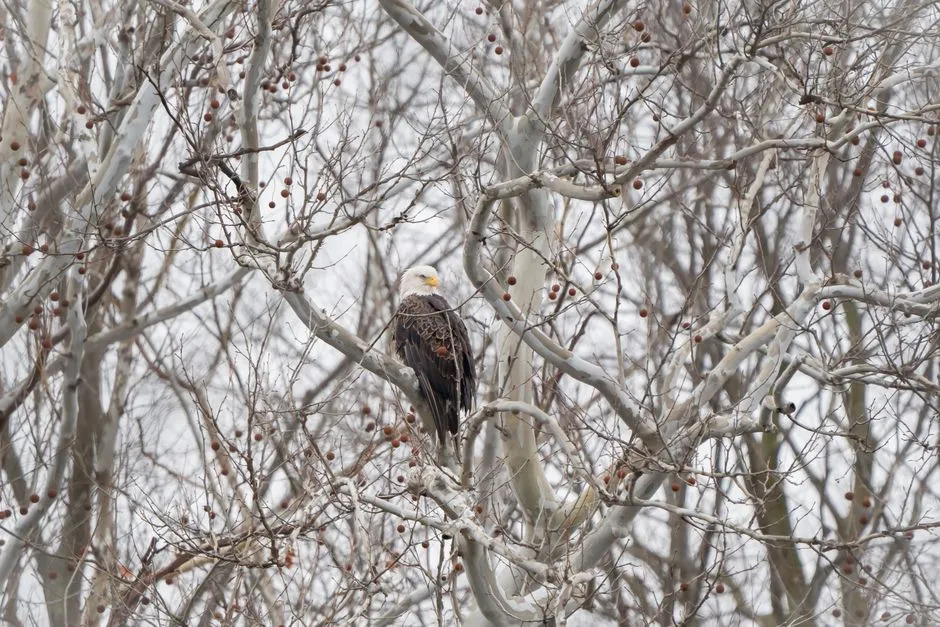
Winter strips the bald eagle of nearly every myth we’ve built around it and leaves behind the real animal: a tough, calculating survivor that scavenges as readily as it hunts, shares trees when it has to, bullies when it can get away with it, and spends long, quiet hours doing nothing because that’s how you actually make it through February on a razor-thin energy budget.
The truth is less cinematic than a slow-motion fishing dive, and honestly more interesting. These birds win winter by being flexible, opportunistic, and, frankly, a little ruthless. Some people will always cling to the noble-lone-hunter fantasy. Others will see the scruffy juveniles at the landfill, the theft below the dam, the silence in the icy roost, and respect the species more, not less, for what it actually is.
My take: the real bald eagle is more impressive than the poster version, not less. A bird tough enough to steal, scavenge, freeze, and outlast an entire season without complaint doesn’t need the mythology – it earns the respect on its own. Which side are you on: the poster eagle, or the real winter survivor? If you’ve watched one pull off a behavior we didn’t cover here, we want to hear about it.

- Why Veterinarians Say If Your Cat Sleeps With Their Back to You, It's the Highest Form of Trust in Feline Behavior - November 5, 2026
- 10 Common Garden Pests That Are Actually Beneficial To Your Backyard Ecosystem - November 5, 2026
- 10 Unusual Reasons Older Adults Bond More Deeply With Certain Dog Breeds - November 5, 2026